
Embracing a Zero-Waste Kitchen: Simple Swaps for a Sustainable Home
In a world increasingly conscious of its environmental footprint, the journey towards a more sustainable lifestyle can feel daunting. Yet, profound change often begins with small, manageable steps, particularly within the heart of our homes: the kitchen. My wonderful friend Colleen, a constant source of inspiration, has been sharing engaging memes on social media that genuinely sparked my personal commitment. Her consistent messaging about mindful consumption and reducing waste encouraged me to take tangible actions, starting right in my own kitchen.
It’s crucial to preface this by saying I am far from perfect on this journey. Like many, I still enjoy the convenience of instant ramen noodles, store-bought plant-based milks, and other packaged foods. My approach mirrors my gradual transition to veganism, which took years of intentional, progressive changes. I firmly believe that making even a minor positive adjustment is infinitely better than making no change at all. Every conscious decision, no matter how small, contributes to a larger positive impact on our planet.
The kitchen is often a major culprit for single-use plastic waste, from grocery bags and produce packaging to food storage and meal prep. By implementing a few simple, yet effective, swaps, you can dramatically reduce your household’s plastic consumption. These aren’t drastic overhauls but rather practical alternatives that seamlessly integrate into daily life, proving that an eco-friendlier kitchen is both achievable and rewarding.
Transform Your Kitchen: Easy Swaps for a Plastic-Free Lifestyle
Here are my top easy swaps that have significantly reduced my reliance on single-use plastic and helped me create a more sustainable kitchen environment. These changes are not only beneficial for the environment but have also brought a sense of satisfaction and order to my daily routine.
-
Game-Changing Reusable Bulk and Produce Bags
These reusable bulk and produce bags have been an absolute game-changer in my efforts to reduce plastic waste during grocery shopping. Traditional grocery trips often involve accumulating a staggering amount of plastic – from the thin plastic bags used for fruits and vegetables to the myriad of plastic containers for bulk items like grains, nuts, and beans. Before discovering these, I often felt frustrated by the sheer volume of plastic I brought home after a single shopping trip.
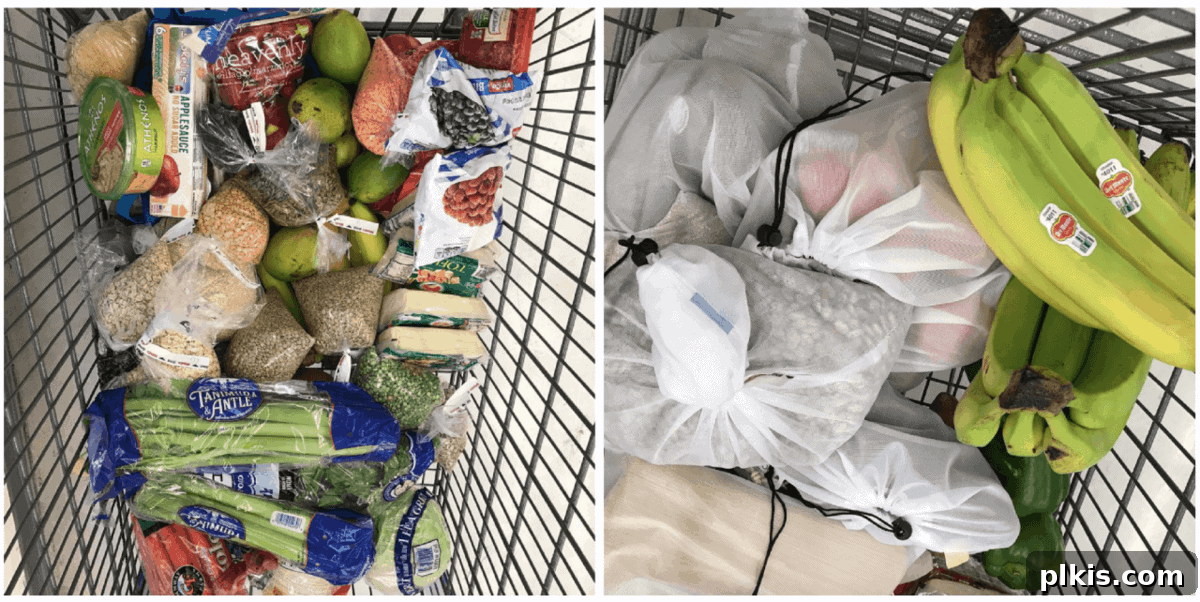
The visual impact of this swap is truly astounding. The first photo below showcases my typical grocery haul in October 2017, laden with plastic. The second photo, taken in June 2018, vividly demonstrates the dramatic reduction in plastic waste achieved by switching to reusable bags. It’s an inspiring testament to the power of a simple change!
I invested in three sets of these durable, lightweight, and see-through bags, which conveniently store in a larger reusable grocery bag in my car’s trunk. This ensures they’re always ready for my next shopping excursion. Not only are they incredibly practical, but they are also washable, making hygiene a breeze. A set of nine bags typically costs around $14, representing a small upfront investment for a significant, long-term environmental benefit. This switch allows me to confidently purchase bulk staples like quinoa, rice, and beans, along with fresh produce, without contributing to the plastic crisis. Discover how these bags can revolutionize your shopping habits too!

-
Mason Jars: Versatile Storage for a Clutter-Free Pantry
Once I return home from a plastic-free grocery trip, the next step in my zero-waste kitchen routine is transferring pantry items into versatile mason jars. These humble jars are more than just pretty storage; they are cornerstones of an organized and sustainable kitchen. I’ve accumulated a wonderful mix of jars over time, sourcing them affordably from places like Ikea and local thrift stores. However, for specific sizes and consistent aesthetics, I also purchased some of these reliable jars to meet my growing needs.
Their utility extends far beyond just storing bulk grains and legumes. I frequently use them for prepping overnight oats, blending and storing smoothies, packing leftovers for lunch, and keeping various bulk pantry staples fresh. The transparent glass allows for easy visibility of contents, which not only helps with organization but also reduces food waste by ensuring I know exactly what I have on hand. Mason jars are incredibly durable, reusable, and add a charming, rustic aesthetic to any pantry or countertop. They are an essential tool in maintaining a tidy, efficient, and eco-conscious kitchen.
-
Reusable Silicone Ziplock Bags: The Eco-Friendly Alternative
One of the most impactful switches I’ve made is saying goodbye to disposable plastic ziplock bags and embracing these incredible reusable silicone food storage bags. Traditional plastic sandwich and freezer bags are a pervasive source of waste, used once and then discarded. Silicone bags offer a robust, long-lasting, and environmentally responsible alternative that stands up to a variety of uses.
These bags are remarkably versatile and easy to maintain. They are completely safe for the dishwasher, making cleanup effortless. You can confidently use them in the freezer for meal prep or storing ingredients, and they are even boil-safe (just remember to remove any plastic slider bar if present before boiling). Beyond their functional benefits, transitioning to silicone bags offers significant financial savings over time. The cumulative cost of continuously buying disposable plastic bags adds up, so this eco-friendly swap is also a budget-friendly one – a benefit I truly appreciate! They’re perfect for marinating, freezing fruits and vegetables, storing snacks, or keeping leftovers fresh without any plastic contact. Investing in these sturdy, non-toxic alternatives is a smart move for both your wallet and the planet.
-
Stylish & Sustainable On-the-Go: Reusable Sandwich and Snack Bags
For those times when I’m packing my lunch or snacks to go, plastic wraps and disposable baggies are no longer an option. Instead, I rely on these fantastic reusable sandwich and snack bags. They offer a stylish and practical solution for carrying food without generating any waste. These bags are not only incredibly effective at keeping food fresh but also come in a wide array of cute and appealing patterns, adding a touch of personality to my packed meals.
They are easy to clean, durable, and significantly reduce the environmental impact associated with daily packed lunches. Whether it’s a sandwich for work, fruit slices for a picnic, or dry snacks for a road trip, these bags are a reliable and eco-conscious choice. This simple swap eliminates the need for endless rolls of plastic wrap and boxes of single-use bags, making your on-the-go food habits much greener and more enjoyable.
-
The Instant Pot: A Kitchen Essential for Reducing Plastic & Boosting Home Cooking
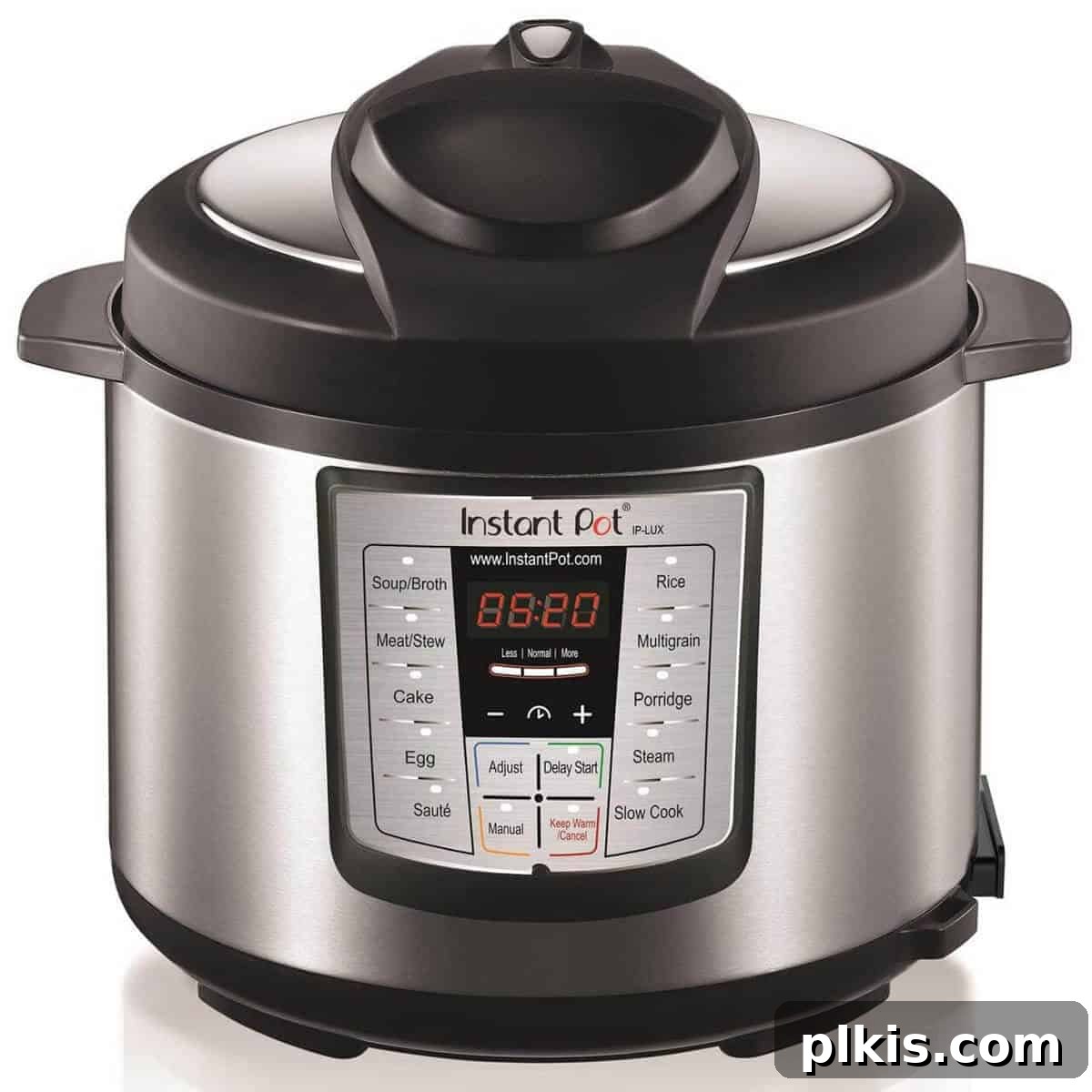
Perhaps the single most significant investment that has helped me reduce plastic waste in my kitchen is my Instant Pot. Before acquiring this versatile kitchen appliance, I often found myself relying on more expensive convenience items laden with plastic packaging. Think of those individual servings of frozen brown rice, pre-cooked quinoa pouches, or canned beans – all designed for speed but at a cost to the environment and your wallet.
My hesitation to cook staples from scratch stemmed from the time commitment. Who wants to spend 40 minutes meticulously watching brown rice on the stovetop after a long day? The Instant Pot completely eliminates this barrier. Now, I can prepare essential staples like brown rice, quinoa, and dried beans in a fraction of the time – often in half or even one-third of the usual cooking duration. This efficiency not only saves time but also frees me from the need to constantly monitor the stove, allowing me to multitask safely in the kitchen. By making home cooking of these basic ingredients incredibly easy and quick, the Instant Pot effectively removes the temptation to buy their pre-packaged, plastic-heavy counterparts.
Beyond staples, the Instant Pot opens up a world of possibilities for cooking from scratch, further reducing reliance on processed foods and their packaging. From hearty soups and stews to perfectly steamed vegetables and even homemade yogurt, it streamlines the process, making a plastic-free diet more accessible. If the cost of an Instant Pot seems a bit high, there are excellent alternatives. My parents, for instance, use this highly-rated pressure cooker, which they absolutely love, and it comes at about half the price. Investing in a multi-cooker like this is not just about convenience; it’s a powerful tool for empowering you to cook more, waste less, and embrace a truly sustainable kitchen.


Join the Movement: Your Steps Towards a Greener Kitchen
I genuinely hope you’ve found these tips helpful and inspiring as you consider your own journey towards reducing plastic waste in the kitchen. Remember, every single step, no matter how small, makes a difference. The collective impact of individual actions can lead to significant positive change for our environment.
I’d love to hear from you! What are some of your favorite strategies or innovative ways you reduce your use of plastic in your daily life? Share your insights and help inspire others in the comments section below.
For an even deeper dive into practical zero-waste living, I invite you to watch a video I created while housesitting at Colleen’s place. It’s a “What I Eat in a Day: Zero-Waste Edition!” that showcases these principles in action. Enjoy!
*Please note that some of the links provided in this article are affiliate links. Plant-Based on a Budget may earn a small commission from qualifying purchases made through these links, which helps support the upkeep and content creation for this website. Thank you for your support!