Mastering Plant-Based Eating on a Budget: Your Comprehensive $25/Week Guide
Welcome to the ultimate guide for making healthy, delicious plant-based eating accessible and affordable! This isn’t just a challenge; it’s a journey to empower you to nourish your body without breaking the bank. Our Plant Based on a Budget Challenge aims to demonstrate that a vibrant, plant-rich diet is entirely achievable on a modest budget, specifically just $25 per person, per week. Forget rigid start dates – you can embark on these seven days of budget-conscious, plant-based meals whenever you’re ready!
Understanding that grocery prices and produce availability vary widely, especially compared to my home base in bountiful California, this meal plan is designed with maximum flexibility in mind. Think of it as a adaptable blueprint rather than a strict recipe book. If fresh spinach is more economical or abundant than kale in your region, don’t hesitate to swap them. Similarly, if you lack plant-based bouillon, simply adjust with your preferred vegetable broth while adhering to the recipe measurements. This guide is a tool to familiarize you with the art of eating plant-based on a budget; we encourage you to experiment, adapt, and make it uniquely your own.
A Personal Touch and a Community Call
Crafting this resource has been a labor of love, an endeavor I’ve poured countless hours into. Food is deeply personal to me, and sharing these carefully curated plans feels incredibly vulnerable yet rewarding. In the spirit of fostering a supportive community, I believe in celebrating free resources and the efforts behind them. It’s often disheartening to see negativity surrounding such initiatives online. My hope is that this project not only serves as a valuable aid but also inspires kindness and collaboration.
Should you have alternative plant-based meal plans that meet the $25 per person budget, whether you prefer different ingredients, cooking methods, or specific dietary approaches (perhaps you prefer less oil or sugar), I wholeheartedly invite you to share them. The more diverse examples we have of budget-friendly plant-based eating, the richer our collective resource becomes. I would be genuinely thrilled to promote your contributions, as our ultimate goal is to offer a wide array of accessible options for everyone interested in this lifestyle.
Meet the Founder: Toni Okamoto’s Journey to Budget-Friendly Veganism
My name is Toni Okamoto, and I am the proud founder of Plant Based on a Budget. My passion for this mission stems directly from my upbringing in a low-income household. I vividly remember how quickly food expenses could become a low priority when faced with other pressing financial needs. This personal experience fuels my understanding of the critical issues surrounding fresh food access and the pervasive lack of nutrition education within underserved communities.
While I recognize that these are systemic challenges far too vast for one person to tackle alone, I am committed to making a difference where I can. My aim with Plant Based on a Budget is to unequivocally prove that you don’t have to sacrifice your health or well-being to save money. Eating healthily on a budget is not just possible; it’s an empowering choice available to everyone.
My own dietary journey began with health as the primary driver. As a high school runner, I frequently found myself feeling unwell after training. My coach, seeking to improve my overall health, suggested I eliminate red meat. This recommendation quickly led me to adopt a vegetarian diet. However, as a young, financially independent teenager who moved out right after high school, my “vegetarian” diet often consisted of quick, cheap, and ultimately unhealthy options like fast food, instant ramen, and peanut butter and jelly sandwiches. It wasn’t until my college years, when I joined a vibrant “veg club” and co-founded “Womanly Wednesdays,” a weekly meetup, that my perspective shifted dramatically.
Inspired by ethical considerations, I transitioned to a vegan lifestyle. This pivotal change ignited my creativity in the kitchen, pushing me to experiment with truly healthy, delicious, and, most importantly, budget-friendly plant-based foods. This personal transformation is the very foundation upon which Plant Based on a Budget was built, and it’s this experience I hope to share and replicate for others.
Empowering Resources for Your Plant-Based Journey
Embarking on a plant-based diet, especially on a budget, is significantly easier with the right support and information. Here are some fantastic resources that have been instrumental in my journey and can likewise empower yours:
- Community Support: I’ve created a dedicated Facebook support group where you can connect with like-minded individuals, share valuable tips, and discover an abundance of low-cost plant-based recipes. It’s a wonderful space for encouragement and idea exchange.
- Nutritional Education: For a deep dive into the science-backed benefits of plant-based nutrition, I highly recommend Dr. Michael Greger’s New York Times bestseller, How Not to Die. His accompanying website, NutritionFacts.org, is an unparalleled treasure trove of free, evidence-based dietary advice and fascinating videos.
- Dairy Transition Support: If you’re looking to eliminate dairy from your diet, The Dairy Detox offers an incredibly helpful online guide for a mere $10. It provides structured support to make your transition smooth and sustainable.
- Inspiration & Fun: For engaging articles, inspiring stories, and fun videos that celebrate the vegan lifestyle, be sure to check out World of Vegan.
- Recipe Collections: Beyond this challenge, I’ve also compiled a comprehensive list of my own cookbooks and favorite plant-based culinary guides from other esteemed authors, offering endless inspiration for your kitchen.
Essential Tips for Successful Budget-Friendly Plant-Based Eating
Navigating a plant-based diet within a strict budget requires a strategic approach. Here are some invaluable tips derived from my own experience that will significantly enhance your success:
1. Embrace Strategic Meal Preparation
Time is money, and nowhere is this truer than in the kitchen. With a demanding schedule that often exceeds 70 hours a week across my day job and this blog, I’ve mastered the art of efficient meal prep. My golden rule: dedicate a few hours on your day off to chop all your vegetables for the week and store them in the refrigerator for easy access. This simple step eliminates the mental and physical hurdle of prep work after a long day, making healthy cooking a breeze. I also recommend cooking your staple grains and beans in bulk during this prep session, ensuring you always have foundational ingredients ready to go.
2. Shop Smart and Savvy
- Precision in Shopping: While my grocery list provides estimates, achieving maximum budget efficiency means being precise. Consider bringing a measuring cup to the store to buy exact quantities, such as two cups of lentils instead of a generic “1/2 lb.” This minimizes waste and ensures you only purchase what you need.
- Leverage Technology: Always carry a calculator to track your spending as you shop. Before heading out, check your chosen grocery store’s website for digital coupons, sales flyers, and special promotions. These small savings add up quickly.
- Seek Out Discounts: Don’t shy away from asking store associates about discounted produce. Often, fruits and vegetables that are slightly past their peak “beauty” but still perfectly edible (like spotty bananas or slightly bruised apples) can be purchased at a significantly reduced price. This is a win-win for your wallet and reducing food waste.
- Bring Your Own Bags: Many grocery stores offer a small discount per reusable bag you bring. It might seem minor, but those few cents per bag can cover the cost of a small ingredient, as I experienced when my three reusable bags paid for a can of tomato paste! It’s also an excellent way to reduce your environmental footprint.
- Choose Your Store Wisely: The choice of grocery store can make or break your budget. Stores like Winco, known for their incredibly low prices and extensive bulk bin selections, are ideal for this challenge. Attempting to follow this $25 meal plan at premium stores like Whole Foods will likely prove difficult due to higher price points.
3. Integrate “Hood Budget” Principles
My meal planning philosophy is heavily influenced by the invaluable wisdom shared by Sticman of Dead Prez in his article, “7 Ways to Eat Good on a Hood Budget.” I deliberately crafted this plan to embody these principles: creating a clear plan, avoiding expensive packaged foods, maximizing leftovers, incorporating two hearty soups for efficiency and nutrition, and sticking to water for beverages. These foundational tenets are crucial for staying within budget while enjoying wholesome, fulfilling meals.
Your $25 Weekly Grocery List
This carefully curated grocery list totals just $19.29, leaving a small buffer for unexpected items or slight price variations. This lean list focuses on whole foods, maximizing nutritional value for every dollar spent.
- Bunch of 7 Bananas – $1.74
- Frozen Spinach – $0.98 (opt for fresh if cheaper)
- 2 lb bag of carrots – $0.98
- 1 lb yam – $0.26
- Firm Tofu – $1.48
- 1/2 lb lentils – $0.50
- Jar of Marinara – $1.58
- 1/2 lb Cheapest Granola – $0.81*
- Pack of 6ct Bouillon Cubes – $0.91
- Cheapest Non-Dairy Milk – $1.28
- 4 yellow onions – $1.50
- Celery – $0.88
- 1 lb Split Peas – $0.98
- Kale – $0.98
- 1/2 lb Cheapest Cereal – $0.64
- Garlic – $0.48
- 1 lb cheapest pasta – $0.98
- Lemon – $0.28
- Persimmon – $0.48
- 1/2 lb Israeli Couscous – $0.98
- Red Onion – $0.45
- Cucumber – $0.38
Total: $19.29
Your 7-Day Plant-Based Meal Plan for One Person
Get ready to enjoy a week of diverse, flavorful, and budget-friendly plant-based meals!
Day One: A Sweet Start and Hearty Sustenance

Breakfast: Batch-Baked Sweetness
To combat any cravings for sweets, a common hurdle in the initial stages of dietary changes, I prepared a batch of delicious Persimmon Bread designed to last the entire week. This recipe yields seven slices, offering a wonderful sweet treat for either breakfast or dessert. If persimmons are out of season or too expensive in your area, a simple and equally delightful Banana Bread serves as a fantastic alternative. For those preferring less sweetness, plenty of cereal and smoothie options are integrated into the week’s plan.
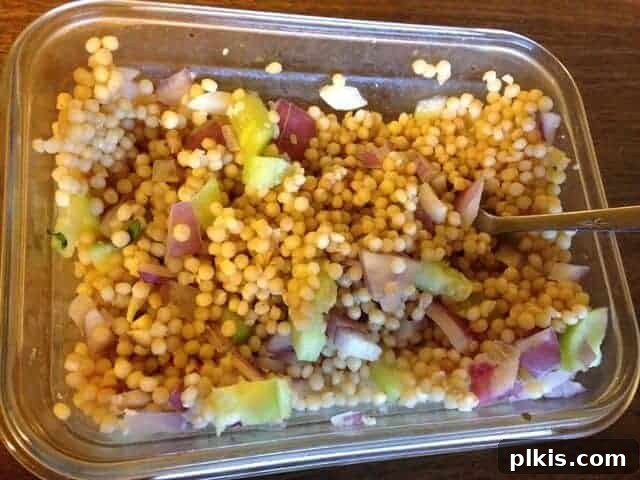
Lunch: Refreshing Israeli Couscous Salad
Today’s lunch features a simple yet incredibly satisfying Israeli Couscous Salad. I opted to omit olives to stay within budget, but if you have them on hand, they add a wonderful briny depth to the dish. This salad is light, filling, and perfect for a midday boost.
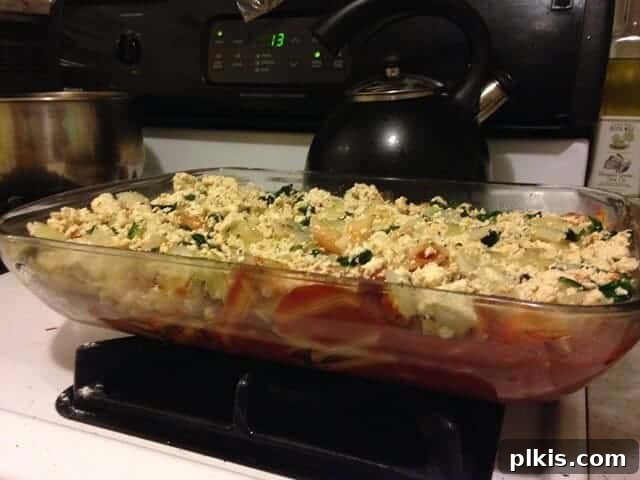
Dinner: Comforting Tofu Ricotta Pasta Bake
For dinner, I couldn’t resist adapting Grace’s Tofu Ricotta from her two-person meal plan. I prepared the full recipe to ensure ample leftovers, providing convenient meals throughout the week whenever hunger strikes. Alternatively, you could halve the recipe and use remaining ingredients for a different pasta creation.
More info on tofu nutrition
Day Two: Smoothie Power and Wholesome Leftovers
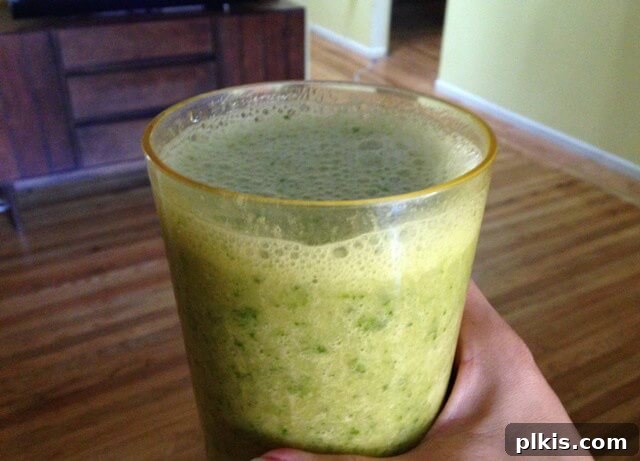
Breakfast: The Ever-Favorite Banana Kale Smoothie
By now, it might be clear that the Banana Kale Smoothie is a beloved staple. This nutrient-packed concoction is my daily go-to. For an extra boost, I sometimes add flax meal, soy protein, or maca powder if I have them on hand.
Nutritional info on Kale
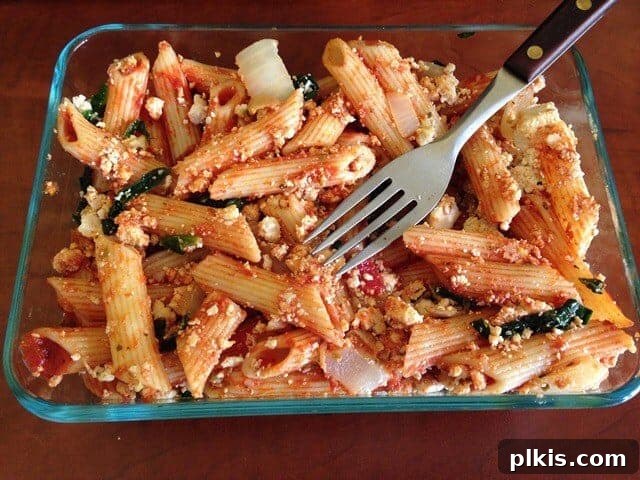
Lunch: Savory Leftover Tofu Ricotta Pasta Bake
Today’s lunch is a continuation of yesterday’s deliciousness: the hearty Tofu Ricotta Pasta Bake. Leftovers are a budget eater’s best friend, saving both time and money.
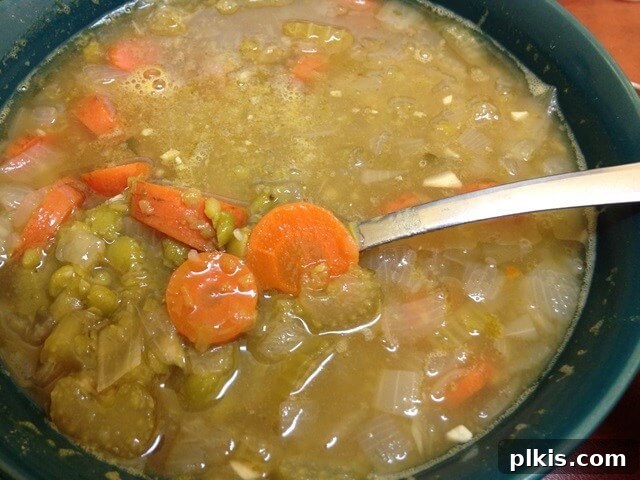
Dinner: Hearty David’s Split Pea Soup
For dinner, we indulge in David’s Split Pea Soup, a truly comforting and deeply flavorful meal. I simplified the recipe by omitting a few spices and fresh parsley, using only half the celery to align with our budget and ingredient availability. This soup is a fantastic source of protein and fiber, making it incredibly satisfying.
Nutritional info for Split Peas
Day Three: Simple Staples and Smart Leftovers

Breakfast: Classic Cereal with Banana Boost
Start your day with a simple yet nutritious breakfast of 2 cups of cornflakes, complemented by 1 cup of non-dairy milk and a sliced banana. Bananas are excellent for energy, providing 12% of your daily potassium, 17% Vitamin C, and 20% Vitamin B6.
Lunch: Warming Leftover Split Pea Soup
Enjoy another serving of our delicious and nutrient-dense Split Pea Soup, providing warmth and sustained energy.
Dinner: Fulfilling Leftover Tofu Ricotta Pasta Bake
The Tofu Ricotta Pasta Bake continues to deliver, offering a satisfying and easy dinner without extra cooking.
Day Four: Granola Goodness and a New Entree
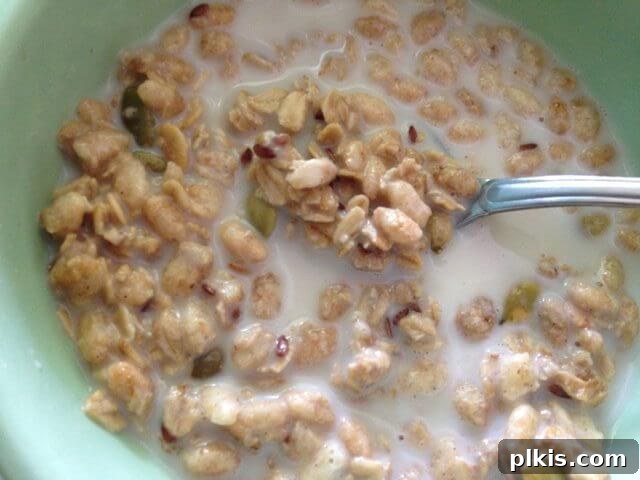
Breakfast: Crunchy Granola with Non-Dairy Milk
Fuel up with a bowl of budget-friendly Pumpkin Flax Granola served with non-dairy milk. This combination offers a satisfying crunch and a good start to your day.
Lunch: Another Serving of Split Pea Soup
The delicious Split Pea Soup makes a reappearance, showcasing the power of batch cooking for efficient meal planning.

A note on incredible savings: I found yams for an unbelievable $0.25 per pound!
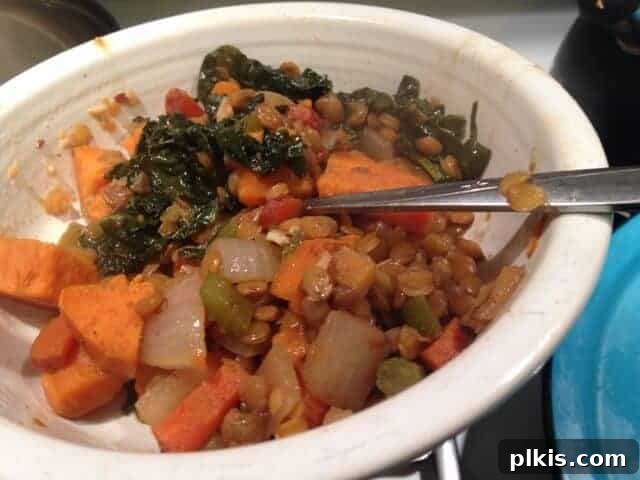
Dinner: Nutritious Kale, Lentils, and Yam
Tonight, we prepare a hearty and incredibly nutritious dish: Kale, Lentils, and Yam. I adapted this recipe, previously featured in my week 3 meal plan, with a few budget-conscious modifications: using one full carrot, two cups of water with a bouillon cube, one-third of an onion, two cloves of garlic, and omitting bay leaf, pepper, and rosemary. I used half of my bunch of kale and half of my sweet potato, yielding two satisfying servings.
Nutritional Info for Lentils
Day Five: Cereal, Lentils, and Pasta Perfection

Breakfast: Another Cereal Morning
Keep it simple and satisfying with another bowl of budget-friendly cereal, ensuring you start your day energized.
Lunch: Wholesome Leftover Kale and Lentils
Enjoy the robust flavors and nutritional benefits of the leftover Kale, Lentils, and Yam dish. This meal is packed with fiber and plant-based protein.
Dinner: Comforting Leftover Tofu Ricotta Pasta Bake
The Tofu Ricotta Pasta Bake continues to be a reliable and delicious dinner option, showcasing the effectiveness of batch cooking.
Day Six: Smoothie Refresh and Soup Warmth

Breakfast: Revitalizing Banana Kale Smoothie
Kickstart your day with another energizing Banana Kale Smoothie. Feel free to customize it with other budget-friendly fruits like apples or oranges if you have them, adding variety and extra nutrients.
Lunch: Hearty Leftover Split Pea Soup
Warm up with a comforting bowl of leftover Split Pea Soup, a fantastic source of plant-based protein and fiber.
Dinner: Familiar Leftover Tofu Ricotta Pasta Bake
Rounding out your dinner options with another serving of the Tofu Ricotta Pasta Bake, offering a satisfying end to your day.
Day Seven: Granola, Pasta, and Soup Finale

Breakfast: Pumpkin Flax Granola with Non-Dairy Milk
Conclude your week’s breakfasts with a crunchy bowl of Pumpkin Flax Granola and non-dairy milk, a simple and tasty way to begin your day.
Lunch: The Last of the Leftover Pasta
You might be very familiar with it by now, but the final portion of the Tofu Ricotta Pasta Bake provides a convenient and satisfying lunch. The joy of budget eating often means embracing and appreciating your batch-cooked meals!
Dinner: Final Serving of Split Pea Soup
End your week with the last, warming bowl of our wholesome Split Pea Soup. It’s a comforting and nutritious finale to your $25 plant-based challenge.
Important Considerations for Your Health Journey
As emphasized throughout this guide, the meal plan presented here is precisely that: a guide. It’s a starting point designed to show the feasibility of plant-based eating on a budget. Your personal food preferences, dietary needs, allergies, and health conditions are unique, and I strongly encourage you to experiment and adapt these suggestions to best suit you. My personal experience and this meal plan reflect what I eat; I am not a medical doctor, registered dietitian, or certified nutritionist.
For personalized dietary advice and to ensure you meet all your nutritional requirements, I highly recommend consulting with a qualified healthcare professional or a registered dietitian. Additionally, supplementing your plant-based diet with a good quality plant-based multivitamin can be a wise choice, and further personal research into nutrition is always beneficial for your well-being.
Should any questions arise as you navigate this challenge or explore other plant-based possibilities, please do not hesitate to reach out via the “Contact Us” section on our website. We are here to support your journey!
For access to even more fresh, innovative, and improved meal plans, be sure to visit plantbasedmealplan.com. Let’s continue to make healthy, affordable eating a reality!