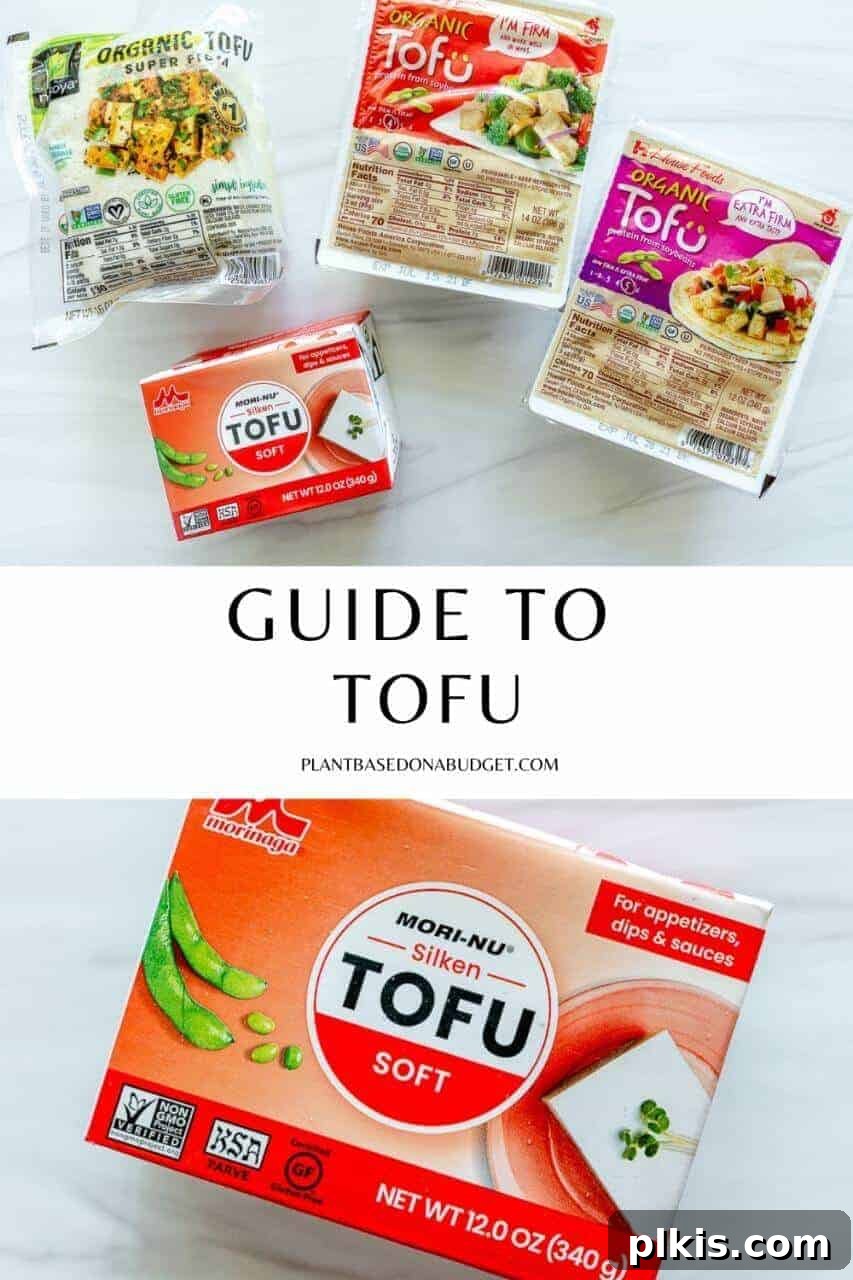
If you’re new to the world of tofu, its initial appearance as a simple, pale block of soy can seem incredibly daunting. Many wonder how this unassuming ingredient can transform into a multitude of delicious dishes, offering a spectrum of flavors and textures that can satisfy any palate. Yet, from savory breakfast scrambles to rich, homemade desserts like creamy pies, and even the perfect taco filling, tofu truly is a culinary chameleon. This ultimate guide aims to demystify tofu, providing you with the essential basics and empowering you to confidently grill, marinate, and stir-fry tofu with the skill of a seasoned chef!
What Exactly is Tofu? A Journey from Soybean to Block
At its core, tofu is a versatile food product derived from soybeans, often referred to as “bean curd.” Its creation is a fascinating process that has been perfected over centuries. Let’s break down how this incredible plant-based protein comes to life:
- Soybean Preparation: The journey begins with dried soybeans, which are first soaked in water, then ground into a liquid mixture. This creates a raw soy milk.
- Coagulation: The soy milk is then heated, and a coagulant (often magnesium chloride, calcium sulfate, or glucono delta-lactone) is added. This step is crucial, as it causes the proteins in the soy milk to curdle and separate from the whey, much like cheese-making from dairy milk. The type and amount of coagulant used can significantly impact the final texture of the tofu.
- Pressing and Shaping: The curds are then gently transferred into molds, where they are pressed to remove excess water. The duration and intensity of this pressing determine the firmness of the tofu. Finally, the pressed curds are cooled and packaged into the familiar blocks we find in grocery stores.
If you’re curious to see this intricate process in action, you can explore this insightful video. It’s widely believed that tofu was discovered by accident over 2,000 years ago by a Chinese chef experimenting with different methods of soy preparation. We owe a huge debt of gratitude to these serendipitous culinary breakthroughs!
Tofu: A Nutritional Powerhouse for a Healthy Lifestyle
Beyond its culinary versatility, tofu stands out as an exceptional nutritional component of any diet, particularly for those following plant-based eating patterns. It is primarily celebrated for its high protein content, offering a complete amino acid profile, meaning it contains all nine essential amino acids necessary for human health. Depending on the type and brand, a single block of tofu can provide anywhere from 20 to 40 grams of high-quality protein.
But the benefits don’t stop there. Tofu is also packed with a wide array of essential vitamins and minerals, including iron, calcium, manganese, phosphorus, magnesium, copper, zinc, and selenium. These nutrients contribute to various bodily functions, from bone health and energy production to immune support. For individuals with gluten sensitivities or those avoiding gluten, tofu is a naturally gluten-free option, making it an excellent way to boost protein intake without dietary compromise.
One of tofu’s most significant health advantages is its remarkably low content of cholesterol and saturated fats. This makes it an incredibly heart-healthy food choice, contributing to lower risks of cardiovascular diseases. Incorporating tofu into your diet can be a delicious and effective strategy for promoting overall well-being, proving that plant-based eating can be both nutritious and incredibly satisfying.
Locating Tofu: Your Guide to Grocery Store Aisles and Beyond
With the increasing popularity of plant-based diets, tofu has become a staple in most grocery stores, making it far more accessible than ever before. You’ll typically find a diverse selection of tofu varieties in the refrigerated plant-based section. This section is commonly situated near fresh produce, alongside other vegan alternatives, or close to the dairy and egg aisles. Look for it nestled amongst plant-based milks, yogurts, and cheeses.
Should you encounter any difficulty locating it in your local supermarket, don’t hesitate to ask a store employee. They can usually look up specific brands or guide you directly to the correct aisle or section. For an even broader selection, including unique regional varieties and specialized brands, consider visiting your local Asian or international supermarket. These stores often carry an impressive range of tofu products, including freshly made options, providing an excellent opportunity to explore new textures and flavors.
When selecting tofu, pay attention to the expiration date and ensure the packaging is intact. Most tofu is packed in water, so a clear container allows you to visually inspect the block. Once purchased, store unopened tofu in the refrigerator. After opening, if you don’t use the entire block, store the remainder in an airtight container submerged in fresh water, changing the water daily to maintain freshness for up to 3-5 days.
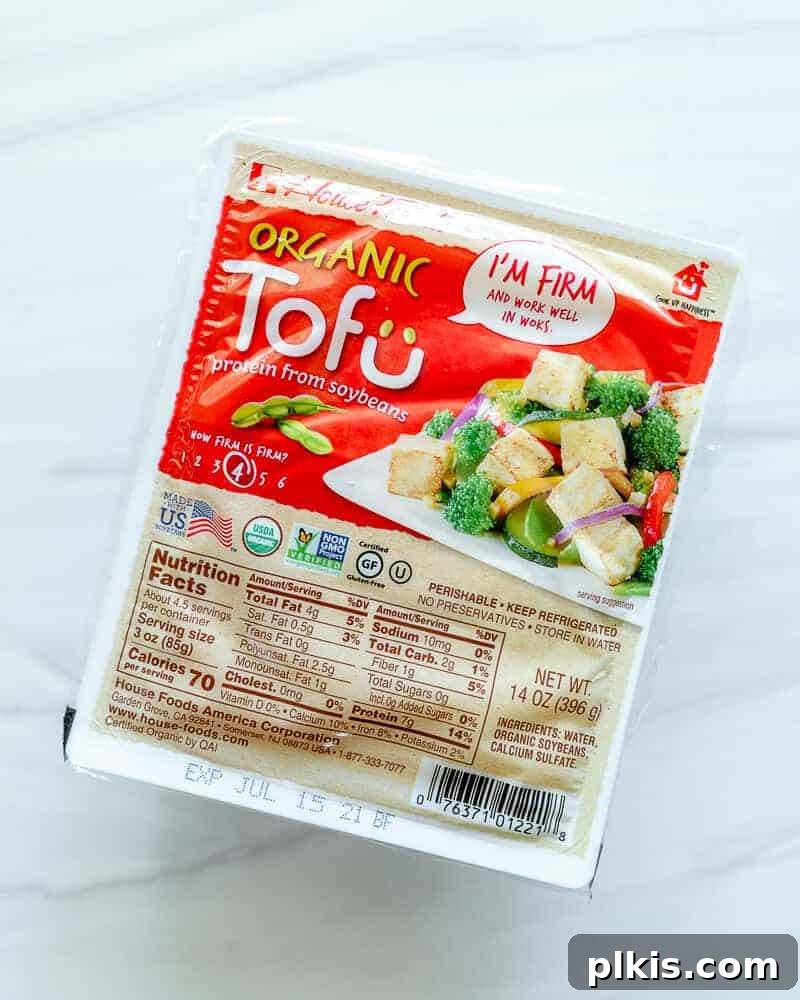
Understanding the Different Types of Tofu and Their Culinary Uses
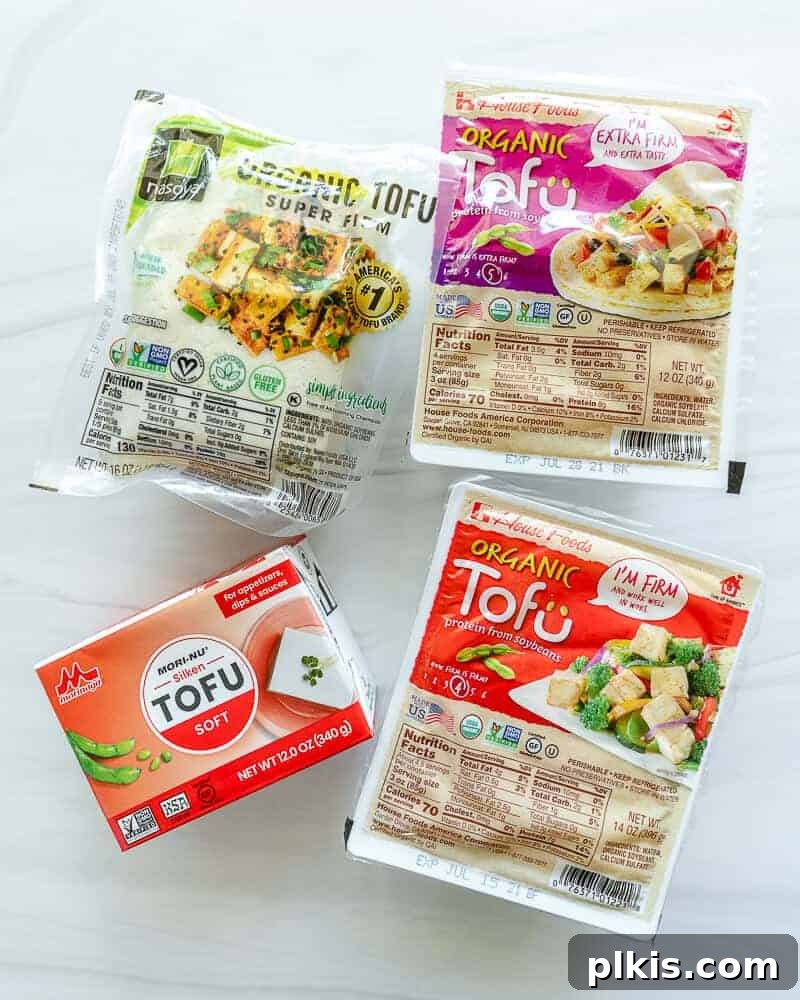
The fascinating aspect of tofu lies in its wide range of textures, which are primarily determined by the amount of water pressed out during its manufacturing. This firmness dictates its ideal culinary application. While many recipes simply call for “a block of tofu,” understanding the nuances of each type will elevate your cooking and ensure perfect results every time. Here’s a breakdown:
-
Silken Tofu (Soft Tofu)
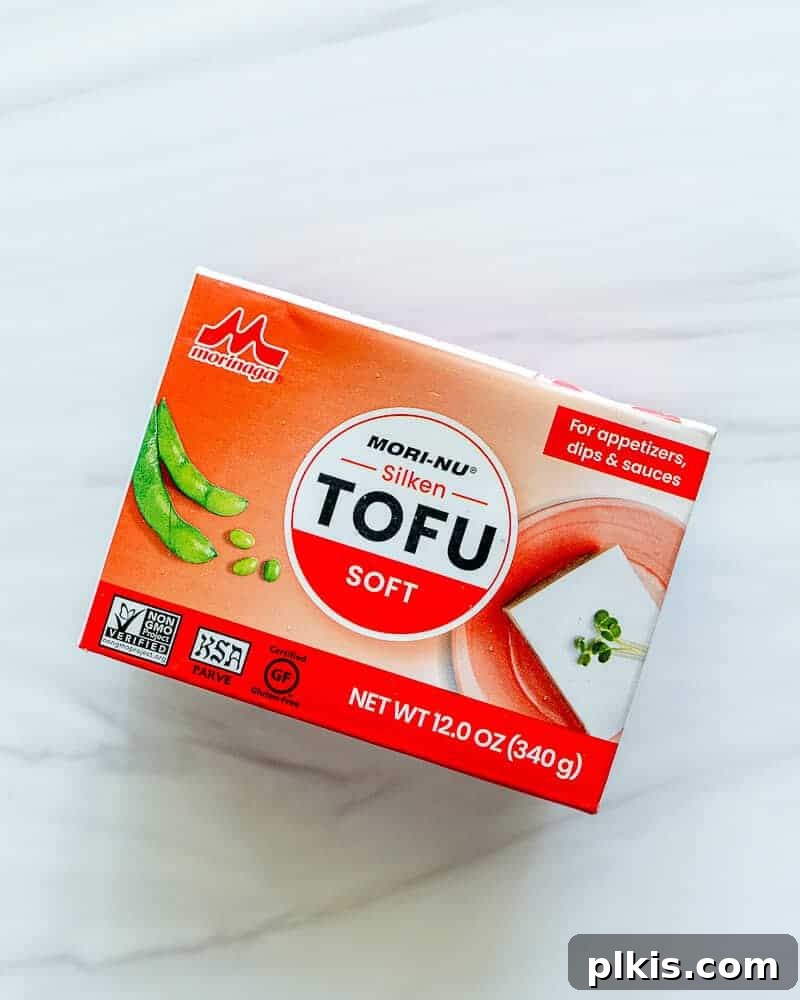
This is the softest variety, characterized by its delicate, custard-like, or even jell-o-like consistency. Silken tofu is unpressed or very lightly pressed, retaining a high water content. Its smooth, creamy texture makes it perfect for dishes where you want an incredibly smooth finish. Think smoothies, decadent pies, creamy purees, rich sauces, dairy-free dressings, or even as an egg substitute in baking. It’s also fantastic in savory applications like this elegant Italian Caprese Salad, offering a mozzarella-like creaminess.
-
Medium Tofu
Slightly denser than silken, medium tofu still maintains a delicate and somewhat crumbly texture. It holds a bit more shape than silken but is not firm enough for vigorous handling or frying if you want distinct pieces. It’s best suited for dishes where it can break down slightly or absorb flavors well, such as in gentle stir-fries, miso soups, or scrambles where a softer texture is desired.
-
Firm Tofu
One of the most commonly stocked and versatile types, firm tofu is more compact and solid than medium. It holds its shape reasonably well after pressing, making it suitable for a broader range of cooking methods. You can comfortably fry, bake, glaze, and even crumble firm tofu for dishes like tacos or chili. It’s an excellent all-around choice for many savory recipes.
-
Extra-Firm Tofu
If you’re looking for a tofu that truly holds its structure and achieves a satisfyingly chewy texture, extra-firm is often the best choice. It is significantly denser and has less water content than firm tofu, making it ideal for aggressive cooking methods. Extra-firm tofu excels when pan-fried, deep-fried, battered, grilled, or baked, creating crisp exteriors and hearty interiors. These Crispy Tofu Bites are a perfect introductory recipe for this type of tofu.
-
Super-Firm Tofu
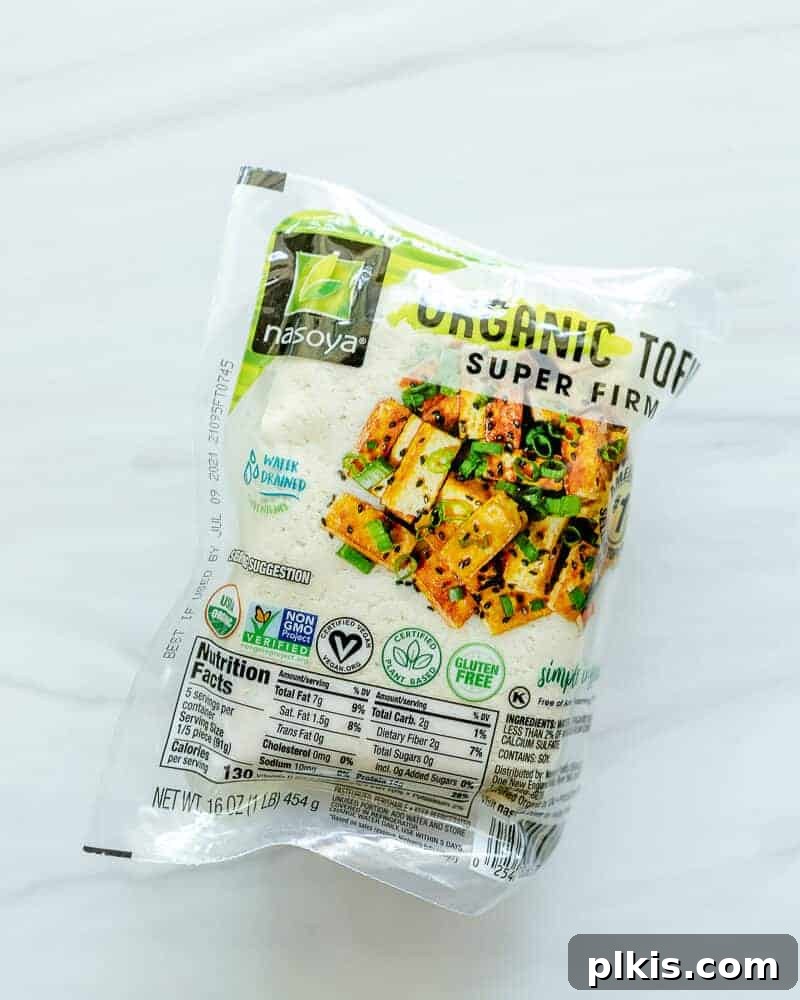
Considered by many to be the “holy grail” of tofu, super-firm tofu is the most densely pressed variety available. Its main advantage is its extremely low water content, which often means you don’t need to press it at all! This saves valuable prep time and makes it incredibly convenient for quick meals. It boasts a very sturdy, meaty texture, perfect for situations where you want maximum chewiness and shape retention, such as in skewers, hearty sandwiches, or robust curries. To learn more about the importance of pressing and the tools that can help, refer to our dedicated Guide to Tofu Pressing.
Mastering Tofu Preparation: Endless Culinary Possibilities
Tofu’s mild flavor profile and unique texture make it an incredibly versatile ingredient, capable of absorbing a myriad of seasonings and adapting to countless cooking methods. Here are some popular and effective ways to prepare tofu, turning it into a star in your plant-based kitchen:
-
Freezing for Enhanced Texture
A secret weapon for many tofu enthusiasts! Freezing tofu changes its cellular structure, making it more porous. This results in a chewier, meatier texture once defrosted and pressed, and it allows the tofu to absorb marinades much more effectively. To do this, simply remove the tofu from its package, drain the water, place the block in a freezer-safe container or bag, and freeze. Once defrosted (either in the fridge overnight or quickly in warm water), press it thoroughly. While not strictly necessary for all recipes, this extra step is highly recommended for dishes where a firm, chewy texture is desired.
-
Shaping Your Tofu Canvas
Tofu is your culinary blank canvas! You can cut it into cubes, strips, fillets, crumbles, or even fancy triangles, depending on your recipe and aesthetic preference. Smaller pieces will cook faster and become crispier, while larger fillets are great for grilling or baking. Don’t be afraid to get creative with your knife work!
-
Enjoying Tofu Raw
Yes, you can eat tofu raw! After a good pressing (especially for firmer varieties), raw tofu can be a fantastic addition to various dishes. Slice it thinly for salads, cube it for Buddha bowls, or even blend silken tofu into creamy dressings, dips, or sauces for an extra protein boost. It offers a subtle, fresh taste and a satisfying texture straight out of the fridge.
-
Marinating for Flavor Infusion
Marinating is key to infusing tofu with incredible flavor. My preferred method is to place your pressed, cut tofu into a bowl with your favorite blend of wet and dry seasonings. Allow it to soak up all the deliciousness for at least 30 minutes, or even several hours in the refrigerator for a deeper flavor. You can also use a brush to glaze a marinade onto larger pieces or let it steep in a reusable bag. For maximum flavor uptake, consider gently piercing the tofu with a fork before marinating, creating tiny channels for the marinade to penetrate. Try this super tasty sweet coconut Thai marinade for inspiration!
-
Oven Baking for Bulk Preparation
Baking is one of the easiest and most hands-off ways to prepare a large batch of tofu. Simply cut your marinated tofu into desired shapes, arrange it on a baking sheet, and bake until golden and slightly crispy. Baking is perfect for creating tofu that can be tossed into salads, stir-fries, or soups throughout the week. You can bake at around 375-400°F (190-200°C) for 25-35 minutes, flipping halfway, until desired crispness is achieved. For extra crispiness, lightly coat with cornstarch before baking.
-
Stovetop Frying for Quick Crispness
Pan-frying or stir-frying tofu is a fantastic method for achieving a wonderfully crisp exterior in minutes. Heat a bit of oil in a pan over medium-high heat, then add your seasoned tofu. Cook until each side is golden brown and crispy. This method is ideal for creating delicious additions to bowls, wraps, or as a main protein. This delicious and incredibly easy Buffalo Tofu Wedge recipe can be pan-fried in just 15 minutes!
-
Grilling for Smoky Flavor
If you adore the smoky char that grilling imparts to food, tofu is an excellent candidate for the grill. Marinate your pressed and cut tofu, then carefully place it on a preheated grill. The grill marks will not only add visual appeal but also a fantastic depth of flavor. Ensure your grill grates are clean and oiled to prevent sticking.
-
Air Frying for Healthier Crunch
The air fryer has become a game-changer for tofu preparation! It offers a convenient way to achieve incredibly crispy tofu with minimal oil. Simply toss pressed and marinated tofu with a little oil and cornstarch, then air fry at 375-400°F (190-200°C) for 15-20 minutes, shaking the basket occasionally, until golden and crunchy. It’s perfect for adding to virtually any meal.
-
Scrambling for Breakfast and Beyond
For a fantastic egg alternative, crumble medium or firm tofu and sauté it with turmeric (for color), nutritional yeast (for cheesy flavor), and your favorite veggies and spices. Tofu scrambles are hearty, flavorful, and incredibly quick to prepare, making them ideal for breakfast, brunch, or even a light dinner.
Essential Tips for Tofu Success
To truly master tofu, consider these additional tips:
- Pressing is Paramount: For firm, extra-firm, and super-firm tofu, pressing out excess water is crucial. It prevents soggy tofu and allows for better flavor absorption and crispiness.
- Season Generously: Tofu is a blank slate. Don’t be shy with your seasonings and marinades. Umami-rich ingredients like soy sauce, nutritional yeast, and miso paste work wonderfully.
- Don’t Overcrowd the Pan: When frying or baking, ensure tofu pieces have enough space. Overcrowding lowers the temperature and steams the tofu instead of browning it, leading to a less crispy result.
- Experiment with Textures: From creamy silken to chewy super-firm, each tofu type offers a unique experience. Don’t be afraid to try different varieties in various recipes.
We hope this comprehensive guide has alleviated any intimidation and ignited your inspiration to incorporate more tofu into your culinary repertoire! Remember, the opportunities for what you can create with tofu are truly boundless. It may seem bland or challenging at first, but with a bit of practice and experimentation, you’ll quickly become a tofu master. To get started on your delicious journey, explore these 16 Savory Tofu Recipes – they are not only incredibly tasty but also easy to follow, promising to transform your perception of this amazing plant-based protein!
More Delicious Tofu Recipes to Explore:
- Buttery Lemon Tofu
- Sweet Coconut Thai Tofu
- Tomato and Silken Tofu Caprese Salad
- Yellow Tofu Curry
Photos by Alfonso Revilla