
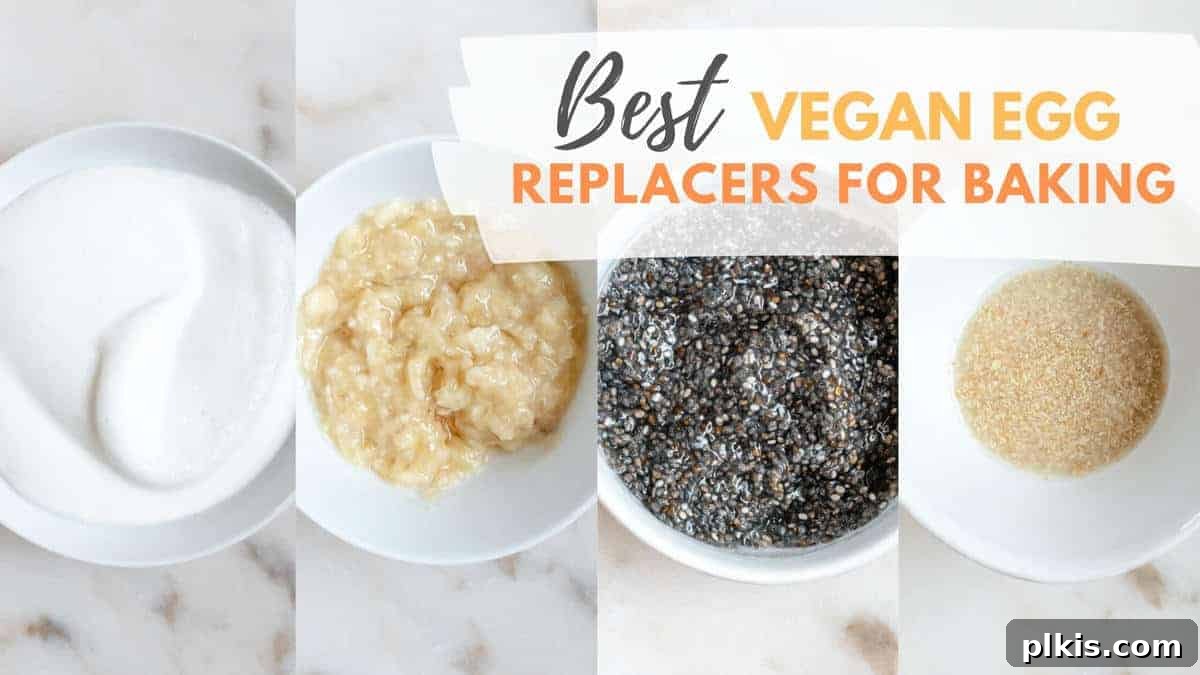
The culinary landscape of baking has undergone a remarkable transformation, shedding the long-held notion that eggs are an indispensable ingredient. For years, the idea of achieving a moist, fluffy, and perfectly structured cake, pancake, or muffin without eggs seemed like a distant dream. Today, that dream is a delicious reality, thanks to an abundance of innovative plant-based and healthier alternatives. Embarking on the journey of egg-free baking might initially feel unfamiliar, but once you discover the incredible textures and flavors these substitutes unlock, you may find yourself forever converted to the art of vegan baking. This comprehensive guide will delve into the world of the best vegan egg replacers for baking, offering insights, tips, and practical applications to elevate your plant-based creations.
Why Choose Egg-Free Baking?
The decision to bake without eggs extends beyond dietary restrictions; it’s a choice increasingly embraced for a multitude of reasons. For those with egg allergies, these substitutes are not just alternatives but necessities, opening up a world of culinary enjoyment previously inaccessible. Vegans and vegetarians choose egg-free options for ethical reasons, aligning their food choices with a lifestyle free from animal products. Beyond these, many are drawn to plant-based baking for its perceived health benefits, often incorporating whole foods rich in fiber and nutrients. Furthermore, the sheer ingenuity and deliciousness of modern vegan baking have captivated a wider audience, proving that compromise on taste or texture is simply not an option.
The Multifaceted Role of Eggs in Baking
Before we explore the alternatives, understanding what eggs contribute to traditional baking is crucial. Eggs are truly multitaskers in the kitchen, performing several key functions:
- Binding: They act as a glue, holding ingredients together and preventing baked goods from crumbling.
- Leavening: When whipped, eggs incorporate air, which expands during baking, creating a light and airy texture.
- Moisture & Richness: Eggs contribute fat and water, adding moisture and a rich mouthfeel to recipes.
- Emulsification: The lecithin in egg yolks helps combine fats and liquids, creating smooth batters and preventing separation.
- Flavor & Color: Eggs impart a subtle richness and contribute to the golden-brown crust of many baked items.
A good egg replacer can mimic one or more of these functions, allowing plant-based bakers to achieve results comparable to their traditional counterparts.
Unlocking the World of Vegan Egg Replacers for Baking
Let’s explore some of our favorite and most effective plant-based options, each with its unique strengths and ideal applications.
Applesauce or Mashed Banana: Nature’s Sweet Binders
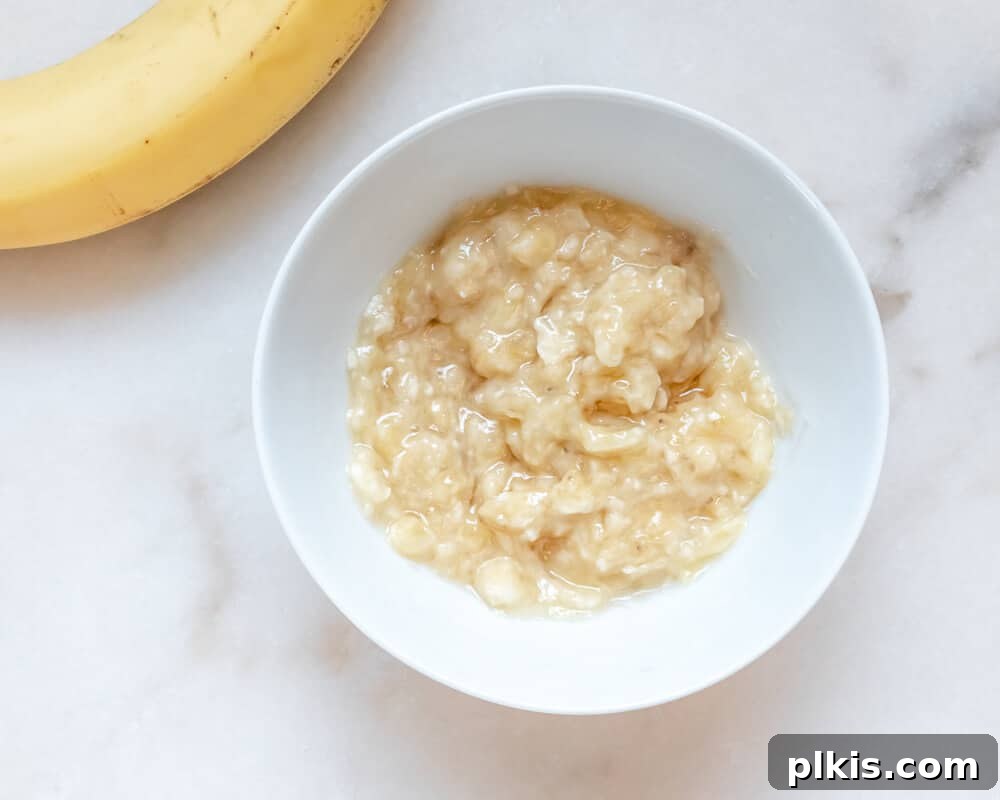
This is arguably one of the simplest, most accessible, and most affordable egg substitutes available. By swapping eggs with a quarter cup of mashed banana or unsweetened apple puree per egg, you introduce significant moisture and a delightful, natural sweetness to your recipes. This makes them perfect for quick breads, muffins, pancakes, and softer cakes where a slight fruity flavor is welcome.
- Mashed Banana: For optimal results, use very ripe, spotty bananas. These are not only sweeter but also mash into a smoother consistency. This is an excellent way to utilize those forgotten bananas on your counter! The banana flavor will be noticeable, so consider if it complements your recipe.
- Applesauce (Apple Puree): Choose unsweetened applesauce to better control the sugar content of your recipe. You can find it readily available in jars or even in kid-friendly pouches (a secret weapon for many busy vegan bakers!). Applesauce generally imparts a milder flavor than banana, making it more versatile for a wider range of baked goods.
- Best Uses: Muffins, quick breads, pancakes, soft cookies, moist cakes.
- Conversion: 1 large egg = ¼ cup (approximately 60g) of mashed banana or unsweetened applesauce.
Ground Flax Seeds or Chia Seeds: The Gelling Powerhouses (Flax & Chia Eggs)
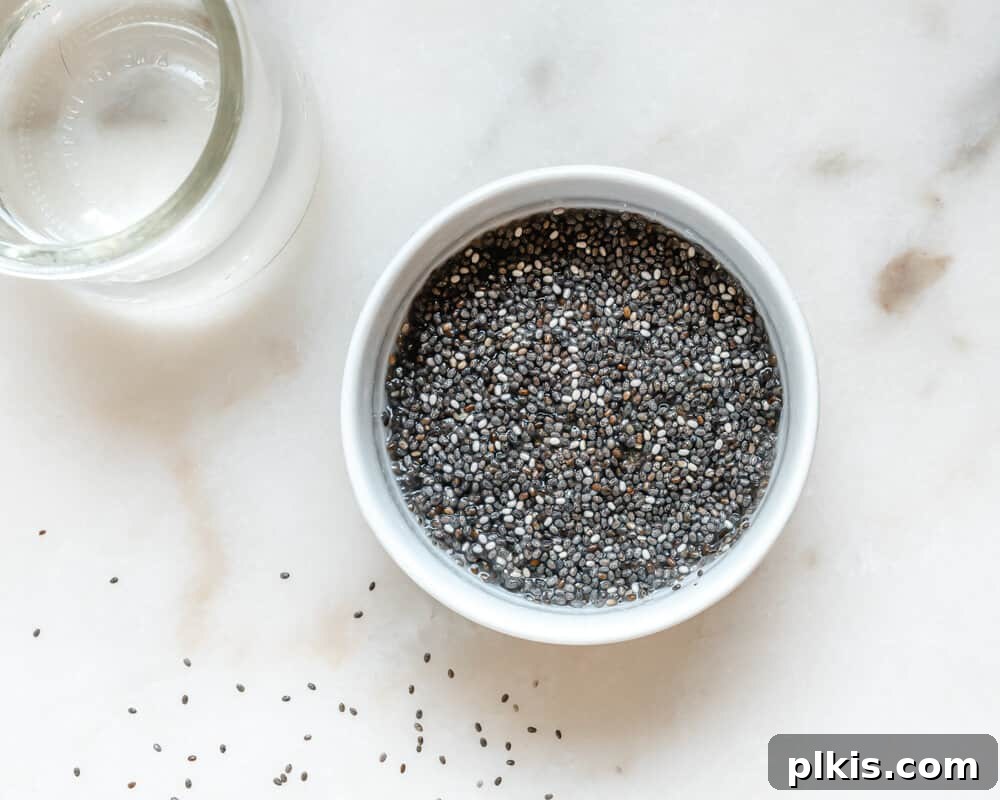
These remarkable seeds are celebrated not only for their impressive nutritional profile, brimming with Omega-3 fatty acids and fiber, but also for their incredible ability to transform into an egg-like gel when mixed with water. This “flax egg” or “chia egg” is a true marvel, providing the crucial binding properties needed to “hold things together” in your baking endeavors, preventing crumbly textures.
- Preparation: For the smoothest and most effective gel, it’s best to use ground flaxseeds or chia seeds. You can purchase them pre-ground, or easily grind whole seeds yourself using a high-powered blender or a coffee grinder.
- How it Works: When mixed with water, the outer layer of these seeds creates a mucilaginous gel that mimics the viscosity and binding power of an egg.
- Flavor Impact: Flax seeds can impart a slightly nutty flavor and may introduce tiny flecks into lighter-colored baked goods, while chia seeds are generally more neutral.
- Best Uses: Cookies, muffins, dense cakes, quick breads, burgers, and other recipes where binding is key. Not ideal for recipes requiring significant leavening.
- Conversion: 1 large egg = 1 tablespoon of ground flaxseeds or chia seeds + 2.5 tablespoons of warm water. Whisk together thoroughly for about a minute, then let the mixture rest for 5-10 minutes until it thickens into a gel-like consistency before adding it to your recipe.
Aquafaba (Chickpea Brine): The Whippable Wonder
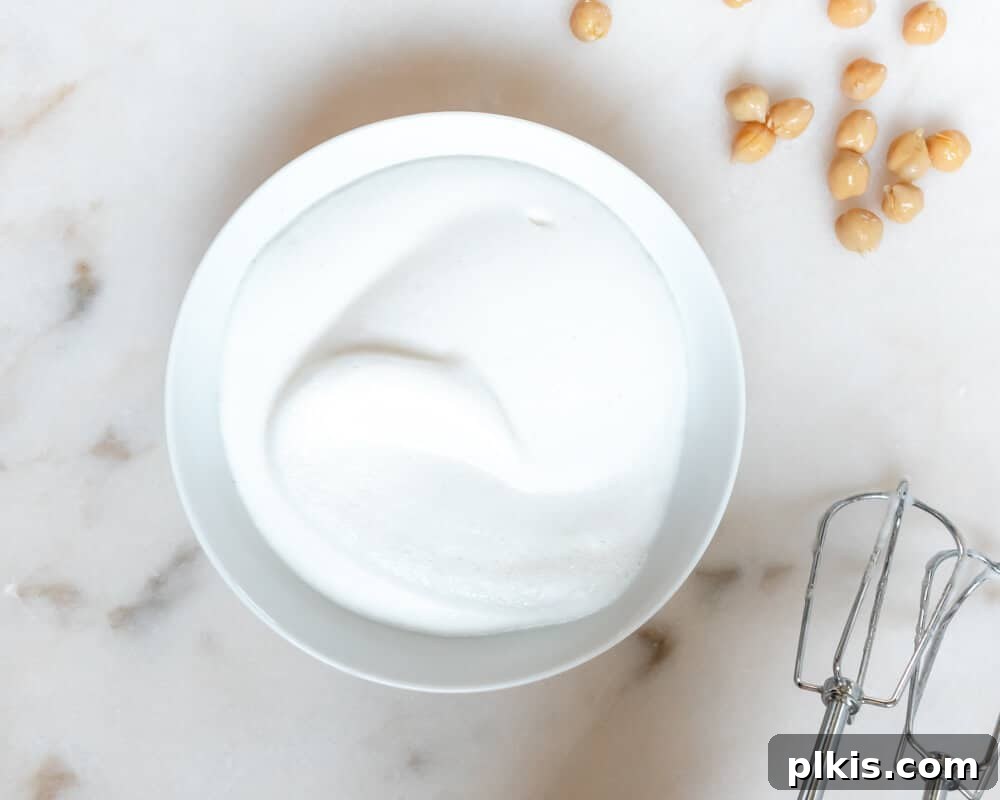
Aquafaba, the humble brine from canned chickpeas (or other white beans), is nothing short of baking magic. If you cherish the ethereal fluffiness of egg white meringue, aquafaba is the plant-based answer you’ve been searching for. By simply beating this viscous liquid for a few minutes, it miraculously transforms into a remarkable, stable foam that closely resembles whipped egg whites, guaranteed to add incredible lift and lightness to any recipe.
- Sustainable Choice: One of the most appealing aspects of aquafaba is that it utilizes a ingredient often discarded, making it a sustainable and cost-effective option. Remember to save that brine next time you open a can of chickpeas!
- Preparation: Use an electric mixer (handheld or stand mixer) to whip the aquafaba until stiff peaks form. The whipping time can vary, but typically ranges from 5 to 10 minutes.
- Best Uses: Meringues, macarons, mousses, soufflés, light and airy cakes, marshmallows, and even vegan mayonnaise. It’s particularly excellent for recipes where egg whites are the primary leavening agent.
- Conversion: For 1 whole egg, use 3 tablespoons of aquafaba. For 1 egg white, use 2 tablespoons of aquafaba.
Silken Tofu: The Creamy Binder
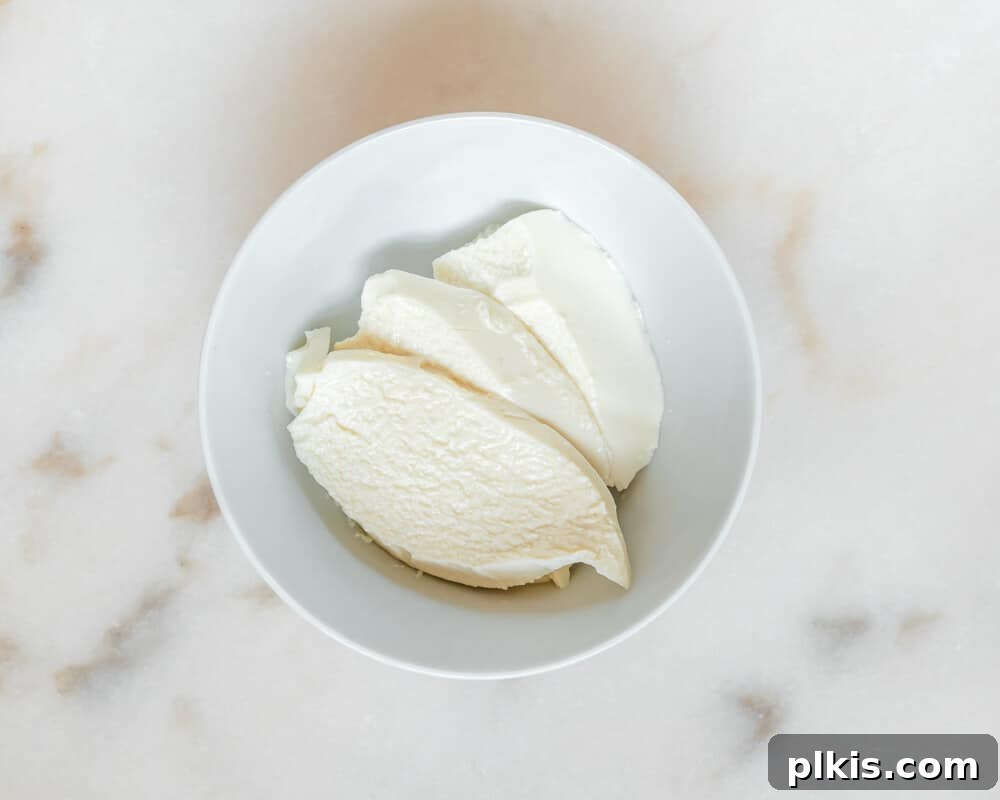
Silken tofu, with its wonderfully smooth and creamy texture, is a fantastic egg substitute, particularly when pureed. It has an impressive ability to blend into a completely smooth, neutral-tasting puree that integrates seamlessly into both sweet and savory baked preparations. Its high water content adds moisture, while its protein content contributes to binding, making it versatile for various recipes.
- Preparation: The key to using silken tofu as an egg replacer is to blend or mash it thoroughly until it reaches a perfectly smooth, lump-free consistency. A food processor or blender works best.
- Flavor Impact: One of its greatest advantages is its neutral flavor profile, meaning it won’t impart any “tofu” taste to your delicate baked goods.
- Best Uses: Cheesecakes, quiches, custards, puddings, rich cakes, brownies, and dense muffins. It excels in recipes where eggs contribute to creaminess and structure without needing significant aeration.
- Conversion: 1 large egg = 3 tablespoons (approximately 60g) of pureed silken tofu.
Nut Butter: The Richness and Binding Powerhouse
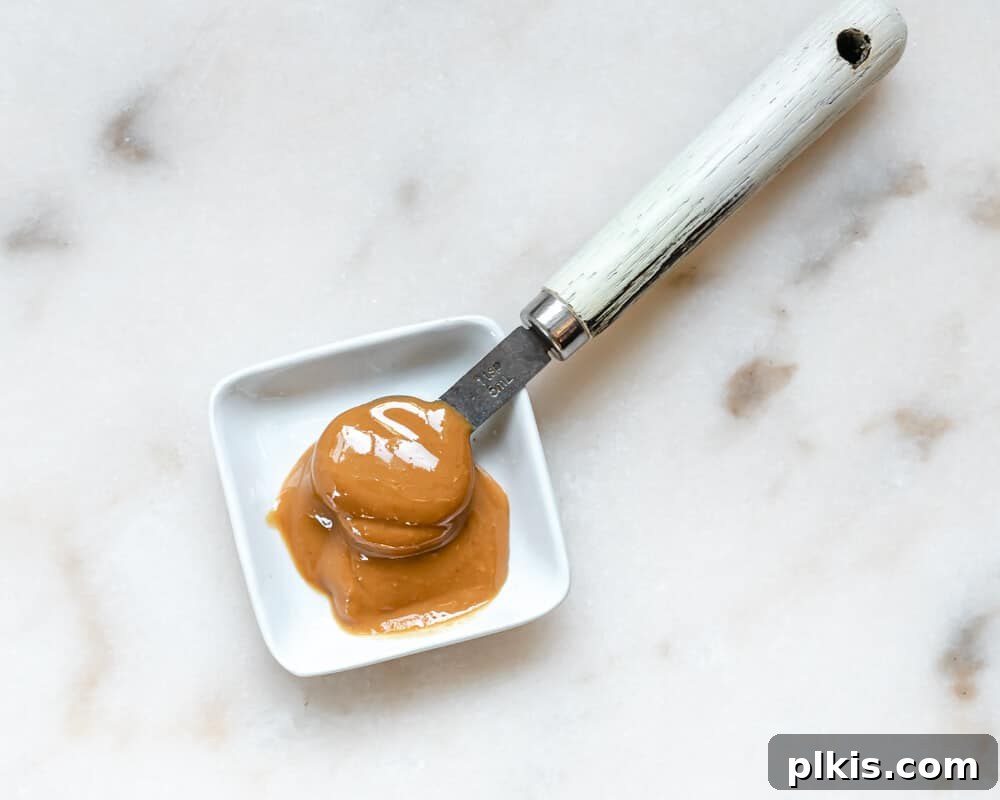
Nut butters are another favorite in the world of vegan baking, offering not only powerful binding capabilities but also adding a delightful richness and depth of flavor to your creations. Their natural oils and proteins help hold ingredients together, while their creamy texture contributes to a wonderfully tender crumb. Trying a simple cookie recipe with a nut butter swap is an excellent way to witness their magic firsthand—you’ll be amazed at the results!
- Variety: Peanut butter is a classic choice, but almond butter, cashew butter, or even sunflower seed butter (for nut-free options) can be used. Opt for smooth, natural varieties without added sugars or oils for the best performance and flavor control.
- Flavor Impact: Nut butters will naturally impart their distinct flavor to your baked goods, which is fantastic for recipes like peanut butter cookies, but might not be suitable for delicate flavors where a neutral binder is preferred.
- Best Uses: Cookies (especially drop cookies), brownies, dense cakes, and energy bars where the nutty flavor is desirable.
- Conversion: 1 large egg = 3 tablespoons (approximately 60g) of smooth nut butter.
Store-Bought Egg Replacers: Convenience in a Box
In today’s thriving vegan market, we are wonderfully spoiled for choice when it comes to convenient, pre-formulated egg replacers. Having a box of these in your pantry is incredibly handy for those moments when inspiration strikes or when you need a quick, reliable substitute without much fuss. These products are specifically designed to mimic the various functions of eggs, often containing a blend of starches, leavening agents, and sometimes protein.
- Versatility: Many commercial egg replacers are formulated to work across a broad range of recipes, from cakes and muffins to cookies and brownies, offering consistent results.
- Ease of Use: Simply mix with water according to package directions, and you have an instant egg substitute.
- Popular Brands: Brands like Neat, Orgran, Bob’s Red Mill, Ener-G, or Free & Easy are well-regarded for their efficacy. Always follow the specific instructions on the package for the best results.
Additional Tips for Vegan Baking Success
Mastering egg-free baking involves more than just swapping ingredients; a few general principles can ensure your success:
- Measure Accurately: Precision is key in baking, especially when using substitutes. Use proper measuring cups and spoons, and consider a kitchen scale for dry ingredients.
- Don’t Overmix: Overmixing can lead to tough baked goods. Mix only until just combined, unless the recipe specifically calls for aeration (like with aquafaba).
- Balance Wet and Dry: Egg replacers often contribute moisture. Pay attention to the overall wet-to-dry ingredient ratio and adjust liquids minimally if your batter seems too thick or thin.
- Consider Leavening: If your chosen egg replacer doesn’t provide much lift (like flax eggs or nut butter), ensure your recipe includes adequate baking soda and/or baking powder to achieve the desired rise. A touch of vinegar or lemon juice can activate baking soda for extra leavening.
- Patience and Experimentation: Vegan baking can sometimes require a little more patience and a willingness to experiment. Don’t be discouraged by initial results; every bake is a learning opportunity.
Choosing the Right Egg Replacer for Your Recipe
The “best” egg replacer truly depends on the specific demands of your recipe. Consider the primary role the egg plays in the original recipe:
- For Binding (e.g., cookies, veggie burgers): Flax eggs, chia eggs, mashed banana, nut butter, or pureed silken tofu are excellent.
- For Moisture and Richness (e.g., muffins, quick breads, dense cakes): Applesauce, mashed banana, pureed silken tofu, or nut butter work well.
- For Leavening and Lightness (e.g., meringues, soufflés, light cakes): Aquafaba is your best bet for whipped, airy textures. Some commercial egg replacers also excel here.
- For Emulsification and Creaminess (e.g., custards, cheesecakes): Pureed silken tofu or commercial replacers are highly effective.
Want Some Egg-Free Baking Inspiration? Here are some recipes to try!
Now that you’re equipped with the knowledge of various vegan egg substitutes, it’s time to put your skills to the test. These recipes are fantastic starting points for your egg-free baking adventure:
- Depression Era Vanilla Cupcakes
- Carrot Cake Muffins
- Vegan Banana Bread
- Persimmon Bread
The era of being limited by a single ingredient is definitively over. With these incredible vegan egg replacers, the possibilities for delicious, moist, and fluffy baked goods are endless. Embrace the journey, experiment with different substitutes, and discover the joy of creating plant-based treats that are sure to impress everyone, egg-free or not. Happy baking!