
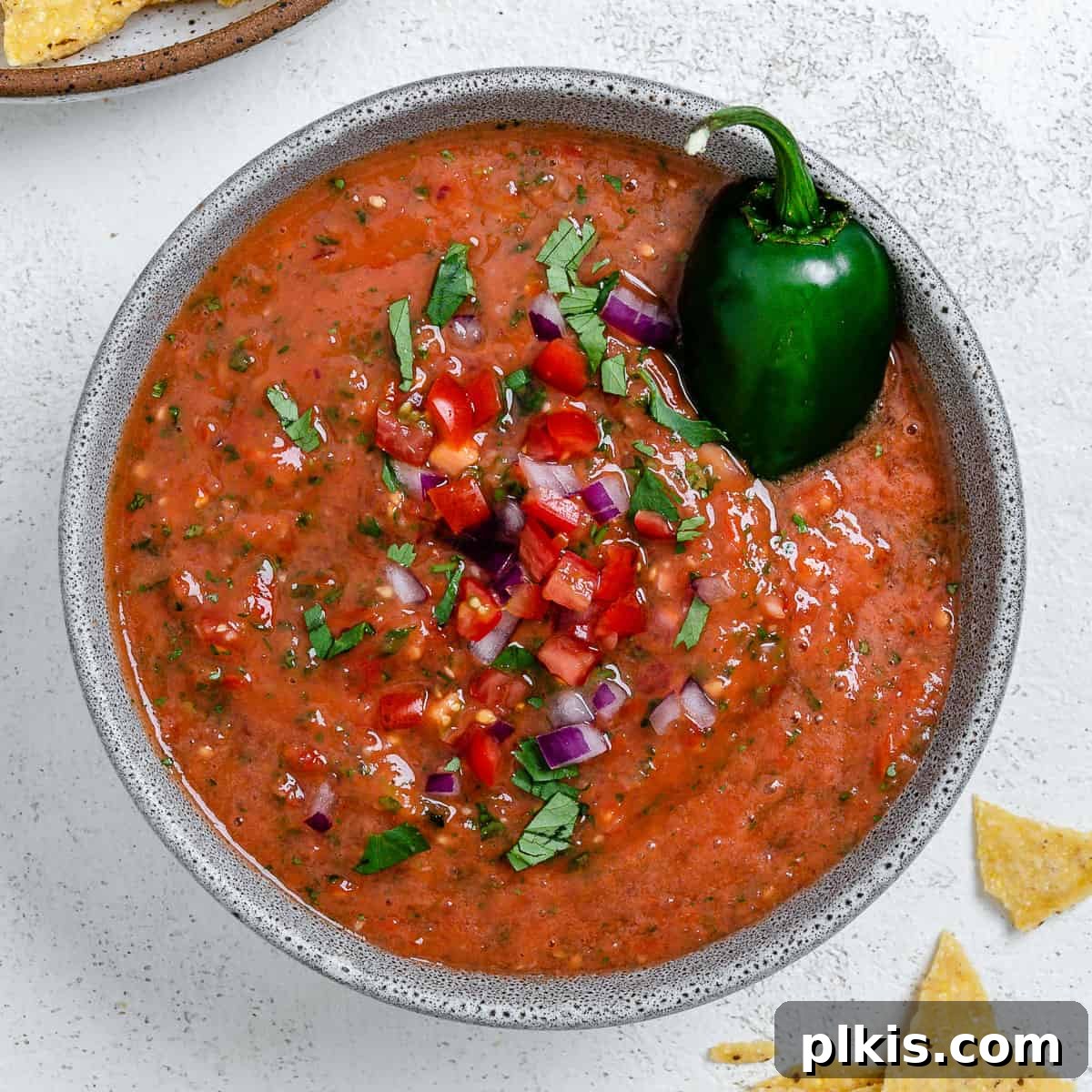
Unlock the secret to incredible homemade restaurant-style salsa in mere minutes! This vibrant, fresh, and endlessly customizable blender salsa recipe comes together in just 5 minutes, whether you opt for succulent fresh tomatoes or convenient canned varieties. It’s an irresistible dip, condiment, and crowd-pleaser perfect for any occasion, from casual summer gatherings to year-round celebrations. Forget store-bought options; once you experience the explosion of flavor in this easy recipe, you’ll never look back!
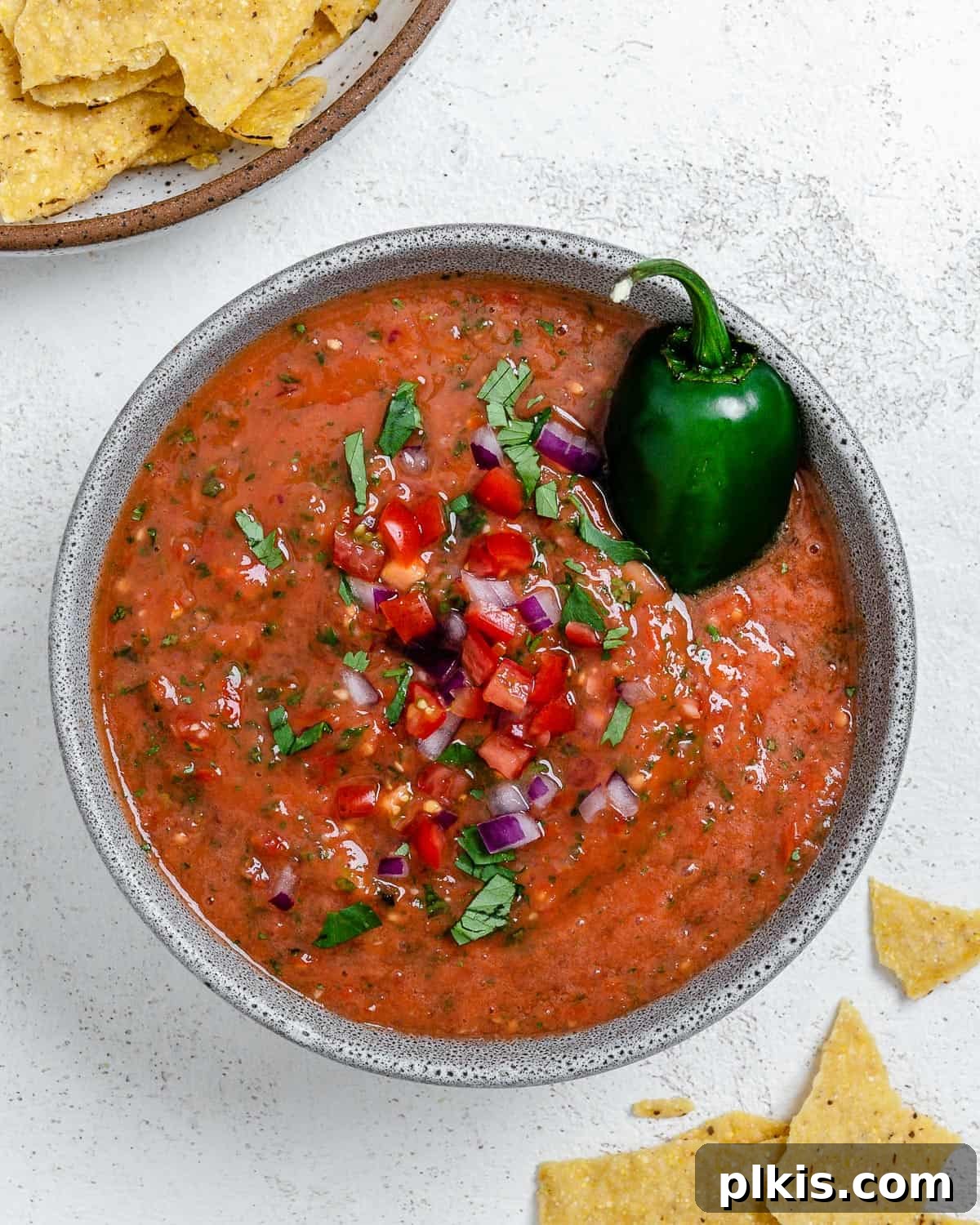
Discover the Ultimate Restaurant-Style Blender Salsa: Fresh or Canned Tomatoes
Are you searching for a quick, delicious, and truly authentic restaurant-quality salsa you can easily make at home? Your quest ends here! This remarkable 6-ingredient blender salsa recipe is a game-changer, requiring minimal effort and time to whip up a batch that’s practically foolproof. It’s the ideal accompaniment for crunchy tortilla chips, a staple at potlucks, game day feasts, lively Taco Tuesdays, Cinco de Mayo celebrations, and any event where fresh, flavorful salsa is desired.
What makes this particular salsa truly stand out isn’t just its professional taste, but its incredible simplicity. You simply need to give your ingredients a rough chop, toss them into a blender or food processor, and pulse until you achieve your desired consistency. This method not only yields the perfect fresh summer salsa when tomatoes are at their peak but also allows you to enjoy this delicious creation year-round by utilizing canned tomatoes. It’s the ultimate recipe for fresh tomato salsa, ready in a flash!
Beyond its fantastic flavor and ease, this homemade salsa recipe boasts numerous benefits. It requires absolutely no cooking, making it perfect for hot summer days. It’s incredibly budget-friendly, often costing less than premium store-bought brands, yet delivering a superior taste experience. Furthermore, this versatile dip caters to a variety of dietary needs, including vegetarian, vegan, gluten-free, paleo, and Whole30 diets, ensuring everyone can enjoy its deliciousness.
Understanding Blender Salsa: A Culinary Deep Dive
While the term “salsa” broadly translates to “sauce” in Spanish, in English-speaking cultures, it commonly refers to a specific type of Mexican table sauce, typically tomato-based. Within this category, there’s a rich diversity, with two primary styles often distinguishing themselves:
Salsa Roja (Red Salsa): This classic tomato-based salsa often features cooked or roasted tomatoes, creating a deeper, more complex flavor profile. It typically includes ingredients like onion, garlic, and various hot peppers. The texture of Salsa Roja is generally smooth and sauce-like, ideal for drizzling over dishes. For example, a roasted red salsa falls into this category.
Salsa Fresca (‘Fresh Sauce’) / Salsa Cruda (‘Raw Sauce’): As the names suggest, this style emphasizes fresh, uncooked ingredients. It shares many core components with Salsa Roja, but crucially uses fresh tomatoes. Salsa Fresca itself has two main textural variations:
- Restaurant-Style Salsa: This is the thinner, more sauce-like consistency that many are familiar with from their favorite Mexican restaurants, often achieved through blending, much like our easy blender salsa.
- Chunky Varieties (e.g., Pico de Gallo or Salsa Mexicana): In these versions, ingredients are finely hand-chopped rather than blended, resulting in a distinctly chunky texture that highlights each individual component.
It’s worth noting that fresh salsas aren’t always tomato-based! Creative variations like mango cucumber salsa or cucumber salsa offer refreshing, non-traditional alternatives, showcasing the versatility of the “salsa” concept.
Our easy blender salsa occupies a delightful middle ground. It delivers the smooth, lightly spicy character reminiscent of your favorite Mexican restaurant salsa, while bursting with the fresh, vibrant flavors of raw tomatoes, onion, garlic, jalapeño, and cilantro, much like a traditional Salsa Fresca or Pico de Gallo. Its versatility means it can easily be adapted to be smooth or slightly chunky, depending on how long you blend it. For these reasons, you’ll find the terms “fresh salsa,” “summer salsa,” “blender salsa,” and “restaurant style salsa” used interchangeably throughout this guide, all pointing to this incredibly adaptable and delicious recipe.
Essential Ingredients for Your 5-Minute Blender Salsa
Crafting this incredible fresh homemade salsa requires just 6 core ingredients, plus salt and an optional touch of olive oil. Each component plays a vital role in building the perfect flavor profile:
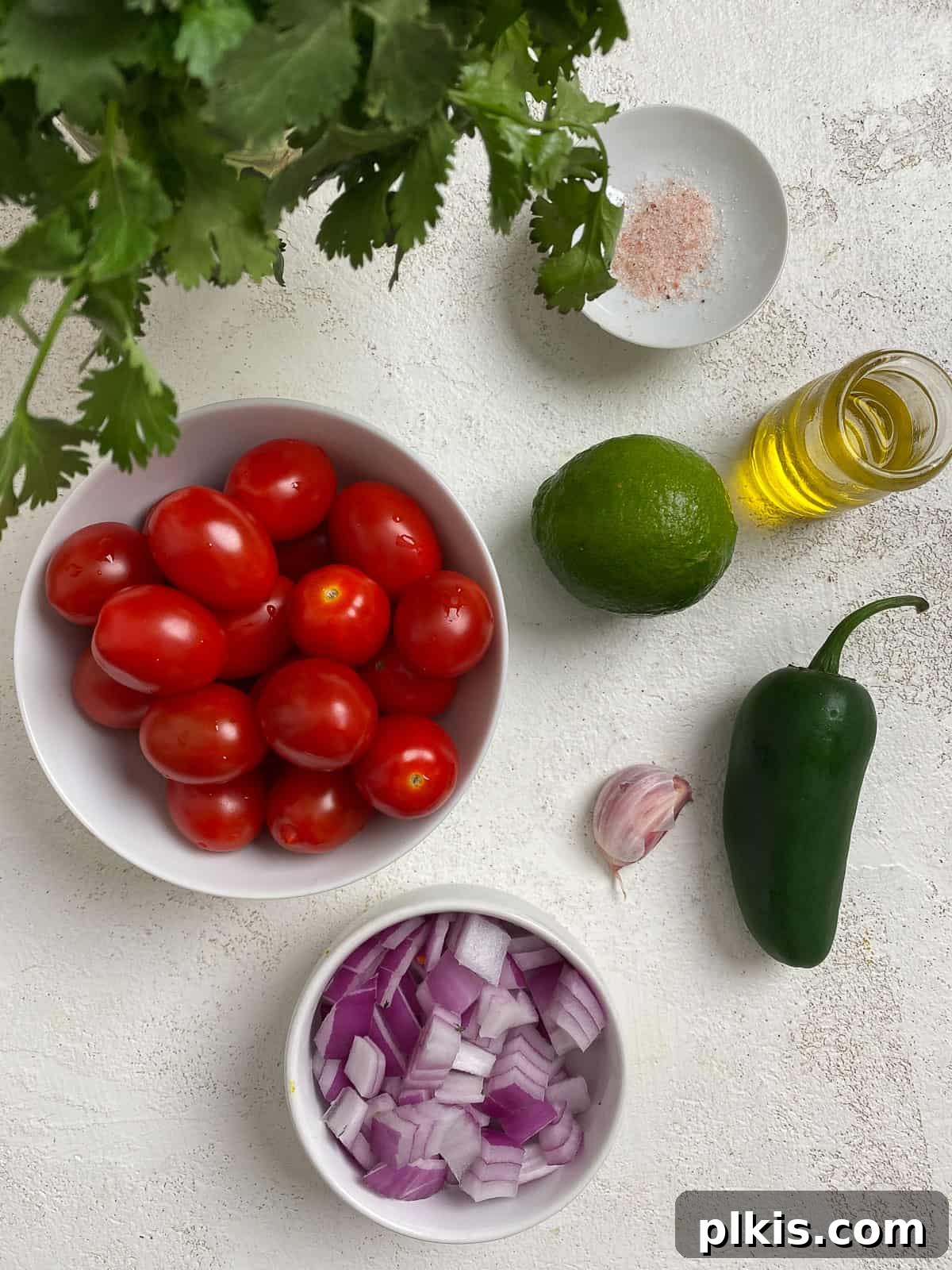
- Tomatoes: The heart of any great salsa! We highly recommend using ripe cherry tomatoes, which consistently offer great flavor year-round. However, during peak season, feel free to use the ripest, most flavorful fresh tomatoes you can find, such as plum tomatoes, Roma tomatoes, or even Beefsteak varieties. The quality of your tomatoes directly impacts the final taste of your fresh salsa.
If fresh, tasty tomatoes are unavailable or you wish to make this easy restaurant salsa out of season, canned fire-roasted diced tomatoes are an excellent substitute. Fire-roasted tomatoes add a wonderful depth and smoky note. Remember to drain the cans first if you prefer a thicker, less liquidy salsa; you can always add some liquid back in later to achieve your desired consistency.
- Onion: Adds a sharp, fresh bite. White onion offers a classic, crisp flavor, while red onion can contribute a slightly sweeter and more vibrant color. Shallots provide a milder, more delicate onion flavor if you prefer.
- Garlic: Essential for a robust, aromatic foundation. Adjust the quantity to your personal taste – a little goes a long way, but true garlic lovers might add an extra clove! In a pinch, a small amount of garlic powder can be used, though fresh is always best for this fresh salsa recipe.
- Jalapeño: Provides the perfect kick of heat. You can easily adjust the spiciness by controlling the amount you use. For a milder salsa, remove all seeds and membranes; for more heat, leave some in. Alternatively, experiment with other chili types: chipotle for a smoky flavor, serrano for increased heat, poblano for a very mild pepper, or even red bell pepper for absolutely no heat but added sweetness and crunch.
For a distinct smoky flavor, consider using dried chiles (like ancho or guajillo). Rehydrate them in warm water or vegetable stock for 20-30 minutes before adding them to the blender. This technique imparts a rich, authentic smokiness to your salsa Mexicana.
- Olive Oil: While optional, a tablespoon of good quality olive oil significantly enhances the mouthfeel of this blender salsa, making it smoother and richer. It also helps to emulsify the ingredients slightly, contributing to that desirable restaurant-style texture.
- Cilantro: Brings a quintessential fresh, herbaceous note. If you’re not a fan of cilantro (a common genetic preference!), fresh parsley makes an excellent substitute, offering a similar verdant freshness without the characteristic “soapy” taste some perceive.
- Lime Juice: Freshly squeezed lime juice is crucial for brightness and acidity, balancing the other flavors. While bottled lime juice can be used, fresh offers a far superior taste. For an extra burst of citrus aroma, consider adding a tiny bit of lime zest.
- Salt: The ultimate flavor enhancer. Start with a pinch and adjust to taste, ensuring all the flavors in your salsa are perfectly highlighted.
Optional Add-ins & Creative Recipe Variations
This easy fresh salsa recipe is wonderfully adaptable, allowing you to customize and enhance it in numerous ways:
- Fruit: For a touch of sweetness and exotic flavor, blend in some fresh pineapple or mango. These fruits pair exceptionally well with the spicy and savory notes of this fresh summer salsa.
- Cumin: A classic Mexican spice, ground cumin adds a warm, earthy depth. Add it to taste, starting with a small pinch and increasing if desired.
- Dried Oregano: Mexican oregano, in particular, can impart an authentic herbaceous note, contributing to the overall complexity of your salsa.
- Liquid Smoke: A few drops of liquid smoke can magically infuse your salsa Mexicana with a subtle, yet delightful, smoky character without the need for charring ingredients.
- Sugar: If your tomatoes are particularly acidic or you prefer a slightly sweeter profile, a tiny pinch of sugar can help balance the acidity and round out the flavors.
- Stir-ins: After blending your smooth fresh tomato salsa, you can stir in cooked black beans or corn kernels for added texture, bulk, and a boost of protein and fiber. This transforms it into a heartier, more substantial dip or topping.
Crafting Your Blender Salsa: A Simple 3-Step Guide
Creating this irresistible restaurant-style blender salsa is incredibly easy, taking just minutes from start to finish. Follow these three simple steps for a burst of fresh flavor!
- 1) Prepare Your Ingredients: Begin by rinsing your fresh tomatoes thoroughly. Then, coarsely chop them – remember, the blender will do most of the work, so perfect uniformity isn’t necessary. Next, peel and roughly chop your onion and garlic cloves. For the jalapeño, de-seed and coarsely chop it. This initial preparation ensures all ingredients are ready for blending.
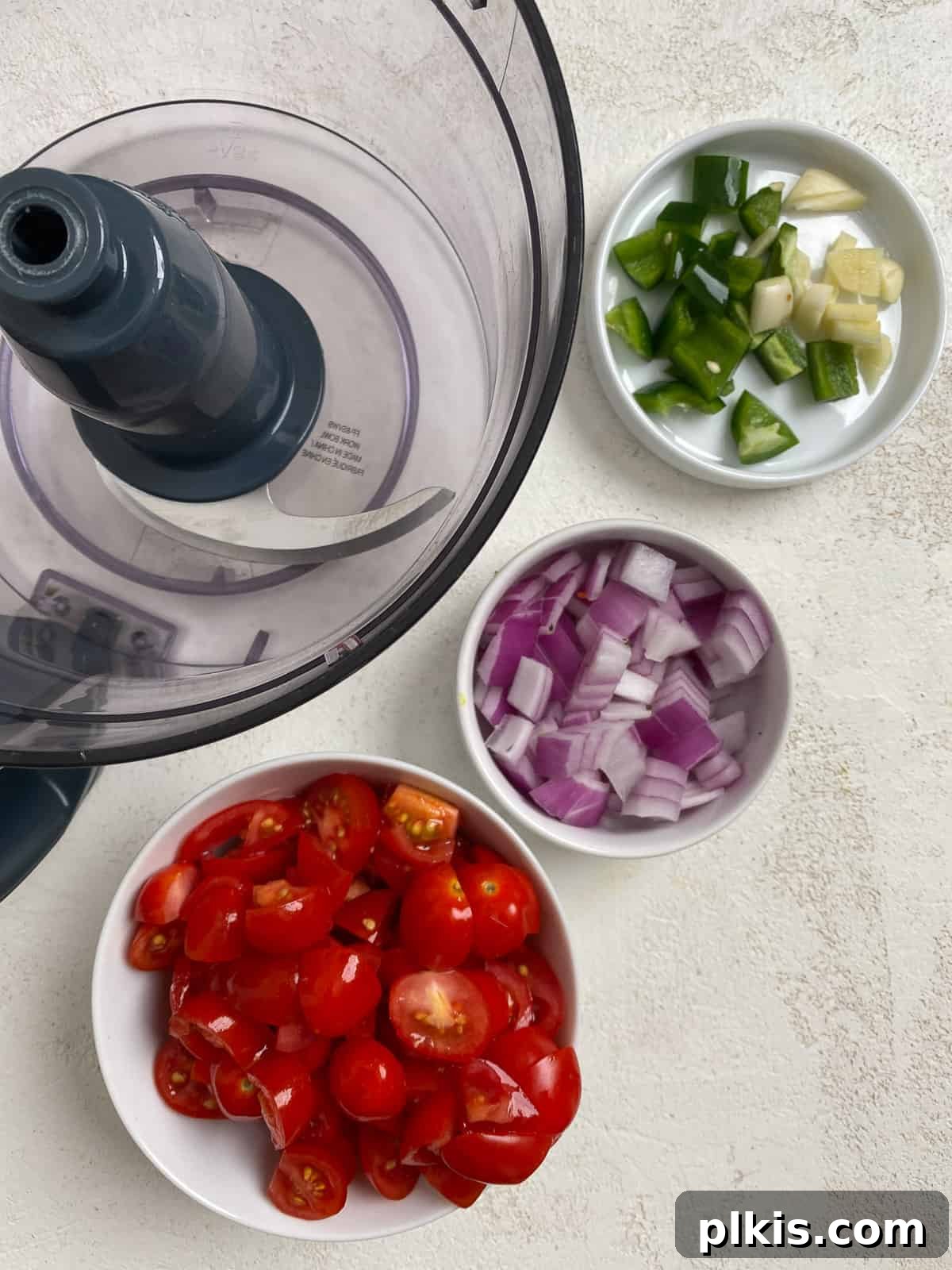
A key tip for adjusting the heat level of your summer salsa: most of the capsaicin (which causes heat) resides in the seeds and the white membranes of the jalapeño. You can remove some or all of these to make your salsa as mild or as spicy as you like.
- 2) Blend to Perfection: Transfer all your chopped ingredients (tomatoes, onion, garlic, jalapeño) and the optional olive oil into a blender or food processor. Begin to process, using short pulses at first. Continue blending until you achieve a creamy, smooth consistency. If you prefer a restaurant-style salsa with a little more texture, stop blending earlier.
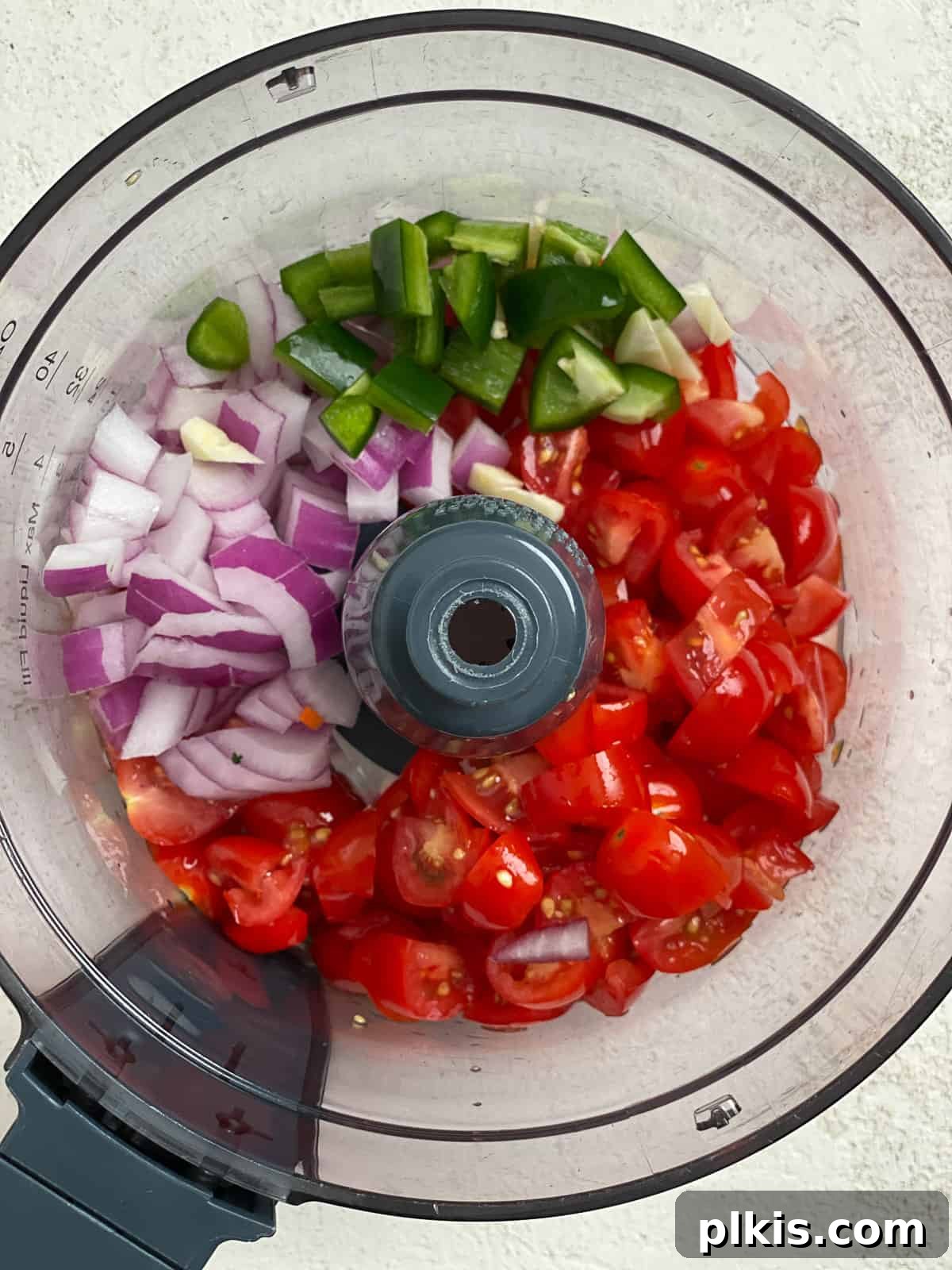
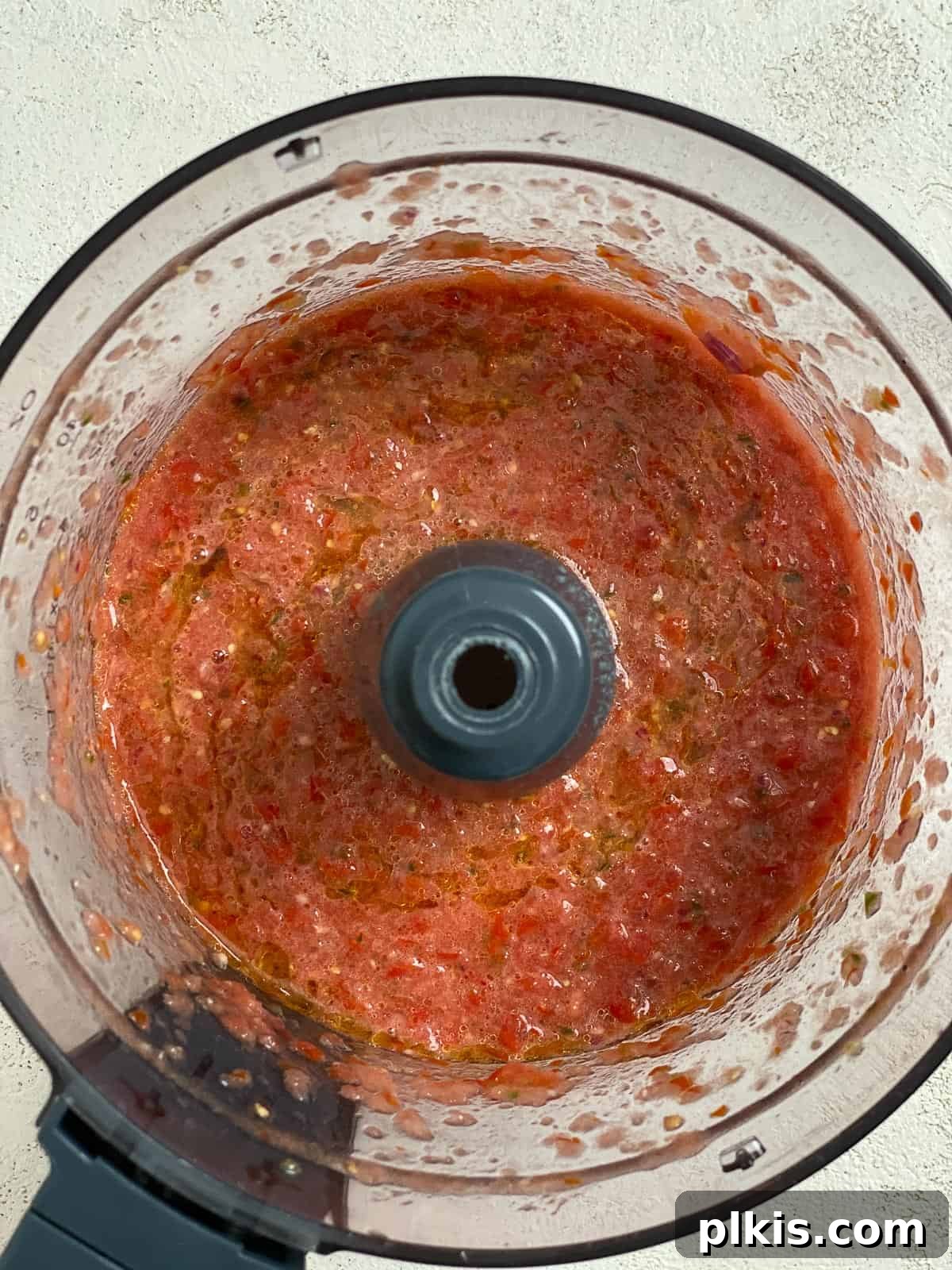
For a salsa with a bit of texture, pulse for shorter intervals and check the consistency frequently. If you desire a chunky Salsa Fresca (Pico de Gallo) type salsa, you can either pulse the ingredients just a few times for a coarse chop or skip the blender entirely and finely chop all ingredients by hand for a truly rustic texture.
- 3) Finish and Season: Add the fresh cilantro to the blender or food processor and pulse just once or twice more to evenly disperse it without over-blending. Now, it’s time to taste your homemade restaurant-style salsa! Season it generously with fresh lime juice and salt to your personal liking. Adjust the amounts until the flavors are perfectly balanced.
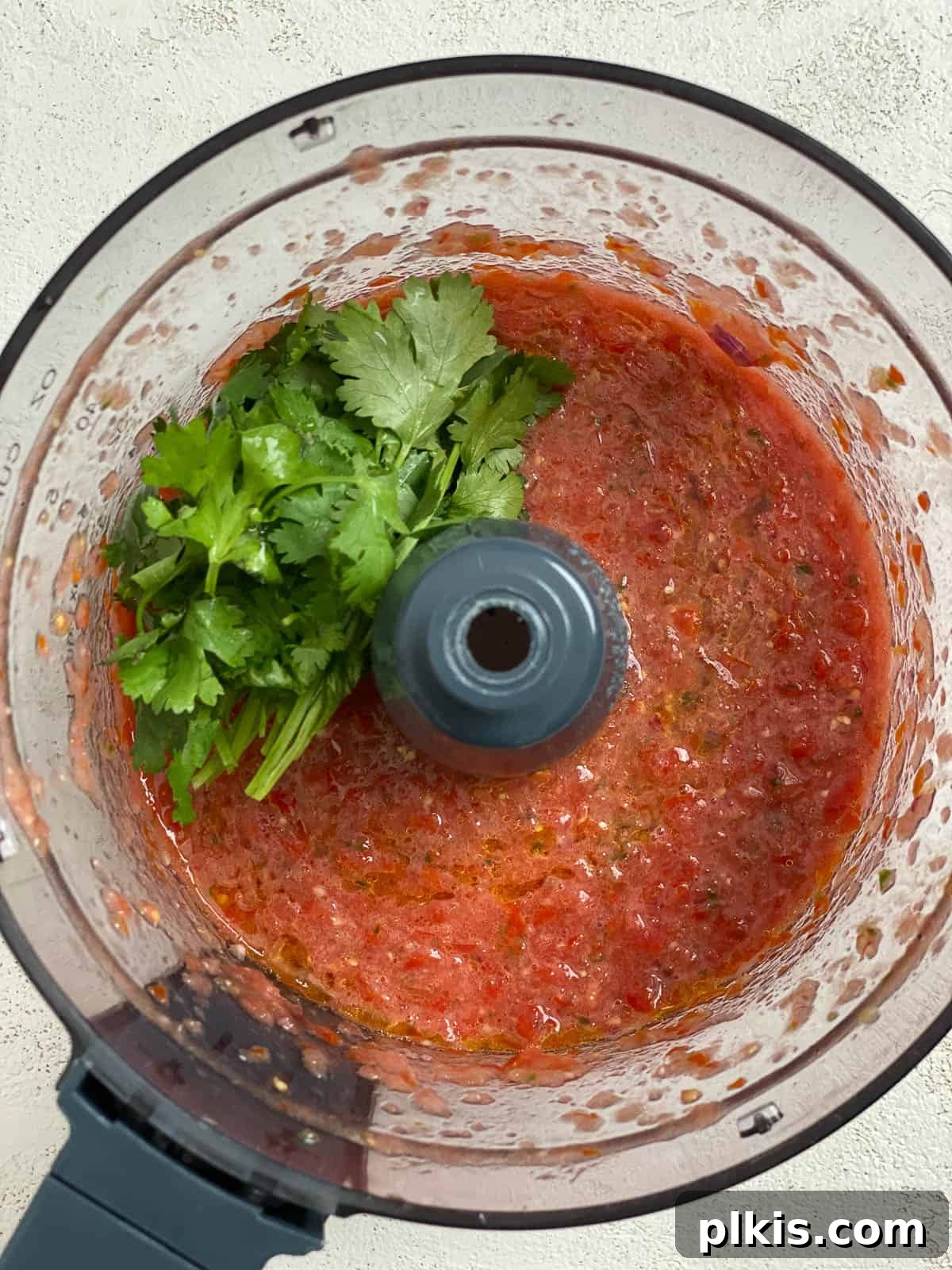
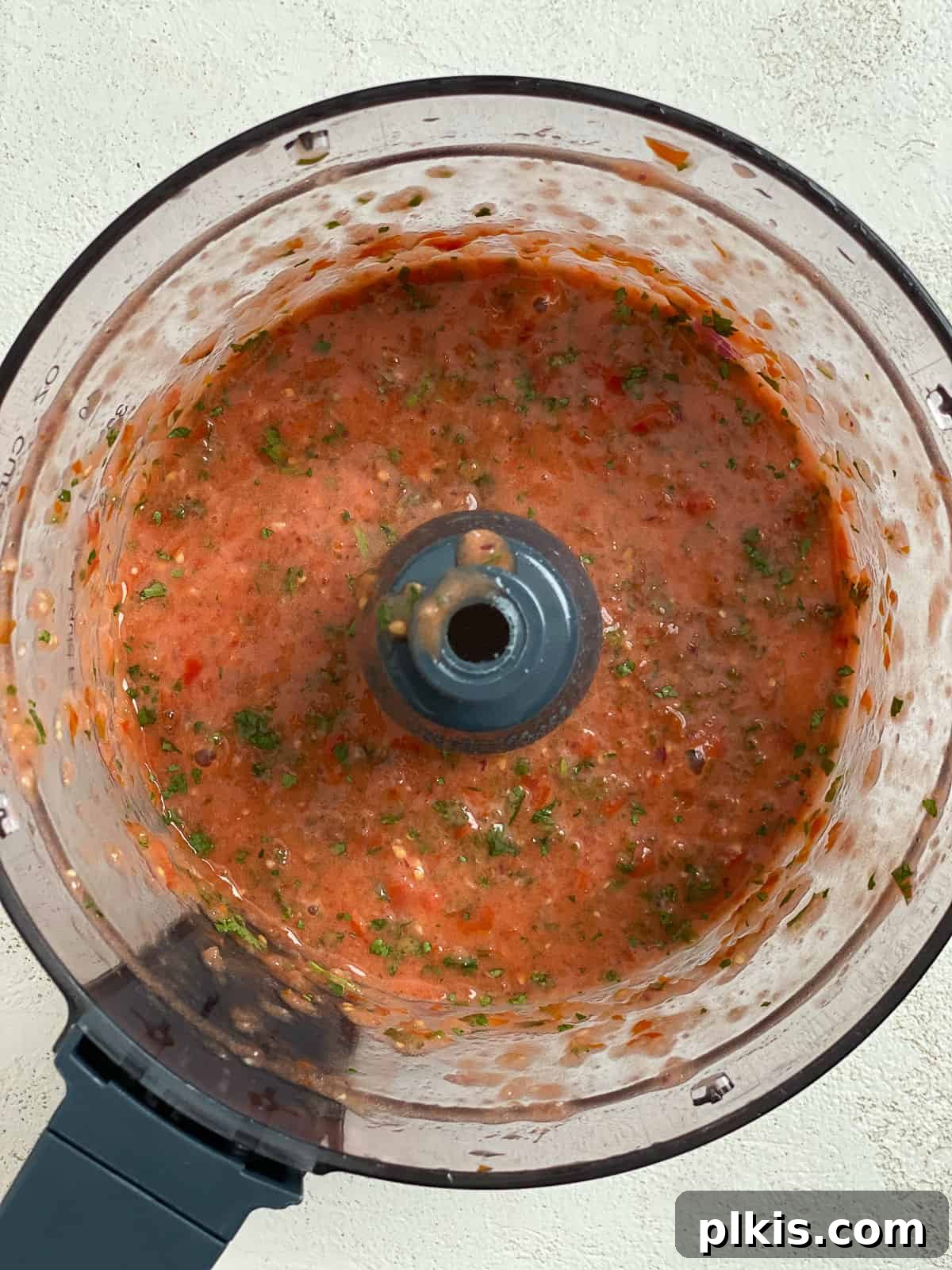
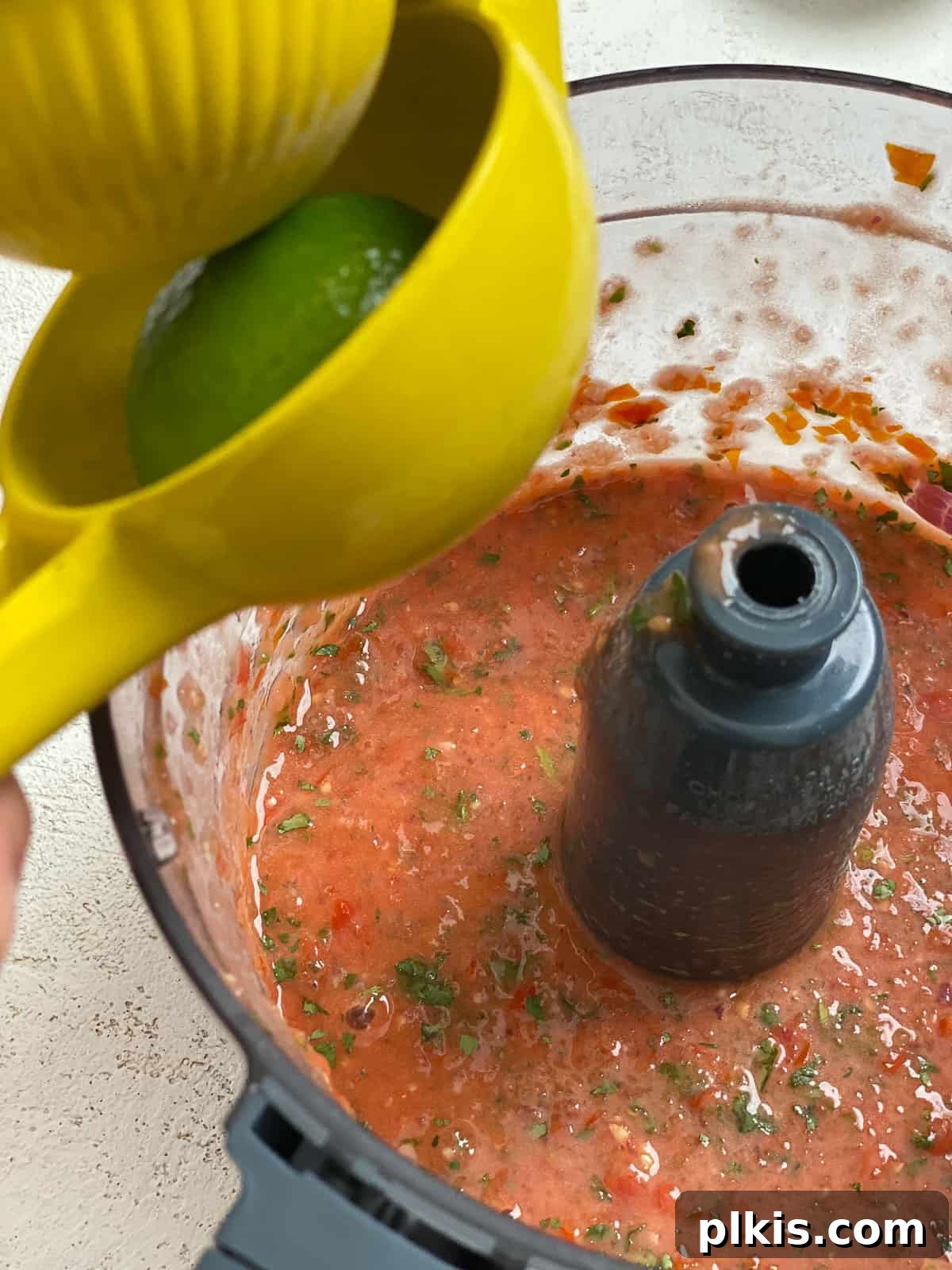
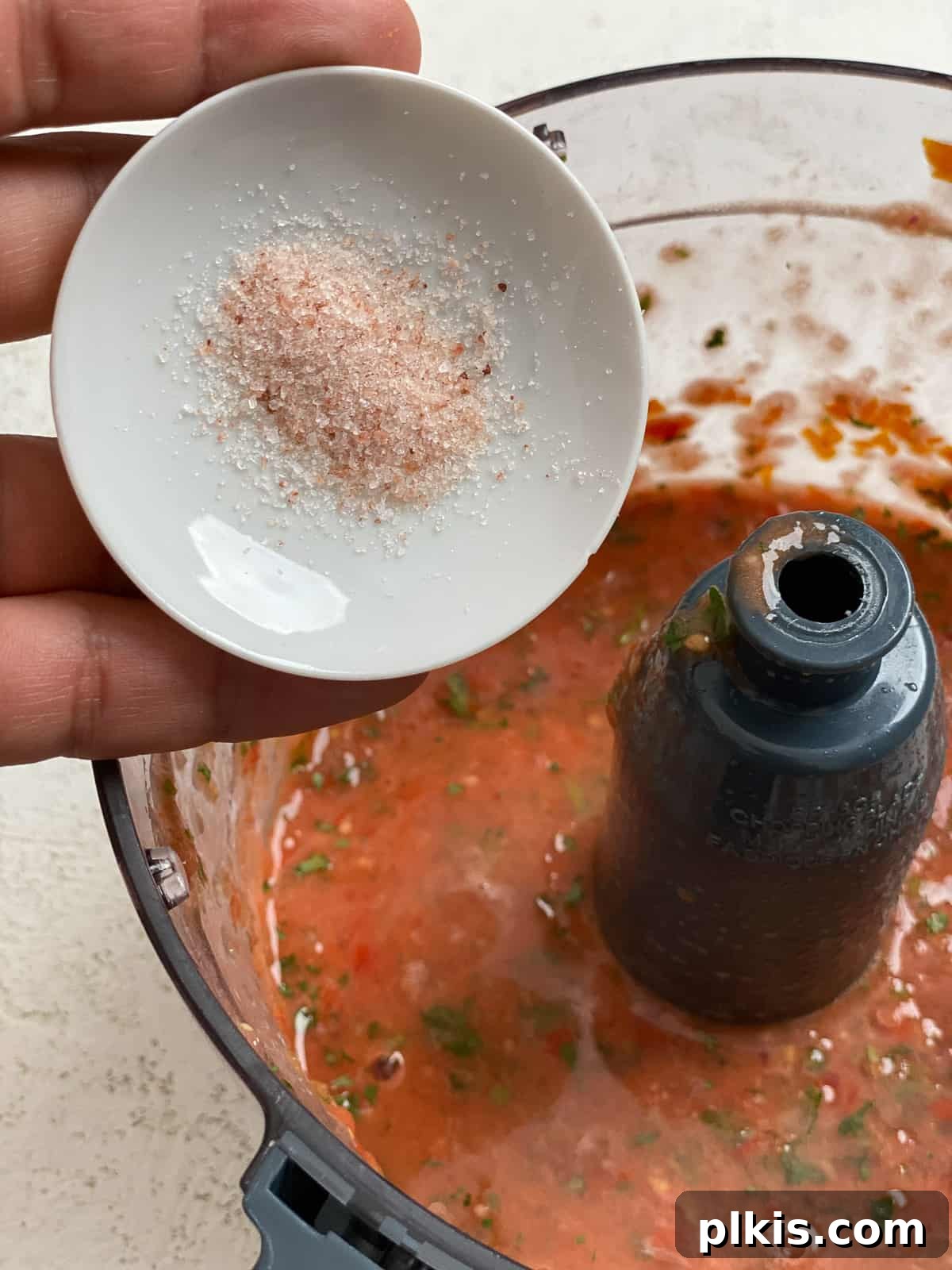
While you can certainly enjoy your fresh tomato salsa immediately, we highly recommend transferring it to an airtight container and refrigerating it for a minimum of 30 minutes. This crucial resting period allows all the incredible ingredients and vibrant flavors to meld and deepen, resulting in a much more harmonious and delicious final product. Then, enjoy!
Expert Tips & Notes for Perfect Homemade Salsa
Achieving your perfect blender salsa is simple with these helpful tips and insights:
- Customize the Texture: Your blender is your best friend for texture control. Process the salsa until it’s slightly chunky for a more rustic feel, or continue blending until it’s completely smooth for that classic restaurant-style consistency. For a true Pico de Gallo experience, you can even skip the blender entirely and finely chop all ingredients by hand.
- Prioritize Freshness: With such a short ingredient list, the quality of each component truly shines. Always opt for the freshest, ripest tomatoes, crispest onions, and fragrant garlic you can find. Fresh lime juice, in particular, makes a significant difference compared to bottled alternatives.
- Season to Taste: This is your salsa, so make it exactly how you like it! Don’t hesitate to add more or less chili for heat, adjust the lime juice for brightness, or increase the salt to perfectly tweak the homemade red salsa to your personal preference. Taste, adjust, taste again.
- For a Thicker, Less Watery Salsa: Tomatoes naturally contain a lot of water. To achieve a denser, less liquidy restaurant-style salsa, consider removing the seeds and watery core from your fresh tomatoes before blending. If using canned tomatoes, draining them thoroughly will help.
- Handle Hot Peppers with Care: Jalapeños can contain oils that irritate skin. It’s always a good idea to use gloves when de-seeding and chopping them, and always avoid touching your face, especially your eyes, until you’ve thoroughly washed your hands.
- Infuse Smoky Flavor: Beyond using fire-roasted tomatoes or smoky chiles, you can introduce a lovely smokiness by charring your fresh tomatoes directly over a gas flame or under a broiler before blending. A few drops of liquid smoke can also achieve a similar effect without the extra steps.
- Blender or Food Processor: Whether you have a powerful Vitamix or a standard food processor, this recipe works beautifully. Higher-powered blenders will achieve a super smooth consistency faster, but any blender or food processor will make this simple summer salsa recipe a breeze.
- Don’t Overblend Cilantro: When adding cilantro, only pulse briefly. Over-blending cilantro can make it taste bitter or give it an undesirable grassy flavor.
Make Ahead and Storage Tips
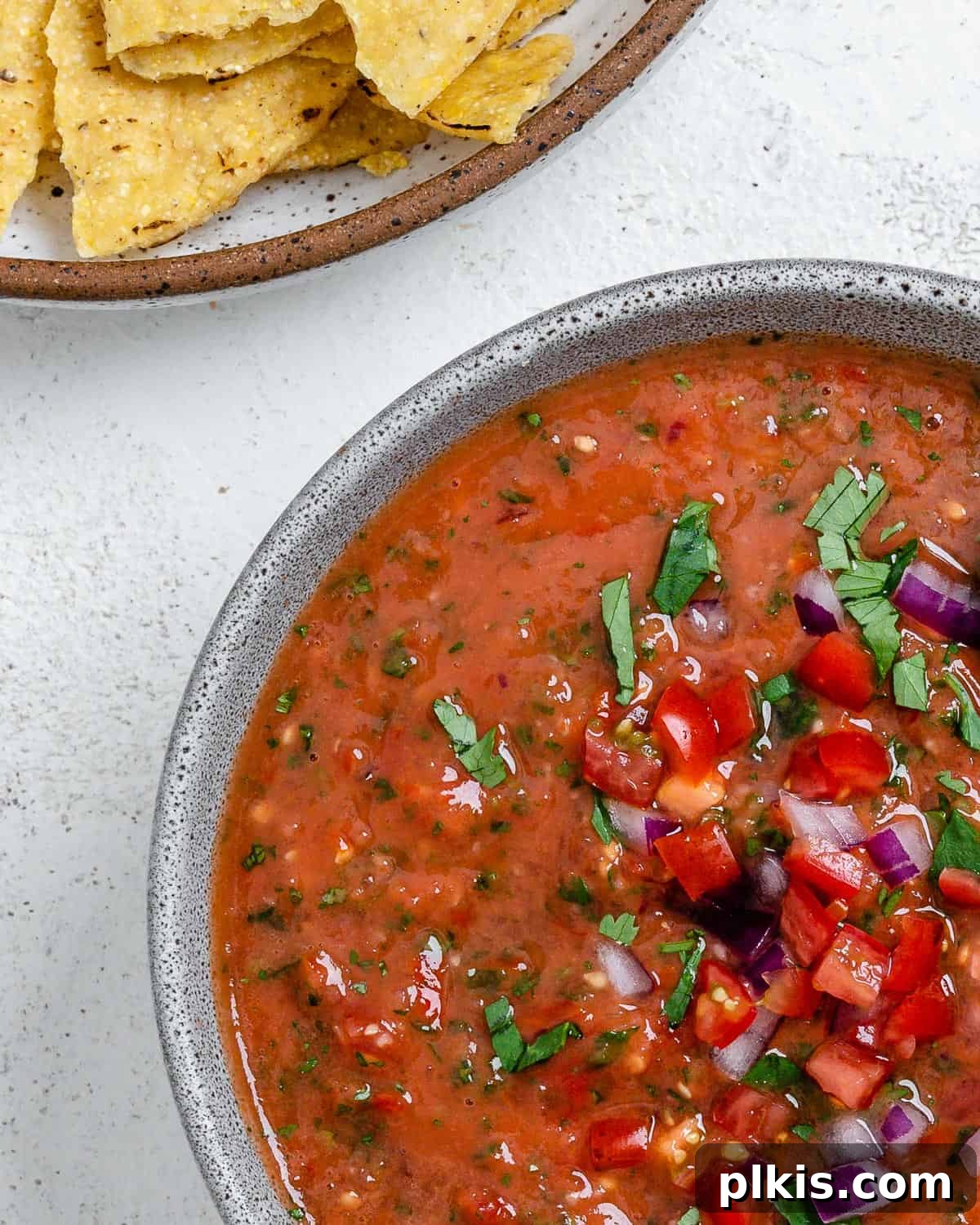
While this 5-minute salsa is ready to enjoy immediately, we highly recommend allowing it a minimum of 30 minutes to rest in the refrigerator before serving. This crucial step allows the various flavors to meld and deepen, transforming a good salsa into a truly great one. For the absolute best flavor, a full 24 hours of “marinating” in the fridge is the real sweet spot, enhancing the complexity and harmony of the ingredients.
Any leftover homemade salsa can be stored in an airtight container in the refrigerator for 5-7 days. Always ensure it’s properly sealed to maintain freshness and prevent it from absorbing other odors from the fridge. Its vibrant flavors actually improve over time, making it a fantastic make-ahead appetizer or condiment.
Can You Freeze Blender Salsa?
The freezer-friendliness of your blender salsa largely depends on the type of tomatoes you use. If you make this salsa from canned tomatoes, it holds up beautifully in the freezer for up to 3 months. The canning process already alters the tomato’s texture, so freezing doesn’t have a significant negative impact. However, we generally do not recommend freezing versions made with fresh tomatoes. Fresh tomatoes have a high water content, and upon thawing, they tend to become mushy and release excess liquid, significantly compromising the fresh, vibrant texture of your salsa.
Versatile Serving Suggestions for Your Homemade Salsa
You likely already have some fantastic ideas for how to enjoy this delicious fresh tomato salsa. But if you’re looking for extra inspiration, here are some of our favorite creative ways to serve and savor this incredible blender salsa:
- Classic Dip: Serve it generously with your favorite crispy tortilla chips and alongside cheesy quesadillas for a truly satisfying snack or appetizer.
- Nacho Topping: Drizzle this vibrant salsa over a mountain of vegan nachos for an instant upgrade in flavor and freshness.
- Tostada Base: Use it as a zesty base layer for plant-based tostadas, topped with beans, avocado, and other fresh veggies.
- Burrito & Bowl Filler: Layer this flavorful salsa into hearty burritos or use it to brighten up your favorite burrito bowls.
- Condiment for Mains: It makes an excellent condiment or side sauce for crispy tofu, tempeh dishes like breaded tofu strips, and savory roasted vegetables.
- Instant Spanish Rice: Stir a generous spoonful into plain cooked rice to effortlessly transform it into a flavorful Spanish-style rice side dish.
- Burger Booster: Enhance your Mexican and Tex-Mex inspired burgers, whether they’re bean burgers or other plant-based patties, with a dollop of this fresh salsa.
- Breakfast Brightener: Add a zesty kick to your morning tofu scrambled “eggs” for a flavorful and satisfying start to your day.
More Irresistible Vegan Appetizer Recipes
If you’re looking for more plant-based snacks and starters to delight your taste buds, explore these other fantastic recipes:
- Creamy Vegan Nacho Cheese
- Crispy Baked Zucchini Fries
- Garlic & Herb Baked Potato Wedges
- Addictive Blistered Shishito Peppers
Photos by Alfonso Revilla
Frequently Asked Questions About Blender Salsa
- Q: Is this salsa genuinely “5-minute”?
A: Yes, the active preparation and blending time for this salsa is truly about 5 minutes. The chopping is coarse, and blending is quick. However, we strongly recommend allowing it to chill in the refrigerator for at least 30 minutes (or ideally, longer) for the flavors to fully meld, creating a superior taste experience. - Q: Can I make this salsa without a blender?
A: Absolutely! If you prefer a truly chunky Pico de Gallo style salsa, you can finely dice all the ingredients by hand. The texture will be different, but the fresh flavors will still shine through. Just ensure everything is finely chopped for the best eating experience. - Q: My salsa is too watery. What can I do?
A: To prevent watery salsa, you can take a few steps: remove the seeds and membranes from your fresh tomatoes (this also reduces heat), or if using canned tomatoes, drain them very well. If your salsa is already made and too watery, you can try straining it through a fine-mesh sieve for a few minutes to remove some excess liquid. - Q: How can I make my salsa spicier or milder?
A: To increase the heat, leave some or all of the seeds and white membranes in the jalapeño. For extra spice, you can add another jalapeño, or use a hotter chili like a serrano pepper. To make it milder, remove all seeds and membranes from the jalapeño, or replace it entirely with a less spicy pepper like a poblano or even a red bell pepper for no heat at all. - Q: Why does my salsa taste bitter or too acidic?
A: Bitterness can sometimes come from over-blending cilantro or from using an onion with a very strong raw flavor. To combat bitterness, a small pinch of sugar can help balance it out. If it tastes too acidic, it likely needs more salt to balance the lime juice and tomatoes. Adjusting salt levels is key to harmonious flavors. - Q: Can I use dried spices instead of fresh herbs?
A: While fresh cilantro is highly recommended for its vibrant flavor, you can certainly add dried spices like a pinch of ground cumin or Mexican oregano for an earthy depth. For the best fresh salsa, prioritize fresh ingredients whenever possible.
5 Minute Restaurant Style Blender Salsa
5 mins
0 mins
5 mins
6 servings
Equipment
-
Sharp Knives
-
Measuring Cups
-
Measuring Spoons
-
Food Processor
-
Blender
Ingredients
- 1 cup ripe cherry tomatoes coarsely chopped
- 2 Tablespoons white or red onion, or shallot coarsely chopped
- 1 medium garlic clove peeled and coarsely chopped
- 1 small jalapeño coarsely chopped, seeds removed if you prefer mild salsa
- 1 Tablespoon olive oil optional
- ¼ cup fresh cilantro coarsely chopped
- Juice from half a lime or to taste
- Pinch of salt to taste
- Optional additions: poblano, chipotle, or red bell pepper, pineapple or mango
Instructions
-
Place coarsely chopped tomatoes, onion, garlic, jalapeño, and the optional olive oil into a blender or food processor. Blend until creamy for a smooth restaurant-style salsa, or pulse for less time if you prefer a more coarsely chopped, textured consistency.
-
Add the fresh cilantro to the blended mixture and pulse once or twice for just a second or two to evenly distribute it. Season the salsa with fresh lime juice and salt, tasting and adjusting until the flavors are perfectly balanced. Chill for at least 30 minutes to allow flavors to meld, then serve immediately.
Notes
- Adjust the texture: Process the blender salsa until slightly chunky or completely smooth. Alternatively, skip the blender and finely chop the ingredients into a salsa Fresca for a Pico de Gallo style.
- Use the freshest ingredients: With such few ingredients, every single one matters for the best flavor!
- Tweak to taste: Feel free to add more or less chili, lime juice, or salt to perfectly customize this homemade red salsa to your liking.
- For a less watery restaurant style salsa: Remove the seeds and membranes from the tomatoes before blending.
Nutrition
Calories: 29kcal
Carbohydrates: 2g
Protein: 0.4g
Fat: 2g
Saturated Fat: 0.3g
Polyunsaturated Fat: 0.3g
Monounsaturated Fat: 2g
Sodium: 10mg
Potassium: 75mg
Fiber: 0.3g
Sugar: 1g
Vitamin A: 194IU
Vitamin C: 10mg
Calcium: 6mg
Iron: 0.2mg
Additional Info
Tried this recipe?Please tag us at @PlantBasedOnABudget! 🙂