
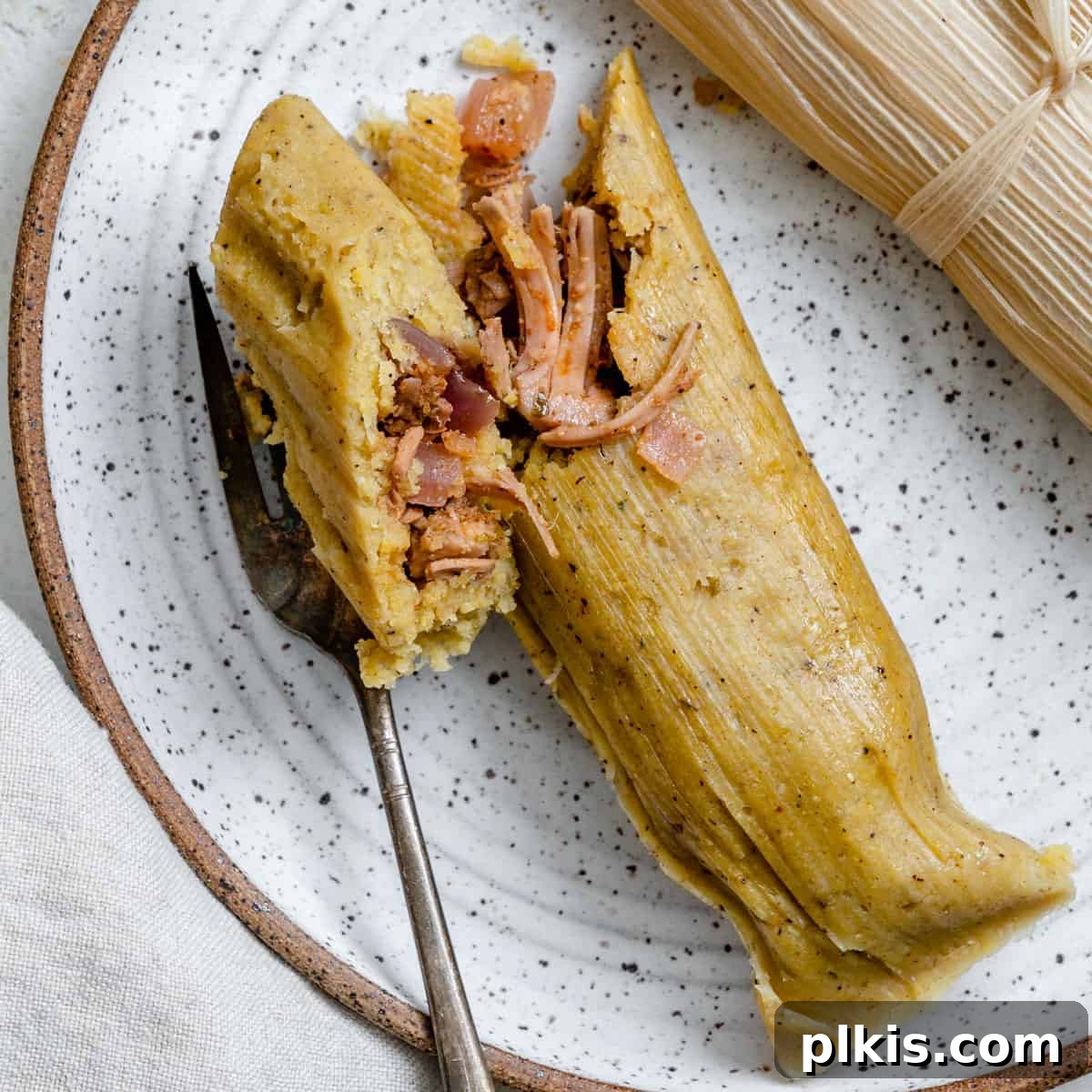
Welcome to the ultimate guide for crafting delicious and authentic vegan tamales right in your kitchen! Whether you’re a seasoned cook or new to the art of tamale making, this comprehensive guide will walk you through every step, from preparing the perfect masa dough to exploring eight incredible plant-based filling options. We’ll cover step-by-step instructions, essential tips, frequently asked questions, and recommendations for storage and reheating, ensuring your homemade tamales are a resounding success. These vegan and vegetarian tamales are not just for the holidays; they’re ideal for potlucks, family gatherings, or any celebration year-round!
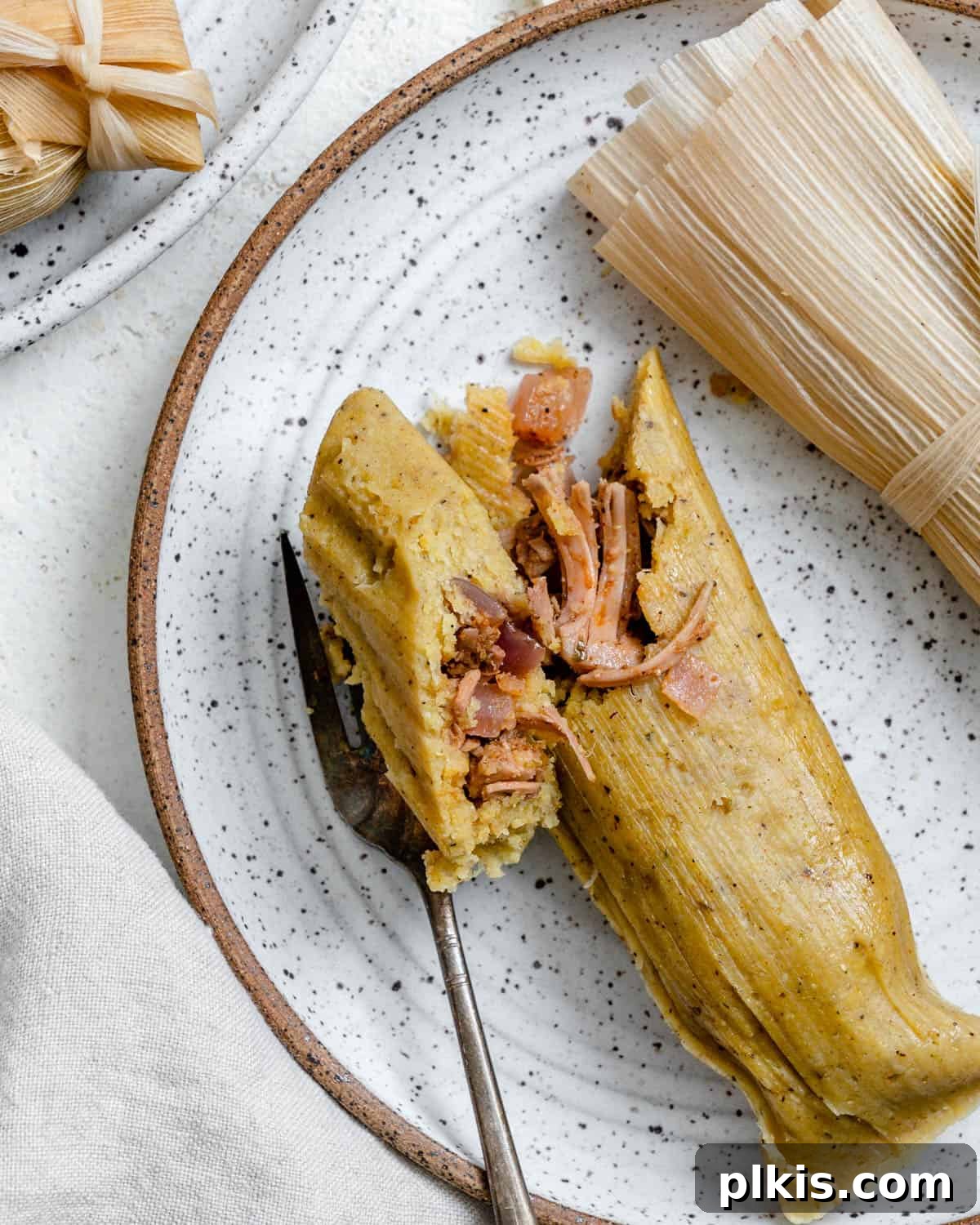
What Are Tamales?
Tamales (the singular being ‘tamal’ in Spanish) are a beloved traditional Mesoamerican dish, cherished for centuries across Latin America. At their heart, tamales consist of pockets of masa—a specially prepared, nixtamalized corn dough—enveloping a savory or sweet filling. This flavorful bundle is then wrapped in a corn husk or banana leaf and gently steamed to perfection. The process of nixtamalization, involving cooking and steeping corn in an alkaline solution, is what gives masa its distinct flavor, aroma, and pliable texture, which is crucial for authentic tamales.
While tamales are enjoyed throughout the year, they hold a special place during festive occasions, particularly during the holiday season. Often referred to as “little present bundles,” they evoke the excitement of unwrapping a gift at the dinner table, especially around Christmas. Their preparation is often a communal event, bringing families and friends together for a tradition known as a “tamalada,” filled with laughter, music, and the shared joy of culinary creation. This rich history and communal spirit make tamales more than just food; they are a celebration of culture, family, and heritage.
Vegan Tamales: A Modern Twist on Tradition
For many, the thought of transitioning to a vegan lifestyle can be daunting, especially when it comes to beloved family traditions and cultural foods. If you grew up anticipating tamales every Christmas, you might have worried that embracing veganism would mean saying goodbye to this cherished custom. But fear not! The world of plant-based cooking has evolved beautifully, offering delicious and authentic alternatives that honor tradition while aligning with a vegan diet.
Through extensive recipe testing and creative culinary exploration, we’ve discovered incredible vegan workarounds for many classic Mexican dishes. From vibrant tofu chilaquiles and hearty frijoles de la olla (pot beans) to refreshing Mexican horchata, a plant-based lifestyle doesn’t mean sacrificing flavor or tradition. And these vegan tamales are a testament to that!
The secret to our vegetarian tamales lies in thoughtful ingredient swaps. We replace traditional lard, a common component in masa, with neutral vegetable oil or plant-based vegetable shortening, achieving the same moist, tender masa texture without any animal products. The meaty fillings are joyfully substituted with a wide array of delicious and imaginative vegetarian and vegan options, ensuring every bite is bursting with flavor. And the best part? There are so many exciting fillings to choose from, catering to every palate and preference!
Beyond being incredibly delicious, making these veggie tamales at home is also a wonderfully cost-efficient choice, especially considering how challenging it can be to find high-quality vegan versions in stores. While tamale making is simple, it can be a bit time-consuming, which is precisely why it’s one of our favorite group activities for the holidays. Gather your friends and family, put on some festive music, and create a tamalada (tamale-making party) – it’s a fantastic way to bond, share stories, and make delicious memories together.
In this comprehensive guide, we’ll delve into every aspect of crafting the perfect vegan tamales. You’ll learn:
- How to prepare the masa dough to achieve that ideal fluffy texture.
- Expert tips for spreading the masa and adding your chosen fillings.
- The traditional methods for folding and securing your tamales.
- Detailed instructions on how to steam them to perfection.
- And finally, the best ways to store, freeze, and reheat your homemade tamales for enjoyment later.
Get ready to embark on a culinary adventure that will bring joy and deliciousness to your table, proving that vegan food can be both traditional and incredibly flavorful!
The Ingredients and Substitutes: Crafting Your Vegan Tamales from Scratch
Embark on your tamale-making journey with a selection of simple, accessible ingredients. The beauty of this recipe lies in its flexibility, allowing you to choose your favorite plant-based fillings and customize them to your heart’s content. Let’s explore the essential components for your vegan tamales.
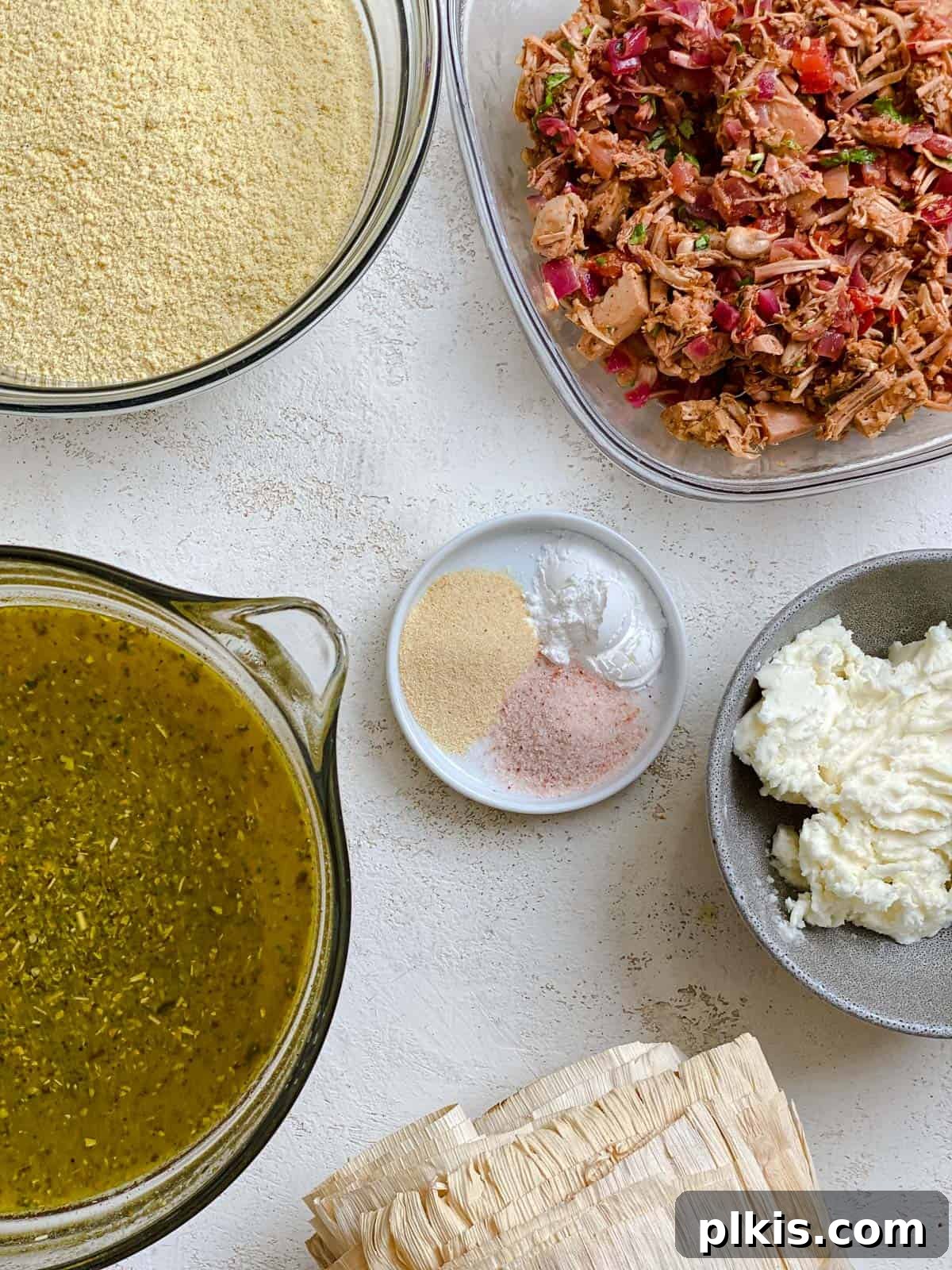
The Vegan Masa (and Husks)
The masa is the heart and soul of any tamale. For our vegan version, we focus on achieving that same light, fluffy, and flavorful texture without any animal products.
- Dried Corn Husks: These are essential for wrapping and steaming your tamales, imparting a subtle corn flavor. You can typically find them at local Spanish or Latin American markets, specialty grocery stores, or conveniently online. For creative substitutes, if husks are unavailable, refer to our FAQs section below.
- Masa Harina (for Tamales): Not all masa harina is created equal! For the best results, look for a good-quality, finely ground corn flour specifically labeled ‘for tamales’ or ‘for tortillas and Atoles.’ Brands like Maseca are often recommended for their consistent quality and suitability for tamales, yielding a superior texture.
- Vegetable Broth: A rich and flavorful vegetable broth is key to hydrating the masa and infusing it with savory depth. Opt for a high-quality store-bought broth, or consider using bouillon cubes/paste (like Better Than Bouillon) mixed with water for a more concentrated flavor. Warm broth helps the masa harina hydrate more effectively.
- Neutral Oil or Vegetable Shortening: This is where we make our crucial vegan swap! Instead of traditional lard, we use a neutral-flavored oil such as vegetable oil or coconut oil (melted if solid), or room-temperature vegetable shortening. The fat is vital for achieving the characteristic light, tender, and moist texture of tamales. It helps aerate the dough and prevents it from drying out.
- Baking Powder: A small but mighty ingredient, baking powder is crucial for making the masa light and fluffy, ensuring your tamales aren’t dense.
- Garlic Powder: Adds a subtle yet essential savory depth to the masa, complementing the fillings beautifully. For an even richer flavor profile, consider adding a touch of onion powder as well.
- Salt: Essential for balancing and enhancing all the flavors in the masa. Adjust to your personal taste.
Unleash Your Creativity: Eight Delicious Vegan Tamale Filling Options
The beauty of vegan tamales lies in the endless possibilities for delicious, plant-based fillings. Here are some of our absolute favorites, designed to inspire your culinary creations:
- Spicy Soyrizo & Vegan Cheese: This dynamic duo brings a satisfying kick and creamy texture. Simply cook crumbled soy chorizo (soyrizo) with finely diced jalapeños until fragrant. Then, combine it with your favorite shredded vegan cheese for a melty, flavorful center.
- Hearty Beans & Vegan Cheese: A classic combination that’s incredibly comforting. Mix a can of seasoned black or pinto beans (mashed or whole) with shredded vegan cheese. For an extra layer of flavor and texture, consider adding cooked, mashed sweet potato or roasted squash.
- Garlicky Spinach & Vegan Cheese: A lighter, yet equally delicious option. Sauté fresh spinach with minced garlic and a pinch of salt until wilted. Drain any excess liquid, then mix it with your preferred shredded vegan cheese for a vibrant, savory filling.
- Chile & Vegan Cheese (Poblano or Jalapeño): For those who love a smoky, slightly spicy profile. Dice and sauté poblano peppers until softened and slightly charred, or use jalapeños for a bolder heat. Combine the cooked peppers with shredded vegan cheese, allowing the flavors to meld beautifully.
- Savory Garlic Mushrooms: Earthy and rich, this filling is packed with umami. Sauté your favorite mushrooms (cremini, shiitake, or a mix) with minced garlic, a touch of vegan butter, and fresh herbs like thyme or oregano. Finish by mixing with a spicy adobo sauce or a dash of hot sauce for an extra zing.
- Classic Refried Beans (or Pot Beans): A simple yet deeply satisfying filling. Use homemade pot beans or your favorite store-bought vegan refried beans. For an added indulgence, sprinkle in some dairy-free cheese before folding.
- Sweet Potato, Black Beans & Corn with Spices: A vibrant and flavorful combination with a hint of sweetness. Sauté diced onion and garlic until translucent, then add canned black beans (rinsed), cooked and mashed sweet potato, and frozen corn. Season generously with salt, cumin, paprika, and a pinch of chile powder for a balanced, delicious filling.
- Smoky Jackfruit Carnitas: Mimicking the texture of pulled pork, jackfruit is a fantastic plant-based alternative. Prepare jackfruit carnitas according to your favorite recipe, simmering it in a savory, slightly smoky sauce until tender and shreddable. This creates a wonderfully meaty and flavorful tamale filling.
We encourage you to experiment and find your perfect filling combination! Don’t hesitate to share your favorite vegan/vegetarian tamale filling ideas in the comments below to inspire fellow tamale enthusiasts!
How to Make Vegan Tamales: A Step-by-Step Guide for Foolproof Results
Crafting homemade vegan tamales is a rewarding process, and with our clear, simple steps, you’ll achieve perfect results every time. Let’s dive into the journey of making these delicious plant-based bundles.
How To Prepare Corn Husks For Tamales
Properly prepared corn husks are crucial for both wrapping and imparting flavor to your tamales. This initial step ensures they are pliable and easy to work with.
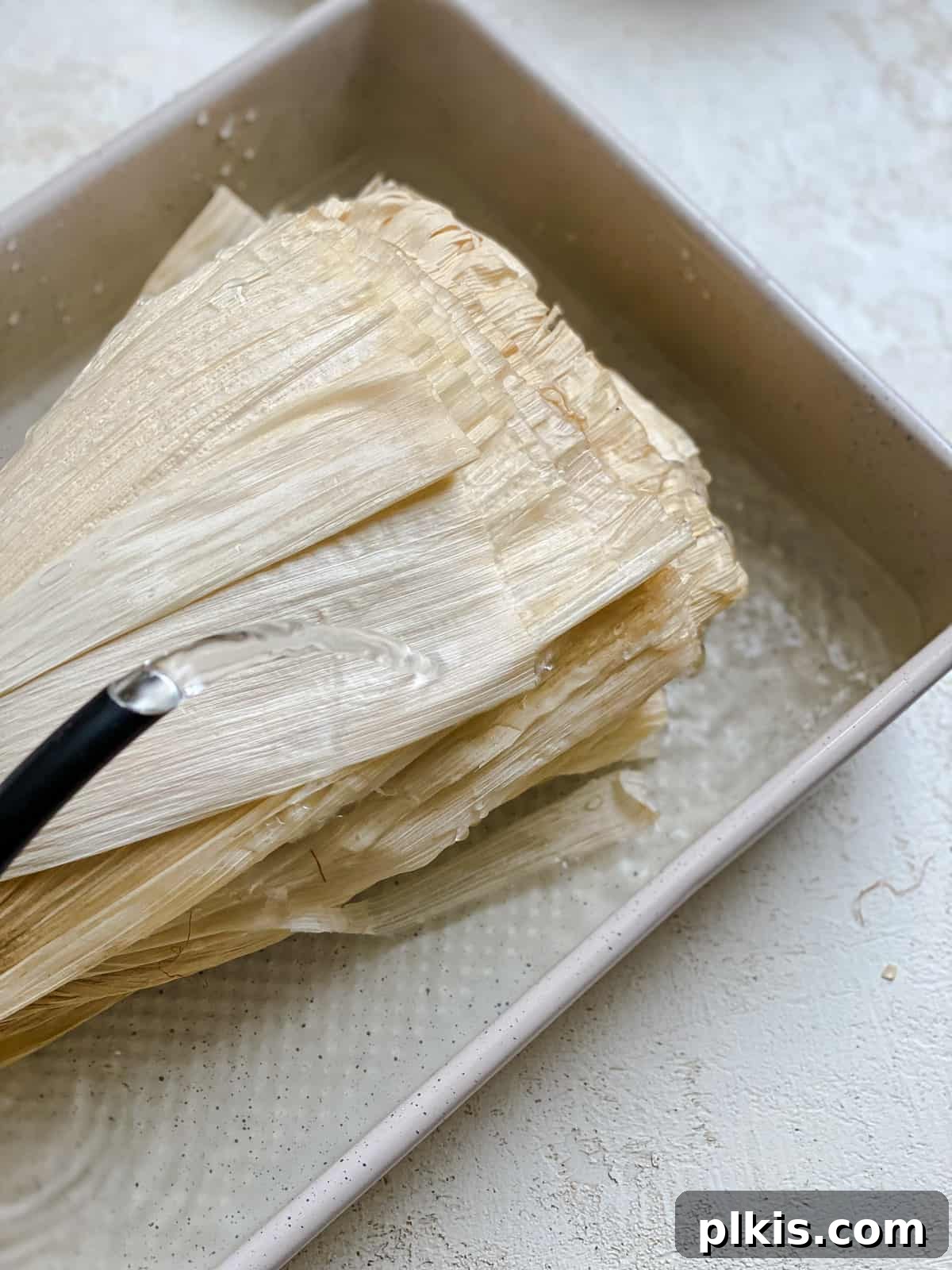
- First, transfer all the dried corn husks to a large baking dish, stockpot, or a deep bowl.
- Cover them completely with hot water. Ensure they are fully submerged; if they float, place a heavy object (like a plate or another bowl) over them to keep them underwater.
- Allow them to soak for 15-20 minutes, or until they become soft and pliable. While the husks are soaking, this is an excellent time to prepare your desired tamale filling.
How To Make Masa For Tamales
The masa is the foundation of your tamale, and getting its texture just right is key. This vegan masa recipe yields a light, fluffy, and flavorful dough.
- In a large mixing bowl, combine the masa harina, warm vegetable broth, vegetable oil (or shortening), baking powder, garlic powder, and salt.
- Using an electric mixer (or by hand with a sturdy spoon), beat the ingredients together until the mixture is smooth and well combined. The consistency should resemble thick, creamy peanut butter – easily spreadable but not watery.
- Continue to whip the masa for a further few minutes on medium speed. This aeration is crucial for achieving a lighter, fluffier texture in your cooked tamales. Stop periodically to scrape down the sides of the bowl to ensure everything is evenly incorporated.
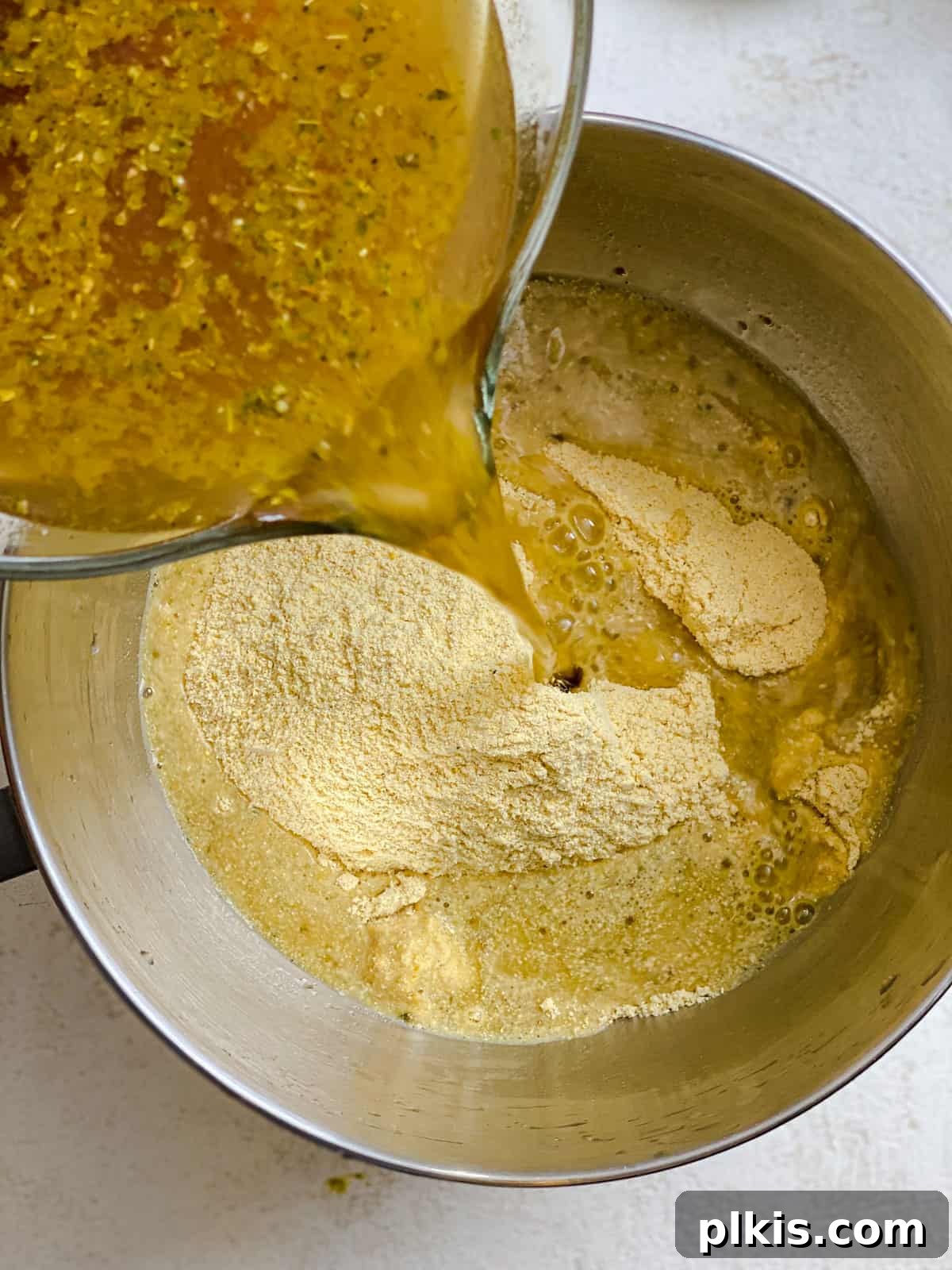
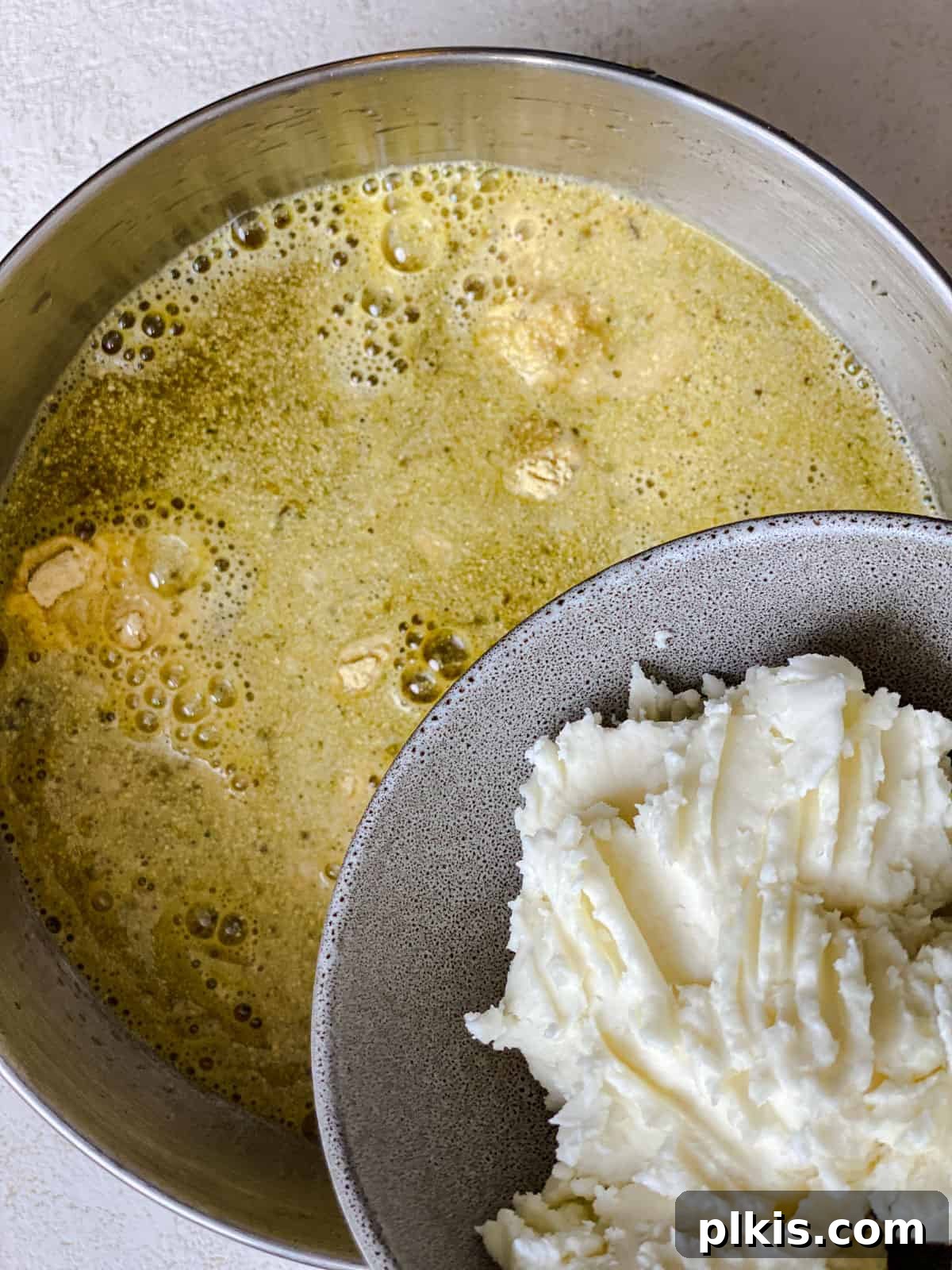
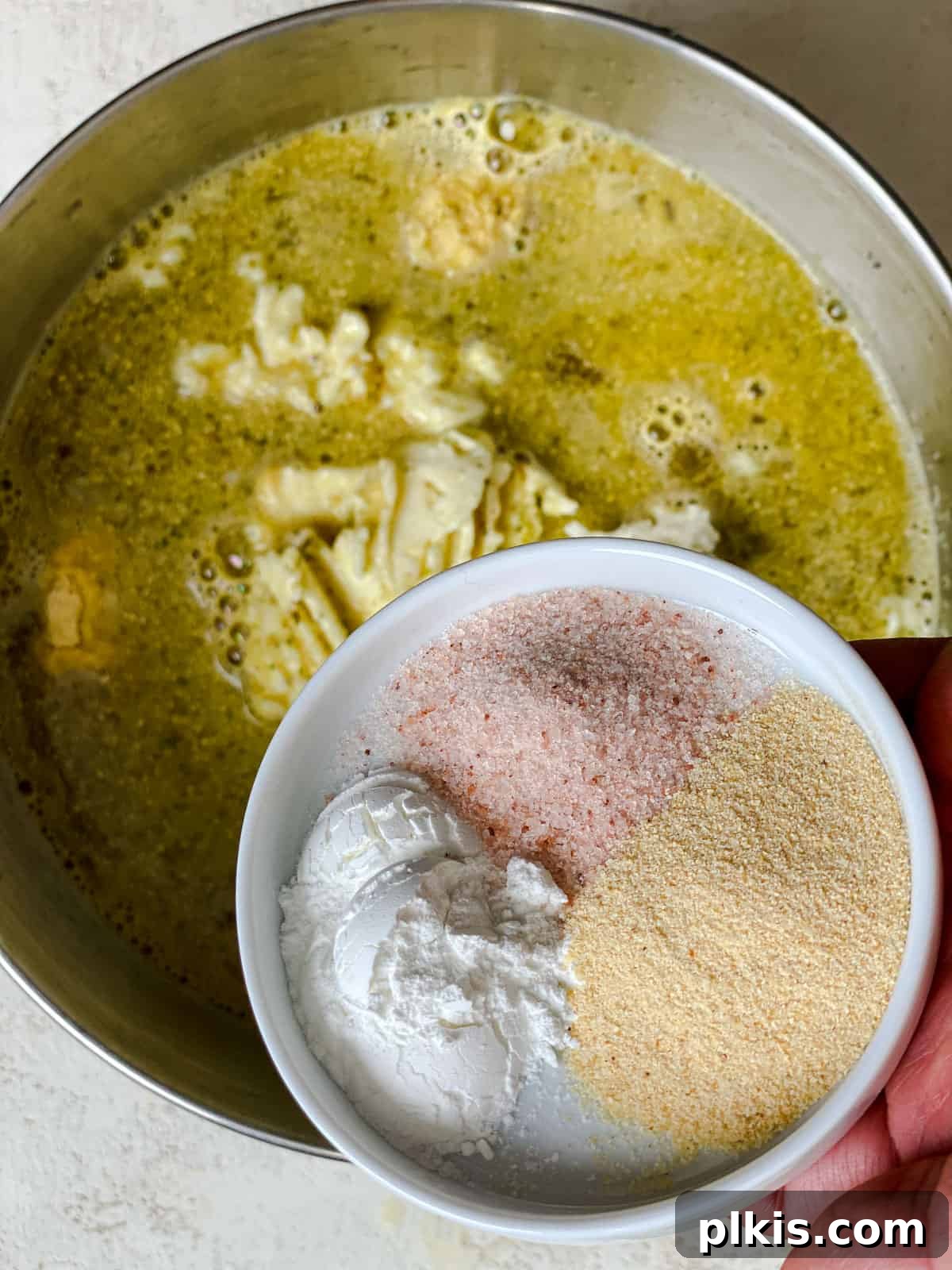
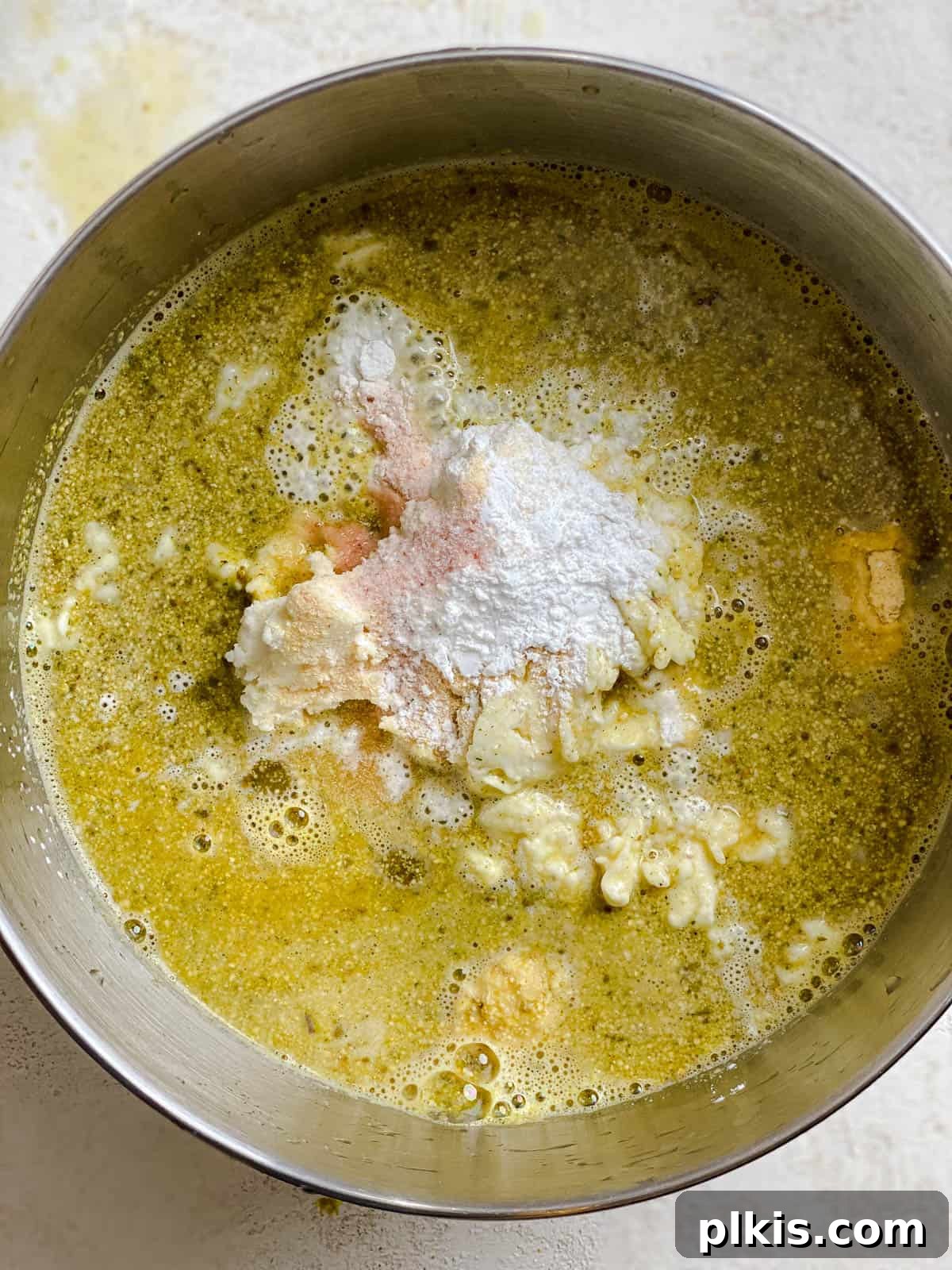
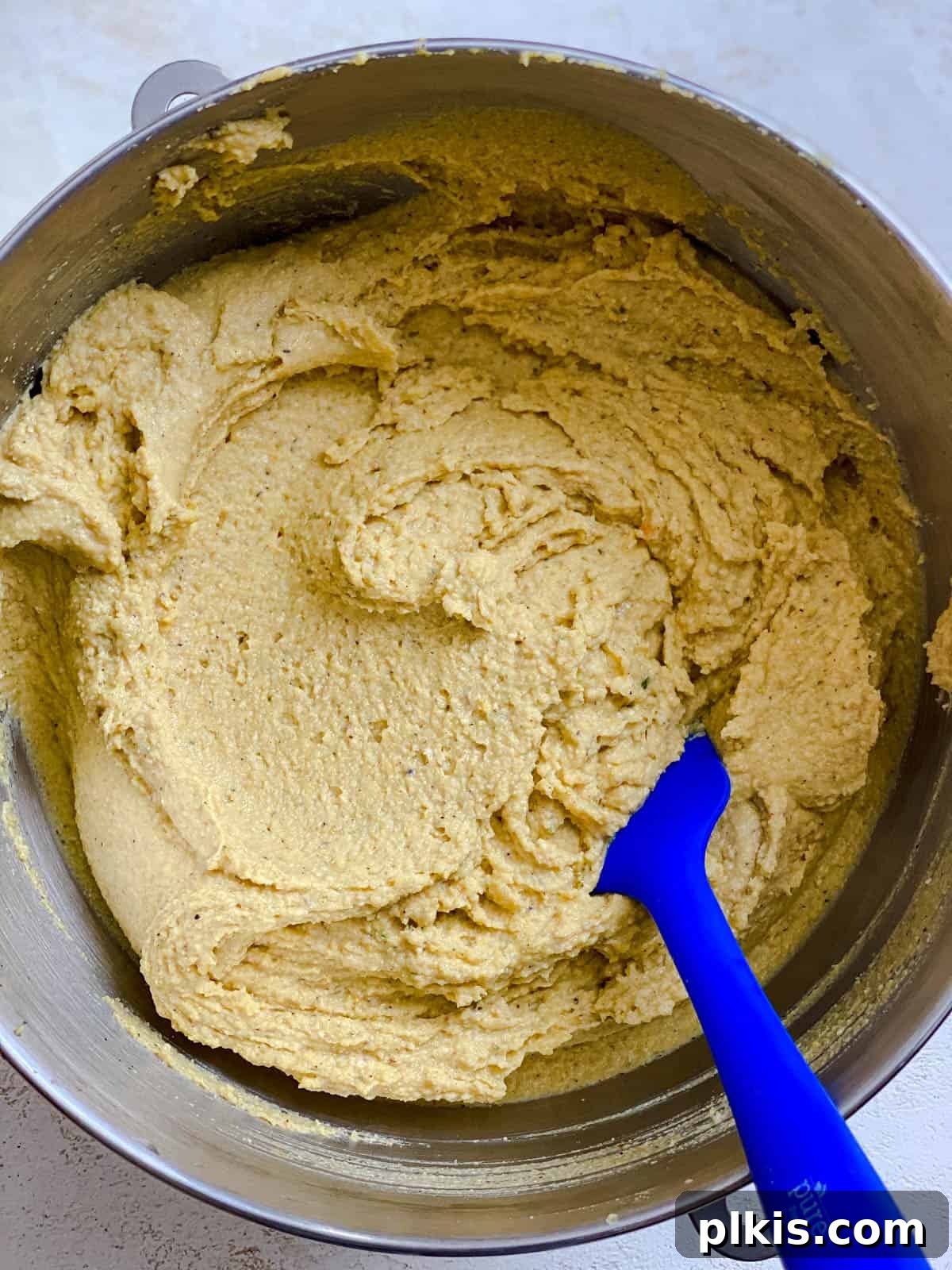
Tip: You may find it helpful to add the vegetable broth gradually, whipping continuously, as the absorption rate can vary depending on your specific masa harina and ambient humidity. Adjust the amount of broth until the dough reaches the perfect spreadable consistency. If the dough appears too thin, add more masa harina, one tablespoon at a time, until the desired texture is achieved.
Test for Readiness: The masa dough is ready when you can press a small amount into the palm of your hand, and it holds its shape without cracking or sticking to your palm. Another traditional test involves dropping a small piece of masa into a glass of cold water; if it floats, it’s ready!
How to Spread the Masa and Fillings
This stage is where your tamales truly begin to take shape. Precision here ensures a balanced flavor and proper steaming.
- Working with one corn husk at a time, pat it thoroughly dry with a paper towel. Lay the husk flat on your cutting board or comfortably in your hand. If you encounter narrow husks, simply overlap two slightly to create a wider surface.
- Using a spatula, the back of a spoon, or even your moistened fingers, spread a thin, even layer of the masa dough over the wide end of the husk. Aim for a rectangular shape, leaving approximately a 1-inch border on each side and about 3-4 inches clear at the bottom, where the husk naturally tapers.
- Next, spoon 1-2 tablespoons of your chosen filling vertically down the middle of the masa-covered husk. Be mindful not to overfill, as this can make folding difficult and lead to tamales bursting during steaming.
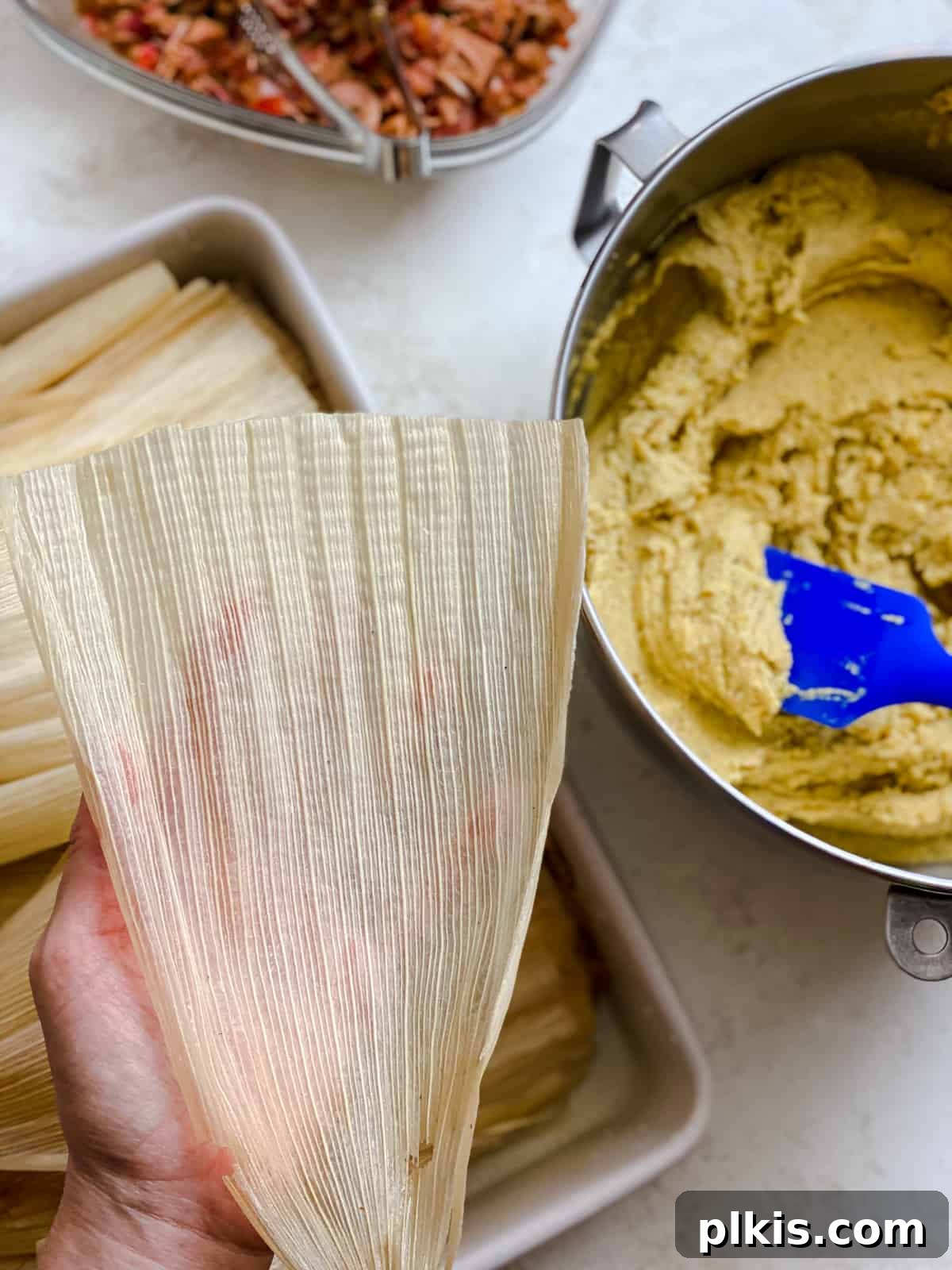
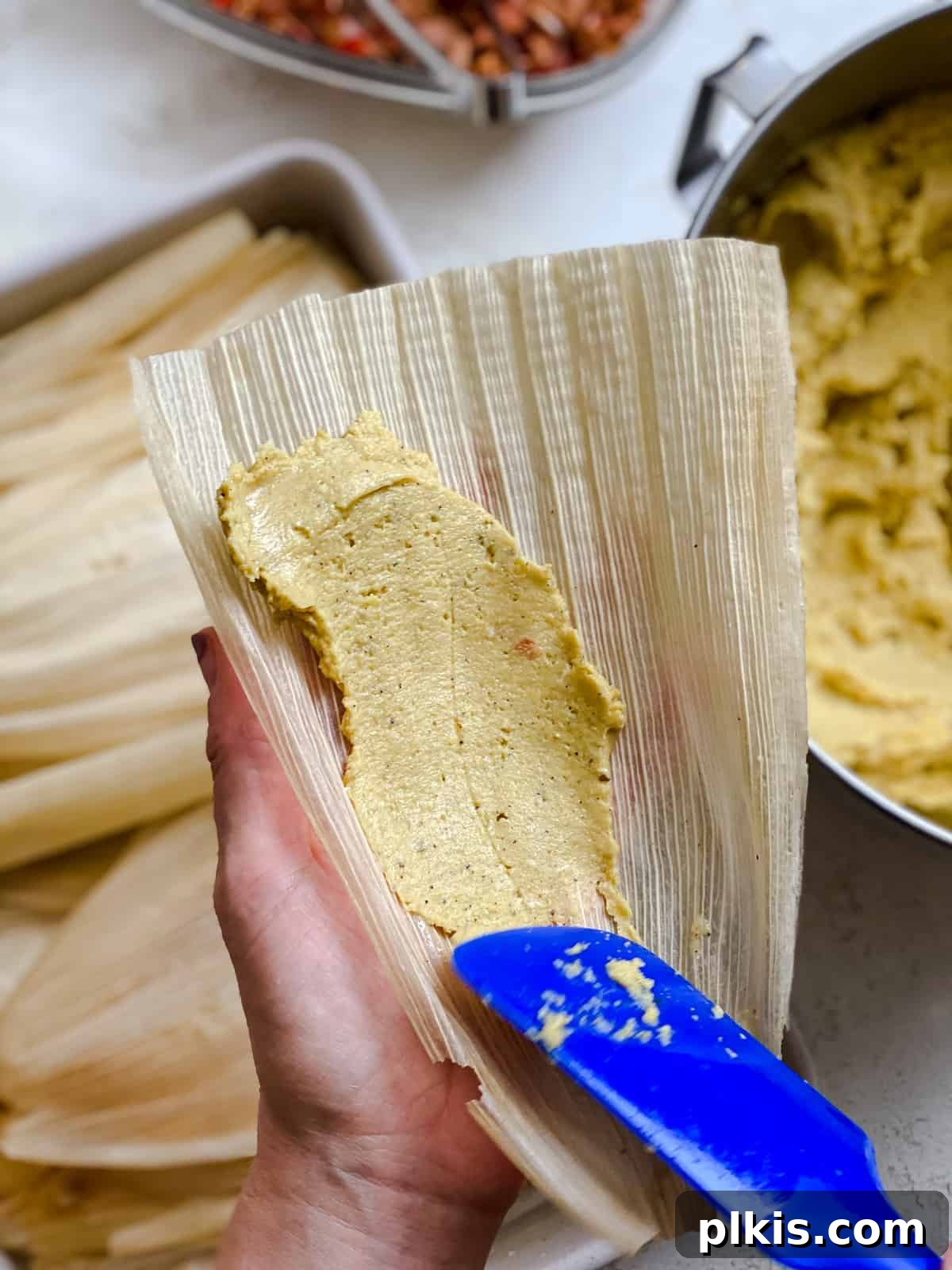
Masa Quantity Tip: The size of each corn husk will vary, so the exact amount of dough needed may differ. A good starting point is 2-3 tablespoons per tamal. Aim for a masa layer that is about 1/4-inch thick to ensure even cooking.
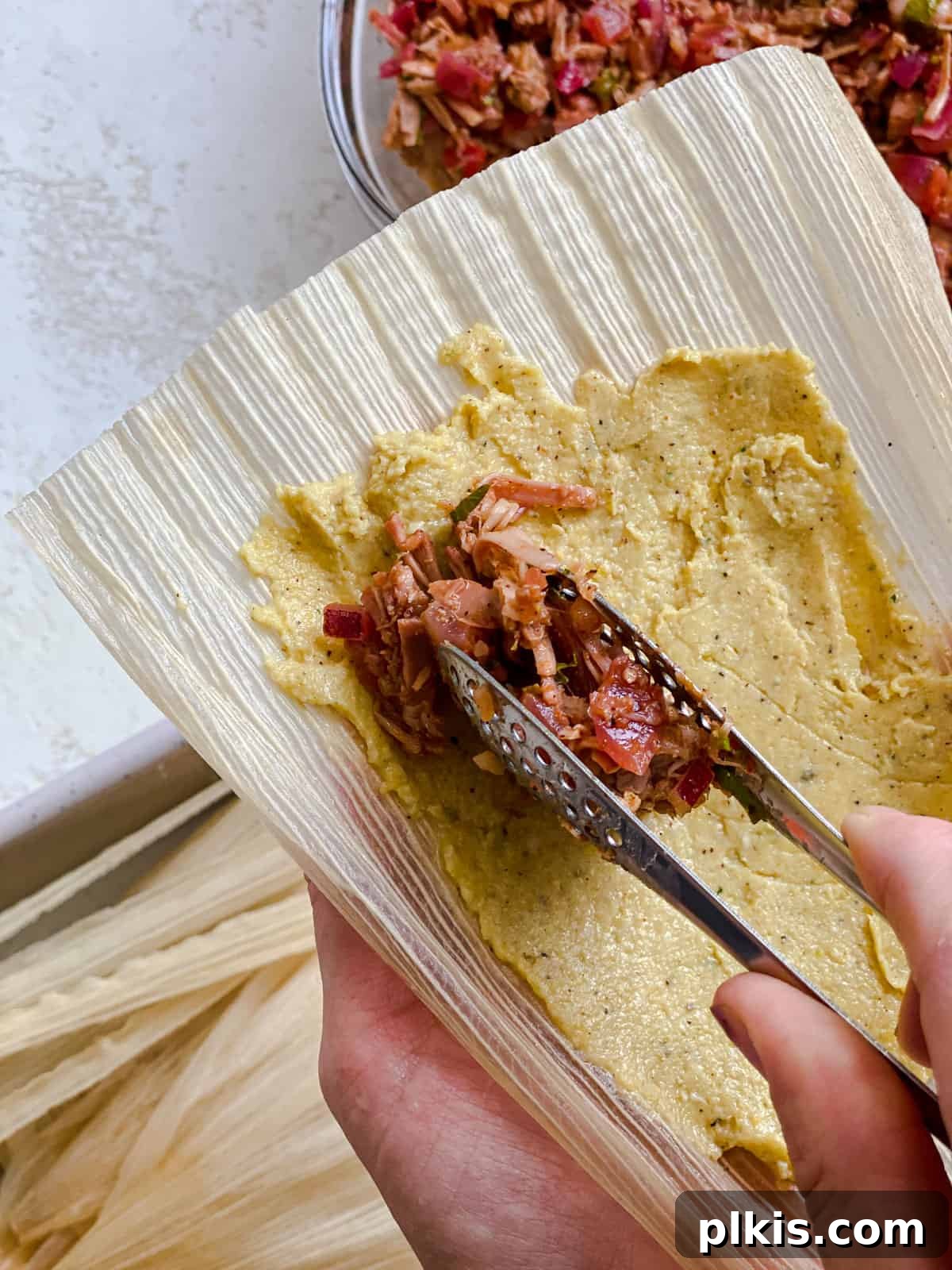
Make it a Party (Tamalada!): This is the perfect moment to enlist some kitchen helpers and turn tamale making into a festive assembly line! Assign roles: one person spreading the masa, another adding the delicious fillings, and a third folding and securing the tamales. It’s a joyful way to share the work and the fun.
How To Fold Tamales
Folding secures your tamales, keeping the filling enclosed and ready for steaming.
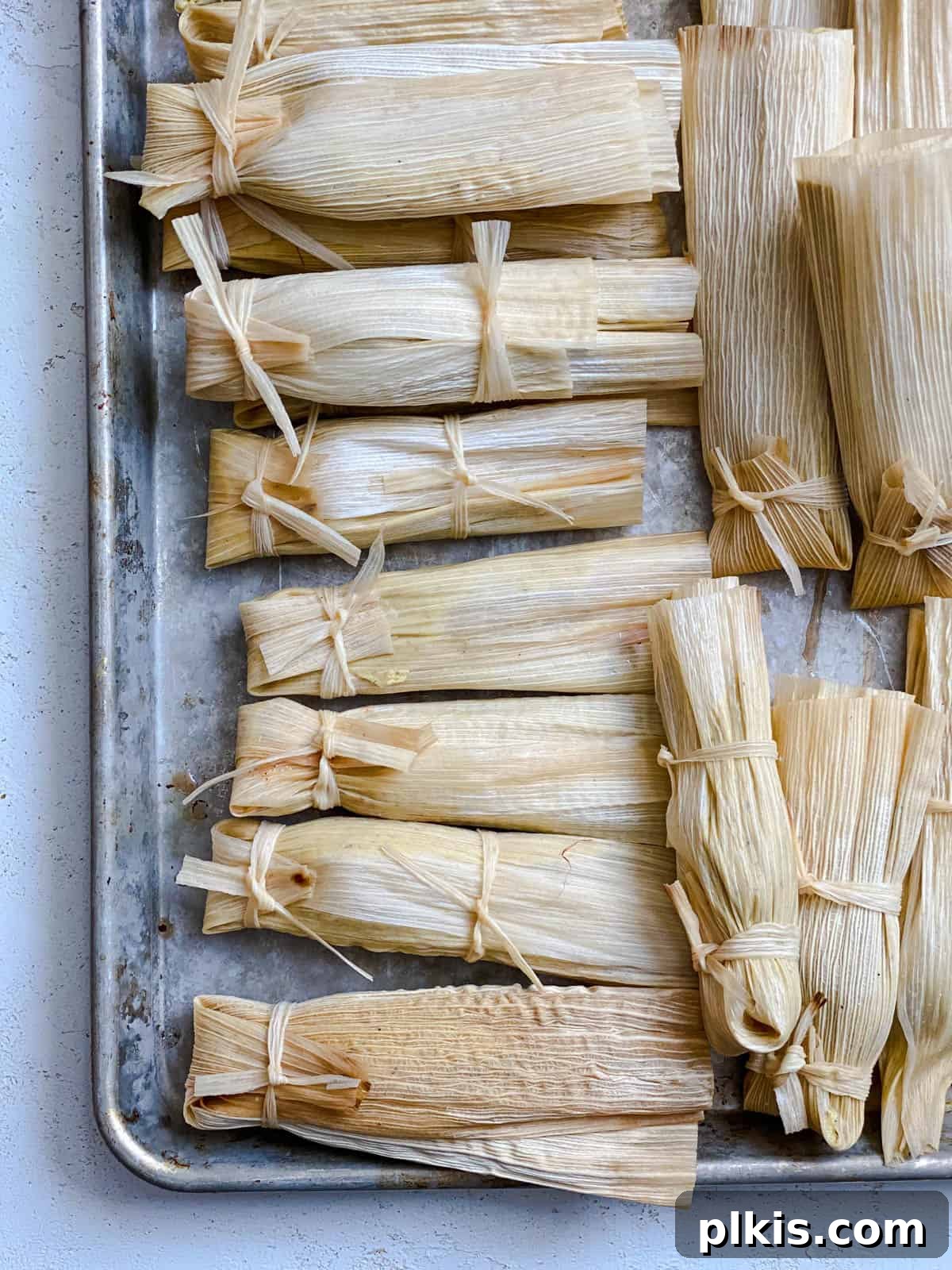
- First, prepare a few corn husk ribbons by cutting 1-2 husks into thin, ¼-inch strips. Alternatively, you can use kitchen twine for tying.
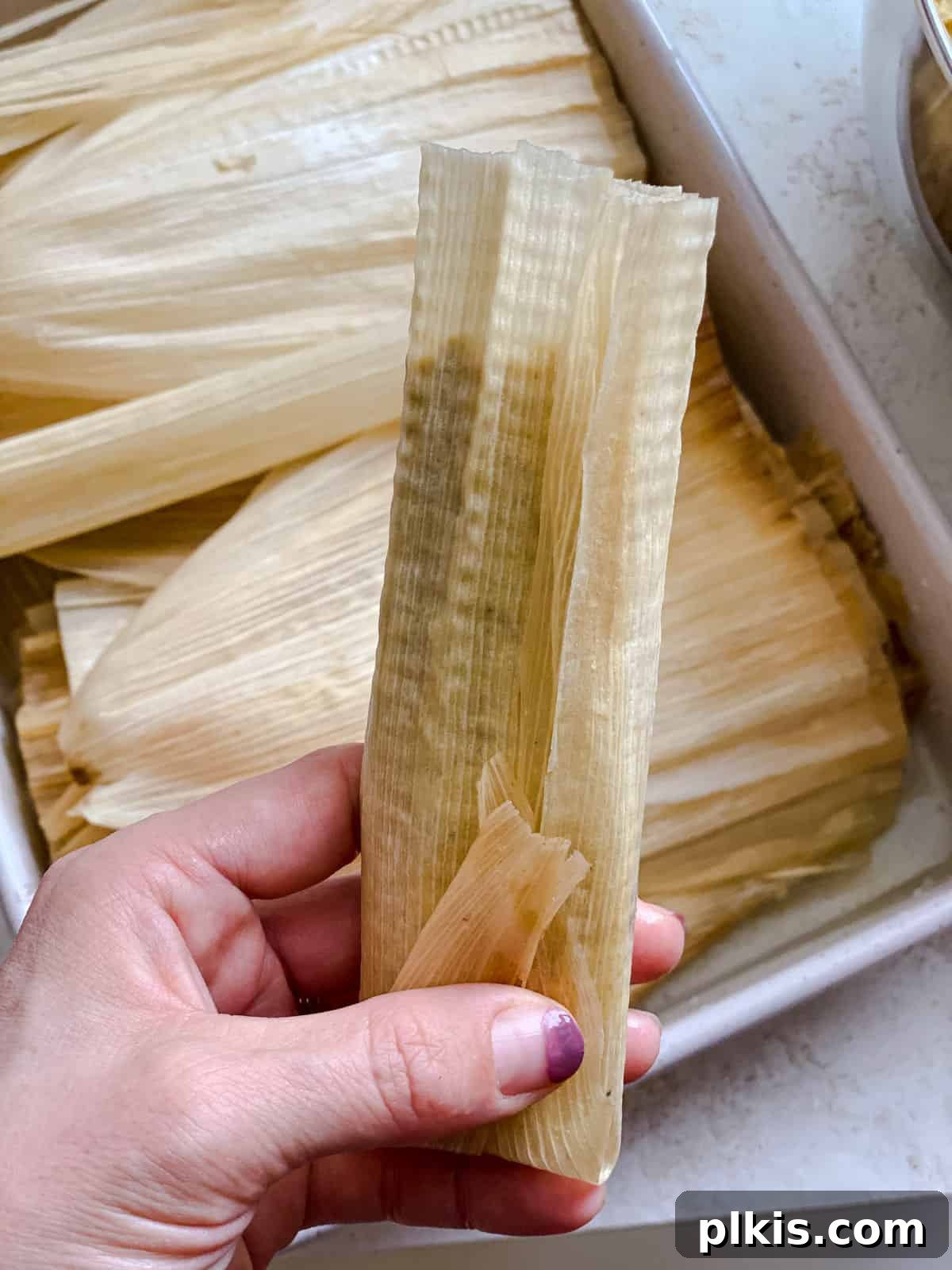
- To close the tamal, bring both sides of the masa-covered corn husk inwards, so they meet and overlap slightly over the top of the filling. Gently press the masa together to seal it around the filling, forming a neat, filled roll.
- Finally, fold up the tapering bottom end of the corn husk towards the masa roll. Secure this folded flap by tying it shut with one of your prepared husk ribbons or kitchen twine.
How To Cook Tamales (Traditional Steaming Method)
Steaming is the traditional and best method for cooking tamales, ensuring a moist and tender result.
- As you finish preparing each tamal, carefully transfer it to a large steamer basket set within a lidded stockpot. Arrange the tamales standing upright with the open, untied side facing upwards. This prevents water from seeping into the tamales during steaming.
- Add about 1-2 inches of water to the bottom of the stockpot, ensuring it is below the level of the steamer basket and not touching the tamales. Bring the water to a rolling boil over high heat. Once boiling, reduce the heat to a medium-low simmer, cover the pot tightly, and steam the vegan tamales for approximately 45 minutes.
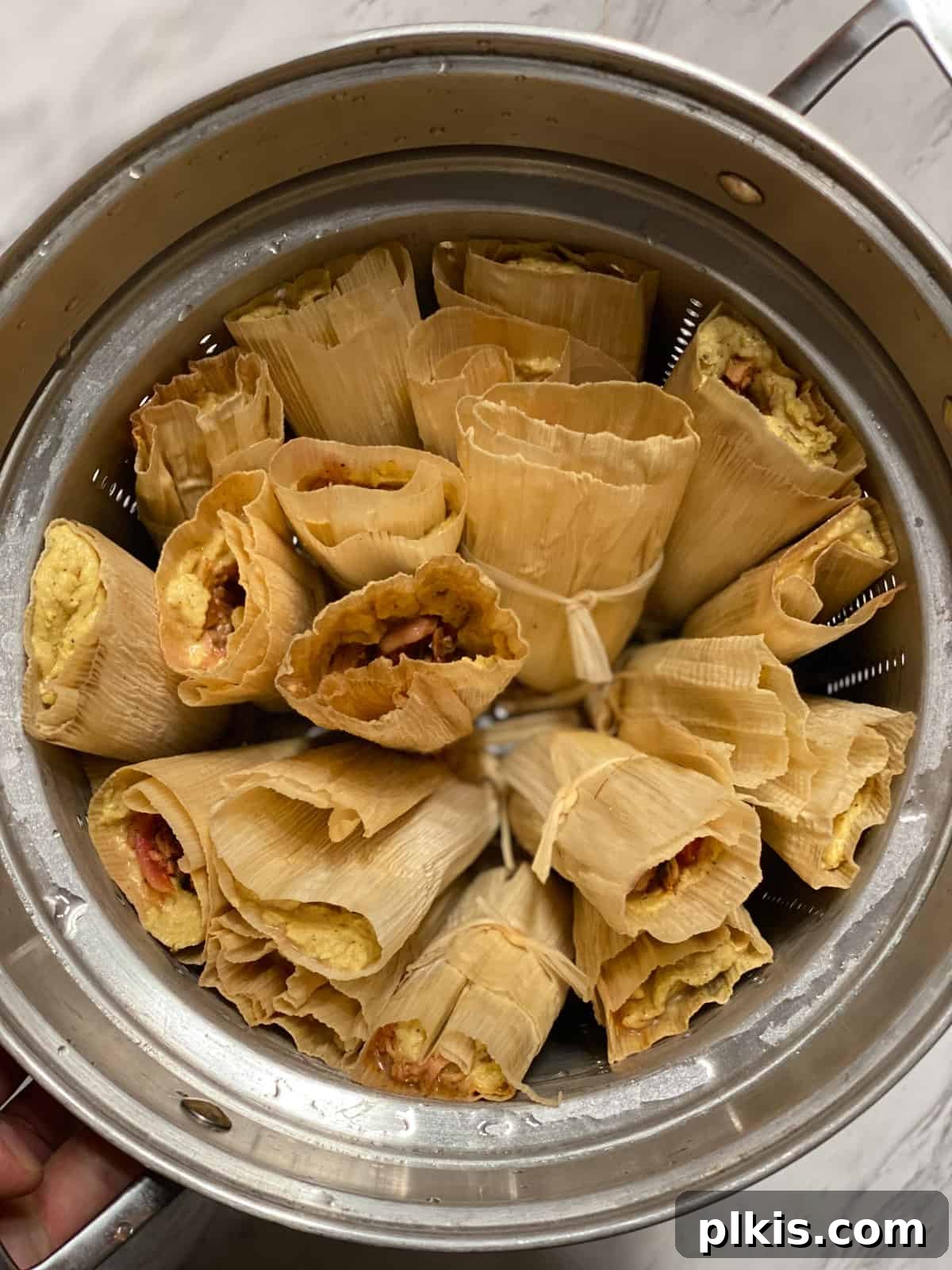
Steaming Time Note: The cooking time can vary slightly depending on the thickness of your masa dough and the size of your tamales. Thicker tamales may require upwards of an hour. It’s crucial to monitor the water level every 20-30 minutes, adding more hot water if needed to prevent the pot from boiling dry.
How To Cook Vegan Tamales in an Instant Pot
For a quicker, more hands-off approach, an Instant Pot is an excellent tool for cooking tamales.
- Pour 1 cup of water into the bottom of your Instant Pot liner. Place the steamer basket inside.
- Carefully arrange the tamales standing upright within the steamer basket, with the open ends facing upwards.
- Seal the lid of the Instant Pot, ensuring the vent is set to “Sealing.” Cook on Manual HIGH pressure for 25 minutes.
- Once the cooking cycle is complete, allow the pressure to release naturally for at least 10-15 minutes before carefully performing a quick release of any remaining pressure.
- Open the lid away from your face and use tongs to carefully remove the tamales from the Instant Pot.
- Allow them to rest at room temperature for 10 minutes before serving. This resting period helps the masa firm up perfectly.
How Do You Know When Vegan Tamales are ready?
To check for doneness, carefully remove one tamal from the steamer (be extremely cautious, as the steam is very hot!) and let it cool for about 5 minutes. Try to unwrap it. If the corn husk separates easily and cleanly from the masa dough, your tamales are ready! If the masa sticks to the husk, cook for another 10-15 minutes and test again.
Once cooked and rested, your homemade vegan tamales are ready to be savored. Unwrap, serve, and enjoy the fruits of your labor!
Frequently Asked Questions About Vegan Tamales
While corn husks are traditional, you have several alternatives. Edible leaves like banana leaves (trimmed into 8-inch squares) or large Swiss chard leaves can be used. For a non-leaf option, you can wrap your tamales first in wax paper, then secure them with a layer of aluminum foil.
Absolutely! Preparing ahead is a fantastic way to manage your time. The masa dough for this vegan tamales recipe can be made a day in advance when using masa harina. Store it tightly covered in the refrigerator overnight, then bring it back to room temperature before continuing with the assembly. Most fillings can also be prepared 3-4 days in advance and stored in an airtight container in the fridge, making assembly day much smoother.
Dry tamales are usually due to not enough fat or moisture in the masa, or cooking them for too long. Ensure you use the specified amount of oil/shortening and broth. The masa should be light and fluffy, not dense. If your cooked tamales feel dry, try steaming them for a shorter duration next time or adding a little more broth to the masa mixture.
Yes, absolutely! For sweet tamales, you would slightly sweeten the masa dough (with sugar or agave) and perhaps add a dash of cinnamon. Fillings could include pineapple chunks, raisins, shredded coconut, or a sweet fruit compote. Sweet tamales are a delightful treat!
Top Recipe Tips and Notes for Perfect Vegan Tamales
- Adjust the Amount of Broth Carefully: The exact amount of vegetable broth needed can vary between batches. This depends on factors like the specific brand of masa harina you’re using, the humidity in your kitchen, and even how firmly you pack your measuring cups. Start with the recommended amounts, then gradually add more broth as needed until your masa dough reaches that ideal spreadable consistency – it should be moist but not sticky or watery.
- Embrace the Tamalada Spirit (Tamale-Making Party): Part of the joy of tamales, especially during the holidays, is the communal experience of making them. Organize a tamalada! Put on some lively music, prepare your favorite beverages, and set up an assembly line with friends or family. One person can spread the masa, another adds the filling, and someone else folds and ties. It’s a wonderful way to connect and make the process both efficient and fun.
- Batch Cook for Convenience: Since preparing vegan tamales can be a time-consuming endeavor, we highly recommend making a large batch. Tamales freeze beautifully, making them an excellent meal prep option. You can simply freeze the leftovers for future meals, and they cook perfectly straight from frozen, offering a quick and delicious meal whenever you need it.
- Don’t Overfill: While tempting, overfilling your tamales can lead to them bursting during steaming, and the masa might not cook evenly. Stick to 1-2 tablespoons of filling per tamal for the best results.
- Warm Broth for Masa: Using warm (not hot) vegetable broth when mixing your masa helps the masa harina hydrate more effectively and contributes to a smoother, more pliable dough.
- Let Them Rest: After steaming, allow your tamales to rest for 10-15 minutes before unwrapping and serving. This crucial resting period allows the masa to firm up and detach cleanly from the husks, resulting in a perfectly textured tamal.
Serving Recommendations
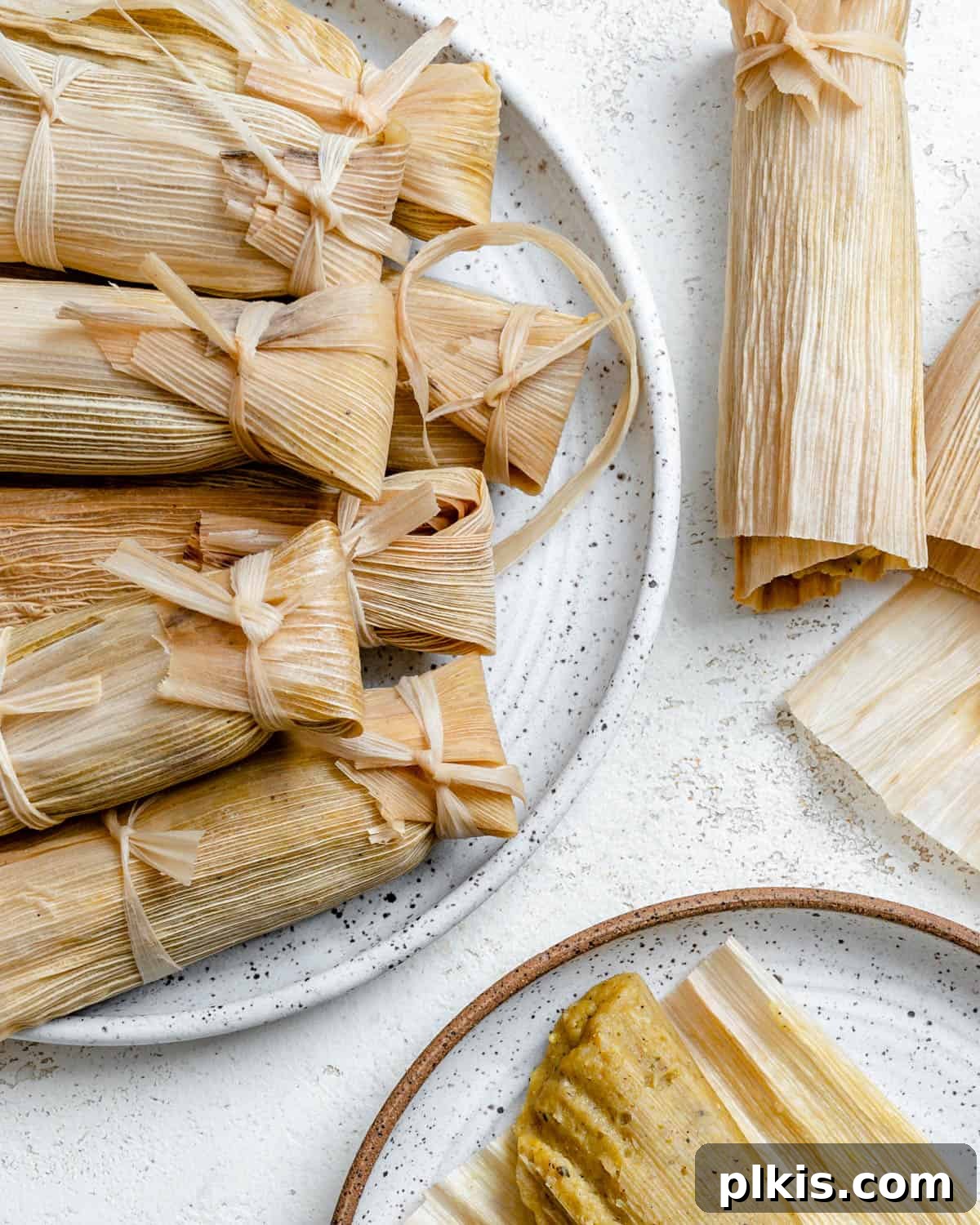
These versatile vegan and vegetarian tamales are a fantastic addition to any meal, whether you’re enjoying them at potlucks, on Christmas Eve, throughout the holiday season, or simply as a comforting meal year-round. They are delightful on their own, but pairing them with a few key accompaniments truly elevates the experience. We love serving ours with a generous dollop of creamy vegan sour cream or a vibrant salsa. Consider pairing them with fresh Pico de Gallo, a rich roasted red salsa, or a tangy green chile tomatillo sauce. Freshly made guacamole or simple avocado slices add a creamy, cooling contrast, while a sprinkle of fresh cilantro provides a burst of freshness. For a more substantial meal, serve them alongside frijoles de la olla or a crisp side salad.
How Long Are Tamales Good For? Storage and Reheating Tips
One of the many benefits of making a batch of homemade tamales is their excellent storage potential, making them perfect for meal prepping or enjoying long after the initial cooking. Here’s how to best store and reheat your delicious vegan tamales:
Storage
Any cooled leftover tamales, still in their husks, will store beautifully in airtight containers in the refrigerator for 5-7 days. The exact duration may vary slightly depending on the specific fillings you’ve used, but generally, they hold up very well.
Freezing
For longer storage, tamales are an ideal candidate for freezing. Allow your cooked tamales to cool completely while still in their husks. Then, spread them in a single layer across a baking tray, ensuring they aren’t touching, and flash freeze them for a few hours until solid. Once frozen, transfer them to a freezer-safe container or a Ziplock/Stasher bag, removing as much excess air as possible. They will keep well in the freezer for up to 3 months. You can thaw them overnight in the refrigerator or reheat them directly from frozen.
Reheating Refrigerated Tamales
To bring your refrigerated vegetarian tamales back to life, you have a few excellent options:
- Steaming: The best method to restore moisture and texture. Steam them in a steamer basket for 6-8 minutes, or until thoroughly heated through.
- Air Frying: For a slightly crispy exterior, air fry them for 6-8 minutes at 350°F (175°C).
- Microwaving: A quick and easy option. Microwave for 3-4 minutes, checking periodically, until warm.
How to Cook Frozen Tamales?
Reheating frozen tamales is surprisingly simple, and often, no prior thawing is necessary!
- Steaming (Recommended): My favorite way to reheat frozen tamales is by re-steaming them. Simply place them in a steamer basket and steam for approximately 15-20 minutes, or until heated all the way through and soft.
- Instant Pot: You can also cook frozen tamales in an Instant Pot. Follow the method for cooking fresh tamales in an Instant Pot, but adjust the cooking time to 14 minutes on HIGH pressure. Allow for a natural pressure release.
- Baking: For a slightly different texture, you can bake frozen tamales. Wrap them individually in aluminum foil and bake at 325°F (165°C) for 20-25 minutes, or until heated through. Alternatively, for a quicker bake and slightly crispier husks, air fry them at 375°F (190°C) for about 15 minutes.
No matter your reheating method, your delicious vegan tamales will be ready to enjoy, providing a taste of comfort and tradition whenever you desire.
More Delicious Vegan Mexican Recipes
If you’ve enjoyed making these vegan tamales and are looking for more plant-based Mexican culinary adventures, explore some of our other fantastic recipes:
- Sopa de Fideo (Mexican Noodle Soup)
- Vegan Mexican Hot Chocolate
- Grilled Veggie Fajitas
- Fully-Loaded Quinoa Burritos
- Vegan Bean Quesadilla
- Kabocha Squash Enchiladas with Salsa Verde
- Vegan Calabacitas (Mexican Zucchini with Corn)
- Chipotle Lime Street-Style Tacos
Photos by Alfonso Revilla
How To Make Vegan Tamales
A comprehensive guide to making authentic vegan tamales with various filling options, step-by-step instructions, and storage tips.

Print Recipe
Equipment
- Measuring Cups
- Measuring Spoons
- Electric Mixer
- Large Steamer Basket and Stockpot (or Instant Pot)
Ingredients
For the Masa:
- 1 package dried corn husks
- 6 cups masa harina (corn masa flour for tamales)
- 6 cups rich vegetable broth (from bouillon or Better Than Bouillon + water)
- ¾ cup vegetable oil (any neutral oil) OR vegetable shortening at room temp
- 2 teaspoons baking powder
- 1 ½ teaspoons garlic powder
- 2 teaspoons salt
For the Filling:
- Batch of your chosen vegan tamale filling (see options above)
Instructions
- Prepare Corn Husks: Pour hot water into a large baking dish or stockpot and add the dried corn husks, ensuring they are fully submerged. Let them sit for 15 to 20 minutes, until they have softened and become pliable. While they soak, prepare your desired tamale filling.
- Prepare the Masa: In a large mixing bowl, use an electric mixer (or mix vigorously by hand) to beat together the masa harina, warm vegetable broth, vegetable oil (or shortening), baking powder, garlic powder, and salt until the mixture is smooth and fluffy. The consistency should resemble creamy peanut butter and be easily spreadable.
- Spread and Fill Tamales: Pat a softened corn husk dry and lay it flat. Spread a thin, even layer of masa dough over the wide end of the husk, leaving a 1-inch border on the sides and 3-4 inches at the tapered bottom. Add 1-2 tablespoons of your prepared filling vertically down the middle of the masa.
- Fold Tamales: Bring both sides of the corn husk inwards over the filling, pressing the masa together to seal it. Fold up the tapered bottom end of the husk. Secure the folded tamal with a thin strip of corn husk or kitchen twine. Repeat with remaining masa and filling.
- Steam Tamales: Arrange the prepared tamales standing upright in a large steamer basket set in a stockpot with 1-2 inches of water (ensuring water does not touch the tamales). Bring the water to a boil, then reduce heat to a simmer, cover tightly, and steam for 45 minutes to 1 hour, or until the masa easily separates from the husk. Monitor water level and add more hot water if necessary. (Alternatively, see Instant Pot instructions above.)
- Rest and Serve: Carefully remove the tamales from the steamer and let them rest for 10 minutes to firm up. Unwrap and enjoy with your favorite toppings like salsa, guacamole, or vegan sour cream.
Notes
- Adjust Broth: Masa harina absorbency varies. Add broth gradually until the dough is spreadable. If too thin, add more masa harina.
- Tamalada Fun: Turn tamale-making into a social event! Gather friends/family for an assembly line with music and good cheer.
- Batch Cook: Tamales freeze well. Make a large batch and freeze leftovers for easy future meals. Reheat directly from frozen by steaming for 15-20 minutes.
Nutrition
Carbohydrates: 30 g
Protein: 8 g
Fat: 9 g
Saturated Fat: 1 g
Polyunsaturated Fat: 5 g
Monounsaturated Fat: 2 g
Trans Fat: 0.1 g
Sodium: 560 mg
Potassium: 93 mg
Fiber: 4 g
Sugar: 2 g
Vitamin A: 223 IU
Vitamin C: 0.003 mg
Calcium: 100 mg
Iron: 4 mg
Additional Info
Course: Dinner, Lunch
Cuisine: Mexican
Method: Stovetop
Diet: Vegan
Tried this recipe?
Please tag us at @PlantBasedOnABudget! 🙂