
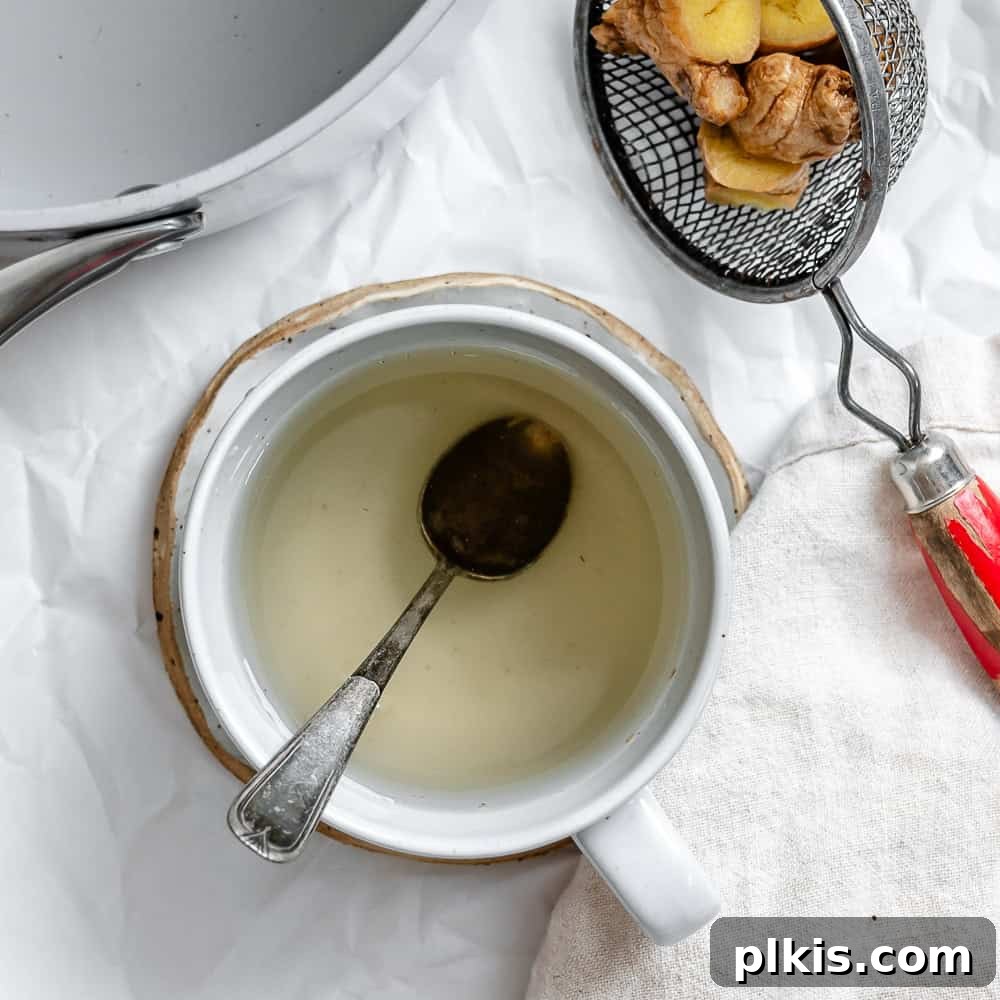
Discover how to prepare the most comforting and beneficial ginger tea using fresh ginger root. This delightful infusion is not only a naturally anti-inflammatory and immune-boosting beverage but also incredibly cozy, soothing, and vibrant—making it an absolute essential for navigating the cold and flu season. Best of all, this powerhouse drink is ready to enjoy in under 10 minutes!
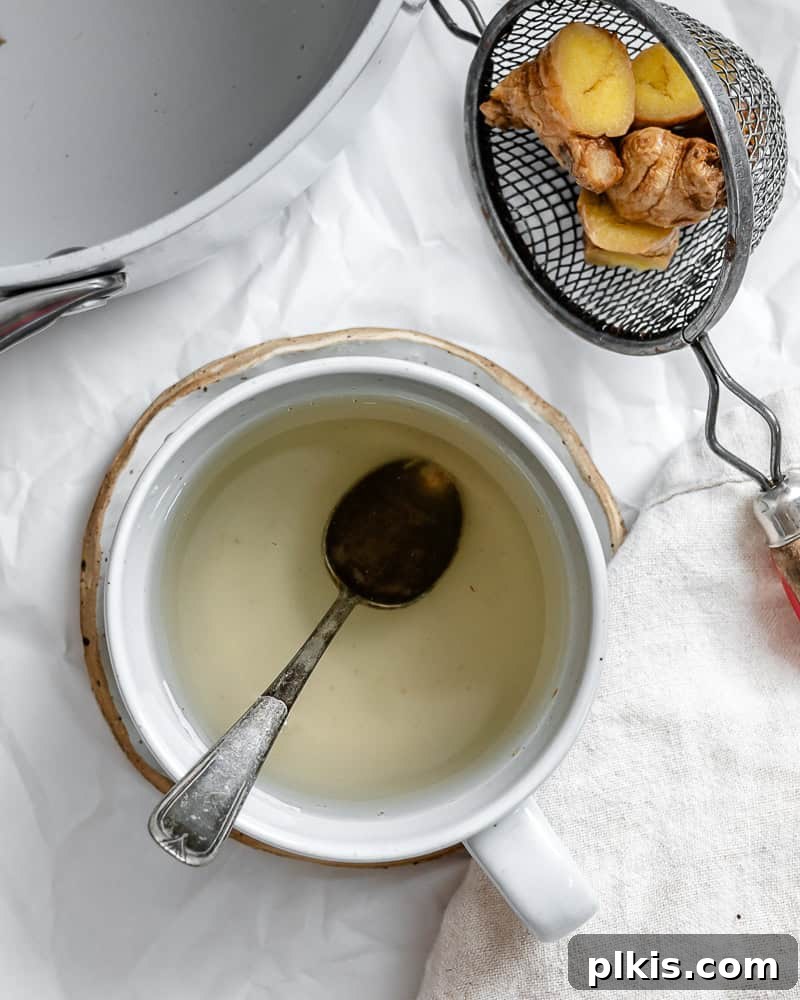
The Ancient Wisdom of Anti-Inflammatory Homemade Ginger Tea
Ginger, a revered root in traditional medicine, has been cherished for thousands of years as an herbal treatment for a myriad of ailments, not to mention its distinct zingy and spicy flavor that elevates any dish or drink. Its widespread acclaim is certainly well-deserved. Beyond popular concoctions like lemon ginger turmeric shots and creamy turmeric golden milk, a simple, homemade ginger tea remains one of the most accessible and effective ways to harness its profound benefits.
Contrary to what its name might suggest, ginger “tea” is technically not a true tea, as it contains no actual tea leaves from the Camellia sinensis plant. Instead, it’s a pure and potent ‘infusion’ crafted by steeping fresh ginger in hot water. This creates a 100% caffeine-free, optionally sugar-free, and virtually calorie-free beverage, brimming with antioxidants and natural goodness. It’s an ideal choice for anyone seeking a wholesome, revitalizing drink.
This invigorating brew is a perfect companion, designed to make you feel warm and cozy from the inside out. It’s particularly effective during flu season, offering gentle relief for sore throats, upset tummies, and indigestion. Its versatility extends beyond warm sips; it can even be served iced, transforming into a refreshing and stimulating pick-me-up during warmer months. Regardless of how you enjoy it, homemade ginger tea is packed with incredible health-boosting properties.
Unlocking the Abundant Health Benefits of Fresh Ginger Root Tea
The humble ginger root is a powerhouse of beneficial compounds, making its tea a potent elixir for overall well-being. Here’s a closer look at the remarkable advantages you can gain from regularly enjoying ginger tea:
- Potent Anti-inflammatory & Antimicrobial Properties: Ginger is rich in powerful phytonutrients, most notably gingerol. These natural compounds are responsible for its significant anti-inflammatory and antimicrobial effects, helping to reduce inflammation throughout the body and fight off harmful bacteria and viruses.
- Soothes Digestive Issues: Perhaps its most famous benefit, ginger tea is an exceptional natural remedy for various digestive discomforts. It effectively alleviates nausea—whether from motion sickness, morning sickness, or chemotherapy—and is excellent for reducing bloating, indigestion, and gas by stimulating healthy digestion.
- Supports Cardiovascular Health: Regular consumption of ginger may contribute positively to heart health. Studies suggest it can help reduce blood pressure and cholesterol levels, improving overall circulation and promoting healthier blood vessels, which are crucial for cardiovascular function.
- Aids Blood Sugar Regulation: Emerging research indicates that ginger can play a role in regulating blood sugar levels. This makes ginger tea a valuable addition for individuals aiming to manage their glucose intake or support stable metabolic health.
- Offers Natural Pain Relief: Ginger possesses natural analgesic properties that can help mitigate various types of pain. It is often used to relieve headaches, migraines, muscle soreness, and menstrual cramps, providing a gentle yet effective alternative to conventional pain relievers.
- Benefits for Arthritis Sufferers: The powerful anti-inflammatory effects of ginger are particularly beneficial for chronic pain conditions such as rheumatoid arthritis and osteoarthritis. By reducing systemic inflammation, ginger tea can significantly ease joint pain, stiffness, and improve mobility for those affected.
- Rich in Antioxidants with Anti-cancerous Potential: Loaded with antioxidants, ginger contains compounds that actively combat oxidative stress in the body. These antioxidants help protect cells from damage caused by free radicals, potentially lowering the risk of certain types of cancer and supporting cellular health.
- Eases Cold & Flu Symptoms: A warm cup of ginger tea is a time-honored natural remedy for cold and flu symptoms. Its soothing warmth helps alleviate sore throats and coughs, while its antimicrobial properties can aid in fighting off infections. It also acts as a natural decongestant, helping to clear nasal passages and ease respiratory discomfort.
For more medically reviewed information on the extensive benefits of ginger tea, we encourage you to consult this comprehensive Healthline article.
Simple Ingredients for Your Perfect Ginger Tea
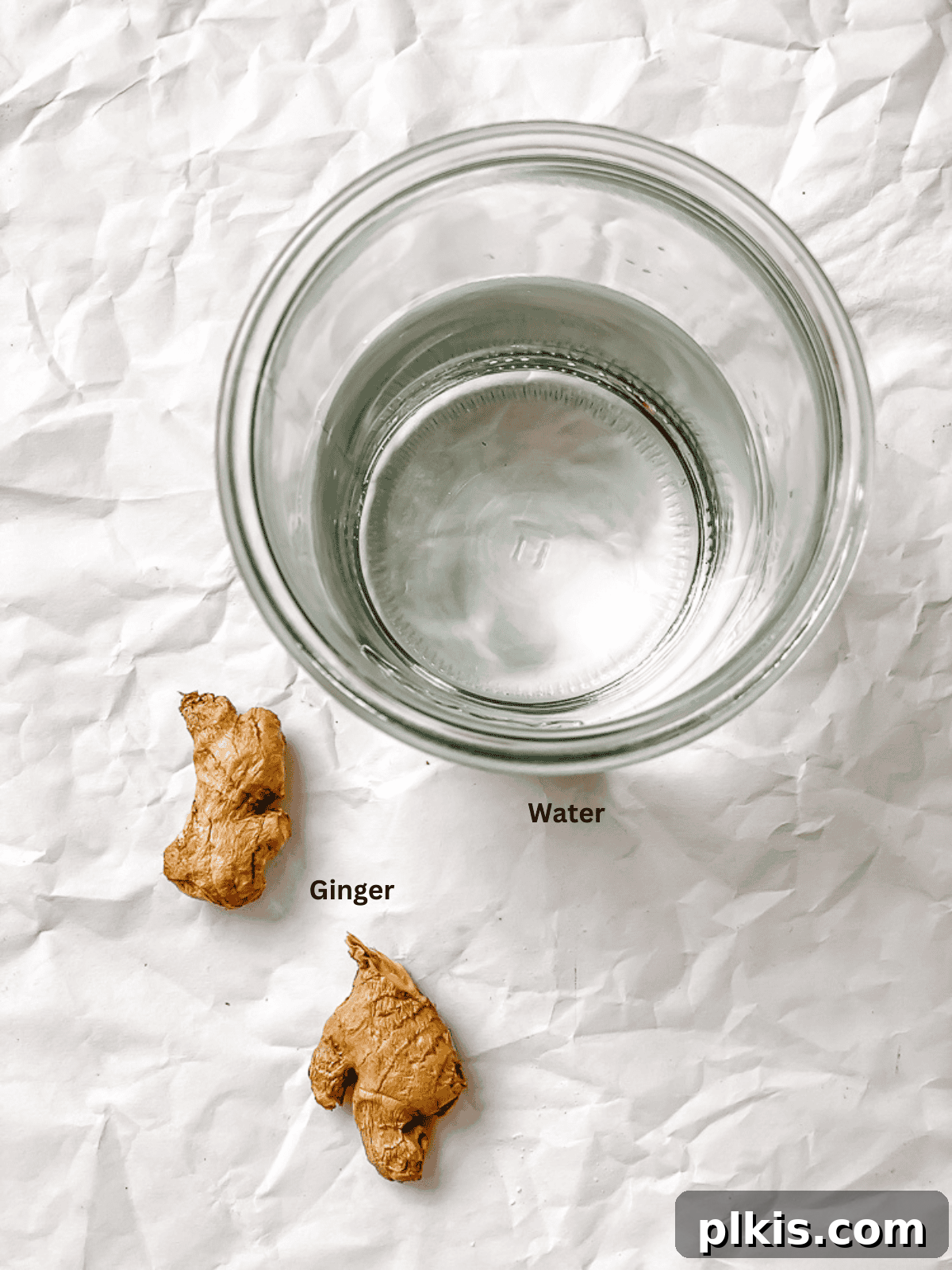
Crafting a delicious and potent ginger tea requires minimal ingredients, proving that sometimes the best things in life are indeed the simplest. The absolute star of this soothing beverage is, of course, fresh ginger root. When selecting ginger at the grocery store, always look for roots that are firm to the touch, with smooth, taut skin that is free from wrinkles, soft spots, or mold. A fresh root will feel heavy for its size and have a pungent, spicy aroma. The fresher the ginger, the more vibrant and potent the flavor your tea will have, maximizing both its taste and therapeutic properties. For the purest brew, we recommend choosing organic ginger whenever possible, ensuring you’re benefiting from its natural goodness without unwanted additives.
Beyond the ginger, all you’ll typically need is water, and an optional lemon for a bright, tangy finish. You can also customize your tea with natural sweeteners like honey or maple syrup if desired, though many prefer to enjoy its pure, fiery kick.
Customize Your Cup: Exciting Ginger Tea Recipe Variations
While classic ginger tea is a treat on its own, it also serves as a fantastic base for myriad flavor combinations and enhanced health benefits. Experiment with these delightful variations to discover your perfect blend:
- Turmeric Ginger Tea: Elevate the anti-inflammatory power by adding about a ½-inch piece of finely sliced fresh turmeric root or approximately 1 teaspoon of powdered turmeric. This golden root, rich in curcumin, significantly boosts your body’s antioxidant capacity and can further improve heart health, brain function, alleviate joint pain, and support balanced blood pressure. The earthy notes of turmeric beautifully complement ginger’s spice.
- Cinnamon Ginger Tea: Infusing your tea with a cinnamon stick (or a ½ teaspoon of ground cinnamon) adds a wonderfully comforting warmth and a delightful sweet-spicy aroma. Beyond its inviting flavor, cinnamon is loaded with antioxidants and is well-documented for its anti-inflammatory effects, blood sugar regulation, and cardiovascular benefits. For an even more dynamic blend, try our invigorating lemon cinnamon ginger tea.
- Ginger Mint Tea: For a refreshing and particularly effective cold and flu-busting brew, add a few fresh mint leaves (peppermint is often preferred for its strong, cooling effect). Mint provides a cooling sensation and further aids digestion, making this variation a fantastic detoxing, digestion-friendly, and anti-inflammatory elixir.
- Lemongrass Ginger Tea: Introduce an exotic, citrusy fragrance by gently crushing or bruising 1-2 stalks of fresh lemongrass and adding them to the steeping ginger. Lemongrass not only imparts a beautiful aroma but also offers several benefits for both body and mind, including stress reduction and digestive support, creating a wonderfully calming and invigorating tea.
- Garlic and Ginger Tea: For an extra powerful immune boost, especially when feeling under the weather, thinly slice a garlic clove and add it to your tea. While its strong flavor isn’t for everyone, garlic is incredibly rich in antioxidants and can significantly amplify the tea’s ability to soothe sore throats, fight infections, and strengthen the immune system.
- Ginger Tea with Traditional Tea: If you’re seeking a gentle energy lift, consider steeping your ginger infusion with a black or green tea bag, or a teaspoon of your favorite loose-leaf tea. This combines the therapeutic properties of ginger with the subtle caffeine and additional antioxidants found in traditional teas, creating a nuanced and invigorating beverage for any time of day.
Step-by-Step Guide: How to Make Ginger Tea From Fresh Ginger Root
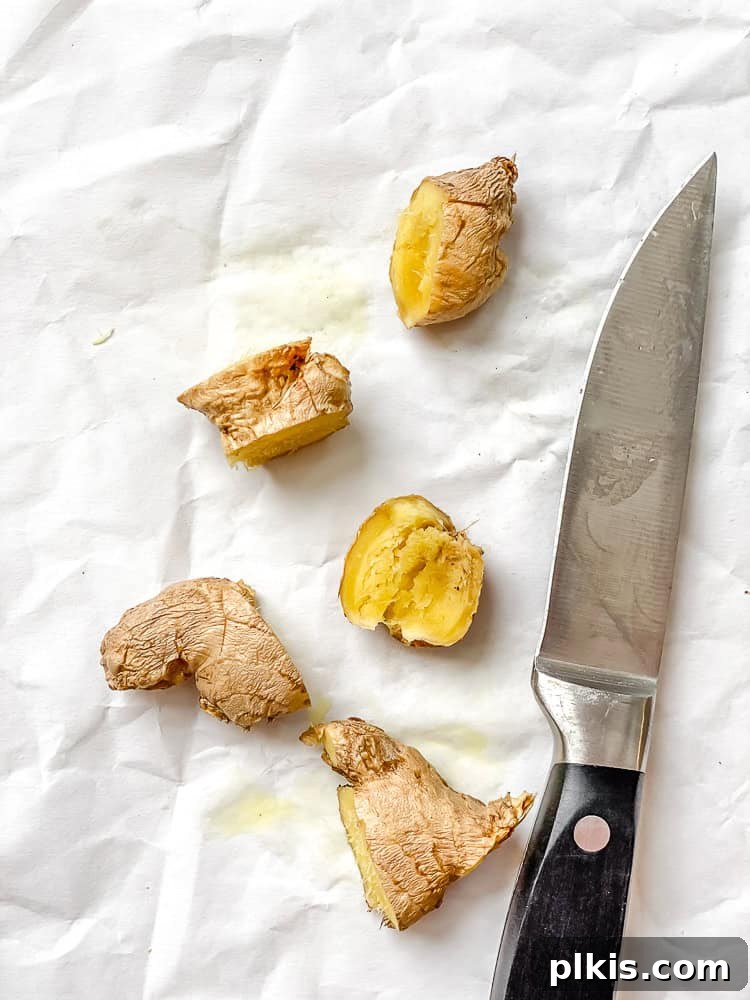
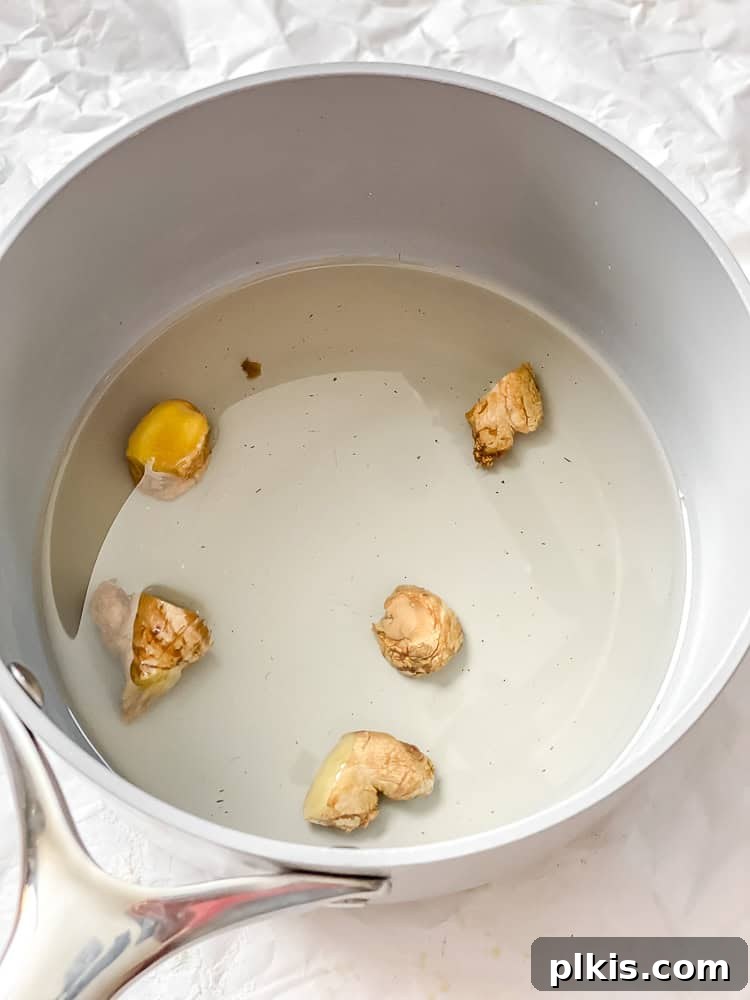
Step 1: Prepare the Ginger Root. Begin by thoroughly washing your fresh ginger root under running water. There’s no need to peel it, as many beneficial compounds and much of the flavor are concentrated just beneath the skin. Roughly chop the ginger into ½-inch chunks or thin slices. The most crucial step for maximizing flavor extraction is to gently crush these ginger pieces. You can do this with the flat side of your knife or by using a mortar and pestle. This action breaks down the ginger’s fibrous structure, allowing its potent oils and juices to infuse more effectively into the water, resulting in a much richer, more flavorful ginger root tea.
Step 2: Simmer for Flavor. Transfer the crushed ginger to a medium-sized saucepan. Add the desired amount of water and cover the saucepan with a lid to prevent excessive evaporation. Bring the mixture to a rolling boil over medium-high heat. As soon as it reaches a boil, immediately reduce the heat to a gentle simmer, ensuring the lid remains on. Continue to simmer for 5 minutes. The duration of simmering directly impacts the tea’s strength: a longer simmer will yield a more intense and spicier flavor. However, be mindful that simmering for too long can potentially make the tea overly bitter, so aim for a balance that suits your palate.
Important Note: The longer the ginger simmers, the stronger the flavor becomes. However, simmering for too long can lead to an overly bitter taste. Find your sweet spot!
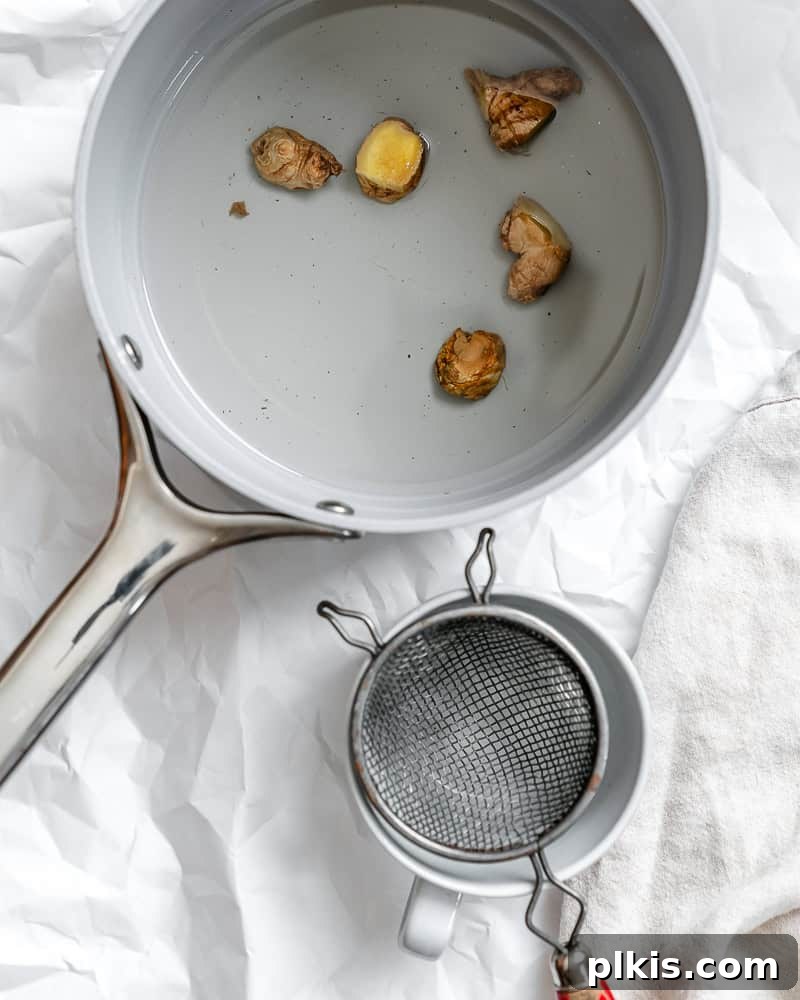
Step 3: Finish and Serve. Once the simmering is complete, remove the pot from the heat. At this point, you have the option to enhance your ginger tea with a squeeze of fresh lemon juice. We highly recommend adding the juice of about half a lemon directly into your mug after straining the tea, rather than simmering lemon slices with the ginger. This method allows you to precisely adjust the amount of tartness to your personal taste, ensuring a perfectly balanced flavor profile. Finally, use a fine-mesh strainer to separate the steeped ginger chunks from the liquid, pouring the aromatic tea into your favorite mug. Your homemade ginger lemon tea is now ready to be savored, whether piping hot for a comforting embrace or chilled over ice for a wonderfully refreshing pick-me-up.
Expert Tip: By adding the lemon juice at the end, after removing the pot from the heat and straining, you gain precise control over the acidity and freshness of the flavor, preventing any potential bitterness from simmering lemon peels.
Frequently Asked Questions (FAQs) About Ginger Tea
Ginger tea can be beneficial for acid reflux in smaller, moderate amounts, as it can help soothe an upset stomach and reduce inflammation. However, due to ginger’s natural spiciness, especially if consumed in large quantities or as a very strong brew, it can potentially trigger or worsen acid reflux symptoms for those who are particularly prone to it. It’s advisable to start with a milder tea and carefully observe your body’s reaction.
Don’t be quick to discard your leftover ginger after brewing! It still contains residual flavor and nutrients. You can often reuse the same ginger pieces for another batch or two of tea, though the flavor intensity will gradually diminish. Alternatively, get creative in the kitchen: add the steeped ginger to smoothies (like this mango blueberry smoothie), infuse it into stocks or broths for added depth, mince it finely for stir-fries (such as this vegetable noodle stir fry), marinades, or even incorporate it into baking recipes for a subtle ginger flavor. If the flavor has been completely extracted, composting the ginger is an excellent eco-friendly option.
Yes, you can certainly make ginger tea using ginger powder, especially if fresh ginger isn’t readily available. However, be aware that the flavor profile will be slightly different—often less vibrant, zingy, and nuanced than tea made with fresh root. For a single cup (approximately 250ml) of water, you’ll typically need about 1 teaspoon of ground ginger powder. Simply add the powder to boiling water, steep for 5-10 minutes (allowing the powder to settle), then strain through a fine-mesh sieve or coffee filter before enjoying to remove any gritty residue.
Pro Tips for Brewing the Best Homemade Ginger Tea
- Always Use the Freshest Ginger: The quality of your ginger root directly impacts the taste and therapeutic potency of your tea. Always opt for fresh, firm ginger roots that feel heavy for their size, with smooth, taut skin. Avoid ginger that appears wrinkled, soft, or has any signs of mold. Choosing organic ginger whenever possible ensures a purer brew, free from pesticides and maximizing its natural benefits.
- Lightly Crush the Ginger for Maximum Flavor: This simple but crucial step is often overlooked. Lightly crushing the ginger pieces before simmering helps to break open the cell walls, releasing the powerful essential oils and active compounds like gingerol. This significantly boosts the flavor extraction during the steeping process, yielding a much more robust and effective tea. A quick whack with the flat side of a chef’s knife or a gentle pound in a mortar and pestle will do the trick.
- Customize for Milder or Stronger Flavor: The beauty of homemade ginger tea lies in its customizability. You are in full control of the flavor intensity. For a milder tea, use a smaller amount of ginger (e.g., a 1-inch chunk) or reduce the simmering time. For a strong, fiery kick, increase the amount of ginger (e.g., a 3-inch chunk) or extend the simmering period up to 10-15 minutes. Experimentation is key to finding your perfect balance, but always be mindful of potential bitterness with very long steeping.
- Avoid Over-Boiling the Tea: While bringing the water to a boil is the first step, prolonged vigorous boiling can have an adverse effect. Excessive boiling can cause the ginger to release compounds that result in an unpleasant, bitter taste. The ideal method is to bring the water to a quick boil, then immediately reduce the heat to a gentle simmer. Keeping the pot covered during simmering also helps to retain the volatile aromatic compounds, ensuring a flavorful and potent brew.
- Consider Your Yield: Be aware that a small amount of water will naturally evaporate during the simmering process, even with the lid on, slightly reducing the overall volume of your tea. If you prefer a larger yield, you can start with a little extra water in your saucepan. Alternatively, if the tea becomes too strong, you can add a splash of hot water to your finished tea to adjust to your desired volume without significantly diluting the robust flavor.
Storage Instructions for Your Homemade Ginger Tea
To ensure your homemade ginger tea remains flavorful and doesn’t become overly strong or bitter during storage, it’s crucial to remove the steeped ginger chunks from the pot as soon as you’ve finished brewing. Continuous steeping, even after the heat is off, will intensify the flavor to an undesirable level over time.
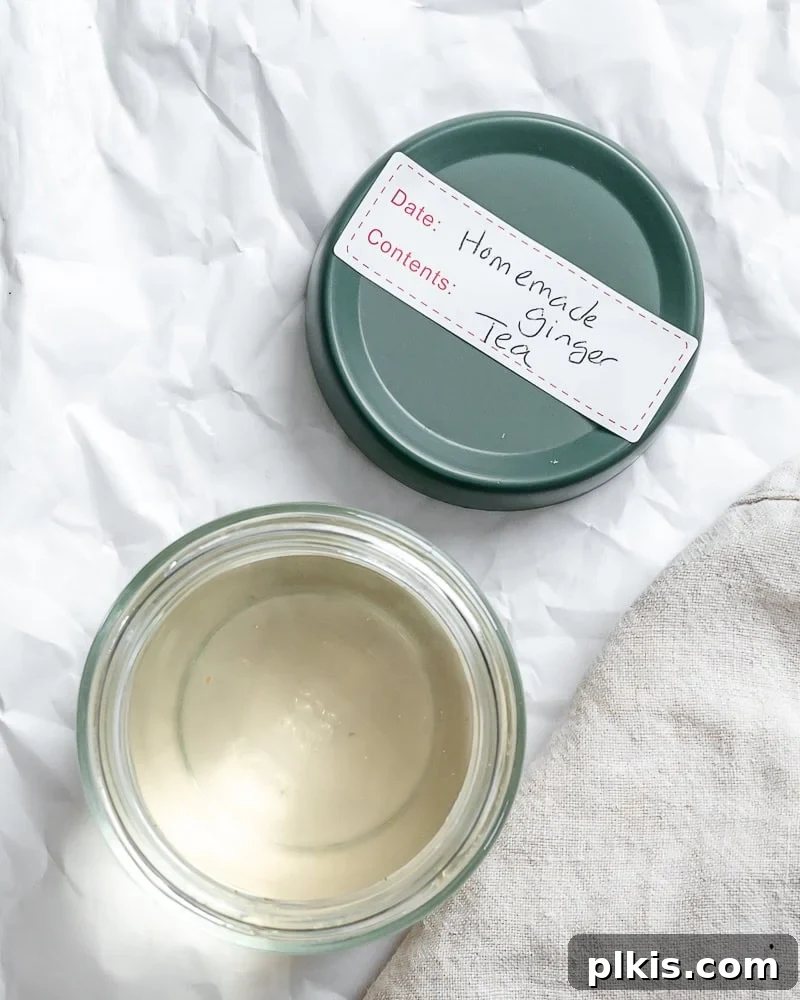
Once the ginger pieces are removed, allow the tea to cool completely to room temperature. Then, transfer the cooled tea to an airtight jug or container. Stored properly in the refrigerator, your fresh homemade ginger tea will maintain its quality and taste for 5-7 days, making it convenient for enjoying multiple servings throughout the week.
For longer-term preservation, consider pouring the cooled ginger tea into ice cube trays and freezing it. These frozen ginger tea cubes can be stored in an airtight bag or container in the freezer for up to 3 months. They are perfect for quickly thawing a single serving whenever you crave a warm cup, or for adding directly to cold beverages for an instant ginger infusion. When ready to enjoy, simply reheat gently on the stovetop or in the microwave, or serve it chilled over ice for a refreshing and invigorating drink.
How to Make Ginger Tea [With Fresh Ginger Root]
Learn how to prepare a delicious and powerful ginger tea with fresh ginger root. This anti-inflammatory, immune-boosting tea is cozy, soothing, vibrant, and perfect for cold/flu season! Plus, it’s ready in under 10 minutes!
Overall Rating: 5 out of 5 stars (based on 1 vote)
Prep Time: 2 mins
Cook Time: 5 mins
Total Time: 7 mins
Servings: 2 cups
Print Recipe
Equipment
- Measuring Cups
- Knife set
- Medium saucepan with lid
- Fine-mesh strainer
Ingredients
- 2-inch chunk of fresh ginger
- 2 cups of water
- 1 lemon (optional, for juice)
- Optional sweeteners: honey, maple syrup, or a pinch of stevia
Instructions
- Prepare the Ginger: Wash the unpeeled ginger thoroughly. Chop it into ½-inch chunks or thin slices. Using the side of your knife or a mortar and pestle, gently crush the ginger chunks. This crucial step helps release its aromatic oils and juices, ensuring maximum flavor.
- Boil and Simmer: Place the prepared ginger and 2 cups of water into a medium saucepan. Cover with a lid and bring the water to a rolling boil over medium-high heat. As soon as it boils, immediately reduce the heat to a gentle simmer, keeping the lid on. Simmer for 5 minutes. Remember, the longer it simmers, the stronger and spicier the ginger flavor will become, but be careful not to over-simmer, as it can turn bitter.
- Add Lemon and Serve: Turn off the heat. If using, squeeze the juice of about half a lemon directly into your serving mug, or to taste. Carefully strain the ginger tea into your mug to remove the ginger chunks.
- Enjoy: Serve your homemade ginger tea immediately, enjoying it hot for a comforting experience, or allow it to cool and serve over ice for a refreshing cold drink.
Notes
- If you plan to enjoy the rest of the tea later, it’s essential to remove the chunks of ginger from the pot after brewing. Leaving them in will cause the tea to continue steeping and become overly strong and potentially bitter.
- Use the Freshest Ginger: For the best flavor and potency, always opt for fresh, firm, organic ginger whenever possible.
- Lightly Crush the Ginger: This simple step significantly helps to extract the most flavor and beneficial compounds from the ginger.
- Adjust Flavor Intensity: Control the strength of your tea by varying the amount of ginger used and the simmering time.
- Avoid Over-Boiling: Bring to a boil, then reduce immediately to a simmer to prevent bitterness.
- Yield Adjustment: Some water evaporates during simmering. If you prefer more tea, start with a little extra water.
Nutrition
(Per serving, without optional sweeteners)
| Nutrient | Amount |
|---|---|
| Calories | 21 kcal |
| Carbohydrates | 6 g |
| Protein | 1 g |
| Fat | 0.2 g |
| Saturated Fat | 0.04 g |
| Polyunsaturated Fat | 0.1 g |
| Monounsaturated Fat | 0.01 g |
| Sodium | 14 mg |
| Potassium | 104 mg |
| Fiber | 2 g |
| Sugar | 1 g |
| Vitamin A | 12 IU |
| Vitamin C | 29 mg |
| Calcium | 22 mg |
| Iron | 0.4 mg |
Additional Info
- Author: Toni Okamoto
- Course: Drink
- Cuisine: American
- Method: Stovetop
- Diet: Vegan
Tried this recipe?
Please tag us at @PlantBasedOnABudget! 🙂