

Discover the ultimate plant-based protein with this incredibly flavorful Pan-Fried Tempeh with Zesty Ginger Soy Glaze. This quick and easy recipe is a true game-changer for weeknight dinners, offering a perfect balance of savory, sweet, and a subtle hint of spice from fresh ginger. In just 25 minutes, you can create a wholesome, satisfying, and nutritionally dense meal that’s both delicious and incredibly easy to prepare. Whether you’re a seasoned vegan or just exploring plant-based options, this ginger soy tempeh will quickly become a cherished staple in your culinary repertoire.

Table of Contents
- What is Tempeh? A Nutritional Powerhouse
- Why You’ll Adore This Pan-Fried Tempeh Recipe
- Essential Ingredients for Your Ginger Soy Tempeh
- Step-by-Step Guide: How to Make Pan-Fried Tempeh with Ginger Soy Sauce
- Recipe FAQs: Your Tempeh Questions Answered
- Expert Tips for Perfect Pan-Fried Tempeh
- Creative Serving Suggestions
- Storage & Reheating Instructions
- More Irresistible Tempeh Recipes to Explore
What is Tempeh? A Nutritional Powerhouse
Tempeh, often hailed as a superior sibling to tofu, is a traditional Indonesian food made from fermented soybeans. Unlike tofu, which is made from condensed soy milk, tempeh utilizes whole soybeans that are cooked, slightly fermented, and then pressed into a firm, dense block. This unique fermentation process binds the soybeans together with a natural, edible fungal mycelium, creating a distinctively firm texture and a rich, nutty, umami flavor that tofu doesn’t possess. Its origin traces back centuries in Java, Indonesia, where it remains a staple, revered for its robust flavor and exceptional nutritional profile.
The fermentation not only enhances tempeh’s flavor but also increases its digestibility and nutrient absorption. It’s a fantastic source of complete plant-based protein, providing all nine essential amino acids, making it an excellent meat alternative. Furthermore, tempeh is packed with dietary fiber, iron, calcium, and beneficial probiotics that contribute to gut health and overall well-being. Its firm texture allows it to hold up well in various cooking methods, readily absorbing marinades and sauces, making it incredibly versatile for everything from stir-fries and sandwiches to salads and bowls. You can typically find tempeh in the refrigerated health food section of most grocery stores, often alongside tofu and other plant-based proteins. For more inspiration on working with this incredible ingredient, don’t miss our comprehensive Ultimate Guide to Cooking Tofu!
Why You’ll Adore This Pan-Fried Tempeh Recipe
- Unbelievably Quick & Effortless: Forget long marinating times or complex baking steps. This pan-fried tempeh goes from raw to ready in a mere 25 minutes. It’s the perfect solution for busy weeknights when you crave a homemade, healthy meal without the fuss. Simply crumble, sauté, sauce, and serve – it’s that easy!
- Naturally Vegan & Gluten-Free Friendly: At its core, tempeh is a pure, plant-based protein. This recipe celebrates its natural goodness, making it 100% vegan. For those following a gluten-free diet, most plain tempeh brands are naturally gluten-free. Just ensure you check the label for any added gluten-containing grains (like barley or rye) and opt for tamari instead of soy sauce for a certified gluten-free experience.
- A Protein Powerhouse: Tempeh is a superstar in the plant-based world, and for good reason! This fermented food is incredibly nutrient-dense, boasting an impressive 31 grams of protein per cup. Beyond protein, it delivers a healthy dose of fiber, iron, and gut-friendly probiotics, making it a satiating and nourishing choice that supports digestion and keeps you full and energized.
- Ideal for Meal Prep: Planning ahead has never been easier! This ginger soy tempeh holds up beautifully in the fridge for up to 4 days, making it an excellent candidate for your weekly meal prep. Cook a larger batch, portion it out with your favorite grains and veggies, and enjoy delicious, healthy meals throughout the week with minimal effort.
- Budget-Friendly Ingredients: Eating plant-based on a budget is highly achievable with staples like tempeh. This recipe utilizes just 7 simple, affordable ingredients that are readily available in most grocery stores. It proves that healthy, flavorful cooking doesn’t have to break the bank, offering maximum taste and nutrition without compromising your budget.
Essential Ingredients for Your Ginger Soy Tempeh
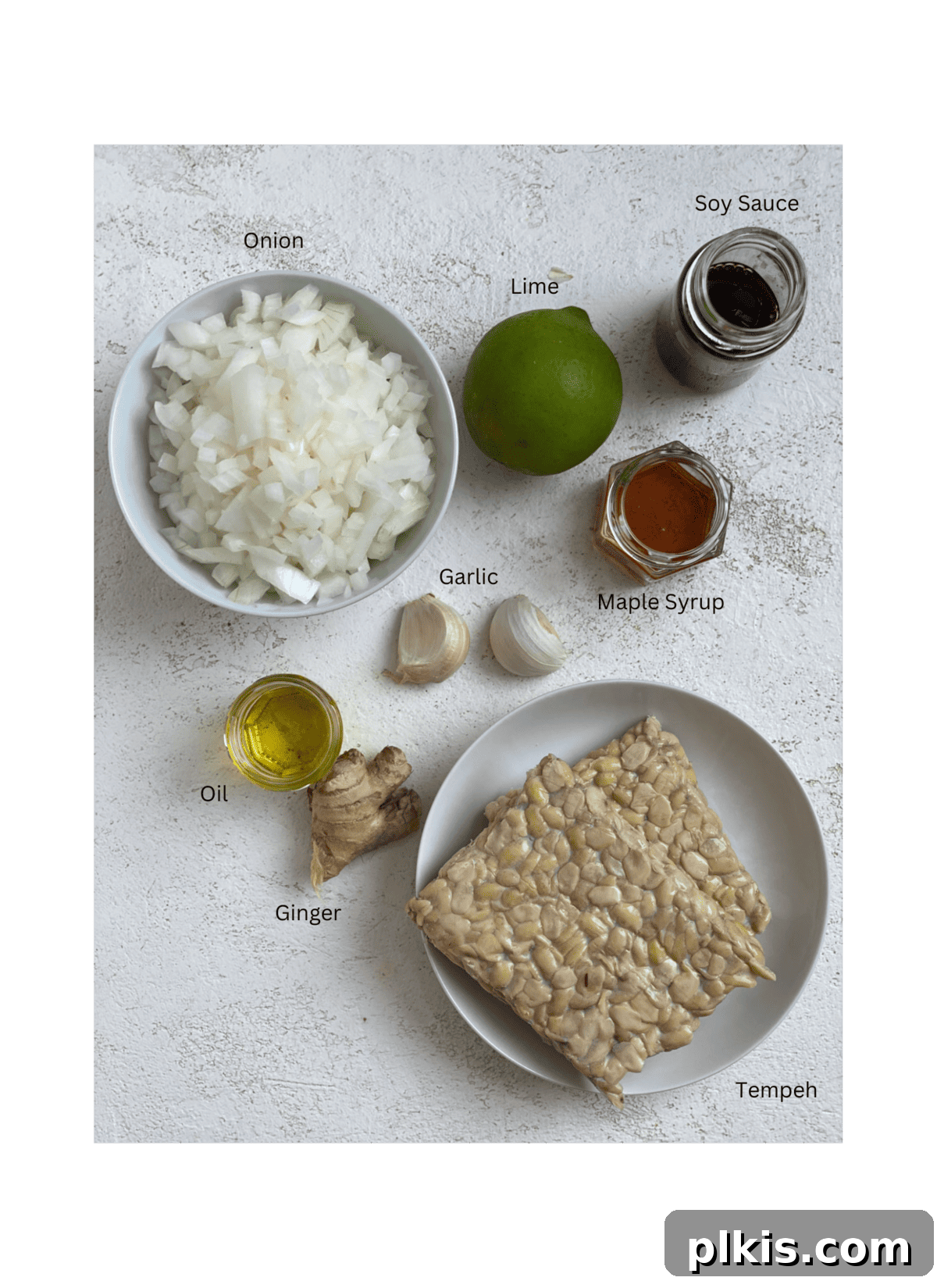
For the Tempeh
- Oil: To achieve that perfect golden-brown crispness on your tempeh, a small amount of cooking oil is recommended for pan-frying. I typically use 1 tablespoon of neutral vegetable oil, but avocado oil or canola oil also work well. If you prefer an oil-free approach, you can easily omit it and use a splash of water or vegetable broth to sauté your ingredients instead.
- Block of Tempeh: The star of our dish! Opt for plain or whole grain tempeh for the best results. These varieties offer a blank canvas for our flavorful ginger soy sauce. Always double-check the ingredient list if you require a gluten-free option, as some brands might include gluten-containing grains like barley or rye in their whole grain blends.
For the Zesty Ginger Soy Sauce
- Onion and Garlic: These aromatic powerhouses form the delicious foundation of our sauce, infusing it with depth and complexity. Freshly diced onion and minced garlic are highly recommended for their vibrant flavor and fragrance, which far surpasses that of their powdered counterparts.
- Fresh Ginger: The “ginger” in ginger soy sauce! Freshly grated ginger provides a zesty, warm, and slightly spicy kick that defines the flavor profile. While fresh is always best, if absolutely necessary, you can substitute with ¼ teaspoon of dried ground ginger, though the fresh flavor will be more pronounced.
- Soy Sauce: This provides the essential umami and saltiness to our glaze. If you are mindful of your sodium intake, feel free to use a reduced-sodium soy sauce. For a gluten-free version, always substitute with tamari, which offers a similar flavor without the wheat.
- Lime Juice: A crucial component for brightness and acidity. Freshly squeezed lime juice cuts through the richness of the soy sauce and complements the warm spice of the ginger beautifully, adding a zesty finish to the dish.
- Liquid Sweetener: A touch of sweetness balances the savory and tangy notes. Maple syrup or agave nectar are excellent plant-based choices, lending a subtle sweetness without overpowering the other flavors. Adjust the amount to your personal preference for a sweeter or more savory glaze.
Step-by-Step Guide: How to Make Pan-Fried Tempeh with Ginger Soy Sauce
Creating this delicious and healthy tempeh dish is incredibly simple. Follow these straightforward steps for a perfect meal every time:
- 1) Sauté the Aromatics: Begin by heating a small splash of cooking oil in a large pan or skillet over medium-high heat. Once the oil is shimmering, add your finely diced onions, minced garlic, and freshly grated ginger. Sauté these aromatics for about 1 minute, stirring continuously until they become fragrant and lightly softened. This step lays the flavorful base for our tempeh.
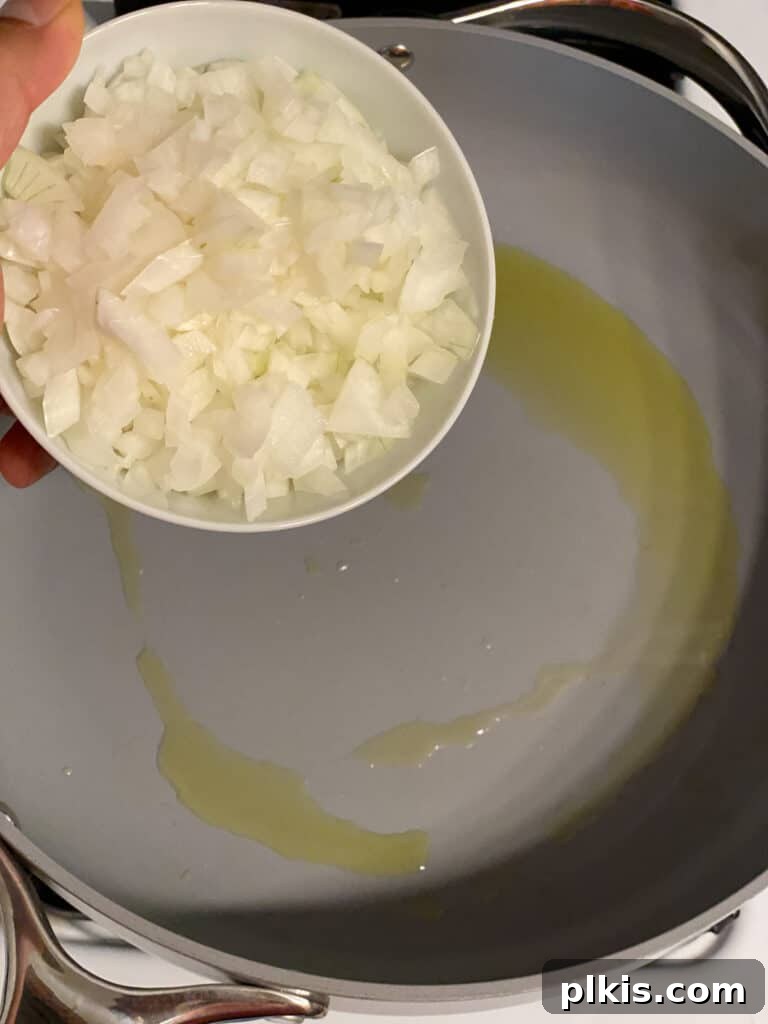
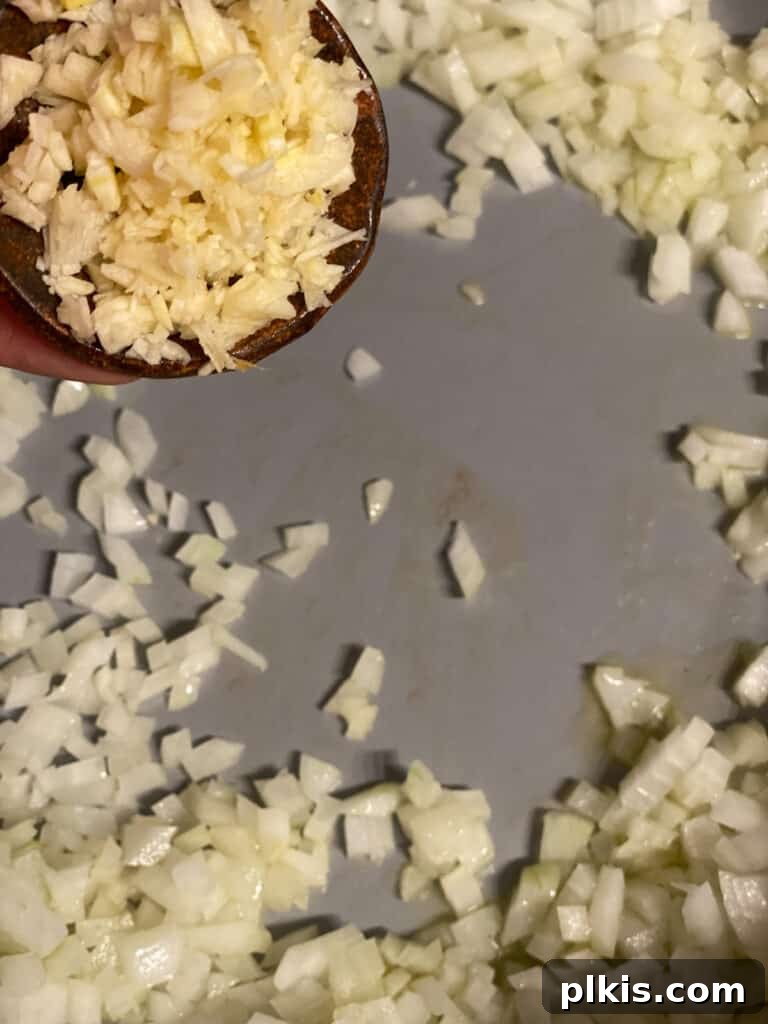
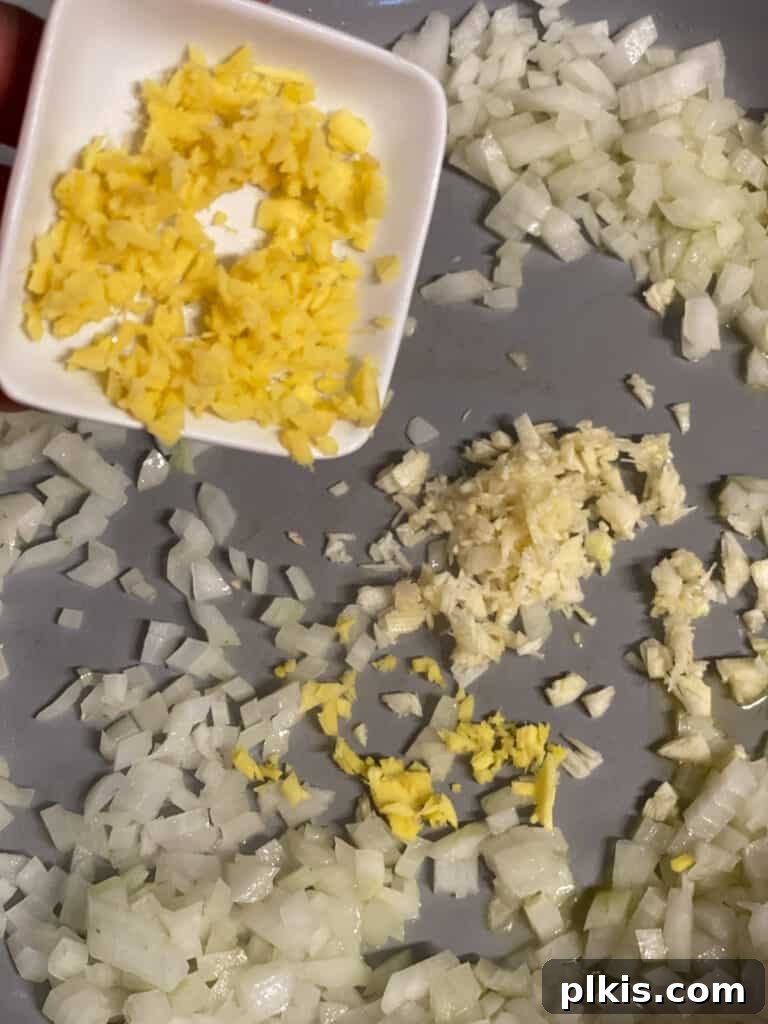
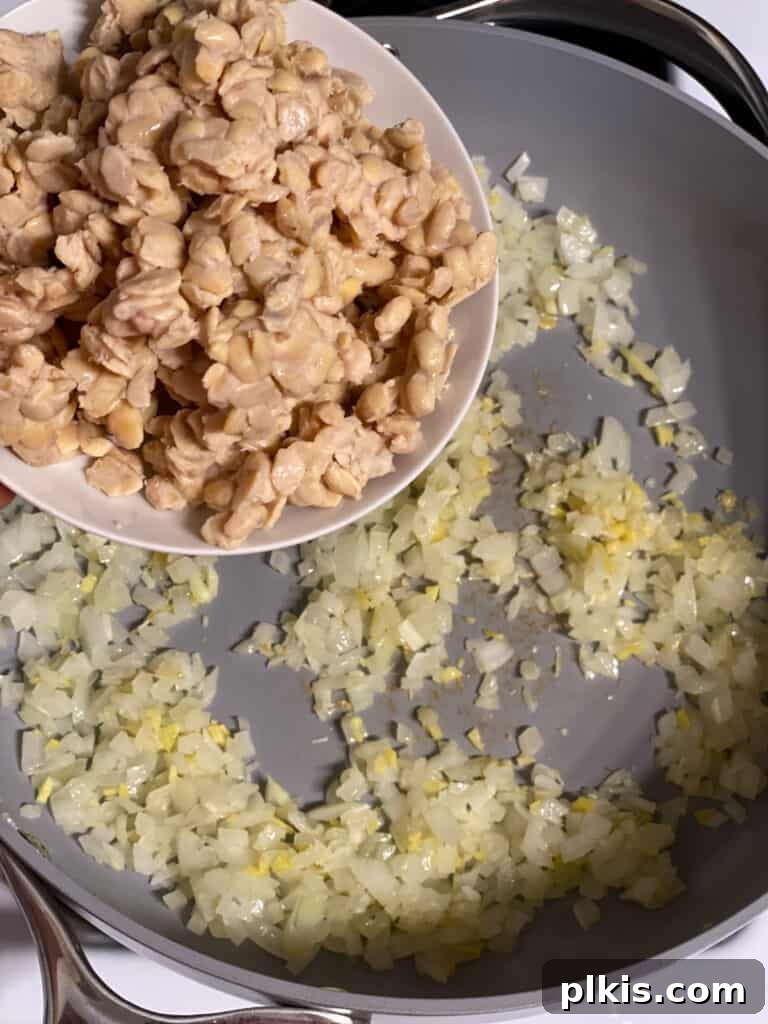
- 2) Crumble and Brown the Tempeh: Next, take your block of tempeh and crumble it directly into the pan using your fingers. Aim for bite-sized, irregular pieces – the more surface area, the better for browning and sauce absorption. Continue to sauté the tempeh pieces for another 1 to 2 minutes, stirring regularly. You’ll notice the tempeh beginning to lightly brown and develop a slightly crispy texture.
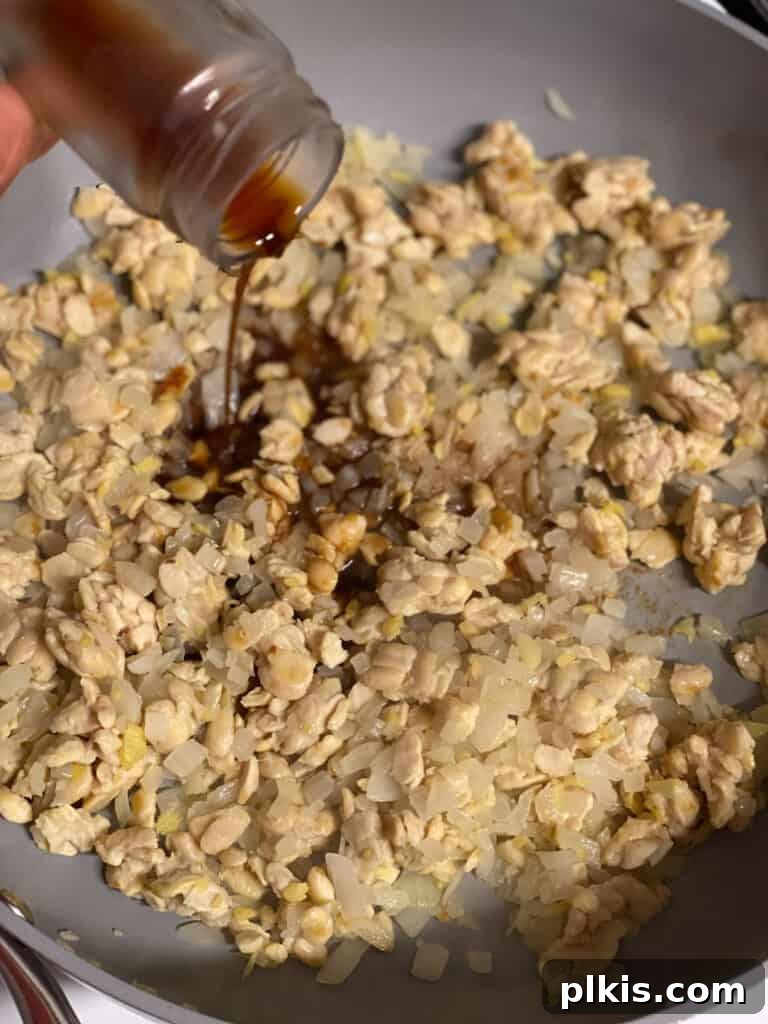
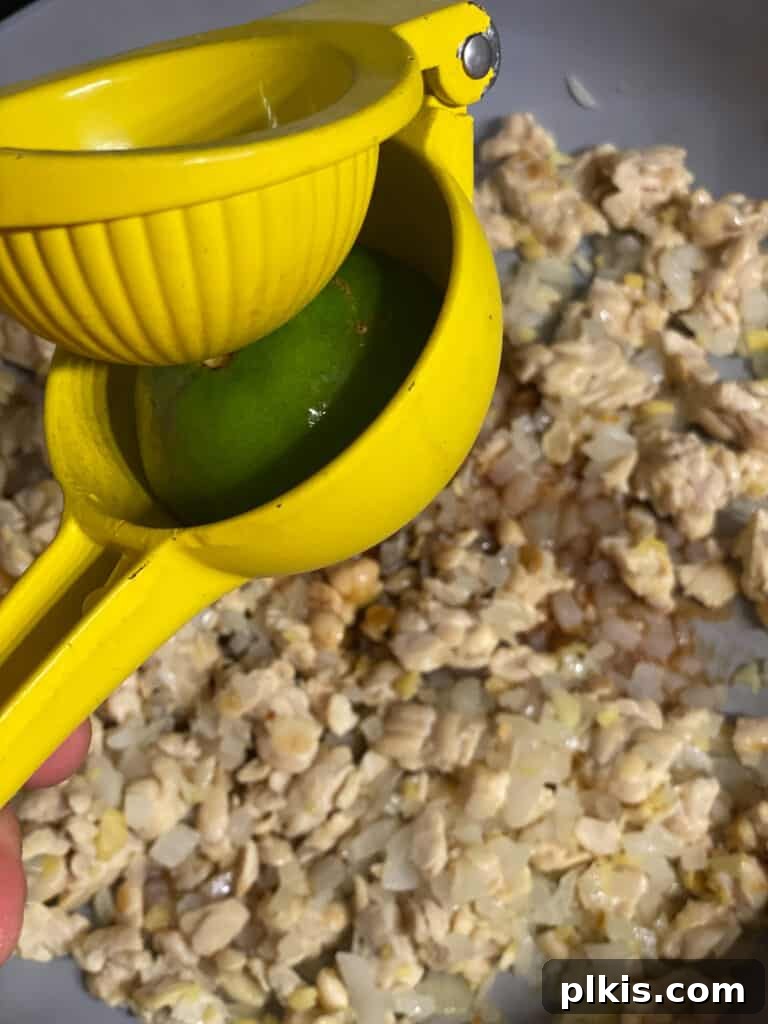
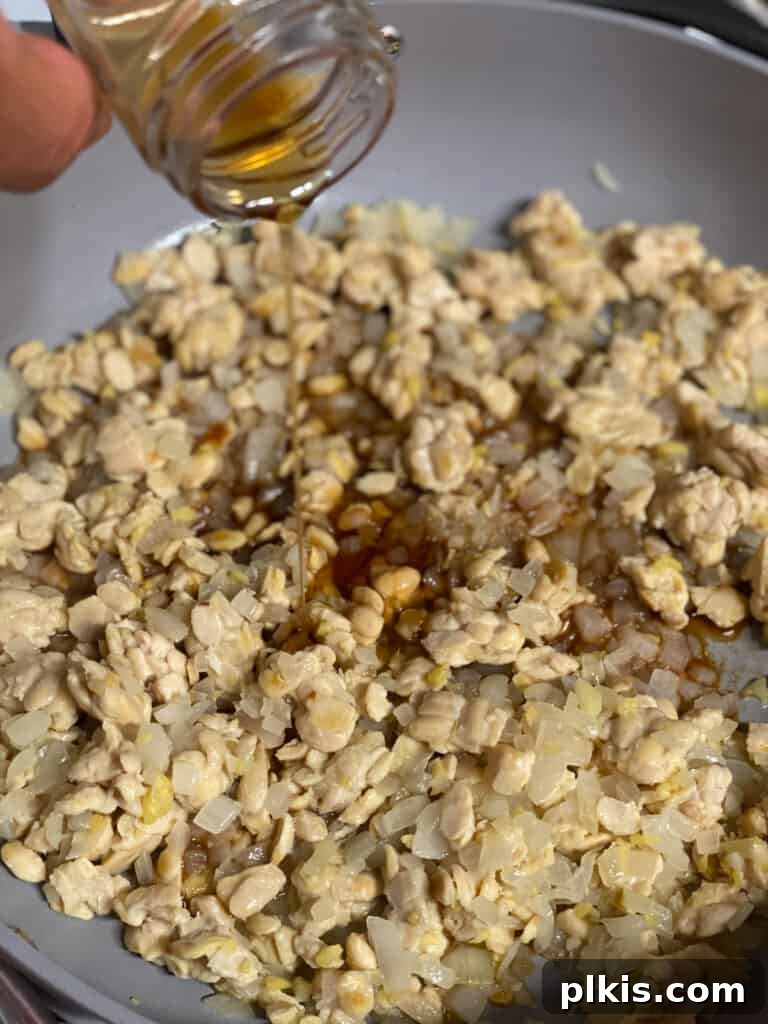
- 3) Glaze to Perfection: Now it’s time to introduce the incredible ginger soy sauce. Pour in the soy sauce (or tamari), freshly squeezed lime juice, and your chosen liquid sweetener (maple syrup or agave). Stir everything together thoroughly, ensuring the tempeh pieces are fully coated. Continue to cook, stirring occasionally, until the sauce is well absorbed by the tempeh and has reduced into a beautiful glaze, leaving the tempeh well browned and slightly caramelized. If the tempeh starts to stick too much, slightly reduce the heat to medium.

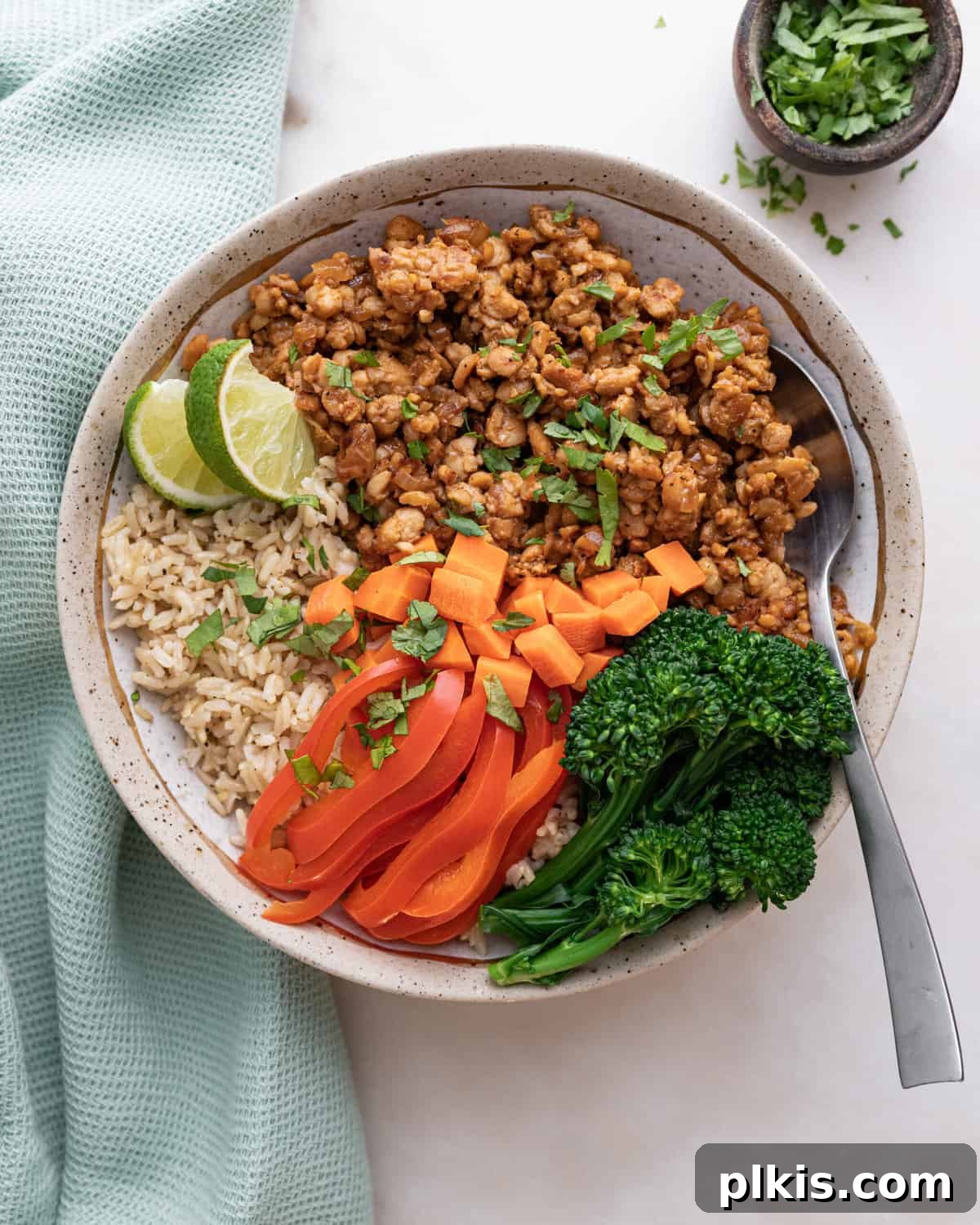
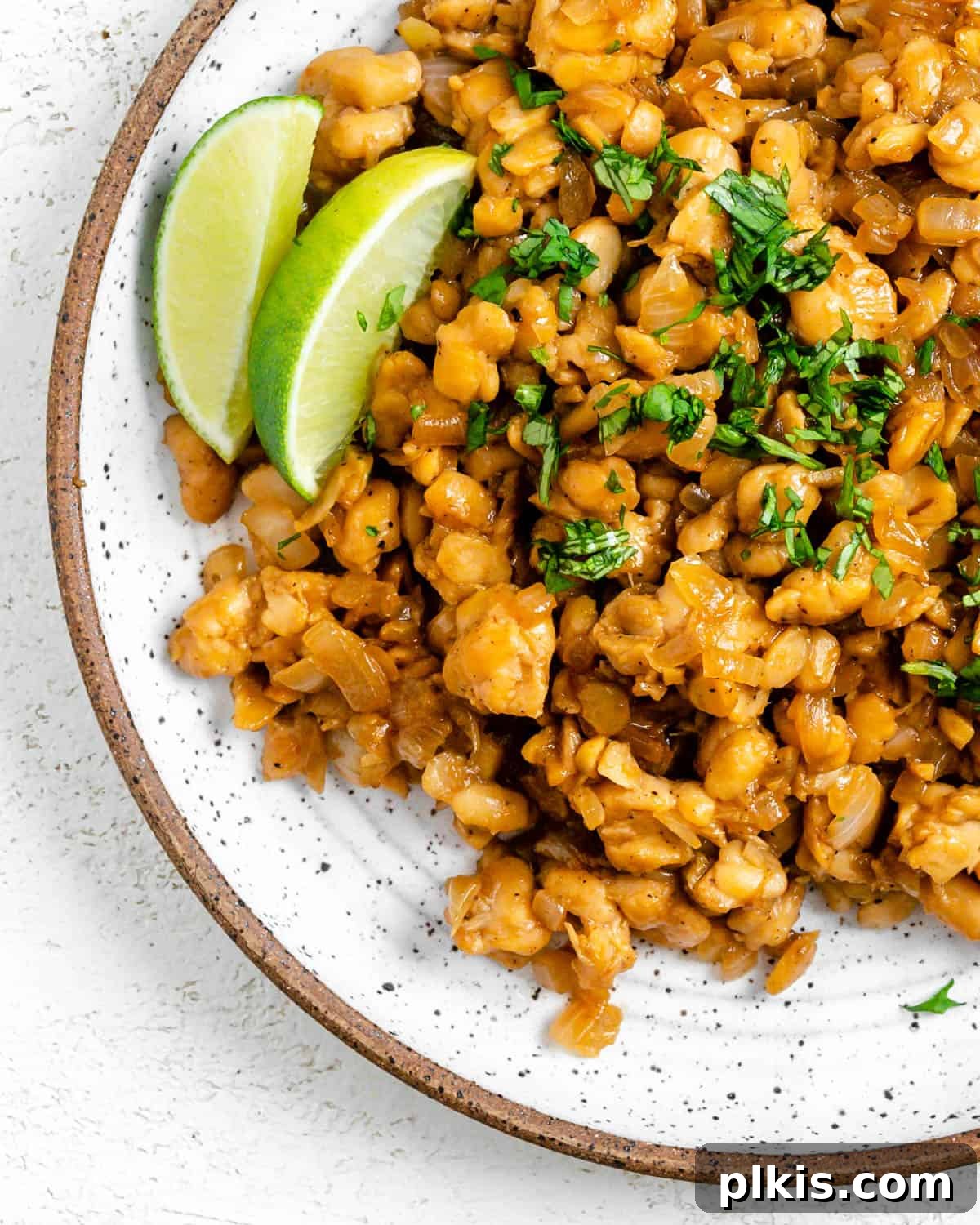
- 4) Serve and Enjoy: Once your pan-fried tempeh is beautifully glazed and piping hot, it’s ready to be served. Enjoy it warm over a bed of fluffy brown rice and alongside your favorite steamed vegetables for a complete and wholesome meal. Garnish with fresh cilantro and lime wedges for an extra burst of flavor and visual appeal, if desired.
Recipe FAQs: Your Tempeh Questions Answered
While some people find tempeh to have a slightly bitter taste, I personally don’t mind it and often skip the pre-boiling step for this quick pan-fried recipe. However, if you are sensitive to tempeh’s natural bitterness, or if you want to ensure the softest interior texture, boiling or steaming it beforehand can definitely help. To do so, place the entire block of tempeh in a pot of water, ensuring it’s mostly submerged. Bring the water to a boil, then reduce the heat and simmer for 10-15 minutes. Alternatively, you can use a steamer basket over boiling water for the same duration. After boiling or steaming, remove the tempeh, let it cool enough to handle, and then proceed with crumbling and frying as directed in the recipe. This extra step will ensure a milder flavor and a softer crumbly texture.
It’s true that the high heat involved in cooking can reduce the number of live probiotics present in tempeh. However, cooking does not completely eliminate all of them, and tempeh is still considered a probiotic-rich food due to the initial fermentation process and the beneficial compounds it contains. Even if some live cultures are diminished, the nutritional benefits, including its high protein and fiber content, remain intact. If you’d like to boost your probiotic intake, consider serving this ginger soy tempeh with other fermented foods like kimchi or sauerkraut.
Most commercially packaged tempeh sold in stores is not fully cooked. While the soybeans are partially cooked and fermented, it is generally recommended to cook tempeh before consuming it. Cooking helps to kill any potential bacteria that might be present and enhances its texture and flavor, making it safer and more palatable for consumption. Always follow the cooking instructions on the package or in your recipe for best results.
To achieve an extra crispy texture, there are a few tricks you can employ. First, ensure your tempeh is as dry as possible after crumbling; you can gently press it between paper towels. Second, don’t overcrowd the pan. Cook the tempeh in batches if necessary, allowing each piece enough space to brown properly without steaming. Third, use slightly more oil (e.g., 1.5-2 tablespoons) and ensure it’s hot before adding the tempeh. Finally, allow the tempeh to fry for a bit longer before adding the sauce, ensuring a deeper golden-brown crust. The sauce addition will then create a sticky, caramelized coating.
Expert Tips for Perfect Pan-Fried Tempeh
- Amplify the Glaze: If you’re a fan of a saucier tempeh, or if you want extra glaze for drizzling over your rice and veggies, don’t hesitate to double or even triple the quantities of soy sauce, lime juice, and liquid sweetener. This will result in a more intensely flavored tempeh and a generous amount of that irresistible ginger soy glaze, perfect for coating every bite.
- Master the Sauce Flavors: For those new to this recipe, or if you like to fine-tune your flavors, I highly recommend whisking the ginger soy sauce ingredients together in a small bowl before adding them to the pan. This allows you to taste the sauce and adjust the balance of sweet, salty, and tart to your preference. Once you’ve perfected your ideal flavor profile, you can confidently add the ingredients directly into the pan in future preparations.
- Utilize a Nonstick Skillet: Tempeh, especially when pan-fried, can be prone to sticking to the bottom of the pan, particularly if your skillet isn’t well-seasoned or nonstick. To prevent this common issue, always use a good quality nonstick pan. Ensure the pan is adequately heated before adding any oil or ingredients, and remember to stir the tempeh frequently to encourage even browning and prevent it from adhering to the surface.
- Achieve Optimal Crumbly Texture: When crumbling the tempeh, aim for a variety of sizes – some larger, some smaller. This creates interesting textural contrast in the final dish, with some pieces getting crispier edges and others remaining softer and more sauce-soaked. Avoid uniform, tiny crumbles if you want more texture.
- Don’t Rush the Browning: Patience is key for good flavor. Allow the tempeh to truly brown before adding the sauce. The caramelization that occurs during this initial frying stage develops deep, rich flavors that are essential to the dish. If you add the sauce too soon, the tempeh will steam rather than fry, resulting in a less desirable texture.
Creative Serving Suggestions
This Asian-inspired pan-fried tempeh with ginger soy sauce is incredibly versatile and pairs beautifully with a variety of side dishes. While it’s classically delicious served over a bed of fluffy brown rice and a side of vibrant steamed veggies (like broccoli, snap peas, or bok choy), the possibilities extend far beyond. If you’re looking to perfect your rice, our guide on Cooking 101: How to Cook Brown Rice from Scratch can be very helpful.
Here are some of our personal favorite accompaniments to elevate your meal:
- Crispy Green Bean Fries: A delightful crunch that complements the savory tempeh.
- Braised Cabbage: Soft, tender cabbage infused with savory flavors makes a comforting side.
- Baby Bok Choy with Soy Sauce and Garlic: A classic Asian green that’s quick to prepare and packed with flavor.
- Tofu Vegetable Crispy Wontons: For an added textural and flavorful element, these wontons are a fantastic choice.
- Easy Mushy Peas with Roasted Veggies: A unique and wholesome pairing that adds color and nutrients.
Beyond these sides, get creative! This ginger soy tempeh makes a fantastic protein boost for a vibrant Buddha bowl, nestled amongst mixed greens, quinoa, avocado, and a drizzle of sesame dressing. It’s also superb tossed into a quick stir-fry with your favorite vegetables and noodles, or used as a delicious, protein-packed filling for fresh Collard Green Wraps or light and crunchy Lettuce Wraps. Don’t forget a sprinkle of toasted sesame seeds or chopped green onions for an extra touch of flavor and presentation.
Storage & Reheating Instructions
This pan-fried tempeh with ginger soy sauce is not only delicious fresh but also stores incredibly well, making it ideal for meal prepping or enjoying leftovers.
Store: Allow any leftover pan-fried tempeh to cool completely to room temperature before transferring it to an airtight container. It will keep beautifully in the refrigerator for up to 4 days. For ultimate convenience, you can store it alongside your cooked rice and steamed vegetables in the same container, creating ready-to-eat meals throughout the week.
Freeze: Tempeh is a fantastic plant-based protein that freezes exceptionally well. To freeze, ensure the pan-fried tempeh has cooled down entirely. Then, transfer it to a freezer-safe bag or a sturdy, freezer-safe container (such as a glass mason jar). Remove as much excess air as possible from the bag or container to prevent freezer burn. Stored properly, the tempeh can maintain its quality in the freezer for up to 3 months.
Reheat: The quickest and easiest way to reheat refrigerated tempeh is in a microwave-safe dish until it’s thoroughly warm. Alternatively, you can reheat it in a nonstick saucepan on the stovetop over medium heat, stirring occasionally, until heated through. If you’re reheating from frozen, it’s best to allow the tempeh to thaw overnight in the refrigerator first, or you can reheat it directly from frozen on the stovetop over low heat, adding a splash of water or broth to prevent sticking, until completely warmed.
More Irresistible Tempeh Recipes to Explore
If you’ve fallen in love with tempeh after trying this recipe, there’s a whole world of delicious plant-based possibilities waiting for you! Tempeh’s ability to absorb flavors and its satisfying texture make it an incredibly versatile ingredient. Here are a few more amazing tempeh recipes from our collection to inspire your next plant-based meal:
- Sweet Jalapeño Tempeh Strips: A fantastic balance of sweet and spicy, perfect for wraps or salads.
- Vegan Kabobs with Marinated Tempeh: Grilled to perfection, these kabobs are a summer BBQ favorite.
- BBQ Tempeh: Smoky, tangy, and incredibly satisfying, ideal for sandwiches or bowls.
- Sweet and Sour Tempeh: A vibrant and classic flavor profile that’s always a crowd-pleaser.
- BBQ Tempeh Sandwich: The ultimate comfort food sandwich, loaded with savory BBQ tempeh.
- Chipotle Lime Street Style Tacos: Zesty and spicy, these tacos offer a burst of Mexican-inspired flavor.
Photos by Alfonso Revilla
Pan Fried Tempeh with Ginger Soy Sauce

Equipment
-
My favorite knives
-
Measuring spoons
-
Measuring Cups
-
Frying Pan
-
Steamer
-
Wooden Spoon
-
Individual Bowls
Ingredients
- 1 tablespoon of vegetable oil
- ¼ cup of finely diced yellow onion
- 2 garlic cloves, minced
- 1 teaspoon of minced ginger
- 1 (8-ounce) package of tempeh
- 2 tablespoons of soy sauce
- 1 ½ tablespoon of lime juice (about half of a lime)
- 1 teaspoon of a liquid sweetener (agave or maple syrup)
- Cooked brown rice (optional)
- Your favorite steamed veggies (optional)
- Minced cilantro, for garnish (optional)
- Lime wedges for garnish (optional)
Instructions
-
In a large pan over medium-high heat, heat the oil. Add the onions, garlic, ginger, and saute for 1 minute. Using your fingers, crumble the tempeh directly into the pan, and saute for another 1 to 2 minutes, stirring regularly until the tempeh is lightly browned.
-
Pour in the soy sauce, lime juice, and your choice of a liquid sweetener, and stir until absorbed.
-
Serve over cooked brown rice with your favorite steamed veggies, and with minced cilantro and lime wedges as garnish (if using).
Notes
- Make extra marinade. If you prefer your pan-fried tempeh on the saucier side, double or triple the soy sauce, lime juice, and liquid sweetener. This will make the pan-fried tempeh even more flavorful and allow for additional ginger soy sauce for drizzling.
- Whisk the ginger soy sauce together on the side. The first time you make this tempeh recipe, I recommend combining the ginger soy sauce ingredients together in a small bowl first. Taste, and adjust the flavors to suit your taste buds. Then, once you know how much of each ingredient you like, you can add the ingredients directly into the pan!
- Use a nonstick skillet. Tempeh is prone to sticking to the bottom of the pan, especially if they aren’t well-seasoned or nonstick. To prevent this, use your favorite nonstick pan, heat it until warm before adding oil and remaining ingredients, and stir frequently.