
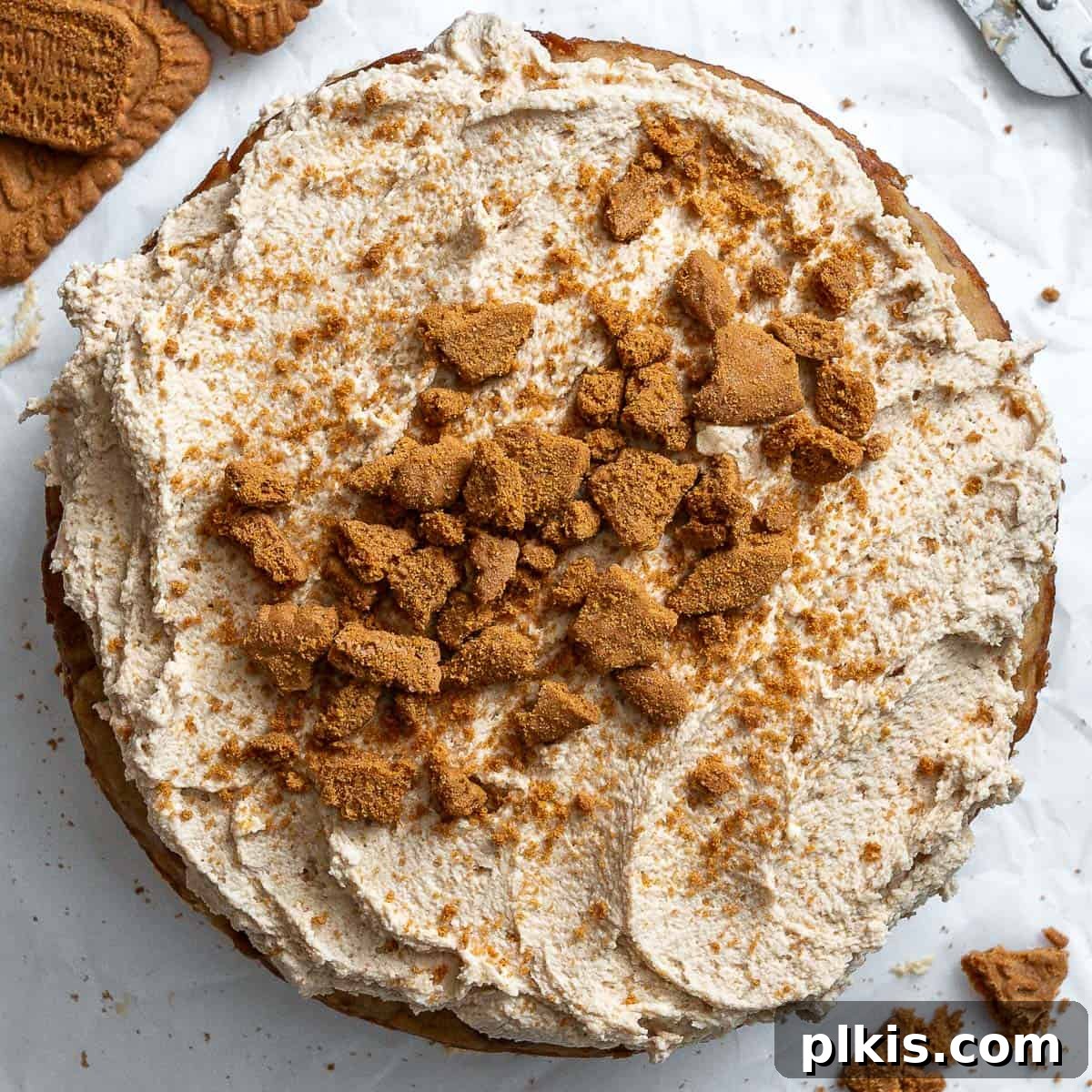
Indulge in the ultimate treat with this incredible Vegan Biscoff Cake! It’s delightfully moist, incredibly fluffy, and bursting with authentic Biscoff flavor from cake to frosting. Topped with a rich, creamy, and utterly decadent Biscoff buttercream, you’d never guess this show-stopping dessert is entirely free of eggs, milk, and dairy. Prepare for a truly unforgettable vegan baking experience that will impress even the most discerning palates!
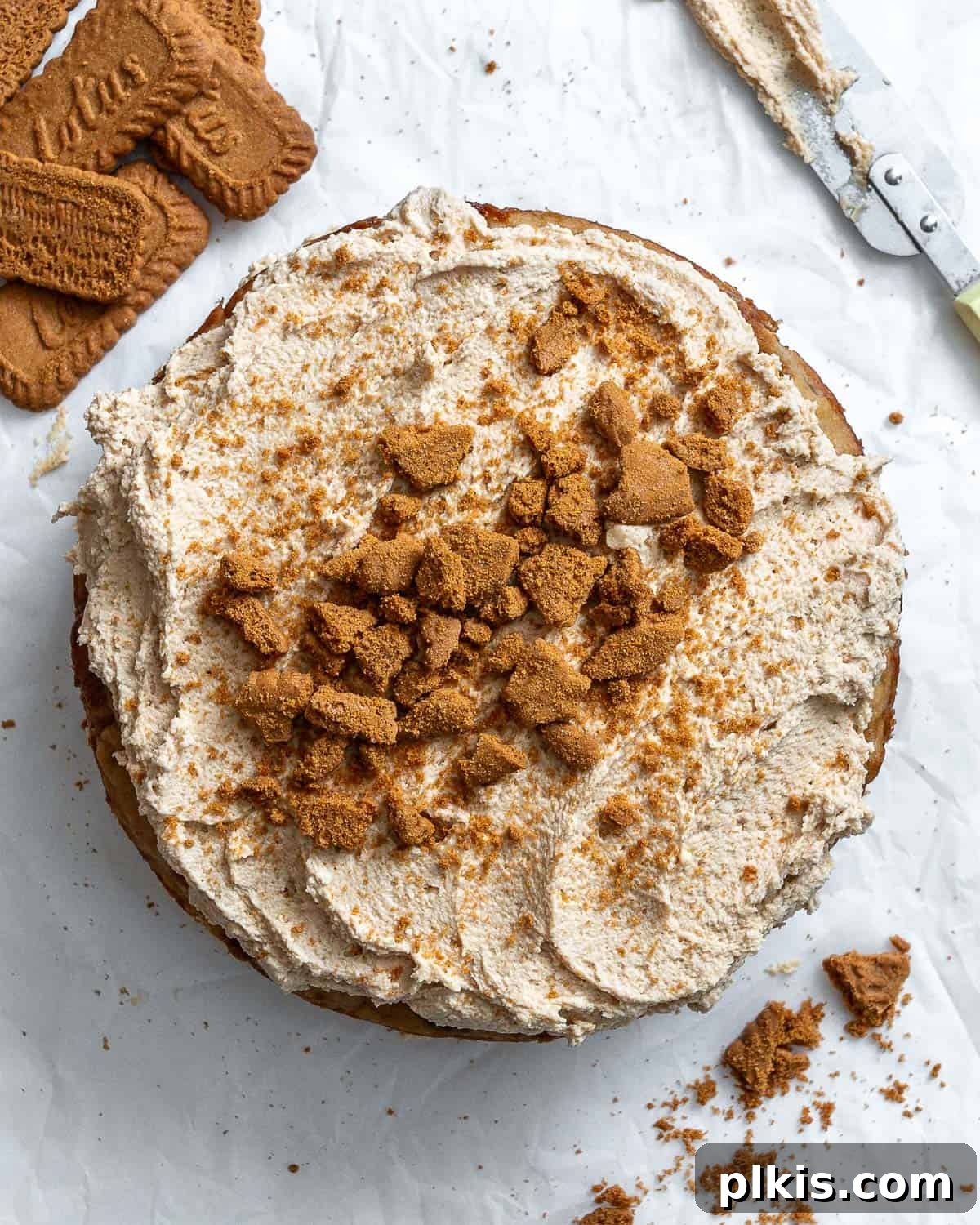
Table of Contents
- What is Biscoff? Unveiling the Beloved Cookie
- Decadent and Delicious Lotus Biscoff Cake: Your Next Vegan Masterpiece
- Essential Ingredients for Your Vegan Biscoff Cake
- Exciting Recipe Variations to Explore
- Step-by-Step: How to Make Vegan Biscoff Cake
- Frequently Asked Questions About Vegan Biscoff Cake
- Expert Tips for the Perfect Vegan Biscoff Cake
- Storage Instructions for Your Vegan Biscoff Cake
- More Easy & Delicious Vegan Cake and Cupcake Recipes
What is Biscoff? Unveiling the Beloved Cookie
Lotus Biscoff is far more than just a cookie; it’s a global sensation renowned for its distinctive flavor and irresistible texture. Originating from Belgium, Biscoff cookies are a type of “speculoos” biscuit – a spiced shortcrust biscuit traditionally baked for St. Nicholas’ Day. What sets Biscoff apart is its unique caramelized biscuit flavor, infused with a warm blend of cinnamon, ginger, cloves, and nutmeg. This complex spice profile, combined with its crisp texture, makes it incredibly addictive. Beyond the classic cookie, Lotus also produces a creamy Biscoff cookie butter spread, which boasts the same delightful caramelized biscuit taste but in a smooth, spreadable form, much like peanut butter or almond butter. This versatility makes Biscoff a fantastic ingredient for an array of desserts, from spreading it over toast to incorporating it into vegan blondies, brownies, cakes, cheesecake, and much more. Its rich, sweet, and subtly spiced notes add an unparalleled depth to any sweet creation.
Decadent and Delicious Lotus Biscoff Cake: Your Next Vegan Masterpiece
After delighting you with our simple yet enchanting recipe for vegan funfetti cupcakes, perfect for joyful birthdays and celebratory moments, we knew we had to follow up with something truly spectacular. And what could be more show-stopping than this incredible Lotus Biscoff cake? This isn’t just a cake; it’s an experience – a dream come true for any Biscoff enthusiast seeking a truly indulgent, plant-based treat.
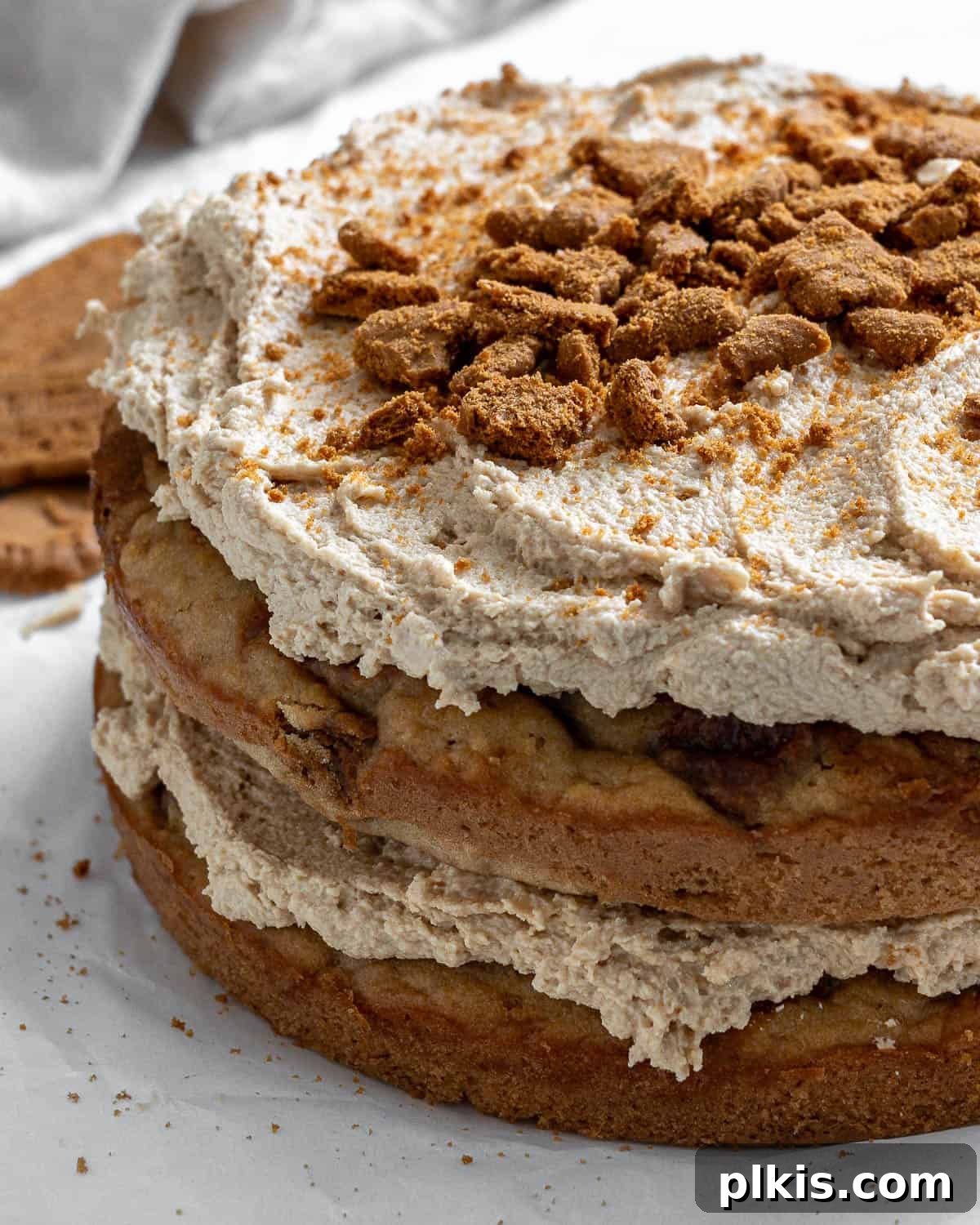
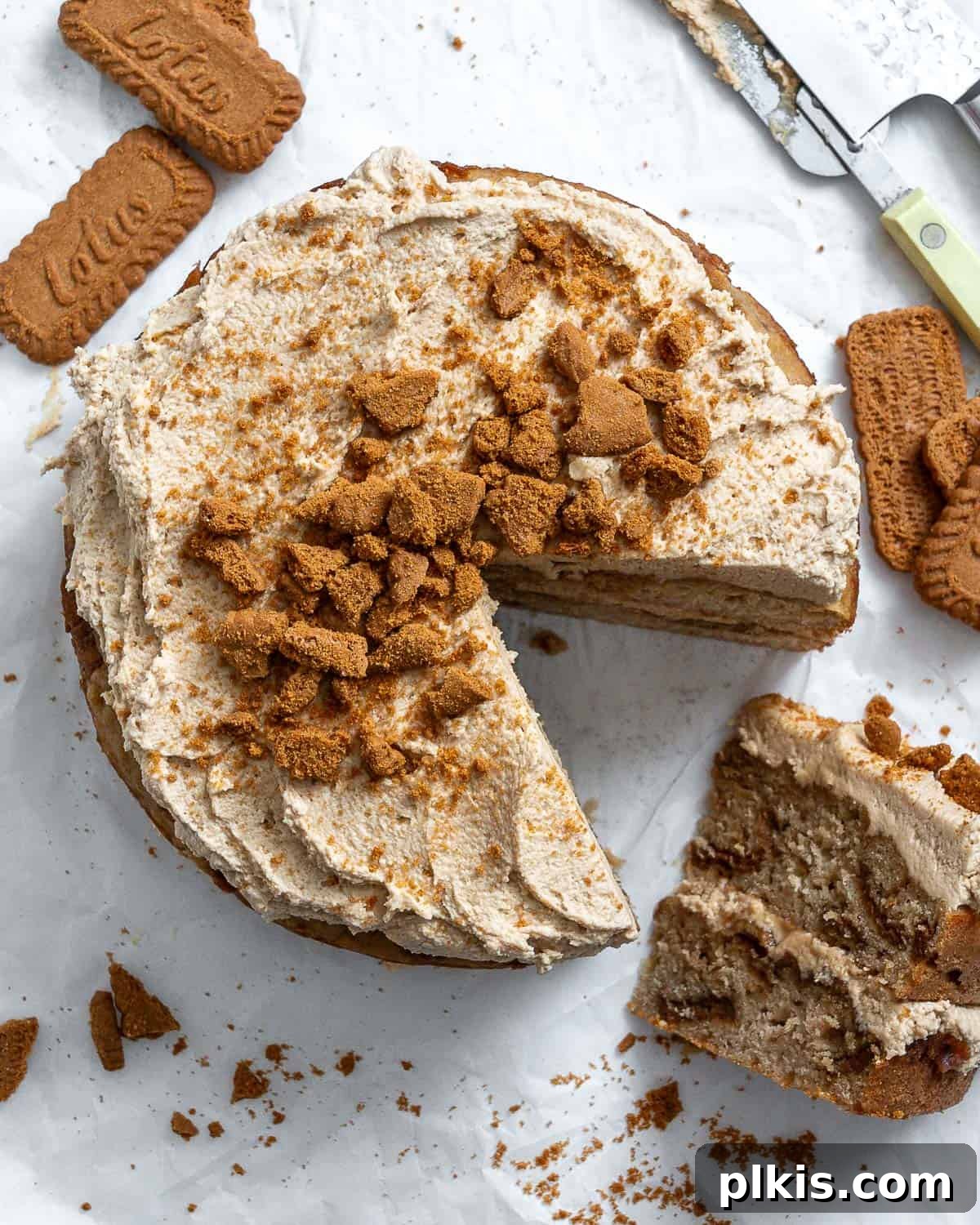
Our vegan Biscoff birthday cake is meticulously crafted to deliver an abundance of flavor and an exquisite texture. It features two gloriously moist layers of cake, each swirled with rich Biscoff cookie butter and studded with delightful crumbles of Biscoff biscuits. These flavorful layers are then generously filled and covered with an impossibly creamy and decadent Biscoff buttercream, ensuring every bite is a harmonious blend of sweetness and spice. To elevate its presentation, the cake is beautifully decorated with even more Biscoff biscuits and, for an extra touch of elegance, an optional Biscoff cookie butter ‘drip’ cascading down its sides, creating a stunning visual appeal that promises a taste sensation.
What makes this Biscoff layer cake truly remarkable is not only its ability to be a crowd-pleasing dessert worthy of any special occasion, but also its naturally egg-free, milk-free, and dairy-free composition. Despite its vegan credentials, its moistness, fluffiness, and creamy richness are so profound that you’d genuinely never be able to tell it’s plant-based. This makes it an ideal choice for serving to both vegans and non-vegans alike, effortlessly catering to diverse dietary requirements while practically guaranteeing a chorus of compliments and, inevitably, empty plates.
Beyond its inherent deliciousness, this recipe offers incredible flexibility. We encourage you to explore the several ways to adapt it, listed in detail below. Whether you’re looking to transform it into a gluten-free masterpiece, incorporate a portion of nutritious whole wheat flour for a heartier texture, opt for unrefined sugars for a healthier twist, or enhance its flavor profile with luxurious mix-ins like dairy-free chocolate chunks, crunchy crushed nuts, the natural sweetness of banana, or even a hint of espresso – this recipe provides a versatile canvas for your culinary creativity. The possibilities are truly endless, allowing you to customize this already incredible cake to perfectly suit your preferences and occasion.
Essential Ingredients for Your Vegan Biscoff Cake
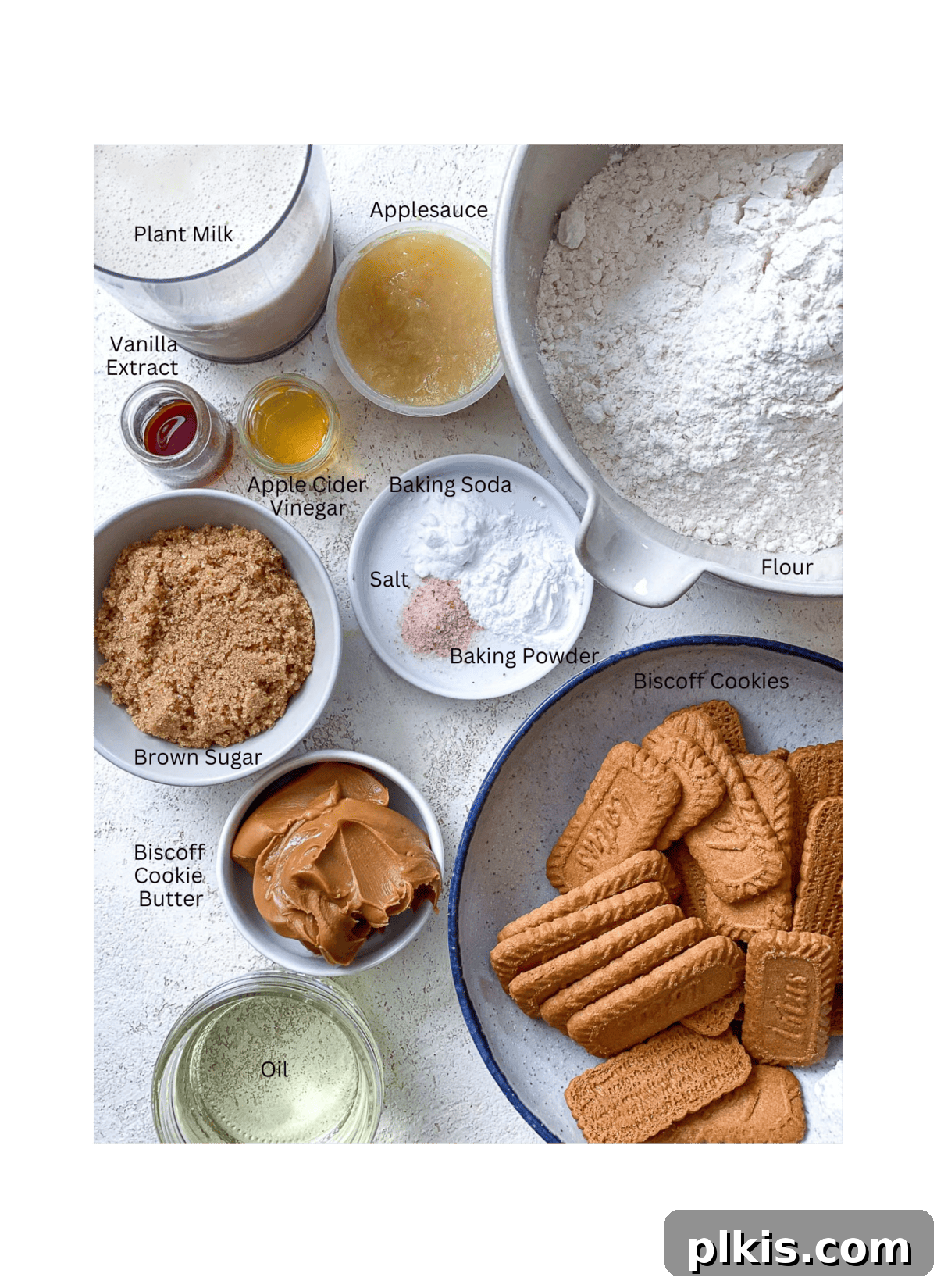
- Vegan Buttermilk: This crucial component is easily created by combining plant-based milk with a touch of apple cider vinegar or white vinegar. The acid curdles the milk, creating a dairy-free “buttermilk” that reacts with the baking soda to produce a light, tender crumb in your cake. Soy milk typically yields the best results due to its protein content, though almond milk can also be used effectively.
- Oil: A neutral-flavored oil, such as vegetable or canola oil, is essential for achieving a moist cake with a wonderfully tender crumb. It contributes to the richness and helps keep the cake from drying out, particularly important in egg-free baking.
- Applesauce: Unsweetened applesauce serves as a fantastic egg replacer in this eggless Biscoff cake. Its pectin helps bind the ingredients, adds moisture, and contributes a subtle natural sweetness without overpowering the Biscoff flavor.
- Biscoff: To ensure an explosion of authentic Biscoff flavor throughout this Biscoff cookie cake recipe, you’ll need two forms: creamy Biscoff cookie butter (or a similar vegan speculoos spread) for swirling into the batter and frosting, and a package of classic Biscoff cookies for crumbling into the cake and for decoration.
- Flour: All-purpose flour is recommended for the lightest and most tender cake texture. Alternatively, cake flour can be used for an even finer crumb. For those seeking a slightly denser cake with more nutritional value, a 50/50 combination of all-purpose flour and whole wheat flour works beautifully.
- Sugar: Brown sugar is our top choice as it perfectly complements and enhances the caramelized, warm brown sugar notes inherent in Biscoff. For a less refined sugar option, coconut sugar can be used, offering a similar depth of flavor.
- Vanilla Extract: Always opt for pure, natural vanilla extract (or vanilla bean paste) for the most authentic and robust flavor. Vanilla acts as a flavor enhancer, rounding out the sweet and spiced notes of the Biscoff.
- Leavening Agents: A precise combination of both baking powder and baking soda is vital for creating a beautifully risen, light, and fluffy vegan Lotus Biscoff cake. The baking soda reacts with the acid in the vegan buttermilk, while the baking powder provides additional lift.
- Salt: A small but essential amount of salt works wonders to balance the sweetness, enhance all the individual flavors, and prevent the cake from tasting flat.
- Biscoff Frosting: The crowning glory of this cake! We highly recommend using a batch of our creamy and irresistible homemade Biscoff buttercream, specifically designed to complement this cake.
Exciting Recipe Variations to Explore
- Vegan Chocolate Infusion: For an extra layer of indulgence, sprinkle a generous amount of your favorite dairy-free chocolate chips or chunks into the batter. White chocolate chips would provide a creamy contrast, while milk or dark chocolate would add a rich, bittersweet depth that pairs wonderfully with Biscoff’s caramel notes.
- Crunchy Chopped Nuts: Introduce a delightful textural contrast by folding in finely chopped nuts such as pecans, almonds, or walnuts. Their earthy flavor and satisfying crunch will elevate the cake experience.
- Enhanced Cinnamon Warmth: A small addition of cinnamon (around ½ to 1 teaspoon) can further enhance the warm, inviting spice profile of the speculoos cookie flavor in this vanilla Biscoff cake, making it even more aromatic and comforting.
- Dairy-Free Chocolate Biscoff Cake: Transform this into a decadent chocolate Biscoff cake by replacing approximately ½ cup of the all-purpose flour with high-quality dark cocoa powder. This will create a rich, dark chocolate base beautifully complemented by the Biscoff swirl.
- Luscious Banana Biscoff Cake: For a naturally sweet and incredibly moist twist, replace the applesauce with an equal amount of ripe mashed banana. You can also fold in extra banana chunks for an even more pronounced banana flavor, creating a delightful banana Biscoff fusion.
- Decadent Caramel Drizzle: Elevate your cake with a luxurious finish by drizzling your favorite vegan caramel sauce over the top. The rich, sticky caramel will complement the Biscoff perfectly.
- Caramel Extract Boost: Another excellent way to create a delicious Biscoff caramel cake is by adding ½ to 1 teaspoon of vegan-friendly caramel extract directly into the cake batter, intensifying its sweet, buttery notes.
- Fruity Strawberry Biscoff Cake: For a refreshing departure, replace the Biscoff buttercream with a vibrant strawberry buttercream and, if desired, layers of strawberry compote between the cake layers. Decorate the finished cake with fresh, ripe strawberries for a beautiful and delicious combination.
Step-by-Step: How to Make Vegan Biscoff Cake
- 1) Begin by preheating your oven to 350°F (175°C). Prepare two 8-inch round cake pans by greasing them lightly with oil or vegan butter, then lining the bottoms with parchment paper. This ensures easy release after baking. Set the prepared pans aside.
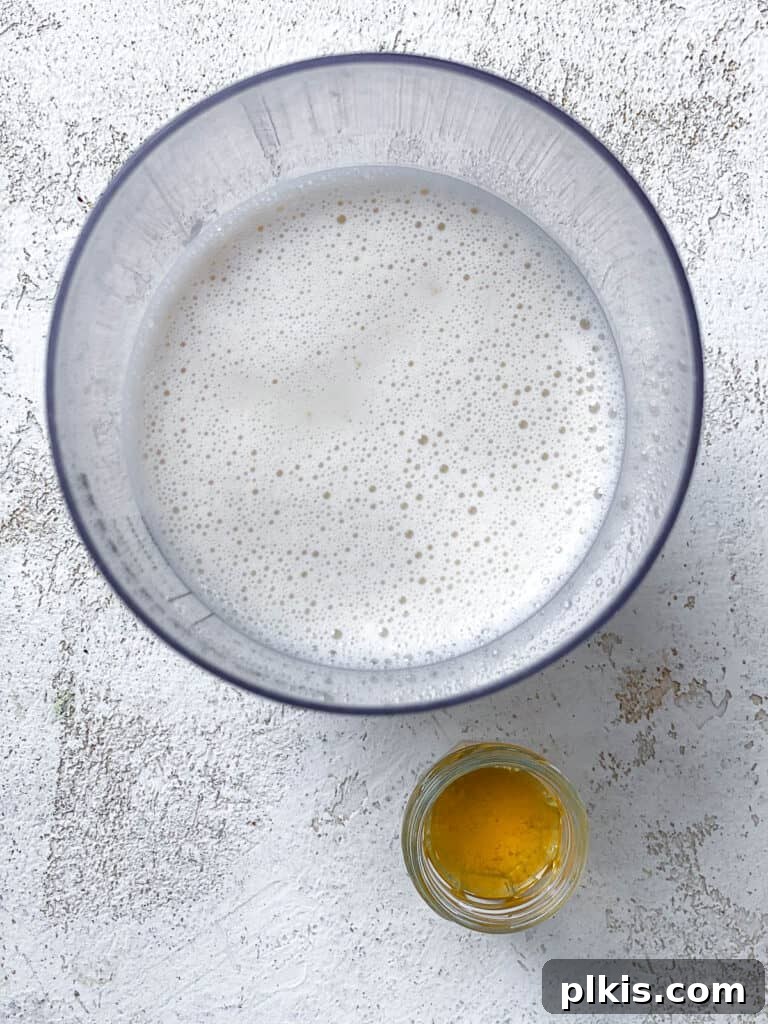
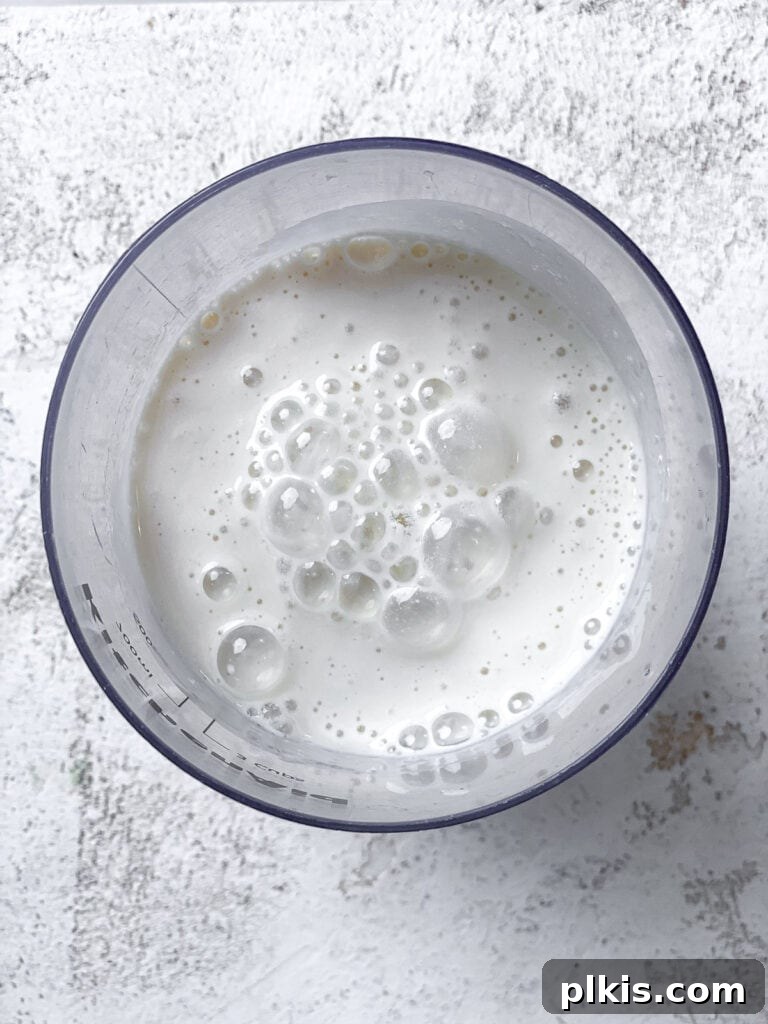
- 2) In a small bowl, combine your plant-based milk and apple cider vinegar. Give it a good stir and then let it sit undisturbed for 5 minutes. During this time, the milk will curdle slightly, creating a perfect vegan buttermilk alternative that adds tenderness to the cake.
- 3) In a separate, large mixing bowl, combine all your dry ingredients: the all-purpose flour, brown sugar, baking soda, baking powder, and salt. Whisk them thoroughly to ensure they are well combined and evenly distributed. This step prevents lumps and ensures consistent leavening throughout the cake.
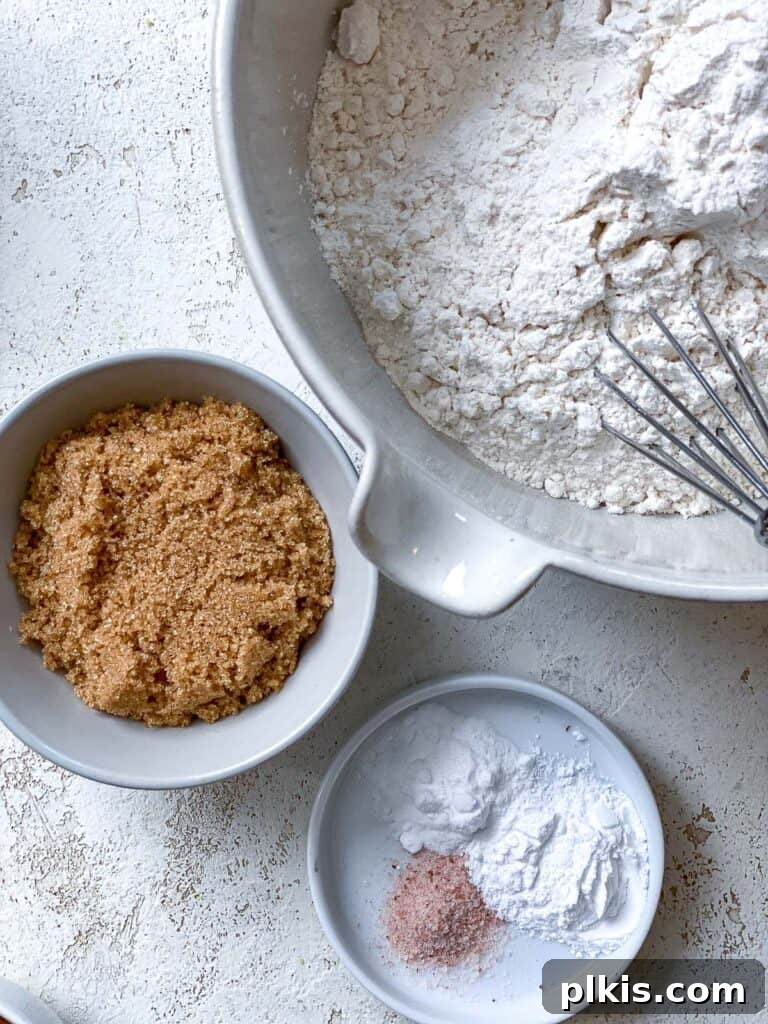
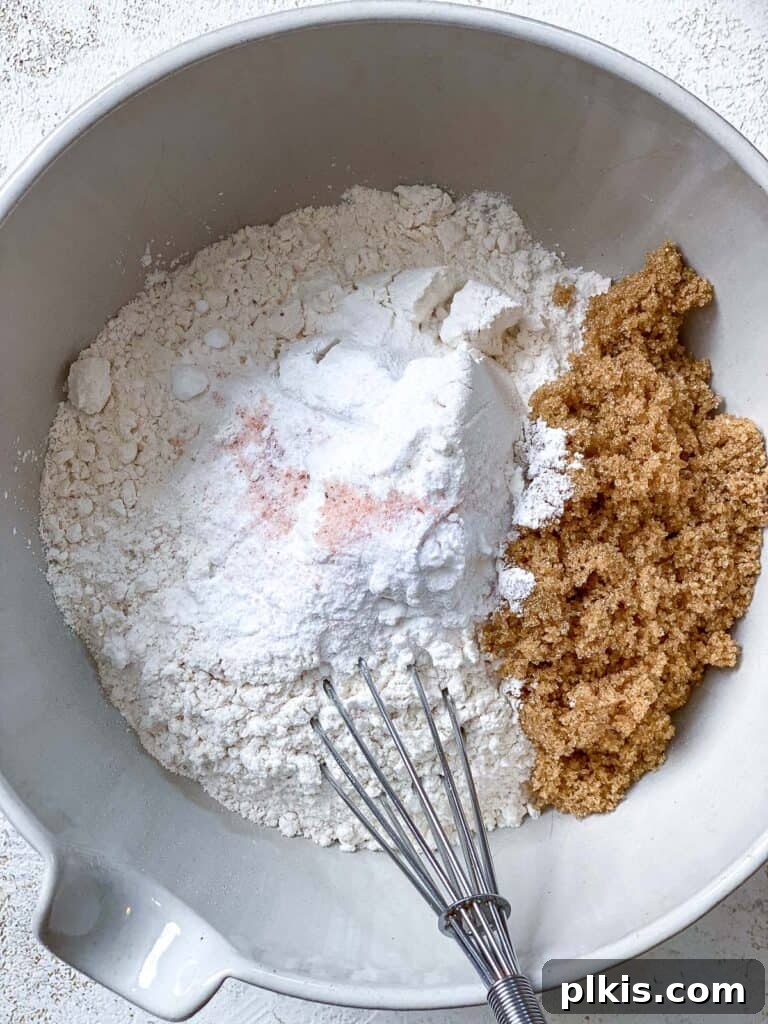
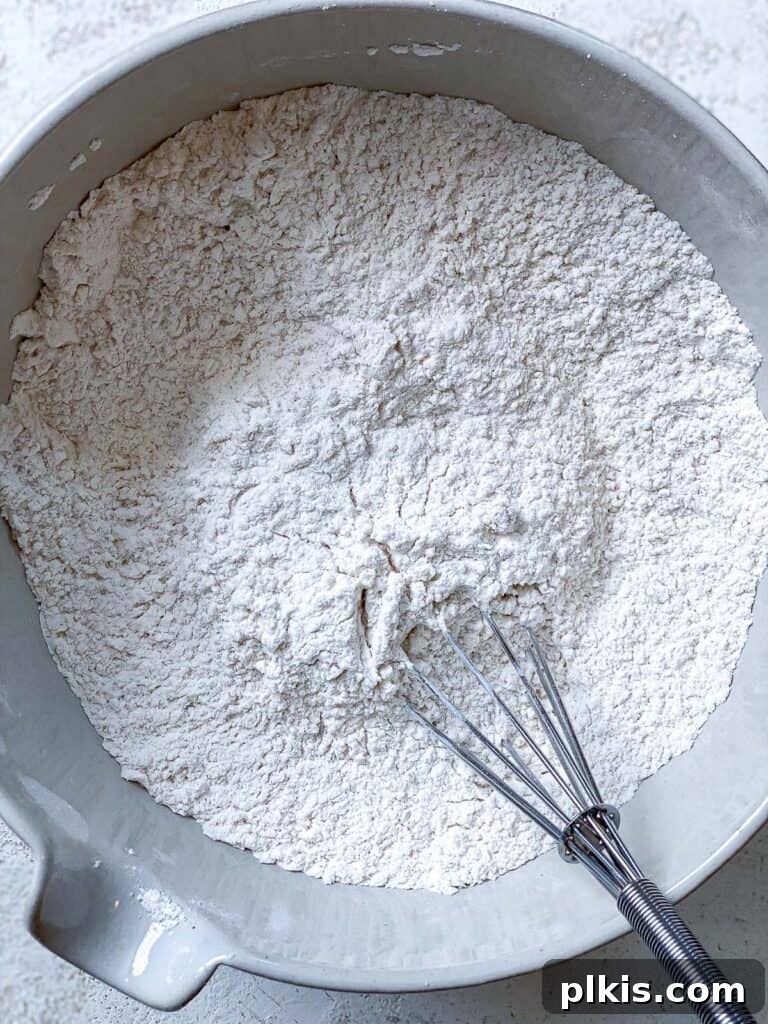
- 4) In yet another separate bowl, combine all the wet ingredients: your prepared vegan buttermilk, vanilla extract, unsweetened applesauce, and oil. Mix these well until thoroughly combined. Once homogenous, pour this wet mixture into the bowl containing your dry ingredients. Mix gently until just incorporated. It’s crucial not to over-mix the batter at this stage, as overworking can develop the gluten in the flour, leading to a dense, tough cake rather than a light and fluffy one. A few small lumps are perfectly fine.
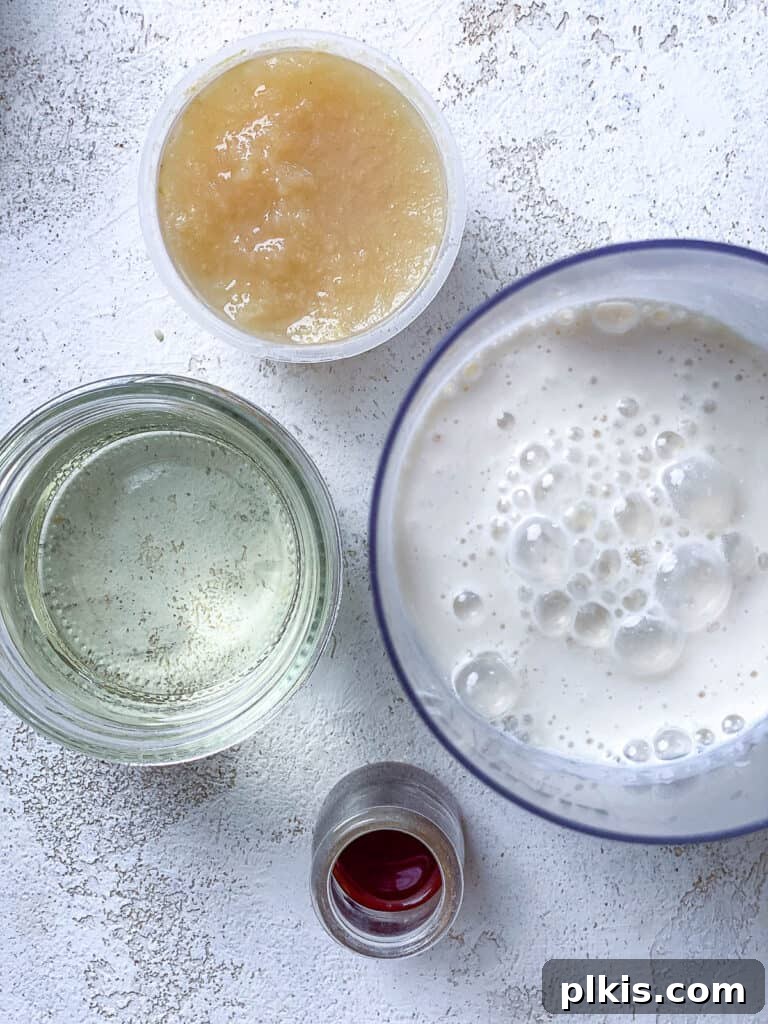
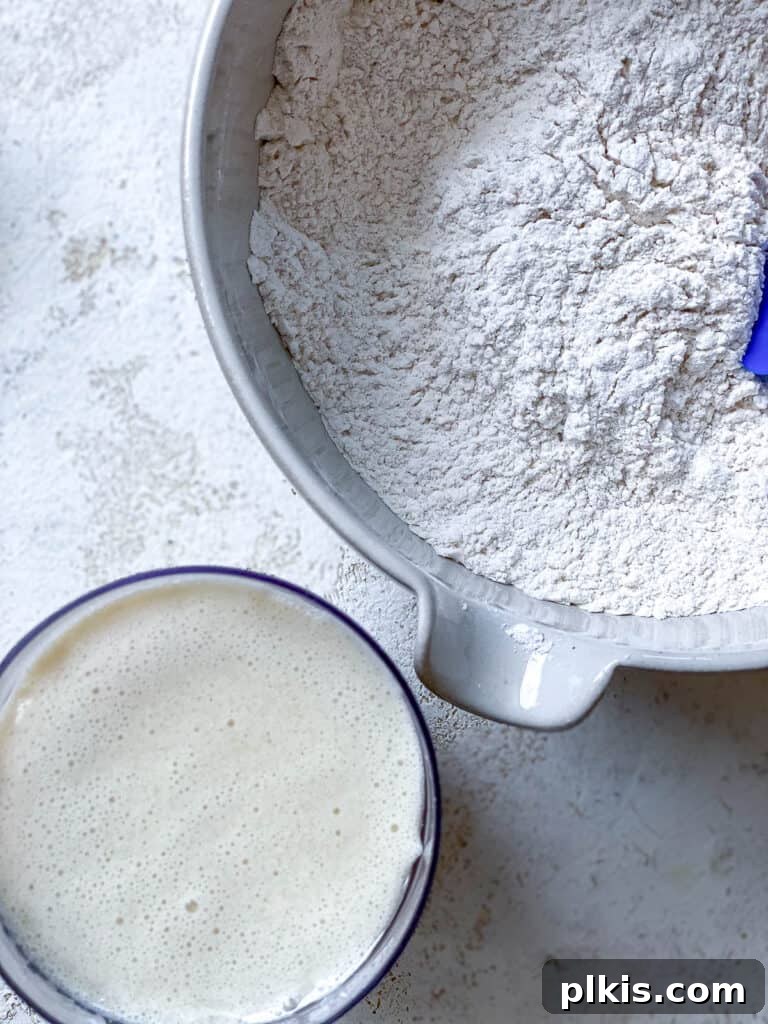
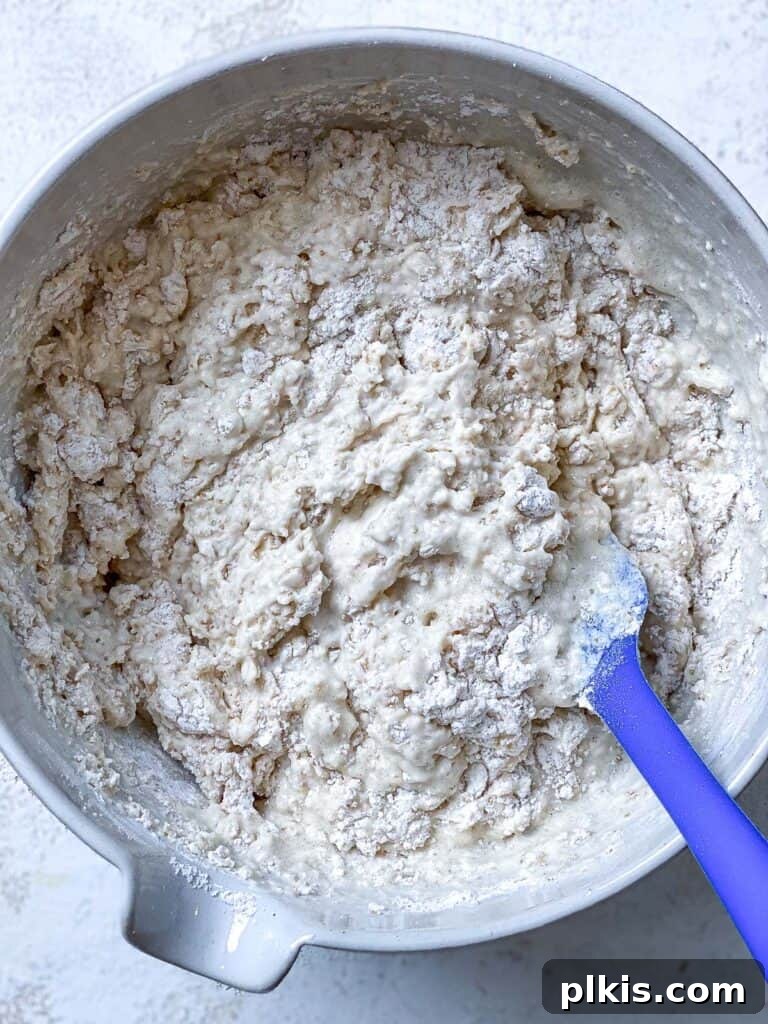
- 5) Now for the Biscoff crunch! Take half of your Biscoff cookies and gently crush them into quarter-sized pieces. Carefully fold these delightful cookie pieces into the cake batter. Again, remember to mix only until they are just distributed to avoid overworking the batter. This step adds wonderful texture and bursts of Biscoff flavor throughout the cake.
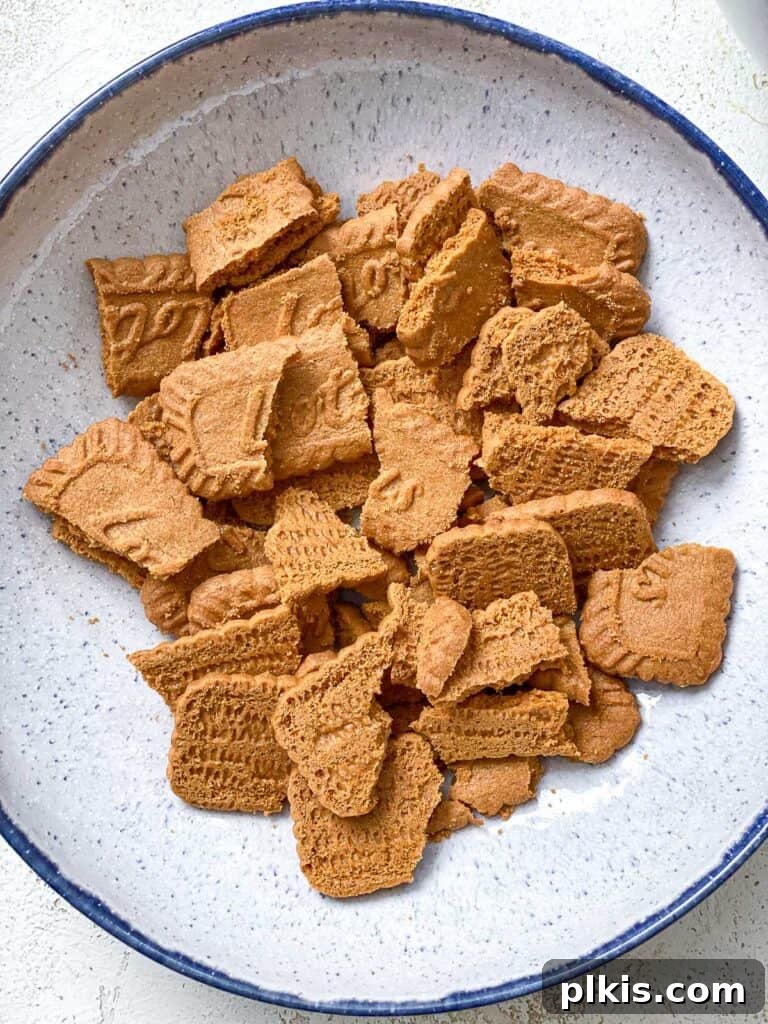
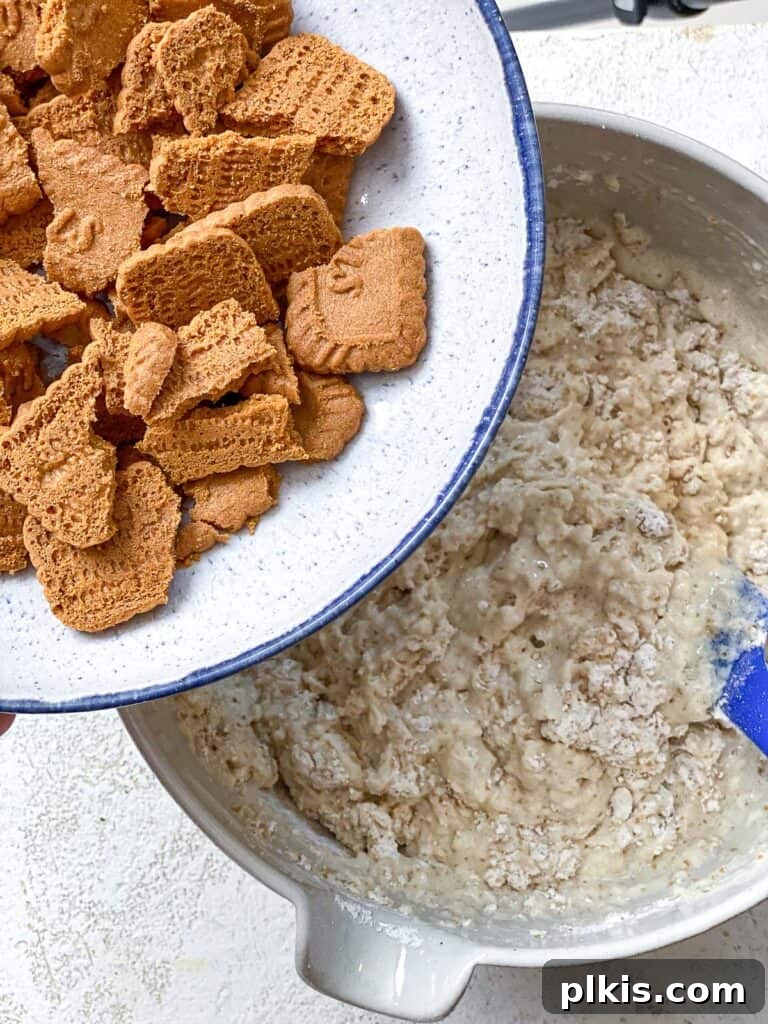
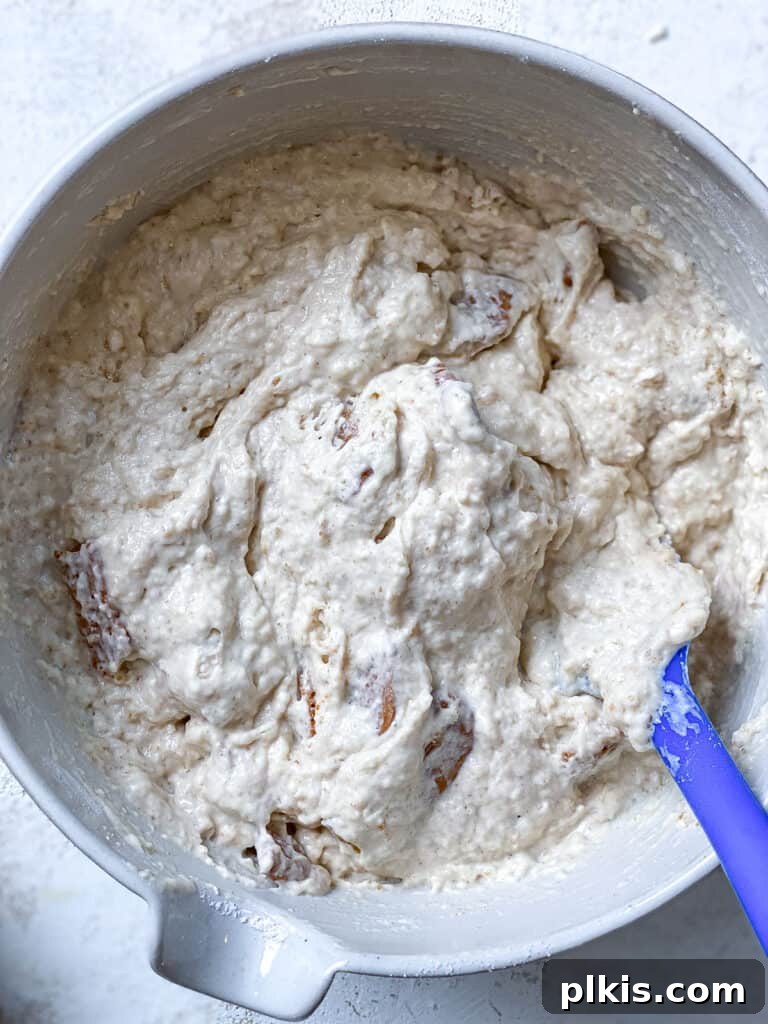
Important Baking Tip: Avoid Overmixing the Batter! In steps 4 and 5, it is crucial not to overwork the cake batter. Overmixing can develop the gluten in the flour excessively, resulting in a dense, chewy, and less tender cake. Mix just until the ingredients are combined; a few small lumps are perfectly acceptable and even desirable for a light crumb.
- 6) Divide the batter evenly between your two prepared 8-inch cake pans. To create beautiful Biscoff swirls, microwave the Biscoff cookie butter spread for 20-30 seconds until it’s slightly melted and pourable. Give it a quick stir, then drizzle half of the melted Biscoff spread over the batter in each pan. Using a knife, toothpick, or chopstick, gently swirl the Biscoff butter into the cake batter in each pan, creating elegant marbling effects. Be careful not to mix it in completely, as the goal is distinct swirls.
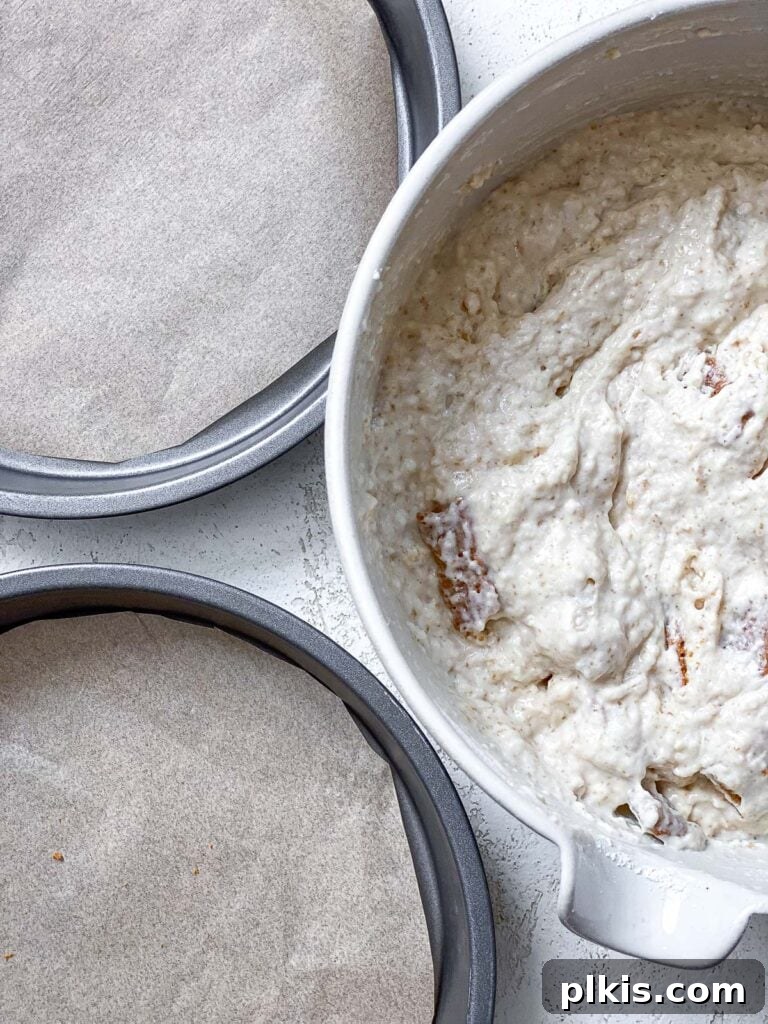
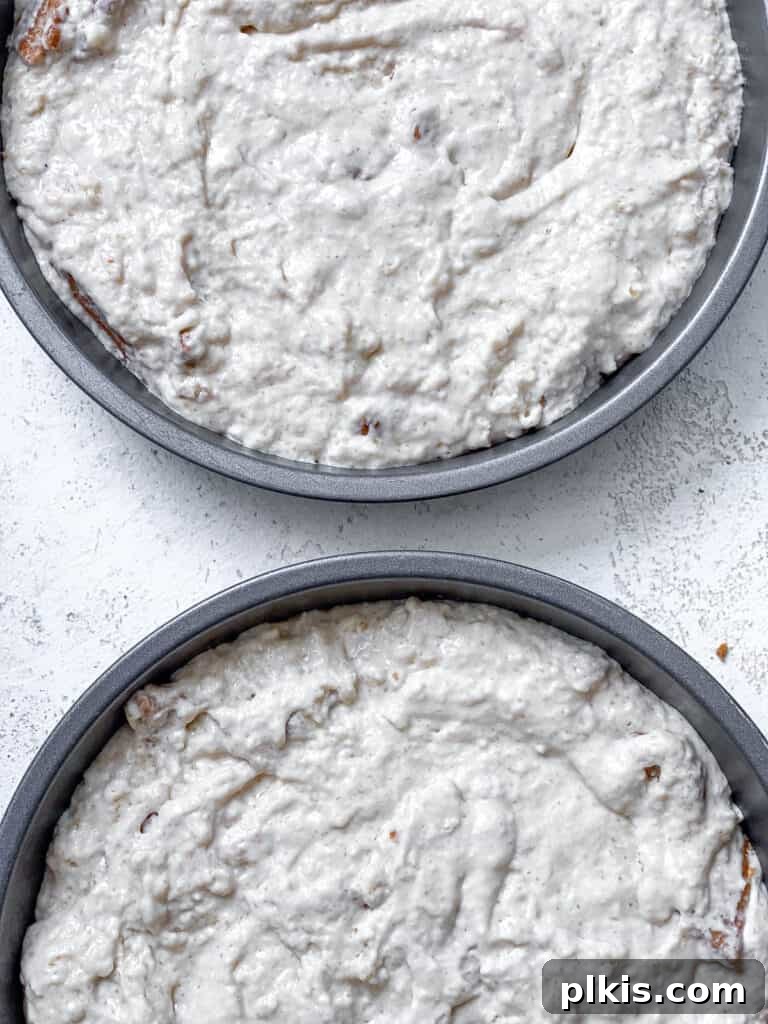
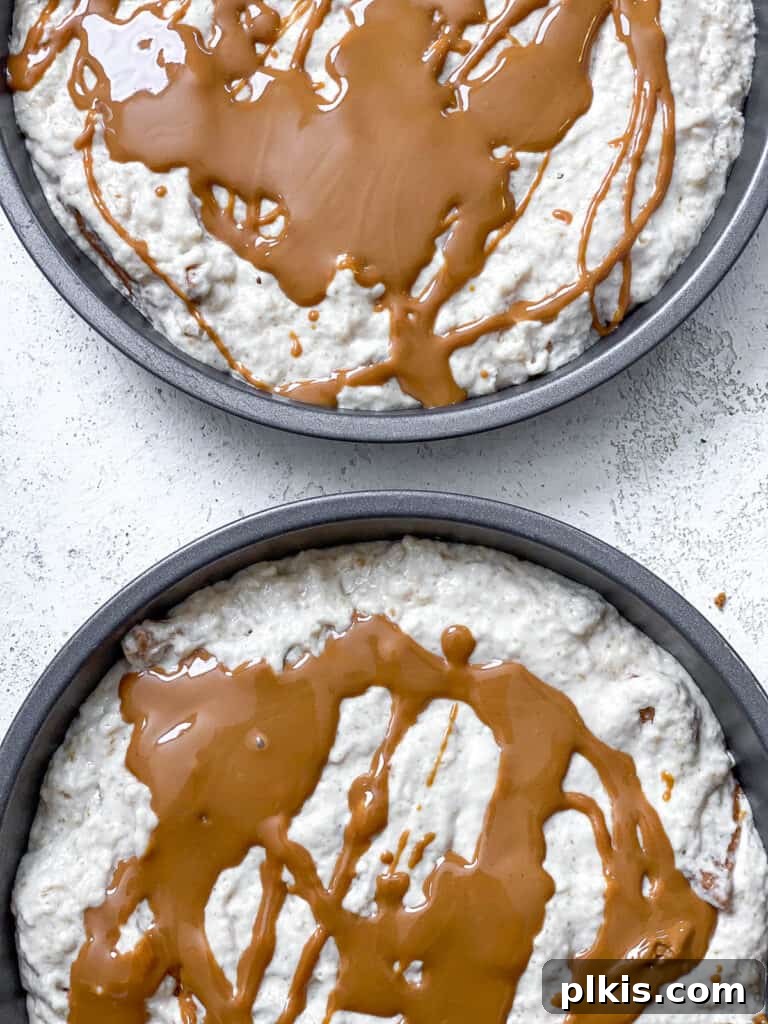
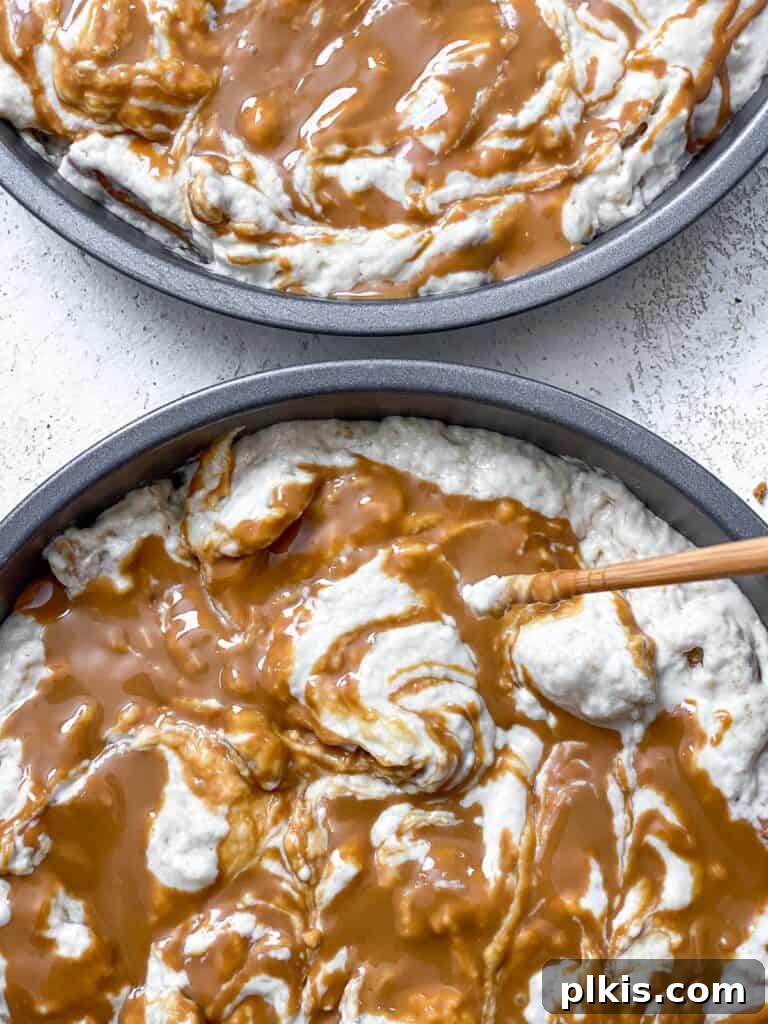
- 7) Transfer the cake pans to your preheated oven and bake for 25-30 minutes. The cakes are ready when a toothpick or a thin knife inserted into the center comes out clean, or with just a few moist crumbs attached. Avoid overbaking, as this can lead to dry cakes.
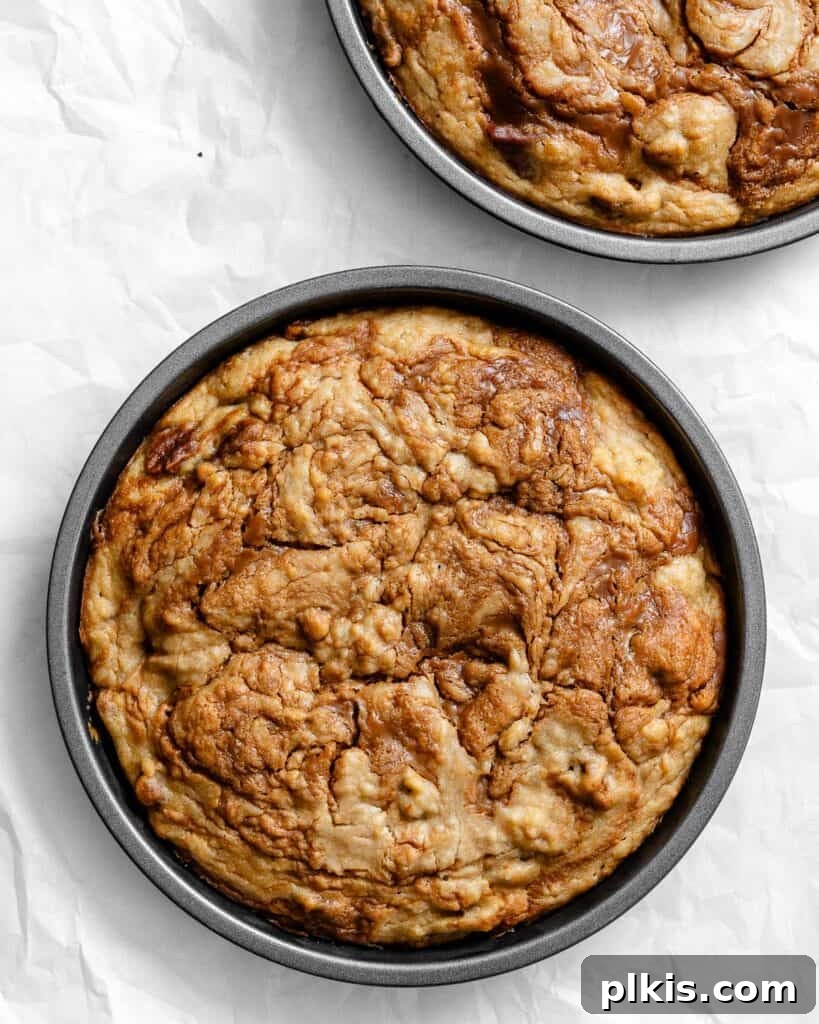
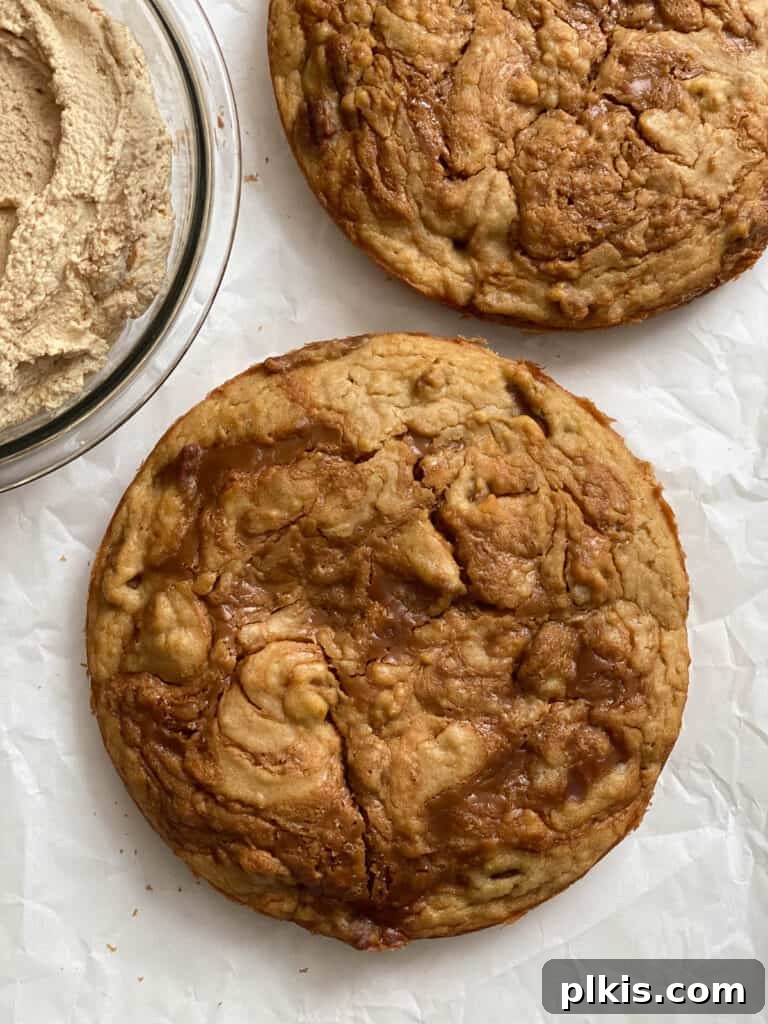
- 8) Once baked, remove the Biscoff cakes from the oven. Allow them to cool in their pans for at least 30 minutes on a wire cooling rack. This initial cooling in the pan helps the cakes set and prevents them from breaking when handled. After 30 minutes, carefully invert the cakes onto the wire rack to fully cool. Ensure they are completely cool to the touch before proceeding to the next step, as warm cakes will melt the buttercream.
- 9) While your cake layers are cooling, prepare a batch of your favorite Biscoff buttercream. Once the cake layers are completely cool, it’s time to assemble and decorate! Place one cake layer on your serving plate or cake stand, spread a generous layer of Biscoff buttercream on top, then carefully place the second cake layer. Proceed to frost the top and sides of the entire cake with the remaining buttercream, creating a smooth, even coating. For the final touch, crumble the remaining 5 Biscoff cookies and sprinkle them artistically over the top of the cake. Now, slice, serve, and savor every glorious bite!
Optional Drip Cake Technique: To create a stunning Biscoff drip cake, microwave a small amount of extra Biscoff buttercream until it’s thin enough to pour but still has some body. Using a spoon or a squeeze bottle, carefully pour the melted buttercream over the top edge of the cake, allowing it to gently drip down the sides in an elegant fashion. This creates a professional and visually appealing finish.
Frequently Asked Questions About Vegan Biscoff Cake
For a truly flawless drip cake, a “crumb coat” is highly recommended. Apply a thin layer of frosting (the crumb coat) to your cake, then chill it in the refrigerator for at least 15-20 minutes until firm. This traps any loose crumbs. Afterward, apply your final layer of frosting and chill the cake once more until it’s perfectly smooth and firm. This creates an ideal, even surface for your Biscoff drip to cascade beautifully. When applying the drip, start with a small amount on an inconspicuous area to gauge its flow and how far it drips. Adjust the quantity as you work your way around the cake, ensuring even, elegant drips. A squeeze bottle often provides the best control for this technique.
Absolutely! You can substitute the all-purpose flour with a high-quality gluten-free all-purpose flour blend. Brands like King Arthur’s Gluten-Free All-Purpose Flour or Bob’s Red Mill Gluten-Free 1-to-1 Baking Flour are generally reliable choices for baking. While the cake should still turn out delicious, be aware that gluten-free cakes can sometimes have a slightly denser texture compared to those made with traditional wheat flour. Follow the recipe instructions precisely and avoid overmixing for the best results.
Yes, this recipe can certainly be adapted to make a delicious Biscoff sheet cake. Instead of using two 8-inch round pans, bake the batter in a 9×13-inch sheet pan. The baking time will vary, so keep a close eye on it and test for doneness by inserting a toothpick into the center – it should come out clean. You’ll likely find that you won’t need quite as much frosting for a sheet cake compared to a two-layer round cake, as there are fewer exposed sides to cover.
This recipe is wonderfully versatile and can easily be transformed into delightful Biscoff cupcakes! Simply divide the prepared cake batter into muffin tins lined with cupcake wrappers. Fill each liner about two-thirds full. The baking time will be shorter for cupcakes, typically around 18-20 minutes. Begin checking for doneness around the 15-minute mark by inserting a toothpick into the center of a cupcake; it should come out clean. Once cooled, you can frost them generously with the Biscoff buttercream.
Creating a three-layered Biscoff cake is absolutely achievable! You have a couple of options:
1. Smaller Pans: Divide the existing batter evenly between three 6-inch cake pans. This will give you three lovely, slightly smaller layers.
2. Thinner 8-inch Layers: For a three-layered 8-inch cake, you would need to make an extra half batch of the batter (multiplying all ingredient quantities by 1.5). Then, divide this total amount of batter evenly between three 8-inch pans. The layers will naturally be a bit thinner than the standard two-layer version, but still delicious! Remember to adjust baking times slightly for thinner cakes.
Expert Tips for the Perfect Vegan Biscoff Cake
- Accurate Flour Measurement is Key: Improper flour measurement is a common culprit for dense or dry cakes. To measure correctly, first fluff up the flour in its bag or container. Then, gently spoon the flour into your dry measuring cup until it’s overflowing. Finally, level off the excess with the straight edge of a knife or a flat spatula. Avoid scooping the measuring cup directly into the flour, as this compacts it and results in using too much, leading to a heavy, dry cake.
- Embrace Room Temperature Ingredients: For optimal emulsification and a smooth, consistent batter, ensure all your wet ingredients (vegan buttermilk, applesauce, oil) are at room temperature. Cold ingredients can cause the batter to seize or become lumpy, which can lead to a gummy texture in the final baked cake.
- The Golden Rule: Do Not Overmix the Batter: This cannot be stressed enough, especially in vegan baking. Once you combine the wet and dry ingredients, mix only until they are just incorporated. Overmixing develops the gluten in the flour, resulting in a tough, dense, and potentially rubbery cake that won’t rise properly. A few small lumps in the batter are perfectly normal and will disappear during baking.
- Patience is a Virtue: Cool Completely Before Decorating: It’s tempting to frost a warm cake, but resist the urge! Ensure your cake layers are completely cool to the touch – ideally, chilled slightly – before you begin applying the vegan buttercream. Warm cake will cause the buttercream to melt, slide, and create a messy, unappealing finish. A fully cooled cake is easier to handle and ensures your frosting holds its shape beautifully.
- For the Best Swirls: Perfect Biscoff Consistency: When drizzling the Biscoff cookie butter into the batter, ensure it’s melted just enough to be pourable but not overly liquid. If it’s too thin, it might blend completely into the batter rather than creating distinct swirls. If it’s too thick, it won’t marble effectively. Aim for a consistency similar to warm honey.
- Test for Doneness Accurately: While the baking time is a guideline, ovens can vary. Always rely on the toothpick test: insert a toothpick or thin skewer into the center of the cake. If it comes out clean or with just a few moist crumbs attached, your cake is done. If it has wet batter, continue baking for a few more minutes and test again. Overbaked cakes tend to be dry.
Storage Instructions for Your Vegan Biscoff Cake
Proper storage is key to maintaining the freshness and deliciousness of your Vegan Biscoff Cake. Store the cake in an airtight cake container at room temperature for up to 2 days. For extended freshness, especially in warmer climates or if your home is warm, transfer the cake to the refrigerator, where it will remain fresh for 3-5 days. Ensure it’s in a well-sealed container to prevent it from drying out or absorbing other food odors.
This cake is also an excellent candidate for freezing, allowing you to enjoy a slice of Biscoff heaven whenever a craving strikes. You can freeze the cake either frosted or unfrosted, though we generally prefer freezing it unfrosted for best results. Whether whole or sliced, it can be stored in the freezer for up to 3 months.
If freezing unfrosted, wrap each cake layer tightly in multiple layers of plastic wrap, then place it inside a freezer-safe Ziplock bag or an airtight Stasher bag. This double layer of protection helps prevent freezer burn. If freezing a frosted cake, first flash freeze it on a tray until the buttercream is solid to the touch. Once firm, you can wrap it securely in plastic wrap and then transfer it to a freezer-safe bag or container.
To thaw, simply transfer the frozen cake (or slices) to the refrigerator overnight. For a quicker thaw, you can leave it at room temperature for a few hours, but ensure it’s consumed within a day or two once fully thawed. Bring to room temperature before serving for the best flavor and texture.
More Easy & Delicious Vegan Cake and Cupcake Recipes
If you loved this Vegan Biscoff Cake, be sure to explore more of our easy and delightful plant-based baking recipes:
- Decadent Blackberry Chocolate Cupcakes
- Simple & Joyful Vegan Funfetti Cupcakes
- Classic Vegan Vanilla Cupcakes (Depression Era Inspired)
- Moist Pineapple Walnut Muffins
- Irresistible Vegan Pineapple Upside Down Cake
- EASY Chocolate Depression Cake [Wacky Cake]
Photos by Alfonso Revilla
Vegan Biscoff Cake
Print Recipe
This Biscoff cake is moist, fluffy, absolutely loaded with Biscoff flavor, & topped off with a creamy, decadent Biscoff buttercream – with no eggs, milk, or dairy (not that you can tell!).
Equipment
- Measuring spoons
- Measuring Cups
- Whisk
Ingredients
- 2 teaspoons of apple cider vinegar
- 2 cups of plant-based milk (soy works best for buttermilk)
- 3 cups of all-purpose flour
- ¾ cup of brown sugar
- 1 teaspoon of salt
- 1 teaspoon of baking soda
- 2 teaspoons of baking powder
- 2 teaspoons of vanilla extract
- ½ cup of unsweetened applesauce
- ⅔ cup of oil
- 1 package of Biscoff cookies, divided
- ⅓ cup Biscoff cookie butter spread, melted in microwave for 30 seconds
- 1 batch of Biscoff Buttercream
Instructions
- Preheat the oven to 350 degrees F. Line the bottoms of two 8-inch pans with oil and parchment paper and set aside.
- In a small bowl, add the plant-based milk and apple cider vinegar. Mix well and set aside for 5 minutes until it curdles and becomes like buttermilk.
- In a large bowl, add the flour, sugar, baking soda, baking powder, salt, and mix well.
- In a separate bowl, mix the vegan buttermilk, vanilla, applesauce, and oil. Mix well and add to the bowl with the dry ingredients. Mix until fully incorporated.
- Grab half of the Biscoff cookies and crumble them into chucks the size of a quarter. Fold the broken up cookies into the batter, but do not overmix. Evenly distribute the batter into the two prepared cake pans.
- Put the Biscoff cookie butter in the microwave for 20 to 30 seconds. Mix well and drizzle half of the Biscoff butter on one pan and the other half on the other pan. With a knife or a chopstick, swirl the melted Biscoff butter around the cake batter.
- Bake for 25 – 30 minutes, or until a knife or toothpick comes out just clean.
- When ready, remove the cakes from the oven and let them cool for 30 minutes on a cooling rack. Carefully remove them from the pans and place them on a cooling rack.
- Once completely cool, layer, and frost the cakes.
Notes
- Measure the flour correctly: Fluff it up in its bag, spoon it into the measuring cup, and level it with the back of a knife (rather than scooping the cup into the bag) to avoid using too much and ending up with dense, dry cake.
- Use room temperature ingredients: This will help you avoid a gummy cake.
- Don’t overmix the batter: Otherwise, you can end up with a dense, unrisen cake. Mix the batter just enough to incorporate the ingredients – a few small lumps are fine.
- Leave them to cool before decorating: Otherwise, the vegan buttercream will melt.
Nutrition
Calories: 6217kcal | Carbohydrates: 796g | Protein: 71g | Fat: 305g | Saturated Fat: 62g | Polyunsaturated Fat: 62g | Monounsaturated Fat: 136g | Cholesterol: 1mg | Sodium: 6564mg | Potassium: 1129mg | Fiber: 19g | Sugar: 298g | Vitamin A: 437IU | Vitamin C: 1mg | Calcium: 1330mg | Iron: 33mg
Additional Info
Tried this recipe?
Please tag us at @PlantBasedOnABudget! 🙂