
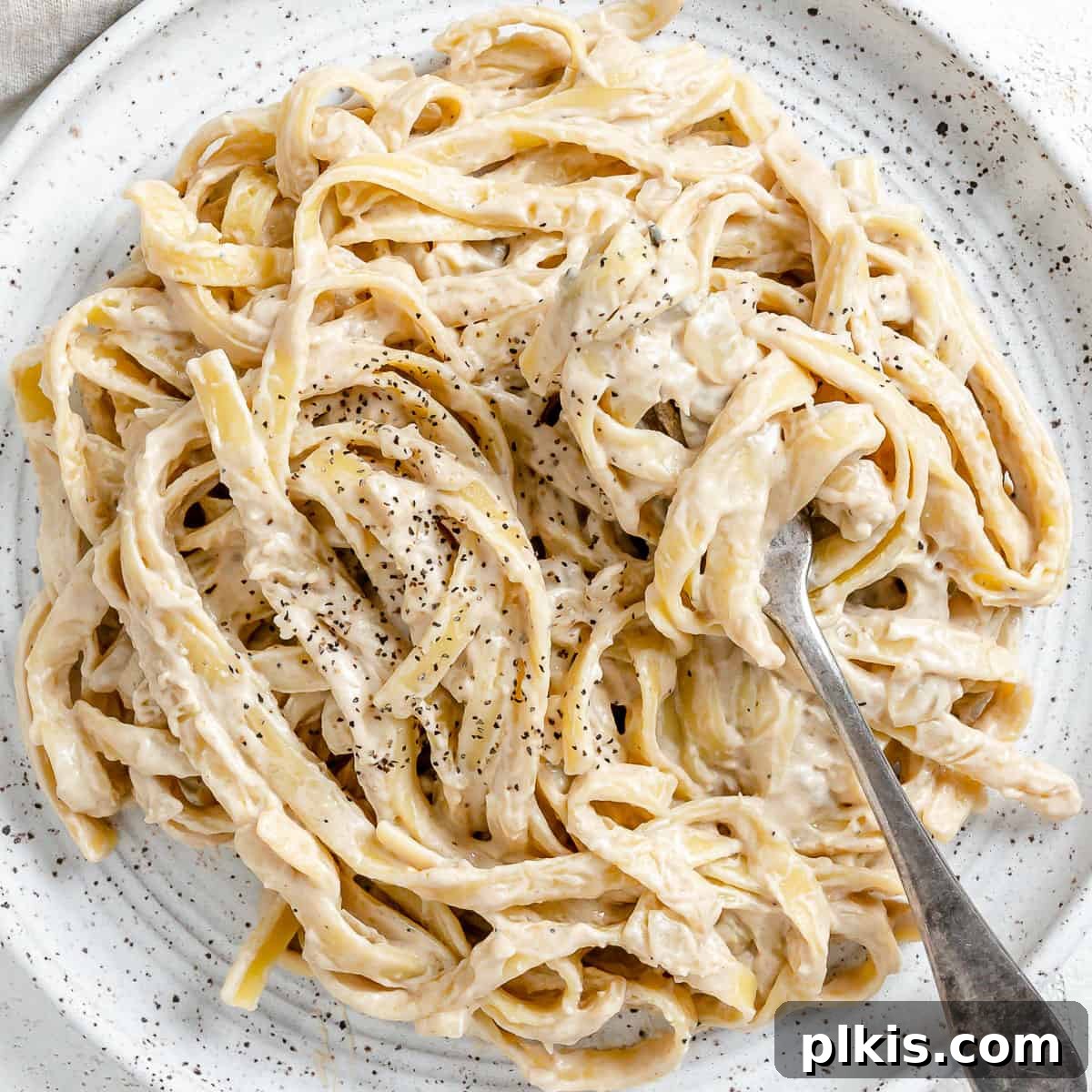
Welcome to the ultimate guide for creating the most exquisite Vegan Fettuccine Alfredo you’ll ever taste! This isn’t just a recipe; it’s a culinary journey that transforms simple, wholesome ingredients into a rich, creamy, and utterly satisfying pasta dish. Forget everything you thought you knew about traditional Alfredo – this plant-based version shatters expectations, proving that dairy-free can be just as decadent, if not more so. Crafted with an emphasis on flavor and a surprisingly simple one-pot method, this recipe is designed to become a beloved staple in your family’s meal rotation. Finish it with a generous sprinkle of cracked black pepper and a scattering of fresh herbs for a meal that truly delights the senses.
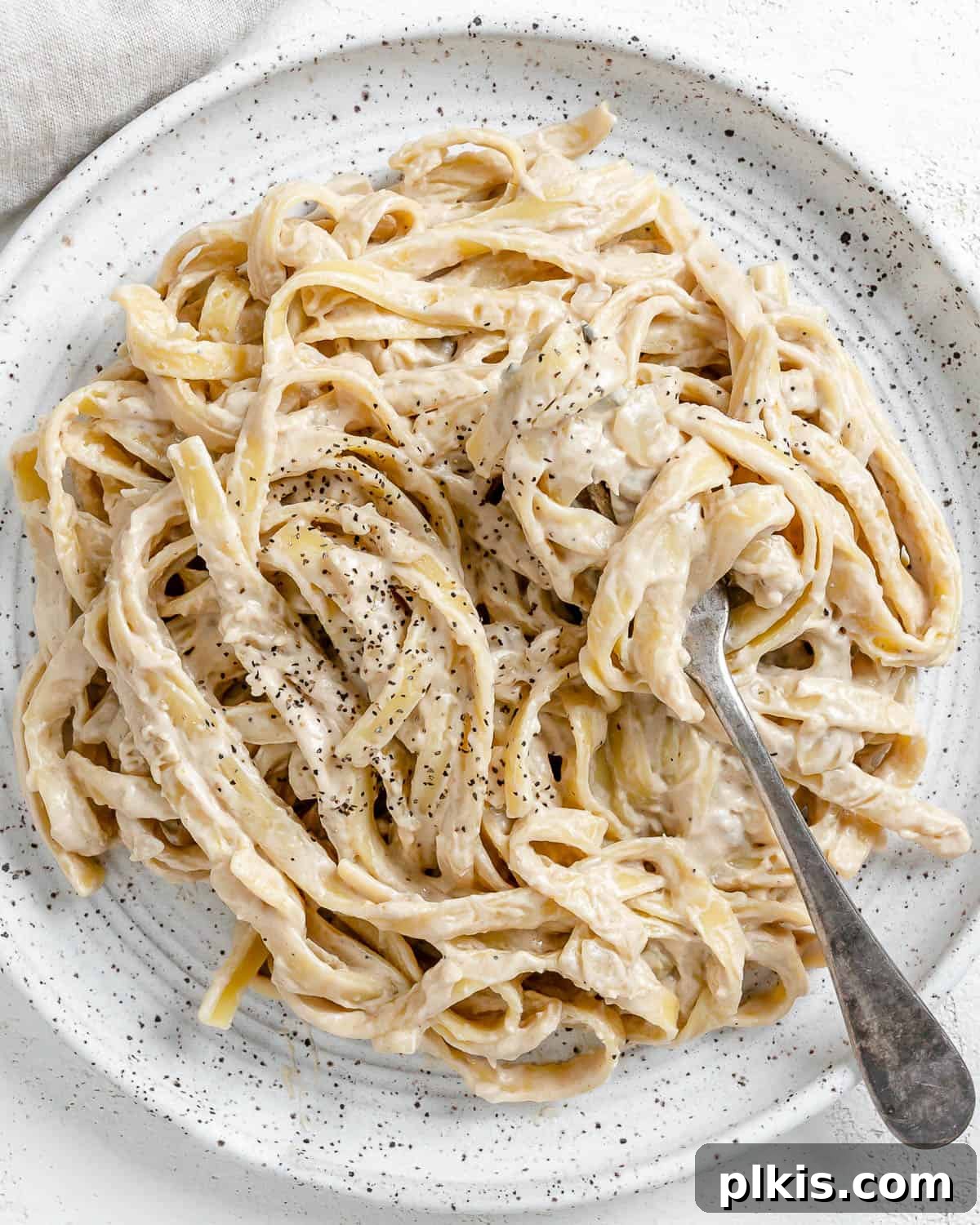
This phenomenal Vegan Fettuccine Alfredo recipe comes from the brilliant minds of my dear friend and co-author, Michelle Cehn of World of Vegan. It’s a standout creation from our collaborative cookbook, The Friendly Vegan Cookbook, and I am absolutely thrilled to share this exclusive recipe with all of you for free right here on the blog. Our goal was to reimagine the classic Alfredo, known for its heavy dairy base, into something equally luxurious but far healthier and more compassionate.
Traditional fettuccine Alfredo is notoriously rich and often considered a guilty pleasure. This vegan adaptation, however, completely redefines comfort food. By cleverly utilizing raw almonds and a select few other wholesome plant-based ingredients, we’ve not only eliminated dairy but also created a pasta dish that you can savor without any reservations. It’s a meal that nourishes your body, respects animal welfare, and tantalizes your taste buds with its creamy perfection. If you’re a devoted fan of creamy pasta dishes, you absolutely must explore this Creamy Tahini Pasta or our vibrant Vegan Pasta Primavera Recipe. But first, let’s dive into why this vegan Alfredo will become your new go-to!
Why You’ll Fall in Love with This Vegan Fettuccine Alfredo
- Unbelievably Creamy & Dairy-Free: Prepare to be amazed! This vegan version of the timeless pasta dish is so incredibly creamy and flavorful that absolutely no one will miss the heavy cream, parmesan cheese, or traditional butter. The luxurious texture and rich taste will have your entire family, even the pickiest eaters, asking for seconds. It’s truly a game-changer for anyone seeking a dairy-free alternative without sacrificing taste.
- Crafted with Simple, Wholesome Ingredients: The beauty of this homemade Alfredo sauce lies in its simplicity. It requires just a handful of everyday ingredients, making it accessible for any home cook. We’re talking about real food creating real flavor, free from complicated processes or obscure components.
- Healthy Vegan Comfort Food, with an Oil-Free Option: Unlike its traditional counterpart, which is laden with dairy butter, this vegan Alfredo sauce achieves its incredible richness and depth of flavor using whole nuts. That’s right – no vegan butter needed! This makes it an ideal choice for those following a Whole Food Plant-Based Diet, and it can even be made entirely oil-free by substituting the oil for sautéing. It’s the perfect way to indulge in hearty comfort food while staying committed to a healthy lifestyle.
- No Soaking Required for Quick Prep: Thanks to the power of a high-speed blender, you can skip the lengthy almond soaking process. This means you can whip up this robust and satisfying pasta dish and have it on the dinner table in under 30 minutes, perfect for busy weeknights when time is of the essence.
- A True One-Pot Wonder for Minimal Cleanup: Who loves doing dishes? Nobody! This recipe is a dream come true for those who appreciate efficiency. Since the pasta cooks directly in the Alfredo sauce, you’ll only need to dirty one pot and your blender. Minimal mess equals minimal cleanup, leaving you more time to enjoy your delicious meal and less time scrubbing.
Essential Ingredients for Your Vegan Alfredo Masterpiece
- Raw Unsalted Almonds: These are the secret to our luscious, creamy Alfredo sauce. It’s crucial to use raw, unsalted almonds. Roasted or flavored almonds will drastically alter the delicate flavor profile of your homemade Alfredo, giving you an entirely different (and likely undesirable) result. The natural sweetness and subtle richness of raw almonds create the perfect dairy-free base.
- Oil (or Oil-Free Alternative): I opt for 1 tablespoon of a neutral-tasting oil, such as olive oil, to sauté the onion and garlic. This step is essential for building a flavorful foundation and enhancing the aromatics. However, if you follow an oil-free diet, you can easily substitute the oil with a splash of water or low-sodium vegetable broth to achieve the same softening effect without the added fat.
- Fresh Aromatics – Onion and Garlic: These humble ingredients are flavor powerhouses, providing essential depth and a fragrant base for the vegan Alfredo sauce. Fresh onion and garlic are highly recommended over their dried counterparts, as they impart a much more vibrant and complex flavor to the dish.
- Low-Sodium Vegetable Broth: This liquid gold serves multiple purposes. It provides the necessary liquid for cooking the pasta directly in the sauce and infuses every strand with a savory depth of flavor. Low-sodium broth is preferred to allow you to control the overall saltiness of the dish to your personal taste.
- Fettuccine Pasta: While fettuccine is the classic and traditional choice for Alfredo, don’t feel limited! Any shape of pasta will work beautifully with this creamy sauce. Feel free to use your favorite pasta, whether it’s linguine, penne, or even a shorter pasta shape, keeping in mind that cooking times may vary slightly.
- Cornstarch: This simple ingredient is your best friend for achieving the perfect, velvety thick consistency for your pasta sauce. It acts as a natural thickener, ensuring the sauce clings wonderfully to every piece of cooked pasta, creating that satisfying mouthfeel.
Creative Add-ins and Delicious Variations
While this Vegan Fettuccine Alfredo is absolutely divine on its own, it also serves as a fantastic canvas for culinary creativity. Here are some ideas to customize your dish:
- Amplify the ‘Cheesy’ Flavor: Our Alfredo is naturally creamy, but if you’re craving that extra cheesy kick, you can easily elevate it. Stir in a few tablespoons of nutritional yeast for a savory, umami-rich note, and a sprinkle of vegan parmesan cheese to taste. For an ultra-creamy, tangy boost, a dollop of your favorite vegan cream cheese can work wonders, melting into the sauce for an even richer experience.
- Infuse Some Spice: For those who love a bit of heat, transform your Alfredo into a spicy sensation. Simply sprinkle the finished dish with red pepper flakes to taste. Start with a small pinch and add more until you reach your desired level of warmth.
- Load Up on Veggies: Enjoy the pasta plain for pure comfort, or turn it into a more robust and nutrient-packed meal by incorporating your favorite vegetables. Roasted vegetables, such as sweet and blistered roasted cherry tomatoes, add a burst of flavor. You could also stir in tender sautéed mixed vegetables like mushrooms, bell peppers, and zucchini, or simply fold in some freshly steamed broccoli florets or spinach for a vibrant addition.
Step-by-Step Guide: Crafting Your Vegan Fettuccine Alfredo
Making this creamy, dairy-free Alfredo is simpler than you might imagine. Follow these detailed steps for a perfect meal:
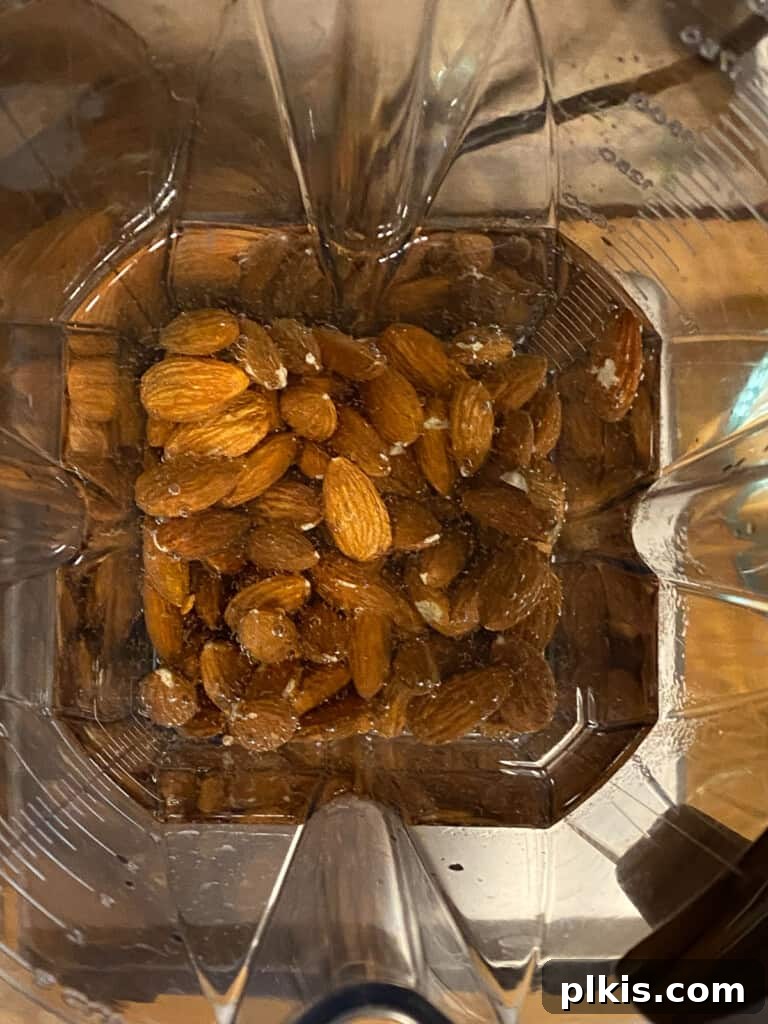
Step 1: Prepare the Almond Cream. Begin by making your homemade almond cream, which forms the rich, dairy-free base of your Alfredo. In a high-powered blender, combine 1 cup of raw almonds with 3 cups of water. Blend on high speed for approximately 60 seconds, or until the mixture transforms into a luxuriously creamy, smooth almond milk. The goal is to achieve a fine, uniform consistency.
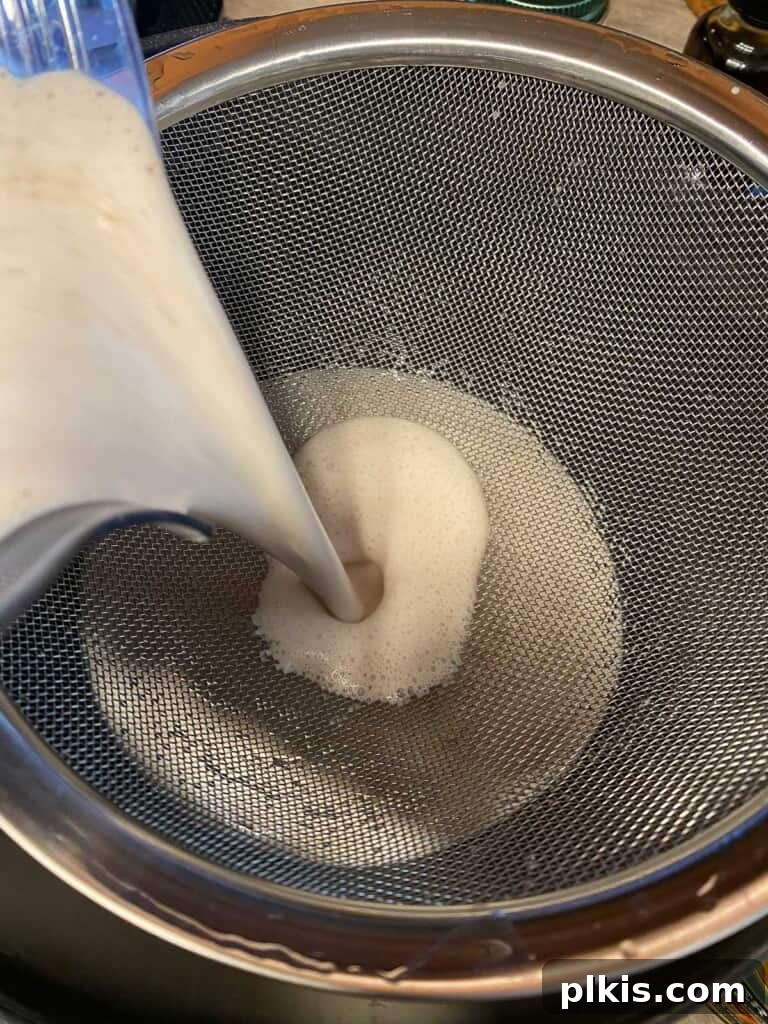
Step 2: Strain the Almond Milk. Position a nut milk bag over a large bowl. Carefully pour the blended almond mixture into the bag. Gently massage and squeeze the bag to strain the almond milk, allowing the silky liquid to pass through into the bowl. Continue until only a thick, crumbly almond pulp remains in the bag. Set the bowl of fresh almond cream aside. You can either discard the pulp or save it for use in other recipes, such as adding it to baked goods or smoothies.
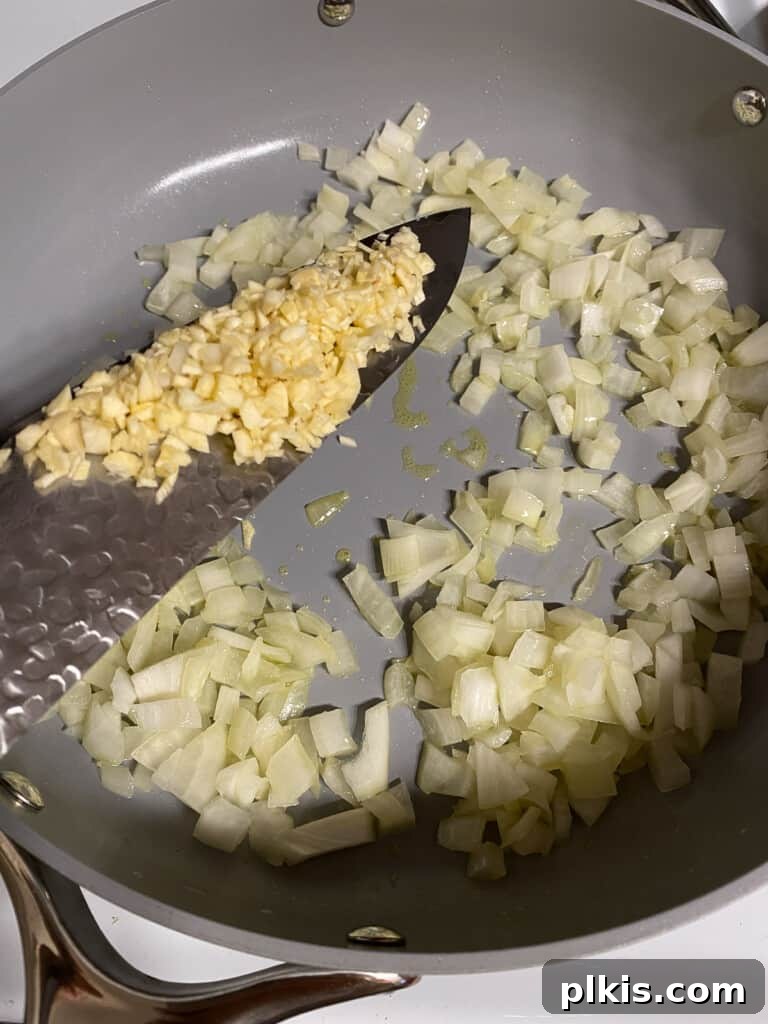
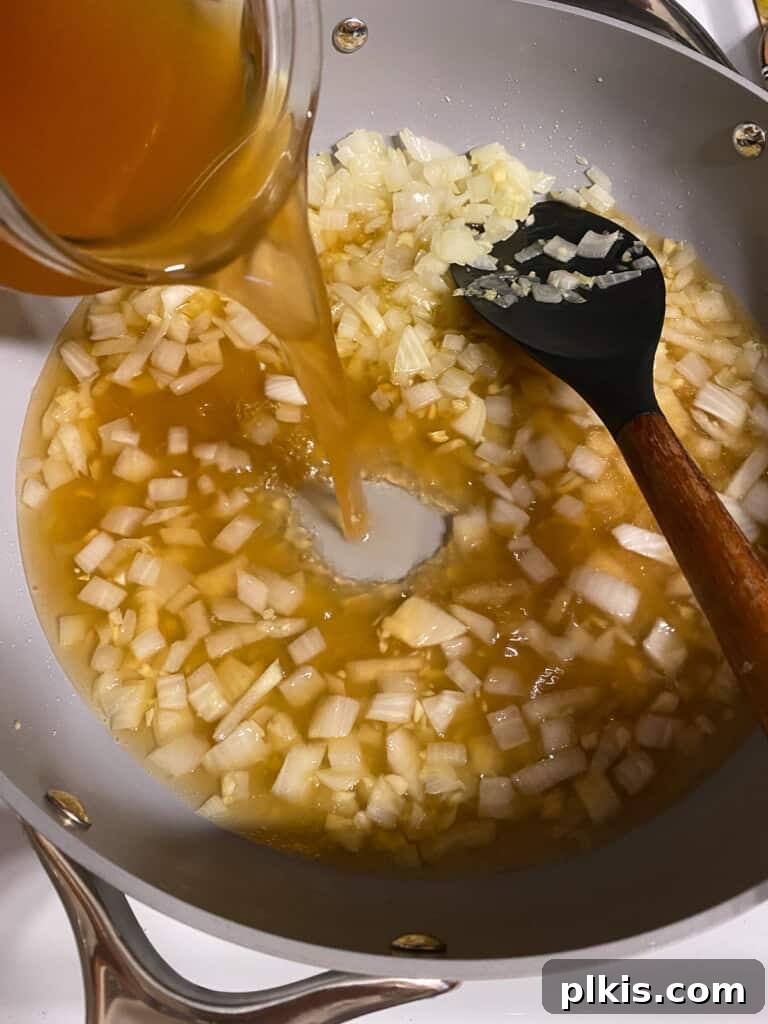
Step 3: Sauté the Aromatics. In a large, heavy-bottomed pot, warm 1 tablespoon of olive oil over medium heat. Once the oil is shimmering, add the diced onion and minced garlic. Sauté for 2 to 4 minutes, stirring frequently, until the onions become translucent and soft, and the garlic releases its irresistible fragrance. This step is crucial for building the foundational flavors of your sauce.
Step 4: Combine Liquids and Bring to a Boil. Pour the low-sodium vegetable broth and your freshly made almond cream into the pot with the sautéed aromatics. Increase the heat to medium-high and bring the mixture to a rolling boil. This ensures the pasta will cook properly and absorb all the delicious flavors.
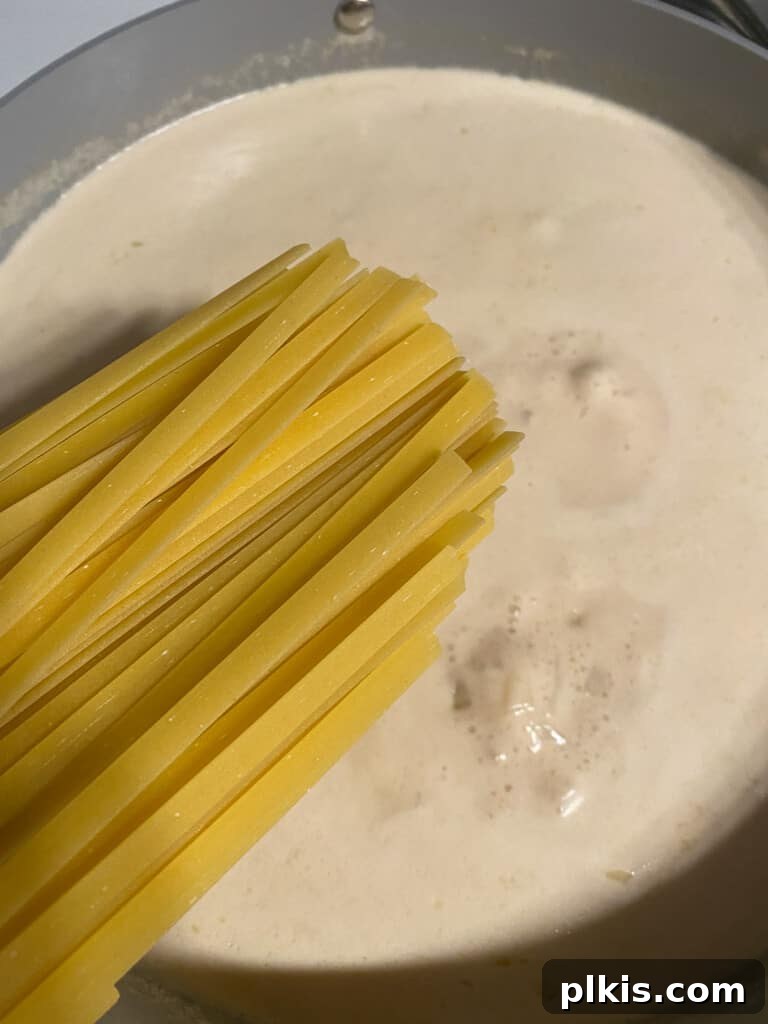
Step 5: Cook the Pasta. Once the liquid is boiling, add the uncooked fettuccine pasta directly into the pot. Cook the pasta uncovered, following the package instructions for the ideal cooking time, or until the pasta is perfectly al dente. It’s crucial to stir the pasta frequently throughout this stage to prevent it from clumping together or sticking to the bottom of the pot. This continuous stirring also helps the pasta release its starches, which further contributes to the sauce’s creaminess.
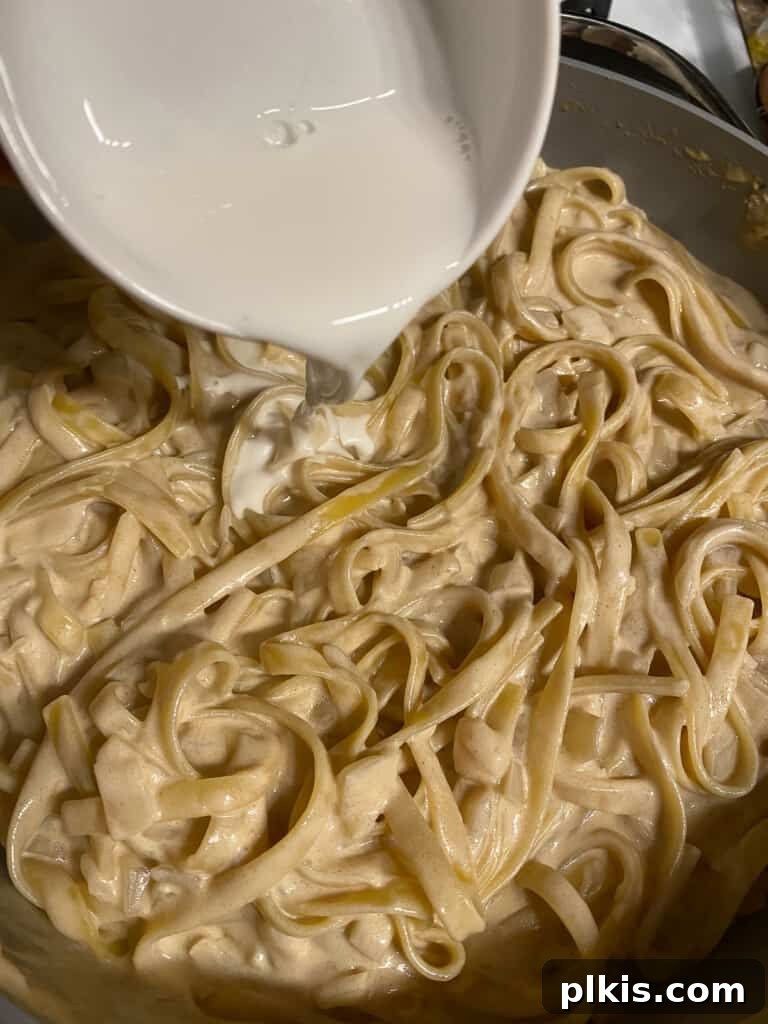
Step 6: Prepare and Add the Cornstarch Slurry. While the pasta is cooking, whisk together 4 teaspoons of cornstarch with 2 tablespoons of water in a small mixing bowl until the cornstarch is completely dissolved and forms a smooth slurry. Set this aside. When your pasta has about 2 minutes left to cook (check the package instructions for timing), stir the prepared cornstarch slurry into the pot. This will begin the thickening process.
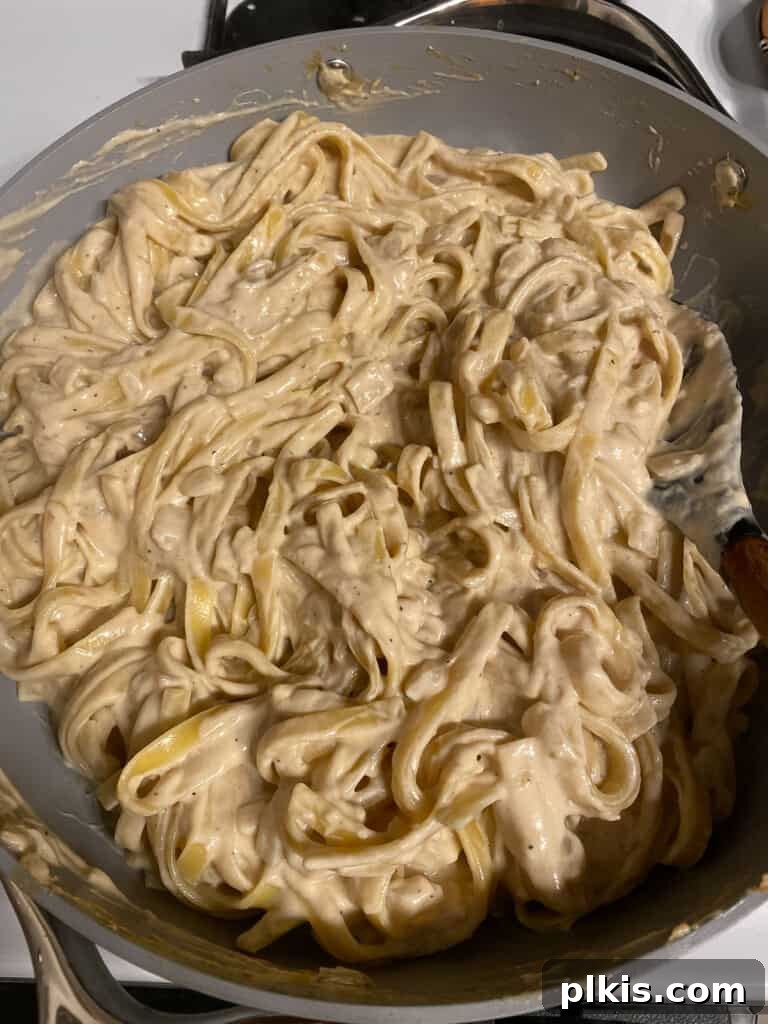
Step 7: Season, Thicken, and Serve. Season the pasta with 1 tablespoon of salt (adjust this amount based on whether you used low-sodium broth) and 1 teaspoon of ground black pepper. Continue to cook, stirring gently, for an additional 2 to 5 minutes, or until the sauce begins to visibly thicken and coats the pasta beautifully. Once the desired consistency is reached, turn off the heat and allow the vegan fettuccine Alfredo to rest on the stovetop for about 5 minutes. This resting period is crucial, as the sauce will continue to thicken as it cools. Serve your exquisite, creamy pasta immediately, garnished with fresh herbs and more cracked black pepper if desired. Enjoy!
Recipe FAQs: Your Questions Answered
Can I make this vegan fettuccine Alfredo gluten-free?
Absolutely! To make this recipe gluten-free, simply replace the classic wheat fettuccine with your favorite gluten-free pasta. For the best results in terms of texture and how well it holds up in a one-pot dish, I highly recommend using brown rice pasta. Bean-based pastas, while delicious, tend to be more tender and might not maintain their structure as effectively in this preparation method. Always check the package instructions for cooking times, as GF pastas can vary.
Can I make this Alfredo sauce with a different kind of nut?
Many readers wonder about substituting the almonds with other nuts like raw cashews or sunflower seeds. While we developed and tested this particular Alfredo pasta specifically using raw almonds, which yield a unique creaminess, you certainly have options! For an alternative nutty flavor, give our Dairy Free Alfredo Sauce a try—it’s made with raw, hulled pumpkin seeds and is equally delicious and creamy. If you’re looking for a completely nut-free option, our Velvety Vegan Alfredo Sauce provides another fantastic alternative. Experimenting can be fun, but results may vary.
How do you reheat fettuccine Alfredo?
Vegan fettuccine Alfredo can be easily reheated on the stovetop or in the microwave. It’s important to note that after the pasta sits, the noodles tend to absorb a lot of the creamy sauce, causing it to become very thick. When reheating, splash the fettuccine with a bit of additional water or unsweetened plant-based milk (such as almond or soy milk). This extra liquid will help to thin the sauce back out and restore its creamy consistency as it warms, preventing it from becoming dry or clumpy.
I don’t have a high-speed blender. Can I make this pasta sauce without?
If a high-speed blender isn’t available, your next best option would be a robust food processor. While a high-speed blender delivers the smoothest, silkiest almond cream, a food processor can achieve a good consistency. We do not recommend substituting the homemade almond milk with store-bought varieties for this recipe. Our homemade version is significantly creamier and richer tasting due to its higher almond content compared to typically watered-down store-bought milks. If using a food processor, soak the almonds overnight (or for at least 4 hours) to soften them. Then, place the soaked almonds in the food processor with 1 cup of water and blend until pureed. Once smooth, mix in the remaining two cups of water and then proceed to strain the mixture through a nut milk bag.
What can I make with the leftover almond pulp?
Don’t let that leftover almond pulp go to waste! It’s a fantastic byproduct packed with fiber and nutrients. You can repurpose it in numerous delicious ways: use it to bake moist vegan muffins (like these fluffy blueberry banana muffins), add it to cookie recipes (such as these chickpea chocolate chip cookies), or blend it into smoothies (like this refreshing mango blueberry smoothie) for an extra boost of plant-based fiber. Another great idea is to dry the almond pulp in a low oven or dehydrator and then sprinkle it into your morning oatmeal or granola for added texture and nutrition.
Top Recipe Tips for a Flawless Finish
Achieving the perfect Vegan Fettuccine Alfredo is easy when you keep these expert tips in mind:
- Stir Frequently for Best Results: Once you add the pasta to the simmering white sauce, it’s crucial to stir it frequently. This simple action prevents the pasta from sinking to the bottom of the pot and sticking together, ensuring each strand cooks evenly and is perfectly coated in the creamy sauce.
- Master Your Seasoning with Low-Sodium Broth: This recipe was carefully developed using low-sodium vegetable broth to give you maximum control over the final salt content. I recommend salting to taste with additional sea salt after the pasta has cooked. If you only have full-sodium vegetable broth on hand, be sure to significantly reduce or even fully omit the initial added sea salt, tasting as you go to avoid an overly salty dish.
- Always Use Uncooked Pasta for One-Pot Success: The liquid measurements in this recipe are precisely calibrated for uncooked pasta to cook directly within the Alfredo sauce. This method allows the pasta to release its starches into the sauce, contributing to its creamy texture and rich flavor. Adding already cooked pasta to the pot will result in a sauce that is too watery and thin, lacking the desired consistency and depth.
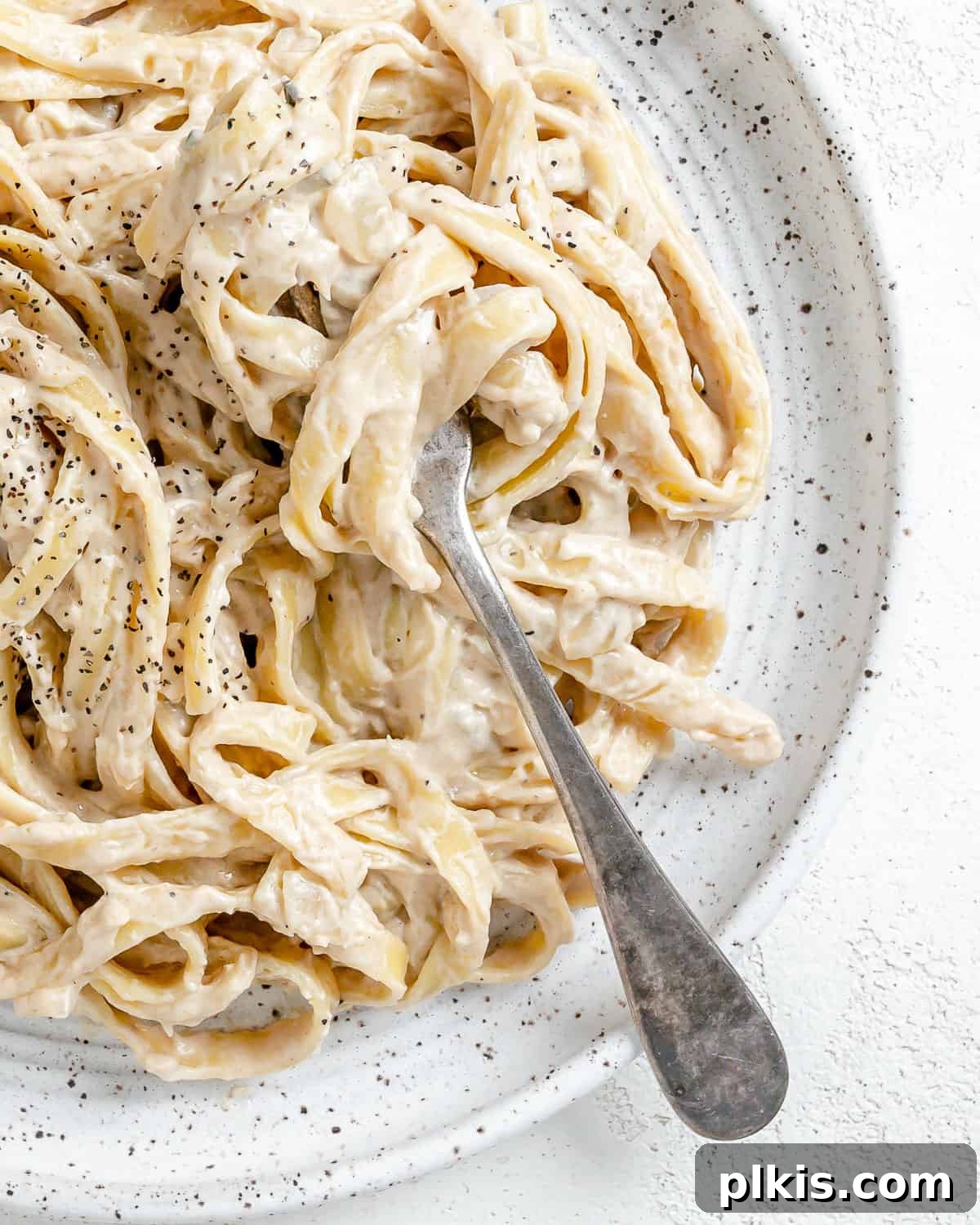
Perfect Companions: What to Serve with Vegan Fettuccine Alfredo
This Vegan Fettuccine Alfredo is as rich and satisfying as any traditional Alfredo sauce, making it a delicious and hearty main course all on its own. To balance its creamy indulgence, it pairs beautifully with light, vegetable-heavy sides or classic accompaniments. Consider serving it alongside a crisp green salad with a bright vinaigrette, or opt for comforting favorites like crunchy Vegan Garlic Bread or soft, pillowy Dinner Rolls for soaking up every last drop of that incredible sauce.
If you’re looking for the perfect light side dish to complement your vegan Alfredo, here are a few of our favorite ideas from the blog:
- Easy Vegan Brussels Sprouts Recipe: Roasted to perfection with a cheesy tahini coating.
- Sautéed Asparagus: Tender and vibrant, with bright lemon and sweet caramelized shallots.
- Crispy Green Bean Fries: A fun and healthy alternative to traditional fries.
- Glazed Carrots: Sweet and savory, a delightful pop of color and flavor.
- Oven Baked Mushrooms: Earthy and umami-rich, a simple yet elegant side.
- Tomato and Silken Tofu Caprese Salad: A fresh, light, and protein-packed salad with a vegan twist.
Storage Instructions and Make-Ahead Tips for Convenience
Planning ahead or managing leftovers for your Vegan Fettuccine Alfredo is simple with these guidelines:
To Store: Any leftover pasta dish will maintain its best quality when stored in an airtight container in the refrigerator for up to 4 days. Before transferring it to the container, allow the pasta to cool completely to room temperature. This prevents condensation and helps maintain the sauce’s texture.
To Freeze: Freezing this pasta dish is generally not recommended. The creamy almond-based sauce tends to separate and lose its smooth texture upon thawing and reheating, which can result in a grainy or watery consistency. For optimal enjoyment, it’s best consumed fresh or refrigerated.
Make-Ahead Tips: For convenient meal prep, there are a couple of excellent strategies you can employ to get a head start on this recipe. Firstly, the homemade almond milk can be prepared up to 48 hours in advance. Simply follow Step 1 and Step 2 of the recipe, then pour the strained almond milk into an airtight glass jar, such as a mason jar. Seal it tightly and refrigerate until you’re ready to proceed with making the pasta. Secondly, if you’re preparing this recipe specifically for easy vegan lunches throughout the week, follow the recipe as usual but aim to leave the Alfredo sauce slightly on the saucier side when it’s done cooking. Remember that the sauce will naturally continue to thicken as it cools in your individual meal prep containers. When reheating for lunch, add a splash of water or unsweetened plant-based milk to each serving to help loosen the homemade Alfredo sauce and restore its creamy texture.
The Best Vegan Fettuccine Alfredo
25 mins
25 mins
50 mins
6 to 8 servings
This Vegan Fettuccine Alfredo recipe is truly the best of all time! It’s made with just a handful of ingredients and only one pot needed. Finish with cracked black pepper and your favorite fresh herbs for a creamy, delicious meal the whole family will love.
Video
Equipment
-
Liquid Measuring cup
-
Large Pot
-
Whisk
-
Measuring spoons
-
Blender
-
Measuring Cups
-
Wooden Spoon
Ingredients
- 1 cup raw unsalted almonds
- 3 cups plus 2 tablespoons water, divided
- 1 tablespoon extra-virgin olive oil
- 1 medium yellow onion, diced
- 5 large garlic cloves, minced
- 4 cups low-sodium vegetable broth (or the equivalent amount of vegetable bouillon/paste and water)
- 16 ounces of uncooked fettuccine
- 4 teaspoons cornstarch
- 1 tablespoon salt (only if using low-sodium broth)
- 1 teaspoon ground black pepper
- Freshly cracked black pepper to taste, for garnish
- ½ cup finely chopped fresh parsley, for garnish
Instructions
- Using a high-powered blender, blend the almonds and 3 cups of water until a creamy plant milk forms. Over a large bowl, pour the liquid through a nut milk bag to strain out the pulp, and gently massage the bag until all the plant milk has passed through and only a thick crumbly clump of almond pulp remains. Set aside the silky-smooth almond cream and discard the pulp (or save it to use in another recipe).
- Heat the olive oil in a large pot over medium heat. Add the onion and garlic and sauté for 2 to 4 minutes, until soft and fragrant.
- Add the vegetable broth and homemade almond milk, increase the heat to medium-high, and bring to a boil.
- Add the fettuccine to the pot and cook uncovered for the amount of time suggested on the package or until the noodles are cooked and tender. This will take 9 to 12 minutes but can vary depending on the type of pasta you use. Stir the pasta frequently to prevent it from clumping and sticking to the bottom of the pan.
- While the pasta is cooking, mix the cornstarch and 2 tablespoons of water in a small bowl until the cornstarch dissolves.
- Two minutes before the pasta is done, add the cornstarch and water mixture, salt, and ground black pepper to the pot. Cook for 2 to 5 minutes, until the sauce starts to thicken.
- Turn the heat off and allow the pasta and sauce to rest on the stove for 5 minutes to thicken. If the sauce is still very liquid, turn the heat on while mixing the pasta and sauce for another 1 to 2 minutes—but keep in mind that the sauce will continue to thicken with time.
- Plate the pasta and garnish with the cracked black pepper and parsley.
Notes
- Stir frequently. Once the pasta is added to the white sauce, stir the pasta frequently to prevent the pasta from sinking and sticking to the bottom of the pot.
- Use low-sodium vegetable broth. This recipe was developed using low-sodium vegetable broth and salted to taste with additional sea salt. If you only have full-sodium vegetable broth, reduce or fully omit the added sea salt.
- Use uncooked pasta. The amount of liquid called for in this recipe is written so that the pasta can cook directly in the Alfredo sauce. If you add cooked Alfredo to the pot, the sauce will be very liquidy and have too much volume.
Nutrition
Calories: 478 kcal
Carbohydrates: 65 g
Protein: 17 g
Fat: 18 g
Saturated Fat: 2 g
Polyunsaturated Fat: 4 g
Monounsaturated Fat: 10 g
Trans Fat: 0.1 g
Cholesterol: 64 mg
Sodium: 1189 mg
Potassium: 429 mg
Fiber: 7 g
Sugar: 4 g
Vitamin A: 471 IU
Vitamin C: 9 mg
Calcium: 112 mg
Iron: 3 mg
Additional Info
Toni Okamoto & Michelle Cehn
Dinner, Lunch
Italian
Stovetop
Vegan
Tried this recipe?
Please tag us at @PlantBasedOnABudget! 🙂