
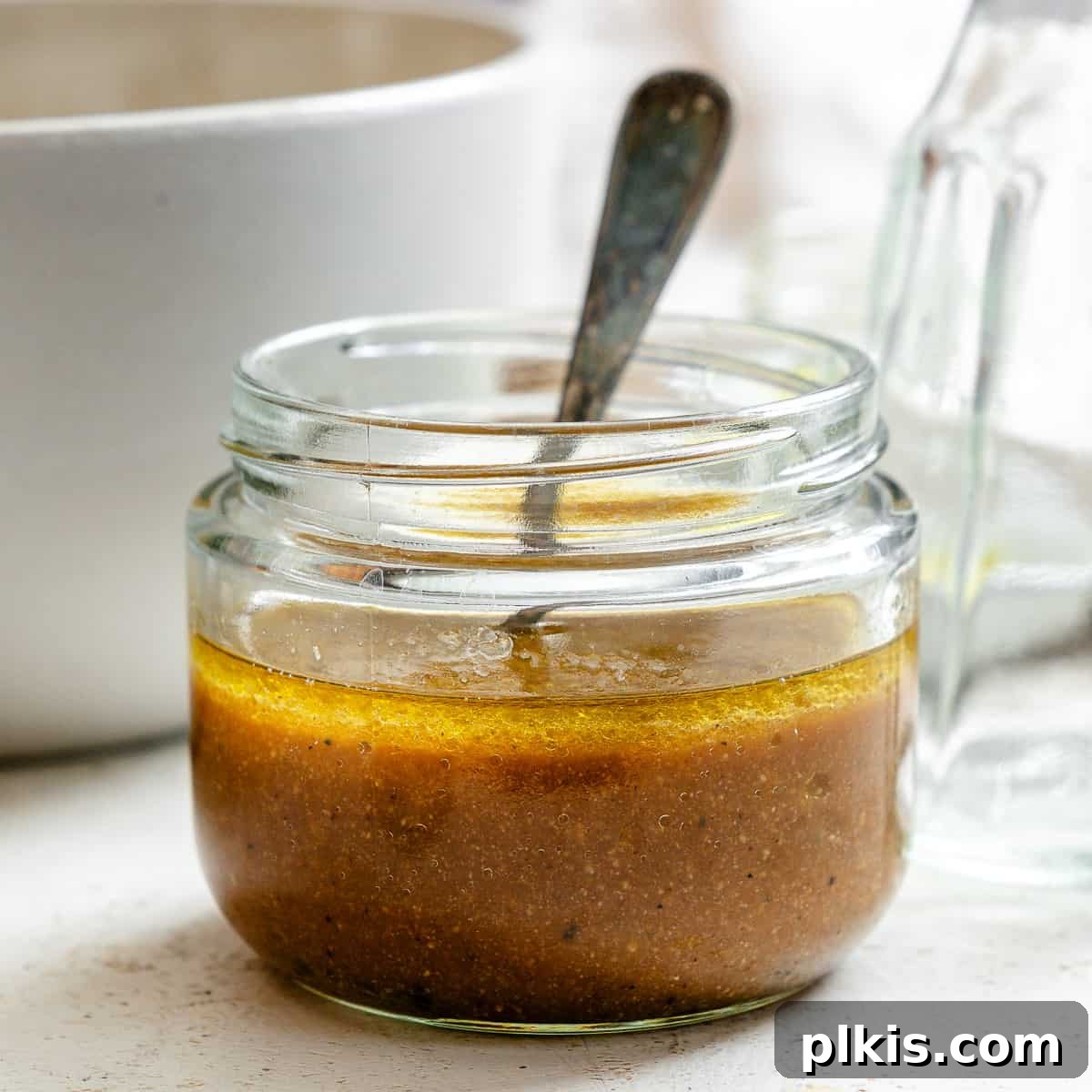
Unlock the secret to vibrant, flavorful salads with this incredibly easy and versatile Basic Balsamic Vinaigrette. Crafted from just a handful of everyday pantry staples, this homemade dressing comes together in minutes, offering a perfect balance of bold, sweet, and tangy notes. Say goodbye to bland, store-bought options and elevate your culinary creations with a fresh, wholesome vinaigrette that tastes undeniably superior. With minimal effort, you’ll achieve a dressing that beautifully coats every leaf without overwhelming your dish, making every meal a truly delightful experience.
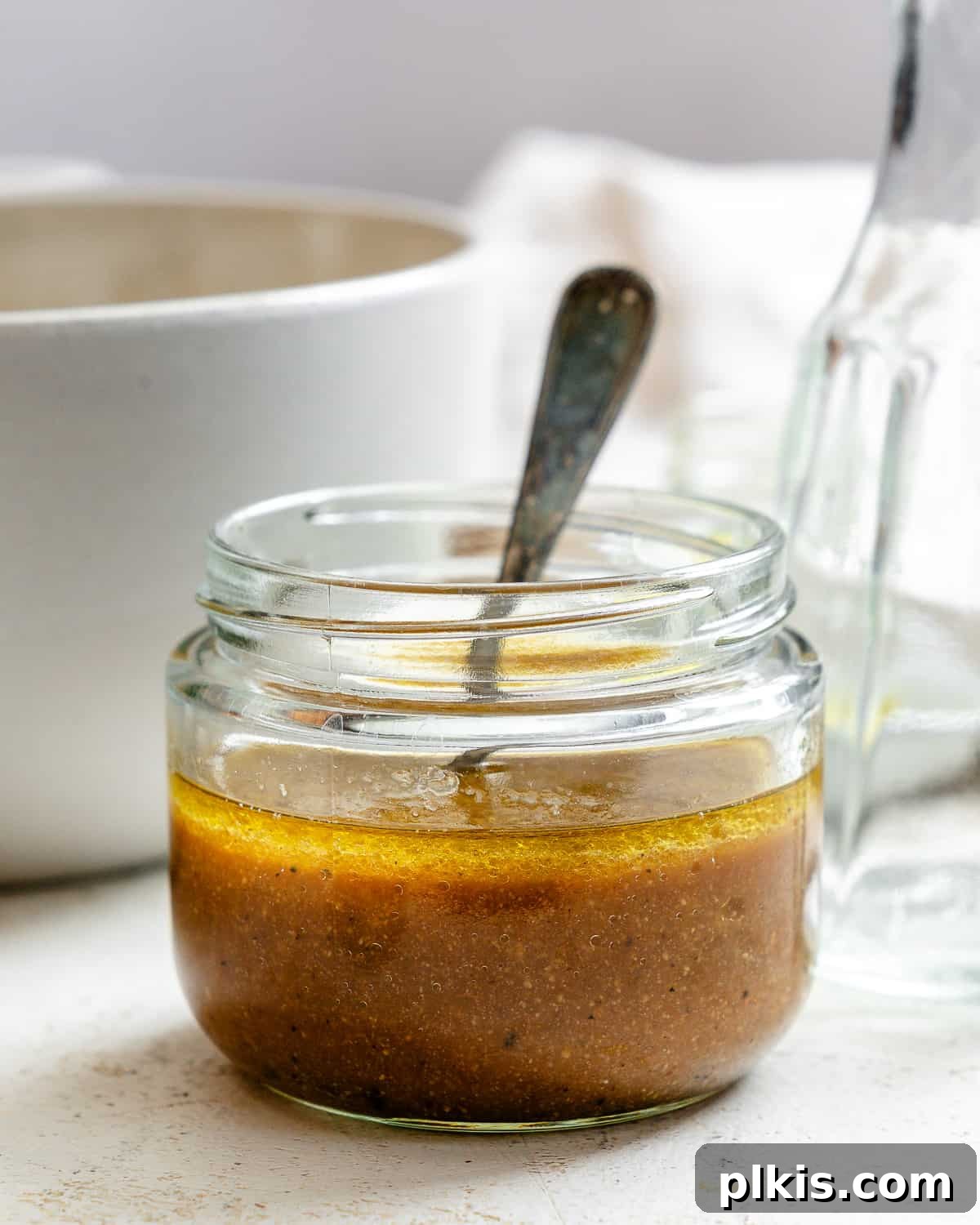
Elevate Your Meals with a Homemade Balsamic Vinaigrette
If balsamic vinegar is a staple in your kitchen, then preparing this homemade balsamic vinaigrette dressing is an absolute must! Far surpassing the taste and quality of anything you’d find on supermarket shelves, this recipe delivers an explosion of flavor using simple ingredients. In just a few minutes, with nothing more than a bowl or a jar, you can whip up a dressing that’s wonderfully vibrant, bold, and tangy, with a subtle sweetness that perfectly complements a myriad of dishes.
Our recipe combines the rich depth of balsamic vinegar with the piquant kick of mustard, the aromatic warmth of garlic, and a touch of natural sweetener like maple syrup or brown sugar. This harmonious blend results in a dressing that is exquisitely balanced and incredibly versatile. Moreover, it uses just the right amount of high-quality oil to lovingly coat every ingredient in your salad, ensuring maximum flavor distribution without any greasy residue or soggy textures. It’s the ultimate way to transform an ordinary salad into something truly special – a culinary delight that will have you saying “oh yay!” with every bite.
Beyond its incredible taste, making your own balsamic vinaigrette offers several compelling advantages. You gain complete control over the ingredients, allowing you to choose organic, non-GMO, or specific dietary-friendly components. This means no artificial preservatives, unhealthy oils, or excessive sugars often found in commercial dressings. It’s also a budget-friendly option, as the cost of making a batch at home is significantly less than purchasing premium store-bought alternatives. For those seeking an even lighter option, be sure to explore our recipe for an oil-free balsamic dressing. You might also enjoy our quick lemon dressing, easy orange vinaigrette, or our classic Italian dressing.
Essential Ingredients for the Perfect Balsamic Vinaigrette
Crafting a superior balsamic vinaigrette begins with selecting quality ingredients. Each component plays a vital role in achieving that perfect balance of sweet, tart, and savory flavors that make this dressing so irresistible. Here’s a closer look at what you’ll need:
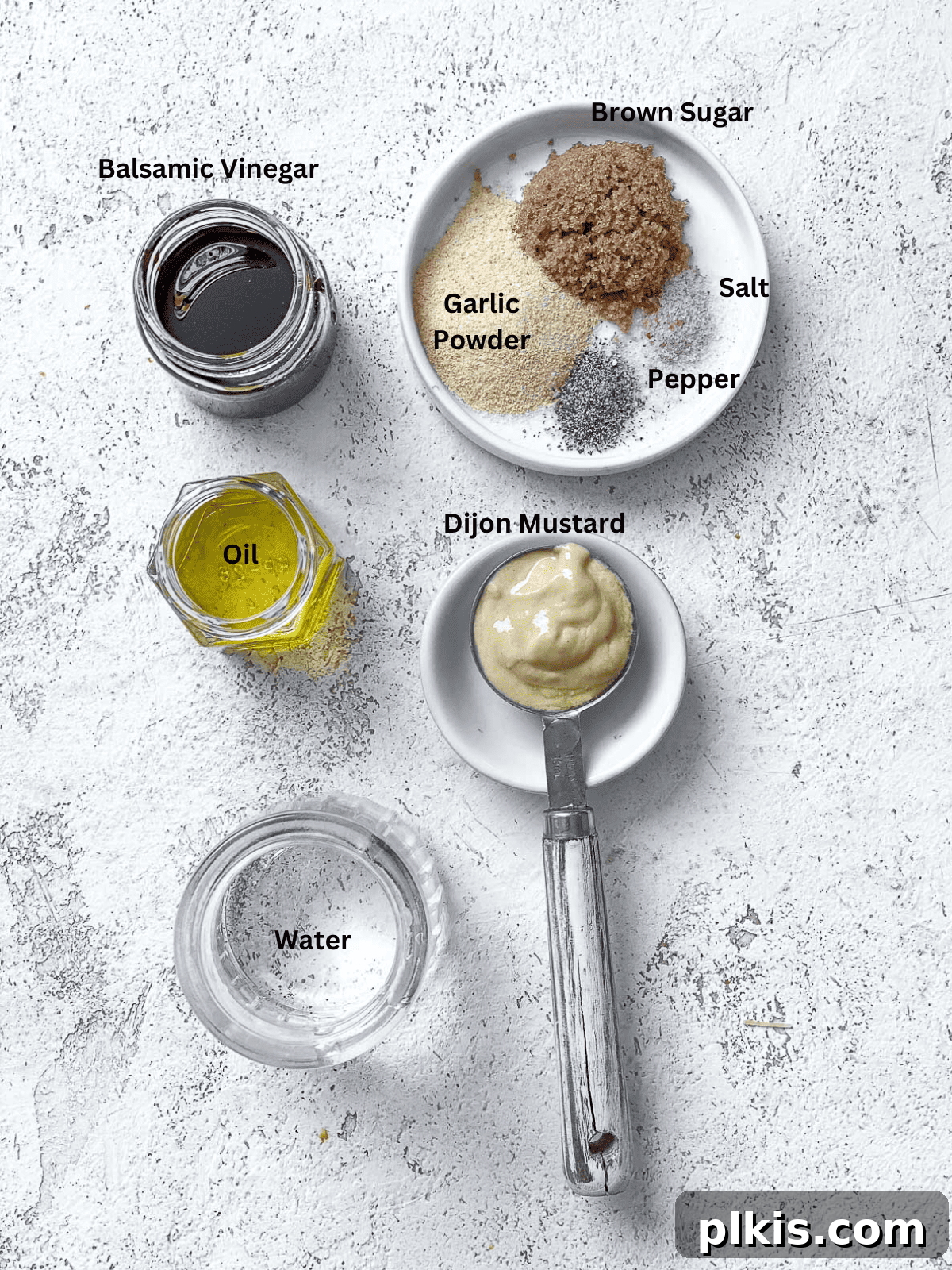
- Balsamic Vinegar: The star of the show! For the most profound and nuanced flavor, invest in good-quality balsamic vinegar. Well-aged balsamic, traditionally from Modena, Italy, develops a milder, sweeter, and richer profile over time. Look for “Aceto Balsamico di Modena IGP” or a balsamic that has a thicker consistency and a more complex aroma. While white balsamic vinegar can be used for a lighter color and milder taste, it typically lacks the depth of its dark counterpart.
- Olive Oil: We highly recommend making balsamic vinaigrette with a good quality extra-virgin olive oil. Its fruity, sometimes peppery, notes beautifully complement the vinegar. Choose cold-pressed, unrefined extra-virgin olive oil for maximum flavor and health benefits. If you prefer a more neutral oil, avocado oil is an excellent alternative that still provides healthy fats.
- Water: This crucial ingredient helps to thin the vinaigrette to the perfect drizzly consistency, ensuring it disperses evenly over your salad without being too thick or heavy. It also allows the flavors to blend harmoniously without being overly concentrated.
- Dijon Mustard: More than just a flavor enhancer, Dijon mustard acts as a natural emulsifier, helping the oil and vinegar combine into a smooth, stable dressing. It also adds a wonderful tang and a subtle, sophisticated heat that elevates the overall profile. In a pinch, classic yellow mustard can be used, but Dijon offers a superior flavor.
- Sweetener: A touch of sweetness is essential to balance the sharp tanginess of the vinegar and mustard, rounding out the flavors and making the vinaigrette incredibly palatable. Our favorites include brown sugar for a rich, caramel-like undertone, or maple syrup for a delicate, natural sweetness. Other excellent alternatives include agave nectar, brown rice syrup, or date syrup. For those managing sugar intake, a sugar alternative like erythritol can be used – always add to taste to achieve your desired sweetness level.
- Seasonings: A simple yet powerful trio of seasonings completes this vibrant dressing.
- Garlic Powder: Provides a concentrated garlic flavor that integrates smoothly into the dressing. For a fresher, more pungent kick, use one clove of freshly minced garlic instead.
- Black Pepper: Freshly ground black pepper adds a subtle spice and aromatic warmth.
- Sea Salt: Essential for bringing all the flavors together and enhancing their individual profiles. Start with a small amount and adjust to your preference.
Creative Recipe Variations to Explore
One of the joys of homemade vinaigrette is its adaptability. This basic balsamic recipe serves as a fantastic canvas for countless variations, allowing you to tailor it to your specific tastes or the dish you’re preparing. Don’t hesitate to get creative and experiment!
- Herbal Infusions: Introduce fresh or dried herbs to add aromatic complexity. Popular choices include dried oregano, thyme, or rosemary for an earthy, Mediterranean twist. For fresh vibrancy, finely chop parsley, chives, or cilantro. The amount will depend on the potency of the herb and your personal preference. Consider finely chopping 1-2 tablespoons of fresh herbs for a noticeable flavor.
- Spice It Up: Elevate the dressing with a pinch of your favorite spices. A dash of paprika can add a smoky warmth, while red pepper flakes or a tiny pinch of cayenne pepper will give it a pleasant, lingering heat. Add these gradually and taste as you go to achieve your desired level of spice.
- Creamy Balsamic Vinaigrette: Transform this tangy dressing into a luscious, creamy concoction by adding 2-3 tablespoons of vegan mayonnaise or a thick, vegan Greek-style yogurt. This adds richness and a velvety texture, perfect for heartier salads or as a dip.
- Basil Balsamic Vinaigrette: For a burst of fresh, herbaceous flavor, finely chop 6-12 fresh basil leaves (adjust to taste) and stir them into the vinaigrette. This variation is particularly wonderful in summer salads with fresh tomatoes and mozzarella (vegan, of course!).
- Keto-Friendly Balsamic Vinaigrette: To make this dressing suitable for a ketogenic diet, simply ensure you use a keto-friendly sweetener. Erythritol, stevia, or monk fruit sweetener are excellent choices that provide sweetness without the carbs.
- Citrus Zest: Infuse your vinaigrette with bright, zesty notes by adding 1-2 tablespoons of fresh lemon juice, orange juice, or a delightful combination of both. For an even more intense citrus punch and aromatic depth, grate a teaspoon of citrus zest into the mixture. This is especially refreshing for fruit salads or lighter green salads.
Simple Steps to Making Balsamic Vinaigrette
Making this balsamic vinaigrette is remarkably straightforward, requiring no special culinary skills. Follow these easy steps for a perfectly emulsified and flavorful dressing every time.
- First, gather all your ingredients and precisely measure them. This ensures the correct balance of flavors. Add all the measured ingredients – balsamic vinegar, olive oil, water, Dijon mustard, sweetener, garlic powder, and black pepper – into a small bowl or a lidded jar.
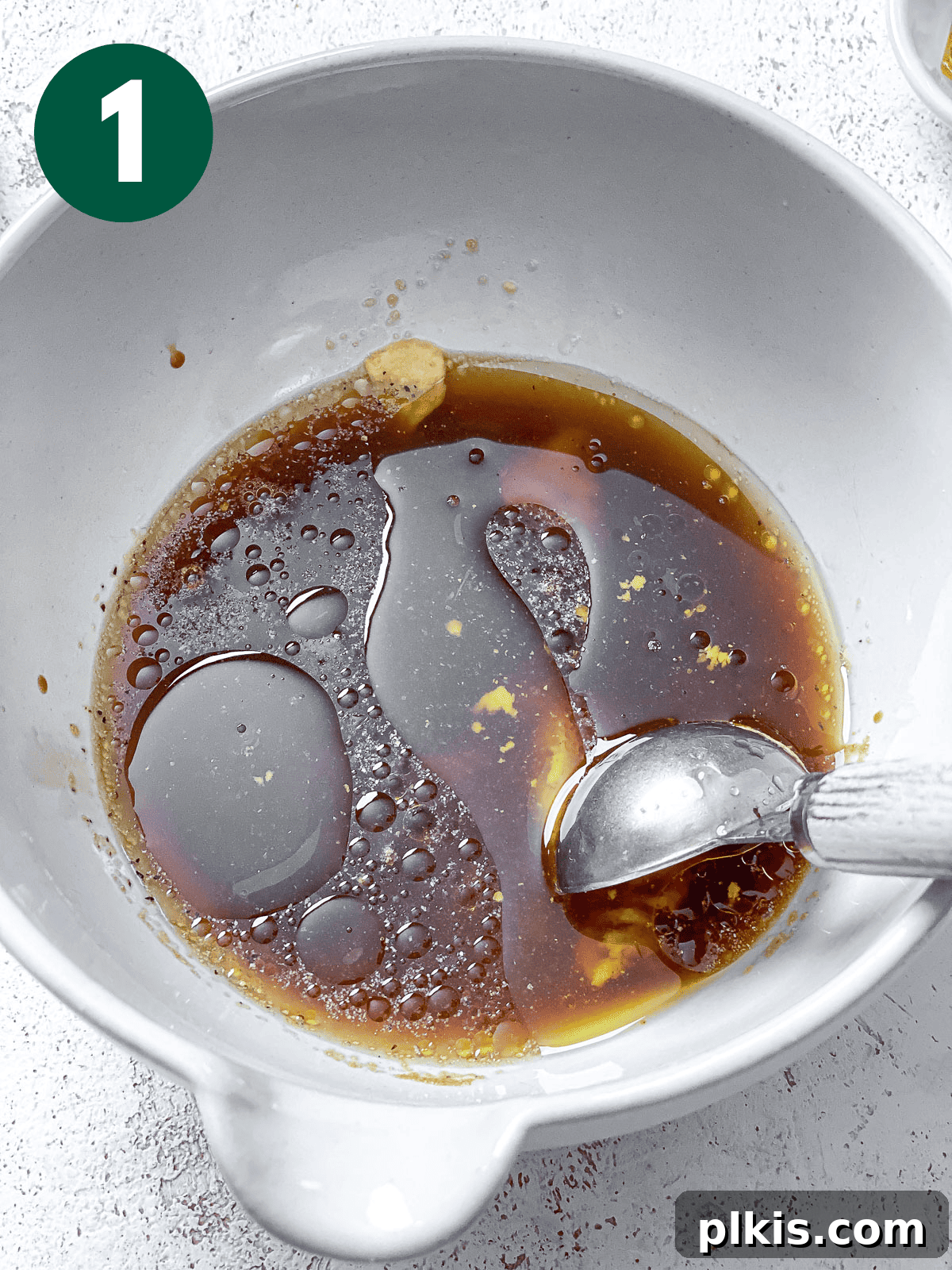
- Once all ingredients are in the container, it’s time to emulsify them. If using a bowl, vigorously whisk the dressing until all the ingredients are thoroughly combined and the mixture appears smooth and slightly thickened. If using a lidded jar, simply secure the lid tightly and shake vigorously for about 30-60 seconds, or until fully emulsified. After mixing, taste the vinaigrette and adjust any ingredient as needed – you might want a little more sweetener for balance, an extra pinch of salt, or a dash more mustard for a bolder kick.
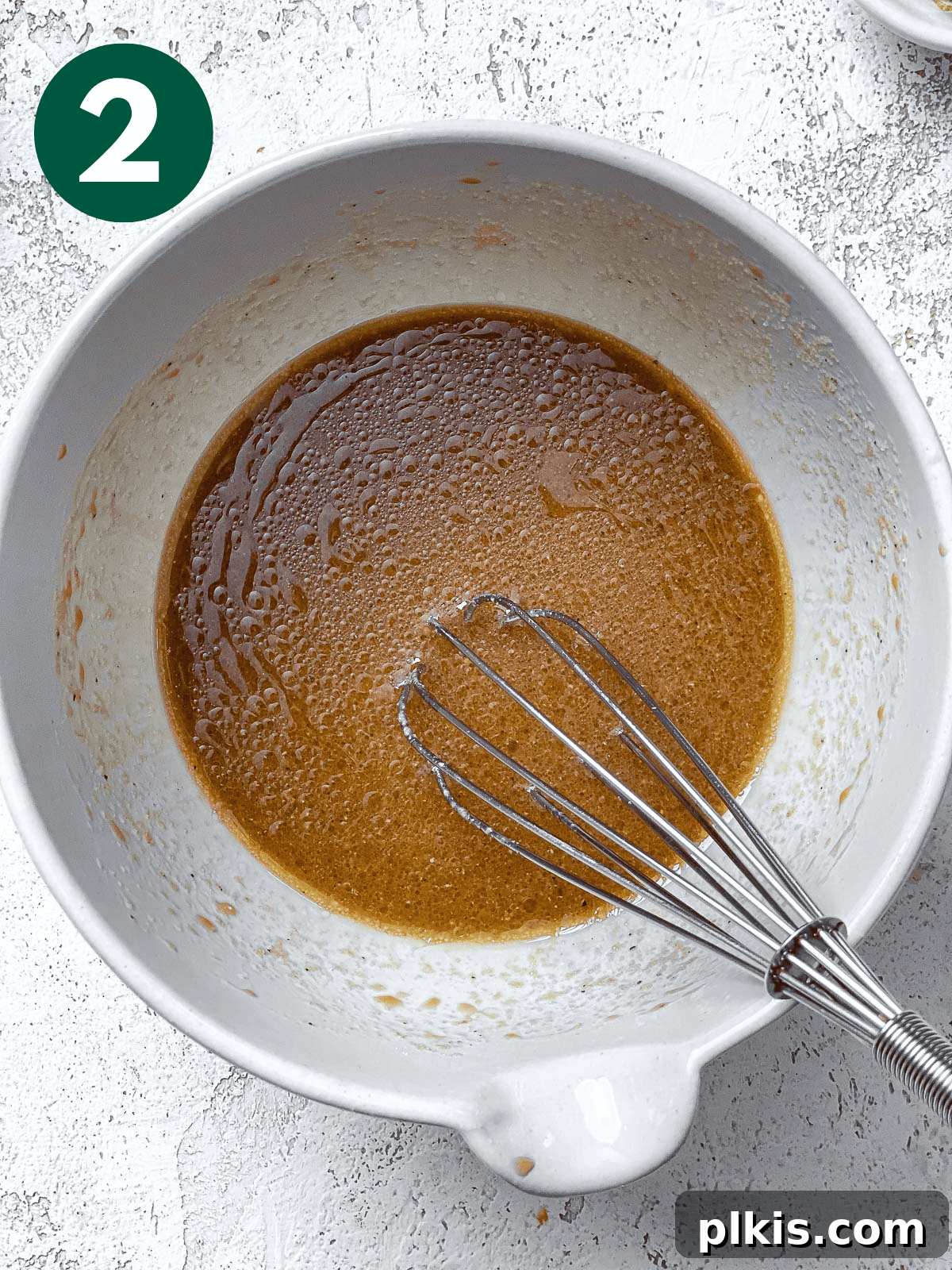
Pro Tip for the Creamiest Emulsion: For a consistently thick and longest-lasting emulsion, start by combining all ingredients EXCEPT the olive oil. Once these are well-mixed, slowly stream in the olive oil while continuously whisking. This gradual addition allows the oil to incorporate smoothly. Alternatively, for a truly effortless and ultra-creamy dressing, simply add all ingredients to a small blender or food processor and process until perfectly smooth.
For the absolute best homemade balsamic vinaigrette salad dressing, we recommend allowing the flavors to meld and deepen for at least an hour before serving. This resting period allows the distinct notes to harmonize, resulting in a more complex and satisfying taste experience.
Frequently Asked Questions About Balsamic Vinaigrette
Balsamic vinegar is a rich, often slightly sweet, dark brown vinegar originating traditionally from Modena and Reggio Emilia, Italy. It is made from “grape must” – freshly pressed grape juice with all the skins, seeds, and stems. This must is boiled down to a concentrated syrup, then fermented and aged in a series of wooden barrels, often for many years (traditionally a minimum of 12 years for “Traditional Balsamic Vinegar” – Aceto Balsamico Tradizionale). This lengthy aging process concentrates and enhances its unique sweet-tart flavor profile. Modern, more commercially available versions often combine grape must with wine vinegar to speed up production, aging for just months rather than years, resulting in a lighter, more acidic profile.
Overall, balsamic vinaigrette can certainly be a very healthy choice, especially when made at home where you control the ingredients and portions. Vinaigrettes are typically far healthier than many creamy, fat-laden dressings. Balsamic vinegar itself is naturally low in calories, contains virtually no fat, and has a minimal amount of natural sugar. It also boasts antioxidants and several potential health benefits, including aiding digestion, lowering cholesterol, stabilizing blood pressure, reducing inflammation, and even improving skin health. Meanwhile, extra-virgin olive oil is a cornerstone of heart-healthy diets, rich in monounsaturated fats and antioxidants. However, it is calorie-dense, so moderation is key. This recipe does include a sweetener, but you have the flexibility to choose the type (refined, unrefined, or a sugar alternative) and reduce the amount to suit your dietary needs and preferences.
The distinction is quite simple: balsamic vinegar refers solely to the specific type of vinegar, a fermented grape product as described above. A balsamic vinaigrette, on the other hand, is a dressing or sauce that uses balsamic vinegar as its primary acidic component. It combines balsamic vinegar with other ingredients – most commonly olive oil, a sweetener, salt, and often additional spices, herbs, or aromatics – to create a flavorful emulsion. This versatile mixture is then used for dressing salads, dipping bread, marinading, and much more.
Absolutely! While this recipe is specifically for balsamic vinaigrette, the fundamental method can be adapted to create a basic vinaigrette with other vinegars. Feel free to replace the balsamic with white wine vinegar for a lighter, crispier dressing, red wine vinegar for a robust flavor, apple cider vinegar for its distinct tang and health benefits, or even specialty vinegars like pomegranate vinegar for a unique twist. When substituting, remember to taste and adjust the other ingredients – particularly the sweetener – to achieve a balanced flavor profile, as different vinegars have varying levels of acidity and sweetness.
Tips for Success: Mastering Your Homemade Vinaigrette
While making this balsamic vinaigrette is simple, a few expert tips can elevate your dressing from good to absolutely outstanding, ensuring consistent results and maximum flavor.
- Prioritize High-Quality Ingredients: The flavor of your vinaigrette is only as good as its components. Invest in a reputable extra-virgin olive oil and a good quality balsamic vinegar. These foundational ingredients will significantly impact the depth and complexity of your dressing. Similarly, fresh garlic (if using) and good sea salt make a difference.
- Always Adjust to Taste: Recipes provide a guide, but your palate is the ultimate judge. After emulsifying, always taste your vinaigrette. Does it need more sweetness to cut the acidity? A little more mustard for tang? Another pinch of salt to brighten the flavors? Don’t hesitate to tweak the ratios until it perfectly suits your preference.
- Allow Flavors to Mingle (Resting Time): While you can technically use the dressing immediately, its true potential shines after a brief rest. Giving the vinaigrette an hour or two (or even overnight) allows the individual flavors to meld and harmonize, creating a more complex and rounded taste profile. This “marination” time is a secret weapon for enhanced flavor.
- Achieve Optimal Creaminess with a Blender: For those who love a thick, velvety dressing, a blender is your best friend. Using a small blender, an immersion blender, or a food processor can help vigorously emulsify the oil and vinegar, resulting in a thicker, creamier balsamic vinaigrette that clings beautifully to salads and ingredients. This method helps to create a more stable emulsion that is less likely to separate quickly.
Storage and Longevity of Your Homemade Vinaigrette
Proper storage is key to enjoying your fresh balsamic vinaigrette for as long as possible. Given its simple, natural ingredients, it’s a dressing you can prepare in advance and keep on hand for quick meal solutions.
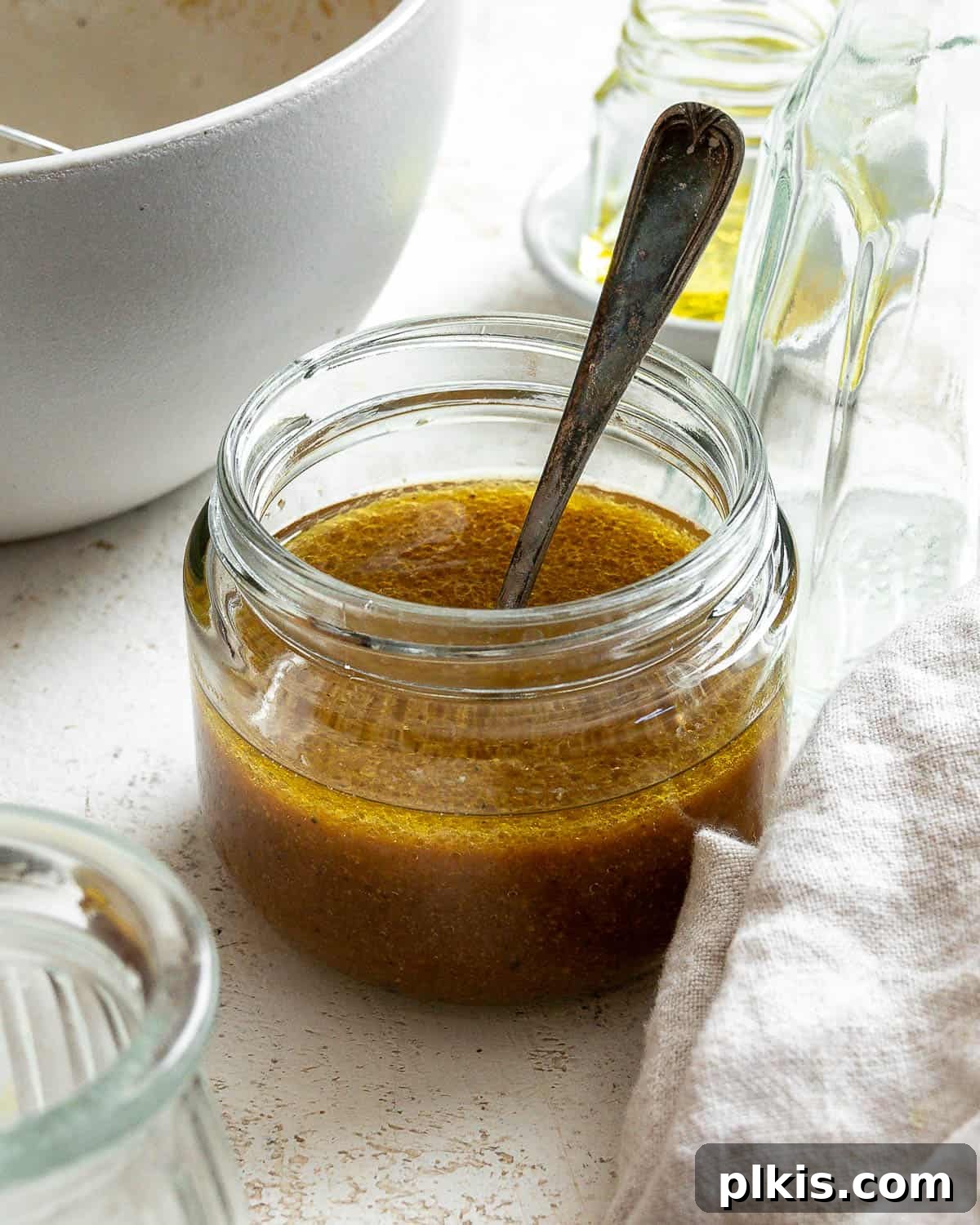
Store your vegan balsamic vinaigrette in an airtight container, such as a glass jar with a tight-fitting lid, in the refrigerator. It will keep beautifully for 1-2 weeks. It’s entirely normal for the oil and vinegar to separate during storage; simply give the container a good shake or a quick whisk between servings to re-emulsify the dressing before use.
Understanding Refrigeration Solidification: Don’t be alarmed if your dressing appears cloudy or solidifies in the refrigerator. This is a natural occurrence, especially with high-quality extra-virgin olive oil, which can congeal at cold temperatures. To restore its liquid consistency, simply bring the jar out to room temperature on the counter for 15-30 minutes before serving and whisk well. Alternatively, for a quicker fix, add a spoonful of boiling water to the dressing and whisk vigorously until it returns to its smooth, pourable state.
For longer-term storage, you can even freeze this versatile dressing! Pour the vinaigrette into an ice cube tray, freezing it until solid. Once frozen, transfer the individual cubes to a freezer-safe Ziplock or Stasher bag. This method allows you to store portions for up to 3-4 months. When ready to use, simply thaw a cube or two in the refrigerator or at room temperature and whisk before serving.
Inspiring Serving Suggestions for Balsamic Vinaigrette
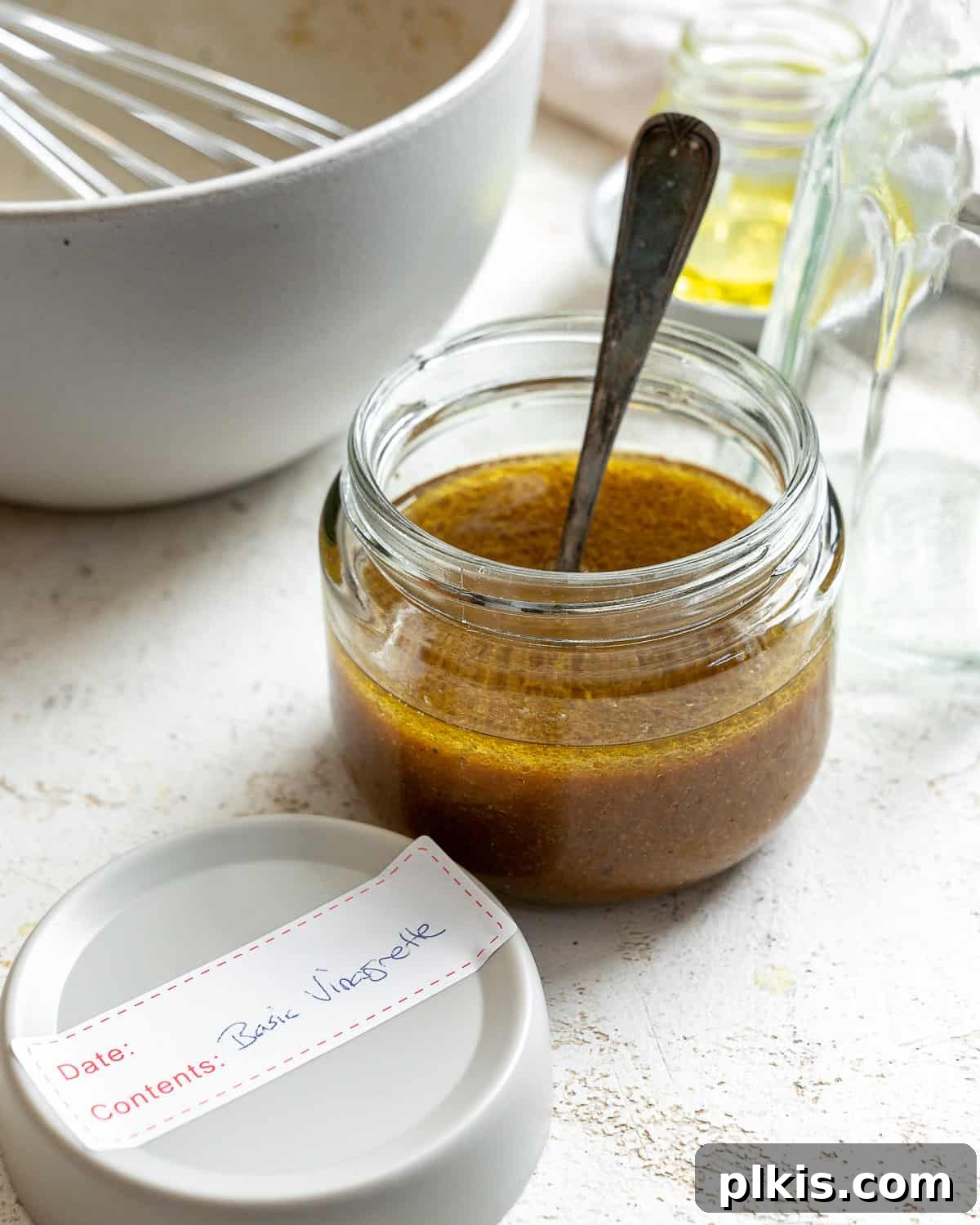
This delightful balsamic maple vinaigrette is far too delicious to be confined solely to salads. Its complex flavor profile makes it incredibly versatile, enhancing a wide array of dishes from appetizers to main courses. Here are some creative ways to incorporate this homemade dressing into your culinary repertoire:
- Beyond the Salad Bowl: Use it as an elegant dipping sauce for crusty bread or fluffy focaccia. Drizzle it generously over vegan pizza after baking for an added layer of gourmet flavor. It’s also phenomenal drizzled over roasted and grilled vegetables, or even plant-based proteins, adding a vibrant tang.
- A Flavorful Marinade: This vinaigrette makes an excellent marinade for tofu, tempeh, mushrooms, or other plant-based proteins. Allow your ingredients to soak in its zesty goodness for at least 30 minutes (or longer for deeper flavor) before cooking.
- Pairs Exceptionally Well With:
- Fruits: Don’t limit vinaigrettes to savory dishes! Balsamic vinaigrette is surprisingly delicious with certain fruits. Try it lightly drizzled over sliced apples, pears, fresh berries, peaches, pomegranate seeds, grapes, or orange segments for an unexpected sweet and tangy burst.
- Vegetables: Its classic pairing with vegetables is undeniable. It shines with roasted Brussels sprouts, steamed broccoli, earthy beets, fresh tomatoes (especially in a caprese salad), crisp cucumber, sweet carrots, hearty butternut squash or pumpkin, sweet potatoes, sharp red onion or shallots, and potatoes.
- Leafy Greens: The natural home for vinaigrette! It perfectly complements delicate spinach, robust kale, peppery arugula, mixed spring greens, and crisp romaine lettuce.
- Grains: Transform grain bowls and side dishes by tossing them with this vinaigrette. It’s fantastic with wild rice, fluffy quinoa, hearty farro, or bulgur. It also makes an incredible base for vibrant pasta salads.
- Nuts/Seeds: Add a layer of texture and healthy fats to your dishes by incorporating nuts and seeds, which are beautifully complemented by balsamic. Think pepitas/pumpkin seeds, sunflower seeds, walnuts, pecans, or pine nuts.
- Vegan Cheese: For a truly gourmet experience, drizzle this vinaigrette over dairy-free mozzarella, vegan cheddar, plant-based feta, or a tangy dairy-free goat cheese.
Discover More Vegan Dressing Recipes
If you love the simplicity and flavor of this balsamic vinaigrette, you’ll be thrilled to explore our other plant-based dressing creations. Expand your culinary repertoire with these delicious vegan options, each designed to add a unique flair to your meals:
- Fresh Basil Peanut Salad Dressing
- Classic Vegan Caesar Dressing
- Zesty Taco Salad Dressing / Chipotle Sauce
- Creamy Avocado Green Goddess Dressing
- Easy Miso Tahini Dressing
- Japanese Carrot-Ginger Salad Dressing
Photos by Alfonso Revilla
Basic Balsamic Vinaigrette
This basic balsamic vinaigrette is a perfect balance of bold, sweet, tart, and slightly aromatic flavors, made with just 5 ingredients (plus salt & pepper) in 3 minutes!
Equipment
-
Measuring spoons
-
Whisk
Ingredients
- 2 tablespoons of extra-virgin olive oil
- 3 tablespoons of balsamic vinegar
- 5 tablespoons of water
- 1 tablespoon of dijon mustard
- 1 tablespoon of brown sugar
- 2 teaspoons of garlic powder
- ¼ teaspoon of black pepper
- To taste sea salt
Instructions
-
In a small bowl or jar with a lid, combine all of the ingredients except the salt. Whisk or shake vigorously until fully emulsified. Taste and add salt if needed, adjusting to your preference.
-
For best flavor, let the dressing rest for at least an hour to allow the flavors to meld. Store any leftover vinaigrette in an airtight jar or bowl in the refrigerator for up to two weeks, shaking well before each use.
Notes
- Use high-quality ingredients: For the best flavor, use good-quality oil, vinegar, etc.
- Adjust to taste: Tweak any ingredient to your preferred taste (e.g., more sweetener, more mustard).
- Leave it to rest: Though you can technically use it immediately, this easy balsamic vinaigrette recipe tastes best when given an hour or two to marinate.
- For the creamiest dressing: Using a blender, immersion blender, or food processor can help to emulsify the ingredients into a thicker, creamier balsamic vinaigrette olive oil dressing.
Nutrition
Carbohydrates: 25g
Protein: 2g
Fat: 29g
Saturated Fat: 4g
Polyunsaturated Fat: 3g
Monounsaturated Fat: 21g
Sodium: 187mg
Potassium: 171mg
Fiber: 1g
Sugar: 19g
Vitamin A: 13IU
Vitamin C: 0.1mg
Calcium: 42mg
Iron: 1mg
Additional Info
Tried this recipe?Please tag us at @PlantBasedOnABudget! 🙂