
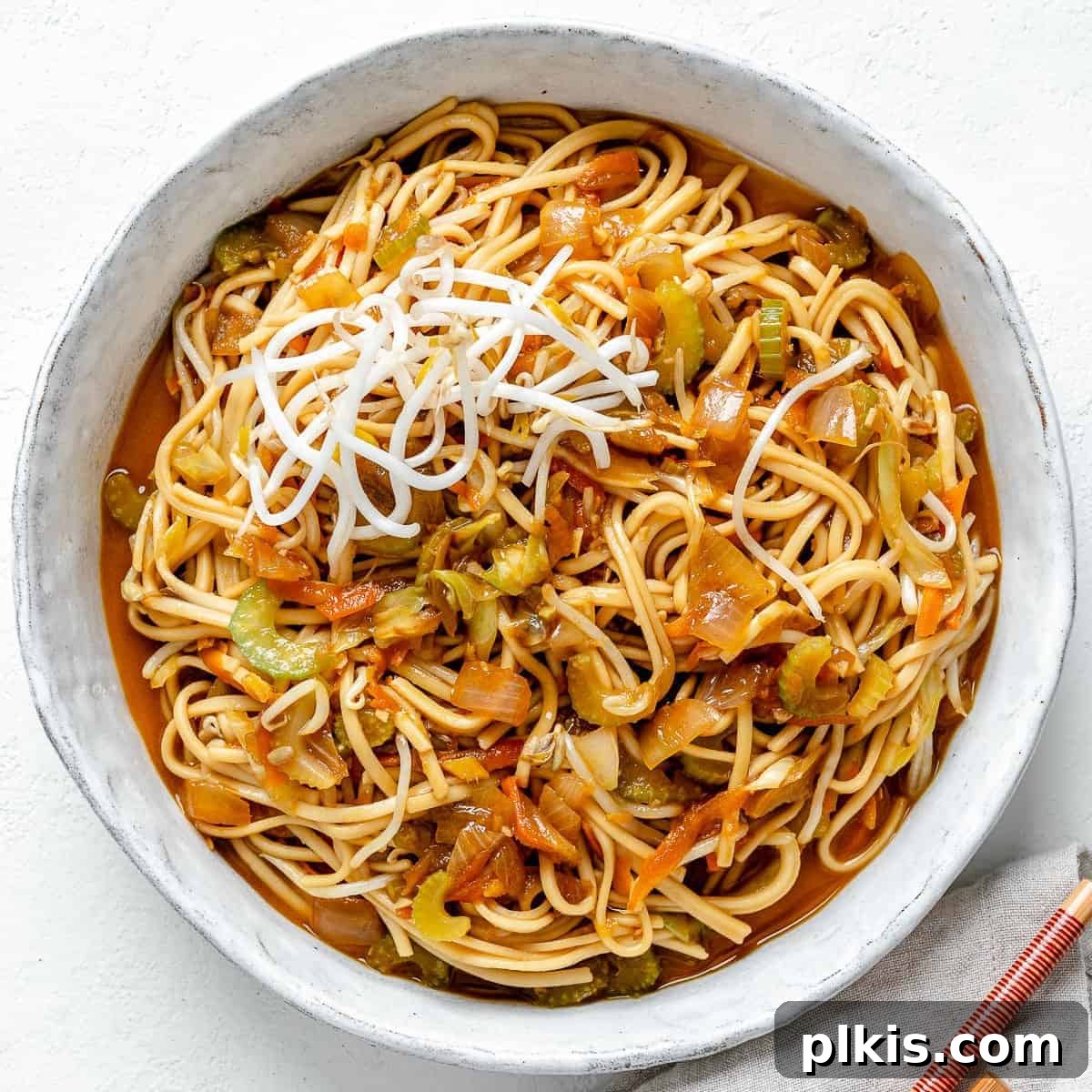
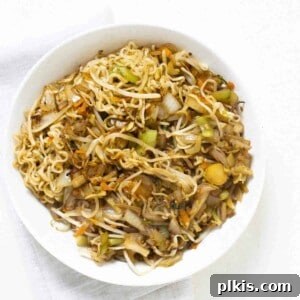
Unlock the secret to a quick, delicious, and budget-friendly meal with this incredible one-pan Veggie Chow Mein recipe! This dish is a vibrant fusion of fresh vegetables and authentic Asian-style noodles, delivering a burst of savory and umami goodness with every bite. It’s not only remarkably easy to prepare but also incredibly versatile, making it a perfect solution for busy weeknights or when you crave healthy takeout flavors without the hefty restaurant price tag. Ideal for those seeking a fulfilling and nutritious meal that comes together in a flash, this recipe showcases how simple and rewarding plant-based cooking can be. You’ll find this fantastic recipe, along with many other wallet-friendly dishes, in my popular cookbook, Plant-Based on a Budget, available now on Amazon. Get ready to transform your kitchen into your favorite noodle spot!
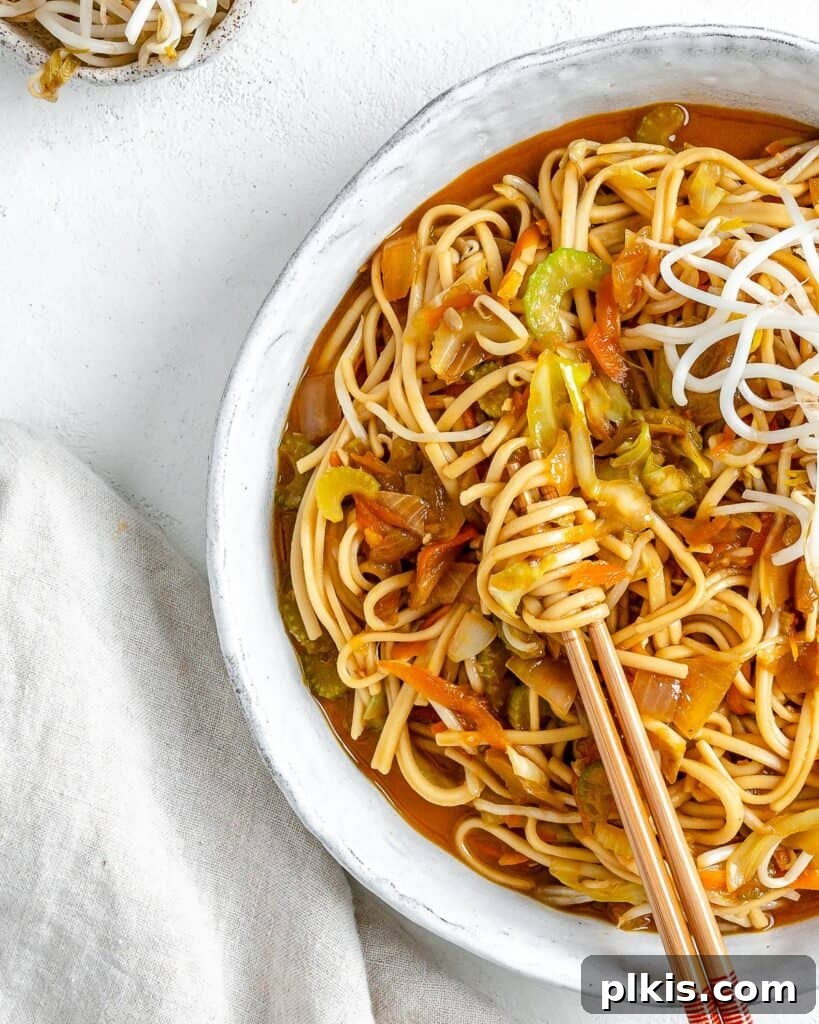
Mastering Easy Homemade Veggie Chow Mein
There’s a special kind of satisfaction that comes from transforming forgotten fridge dwellers into a magnificent meal. When I notice my spinach wilting or carrots losing their crispness, my immediate thought turns to this versatile Veggie Chow Mein. It’s not just a meal; it’s a strategic way to combat food waste and save money. Instead of letting those perfectly good vegetables go to waste, I give them a second life in this delightful stir-fry. As a huge fan of Chinese cuisine and specifically Veggie Chow Mein from restaurants, I decided to perfect a homemade version that’s both quick and incredibly easy, allowing me to enjoy my favorite dish while simultaneously clearing out my fridge.
One of the true beauties of this recipe lies in its adaptability. You can effortlessly customize it with whatever vegetables you have on hand – from bell peppers and broccoli to mushrooms and bok choy. It’s a fantastic canvas for your culinary creativity and an excellent way to ensure nothing goes to waste. For the noodles, I often reach for instant ramen, specifically the “Soy Flavor” variety from Nissin, which is happily vegan-friendly (just be sure to discard the flavor packets). However, if instant noodles aren’t your preference, don’t fret! This recipe is incredibly forgiving. Feel free to substitute with a variety of other noodle options such as traditional wheat chow mein noodles, delicate rice noodles, or even thicker udon noodles for a different texture. This flexibility ensures that you can always whip up a delicious meal tailored to your tastes and pantry staples. If you’re a fan of instant noodles and looking for more quick meal ideas, you might also enjoy my Veggie-Heavy Ramen Soup!
Essential Ingredients for Your Veggie Chow Mein
While this recipe is designed for flexibility, following the core ingredients will yield a truly delicious Veggie Chow Mein. Remember, don’t hesitate to swap in other vegetables you need to use up – that’s part of the fun!
- Asian-Style Noodles: The foundation of any great chow mein. You have several fantastic options here. Rice noodles offer a lighter, gluten-free alternative, while udon noodles provide a chewy, hearty texture. Instant ramen noodles (without the flavor packet) are a quick and convenient choice. For a classic experience, opt for fresh or dried wheat chow mein noodles. Always refer to package instructions for optimal cooking times to ensure they’re perfectly al dente, as they’ll finish cooking in the stir-fry.
- Canola or Vegetable Oil: Essential for stir-frying your vegetables, providing that signature wok-kissed flavor and preventing sticking. You can also use a small amount of water or vegetable broth for oil-free cooking.
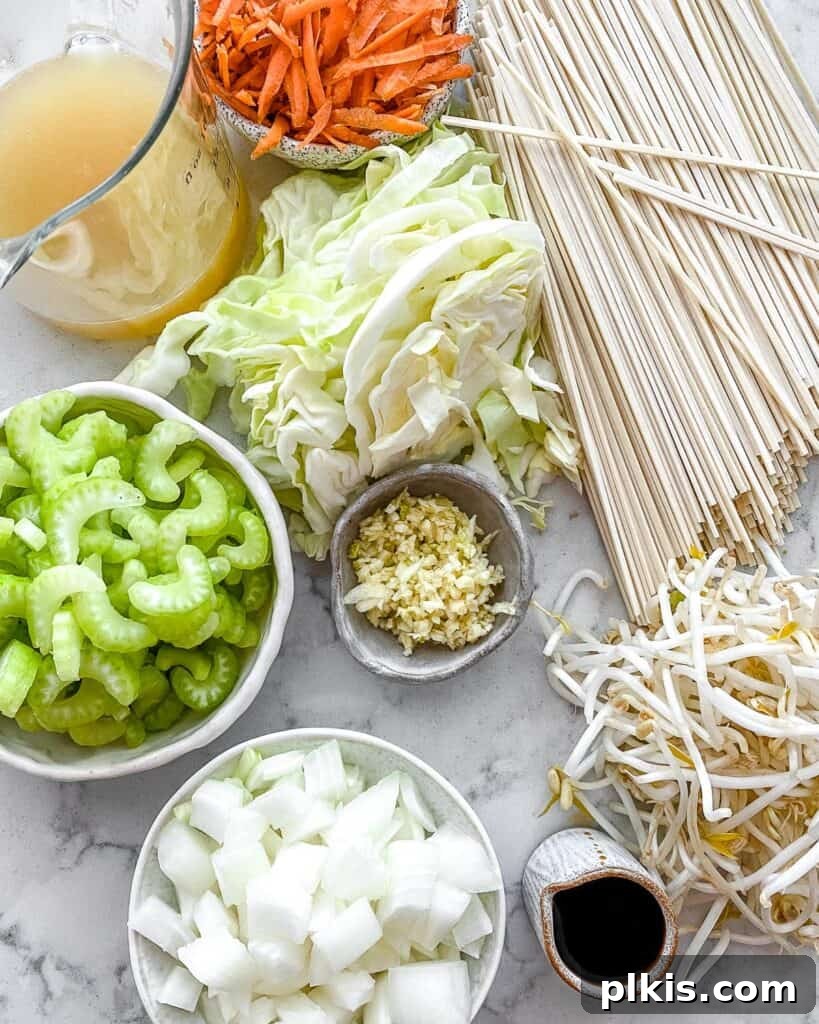
- Fresh Vegetables: Our suggested medley includes thinly sliced celery, half a yellow onion, chopped green cabbage, grated carrots, and minced garlic. This combination offers a wonderful balance of flavors, textures, and vibrant colors. However, feel empowered to explore! Broccoli florets, cauliflower, crisp bok choy, colorful bell peppers, tender mushrooms, and even thinly sliced snap peas are all excellent additions that will elevate your chow mein. Remember to chop them similarly in size for even cooking.
- Vegetable Broth: This liquid gold forms the base of our savory sauce, infusing the noodles and vegetables with depth. For convenience, you can also dissolve a vegetable bouillon cube or concentrate in hot water.
- Soy Sauce: The cornerstone of umami in this dish! It delivers a rich, savory, and slightly salty flavor that is quintessential to Asian stir-fries. For a gluten-free alternative, tamari is an excellent substitute that maintains the flavor profile.
- Hot Sauce (Optional): For those who love a bit of heat, a drizzle of your favorite hot sauce at the end provides a fiery kick and an extra layer of complexity. Sriracha or chili garlic sauce are popular choices.
Simple Steps to Crafting Delicious Veggie Chow Mein
Making homemade Veggie Chow Mein is a straightforward process, even for beginner cooks. Follow these easy steps to create a flavorful and satisfying meal in under 30 minutes!
1) Prepare and Cook Your Noodles. Begin by bringing a large saucepan of water to a rolling boil over medium-high heat. Add your chosen Asian-style noodles – whether they are rice noodles, udon, or ramen – and cook them precisely according to the package directions. It’s crucial to cook them to an al dente consistency, meaning they should still have a slight bite to them. This ensures they don’t become mushy when stir-fried later with the vegetables and absorb the sauce beautifully.
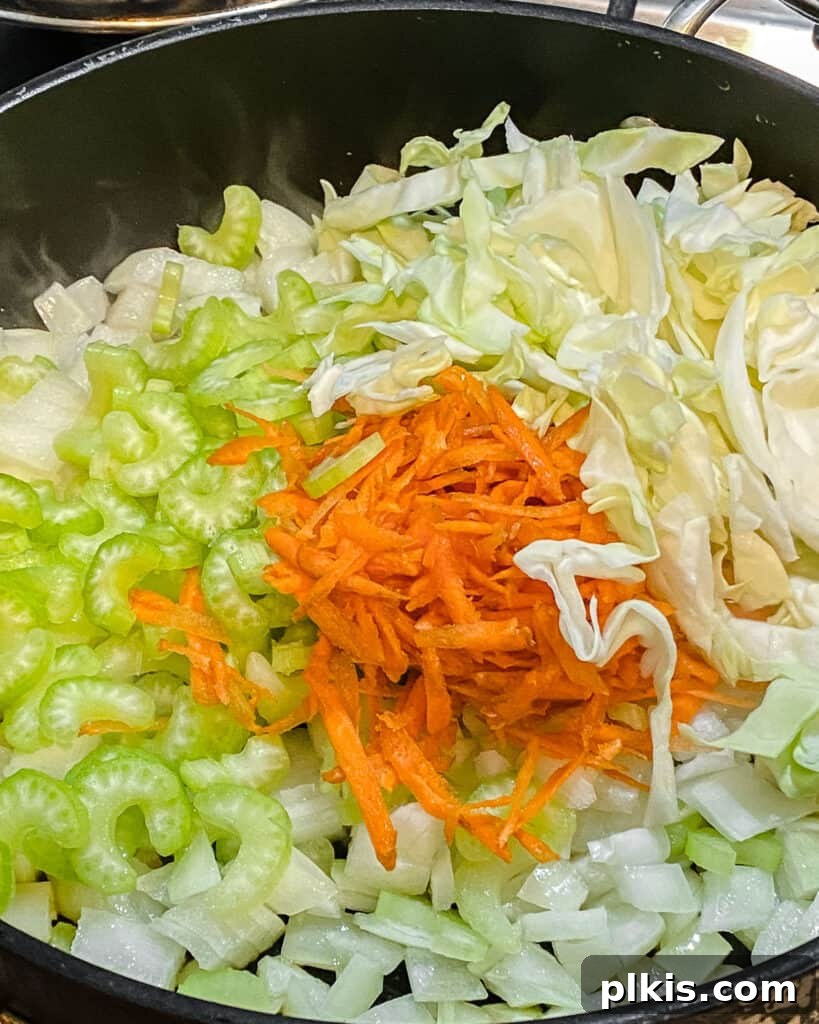
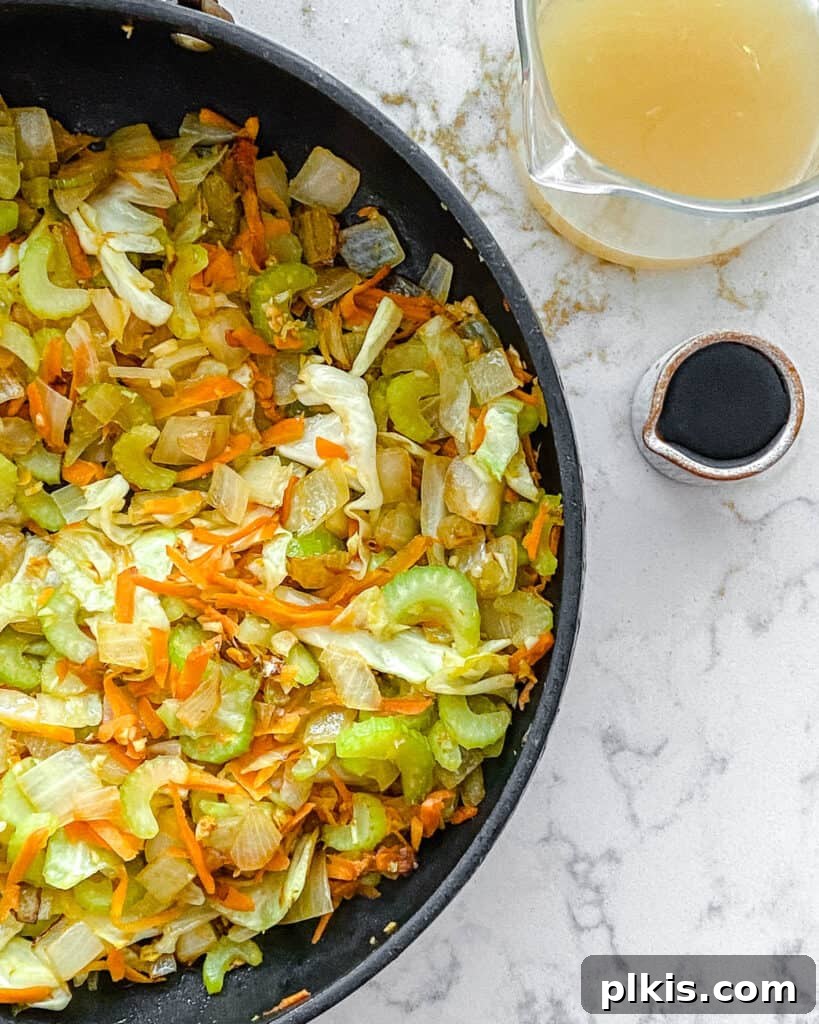
2) Sauté the Aromatic Vegetables. While your noodles are cooking, take this time to chop and prepare all your vegetables. Heat one tablespoon of canola or vegetable oil in a large pan or a wok over medium heat. Once the oil is shimmering, add the thinly sliced celery, diced yellow onion, chopped green cabbage, grated carrots, and minced garlic. Sauté these vegetables for approximately 3 to 4 minutes. Stir frequently until the celery and onion soften and the onion becomes translucent. This step helps to build the foundational flavors of your chow mein.
3) Incorporate the Flavorful Liquids. Once your vegetables are tender-crisp, pour in the vegetable broth and soy sauce. Increase the heat slightly to bring the mixture to a gentle boil. As soon as it boils, reduce the heat to low and allow the sauce to simmer for another five minutes. This simmering period allows the flavors to meld beautifully and creates a rich, aromatic base for your noodles.
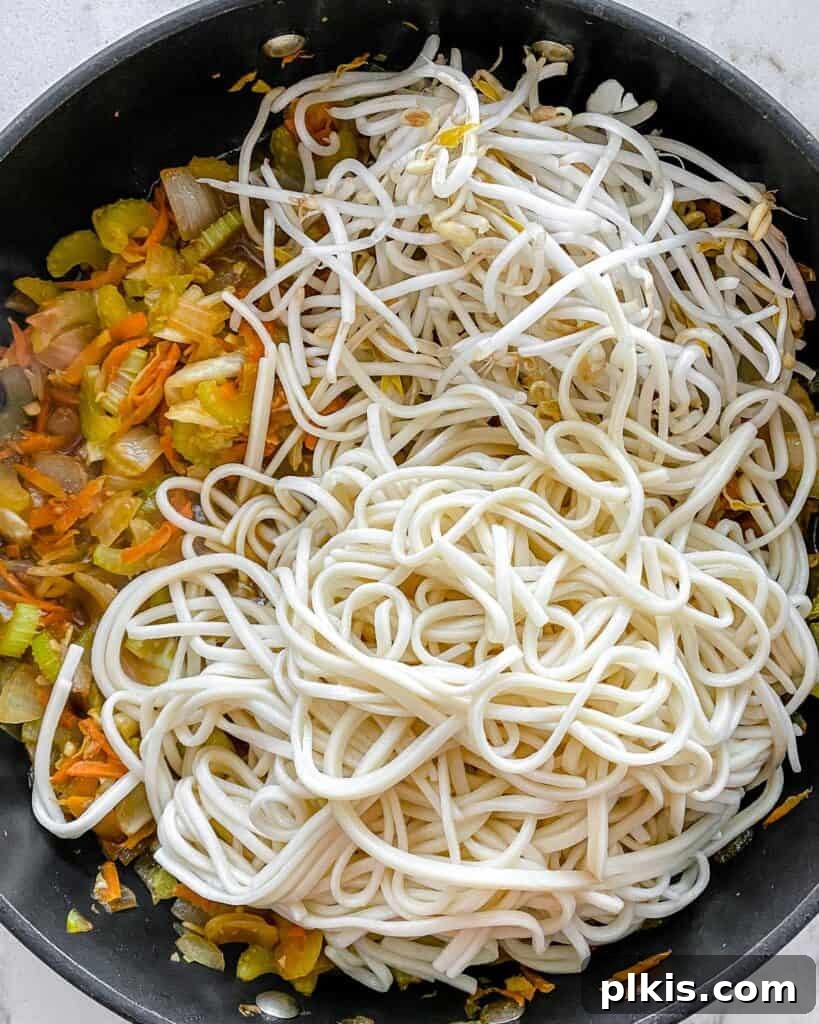
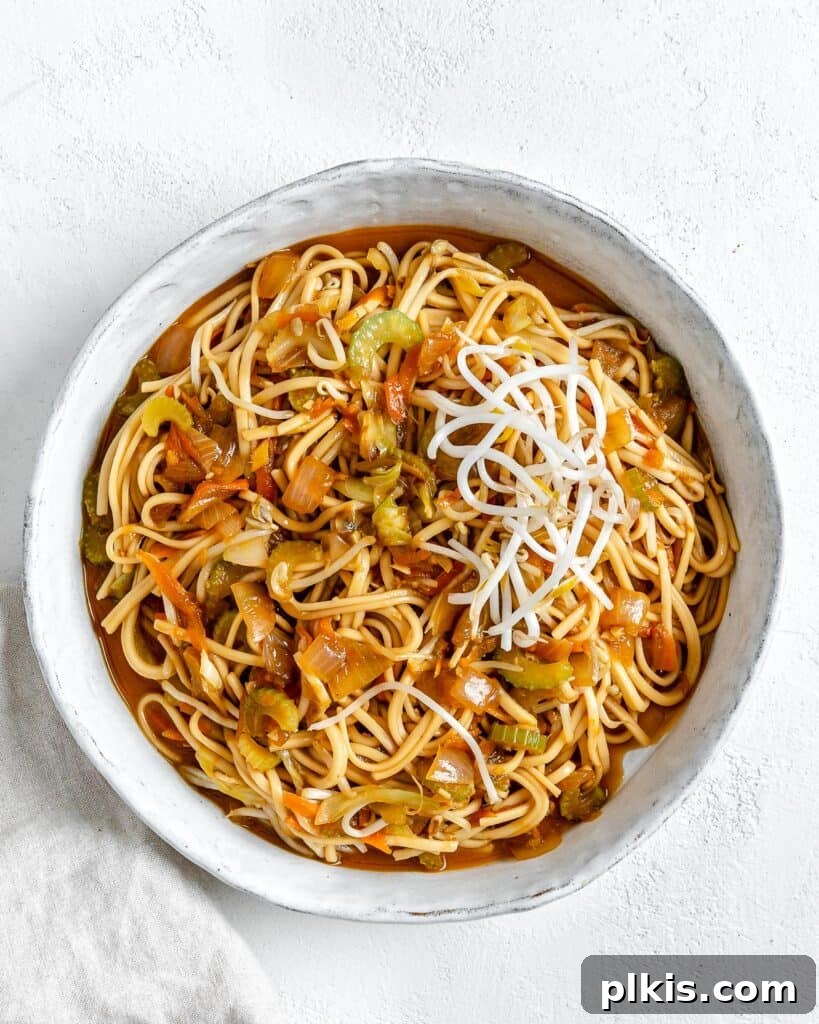
4) Combine Noodles, Sprouts, and Sauce. Drain your cooked noodles thoroughly and add them directly into the pan with the simmering vegetables and sauce. Stir in the fresh bean sprouts. Using tongs or a large spatula, gently toss everything together until the noodles and vegetables are evenly coated with the savory sauce. Continue to cook for an additional 5 minutes, stirring occasionally to prevent sticking and ensure all components are heated through and infused with flavor. This final stir-fry step brings the entire dish together, creating that irresistible chow mein texture.
Expert Tips for Perfect Veggie Chow Mein Every Time
- Adjusting Saltiness: The amount of soy sauce can significantly impact the final taste. If you prefer your Veggie Chow Mein to be a little saltier and richer in umami, add more soy sauce gradually, tasting as you go. It’s always easier to add more than to correct an overly salty dish.
- Achieving Crispier Noodles: For that coveted restaurant-style chow mein with slightly crisped noodles, cook the dish a little longer. After adding the noodles and bean sprouts, let them fry for an extra 2 minutes without stirring. Then, flip the noodles to expose the other side and cook for another 2 minutes. This creates a delightful crispy texture on some of the noodles.
- Carrot Preparation Versatility: While grated carrots integrate seamlessly into the dish, feel free to use finely diced or thinly julienned carrots if you prefer. Each method offers a slightly different texture. For more detailed guidance on preparing carrots, check out our comprehensive Complete Guide to Carrots!
- Flavor Enhancements:
- Peanut Sauce Twist: For a delightful nutty and slightly sweet-savory flavor, try incorporating some peanut sauce into your chow mein. Add it during step 3 with the broth and soy sauce.
- Sesame Oil Aroma: A splash of toasted sesame oil, added at the very end (just before serving), will impart a wonderful nutty aroma and authentic Asian flavor that elevates the entire dish.
- Ginger Boost: For an extra layer of warmth and zing, consider adding a teaspoon of freshly grated ginger along with the garlic during the sautéing step.
- Boost Protein with Tofu: To make this dish even more substantial and satisfying, add some crunchy fried tofu. Press, cube, and pan-fry or air-fry the tofu until golden and crisp, then toss it in with the noodles in the final step. Other plant-based proteins like edamame or chickpeas also work wonderfully.
- Cooking Various Vegetables: When incorporating different vegetables into your chow mein, remember that cooking times will vary. Always prioritize harder, denser vegetables (like broccoli stems, carrots, or bell peppers) by adding them to the pan first. Softer, leafy greens (like spinach or bok choy) should be added towards the end to prevent them from becoming overcooked and soggy.
- Gluten-Free Adaptation: Easily make this recipe gluten-free by opting for rice noodles or certified gluten-free wheat noodles, and substituting soy sauce with tamari. Always double-check ingredient labels to ensure all components are gluten-free.
- Garnish for Freshness: A sprinkle of fresh chopped green onions or cilantro just before serving adds a burst of color and fresh flavor that brightens the entire dish. A scattering of toasted sesame seeds also adds a nice crunch and visual appeal.
Frequently Asked Questions About Veggie Chow Mein
- How is Chow Mein different from Lo Mein? These two beloved Chinese noodle dishes, while often confused, have distinct characteristics that set them apart. The primary difference lies in their preparation methods and the type of noodles used. In English, “Chow Mein” literally translates to “stir-fried noodles.” This dish typically involves boiling the noodles until al dente, then stir-frying them with vegetables and protein in a wok, often allowing some noodles to get slightly crispy. The noodles themselves are usually thinner. “Lo Mein,” on the other hand, means “tossed noodles.” For Lo Mein, the noodles are typically boiled until fully cooked and soft, then simply tossed with a sauce, vegetables, and protein. The noodles are generally thicker and softer, absorbing more of the sauce, and are not stir-fried to achieve crispiness.
- Can I make my Chow Mein a little saucier? Absolutely, the sauce consistency of your Chow Mein is entirely a matter of personal preference! Our recipe tends towards a drier, almost crisp-edged noodle style, which we find incredibly satisfying. However, if you prefer a saucier dish, there are a couple of easy adjustments you can make. You can simply reduce the cooking time in the final step (Step 4) to leave more liquid in the pan. Alternatively, you can add an extra splash of vegetable broth along with a bit more soy sauce or your preferred seasoning to taste, stirring it in towards the end of the cooking process until you reach your desired saucy consistency. Feel free to experiment until you find your perfect balance.
- Can I add other plant-based proteins to this dish? Yes! This Veggie Chow Mein is highly adaptable to various protein additions. Besides the suggested crispy tofu, you can incorporate edamame, shelled and cooked, for a boost of protein and vibrant green color. Cooked lentils or chickpeas can also be stirred in, offering a hearty texture. Even plant-based chicken strips or crumbled vegan ground meat can be sautéed with the vegetables for a more robust meal.
Storing and Reheating Leftover Veggie Chow Mein
This Veggie Chow Mein recipe makes excellent leftovers, perfect for quick lunches or dinners throughout the week. Once the dish has completely cooled to room temperature, transfer it to an airtight, lidded container. It will keep beautifully in the refrigerator for 3 to 4 days, making it an ideal candidate for meal prep.
When you’re ready to enjoy your leftovers, you have a couple of convenient reheating options. For a quick reheat, simply pop it in the microwave until heated through, stirring halfway to ensure even warming. If you prefer to reheat on the stovetop, place the chow mein in a pan over medium heat, stirring occasionally. If the noodles appear a bit dry after refrigeration, don’t worry! A small splash of vegetable broth or water stirred in while reheating will help bring them back to life, restoring their moisture and texture. Just add a tablespoon or two at a time until desired consistency is reached. Enjoy your delicious homemade chow mein again!
Explore More Delicious Noodle Dishes!
If you loved this Veggie Chow Mein, you’re sure to enjoy these other fantastic plant-based noodle recipes:
- Sesame Noodle Salad – This fresh and incredibly flavorful Sesame Noodle Salad is a definite keeper! The vibrant sauce, a perfect blend of sesame oil, soy sauce, fresh cilantro, zesty lime, and a hint of Worcestershire, creates an unforgettable taste experience. It’s an ideal choice for a light yet satisfying meal.
- Chap Chae-Style Soba Noodles – Discover the joy of these delightful Korean-inspired noodles, making them a perfect and exciting family dinner option! This dish is wonderfully adaptable; feel free to incorporate additional vegetables you love or experiment with different types of noodles to suit your preference.
- Warm Soba Salad with Cucumbers – Indulge in the harmonious textures of silky soba noodles and crisp zucchini and cucumbers, all beautifully coated in an umami-rich dressing. Inspired by traditional Japanese sunomono-style cucumber salads, this warm rendition is absolutely amazing and incredibly refreshing.
Photos by Alfonso Revilla
Veggie Chow Mein | Cheap Plant-Based Meal
5 out of 5 stars based on 55 votes
Prep Time: 5 mins
Cook Time: 20 mins
Total Time: 25 mins
Servings: 4 servings
Print Recipe
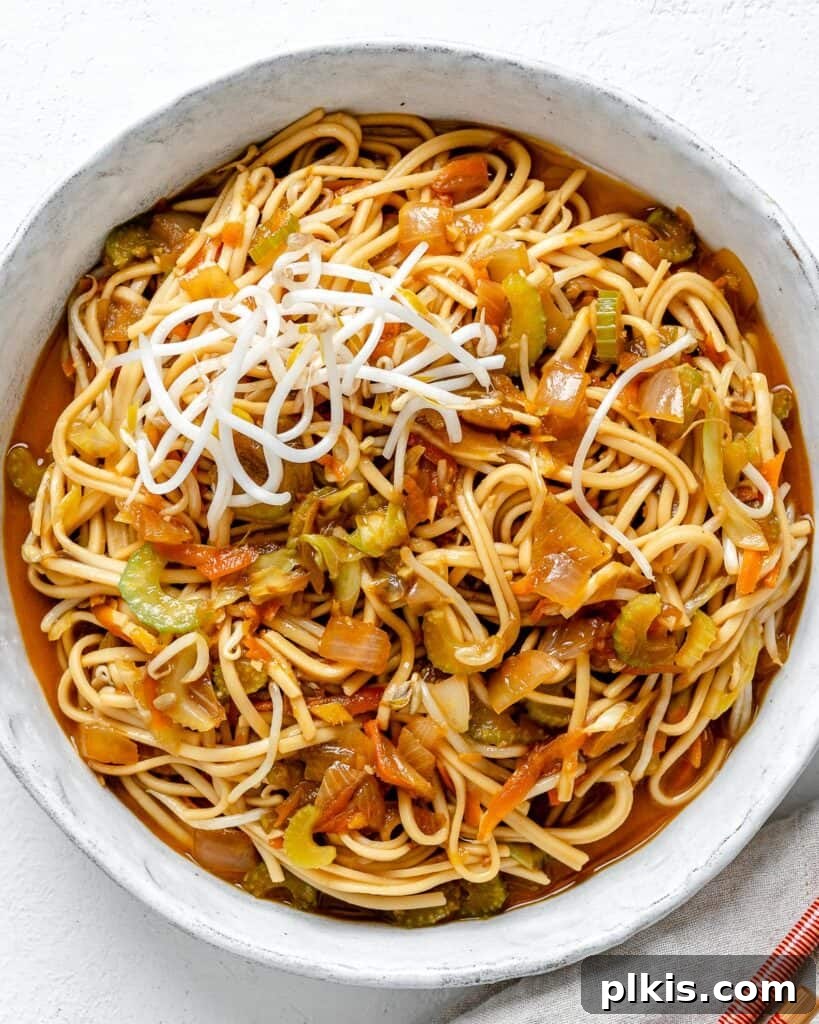
This one-pan Veggie Chow Mein is a delicious medley of fresh veggies and Asian-style noodles bursting with savory and umami goodness! It is easy to make, super versatile, and is definitely cheaper to make at home rather than ordering it at a restaurant.
Video
A video demonstration for this recipe is available to guide you through each step for perfect results.
Equipment
- Large Skillet
- Large Pot
- Knife set
- Spatula
- Measuring Cups
- Measuring Spoons
Ingredients
Gather these fresh ingredients to create your savory Veggie Chow Mein:
- 1 package (8 ounce) Asian-style noodles (like rice noodles, udon, or ramen)
- 1 tablespoon canola oil or vegetable oil
- 3 ribs thinly sliced celery
- ½ yellow onion, diced
- 1 cup chopped green cabbage
- ½ cup grated carrots
- 2 small garlic cloves, minced
- ½ cup vegetable broth
- 2 tablespoons soy sauce
- 1 cup bean sprouts
- Hot sauce (optional, for serving)
Instructions
Follow these simple instructions to prepare your homemade Veggie Chow Mein:
- In a large pot over medium-high heat, boil water and cook the noodles according to package directions until al dente. Drain well.
- While the noodles are cooking, heat the oil in a large pan or wok over medium heat. Add the celery, onion, cabbage, carrots, and garlic. Sauté for 3 to 4 minutes or until the celery and onion are tender and the onion is translucent.
- Pour in the vegetable broth and soy sauce. Bring the mixture to a boil, then reduce the heat to low and simmer for 5 minutes.
- Add the cooked noodles and bean sprouts to the pan. Toss thoroughly until everything is evenly coated with the sauce. Cook for an additional 5 minutes, stirring occasionally to ensure even cooking and to prevent burning.
- Serve immediately, garnished with hot sauce if desired.
Notes
- If you like your Veggie Chow Mein a little saltier, add more soy sauce gradually, tasting as you go to avoid over-salting.
- For a crispier texture, fry the noodles a little longer. Cook them for 2 extra minutes, then flip and cook for 2 more minutes.
- Finely diced or thinly julienned carrots can be used instead of grated carrots. Refer to our Complete Guide to Carrots for more tips.
- Experiment with flavor by adding some peanut sauce or a splash of sesame oil for a nuttier, more Asian flavor.
- Boost the protein content by adding some crunchy fried tofu.
- When using various vegetables, remember to cook harder veggies first as their cooking times vary.
- For a gluten-free version, use rice noodles and substitute soy sauce with tamari.
Nutrition
- Calories: 486 kcal
- Carbohydrates: 92 g
- Protein: 17 g
- Fat: 5 g
- Saturated Fat: 1 g
- Polyunsaturated Fat: 2 g
- Monounsaturated Fat: 2 g
- Trans Fat: 1 g
- Sodium: 668 mg
- Potassium: 494 mg
- Fiber: 6 g
- Sugar: 7 g
- Vitamin A: 2893 IU
- Vitamin C: 13 mg
- Calcium: 59 mg
- Iron: 2 mg
Additional Info
- Author:
- Toni Okamoto
- Course:
- Entree
- Cuisine:
- Asian
- Method:
- Stovetop
- Diet:
- Vegan
Tried this recipe? Please tag us at @PlantBasedOnABudget! 🙂