

Tofu Adobo is a delightful plant-based rendition of the iconic Filipino national dish. This recipe transforms humble tofu into a culinary masterpiece, marinating it in a rich, savory, tangy, and subtly sweet sauce before pan-frying to perfection and simmering until every piece is infused with incredible flavor. It’s an effortless yet profoundly satisfying meal, perfect for a weeknight dinner or an impressive dish for guests. Whether you’re a seasoned vegan or simply looking to incorporate more plant-based meals into your diet, this Tofu Adobo recipe offers a delicious and healthy alternative that doesn’t compromise on taste or tradition.

What Is Tofu Adobo? A Plant-Based Twist on a Filipino Classic
Adobo, derived from the Spanish word ‘adobar’ meaning marinade or sauce, stands as the revered national dish of the Philippines. Far more than just a recipe, it represents a cooking method that has been a cornerstone of Filipino culinary heritage for centuries. Traditionally, Adobo involves stewing meat (most commonly chicken or pork) or seafood in a distinctively salty, sour, and aromatic sauce. This brine-like concoction, flavored primarily with vinegar, soy sauce, garlic, black peppercorns, and bay leaves, originally served as a preservation technique in the tropical climate of the Philippines before the advent of refrigeration. The ingredients would be simmered slowly, typically in a small clay pot, allowing the flavors to meld deeply and the meat to become incredibly tender.
Our vegan interpretation, often referred to as ‘Adobong Tokwa’ (tofu adobo), embraces the rich flavors of the original while substituting animal protein with plant-based goodness. Tofu, a highly versatile and nutritious ingredient, is the star of this dish. Its porous nature makes it an ideal canvas, readily absorbing the complex flavors of the adobo marinade. This creates a cozy, deeply satisfying, and remarkably flavorful meal that’s both healthful and incredibly delicious. Tofu Adobo is not only a fantastic option for those following a vegan or vegetarian diet but also an excellent choice for anyone seeking a lighter, yet equally robust, meal. It’s also incredibly meal-prep friendly, with flavors that deepen and improve over time, making it perfect for batch cooking and enjoying throughout the week.
If you’re captivated by the versatility of tofu and the vibrant flavors of Asian cuisine, you might also enjoy exploring other exciting tofu creations. Dive into the sweet and savory notes of teriyaki tofu, savor the delightful stickiness of sticky sesame tofu, experience the aromatic blend of Thai basil tofu, or enjoy the classic balance of sweet and sour tofu. Each offers a unique culinary journey, showcasing tofu’s incredible ability to adapt and shine.
Essential Ingredients for a Perfect Vegan Adobo
Crafting an authentic and flavorful Tofu Adobo requires a thoughtful selection of ingredients, each playing a crucial role in building the dish’s signature taste profile. Below, we break down the key components and offer versatile substitutes to ensure your adobo is always a success, regardless of what you have on hand.
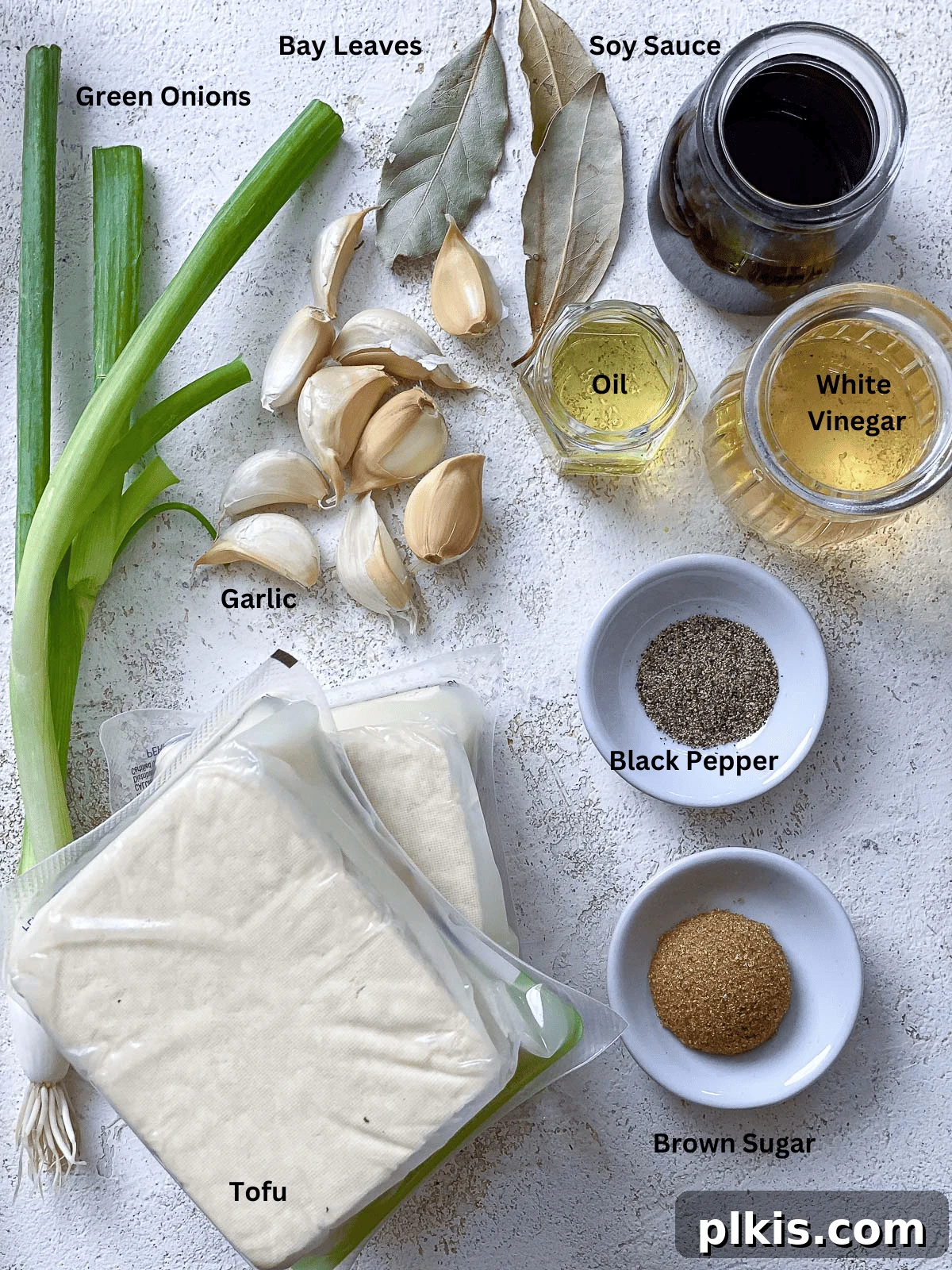
Core Tofu Adobo Components
- Tofu: The foundation of our vegan adobo. For the best texture and flavor absorption, always opt for extra-firm tofu or super-firm tofu. Pressing the tofu is a critical step to remove excess water, allowing it to soak up the marinade more effectively and achieve a firmer, more satisfying texture when cooked. You can also use pre-frozen and thawed tofu, which develops a chewier, meatier texture and becomes even more adept at absorbing marinades.
- Oil: Essential for pan-frying the tofu to a golden crisp. Any high-heat cooking oil will work beautifully, such as vegetable oil, canola oil, avocado oil, or even sunflower oil.
- Green Onions: Also known as scallions, these are primarily used as a fresh, vibrant garnish. Their mild oniony flavor and crisp texture add a wonderful contrast and a pop of color to the finished dish.
Crafting the Signature Vegan Adobo Sauce
- White Vinegar: This is the sour backbone of adobo. While traditional Filipino adobo often uses cane vinegar, white vinegar is a widely accessible and excellent substitute that delivers the necessary tang. For subtle variations, you could also experiment with rice vinegar or coconut vinegar. In a pinch, white wine vinegar will also provide the required acidity.
- Soy Sauce: Provides the essential umami richness and saltiness characteristic of adobo. You can use regular soy sauce or a reduced-sodium variety if preferred. For a gluten-free version, tamari or coconut aminos are fantastic alternatives that maintain the savory depth without the wheat.
- Garlic: A non-negotiable ingredient, fresh garlic cloves impart an indispensable aromatic warmth and pungent flavor. We highly recommend using fresh garlic for the most robust taste. However, if you’re short on time, garlic powder can be used in a pinch, though the flavor will be less intense.
For those who appreciate a stronger garlic presence, consider using thickly sliced or even whole garlic cloves, and increase the amount to your preference. The finer you mince or slice the garlic, the more intensely its flavor will be infused into the adobo sauce.
- Bay Leaves: These aromatic leaves are essential for infusing the adobo with a subtle yet distinct earthy, savory, and slightly peppery fragrance. They deepen the complexity of the marinade and sauce, contributing significantly to the overall traditional adobo flavor profile.
- Black Pepper: While we’ve opted for convenience with regular ground black pepper, the traditional choice is whole black peppercorns. If you prefer the more authentic and pungent kick of whole peppercorns, simply double the amount used for ground pepper. Freshly cracked black pepper will always offer the best flavor.
- Brown Sugar: A small amount of brown sugar is crucial for balancing the intense salty and sour notes of the adobo sauce, adding a delicate sweetness that rounds out the flavor profile beautifully. Unrefined coconut sugar, maple syrup, or a sugar-free brown sugar alternative can also be used, depending on your dietary preferences.
Enhancing Your Vegan Adobo Tofu: Delicious Additions and Variations
One of the joys of cooking adobo is its incredible adaptability. While the classic recipe is fantastic on its own, adding a few extra ingredients can elevate your Tofu Adobo, introducing new layers of flavor, texture, and nutritional value. Don’t hesitate to customize this dish to suit your palate and whatever ingredients you have on hand.
- Cinnamon: For an unexpected yet delightful warm depth, a pinch of cinnamon can transform the adobo sauce. It adds a subtle spice that complements the savory and sweet notes beautifully. Start with a small amount and season to taste, as a little goes a long way.
- Chili: If you crave a spicy kick, incorporating fresh chili can turn your Tofu Adobo into a fiery delight. Jalapeños or bird’s eye chilies (siling labuyo) are excellent choices. For controlled heat, finely slice or mince the chili and remove the ribs and seeds to reduce intensity. A touch of chili powder can also work if fresh chilies aren’t available.
- Vegetables: Boost the volume, nutrients, and texture of your adobo by adding a variety of vegetables. Sliced onions, carrots, bell peppers (red, yellow, or green), and potatoes are popular choices. You can also try green beans, snow peas, or even mushrooms. To incorporate them, sauté the tougher vegetables like onions, carrots, and potatoes for several minutes until slightly tender before adding the adobo sauce. Softer vegetables like bell peppers or mushrooms can be added a bit later and simmered until cooked through but still retaining a slight bite.
- Other Plant-Based Proteins: While tofu is excellent, you can experiment with other vegan proteins like seitan, tempeh, or soy curls for different textures and flavors. Each will absorb the adobo marinade uniquely, offering new dimensions to the dish.
- Coconut Milk: For a creamier, richer adobo, often referred to as “Adobong Gata,” stir in some full-fat coconut milk during the simmering stage. This adds a luscious texture and a subtle sweetness that pairs wonderfully with the tangy sauce.
Step-by-Step Guide to Crafting Tofu Adobo
Making Tofu Adobo is a straightforward process, broken down into a few key steps that ensure maximum flavor and a delightful texture. Follow these instructions to create a truly memorable plant-based meal.
- First and foremost, if you haven’t already, it’s crucial to drain and press the tofu. This essential step removes excess water, allowing the tofu to better absorb the flavorful marinade and achieve a firmer, more appealing texture when cooked. Aim to press it for at least 30 minutes.
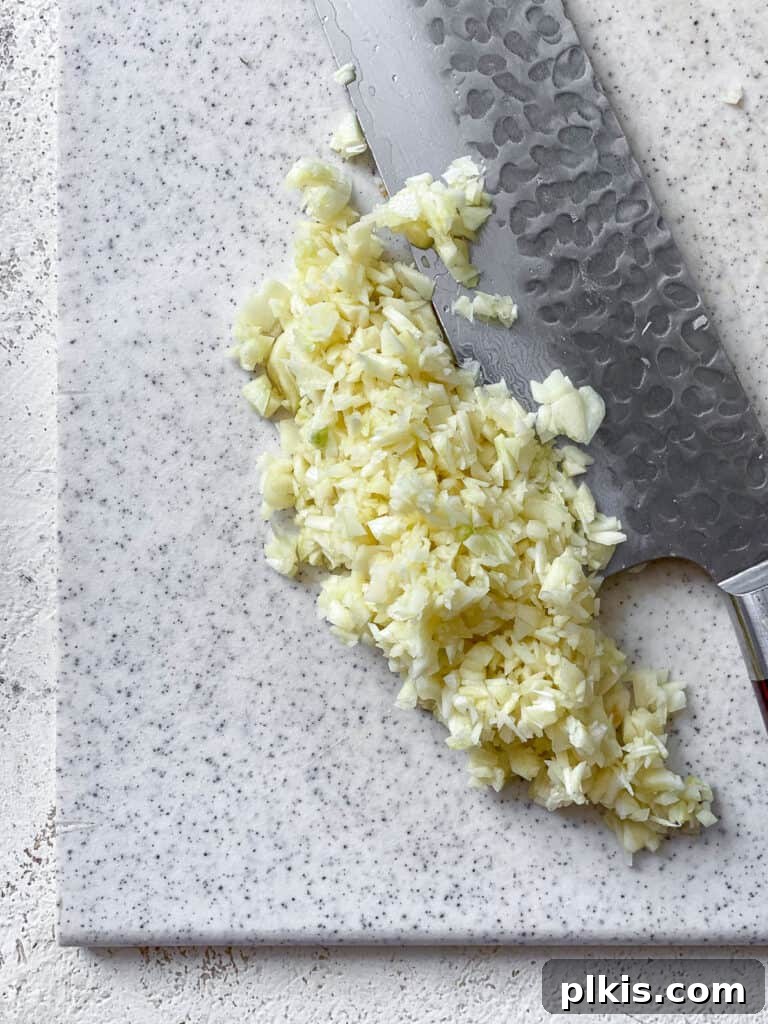
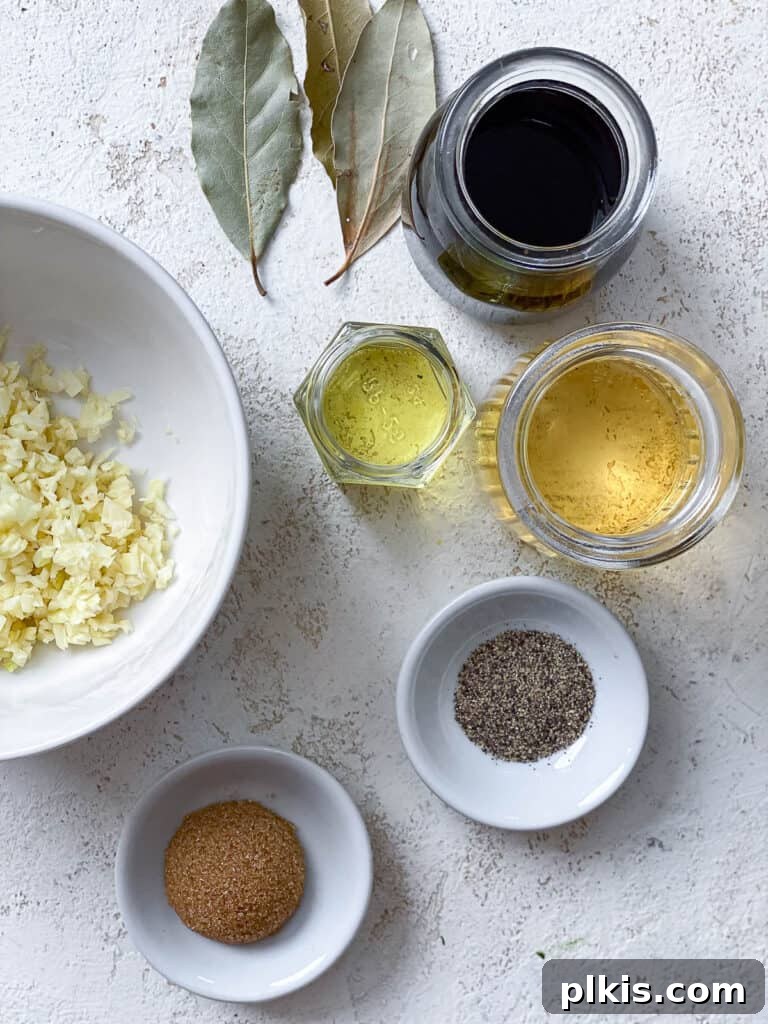
- Meanwhile, while the tofu is pressing, prepare your marinade. Peel and finely mince the garlic cloves. In a large baking dish or a shallow container suitable for marinating, combine the minced garlic with the white vinegar, soy sauce, bay leaves, brown sugar, and black pepper. Whisk these ingredients thoroughly until well combined, ensuring the sugar has dissolved. This mixture will become the heart of your adobo.
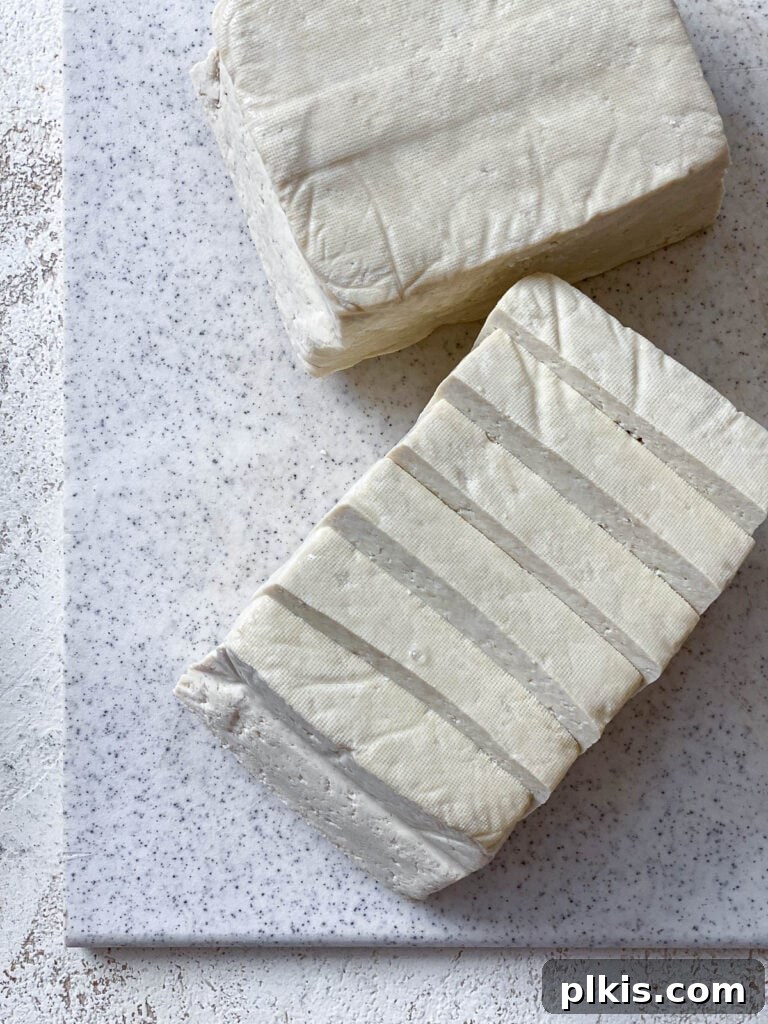
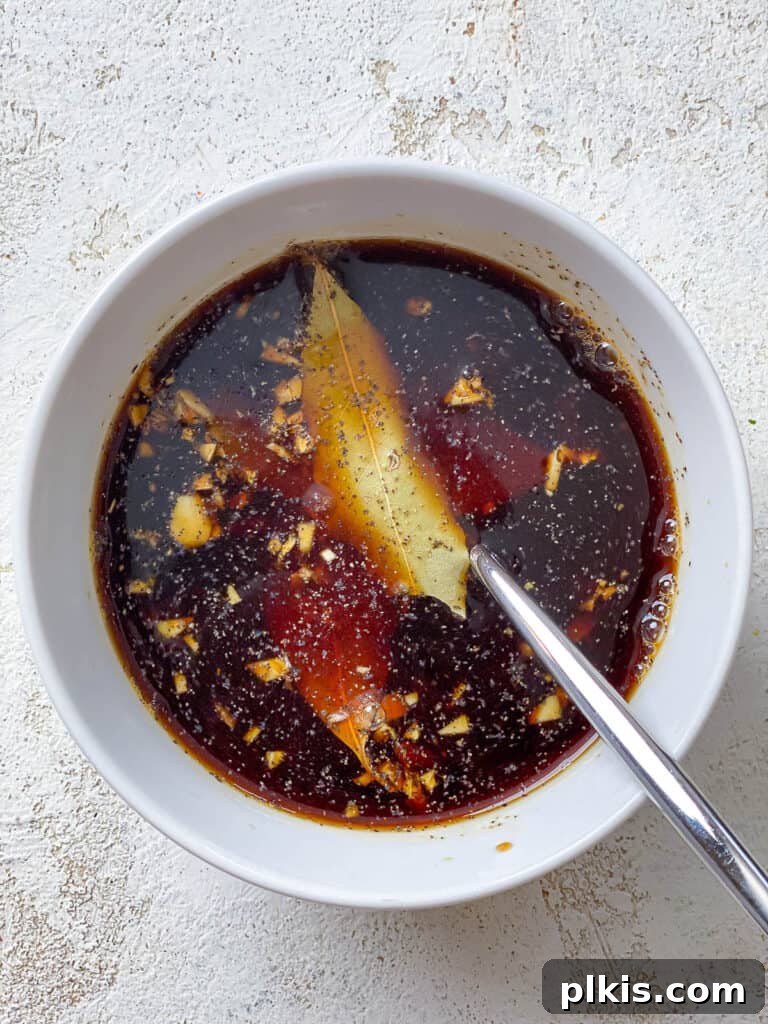
- Once your tofu is sufficiently pressed, pat it very dry with paper towels. This helps achieve a crispier exterior when frying. Slice the tofu into uniform ½-inch pieces. Carefully add these tofu slices to the baking dish containing your prepared adobo marinade. Gently flip the tofu several times to ensure each piece is thoroughly coated in the savory sauce. Leave the tofu to marinate for a minimum of two hours in the refrigerator. For the most profound flavor penetration and an unforgettable taste, marinating overnight is highly recommended. The longer it sits, the more flavorful it becomes!
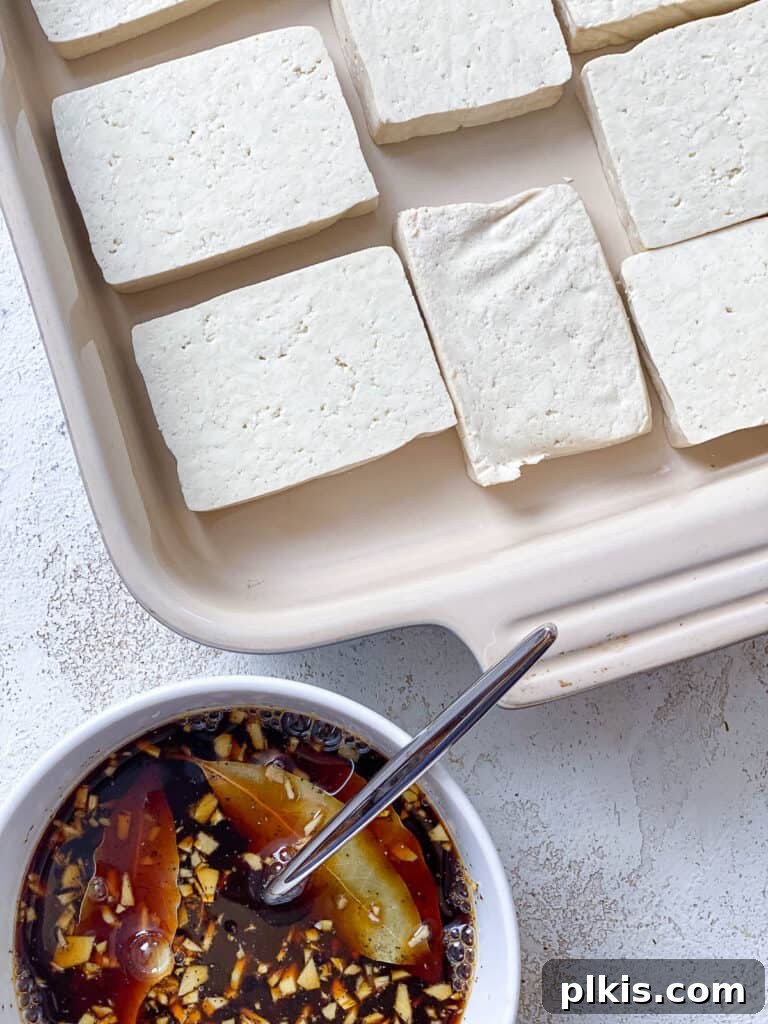

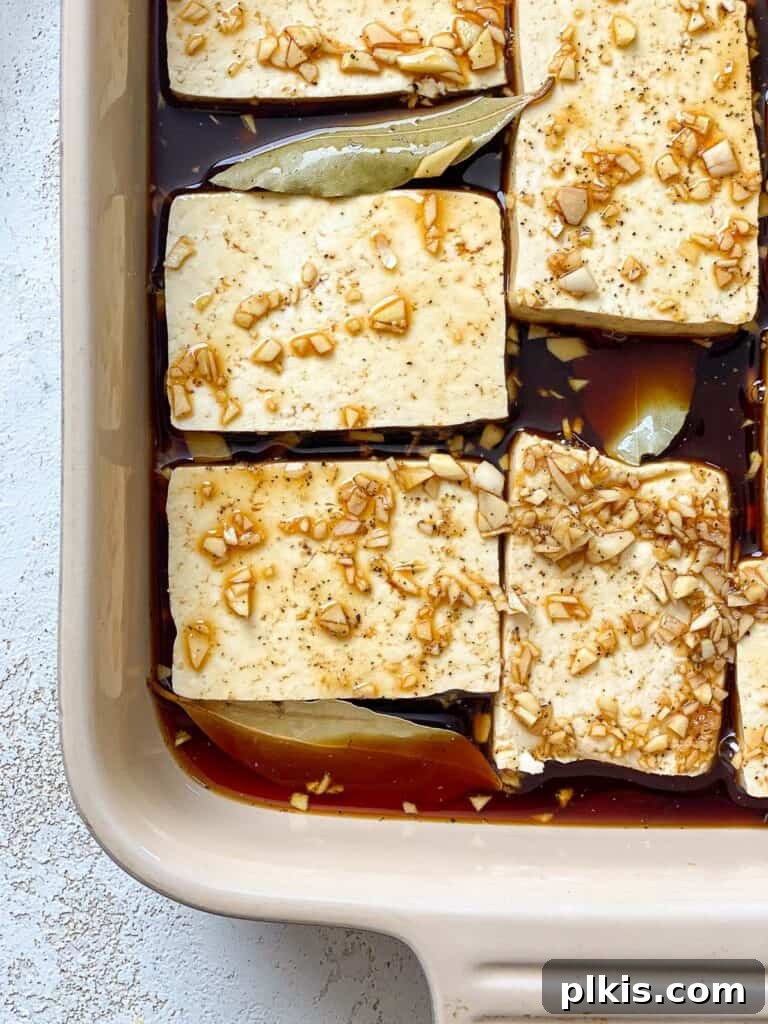
- When you’re ready to cook, heat the oil in a large skillet or non-stick pan over medium-high heat. Once the oil is shimmering and hot, carefully transfer the marinated tofu pieces to the pan. Crucially, try to leave behind any excess marinade in the dish; we’re focusing on browning the tofu first. Fry the tofu for approximately 3 minutes per side, or until each side is beautifully golden brown and slightly crispy at the edges. This initial frying step adds a wonderful textural contrast.
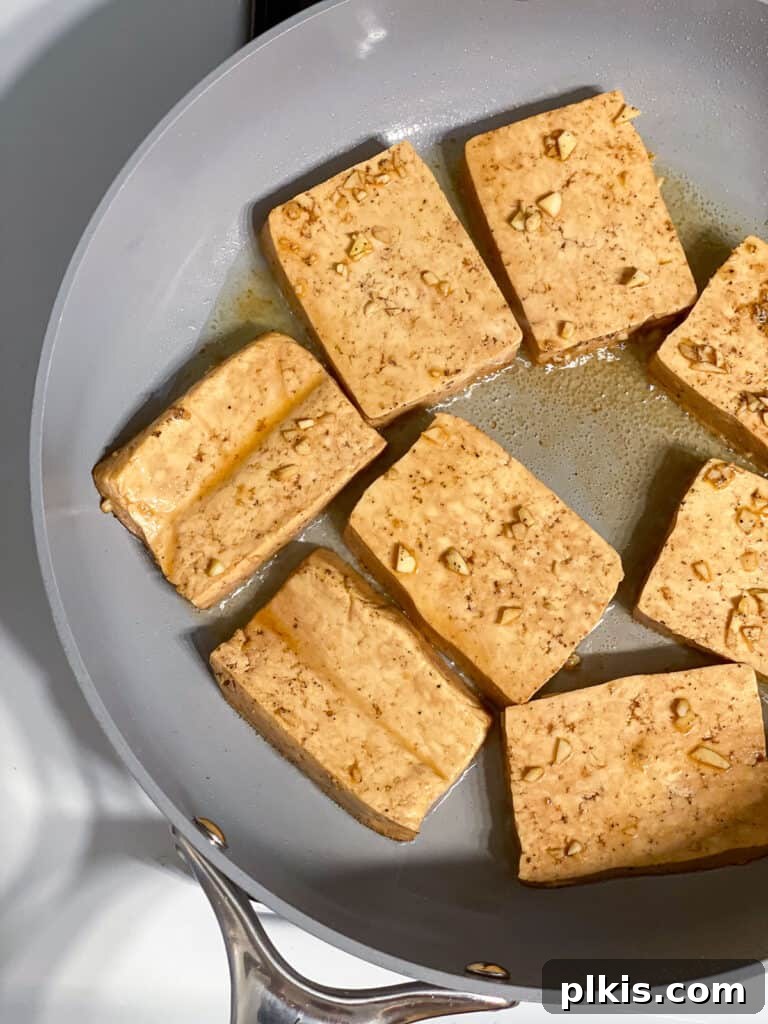

- After the tofu is nicely browned, pour in the remaining adobo marinade from the dish directly into the skillet with the tofu. Reduce the heat to medium-low and allow the sauce to simmer gently. Continue to cook for about 10 minutes, stirring occasionally, until most of the liquid has evaporated and the sauce has thickened and coated the tofu beautifully. The simmering allows the tofu to fully absorb the rich flavors of the adobo sauce.


- Finally, once the sauce has reduced and coated the tofu, your Tofu Adobo is ready. Serve it warm, garnished generously with freshly sliced green onions for an added burst of color and a mild, fresh oniony crunch. Enjoy this flavorful and satisfying plant-based meal!
Frequently Asked Questions About Tofu Adobo
Absolutely! This versatile adobo sauce pairs wonderfully with other plant-based proteins. You can create an equally delicious vegan adobo recipe using seitan for a meatier texture, tempeh for a nutty flavor, soy curls for a shredded “chicken-like” feel, or various store-bought vegan chicken replacements. Just ensure to adjust cooking times as needed for each protein.
While marinating significantly enhances the flavor and depth of the Tofu Adobo, it’s not strictly mandatory if you’re pressed for time. You can still pan-fry the tofu until crispy, then add the adobo sauce and simmer for 10-15 minutes. This quicker version will still be tasty, but the flavors won’t be as deeply infused and complex as when the tofu has had ample time to marinate. We highly recommend at least 2 hours, or ideally overnight, for the best results.
Reheating Tofu Adobo is simple. For stovetop reheating, add your leftovers to a skillet with a splash of water or vegetable broth over medium heat, stirring occasionally until it’s heated through. This helps to rehydrate the sauce and prevent sticking. Alternatively, you can microwave it in 30-second increments, stirring between each, until it reaches your desired temperature.
Yes, Tofu Adobo can be a very healthy meal, especially compared to traditional meat-based adobo. Tofu is a low-fat, high-protein source, and this recipe uses minimal oil. The dish is packed with garlic, which has numerous health benefits. You can further enhance its health profile by using low-sodium soy sauce, reducing the amount of added sugar, and incorporating plenty of fresh vegetables as suggested in the “Additions” section.
Absolutely! Tofu Adobo is an excellent dish for meal prepping. The flavors tend to meld and deepen even further after a day or two in the refrigerator, making leftovers incredibly delicious. You can prepare the entire dish and store it, or simply marinate the tofu overnight, then cook it fresh when you’re ready to eat.
Expert Tips for Perfect Tofu Adobo
- Use Non-Reactive Kitchenware: Since the adobo sauce contains acidic vinegar, it’s important to use non-reactive kitchenware. Materials like stainless steel, ceramic, or enamel-coated items are ideal. Avoid cooking or marinating in copper, cast iron, or aluminum pans, as the acid can react with these metals, potentially imparting an undesirable metallic taste to your dish and even leaching chemicals.
- Adjust the Tofu Shape: While ½-inch slices are common, feel free to get creative with the shape of your tofu. Cutting the slices into triangles, small cubes, or even larger slabs can change the aesthetic and how much sauce each piece absorbs. Thinner pieces will absorb more flavor quickly, while thicker pieces will retain a more substantial bite.
- Tweak Ingredients to Your Liking: Adobo is a very personal dish, and its flavor profile can be easily customized. Feel free to adjust the sauce to your preferred balance of tangy, sweet, and savory. If you prefer it tangier, add a touch more vinegar. If you like it sweeter, a bit more sugar will do the trick. You can also increase the garlic or black pepper for a bolder taste. Don’t be afraid to taste and adjust as you go; truly catering the Tofu Adobo recipe to your palate is part of the fun!
- Adjust the Sauce Consistency: If you prefer a saucier dish, you can add a splash of water or vegetable broth during the simmering stage. For a thicker, more clinging sauce, prepare a cornstarch slurry (mix one tablespoon of cornstarch with two tablespoons of cold water) and stir it into the simmering sauce. Continue to simmer for another minute or two until it thickens to your desired consistency.
- Achieving Crispy Tofu: Beyond pressing, ensure your oil is hot enough before adding the tofu. Don’t overcrowd the pan, as this can steam the tofu instead of frying it, preventing a crispy crust. Cook in batches if necessary.
- Don’t Rush the Marinade: As mentioned, the longer the tofu marinates, the more flavorful it will be. Plan ahead to give your tofu at least 2 hours, or ideally overnight, to soak up all those delicious adobo flavors.
- Taste and Adjust: Always taste your adobo sauce before and after simmering. The flavors intensify as they reduce. This allows you to fine-tune the balance of sweet, sour, and salty, ensuring it perfectly matches your preference.

Serving Suggestions: What to Pair with Tofu Adobo
Tofu Adobo is a remarkably versatile dish that pairs beautifully with a variety of sides, creating a complete and satisfying meal. Here are some excellent suggestions to complement its rich and tangy flavors:
- Grains: The most traditional accompaniment, fluffy grains are perfect for soaking up every last drop of the savory adobo sauce. Enjoy this vegan adobo over perfectly steamed white rice, wholesome brown rice for added fiber, flavorful sinangag (Filipino fried garlic rice), or protein-rich quinoa for a lighter option. Noodles like vermicelli or even thick wheat noodles can also be a delightful alternative.
- Mashed Potato: For a comforting and hearty side, mashed potatoes provide a creamy contrast to the robust adobo. Serve with classic creamy mashed potatoes or opt for the subtle sweetness and vibrant color of vegan mashed sweet potatoes.
- With a Side Salad: A crisp, fresh salad offers a refreshing counterpoint to the rich adobo. Consider a crunchy spicy cucumber salad, a vibrant cucumber radish salad, or a simple raw carrot salad. The cool, crisp textures and bright flavors of these salads perfectly balance the intense flavors of the adobo.
- Veggies: Increase your meal’s nutritional value and introduce more texture with a variety of vegetables. Roasted, steamed, or stir-fried veggies work wonderfully. Great options include tender okra, crisp broccoli florets, fresh bok choy, earthy cauliflower, vibrant green beans or string beans, colorful bell peppers, or savory mushrooms. These can be cooked simply and served alongside, or even incorporated directly into the adobo during the simmering stage for a one-pan meal.
Storage and Reheating Tips for Leftover Tofu Adobo
Tofu Adobo is an excellent dish for meal prepping, as its flavors often deepen and become even more complex after a day or two. Proper storage ensures you can enjoy your delicious leftovers safely and conveniently.
Once the leftover adobo tofu recipe has cooled completely to room temperature, transfer it to an airtight container. It can be stored in the refrigerator for up to 5 days. This makes it perfect for quick lunches or dinners throughout the week.
For longer storage, you can also freeze Tofu Adobo for up to 3 months. When freezing, be aware that the texture of the tofu may change upon thawing; it often becomes a bit chewier or more crumbly, which some people prefer. To thaw, simply transfer the frozen adobo to the refrigerator overnight. Reheat it using the methods described in the FAQs: either on the stovetop with a splash of water or vegetable broth, or gently in the microwave.
Discover More Easy Tofu Recipes
Tofu’s incredible versatility knows no bounds! If you’ve enjoyed this Tofu Adobo, we encourage you to explore other fantastic plant-based recipes that highlight this amazing ingredient:
- Pan-fried garlic tofu
- Tofu pad thai
- Buffalo tofu
- Pineapple glazed tofu ‘ham’
- Buttery lemon tofu
- Sweet and spicy tofu
You might also enjoy our comprehensive list of 16 savory tofu recipes you absolutely need to try for even more inspiration.
Photos by Alfonso Revilla
Easy Tofu Adobo
5
20
2
25
6 to 8

Equipment
-
Knife set
-
Measuring Cups
-
Measuring spoons
Ingredients
- ½ cup of white vinegar
- ½ cup of soy sauce
- 10 garlic cloves, minced
- 3 bay leaves
- ½ teaspoon of black pepper
- 1 tablespoon of brown sugar
- 2 packs of super firm tofu, sliced
- 1 tablespoon of canola oil
- ¼ cup of green onions, thinly sliced
Instructions
-
In a small bowl, thoroughly mix the vinegar, soy sauce, minced garlic, bay leaves, black pepper, and brown sugar until well combined. Set this flavorful marinade aside.
-
Press and thoroughly pat dry the tofu to remove excess moisture. Then, slice it into approximately ½-inch thick pieces (about 5 slices per block, depending on the size).
-
Arrange the tofu slices in a large baking dish or a shallow container. Pour the prepared soy sauce and vinegar mixture evenly over the tofu, ensuring all pieces are well coated.
-
Allow the tofu to marinate for at least 2 hours in the refrigerator. For the deepest, most authentic adobo flavor, we highly recommend marinating overnight. The longer the tofu soaks, the more flavorful it will be.
-
Once the tofu has marinated, heat the canola oil in a large skillet or non-stick pan over medium-high heat. Carefully transfer only the marinated tofu slices to the hot pan, leaving any excess marinade behind in the dish for later use.
-
Fry the tofu for about 3 minutes on one side until it develops a beautiful golden-brown crust. Then, flip each piece and fry the other side for another 3 minutes until it’s also nicely browned and slightly crispy. Once both sides are golden and firm, pour the reserved marinade into the pan with the tofu.
-
Reduce the heat to medium-low and let the tofu simmer in the adobo sauce for 10 minutes, or until most of the liquid has evaporated and the sauce has thickened, beautifully coating the tofu.
-
Garnish generously with thinly sliced green onions and serve your delicious Tofu Adobo hot, ideally with steamed rice.
Notes
- Use Non-Reactive Kitchenware: Due to the acidic nature of vinegar in the sauce, ensure you use non-reactive kitchenware, such as stainless steel, ceramic, or enamel-coated items. Avoid copper, cast iron, and aluminum to prevent undesirable reactions and flavors.
- Adjust Tofu Shape: Feel free to cut the tofu slices into triangles or small cubes, or any other shape you prefer, which can affect texture and cooking time slightly.
- Customize Flavor Profile: Adobo’s taste is highly personal. Adjust the balance of vinegar (tanginess), soy sauce (saltiness/umami), and sugar (sweetness) to perfectly match your palate. Don’t hesitate to add more garlic or pepper for a bolder taste.
- Control Sauce Consistency: If you desire a thinner, saucier dish, you can add a little water or vegetable broth during simmering. For a thicker sauce that clings more to the tofu, create a cornstarch slurry (1 tbsp cornstarch mixed with 2 tbsp cold water) and stir it into the simmering sauce until it reaches your desired thickness.
Nutrition
Calories: 55kcal
Carbohydrates: 5g
Protein: 3g
Fat: 2g
Saturated Fat: 0.2g
Polyunsaturated Fat: 1g
Monounsaturated Fat: 1g
Trans Fat: 0.01g
Sodium: 1083mg
Potassium: 81mg
Fiber: 1g
Sugar: 2g
Vitamin A: 74IU
Vitamin C: 3mg
Calcium: 24mg
Iron: 1mg
Additional Info
Tried this recipe?
Please tag us at @PlantBasedOnABudget! 🙂