
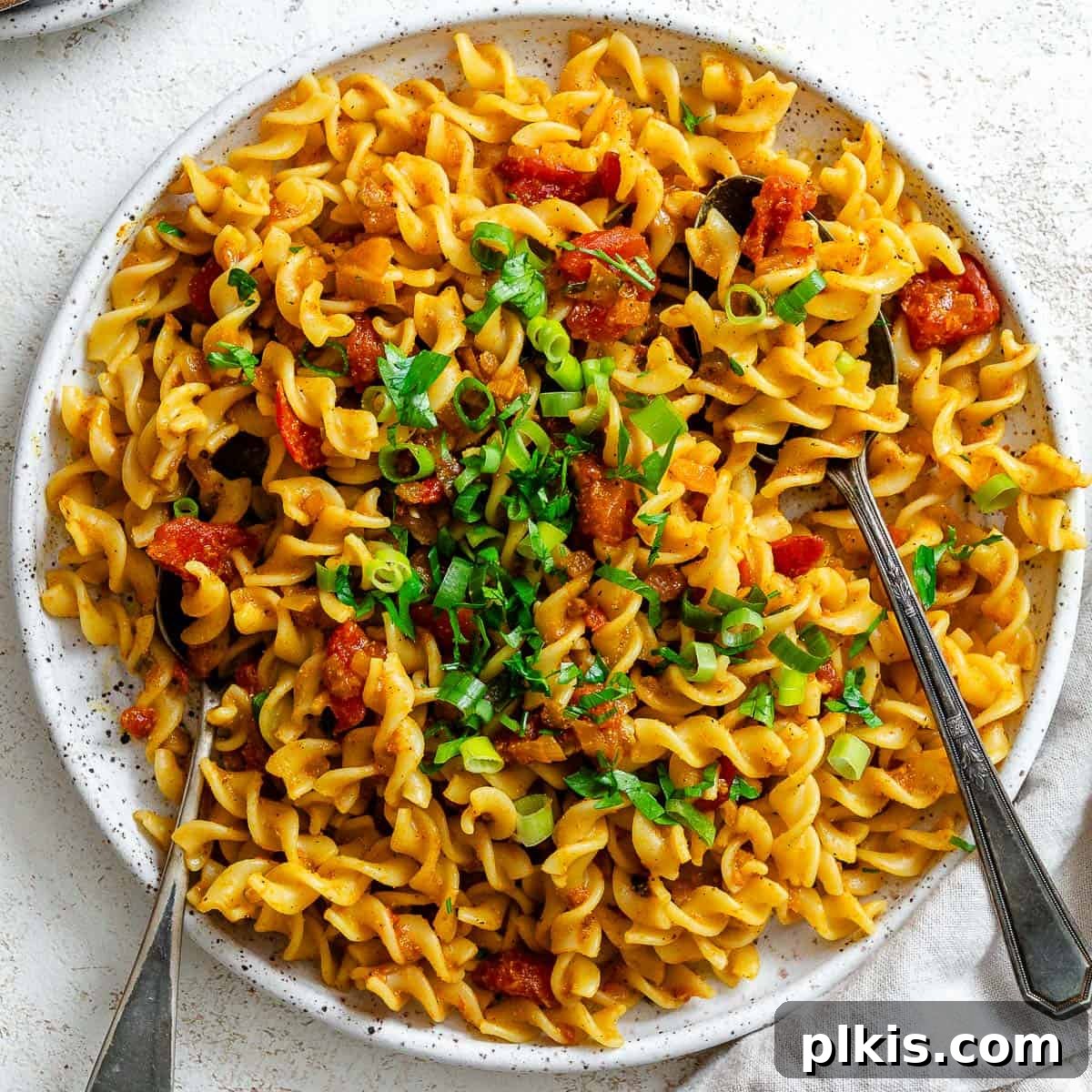
In the culinary world, fusion dishes often capture our hearts and tantalize our taste buds, offering a delightful twist on beloved classics. This Tandoori Pasta recipe is a shining example, marrying the rich, aromatic flavors of Indian cuisine with the comforting, universally appealing simplicity of Italian pasta. Imagine a dish that brings together the best of both worlds: the creamy texture and satisfying feel of your favorite pasta, infused with the bold, smoky, and earthy spices of traditional tandoori masala. This isn’t just a meal; it’s a vibrant journey for your palate, promising to be a quick, simple, and utterly delicious 25-minute lunch or dinner that your entire family will absolutely adore.

Bold and Comforting Tandoori Pasta Recipe: An Indian-Italian Fusion Delight
This exquisite Indian-inspired pasta dish, affectionately known as Tandoori Pasta, offers a profound sense of warmth and comfort, making it the perfect choice for those moments when you yearn for the familiar embrace of Italian pasta but crave the distinctive, invigorating kick of Indian tandoori spices. It’s a culinary masterpiece that defies categories, presenting a harmonious blend of creamy textures and robust, fragrant flavors that are both exotic and deeply satisfying. Unlike our popular creamy curry pasta, this particular recipe elevates the spice profile by moving beyond pre-mixed curry powder. Instead, it guides you through creating a simple, yet intensely flavorful, homemade tandoori masala blend from carefully selected pantry spices. The result is a sauce that is smoky, earthy, wonderfully aromatic, pleasantly pungent, and perfectly spicy – truly a symphony of tastes.
When this vibrant spice blend is combined with sautéed aromatics, ripe tomatoes, a hint of zesty lemon juice, and a touch of sweetness, along with other readily available and inexpensive pantry staples, it transforms into a full-bodied, incredibly satisfying, and filling family meal. This makes it an ideal option for busy weeknights when time is precious but quality and flavor cannot be compromised. What’s more, this Tandoori Pasta is thoughtfully crafted to be naturally dairy-free and vegan, catering to various dietary needs without sacrificing an ounce of its sumptuous taste. For those requiring a gluten-free option, simply choose your favorite gluten-free pasta, and the dish is ready to be enjoyed by everyone. To complete this delightful culinary experience, we highly recommend serving it alongside our tender vegan naan, perfect for soaking up every last drop of the rich, flavorful sauce.
Unveiling the Magic: What Makes Tandoori Pasta So Special?
At its heart, Tandoori Pasta is an innovation, a testament to how diverse culinary traditions can beautifully intertwine. The secret lies in the tandoori masala – a spice blend traditionally used to marinate meats before cooking in a tandoor oven. In this recipe, we capture that distinctive essence and adapt it to a creamy, plant-based pasta sauce. This fusion allows for a deeply satisfying experience, offering a familiar comfort with an exciting, exotic twist. It’s more than just a meal; it’s an adventure for your senses, a dish that will quickly become a cherished favorite in your recipe collection for its unique flavor profile and ease of preparation.
The Art of Homemade Tandoori Masala
While many recipes rely on store-bought spice blends, crafting your own tandoori masala for this pasta dish gives you unparalleled control over the depth and nuance of its flavor. This homemade blend typically consists of foundational spices like turmeric, cumin, coriander, paprika, garlic powder, ginger, and garam masala, often with a hint of cinnamon and cayenne for warmth and subtle heat. The process of blooming these spices in hot oil is crucial; it awakens their full aromatic potential, releasing complex flavors that are essential to the authentic tandoori experience. This rich, smoky, and slightly tangy profile, combined with the creamy pasta base, creates a truly unforgettable dish that is both hearty and incredibly flavorful.
The Essential Ingredients and Smart Substitutes
Creating this flavorful Tandoori Pasta doesn’t require a trip to a specialty store. Many of the ingredients are likely already in your pantry or easily found at any local grocery store. Here’s a detailed look at what you’ll need and how you can adapt it to your preferences:

- Neutral Oil: Any high-heat neutral oil like canola, vegetable, or sunflower oil works best for sautéing the aromatics and blooming the spices. Olive oil can also be used, but its stronger flavor might subtly alter the overall taste.
- Red Onion: Finely diced red onion provides a sweet and pungent base for the sauce. Yellow or white onions can be used as a substitute, though red onion often offers a slightly sweeter caramelized flavor.
- Green Onions (Scallions): Used for both sautéing and a fresh garnish, green onions add a mild, oniony freshness. Chives can be a delicate alternative for garnish.
- Fresh Minced Ginger: Crucial for that authentic Indian flavor, fresh ginger adds a warm, spicy, and aromatic punch. Pre-minced ginger from a jar can be used in a pinch, but fresh is always superior for flavor.
- Garlic Powder: While fresh garlic is often preferred, garlic powder here ensures a smooth texture in the sauce while delivering consistent garlic notes. If using fresh garlic, use 2-3 cloves, minced.
- The Tandoori Spice Blend:
- Ground Cardamom: Adds a unique floral and slightly sweet aroma.
- Paprika: Provides a rich color and a mild, sweet peppery flavor. Smoked paprika can add an extra layer of depth.
- Cumin: Essential for its earthy, warm, and slightly pungent flavor.
- Turmeric: Gives the dish its signature golden hue and a subtle earthy, slightly bitter note.
- Garam Masala: A fragrant blend of ground spices, it’s the heart of Indian cooking, adding warmth and complexity.
- Ground Cinnamon: A small amount adds a delicate sweetness and depth, balancing the savory spices.
- Cayenne Pepper: For a gentle heat. Adjust to your preference – omit for a milder dish or add more for extra kick. Red chili powder can be substituted.
- Salt and Pepper: To taste, always adjust at the end to perfect the seasoning.
- Canned Diced Tomatoes (in their juices): These form the rich, tangy base of the sauce. Crushed tomatoes or tomato purée can be used for a smoother sauce, but diced tomatoes offer a pleasant texture.
- Pasta Water: The starchy water left over from cooking pasta is a chef’s secret weapon. It helps thin the sauce to the perfect consistency while allowing it to cling beautifully to the pasta. If you forget to save it, vegetable broth or plain water can be used.
- Pasta: Any shape of pasta will work well – penne, rigatoni, fusilli, spaghetti, or linguine are all excellent choices. For a gluten-free meal, opt for gluten-free pasta.
- Lemon: Fresh lemon juice adds a bright, zesty counterpoint to the rich spices, lifting the entire dish.
- Sweetener: Brown sugar, agave nectar, or maple syrup helps balance the acidity of the tomatoes and the intensity of the spices. Adjust to your sweetness preference.
- Crushed Red Pepper: For garnish, adding a final touch of visual appeal and a slight additional warmth.
Elevate Your Tandoori Pasta: Delicious Add-ins & Variations
While the basic Tandoori Pasta recipe is absolutely phenomenal on its own, it also serves as a fantastic canvas for creativity. You can easily customize it with additional ingredients to boost its nutritional value, texture, and flavor profile. Here are some inspiring ideas to make this dish uniquely yours:
- Enhance the Spice Blend: For an even deeper and more complex tandoori masala, consider adding a pinch of mace, a touch of ground cloves, extra ground coriander, or a hint of fenugreek. These spices will introduce subtle new dimensions to the sauce.
- Leafy Greens: Stir in a few handfuls of regular or baby spinach towards the end of cooking and let it wilt into the hot sauce. Its mild flavor and soft texture make it a seamless addition. Heartier greens like kale or Swiss chard, chopped and sautéed briefly, would also work beautifully, adding a slight bitterness that complements the spices.
- Hearty Vegetables: Bulk up your meal and boost its nutrient content with a medley of vegetables. Consider sautéing diced bell peppers (any color), sliced mushrooms, broccoli florets, cauliflower, carrots, peas, zucchini, or even tender pieces of eggplant. Add these along with the onions and ginger, or steam/roast them separately and fold them in at the end.
- Sweet and Savory Notes: If you enjoy a touch of sweetness in your savory dishes, sprinkle in some plump raisins or finely chopped dried apricots. They’ll soften in the warm sauce and provide bursts of fruity sweetness.
- Protein Power-Up: For an extra boost of plant-based protein, incorporate vegan ‘chicken’ pieces (store-bought mock chicken), crispy pan-fried tofu cubes, or crumbled tempeh. Marinate them briefly in a little tandoori spice for extra flavor before adding.
- Crunchy Texture: Add a delightful textural contrast by sprinkling toasted cashews, slivered almonds, or even peanuts over the finished dish. The nutty crunch provides a wonderful counterpoint to the creamy pasta.
- Boost Creaminess: If you desire an even richer, creamier sauce, stir in a dollop of plain vegan yogurt, a swirl of homemade cashew cream, a splash of non-dairy cream (like oat or soy cream), or a touch of full-fat canned coconut milk (which will also add a subtle tropical note).
- Fresh Herb Garnish: A sprinkle of vibrant, fresh herbs is key for brightness and aroma. Fresh mint leaves or a generous amount of chopped cilantro (coriander) are perfect choices to garnish just before serving.
Crafting Your Tandoori Pasta: A Simple Guide
This recipe is designed for ease and efficiency, bringing a complex flavor profile to your table in just a few straightforward steps. Follow these instructions to create your own irresistible Tandoori Pasta:


- Prepare the Aromatics: Begin by finely dicing the red onion, mincing the fresh ginger, and slicing the green onions. Having these prepped will make the cooking process smooth and quick.
- Sauté the Onions and Ginger: Heat the neutral oil in a large pan with a lid over medium-high heat. Once the oil shimmers, add the finely diced red onion and sauté, stirring occasionally, until it becomes translucent and soft, usually about 3-5 minutes. Then, stir in the sliced green onion and minced ginger, continuing to sauté for another 2 minutes until fragrant.


- Bloom the Spices: Reduce the heat slightly to medium. Add all your carefully measured spices – garlic powder, ground cardamom, paprika, cumin, turmeric, garam masala, ground cinnamon, and cayenne pepper – to the pan. Stir well to coat the aromatics and sauté for just about one minute. This crucial step, known as “blooming,” allows the spices to toast gently in the hot oil, intensifying their flavors and aromas, creating a more robust and complex tandoori sauce.
- Incorporate Tomatoes: Pour in the can of diced tomatoes, including their juices. Stir everything together thoroughly, ensuring the spices are well-mixed with the tomatoes. Bring the mixture to a gentle boil, then cover the pan with a lid, reduce the heat to a very low simmer, and let it cook, stirring every couple of minutes. This slow simmer allows the flavors to meld beautifully and the sauce to thicken slightly.
- Cook the Pasta: While your tandoori sauce is simmering, cook your chosen pasta according to the package instructions. Aim for al dente, as it will continue to cook slightly when mixed with the hot sauce. Don’t forget to reserve at least one cup of the starchy pasta water before draining!

- Combine and Finish: Once the pasta is cooked and drained, return it to its pot or add it directly to the pan with the tandoori sauce. Mix thoroughly, ensuring every strand of pasta is coated in the flavorful sauce. If the sauce appears too thick, add a splash of the reserved pasta water, a little at a time, until you reach your desired consistency.
- Season and Serve: Finally, squeeze in the fresh lemon juice and add your chosen sweetener (brown sugar, agave, or maple syrup) to taste. Stir everything one last time. Serve the Tandoori Pasta immediately, garnished generously with extra sliced green onion and a sprinkle of crushed red pepper for a final flourish. Enjoy this comforting and bold dish!
Alternative Finishing Tip: For precise flavor control, you can also add the lemon juice and sweetener directly to the tandoori sauce in the pan, tasting as you go, just before combining it with the cooked pasta.
Pro Tips for Tandoori Pasta Perfection
Achieving the perfect Tandoori Pasta is easy with a few insider tricks. These tips will help you maximize flavor and texture, ensuring a truly exceptional dish every time:
- Always Bloom the Spices: This isn’t just an optional step; it’s crucial for the rich, complex flavor of your tandoori sauce. Briefly cooking the ground spices in hot oil helps to release their fat-soluble compounds, intensifying their aromas and deepening their taste. Don’t rush this step, and keep the heat moderate to prevent burning.
- Cook Pasta Al Dente: For the best texture, cook your pasta until it’s al dente – firm to the bite. Remember that the pasta will continue to absorb liquid and cook slightly when it’s tossed with the hot tandoori sauce. Cooking it perfectly al dente initially ensures it doesn’t become overcooked and mushy, maintaining a pleasant chewiness.
- Don’t Discard All the Pasta Water: Reserve at least one cup of the starchy water from cooking your pasta. This magical liquid is an invaluable asset for pasta sauces. Its starch content helps to emulsify and thicken the sauce, allowing it to cling beautifully to the pasta, while also providing a natural way to adjust the sauce’s consistency without diluting the flavor.
- Taste and Tweak Flavors: The beauty of homemade cooking is customization. Feel empowered to adjust the ratio of your tandoori spices, and the amount of lemon juice and sweetener to perfectly match your personal preference. A little more cayenne for heat, a touch more lemon for brightness, or extra sweetener to balance acidity can make all the difference.
- For a Smoother Sauce: If you prefer a completely smooth and uniform sauce, you can carefully use an immersion blender (or transfer to a standard blender in batches) to blend the tandoori sauce after it has simmered, before adding the pasta. This will create a velvety texture, though the rustic texture of diced tomatoes is also delightful.

What to Serve with Tandoori Pasta
This comforting Tandoori Pasta is satisfying enough to be a stand-alone meal, but it truly shines when paired with complementary sides that enhance its bold flavors. Here are some serving suggestions to complete your Indian-Italian fusion feast:
- Bread for Scooping: Classic accompaniments like warm garlic bread, soft naan, or any other type of flatbread are perfect for soaking up every last drop of the luscious tandoori sauce.
- Crispy Papadums: For a delightful textural contrast and a classic Indian touch, serve with crispy papadums. They offer a light, crunchy element that’s great for dipping and snacking.
- Chutney or Pickles: A side of tangy chutney or traditional Indian pickles provides a piquant contrast that cuts through the richness of the pasta, adding another layer of flavor.
- Refreshing Salads: Balance the rich pasta with a light and refreshing salad. A simple leafy green salad with a bright vinaigrette, a crunchy raw carrot salad, or a spicy cucumber salad would be excellent choices.
- Steamed or Roasted Vegetables: Increase your vegetable intake with a side of lightly steamed or roasted green beans, broccoli, asparagus, or cauliflower. Keep the seasoning simple to let the pasta be the star.
- Hearty Lentil Dishes: For an even more substantial and traditional Indian-inspired meal, serve your Tandoori Pasta alongside a bowl of flavorful yellow dal or a warming spicy lentil soup.
Storage & Reheating Instructions
One of the many advantages of Tandoori Pasta is how well it stores, making it an excellent choice for meal prep or enjoying delicious leftovers throughout the week. Properly stored, the flavors often deepen and become even more harmonious over time.
- Refrigeration: Allow the Tandoori Pasta to cool completely to room temperature before storing. Transfer any leftovers into an airtight container and place it in the refrigerator. It will keep fresh and delicious for 4-5 days.
- Freezing: You have a couple of options for freezing. You can freeze the tandoori sauce by itself for up to 3 months, which is great for future quick meals. Alternatively, you can freeze the sauce combined with the pasta. Be aware that pasta, especially delicate shapes, can sometimes become a little softer or mushier upon thawing and reheating. Store in freezer-safe airtight containers or bags.
- Reheating: To reheat, transfer the desired portion of Tandoori Pasta to a microwave-safe dish and heat in 30-second increments, stirring in between, until warmed through. For stovetop reheating, place the pasta in a pot or pan over medium-low heat, stirring frequently, until evenly heated.
-
Revitalizing Thickened Sauce: If your sauce has thickened significantly during storage, simply add a splash of water or vegetable broth when reheating to loosen it back to your desired consistency. This will help restore its creamy texture without compromising flavor.
Tandoori Pasta
5 mins
20 mins
25 mins
4 to 6

Tandoori pasta is creamy, bold, comforting, and a quick & simple 25-minute lunch or dinner the entire family will enjoy!
Equipment
- Measuring spoons
- Measuring Cups
- Knife set
Ingredients
- 2 tablespoons of neutral oil
- 1 red onion, finely diced
- ½ cup of sliced green onions, plus more for garnish
- 1 tablespoon of fresh minced ginger
- 1 tablespoon of garlic powder
- ½ teaspoon of ground cardamom
- 1 teaspoon of paprika
- 1 teaspoon of cumin
- 2 teaspoons of turmeric
- 1 teaspoon of garam masala
- ½ teaspoon ground cinnamon
- ¼ teaspoon of cayenne pepper
- Salt and pepper, to taste
- 1 (14-ounce) can of diced tomatoes, in their juices
- 1 cup of pasta water
- 1 pound of pasta
- 1 lemon
- 2 tablespoons of brown sugar, agave, or maple syrup
- Crushed red pepper, garnish
Instructions
- In a large pan with a lid, heat the oil over medium-high heat. Add the red onion and cook until translucent. Add the green onion and ginger and sauté for two minutes.
- Add the garlic powder, cardamom, paprika, cumin, turmeric, garam masala, cinnamon, cayenne pepper, salt, and pepper. Mix well and cook for one minute to bloom the spices.
- Add the diced tomatoes in their juices, mix well, bring to a boil, then cover and lower the heat to a very low simmer. Stir every couple of minutes.
- While the onions, tomatoes, and spices cook, prepare the pasta according to package instructions, cooking until al dente.
- When the pasta is ready, drain it and save one cup of pasta water.
- Return the pasta to the pot and add the sauce. Mix well and add more pasta water if needed to reach desired consistency.
- Squeeze in half a lemon and add the brown sugar, agave, or maple syrup. Mix well and garnish with sliced green onions and crushed red pepper.
Notes
- Bloom the spices: This is an important step to bring out all the flavors in the spices for a more full-bodied tandoori sauce.
- Cook pasta al dente: It will continue to cook when combined with the hot tandoori sauce, so this ensures it doesn’t become overcooked and mushy.
- Save some pasta water: It helps thin the sauce while the starches help the sauce cling to pasta, making it a great addition to any homemade pasta sauce.
- Tweak the flavors: Feel free to adjust the ratio of the spices and/or the amount of lemon and sweetener added to taste.
Nutrition
Carbohydrates: 104 g
Protein: 17 g
Fat: 9 g
Saturated Fat: 1 g
Polyunsaturated Fat: 3 g
Monounsaturated Fat: 5 g
Trans Fat: 0.03 g
Sodium: 39 mg
Potassium: 643 mg
Fiber: 7 g
Sugar: 14 g
Vitamin A: 560 IU
Vitamin C: 28 mg
Calcium: 97 mg
Iron: 4 mg
Additional Info
Please tag us at @PlantBasedOnABudget! 🙂
Frequently Asked Questions About Tandoori Pasta
Here are some common questions about making and enjoying this delicious Tandoori Pasta:
- Can I make Tandoori Pasta ahead of time?
Absolutely! The Tandoori sauce can be made a day or two in advance and stored in the refrigerator. When you’re ready to eat, simply cook the pasta fresh and combine it with the reheated sauce. This can significantly cut down on meal prep time on a busy weeknight.
- Is this Tandoori Pasta very spicy?
The heat level is customizable! The recipe includes ¼ teaspoon of cayenne pepper, which provides a mild warmth. If you prefer a spicier dish, feel free to increase the amount of cayenne to ½ teaspoon or even more. For a milder version, you can reduce the cayenne or omit it entirely.
- What kind of pasta works best for this recipe?
Medium-sized pasta shapes with grooves or hollows are excellent for catching and holding the creamy tandoori sauce. Penne, rigatoni, fusilli, and cavatappi are all fantastic choices. Longer strands like spaghetti or linguine also work well, just ensure they are thoroughly coated.
- Can I add vegetables other than what’s listed?
Yes, this recipe is incredibly versatile! Feel free to add any vegetables you have on hand or prefer. Bell peppers, mushrooms, peas, green beans, or even roasted cauliflower florets would make wonderful additions. Add them when sautéing the onions, or cook them separately and stir them in at the end.
- How can I make this dish richer and more indulgent?
For an extra rich and creamy texture, you can stir in a couple of tablespoons of full-fat coconut milk (for a subtle sweetness and creaminess), or a swirl of plant-based heavy cream, or even a spoonful of vegan cream cheese into the sauce just before combining with the pasta.
Embrace the Fusion: Your Next Favorite Meal Awaits!
This Tandoori Pasta recipe is more than just a dish; it’s an invitation to explore the exciting possibilities of fusion cuisine, right in your own kitchen. It promises a comforting, flavorful, and quick meal that caters to diverse palates and dietary preferences. Whether you’re a seasoned chef or a beginner in the kitchen, you’ll find joy in preparing this vibrant dish. We encourage you to try it, experiment with your favorite additions, and make it your own. Don’t forget to share your culinary creations with us and tag @PlantBasedOnABudget – we love seeing your delicious meals!