
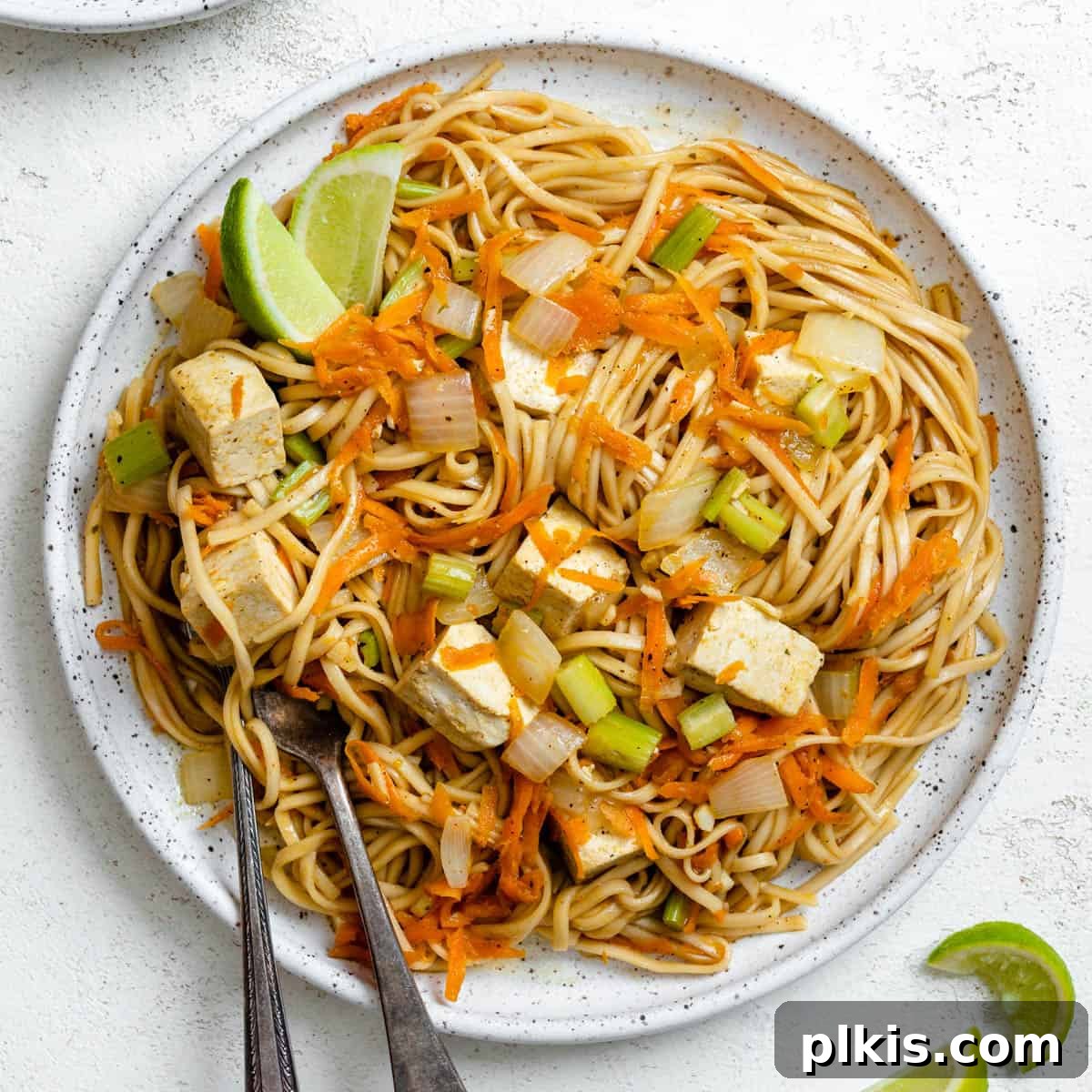
Unlock the vibrant flavors of the Philippines with this incredible Filipino-inspired Pancit Bihon recipe! Imagine tender rice noodles stir-fried to perfection with an assortment of crisp, fresh vegetables and savory tofu, all coated in a rich, umami-packed soy-based sauce. This plant-based twist on a beloved classic is not just a meal; it’s an experience. Perfect for a quick, fuss-free weeknight dinner, yet elegant enough to grace your table on special occasions, this dish promises to be a guaranteed crowd-pleaser that celebrates both tradition and modern plant-based eating.
![completed Pancit Bihon [Filipino Rice Noodles] plated on a plate against a white background](https://plkis.com/wp-content/uploads/2025/12/img_714_1.jpg "Filipino Pancit Bihon Noodles 2")
Mastering the Art of Vegan Pancit Bihon: A Quick & Flavorful Stir-Fry
If your culinary heart beats for swift, simple, and utterly satisfying stir-fried creations, much like our beloved veggie chow mein, tantalizing garlic sesame soba noodles, or hearty brown rice stir-fries, then this vibrant vegan Pancit Bihon must be the next star on your cooking list! This isn’t just another noodle dish; it’s a celebration of convenience and flavor, designed for those moments when you need a delicious meal in a flash, or a comforting classic that effortlessly elevates any gathering. Whether it’s a spontaneous last-minute dinner, a cozy family meal, or a festive spread for birthday parties and other special occasions, this Pancit Bihon delivers on all fronts.
Crafted with readily available pantry ingredients and adaptable to whatever fresh vegetables and plant-based protein you have on hand, this stir-fry transforms into a delightful feast in just about 20 minutes. It’s a true one-pot wonder, ensuring minimal cleanup and maximum enjoyment. The beauty of this dish lies in its simplicity and versatility, making it accessible even for novice cooks. Prepare to impress your taste buds and your guests with this inexpensive, hearty, and effortlessly elegant Filipino-inspired noodle dish.
Unraveling Pancit: A Culinary Journey Through Filipino Noodles
In the rich tapestry of Filipino cuisine, “Pancit” (or “Pansit”) serves as a broad and beloved term encompassing a diverse array of noodle dishes. It’s a cornerstone of Filipino culture, often symbolizing long life and good fortune, making it a staple at celebrations from birthdays to graduations. The world of Pancit is vast, with each variation proudly named after its unique noodle type, cooking method, ingredients, or even its regional origin.
For instance, “Pancit Canton” traditionally features round, wheat-based egg noodles, while “Pancit Bihon” refers specifically to the delicate and chewy rice vermicelli, which is the star of our recipe. Other popular variations include “Pancit Sotanghon” made with glass noodles, “Pancit Odong” with yellow flour noodles, and “Pancit Lomi” with thick egg noodles, each offering a distinct texture and flavor profile.
Typically, Pancit dishes are prepared by sautéing noodles with a medley of aromatics like garlic and onions, alongside a colorful assortment of vegetables and often a protein source. However, the cooking methods can vary, sometimes involving braising or simmering in a savory broth, or a combination of both to achieve deep, layered flavors. A quintessential serving tradition involves a squeeze of calamansi, the Philippine lemon-lime, which imparts a signature tangy and sour zest that perfectly brightens the dish.
Our vegan Pancit Bihon recipe thoughtfully reimagines this cherished classic, bringing together par-boiled rice noodles that achieve a delightful chewiness, stir-fried with protein-rich tofu and a generous mix of fresh vegetables. Everything is then lovingly tossed in an umami-rich, profoundly savory sauce, promising an authentic taste experience. Served with fresh lemon or lime slices, this plant-based rendition captures the essence of traditional Pancit Bihon, making it a flavorful and satisfying meal for everyone.
The Essential Ingredients for a Perfect Vegan Pancit Bihon
Creating this Filipino-inspired Pancit Bihon is wonderfully straightforward, relying on an accessible list of pantry staples and versatile vegetables you likely already have. This simplicity ensures that a delicious and wholesome meal is always within reach.
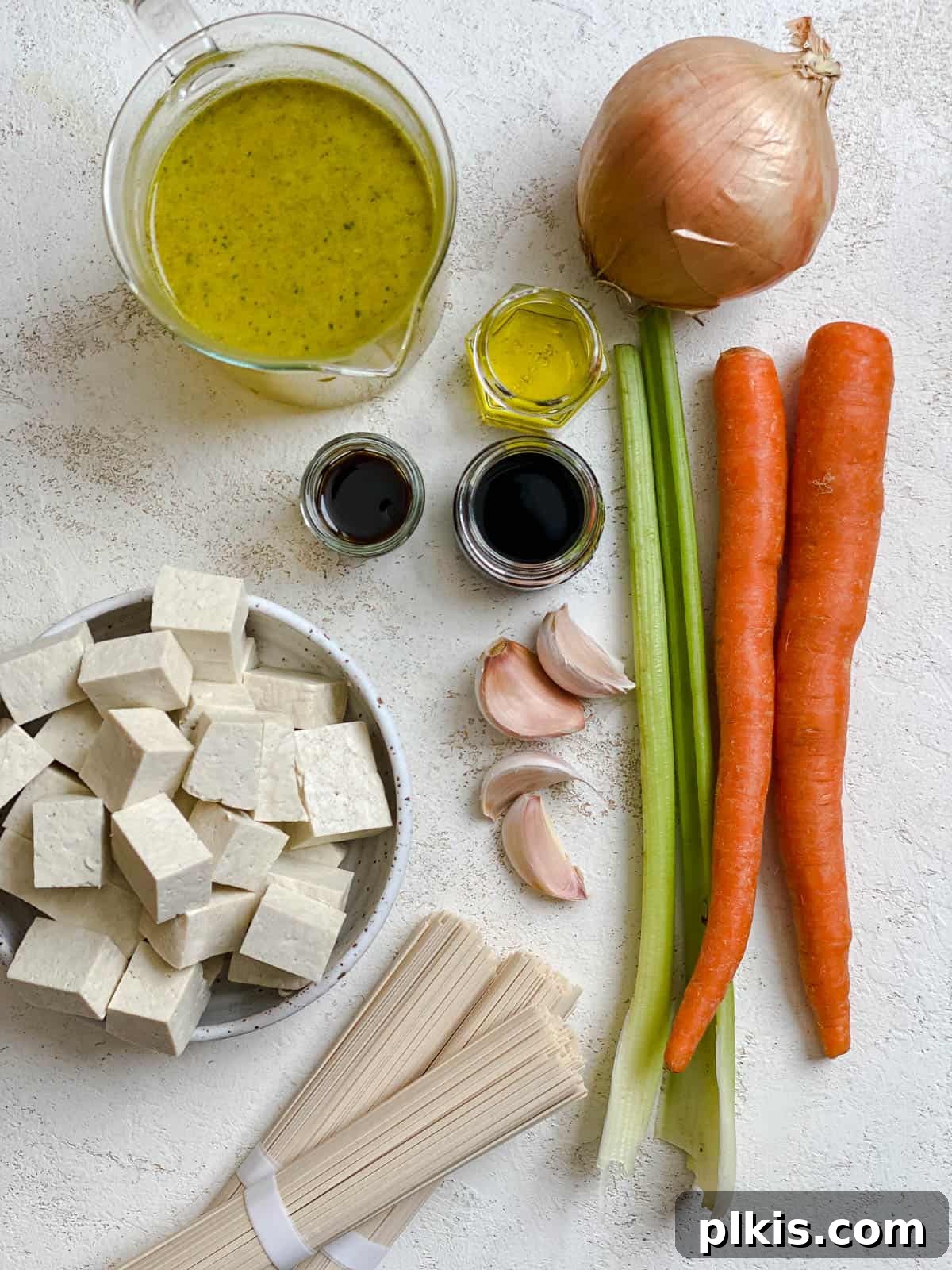
- Noodles: The heart of our Pancit Bihon. We use fine rice vermicelli noodles, known for their delicate texture and ability to absorb the sauce beautifully. Rice stick noodles also make an excellent alternative. These can be easily found in the international aisle of most major grocery stores or Asian markets.
- Aromatics: The foundation of flavor. Freshly minced garlic and diced onion (any variety: yellow, white, or red) create a fragrant base that is crucial for any good stir-fry, especially Pancit.
- The Essential Vegetables: For this vegetarian Pancit, we build on a simple yet effective combination:
- Sliced Celery: Adds a refreshing crunch and subtle earthy notes.
- Shredded Carrots: Contributes a touch of sweetness and vibrant color, enhancing the dish’s appeal and nutritional value.
- Plant-Based Protein: Our choice for this vegan rendition is firm or extra-firm tofu, pressed and diced, which readily soaks up the savory sauce. Other fantastic vegan protein options include tempeh, or even store-bought vegan mock meats like plant-based chicken strips, adding substance and chewiness.
- Flavorful Broth: Vegetable broth is key to cooking the noodles and infusing the entire dish with depth. Opt for regular or reduced-sodium broth, or a vegan chicken broth for an even richer profile.
- Cooking Oil: Any neutral, high-heat cooking oil will work perfectly. Think canola oil, vegetable oil, or sunflower oil. For an extra layer of flavor, peanut oil can also be used, lending a subtle nutty aroma.
- The Signature Soy Sauce Blend: This is where the umami magic happens. We use a combination of:
- Regular Soy Sauce: Provides the fundamental savory, salty base. For a gluten-free option, tamari or coconut aminos are excellent substitutes.
- Mushroom Soy Sauce: Also known as mushroom stir-fry sauce or sometimes vegan oyster sauce, this ingredient is a game-changer. It deepens the color and adds an unparalleled earthy, intensely umami flavor that is characteristic of authentic Asian stir-fries.
- Citrus Zest: To balance the richness of the sauce, fresh lemon or lime slices are served alongside. If you’re lucky enough to find calamansi, the small, tart Philippine lime, its unique aromatic tang will elevate the dish to another level of authenticity.
Customization and Variations for Your Bihon Noodles
One of the joys of Pancit Bihon is its incredible adaptability. Don’t hesitate to personalize your bowl with these delightful additions:
- A Touch of Sweetness: Some traditional pancit sauces incorporate a hint of sweetness to round out the savory notes. Start with a teaspoon of sugar, maple syrup, or agave nectar and adjust to your preference.
- Black Pepper: A dash of freshly ground black pepper added towards the end can provide a subtle warmth and aromatic finish.
- Toasted Sesame Oil: Drizzling a small amount of toasted sesame oil just before serving adds a wonderful nutty aroma and deepens the Asian-inspired flavor profile.
- Mixed Noodles (Bihon and Canton): For varied texture, consider using a combination of bihon and canton noodles (also called ‘flour stick noodles’). Ensure the canton noodles are vegan-friendly, as some brands contain egg. Since canton noodles often take slightly longer to cook than rice vermicelli, you might add them to the broth a minute or two earlier.
- Expand Your Veggie Palette: This dish is a fantastic way to use up leftover vegetables. Beyond celery and carrots, consider adding snow peas for sweetness, shredded cabbage for crunch, vibrant bell peppers, an assortment of mushrooms (like wood ear, shiitake, or oyster mushrooms) for earthiness, tender broccoli florets, bok choy, crisp bean sprouts, thin slices of zucchini, or even string beans. Frozen mixed vegetables are also a convenient option for busy days.
- Fresh Garnish: A sprinkle of chopped green onions or fresh parsley just before serving not only adds a pop of color but also a fresh, aromatic lift.
Step-by-Step Guide: Crafting Your Delicious Vegan Pancit Bihon
Get ready to create a truly spectacular vegan Pancit Bihon with this easy-to-follow guide. The key is efficient prep and mindful cooking to achieve perfect textures and flavors.
- 1) Prepare Your Ingredients: Begin by precisely slicing the celery, dicing the onion, finely mincing the garlic, and shredding the carrots. Evenly sized pieces ensure uniform cooking. If using tofu, ensure it is pressed, drained, and diced into bite-sized cubes.
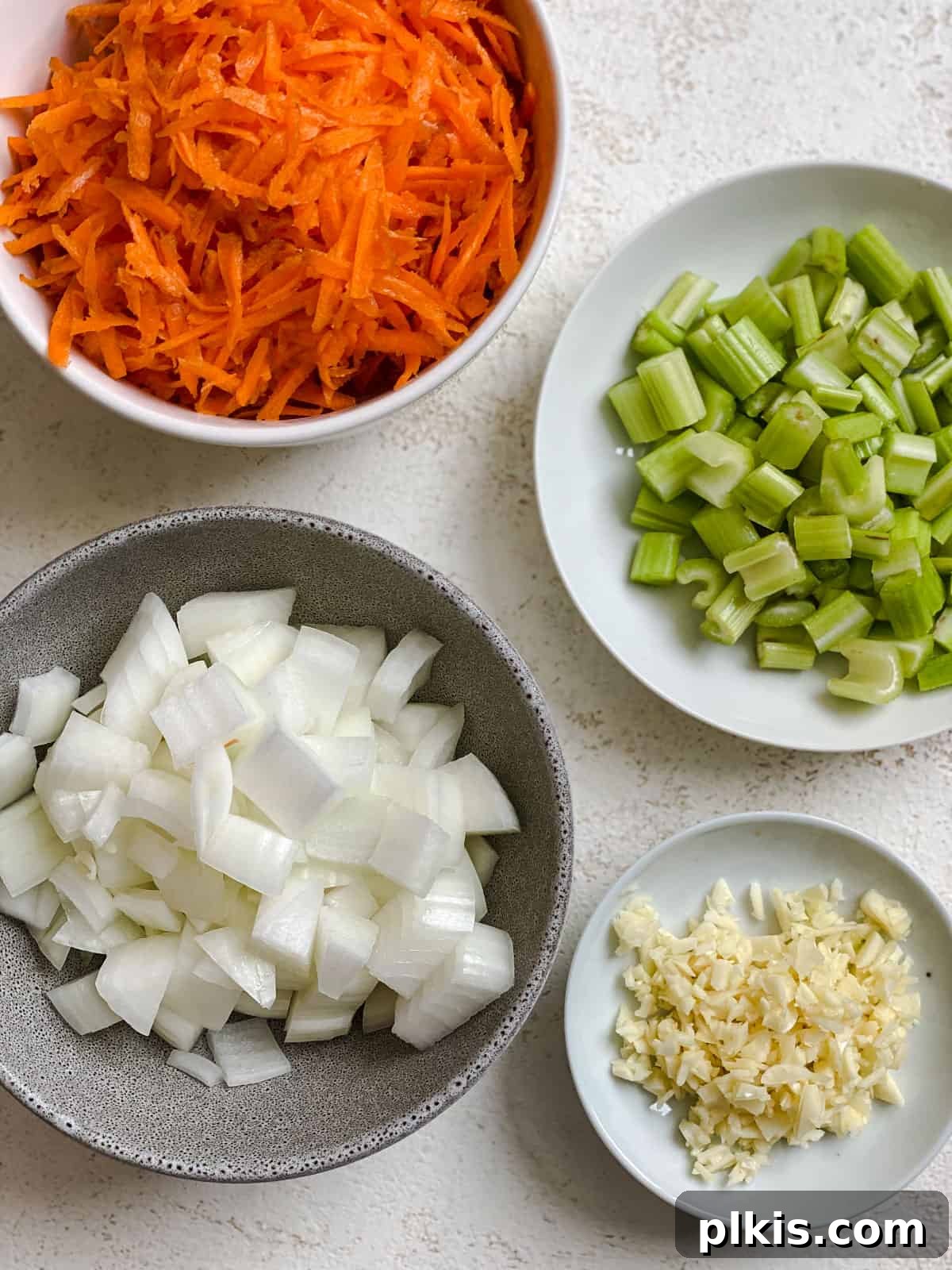
- 2) Heat the Wok: Place a large wok or a tall-sided skillet over medium heat. Allow it to heat thoroughly before adding the cooking oil.
- 3) Sauté Aromatics and Protein: Once the oil is shimmering, add the diced onion, minced garlic, sliced celery, shredded carrot, and your chosen protein (diced tofu or seitan). Stir-fry for several minutes, stirring frequently, until the vegetables have softened slightly and the aromatics are fragrant. The tofu should begin to lightly brown, developing a lovely texture.
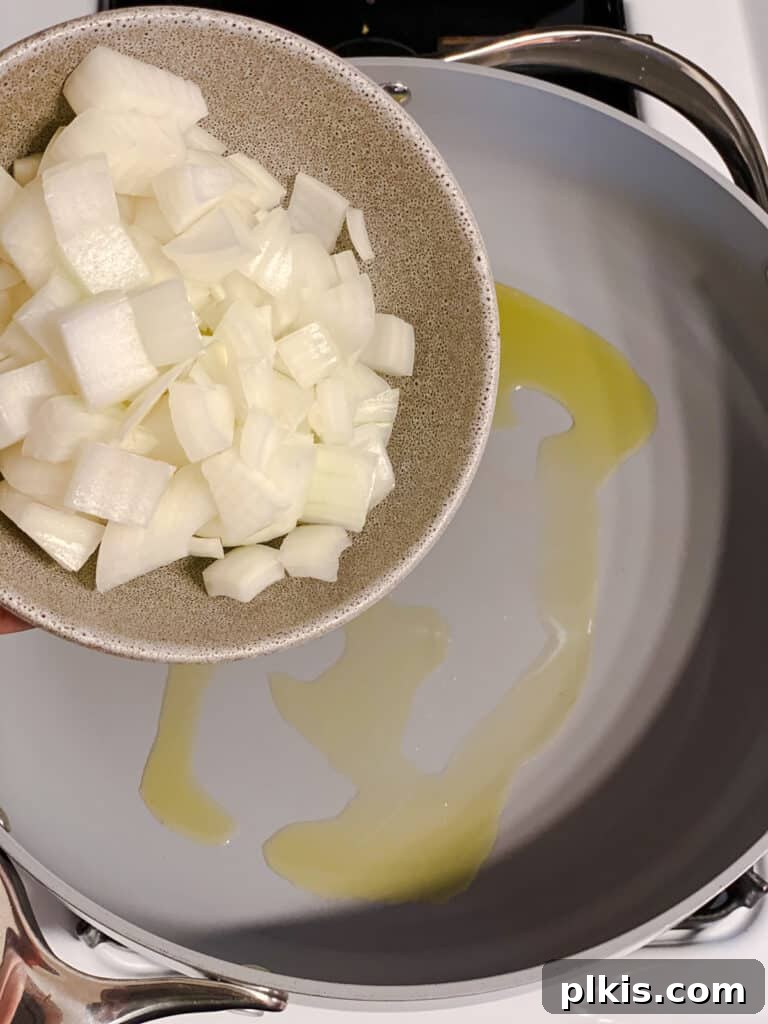
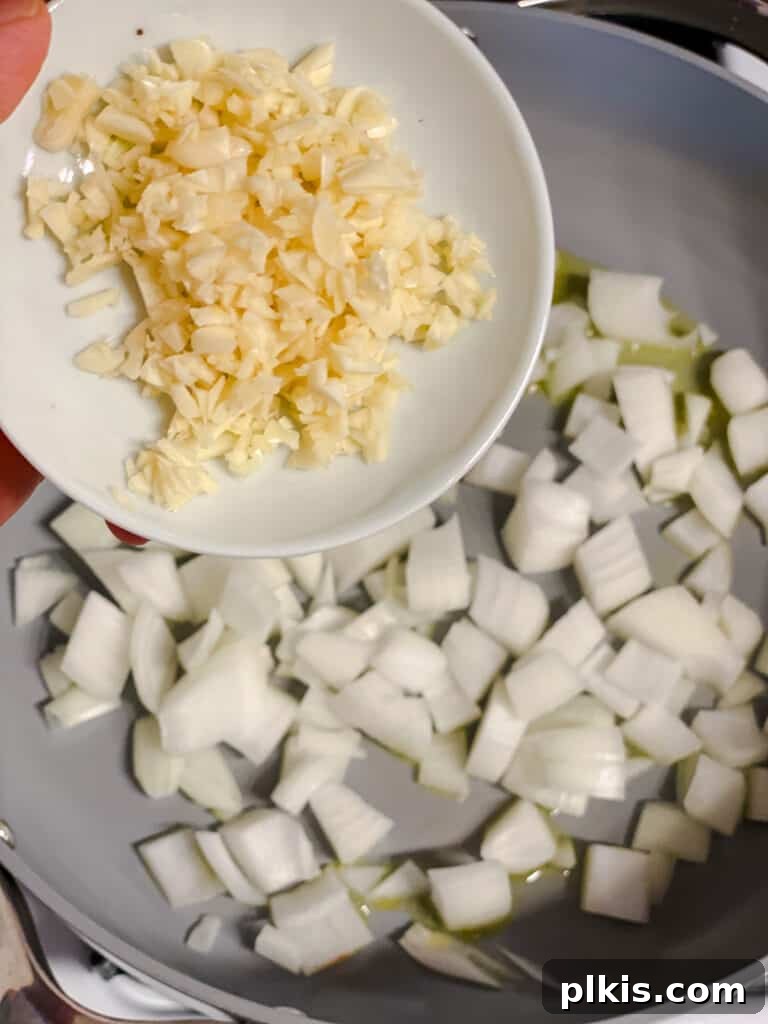
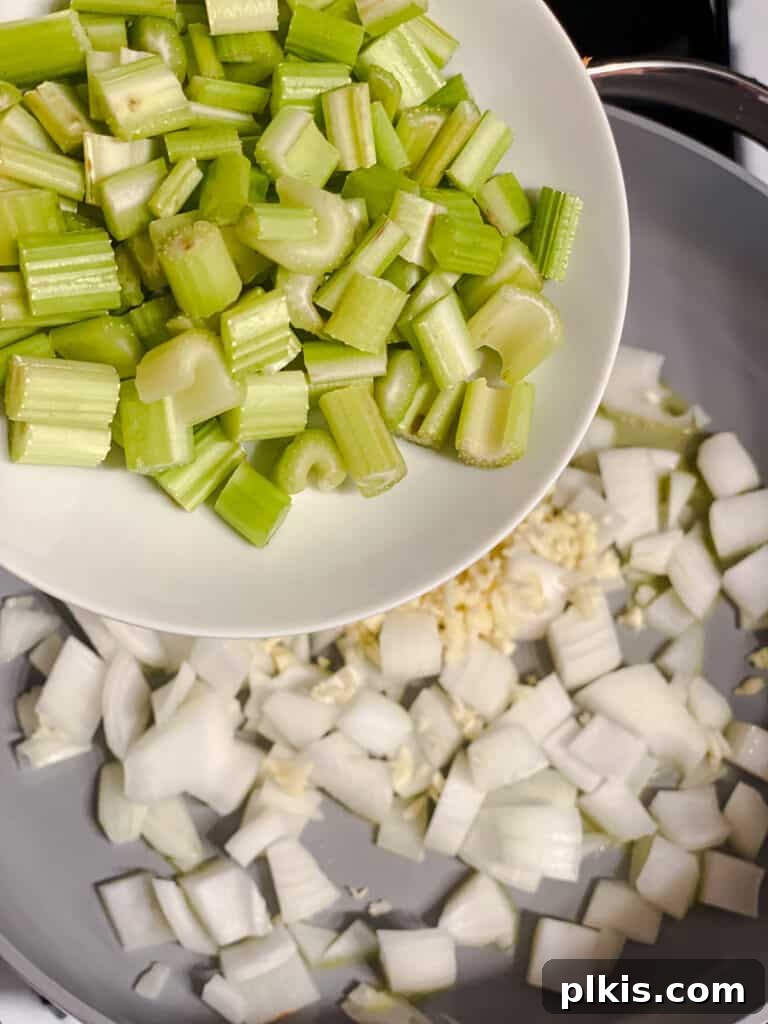
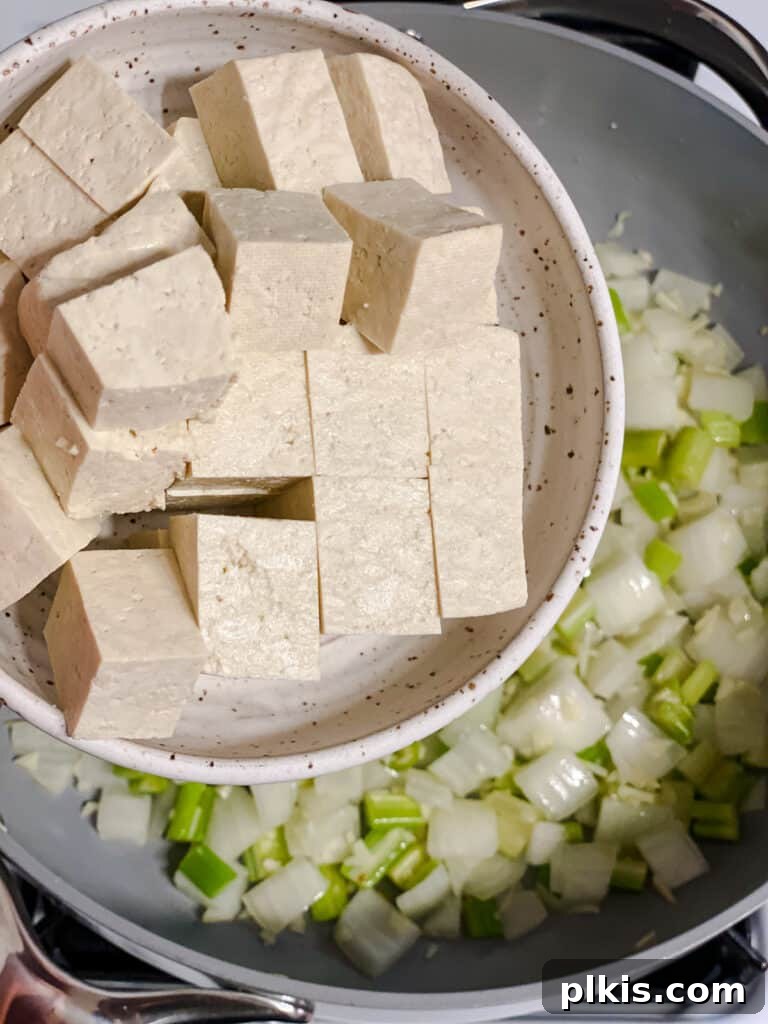
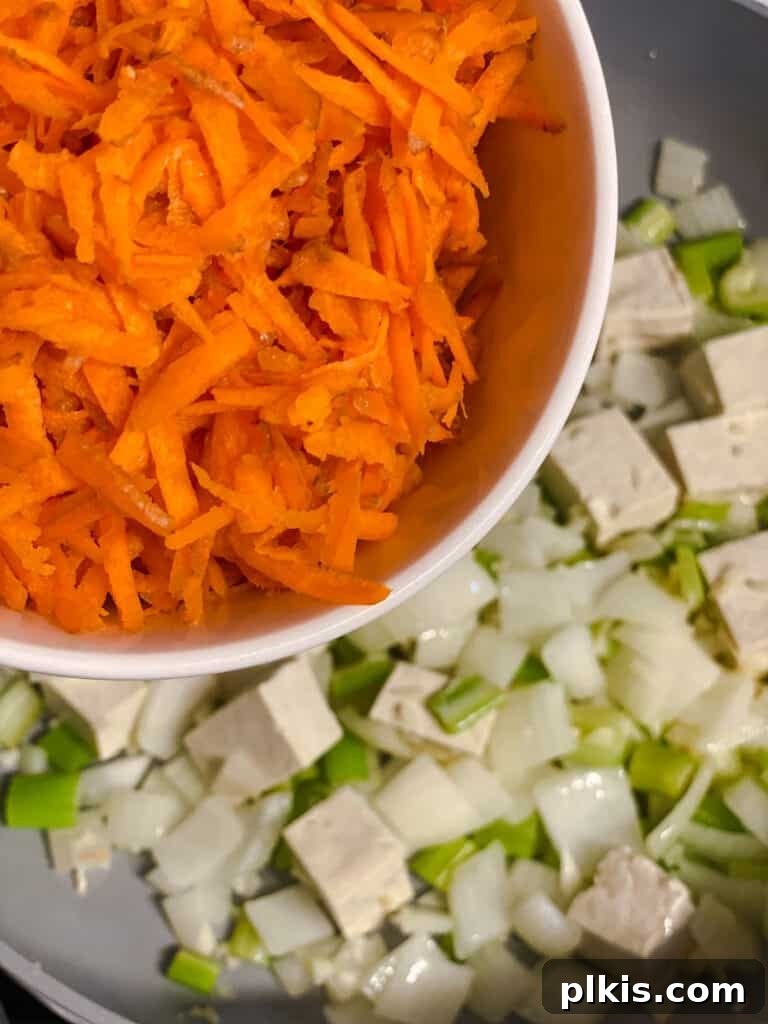
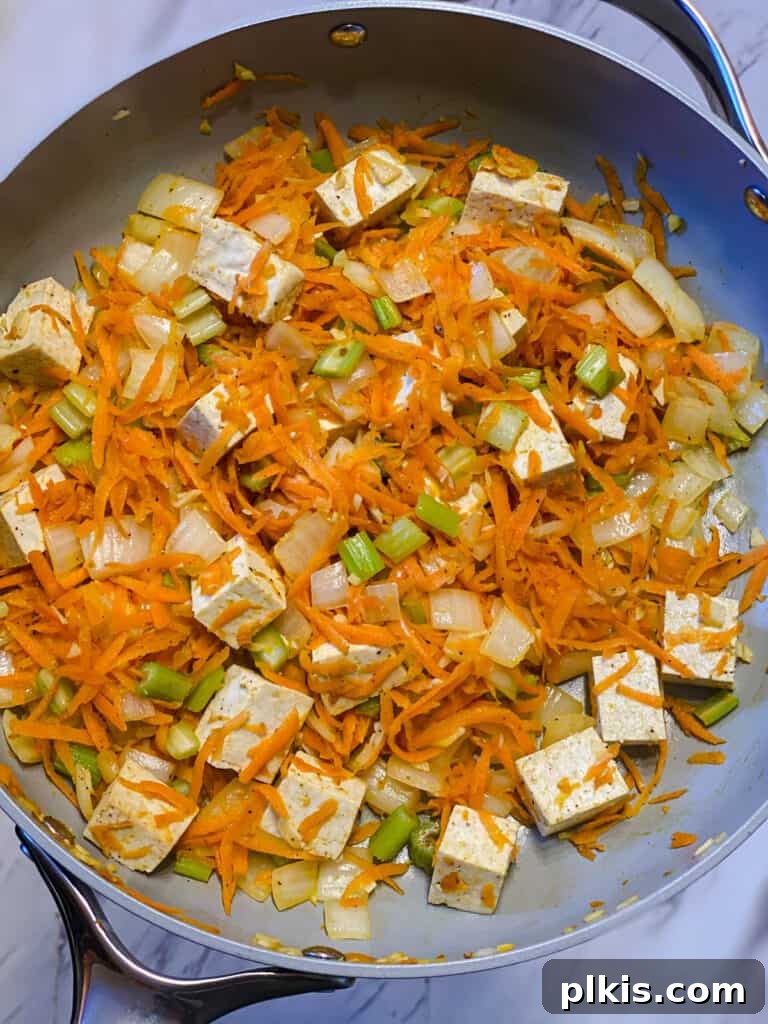
- 4) Set Aside & Prepare Broth: Carefully remove the cooked vegetable and protein mixture from the pan and transfer it to a bowl, setting it aside for later. Next, pour the vegetable broth into the same pan and bring it to a vigorous boil over medium-high heat.
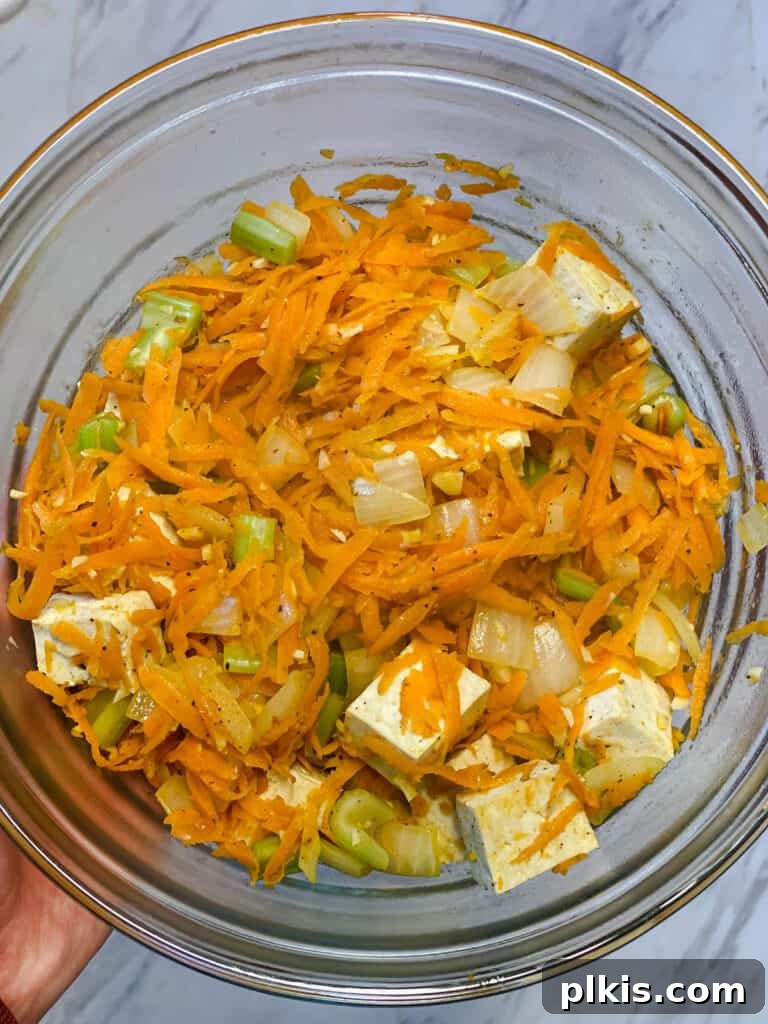
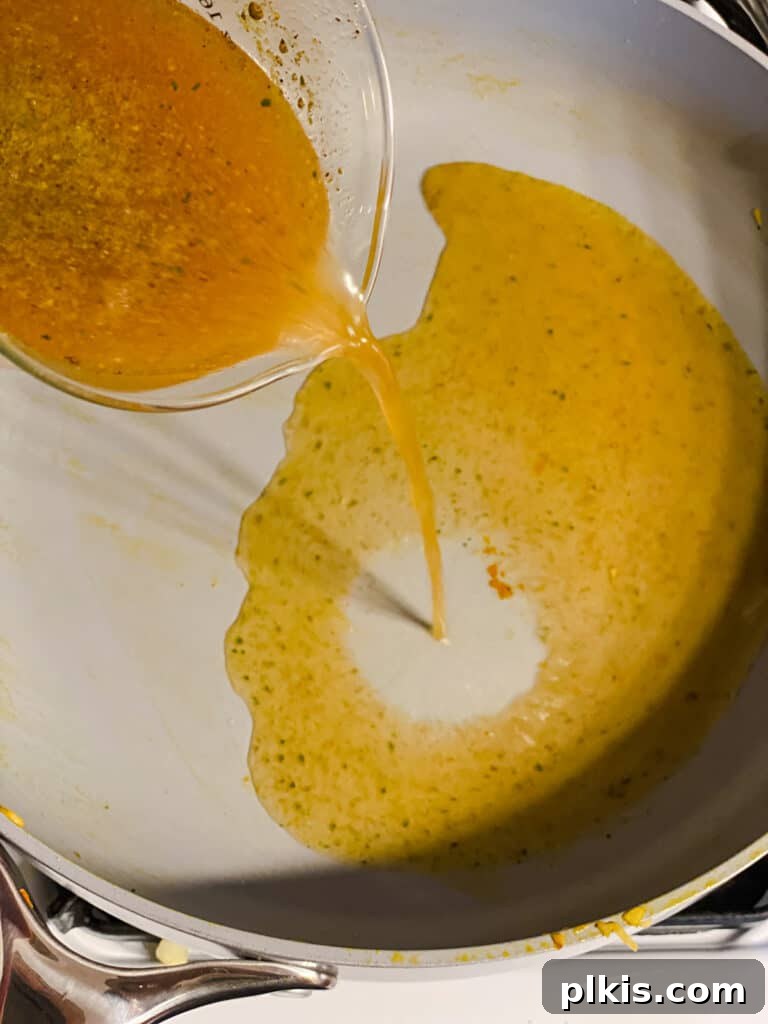
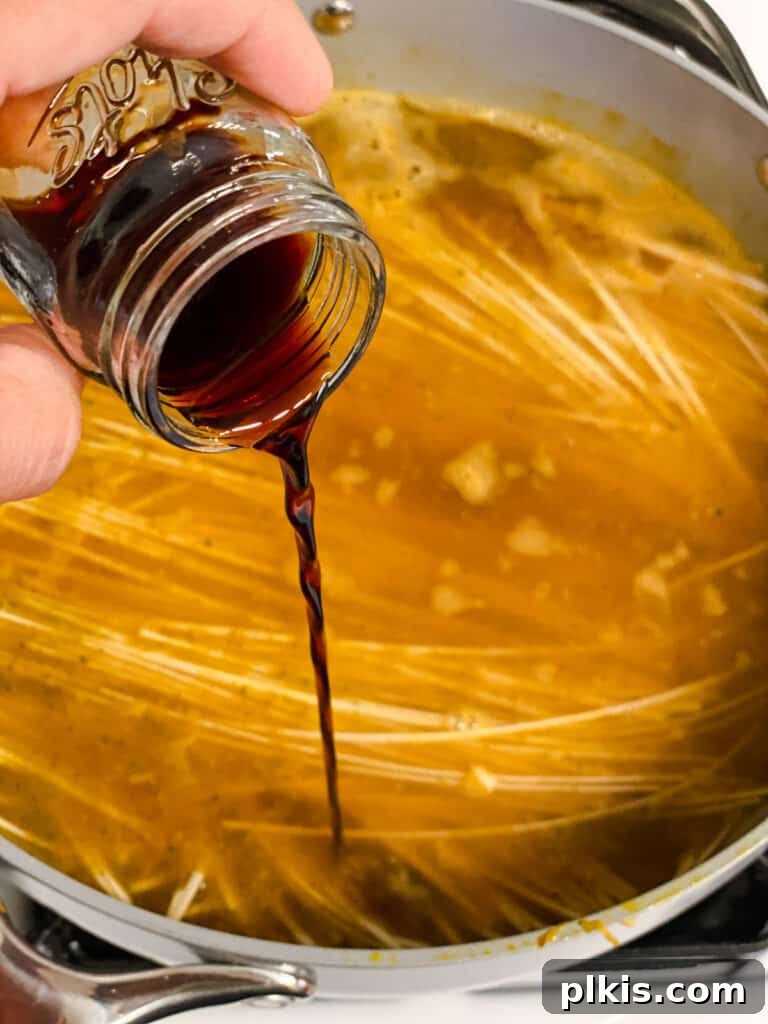
- 5) Cook the Noodles: Once the broth is boiling, add the rice noodles directly to the pan. Immediately stir in both the regular soy sauce and the mushroom soy sauce. Ensure the noodles are submerged and stir gently to prevent sticking, allowing them to absorb the flavorful broth and soften.
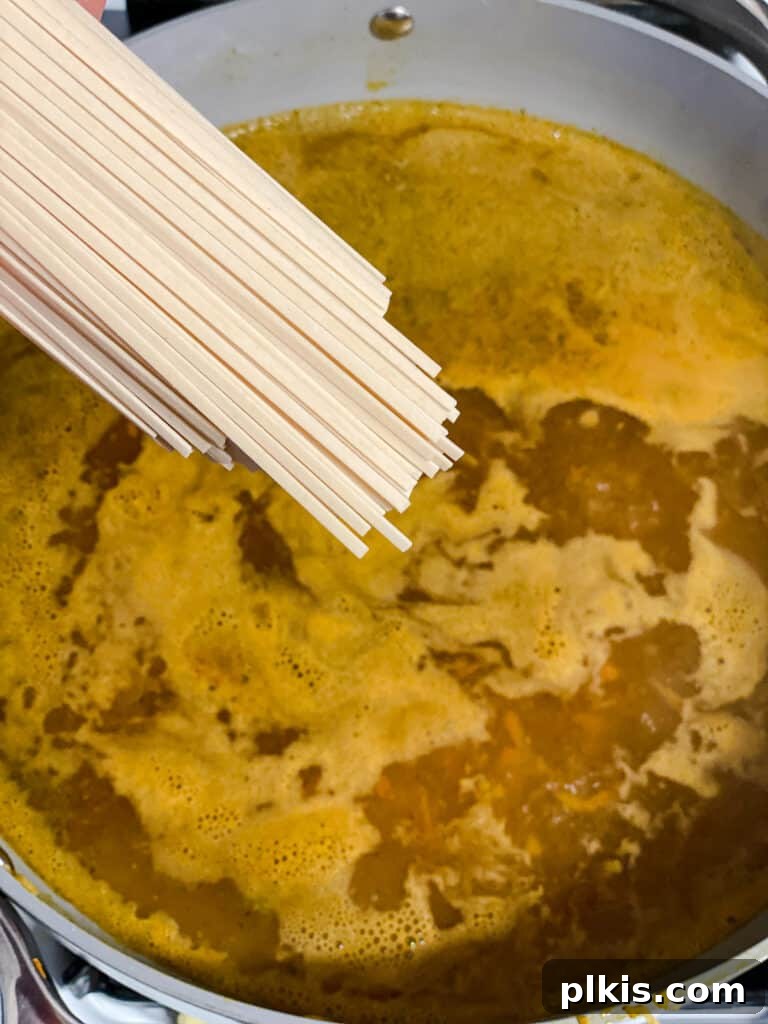
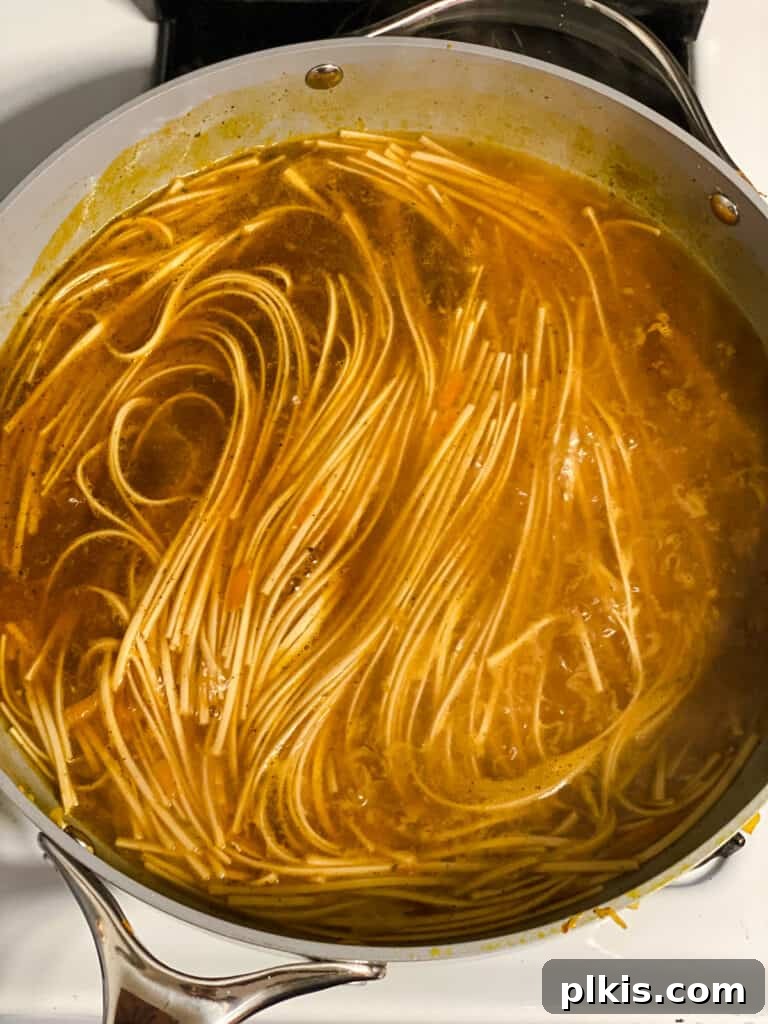
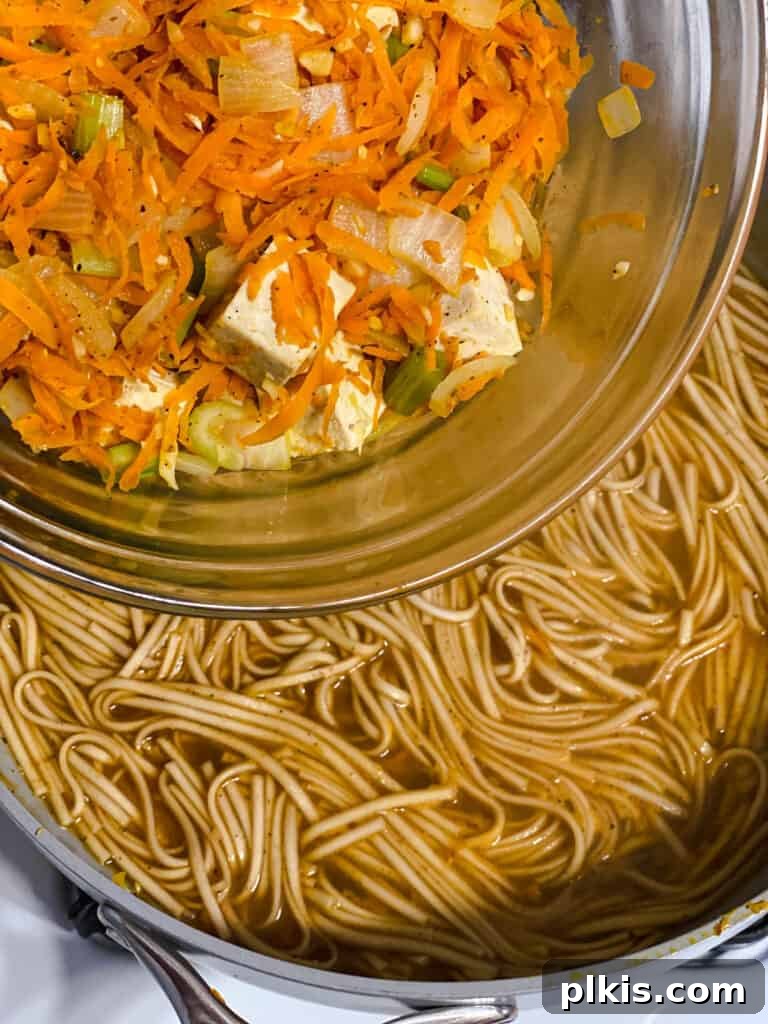
- 6) Combine and Finish: As the noodles become tender and most of the broth has been absorbed, return the reserved vegetable and tofu mixture to the pan. Toss everything together vigorously to ensure the flavors are evenly distributed. Continue to cook, stirring constantly, until all the remaining broth has been fully absorbed by the noodles and vegetables, leaving a perfectly coated, non-soggy stir-fry.
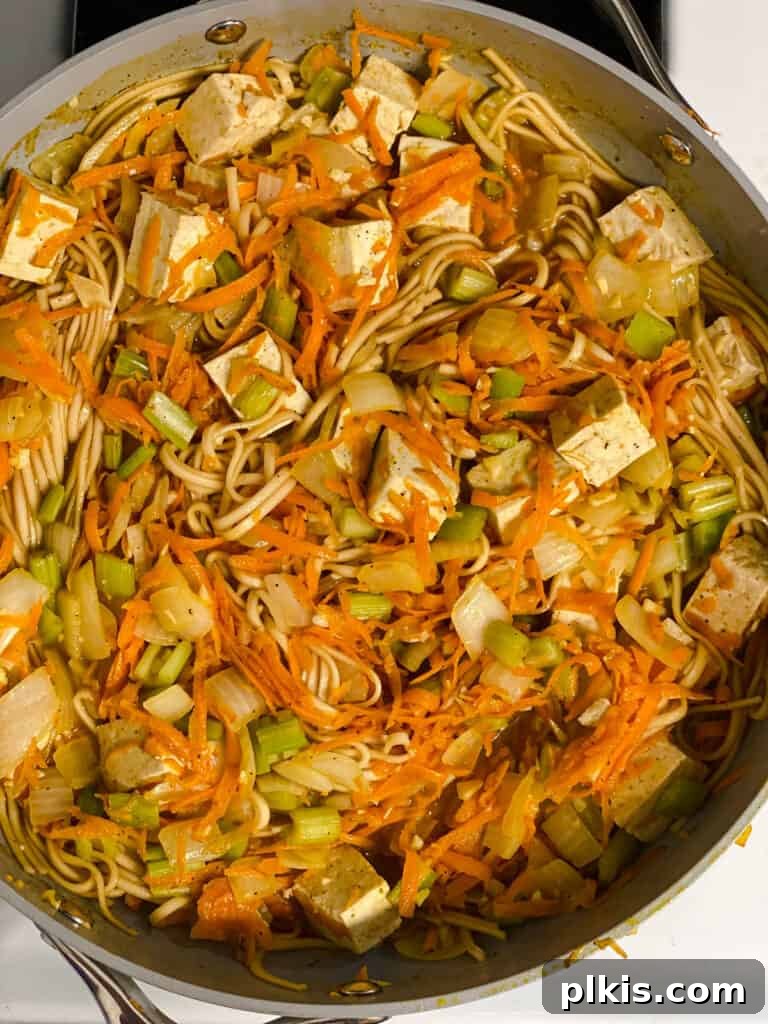
- 7) Serve and Enjoy: Transfer the piping hot Pancit Bihon into individual bowls. Garnish with fresh lemon or lime slices (or calamansi, if available) to provide a bright, zesty counterpoint to the savory noodles. Serve immediately and savor every delicious bite!
This versatile vegetable Pancit Bihon is hearty enough to be enjoyed on its own as a complete meal. For a more traditional experience, pair it with a side of fluffy white rice, warm vegan bread like pandesal, or steamed rice cakes (puto).
Expert Tips for Pancit Perfection
Achieving a perfect Pancit Bihon is simple when you keep these tips in mind:
- Smart Prep for Speed: To significantly cut down on preparation time, consider using pre-shredded carrots or employing a food processor with a shredding disk or a mandoline for quick and uniform slicing and dicing.
- Uniformity is Key: Always strive to cut your vegetables into pieces of similar size. This ensures they cook evenly, achieving that ideal tender-crisp texture throughout the dish.
- Mind the Noodles: Rice vermicelli can quickly go from perfectly al dente to soft and sticky if overcooked. Keep a close eye on them while they absorb the broth; they should be tender but still retain a slight chew.
- Embrace Versatility: Don’t be afraid to experiment with the vegetables and plant proteins you have available. This recipe is incredibly forgiving and encourages creativity. Feel free to add ingredients like bell peppers, mushrooms, or snap peas to make it your own.
- Choose the Right Pan: When stir-frying, using a large wok or the biggest skillet you own is crucial. This provides ample space for the ingredients to cook evenly without overcrowding, preventing them from steaming instead of stir-frying, which can lead to a less desirable texture.
Storing and Reheating Your Delicious Pancit
This vegan Filipino-inspired Pancit Bihon is not only delicious fresh but also makes for fantastic leftovers. Proper storage ensures you can enjoy its savory flavors for days.
Once the Pancit Bihon has cooled completely to room temperature, transfer any leftovers to an airtight container. It will keep beautifully in the refrigerator for 4-5 days, making it an ideal candidate for meal prep.
For longer storage, you can also freeze the Pancit Bihon for up to 3 months. When ready to enjoy, simply thaw it overnight in the refrigerator.
Leftovers can be enjoyed chilled, at room temperature, or gently reheated. To reheat, you can use a skillet over medium heat or a microwave. If using a microwave, add a splash of water or vegetable broth to prevent the noodles from drying out, and heat in 1-2 minute intervals until warmed through.
Explore More Plant-Based Stir-Fry Delights
If you’ve fallen in love with the ease and flavor of this Pancit Bihon, you’ll surely enjoy these other vegan stir-fry recipes:
- Creamy Tahini Rice Noodles
- Udon Edamame Stir-Fry
- Shiitake Asparagus Tofu Stir-Fry
- Spicy Sesame Tofu Stir-Fry
- Vegetable Fried Brown Rice
Photos by Alfonso Revilla
Pancit Bihon [Filipino-Inspired Rice Noodles]
20 mins
20 mins
40 mins
4 servings
![completed Pancit Bihon [Filipino Rice Noodles] plated on a plate against a white background](https://plkis.com/wp-content/uploads/2025/12/img_714_18.jpg "Filipino Pancit Bihon Noodles 18")
Equipment
- Knife set
- Mixing Bowl
- Measuring spoons
- Measuring Cups
Ingredients
- 1 tablespoon of oil
- 1 small onion, diced
- 3 garlic cloves, minced
- 2 celery stalks, diced
- ½ block of extra firm tofu, pressed, drained and diced or 8oz of seitan, diced
- 2 carrots, shredded
- 4 cups of veggie broth
- 8 ounces of rice noodles
- 1 tablespoon of soy sauce
- 1 tablespoon of mushroom soy sauce
- 1 lemon (for serving)
Instructions
- In a wok, or large pan, heat oil. Cook onions, garlic, celery, tofu or seitan, and carrots until vegetables have softened.
- When vegetables have softened, remove from pan and set aside in a bowl.
- Add vegetable broth to wok, bring to a boil and add rice noodles, soy sauce, and mushroom soy sauce.
- Once majority of broth has been absorbed and noodles are tender, add the vegetable mix back into the wok. Continue to cook until all broth has been absorbed.
- Serve in bowls and garnish with lemon slices.
Notes
- Cut the veggies evenly: This will ensure they cook uniformly, too.
- Be careful not to overcook the noodles: They can become sticky/stodgy.
- Use what’s available: Along with or instead of the basic vegetables, experiment with adding the plant proteins and veggies you have available.
- Use a large enough pan: Whenever stir-frying, it’s best to use your largest pan so the ingredients aren’t too stacked and can cook evenly.
Nutrition
Carbohydrates: 60g
Protein: 7g
Fat: 5g
Saturated Fat: 1g
Polyunsaturated Fat: 1g
Monounsaturated Fat: 3g
Sodium: 1601mg
Potassium: 287mg
Fiber: 3g
Sugar: 6g
Vitamin A: 5611IU
Vitamin C: 18mg
Calcium: 53mg
Iron: 2mg
Additional Info
Tried this recipe?Please tag us at @PlantBasedOnABudget! 🙂