

Your culinary journey into plant-based delights reaches its zenith with a batch of warm, freshly baked vegan naan! This incredibly soft, chewy, and slightly charred flatbread is astonishingly simple to prepare using everyday pantry staples. Crafted to perfection, this pillowy naan is the ultimate companion, ideal for scooping up every last drop of your cherished Indian-inspired curries, dals, and stews.

Experience the Delight of Soft, Fluffy, and Easy Vegan Naan
Naan, a beloved Indian flatbread, holds a special place in the hearts of food enthusiasts worldwide. Traditionally served piping hot, its soft texture and slight chew make it the perfect vehicle for savoring rich, aromatic Indian dishes. Think creamy tofu vegetable coconut curry or hearty yellow dal – naan transforms every meal into an experience. The main challenge for plant-based eaters? Traditional naan often contains dairy, primarily ghee or yogurt, rendering it unsuitable for a vegan diet.
But fear not! This easy vegan naan recipe is here to change the game. We’ve perfected a method that captures all the beloved characteristics of authentic naan – fluffy on the inside, with a beautifully crisp and lightly charred exterior – all without any dairy products. Each bite is irresistibly delicious, promising to become a staple in your kitchen.
What makes this recipe truly outstanding is its simplicity. You only need nine common baking ingredients to create this incredible bread from scratch. If you’ve ever successfully baked homemade vegan focaccia or a basic sandwich loaf, you possess all the skills required to master this dairy-free naan.
This versatile Indian-inspired flatbread pairs wonderfully with a vast array of comforting plant-based meals. Imagine serving it alongside savory Vegan Tandoori Chickpeas, vibrant Veggie Turmeric Yellow Split Peas, or a fragrant Vegan Coconut Curry with Apples. The possibilities for culinary creativity are genuinely endless, ensuring your vegan feast is always complete and utterly satisfying.
Essential Ingredients for Your Vegan Naan (and Smart Substitutes)
Crafting perfect vegan naan is surprisingly straightforward, requiring fewer than ten readily available baking staples. Here’s a closer look at what you’ll need and how to adapt if necessary:
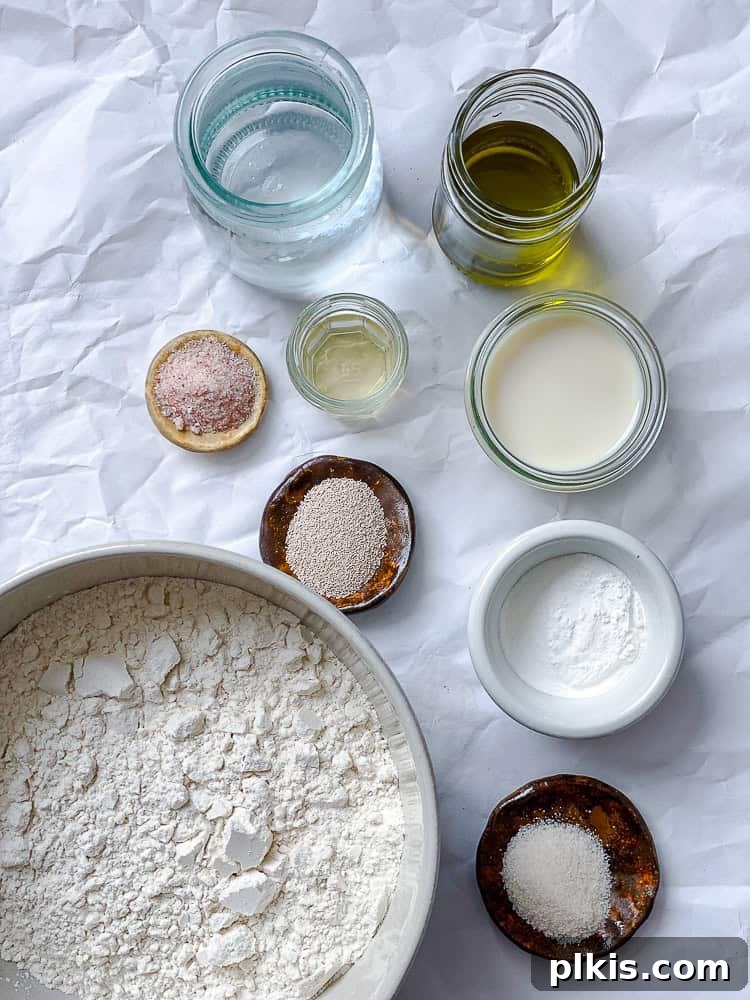
- All-Purpose Flour: The foundation of our naan, providing structure and chew. While all-purpose flour yields the best results, you can experiment with a high-quality 1:1 gluten-free flour blend if you need a gluten-free option.
- Warm Water: Crucial for activating the yeast. Ensure it’s comfortably warm, like bathwater (around 110°F or 43°C), to encourage proper yeast activity without killing it.
- Instant Yeast: This is our preferred choice for its convenience, allowing you to mix it directly with dry ingredients and often requiring less proofing time. It’s the secret to that lovely soft and fluffy texture!
Substitute: If you only have active dry yeast, you can use it. Just make sure to proof it in the warm water with a pinch of sugar for 5-10 minutes until foamy before combining with other wet ingredients. It might take slightly longer to proof.
- Granulated Sugar: A small amount not only adds a subtle sweetness but, more importantly, acts as food for the yeast, helping it activate and produce carbon dioxide, which gives the naan its airy texture.
- Salt: Enhances the flavor of the bread and also helps regulate yeast activity.
- Baking Powder: Works in conjunction with the yeast to give the naan an extra boost of softness and lift, contributing to its signature pillowy interior.
- Plant-Based Milk: This recipe shines with soy milk because its higher protein content allows it to curdle beautifully when combined with vinegar, mimicking the tang and richness that traditional naan gets from yogurt. The curdled milk adds a unique depth of flavor and tender crumb to the bread.
Substitute: Almond milk is a good alternative if soy milk isn’t available, though it may not curdle as prominently. Any unsweetened, unflavored plant milk will work, but soy milk truly offers the best texture and flavor profile here.
- Apple Cider Vinegar: Reacts with the plant-based milk to create a vegan “buttermilk” effect, adding a subtle tang and contributing to the dough’s tender texture.
Substitute: Lemon juice can be used as a direct substitute for apple cider vinegar.
- Olive Oil: Adds richness, moisture, and helps create a soft, pliable dough. It also prevents sticking during kneading and rising.
Substitute: Any neutral-flavored vegetable oil can be used.
Elevate Your Naan: Delicious Customization Ideas
While this basic vegan naan recipe is fantastic on its own, it also serves as a perfect canvas for culinary creativity. Here are some incredible additions to infuse your naan with even more flavor and texture:
- Aromatic Spices: Incorporate about 2 teaspoons of ground spices into the dough for a warm, complex flavor. Options like ground cumin, coriander, or garam masala work beautifully. For a hint of sweetness and warmth, a pinch of cinnamon or nutmeg can be transformative.
- Fresh Herbs: Finely chopped fresh cilantro or parsley mixed into the dough introduces a vibrant freshness that complements many Indian dishes. You could also try mint or dill for a unique twist.
- Irresistible Garlic: Vegan garlic naan is an absolute showstopper! Stir 2 to 4 finely minced garlic cloves or a whole head of roasted garlic (mashed) into the dough. This creates a rich, savory garlic butter flavor that permeates every bite, making it utterly addictive.
- Sweet Dried Fruit: For a delightful sweet and savory contrast, fold ⅓ cup of raisins, currants, or chopped dried cranberries into the dough during the final stages of kneading. This adds a lovely chewiness and a burst of natural sweetness.
- Crunchy Chopped Nuts: Introduce a satisfying crunch by adding ¼ to ⅓ cup of finely chopped almonds, cashews, or pecans to the dough. Toasting the nuts lightly beforehand can enhance their flavor.
- Flavorful Seeds: For a nut-free textural element, incorporate caraway seeds, sesame seeds, poppy seeds, or even whole cumin seeds. These add a subtle nutty flavor and a pleasing pop with every bite.
- A Touch of Heat: If you enjoy a bit of spice, finely dice a small jalapeno or a green chili and mix it into the dough. Adjust the amount based on your preferred heat level.
Step-by-Step Guide: How to Make Perfect Vegan Naan
Making homemade vegan naan is a rewarding process that yields incredibly delicious results. Follow these simple steps, and you’ll be enjoying warm, fresh naan in no time. For a complete list of ingredients and precise measurements, please refer to the detailed recipe card below.
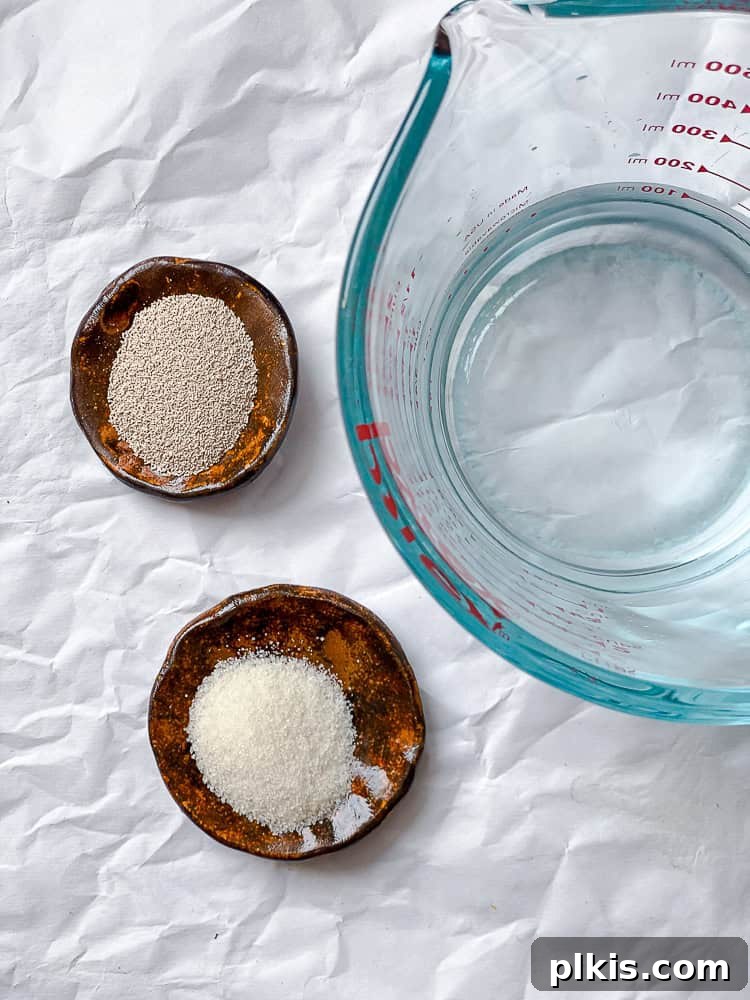
Step 1: Activate the Yeast. In a glass measuring cup or small bowl, combine the warm water, instant yeast, and sugar. Stir gently to dissolve the sugar and yeast. Cover the bowl and let it sit for about 5-10 minutes. You’ll know the yeast is active when the mixture becomes delightfully foamy on top.
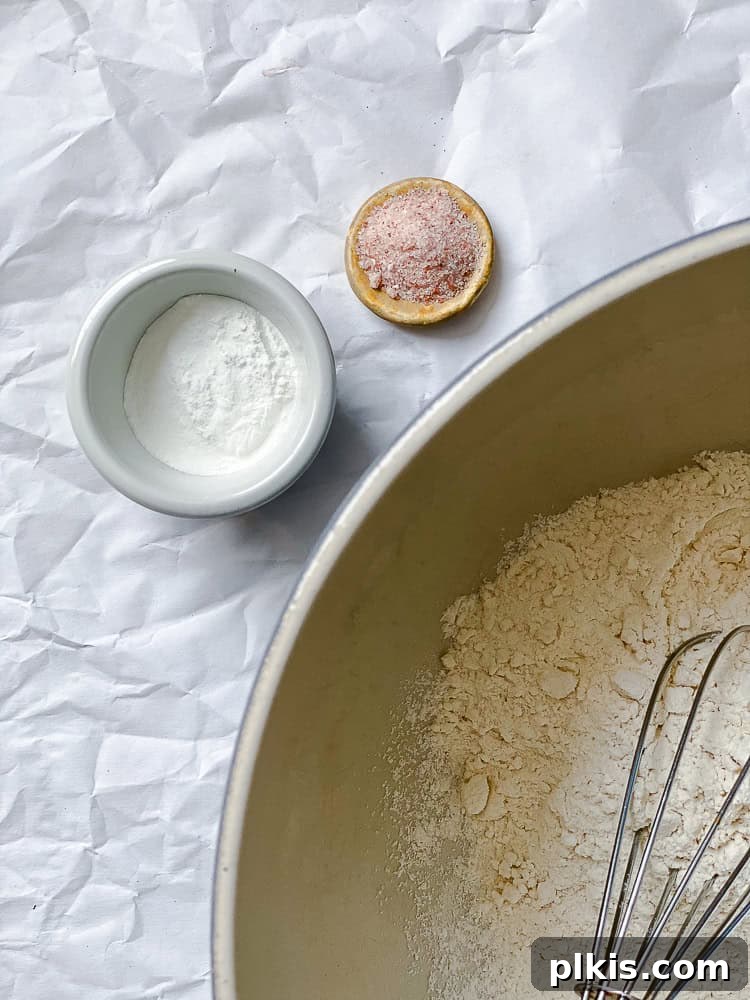
Step 2: Prepare Dry Ingredients. While the yeast is blooming, in a separate large mixing bowl, whisk together the all-purpose flour, salt, and baking powder until they are thoroughly combined. This ensures even distribution of the leavening agents.
Pro Tip: Yeast Activation. The water temperature is critical. It should feel like warm bath water to the touch, ideally around 110ºF (43ºC). If the water is too hot, it will unfortunately kill the yeast, preventing your naan dough from rising. If it’s too cold, the yeast won’t activate properly. Using a food thermometer can help ensure accuracy.
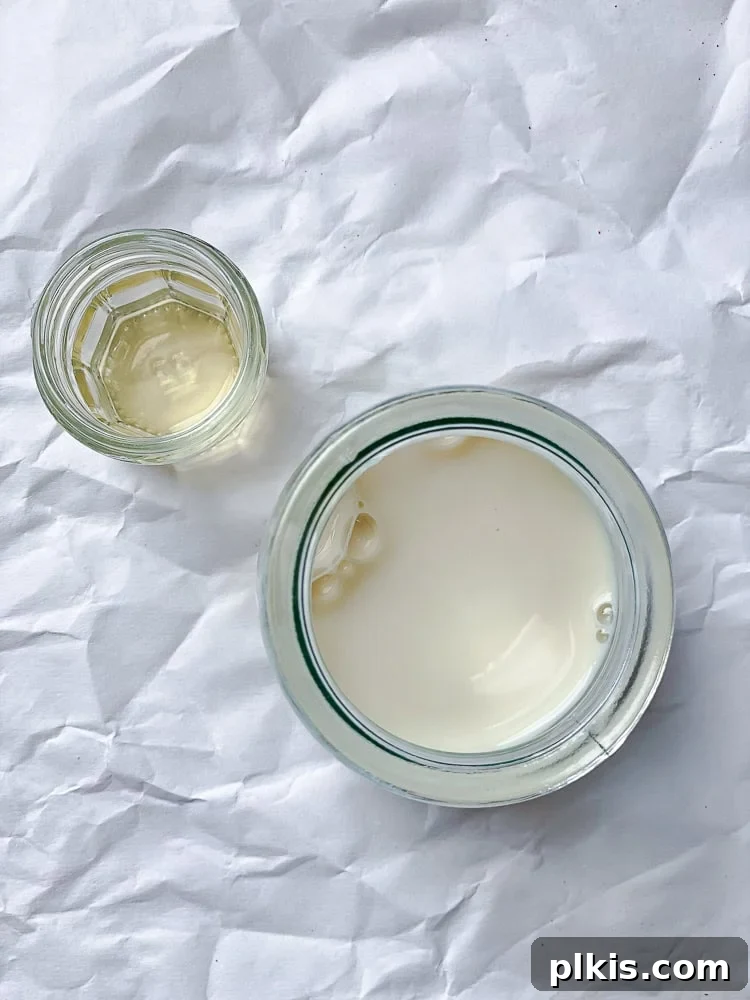
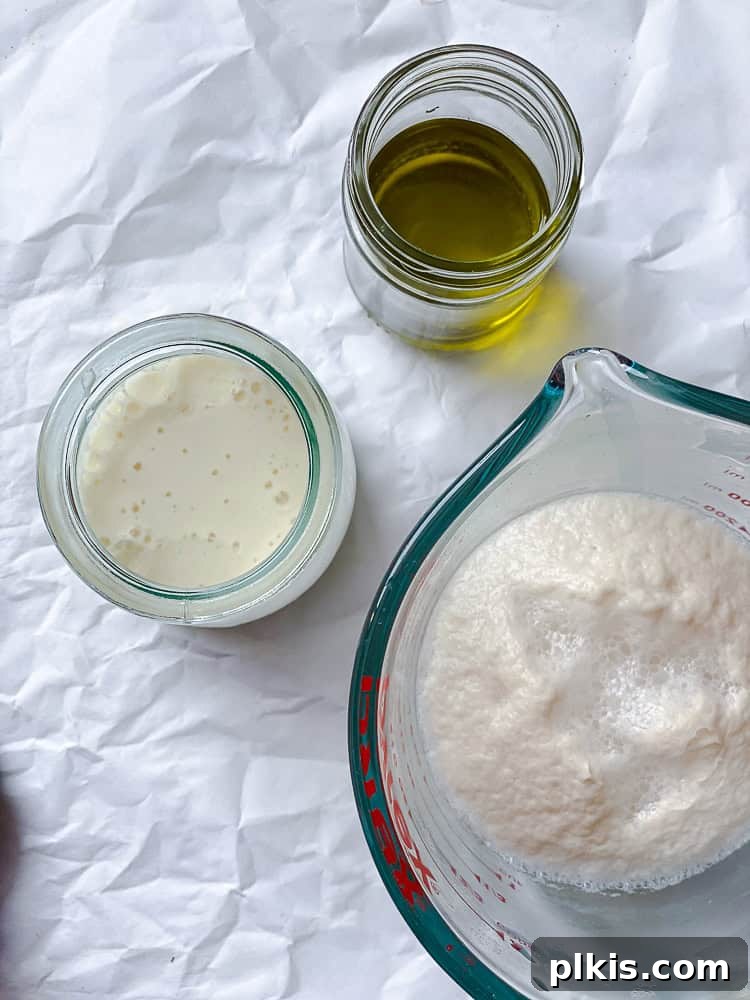
Step 3: Create Vegan “Buttermilk.” In another small glass measuring cup or bowl, combine the plant-based milk and apple cider vinegar. Stir well and let it sit for a few minutes. You’ll notice it will begin to thicken and curdle slightly, much like traditional buttermilk.
Step 4: Combine Wet Ingredients. Once your yeast mixture is foamy, add the vegan milk mixture and 2 tablespoons of olive oil to it. Stir gently to combine all the wet ingredients thoroughly.
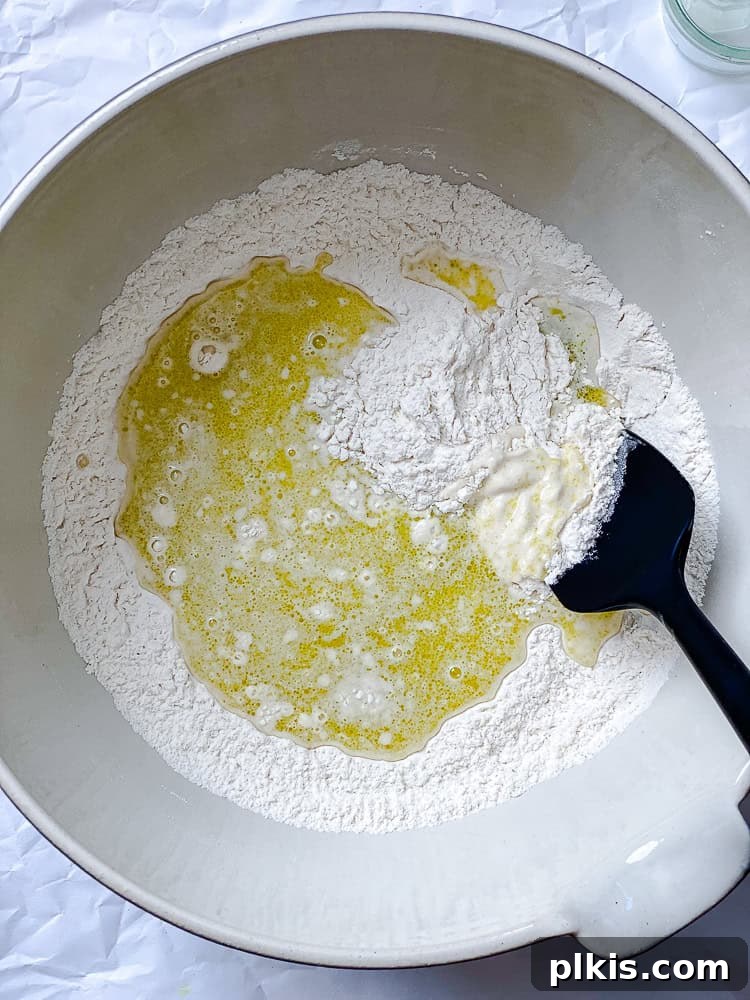
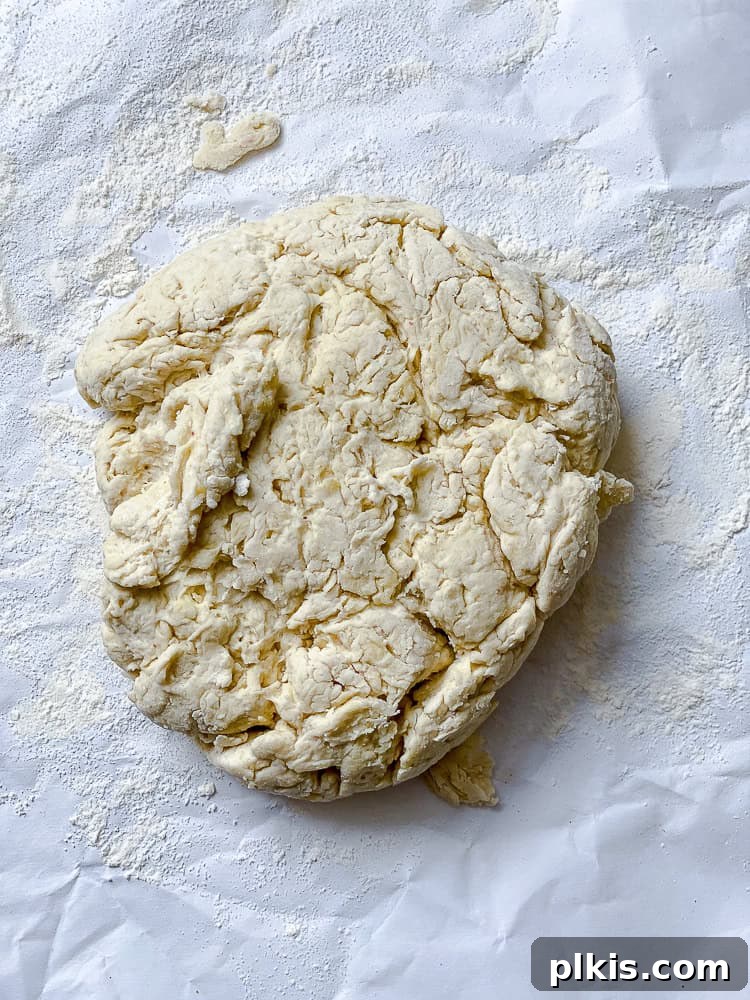
Step 5: Mix the Dough. Pour the combined wet ingredients into the large bowl containing your dry ingredients. Using a sturdy spatula or a wooden spoon, stir until everything comes together into a sticky, shaggy dough. Don’t worry if it looks a bit messy at this stage!
Step 6: Knead the Dough. Lightly flour a clean countertop or a large work surface. Turn the shaggy dough out onto the floured surface. Gently knead the dough for about 6-8 turns, or until it’s no longer excessively sticky and forms a relatively smooth, elastic ball. Avoid overworking the dough, as this can lead to tough naan.
Troubleshooting Sticky Dough: If your dough remains too sticky to handle after a few minutes of kneading, add one tablespoon of flour at a time to your work surface and continue kneading until it becomes more manageable and easier to work with. The goal is a soft, slightly tacky but not excessively sticky dough.
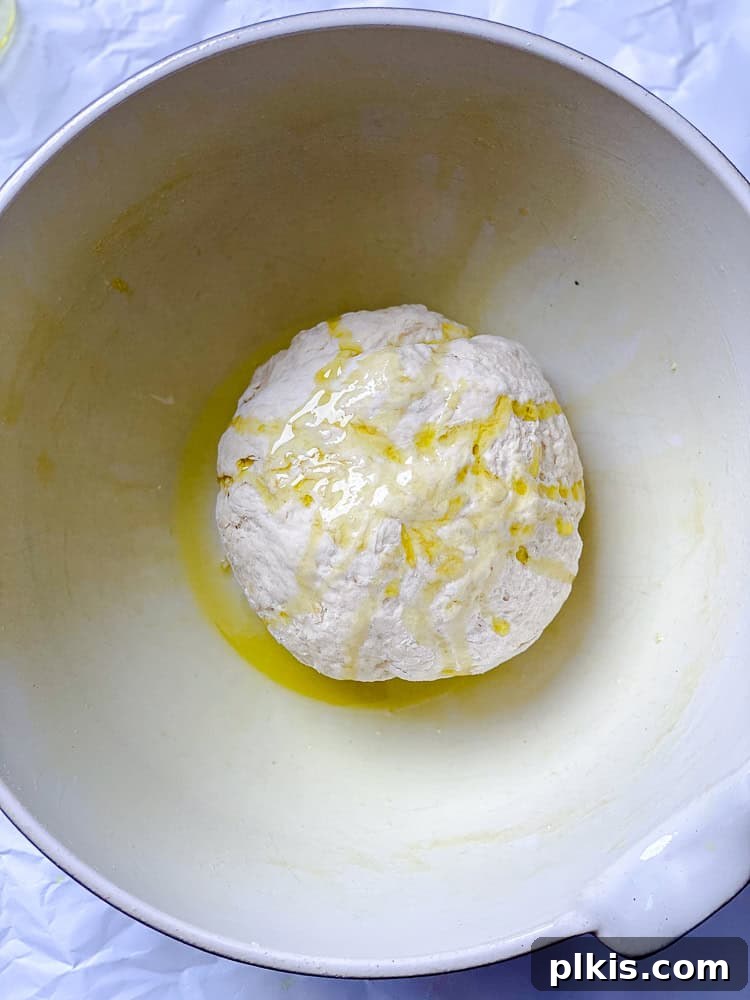
Step 7: First Rise. Drizzle 2 tablespoons of olive oil into a clean bowl and spread it around to coat the bottom and sides. Place your dough ball into the oiled bowl, then drizzle the remaining 1 tablespoon of oil over the dough and roll it around to ensure it’s lightly coated. Cover the bowl with a warm, damp kitchen towel or plastic wrap. Set it aside in a warm place to rise. A turned-off oven with the light on, or a sunny spot, are ideal locations.
Rising Time & Overnight Option: The dough will typically take anywhere from 1 to 3 hours to double or even triple in size, depending on the warmth of your environment. For convenience, you can prepare the dough the day before. Simply cover the oiled bowl with plastic wrap and place it in the refrigerator overnight. The slower, colder rise will develop more flavor. Just be sure to bring the dough to room temperature for about an hour before proceeding with the next steps.
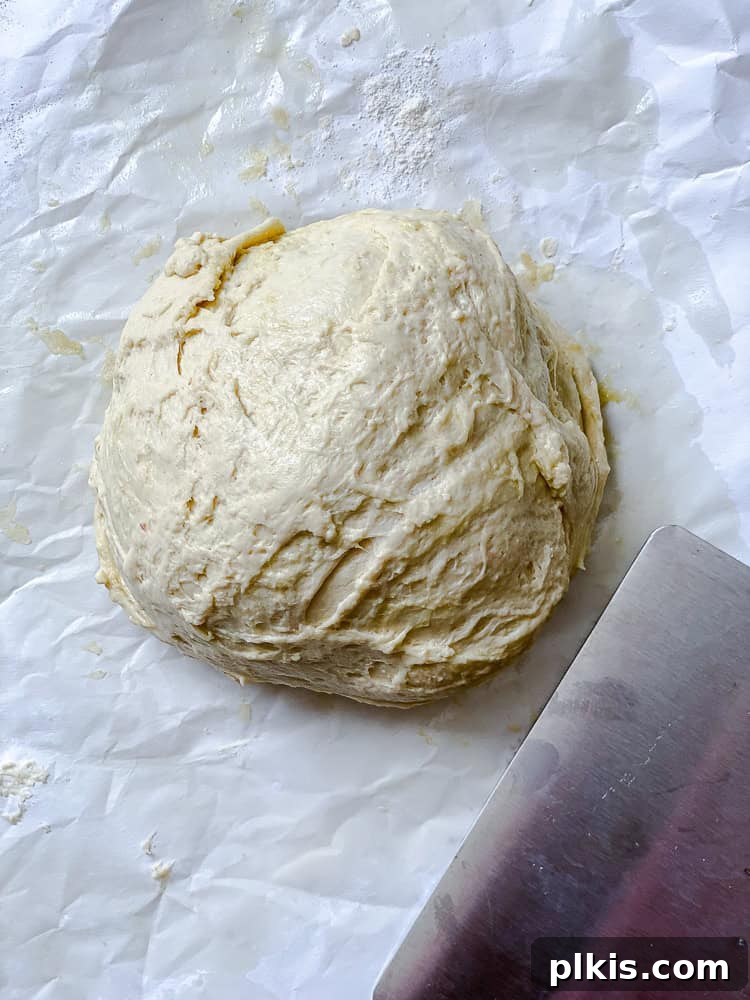
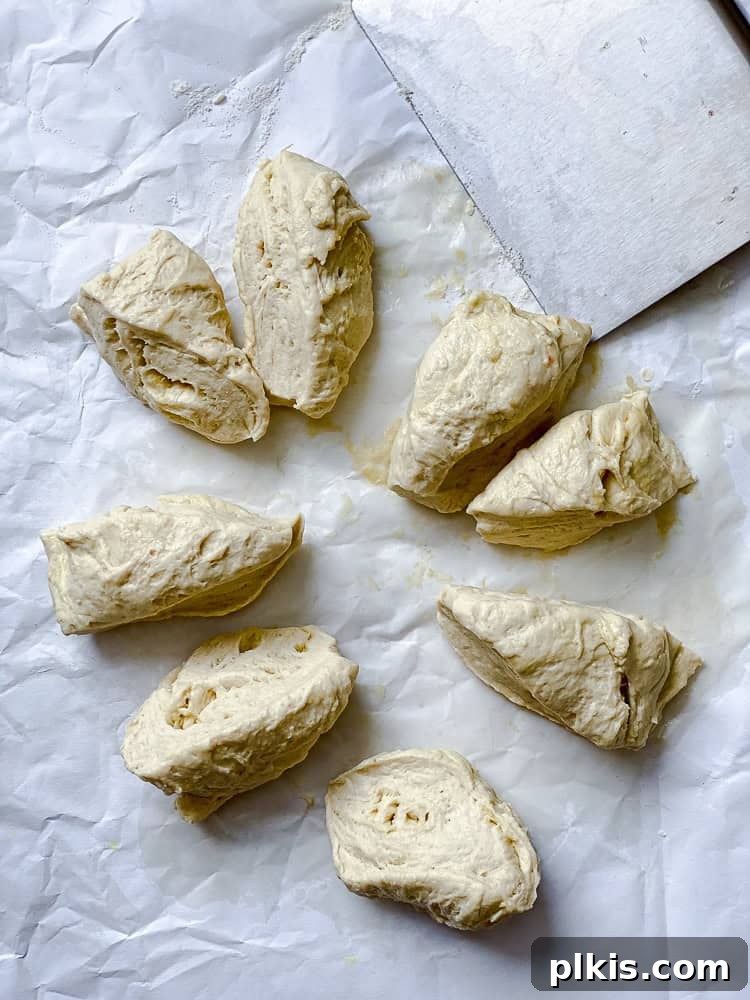
Step 8: Second Knead. Once the dough has visibly doubled or tripled in size, gently punch it down to release the air. Transfer it to a lightly floured surface and knead it softly for about 40 seconds to bring it back together into a cohesive ball.
Step 9: Portion and Rest. Divide the dough into 8 equal pieces. Roll each piece into a small, round ball. Cover them loosely with a damp cloth and let them rest for an additional 10 minutes. This resting period helps relax the gluten, making the dough easier to roll out.
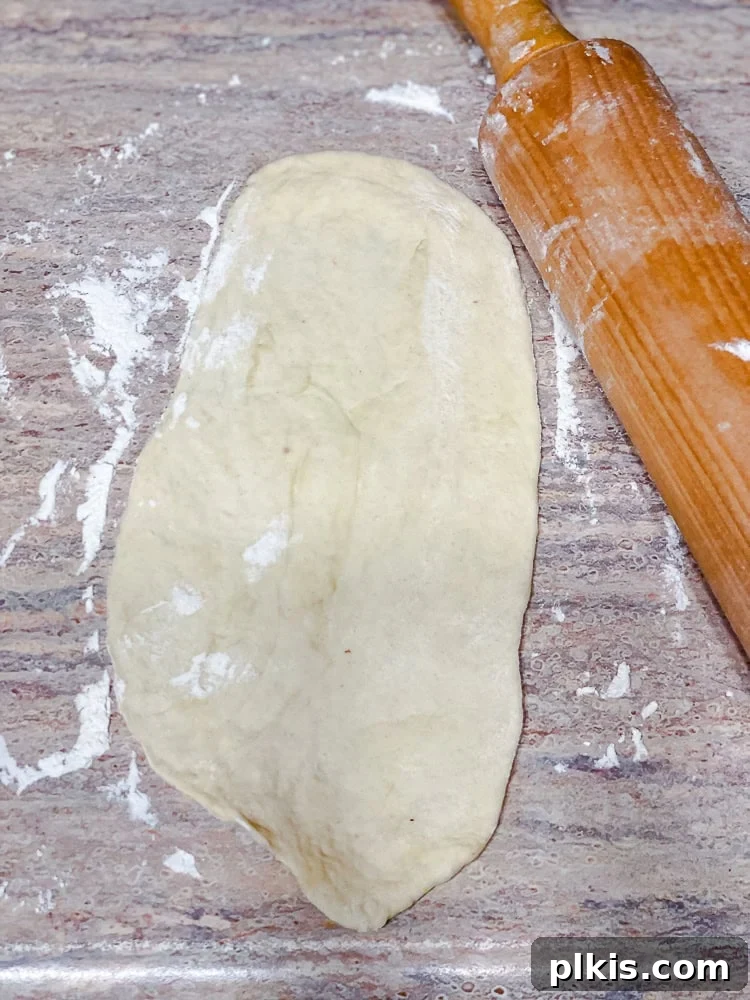

Step 10: Roll Out the Naan. On a lightly floured surface, take one dough ball and use a rolling pin to roll it out into an oval or tear-drop shape. Aim for a thickness of about ¼ inch (0.6 cm). The flatter and thinner you can get it without tearing, the better the final texture will be.
Step 11: Cook the Naan. Heat a large cast-iron skillet or heavy-bottomed pan over medium to medium-high heat for about 2 minutes until it’s very hot. Place one rolled-out piece of naan dough into the dry hot pan. Cook for 20-30 seconds, or until bubbles appear on the surface and the underside is golden brown with some desirable charred spots. Flip the naan and cook for another 10-20 seconds on the second side, until it puffs up and develops similar golden brown and charred marks. Repeat this process for all remaining dough balls.
Enjoy your delicious homemade vegan naan immediately!
Frequently Asked Questions About Vegan Naan
Traditional naan is typically not vegan because it often includes dairy products such as ghee (clarified butter), yogurt, or sometimes milk. These ingredients contribute to its characteristic richness and softness. However, this recipe provides a delicious and authentic-tasting vegan alternative by substituting these animal-derived ingredients with plant-based alternatives like non-dairy milk and oil.
While this specific recipe was developed using all-purpose flour, many home bakers have successfully adapted naan recipes to be gluten-free. The key is to use a high-quality 1:1 gluten-free all-purpose flour blend that is designed for baking, as these blends typically contain a mix of flours and starches, along with a binder like xanthan gum. You can try directly substituting the all-purpose flour with an equal amount of your preferred 1:1 gluten-free flour blend. Keep in mind that gluten-free doughs can sometimes be a bit stickier or less elastic, so you might need slight adjustments to the liquid or more flour for dusting when kneading.
Absolutely! Making the dough ahead of time is a fantastic way to streamline your meal prep. You have a couple of options:
- Refrigerator Rise: After bringing the sticky, shaggy dough together (Step 5), place it in an oiled bowl, cover it tightly with plastic wrap, and refrigerate for up to 2 days. The cold fermentation will actually enhance the flavor of the naan. When you’re ready to bake, remove the bowl from the fridge and let the dough come to room temperature for about an hour before proceeding with Step 8.
- Freezing Dough: You can also freeze the dough. After forming the dough ball (Step 7) or even after dividing it into individual balls (Step 9), wrap each portion tightly in plastic wrap, then place them in a freezer-safe bag or container. The dough can be frozen for up to 1 month. To use, transfer the frozen dough to the refrigerator overnight to thaw, then let it come to room temperature on the kitchen counter before continuing with the recipe as usual.
Pro Recipe Tips for the Best Vegan Naan
Achieving perfectly soft, chewy, and flavorful vegan naan is easy with a few expert insights:
- Do Not Overwork the Dough: This is perhaps the most crucial tip for tender naan. When combining the dry and wet ingredients, stir only until they just come together. Similarly, during kneading, aim for about 6-8 gentle turns on a floured surface, or just until the dough is no longer excessively sticky and forms a loose ball. Overmixing or over-kneading develops too much gluten, which can result in tough, dense naan rather than the desired pillowy texture.
- Grease Your Hands for Easier Handling: Working with dough, especially slightly sticky dough, can be a bit challenging. A simple trick is to lightly coat your hands with a thin layer of olive oil (or any neutral cooking oil) before you start kneading. This prevents the dough from sticking to your hands and makes the kneading process much smoother and more enjoyable.
- Serve Naan Warm for Optimal Enjoyment: Naan is truly at its best when served warm, straight from the pan. The heat enhances its softness, aroma, and delicate flavor. As you cook each piece, stack the freshly cooked naan in a toaster oven set on a low “keep warm” setting, or simply cover them with a clean, dry kitchen towel. This will help trap the warmth and steam, keeping the naan soft and pliable until you’re ready to serve the entire batch.
Irresistible Serving Suggestions for Your Vegan Naan
Once you’ve mastered this incredible vegan naan, the culinary possibilities are endless! Forget the utensils and use your warm, fresh naan to scoop up every delightful bite of your favorite dishes. Here are some fantastic serving ideas:
- The Classic Curry Companion: The most popular way to enjoy naan is with a generous bowl of curry. Before serving, brush your warm naan pieces with a homemade vegan garlic herb butter for an extra layer of flavor. Pair it with creamy vegan curries like butternut squash curry, a hearty chickpea and carrot curry, or a comforting coconut curry soup.
- Perfect with Dal and Lentils: Naan is an essential accompaniment to lentil-based dishes. Serve it alongside rich red lentil dal, this easy yellow dal, savory curried chickpeas, or flavorful curried lentils. It’s also heavenly with a cozy bowl of creamy curried butternut squash lentil soup.
- Creative Pizza Base: Transform your vegan naan into quick and easy personal pizzas, similar to these vegan tortilla pizzas. Spread marinara sauce on each piece, add your favorite toppings such as vegan pepperoni, an assortment of fresh veggies, and generous sprinkles of vegan mozzarella. Bake them at 350ºF (175ºC) until the vegan cheese is bubbly and melted, and the naan edges are golden and slightly crisp.
- Versatile Wrap or Dip Carrier: Use vegan naan as a delicious substitute for pita bread. Create delightful vegan gyros, loaded with plant-based protein, fresh vegetables, and a creamy tzatziki sauce. It’s also perfect for dipping into creamy spreads like homemade vegan hummus, baba ganoush, or a spicy chutney.
- Breakfast or Brunch Treat: Lightly toast a piece of naan, spread with a dollop of vegan cream cheese and a sprinkle of everything bagel seasoning, or serve with fresh fruit and a drizzle of maple syrup for a sweet start to your day.
Storage and Reheating Instructions for Vegan Naan
Proper storage is key to keeping your homemade vegan naan fresh and delicious for as long as possible:
- Refrigerator Storage: Once cooled completely, wrap each piece of naan individually in plastic wrap or stack them in an airtight container. Stored this way, your naan will remain soft and fresh for 3 to 4 days in the refrigerator.
- Freezer Storage: For longer storage, vegan naan freezes beautifully. Allow the cooked naan to cool completely, then wrap each piece tightly in plastic wrap, followed by a layer of aluminum foil, or place them in a freezer-safe bag. It will keep well in the freezer for up to 3 months. When ready to enjoy, transfer the frozen naan to the refrigerator to thaw overnight, or directly reheat from frozen using the methods below.
To Reheat Naan:
- Microwave Method: For a quick reheat, wrap each piece of naan in a damp paper towel and microwave for 20 to 30 seconds. This method helps restore its softness and prevents it from drying out.
- Stovetop Method: For a slightly crispier exterior and warm interior, reheat naan in a lightly oiled skillet over medium heat for 1-2 minutes per side, until warmed through and lightly golden.
- Oven Method: For larger batches, preheat your oven to 350ºF (175ºC). Lightly dampen the naan with a little water, wrap it in foil, and heat for about 5-7 minutes, or until soft and warm.
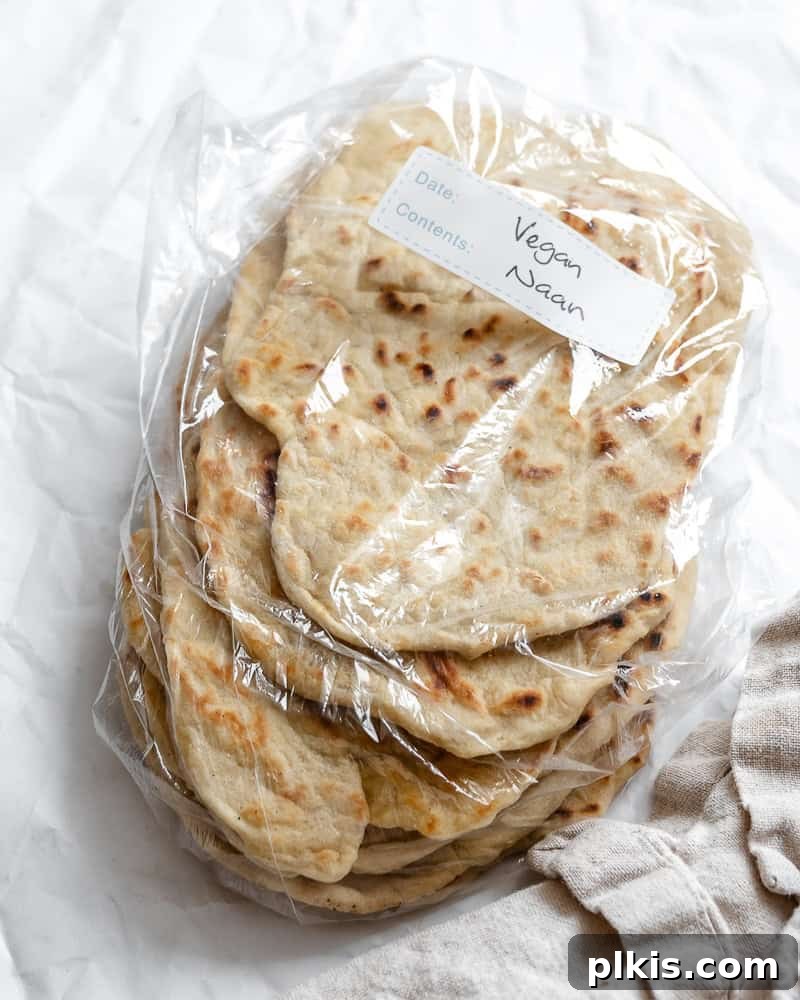
Vegan Naan Recipe

Your vegan feast isn’t complete without warm and fresh vegan naan on the side! Easy to make with baking staples, this pillowy soft flatbread is perfect for scooping up all your favorite Indian-inspired dishes.
Equipment
- Measuring Cups
- Measuring spoons
- Cast Iron Skillet (optional, but recommended)
- Spatula
- Rolling Pin
Ingredients
- ¾ cup of warm water
- 1 teaspoon of instant yeast
- 1 teaspoon of sugar
- 2 cups of all-purpose flour
- 1 teaspoon of salt
- 1 tablespoon of baking powder
- 3 tablespoons of plant-based milk (soy milk works best)
- 1 teaspoon of apple cider vinegar
- 5 tablespoons of olive oil, divided
Instructions
- Add the warm water to a cup and mix in the yeast and sugar until fully dissolved. The water needs to be comfortably warm to the touch (approx. 110ºF / 43ºC). If it’s too hot, it could kill the yeast. Cover with a plate and set aside for 5-10 minutes until foamy.
- To a large bowl, add the flour, salt, and baking powder. Mix well and set aside.
- In a small cup, combine the plant-based milk and apple cider vinegar. Mix well until it thickens and curdles slightly.
- Uncover the cup with the yeast. If it’s foamy, it is ready. Add in the plant milk mixture and 2 tablespoons of oil. Mix well and then add these wet ingredients to the bowl with the dry ingredients.
- Using a spatula or wooden spoon, mix until a sticky, shaggy dough forms. Do not worry if it looks slightly broken down.
- Lightly flour a clean surface and place the dough onto it. Knead the dough gently for about 6-8 turns, or until it’s no longer too sticky and forms a loose ball. If it’s still too sticky, sprinkle one tablespoon of flour at a time until it’s manageable. Do not over-knead or overwork the dough.
- Add 2 tablespoons of oil to a clean bowl and spread it around. Place the dough ball into the oiled bowl, add 1 tablespoon of oil onto the dough ball, and spread the oil all around the dough. Cover with a warm damp towel or plastic wrap, and place the bowl in a warm place to rise for 1 to 3 hours, or until it doubles or triples in size. (You can also refrigerate overnight for a slower rise).
- Once the dough has doubled or tripled in size, gently punch it down. Add more flour to your workstation, carefully remove the dough from the bowl, and place it on the floured counter. Slowly knead the dough for about 40 seconds to reshape into a ball. Divide it into 8 equal chunks. Form each chunk into a small ball and set them aside for 10 minutes, covered.
- Once the 10 minutes have passed, heat a large cast iron pan or heavy-bottomed skillet over medium heat for 2 minutes until hot.
- Place 1 dough ball on a lightly floured surface. Using a rolling pin, roll it out as much as possible into an oval or tear-drop shape, aiming for about ¼ inch thick, without breaking it. The thinner, the better.
- Gently lift the rolled dough and place it on the preheated cast iron pan. Cook for 20-30 seconds. It will start to bubble almost immediately. Do not flip until the bottom is golden brown with some lightly charred spots.
- Flip and cook for another 10 to 20 seconds, or until golden brown and lightly charred on the second side.
- Repeat the process until you have cooked all 8 dough balls. Place them in a warm toaster oven or wrap them in a clean kitchen towel to enjoy them warm. For storage, allow them to cool completely before placing them in an airtight container.
Notes
- Don’t overwork the dough: Gently stir the dry and wet ingredients until they just come together, then only knead the dough about 6-8 times or until it’s no longer too sticky. Overmixing or over-kneading will yield tough or dense naan.
- Grease your hands: It helps to coat your hands in a light layer of olive oil to prevent the dough from sticking while you knead.
- Warm naan is the best! While cooking the dough balls, keep the freshly cooked naan warm by placing the pieces in a toaster oven, or by covering them with a clean kitchen towel.
Nutrition
Carbohydrates: 25g
Protein: 4g
Fat: 9g
Saturated Fat: 1g
Polyunsaturated Fat: 1g
Monounsaturated Fat: 7g
Sodium: 460mg
Potassium: 49mg
Fiber: 1g
Sugar: 1g
Vitamin C: 0.01mg
Calcium: 101mg
Iron: 2mg
Additional Info
Tried this recipe?
Please tag us at @PlantBasedOnABudget! 🙂