
By Josie Steiger
Disclaimer: This article is based on my personal experiences and observations. Every individual and every pregnancy journey is unique. There are aspects of pregnancy that are beyond our control, and my intention is not to imply any judgment or suggest that anyone’s body or choices are inadequate. My hope is to offer valuable insights and resources for those navigating a vegan pregnancy. Please remember, I am not a medical professional. Always consult with a qualified medical doctor, midwife, or registered dietitian for personalized medical advice and care throughout your pregnancy.
Thriving Through a Vegan Pregnancy: A Personal Journey to a Healthy, Plant-Based Motherhood
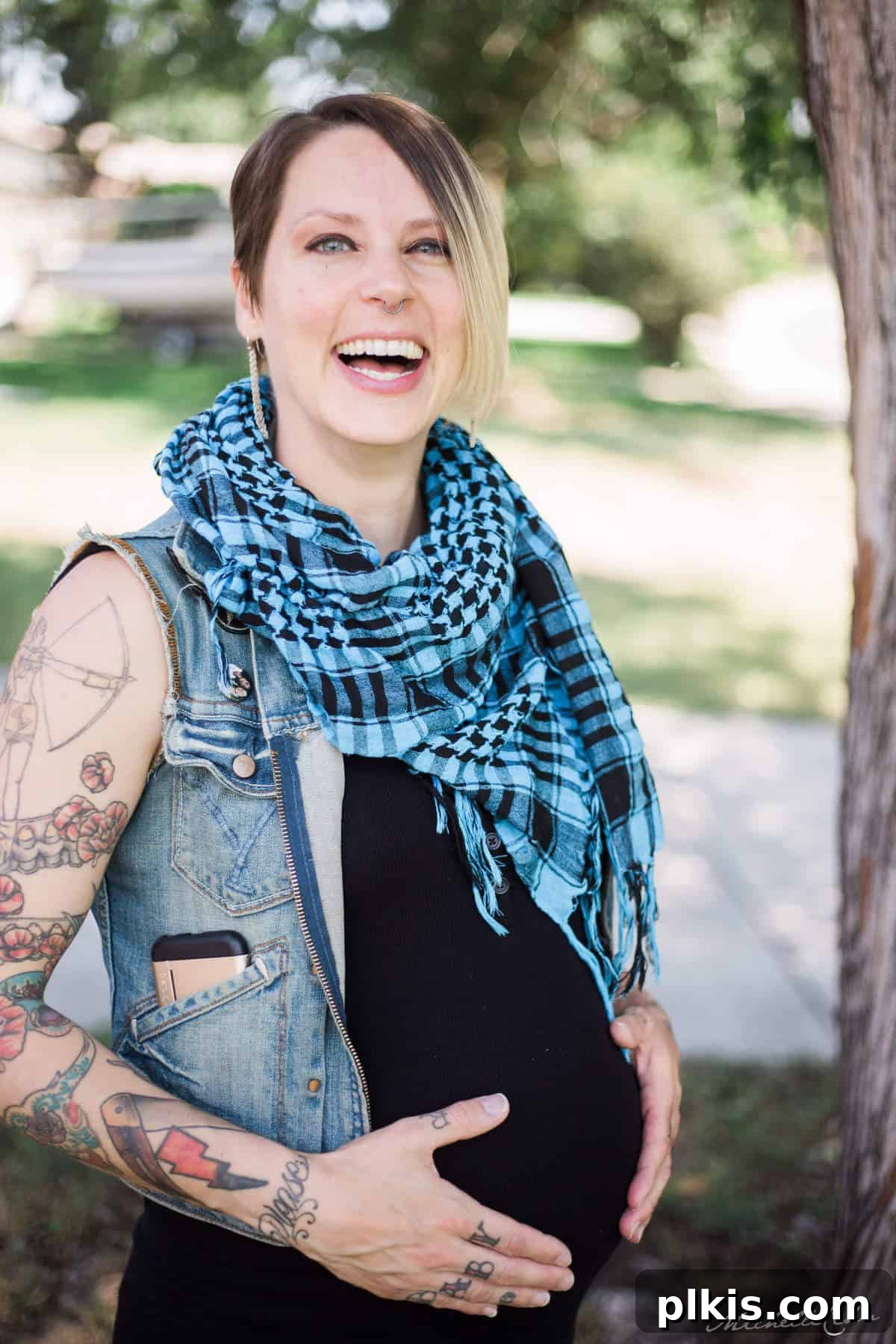
As I pen these words, I am 32 weeks into my pregnancy, a journey that typically spans 40 weeks, and I have been a devoted vegan for over six years. While my body is certainly beginning to feel the profound changes and discomforts that come with this stage, the overall experience of being a pregnant vegan woman has been incredibly empowering and profoundly positive. It has reinforced my belief in the power of plant-based living and its capacity to support life-giving processes.
Navigating Nutrition and Cravings During Vegan Pregnancy
One of the most frequent questions my vegan husband and I encounter revolves around unusual food cravings. Many expect tales of obscure midnight runs for exotic combinations. However, the reality has been far more grounded. As much as I’d love to recount dramatic anecdotes of my partner rushing out for pickles and coconut milk ice cream at strange hours, my primary craving has consistently been for something remarkably simple: rice and beans. This staple, often overlooked, became my ultimate comfort food, providing consistent energy and satisfaction.
Meeting Increased Protein Needs on a Plant-Based Diet
Whether you’re an omnivore or a vegan, your protein requirements increase substantially during pregnancy. It’s crucial to understand your specific daily needs. For me, fulfilling these heightened demands has been a diverse and delicious endeavor. My protein sources include a rich array of plant-based foods such as various beans, peas, tofu, nuts and nut butters, and nutrient-dense spinach. For added convenience, I also incorporate vegan meats, protein shakes, and the occasional plant-based protein bar. These choices ensure I’m consistently fueling both myself and my growing baby with adequate protein for healthy development.
Eliminating Pregnancy Food Hazards Through a Vegan Lifestyle
The American Pregnancy Association provides a comprehensive list of foods to avoid during pregnancy due to potential risks from bacteria, parasites, or mercury. This list typically includes raw or undercooked meats, deli meats, raw or undercooked eggs, unpasteurized dairy products, pâté, soft cheeses, and various fish, shellfish, and seafood. The beauty of a vegan diet is that it inherently eliminates all of these dietary hazards. This has been a significant relief, allowing me to focus on nutrient-dense plant foods without the constant worry of inadvertently consuming something potentially harmful. It truly is one less thing on my plate—both literally and figuratively—that I need to be concerned about avoiding.
The Safety and Benefits of a Vegan Pregnancy
While some individuals have subtly implied concerns about the safety of a vegan pregnancy, research and lived experience overwhelmingly demonstrate the contrary. A well-planned vegan diet can provide all the essential nutrients your body needs for a healthy pregnancy, with no animal products being necessary. In fact, a growing body of scientific evidence suggests that consuming animal products during pregnancy may actually increase risks for both the mother and the baby, potentially leading to a wider range of negative health outcomes. Embracing a plant-based diet can, therefore, be a proactive step toward a healthier gestational period.
Addressing Common Concerns and Managing Pregnancy Symptoms
Being a person of smaller stature, I’ve sometimes received unsolicited comments from observers regarding my weight gain during pregnancy. To these well-meaning but often misinformed remarks, my truthful and confident reply is, “My doctor and midwife confirm that my weight gain is perfectly on track for this stage of pregnancy.” For context, the average recommended weight gain throughout pregnancy typically ranges between 25 and 35 pounds, and it’s essential to remember that individual needs vary.
Strategies for a Healthy and Comfortable Vegan Pregnancy
Speaking purely from my own experience, I firmly believe that a balanced vegan diet, consistent intake of prenatal vitamins, diligent hydration, and regular exercise have collectively contributed significantly to my overall well-being throughout this journey. While my pregnancy hasn’t been entirely without challenges, it has been overwhelmingly positive. I experienced morning sickness during my first trimester, and in this third trimester, bouts of intense nausea and heartburn have occasionally appeared. During those times when eating feels difficult or only small amounts are manageable, prioritizing nutrient density becomes paramount. Even if you can only manage a few bites, make every single bite count by choosing the most nourishing options available.
Beyond dietary adjustments, I discovered several natural remedies that provided immense relief from nausea. Fresh papaya proved incredibly soothing. Water infused with lemon juice, a spoonful of apple cider vinegar, or even a tiny amount of baking soda dissolved in water offered surprisingly effective relief. Additionally, a simple, savory no-chicken broth from the bulk foods section became a comforting and gentle option when my stomach was particularly upset. These small, plant-based remedies made a significant difference in my comfort levels.
Empowering Your Healthcare Dialogue as a Vegan Expectant Mother
Throughout my pregnancy, I have been under the care of both a medical doctor and a midwife, both of whom have confirmed that I am experiencing a normal and healthy pregnancy. A crucial aspect of my journey has been actively educating myself on vegan nutrition and becoming my own most ardent advocate. It’s a well-known fact that many doctors receive only limited hours of nutrition training during medical school, and in my experience, their knowledge base on contemporary nutritional needs, especially regarding plant-based diets, isn’t always current. While midwives generally appear more open to vegetarianism, I have still found opportunities to share valuable insights about comprehensive vegan nutrition with my midwife, enriching our discussions and my care plan.
Navigating Nutritional Advice: A Critical Eye
My skepticism regarding generalized dietary advice reached a peak when I received a “healthy eating” handout from my doctor’s office that, to my dismay, was produced by the Dairy Council of California. Unsurprisingly, this handout heavily emphasized dairy consumption, recommending a staggering 3 cups daily, which was more than its recommendations for vegetables (2.5 cups), fruit (1.5 cups), grains (6 oz.), or beans (5 oz). Conspicuously absent was any mention of potential health risks or concerns associated with dairy consumption, particularly during pregnancy. This experience underscored the importance of critical evaluation and seeking information from unbiased, evidence-based sources.
Addressing Common Pregnancy Complications from a Vegan Perspective
Gestational diabetes and anemia (a lower-than-normal count of healthy red blood cells) are two health issues that are fairly common during pregnancy, regardless of dietary choices. If you, as a vegan, encounter either of these challenges, it is vital not to automatically attribute them to your veganism. Furthermore, do not assume there aren’t effective plant-based solutions or strategies for management. It’s also important not to feel that you are doing something inherently “wrong” with your diet. I strongly encourage you to actively work with your healthcare providers to understand the specific issue you are facing and to explore a path to address it that aligns with your values and dietary choices. Many plant-based strategies, such as increasing iron-rich foods like lentils, spinach, and fortified cereals alongside vitamin C sources for better absorption, or focusing on high-fiber, low-glycemic foods for blood sugar management, can be incredibly effective.
Essential Resources for Empowered Vegan Parents-to-Be
During my pregnancy, I’ve leaned on several invaluable resources that have profoundly enriched my knowledge and confidence. These are resources I wholeheartedly recommend to any vegan expectant parent:
- The Kind Mamaby Alicia Silverstone: This book became my absolute favorite, offering comprehensive guidance from pre-conception through pregnancy and even into toddlerhood.
- Vegan Pregnancy Survival Guideby Sayward Rebhal: A practical and reassuring guide specifically tailored for vegan mothers-to-be.
- The Everything Vegan Pregnancy Bookby Reed Mangels, PhD.: Dr. Mangels is a highly respected authority in vegan nutrition, and her book is an evidence-based goldmine.
- NutritionFacts.org: A fantastic resource for evidence-based nutrition information, regularly updated by Dr. Michael Greger.
- VeganPregnancyAndParenting.com: A community and resource hub for vegan families.
- VeganHealth.org: Another excellent, science-backed site focusing on the nutritional aspects of a vegan diet for all life stages.
A Week in My Vegan Pregnancy Diet: Nourishing Body and Baby on a Budget
Given that this blog often focuses on food and budget-friendly living, it would be incomplete without sharing a snapshot of my typical weekly diet, including the supplements I prioritize. I always opt for organic choices whenever feasible, recognizing the added benefits for both my health and the environment.
Daily Staples and Nutritional Powerhouses:
- Rice, Beans, and Avocado: A foundational meal that provides complex carbohydrates, protein, healthy fats, and fiber. It’s incredibly versatile and satisfying.
- Lentil or Black Bean Soup: Rich in protein, iron, and fiber, these soups are hearty, easy to prepare, and budget-friendly.
- Abundant Fresh Fruits: Grapes, apples, papaya, oranges, and a variety of other seasonal fruits are packed with vitamins, antioxidants, and natural sugars. Always remember to wash fruits and vegetables thoroughly!
- Peanut Butter on Bananas: A simple, quick, and energy-boosting snack that combines healthy fats, protein, and potassium.
- Whole Grain Cereal with Plant Milk: A comforting breakfast or snack, offering fiber and essential nutrients, especially when fortified.
- Whole Grain Sandwiches with Tofurky Slices: A convenient and satisfying lunch option, providing protein and complex carbs.
- Fresh or Cooked Greens and Carrots: Essential for vitamins, minerals, and fiber. I incorporate them into almost every meal.
- Mixed Vegetables and Tofu Stir-fry: A versatile and delicious way to consume a wide array of vegetables and plant-based protein.
- Ground Flax Seeds: An incredible source of Omega-3 fatty acids, crucial for fetal brain development. I buy them in bulk and grind them in a coffee grinder for optimal absorption.
- Orange Juice: A good source of Vitamin C, which is vital for immune support and enhances iron absorption from other plant foods.
Essential Vegan-Friendly Supplements:
While a whole-foods vegan diet provides most nutrients, certain supplements are generally recommended during pregnancy to ensure optimal levels for both mother and baby.
- Rainbow Light Prenatal Vitamins: A comprehensive prenatal multivitamin formulated to meet the increased nutritional demands of pregnancy, including crucial nutrients like folate.
- Doctor’s Best Vegetarian DHA: DHA (Docosahexaenoic Acid) is an omega-3 fatty acid critical for the baby’s brain and eye development. As it’s primarily found in fatty fish, a vegan DHA supplement derived from algae is essential.
- Nature’s Life Acidophilus Probiotic: Supporting gut health with probiotics can be beneficial during pregnancy, aiding digestion and potentially bolstering immunity.
- Floravital Iron Supplement: Iron needs increase significantly during pregnancy to support increased blood volume and fetal development. An alternative and highly affordable plant-based source of iron and potassium is a spoonful of blackstrap molasses daily.
Embracing a Fulfilling and Budget-Friendly Vegan Motherhood
I could continue to delve into the many facets of my vegan pregnancy journey, but I’ll pause here for now. My sincere hope is that this post fulfills its intended purpose: to empower vegan parents, both current and aspiring, and to unequivocally demonstrate that it is entirely possible to experience a happy, healthy, and fulfilling plant-based pregnancy, all while adhering to a budget. The journey to motherhood on a vegan diet is not only viable but can be a profoundly positive and nourishing experience for both mother and child.