Welcome to the transformative Plant-Based on a Budget Challenge! We are thrilled you’re considering embarking on this journey with us. Our core mission is to empower individuals to adopt a wholesome, plant-based diet without the misconception that it requires a significant financial outlay. This challenge is meticulously designed to demonstrate that delicious, nutritious, and ethical eating can indeed be achieved on a modest budget, specifically aiming for just $25 per person, per week.
Understanding that food prices and availability vary greatly, especially across different regions, this guide offers inherent flexibility. While I, Toni Okamoto, the founder of Plant Based on a Budget, acknowledge living in California where fresh produce is often abundant and reasonably priced, the meal plans are crafted to be highly adaptable. For instance, if spinach is more affordable than kale in your local grocery store, feel free to swap them. If you don’t have plant-based bouillon, simply use vegetable broth and adjust quantities as needed. This challenge serves as a foundational guide, providing a framework to help you confidently navigate the world of affordable plant-based eating. We encourage you to personalize it, experiment with ingredients, and truly make it your own.
An Affordable Journey to Plant-Based Eating: The $25 Weekly Challenge
Embarking on a plant-based diet offers a multitude of benefits, from enhanced personal health to a positive impact on the environment and animal welfare. However, many people are deterred by the perceived high cost. Our Plant-Based on a Budget Challenge aims to dismantle this myth, proving that a nourishing, delicious, and fulfilling vegan lifestyle is within everyone’s reach, even on a strict budget. This guide provides a comprehensive 7-day meal plan, practical grocery shopping strategies, and invaluable tips to help you save money while eating incredibly well.
Why Choose a Plant-Based Diet? More Than Just Savings
Beyond the undeniable financial advantages that a well-planned plant-based diet can offer, the benefits extend to various crucial aspects of life. From improving your physical well-being to contributing positively to our planet, embracing plant-based eating is a powerful choice.
Health Benefits: Fuel Your Body Naturally
A diet rich in whole, plant-based foods is consistently linked to numerous health advantages. It can significantly reduce the risk of chronic diseases such as heart disease, type 2 diabetes, certain cancers, and obesity. Plants are naturally abundant in fiber, vitamins, minerals, and antioxidants, which are vital for maintaining optimal health, boosting energy levels, and supporting a robust immune system. By focusing on whole ingredients like legumes, grains, fruits, and vegetables, you’ll provide your body with the nutrients it needs to thrive, often leading to improved digestion, clearer skin, and increased vitality.
Environmental Impact: Eat Green, Live Sustainably
Choosing plant-based options has a profound positive impact on the environment. Animal agriculture is a major contributor to greenhouse gas emissions, deforestation, water pollution, and resource depletion. By shifting towards a plant-centric diet, you help reduce your carbon footprint, conserve precious natural resources, and support more sustainable food systems. Every meal is an opportunity to make an eco-conscious choice that benefits the planet for future generations.
Ethical Considerations: Compassion on Your Plate
For many, the ethical treatment of animals is a primary driver for adopting a plant-based lifestyle. This challenge provides a pathway to aligning your values with your dietary choices, fostering a sense of compassion and promoting animal welfare. Discovering delicious and accessible plant-based alternatives means you don’t have to compromise your ethics for satisfying meals.
Meet the Visionary: Toni Okamoto and Plant Based on a Budget
My name is Toni Okamoto, and I am the proud founder of Plant Based on a Budget. My journey into plant-based eating, and subsequently into creating this platform, is deeply personal and rooted in my upbringing. Having grown up in a low-income household, I intimately understand the daily struggle where food money often becomes a low priority amidst a long list of essential expenses. This firsthand experience has fueled my passion to address critical issues like limited access to fresh, nutritious food and the scarcity of nutrition education within underserved communities.
While I recognize that I cannot solve these systemic issues alone, I am committed to demonstrating that maintaining your health and enjoying delicious food does not necessitate a hefty price tag. It’s about smart choices, resourcefulness, and a little creativity in the kitchen.
My personal transition began for health reasons during high school. As a dedicated runner, I frequently felt unwell after training. My coach suggested cutting out red meat, which quickly led me to adopt a vegetarian diet. However, as a young adult who moved out immediately after high school with limited funds, my vegetarianism was far from healthy, consisting primarily of fast food, instant ramen, and peanut butter and jelly sandwiches. It wasn’t until I joined a college veg club and initiated a weekly meetup called “Womanly Wednesdays” that my perspective shifted. I embraced veganism for ethical reasons and began my exciting exploration into healthy, budget-friendly plant-based cooking. This journey of discovery is what I now share with you.
Creating these free resources, pouring countless hours into developing meal plans and recipes, makes me feel both incredibly proud and uniquely vulnerable. It’s disheartening to see creators criticized for their efforts to provide accessible, valuable content. My kitchen and my culinary philosophy are open for you to explore, and while I embrace constructive feedback, I also extend an invitation: if you believe my meal plans could be improved, or if you have alternative budget-friendly plant-based meal ideas (adhering to the $25 per person weekly budget), I would be genuinely delighted to promote your contributions. The more examples we have of successful, affordable plant-based eating, the richer our collective resource becomes.
Essential Tips for Mastering Your Plant-Based Budget
Succeeding in the Plant-Based on a Budget Challenge requires more than just following recipes; it involves adopting smart habits and strategies that maximize your time and money. Here are some key tips that have proven invaluable on my own journey.
Smart Meal Preparation: Your Time and Money Saver
One of the most powerful tools in budget eating is effective meal preparation. I frequently work over 70 hours a week, and the last thing I want to do after a long commute is spend an hour prepping vegetables. My solution? Batch prepping on my day off. I chop all my vegetables for the week at once and store them in the refrigerator, ready for quick use. Similarly, I cook large batches of dry beans (which are significantly cheaper than canned) on the same day. This not only saves immense time during busy weekdays but also reduces the temptation to order takeout, a notorious budget-buster.
Strategic Grocery Shopping: Hunting for Value
Where you shop and how you shop can dramatically impact your weekly food budget. It’s crucial to identify the most affordable grocery stores in your area. For me, a Winco store offered incredibly low prices and an impressive bulk bin selection, which is a goldmine for budget-friendly staples like grains, beans, and oats. Shopping at premium stores like Whole Foods will likely make it challenging to stick to the $25 budget. Always check weekly sales flyers, compare unit prices, and prioritize seasonal produce, which is typically cheaper and fresher.
Beyond traditional stores, consider exploring local farmers’ markets towards closing time for potential discounts, or international markets that often carry staple ingredients at lower prices. Another fantastic tool for extra savings is rebate apps like the Ibotta app. I use it regularly at various retailers like Target, Sprouts, and Walmart to get instant rebates on groceries. If you sign up using my referral code, dlamydh, you’ll even get $10 back to kickstart your savings!
Culinary Wisdom: Making the Most of Every Ingredient
My meal planning philosophy is heavily influenced by principles like those shared by Sticman of Dead Prez in his article, “7 Ways to Eat Good on a Hood Budget.” This involves several key strategies:
- Plan Your Meals: A well-thought-out meal plan prevents impulse purchases and food waste.
- Avoid Packaged Foods: Prioritize whole, unprocessed ingredients. They are often cheaper and healthier.
- Embrace Leftovers: Cook in larger quantities and plan to incorporate leftovers into subsequent meals. This is a cornerstone of budget eating.
- Cook from Scratch: Making your own soups, sauces, and baked goods is almost always more economical than buying pre-made.
- Hydrate with Water: Skipping sugary drinks and opting for water is a simple yet effective way to save money and improve health.
Additionally, keeping a well-stocked pantry of versatile staples such as rice, oats, dried beans, lentils, pasta, and essential spices will ensure you always have the foundation for a budget-friendly meal.
Your Weekly Shopping List: Smart Choices for Maximum Savings
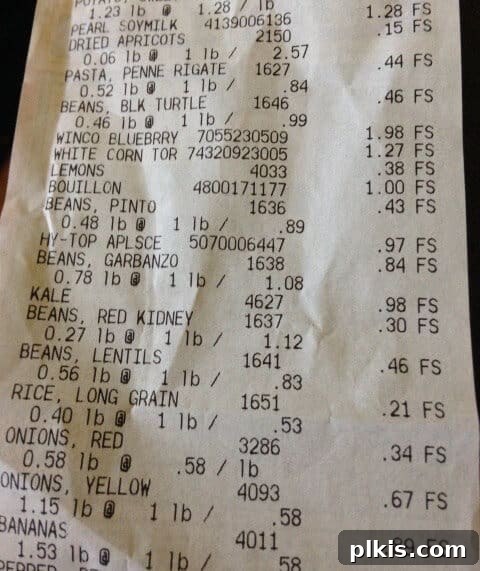
This grocery list is carefully curated to provide the necessary ingredients for a week of wholesome, plant-based meals, all while adhering to our strict $25 budget. You’ll notice a focus on versatile, whole food staples that can be transformed into a variety of dishes. The prices listed are what I encountered, and your local prices may vary, so always keep an eye out for deals!
Grocery List:
Garlic – .48
Dried Cranberries – .59*
2 Carrots – .24
Cheapest Non-Dairy Milk – 1.28
5 Dried Apricots – .15
1/2 lb Cheapest Pasta – .44
1/2 lb Black Beans – .46
Cheapest Frozen Berries (I got Blueberries) – 1.98*
12 ct Corn Tortillas – 1.27*
Celery .78
Lemon – .38
Small can Tomato Paste – .18
Pack of 6ct Bullion Cubes – 1.00
1/4 lb Pinto Bean – .23
15 oz can Apple Sauce – .97*
3/4 lb Garbanzo Beans – .84
Kale – .98
1/4 lb Kidney Beans – .30
1/2 lb Green Lentils – .46
1/2 lb Old Fashioned Oats – .31
8 oz can Tomato Sauce – .18
15 oz can diced tomatoes – .53
1 Cup Long Grain Rice – .21
Red Onion – .34
2 Yellow Onions – .67
1/2 lb Cheapest Bulk Cereal (I got cornflakes) – .77
4 Bananas – .89
Green Bell Pepper – .88
Orange – .42*
Total: $17.70
*If you find yourself going over your $25 budget at the checkout, please feel empowered to omit these asterisked items. I have provided variations within the recipes to accommodate these exclusions, ensuring you can still enjoy a complete meal plan within your financial goals. For example, if you omit everything with an asterisk, your total would be an even leaner $12.47!
Your 7-Day Plant-Based Meal Plan: Delicious & Affordable
This meal plan is designed for one person for one week, focusing on minimizing waste, maximizing flavor, and stretching every dollar. You’ll notice the strategic use of leftovers to reduce cooking time and ensure efficiency. Let’s dive into a week of affordable, healthy eating!
Day One: Hearty & Flavorful Beginnings

Breakfast: To start the week with a touch of sweetness and sustained energy, I prepared my friend Aaron’s Banana Bread. This recipe yields seven slices, providing a delicious, budget-friendly breakfast option or a satisfying sweet treat for dessert throughout the week. It’s a wonderful way to use ripe bananas and ensure you always have something convenient on hand. If banana bread isn’t your preference, don’t worry – there are plenty of other options like cereal or oatmeal planned for later in the week.

Lunch: For a protein-packed and satisfying lunch, I created a variation of our popular Chickpea Salad, utilizing the ingredients from our budget-friendly grocery list. I used three cups of pre-cooked chickpeas, omitted the dill pickle, and incorporated one medium spoonful of canned tomatoes, one-third of the green bell pepper, and a fresh garlic clove, doubling the mustard for extra flavor. This recipe yields 2-3 generous servings, making it perfect for meal prepping and enjoying over the next couple of days. Chickpeas are a nutritional powerhouse, offering approximately 78% of your daily protein, 55% Vitamin B6, 21% Calcium, 13% Vitamin C, and 50% Potassium per cup.
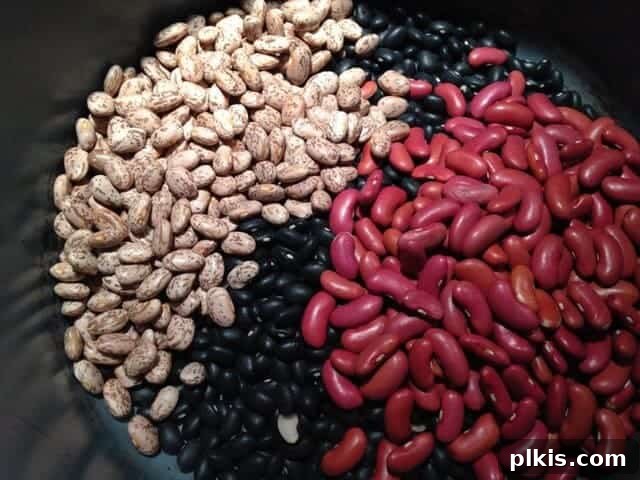
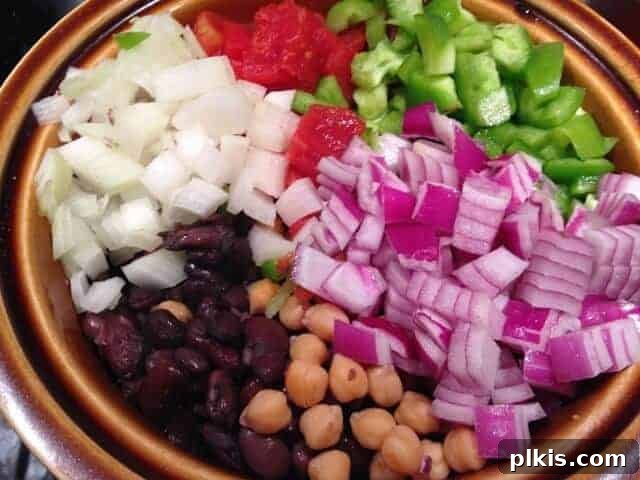

Dinner: The evening features my easiest, cheapest, and most convenient meal: Crockpot Four Bean Chili. To streamline the process and save on dishwashing, I cooked the kidney, black, and pinto beans together in a single pot. Then, all the ingredients went into my crockpot to slow cook for five hours, allowing me to focus on other tasks. My budget-conscious modifications included using one-third of a yellow onion, half of the red onion, one-third of the green bell pepper, and half of the leftover canned diced tomatoes, while omitting zucchini and corn. If you don’t own a crockpot (I highly recommend checking thrift stores for affordable options!), you can still make this chili on the stovetop with a little more attention. This recipe makes 4-5 substantial servings, ensuring plenty of delicious leftovers for the coming days. A single cup of pinto beans provides approximately 16g of protein and 20% of your daily iron needs. For an extra treat, consider pairing it with our Skillet Cornbread if you have the time and ingredients on hand.
Day Two: Comfort & Spice

Breakfast: A simple yet satisfying start to your day with 2 cups of cornflakes, 1 cup of your cheapest non-dairy milk, and a sliced banana. Bananas are excellent sources of potassium (12% DV), Vitamin C (17% DV), and Vitamin B6 (20% DV).
Lunch: Enjoy a hearty and convenient lunch with delicious leftover Crockpot Four Bean Chili. The flavors often deepen overnight, making it even more enjoyable.

Dinner: Prepare our seriously amazing Lentil Tacos. These are a personal favorite! My modifications for this challenge included using one-third of a yellow onion, one-third of a green bell pepper, 2 1/4 cups of water, and one bullion cube (as a cost-effective alternative to broth). I paired these flavorful tacos with our easy Mexican Rice. If you happen to have lettuce, tomatoes, or avocado on hand that weren’t part of the budget, feel free to add them for extra freshness and texture. If corn tortillas were omitted from your grocery list, simply serve this delicious mixture as a lentil bowl over rice. This recipe yields about 2-3 servings, providing leftovers for tomorrow’s lunch.
Day Three: Wholesome & Warming
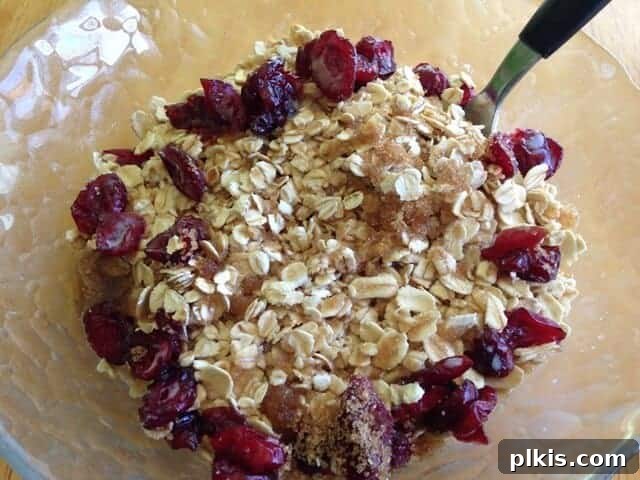
Breakfast: Start your day with a comforting bowl of 1 1/2 cups of oatmeal, prepared with 1 cup of non-dairy milk and half of your dried cranberries. A sprinkle of brown sugar (if available) adds a lovely touch. Oats are incredibly nutritious, with one cup providing approximately 41% of your daily iron and 28g of protein, making them an excellent source of sustained energy.
Lunch: Enjoy the flavorful leftovers from yesterday’s dinner: Lentil Tacos and Mexican Rice. Reheating these allows for a quick and easy midday meal.
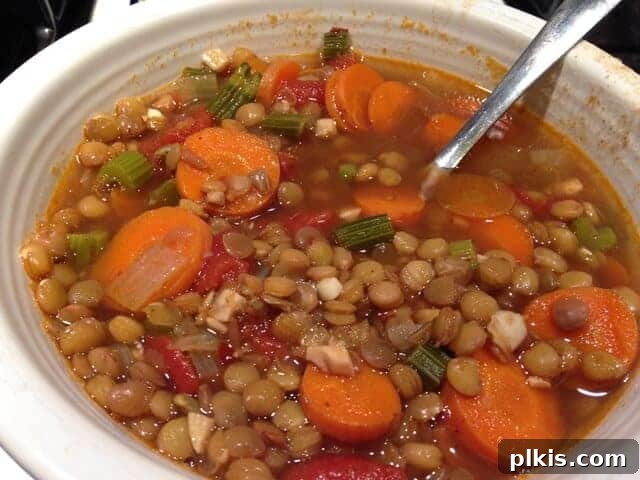
Dinner: As the saying goes, “Lentil Soup is mental fruit!” Prepare the nourishing Lentil Soup from Grace’s Week One meal plan. My budget-focused modifications included using one-third of a yellow onion, the remainder of the canned diced tomatoes, one carrot, 1 tablespoon of cumin, the juice of half a lemon, and red chili flakes to taste, with no additional salt. This simple yet satisfying soup yields about 3 servings, providing warmth and nutrition. I often enjoy 1 1/2 bowls in one sitting, knowing I have more for later.
Day Four: Nutrient Boost & Savory Delights

Breakfast: Kickstart your day with a vibrant Blueberry Kale Smoothie! This nutrient-dense drink is packed with vitamins and antioxidants. I typically drink half immediately and refrigerate the rest for a healthy snack later. If you’re really pushing the budget, this is one recipe you could omit, replacing it with leftover oats if you have them. To make it, blend 2 cups of destemmed kale, 2 cups of frozen blueberries, the juice of one orange, the rest of your canned applesauce (about one cup), 1/2 cup of water (or any juice you have), and an optional tablespoon of your preferred sweetener, such as agave. One cup of kale alone provides an impressive 134% of your daily Vitamin C, 133% of Vitamin A, and 5% protein. Simply blend and enjoy!
Lunch: Another opportunity to savor the delicious leftover Crockpot Four Bean Chili. It’s a quick, satisfying, and budget-friendly lunch.
Dinner: Enjoy the rest of your leftover Lentils and Mexican Rice. You don’t have to reinvent the wheel by making them into tacos again; a simple lentil and rice bowl with any extra veggies you might have on hand makes for a perfectly satisfying meal.
Day Five: Quick & Satisfying
Breakfast: A warm bowl of oatmeal with non-dairy milk, topped with the five dried apricots, finely diced. This adds a lovely texture and natural sweetness.
Lunch: Finish up your remaining Chickpea Salad. It’s a great light and protein-rich option to carry you through until dinner.
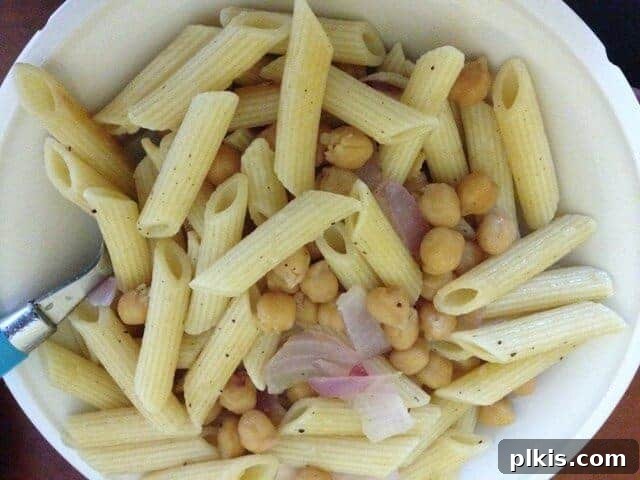
Dinner: For dinner, I prepared a budget-friendly version of our Summer Bowties pasta dish. Since actual bowties pasta can be about $.40 more per pound and wasn’t feasible for our tight budget, I opted for the cheapest available pasta, which happened to be penne. My modifications for this challenge included omitting artichoke hearts and fresh tomatoes, using half of a red onion, incorporating the rest of your cooked chickpeas, and adding the juice of half a lemon for brightness. This recipe yields about 2-3 servings, perfect for tonight and tomorrow’s lunch. Feel free to add any other vegetables you might have leftover in your fridge to enhance the flavor and nutrition.
Day Six: Creative Reinvention
Breakfast: Another simple and quick breakfast: cereal with non-dairy milk and a chopped banana. It’s an easy way to get some quick energy.
Lunch: Enjoy your delicious leftover pasta dish from last night. To add a fresh element and use up remaining ingredients, I also created a small side salad using my leftover kale, and made a vibrant dressing by simply replacing the blackberries with my leftover frozen blueberries.
Dinner: Reheat and enjoy the last of your comforting Lentil Soup. It’s a hearty and nutritious meal that’s perfect for a relaxing evening.
Day Seven: Reflect & Replenish
Breakfast: A final bowl of warm oatmeal to round out the week, prepared with non-dairy milk, the rest of your dried cranberries, a sprinkle of cinnamon, and a touch of brown sugar. This provides a satisfying and nutrient-rich start to your last day on the challenge. A single cup of the soy milk I typically use offers significant nutritional value: 35% Vitamin D, 30% Calcium, 20% Vitamin A, and 7g of Protein.
Lunch: Finish off any remaining Crockpot Four Bean Chili. It’s likely tasting even better now, a testament to the power of leftovers.
Dinner: Enjoy the final portions of your budget-friendly pasta dish. This versatile meal holds up well for reheating and ensures nothing goes to waste.
Beyond the Challenge: Continued Learning & Support
Successfully navigating a plant-based diet on a budget is an ongoing learning process, and fortunately, there are many excellent resources available to support you:
- Community Support: Join our vibrant Facebook support group! It’s a fantastic place to share tips, discover new low-cost plant-based recipes, and connect with a supportive community facing similar challenges and triumphs.
- Expert Nutrition: For in-depth, evidence-based nutritional information, I highly recommend Dr. Michael Greger’s New York Times bestseller, How Not to Die. He also manages the incredible website NutritionFacts.org, offering a vast library of free resources, articles, and videos on plant-based nutrition.
- Dairy-Free Transition: If you’re looking to eliminate dairy from your diet, The Dairy Detox provides a comprehensive online detox guide for only $10, offering valuable insights and support.
- Inspirational Content: For engaging articles, fun videos, and a dose of plant-based inspiration, check out World of Vegan.
- Cookbook Collection: Don’t forget to explore our curated list of cookbooks, including my own creations and favorites from other talented authors, available on our site: Plant Based on a Budget Shop.
- Professional Guidance: If you’re seeking a plant-based practitioner near you for personalized advice, several websites offer directories to help you find qualified professionals.
Important Disclaimer & Personal Health
It’s crucial to remember that this Plant-Based on a Budget Challenge, along with all the meal plans and tips provided, is intended as a guide and a source of inspiration. I am not a doctor, registered dietitian, or certified nutritionist. The information shared here reflects my personal dietary choices and experiences. Everyone’s body and nutritional needs are unique, and what works for one person may not work for another.
I strongly encourage you to experiment with your food based on your personal preferences, dietary restrictions, and individual health goals. Before making any significant dietary changes, especially if you have underlying health conditions or specific nutritional concerns, I highly recommend consulting with a qualified healthcare professional, such as a doctor or a registered dietitian. Additionally, supplementing with a plant-based multivitamin might be a wise consideration to ensure you’re meeting all your micronutrient needs. Always prioritize further personal research to stay informed about your nutrition and well-being.
If you have any questions or would like to share your experiences, please don’t hesitate to contact me through the “Contact Us” section of our website. Your feedback and success stories are incredibly valuable to our community.
For even more innovative and expanded meal plans designed to make healthy, affordable plant-based eating a breeze, be sure to visit plantbasedmealplan.com!