
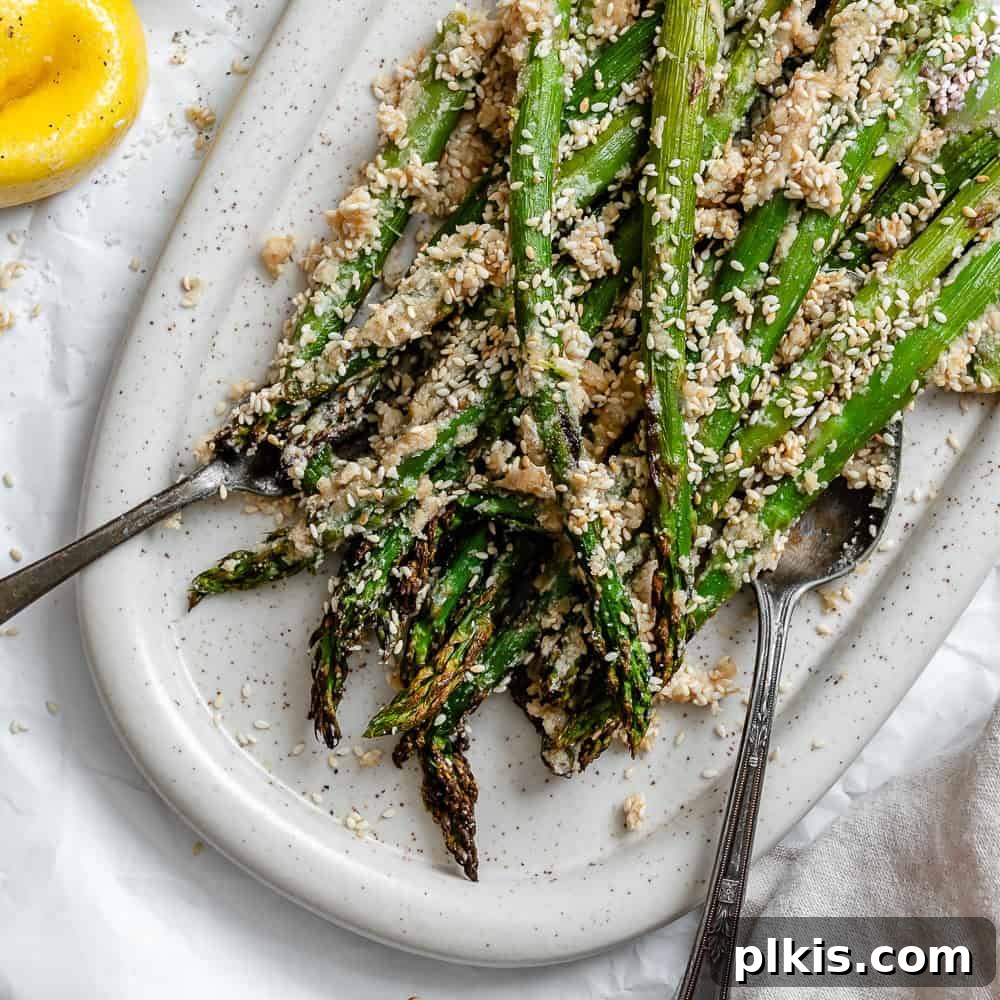
Perfect Oven Roasted Asparagus: Your Ultimate Guide to a Quick & Healthy Side Dish
Transform your mealtime with this incredibly simple yet sophisticated oven roasted asparagus recipe! In just 15 minutes, you can achieve tender, lightly crisp, and subtly caramelized asparagus spears, ready to impress as a versatile side dish. Whether you’re a seasoned chef or a kitchen novice, this recipe offers a foolproof way to prepare this vibrant green vegetable, complete with customizable flavor options to suit any palate.
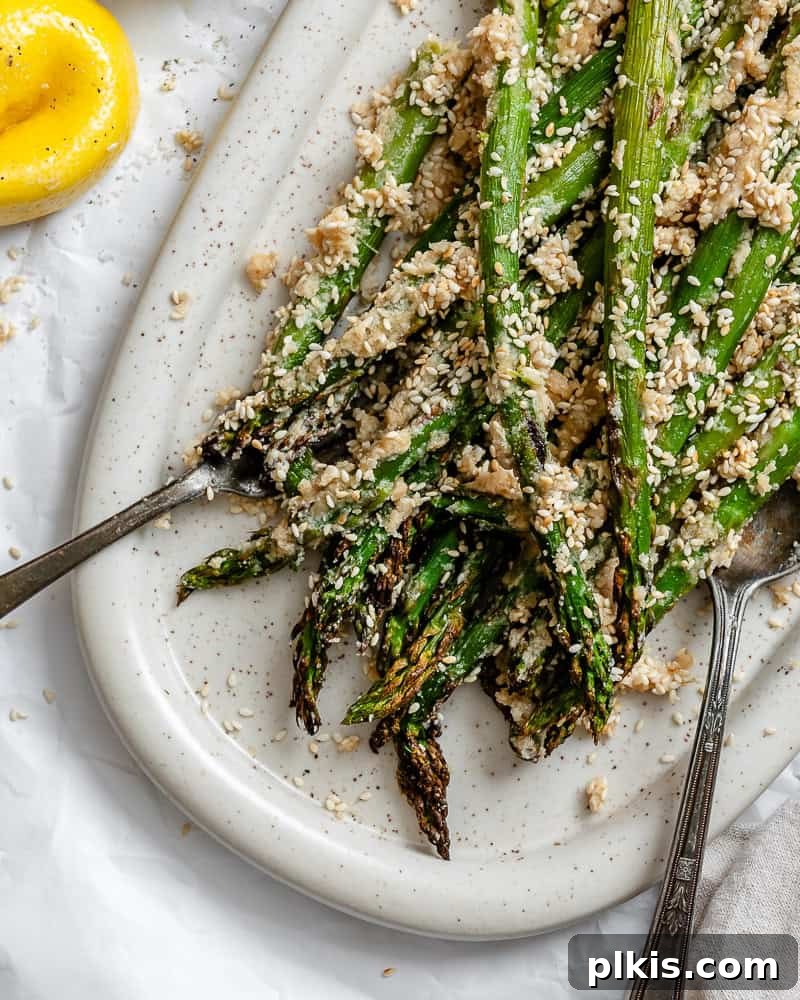
Why This Roasted Asparagus Recipe Will Become Your Favorite Side
Roasting is an art, and when applied to vegetables like asparagus, it unlocks a world of flavor. This cooking method brings out the natural sweetness, creating irresistible caramelized, crisp edges and a concentrated, savory taste, all while preserving essential nutrients. When you’re in search of a quick and healthy side dish, roasting is the answer. Similar to the ease of roasted cherry tomatoes or the aromatic delight of curry roasted broccoli, this simple roasted asparagus recipe is designed for maximum flavor with minimal effort.
This roasted asparagus recipe stands out as one of the fastest and easiest vegetable side dishes you can prepare. With just a few basic steps – trimming the ends, seasoning, and roasting – you’ll have perfectly cooked asparagus in a mere 8-10 minutes. The result is a dish that is fresh, elegantly simple, and relies on minimal ingredients. Its true charm lies in its incredible customizability. Whether you prefer the nutty richness of sesame tahini (as elegantly photographed here), the classic aromatic punch of garlic, or a zesty lemon finish, this recipe provides the perfect foundation for countless flavor combinations. It’s truly a game-changer for weeknight dinners and special occasions alike.
Beyond its delicious taste and effortless preparation, asparagus is a nutritional powerhouse. Each spear is packed with essential vitamins such as A, C, E, and K, vital minerals including calcium, iron, zinc, and a significant amount of folic acid. Moreover, it’s an excellent source of dietary fiber and potent antioxidants, contributing to overall well-being. This makes roasted asparagus an ideal, health-boosting addition to your spring and year-round meals. If you enjoy asparagus, you might also like to explore other delightful preparations like sautéed asparagus with lemon and garlic, a hearty shiitake asparagus tofu stir-fry, or a comforting bowl of vegan asparagus soup.
Gather Your Ingredients for Perfectly Roasted Asparagus
Crafting the perfect roasted asparagus begins with a few simple, fresh ingredients. The beauty of this dish is its minimalist approach, allowing the natural flavors of the asparagus to shine through. While the basic recipe calls for just asparagus, a touch of olive oil, salt, and pepper, the magic truly unfolds with the addition of a few optional extras to create our featured sesame tahini variation. For exact measurements, please refer to the detailed recipe card at the bottom of this article.
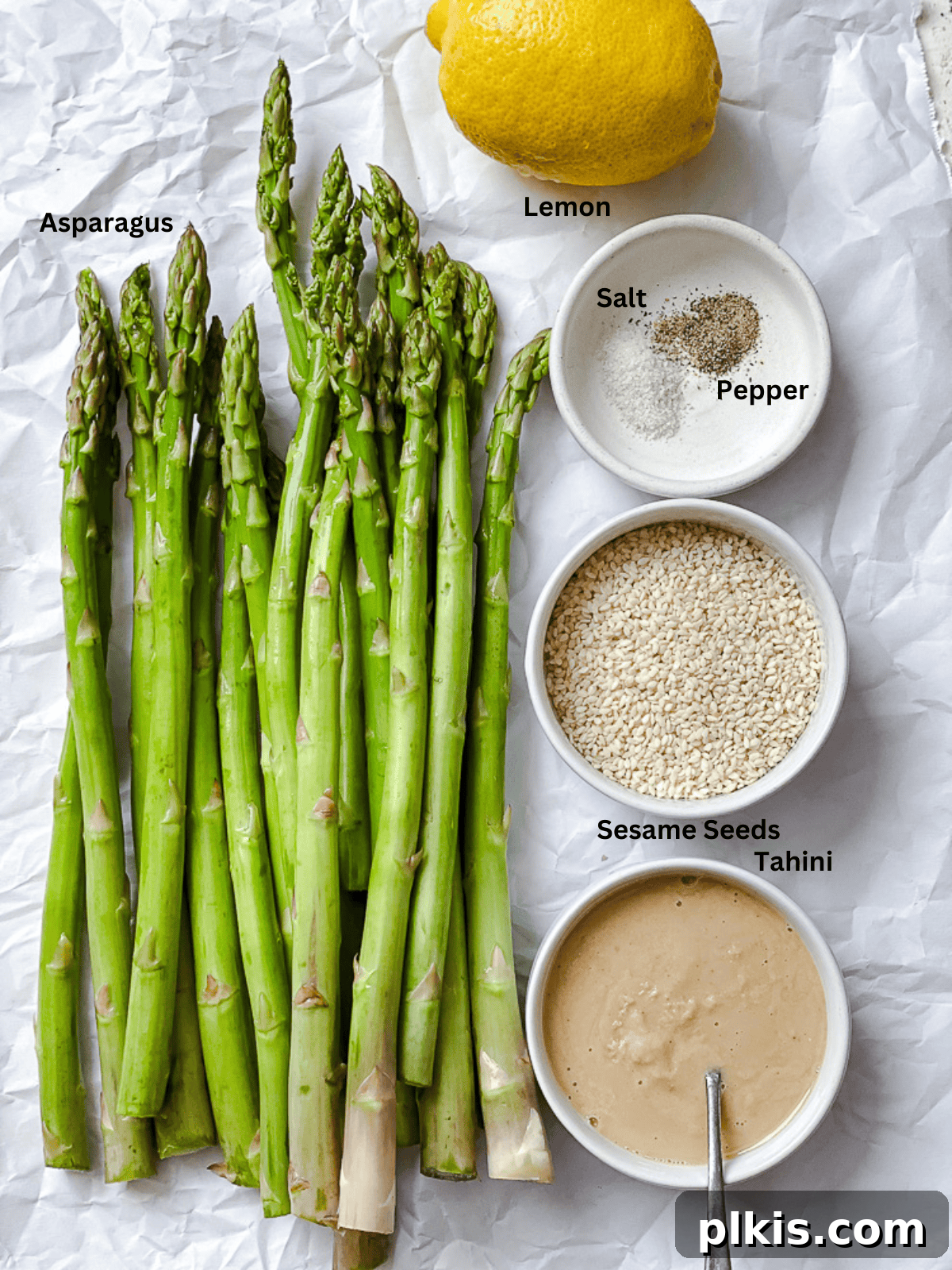
How To Pick The Best Asparagus Spears
The secret to the best oven-roasted asparagus lies in selecting the freshest, highest-quality spears. A keen eye at the grocery store or farmer’s market will ensure your dish reaches its full potential. Here’s what to look for:
- Compact and Closed Tips: The very top of the asparagus spears, known as the “buds” or “tips,” should be tightly closed and firm. Open or flowering tips indicate older asparagus that may be past its prime.
- Firm and Smooth Stalks: Gently bend a stalk. It should be firm and snap easily, not limp, bendy, or rubbery. The surface should be smooth and vibrant, free from any slimy patches or wrinkles, which are signs of spoilage.
- Bright Green or Purplish Hue: Fresh asparagus typically boasts a bright green color, sometimes with a slight purple tint towards the tip. Avoid any spears that appear dull, faded, or yellowish.
- Medium-Sized Stalks are Ideal: While various thicknesses exist, medium-sized spears tend to yield the best roasting results. Thicker stalks can sometimes be woody and tough at the bottom, requiring more extensive trimming, or they might take longer to cook through. Conversely, very thin stalks can cook too quickly and become limp or even burn before caramelization occurs. Aim for a thickness similar to a pencil for optimal tender-crisp perfection.
Delicious Roasted Asparagus Recipe Variations
While the photographed version of this recipe features a delightful tahini and sesame seed topping, roasted asparagus is incredibly versatile, allowing for endless customization to match any meal or craving. Don’t hesitate to get creative with these inspiring variations:
- Garlic Roasted Asparagus: For an aromatic kick, toss the asparagus with ½-1 teaspoon of garlic powder or 2-3 cloves of freshly minced garlic before roasting. The garlic will soften and mellow in the oven, infusing the asparagus with its signature savory flavor.
- Vegan Parmesan Roasted Asparagus: Combine the garlicky goodness (as above) with about ¼ cup of grated vegan parmesan cheese. Alternatively, sprinkle 1-2 tablespoons of nutritional yeast (learn how to use nutritional yeast here) over the roasted spears just before serving for a cheesy, umami boost. Crumbled tofu feta cheese also makes a fantastic addition.
- Lemon Roasted Asparagus: Brighten your dish by drizzling the juice of half a lemon over the asparagus before roasting. For an extra citrusy punch, add ½ lemon slices directly to the baking tray with the asparagus, and sprinkle with lemon zest after cooking for an intense aroma. This pairs beautifully with garlic or vegan parmesan.
- Breaded Asparagus: For a satisfying crunch, roll your olive oil-coated asparagus spears in Italian panko breadcrumbs before roasting. This creates a crispy, golden crust that adds wonderful texture.
- Balsamic Glazed Asparagus: After roasting, drizzle the warm asparagus with 1-2 tablespoons of high-quality aged balsamic vinegar or a rich balsamic glaze. The sweet and tangy notes complement the earthy asparagus perfectly.
- Toasted Nut Topping: Add a delightful textural contrast by garnishing your roasted asparagus with a sprinkle of lightly toasted pine nuts or slivered almonds just before serving. The subtle crunch and nutty flavor elevate the dish.
- Rich Vegan Butter Finish: For an extra touch of indulgence and richness, toss the hot roasted asparagus with a tablespoon of melted vegan butter just before serving.
- Spicy Asparagus: For a touch of heat, sprinkle a pinch of red pepper flakes over the asparagus along with the other seasonings before roasting.
- Herb-Infused Asparagus: Experiment with fresh or dried herbs. Rosemary, thyme, dill, or a blend of Italian herbs can add another layer of complexity. Toss them with the asparagus and oil before roasting.
How to Trim Asparagus Properly: Say Goodbye to Woody Ends
Properly trimming asparagus spears is a crucial step to ensure a pleasant eating experience. The bottom ends of asparagus stalks are notoriously tough, woody, and fibrous, leading to endless chewing if not removed. Here are two effective methods for trimming:
- The Knife Method: This method is efficient if you have a large bunch of asparagus. Lay the asparagus spears in a single layer on a cutting board, aligning the bottoms. Observe where the stalks transition from white or pale green to a brighter green. This is generally where the woody part ends. Hold the spears steady and use a sharp knife to cleanly slice off the bottom 1-3 inches. You might need to adjust based on the thickness of your spears.
- The Snap Method (By Hand): This intuitive method allows each spear to indicate where it should be trimmed. Work with one asparagus spear at a time. Hold the spear near the bottom and gently bend it. The spear will naturally snap at the point where the tough, woody end meets the tender, edible portion. Repeat this process for each remaining spear. While it takes a little longer, it ensures that each individual spear is perfectly trimmed, as the snapping point can vary slightly from one spear to another.
How to Make The Best Roasted Asparagus: Step-by-Step Guide
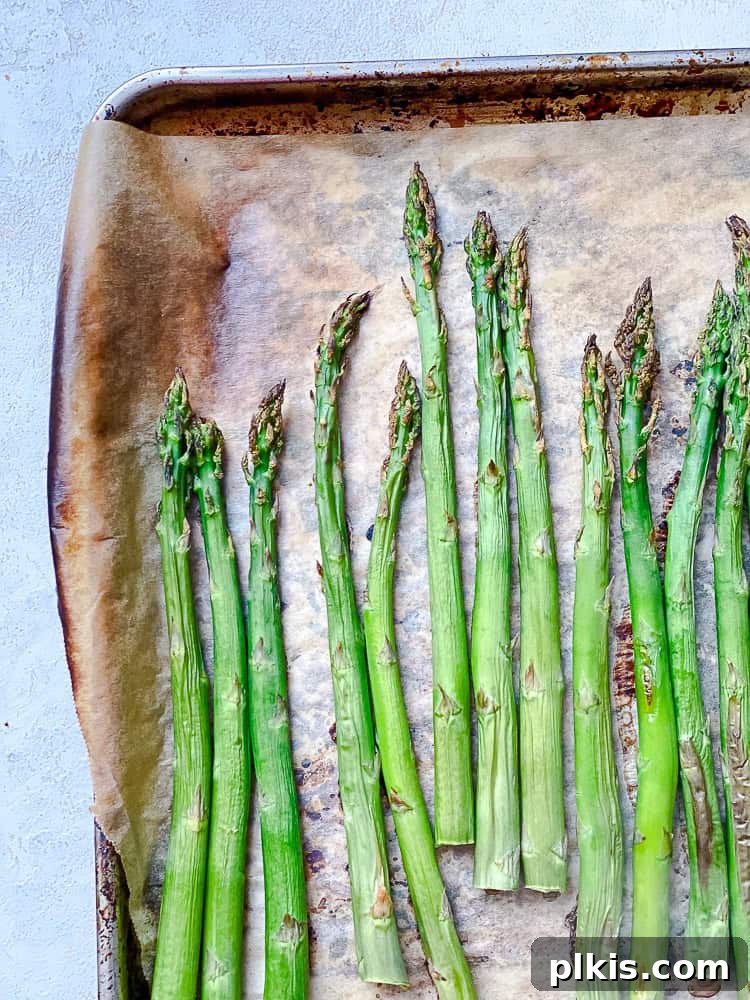
Step 1: Prepare and Roast the Asparagus. Begin by preheating your oven to a high temperature of 450°F (230°C). This high heat is crucial for achieving that desirable tender-crisp texture and beautiful caramelization. While the oven heats, thoroughly rinse your fresh asparagus spears under cold water and then pat them completely dry with a clean kitchen towel. It’s essential that the asparagus is dry to ensure it roasts rather than steams. Next, trim the woody ends using one of the methods described above. Arrange the trimmed asparagus in a single layer across a large baking tray. Avoid overcrowding the tray; if necessary, use two trays to ensure even cooking and optimal crispiness. Optionally, drizzle with a tablespoon or two of olive oil and season generously with salt and black pepper before placing it in the oven. Roast the asparagus for 8-10 minutes. For thicker spears, you might need up to 15 minutes. You’ll know it’s perfectly cooked when it’s vibrant green, tender-crisp when pierced with a fork, and features a few enticing dark, caramelized spots.
For the Sesame Tahini Asparagus Variation:
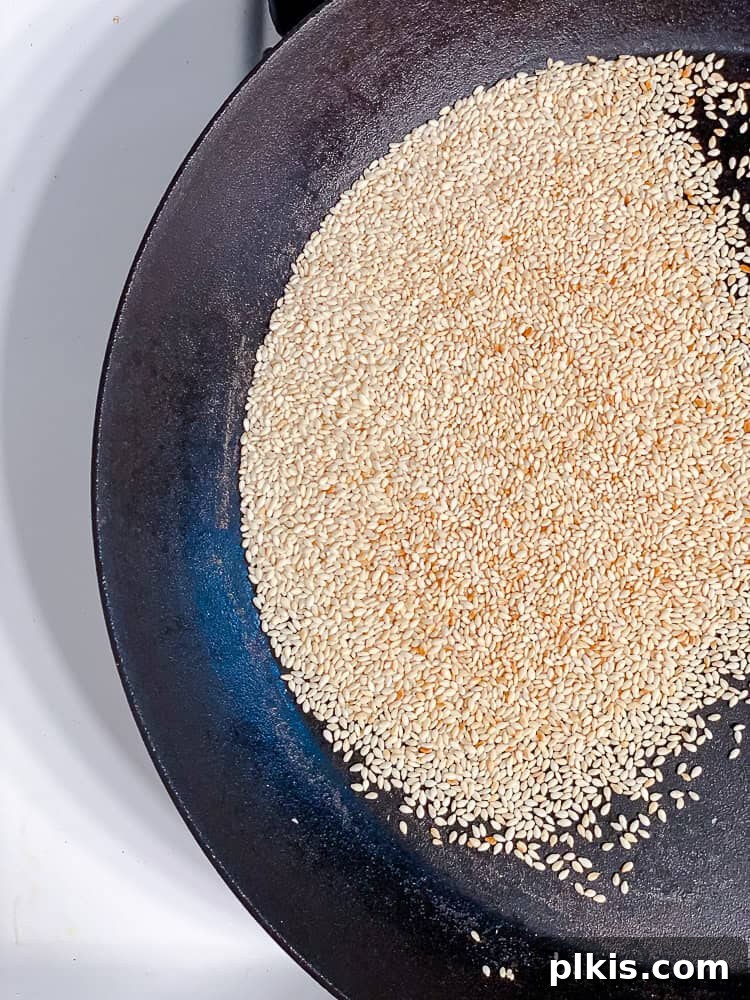
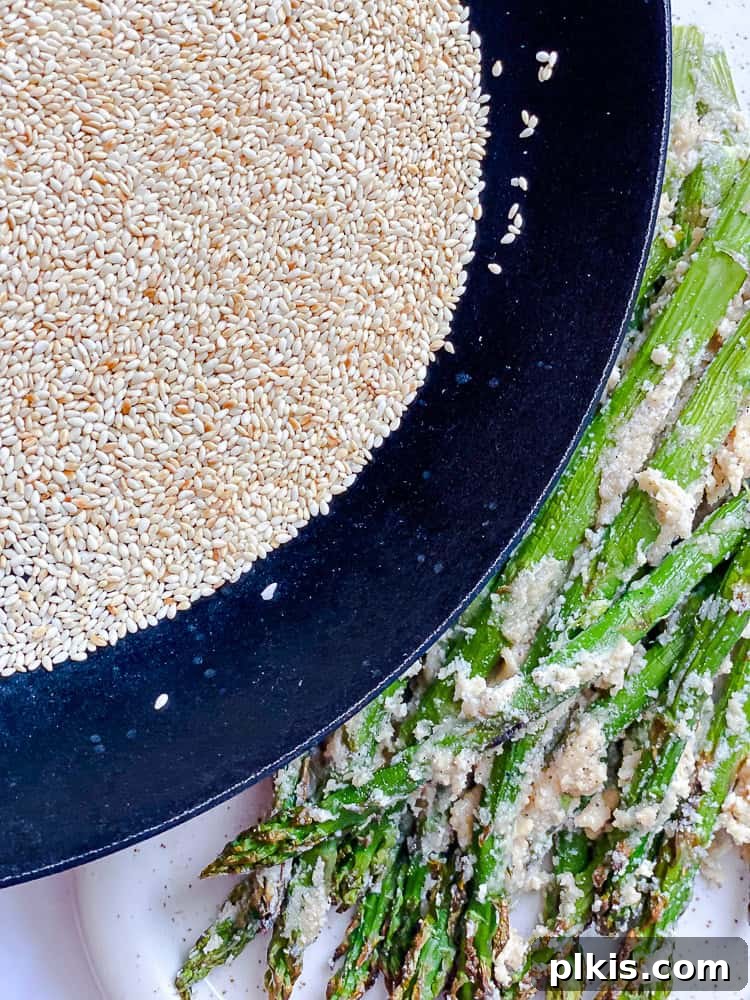
Step 2: Toast the Sesame Seeds. While your asparagus is roasting in the oven, prepare the sesame seeds. Heat a dry skillet over low to medium-low heat. Add the sesame seeds and toast them, stirring frequently, for a few minutes until they become fragrant and lightly browned. Watch them carefully, as sesame seeds can burn very quickly. Once toasted, immediately remove them from the heat and transfer them to a small bowl to cool slightly. Set them aside until the asparagus is ready.
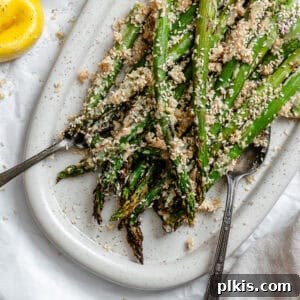
Step 3: Dress and Serve. As soon as the roasted asparagus is ready, transfer it to a serving platter or a large bowl. Drizzle generously with tahini and a squeeze of fresh lemon juice. Sprinkle with an additional pinch of salt and a generous amount of your freshly toasted sesame seeds. Gently toss everything together to ensure the asparagus is evenly coated. Finish with a grinding of fresh black pepper and serve immediately while hot for the best flavor and texture. Enjoy this delightful and nutrient-rich side dish!
Frequently Asked Questions (FAQs) About Roasted Asparagus
To keep fresh asparagus at its prime, treat it like a bouquet of flowers! Trim about half an inch off the bottom of the stalks, then stand the asparagus upright in a glass jar or container with about an inch of water at the bottom. Cover the top loosely with a plastic bag (this helps retain moisture) and store it in the refrigerator. This method helps the asparagus stay crisp and fresh for 5-7 days. Remember to change the water daily to keep it fresh.
Soggy roasted asparagus is a common issue, but easily avoidable! It typically occurs for a few key reasons: most often, it’s due to overcooking, which causes the spears to lose their firm texture. Another common culprit is roasting wet asparagus, as the excess moisture will steam the spears instead of allowing them to roast and caramelize. Overcrowding the baking sheet also leads to steaming, as the trapped moisture has nowhere to escape. Always ensure your asparagus is dry and spread in a single, uncrowded layer for optimal roasting.
While fresh asparagus is always recommended for the best texture and flavor, you can use frozen asparagus. However, it will yield a slightly softer result. Do not thaw frozen asparagus before roasting; simply toss it with oil and seasonings while still frozen. You may need to increase the roasting time by a few minutes (e.g., 12-15 minutes) as the asparagus will release more water during cooking. Ensure a single layer on the baking sheet to allow for proper evaporation.
To prevent burning, ensure your oven temperature is accurate and that you’re using medium-sized spears which cook more evenly. Keep a close eye on the asparagus, especially towards the end of the cooking time, as thinner tips can brown quickly. If you notice them getting too dark, you can gently toss the spears or remove them a minute or two earlier.
Pro Recipe Tips for the Best Roasted Asparagus
Achieving perfectly roasted asparagus every time is easy with these expert tips:
- Always Trim the Stalks: This cannot be stressed enough. The bottom ends of asparagus spears are tough, fibrous, and unpleasant to eat. Removing them ensures every bite is tender and enjoyable. Don’t skip this vital step!
- Ensure They’re Completely Dry: After washing, thoroughly pat your asparagus spears dry with a paper towel or clean kitchen cloth. Any residual moisture will cause the asparagus to steam in the oven instead of roasting, resulting in a soggy texture rather than crisp, caramelized edges.
- Use High Heat: A high oven temperature, ideally between 425-450°F (218-232°C), is crucial. This intense heat promotes rapid caramelization on the exterior of the asparagus, enhancing its natural sweetness and creating a wonderfully tender-crisp interior within a short cooking time.
- Mind the Cooking Time (and Spear Thickness): Roasting times can vary significantly based on the thickness of your asparagus spears and the specific calibration of your oven. Thinner spears will cook faster (as little as 8 minutes), while thicker ones may require up to 15 minutes. For the most even cooking, try to select asparagus spears of similar size. If your bunch has varying thicknesses, consider separating them onto different baking sheets or adjusting removal times accordingly.
- Don’t Overcrowd the Baking Sheet: Give your asparagus plenty of space! Arrange the spears in a single layer on the baking sheet, ensuring there’s a little room between each one. Overcrowding traps steam, preventing proper browning and resulting in soggy, rather than roasted, vegetables. If necessary, use two baking sheets.
- Use Parchment Paper or Foil: Lining your baking sheet with parchment paper or aluminum foil makes cleanup a breeze and helps prevent sticking, especially if you’re aiming for those lovely caramelized spots.
- Season Simply: High-quality olive oil, salt, and freshly ground black pepper are often all you need. The natural flavor of roasted asparagus is exquisite on its own, but feel free to add your favorite herbs or spices for variation.
Serving Recommendations: What to Pair with Roasted Asparagus
Oven-roasted asparagus is a culinary chameleon – a simple, versatile, and nutrient-dense side dish that complements an astonishing variety of main courses. Its tender-crisp texture and savory flavor make it an ideal accompaniment for almost any meal. Here are some fantastic serving ideas:
- Pasta Dishes: Asparagus pairs beautifully with a range of pasta. Serve it alongside a vibrant avocado pesto pasta, a light and fresh cherry tomato basil spaghetti, or a hearty vegan pasta primavera. The fresh crunch of asparagus provides a lovely contrast to creamy or saucy pasta.
- Grain Bowls & Risottos: Enhance your favorite grain-based meals. Roasted asparagus is excellent with a rich creamy brown rice risotto, a flavorful veggie-packed vegan fried rice, or as a vibrant component in a black bean quinoa casserole.
- Brunch & “Egg” Dishes: Elevate your breakfast or brunch spread. It’s a perfect companion for a savory vegan tofu scramble with veggies, a fluffy vegan quiche, a colorful veggie and herb frittata, or a classic vegan omelette.
- Toasts & Sandwiches: Enjoy it on artisanal bread. It’s especially delicious with an easy vegan Hollandaise sauce and served over gourmet avocado toast for a sophisticated open-faced sandwich.
- Vegan Roast Dinners: Complete your traditional roast. Roasted asparagus is a staple alongside creamy vegan mashed potatoes, a savory easy vegan gravy, and your plant-based protein of choice, such as a lentil loaf or nut roast.
- BBQs & Picnics: A fantastic addition to outdoor gatherings. Serve it with juicy grilled tofu steaks, colorful vegetable kabobs, or a refreshing healthy roasted potato salad.
- Simple Weeknight Meals: Don’t overthink it! Roasted asparagus is fantastic paired with a simple baked sweet potato, a bowl of lentil soup, or alongside a quick stir-fry for an added pop of green and nutrition.
Storage and Reheating Information for Roasted Asparagus
While roasted asparagus is undoubtedly at its peak flavor and texture straight out of the oven, it’s perfectly fine to enjoy leftovers or prepare it in advance. Here’s how to store and reheat it effectively:
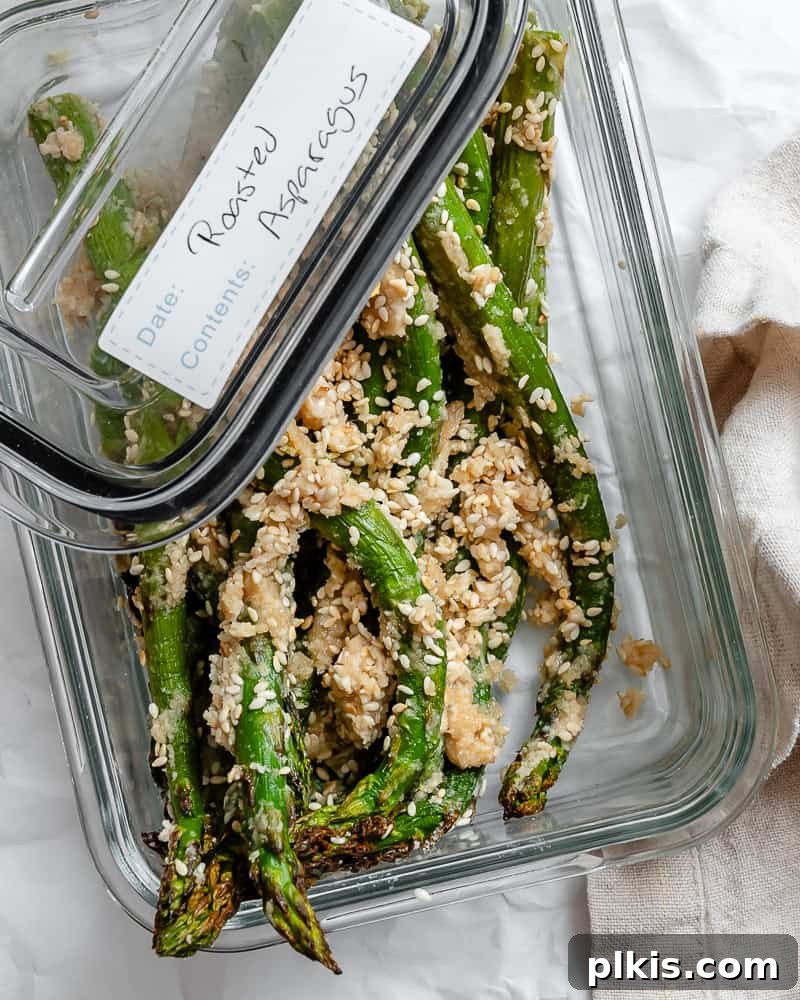
Storage: To store any leftover roasted asparagus, first allow it to cool completely to room temperature. This prevents condensation from building up, which can lead to sogginess. Once cooled, transfer the asparagus to an airtight container. It will keep well in the refrigerator for 3-4 days. Note that the spears will lose some of their crispness upon refrigeration, but they will still be delicious.
Reheating: For the best results when reheating, aim to bring back some of that lovely tender-crisp texture. Avoid the microwave if possible, as it tends to make asparagus even softer. Instead, spread the asparagus in a single layer on a baking sheet and roast it in the oven at 350°F (177°C) for about 5-8 minutes, or until warmed through and slightly crisp again. Alternatively, you can pan-fry the asparagus in a skillet with a tiny bit of oil or vegan butter over medium heat for 3-5 minutes, tossing occasionally, until it’s heated through and has a slight crispiness.
The Nutritional Powerhouse: Why Asparagus is a Superfood
Beyond its delightful taste and ease of preparation, asparagus is truly a nutritional marvel, earning its spot as a superfood. Incorporating this vibrant green vegetable into your diet brings a multitude of health benefits:
- Rich in Vitamins: Asparagus is an excellent source of Vitamin K, essential for blood clotting and bone health. It also provides a significant amount of Vitamin A (in the form of beta-carotene), important for vision and immune function, as well as Vitamin C, a powerful antioxidant that supports skin health and immunity, and Vitamin E.
- Folate for Vitality: This vegetable is particularly high in folate (Vitamin B9), which is crucial for cell growth and DNA formation, making it especially important for pregnant women.
- Packed with Antioxidants: Asparagus contains various antioxidants, including flavonoids and polyphenols. These compounds help protect your cells from damage caused by free radicals, reducing the risk of chronic diseases.
- Fiber for Digestive Health: With a good amount of dietary fiber, asparagus aids in digestion, promotes regularity, and helps maintain a healthy gut microbiome. Fiber also contributes to feelings of fullness, which can support weight management.
- Minerals Galore: It provides a decent supply of important minerals such as iron (for energy), potassium (for blood pressure regulation), and zinc (for immune support).
- Low in Calories, High in Nutrients: Asparagus is very low in calories, making it a perfect addition to almost any diet, providing a wealth of nutrients without significant caloric intake.
By regularly including roasted asparagus in your meals, you’re not just enjoying a delicious side dish, but actively contributing to your overall health and well-being.
Other Delicious Vegan Side Dishes to Consider
Vegan Dinners
Spicy Sugar Snap Peas with Horseradish
Vegan Appetizers
Crispy Brussels Sprouts
Vegan Appetizers
French Potato Salad
Vegan Appetizers
Vegan Caprese Salad
If you tried this roasted asparagus recipe or any other recipe on my blog, please leave a 🌟 star rating and let me know how it went in the 📝 comments below. Thanks!
Roasted Asparagus
5 mins
10 mins
15 mins
4 servings
Equipment
-
Knife set
-
Measuring Cups
-
Measuring spoons
-
Baking Sheet
-
Skillet
Ingredients
- 1 bunch of fresh asparagus, washed and dried
- ¼ cup of sesame seeds
- ¼ cup of tahini
- 1 lemon (for juice)
- ½ teaspoon of salt
- Freshly ground black pepper, to taste
- 1-2 tbsp Olive Oil (optional, for roasting)
Instructions
- Preheat the oven to 450 degrees F (230°C). Rinse and trim the asparagus spears (refer to “How to Trim Asparagus” above for methods). Arrange the asparagus in a single layer on a baking sheet. Optionally, drizzle with olive oil and season with salt and pepper. Place in the oven and bake for 8-10 minutes, or up to 15 minutes for thicker spears, until bright green, tender-crisp, and lightly browned in some spots.
- While the asparagus roasts, toast the sesame seeds. Heat a dry skillet over low to medium-low heat. Add the sesame seeds and stir them continuously for 5 to 10 minutes until they start to smell toasty and turn slightly brown. Be careful, as they burn easily. Remove them immediately from the heat and set aside in a small bowl.
- When the asparagus is done, transfer it to a wide serving plate. Drizzle tahini and fresh lemon juice over the top. Sprinkle with additional salt and the toasted sesame seeds. Gently toss to coat all the spears evenly. Finish with freshly ground black pepper and serve immediately.
Notes
- Trim the stalks: The ends are tough and chewy, so it’s important to remove them for a pleasant eating experience.
- Make sure they’re dry: After washing, pat the asparagus completely dry. Otherwise, the asparagus will steam instead of roasting, resulting in a soggy texture.
- Use high heat: Roasting at 425-450F (218-232C) is ideal. This high temperature caramelizes the stalks, enhancing their natural sweetness and flavor in a short amount of time.
- Cooking time can vary: The precise cooking time depends on the thickness of the asparagus spears and your oven’s calibration. For best results, try to use similar-sized spears so they roast evenly. Always keep an eye on them.
- Don’t overcrowd: Ensure asparagus is in a single layer on the baking sheet to allow for proper roasting and browning. Use multiple trays if needed.
Nutrition Information (per serving, approximate)
Carbohydrates: 12g
Protein: 7g
Fat: 13g
Saturated Fat: 2g
Polyunsaturated Fat: 6g
Monounsaturated Fat: 5g
Sodium: 300mg
Potassium: 378mg
Fiber: 5g
Sugar: 3g
Vitamin A: 867IU
Vitamin C: 21mg
Calcium: 147mg
Iron: 5mg