
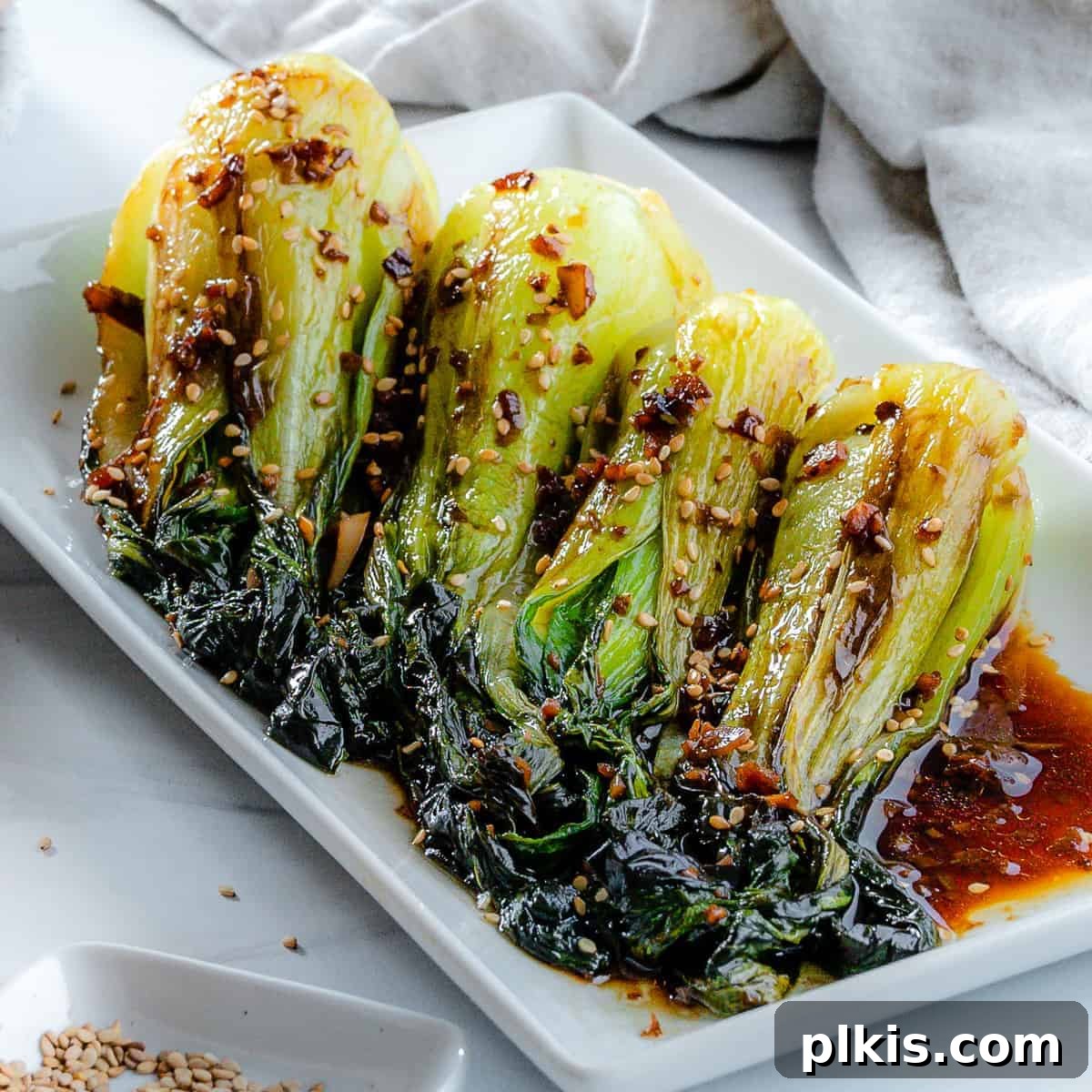
Transform your dinner table with a vibrant, flavorful, and incredibly easy side dish: Stir-Fried Baby Bok Choy with Soy Sauce and Garlic. This recipe promises restaurant-quality taste in under 15 minutes, delivering a perfect balance of savory and umami notes that will complement any meal. Ideal for busy weeknights or as an impressive addition to your Asian-inspired feast, this humble leafy green vegetable is not only delicious but also packed with nutrients and incredibly budget-friendly. Get ready to elevate your culinary game with this simple yet sophisticated dish!
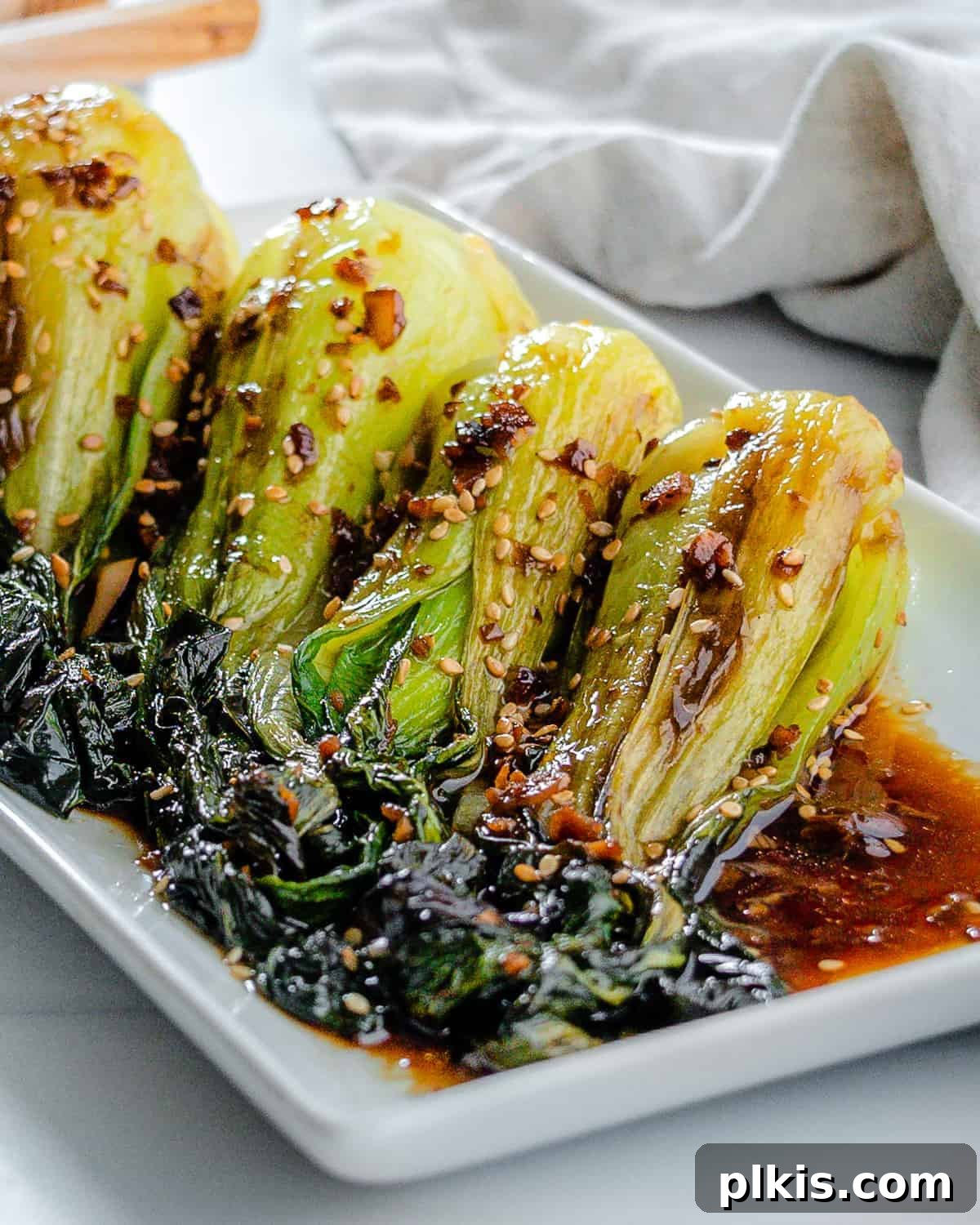
Why You’ll Fall in Love with This Baby Bok Choy Recipe
There are countless reasons why this Stir-Fried Baby Bok Choy with Soy Sauce and Garlic has become a staple in kitchens around the world. It’s more than just a quick side; it’s a testament to how simple ingredients can create extraordinary flavors.
- Nutrient Powerhouse. Baby bok choy, also known as Pak Choi or Pok Choi, belongs to the Chinese cabbage family, making it a nutritional superstar. These tender greens are brimming with essential vitamins like C and K, crucial for immune health and bone density, respectively. They also offer a good dose of fiber for digestive wellness, vital minerals, and powerful antioxidants that help protect your cells. Incorporating this delectable side dish into your meals is an effortless and tasty way to boost your family’s vegetable intake, even for the pickiest eaters!
- Unbeatable Value and Budget-Friendly. You don’t need exotic ingredients or a hefty budget to create this culinary delight. This recipe relies on readily available pantry staples such as soy sauce, garlic, and a common cooking oil. Any specialized condiments, like Chinese mushroom sauce, can be easily found at your local Asian market or even larger supermarkets. It’s an economical choice that proves healthy eating doesn’t have to break the bank.
- The Ultimate Weeknight Hero. Say goodbye to lengthy cooking sessions! This one-pan wonder comes together in a flash, typically done in less than 15 minutes from start to finish. Its rapid preparation makes it an ideal candidate for busy weeknights when time is of the essence but flavor is non-negotiable. Serve it alongside other Chinese-inspired dishes like General Tso’s Tofu, crispy Tofu Vegetable Crispy Wontons, or simply with fluffy white rice for a satisfying and complete meal.
- Exquisite Flavor Profile. The combination of savory soy sauce and aromatic garlic creates a profound umami experience that truly enhances the mild, slightly sweet flavor of baby bok choy. The high-heat stir-frying technique ensures the bok choy retains a delightful crisp-tender texture, providing a satisfying bite in every forkful. It’s a harmonious blend that’s both comforting and exciting.
Essential Ingredients for Savory Baby Bok Choy
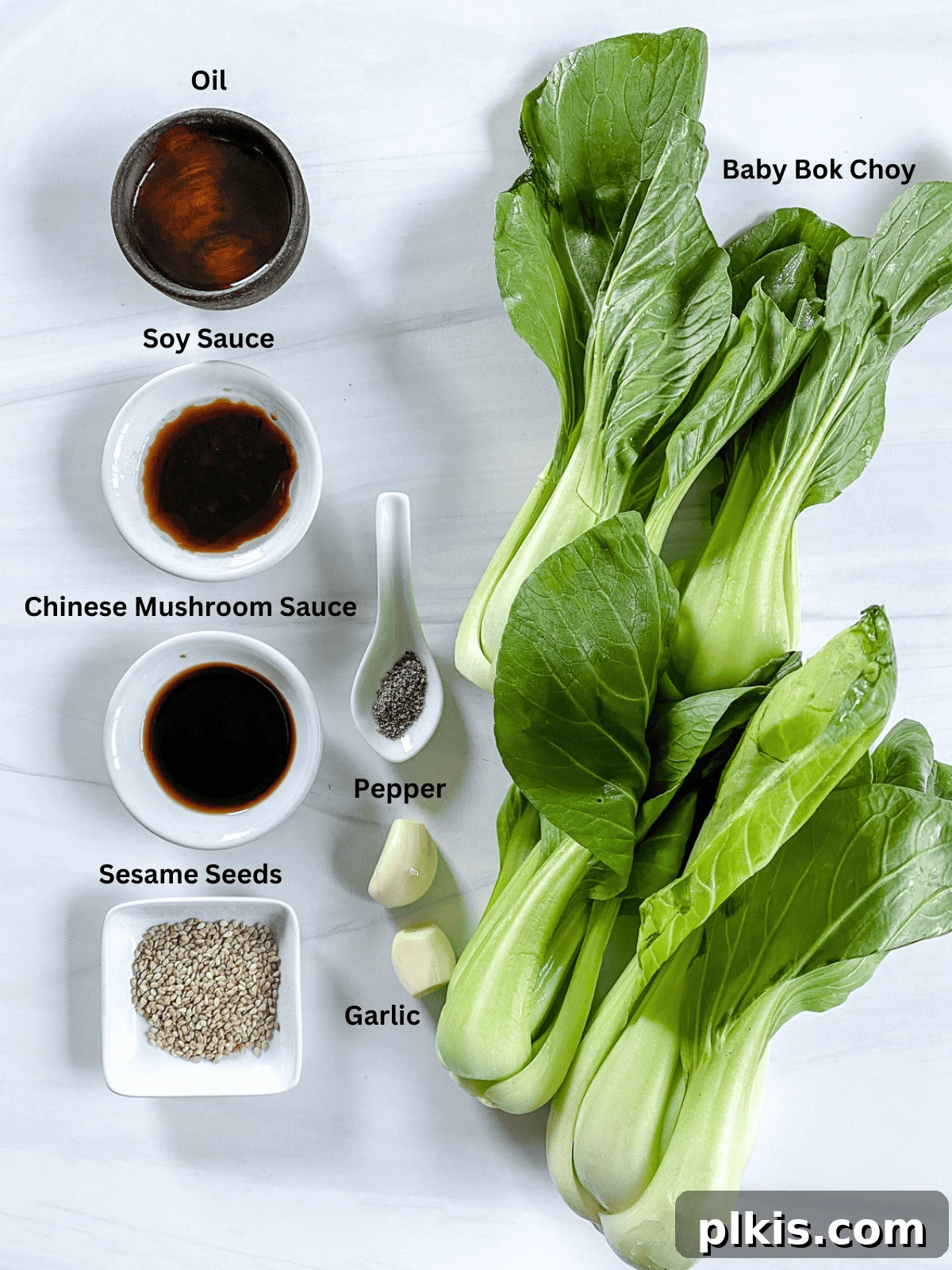
Crafting this quick and flavorful side dish requires just a handful of straightforward ingredients. Most are likely already in your pantry, making this recipe incredibly accessible.
Add-ons and Variations to Customize Your Bok Choy
While the classic preparation is undeniably delicious, this Baby Bok Choy with Soy Sauce and Garlic recipe is incredibly versatile. Feel free to experiment with these additions and variations to suit your taste preferences or whatever ingredients you have on hand.
- Spice It Up: For those who appreciate a kick, sprinkle some red pepper flakes over the finished dish. A dash of sriracha or a few drops of chili oil mixed into the sauce can also provide a wonderful spicy counterpoint.
- Garlic Lover’s Dream: If you truly can’t get enough garlic, consider adding thinly sliced or roasted garlic cloves at the very end, just before serving. This offers a different texture and a deeper, sweeter garlic flavor that complements the stir-fried notes.
- Vegetable Medley: The mild flavor of bok choy makes it an excellent partner for a variety of other vegetables. Enhance the nutritional profile and visual appeal by adding sliced mushrooms (shiitake or cremini work wonderfully), julienned carrots, strips of bell pepper, or florets of broccoli to the stir-fry. Add harder vegetables earlier to ensure even cooking.
- Aromatic Boosters: A tablespoon of finely grated ginger added with the garlic can introduce a warm, zesty note. A drizzle of sesame oil at the very end provides a nutty aroma and flavor that ties everything together beautifully.
- Sauce Swaps: If you don’t have Chinese mushroom sauce, you can use vegetarian oyster sauce for a similar umami depth. For a more complex flavor, a touch of rice vinegar or a pinch of sugar can balance the saltiness of the soy sauce. Always taste and adjust!
- Protein Power: Make this side dish a more complete meal by adding a protein. Cubes of firm tofu (pressed and pan-fried until crispy), tempeh, or even a handful of cooked edamame can be tossed in during the final stages of cooking.
Mastering the Art of Preparing Bok Choy
Before you dive into the exciting stir-frying process, properly preparing your baby bok choy is key to ensuring a delicious and grit-free dining experience. Let’s walk through the essential steps for cleaning these wonderful leafy greens.
Begin by carefully trimming the very bottom, tough part of the bok choy bunch. This section can be quite fibrous and unpleasant to chew, so remove just enough to separate the individual stalks. You want to preserve the crunchy white stalks and the tender green leaves. Next, place the separated bok choy into a large bowl filled with cold water. Allow them to soak for a minute or two, gently swishing them around with your hands. This helps to loosen any trapped dirt or sand that might be nestled within the layers of the leaves. After soaking, lift the bok choy from the water and rinse each leaf individually under cool, running water. Pay close attention to the crevices where dirt often hides. Once thoroughly rinsed, it’s crucial to remove excess water. You can either gently pat them dry with a clean paper towel or place them in a colander or salad spinner to drain completely. Excess moisture can lead to steaming instead of stir-frying, preventing that desirable crisp-tender texture.
How to Make the Best Baby Bok Choy with Soy Sauce and Garlic
Achieving restaurant-quality stir-fried bok choy at home is simpler than you think. Follow these detailed steps to create a truly irresistible side dish.
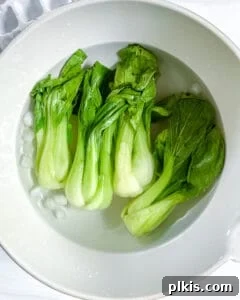
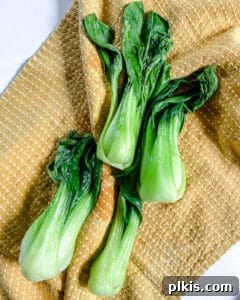
Step 1: Blanch and Chill for Vibrant Greens. Before you begin, prepare a large bowl of ice water – this is crucial for preserving the bok choy’s vibrant color and crisp texture. Bring a large pot of salted water to a rolling boil. Carefully add the cleaned baby bok choy and blanch for approximately one minute. This brief cook time softens the bok choy slightly while locking in its brilliant green hue. Immediately, using tongs or a slotted spoon, transfer the blanched bok choy to the prepared ice bath. This “shocks” the vegetable, halting the cooking process. Once cooled (usually within a minute or two), drain the bok choy thoroughly and pat it dry with a clean kitchen towel or paper towels to remove any residual moisture.
Step 2: Prepare Your Stir-Fry Station. While the bok choy is cooling and drying, take a moment to measure out all your liquids (soy sauce, mushroom sauce) and mince your garlic. Stir-frying is a very fast cooking method, and you won’t have time to measure ingredients once the heat is on. Having everything prepped and within arm’s reach (mise en place) is the secret to a successful and stress-free stir-fry.
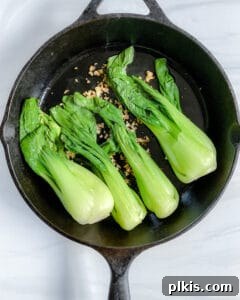
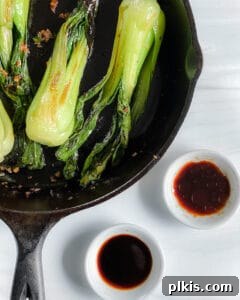
Step 3: Aromatic Stir-Frying. Heat your skillet or wok over high heat. Once hot, add the oil. As soon as the oil shimmers, add the minced garlic and sauté quickly, for about 30 seconds, until it becomes wonderfully fragrant. Be careful not to burn it! Immediately add the drained and dried bok choy to the skillet. Stir-fry vigorously, tossing to coat the bok choy evenly with the garlic-infused oil. Continue cooking for 2-3 minutes, or until the bok choy just begins to show light browning and becomes tender-crisp.
Step 4: The Flavorful Finish. Pour the measured soy sauce and Chinese mushroom sauce directly into the skillet with the bok choy. Stir quickly and thoroughly to ensure all the veggies are entirely coated in the savory sauce. Cook for another minute, allowing the sauce to slightly thicken and meld with the bok choy. Remove from heat immediately to prevent overcooking. Arrange the stir-fried bok choy beautifully on a serving dish. Season with a touch of salt and pepper to taste (remembering the sauces are already salty), and generously garnish with sesame seeds for added texture and visual appeal. Serve hot and enjoy!
Expert Tips for Perfect Stir-Fried Bok Choy
Achieving a truly exceptional stir-fried baby bok choy is all about technique and a few helpful pointers. Keep these tips in mind to ensure your dish is consistently delicious:
- Sizing Up Your Bok Choy: If baby bok choy is unavailable at your local market, don’t despair! You can easily use regular-sized bok choy. Simply cut each head in half lengthwise, and then into smaller, manageable pieces if they are particularly large. Cutting them in half also allows the savory sauce to penetrate deeply into the leaves and stalks, infusing every bite with additional flavor. Ensure all pieces are roughly uniform in size for even cooking.
- The Magic of Blanching and Cooling: While the initial step of blanching and quickly cooling the bok choy might seem like an extra step, it’s a game-changer. This simple process locks in the bok choy’s vibrant, emerald green color, making your dish visually stunning. More importantly, it tenderizes the vegetable slightly, resulting in a much more tender and sweeter bok choy compared to simply stir-frying it raw. It also ensures consistent doneness throughout the stir-fry.
- Mise en Place is Your Best Friend: Stir-frying is incredibly fast-paced. Once your wok or skillet is hot, there’s no time to chop, measure, or search for ingredients. Make sure all your ingredients—minced garlic, measured sauces, and cleaned bok choy—are prepped and within arm’s reach before you even turn on the heat. This preparation (known as “mise en place”) is critical to prevent burning and ensure a smooth cooking process, leading to a perfectly cooked dish every time.
- Taste Before You Season: Both soy sauce and Chinese mushroom sauce are naturally quite savory and salty. It’s always best to taste your dish after the sauces have been incorporated before adding any extra salt. This prevents over-salting and allows you to adjust the seasoning perfectly to your preference.
- High Heat, Quick Cook: Stir-frying demands high heat. Ensure your wok or skillet is smoking hot before adding the oil and ingredients. This high temperature is essential for achieving that characteristic “wok hei” (breath of the wok) and ensuring the vegetables caramelize slightly and remain crisp-tender, rather than steaming and becoming soggy.
- Don’t Crowd the Pan: Overcrowding the pan lowers the temperature dramatically, causing the bok choy to steam instead of stir-fry. If you’re making a larger batch, cook the bok choy in two smaller batches to maintain high heat and achieve the best texture.
- Serve Immediately: Stir-fried dishes are best enjoyed fresh off the heat. The bok choy will retain its crisp-tender texture and vibrant color optimally when served right away.
Frequently Asked Questions About Baby Bok Choy
Have more questions about this versatile and delicious vegetable? Here are some common queries answered to help you master cooking baby bok choy.
Yes, absolutely! Baby bok choy can be eaten raw and offers a delightful, slightly peppery flavor with a crisp, lettuce-like texture, especially from the tender white stalks. It makes a great addition to salads or can be thinly sliced for a fresh, crunchy slaw. Just ensure it’s thoroughly cleaned to remove any dirt or grit before consuming.
For stir-fried bok choy, you’ll know it’s perfectly cooked when the white stalks are tender-crisp but still retain a slight bite, and the green leaves have wilted but maintain their vibrant color. You can test by piercing the core of a stalk with a fork – if it goes through with a bit of resistance, it’s done. Avoid overcooking, which can make it mushy and diminish its fresh flavor.
While cold water will suffice, iced water is highly recommended for blanching. The immediate shock from boiling water to ice-cold water (called an “ice bath”) instantly halts the cooking process, which is crucial for retaining the bok choy’s vibrant green color and its desirable crisp-tender texture. Cold tap water might not cool it down fast enough, leading to some residual cooking and a duller color. If you don’t have ice, ensure the cold water is as cold as possible and change it if it warms up.
Baby bok choy is simply a younger, smaller version of regular bok choy. It has more tender leaves and stalks, a slightly sweeter flavor, and cooks much faster. Regular bok choy has larger, thicker stalks and more fibrous leaves, which might require a slightly longer cooking time or separate cooking of the stalks and leaves. Both are delicious and can be used interchangeably with minor adjustments to cooking time.
Yes, absolutely! To make this recipe gluten-free, simply substitute regular soy sauce with tamari (a gluten-free soy sauce alternative). Ensure that your Chinese mushroom sauce (or any other sauces you might use for variations) is also certified gluten-free, as some brands may contain wheat or other gluten-containing ingredients.
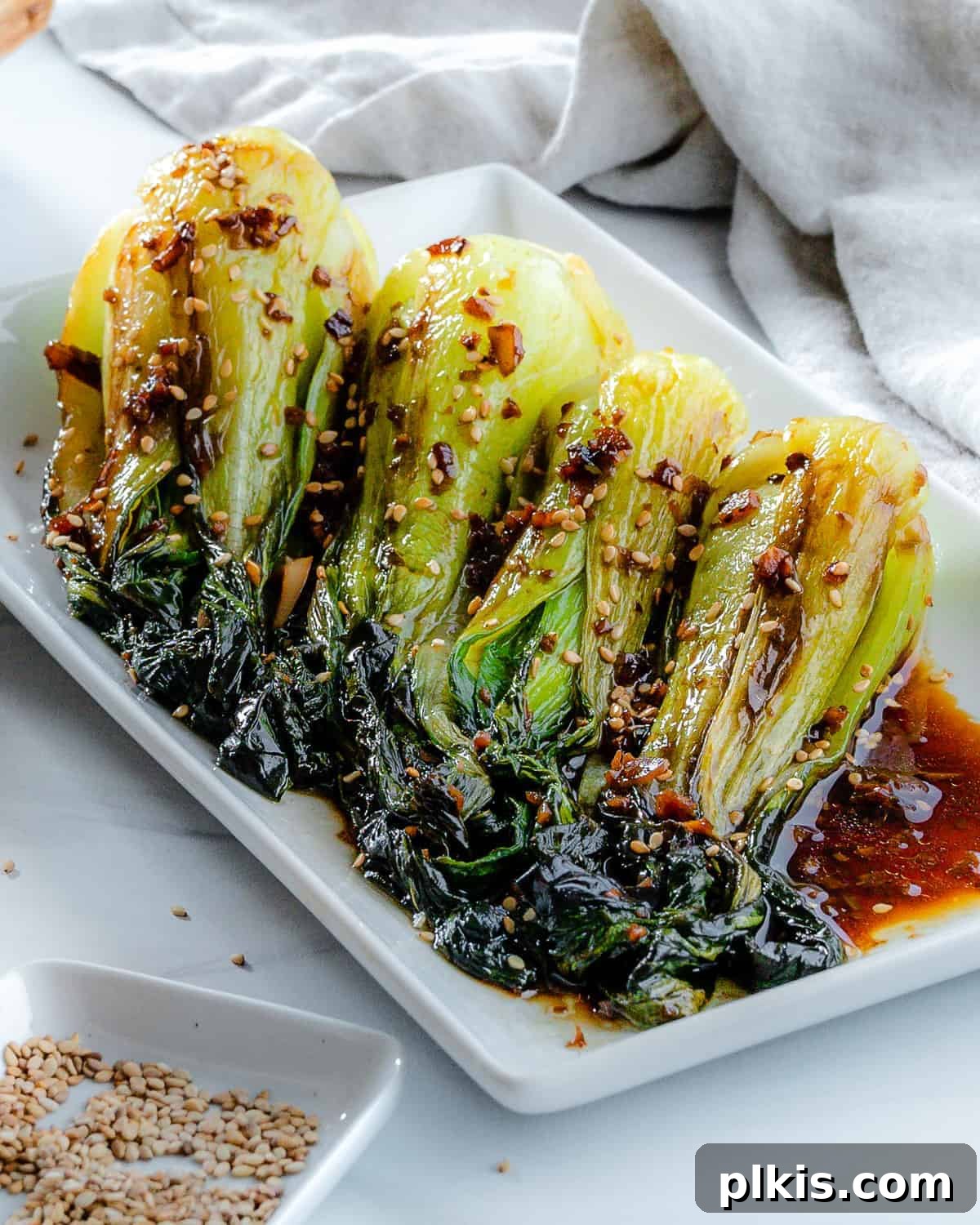
Storing and Reheating Leftover Garlic Stir-Fried Bok Choy
If you happen to have any leftovers of this delectable garlic stir-fried bok choy, proper storage and reheating techniques will help you enjoy its flavors again.
Refrigeration: Store any leftover baby bok choy in an airtight container in the refrigerator for 3 to 5 days. This will help maintain its freshness and prevent it from absorbing other odors in the fridge.
Reheating: For the best results, reheat the bok choy in a skillet over medium heat with a tiny bit of oil. Stir constantly for about 2-3 minutes until the mixture is thoroughly hot, but be careful not to overcook it, as this can make it mushy. You can also reheat it in the microwave in short bursts, stirring in between, though the skillet method will yield a better texture.
Freezing (for longer storage): While fresh is always best, cooked bok choy can be frozen for longer shelf life. Place the cooled stir-fried bok choy in a freezer-safe, airtight container or heavy-duty freezer bag, ensuring as much air is removed as possible. It can be stored in the freezer for up to 10 to 12 months. When ready to use, thaw overnight in the refrigerator and then reheat using the skillet method described above.
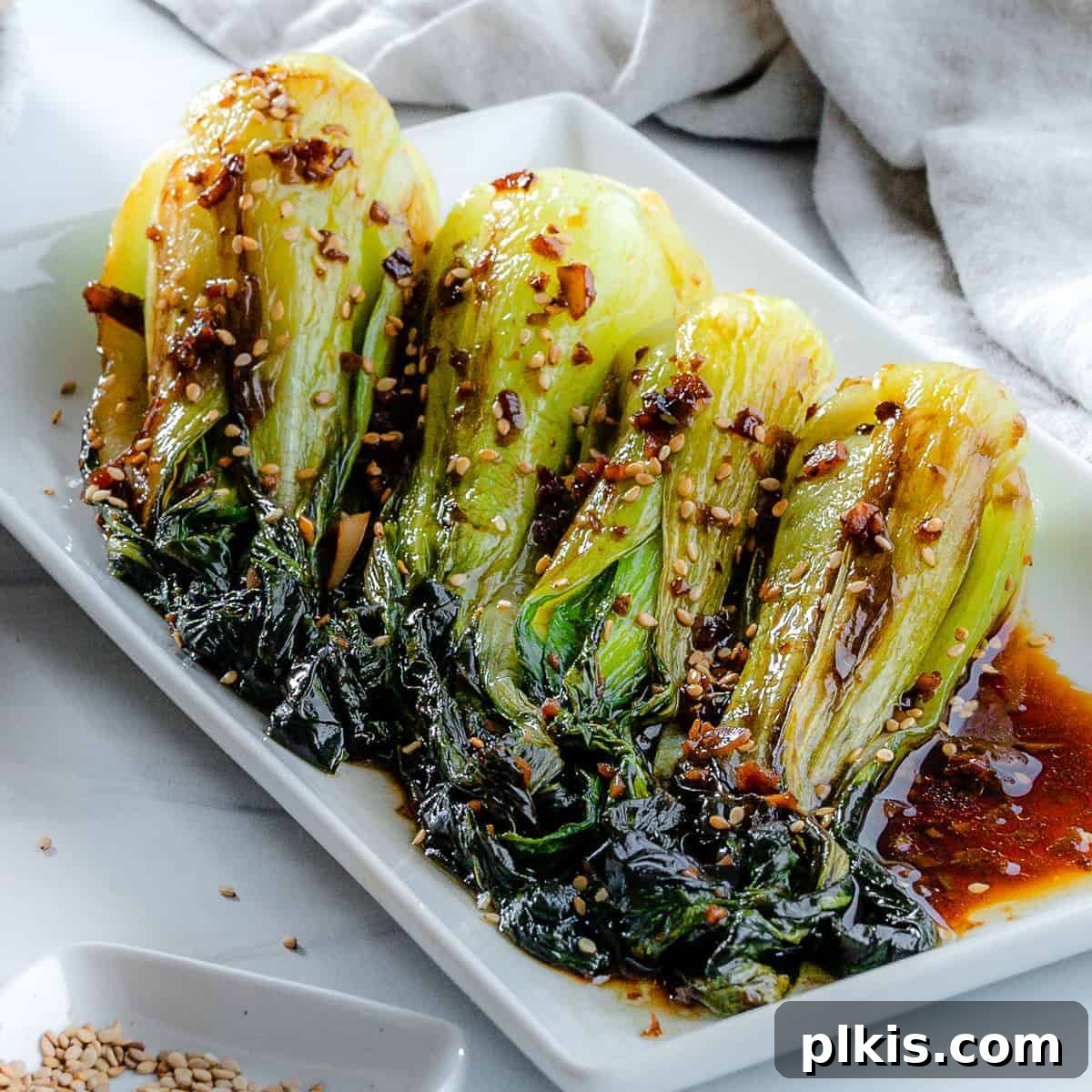
Baby Bok Choy with Soy Sauce and Garlic
5
8
13
2 servings
Equipment
-
Measuring spoons
-
My favorite knives
-
Large bowl
-
Serving Platter
Ingredients
1x
2x
3x
2x
3x
- ½ pound baby bok choy
- 2 teaspoons canola or vegetable oil
- 2 cloves garlic minced
- ½ Tablespoon soy sauce
- ½ Tablespoon Chinese mushroom sauce
- sesame seeds for garnish
- salt and pepper to taste
- optional: crushed red pepper flakes to taste
Instructions
-
Bring a large pot of salted water to a boil. Prepare a bowl of ice water. When the water comes to a boil, add the bok choy, and cook for one minute. Drain the bok choy, transfer to the ice bath to stop the cooking, and when cool, drain again, and dry with a clean towel or paper towels.
-
Heat the oil in a skillet over high heat. Add the garlic, and stir-fry until fragrant, about 30 seconds. Add the bok choy and toss to coat, cooking and stirring until just beginning to brown, 2-3 minutes. Add the soy sauce and mushroom sauce, stir to coat and cook, stirring, for 1 minute. Transfer to a serving dish, season with salt and pepper, and sprinkle sesame seeds over as a garnish.
Notes
- If you can’t find baby bok choy in your local market, use regular-sized bok choy and cut them in half lengthwise. Cutting them in half will also allow the sauce to be infused into the leaves, giving each bite additional flavor.
- The initial step of blanching and cooling the bok choy isn’t strictly necessary. However, that simple process locks in the bright green color of the vegetable and makes the bok choy much more tender and sweeter than simply stir-frying raw.
- Make sure all your ingredients are ready and within reach once you start stir-frying. You will need to get the condiments and seasoning in there on time, or you will end up with a burnt dish.
Nutrition
Calories: 56kcal
Carbohydrates: 4g
Protein: 2g
Fat: 4g
Saturated Fat: 3g
Polyunsaturated Fat: 1g
Monounsaturated Fat: 1g
Sodium: 326mg
Potassium: 22mg
Fiber: 1g
Sugar: 1g
Vitamin A: 5046IU
Vitamin C: 52mg
Calcium: 131mg
Iron: 1mg
Additional Info
Stefan
Side Dish
Asian
Stovetop
Vegan
Tried this recipe?
Please tag us at @PlantBasedOnABudget! 🙂