

This Butternut Squash Curry recipe invites you to celebrate the rich bounty of fall produce, transforming a humble squash into an exquisitely flavorful and remarkably healthy curry dish. It’s the quintessential comfort food, brimming with vibrant, nutrient-dense ingredients that promise to envelop you in warmth without ever leaving you feeling heavy or sluggish. Designed for convenience, it’s an excellent make-ahead meal that allows you to prepare a generous batch and enjoy hearty, comforting portions whenever the craving strikes – perfect for unwinding after a demanding weeknight or savoring during a relaxed, chilly weekend.

As the leaves begin to turn and the air gains a crisp chill, it’s unmistakably butternut squash season once more! Our garden has truly outdone itself this year, blessing us with an abundant harvest of dozens of these beautiful, versatile gourds. Far from running out of inspiration, I always find new and delicious ways to feature them in our meals. Beyond this incredibly popular Butternut Squash Curry, which has become a beloved staple in our kitchen, we also enjoy creating delights such as Creamy Curried Butternut Squash Lentil Soup, aromatic Butternut Squash Sage Biscuits, and even a rich, dairy-free Butternut Squash Mac n’ Cheese. This particular curry stands out for its satisfyingly rich taste and creamy texture, making it feel utterly indulgent, yet it’s packed with wholesome, plant-based goodness that truly nourishes the body and soul.
Why You’ll Love This Butternut Squash Curry
This Butternut Squash Curry isn’t just another meal; it’s a culinary experience that brings together simplicity, customization, and incredible health benefits. Here’s why this vegan curry will quickly become a favorite in your recipe rotation:
- Effortlessly Quick and Simple to Prepare: Don’t let its deep, complex flavors fool you – this curry comes together in approximately 35 minutes from start to finish. It’s designed for those busy evenings when you crave a homemade, flavorful meal without spending hours in the kitchen. You’ll be amazed at how such an easy-to-follow recipe can yield such a profoundly rich and satisfying dish, perfect for a quick weeknight dinner.
- Highly Customizable and Budget-Friendly: This recipe offers incredible flexibility, making it ideal for incorporating whatever fresh vegetables you have on hand. There’s no need to make a special trip to the farmer’s market for specific ingredients; simply peek into your fridge and rescue any leftover veggies before they go to waste. This adaptability not only makes the dish uniquely yours every time but also helps you save money and reduce food waste. Feel free to experiment with different combinations to discover your perfect blend!
- Luxuriously Healthy and Nutritious: Indulge in the rich, creamy textures and bold flavors of this curry, knowing that every spoonful is packed with essential nutrients. Butternut squash itself is a powerhouse of vitamins (especially A and C), minerals, and disease-fighting antioxidants. Combined with a medley of other vegetables and the aromatic spices characteristic of curry, this dish delivers a robust burst of energy and health benefits to your body. It truly is a meal that tastes like a treat but fuels you like a champion, keeping you nourished and light.
Essential Ingredients for Your Butternut Squash Curry
Crafting this delicious butternut squash curry requires a selection of readily available ingredients, ensuring both ease of preparation and a fantastic depth of flavor. While the full list can be found in the recipe card below, here’s a glimpse at some key components that contribute to its rich and comforting character. Gather these fresh and vibrant items to embark on your curry-making journey!
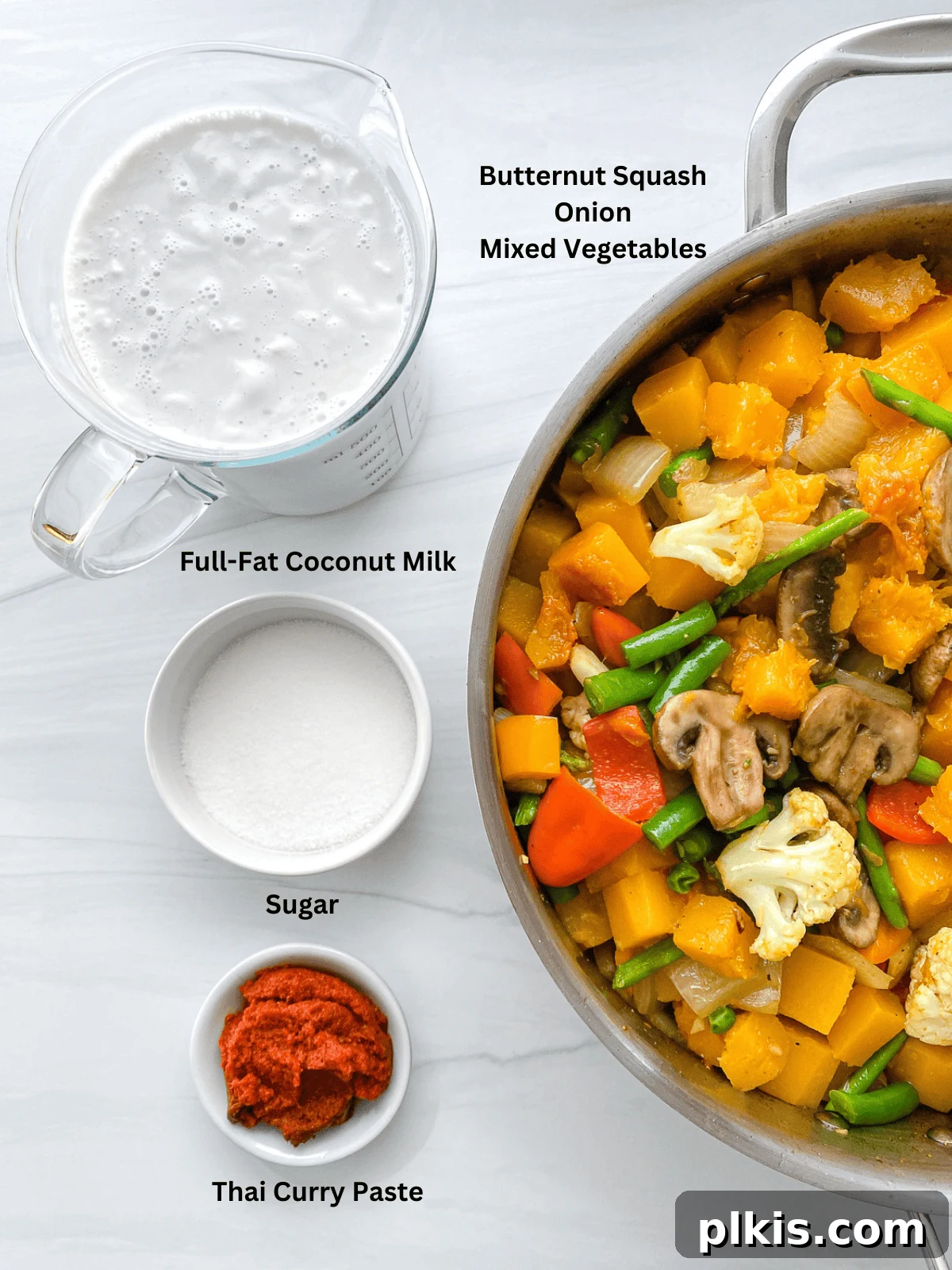
Choosing Your Thai Curry Paste: Red, Yellow, or Green?
The heart of any great Thai-inspired curry lies in its paste, and for this recipe, you have a wonderful trio to choose from: red, yellow, and green. Each paste boasts its own unique flavor profile, heat level, and vibrant color, allowing you to tailor the dish to your personal preference. In this particular recipe, we’ve opted for a red curry paste to achieve its signature warmth and depth. Keep in mind that selecting a different paste will subtly alter both the taste and the visual appeal of your final dish. Here’s a quick guide to help you decide:
- Red Curry Paste: Often considered the most versatile of the three, red curry paste gets its characteristic hue and robust flavor from a blend of dried red chilies. It typically offers a balanced heat that’s warm and inviting without being overwhelmingly spicy, making it a fantastic choice for a wide variety of dishes and palates. It’s perfect for those who enjoy a medium level of spice and a rich, savory base.
- Yellow Curry Paste: Distinguished by its beautiful golden color, courtesy of turmeric, yellow curry paste generally offers a milder and sweeter flavor profile than its red or green counterparts. It often includes ingredients like Indian curry powder, lemongrass, and galangal, resulting in an earthy, aromatic, and less intense heat. It’s an excellent option if you prefer a gentler spice and a slightly sweet, vibrant curry.
- Green Curry Paste: Known for being the spiciest of the main Thai curry pastes, green curry paste derives its vivid green color from fresh green chilies. It’s often brightened with a generous amount of fresh cilantro or coriander, kaffir lime zest, and other leafy herbs, lending it a distinctly fresh, herbaceous, and intensely aromatic quality. Choose green curry if you’re looking for a fiery kick and a burst of fresh, pungent flavors.
Whichever you choose, ensure you use a good quality paste to achieve the authentic depth of flavor that makes Thai curry so irresistible. Feel free to experiment with different pastes in future batches to discover your favorite!
Crafting Your Creamy Thai-Inspired Butternut Squash Curry
Prepare to create a truly irresistible dish that embodies everything we cherish in classic fall comfort food: creamy, rich, and utterly satisfying. This Thai-inspired butternut squash curry recipe is designed to be straightforward, guiding you through each step to achieve a remarkable depth of flavor and texture with ease. Let’s dive into the simple process:


Step 1: Preparing the Butternut Squash. Begin by thoroughly cleaning your butternut squash. Carefully cut off both ends, then microwave it for about three minutes to slightly soften the skin. This makes peeling significantly easier and safer. Once cooled sufficiently to handle, carefully peel the skin, scoop out the seeds and fibrous strands, and cut the flesh into uniform, bite-sized cubes. This initial step ensures the squash cooks evenly and absorbs the curry flavors beautifully.
Step 2: Steaming for Tenderness. In a medium pot, bring a few cups of water to a rolling boil. Add your cubed butternut squash, cover the pot tightly, and allow it to steam until the squash is fork-tender. This pre-cooking step guarantees that the squash will be perfectly soft and creamy in your curry. Once tender, drain the water thoroughly and set the steamed squash aside, ready to be incorporated into your fragrant curry base.
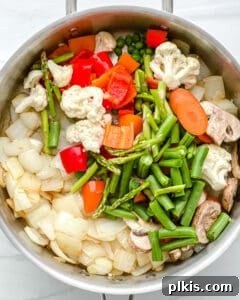

Step 3: Building the Flavor Base. In a large skillet or Dutch oven, heat a tablespoon of neutral oil over medium heat. Add the chopped yellow onion and sauté until it becomes translucent and fragrant, developing a sweet base for your curry. Next, introduce your medley of mixed vegetables (such as bell peppers, mushrooms, green beans, peas, cauliflower, summer squash, asparagus, and carrots). Continue cooking, stirring occasionally, until all the vegetables are tender-crisp, ensuring they retain some texture.
Step 4: Combining Key Ingredients. Now, gently add the pre-steamed butternut squash cubes to the skillet with the sautéed vegetables. Pour in the full-fat coconut milk, which will provide the luxurious creaminess and richness characteristic of Thai curries. Follow with your chosen Thai curry paste and a touch of sugar to balance the flavors. The sugar helps to mellow the heat of the paste and brings out the natural sweetness of the squash and coconut milk.

Step 5: Simmering to Perfection and Serving. Stir the mixture continuously until the curry paste and sugar are completely dissolved and thoroughly combined with the coconut milk. Reduce the heat to medium-low, allowing the curry to gently simmer for approximately 15 minutes. This simmering time is crucial for the flavors to meld and deepen, creating that signature rich curry taste. During this stage, the squash will continue to soften and absorb the aromatic liquid. Taste and adjust the seasoning with salt as needed – you might find it needs a pinch to enhance all the vibrant flavors. Once the curry has reached your desired consistency and the flavors are perfectly balanced, it’s ready to be served. This delightful curry is absolutely wonderful served over a fluffy bed of steamed brown rice (if you need a guide, check out how to cook brown rice) or any other grain of your choice, like quinoa or couscous, to soak up all that delicious sauce.
Exciting Add-ons and Creative Variations for Your Butternut Squash Curry
One of the many reasons to adore this butternut squash curry recipe is its incredible versatility. It serves as a fantastic foundation, inviting you to experiment and personalize it with a variety of ingredients, making each batch uniquely yours. Here are some wonderful additions and variations to inspire your culinary creativity:
- Boosting Protein Content: If you’re looking to make your curry even more substantial and protein-packed, several plant-based options integrate beautifully. Cooked chickpeas or various types of lentils (explore our complete guide to lentils here) are excellent choices, adding earthy notes and a hearty texture. For a delightful textural contrast and an extra protein punch, consider adding a batch of quick crispy pan-fried tofu or even tempeh cubes. These ingredients will transform your curry into an even more filling and satisfying meal.
- Exploring Alternative Starches: Can’t find butternut squash, or simply want to try something different? Sweet potatoes are a fantastic substitute. They offer a similar creamy consistency when cooked and impart a lovely natural sweetness that complements the curry flavors wonderfully. Other root vegetables like carrots or parsnips could also be added for extra depth and nutrition. Feel free to mix and match to discover new favorite combinations.
- Dialing Up the Heat: For those who crave an extra fiery kick, incorporating additional chilies is a simple way to elevate the spice level. You can stir in some red chili flakes or a pinch of cayenne powder along with the curry paste for a subtle warmth. If you prefer a more intense and fresh heat, finely sliced fresh Thai bird’s eye chilies or even a dollop of chili garlic paste can be added. Remember to start with a small amount and taste as you go to achieve your desired level of spice.
- Adding Leafy Greens: Wilt in a generous handful of fresh spinach, kale, or Swiss chard during the last few minutes of simmering. These greens not only boost the nutritional profile but also add a refreshing, slightly bitter contrast to the rich, creamy curry.
- Aromatic Herbs and Citrus Finish: Fresh herbs are a game-changer! A sprinkle of freshly chopped cilantro or Thai basil just before serving will brighten the entire dish. A squeeze of fresh lime juice at the end can also add a zingy, acidic balance that cuts through the richness and awakens the flavors.
- Nutty Textures: For an added layer of texture and flavor, consider garnishing your curry with toasted cashews, peanuts, or sesame seeds. This provides a delightful crunch and a subtle nutty essence that complements the creamy sauce beautifully.
Expert Tips for Mastering Your Butternut Squash Curry
Achieving the perfect butternut squash curry is easier than you think, especially with a few handy tips. These pointers will help you maximize flavor, ensure ideal consistency, and streamline your cooking process, making your curry experience truly enjoyable:
- Embrace Convenience with Pre-Cut Squash: We understand that peeling and chopping butternut squash can be quite a task, especially when you’re short on time. To simplify your cooking experience, don’t hesitate to pick up pre-cut butternut squash from your local grocery store. This simple shortcut can significantly reduce your prep time, allowing you to get this comforting meal on the table even faster without compromising on taste.
- Taste and Adjust Seasoning Thoughtfully: The art of a great curry often lies in balancing its flavors. Thai curry pastes and other seasonings can vary in potency and spice level. Always start with the smaller recommended amount of curry paste and any additional spices. As the curry simmers, taste it periodically and adjust as needed. You can always add more to enhance the flavor or heat, but it’s much harder to correct an over-seasoned dish. Aim for a harmonious blend of sweet, spicy, salty, and umami.
- Achieve the Perfect Creamy Consistency: Simmering is key to developing a rich, thick, and creamy curry sauce. Allow your curry to gently bubble until it reaches your desired consistency – a luscious sauce that coats the back of a spoon. If, however, your curry thickens too much to your liking, simply whisk in a splash of water or vegetable broth until it thins out to the ideal texture. Conversely, if it’s too thin, let it simmer uncovered for a few extra minutes.
- Cleverly Mute Excessive Spice: Accidentally added a bit too much spicy curry paste? Don’t despair! There are quick fixes to temper the heat. Stir in additional full-fat coconut milk to dilute the spice and add more creaminess. A squeeze of fresh lime juice can also work wonders, as its acidity helps to balance and cut through the heat. For an extra creamy and cooling effect, you can stir in a dollop of plant-based yogurt or a spoonful of nut butter (like cashew butter) at the end.
- Freshness is Key for Aromatics: While convenience is great, using fresh ginger, garlic, and lemongrass (if not in your paste) can significantly elevate the aromatic profile of your curry. Take a moment to properly mince or grate these for maximum flavor release during sautéing.
- Garnish for Impact: Don’t underestimate the power of a fresh garnish! A sprinkle of freshly chopped cilantro, a scattering of toasted sesame seeds or crushed peanuts, or even a few fresh chili slices can add a burst of freshness, texture, and visual appeal just before serving.

Storage and Meal Prep: Enjoying Your Curry Later
This butternut squash curry is not only incredibly delicious but also a dream for meal prep, as it stores beautifully and reheats wonderfully. This makes it an ideal candidate for your weekly meal planning, ensuring you always have a comforting and nutritious meal ready to go:
Refrigeration: Once cooled completely, transfer any leftover curry to an airtight container. It will stay fresh and flavorful in the refrigerator for up to 5 days. In fact, many find that the flavors deepen and meld even further after a day or two, making it taste even better!
Freezing: This curry is also freezer-friendly, allowing you to extend its shelf life significantly. Portion the cooled curry into freezer-safe containers or heavy-duty freezer bags. It can be frozen for up to 3 months without losing its quality. When you’re ready to enjoy, simply thaw overnight in the refrigerator and then gently reheat on the stovetop or in the microwave.
Whether you’re planning ahead for busy weeknights or simply want to have a wholesome, plant-based option readily available, this butternut squash curry is a fantastic choice that brings both convenience and gourmet flavor to your table.
Butternut Squash Curry

Video
Equipment
-
Measuring Cups
-
Measuring spoons
-
Medium Pot
-
My favorite knives
-
Large Skillet
Ingredients
- 2 cups water
- 1 large butternut squash peeled, seeded, and cubed
- 1 tablespoon neutral oil
- 1 large yellow onion peeled and chopped
- 3 cups mixed vegetables combination of sweet peppers, mushrooms, green beans, peas, cauliflower, summer squash, asparagus, and carrots work nicely
- 1 28-ounce can full-fat coconut milk
- 2 to 3 tablespoons prepared Thai curry paste red, yellow, or green
- ¼ cup sugar
- Salt to taste
- Brown rice for serving (optional)
Instructions
-
In a medium pot, bring water to a boil, add prepared squash cubes, cover, and steam for 10 minutes or until tender. Drain and set aside.
-
Heat a large skillet over medium. Add oil and onions, and saute onions until translucent.
-
Add mixed chopped vegetables and cook another 8-10 minutes or until veggies are tender, stirring frequently.
-
Mix steamed butternut cubes in the pan with the other veggies.
-
Add coconut milk, curry paste, and sugar to the pan. Stir until curry paste and sugar are dissolved and well-mixed.
-
Turn heat to medium-low and simmer for 15 minutes.
-
Add salt to taste and serve over hot rice.
Notes
- If you want to save time, go to your local grocery shop and buy pre-cut squash. This makes preparation quicker and easier.
- Always taste and adjust seasonings as needed throughout the cooking process. Curry pastes can vary in intensity, so start with a smaller amount and add more to achieve your desired flavor and spice level.
- Simmer the curry until it reaches a thick and creamy consistency. If it becomes too thick, you can thin it out with a little water or vegetable broth.