
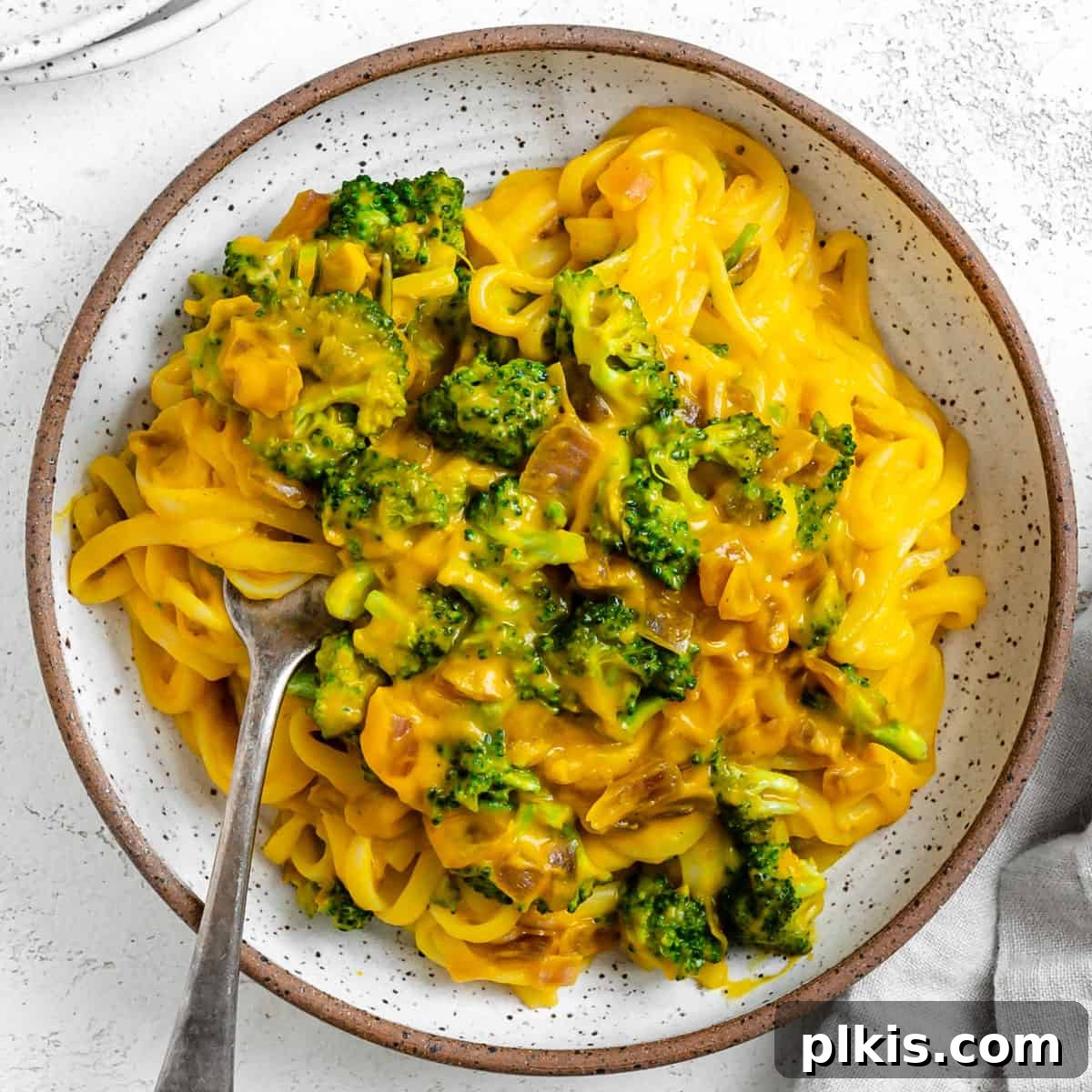
Transform your fresh butternut squash into this unbelievably Creamy Butternut Squash Pasta Sauce. This delightful dish is bursting with wholesome plant-based ingredients and perfectly complemented by a medley of roasted vegetables. It’s more than just a meal; it’s the quintessential fall comfort food, ready to warm you from the inside out and bring a taste of autumn to your dinner table.
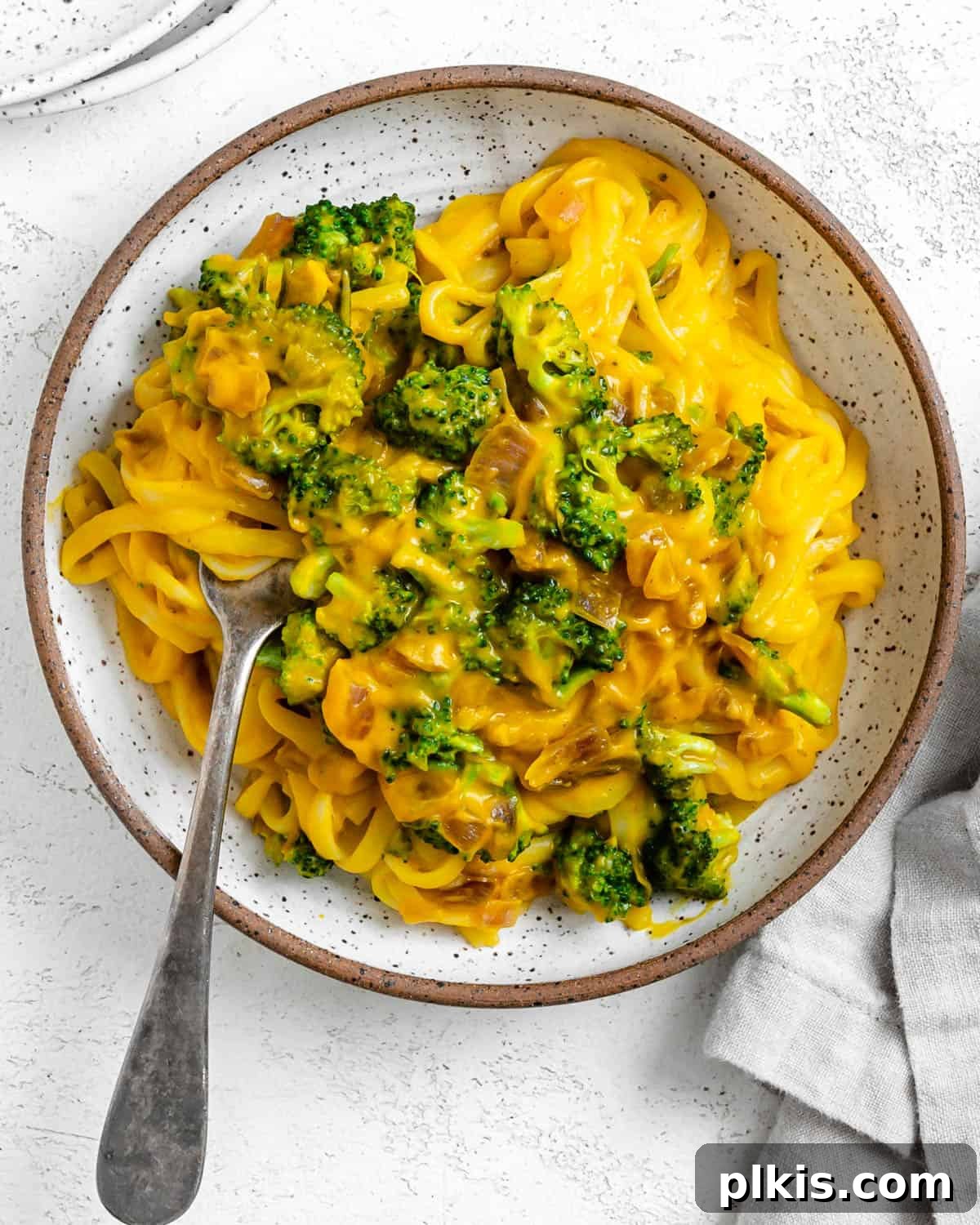
This Creamy Butternut Squash Pasta Sauce holds a special place in our hearts, much like our beloved Sweet Potato Pasta Sauce. Its naturally rich, velvety texture and subtly sweet flavor make it one of the most ingenious ways to introduce more vegetables into your family’s diet, even for the most discerning eaters. Once everyone at home falls in love with the comforting taste of winter squash, you’ll want to explore other exciting recipes. Be sure to try these flavorful Kabocha Squash Enchiladas, the versatile Roasted Spaghetti Squash, and our warming Butternut Squash Red Pepper Soup. Get ready for a season overflowing with delicious, squash-infused meals!
Why You’ll Love This Butternut Squash Pasta
Discover the many reasons why this Butternut Squash Pasta will quickly become a cherished recipe in your kitchen:
- Ultimate Fall Comfort Food: As the crisp autumn air arrives and the leaves begin to change, there’s nothing quite like a warm, comforting meal. This butternut squash pasta dish offers a delightful alternative to your typical marinara or Dairy-Free Alfredo Sauce. Its creamy texture and wholesome flavors are perfectly suited for cozy evenings, making it an ideal choice for a satisfying fall dinner that embraces seasonal ingredients.
- Excellent Way to Utilize Butternut Squash: If you find yourself with half a butternut squash lingering in your fridge, or if you’ve harvested a bounty from your garden, transforming it into this savory pasta sauce is an ingenious solution. It’s a fantastic method for minimizing food waste while creating a remarkably flavorful and nutritious meal. This recipe ensures every bit of your fresh, seasonal butternut squash is enjoyed to its fullest potential.
- Naturally Gluten-Free Friendly: Designed with dietary needs in mind, this pasta sauce is inherently gluten-free when prepared with tamari instead of regular soy sauce. This makes it a perfect option for those with gluten sensitivities or preferences. To complete your gluten-free meal, serve it with rice noodles, brown rice pasta, or even creative vegetable alternatives like spaghetti squash or zucchini noodles, ensuring everyone can enjoy a delicious and worry-free dinner.
- Ready in Just 30 Minutes: We know that busy weeknights demand quick and easy meal solutions without sacrificing flavor or nutrition. By opting to steam cubed butternut squash rather than undertaking the time-consuming task of roasting a whole squash, we dramatically cut down on preparation and cooking time. This efficient method means you can have a fresh, homemade, and incredibly satisfying dinner on the table in about half an hour, making it perfect for your busiest days.
- Incredibly Freezer Friendly: For ultimate convenience and smart meal planning, this butternut squash pasta sauce is wonderfully freezer-friendly. If you have an abundance of butternut squash or simply want to prepare meals in advance, whip up a large batch of this sauce and store it in freezer bags or airtight containers. This allows you to enjoy the comforting taste of fall any time of the year, making future meal prep effortless and delicious.
The Wholesome Ingredients
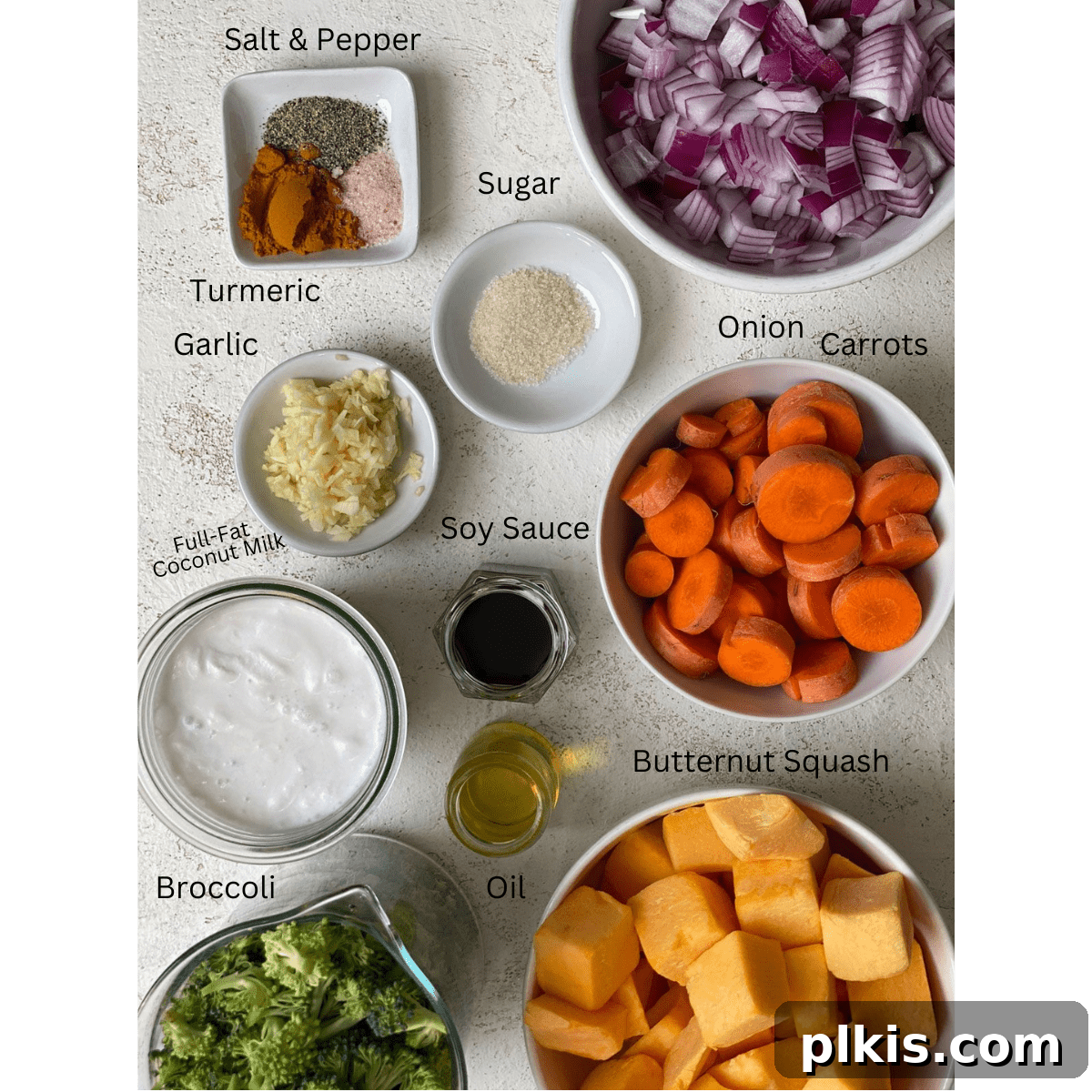
Gathering fresh, high-quality ingredients is the first step to creating this exceptional sauce:
- Butternut Squash: The star of our sauce! You can use freshly peeled and cubed butternut squash, which offers the freshest flavor. Alternatively, for convenience, opt for pre-cut squash or even frozen butternut squash. If using pre-cut, ensure the pieces are roughly ½-inch cubes to ensure even and quick cooking. Look for squash that feels heavy for its size and has a deep, consistent beige color for optimal ripeness and sweetness.
- Carrots: We typically use two medium-sized fresh carrots, which add a natural sweetness and contribute to the vibrant color and nutritional profile of the sauce. Frozen carrots are also a perfectly acceptable and convenient substitute, helping to reduce prep time without compromising flavor. They blend beautifully into the creamy texture.
- Full-Fat Coconut Milk: This is our secret weapon for achieving an incredibly rich and creamy texture without any dairy. Full-fat canned coconut milk provides a luxurious mouthfeel and a subtle tropical note that complements the squash beautifully. Avoid light coconut milk as it won’t deliver the same depth of creaminess essential for this sauce.
- Turmeric: Beyond its stunning golden hue, turmeric infuses the pasta sauce with a subtle earthy warmth and offers a wealth of anti-inflammatory and antioxidant health benefits. It naturally enhances the visual appeal of the sauce, making it look as good as it tastes, while subtly boosting its nutritional value.
- Cooking Oil: A neutral-flavored oil like olive oil or avocado oil is used to sauté the aromatics, building a foundational layer of flavor. If you prefer an oil-free dish, you can easily omit the oil and use a splash of vegetable broth or water to sauté the onions and garlic, achieving a lighter but still delicious result.
- Red Onion: Red onions provide a milder, slightly sweeter flavor compared to yellow or white onions, which pairs wonderfully with the sweetness of the butternut squash. However, if red onions aren’t available, either yellow or white onion can be used as a suitable alternative, just be aware the flavor might be slightly more pungent.
- Garlic: A single minced garlic clove adds essential aromatic depth and a pungent kick that elevates the entire sauce. For a quick alternative, ⅛ teaspoon of garlic powder can be used, though fresh garlic always delivers a more robust and vibrant flavor. It’s a foundational ingredient for savory dishes.
- Soy Sauce (or Tamari): A crucial ingredient for adding a layer of umami and saltiness that balances the sweetness of the squash. It deepens the overall flavor profile, creating a more complex and satisfying sauce. For those following a gluten-free diet, tamari is an excellent, equally flavorful substitute that ensures the sauce remains compliant.
- Granulated Sugar: A touch of granulated sugar (or cane sugar, coconut sugar, or light brown sugar) helps to balance the savory and earthy notes, enhancing the natural sweetness of the butternut squash and carrots. It’s not meant to make the sauce overtly sweet, but rather to round out the flavors and create a harmonious blend.
- Broccoli: Whether fresh or frozen, broccoli florets are a fantastic addition to the roasted veggie topping. Frozen broccoli is often more economical and can significantly cut down on prep time, making this meal even quicker to assemble. It adds a lovely texture, vibrant green color, and a boost of essential vitamins and fiber to your plate.
Possible Substitutions and Variations
Feel free to get creative and customize this recipe to your taste or what you have on hand:
- Squash Alternatives: While butternut squash is truly magnificent, you can easily replace it with other winter squash varieties. Cubed pumpkin, acorn squash, or even sweet potato make excellent alternatives, each lending its own subtle flavor and character to the sauce. Keep in mind that acorn squash will yield a sauce with a notably different color but will still be incredibly delicious. A mix of a few types of squash can also add complexity.
- Veggie Swap-Ins: The broccoli in this recipe can be swapped out for a variety of other vegetables, allowing for endless customization. Consider quartered Brussels sprouts for a slightly bitter, earthy contrast, fresh green beans for a crisp texture, frozen peas for a burst of sweetness, or a convenient bag of frozen mixed vegetables for an easy nutrient boost. Choose what you love or what’s in season!
- Add a Spicy Kick: If you enjoy a bit of heat, transform your vegan butternut squash pasta sauce with a fiery kick. Stir in a pinch or more of red pepper flakes to taste, or add a drizzle of sriracha directly into the sauce during the blending or simmering stage. Start with a small amount and adjust to achieve your preferred level of spice.
- Herbaceous Enhancements: Fresh herbs can elevate the flavor profile. Consider stirring in fresh sage, thyme, or rosemary, finely chopped, at the end of cooking for an aromatic boost. A sprinkle of fresh parsley or chives makes a lovely garnish.
- Nutritional Yeast for Cheesy Flavor: For an extra layer of savory, cheesy flavor (without the dairy!), stir in 1-2 tablespoons of nutritional yeast to the blender with the squash and coconut milk. It adds a wonderful umami depth that complements the creamy sauce.
How to Make Creamy Butternut Squash Pasta Sauce
Follow these simple steps to create a truly irresistible butternut squash pasta dish:
- 1) Begin by preheating your oven to 350 degrees F (175 degrees C). This is for roasting the optional additional vegetables or if you choose to roast your squash instead of steaming. Also, bring a large pot of salted water to a rolling boil for your pasta. Cook your chosen pasta (e.g., rice noodles, whole wheat spaghetti) according to its package instructions until al dente. Drain and set aside, reserving about 1 cup of the starchy pasta cooking water.
- 2) Next, prepare your butternut squash and carrots. If using fresh, peel and cube the squash into ½-inch pieces and slice the carrots. Steam the butternut squash and carrots until they are perfectly tender and can be easily pierced with a fork, which usually takes about 10-15 minutes. This steaming method ensures quick cooking and a smooth texture for your sauce.
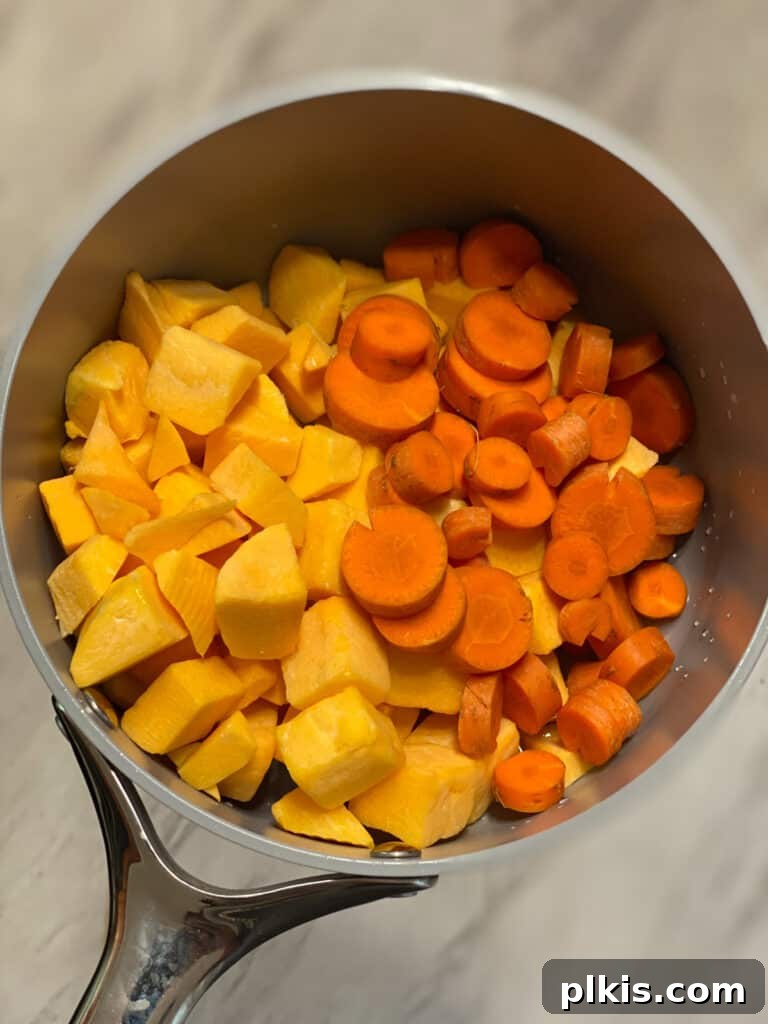
As an alternative cooking method for the butternut squash, you can refer to our super simple guide, How to Roast a Butternut Squash. Roasting imparts a deeper, caramelized flavor. You can also roast the carrots alongside the squash on a sheet pan with parchment paper if desired. For guidance on carrot roasting times and techniques, consult our How to Make Glazed Carrots post.
- 3) Once your steamed (or roasted) butternut squash and carrots are cooked and tender, carefully transfer them into a high-speed blender. Add the full-fat coconut milk, turmeric for color and warmth, salt, and a generous pinch of black pepper. Secure the lid and blend on high speed until a perfectly smooth, velvety, and creamy sauce forms. Taste and adjust seasonings as needed. Set this luscious sauce aside.
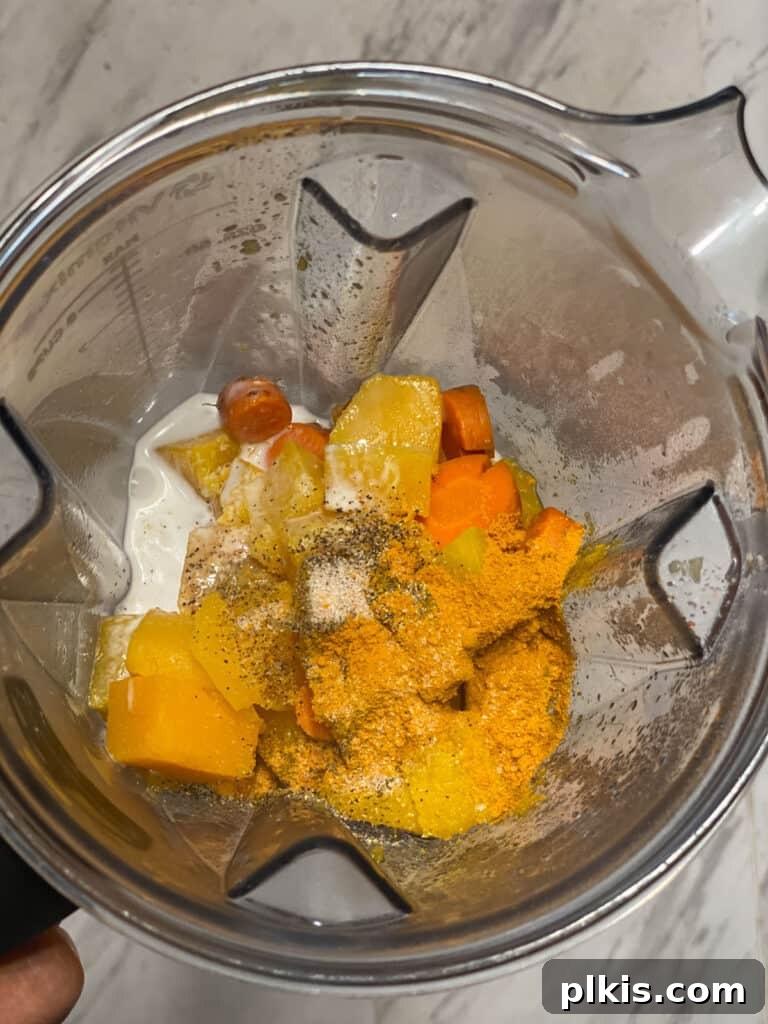
- 4) Heat a large pan or skillet over medium-high heat. Add a tablespoon of neutral cooking oil (or a splash of vegetable broth if oil-free) until shimmering. Add the diced red onion and minced garlic to the hot pan. Sauté the aromatics, stirring frequently, until the onions become tender, translucent, and fragrant, which typically takes about 5 minutes. This step builds a crucial flavor base for your dish.
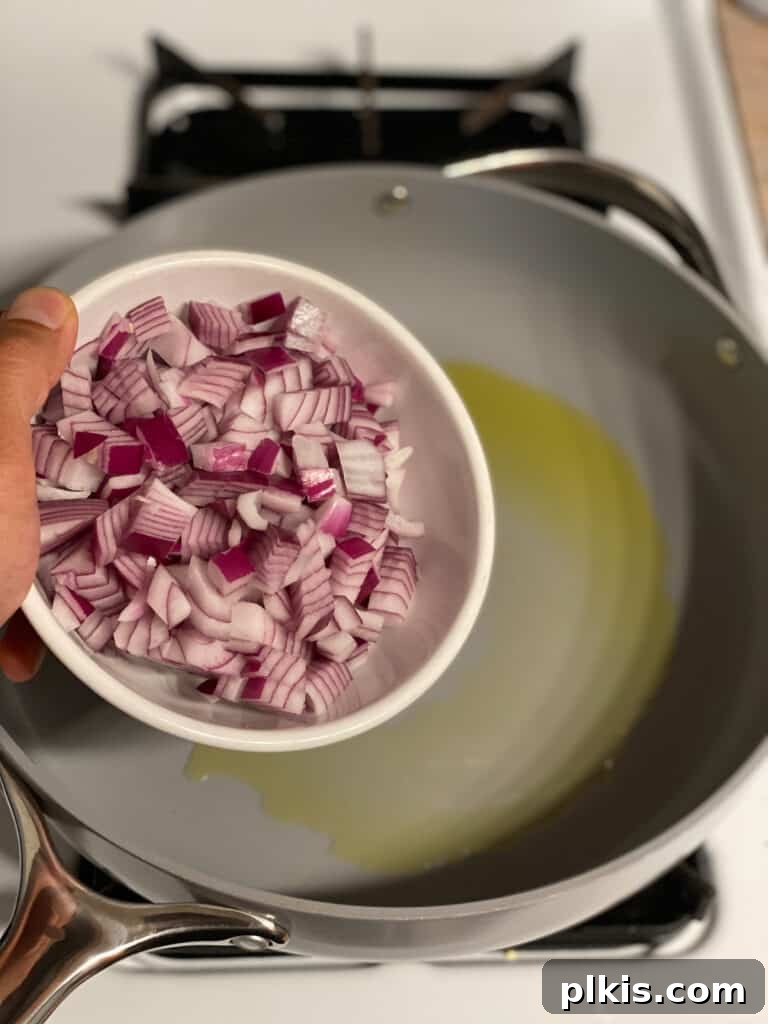
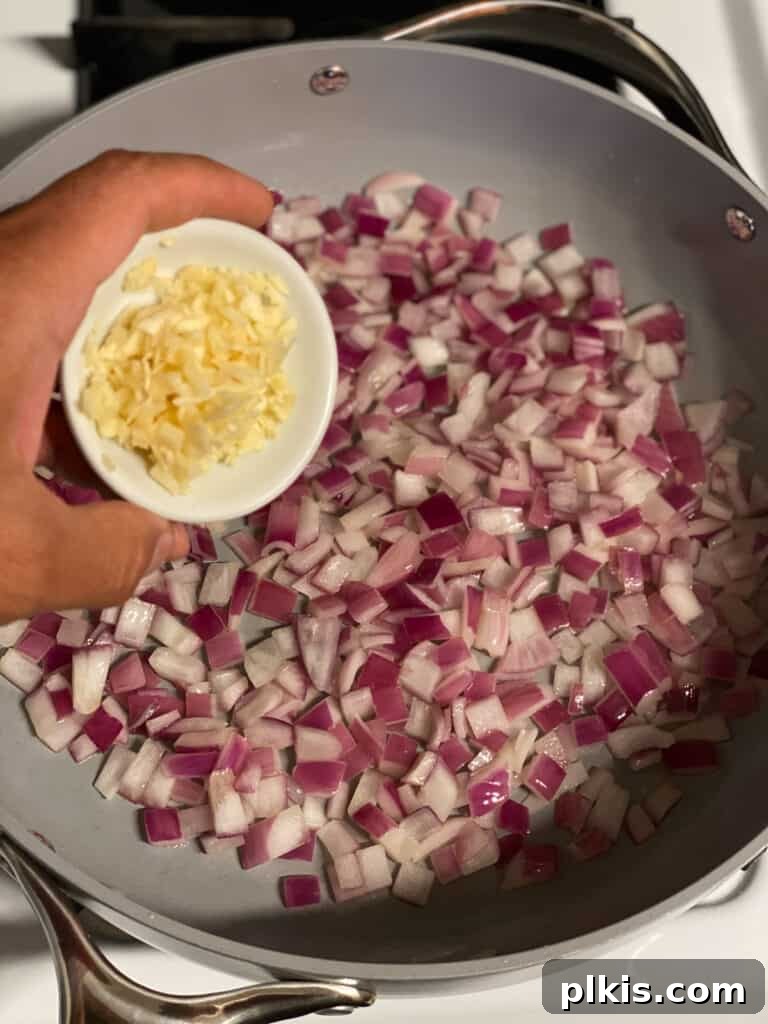
- 5) Incorporate your chosen frozen broccoli (or other desired veggies) into the pan with the sautéed onions and garlic. Continue to cook for 2-3 minutes, allowing the broccoli to begin to thaw and heat through, absorbing the flavors from the pan. If using fresh broccoli, you might need an extra minute or two.
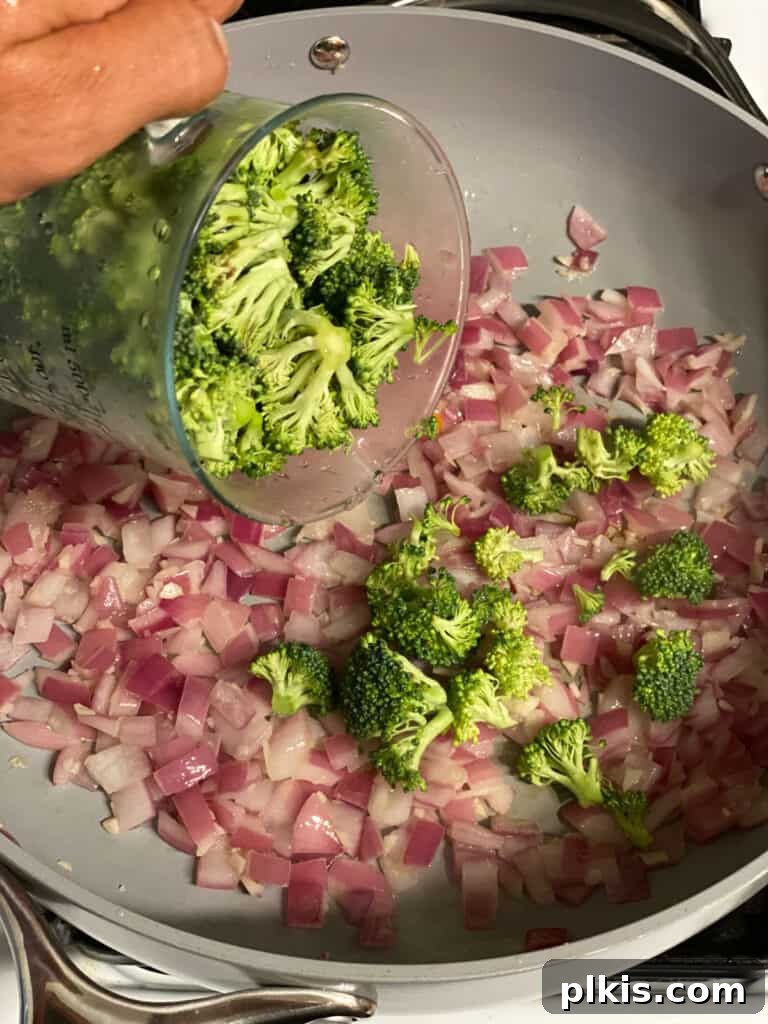
- 6) Now, add the soy sauce (or tamari for a gluten-free option) and granulated sugar to the vegetables in the pan. Stir everything well to combine. Continue to cook for approximately 7 minutes, or until the vegetables have reached your preferred tenderness and are nicely coated with the sauce. This step allows the flavors to meld beautifully.
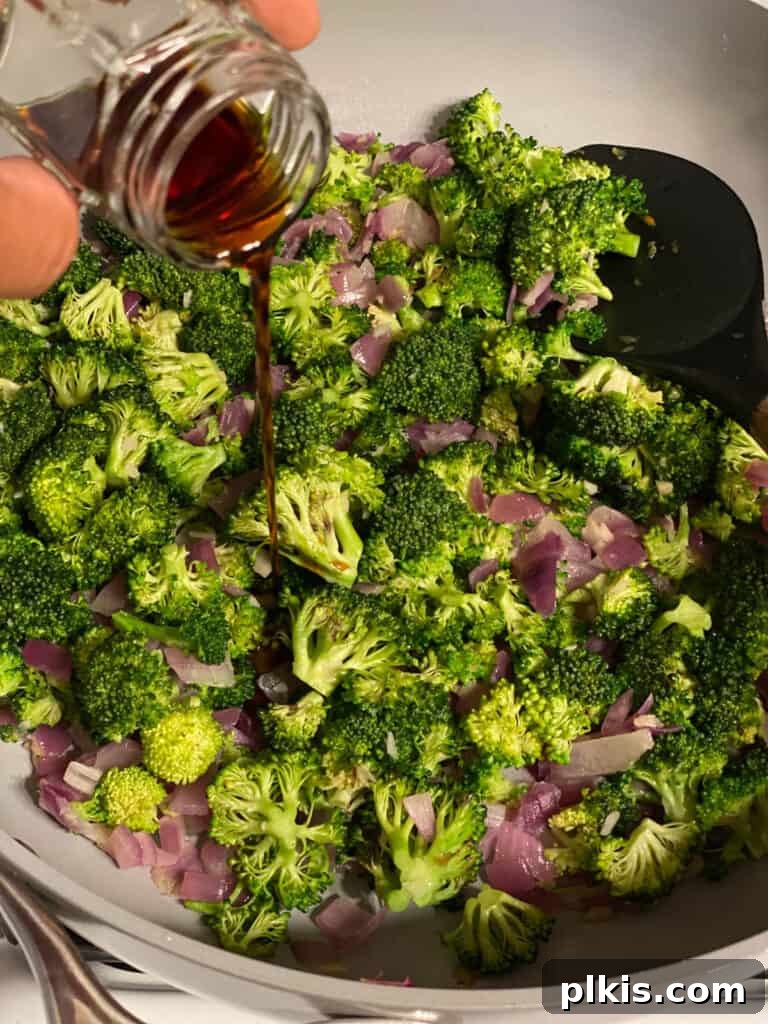
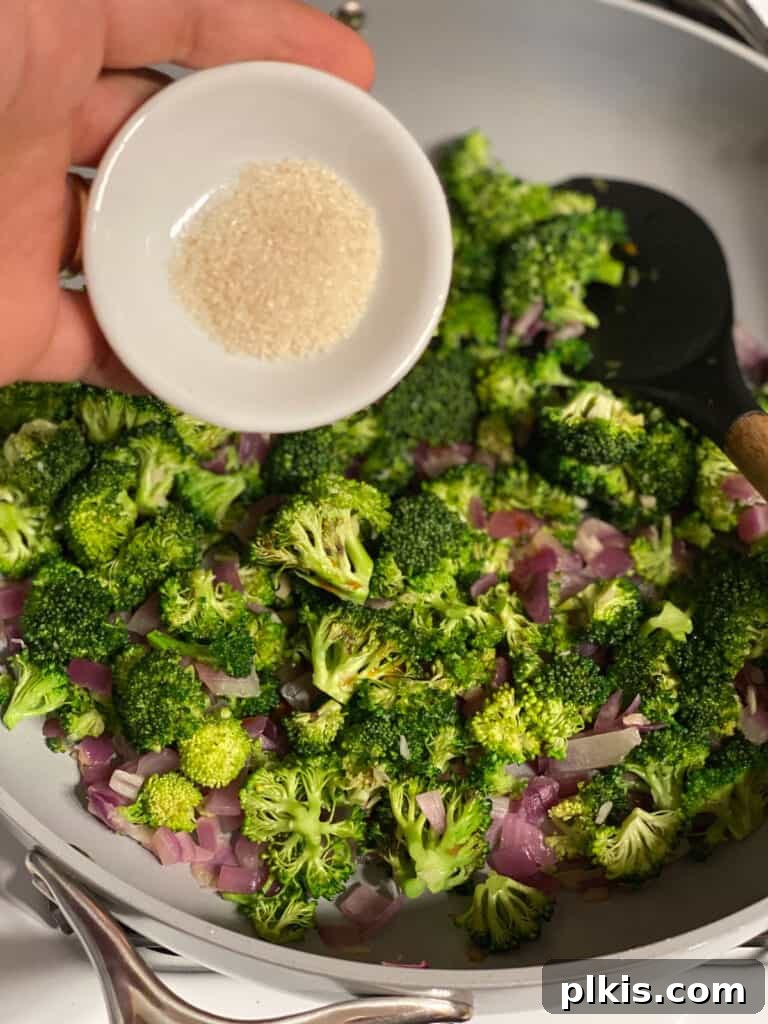
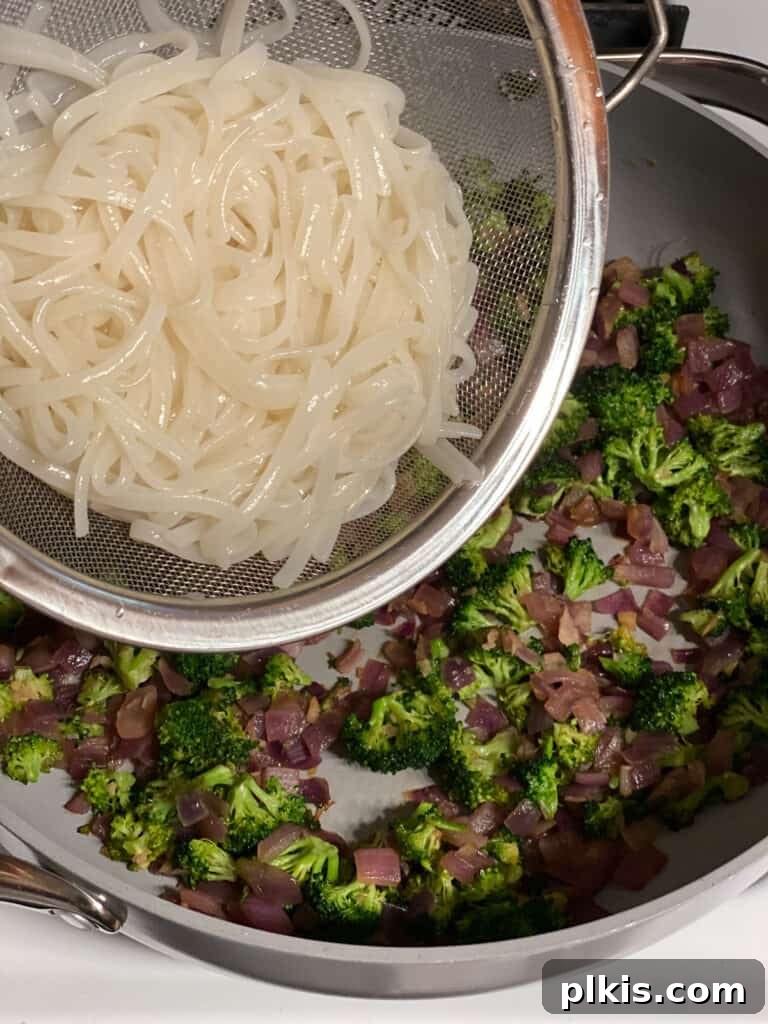
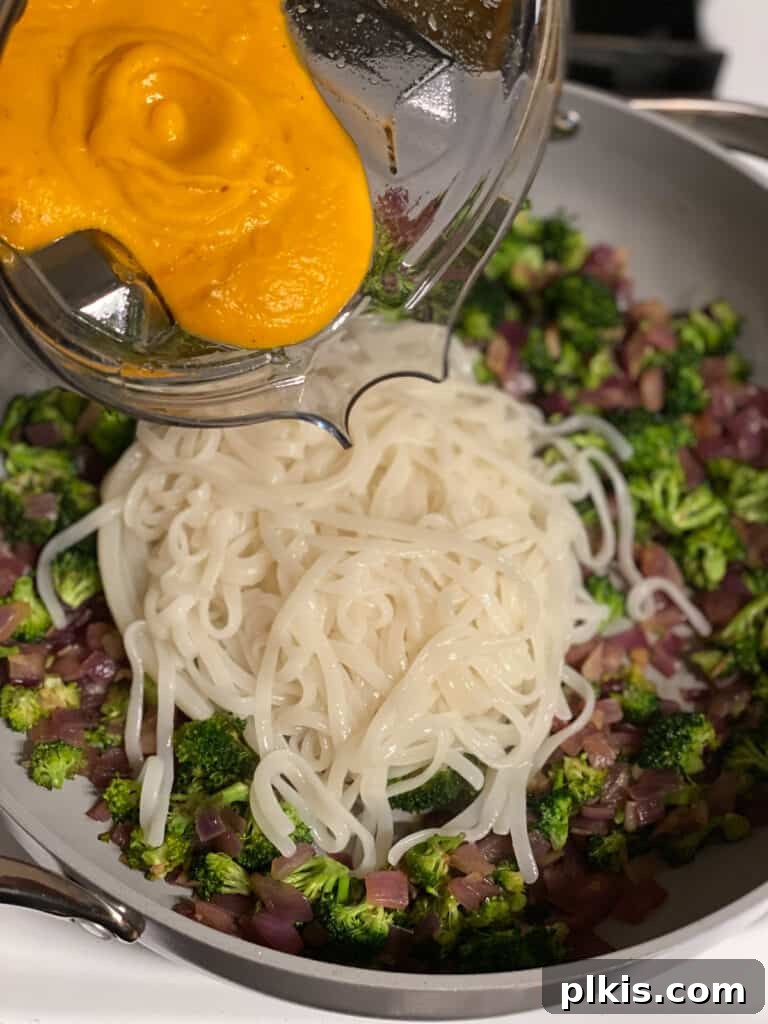
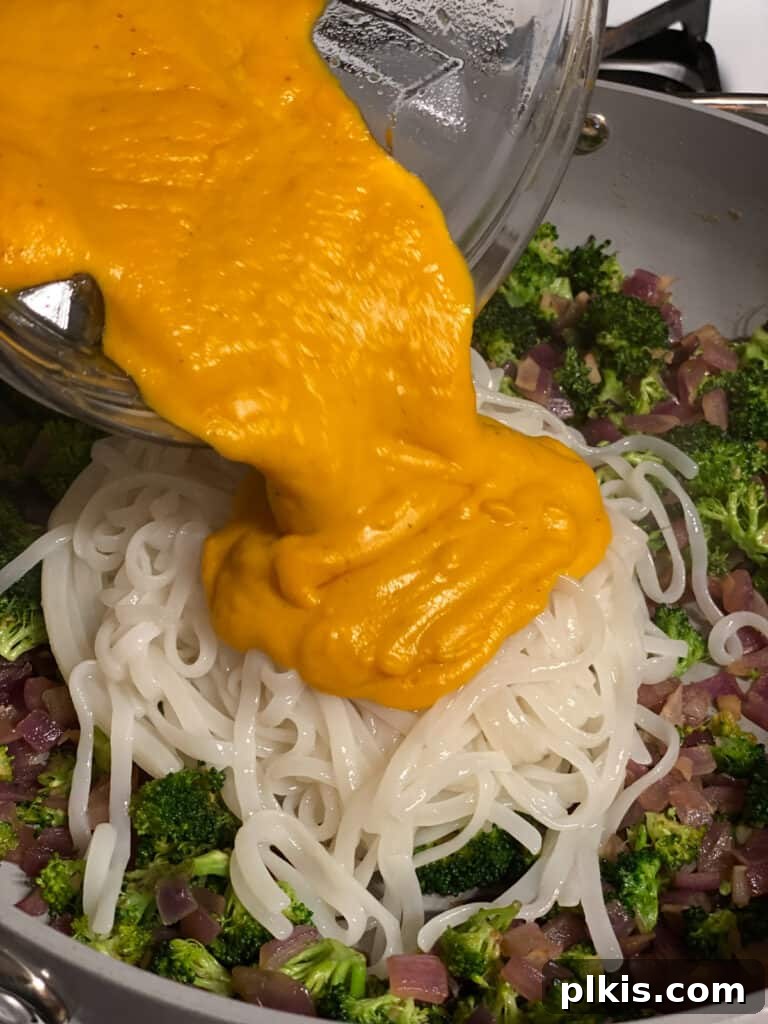
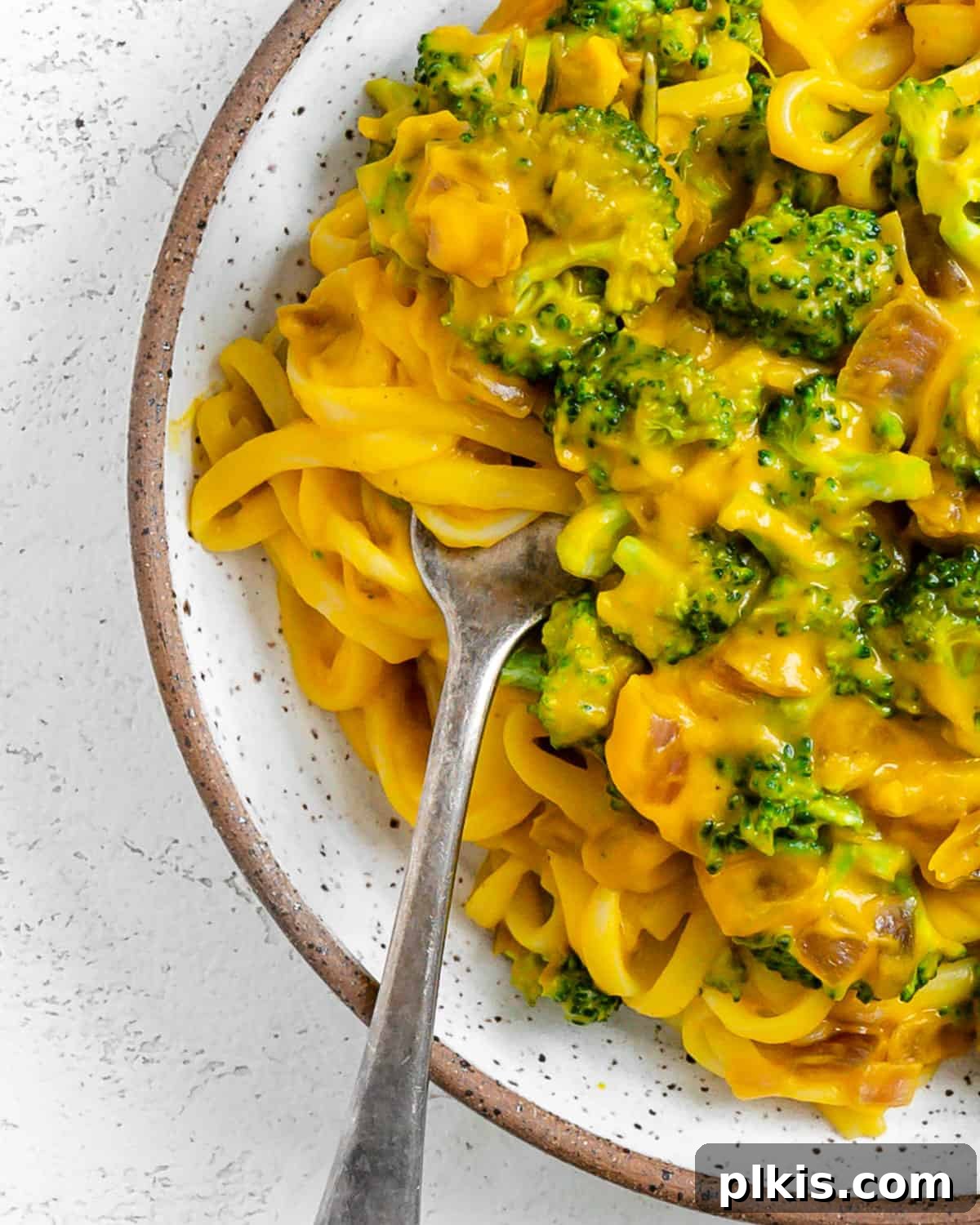
- 7) Finally, add the cooked pasta or noodles and the velvety creamy butternut squash sauce to the pan with the vegetables. Toss everything gently until the pasta is thoroughly coated with the rich sauce and the ingredients are well combined. If the sauce seems too thick, add a splash of the reserved pasta cooking water, a tablespoon at a time, until your desired consistency is reached. Serve immediately while hot and wonderfully creamy for the best experience!
Recipe FAQs
To perfectly steam your butternut squash and carrots, prepare a steamer basket or a large pot with a steamer insert. Fill the pot with about an inch of fresh water, ensuring the water level is below the bottom of the steamer basket. Place the steamer basket over the water, cover the pot with a tight-fitting lid, and bring the water to a medium-high simmer. Once simmering, add the cubed butternut squash and chopped carrots into the steamer basket, cover again, and steam for approximately 10-15 minutes, or until the vegetables are fork-tender. This method locks in nutrients and flavor.
Absolutely! Using frozen butternut squash is an excellent time-saving hack for this recipe. It eliminates the need for peeling and chopping a whole squash, which can sometimes be a bit challenging and time-consuming. Simply thaw the frozen squash slightly (or even use it directly from frozen for steaming) and proceed with the recipe instructions. The convenience doesn’t compromise the delicious flavor or creamy texture of the final sauce.
The beauty of this butternut squash sauce is its versatility with various pasta types. Since the pasta is cooked separately and then combined with the sauce at the end, you can use almost any shape you prefer. Long noodles like spaghetti, linguine, or fettuccine are fantastic for coating evenly, while shorter shapes like penne, rigatoni, or shells are great for catching bits of sauce and roasted veggies. For gluten-free options, consider brown rice pasta, corn pasta, or even spiralized vegetable noodles like zucchini or spaghetti squash for a lighter meal. Always cook your chosen pasta according to its unique package instructions for the best results.
Yes, you can absolutely make this recipe oil-free! The oil is primarily used for sautéing the onion and garlic. To achieve an oil-free version, simply replace the cooking oil with a splash of vegetable broth or water when sautéing. Add a tablespoon at a time as needed to prevent sticking and ensure the onions become tender and translucent. The sauce will still develop rich flavors, and the creamy coconut milk will provide plenty of richness.
Enhancing this pasta with plant-based protein is simple and delicious! You can stir in cooked lentils, chickpeas, or white beans directly into the sauce. For a heartier option, add sautéed crumbled tofu or tempeh along with the roasted vegetables. You could also sprinkle toasted pumpkin seeds or chopped walnuts on top for a delightful crunch and protein boost. These additions will make your meal even more satisfying and well-rounded.
Yes, preparing the butternut squash sauce in advance is a fantastic meal prep strategy. You can make the creamy sauce component (steps 2 and 3) entirely ahead of time and store it in an airtight container in the refrigerator for up to 5 days, or freeze it for up to 3 months. When ready to serve, simply reheat the sauce gently on the stovetop, cook your pasta and sauté the vegetables, then combine. This significantly cuts down on active cooking time when you’re ready to eat.
Top Recipe Tips for Success
Achieve the perfect creamy butternut squash pasta every time with these expert tips:
- Adjust the Consistency to Your Liking: The beauty of a homemade sauce is that you can tailor it to your preference. If you find your butternut squash sauce too thick and prefer a thinner, silkier consistency, simply add 2 tablespoons of vegetable broth or the reserved pasta cooking water at a time. Stir well after each addition until you reach your desired smoothness and consistency. This allows for a perfectly coated pasta that’s not too heavy or too watery.
- Always Reserve Pasta Cooking Water: This is a chef’s secret for perfect pasta dishes! Before draining your cooked pasta, remember to reserve at least 1 cup of the starchy pasta cooking water. The starches in this water help to emulsify the sauce, making it cling beautifully to the pasta and creating a richer, more cohesive dish. Adding a splash or two when combining the sauce and pasta will make a significant difference in texture and adhesion.
- Select a Ripe Butternut Squash: The flavor of your sauce largely depends on the quality of your main ingredient. A ripe butternut squash will be noticeably sweeter and more flavorful than an unripe one. When shopping, look for a squash that has a deep, uniform beige or tan color, without any green patches. It should also feel heavy for its size, indicating good moisture content and density. A firm squash with a dull skin is also a good sign of ripeness.
- Properly Sauté Your Aromatics: Don’t rush the sautéing of your onions and garlic. Taking the time (about 5 minutes) to cook the onions until they are tender and translucent, and the garlic is fragrant, is crucial for building a strong flavor foundation. This process softens their raw edge and brings out their inherent sweetness, which then infuses into the entire dish.
- Don’t Overcook the Sauce: Once the butternut squash and carrots are blended into a smooth sauce, it primarily needs to be gently warmed through rather than aggressively cooked. Overcooking can sometimes cause the coconut milk to separate or reduce too much, altering the creamy texture. Gently simmer the sauce with the vegetables and pasta just until heated and combined.
- Embrace Fresh Garnishes: While the dish is fantastic on its own, a fresh garnish can elevate both its appearance and flavor. Consider a sprinkle of fresh chopped parsley or basil, a handful of toasted pumpkin seeds (pepitas) for crunch, or a grating of vegan parmesan cheese. These small additions add a burst of freshness, texture, and visual appeal.
Serving Suggestions
This Creamy Butternut Squash Pasta is a complete and satisfying meal on its own, but pairing it with a fresh side can make it even more delightful. Here are a few of our favorite accompaniments to serve with this healthy and hearty dish:
- Butternut Squash Sage Biscuits: The savory sage and hint of squash in these biscuits perfectly complement the main dish.
- Vegan Focaccia Bread: A warm, airy focaccia is perfect for soaking up every last drop of the creamy sauce.
- Vegan Fluffy Biscuits: Light and tender biscuits offer a comforting side.
- Easiest No Knead Bread: A crusty loaf of bread is always a welcome addition to any pasta meal.
- Garlic Herb Dinner Rolls: Soft, savory rolls infused with garlic and herbs are an ideal pairing.
- A simple green salad with a light vinaigrette would also be excellent for a fresh, crisp contrast.
Make Ahead Tips and Storage Instructions
This recipe is excellent for meal prepping, allowing you to enjoy a quick, delicious dinner even on your busiest days. To maintain the best quality and texture, especially if you plan to enjoy leftovers throughout the week, it’s highly recommended to store the creamy butternut squash sauce separately from the cooked pasta and the sautéed vegetables.
Here’s how to ensure your dish remains fresh and flavorful:
Butternut Squash Sauce Storage: The prepared butternut squash pasta sauce will keep beautifully in an airtight container in the refrigerator for up to 5 days. For longer storage, this sauce freezes exceptionally well. Pour it into freezer-safe bags (removing as much air as possible) or freezer-safe containers such as mason jars (leaving headspace for expansion). It can be stored in the freezer for up to 3 months. When ready to use, thaw overnight in the refrigerator or gently reheat from frozen in a saucepan over low heat, stirring frequently.
Cooked Pasta and Veggies Storage: Store cooked pasta and sautéed vegetables in separate airtight containers in the refrigerator for up to 3-4 days. Storing them separately prevents the pasta from absorbing too much sauce and becoming mushy, preserving the ideal texture of both components.
Combined Pasta and Sauce Storage: If you prefer to store the pasta and sauce already mixed, please note that the pasta or noodles will absorb the sauce overnight in the fridge. While still delicious, the dish will lose some of its initial creaminess the next day. Enjoy combined leftovers within 3 days for the best quality.
Reheating Instructions: To reheat, gently warm the sauce in a saucepan over medium-low heat, adding a splash of vegetable broth or water to regain desired consistency if needed. Reheat cooked pasta and vegetables separately, then combine with the warmed sauce. You can also reheat individual portions in the microwave, stirring occasionally until warmed through.
More Butternut Squash Recipes to Try
If you’ve fallen in love with the versatility and delicious flavor of butternut squash, here are more inspiring recipes to add to your culinary repertoire:
- Roasted Curried Butternut Squash: A flavorful side dish with aromatic spices.
- Creamy Curried Butternut Squash Lentil Soup: A warming and hearty soup, perfect for chilly days.
- Butternut Squash Curry: A vibrant and satisfying curry, customizable to your heat preference.
- Thai Butternut Squash Soup: Infused with fragrant Thai flavors for an exotic twist.
- Butternut Squash Sage Biscuits: Savory biscuits with a seasonal touch.
- Butternut Squash Mac n’ Cheese: A creamy, healthier take on a classic comfort food.
Photos by Alfonso Revilla
Butternut Squash Sauce and Roasted Veggies
10 minutes
20 minutes
30 minutes
3 servings
Equipment
-
Knife set
-
Measuring Cups
-
Measuring spoons
Ingredients
- 1 package of rice noodles
- ½ of a small butter squash, cut into ½ inch cubes
- 2 carrots, sliced
- 1 cup of full-fat coconut milk
- 1 teaspoon of turmeric
- ½ teaspoon of salt
- Pinch of black pepper
- 1 tablespoon of olive oil
- 1 small red onion, diced
- 1 garlic clove, minced
- 2 cups of frozen chopped broccoli
- 1 teaspoon of soy sauce
- 1 teaspoon of granulated sugar
Instructions
-
Boil water and cook rice noodles according to package instructions until al dente. Drain and set aside, reserving about 1 cup of pasta water.
-
Steam butternut squash and carrots until tender, about 10-15 minutes, ensuring they are easily pierced with a fork.
-
Place the tender butternut squash, carrots, coconut milk, turmeric, salt, and pepper in a blender. Blend on high until a smooth and creamy sauce forms. Set aside.
-
In a large pan over medium-high heat, heat oil (or a splash of broth). Sauté onion and garlic until onions are tender and translucent (about 5 minutes). Add frozen broccoli and cook for 2 to 3 minutes, or until heated through.
-
Add soy sauce and sugar to the vegetables in the pan and continue to cook for about 7 minutes, stirring occasionally, until vegetables reach desired tenderness.
-
Add the cooked noodles and the creamy butternut squash sauce to the pan. Stir until all ingredients are well-combined and the pasta is thoroughly coated with the sauce. If needed, add a tablespoon of reserved pasta water to reach desired consistency.
Notes
- Adjust the consistency. Depending on preference, you may prefer your sauce thinner. If so, add 2 tablespoons of vegetable broth or reserved pasta water at a time until your desired consistency is reached.
- Reserve 1 cup of pasta cooking water. Adding the reserved pasta water when mixing the pasta and pasta sauce together helps the pasta sauce to stick to the pasta, creating a more cohesive dish.
- Use ripe butternut squash. Ripe butternut squash is sweeter and more flavorful than unripe butternut squash. When browsing the produce section, choose a butternut squash that has a deep, consistent beige color with no green patches. It should also feel heavy for its size.
Nutrition
Carbohydrates: 93g
Protein: 8g
Fat: 22g
Saturated Fat: 15g
Polyunsaturated Fat: 1g
Monounsaturated Fat: 4g
Sodium: 701mg
Potassium: 1029mg
Fiber: 7g
Sugar: 9g
Vitamin A: 20460IU
Vitamin C: 87mg
Calcium: 141mg
Iron: 5mg
Additional Info
Toni Okamoto
Dinner, Lunch
American
Stovetop
Vegan