
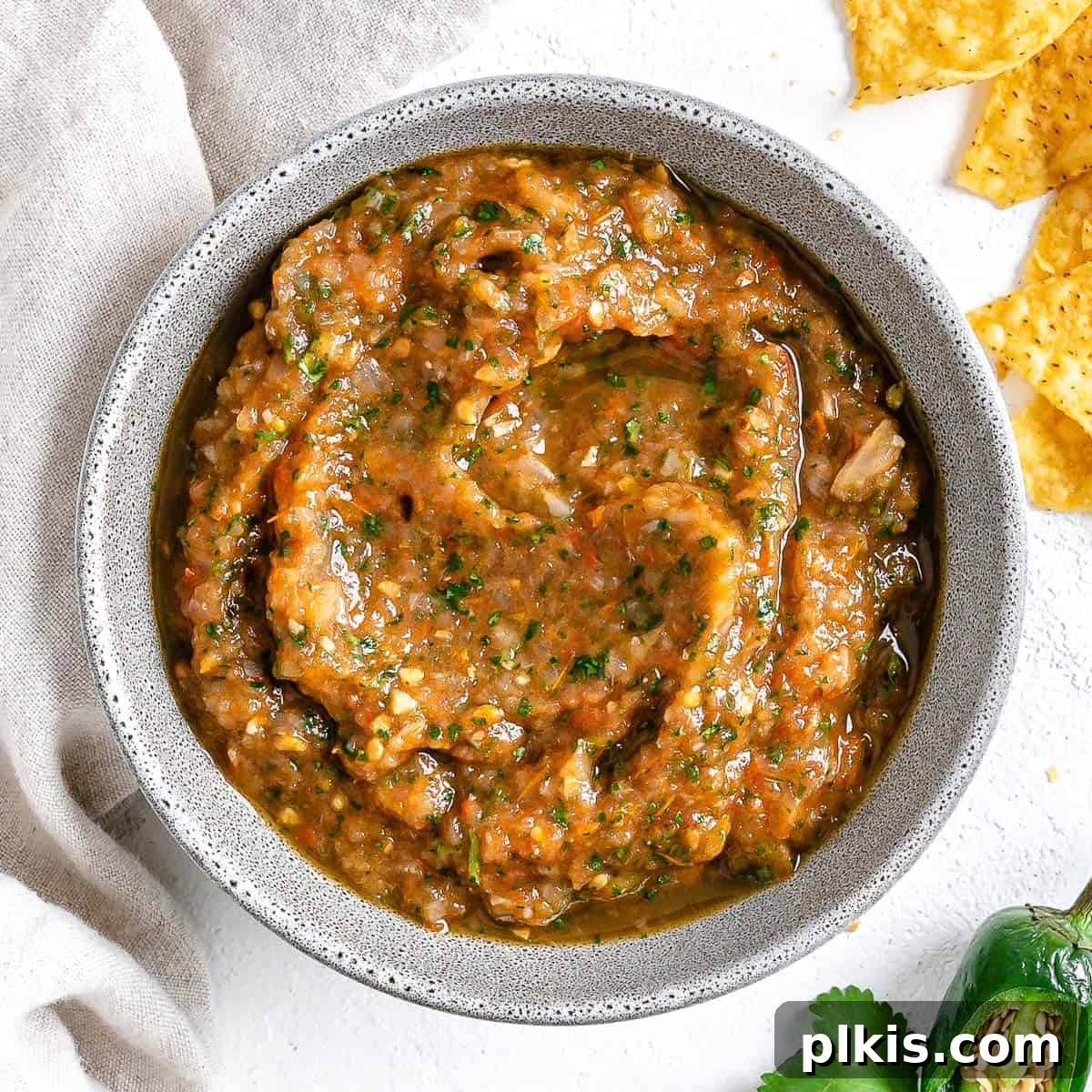
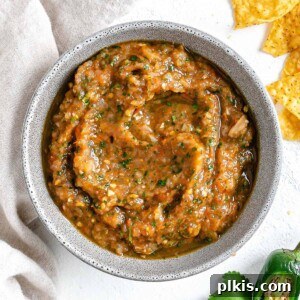
Unlock the vibrant flavors of Mexico right in your kitchen with this incredibly simple and delicious Homemade Roasted Red Salsa recipe! Forget bland, store-bought jars; this from-scratch version elevates your culinary experience with a symphony of savory, fiery, sweet, and tangy notes. Crafted with just a handful of fresh vegetables and common pantry staples, this mouthwatering salsa is a true fiesta for your taste buds. Get your tortilla chips ready, because one dip into this exquisite creation, and you’ll be hooked on its irresistible yumminess!
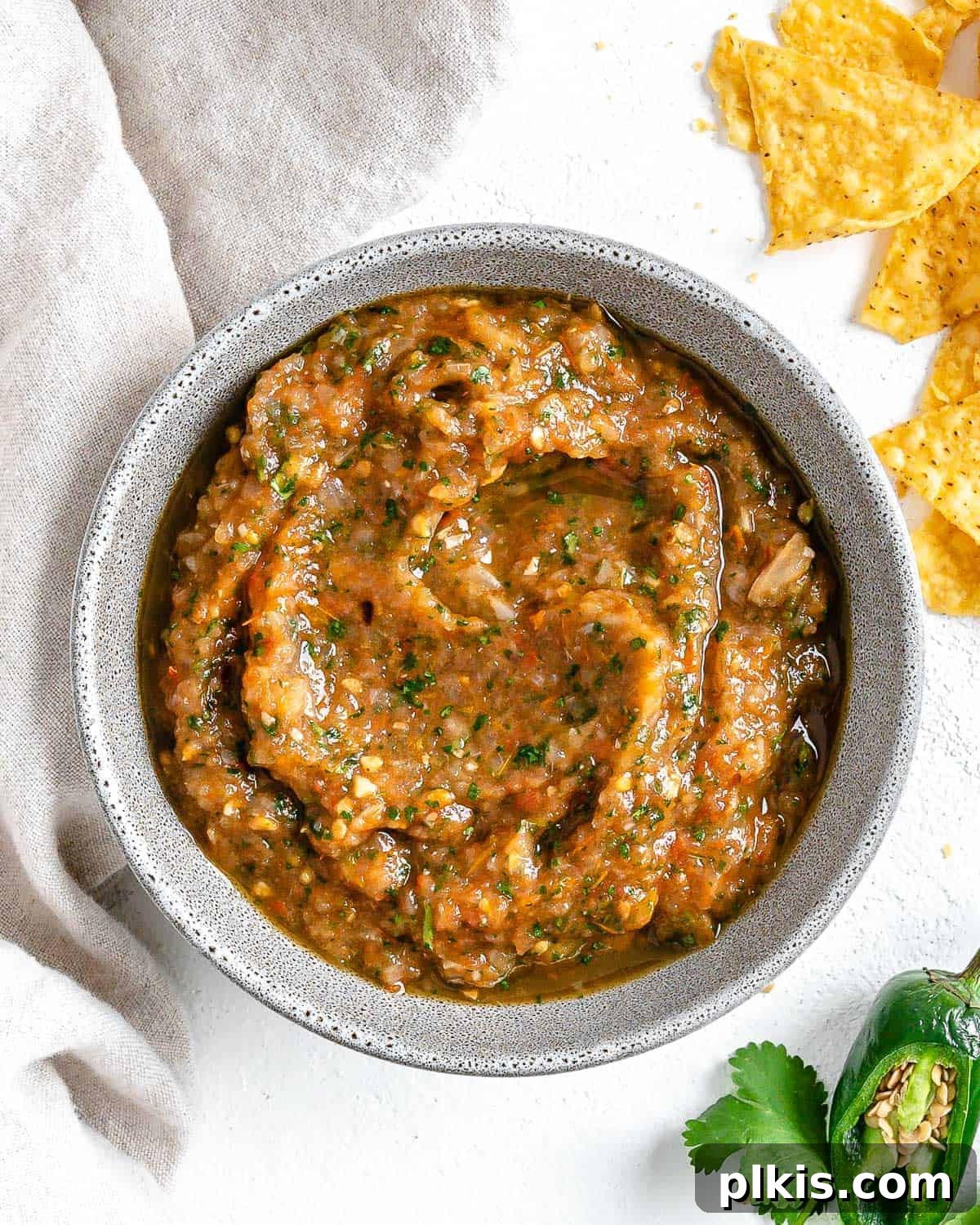
Known affectionately as Salsa Roja by those in Mexico, this versatile Mexican sauce or dip traditionally features a robust blend of ripe tomatoes, fiery chilies, pungent onions, aromatic garlic, and fresh cilantro. Our recipe takes this classic to a new dimension by adding a subtle hint of brown sugar for sweetness and a splash of apple cider vinegar for an ideal tang. But the real magic happens when these humble ingredients are roasted in the oven, transforming their individual flavors into a deeply complex and utterly fantastic sauce. While typically served as a beloved snack or appetizer with crunchy tortilla chips, this roasted red salsa is also a perfect companion for a variety of plant-based dishes. Drizzle it generously over vegan tacos, enrich the flavors of hearty burritos, add a zesty kick to comforting enchiladas, or brighten up sizzling fajitas. Its rich, smoky depth makes it an indispensable condiment for any Mexican-inspired meal.
Why Choose Homemade Roasted Red Salsa?
Planning your next Mexican-themed dinner party or simply craving an authentic, vibrant dip? Don’t even think about reaching for those mass-produced bottled salsas! We strongly encourage you to experience the superior taste and quality of making your own. This gluten-free, all-natural recipe (or our refreshing fresh grape salsa for a different twist) offers unparalleled advantages. Here are compelling reasons why homemade roasted red salsa should be your go-to:
- **Effortless Preparation for Superior Flavor:** You might think homemade is complicated, but this recipe is surprisingly straightforward. It only takes about 10-15 minutes of active prep time to chop your vegetables and arrange them on a baking sheet. Then, let the oven work its magic for another 10-15 minutes until they achieve that perfect roasted caramelization. Once roasted, simply toss all the ingredients into a food processor, and in mere moments, you’ll have a fresh, flavorful salsa that far surpasses anything from a jar. The roasting process intensifies the natural sweetness of the tomatoes and onions, while adding a desirable smoky depth that’s impossible to replicate with raw ingredients.
- **Significant Cost Savings:** Creating your own salsa is not only more delicious but also remarkably budget-friendly. The core ingredients—tomatoes, onions, jalapeños, and garlic—are typically inexpensive and readily available at any grocery store. When you factor in the cost of bottled salsas, especially those marketed as “gourmet” or “restaurant style,” you’ll find that making a large batch at home saves you a considerable amount of money. This makes it a smart choice for feeding a crowd or simply enjoying fresh salsa without breaking the bank.
- **Uncompromised Wholesomeness & Customization:** One of the greatest benefits of homemade cooking is knowing exactly what goes into your food. With this recipe, you get the assurance of a wholesome, preservative-free salsa, free from artificial colors, flavors, or excessive sodium often found in commercial products. Beyond health, you gain complete control over the flavor profile. Love a spicier kick? Add an extra jalapeño or leave some seeds in. Prefer it sweeter? Adjust the brown sugar to your liking. Craving more tang? A little extra vinegar or a squeeze of lime juice will do the trick. You can tailor every aspect to suit your personal preferences, creating a truly bespoke salsa experience every time.
- **Impress Your Guests:** There’s a special satisfaction in serving something homemade, and this vibrant salsa is sure to impress. Its fresh, complex flavors and the knowledge that you crafted it from scratch will undoubtedly earn you compliments and elevate any meal or gathering.
Essential Ingredients for Your Roasted Red Salsa
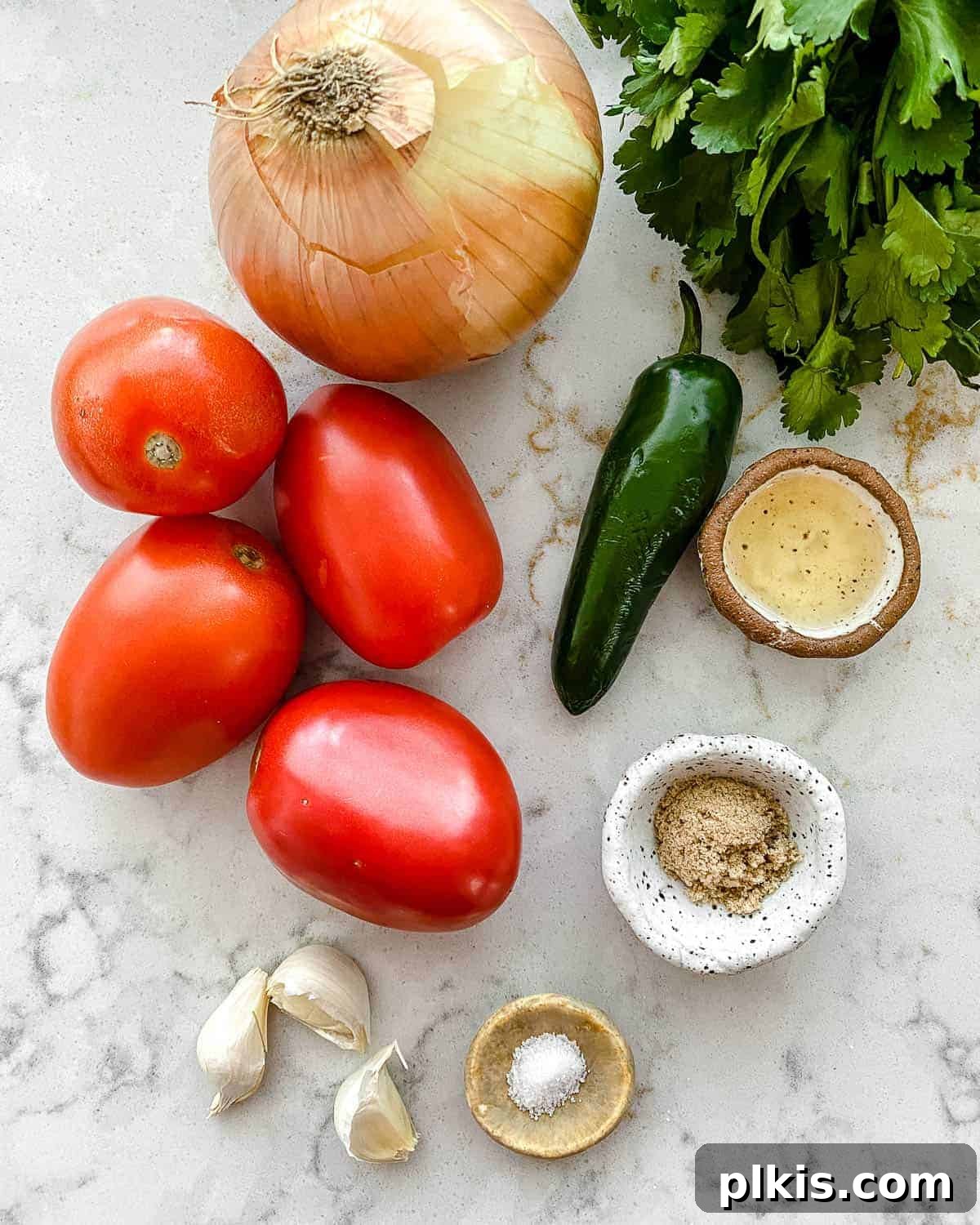
Creating an exceptional roasted red salsa starts with selecting fresh, quality ingredients. Each component plays a vital role in building the layered flavors that make this recipe so special:
- Yellow Onion: Roasting transforms the humble yellow onion, bringing out its natural sugars and caramelizing it to add a wonderfully savory and sweet depth to the salsa. It provides a foundational flavor that is both subtle and essential.
- Roma Tomatoes: These are the star of our salsa for a reason. Roma tomatoes are plump, meaty, and have a lower water content compared to many other varieties, making them ideal for a thick, rich salsa. When roasted, their natural sweetness intensifies, and their skins blister, adding a hint of smoky flavor. If Romas aren’t available, any large, ripe red tomato can be used; just be sure to lightly press and drain them if they seem excessively juicy before roasting to prevent a watery salsa.
- Jalapeño Peppers: The jalapeño is crucial for that characteristic zesty punch and mild to moderate heat. Roasting them softens their texture and mellows their raw bite, integrating their spicy notes more harmoniously into the salsa. For a milder salsa, simply remove the seeds and white membranes (pith) before roasting, as these parts contain most of the capsaicin, the compound responsible for the heat. If you prefer even less heat, poblano peppers are a great alternative. For those who crave more fire, a serrano pepper can be added alongside or in place of a jalapeño.
- Garlic: A staple in most Mexican-inspired dishes, garlic is indispensable here. Roasting whole cloves sweetens them and eliminates their raw sharpness, imparting a mellow, aromatic depth that complements the other roasted vegetables beautifully. You can truly never go wrong with a little bit of garlic in your salsa!
- Brown Sugar: A small dash of brown sugar acts as a flavor enhancer, perfectly balancing the acidity of the tomatoes and vinegar. It helps to round out the overall taste profile, adding a subtle sweetness that makes the salsa more complex and appealing without being overtly sugary. Agave nectar or maple syrup are excellent vegan-friendly substitutes if you prefer.
- Salt: A fundamental seasoning, salt is critical for enhancing all the individual flavors and bringing them together into a cohesive, delicious whole. Adjust to taste to ensure perfect seasoning.
- Apple Cider Vinegar: This ingredient is key to achieving that bright, tangy finish that cuts through the savory and spicy elements. The acidity of apple cider vinegar provides a refreshing counterpoint, balancing the richness of the roasted vegetables. White vinegar or fresh lime juice are also fantastic alternatives that deliver a similar zesty kick.
- Fresh Cilantro: Added at the very end, fresh cilantro infuses the salsa with a vibrant, herbaceous freshness that is hallmark of authentic Mexican cuisine. It brightens the entire dish and adds a beautiful burst of color and aroma. For those who find cilantro soapy, fresh parsley can be a mild substitute, though it will alter the traditional flavor profile slightly.
Crafting Your Homemade Roasted Red Salsa: A Step-by-Step Guide
Making this incredible salsa is simpler than you might imagine. Follow these easy steps to bring this flavorful dip to life:
Preparations:
- **Preheat Oven:** Set your oven to a blazing 425 degrees F (220 degrees C). High heat is crucial for achieving that perfect roasted char and caramelized flavor.
- **Line Baking Tray:** Line a standard baking tray with aluminum foil or parchment paper. This makes cleanup incredibly easy and prevents vegetables from sticking.
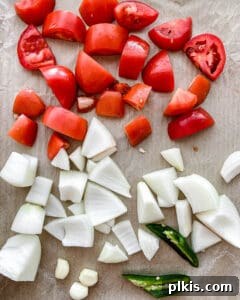
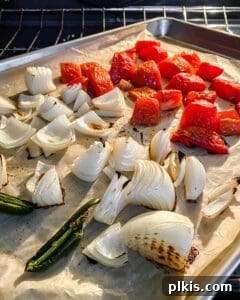
- **Prepare Veggies:** Roughly slice your yellow onion into quarters, halve the Roma tomatoes, and halve the jalapeño pepper. For garlic, you can leave the cloves whole; their skins will protect them during roasting and make them easy to peel afterward.
Steps:
1) Roast the Veggies for Maximum Flavor. Arrange all your prepared sliced vegetables – onions, tomatoes, jalapeños, and garlic – in a single layer on the baking pan. Ensure they have a little space between them for even roasting. Place the pan into the preheated oven and let them roast, undisturbed, for 10 to 15 minutes. Watch for the vegetables to soften, develop some golden-brown spots, and begin to char slightly around the edges. This caramelization is where the deep, complex flavors of your salsa truly develop. The smoky notes from the roasted vegetables are what set this homemade salsa apart from any raw version.
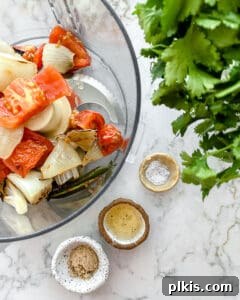
2) Blend to Your Desired Consistency. Once the vegetables are perfectly roasted, turn off the oven and carefully remove the baking pan. Allow the veggies to cool slightly in the pan for about 2 to 3 minutes – just enough to be handled comfortably. Transfer all the roasted vegetables into the bowl of your food processor. Add the remaining ingredients: brown sugar, salt, apple cider vinegar, and fresh cilantro. Secure the lid and blend until you achieve your preferred salsa consistency. Some people love a chunky, rustic salsa with discernible pieces of vegetables, while others prefer a smoother, more uniform texture. You are in control!
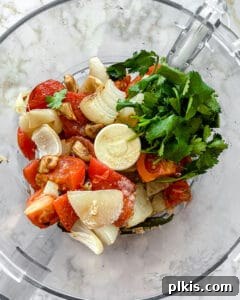
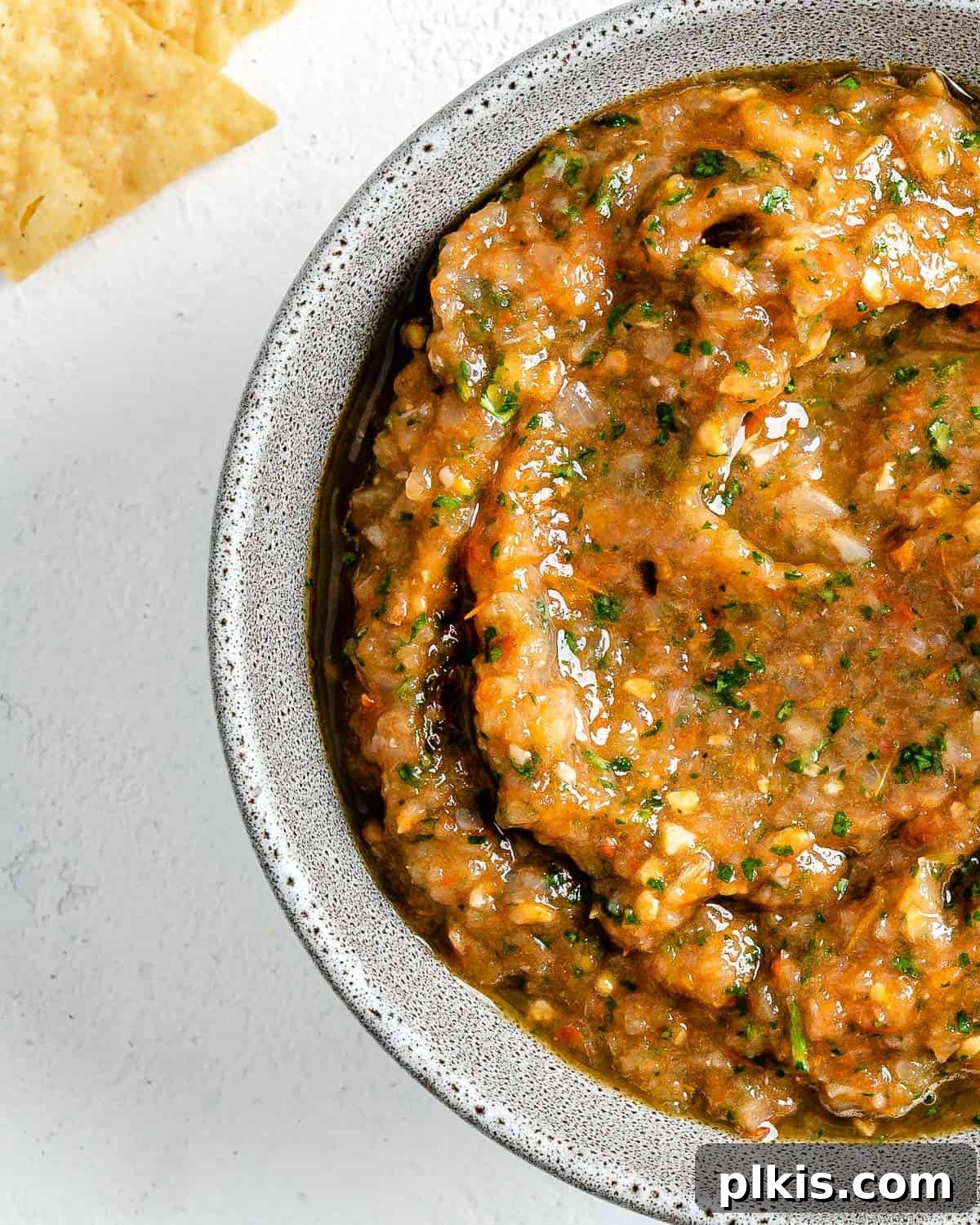
3) Rest and Chill for Flavor Integration. After blending, taste your salsa and adjust the seasoning as needed. You might want a little more salt, a touch more sweetness, or an extra splash of vinegar to brighten it. Once seasoned to your liking, transfer the salsa to a serving bowl or an airtight container and chill it in the fridge for at least 20 to 30 minutes before serving. This resting period is crucial, as it allows all the individual flavors to meld and deepen, resulting in a more harmonious and robust tasting experience.
Expert Tips for the Best Homemade Roasted Red Salsa
Achieving a perfect salsa every time is easy with these simple tips:
- **Even Roasting is Key:** For consistent results, try to choose Roma tomatoes of similar size and slice all your vegetables into roughly equal proportions. This ensures that everything roasts evenly in the oven, preventing some pieces from burning while others remain undercooked.
- **Customize Your Texture:** The beauty of homemade salsa is its adaptability. For a wonderfully chunky and rustic salsa, pulse the ingredients in your food processor for shorter bursts, leaving larger pieces of roasted vegetables. If you prefer a very smooth, restaurant-style salsa, simply blitz the mixture for a longer duration until it reaches your desired silky consistency.
- **Enhance with Smoky Notes:** To further deepen the smoky flavor profile, consider adding a pinch of chipotle powder or smoked paprika to your salsa before blending. Alternatively, for a natural smokiness, roast your vegetables for a few extra minutes until you see more pronounced blistered and charred spots on their skins. This natural char contributes significantly to a rich, complex taste.
- **Brighten with Fruit:** For an unexpected twist and a touch of vibrant sweetness, incorporate some fresh fruit. Mango and pineapple are both excellent choices that pair wonderfully with the roasted vegetables. Simply cut them into chunks and roast them alongside your other veggies. If you decide to add fruit, remember to omit or significantly reduce the brown sugar in the recipe to prevent the salsa from becoming overly sweet.
- **Don’t Skip the Rest:** While it might be tempting to dive right in, allowing your salsa to rest and chill in the refrigerator for at least 20-30 minutes is a critical step. This period allows all the diverse flavors from the roasted vegetables, herbs, and seasonings to properly meld together, resulting in a more cohesive, balanced, and delicious overall taste experience.
- **Adjust Spice to Your Liking:** Always taste a small piece of your raw jalapeño before adding it to get an idea of its heat level. You can always add more heat later (e.g., a pinch of cayenne or a dash of hot sauce), but it’s hard to reduce it once added.
Frequently Asked Questions About Roasted Red Salsa
Here are some common questions to help you master your homemade salsa:
- How is roasted red salsa different from Pico de Gallo? Both delicious, these two Mexican staples share similar core ingredients like tomatoes, onions, chilies, and cilantro. However, Pico de Gallo, often referred to as “salsa cruda” or fresh salsa, is characterized by its chunky texture where all ingredients are finely diced and served raw. Roasted red salsa, on the other hand, involves cooking the vegetables (in this case, by roasting) and then blending them together to create a thicker, more sauce-like consistency. The roasting process also imparts a deeper, smoky flavor that isn’t present in Pico de Gallo.
- Can I grill the veggies instead of using the oven? Absolutely! Grilling is a fantastic alternative that will infuse your salsa with an even more intense smoky flavor. Simply place all the prepared vegetables directly on a hot grill rack and cook them, turning occasionally, until they are beautifully browned and slightly charred on all sides. A few blistered spots are not only okay but encouraged, as they contribute significantly to that desirable smoky taste.
- Do I need to de-seed the tomatoes before roasting them? Generally, no, it’s not a necessary step for Roma tomatoes, as they naturally have fewer seeds and less juice than other varieties. You can certainly remove them if you prefer a less seedy salsa, but it’s mainly recommended only if the specific tomatoes you’re using seem exceptionally watery, which could otherwise dilute the salsa’s flavor and consistency.
- Why is my salsa watery? Several factors can contribute to a watery salsa. It might be due to using a particularly juicy variety of tomatoes, or perhaps you added a bit too much vinegar during blending. Over-blending can also release more liquid from the vegetables. If your salsa turns out too thin, a common trick is to add a very small amount of cornstarch (start with ¼ teaspoon mixed with an equal amount of cold water) to a small portion of the salsa, heat it gently on the stovetop until it thickens, then stir it back into the main batch. Alternatively, you can let it sit in a fine-mesh sieve over a bowl for a short period to drain excess liquid.
- Can I make this salsa spicier? Of course! To increase the heat, you can add an additional jalapeño pepper, or for a more significant kick, substitute one or both jalapeños with serrano peppers. You can also leave some or all of the seeds and membranes in your jalapeños before roasting. For a more complex heat, consider adding a pinch of dried chili flakes or a small amount of chipotle in adobo sauce to the food processor.
- Is this salsa good for meal prepping? Yes, absolutely! Homemade roasted red salsa is excellent for meal prepping. Its flavors tend to deepen and meld even further after a day or two in the refrigerator, making it even more delicious. Prepare a larger batch at the beginning of the week and use it to enhance various meals throughout the days.
Storing Your Homemade Roasted Red Salsa
Proper storage is essential to keep your homemade roasted red salsa fresh and delicious. Once prepared, transfer your salsa to a clean, airtight jar or container. Store it in the refrigerator for up to 5 days. It’s crucial not to leave it unrefrigerated for extended periods, as this can accelerate spoilage. Always give your salsa a quick check before serving; if it develops an off-smell, shows any signs of mold, or exhibits discoloration, it’s best to discard it to ensure food safety. For longer-term preservation, this salsa freezes beautifully. Portion it into freezer-safe containers or even ice cube trays for individual servings. It can be frozen for up to one to two months. When you’re ready to enjoy it, simply thaw it in the refrigerator overnight and give it a good stir before serving.
You Can Also Try These Other Incredible Salsa Variations:
- Creamy Tomatillo Avocado Salsa Verde: Experience a delightful twist on classic salsa with added richness, vibrant color, and luscious texture from fresh tomatillos and creamy avocados. This unique salsa can be whipped up in less than 15 minutes, offering a refreshing and satisfying alternative.
- Five Minute Fresh Summer Salsa: Sometimes, you simply need a fresh, zesty salsa on the table in a flash. Using just a few basic ingredients and your trusty blender or food processor, you can be dipping into this bright, vibrant salsa or drizzling it over your favorite tacos and burritos in practically no time at all.
- Mango – Cucumber Salsa: A quick, cooling, and wonderfully refreshing salsa that is perfect for those warm summer days. The sweet notes of mango are beautifully complemented by the crispness of cucumber, creating a light and invigorating dip or topping.
Photos by Alfonso Revilla
Homemade Roasted Red Salsa
Equipment
-
My favorite knives
-
Measuring spoons
-
Measuring Cups
-
Baking tray
-
Food Processor
Ingredients
- ½ medium yellow onion cut into quarters
- 4 ripe Roma tomatoes halved
- 1 jalapeño pepper, halved (seeds removed if you like a mild salsa)
- 3 cloves of garlic
- ½ Tablespoon of brown sugar (or agave or maple syrup)
- ½ teaspoon of salt
- 1 teaspoon of apple cider vinegar (or white vinegar or lime juice)
- ¼ cup of fresh cilantro coarsely chopped
Instructions
-
Preheat the oven to 425 degrees F. Line a baking tray with aluminum foil.
-
Lay all of the vegetables in a single layer on the prepared baking tray and bake undisturbed for 10 to 15 minutes until veggies are starting to brown.
-
Remove from heat and let cool for 2 to 3 minutes. Add all veggies and remaining ingredients to the bowl of the food processor and process until you reach ideal salsa consistency (some like it chunkier than others). Season to taste and chill for 20-30 minutes before serving.
Notes
- Choose tomatoes of the same size as much as possible and slice them into equal proportions, so they roast evenly in the oven.
- You can make your salsa chunky by reducing the blending time, or you can make it very smooth by blitzing the veggies longer.
- We like to add in a bit of chipotle pepper or smoked paprika for some smokey flavor. You can also roast them longer until you see some blistered, charred spots to add a natural smokey taste.
- You can also add some fruit to brighten it up. Mango and pineapple are both great. Simply cut them up and roast them with the veggies. However, if you are adding these to your salsa, omit the sugar to keep it from becoming overly sweet.
- Letting your salsa rest and chill is important to allow all the flavors to mesh together properly.
Nutrition
Carbohydrates: 4g
Protein: 1g
Fat: 1g
Saturated Fat: 1g
Polyunsaturated Fat: 1g
Monounsaturated Fat: 1g
Sodium: 197mg
Potassium: 129mg
Fiber: 1g
Sugar: 3g
Vitamin A: 415IU
Vitamin C: 10mg
Calcium: 11mg
Iron: 1mg
Additional Info
Please tag us at @PlantBasedOnABudget! 🙂