
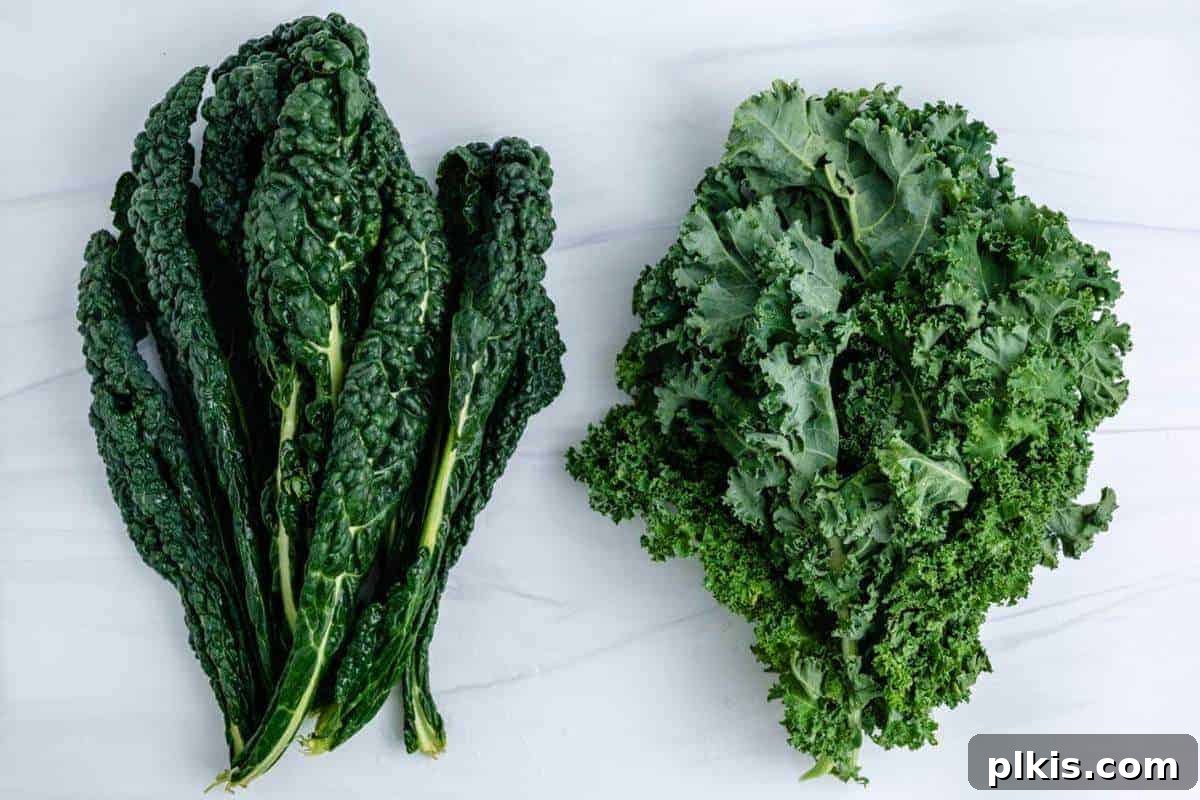
Welcome to the ultimate guide to kale, the mighty deep green leafy vegetable that has taken the health world by storm! Often hailed as a superfood, kale is not just delicious but also a nutritional powerhouse that deserves a regular spot on your plate. Whether you’re tossing it into soups, enriching stews, blending it into smoothies, or creating vibrant salads, kale has the remarkable ability to elevate any meal from simply healthy to extraordinarily wholesome. If the prospect of its robust flavor or unique texture has seemed daunting in the past, fear not! This comprehensive guide is designed to demystify kale, helping you overcome any culinary hesitations and fully embrace the incredible versatility and benefits it offers.
Kale: The Ultimate Guide to This Nutritional Powerhouse Green
In an era where healthy eating is more than just a trend—it’s a lifestyle—kale stands out as a true champion. Its surge in popularity over the past decade is well-deserved, thanks to its impressive nutrient profile and adaptability in countless recipes. From its humble origins to its current status as a culinary icon, kale has proven itself to be much more than just a garnish. It’s a staple ingredient for anyone looking to boost their diet with essential vitamins, minerals, and antioxidants. This guide will walk you through everything you need to know about kale, from understanding its different varieties to mastering its preparation and uncovering its profound health benefits.
What Exactly is Kale? A Deep Dive into the Beloved Leafy Green
Kale is a remarkable leafy green vegetable, a proud member of the Brassicaceae family, also known as the cruciferous vegetable family. This esteemed lineage includes other nutritional heavyweights such as broccoli, cabbage, cauliflower, and radish. What makes kale particularly interesting is its close relationship to wild cabbage, from which many common vegetables have been selectively bred. Historically, kale has been cultivated for thousands of years, with evidence of its consumption dating back to Roman times. It’s renowned for its hardiness, thriving in diverse climates, with some varieties exceptionally resistant to cold and even experiencing enhanced flavor after a light frost. Its distinct, slightly bitter, and earthy taste, often likened to a milder broccoli, combined with a firm, sometimes chewy texture, makes it a unique addition to any meal.
Beyond its culinary attributes, kale’s robust nature allows it to grow in many regions, making it a sustainable and accessible option for healthy eating. Its leaves can vary significantly in appearance, from tightly curled to flat and broad, each offering a slightly different texture and flavor profile, influencing their ideal culinary applications. Understanding these nuances is key to appreciating the full potential of this versatile green.
A Spectrum of Greens: Exploring Different Types of Kale
While “kale” might seem like a singular entity, it encompasses a fascinating array of varieties, each with its own unique characteristics, flavor profile, and best uses. Getting acquainted with these different types can unlock new culinary possibilities and help you find your personal favorite.
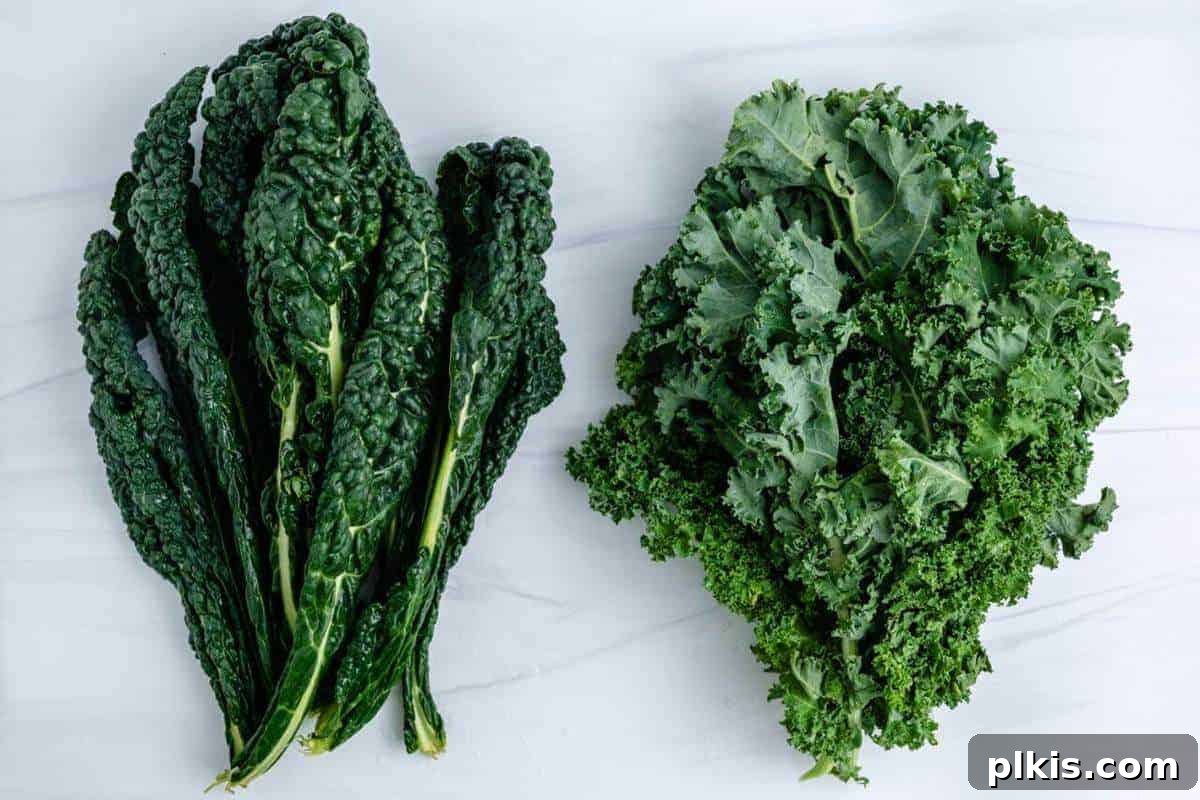
- Common Curly Kale: This is arguably the most recognized type of kale, frequently found in grocery stores and farmers’ markets worldwide. Characterized by its voluminous, frilly, and tightly curled leaves, and a thick, often hard central stem, common curly kale boasts a robust, slightly peppery flavor. Its chewy texture makes it incredibly sturdy for prolonged cooking, making it an excellent choice for hearty soups, stews, and casseroles. For those who prefer it in salads, a quick massage with a little olive oil or lemon juice can help tenderize the leaves, making them more palatable and easier to digest.
- Lacinato Kale (Dinosaur Kale, Cavolo Nero, or Tuscan Kale): Distinctive for its long, narrow, dark blue-green, almost black leaves with a slightly wrinkled or “bumpy” texture, Lacinato kale is often referred to as Dinosaur kale due to its prehistoric appearance. This variety is known for its milder, slightly sweeter flavor compared to curly kale and a much more tender texture, especially after cooking. It’s a fantastic choice for quick stir-fries, elegant sautéed dishes, and a beloved ingredient in traditional Italian pasta dishes and risottos, particularly given its historical roots in Tuscany. Its tenderness also makes it suitable for fresh salads with minimal massaging.
- Red Russian Kale: Visually striking with its flat, oak-leaf shaped leaves and vibrant reddish-purple stems, Red Russian kale is as beautiful in the garden as it is on the plate. This variety is exceptionally resistant to frost, which paradoxically sweetens its flavor, making it even more delicious after exposure to cold temperatures. Its leaves are tender with a sweet and earthy taste, often described as having hints of nutty flavor. Red Russian kale is highly versatile, excellent for eating raw in salads, and performs wonderfully in longer-cooking applications like soups and braises, where its unique color adds visual appeal.
- Siberian Kale: True to its name, Siberian kale is another cold-hardy variety, capable of growing quite large with broad, fringed leaves. It tends to be sweeter and more tender than some of its relatives, making it a good entry point for those new to kale. Its larger leaves are great for wrapping, and its gentle flavor makes it a good addition to green smoothies, light sautéed dishes, or blanched as a simple side.
- Redbor Kale: A truly ornamental variety, Redbor kale features intensely vibrant purple-red, tightly curled leaves that can add a dramatic splash of color to any dish or garden. Beyond its stunning appearance, Redbor kale offers a milder, slightly sweet flavor profile, making it less assertive than other kales. It’s fantastic for adding a pop of color and nutrition to salads, or lightly steamed or sautéed where its color is preserved and its delicate flavor can shine.
Unlocking the Health Secrets: Why Kale is a True Superfood
The hype surrounding kale is not just a passing fad; it’s deeply rooted in its extraordinary nutritional profile. Kale truly lives up to its “superfood” status, packing an unparalleled nutritional punch per calorie. It’s a nutrient-dense food that provides a wealth of health benefits, making it an indispensable part of a balanced diet.
- A Vitamin Powerhouse: Kale is an exceptional source of several vital vitamins. It’s loaded with Vitamin K, crucial for blood clotting and essential for bone health, helping to prevent osteoporosis. It’s also an excellent source of Vitamin A (in the form of beta-carotene), vital for vision, immune function, and skin health. Furthermore, kale is surprisingly rich in Vitamin C, an antioxidant that boosts immunity, supports collagen production, and aids in iron absorption. It also provides a good amount of B vitamins, including Vitamin B6, which plays a role in metabolism and brain function.
- Mineral Richness: Beyond vitamins, kale offers a rich array of essential minerals. It’s a fantastic plant-based source of Calcium, important for strong bones and teeth, nerve function, and muscle contraction. You’ll also find significant amounts of Manganese, Copper, Potassium, and Magnesium. These minerals contribute to healthy blood pressure, nerve signal transmission, energy production, and overall cellular function.
- Antioxidant Boost: Kale is brimming with potent antioxidants like Kaempferol and Quercetin, along with beta-carotene and Vitamin C. These compounds play a critical role in combating oxidative stress in the body, neutralizing harmful free radicals that can damage cells and contribute to chronic diseases. Antioxidants also help reduce inflammation, a key factor in many health conditions.
- Disease Prevention and Management: The synergistic effect of kale’s nutrients provides powerful protective benefits. Its high antioxidant content and anti-inflammatory properties are linked to a reduced risk of various chronic diseases, including certain types of cancer. The presence of unique compounds called glucosinolates in kale supports detoxification pathways in the body. Its fiber and potassium content contribute to heart health by helping to manage cholesterol levels and blood pressure. Moreover, kale contains lutein and zeaxanthin, powerful carotenoids that are crucial for eye health and can help prevent age-related macular degeneration.
- Fiber for Digestive Health: Like most leafy greens, kale is an excellent source of dietary fiber. Fiber is vital for maintaining a healthy digestive system, preventing constipation, and promoting regularity. It also contributes to satiety, helping you feel fuller for longer, which can aid in weight management.
- Low Calorie, High Impact: Despite its dense nutritional content, kale is incredibly low in calories. This makes it an ideal food for those looking to maximize their nutrient intake without adding excessive calories, making it a cornerstone of healthy eating plans.
- Plant-Based Protein: While not a primary protein source, kale does offer a modest amount of plant-based protein, contributing to your daily intake and making it a valuable component of vegetarian and vegan diets.
From Market to Meal: Selecting, Storing, and Preparing Kale
To truly enjoy kale, knowing how to select the freshest leaves and store them properly is just as important as knowing how to cook them. Following these tips will ensure you get the most flavor and nutrition from your kale.
How to Choose the Freshest Kale:
When selecting kale at the grocery store or farmer’s market, look for vibrant, deep green (or purple, depending on the variety) leaves that are crisp and firm. Avoid kale with yellowing leaves, brown spots, or those that appear wilted or slimy, as these are signs of age or improper storage. Smaller leaves are often more tender and have a milder flavor, while larger leaves can be more fibrous and have a stronger, earthier taste.
Mastering Kale Storage for Lasting Freshness:
Proper storage is key to extending kale’s shelf life and maintaining its crispness. Unwashed kale can be stored in the refrigerator for up to a week. To do so, wrap the bunch loosely in a paper towel to absorb excess moisture, then place it in a plastic bag or an airtight container in the crisper drawer. Avoid washing kale until you’re ready to use it, as moisture can accelerate spoilage. For longer storage, kale can be blanched briefly and then frozen, making it convenient for smoothies, soups, and stews later on.
Expert Tips for Cutting and Preparing Kale:
One of the most common questions about kale involves preparing it, particularly removing its tough central stem. While edible, the stems are very fibrous and can be quite bitter, making them less enjoyable than the leaves.
Cutting Kale: Precision and Ease
For most recipes, especially when eating raw or lightly cooked, you’ll want to remove the fibrous stems. The easiest method is to hold the stem firmly in one hand and strip the leafy greens away from it with the other hand, moving against the direction of leaf growth. Alternatively, you can use a sharp knife to cut along both sides of the stem, detaching the leafy portions. Once destemmed, stack the leaves, roll them tightly, and slice them into thin ribbons (a technique known as chiffonade) for salads, or chop them into smaller pieces for stir-fries and other cooked dishes. Keep in mind that kale will shrink significantly during cooking, so chop accordingly.

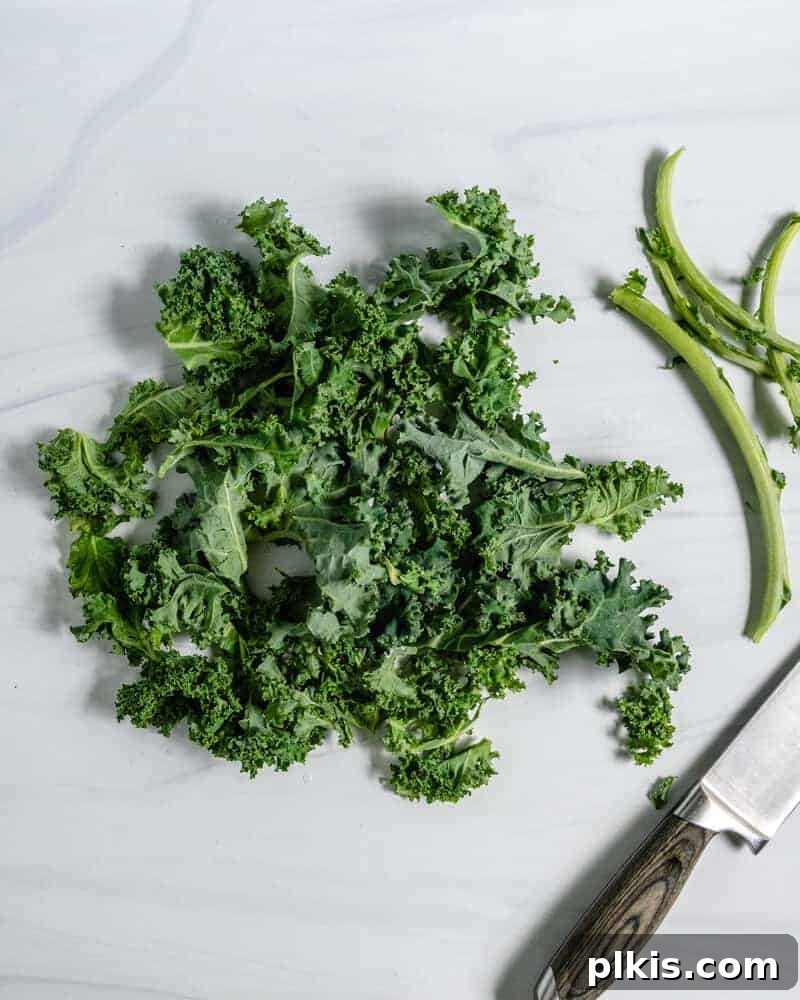
Quick Prep for Smoothies: If your plan is to blend kale into smoothies, the preparation is even simpler. You can roughly chop the destemmed leaves or even tear them into large pieces. The blender will do all the hard work, so no need for fine chopping or intricate cuts.
Transforming Kale: Diverse Cooking Methods to Savor
Kale’s versatility shines in the kitchen, adapting beautifully to a wide array of cooking methods. Experimenting with these techniques will help you discover your favorite way to enjoy this powerhouse green.
Embracing Raw Kale: Salads and More
Eating kale raw is an excellent way to maximize its nutritional benefits. While it can be chewier and slightly more bitter than lettuce or spinach, a simple trick can transform it: massaging. Before adding other ingredients, place chopped, destemmed kale in a bowl, drizzle with a small amount of olive oil, a squeeze of lemon juice, and a pinch of salt. Gently massage the kale with your hands for 2-3 minutes until the leaves soften and turn a deeper green. This process breaks down the tough cell walls, reduces bitterness, and makes the kale more tender and palatable for salads. Pair it with fruits like apples or berries, nuts, seeds, and a light vinaigrette for a truly invigorating meal.
Steamed Kale: Simple Elegance and Nutritional Purity
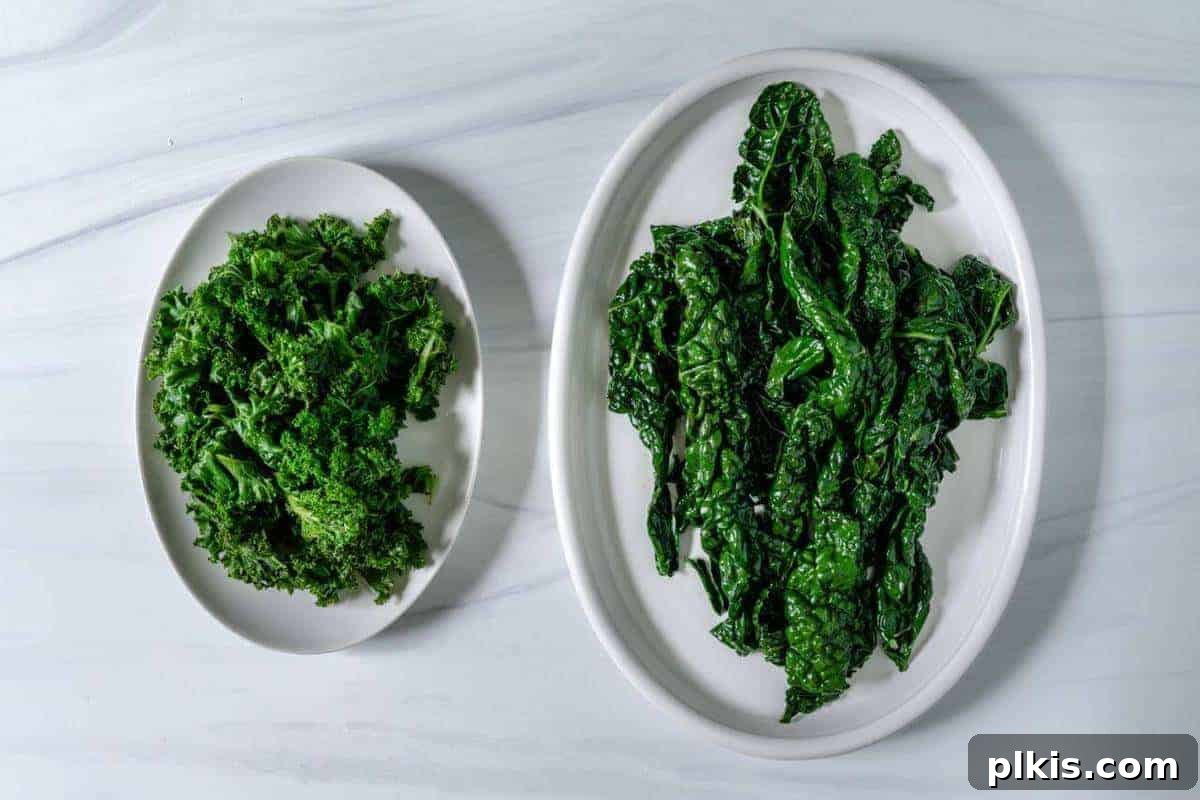
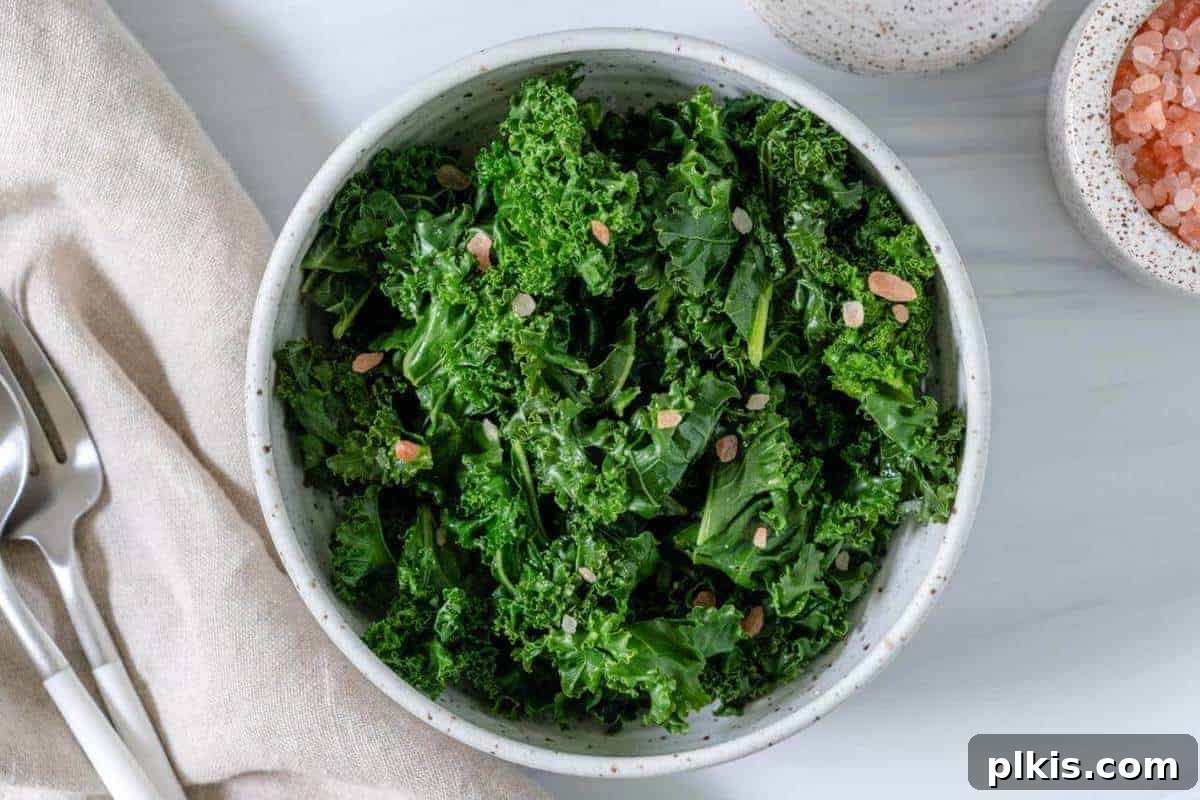
Steaming is a gentle cooking method that preserves kale’s nutrients and vibrant color. Place destemmed, chopped kale in a steamer basket over boiling water and steam for 3-5 minutes, or until tender-crisp. Avoid overcooking to prevent a mushy texture. Once steamed, a simple drizzle of high-quality olive oil, a sprinkle of sea salt, a dash of black pepper, or a dollop of tahini can turn plain steamed kale into a seriously delicious and healthy side dish. It pairs wonderfully with grilled fish or roasted chicken.
Sautéed Kale: A Flavorful and Versatile Staple
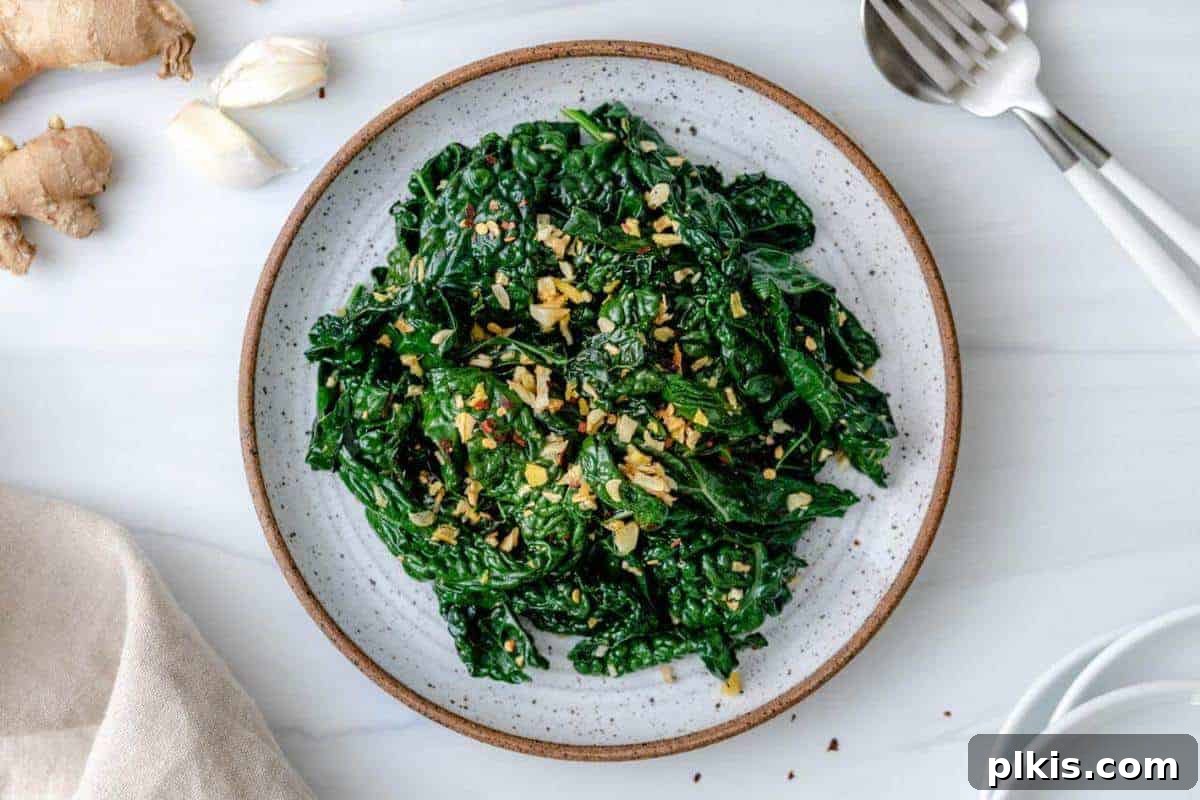
Sautéing kale is a quick and incredibly flavorful way to prepare this green. Heat a pan with a tablespoon of olive oil or coconut oil over medium heat. Add minced garlic, red pepper flakes (optional), and then your chopped kale. Sauté for 5-7 minutes, stirring frequently, until the kale has softened and brightened in color. The leaves will wilt down significantly. A squeeze of lemon juice at the end brightens the flavor, and you can add a splash of vegetable broth or water to help it cook down. Sautéed kale develops a nuttier taste and a wonderfully tender texture, making it a fantastic side dish or an addition to pasta, rice bowls, or grain salads.
Baked Kale Chips: The Crunchy, Healthy Snack
Forget potato chips—homemade kale chips are a surprisingly addictive and nutritious alternative. To make them, destem and tear kale leaves into bite-sized pieces. Wash and thoroughly dry them (this is crucial for crispiness!). Toss the kale with a little olive oil and your favorite seasonings (salt, pepper, nutritional yeast, garlic powder, paprika, or chili powder work well). Spread them in a single layer on a baking sheet and bake at 300°F (150°C) for 10-15 minutes, or until crispy, flipping halfway through. Keep a close eye on them, as they can burn quickly. The result is a delightful, guilt-free crunch!
Kale in Soups, Stews, and Curries: Adding Depth and Nutrition
Kale is an excellent addition to any simmering dish. Its sturdy texture allows it to hold up well to longer cooking times without becoming mushy. For best results and to preserve its vibrant color and nutrients, add chopped kale during the last 10-15 minutes of cooking. This allows it to wilt and integrate into the dish without being overcooked, adding a fresh, earthy flavor and a boost of greens.
Roasting Kale: Unleashing its Earthy Flavors
Similar to baking chips, roasting kale can bring out its natural sweetness and soften its texture. Toss chopped, destemmed kale with olive oil, salt, and pepper, then roast at a higher temperature, around 375°F (190°C), for about 10-15 minutes until tender and slightly crispy at the edges. Roasted kale makes a wonderful side dish or can be added to grain bowls and roasted vegetable medleys.
Creative Culinary Uses: Beyond the Basics with Kale
Kale’s versatility extends far beyond simple sides. Incorporating it into various dishes can effortlessly elevate their nutritional content and add intriguing textures and flavors.
- Kale Pesto: A Vibrant Alternative: Move over basil! Kale makes a fantastic, nutrient-packed pesto. Simply blend blanched or raw kale with garlic, pine nuts (or walnuts), Parmesan cheese (or nutritional yeast for a vegan version), lemon juice, and olive oil. This vibrant green pesto can be tossed with pasta, spread on sandwiches, or used as a dip.
- Kale in Pasta Dishes: Enhancing Flavor and Nutrition: From simple weeknight dinners to gourmet meals, kale can be easily added to almost any pasta sauce. Sauté it with garlic and chili flakes before adding your sauce, or stir it into simmering tomato-based sauces during the last few minutes of cooking. It adds a wonderful texture and a significant nutrient boost.
- Breakfast Boost: Eggs and Omelets with Kale: Start your day with a serving of greens. Sautéed kale can be folded into scrambled eggs, added to omelets, or baked into frittatas and quiches. Its earthy flavor pairs wonderfully with eggs and cheese.
- Casseroles and Bakes: Hidden Goodness: Incorporate chopped kale into your favorite casseroles, gratins, or baked pasta dishes. It adds an extra layer of flavor and ensures you’re getting your greens in a comforting meal.
- Green Smoothies: The Ultimate Nutrient Boost: Perhaps one of the most popular ways to consume raw kale, smoothies are an excellent method to mask its robust flavor, especially for those new to it. Blend kale with fruits like banana, pineapple, mango, or berries, along with a liquid base like almond milk or water. The sweetness of the fruit balances kale’s slight bitterness, creating a delicious and incredibly healthy drink.
Common Questions About Kale: Your FAQs Answered
As kale continues to grow in popularity, so do the questions surrounding its consumption and preparation. Here are answers to some frequently asked questions:
Is Kale Bitter? How Can I Reduce it?
Yes, kale can have a slight bitterness, especially the more mature leaves of varieties like curly kale. This bitterness is due to compounds like glucosinolates. To reduce bitterness, you can massage raw kale with olive oil and lemon juice, which helps break down the cell walls. Cooking methods like sautéing, steaming, or roasting can also mellow out the flavor. Pairing kale with sweeter ingredients in smoothies or dishes (like sweet potatoes, apples, or balsamic glaze) also helps to balance its taste.
Can I Eat Kale Stems?
While kale stems are edible, they are significantly tougher and more fibrous than the leaves, and they tend to be more bitter. Most people prefer to remove them for a more pleasant eating experience. However, if you want to use them, they can be finely chopped and added to smoothies, stocks, or juiced. They require longer cooking times than the leaves, so if adding to a stir-fry, introduce them earlier.
How Long Does Fresh Kale Last?
When properly stored in the refrigerator (wrapped in a paper towel in a plastic bag), fresh, unwashed kale can last for about 5-7 days. Washed kale tends to spoil more quickly, usually within 2-3 days. If you notice yellowing, wilting, or a slimy texture, it’s best to discard it.
What are the Potential Downsides of Eating Kale?
For most people, kale is incredibly healthy. However, it does contain oxalates, which can contribute to kidney stones in susceptible individuals if consumed in very large quantities. Cooking kale can reduce its oxalate content. Kale is also a goitrogenic food, meaning it can interfere with thyroid function in extremely high amounts for individuals with existing thyroid conditions. However, the amounts typically consumed in a balanced diet are generally safe and beneficial. As with any food, moderation and variety are key.
Embark on Your Kale Journey: Delicious Recipes to Get Started
Ready to put your newfound kale knowledge to the test? These recipes offer fantastic ways to incorporate kale into your diet, showcasing its versatility and delicious potential.
- Homemade Kale Chips
- Banana Kale Smoothie
- Hearty Kale and Bean Soup
- Curried Chickpeas (Perfect for adding sautéed kale!)
- Strawberry Kale Salad
- Kale Pineapple Smoothie
Conclusion: Embrace the Power of Kale for a Healthier You
From its diverse varieties and robust nutritional profile to its incredible versatility in the kitchen, kale truly stands out as a foundational pillar of healthy eating. Whether you prefer it raw and massaged in a vibrant salad, gently steamed, quickly sautéed, or blended into a refreshing smoothie, there’s a myriad of ways to enjoy this cruciferous champion. We hope this guide has equipped you with the knowledge and confidence to explore the amazing world of kale possibilities. So, next time you’re planning your meals, remember the mighty kale – a simple addition that promises a significant boost to your health and culinary repertoire. Embrace the power of kale and discover a greener, healthier you!