
Welcome to the ultimate guide to lentils! In this comprehensive resource, you’ll discover everything you need to know about these incredibly versatile, budget-friendly, and highly nutritious legumes. From understanding the different types of lentils available to mastering the best methods for storing, cooking, and seasoning them, this guide will empower you to transform this humble pantry staple into a cornerstone of your culinary repertoire. Get ready to cook up generous batches of this protein-packed ingredient, perfect for elevating salads, enriching soups and stews, crafting delicious burgers, and creating flavorful side dishes that will delight your palate and nourish your body.
A Complete Guide to Lentils: Cooking, Storing, and Creative Uses
Lentils are an indispensable staple in kitchens worldwide, especially for those embracing a plant-based diet. It would be challenging to find a vegan pantry without a diverse assortment of legumes, and lentils—whether dried or conveniently tinned—are almost always at the top of that list. These tiny powerhouses are brimming with essential protein and a wealth of nutrients, all while being incredibly economical. A single large bag of dried lentils can be stored for well over a year, making them an excellent investment for healthy eating on a budget.
One of the most appealing aspects of lentils is their remarkable ease of preparation compared to many other legumes. Unlike most beans, lentils generally do not require lengthy pre-soaking, allowing for much quicker meal planning and execution. Depending on the variety and your chosen cooking method, lentils can be ready to enjoy in as little as 10 to 30 minutes. Despite their many advantages, lentils sometimes linger forgotten in the back of the pantry, simply because people aren’t quite sure how to incorporate them into their daily meals. However, with their wide array of types and incredible adaptability, there’s a lentil for every dish and every occasion.
Whether your goal is to add heartiness to a simmering soup, depth to a robust stew, substance to a casserole, texture to homemade burgers, or a nutritious boost to a fresh salad, the possibilities for integrating lentils into your diet are virtually endless. Say goodbye to forgotten pantry items and hello to a world of delicious, wholesome meals! And if you’re keen on expanding your plant-based cooking skills, be sure to explore our other essential guides, including our comprehensive walkthroughs on tofu, quinoa, zucchini, avocado, and how to cook brown rice.
The Wonderful World of Lentil Varieties
Lentils are fascinating legumes, belonging to the same family as beans and chickpeas. Their name itself is derived from the Latin word ‘lens,’ a fitting tribute to their distinctive biconvex, lens-like shape. Just as with beans, the world of lentils offers a diverse range of varieties, each bringing unique characteristics to your culinary creations. While there are hundreds of types globally, we typically focus on five main categories that are most commonly found and used in everyday cooking.
Red and Yellow Lentils: The Quick-Cooking Champions
Red and yellow lentils stand out as the mildest, sweetest, and most tender of all lentil varieties. Often found split (with their outer seed coat removed), they are incredibly popular for their ability to cook down quickly and create a creamy, soft texture. These characteristics make them ideal for dishes where you desire a smooth, integrated consistency, such as pureed soups, rich sauces, and traditional stews. They are particularly beloved in Indian cuisine, forming the basis of countless comforting dal dishes, as well as in various Middle Eastern recipes. Because they lose their shape easily, they are perfect for thickening dishes or creating smooth, spreadable purees, offering a delightful texture without overpowering other flavors.
Green Lentils (Including French Puy Lentils): Holding Their Shape with Flavor
In contrast to their red and yellow counterparts, green lentils are celebrated for their ability to hold their shape exceptionally well even after cooking. They boast a distinctly nutty and peppery flavor profile that adds a robust earthy depth to any dish. While they typically require a longer cooking time than other varieties, their firm texture makes them an excellent choice for applications where structural integrity is desired, such as vibrant salads, hearty grain bowls, or as a flavorful side dish. Within this category, you’ll also find Puy lentils, often referred to as French lentils. Originating from the Le Puy region of France, these small, dark green lentils are highly prized for their superior flavor and exceptionally firm texture. Though generally more expensive due to their protected origin, their distinct earthy taste and resistance to mushiness make them a gourmet choice for discerning cooks.
Brown Lentils: The Versatile Workhorse
Brown lentils are arguably the most common and widely accessible variety, making them a fantastic entry point for anyone new to cooking with legumes. They are incredibly budget-friendly and offer a mild, yet satisfyingly earthy flavor that complements a vast range of ingredients. What makes brown lentils so adaptable is their ability to retain their texture beautifully upon cooking, becoming tender without turning mushy. This characteristic earns them the title of the ‘all-purpose’ lentil. You can confidently use them in everything from crisp salads and comforting soups to substantial stews, as a hearty base for vegetarian burgers and patties, or simply as a nutritious side dish.
Black Lentils (Beluga Lentils): The Nutritional Powerhouses
Black lentils, often affectionately nicknamed ‘beluga caviar’ due to their glossy, tiny black appearance resembling the luxurious roe, are a true culinary gem. Thankfully, these pulses are 100% vegan and offer a deeply savory, earthy flavor profile that’s reminiscent of black beans. Their robust and rich taste makes them an exceptional pairing for “meaty” plant-based ingredients and marinated proteins like umami-rich mushrooms, firm tofu, and savory seitan. Beyond their impressive flavor and elegant appearance, black lentils are celebrated as the most nutritious variety of lentils. They boast the highest protein content among all lentil types, alongside significant levels of essential minerals such as calcium, potassium, and iron, making them an incredible addition to a health-conscious diet.
Unlocking the Remarkable Health Benefits of Lentils
At Plant-Based On A Budget (PBOAB), we enthusiastically label lentils as a bona fide nutritional powerhouse. These humble legumes are packed with an impressive array of vitamins, minerals, and potent health benefits that contribute significantly to overall well-being. Incorporating lentils into your diet is an excellent way to boost your nutrient intake and support various bodily functions. Here’s a closer look at their standout benefits:
- Lentils are Protein-Dense: Approximately 25% of lentils are composed of protein, making them an excellent plant-based protein source. A single cup of cooked lentils can provide anywhere from 20-28 grams of protein, depending on the specific variety. This substantial protein content is crucial for fueling your day, supporting muscle growth and repair, and promoting satiety, helping you feel fuller for longer. When paired with grains, lentils can form a complete protein, offering all essential amino acids.
- High in Fiber: Lentils are an outstanding source of dietary fiber, containing both soluble and insoluble types. Soluble fiber helps lower cholesterol levels, stabilize blood sugar, and supports heart health, while insoluble fiber is vital for promoting regular bowel movements and overall digestive health, preventing issues like constipation. A fiber-rich diet is essential for a healthy gut microbiome.
- Rich in Potassium: Surprisingly, a single serving of cooked lentils contains more potassium than a large banana. Potassium is a critical electrolyte that plays a key role in maintaining fluid balance, nerve signals, and muscle contractions. It is also highly effective in counteracting the negative effects of excess sodium, helping to regulate blood pressure and promote cardiovascular health.
- Excellent Source of Folate: Just one cup of cooked lentils supplies nearly 90% of the recommended daily intake (RDI) of folate (Vitamin B9). Folate is indispensable for numerous bodily functions, including the synthesis of DNA and RNA, the production of new red blood cells, and proper nerve function. This B vitamin is particularly crucial for pregnant women, as it helps prevent neural tube defects in developing infants.
- High Iron Content: With almost 30% of your RDI for iron in a single cup of cooked lentils, these legumes are a vital source of this essential mineral, especially for plant-based diets. Iron is fundamental for the formation of hemoglobin, the protein in red blood cells that transports oxygen throughout the body. To maximize iron absorption from lentils (non-heme iron), it’s recommended to consume them with foods rich in Vitamin C, such as bell peppers, citrus fruits, or tomatoes.
- Virtually Fat-Free: Lentils are incredibly low in fat, typically containing only about 1 gram of fat per one-cup serving. This makes them a wonderfully guilt-free ingredient that can be paired with healthier fats like avocados or olive oil without adding excessive dietary fat, allowing you to enjoy rich flavors while maintaining a balanced diet.
Beyond these primary benefits, lentils also provide significant amounts of copper, manganese, and phosphorus, along with moderate levels of other vital vitamins and minerals such as zinc, magnesium, niacin, and thiamine. Furthermore, the polyphenols naturally found in lentils are known for their powerful anti-inflammatory and antioxidant properties, which help protect cells from damage and contribute to long-term health. Regularly including lentils in your meals is a simple yet effective way to support a robust and healthy body.
Mastering Lentil Storage: Keeping Them Fresh and Flavorful
Proper storage is key to maintaining the quality and longevity of your dried lentils. To ensure the best results and preserve their flavor and texture, store dry lentils in an airtight container. This could be a glass jar, a sturdy plastic container, or even a heavy-duty resealable bag. Place the container in a cool, dark, and dry location, such as a pantry or a kitchen cupboard, away from direct sunlight and heat sources. Under these optimal conditions, dried lentils will remain fresh and flavorful for up to one year. We highly recommend labeling your container with the purchase or storage date to keep track of their age.
While lentils don’t technically “go bad” in a way that makes them unsafe to eat after this one-year mark, their quality can gradually diminish. Over time, older lentils may take longer to cook, and their flavor can become less vibrant. However, if stored meticulously, dried lentils can still be perfectly fine and edible for up to three years or even longer. Always inspect them for any signs of moisture or insect activity before use, though this is rare with proper storage. For cooked lentils, please refer to the specific storage instructions provided in the section below.
How to Cook Lentils: Three Essential Methods & A Bonus
Cooking lentils is a straightforward process, and one of their greatest advantages is that most varieties do not require pre-soaking, unlike many other legumes. This makes them a fantastic option for quick and convenient meals. Before cooking, always remember to sift through your dried lentils (a fine-mesh sieve works well) to remove any small stones, debris, or damaged lentils that may have inadvertently made their way into the bag. After sifting, give them a good rinse under cold running water.
The Essential Ingredients and Substitutes
- Lentils: Choose your preferred variety, ensuring they are thoroughly rinsed and drained.
- Liquid: You can use either plain salted water for a neutral base or vegetable broth for added depth of flavor. The precise amount of liquid will vary depending on the cooking method you select.
For most cooking methods (pressure cooker/stovetop), aim for a ratio of 1 cup of lentils to 1 ½ cups of liquid. For the slow cooker method, you’ll need more liquid, approximately 4 cups of liquid per cup of lentils.
Estimated Cooking Times by Lentil Type:
- Red/Yellow Lentils: These typically cook the fastest, ready in 15-25 minutes, and sometimes as quickly as 10 minutes, especially when split.
- Brown Lentils: Generally require 25-35 minutes to become tender. For soups and stews where they’ll continue to cook, you might increase this to 40 minutes for maximum tenderness.
- Green Lentils (and Puy Lentils): These varieties take the longest, usually 30-45 minutes, due to their firm texture.
- Black Lentils: Cook time is similar to brown lentils, ranging from 25-35 minutes.
Note: The detailed methods below are primarily based on cooking brown or green lentils, which maintain their shape. Please adjust the cooking times accordingly when using red/yellow lentils, as they cook much faster and tend to break down.

Pressure Cooker Method: Speed and Efficiency
The pressure cooker is an excellent tool for preparing lentils quickly and efficiently, significantly cutting down on cooking time while still yielding perfectly tender results. This method is especially useful for busy weeknights.
- Begin by adding your rinsed and drained lentils along with the appropriate amount of water or vegetable broth to your pressure cooker.
- Secure the lid firmly and ensure the vent is sealed. Cook on high pressure for 8 minutes. For lentils that are even more tender, you can extend the cooking time to 10 minutes.
- Once the cooking cycle is complete, carefully perform a natural release or a quick release of the pressure, according to your appliance’s instructions. Once the pressure has fully released and the float valve has dropped, remove the lid.
- Check the lentils for doneness. If they are not as tender as you prefer, simply replace the lid and allow them to sit in the residual heat for a few more minutes to continue steaming and softening.
Keep in mind that red and yellow lentils will cook even faster in a pressure cooker, often taking just 2-3 minutes. However, they will almost certainly turn to mush, so this method is primarily recommended for recipes like soups or dals where a broken-down texture is desired.
Stovetop Method: The Classic Approach
The stovetop method is a tried-and-true classic, offering reliable results and allowing you to monitor the cooking process closely. It’s perfect for all varieties of lentils.
- Combine the rinsed and drained lentils with the specified amount of water or vegetable broth in a medium-sized saucepan. Ensure the saucepan has a tight-fitting lid.
- Place the saucepan over high heat and bring the mixture to a rolling boil.
- Once the liquid is actively boiling, cover the pot with its lid and immediately reduce the heat to low. Allow the lentils to simmer gently for approximately 30 minutes, or until they reach your desired tenderness.
- Begin checking for doneness at the 30-minute mark. If they are still too firm, continue to simmer, checking every 5-10 minutes, until they are perfectly tender. Avoid over-stirring during simmering to prevent them from breaking apart.
Slow Cooker Method: Set It and Forget It
For a truly hands-off approach, the slow cooker is an excellent choice. This method yields exceptionally tender lentils with minimal effort, making it ideal for meal prep or when you need to cook lentils while you’re away.
- Add the rinsed and drained lentils along with the generous amount of water or vegetable broth (remember the 4:1 liquid to lentil ratio for slow cookers) to your slow cooker pot.
- Cover the slow cooker with its lid and cook on the low setting for a duration of 6 to 8 hours, or until the lentils are beautifully tender.
- Start checking the lentils at the 6-hour mark. If they still feel a bit tough to the bite, replace the lid and continue cooking in 30-minute increments, until they reach your preferred level of tenderness. The longer cooking time ensures a very soft, creamy consistency.
Bonus: Oven Method: Hands-Off Perfection
Cooking lentils in the oven offers another fantastic hands-off option, resulting in evenly cooked and tender lentils with consistent results, especially if you have a Dutch oven or other oven-safe pot with a lid.
- Place the rinsed and drained lentils and the appropriate amount of water or vegetable broth into a Dutch oven or any other oven-safe dish that comes with a tight-fitting lid.
- Preheat your oven to 325°F (160°C). Once preheated, place the covered pot on the middle rack of the oven.
- Bake for approximately 30 minutes, or until the lentils are tender. We recommend checking for doneness at the 30-minute mark and, if necessary, continuing to bake in 5-minute increments until they achieve your desired texture. This method often yields a slightly firmer lentil, excellent for salads.
Storing Cooked Lentils: Meal Prep Made Easy
Once you’ve cooked a batch of lentils, proper storage ensures they remain fresh and ready for future meals, making meal prep a breeze. Lentils are excellent for batch cooking and can be stored in the fridge or freezer for extended periods.
Fridge Storage: Allow your cooked lentils to cool completely to room temperature before storing. Transfer them to an airtight container and place them in the refrigerator. Properly stored, cooked lentils will stay fresh and delicious for up to 5 days. This makes them perfect for adding to lunches or quick dinners throughout the week.
Freezer Storage: For longer-term storage, cooked lentils freeze exceptionally well. First, ensure the lentils have cooled completely. Then, separate them into smaller, portion-sized airtight containers or freezer-safe bags. Freezing in smaller portions allows for easier thawing and reduces waste. Cooked lentils can be stored in the freezer for up to four months. When you’re ready to use them, simply transfer the frozen lentils to the refrigerator overnight to thaw. Be particularly gentle when reheating thawed lentils, as they are more prone to splitting after being frozen, which can affect their texture in certain dishes. It’s best to reheat them gently on the stovetop with a splash of water or broth.
Creative Ways to Enjoy Lentils: Versatility Unbound
Lentils are incredibly adaptable, capable of transforming into a wide array of delicious and nutritious dishes. Their versatility means they can be incorporated into nearly every meal of the day. Here are some inspiring and creative ways to use your cooked lentils, ensuring they never go to waste in your pantry:
- Elevate Grain Bowls and Sides: Combine cooked lentils with other grains like quinoa or rice to create wholesome grain bowls or enhance dishes such as our vibrant Rainbow-Veggie Lentil Fried Rice.
- Hearty Casseroles and Stews: Add significant body and nutrition to comforting casseroles and warming stews. Explore recipes like our rustic Root Vegetable and Lentil Stew or a comforting Red Lentil and Vegetable Stew.
- Enriching Soups: Lentils are a natural fit for soups, adding creaminess and substance. Try our nourishing Potato Lentil Turmeric Soup or the indulgent Creamy Curried Butternut Squash Lentil Soup.
- Curries and Dals: Lentils are foundational in many Indian and South Asian curries and dals, offering rich flavor and texture.
- Protein-Packed Replacements: Use lentils as a fantastic plant-based substitute for meat in dishes like chili, nachos, and our flavorful Lentil Tacos.
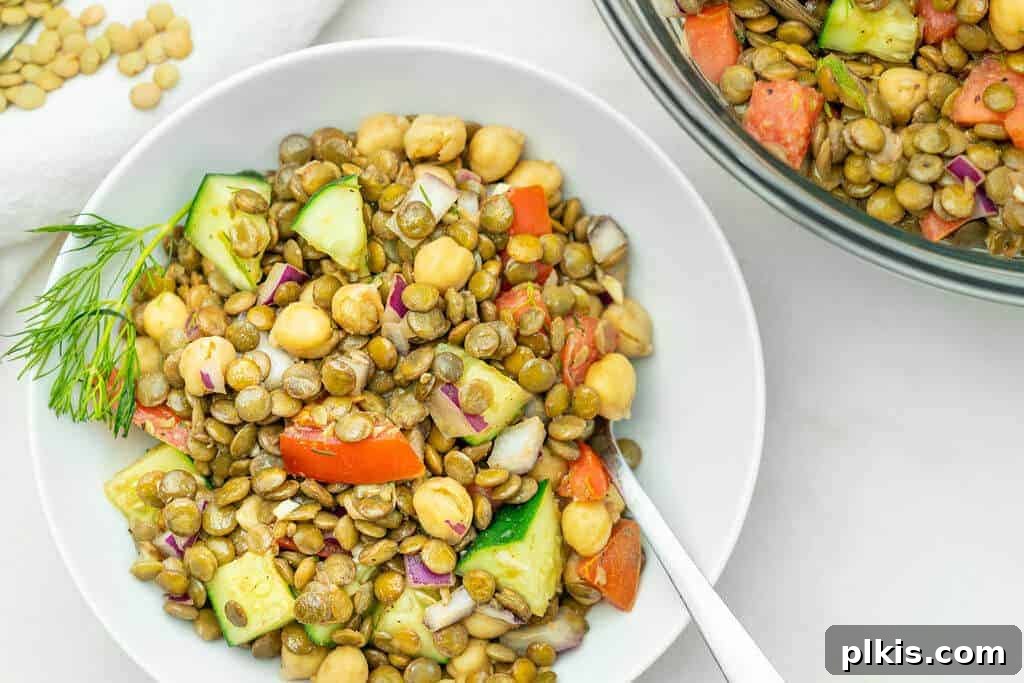
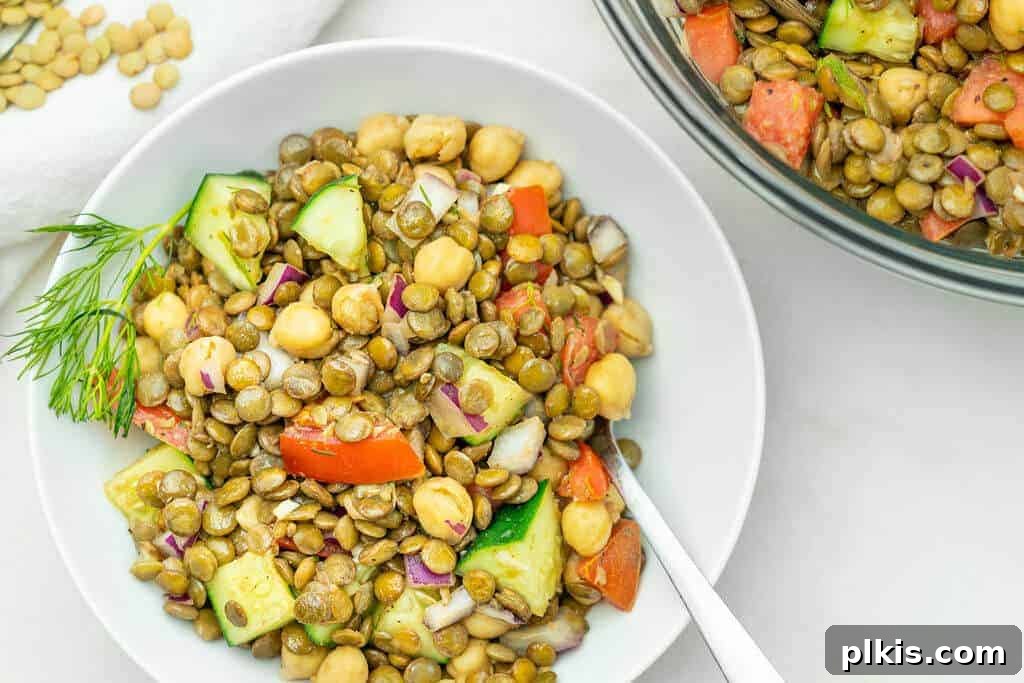
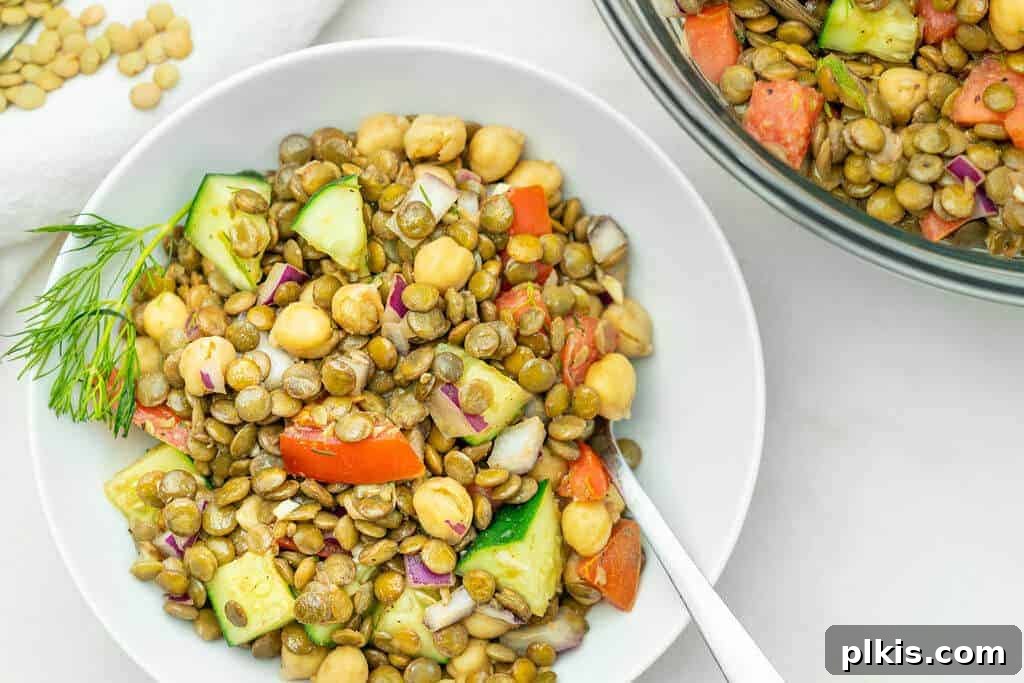
- Fresh and Flavorful Salads: Sprinkle warm or cold cooked lentils over salads to boost protein and texture. Delicious options include a zesty Mediterranean Lentil Salad or a refreshing Lentil Chickpea Salad with Tahini Dressing.
- Herb and Spice Side Dish: Simply toss cooked lentils with your favorite herbs and spices for a quick and nutritious side dish.
- Baked Potato Fillings: Create a satisfying and healthy meal by using lentils as a savory filling for baked potatoes or even sweet potato boats.
- Pasta Dishes with a Twist: Serve lentils over spaghetti as a hearty, plant-based alternative to meat sauce, like our Hearty Lentil Bolognese, or form them into delicious Red Lentil Meatballs.
- Homemade Burgers and Patties: Lentils are ideal for crafting robust and flavorful vegan burgers and patties. Explore recipes such as Red Lentil and Amaranth Protein Patties, satisfying Hearty Lentil Burgers, easy Lentil Sliders, and unique Kichari Patties (spiced red lentil and rice).
- Vegan Shepherd’s Pie Filling: Create a rich and savory base for a comforting vegan shepherd’s pie, offering a hearty texture and deep flavor.
- Dips, Spreads, and Pâtés: Transform cooked lentils into creamy dips, spreads, or pâtés. Try a delicious Yellow Lentil ‘Hummus’ or a zesty Spicy Lentil Kalamata Spread.
- Crispy Snacks: Dry and season cooked lentils, then roast or air-fry them for a crunchy, protein-packed snack, similar to roasted chickpeas.
- Unexpected Desserts: For the adventurous, some recipes even incorporate lentils into unexpected treats like brownies, adding moisture and nutritional value discreetly.
- Vegan Meatloaf: Use lentils as a primary ingredient in a flavorful and hearty vegan meatloaf, providing texture and a rich, savory base.
Top Cooking Tips & Essential FAQs for Lentil Lovers
Navigating the world of lentils is simple once you have a few key tips and answers to common questions. Here’s everything you need to know to ensure perfectly cooked and delicious lentils every time:
- Do you need to soak lentils? Generally, no, it’s not essential for most varieties of lentils, as they cook relatively quickly without soaking. However, if you are particularly sensitive to legumes and experience bloating or gas, soaking can be beneficial. Soaking helps to deactivate some of the anti-nutrients (like phytates) found in legumes, which can enhance mineral absorption and make them easier to digest. It also aids in breaking down amylase, a complex carbohydrate, further improving digestibility for some individuals.
- How to soak lentils? Since lentils are smaller than most beans, they don’t require as much soaking time. First, rinse them thoroughly under cold water. Then, combine the rinsed lentils with enough cold tap water to cover them by at least a couple of inches. Allow them to soak for a minimum of 2 hours, or up to 24 hours (overnight is often convenient). After soaking, drain the lentils completely and rinse them once more before proceeding with your chosen cooking method.
- Can you eat raw lentils? Absolutely not – please avoid consuming raw lentils. Like many other legumes, uncooked lentils contain lectins, which can be toxic to humans and cause severe digestive upset, including nausea, vomiting, and diarrhea. Always ensure lentils are thoroughly cooked until tender before eating.
- Dry to cooked lentil size? Lentils undergo a significant expansion when cooked. As a general rule, they will approximately double or even triple in size. Typically, you can expect them to at least double in volume, often with a little extra, so plan accordingly when preparing larger batches.
- For extra flavor: To infuse your cooking lentils with additional flavor, consider adding aromatics directly to the cooking liquid. Simple additions like a bay leaf, a crushed garlic clove, a quartered onion, a pinch of salt, or a bouquet garni (a bundle of herbs like thyme and parsley) can make a huge difference. You can also experiment with other herbs like oregano, a dash of smoked paprika, or even a splash of vegan white wine for a sophisticated touch.
- Don’t overboil the lentils: This is a crucial tip, especially for varieties like brown, green, and black lentils that you want to keep their shape. As soon as the mixture reaches a boil on the stovetop, immediately reduce the heat to a gentle simmer. Boiling vigorously for too long will cause the lentils to break apart and become mushy, which is usually only desired for red or yellow lentils in soups or purees.
- Adjusting the cooking time: The exact amount of time needed to cook lentils can vary. Factors such as the specific variety of lentil, its age (older lentils often take longer to soften), and your desired level of tenderness (firm for salads, very soft for purees) all play a role. For this reason, always use the provided recommendations as a general guideline and feel free to adjust the cooking time as needed, checking periodically for doneness.
- Choosing the best lentils for your recipe: The type of lentil you select should be guided by the intended outcome of your dish. While brown lentils are wonderfully ‘all-purpose’ and work well in most recipes, red and yellow lentils are best reserved for soups, dals, and stews where their tendency to break down into a creamy texture is an advantage. In contrast, green and black lentils excel in dishes where you want them to maintain their distinct shape and texture, such as in salads, pilafs, casseroles, or as standalone side dishes.
More Delicious Plant-Based Legume Recipes to Explore
If you’ve enjoyed delving into the world of lentils, you’ll love exploring these other fantastic plant-based recipes featuring legumes. They are equally nutritious, versatile, and budget-friendly, making them perfect additions to your culinary repertoire:
- Instant Pot Pinto Beans
- Pot Beans (Frijoles de la Olla)
- Homestyle Baked Beans
- Oil-Free Chickpea Salad
- Chickpea ‘Tuna’ Salad
- Black Bean Onion Pilaf
- Black Bean ‘Meatballs’
- Everyone’s Favorite Bean Salad