
Discover Nutritional Yeast: Your Essential Guide to a Cheesy, Plant-Based Superfood
Embarking on a plant-based journey often introduces you to an exciting world of new ingredients and culinary possibilities. Among the most celebrated and versatile staples in this lifestyle is nutritional yeast, affectionately known as “nooch.” These mysterious, golden flakes have captivated health enthusiasts and vegans alike, and for good reason. Renowned for its unique cheesy, nutty, and savory flavor profile, nutritional yeast is far more than just a seasoning; it’s a nutritional powerhouse that can elevate virtually any dish. Whether you’re seeking a dairy-free alternative to cheese or a reliable source of essential vitamins, “nooch” is a game-changer. Let’s dive deeper into what makes this ingredient an indispensable part of a wholesome, plant-forward diet.
What Exactly is Nutritional Yeast? The “Nooch” Decoded
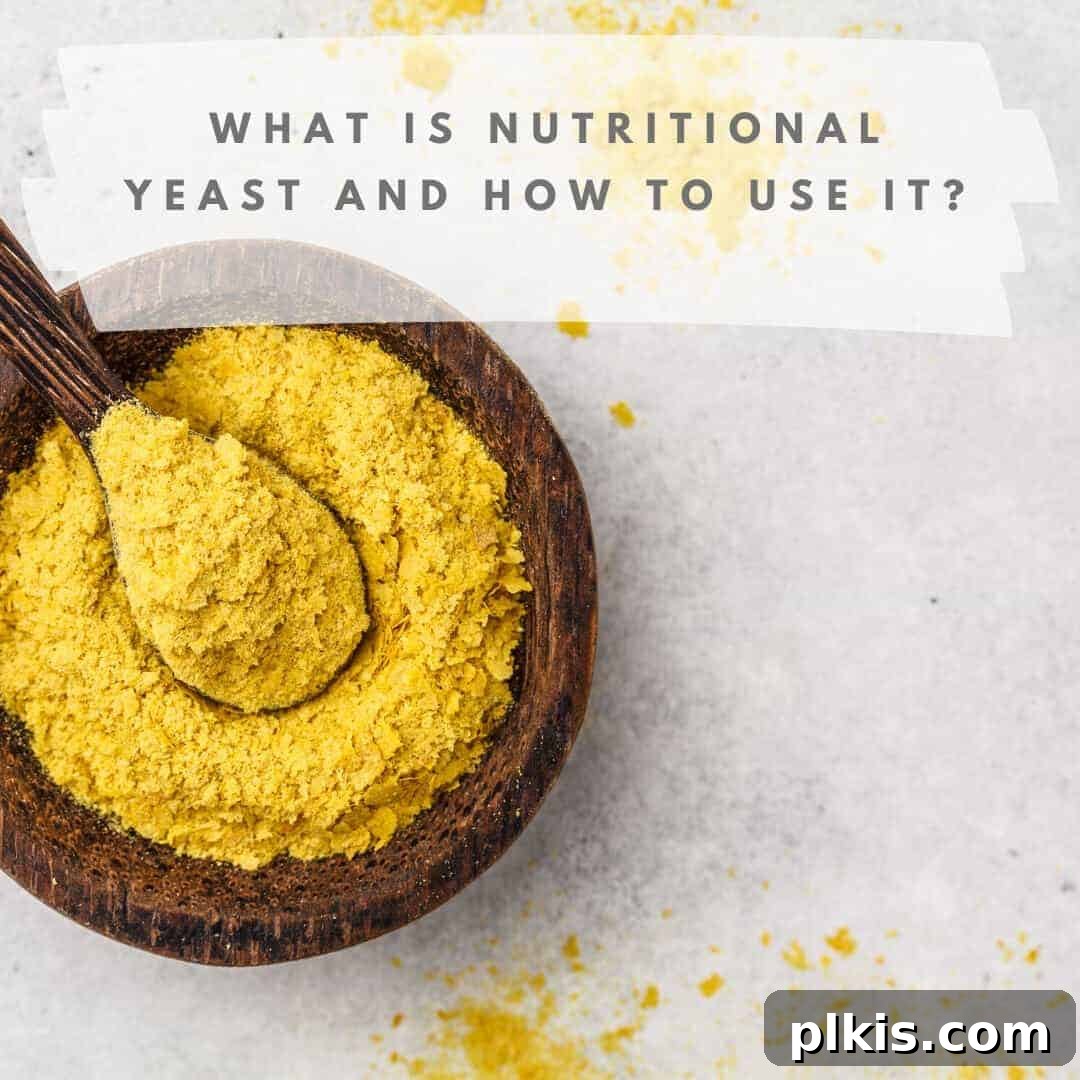
At its core, nutritional yeast is an inactivated form of Saccharomyces cerevisiae, a single-celled fungus. This is the same species used to make baker’s yeast and brewer’s yeast, but the similarities end there. Unlike its active counterparts, nutritional yeast undergoes a distinct cultivation and processing method that renders it inactive, meaning it cannot be used for leavening bread or fermenting beer. Instead, it’s grown on a substrate like molasses or beet sugar for several days, harvested, washed, and then dried with heat. This drying process inactivates the yeast and creates the characteristic flakes or powder we recognize.
The magic of nutritional yeast lies in its distinctive taste: a savory, umami-rich flavor with notes of cheese and nuts. This makes it an unparalleled ingredient for adding depth and a “cheesy” kick to plant-based meals without any dairy. Its versatility in flavor and texture (available in both flakes and a finer powder) makes it a culinary darling, providing that coveted “umami” punch that can transform a simple dish into something truly extraordinary.
The Powerhouse Within: Unpacking the Incredible Health Benefits of Nutritional Yeast
Beyond its fantastic flavor, nutritional yeast shines as a beacon of nutrition, making it a valuable addition to any diet, especially for those following plant-based eating patterns. It’s important to distinguish between the two main types you’ll find:
- Fortified Nutritional Yeast: This is the most common variety found in grocery and health food stores. “Fortified” means that additional vitamins and minerals have been added during processing. This fortification often includes a comprehensive array of B vitamins, including the crucial vitamin B12, folic acid, and sometimes trace minerals like selenium and zinc. This type is particularly beneficial for vegans who need reliable sources of B12.
- Unfortified Nutritional Yeast: While less common, this variety contains only the vitamins and minerals naturally produced by the yeast as it grows. It still offers a good amount of protein and some B vitamins, but it typically lacks significant amounts of B12 and other added nutrients.
Two tablespoons of fortified nutritional yeast can pack a significant nutritional punch. Here’s a closer look at its impressive array of benefits:
Rich Source of Complete Protein
Nutritional yeast stands out as an excellent source of plant-based protein, providing approximately 2 grams per two-tablespoon serving. What makes it even more remarkable is that it’s considered a complete protein, meaning it contains all nine essential amino acids that the body cannot produce on its own. This makes it an invaluable asset for vegans and vegetarians looking to meet their protein needs and support muscle growth and repair.
Abundant in B Vitamins
One of the most significant benefits of fortified nutritional yeast is its high concentration of B vitamins, which play critical roles in various bodily functions:
- Thiamine (B1): Essential for energy metabolism, converting carbohydrates into energy, and supporting nerve function.
- Riboflavin (B2): Crucial for energy production, cellular growth, and the metabolism of fats, drugs, and steroids. It also helps maintain healthy skin and eyes.
- Niacin (B3): Important for energy production, DNA repair, and maintaining healthy cholesterol levels.
- Pyridoxine (B6): Vital for amino acid metabolism, red blood cell formation, and neurotransmitter synthesis, which impacts mood and brain function.
- Folic Acid (B9): Essential for cell growth and DNA formation, particularly important during pregnancy to prevent birth defects.
- Vitamin B12 (Cobalamin): Arguably the most critical nutrient for vegans, as it is primarily found in animal products. B12 is crucial for nerve function, red blood cell formation, and DNA synthesis. Fortified nutritional yeast offers a readily available and delicious source, helping to prevent deficiencies. However, it’s always wise to consult resources like nutritionfacts.org and consider additional B12 supplementation to ensure adequate intake.
Essential Trace Minerals
Many fortified varieties also provide vital trace minerals such as:
- Zinc: A powerful antioxidant and crucial for immune function, wound healing, and DNA synthesis.
- Selenium: An important antioxidant that supports thyroid function and plays a role in immune health.
Antioxidant and Immune Support
Nutritional yeast contains potent antioxidants like glutathione and other beneficial compounds that help protect cells from damage caused by free radicals. Furthermore, the beta-glucans found in the yeast contribute to immune system support, while zinc and selenium further bolster the body’s defenses.
Digestive Health
The fiber content and the presence of beta-glucans in nutritional yeast can also contribute to digestive health, acting as prebiotics that feed beneficial gut bacteria.
In summary, integrating nutritional yeast into your diet is a flavorful way to enhance your nutrient intake, especially for those navigating the specifics of a plant-based diet. It truly is a versatile superfood that goes beyond mere taste enhancement.
Where to Find Your “Nooch” and How to Store It for Maximum Freshness
Finding nutritional yeast has become increasingly easy as plant-based eating grows in popularity. You can typically find it in the bulk section, spice aisle, or health food section of most major grocery stores like Whole Foods, Sprouts, and even larger retailers like Costco. Specialty health food stores are also guaranteed to stock it. For those looking to be budget-conscious and environmentally friendly, buying “nooch” in bulk is an excellent option – just remember to bring a reusable jar or bag!
Proper storage is key to maintaining nutritional yeast’s flavor, potency, and shelf life. Once opened, it’s best to transfer it to an airtight container, such as a mason jar or a resealable bag. Store it in a cool, dark, and dry place like your pantry, a cupboard, or even the refrigerator. When stored correctly, nutritional yeast can maintain its quality and flavor for an impressive period, often lasting for several months, if not up to a year or two. This extended shelf life makes it a convenient and cost-effective pantry staple.
Unleashing the Flavor: Creative and Delicious Ways to Use Nutritional Yeast
The true magic of nutritional yeast comes alive in the kitchen. Its unique cheesy, nutty, and savory notes make it an incredibly versatile ingredient that can replace dairy and amplify the flavor of countless dishes. If you’ve recently transitioned to a plant-based lifestyle, “nooch” can be an invaluable ally in satisfying those occasional dairy cravings.
Given its flaky texture and parmesan-like appearance, the most intuitive way to use nutritional yeast is as a direct substitute for grated cheese. Sprinkle a generous tablespoon (or more, to taste!) over your favorite pasta dish, roasted vegetables, or even popcorn for an instant savory upgrade. While its flavor is distinct from traditional cheese, it offers a deeply satisfying, umami-rich experience that most vegans and “nooch” lovers find irresistible. It’s best to think of it as a unique, nutty-cheesy flake rather than a direct flavor clone of dairy cheese, allowing you to appreciate its singular contribution.
But the applications extend far beyond a simple topping:
- Dairy-Free Sauces: Nutritional yeast is the foundational ingredient for many creamy, “cheesy” plant-based sauces. It’s essential for crafting rich vegan mac and cheese, tangy nacho cheese dips, luscious alfredo sauces, and savory gravies. Its ability to create a deep, umami base is unmatched. For instance, our cauliflower-based alfredo sauce relies heavily on nooch for its authentic flavor, making it perfect for pasta or as a creamy layer in a vegan lasagna.
- Savory Seasoning: Use it to season tofu scrambles, sprinkle over roasted nuts or kale chips, or mix into salad dressings for an extra layer of savory depth. It’s fantastic stirred into soups and stews, not only for flavor but also to slightly thicken them.
- Breading and Coatings: Add nutritional yeast to breading mixtures for crispy baked or air-fried foods. Its flavor will infuse into the coating, giving plant-based cutlets or vegetable sticks a delicious, savory crust.
To spark your culinary creativity, here are some fantastic recipes where “nooch” truly shines:
1. Broccoli Soup: Creamy “Cheesy” Comfort
This super easy and incredibly creamy broccoli soup is the ultimate comforting dinner that perfectly showcases the power of nutritional yeast. You won’t miss cheese at all! The “nooch” adds a savory, dairy-free richness that elevates the simple flavors of broccoli and potato into a deeply satisfying bowl. Find the recipe here: Broccoli and Potato Soup.
2. Vegan Nacho Cheese Sauce: The Ultimate Dipping Experience
Prepare for the quickest and “most cheezy” dipping sauce you’ll ever make! This vibrant, creamy sauce is a game-changer for movie nights, parties, or any time you crave that classic nacho flavor without the dairy. Nutritional yeast provides the essential cheesy base, perfectly complemented by a hint of spice. It’s perfect for dipping chips, drizzling over tacos, or topping baked potatoes. Find the recipe here: Vegan Nacho Cheese Sauce.

3. Pinto Bean Dip: Simple, Savory, and Satisfying
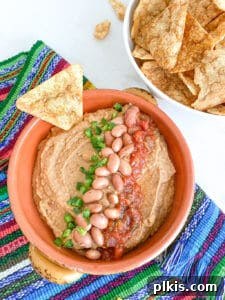
This super easy pinto bean dip offers a subtle yet distinctly cheesy taste, thanks to our star ingredient. It’s a versatile appetizer or snack that comes together quickly and pairs wonderfully with tortilla chips, veggie sticks, or as a spread in wraps. The nutritional yeast enhances the natural earthiness of the beans with a lovely savory depth. Get the recipe here: Pinto Bean Dip.
4. Sweet Potato Lasagna: An Indulgent Twist
Elevate your dinner game with this super indulgent sweet potato lasagna. Adding some “nooch” to the cheesy layers or sprinkling it on top before baking takes this recipe to an entirely new level of savory deliciousness. It contributes a depth of flavor that beautifully complements the sweetness of the potatoes and the richness of the sauce. It’s a hearty and satisfying meal that proves plant-based cooking can be incredibly luxurious. Find the recipe here: Sweet Potato Lasagna.

Common Questions About Nutritional Yeast
Is Nutritional Yeast Gluten-Free?
While nutritional yeast itself is naturally gluten-free, it’s always wise to check the product label. Some brands may process nutritional yeast in facilities that also handle gluten-containing grains, leading to potential cross-contamination. Look for certified gluten-free labels if you have celiac disease or a severe gluten sensitivity.
Can I Use Nutritional Yeast for Baking?
No, nutritional yeast is an inactivated yeast and cannot be used for leavening. It will not make bread rise like active dry yeast or baker’s yeast. Its purpose is purely for flavor and nutrition.
Does Nutritional Yeast Contain MSG?
Nutritional yeast does not contain added MSG (monosodium glutamate). However, like many fermented foods, it naturally contains glutamic acid, which is an amino acid responsible for its savory, umami flavor. When glutamic acid is not bound to other amino acids, it can be similar in taste to MSG, but it is not the same additive.
Are There Any Side Effects or Contraindications?
Nutritional yeast is generally safe for most people. However, some individuals with a sensitivity to yeast or certain digestive issues may experience mild discomfort. Due to its high fiber content, introducing it gradually can help prevent digestive upset. As with any supplement, if you have specific health concerns or conditions, it’s always best to consult with a healthcare professional.
Embrace the “Nooch” Life: A Plant-Based Essential
Nutritional yeast has firmly established itself as an indispensable staple in plant-based kitchens worldwide. Its remarkable versatility, coupled with its impressive nutritional profile – especially as a source of complete protein and crucial B vitamins, including B12 – makes it a true superfood. From mimicking cheesy flavors in dairy-free sauces to adding a savory, umami punch to countless dishes, “nooch” is a culinary chameleon that enhances both flavor and health.
Whether you’re a seasoned vegan or just beginning to explore the plant-based lifestyle, we encourage you to experiment with nutritional yeast. Discover the endless possibilities it brings to your cooking and savor the delicious, wholesome benefits of this golden flake phenomenon. Your taste buds and your body will thank you!