
Welcome to the ultimate beginner’s guide to carrots! This comprehensive resource will unlock everything you need to know about this humble yet incredibly versatile root vegetable. From understanding the diverse types and their unique characteristics to mastering the art of storing, preparing, slicing, cooking, and even freezing them, you’ll discover why carrots are a perfect, low-budget addition to any plant-based kitchen. Get ready to transform your meals with this nutritious and delicious ingredient!
A Complete Guide to Carrots: From Farm to Fork
When you’re navigating the world of plant-based eating on a budget, certain ingredients become non-negotiable staples in your pantry and fridge. Alongside powerhouses like lentils and a variety of beans, plus versatile grains, you’ll find nutritious and incredibly affordable vegetables such as celery, potatoes, and the star of our guide: the resilient and vibrant carrot. Scientifically known as Daucus carota, this simple root vegetable is more than just a colorful side dish; it’s a powerhouse of nutrition and an economic marvel for any household.
Carrots are not only a fantastic addition to your low-budget meal planning, but they also come packed with an impressive array of health benefits that support overall well-being. What’s more, their natural hardiness allows them to be stored for several months if handled correctly, minimizing waste and maximizing value. For those who enjoy gardening or simply buying carrots with their leafy green tops still attached, remember that the often-discarded stems and leaves are also edible and can be incorporated into various recipes, adding another layer of flavor and reducing food waste.
Beyond their practical benefits, carrots are simply delicious. When enjoyed raw, they offer a satisfying crunch and a subtly sweet flavor that makes them perfect for snacking or adding texture to salads. Once cooked, their texture transforms, becoming wonderfully tender and often even sweeter as their natural sugars caramelize. The culinary possibilities are virtually endless, with options ranging from steaming and boiling to frying, roasting, and even air frying. You can also explore less common forms, such as dried carrot chips or powdered carrot, expanding your repertoire even further. This guide aims to provide you with all the knowledge to confidently select, store, and utilize carrots in countless delightful ways.
For those eager to expand their culinary knowledge beyond carrots, we invite you to explore our other essential cooking guides, including insights into tofu, zucchini, avocado, quinoa, lentils, and brown rice.
Exploring the Wonderful World of Carrot Varieties
While the vibrant orange carrot is a familiar sight in most grocery stores, the carrot family is surprisingly diverse, offering a spectrum of colors including yellow, red, purple, black, and even white. Each of these broad categories also encompasses numerous cultivars, each with slightly different characteristics. Historically, carrots can be broadly categorized into two main types based on their origins and characteristics: ‘Eastern carrots’ and ‘Western carrots’.
Eastern carrots, believed to have originated in Central Asia, often include striking purple, red, and black varieties. These ancient carrots are renowned for their unique color and sometimes more intense, earthy flavors. In contrast, Western carrots are what most of us recognize today as the common orange carrot, though this category also includes yellow and white types. These Western varieties are primarily classified by the shape and size of their roots, with four main types standing out:
- Imperator Carrots: Often considered the “classic” supermarket carrot, Imperator varieties are known for their long, straight, and slender roots that typically taper to a point. Measuring usually between 8-11 inches, they have a crisp texture and a moderately sweet flavor, making them ideal for slicing, juicing, and raw snacking. They store well due to their firm flesh.
- Nantes Carrots: These popular carrots boast a more cylindrical shape with a blunter, rounded end, and typically have sparser foliage compared to Imperator types. Nantes carrots are particularly prized for their high sugar content and tender, almost coreless texture, offering a sweeter and more delicate flavor. However, this sweetness comes with a slightly shorter shelf life. They are excellent for cooking, roasting, and raw consumption.
- Chantenay Carrots: Characterized by their distinct conical shape, Chantenay carrots are shorter and broader at the shoulder than other types, tapering sharply to a blunt or rounded tip. They have strong, vigorous foliage, indicating their robust growth. Their sturdy nature makes them well-suited for heavy or rocky soils. Chantenay carrots have a slightly coarser texture and a rich, earthy flavor, performing exceptionally well in stews, soups, and roasting.
- Danvers Carrots: An heirloom variety developed in the late 19th century, Danvers carrots are medium-sized and possess a true conical shape. They are known for their strong foliage and adaptability to various soil conditions. These carrots offer a good balance of sweetness and earthiness, with a firm texture that holds up well during cooking. They are a versatile choice, great for everything from juicing to roasting and pickling.
Beyond these primary types, we also encounter:
- Baby Carrots (or ‘Mini Carrots’): It’s important to distinguish between “true” baby carrots and “baby-cut” carrots. True baby carrots are simply regular carrot varieties that have been harvested prematurely before they reach their full mature size, usually measuring just 1-3 inches long. They tend to be exceptionally tender and sweet. “Baby-cut” carrots, on the other hand, are typically larger, imperfect carrots that have been peeled, cut, and shaped into smaller, uniform pieces for convenience.
The Allure of Exotic Carrots: Color, Flavor, and Unique Nutrition
As previously touched upon, the carrot family’s vibrant spectrum extends far beyond the familiar orange. Varieties with captivating names like ‘Purple Dragon,’ ‘Kaleidoscope,’ and ‘Deep Purple Hybrid’ hint at the exciting diversity available. These exotic carrots are not just a feast for the eyes; their distinct colors are indicative of different plant compounds, which in turn impact their exact nutritional profile and unique health benefits.
While all carrots share a foundational sweet and earthy flavor, the various color types introduce subtle yet intriguing nuances. Orange and red carrots typically offer a classic sweet and earthy taste, a familiar and comforting profile. Purple carrots, however, often present a distinct sweetness complemented by a hint of peppery spice, adding an unexpected kick. Yellow carrots tend to have a milder, more delicate flavor with minimal earthiness, making them a great choice for those who prefer a less intense carrot taste. White carrots are known for being the mildest, often described as less sweet and more savory. For gardeners and culinary enthusiasts looking to cultivate these unique varieties, you can find a comprehensive guide to the most popular carrots for planting here. Embracing these exotic types can add both visual appeal and a broader range of nutrients to your meals.
Unearthing the Health Benefits of Carrots
Carrots are celebrated for their impressive nutritional content and numerous well-documented health benefits, making them a valuable addition to any healthy diet. Here’s a closer look at what makes these root vegetables so good for you:
- Naturally Low in Fat and Rich in Water: Carrots are exceptionally low in fat, making them an excellent choice for a light and healthy snack or meal component. They are composed of between 85-95% water, with approximately 10% carbohydrates and very minimal fat and protein. Specifically, 100g of raw carrots contains a mere 0.2g of fat, contributing to a feeling of fullness without adding excessive calories.
- Fairly Low Glycemic Index (GI): The glycemic index (GI) indicates how quickly a food raises blood sugar levels. Carrots generally have a fairly low GI, though this can vary based on their preparation method. Raw carrots have the lowest GI, while cooked carrots are slightly higher. Pureed or juiced carrots tend to be on the higher end of the spectrum due to the breakdown of their fibrous structure. This makes whole, raw, or lightly cooked carrots a good option for maintaining stable blood sugar levels.
- An Excellent Source of Vitamin A: Carrots are famously rich in beta-carotene, the pigment responsible for their vibrant orange color. Our bodies convert this beta-carotene into vitamin A, a crucial nutrient for several bodily functions. In fact, a modest 100g serving of carrots can provide around 400% of the Daily Value (DV) for vitamin A. This vitamin is not only vital for maintaining good eye health and promoting healthy vision (especially in low light), but it also plays a significant role in supporting a robust immune system, facilitating healthy growth and development, and maintaining skin health.
- Packed with Healthful Plant Compounds and Antioxidants: Beyond beta-carotene, carrots are brimming with a variety of beneficial plant compounds that contribute to their extensive health benefits. These include other carotenoids, polyacetylenes, and lutein. Different carrot varieties offer additional unique compounds: lycopene is abundant in red and purple carrots (also found in tomatoes), while anthocyanins, powerful antioxidants, give purple and black carrots their deep hues. This rich combination of compounds works synergistically to combat oxidative stress, reduce inflammation, and enhance overall immune function, potentially lowering the risk of chronic diseases.
- Good Source of Dietary Fiber: Carrots provide a notable amount of dietary fiber, which is essential for digestive health. Fiber helps maintain regularity, prevents constipation, and can contribute to a feeling of fullness, aiding in weight management. It also supports a healthy gut microbiome.
- Rich in Potassium: Carrots contain potassium, an important mineral and electrolyte that plays a key role in maintaining fluid balance, nerve signals, and muscle contractions. Adequate potassium intake is also beneficial for maintaining healthy blood pressure levels.
For a more in-depth exploration of the scientific evidence supporting these incredible benefits, you can delve further into the comprehensive carrot health benefits here. Incorporating carrots regularly into your diet is a simple yet effective way to boost your nutrient intake and support long-term health.
Mastering the Art of Carrot Storage for Maximum Freshness
Proper storage is key to extending the life of your carrots, allowing you to enjoy their freshness for as long as possible and minimize food waste. When stored correctly, whole, unwashed carrots can maintain their quality for a good few months, typically 2-3 months, and even longer. The ideal conditions for whole carrots are moist, cool environments, specifically between 0-4°C (32-40°F). Below are our expert tips for effective carrot storage, ensuring they stay crisp and delicious for weeks:
- Remove Carrot Tops Immediately: Upon bringing your carrots home, it’s crucial to remove the leafy green tops as soon as possible. If left attached, these tops will continue to draw moisture and vital hydration from the carrot root, causing them to become limp and rubbery much sooner. Simply twist or cut off the greens right where they meet the carrot.
How to use the carrot tops? Don’t discard them! Carrot greens are edible and nutritious. You can finely chop them and sprinkle them over salads, use them as a fresh garnish, or even blend them into a quick and flavorful pesto for a zero-waste culinary treat.
- Store Unwashed and Unpeeled in the Fridge: After removing the greens, resist the urge to wash or peel your carrots until you are ready to use them. The natural layer of soil helps protect their delicate skin. Place the carrots in a paper bag or a loose plastic bag (one with a few holes for air circulation works best) and store them in the crisper drawer of your refrigerator. If your fridge features a high-humidity drawer, that’s the optimal spot. Alternatively, you can line the bottom of a regular crisper drawer with a slightly damp paper towel, place the carrots on top (still in their bag with holes), and cover with another damp paper towel to maintain moisture. This helps prevent them from drying out.
Top Tip for Freshness: Keep carrots away from ethylene-producing fruits and vegetables such as apples, bananas, and tomatoes. Ethylene gas is a natural ripening agent that can cause carrots to spoil or turn bitter more quickly.
For even longer-term storage, often extending up to 6 months, unwashed carrots can be buried in a bucket between layers of moist sand, a 50/50 mix of sand and wood shavings, or even soil. This method mimics root cellar conditions, providing a consistently cool and humid environment that dramatically prolongs their freshness. Ensure the sand/soil is damp, but not wet, to prevent mold.
Preparing Carrots for Any Culinary Adventure
Carrots are incredibly versatile, and knowing how to properly prepare them is the first step to enjoying them in countless dishes. Here’s a simple guide to getting your carrots ready:
- First, Wash Them Thoroughly: Before any other preparation, always wash your carrots thoroughly under cold running water. Use a vegetable brush to gently scrub away any dirt, soil, or debris, even if you plan to peel them. This ensures a clean base for your culinary creations.
- Then Slice, Dice, or Shred to Your Heart’s Content: The way you cut your carrots can significantly impact their cooking time and how they integrate into a dish. There are numerous ways to chop carrots to suit your recipe:
- Dicing: Small, uniform cubes perfect for soups, stews, and sautéed dishes where even cooking is desired.
- Slicing: Round or oval coins, often used for roasting, steaming, or adding to stir-fries.
- Chopping: Larger, irregular pieces suitable for hearty stews or when you want a rustic texture.
- Spiralizing: Creates long, noodle-like strands, excellent for raw salads, stir-fries, or as a pasta alternative.
- Shredding/Grating: Finely grated carrots add moisture and subtle flavor to baked goods, slaws, or dressings.
- Baton/Sticks: Long, thin sticks ideal for crudités with dips or for roasting.
Waste-Reduction Tip: We often advocate for leaving the peels on when possible. Carrot peels are packed with nutrients and fiber, saving you a step in preparation and boosting the nutritional content of your dish. If you do peel your carrots, don’t discard the peels! Collect them in a bag in the freezer to use as a flavorful base for homemade vegetable stock, or get creative by turning them into savory vegan carrot bacon or crispy chips.
- Choose Your Cooking Method (or Enjoy Raw!): Once your carrots are prepped, they are ready to be enjoyed immediately or cooked using a variety of methods:
- Steamed/Boiled: Both steaming and boiling are excellent methods for achieving wonderfully tender carrots. You can cook them on their own as a simple side dish or incorporate them into larger preparations like hearty soups and stews, where they contribute flavor and texture.
- Roasted/Air Fried: Roasting carrots at high temperatures, either in a traditional oven or an air fryer, helps to caramelize their natural sugars. This process enhances their sweetness and creates a delicious tender-crisp texture. The air fryer achieves similar results with even less time and oil. Toss with a little olive oil, salt, and pepper for an easy side.
- Pan-Fried: Adding shredded, ribboned, or thinly sliced carrots to stir-fries, sautés, or even quick skillet dishes is a fantastic way to enjoy them. They become slightly tender but still retain a pleasant bit of bite, adding color and sweetness to savory meals.
- Enjoy Raw: The possibilities for raw carrots are extensive! Incorporate shredded or thinly sliced carrots into vibrant slaws, refreshing green salads, or cold pasta/noodle dishes for added crunch and sweetness. Serve carrot batons or sticks with your favorite dips like hummus. You can even use spiralized carrots as a fantastic raw noodle alternative, perhaps tossed with a rich peanut sauce for a light and healthy meal.
How to Store Cut Carrots for Longer Freshness
Once carrots are cut, their shelf life significantly decreases due to increased exposure to air and moisture loss. However, with a few clever techniques, you can still store prepped carrots for several days or even months, saving you valuable time during meal prep. Here’s how:
- Submerged in Water: This method is particularly effective for carrot sticks, batons, and larger carrot pieces, helping them retain their crispness. Fill an airtight container (a large mason jar works perfectly) with fresh, filtered cold water. Submerge the cut carrots completely under the water, then seal the lid tightly. Store this in your refrigerator. To ensure optimal freshness, change the water daily. Carrots stored this way can remain crisp and fresh for up to a week.
- Wrapped in Damp Towels/Cloth: For any shape of chopped carrots, wrapping them in a damp medium can prevent dehydration. Lightly moisten a few paper towels or a clean cloth, then wrap your chopped carrots securely within them. Place the wrapped carrots into a Stasher bag or any other airtight container. This method should keep them fresh for 5-7 days. As an alternative, you can place chopped carrots directly into a Stasher bag with just a teaspoon or two of water, sealing it tightly to create a humid environment.
- Blanched for Extended Refrigeration: Blanching is a fantastic technique that can nearly double the refrigerator shelf life of your cut carrots by stopping enzymatic processes that lead to spoilage. This method is best for carrot sticks, large slices, or coins. To blanch, bring a pot of water to a rolling boil. Add the carrots and cook for precisely two minutes. Immediately transfer the blanched carrots to an ice bath (a bowl of ice water) to halt the cooking process. Once completely cooled, drain them well, pat dry, and store in an airtight container in the fridge for up to two weeks.
- Freezing for Long-Term Storage: Freezing is an excellent option for preserving carrots for future cooked dishes. You can dice, chop, or shred your carrots and place them directly into freezer-safe bags, removing as much air as possible before sealing. These can be stored for 2-3 months and added directly to dishes from frozen, without the need for thawing. For an even longer freezer life, blanching the carrots first (as described above) before freezing will extend their quality to between 6-8 months. Frozen carrots are best utilized in soups, stews, casseroles, and other cooked dishes where a slightly softer texture is acceptable.
How to Revive Dry or Limp Carrots
Don’t despair if your carrots have lost some of their crispness and appear a bit dry or limp. Like the storage methods above, reviving dry carrots is all about reintroducing moisture to rehydrate their cells. This simple trick can bring them back to life, saving them from the compost bin:
- For Chopped and Baby Carrots: If you have cut carrots or smaller baby carrots that have gone limp, simply submerge them completely in a bowl of fresh, cold, filtered water.
- For Whole Carrots: Whole carrots can also be fully submerged in a large bowl or tub of cold water. Alternatively, for a more space-efficient method, fill a tall mason jar or pitcher with several inches of cold, filtered water (enough to cover all but about an inch of the top of the carrots). Place the carrots vertically into the jar, ensuring most of the root is submerged.
The time it takes to rehydrate your carrots will depend on their initial state of dryness. It can take as little as 5 minutes for slightly limp carrots, or up to several hours, or even overnight, for more severely dehydrated ones. Periodically check their firmness. Once they have regained their crisp texture and look refreshed, remove the carrots from the water, pat them thoroughly dry with a clean towel, and then store them in a bag in the fridge using one of the methods described earlier to maintain their newfound crispness.
Creative Ways to Enjoy Carrots in Your Kitchen
To say that the options for enjoying carrots are practically endless would be an understatement. This versatile vegetable shines whether enjoyed raw, cooked, juiced, or even dehydrated, offering a myriad of flavors and textures. Here are just a few of our favorite easy carrot recipes and uses that we love to incorporate into a plant-based, budget-friendly lifestyle:
- Perfect for Dipping: Cut carrots into crisp crudités sticks and serve them with creamy dips like our classic hummus, or a vibrant ranch dip.
- Enhance Your Salads: Julienne, grate, or ribbon fresh carrots into various salads. They add a delightful crunch and sweetness to leafy green salads, our Fresh Crunchy Salad with Peanut Dressing, or the perfect pasta salad.
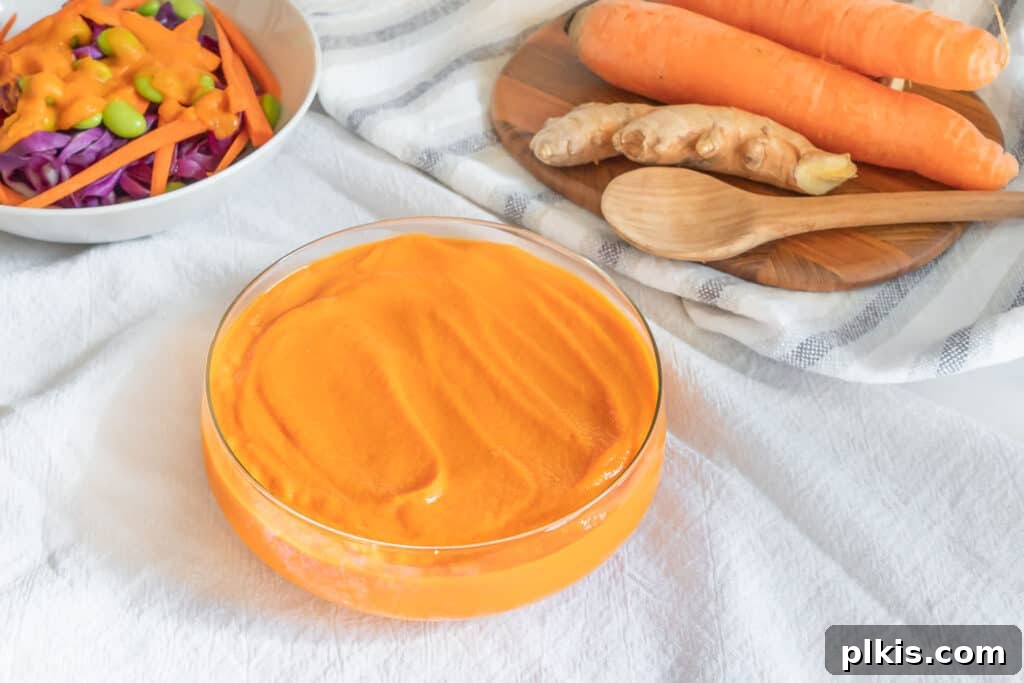
- Flavorful Dressings: Transform carrots into a delicious and unique dressing, such as our tangy Japanese Carrot-Ginger Salad Dressing.
- Quick and Easy Slaws: Create a simple slaw or a colorful rainbow coleslaw salad by shredding carrots and tossing them with a creamy avocado mayo.
- Hearty Soups and Stews: Carrots are a foundational ingredient for countless comforting soups and stews. Add them to Spicy Carrot Soup, Matzo Ball Soup, Hearty Kale and Bean Soup, and our warming Jackfruit “Chicken” Noodle Soup.
- The Foundation of Flavor (Mirepoix): Use carrots as a key component to create a classic mirepoix (a aromatic base of diced carrots, celery, and onions) for building flavor in stocks, soups, and stews.
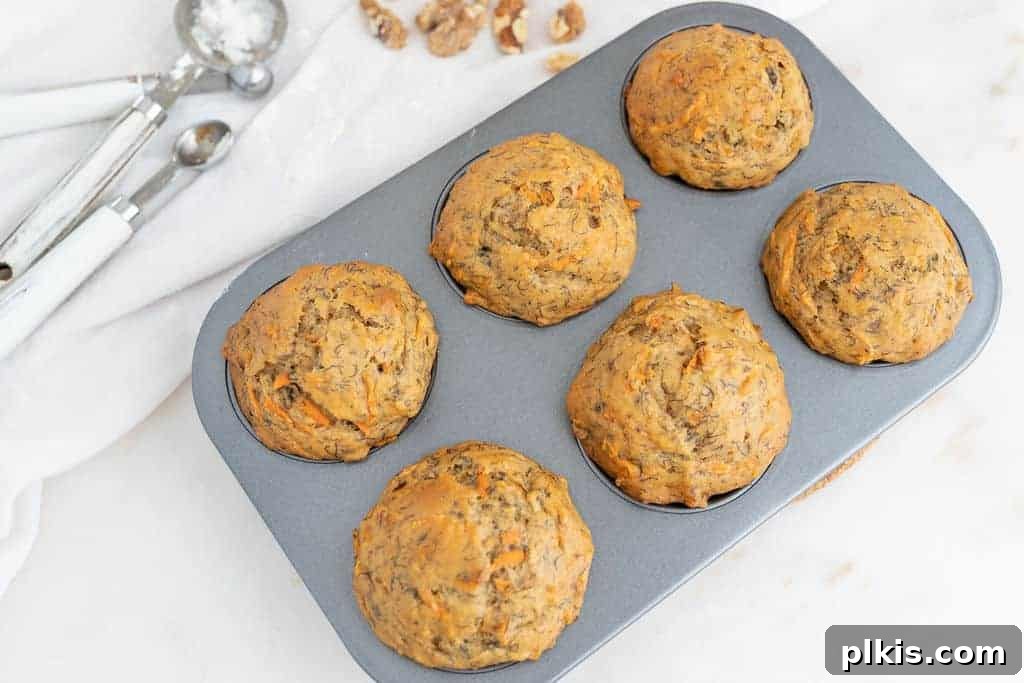
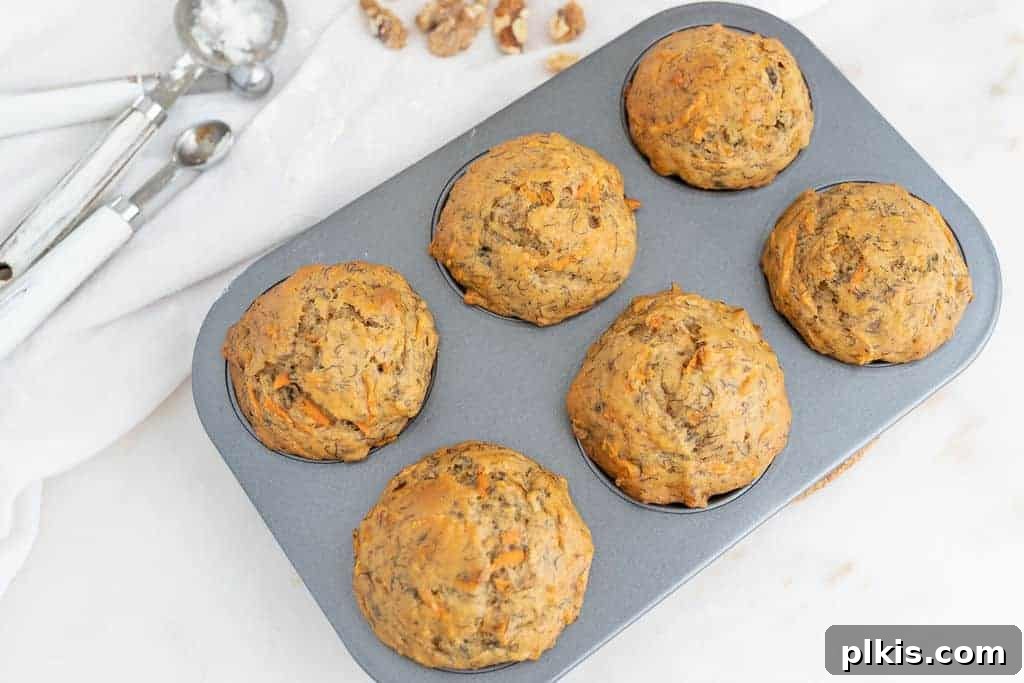
- Sweet Treats and Breakfast: Beyond savory dishes, carrots shine in baked goods. Incorporate them into moist carrot cake, delightful carrot cake muffins, or even comforting carrot cake oats for a wholesome breakfast.
- Curry Creations: Add carrots to rich and aromatic curries, such as a vibrant yellow tofu curry or a satisfying Roasted Carrot Curry Noodle Soup.
- Healthy Beverages: Blend carrots into fresh, vibrant carrot juice or add them to your favorite smoothies for a boost of nutrients and natural sweetness.
- Creamy Sauces: Purée cooked carrots into savory sauces for added depth, color, and nutrition, like our incredibly creamy Nacho Cheese sauce.
- Baked “Fries”: Transform carrots into delicious and healthier oven-baked Carrot Fries for a tasty side or snack.
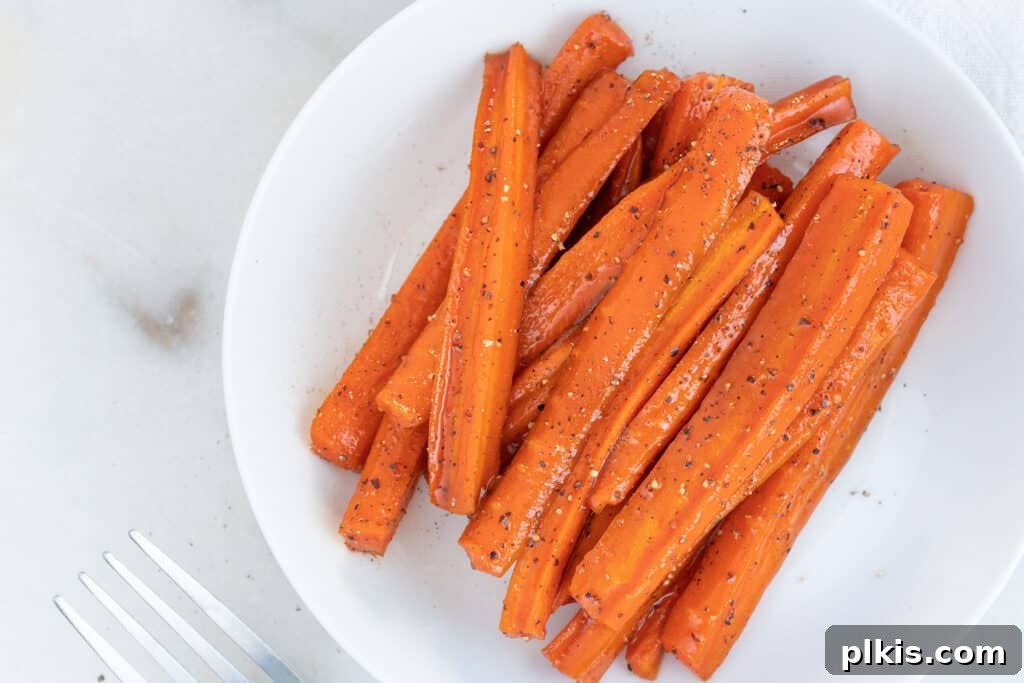
- Simple Side Dishes: Cook and serve carrots as a straightforward yet elegant side dish, such as beautifully Glazed Carrots.
- Pasta and Grain Dishes: Integrate chopped or shredded carrots into hearty pasta and grain-based meals like this flavorful Black Bean and Onion Pilaf, a comforting Easy Sweet Potato Lasagna, or a vibrant Carrot Pad See Ew.
Discover More Delicious Vegan Carrot Recipes
If you’re eager to continue exploring the incredible versatility of carrots, we have an array of tantalizing vegan recipes that highlight this root vegetable in diverse and delicious ways. From crunchy pickles to comforting stews, there’s a carrot-centric dish for every palate and occasion:
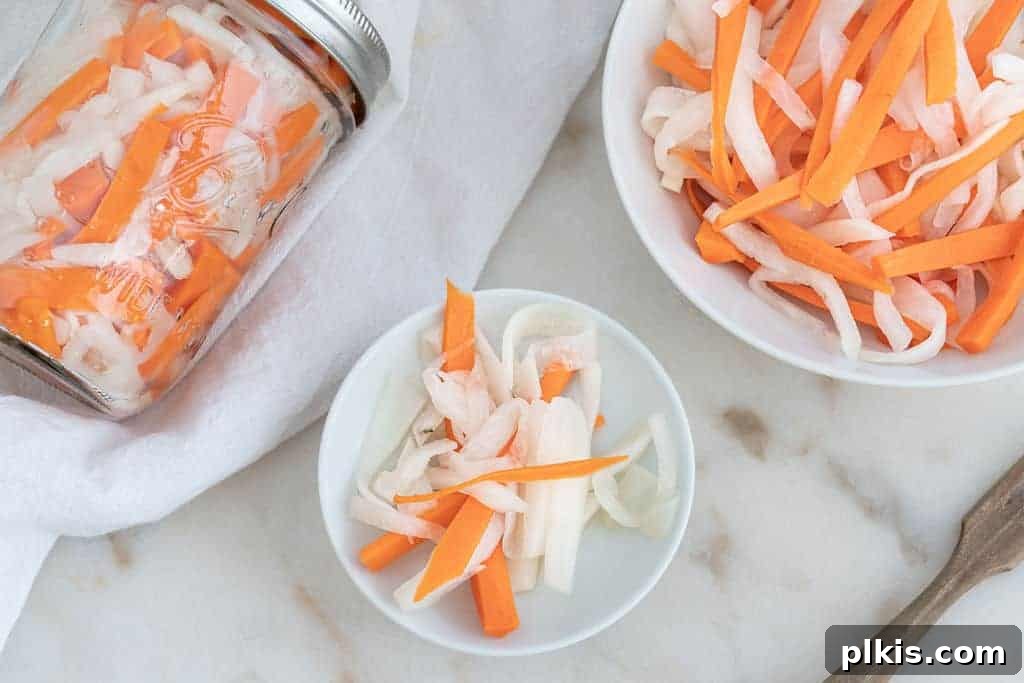
- Pickled Carrots & Daikon Radish (Do Chua): A tangy and refreshing condiment perfect for sandwiches and bowls.
- Veggie-packed Potato Leek Soup: A comforting and hearty soup, loaded with wholesome vegetables.
- Mushroom Stuffing: A savory and earthy side dish, enhanced by the subtle sweetness of carrots.
- One-Pot Pumpkin Chili: A warm and flavorful chili, where carrots add a touch of sweetness and texture.
- Chickpea Quinoa Burgers: Wholesome and satisfying veggie burgers with finely grated carrots for moisture and flavor.
- Bite-Sized Veggie Rollups: Fresh and crunchy vegetable wraps, perfect for appetizers or light meals.
- Bánh Mì Chay: A vibrant vegan take on the classic Vietnamese sandwich, often featuring pickled carrots.
- Crispy Tofu & Rainbow Veg Sushi: Colorful and delicious sushi rolls packed with fresh vegetables, including carrots.
- Hearty Lentil Bolognese: A rich and robust pasta sauce, where finely diced carrots add sweetness and body.
We hope this comprehensive guide inspires you to make carrots a regular, cherished ingredient in your kitchen. From their incredible nutritional benefits to their undeniable versatility and budget-friendly appeal, carrots truly are a culinary hero. Don’t stop here – browse through our entire collection of plant-based carrot recipes for even more delicious ideas and culinary inspiration!