
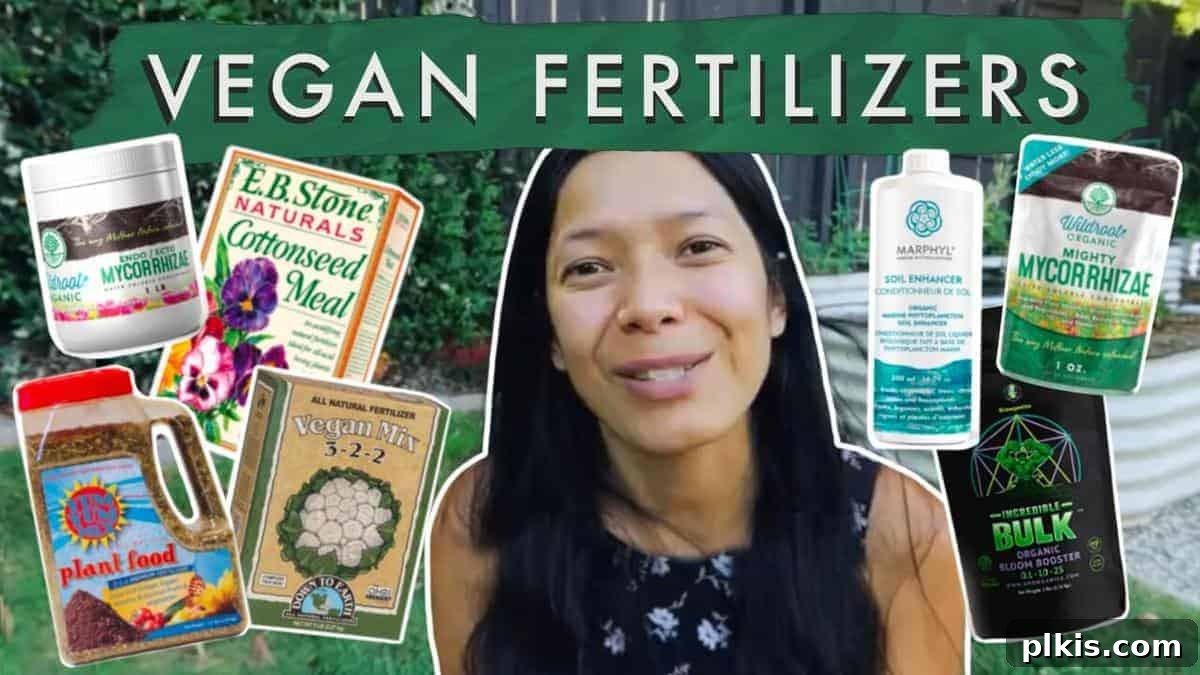
The Ultimate Guide to Vegan Fertilizers for a Thriving Organic Garden
As passionate gardeners, we all share a common goal: to nurture our plants and ensure they flourish. While rich soil forms the foundation of a healthy garden, it rarely provides all the essential nutrients plants require throughout their life cycle. As your vibrant vegetables, luscious fruits, and beautiful flowers grow, they continuously draw vital elements from the soil. This ongoing nutrient depletion necessitates replenishment, making the strategic addition of fertilizers a crucial step in maintaining a productive and vibrant garden. For those committed to ethical and sustainable practices, integrating vegan fertilizers into your soil management routine is paramount for cultivating a truly thriving garden.
Cultivating your own produce offers immense satisfaction, connecting you directly with nature and the food you eat. My personal gardening journey over the past year has been incredibly insightful, filled with valuable lessons and rewarding experiences. I’ve delved deep into the world of organic gardening, experimenting with various techniques and products to achieve optimal plant health. This article aims to share those hard-earned insights, focusing specifically on the vegan fertilizers that have proven most effective in my own garden, helping me achieve bountiful harvests and robust plant growth.
What Exactly Are Vegan Fertilizers?
The quest for effective yet ethical plant nutrition can often be frustrating when exploring conventional fertilizers. Many common formulations rely heavily on animal by-products such as blood meal, bone meal, fish emulsion, or feather meal. For vegan gardeners, or anyone seeking to avoid animal exploitation and harsh chemical inputs, these options are simply unacceptable. Thankfully, extensive research and the growing demand for sustainable alternatives have led to the development of numerous exceptional vegan fertilizers. These products are meticulously crafted from 100% plant-based ingredients and naturally occurring minerals, ensuring zero animal involvement.
Beyond being animal-free, the majority of vegan fertilizers are also certified organic. The term “organic” in this context signifies that the ingredients are derived from natural sources, processed in an environmentally responsible manner, and free from synthetic pesticides, herbicides, or genetically modified organisms (GMOs). Embracing organic vegan fertilizers means you’re not only supporting animal welfare but also fostering a healthier soil ecosystem, promoting biodiversity, and reducing your garden’s environmental footprint. These fertilizers work in harmony with nature, enriching the soil with beneficial microbes and essential nutrients in a sustainable way.
Understanding NPK: The Cornerstone of Plant Nutrition
Since your garden’s soil alone cannot sustain your plants indefinitely, understanding a fertilizer’s NPK ratio is fundamental to successful gardening. This ratio serves as a vital guide, indicating the precise amounts of three primary macronutrients that a particular fertilizer provides. Adding the right NPK balance helps replenish depleted soil nutrients, empowering your plants with the essential building blocks for vigorous growth and abundant yields.
NPK is an acronym representing the atomic symbols of three critical macronutrients: Nitrogen (N), Phosphorus (P), and Potassium (K). Every bag or bottle of vegan fertilizer will display an NPK ratio, typically shown as three numbers separated by hyphens (e.g., 3-2-2). These numbers denote the percentage by weight of nitrogen, phosphorus, and potassium, respectively, contained within the product. For instance, a 3-2-2 ratio means the fertilizer contains 3% nitrogen, 2% phosphorus, and 2% potassium.
The Role of Each Macronutrient:
- Nitrogen (N): Often considered the “leafy green” nutrient, nitrogen is crucial for vigorous vegetative growth. It is a primary component of chlorophyll, the pigment responsible for photosynthesis, and vital for protein synthesis within the plant. A nitrogen deficiency often manifests as yellowing leaves (chlorosis), particularly on older growth, and stunted overall plant development. Plants like lettuce, spinach, and other leafy greens thrive with a higher nitrogen supply.
- Phosphorus (P): This macronutrient is essential for robust root development, flower and fruit formation, and efficient energy transfer within the plant. Phosphorus plays a key role in metabolic processes, seed production, and strengthening cell walls. Signs of phosphorus deficiency include stunted growth, delayed maturity, and sometimes a purplish discoloration on the leaves, especially on the undersides. Root crops, flowering plants, and fruiting vegetables benefit significantly from adequate phosphorus.
- Potassium (K): Potassium, often referred to as the “plant health” nutrient, contributes to overall plant vigor, disease resistance, and water regulation. It helps plants withstand stress from drought, cold, and pests. Potassium is also vital for enzyme activation and the transport of sugars throughout the plant. A lack of potassium can lead to scorched or brown leaf margins, weak stems, and poor fruit quality. All plants need potassium, but fruiting crops especially benefit from its immune-boosting properties.
The optimal NPK ratio can vary dramatically depending on the specific plants you are cultivating and their stage of growth. For example, roses, known for their abundant blooms, will require a different nutrient profile than strawberries, which focus on fruit production. Furthermore, if your soil is deficient in a particular nutrient, a targeted fertilizer with a higher percentage of that specific element can help correct the imbalance. To precisely determine your garden’s nutrient needs and select the most appropriate fertilizer ratio, I strongly recommend conducting a professional soil test. These tests provide invaluable insights into your soil’s composition, pH levels, and nutrient deficiencies, guiding you towards the most effective fertilization strategy.
My Top Picks: Vegan Fertilizers I’ve Personally Tested and Loved
Over the past year, my garden has been a living laboratory where I’ve experimented with a variety of vegan fertilizers. While some gems were discovered at my local nursery, the convenience of online shopping means all of these fantastic options are readily available to gardeners everywhere. Here’s a detailed look at the vegan fertilizers that have earned a permanent spot in my gardening arsenal, along with my personal insights and usage tips.
1. Down to Earth Vegan Mix
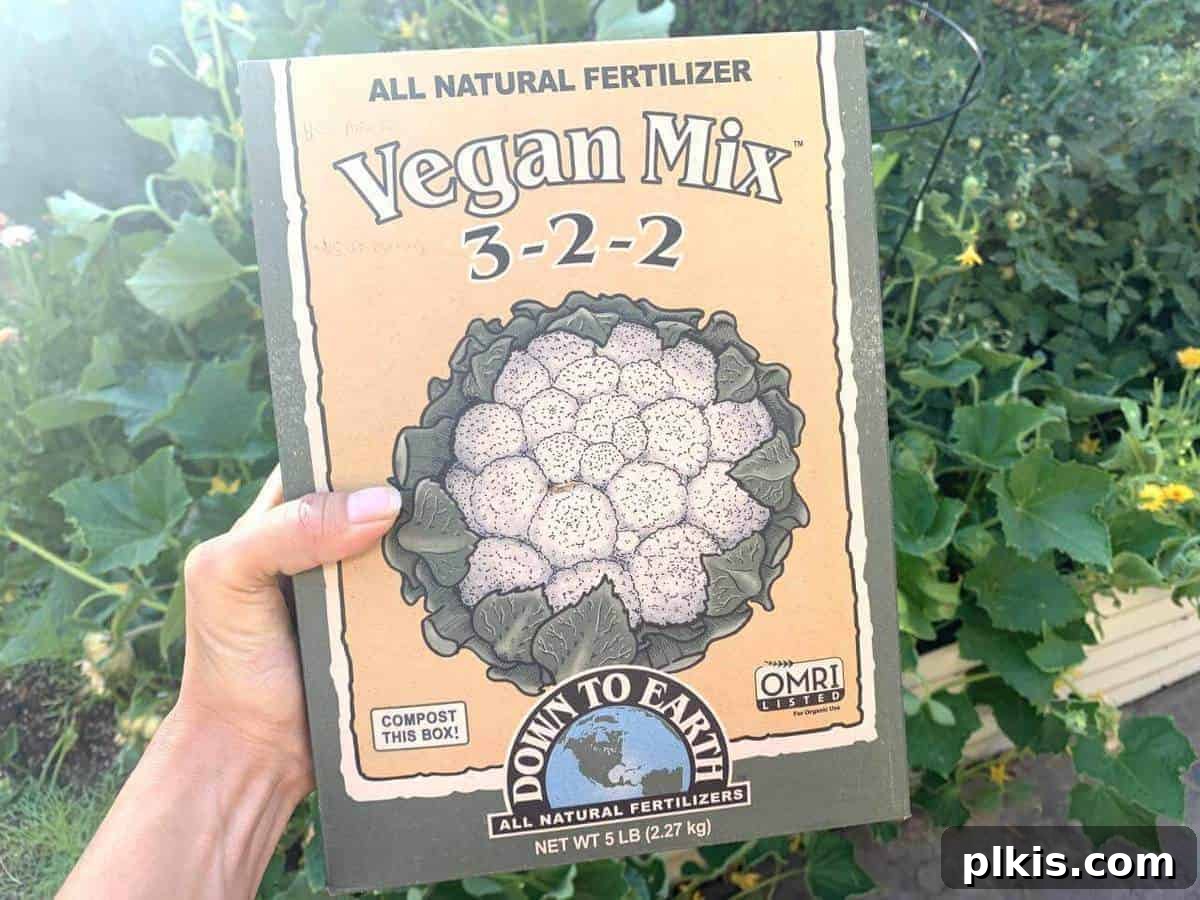
Down to Earth Vegan Mix is a staple in the vegan gardening community and for good reason. It’s widely recognized for its balanced formulation and effectiveness. I initially discovered it at my local nursery, where a five-pound bag was priced at $13. For those who prefer the convenience of online shopping, it’s also available on Amazon for approximately $19.50. This granular fertilizer is incredibly easy to use: simply incorporate one to two tablespoons into the planting hole when transplanting seedlings or young plants. This ensures direct contact with the roots, giving them a strong start. The Down to Earth Vegan Mix boasts an NPK ratio of 3-2-2, providing a gentle yet consistent release of essential nutrients, perfect for general garden use and establishing new plantings. Its ingredients often include a blend of plant-derived meals and rock minerals, promoting healthy microbial activity in the soil.
2. Wildroot Organic Mighty Mycorrhizae
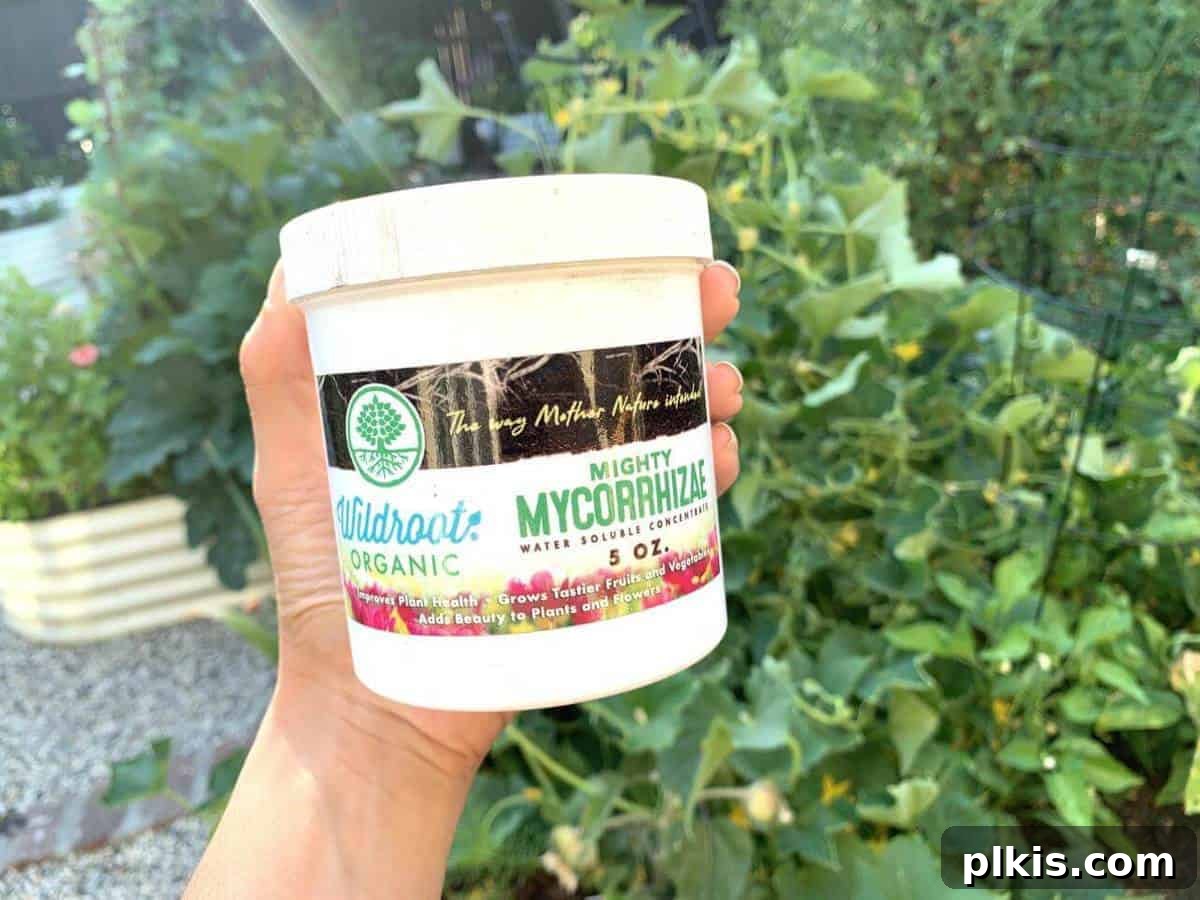
While not a traditional NPK fertilizer, Wildroot Organic Mighty Mycorrhizae is an absolute game-changer for overall plant health, and I consistently incorporate it into my garden. This incredible product introduces beneficial mycorrhizal fungi to the soil, which form a symbiotic relationship with plant roots. These fungi essentially extend the plant’s root system, significantly improving its ability to absorb water and nutrients, especially phosphorus. The result is stronger immune systems, enhanced resilience, and ultimately, healthier and more vigorous plants. This water-soluble vegan concentrate is highly versatile, making it suitable for a wide array of plants across your entire garden and yard.
Despite its potent benefits, Wildroot Organic Mighty Mycorrhizae is incredibly economical. A one-ounce packet, available for around $15 on their website or Amazon, goes an astonishingly long way. A mere tiny scoop is sufficient for a full gallon of water, and one packet can yield an impressive 50 gallons of treatment solution. As it focuses on enhancing nutrient uptake rather than directly providing NPK, it doesn’t have a traditional NPK ratio, but its impact on plant vitality is truly remarkable.
3. Marphyl Marine Phytoplankton
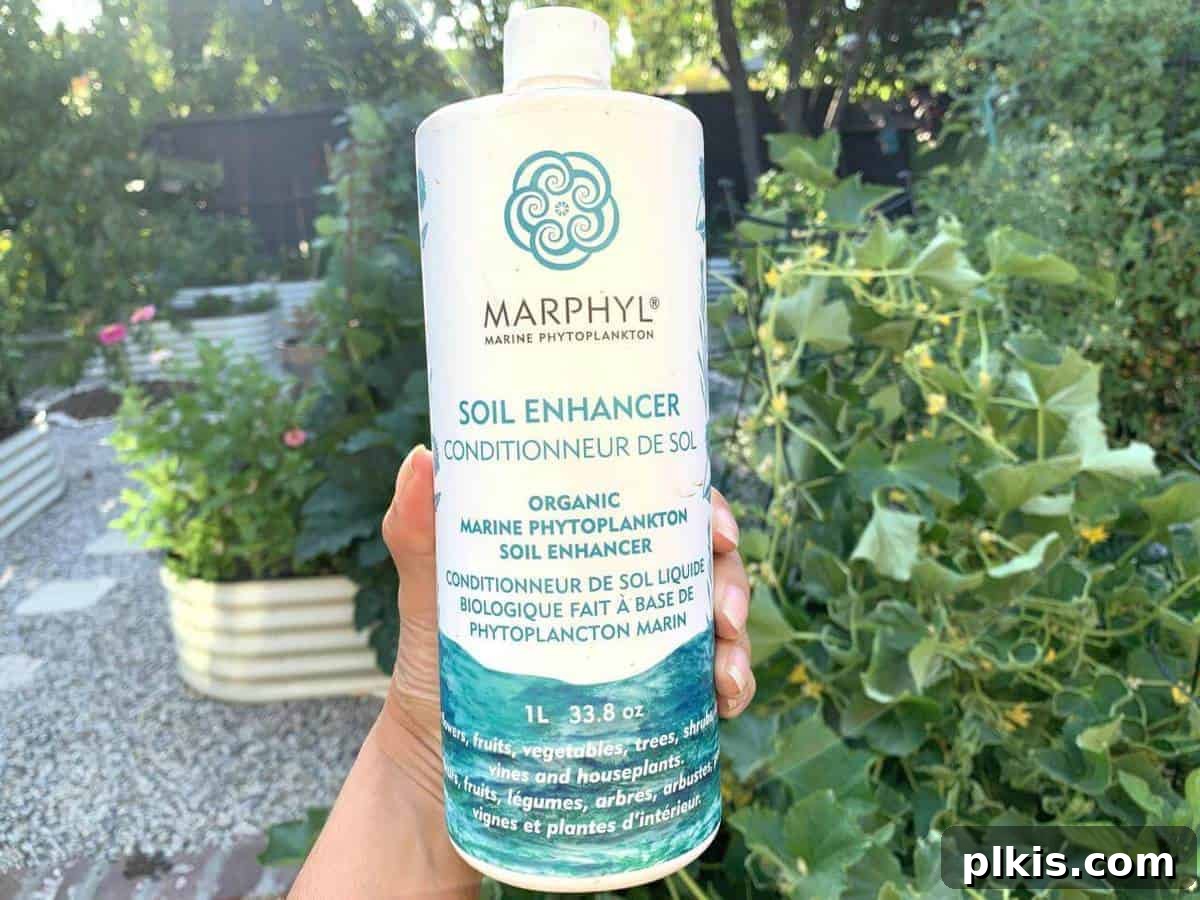
Marphyl Marine Phytoplankton stands out as an exceptional organic soil enhancer, particularly effective for boosting the productivity of vegetable gardens. This unique product harnesses the power of marine phytoplankton, microscopic algae that are incredibly rich in a wide spectrum of nutrients, trace elements, amino acids, and vitamins. A one-liter bottle typically costs around $22 on their website, with slightly lower prices sometimes found on Amazon. To use this potent water-soluble enhancer, simply dilute one part Marphyl with twenty parts water, then apply it as a soil drench or foliar spray. While a specific NPK ratio isn’t explicitly listed on the packaging, the company proudly states that Marphyl is naturally abundant in nitrogen, phosphorus, and potassium, alongside numerous other beneficial micronutrients. Its comprehensive nutrient profile makes it an excellent choice for promoting overall plant health and resilience, especially during critical growth stages.
4. Incredible Bulk Organic Bloom Booster
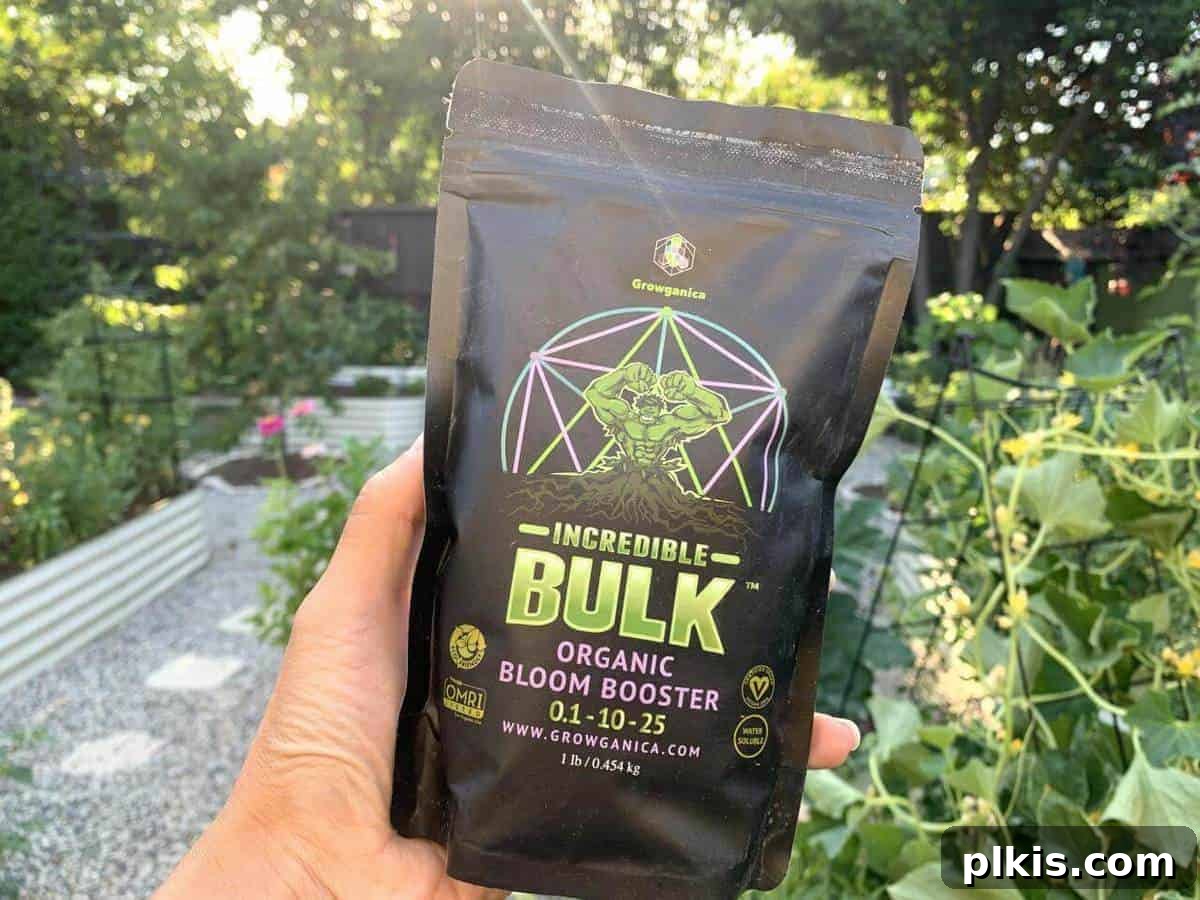
For gardeners focused on promoting prolific flowering and robust fruit development, Incredible Bulk Organic Bloom Booster is an exceptional choice. One of its standout features is its forgiving nature – it’s designed to prevent plant burn even if you accidentally overfeed, a common concern with stronger fertilizers. As a dedicated organic gardener, I particularly appreciate the prominent “certified organic” symbol displayed on its packaging, providing assurance of its natural origins and sustainable production. This powerful booster is formulated from a blend of soluble rock phosphate, sulfate of potash, and kelp, all natural ingredients known for their high phosphorus and potassium content. I find it especially beneficial when transplanting flowering or fruiting plants, as it encourages strong root establishment and signals the plant to focus energy on bloom production. With an NPK ratio of 0.1-10-25, it’s clearly engineered to maximize flowering and fruiting rather than leafy growth. You can learn more about its benefits and usage on their website.
5. Walt’s Organic Garden Blend
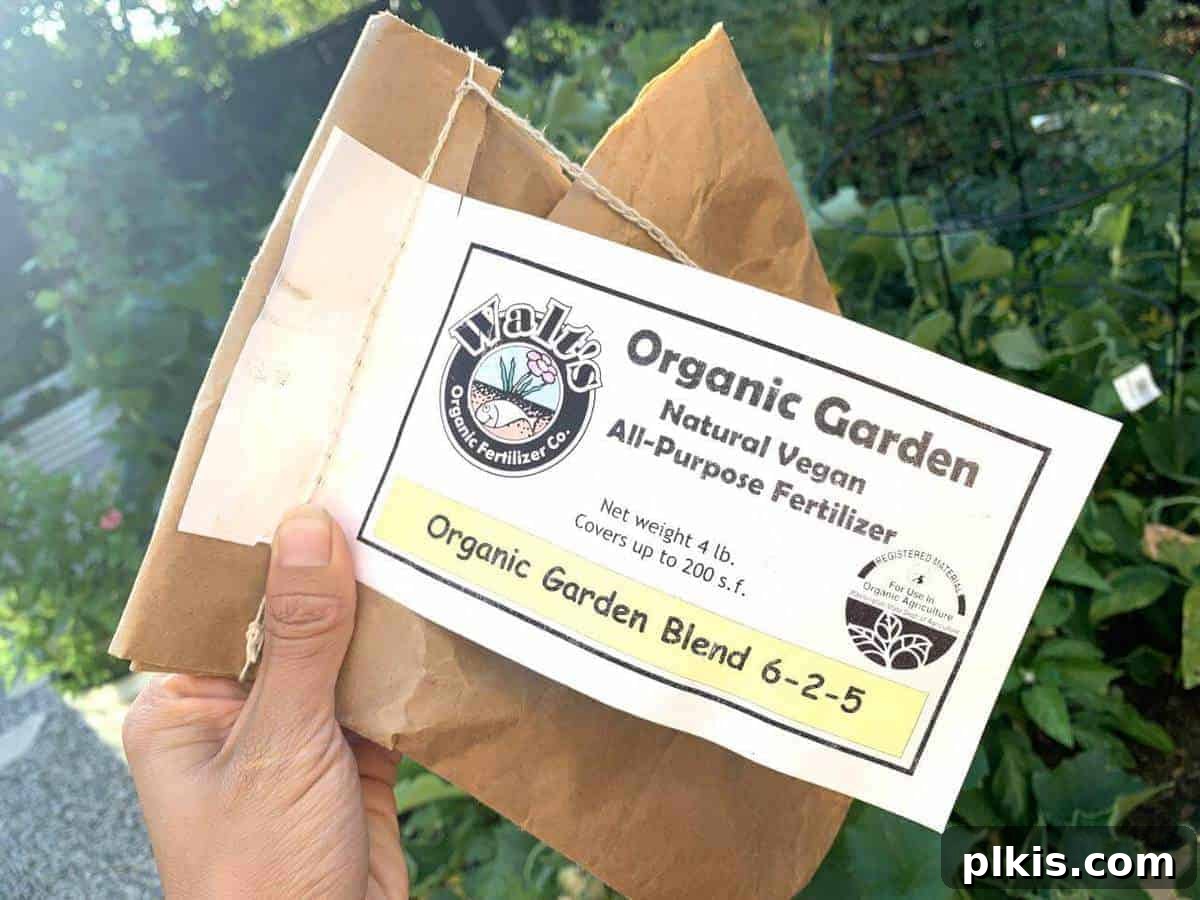
Walt’s Organic Garden Blend is a highly versatile and reliable vegan, all-purpose fertilizer that holds official registration and approval for organic planting. Its carefully crafted blend includes soybean meal, seaweed, and various minerals, providing a comprehensive spectrum of nutrients for balanced plant growth. While it’s a bit pricier than some options at $14.95 for a four-pound bag, its quality and all-purpose nature make it a valuable investment. Do note that shipping costs are typically around $8, though fortunate gardeners residing in Seattle have the convenient option of picking it up directly from their store. Application is straightforward: you can either work the granules into the topsoil around your plants or simply sprinkle it evenly over the soil surface. With an NPK ratio of 6-2-5, Walt’s Organic Garden Blend offers a good balance of nitrogen for foliage, phosphorus for roots and blooms, and potassium for overall plant health, making it suitable for almost any plant in your garden. Explore more details on their website.
6. Yum Yum Mix
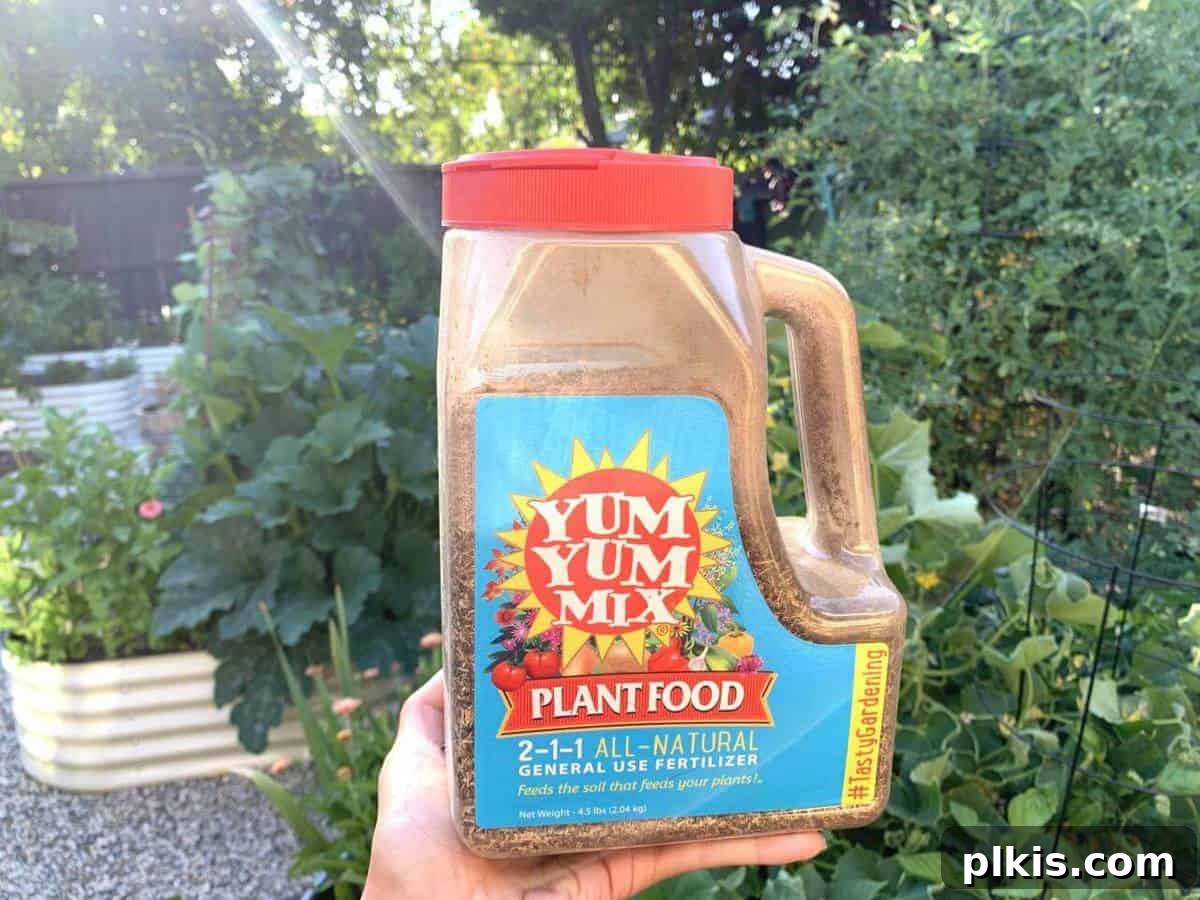
Ease of application is a major highlight of Yum Yum Mix, making it a favorite for many busy gardeners. You can purchase a 4.5-pound jug for approximately $20 directly from their website. The thoughtful design includes a perforated lid, allowing you to effortlessly sprinkle this plant-based fertilizer directly onto the soil surface around your plants. This simple “shake and grow” method saves time and effort, which I absolutely love! Yum Yum Mix is crafted from a rich array of natural ingredients, including alfalfa meal, cottonseed meal, kelp meal, and soft rock phosphate. This blend not only provides essential nutrients but also contributes to improving soil structure and microbial activity over time. Its NPK ratio of 2-1-1 indicates a focus on providing foundational nutrients for steady growth, making it an excellent all-around soil amendment for maintaining plant vitality throughout the growing season. For more information on its unique benefits, visit their website.
7. Sweet Garden Organics VeganVeggie
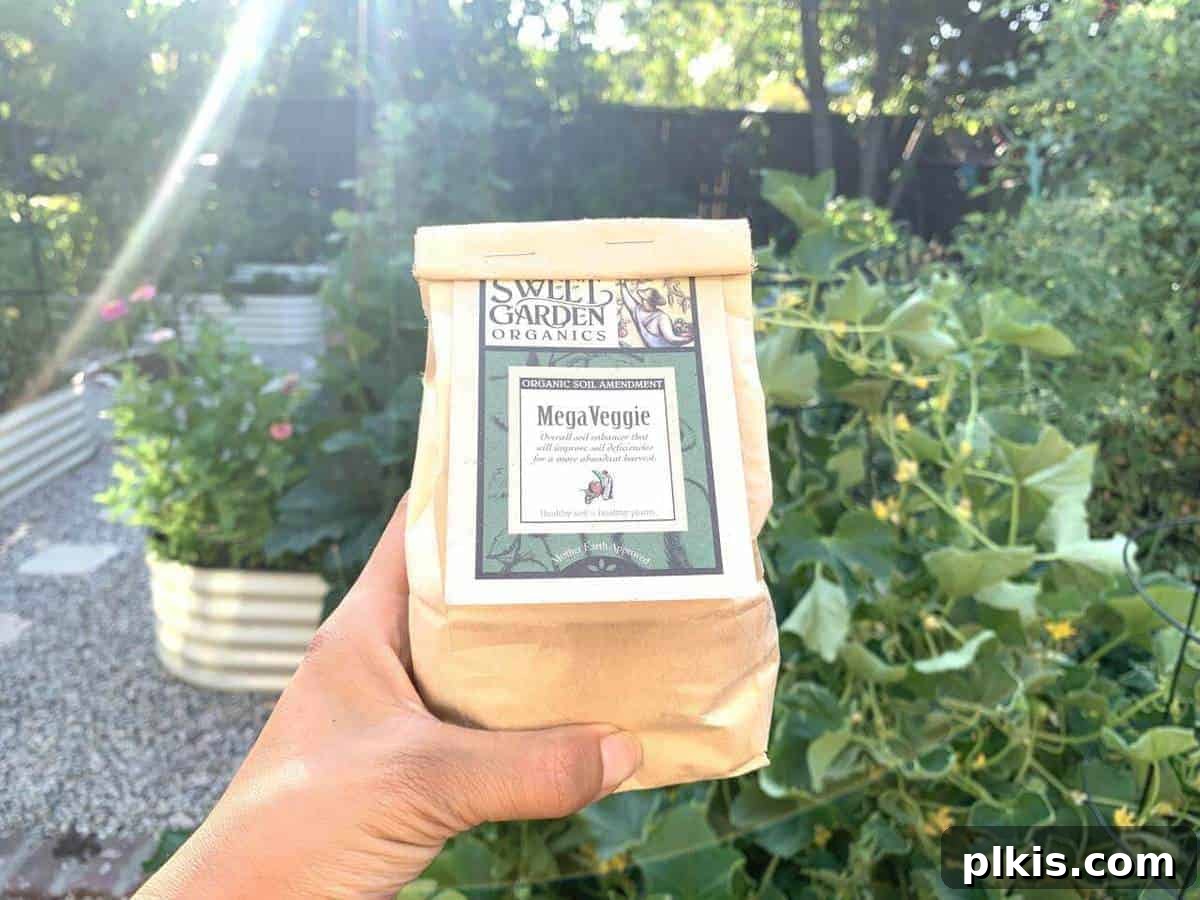
Among the vegan fertilizers I’ve explored, Sweet Garden Organics VeganVeggie is one that left me wanting more comprehensive information. Available for around $20 for a one-pound bag, its primary drawback is the scarcity of detailed product specifics. Unfortunately, there is no explicit NPK ratio listed, nor a complete breakdown of its ingredients on the packaging or readily available online. The packaging primarily offers straightforward directions for using this vegan vegetable fertilizer: simply add one to three cups for every 100 square feet of garden soil. While this direct approach might appeal to some, I personally prefer to have more transparency regarding what I’m adding to my precious garden soil. Knowing the exact nutrient content and ingredients allows for more precise and informed gardening decisions. For those interested in exploring this product further, you can visit their website, though I hope they will consider adding more comprehensive product details in the future.
Honorable Mention: E.B. Stone Naturals Cottonseed Meal
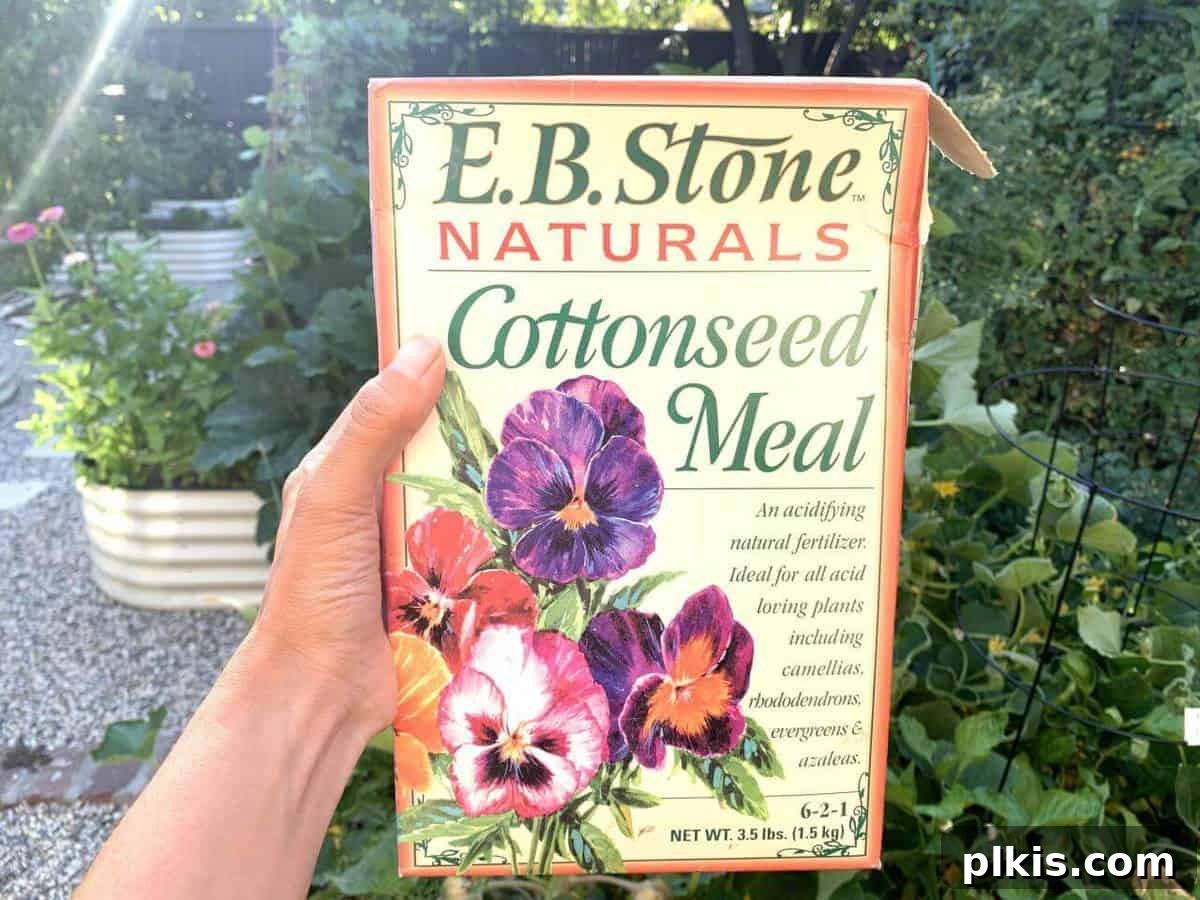
E.B. Stone Naturals Cottonseed Meal was an absolute lifesaver for my garden this past year! My plants were facing a serious issue: a severe lack of nitrogen in the soil. In my initial enthusiasm to get planting, I regrettably skipped the crucial step of conducting a soil test. The consequence was a garden bed critically deficient in this vital nutrient, leading to stunted plant growth and widespread yellowing of leaves – classic symptoms of nitrogen deficiency. When I sought advice from my local nursery, their initial recommendations often involved conventional fertilizers containing animal by-products, which was unequivocally not an option for my vegan gardening principles. This prompted a focused search for effective vegan alternatives to address this specific nutrient gap.
I was incredibly relieved to discover E.B. Stone Naturals Cottonseed Meal, a vegan product with a high nitrogen content, available right at my nursery. This organic amendment boasts an impressive NPK ratio of 6-2-1, making it an ideal solution for rectifying nitrogen deficiencies. Incorporating it into my garden was a true turning point. It has proven to be the real MVP, dramatically boosting the health and productivity of my husky cherry red tomatoes, vibrant lemon cucumbers, and several pepper plants. The transformation was visible: lush green foliage returned, and the plants quickly resumed vigorous growth and abundant fruiting. My experience with this product underscores the importance of both soil testing and having effective, targeted vegan solutions readily available. You can find more details about this fantastic product on their website.
Cultivating Your Vegan Garden: Essential Tips for Success
Beyond choosing the right fertilizers, a holistic approach to vegan gardening involves understanding when and how to apply these vital nutrients. Here are some additional tips to help your plant-based garden thrive:
- When to Fertilize: Generally, new plantings and seedlings benefit from a initial boost of nutrients. Established plants often require fertilization at the beginning of their active growing season (spring), again during peak growth or flowering/fruiting, and sometimes a lighter application in late summer. Avoid fertilizing plants that are dormant or stressed.
- How Often to Fertilize: This depends on the specific fertilizer (liquid vs. granular, slow-release vs. quick-acting), the plant’s needs, and your soil’s existing fertility. Always follow the product’s instructions carefully. Over-fertilizing can be as detrimental as under-fertilizing.
- Application Methods: Granular fertilizers can be worked into the soil, top-dressed around the base of plants, or mixed into potting soil. Liquid concentrates can be diluted and applied as a soil drench, allowing roots to absorb nutrients directly, or as a foliar spray, where leaves absorb nutrients for a quicker boost.
- Watering is Key: Always water thoroughly after applying granular fertilizers to help them break down and reach the roots. For liquid fertilizers, ensure the soil is adequately moist before application to prevent root burn.
- Avoid Over-Fertilization: While beneficial, excessive fertilization can lead to nutrient imbalances, salt buildup, and even “fertilizer burn” where plant roots are damaged. Symptoms include wilting, browning leaves, and stunted growth. More is not always better!
- Consider Natural Amendments: Complement your vegan fertilizers with homemade compost, well-rotted leaf mold, and cover crops. These natural amendments improve soil structure, water retention, and slowly release a broad spectrum of nutrients, creating a resilient and self-sustaining garden ecosystem.
Join the Vegan Gardening Movement!
Embarking on a vegan gardening journey is a rewarding experience that benefits both your plants and the planet. By choosing plant-based fertilizers, you’re making a conscious decision to cultivate a garden that is ethical, environmentally friendly, and teeming with life. From nourishing the soil with essential macronutrients to bolstering plant immunity with beneficial microbes, the options for vegan-friendly plant care are diverse and highly effective.
Have you had the opportunity to try any of these vegan fertilizers, or perhaps discovered other plant-powered gems that have transformed your garden? I’m always eager to learn from fellow gardeners and expand my knowledge. Please share your experiences, tips, and favorite vegan gardening products in the comments section below. Let’s grow a greener, kinder world together!