
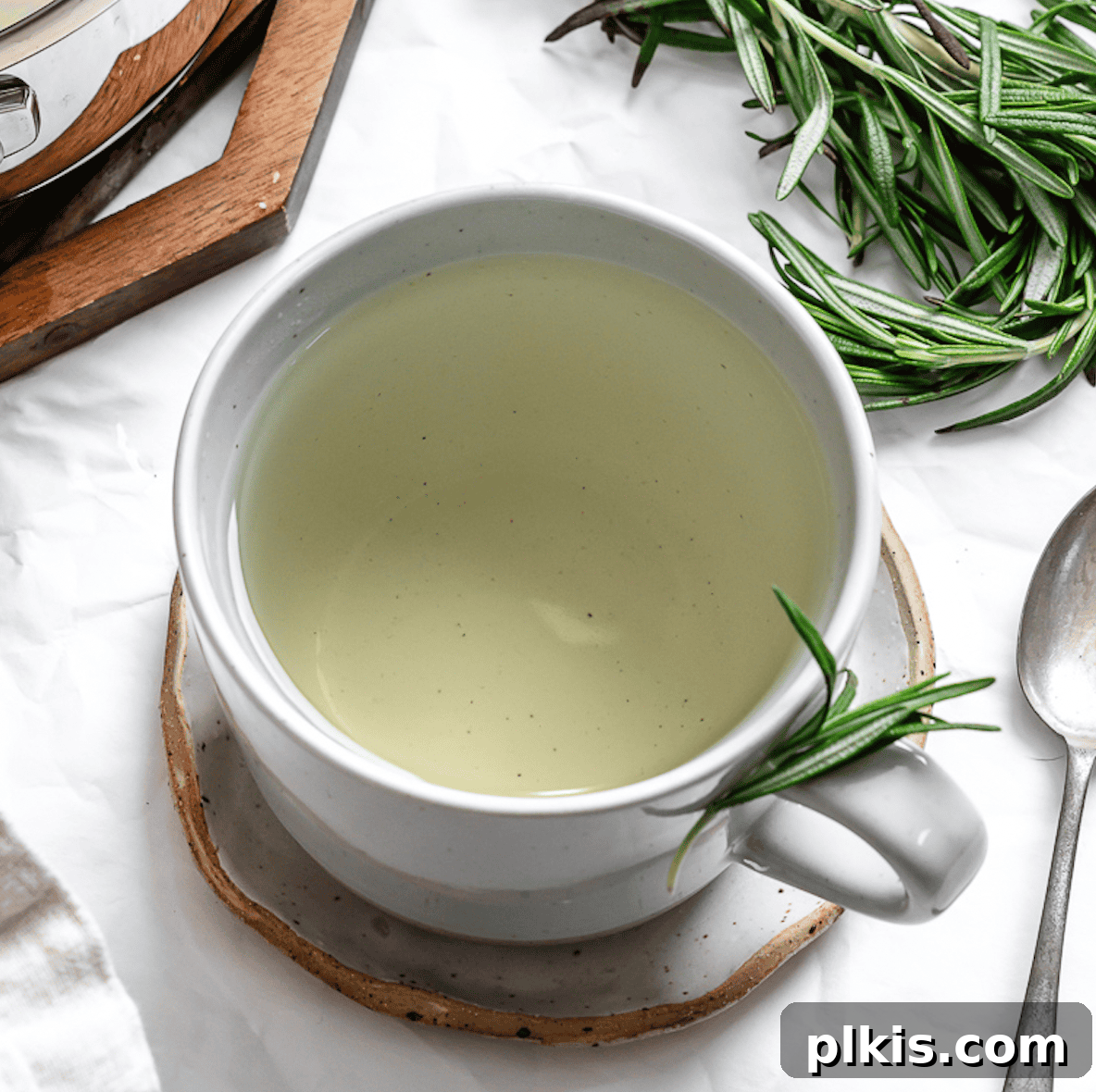
Discover the delightful simplicity of crafting your own herbal infusions with this incredibly easy, 2-ingredient rosemary tea recipe. In less than 15 minutes, you can transform fresh rosemary and water into a fragrant, soothing beverage, perfect for winding down after a meal or enjoying any time of day.
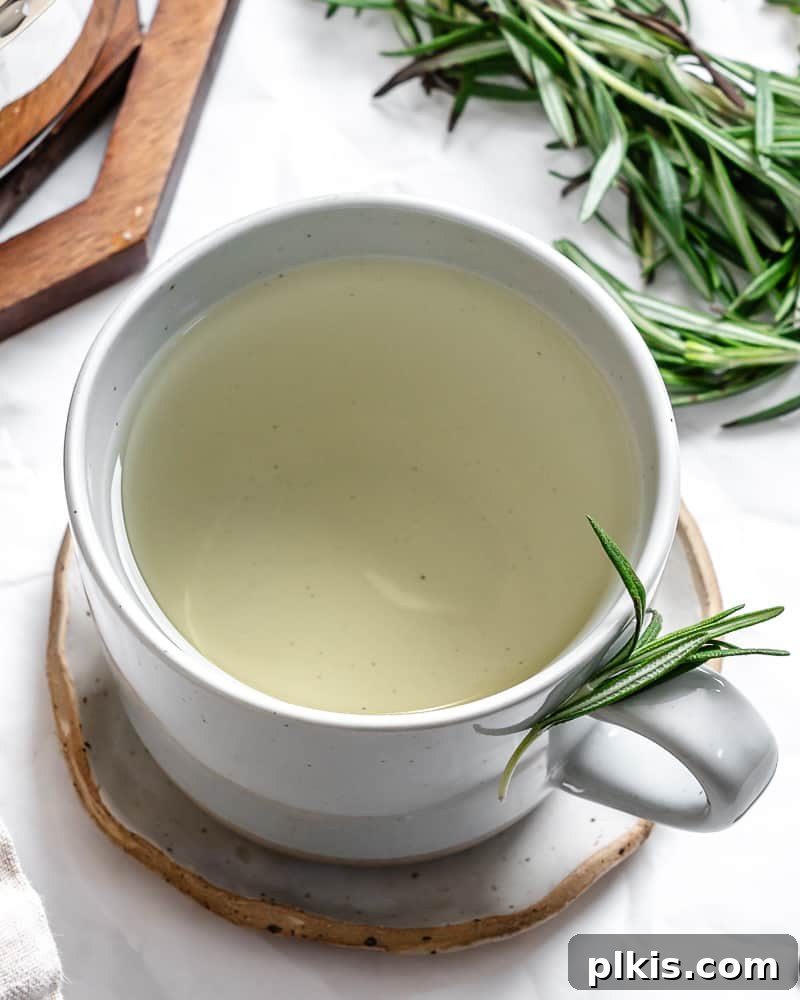
Embrace Wellness with a Warm, Soothing Cup of Homemade Rosemary Tea
There’s an undeniable magic in a steaming cup of tea, especially when it’s an herbal infusion made with your own hands. Beyond just a comforting ritual, homemade herbal teas offer a wonderful opportunity to harness the natural goodness of fresh herbs right from your garden or refrigerator. Among these, rosemary tea stands out for its captivating aroma, distinct earthy flavor, and impressive array of potential health benefits.
This remarkable herb, revered since ancient times, creates an aromatic and subtly piney brew that is as delightful to the senses as it is beneficial for your body. Our simple rosemary tea recipe requires just two ingredients – fresh rosemary sprigs and water – making it an accessible and quick indulgence. In under 15 minutes, you can have a therapeutic drink that many find particularly effective as an after-dinner digestif, helping to calm the stomach and ease digestion.
The process is straightforward: gently boil fresh rosemary sprigs in water, allow the herbal essence to steep, and then customize with your preferred sweetener, or enjoy it naturally. This versatile infusion offers endless possibilities for customization, allowing you to tailor the flavor to your personal preference. Whether you crave a soothing evening drink or a refreshing pick-me-up, a batch of rosemary tea is always a good idea, storing wonderfully in the fridge or freezer for future enjoyment. Integrating this easy-to-make tea into your daily or weekly routine isn’t just about savoring a delicious beverage; it’s about embracing a simple yet powerful step towards holistic well-being, potentially aiding with inflammation, blood sugar management, and improved digestion, alongside its noted antioxidant properties.
The Allure of Rosemary: More Than Just a Culinary Herb
Rosemary (Rosmarinus officinalis) is far more than a fragrant addition to your cooking; it’s a herb steeped in history and therapeutic properties. Its name, derived from Latin, translates to “dew of the sea,” reflecting its native coastal Mediterranean habitat. For centuries, rosemary has been cherished not only for its distinct pine-like, slightly peppery aroma and flavor but also for its symbolic significance and medicinal applications. Ancient Greeks believed it enhanced memory, often wearing rosemary wreaths during exams, a tradition that earned it the moniker “herb of remembrance.”
When brewed into a tea, rosemary releases its volatile oils and beneficial compounds, creating a sensory experience that is both invigorating and calming. The warm, herbaceous notes are incredibly comforting, making it an ideal beverage for moments of quiet reflection or when seeking a natural aid for various ailments. This easy rosemary tea recipe transforms this potent herb into a daily ritual of wellness, inviting you to connect with nature’s apothecary.
Unlocking the Health Benefits of Rosemary Tea
Beyond its wonderful taste and aroma, rosemary tea offers a host of potential health advantages, making it a valuable addition to your natural wellness toolkit. While not a substitute for medical advice, many appreciate rosemary for its traditional uses and scientific studies supporting its properties:
- Digestive Aid: Rosemary is well-regarded for its carminative properties, meaning it can help alleviate gas, bloating, and indigestion. It’s believed to stimulate the production of bile, which is crucial for the efficient digestion of fats. A cup after a heavy meal can feel wonderfully settling.
- Anti-inflammatory Properties: This herb is rich in compounds like rosmarinic acid and carnosic acid, powerful antioxidants with significant anti-inflammatory effects. Regular consumption may help reduce inflammation throughout the body, potentially easing symptoms of conditions like arthritis and muscle soreness.
- Cognitive Enhancement: The historical association with memory is backed by modern research suggesting rosemary’s ability to improve cognitive performance, concentration, and alertness. Drinking rosemary tea might offer a gentle mental boost, helping you stay focused throughout the day.
- Antioxidant Powerhouse: Rosemary is packed with antioxidants that combat free radicals, protecting your cells from oxidative stress and damage. This cellular protection is vital for overall health and plays a role in preventing chronic diseases and promoting healthy aging.
- Stress Reduction and Mood Boost: The aromatic compounds in rosemary have been studied for their ability to reduce cortisol levels, the body’s primary stress hormone. The act of sipping a warm, fragrant tea is inherently calming, contributing to a sense of relaxation and well-being.
- Immune System Support: With its array of vitamins (like Vitamin A and C) and minerals, rosemary can contribute to a robust immune system, helping your body defend against common illnesses.
- Blood Sugar Management: Some studies suggest rosemary may play a role in blood sugar regulation, making it of interest to those managing blood sugar levels. However, it’s always important to consult with a healthcare professional regarding any health concerns.
Incorporating this simple, homemade rosemary tea into your routine is an easy and delicious way to tap into these ancient benefits and support your body’s natural functions.
The Simple Ingredients You’ll Need
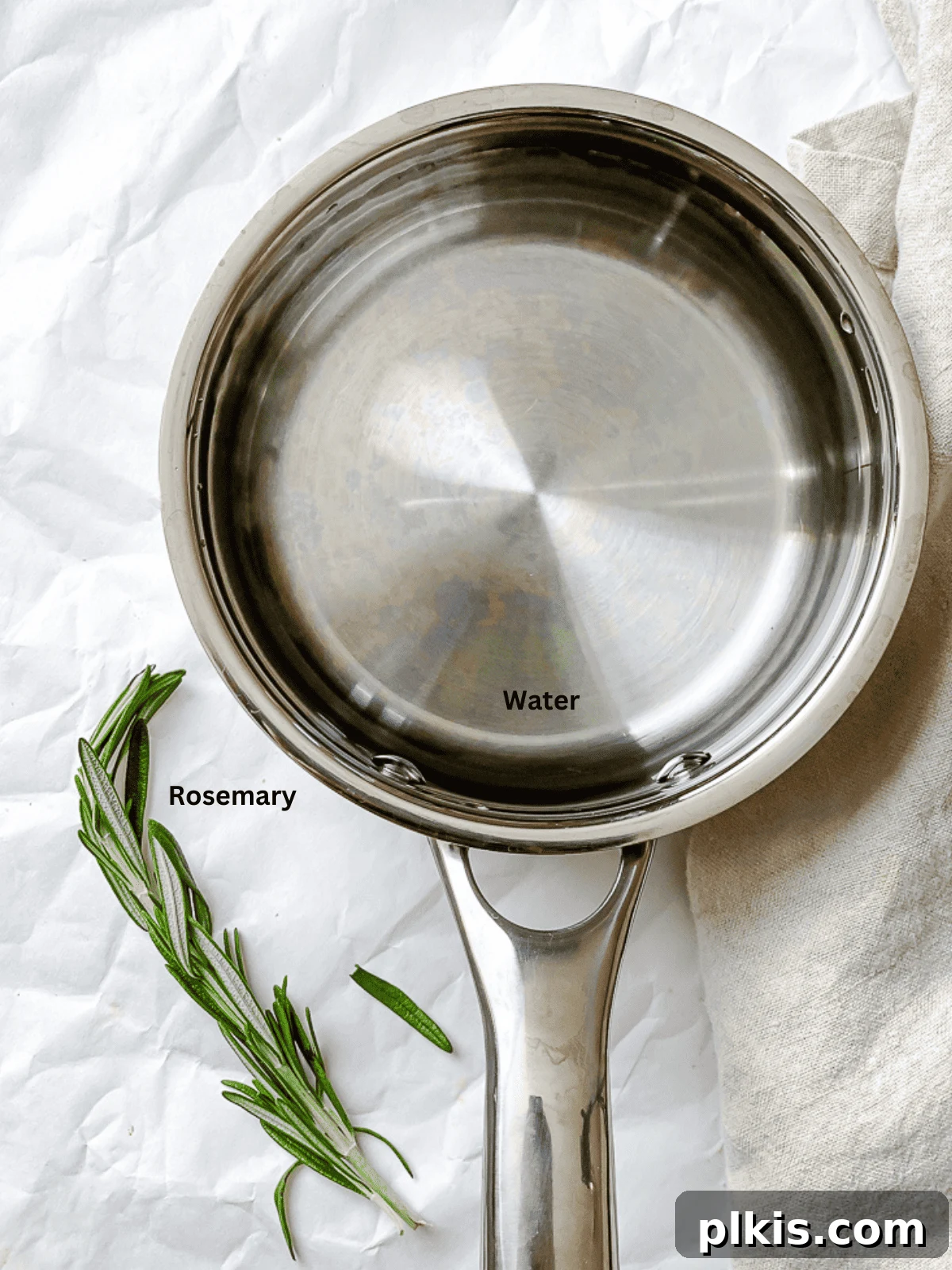
The beauty of this homemade rosemary tea lies in its minimalist approach, requiring just two core ingredients, plus an optional sweetener. Each element plays a crucial role in creating the perfect cup.
- Fresh Rosemary: This is the star of our show. Fresh rosemary sprigs are essential for their vibrant, aromatic oils, imparting that signature earthy, piney, and subtle floral flavor to your tea. While we recommend starting with 1 large sprig for a balanced flavor, you have the flexibility to adjust. For a bolder, more intense brew, feel free to use 2 or even 3 sprigs. Look for bright green sprigs without any wilting or brown spots when selecting your rosemary. Gently rinse them under cool water before use.
- Water: The quality of your water significantly impacts the final taste of your tea. While tap water can be used, filtered or bottled water will often yield a cleaner, purer flavor, allowing the delicate notes of the rosemary to truly shine. The choice is yours, but opting for high-quality water enhances the overall experience.
- Sweetener (Optional): Adding a touch of sweetness can beautifully balance the robust, earthy notes of rosemary, especially if you’re new to herbal teas or prefer a slightly mellowed flavor. Liquid sweeteners like maple syrup, agave nectar, or stevia drops blend seamlessly into the warm tea. Adjust the amount to your personal taste, or omit it entirely for a naturally pure and unsweetened infusion.
Crafting Your Perfect Cup: Delightful Additions and Flavor Variations
While the classic 2-ingredient rosemary tea is a masterpiece in itself, its versatility allows for endless creativity and flavor enhancements. Experiment with these additions to discover your own personalized blend and elevate your tea-drinking experience:
- Complementary Herbs: Enhance the herbal bouquet by adding a few leaves of other fresh herbs. Fresh mint offers a cooling contrast, lemon balm introduces a gentle citrusy note, while sage, oregano, or thyme can deepen the earthy profile. Consider a small sprig of lavender (food-grade) for a wonderfully calming and floral essence.
- Bright Citrus Notes: A squeeze of fresh lemon, lime, or even a slice of orange or grapefruit can brighten the tea’s flavor profile, adding a tangy zest that complements rosemary beautifully. You can also add a few strips of citrus peel to the pot while steeping for a more intense aroma.
- Warming Aromatics: Infuse your tea with the warming spices and aromatics for an extra layer of comfort and potential health benefits. Thin slices of fresh ginger or turmeric root can add a spicy kick and vibrant color. A few fennel seeds will contribute a subtle licorice-like sweetness.
- Natural Fruit Sweetness: For a touch of natural sweetness and complexity, simmer chopped apples, pears, or even a few berries (like cranberries or raspberries) along with the rosemary. The fruit will impart its essence to the tea, creating a unique and comforting blend.
- Fragrant Flowers: Elevate your tea with delicate floral notes. Food-grade chamomile, jasmine, or lavender flowers can be added to the pot during the steeping process, transforming your rosemary tea into an aromatic dream, perfect for relaxation.
- Cozy Spices: Introduce warmth and depth with a pinch of ground cinnamon, a whole cinnamon stick, cardamom pods, or a few cloves. For a festive touch, a hint of pumpkin pie spice or star anise can create an incredibly cozy brew.
- Creamy Indulgence: Transform your herbal tea into a richer, creamier beverage by serving it with a splash of your favorite non-dairy milk. Almond milk, oat milk, or our homemade cashew milk can add a luscious texture. For an even creamier consistency, you can gently simmer a small amount of plant-based milk with the tea mixture.
Don’t be afraid to mix and match these additions. A slice of lemon with a ginger sliver, or a touch of cinnamon with maple syrup, can create entirely new and exciting flavor experiences with your homemade rosemary tea.
How to Make Rosemary Tea: A Simple Step-by-Step Guide
Creating this therapeutic rosemary tea is a delightfully simple process, perfect for beginners and seasoned tea makers alike. Follow these easy steps to brew your perfect cup:
- Prepare Your Ingredients: Begin by gently rinsing your fresh rosemary sprigs under cool running water to remove any dirt or debris. Gather your saucepan and water.
- Combine and Heat: Place the clean rosemary sprigs and the measured water into a medium-sized saucepan. Ensure the saucepan has a lid readily available.
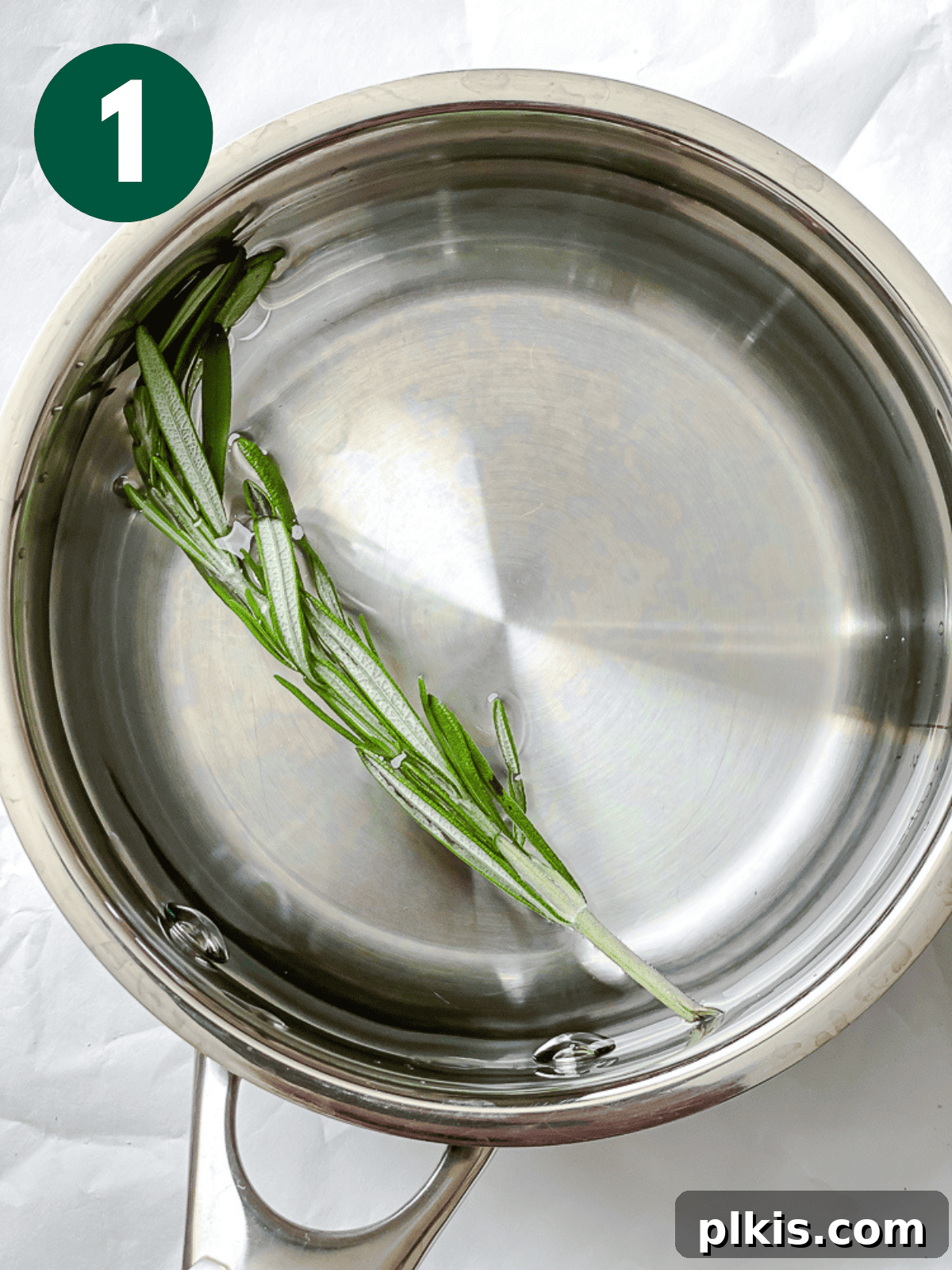
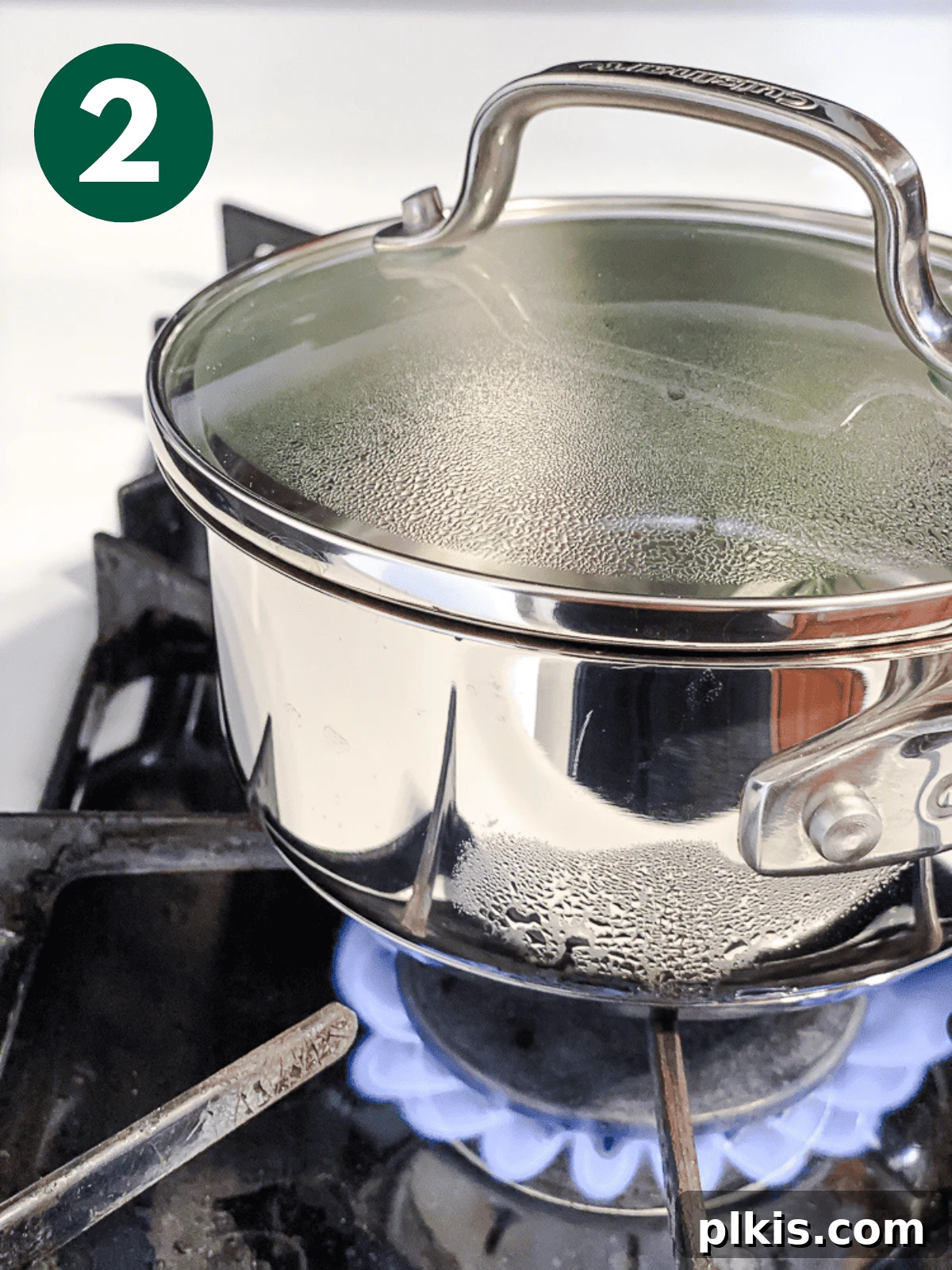
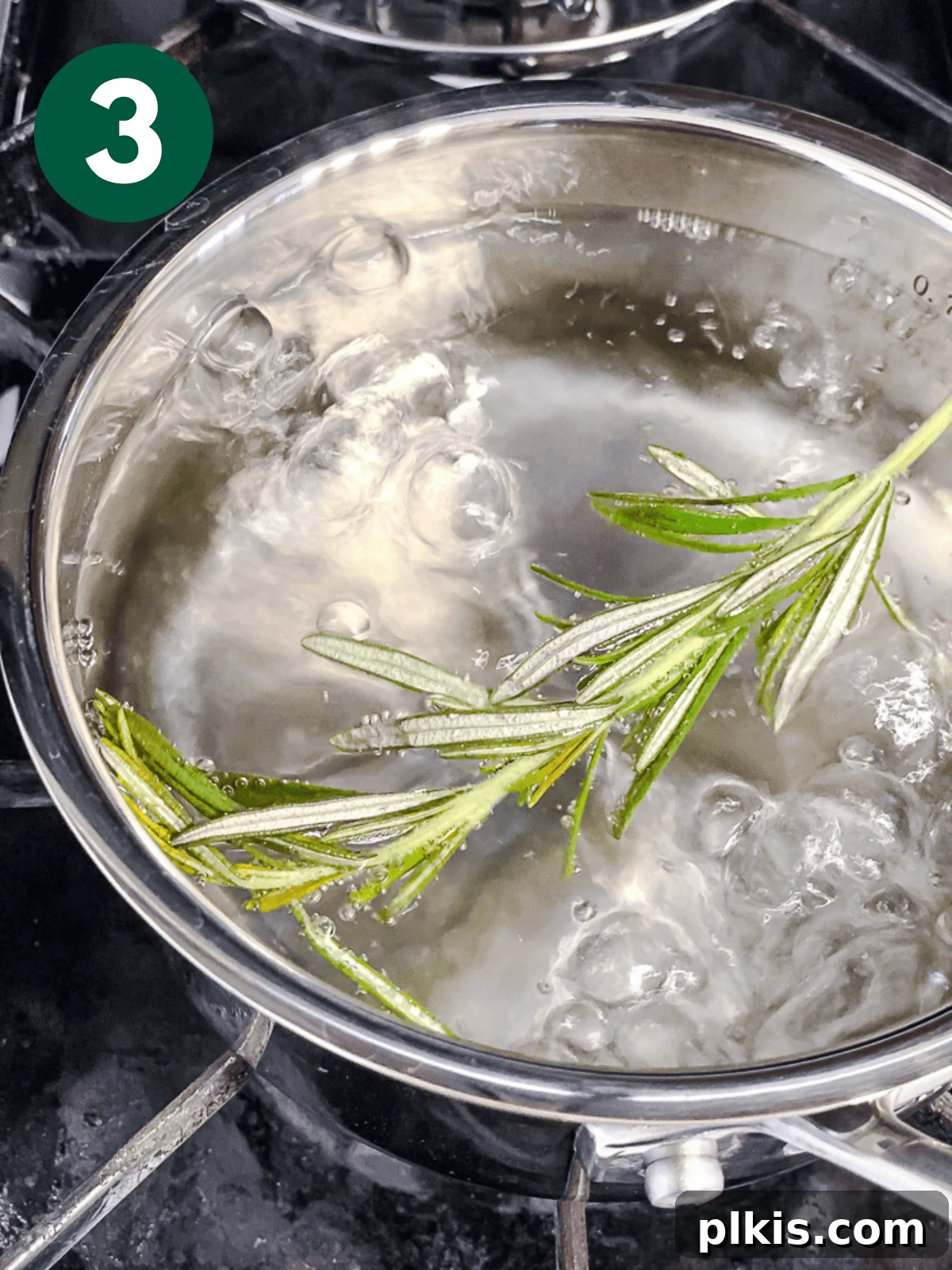
- Boil and Steep: Bring the rosemary and water mixture to a rapid boil. Once boiling, immediately reduce the heat to low, cover the saucepan with the lid, and let it simmer for just one minute. After simmering, turn off the heat completely and allow the tea to steep.
The secret to perfect rosemary tea lies in the steeping time. For a lighter, more subtle rosemary flavor, let it steep for 5 minutes. If you prefer a stronger, more pronounced herbal intensity, extend the steeping time to 10 minutes. Covering the pot during this phase is crucial, as it traps the aromatic volatile oils, ensuring your tea captures the full essence of the rosemary.
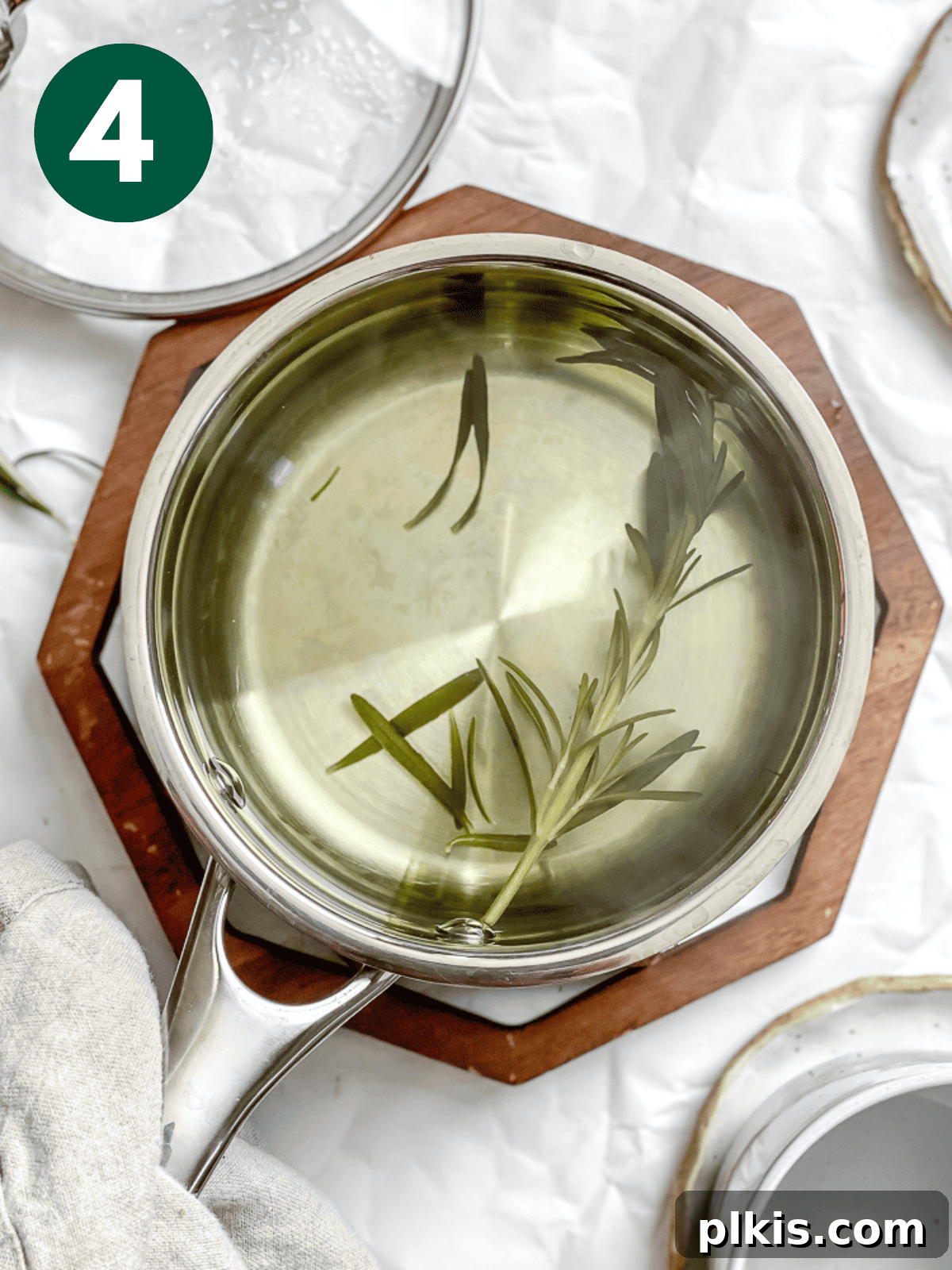
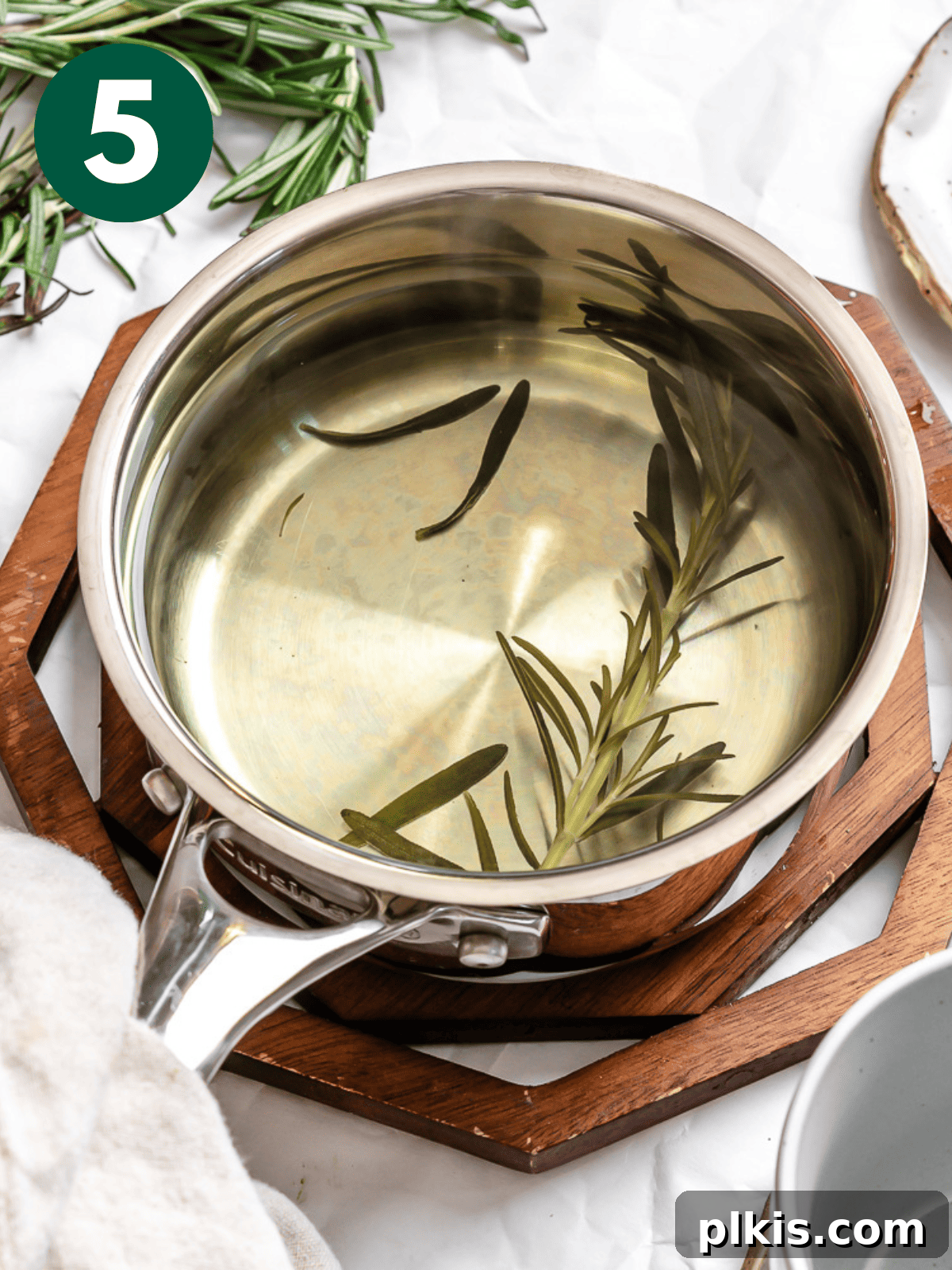
- Strain and Sweeten: Once steeped to your liking, carefully remove the rosemary sprig(s) from the pot. You can use tongs, or simply pour the tea through a fine-mesh strainer to ensure a clear, debris-free beverage. Now is the time to stir in your chosen sweetener, if desired, adjusting to taste.
- Serve and Enjoy: Your homemade rosemary tea is ready! Serve it immediately, piping hot for ultimate comfort, or allow it to cool and chill it for a refreshing iced version. If you’ve made a larger batch, store it as directed for later enjoyment.
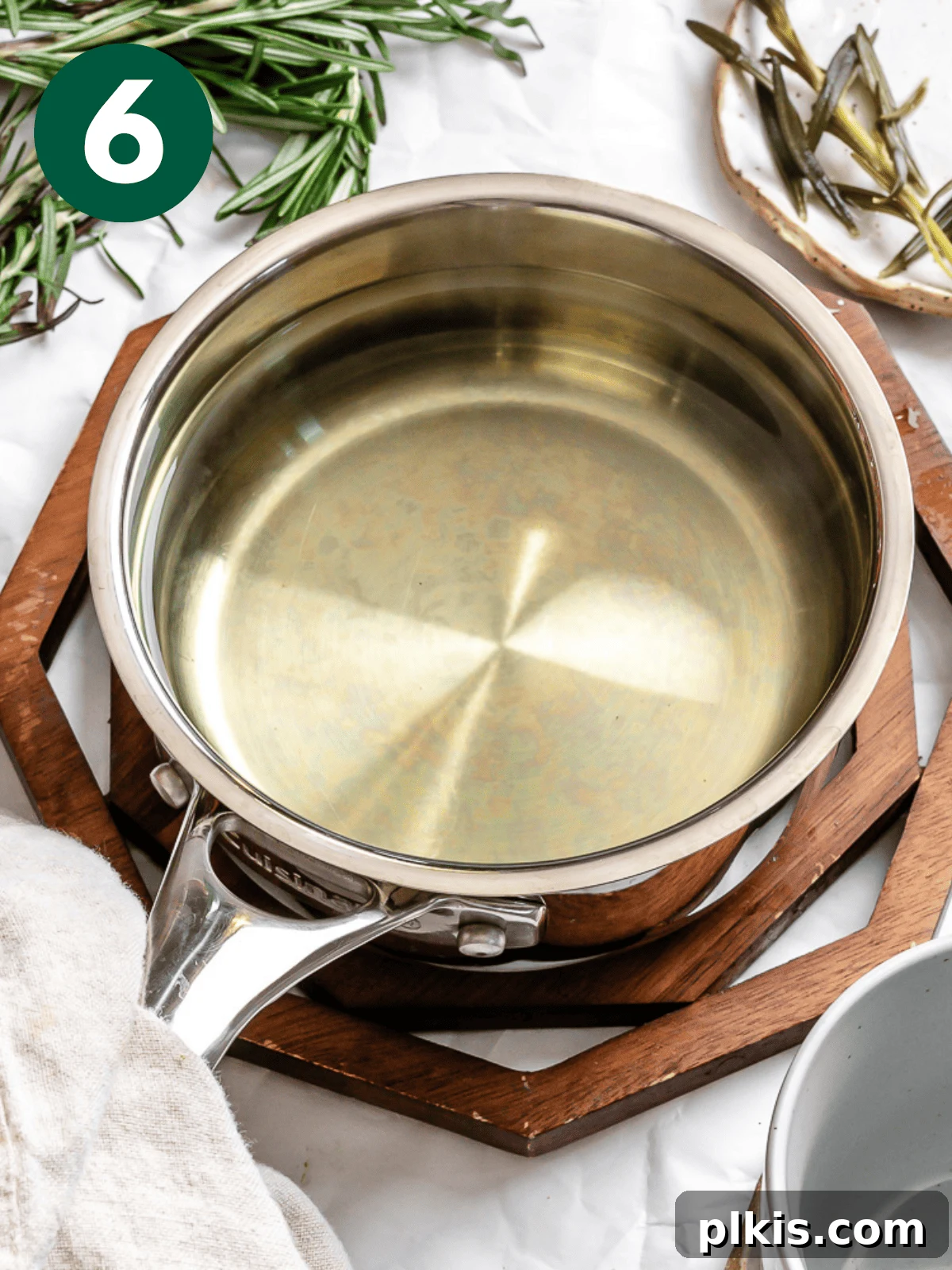
Expert Tips for the Best Rosemary Tea
Achieving the perfect cup of rosemary tea is simple, but a few expert tips can elevate your brewing experience and ensure maximum flavor and enjoyment:
- Adjusting Flavor Intensity: The strength of your rosemary tea is entirely in your hands. We found that 1 large sprig provides a delightful, noticeable herbal flavor for 4 cups of water. If you crave an even more potent brew, try using 1 ½ or 2 sprigs. For those who prefer a gentler introduction to rosemary’s unique taste, use just half a sprig or reduce steeping time.
- Fresh vs. Dried Rosemary: While fresh rosemary yields the most vibrant and aromatic tea, dried rosemary can be used in a pinch. However, the flavor will be less intense and may lack some of the fresh herb’s bright notes. As a general guideline, use about 1 teaspoon of dried rosemary for every 1 cup of water, and adjust to taste, as dried herbs are often more concentrated.
- The Importance of Covering While Steeping: Always keep the lid on your pot while the tea is steeping. Rosemary contains precious volatile oils that give the tea its characteristic aroma and therapeutic properties. Covering the pot prevents these beneficial compounds from evaporating with the steam, ensuring a richer, more potent infusion.
- Water Quality Matters: Just like with any tea, the quality of your water can significantly affect the taste. Using filtered water free from impurities or strong mineral tastes will allow the subtle flavors of the rosemary to truly shine through, resulting in a cleaner and more enjoyable cup.
- Don’t Oversteep: While more steeping means stronger flavor, there’s a fine line. Oversteeping rosemary, especially fresh sprigs, can sometimes lead to a slightly bitter taste. Stick to the recommended 5-10 minutes, tasting as you go to find your ideal balance.
- Effortless Straining: If you don’t have tongs readily available to remove the rosemary sprigs, no problem! A fine-mesh strainer is your best friend. Simply pour the steeped tea through the strainer directly into your mug or serving pitcher, and discard the spent rosemary. This ensures a smooth, clear tea free of any loose leaves.
- Temperature for Serving: Rosemary tea is wonderfully versatile. It’s comforting and warming when served hot, straight from the stove. However, it’s equally refreshing when chilled and served over ice, making it a fantastic summer cooler.
By following these tips, you’re well on your way to brewing consistently perfect and wonderfully flavorful rosemary tea every time.
Frequently Asked Questions About Rosemary Tea
While you can enjoy rosemary tea at any time, its well-known digestive properties make it particularly excellent after a large meal. Its calming aroma also makes it a soothing evening beverage, helping to unwind before bed, though some find its invigorating qualities more suited to a morning or midday pick-me-up.
The choice is entirely yours! Rosemary tea is incredibly versatile. We find that it tastes equally delightful when served hot, fresh from the stove, providing a comforting warmth. It’s also wonderfully refreshing when allowed to cool and then poured over plenty of ice, making it a perfect iced herbal tea for warmer days.
Yes, absolutely! While fresh rosemary generally yields a more vibrant and aromatic flavor, dried rosemary is a convenient alternative. Keep in mind that the flavor profile may be slightly less intense. A good starting point is to use about 1 teaspoon of dried rosemary for every 1 cup of water. Brew and taste, then feel free to add a bit more dried rosemary if you prefer a stronger flavor.
For most healthy individuals, rosemary tea consumed in moderation is generally safe. However, certain groups should exercise caution or consult a healthcare professional. This includes pregnant or breastfeeding women, individuals with epilepsy (as rosemary may trigger seizures in some cases), those with high blood pressure, or people taking certain medications (such as blood thinners or diuretics), as rosemary can interact with them. Always consult your doctor if you have any health concerns.
Many people enjoy rosemary tea daily as part of their wellness routine. When consumed in moderate amounts (1-2 cups per day), it is generally considered safe for most healthy adults. As with any herbal remedy, it’s wise to listen to your body and observe how you feel. If you have any underlying health conditions or are on medication, it’s always best to consult with a healthcare provider.
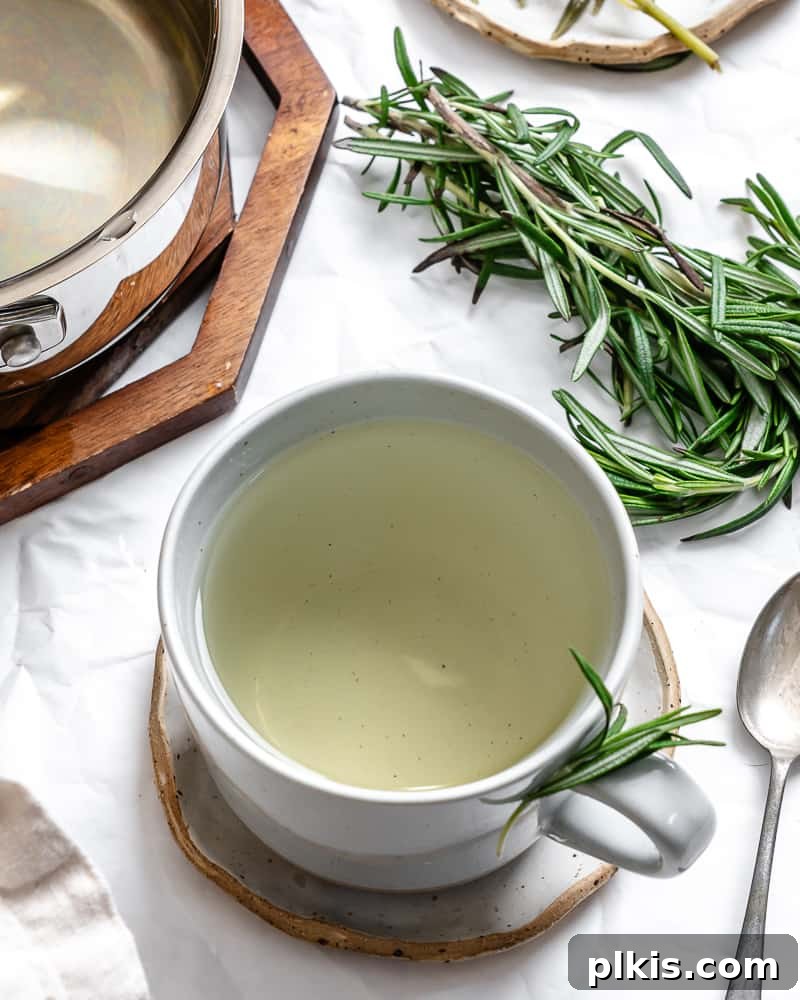
Storage and Enjoyment: Keeping Your Rosemary Tea Fresh
One of the fantastic aspects of this rosemary tea recipe is how well it stores, allowing you to brew a larger batch and enjoy its benefits for days to come. Proper storage ensures your tea remains fresh and flavorful.
Refrigerator Storage: Leftover homemade rosemary tea will stay fresh and delicious for up to 3 days when stored in an airtight container, such as a glass pitcher or a mason jar, in the refrigerator. Ensure the tea has cooled completely to room temperature before transferring it to the container to prevent condensation and maintain freshness.
Freezer Storage: For longer preservation, you can freeze leftover tea for up to 3 months. After the tea has cooled, simply pour it into ice cube trays and freeze until solid. Once frozen, transfer the rosemary tea cubes to a freezer-safe Ziplock or Stasher bag, or an airtight container. This method is incredibly convenient for portion control and ensures you always have fresh-tasting rosemary tea on hand.
Reheating Frozen Tea: When you’re ready to enjoy a cup, simply place as many tea cubes as you need into a saucepan. Heat over medium heat, stirring occasionally, until the tea is warm and steaming. You can also microwave the cubes for a quicker reheat. Add fresh garnishes or sweeteners as desired.
Consider using cooled rosemary tea as a flavorful base for smoothies, or even as a refreshing hair rinse for scalp health, though always do a patch test first. The possibilities for enjoying your homemade rosemary tea are truly endless!
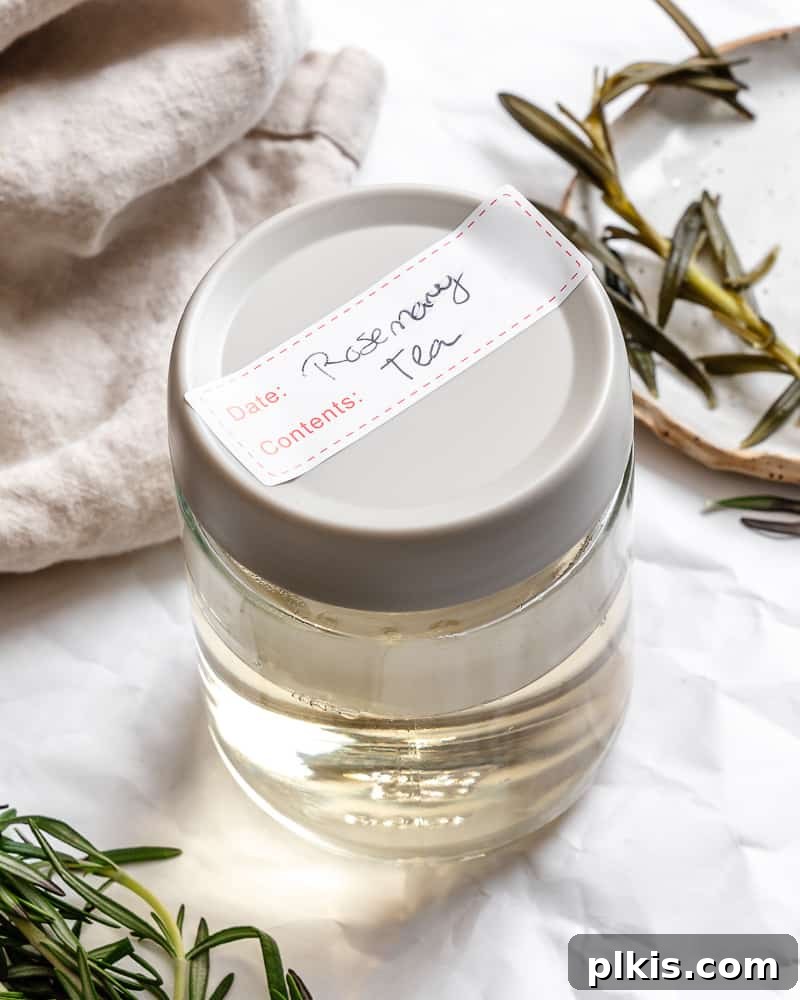
More Easy and Refreshing Drink Recipes to Explore
If you love the simplicity and satisfaction of making your own beverages, here are more delightful drink recipes from our collection to inspire your next creation:
- Mango Bubble Tea
- Strawberry Milk Tea
- Homemade Cashew Milk Recipe
- Authentic Mexican Horchata
- Spiced Mulled Apple Cider
- Irresistible Biscoff Latte (Hot or Iced)
Photos by Alfonso Revilla
Rosemary Tea
0 minutes
5 minutes
5 minutes
4 cups
Equipment
-
Measuring Cups
Ingredients
- 1 large sprig of fresh rosemary
- 4 cups water
- Sweetener, to taste (optional)
Instructions
-
In a medium saucepan with a lid, add the rosemary and water.
-
Cover with the lid, bring to a boil for one minute, turn off the heat and allow it to steep for 5 minutes for a lighter rosemary flavor. For a stronger flavor, steep for 10 minutes.
-
Remove all of the rosemary from the pot and serve hot or store in the fridge for a cool rosemary tea. Optionally stir in your choice of sweetener.
Notes
- Adjust the flavor: We found that 1 sprig of rosemary was enough to give the tea a pretty strong herbal flavor. For an even stronger flavor, use 1 ½ or 2 sprigs of rosemary. For a lighter flavor, only use half of a sprig or opt for dried rosemary instead.
- Cover while steeping: Keep the lid on the pot while the tea is steeping to trap those wonderful flavors.
- Use a strainer: No tongs? No problem! Strain the tea through a fine mesh strainer when it’s done, then discard the leftover rosemary sprigs.
Nutrition
Carbohydrates: 0.3g
Protein: 0.03g
Fat: 0.1g
Saturated Fat: 0.03g
Polyunsaturated Fat: 0.01g
Monounsaturated Fat: 0.01g
Sodium: 48mg
Potassium: 7mg
Fiber: 0.1g
Vitamin A: 29IU
Vitamin C: 0.2mg
Calcium: 32mg
Iron: 0.1mg