
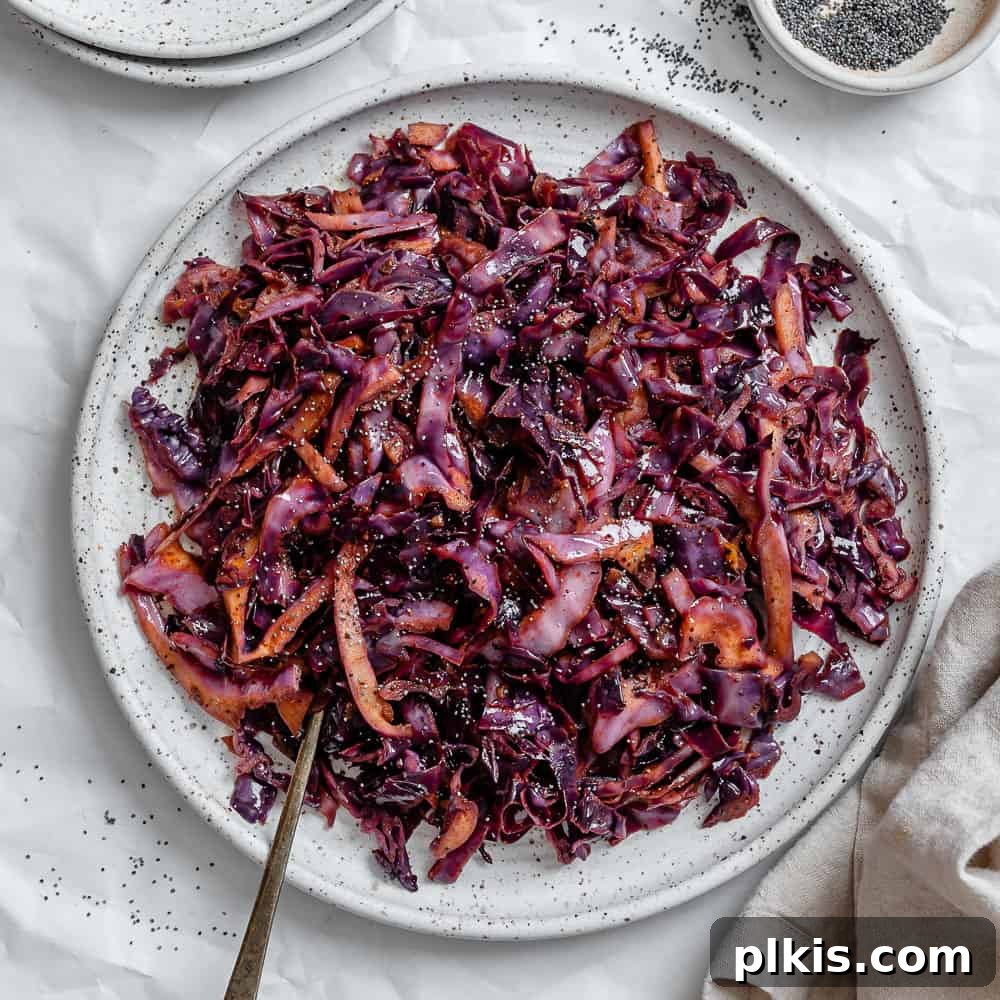
Sautéed red cabbage is a remarkably versatile, colorful, and nutrient-rich side dish that promises to elevate any meal. Ready in just 15-20 minutes, this easy recipe bursts with flavor and can be customized in various delightful ways. Discover how to prepare this vibrant dish and explore four fantastic variations that will keep your taste buds excited!
![completed Sautéed Red Cabbage [4 Ways] on a plate](https://plkis.com/wp-content/uploads/2025/12/img_955_1.jpg "Sautéed Red Cabbage: Fresh Takes and Twists 2")
Why You’ll Adore This Sautéed Red Cabbage Recipe
Red cabbage, often referred to as purple cabbage, is an economical and widely available vegetable, with its peak season gracing us during the fall and winter months. Beyond its stunning hue, it offers a satisfying crisp texture, making it a fantastic addition to fresh dishes like ramen noodle salad and fresh rainbow rolls. However, today we’re transforming this humble vegetable into a warm, comforting, and incredibly flavorful sautéed side dish that’s perfect for any occasion.
This simple cooked red cabbage recipe stands out for its minimal ingredient list and preparation time, coming together in under 20 minutes. It’s an ideal choice for busy weeknights or when you need a quick, impressive addition to your dinner table. The primary version of this recipe features aromatic garlic and smoky paprika, delivering an ultra-savory profile with a subtle depth that will tantalize your palate. But the culinary adventure doesn’t stop there – we’ll also explore three more of my favorite creative variations, ensuring you have options for every craving.
If you’re eager to incorporate more detoxifying and nutrient-packed cabbage into your diet, you might also enjoy exploring other delightful recipes such as vegan cabbage soup, rich braised cabbage, and wholesome cabbage bean soup. Each offers a unique way to enjoy this superfood, proving just how versatile cabbage can be in a plant-based kitchen.
The Incredible Health Benefits of Red Cabbage
Beyond its vibrant appearance and delicious taste, red cabbage is a nutritional powerhouse that offers a myriad of health benefits. This cruciferous vegetable is packed with essential vitamins, minerals, and potent antioxidants, making it an excellent choice for a healthy diet. Let’s delve into why incorporating sautéed red cabbage into your meals is such a smart move for your well-being.
According to Healthline and numerous other health resources, red cabbage is particularly rich in gut-friendly fiber. Fiber is crucial for digestive health, aiding in regular bowel movements and supporting a healthy gut microbiome, which in turn can boost overall immunity and even mood. A single serving provides a significant portion of your daily fiber needs, helping you feel full and satisfied.
One of the most striking features of red cabbage is its high concentration of antioxidants, especially anthocyanins, which are responsible for its beautiful purple hue. These powerful plant compounds help combat oxidative stress in the body, protecting cells from damage caused by free radicals. This can lead to a reduced risk of chronic diseases, including heart disease and certain cancers. Red cabbage also boasts impressive levels of Vitamin C, a vital antioxidant that supports immune function, collagen production for healthy skin, and iron absorption.
Furthermore, red cabbage is a good source of Vitamin K, essential for blood clotting and bone health, and Vitamin B6, which plays a role in metabolism and brain function. It also provides important minerals like potassium, which helps regulate blood pressure and fluid balance. Its anti-inflammatory properties, attributed to its rich antioxidant content, can help reduce inflammation throughout the body, offering relief for various inflammatory conditions. Incorporating this humble vegetable regularly can contribute to a healthier heart, stronger bones, and a more robust immune system. It’s truly a testament to nature’s ability to pack so much goodness into one ingredient.
Essential Ingredients for Flavorful Sautéed Red Cabbage
Crafting this easy paprika and garlic sautéed red cabbage requires just a handful of straightforward ingredients, plus your basic salt and pepper. The magic lies in how these simple components come together to create a side dish brimming with savory goodness. Refer to the recipe card below for the precise quantities and any potential substitutes.
![ingredients for Sautéed Red Cabbage [4 Ways] measured on a white surface](https://plkis.com/wp-content/uploads/2025/12/img_955_2.png "Sautéed Red Cabbage: Fresh Takes and Twists 3")
When selecting a red cabbage at the grocery store or farmer’s market, aim for a specimen with a dense, tightly packed head. Its outer leaves should appear shiny and be completely blemish-free, indicating freshness. Most importantly, it should feel surprisingly heavy for its size, a sign of its juicy and crunchy interior.
Here’s a closer look at the key players in our base recipe:
- Red Cabbage: The star of the show! Its vibrant color and slightly peppery, sweet flavor mellow beautifully when sautéed. Remember to thinly slice it for quick cooking and optimal texture.
- Garlic: Freshly minced garlic provides an indispensable aromatic foundation, infusing the dish with its pungent and savory notes.
- Olive Oil (or Vegan Butter): The cooking fat of choice. Olive oil lends a delicate fruity flavor and helps the cabbage caramelize, while vegan butter can add a richer, more indulgent taste.
- Smoked Paprika: This spice is a game-changer, offering a deep, earthy, and distinctly smoky flavor that transforms the cabbage into something truly special.
- Poppy Seeds: Adding a subtle nutty crunch and visual interest, poppy seeds complement the other flavors beautifully.
- Salt and Black Pepper: Essential for seasoning, bringing out and balancing all the wonderful flavors. Adjust to your personal preference.
Creative Flavor Enhancements & Global Variations
While the basic garlic and smoked paprika sautéed red cabbage is delicious on its own, its simplicity makes it a perfect canvas for culinary experimentation. Here are several exciting ways to customize your dish, plus three globally inspired variations:
- Add a Spicy Kick: Introduce a pinch of red pepper flakes or a dash of cayenne pepper during the sautéing process for a gentle warmth or a fiery kick, depending on your preference.
- Brighten with Acidity: A splash of fresh lemon juice or apple cider vinegar stirred in at the very end can cut through the richness and add a delightful zesty brightness, enhancing all the flavors.
- Sweet & Savory Apple Pairing: Incorporate thinly sliced apple (such as Granny Smith for tartness or Honeycrisp for sweetness) into the pan with the cabbage. The apples soften and release their natural sugars, creating a wonderful sweet-savory balance.
- Fruity Undertones: For a touch of sweetness and chewiness, sprinkle in a few tablespoons of dried fruit like raisins, dried cranberries, or currants during the last few minutes of cooking.
- Boost the Protein: Make it a heartier side or even a light main by adding plant-based protein. Cooked and finely sliced vegan tofu bacon or your favorite vegan sausage can be folded in at the end.
- Crunch Factor: For added texture and healthy fats, sprinkle toasted nuts or seeds over the finished dish. Think slivered almonds, pine nuts, sunflower seeds, or pepitas.
- Aromatic Herbs: Elevate the flavor profile with fresh or dried herbs. A sprig of thyme or a pinch of rosemary can introduce an earthy, aromatic depth to your sautéed cabbage.
Alternatively, dive into these distinct recipes for cooked red cabbage, each offering a unique flavor journey. For every version, start with 2-3 tablespoons of melted vegan butter or olive oil, then add the following:
- Classic Sweet & Sour Cabbage: For a timeless, tangy, and sweet profile, refer to my dedicated recipe for sweet and sour cabbage with apples. It’s a harmonious blend of flavors that perfectly complements richer main courses.
- “Thanksgiving” Inspired Cabbage: Capture the essence of holiday flavors by sautéing your cabbage with 2-3 tablespoons of cranberry sauce, 1 tablespoon of apple cider vinegar, and ½ orange juice along with its zest. Optionally, a pinch of cinnamon and nutmeg will round out the festive aroma.
- Hearty German-Style Red Cabbage: Transport your taste buds to Bavaria with this robust version. Use ⅓ – ½ cup of apple cider vinegar, 2-3 tablespoons of sugar (to balance the tartness), ½-1 sliced apple, several slices of crispy vegan tofu bacon, and 1 tablespoon of fragrant caraway seeds. This creates a deeply satisfying and traditional side.
Mastering Sautéed Red Cabbage: A Step-by-Step Guide
Preparing this vibrant and delicious side dish is surprisingly simple. Follow these easy steps to achieve perfectly tender-crisp sautéed red cabbage every time. Remember, the key is proper preparation and timing.
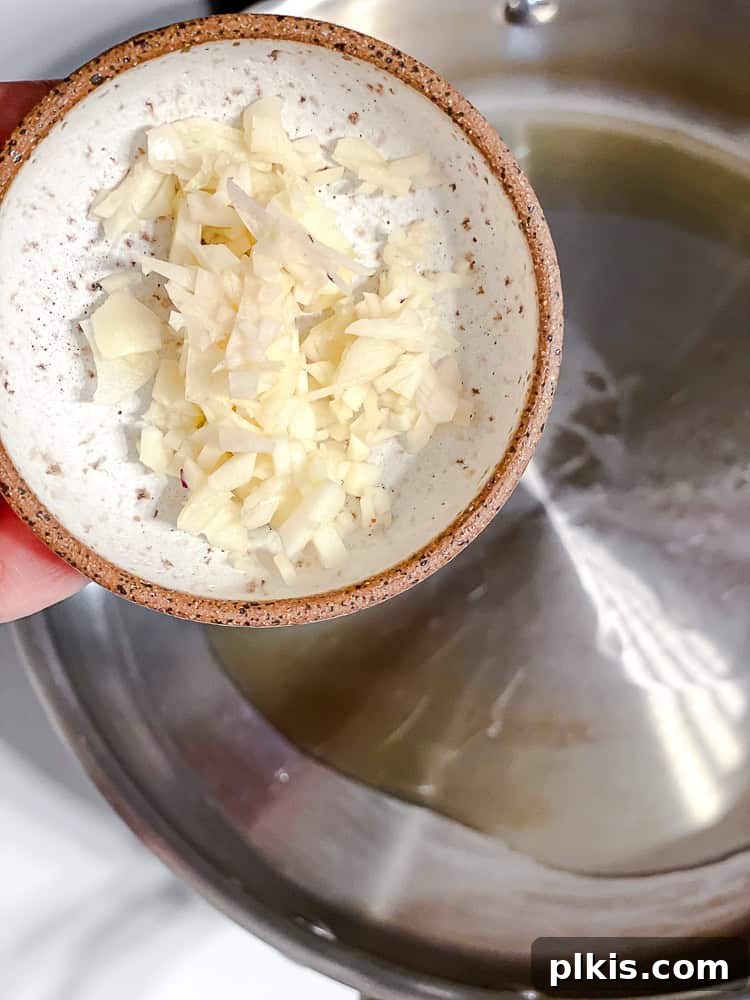
Step 1: Prepare the Cabbage and Aromatics. Begin by thoroughly rinsing your red cabbage under cool water. Then, halve the cabbage, quarter it, remove the tough core, and thinly slice it. You can achieve this with a sharp knife for rustic cuts or a mandoline for uniform, delicate strips. Simultaneously, finely dice or mince your garlic cloves. Heat your chosen oil (olive oil or vegan butter) in a deep skillet over medium-low heat, then add the minced garlic and sauté gently for just 1 minute until it becomes fragrant but not browned.
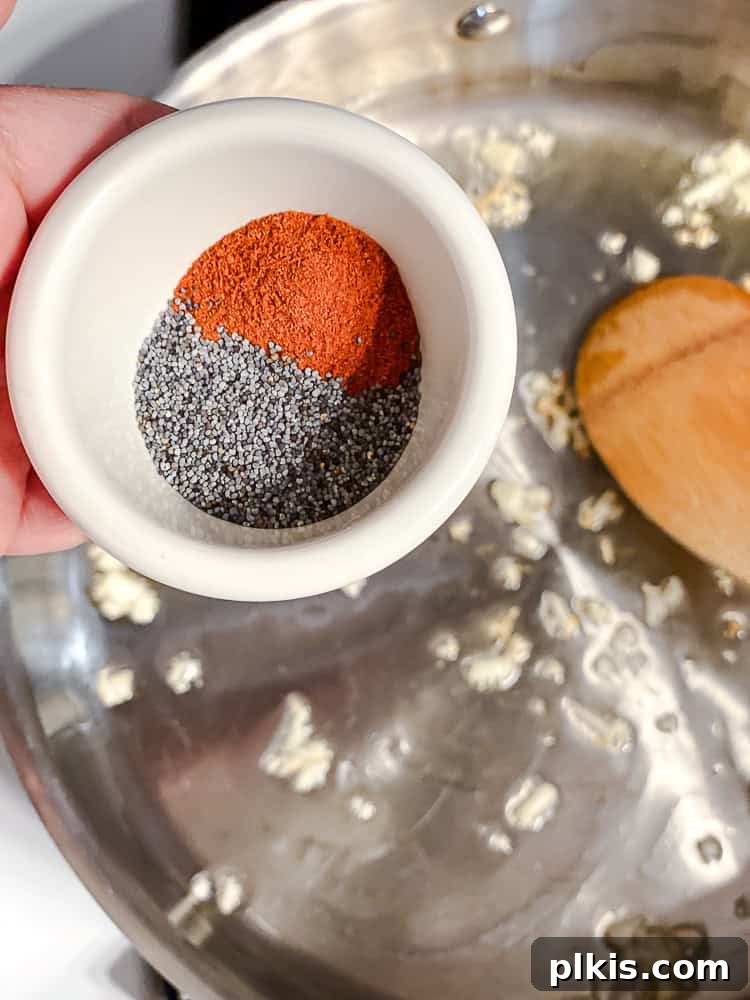
Step 2: Bloom the Spices. To unlock their full flavor potential, add the smoked paprika and poppy seeds to the skillet with the garlic. Continue to sauté for another minute, stirring constantly. You’ll notice the spices becoming wonderfully fragrant, indicating they’re ready to infuse the cabbage with their rich aromas.
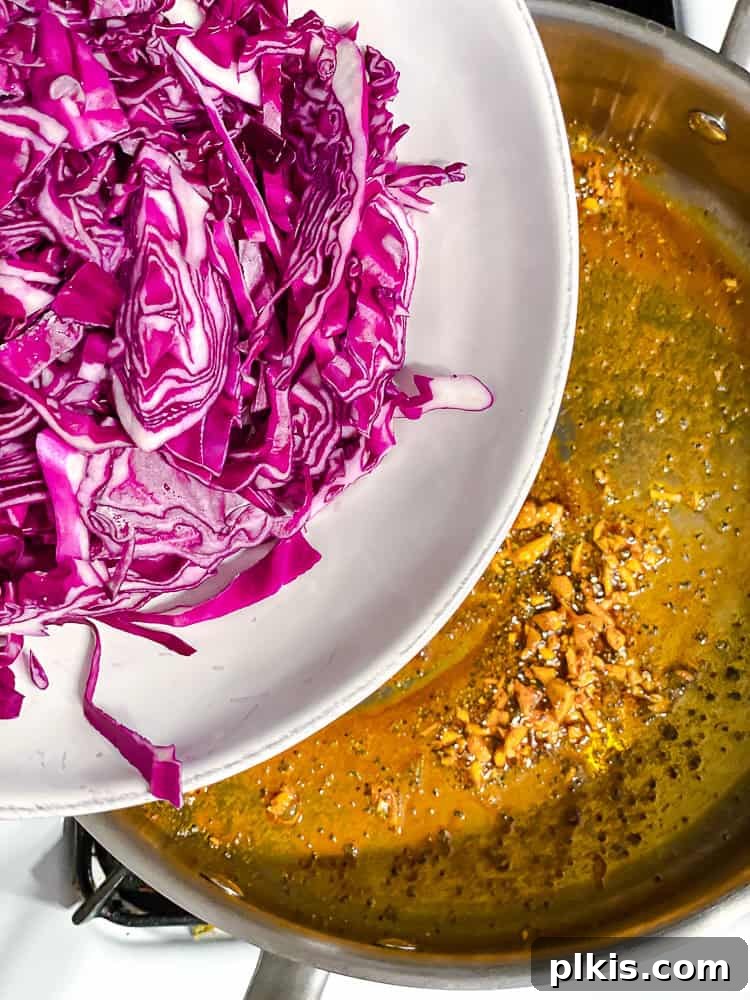
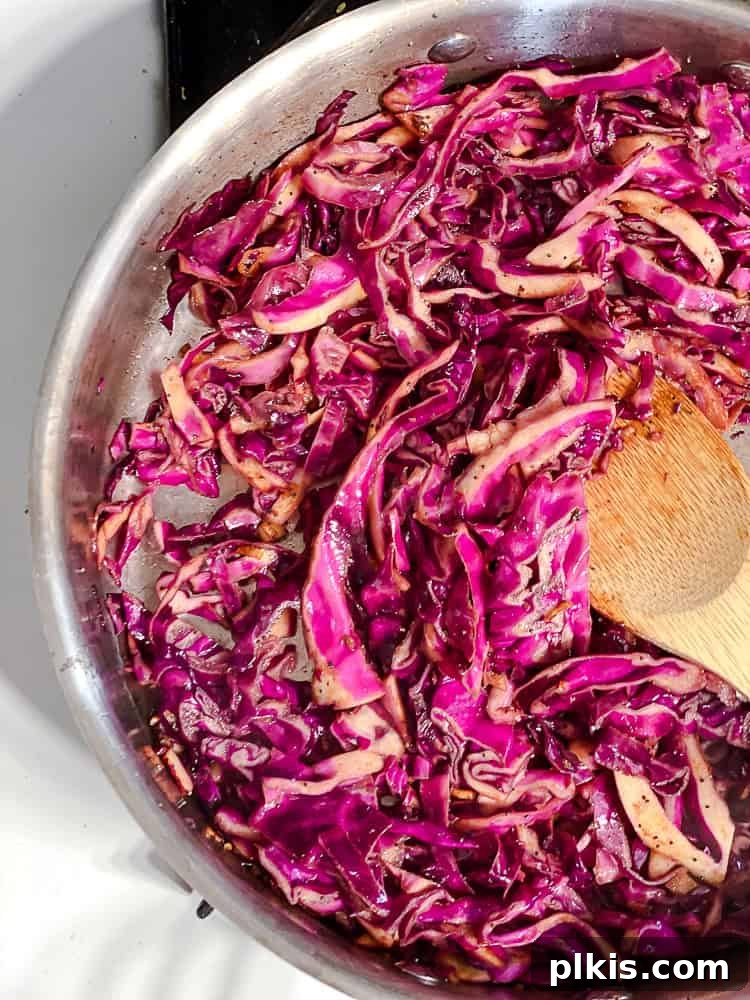
Step 3: Sauté the Cabbage to Perfection. Add the thinly sliced red cabbage to the skillet. It might seem like a large volume at first, but it will quickly wilt down. Stir the cabbage to combine it with the garlic and spices, then cover the pan tightly. Allow it to cook for 5-7 minutes, stirring occasionally to ensure even cooking. The goal is a tender-crisp texture, where the cabbage is softened but still retains a pleasant bite.
Step 4: Season and Serve. Once the red cabbage has reached your desired doneness, remove the lid and season generously with sea salt and freshly ground black pepper. Taste and adjust the seasoning as needed. If you desire an even bolder flavor or more visual appeal, feel free to sprinkle in a little extra paprika and poppy seeds before serving. Enjoy this vibrant, flavorful side dish immediately!
Exact cooking time can vary based on several factors, including the size and heat retention of your pan, your stovetop’s specific heat level, and your personal preference for doneness. For a truly tender, soft pan-fried red cabbage, you might find it beneficial to cook it for up to 25 minutes, allowing it to slowly break down and develop a deeper flavor.
Expert Tips for Perfect Pan-Fried Red Cabbage
Achieving the perfect sautéed red cabbage is easy with a few insider tricks. These tips will help you maximize flavor, optimize texture, and even adapt the recipe to your dietary needs:
- For an Oil-Free Version: If you’re looking to reduce fat content or prefer an oil-free dish, you can easily adapt this recipe. Instead of oil, use ¼ cup of water or vegetable broth to sauté the purple cabbage. The liquid will prevent sticking and help the cabbage steam and soften while still allowing the flavors to develop.
- Don’t Skip Toasting Spices: The crucial step of sautéing the paprika and poppy seeds before adding the cabbage is essential for flavor development. This process, often called “blooming” or “toasting” spices, helps release their aromatic compounds and deepen their flavor profile, ensuring they are more potent and well-dispersed throughout the final dish.
- Encourage Caramelization: For those desirable slightly browned, sweet, and nutty notes that come from caramelization, cook your red cabbage uncovered for a portion of the cooking time. Avoid moving it around the pan too frequently. Allowing the cabbage to sit undisturbed against the hot surface will encourage the natural sugars to caramelize, adding another layer of complex flavor and texture.
- Speed Up the Cooking Process: If you’re short on time and want to get your red cabbage on the table faster, add a large splash of water (about ¼ to ½ cup) to the pan after adding the cabbage. Immediately cover the pan. The water will quickly turn to steam, helping to soften the cabbage more rapidly through a combination of steaming and sautéing. This method results in a super quick red cabbage recipe that’s still full of flavor.
- Maintain Color: To help preserve the vibrant purple hue of the red cabbage, add a touch of acid like lemon juice or apple cider vinegar early in the cooking process. This helps stabilize the anthocyanin pigments, preventing them from turning blue or grey in an alkaline environment.
Frequently Asked Questions About Sautéed Red Cabbage
Absolutely! This sautéed cabbage recipe is incredibly versatile and will work just as well with green cabbage. The cooking time might remain similar, though green cabbage typically has a slightly milder flavor and a less tender texture when cooked, but it will still be delicious.
Technically, yes, the cabbage core is edible. However, it’s significantly tougher and more fibrous than the delicate cabbage leaves, so most people prefer to remove it for a more uniform and pleasant texture in cooked dishes. It’s entirely up to your preference, though! Don’t discard those core scraps – they make an excellent addition to your next batch of homemade vegetable broth.
Red cabbage is indeed a humble yet exceptionally nutrient-rich vegetable. As mentioned earlier and corroborated by sources like Healthline, it’s celebrated for being rich in gut-friendly fiber, an abundance of antioxidants and phytonutrients (especially anthocyanins), and several essential vitamins and minerals. These include significant amounts of vitamins C, K, and B6, as well as potassium. Its impressive nutritional profile contributes to various health benefits, such as anti-inflammatory effects, support for heart health, improved digestion, and enhanced immune function, among others.
Red cabbage contains anthocyanins, pigments that are pH-sensitive. In an alkaline environment (like tap water that’s not acidic), they can turn blue or gray. To maintain its vibrant purple color, always add an acidic ingredient early in the cooking process. A splash of apple cider vinegar, lemon juice, or even a bit of white wine will do the trick.
While fresh red cabbage is ideal for its texture, you can use frozen. Be aware that frozen cabbage will release more water and become softer, losing some of its crispness. You might need to cook it a bit longer, uncovered, to allow excess moisture to evaporate and achieve some caramelization. There’s no need to thaw it first; you can add it directly to the pan.
A large, deep skillet or a Dutch oven with a lid is best. A large surface area allows the cabbage to spread out and cook evenly, promoting better caramelization. The lid is essential for trapping steam, which helps tenderize the cabbage efficiently.
![completed Sautéed Red Cabbage [4 Ways] on a plate](https://plkis.com/wp-content/uploads/2025/12/img_955_7.jpg "Sautéed Red Cabbage: Fresh Takes and Twists 8")
What To Serve With Pan-Fried Red Cabbage
This savory and colorful sautéed red cabbage side dish is incredibly versatile, making it a fantastic accompaniment to a wide array of main courses. Its vibrant flavor and tender-crisp texture can brighten and complement many meals, from hearty stews to elegant roasts. Here are some inspired pairing suggestions:
- Hearty Stews: The slight tang and richness of the cabbage cut beautifully through the richness of substantial stews. It’s an excellent pairing for dishes like eggplant stew, comforting kidney bean vegetable stew, or a warming hearty red lentil stew.
- Comforting Casseroles: Add a fresh, bright element to your favorite casseroles. It pairs wonderfully with creamy vegan cauliflower casserole, a rustic zucchini and potato casserole, or any baked dish needing a textural contrast.
- Classic Vegan Mains: Serve it alongside beloved plant-based comfort foods. It’s a perfect partner for a savory vegan lentil shepherd’s pie, a flaky mixed vegetable pot pie, or a hearty vegan meatloaf for a complete meal.
- Protein-Rich Dishes: This cabbage side is a fantastic complement to various plant-based proteins. Enjoy it with crispy pan-fried tofu, flavorful BBQ tempeh, or any of your preferred mock meats.
- Holiday Feasts & Thanksgiving: Elevate your holiday spread with this festive side dish. It’s a colorful and delicious addition to traditional Thanksgiving recipes, pairing harmoniously with creamy vegan mashed potatoes, or a classic vegan green bean casserole. Its bright color is always a welcome sight on any holiday table.
Storage and Reheating Instructions
Having leftovers of this delicious sautéed red cabbage is a treat, and proper storage ensures you can enjoy its flavors for days to come. Here’s how to store and reheat your pan-fried red cabbage effectively:
- Refrigeration: Allow the sautéed red cabbage to cool completely to room temperature before storing. Transfer any leftovers to an airtight container and place it in the refrigerator, where it will stay fresh for 3-4 days. The flavors may even deepen slightly overnight, making it a great meal prep option.
- Freezing: Red cabbage freezes surprisingly well. Once cooled, place the cabbage in a freezer-safe airtight container, heavy-duty freezer bag, or Stasher bag. It can be stored in the freezer for up to 3 months. Be aware that while it freezes well, the texture will soften further upon thawing, becoming less crisp than when freshly made.
- Thawing: If frozen, the best way to thaw the cabbage is to transfer it from the freezer to the refrigerator overnight. This slow thawing process helps maintain its quality.
- Reheating:
- Stovetop: For the best results, reheat the sautéed purple cabbage on the stovetop. Place it in a skillet over medium heat, adding a small splash of water or vegetable broth if it appears dry. Stir occasionally until it’s heated through.
- Microwave: Alternatively, you can reheat it in the microwave. Place the cabbage in a microwave-safe dish and heat in 30-second increments, stirring between each interval, until it’s warm throughout.
Enjoying your prepared sautéed red cabbage even days later is a testament to its deliciousness and ease of storage!
![completed Sautéed Red Cabbage [4 Ways] in a storage container](https://plkis.com/wp-content/uploads/2025/12/img_955_8.jpg "Sautéed Red Cabbage: Fresh Takes and Twists 9")
Sautéed Red Cabbage [4 Ways]
![completed Sautéed Red Cabbage [4 Ways] on a plate](https://plkis.com/wp-content/uploads/2025/12/img_955_10.jpg "Sautéed Red Cabbage: Fresh Takes and Twists 10")
Equipment
- My favorite knives
- Measuring spoons
- Knife set
Ingredients
- 2 garlic cloves, finely chopped
- 1 tablespoon of olive oil
- 1 teaspoon of smoked paprika
- 1 teaspoon of poppy seeds
- ½ of a large head of red cabbage, thinly sliced
- 1 teaspoon of sea salt (or to taste)
- 1 teaspoon of pepper (or to taste)
Instructions
- In a deep skillet over medium-high heat, sauté the garlic in the olive oil on medium-low heat for 1 minute.
- Add the smoked paprika and poppy seeds and sauté for 1 minute more until fragrant.
- Add sliced red cabbage, stir, and cover the pan. Cook for 5 to 7 minutes until wilted and tender.
- Season with salt, black pepper, and additional paprika and poppy seeds, if desired.
Notes
- Oil-free sauteed cabbage: Use ¼ cup water or vegetable broth instead when cooking purple cabbage to achieve a lighter, healthier version without sacrificing flavor.
- Toast the paprika and seeds: This crucial step really helps to bring out their underlying flavors and aromatic compounds, dispersing them richly throughout the entire dish – so make sure not to skip it for maximum taste.
- For more caramelization: To achieve those delightful slightly browned edges and a deeper, sweeter flavor, cook your red cabbage uncovered for a while. Resist the urge to move it around the pan too much; allowing it contact with the hot surface is ideal for the best caramelization results.
- To speed up the cooking: If you’re pressed for time, add a large splash of water (about ¼ to ½ cup) to the pan after adding the cabbage. Cover it immediately; the steam created will help tenderize the cabbage much faster, ensuring a super quick red cabbage recipe without compromising tenderness.