The Ultimate $25 Plant-Based Meal Plan Challenge: Healthy Eating on a Budget
Welcome to the transformative Plant-Based on a Budget Challenge! Embarking on this journey means you’re ready to discover how incredibly accessible and affordable a plant-based diet can truly be, without compromising your financial well-being. Our mission is to dismantle the common misconception that healthy, plant-centered eating is an expensive luxury. Instead, we aim to equip you with the knowledge and practical tools to thrive on a delicious, nourishing vegan diet for just $25 per person, per week. This isn’t about rigid rules, but rather a flexible, empowering seven-day guide designed to fit seamlessly into your life. You can start any day of the week and enjoy a full week of budget-conscious, plant-based meals.
I understand that geographical location can influence grocery prices. Living in California, where fresh produce is often abundant and relatively inexpensive, I’ve taken this into account by crafting meal plans that are inherently adaptable. The beauty of this challenge lies in its flexibility: if spinach is more affordable than kale in your local store, embrace the switch! If you don’t have plant-based bouillon, a vegetable broth can easily substitute, simply adjust quantities according to taste. This challenge serves as a foundational guide, empowering you to become a savvy, budget-conscious plant-based eater. Think of it as a creative culinary playground – feel free to experiment, substitute, and tailor it to your unique preferences and local market offerings.
A Personal Invitation: My Heart Behind the Plant-Based on a Budget Mission
Creating this resource has been a labor of love, an endeavor I’ve poured countless hours into, driven by a deep personal connection to food and its accessibility. My kitchen, in many ways, is an extension of my heart, and sharing these plans with you makes me feel a touch vulnerable. In a world where free online resources are often met with undue criticism, I want to foster a space of encouragement and mutual support. If, for any reason, my meal plans don’t resonate with you, or if you have differing views on ingredients like oil or sugar, I wholeheartedly encourage you to share your own budget-friendly, plant-based meal plans with a $25 per-person budget. I would be genuinely thrilled to promote diverse examples of affordable vegan eating because, ultimately, the more inspiring examples we have, the better equipped everyone will be to adopt this lifestyle.
Meet Toni Okamoto: The Founder of Plant-Based on a Budget
My name is Toni Okamoto, and I am the proud founder of Plant Based on a Budget. My passion for making healthy eating accessible stems from my own upbringing in a low-income household, where I witnessed firsthand how food money often becomes a secondary concern amidst other pressing expenses. The systemic issues of limited access to fresh, nutritious food and a lack of nutrition education in underserved communities are profound challenges. While I cannot single-handedly solve these complex problems, I am dedicated to demonstrating that a wholesome diet doesn’t have to be sacrificed in the pursuit of financial savings. Your health and your budget can, and should, coexist harmoniously.
My personal journey to plant-based eating began in high school, driven by health aspirations. As a dedicated runner, I frequently found myself feeling unwell after my workouts. My coach, observing my struggles, suggested eliminating red meat from my diet. This small change quickly evolved, leading me to embrace vegetarianism. However, as a financially struggling teenager who moved out shortly after high school, my diet became a stark reflection of my budget: primarily fast food, instant ramen, and peanut butter and jelly sandwiches. I was a vegetarian, yes, but far from a healthy one. The real transformation occurred in college when I joined a veg club and co-founded “Womanly Wednesdays,” a weekly meetup centered around ethical veganism. This community ignited my passion for conscious eating and spurred my journey into experimenting with genuinely healthy, budget-friendly plant-based foods.
Essential Resources for Your Plant-Based Journey
Navigating a plant-based diet, especially on a budget, can be made significantly easier with the right support and information. Here are some invaluable resources I highly recommend:
- Community Support: Join our vibrant support group on Facebook. It’s a fantastic space to share tips, discover new low-cost recipes, and connect with like-minded individuals on their budget-friendly plant-based journey.
- Nutrition Science: For a comprehensive understanding of plant-based nutrition, I cannot recommend Dr. Michael Greger’s New York Times bestseller, How Not to Die, enough. His work is meticulously researched and highly informative.
- Free Nutritional Information: Dr. Greger also maintains an incredible website, NutritionFacts.org, which offers a wealth of free, evidence-based resources, articles, and videos on diet and health. It’s an indispensable tool for anyone seeking reliable nutritional guidance.
- Ditching Dairy: If you’re looking to transition away from dairy, The Dairy Detox provides an affordable online detox guide for just $10, offering practical steps to make this dietary shift.
- Inspirational Content: For engaging articles and videos that make veganism fun and approachable, check out World of Vegan.
- Cookbook Recommendations: I’ve also curated a list of my favorite cookbooks, including some of my own creations and highly-rated titles from other authors, all designed to inspire your culinary adventures.
Smart Strategies for Budget-Friendly Plant-Based Shopping and Meal Prep
To truly master plant-based eating on a budget, a few strategic habits can make a significant difference in both time and cost savings. As someone who balances a demanding day job with running this blog—easily putting in over 70 hours a week—efficiency is key in my own kitchen.
Mastering Meal Prep for Time and Savings
One of my top recommendations is to dedicate a block of time on your day off for comprehensive meal prep. This means chopping all your vegetables in advance and storing them in the refrigerator, ready for quick use throughout the week. After a long commute and an exhausting workday, the last thing anyone wants to do is laborious vegetable preparation. Similarly, I cook large batches of staple ingredients like beans on my prep day. Having these foundational ingredients ready to go drastically reduces cooking time on busy weeknights and minimizes the temptation to order takeout.
Savvy Shopping Techniques for Maximum Savings
When you head to the grocery store, precision can be your best friend. Instead of estimating, consider writing down the exact measurements you need for each ingredient. While I provide estimates, being precise helps avoid buying excess ingredients that might go to waste. Bringing a measuring cup to the store, for instance, allows you to purchase exactly two cups of lentils from the bulk bins, rather than guessing with a half-pound bag. Always carry a calculator to track your spending as you shop, and be sure to check the store’s website for any available coupons before you leave home.
Unlocking Discounts on Produce and Groceries
Don’t be shy about asking for older, discounted produce. Often, grocery stores are willing to offer a deal on items like bananas with a few spots, which are perfectly ripe for smoothies or baking. Another simple yet effective tip: many stores offer a small discount for bringing your own reusable bags. At my local store, I save six cents per bag. Using three bags might save you 18 cents – enough to cover the cost of a can of tomato paste, proving that every little bit adds up!
Choosing the Right Grocery Store and Utilizing Rebates
Finding the most affordable grocery store in your area is paramount. I personally frequent Winco, known for its incredibly low prices and impressive bulk bin selection, which is a goldmine for budget-conscious plant-based eaters. Conversely, if you’re shopping primarily at higher-end stores like Whole Foods, adhering to a $25 weekly budget will be significantly more challenging. To further maximize your savings, I highly recommend the Ibotta app. It offers instant rebates at a wide range of retailers, including Target, Sprouts, Walmart, and Groupon. If you sign up using my referral code, dlamydh, you’ll even get a $10 bonus just for joining!
Finally, in crafting this meal plan, I drew inspiration from Sticman of Dead Prez’s invaluable article for our site, “7 Ways to Eat Good on a Hood Budget.” The core principles guided my planning: creating a structured plan, avoiding processed packaged foods, prioritizing leftovers, incorporating nutrient-dense soups, and opting for water as the primary beverage. These strategies are woven into the very fabric of this weekly challenge.
Your $25 Weekly Plant-Based Grocery List
This carefully curated grocery list totals just $21.52, leaving you some wiggle room in your $25 weekly budget. The items marked with an asterisk (*) are optional and can be omitted if you find yourself nearing your budget limit, or simply prefer to keep costs even lower. I’ll explain variations within the recipes for these items.
- Garlic – $0.48
- Dried Cranberries – $0.54*
- 2 Carrots – $0.22
- Cheapest Non-Dairy Milk – $1.28
- 5 Dried Apricots – $0.17*
- 12 ct Corn Tortillas – $1.27*
- Lemon – $0.33
- Pack of 6ct Bouillon Cubes – $0.91
- 15 oz can Apple Sauce – $0.95*
- Kale – $0.98
- 1/2 lb Green Lentils – $0.46
- 1/4lb Cheapest Cereal – $0.34
- 1/4 lb Old Fashioned Oats – $0.16
- 8 oz can Tomato Sauce – $0.28
- 1 Cup Brown Rice – $0.27
- 2 Yellow Onions – $0.95
- 1/2 lb Cheapest Granola – $0.81*
- Green Bell Pepper – $0.68
- Orange – $0.41*
- 5lb Bag of Russet Potatoes – $1.18
- Small jar of Peanut Butter – $2.05
- Tofu – $1.48*
- Mexican Fideo Pasta – $0.33
- 2 Zucchini – $0.89
- 1lb yam – $0.48
- Bunch of Spinach – $1.68
- Bunch of 7 Bananas – $1.64
- 1/2 Cup dried Panko Breadcrumbs – $0.25
- 1/4 cup cheapest seeds (I bought unsalted sunflower) – $0.15
Total: $21.52
If you choose to omit all items marked with an asterisk (*), your total grocery cost would be an astonishingly low $15.74, proving just how flexible and deeply budget-friendly a plant-based diet can be.
Your Seven-Day Plant-Based Meal Plan: Week 1
Day One: Kicking Off Your Budget-Friendly Week
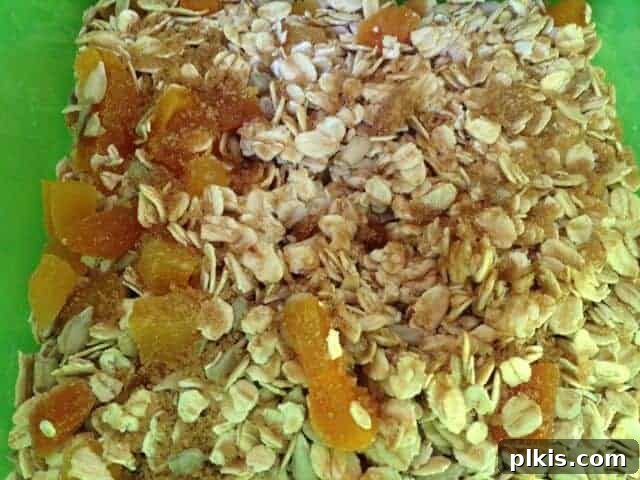
Breakfast: Start your day with a comforting bowl of **Oatmeal**, prepared with non-dairy milk and sweetened with nutrient-rich dried diced apricots. Oats are an excellent source of sustained energy, providing approximately 41% of your daily iron and a substantial 28g of protein per cup, making them a powerhouse breakfast choice.
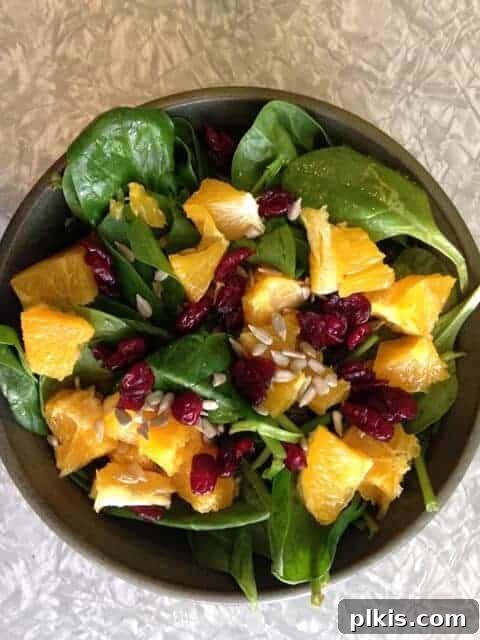
Lunch: Enjoy a vibrant **Spinach Salad** featuring the sweet tang of dried cranberries, a textural crunch from sunflower seeds, and the refreshing zest of chopped orange. A simple homemade balsamic vinaigrette ties all these delicious flavors together for a light yet satisfying midday meal.
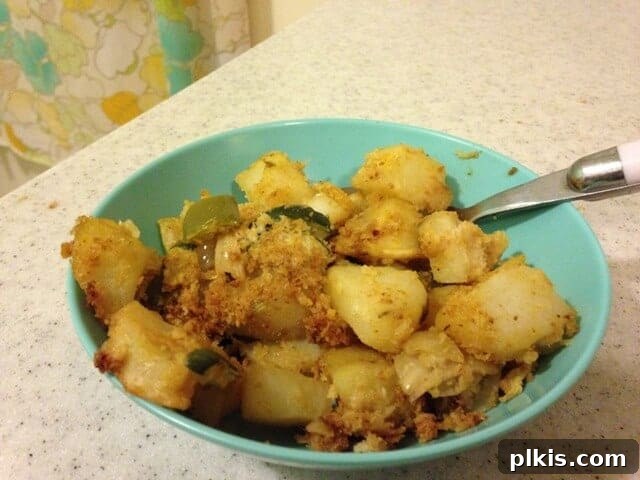
Dinner: Prepare a hearty **Zucchini and Potato Casserole**. I used this recipe with a few modifications to fit our budget: I opted for just two zucchini and augmented it with three additional potatoes for a more filling meal. Instead of shallots, I utilized 1/3 of a yellow onion and half of a green bell pepper. For those following a gluten-free diet, simply omit the bread crumbs. This recipe yields approximately five generous servings, ensuring you have delicious leftovers for the days ahead.

Dessert: This is a completely optional treat, but as I mentioned last week, I have a profound love for dessert! With some peanut butter leftover from meal planning, I couldn’t resist making **Peanut Butter Cookies**. A disclaimer: these are definitely not a health food, and yes, I use Earth Balance, which some may debate regarding vegan purity—my sassy response to such critiques remains: if you don’t like it, don’t make it! For those who find the idea utterly delicious, here’s what you’ll need: 1 3/4 cups flour, 3/4 tsp baking soda, 3/4 tsp salt, 1/4 cup apple sauce (our budget-friendly egg replacer), 1 cup firmly packed brown sugar, 3/4 cup peanut butter, 1/2 cup vegan butter, 3 tsp non-dairy milk, and 1 tbsp vanilla.
The inspiration for this recipe comes from my absolute favorite cookbook, The Joy of Vegan Baking. If you haven’t explored its pages, I urge you to check it out from your local library immediately, or consider purchasing it if your budget allows. I’ve personally tried about 60% of the recipes, and they are all consistently amazing. To prepare these delightful cookies, preheat your oven to 375 degrees. My approach to this recipe is what I affectionately call “lazy baking”: simply throw all the ingredients into a bowl, mix thoroughly, drop by tablespoonfuls onto a baking sheet, and bake for 10-12 minutes until golden. Then, indulge!
Day Two: Leveraging Leftovers and Simple Delights

Breakfast: A classic, budget-friendly choice: **Cornflakes** served with non-dairy milk and topped with slices of ripe banana for natural sweetness and added nutrients.
Lunch: Enjoy a convenient and satisfying portion of your leftover **Zucchini and Potato Casserole** from Day One.
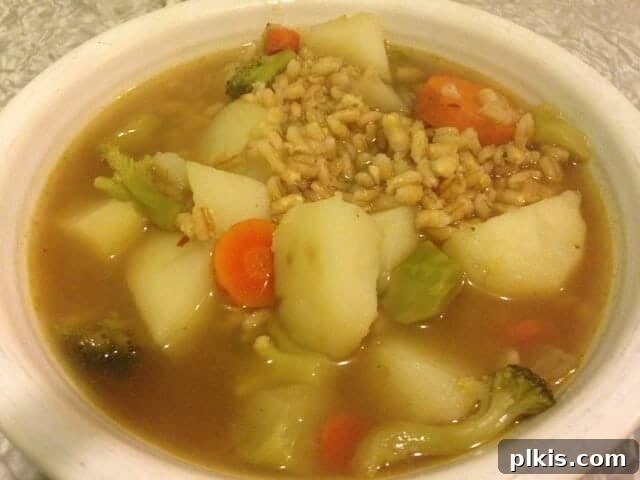
Dinner: Prepare a nourishing **Vegetable Soup**. This recipe is designed as a flexible base, encouraging you to incorporate any produce nearing its expiration date from your fridge, minimizing food waste. Depending on what you have in your pantry, feel free to add barley, rice, pasta, lentils, or beans for extra heartiness and nutritional value. The core ingredients include: 3 bouillon cubes, 8 cups of water, 1/3 of a yellow onion, 2 cloves of minced garlic, 1 sliced carrot, 3 chopped celery stalks, and 3 peeled and chopped russet potatoes.
Directions: Begin by sautéing the onions and garlic over medium heat until the onions become translucent. Add the carrots and celery, cooking for an additional two minutes. Next, incorporate any other vegetables or grains you’ve chosen, along with the bouillon cubes, water, and potatoes. Bring the mixture to a medium-high heat and cook for approximately 30 minutes, or until the potatoes are tender. This recipe typically yields about three servings, though my generous appetite often meant it stretched to two hearty servings for me!
Day Three: Hearty Grains and Wholesome Leftovers

Breakfast: Enjoy 1 1/2 cups of **Pumpkin Flax Granola** soaked in 1 cup of non-dairy milk. My local bulk bins offered a wide array of granola options, but I specifically chose this variety because it was one of the few without honey, aligning with vegan principles, and also because I was feeling festive with all the pumpkin spice flavors! According to Winco’s nutritional facts, this serving of granola provides an impressive 12g of protein, 32% of your daily dietary fiber, 4% calcium, and 16% iron. If you’re looking to further reduce costs, granola is perfectly delicious enjoyed on its own without milk.
Lunch: Another nourishing serving of your leftover **Vegetable Soup**, providing warmth and comfort.
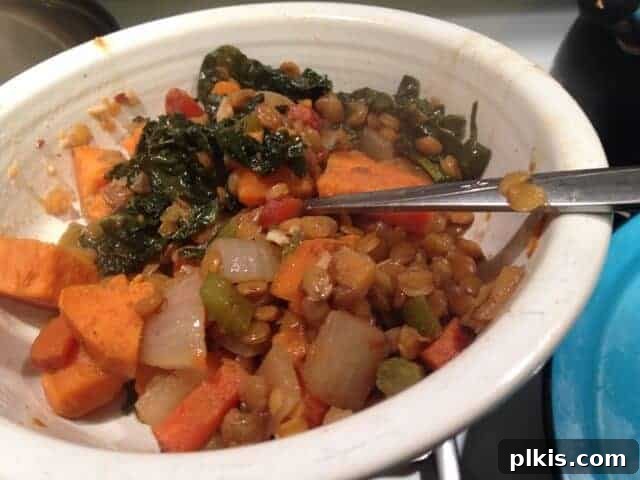
Dinner: A nutrient-dense and flavorful meal of **Kale, Lentils, and Yam**. I adapted this recipe, making a few modifications for budget and ingredient availability: I used one full carrot, two cups of water with a bouillon cube, 1/3 of an onion, two cloves of garlic, and omitted the bay leaf, pepper, and rosemary. I utilized half of my purchased bunch of kale and half of my sweet potato. This recipe is designed to yield two satisfying servings.
Day Four: Comfort Food and Creative Adaptations
Breakfast: Repeat the simple and satisfying breakfast of 2 cups of **Cornflakes** with 1 cup of non-dairy milk and a sliced banana. A single banana offers significant nutritional benefits, including 12% of your daily potassium, 17% of Vitamin C, and 20% of Vitamin B6.
Lunch: Enjoy another portion of your versatile leftover **Zucchini and Potato Casserole**.
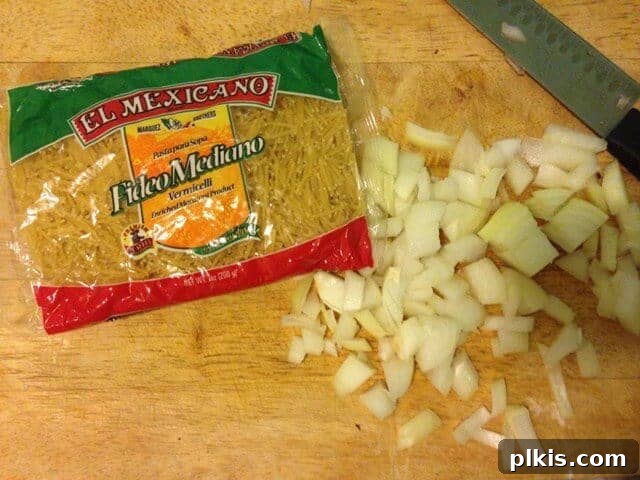
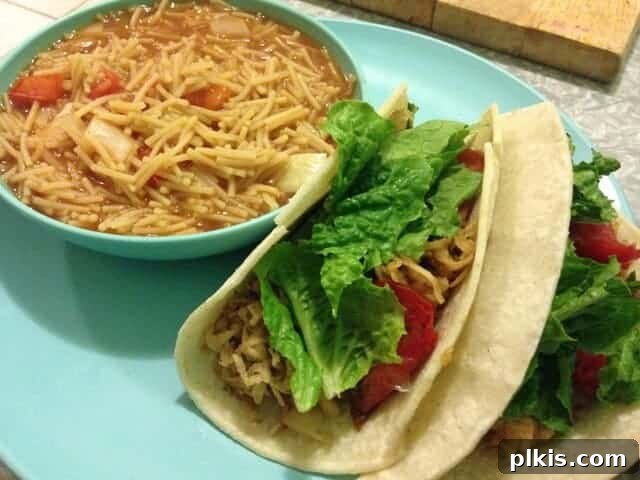
Dinner: This evening features a duo of delightful dishes: **Sweet Potato Tacos** and **Mexican Fideo**. For the Sweet Potato Tacos, I made these delicious modifications to this recipe: I used the remainder of my yam, 1/3 of an onion, and corn tortillas because they were the most economical option. If you chose to omit tortillas from your grocery list to keep costs down, you can easily transform the sweet potato filling into a flavorful Southwestern-Style Salad by simply adding it to a bed of any fresh vegetables you have on hand.
For the Mexican Fideo, I omitted the tomato to further reduce costs and used 1/3 of an onion. If you require a gluten-free option, I recommend preparing Mexican Rice instead. This flexible and flavorful meal makes 2-3 servings, ensuring enough for another meal.
Day Five: Simplicity and Satisfying Leftovers
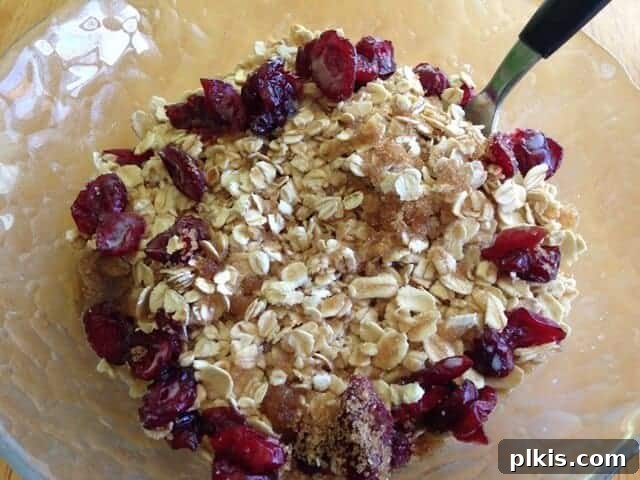
Breakfast: A nourishing bowl of **Oatmeal** with non-dairy milk, topped with a mix of seeds and dried cranberries for added nutrition and flavor.
Lunch: Enjoy a final, fulfilling portion of your leftover **Zucchini and Potato Casserole**.
Dinner: Savor the flavors of your leftover **Kale and Lentils** from Day Three, a delicious and wholesome meal that gets even better the next day.
Day Six: Fresh Blends and Flavorful Repurposing
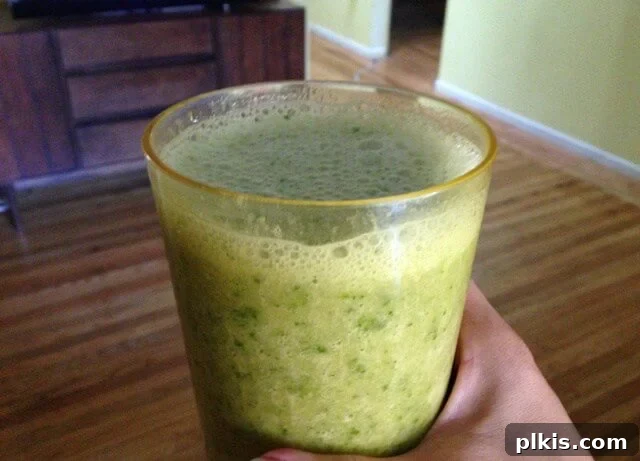
Breakfast: Blend up a refreshing **Kale and Banana Smoothie**, utilizing the rest of your fresh kale. This vibrant smoothie is a nutritional powerhouse; one cup of kale alone provides an impressive 134% of your daily Vitamin C, 133% of Vitamin A, and 5% protein.
Lunch: Relish your leftover **Sweet Potato Tacos and Fideo**, a testament to the versatility and longevity of your budget-friendly cooking.
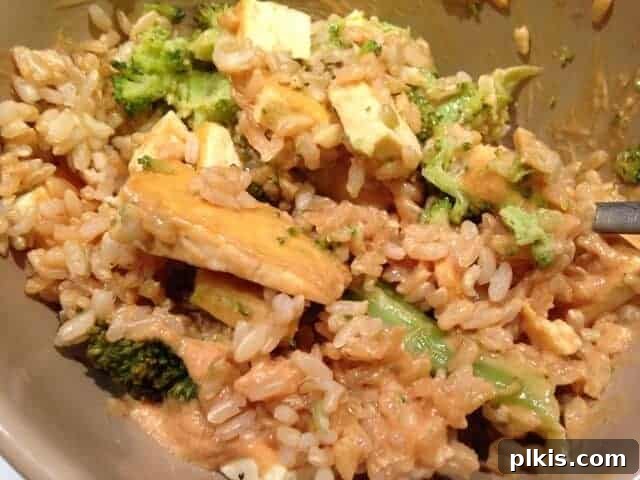
Dinner: Prepare a delectable **Tofu & Spinach with Peanut Sauce** served alongside one cup of steamed brown rice. You might notice broccoli in the photo; that was a last-minute improvisation as I accidentally left my spinach at work. The beauty of this dish is its adaptability – feel free to use any vegetable you have on hand, but for this plan, your fresh spinach is perfect! This recipe yields two satisfying servings. Remember, just half a cup of peanut butter contributes an incredible 64g of protein to your diet.
Day Seven: A Sweet End to Your Week of Budget-Friendly Eating

Breakfast: Indulge in a creamy **Peanut Butter Banana Smoothie**. This quick and easy blend requires just 2 frozen bananas, 1 cup of non-dairy milk, and 1/2 cup of peanut butter. For context, the specific non-dairy milk I used provides excellent nutritional value: 35% of your daily Vitamin D, 30% Calcium, 20% Vitamin A, and 7g of protein per cup.
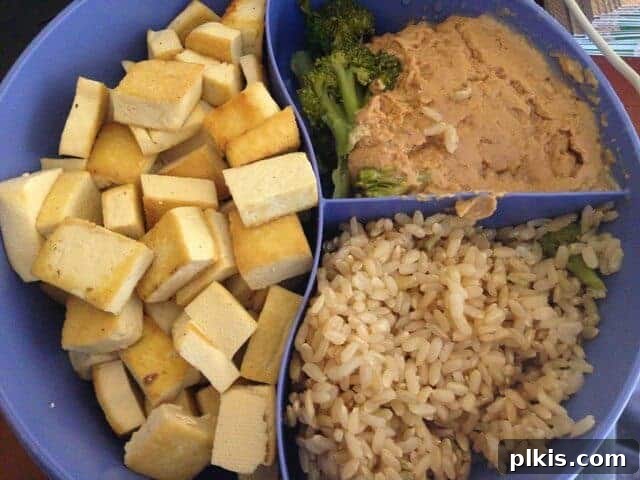
Lunch: Enjoy the delicious leftovers of your **Tofu and Peanut Sauce** from Day Six.
Dinner: Conclude your challenge week with the last portion of your comforting **Zucchini and Potato Casserole**.
Important Considerations and Next Steps
As I’ve emphasized throughout, this seven-day meal plan is a practical guide and a starting point, not a rigid set of rules. Your personal food preferences, dietary needs, and any existing allergies should always guide your culinary choices. Feel empowered to experiment with ingredients, adjust seasonings, and truly make these meals your own. Please remember that I am not a medical doctor, registered dietitian, or certified nutritionist; this plan simply reflects what I personally eat to maintain a healthy, budget-friendly plant-based lifestyle. For personalized dietary advice and to ensure you’re meeting all your nutritional requirements, I strongly suggest consulting with a qualified healthcare professional or dietitian. Additionally, considering a plant-based multi-vitamin supplement might be beneficial to cover any potential nutrient gaps.
Should you have any questions about this challenge, recipes, or general tips, please do not hesitate to reach out to me through the “Contact Us” section on the website. I’m always here to help and support your journey.
Ready for more inspiration and meticulously crafted meal plans? Be sure to explore our new and improved resources at plantbasedmealplan.com for even more budget-friendly and delicious plant-based ideas!