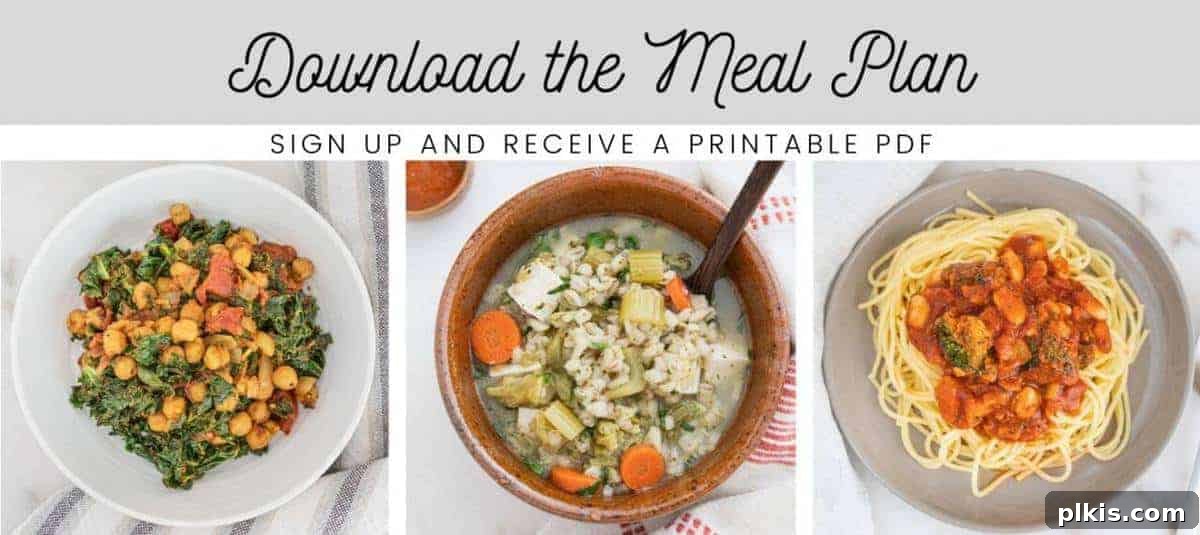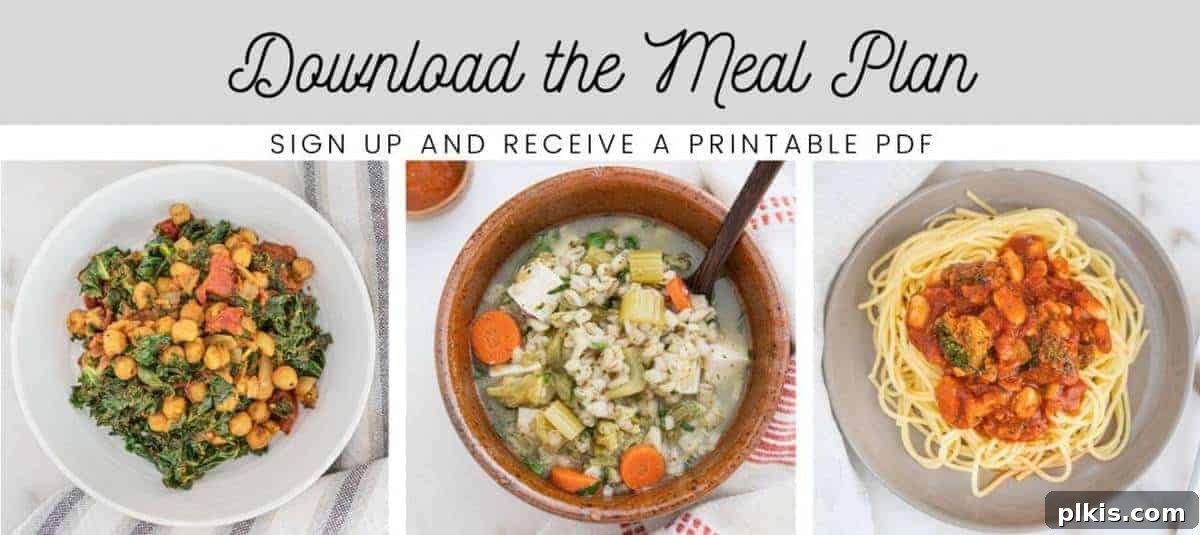
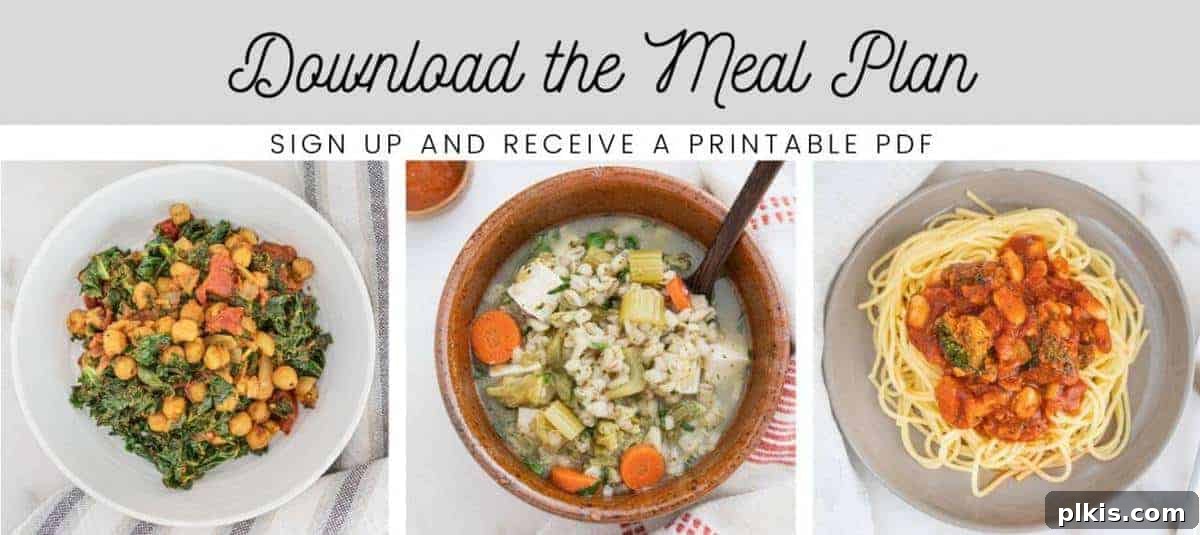
Welcome to the ultimate guide for embarking on your Plant-Based on a Budget Challenge! Whether your goal is to significantly save money, enhance your health, explore the benefits of a plant-based diet, or achieve a combination of all three, you’ve arrived at the perfect starting point. I’m Toni Okamoto, the proud founder of Plant-Based on a Budget, and I’m thrilled to accompany you on this enriching and economical plant-based adventure. For those curious about my journey and the origins of this thriving community, I invite you to explore our comprehensive About page.
I understand that living in California provides access to an abundance of relatively inexpensive produce, a luxury not universally shared. With this in mind, I’ve meticulously crafted these meal plans to be incredibly flexible and adaptable. The core philosophy here is empowerment through substitution. For instance, if spinach is more budget-friendly than kale in your local grocery store, don’t hesitate to make that swap. Similarly, if plant-based bouillon isn’t readily available, vegetable broth can serve as an excellent alternative, maintaining the essence of the recipe measurements provided. This challenge is designed as a foundational guide, equipping you with the confidence and knowledge to embrace a plant-based diet without breaking the bank. Feel free to experiment and personalize these suggestions to fit your lifestyle and regional offerings. While I aimed to keep my personal weekly grocery bill under $20, your total may vary, potentially reaching $30 or $35, depending on your shopping habits and local market prices. This fluctuation is entirely normal and part of the learning process.
Mastering Affordable Plant-Based Eating: Essential Tips & Strategies
Smart Shopping: How to Choose Your Preferred Grocery Store
Selecting the right grocery store is paramount for successful budget-friendly plant-based eating. Consider these crucial factors when evaluating your options:
- Does the store offer bulk staples? Buying staples like rice, oats, and beans in bulk often significantly reduces the per-unit cost and minimizes packaging waste.
- Are bulk spices available? Spices can be costly when purchased in small jars. Buying them in bulk allows you to get exactly what you need at a fraction of the price, preventing waste and saving money.
- Can you purchase single produce ingredients? The ability to buy individual carrots or onions, rather than pre-packaged bags, gives you greater control over quantity and cost.
- Do they have their own line of cheaper products? Often referred to as “store brand” or “private label,” these products typically offer comparable quality to national brands at a lower price point, from pasta to plant-based milk.
Strategic Planning: Maximizing Savings Before You Shop
A well-planned grocery trip is a successful one. Implement these strategies to optimize your savings and efficiency:
- Bring measuring cups and spoons: When shopping in bulk, having your own measuring tools ensures you buy precisely the amount you need, avoiding overspending and food waste.
- Make your own beans from scratch: While canned beans are convenient, cooking dried beans from scratch is significantly more economical if you have the time. One 15-ounce can typically contains about 1 ½ cups of cooked beans, a quantity easily surpassed and saved upon by cooking a batch of dried beans.
- Download the store app and check for digital coupons: Many grocery stores offer exclusive digital coupons and loyalty programs through their apps. Make it a habit to browse these before your visit to unlock extra savings.
- Shop seasonally: Produce that is in season is generally more abundant, fresher, and less expensive. Incorporate seasonal fruits and vegetables into your meal plans to naturally reduce costs.
Efficient Meal Prepping: Saving Time & Preventing Waste
Meal prepping is a game-changer for budget-conscious plant-based eaters. It saves time, reduces stress, and helps you stick to your healthy eating goals:
- Understand price per unit vs. per pound: When shopping for leafy greens like kale and lettuce, pay attention to whether the price is per unit (e.g., per bunch) or per pound. Opt for the biggest, freshest bunches when priced per unit to get more value for your money.
- Pre-chop all your vegetables: Dedicate some time on your day off to wash, chop, and store all your vegetables for the week. This makes cooking during busy weekdays incredibly fast and easy, reducing the temptation for takeout.
- Batch cook entire meals: Consider preparing several meals in their entirety on your day off. This approach ensures you have ready-to-eat options throughout the week, minimizing cooking time daily and making healthy choices effortless.
- Proper storage is key: Invest in airtight containers to store your prepped ingredients and cooked meals. Proper storage extends freshness, prevents spoilage, and helps you avoid food waste, further stretching your budget.
Empowering Your Plant-Based Journey: Essential Resources
Navigating a plant-based diet, especially on a budget, can be made easier with the right support and information. Here are some invaluable resources to guide you:
- Community Support on Facebook: Join our vibrant Plant-Based on a Budget Facebook support group to connect with like-minded individuals, share tips, and discover an array of low-cost plant-based recipes.
- Our Best-Selling Cookbook: For a collection of delicious, easy-to-make, and affordable recipes, grab a copy of the Plant-Based on a Budget cookbook. It’s packed with practical advice and inspiration.
- Listen and Learn: Tune into The Plant-Powered People Podcast for engaging discussions, expert interviews, and motivation to sustain your plant-based lifestyle.
- Find Professional Guidance: If you’re seeking personalized advice, this website can help you locate a qualified plant-based practitioner near you for professional support.
- Science-Backed Nutrition: Delve into the New York Times bestseller, How Not to Die by Dr. Michael Greger, a phenomenal resource for understanding the scientific benefits of plant-based nutrition. His extensive work is also available for free on his informative website, NutritionFacts.org, offering a wealth of research and practical advice.
- Dairy Detox Program: For those looking to eliminate dairy from their diet, The Dairy Detox provides a comprehensive online detox guide for just $10, making the transition smoother and more accessible.
- Inspiring Content: Visit World of Vegan for a delightful collection of fun articles and engaging videos that celebrate the plant-based lifestyle.
- My Curated Cookbook List: Discover a handpicked list of my own cookbooks, alongside my favorite selections from other esteemed authors, offering diverse culinary inspiration.
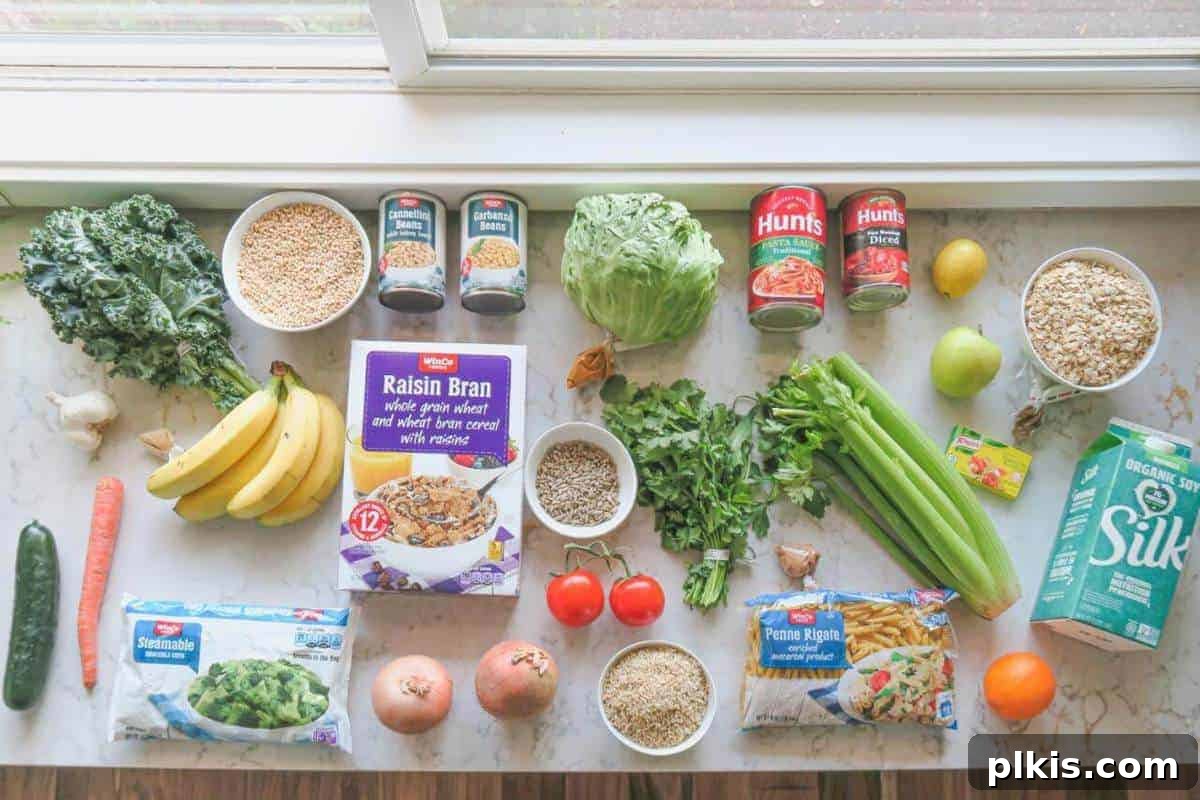
Your Economical Plant-Based Shopping List: Week 1 Essentials
This meticulously curated grocery list is designed to provide all the ingredients for your week’s meals while keeping your budget in mind. Remember to prioritize store brands and bulk options where available for maximum savings.
Fresh Produce Picks
- 1 bunch of kale (look for the largest bunch if priced per unit)
- 4 bananas (ideal for snacking and smoothies)
- 1 bunch of cilantro (adds fresh flavor to dishes)
- 1 head of garlic (a foundational flavor enhancer)
- 1 large carrot (versatile for soups and salads)
- 1 small lemon (for dressings and brightness)
- 1 apple (a simple, healthy snack)
- 2 small yellow onions (essential for many recipes)
- 1 orange (another refreshing snack option)
- 2 small tomatoes (choose the cheapest variety available)
- 1 large cucumber (perfect for hydrating salads)
- 1 large head of lettuce (opt for the cheapest variety for your salads)
- 1 bunch of celery (great for soups and snacking)
Bulk Section Bargains
- 1 cup of brown rice (a fiber-rich, satisfying staple)
- 1 pound of pearl barley (hearty and nutritious for soups)
- 3 cups of old-fashioned oats (the base for wholesome breakfasts)
- ¼ cup of raw sunflower seeds (for added texture and healthy fats)
- 2 tablespoons of cinnamon (a warming spice for oats and curries)
- 2 tablespoons of curry powder (the star of your chickpea dish)
- ½ teaspoon of cumin (earthy flavor for the curry)
- ½ teaspoon of ground ginger (adds a zesty kick to the curry)
Pantry & Frozen Staples
- 1 pound package of pasta (a versatile and filling meal base)
- 1 (15-ounce) can of cannellini beans (or the cheapest white bean variety available)
- 2 (15-ounce) cans of garbanzo beans (chickpeas, a protein powerhouse)
- 1 (26.5-ounce) can of pasta sauce (for quick and easy pasta dinners)
- 1 (15-ounce) can of fire-roasted tomatoes (adds depth to your curry)
- 1 (½-gallon) container of plant-based milk (soymilk is often the most economical choice)
- 1 package of vegetable bouillon cubes (a cost-effective alternative to boxed broth)
- 1 (12-ounce) package of frozen broccoli cuts (convenient and nutritious)
- 1 box of cereal (select the cheapest, unsweetened option available)
Budget Breakdown: Your Week 1 Spending
The total cost for this week’s groceries came to: $19.94. This demonstrates the incredible affordability of a plant-based diet when approached strategically. Please remember, this figure is an approximation, and your actual spending may be closer to $30 or $35 depending on regional prices, sales, and your chosen grocery store. The key is to adapt and make smart choices.
Elevate Your Meals: Optional Additions for Flavor & Nutrition
If you find yourself with a little extra room in your budget, or perhaps have some pantry staples on hand, these optional additions can further enhance your meals, adding extra protein, vitamins, or a touch of gourmet flair:
- Extra-firm tofu: Cubed and added to the Barley Soup, it provides a fantastic boost of plant-based protein, making the soup even more substantial.
- Frozen or fresh berries: A colorful and nutritious addition to your overnight oats or cereal, offering antioxidants and natural sweetness.
- More fruit for snacking: Apples, oranges, or seasonal fruits can provide refreshing and healthy snacks throughout the week.
- Your favorite salad dressing: While lemon juice is provided, a beloved store-bought or homemade dressing can significantly elevate your Simple Fresh Salad.
- More bananas: Perfect for slicing into your cereal or blending into extra smoothies for added potassium and natural sweetness.
- Hot sauce: A dash of hot sauce can add a fiery kick to your soups, pastas, or curried chickpeas for those who enjoy a bit of spice.
- Black pepper: Freshly ground black pepper can enhance the flavor profile of nearly every dish, providing a subtle warmth and aromatic depth.
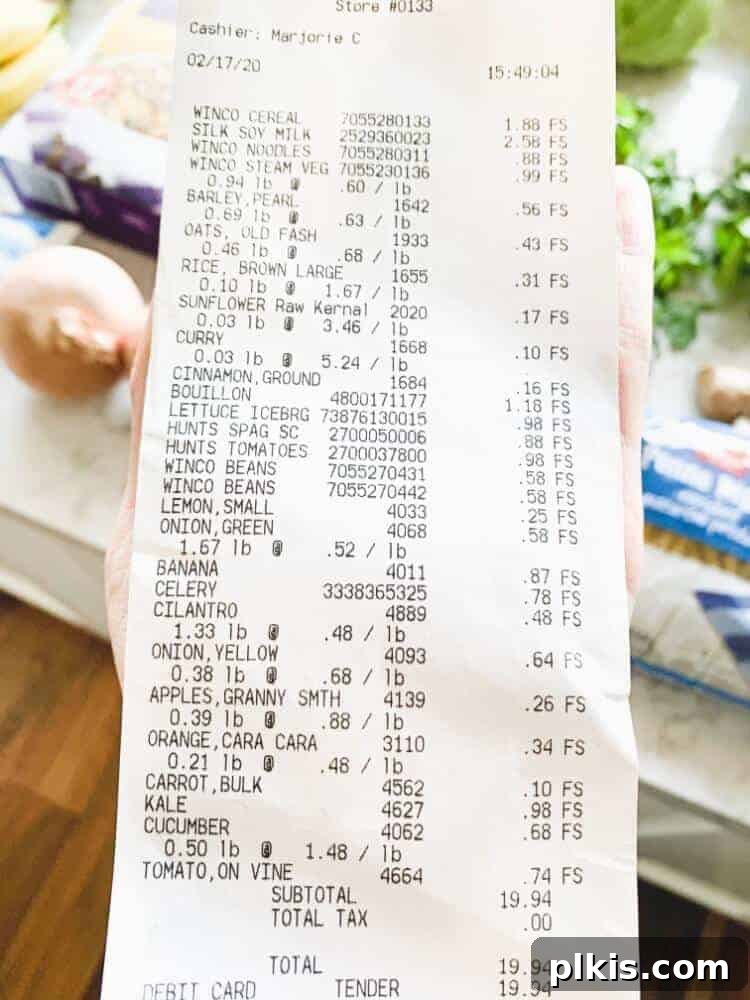
Your Delicious 7-Day Plant-Based Meal Plan
This carefully constructed weekly menu focuses on maximizing ingredients, minimizing waste, and ensuring you enjoy varied, delicious, and budget-friendly plant-based meals every day. Embrace the power of leftovers to simplify your week!
Weekly Menu Overview
Day One
Breakfast: Cereal and Milk
Lunch: Salad
Dinner: Barley Veggie Soup
Day Two
Breakfast: Overnight Oats
Lunch: Leftover Salad
Dinner: Simple Pasta
Day Three
Breakfast: Cereal and Milk
Lunch: Leftover Soup
Dinner: Curried Chickpeas
Day Four
Breakfast: Overnight Oats
Lunch: Leftover Pasta
Dinner: Leftover Curried Chickpeas
Day Five
Breakfast: Cereal and Milk
Lunch: Leftover Soup
Dinner: Leftover Curried Chickpeas
Day Six
Breakfast: Overnight Oats
Lunch: Leftover Soup
Dinner: Leftover Pasta
Day Seven
Breakfast: Green Smoothie
Lunch: Leftover Soup
Dinner: Leftover Pasta
Day One: Kickstarting Your Plant-Based Journey
Breakfast: Simple & Satisfying Cereal and Plant-Based Milk
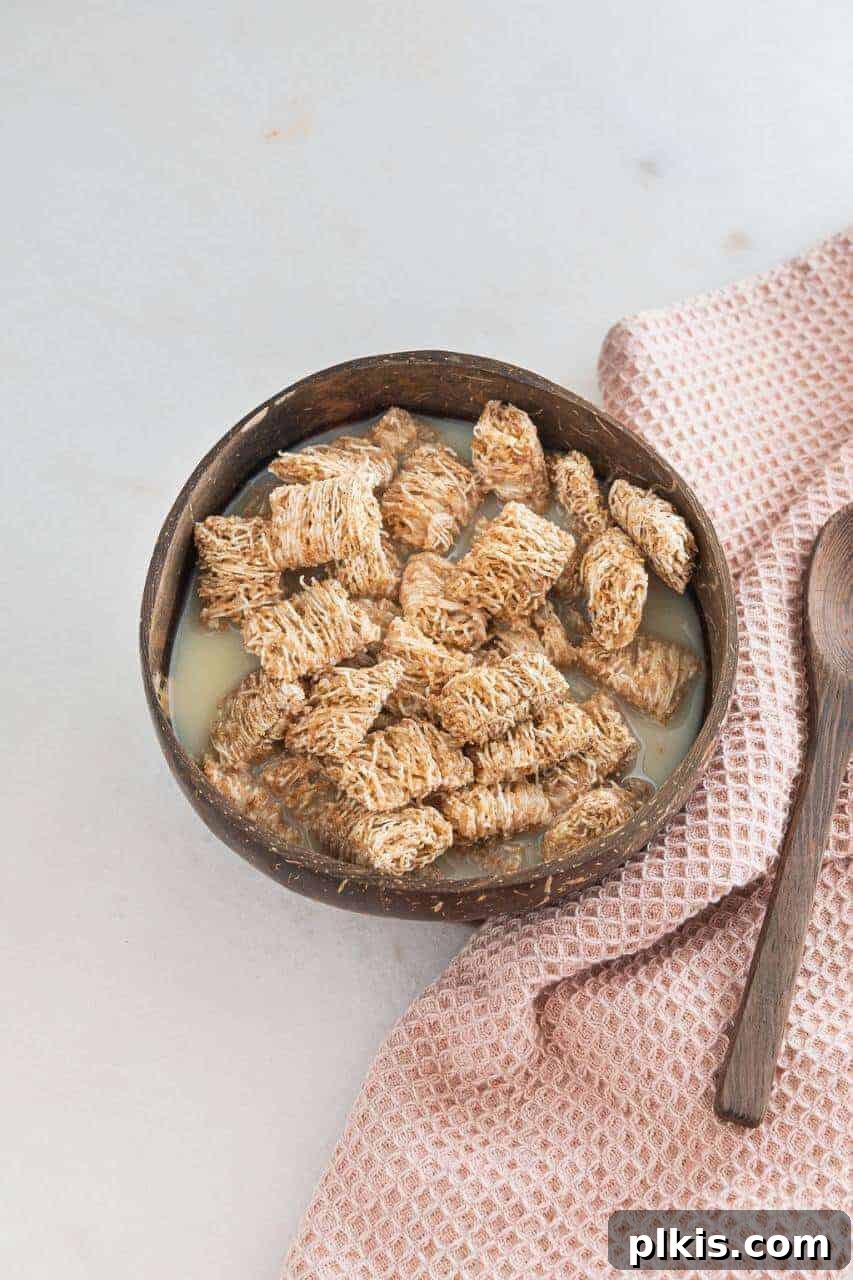
Begin your week with a classic, quick, and comforting breakfast. Cereal with plant-based milk offers a good source of carbohydrates for energy and can be easily customized with fruits for added nutrients. Choosing an unsweetened, whole-grain cereal is ideal for a budget-friendly and healthy start.
Ingredients:
- 1 to 2 cups of your chosen cereal
- 1 ½ cups of plant-based milk (soymilk is recommended for its protein content and affordability)
Optional ingredients:
- ½ a banana, sliced (for natural sweetness and potassium)
- A handful of blueberries (for antioxidants and flavor, if budget allows)
Directions:
- In a standard-size breakfast bowl, add your desired amount of cereal.
- Pour 1 cup of plant-based milk over the cereal. Add extra milk if preferred.
- Top with optional banana slices or blueberries for an enhanced flavor and nutrient profile.
Lunch: Refreshing & Nutritious Simple Fresh Salad
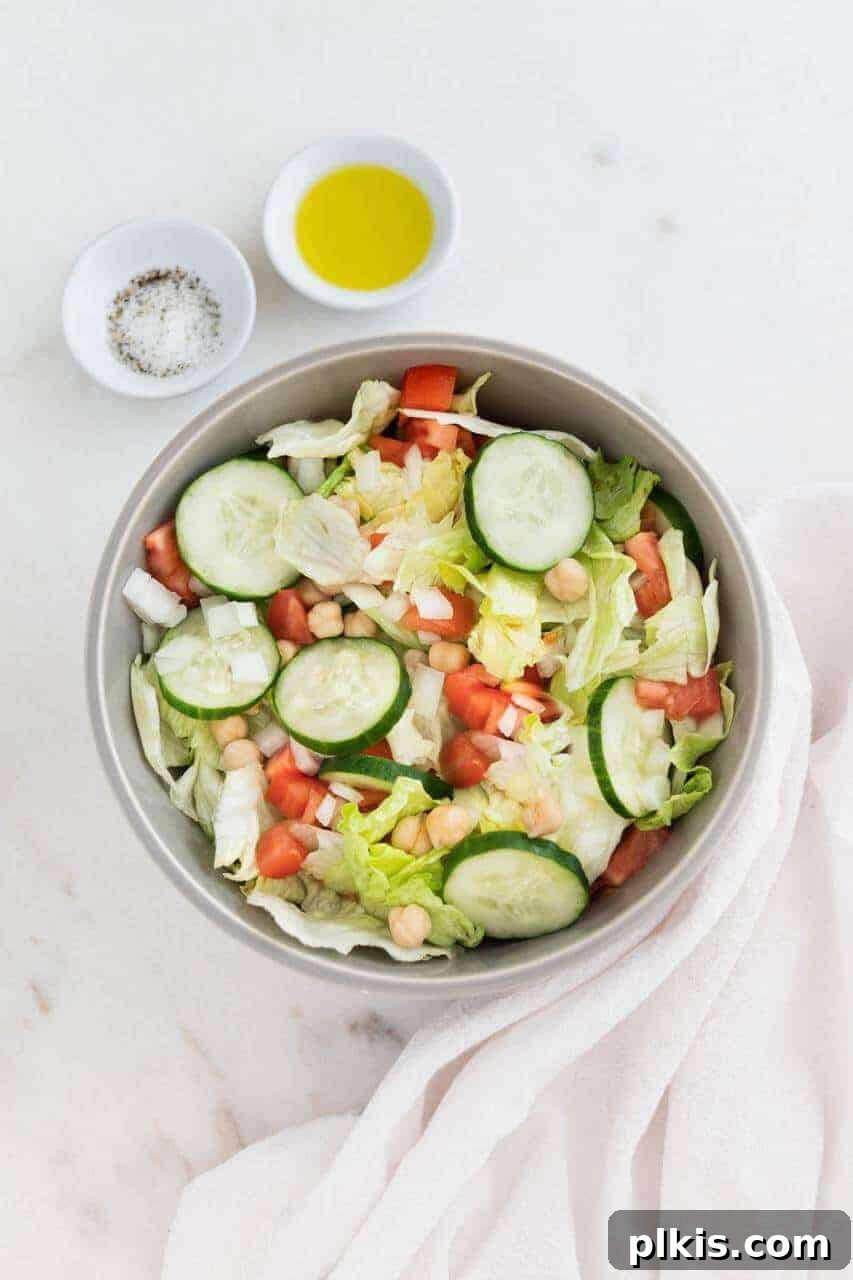
This vibrant salad is designed to be eaten twice – today and tomorrow – making your meal prep even more efficient. You can either prepare a double batch now for ultimate convenience or make it fresh each day to ensure maximum crispness of your vegetables. It’s a light yet satisfying meal packed with essential vitamins and fiber.
Ingredients:
- 2 cups of chopped romaine lettuce (or your cheapest lettuce variety)
- 1 cup of chopped cucumber (for a refreshing crunch)
- ¾ cup of cooked garbanzo beans (chickpeas, providing plant-based protein)
- 1 small tomato, diced (for a burst of freshness)
- ¼ of a yellow onion, diced (adds a subtle pungent flavor)
- A generous squeeze of fresh lemon juice (acts as a natural, low-cost dressing)
Optional additions:
- A sprinkle of black pepper (enhances flavor)
- Your favorite salad dressing (if you have it on hand or wish to splurge slightly)
Directions:
- In a spacious salad bowl, combine the chopped lettuce, cucumber, garbanzo beans, diced tomato, and diced yellow onion.
- Drizzle with fresh lemon juice. If using an optional salad dressing, add it now. Toss gently to combine all ingredients evenly.
- For tomorrow’s lunch, either cover and refrigerate the remaining prepared salad or keep ingredients separate and assemble fresh.
Dinner: Hearty & Wholesome Barley Veggie Soup
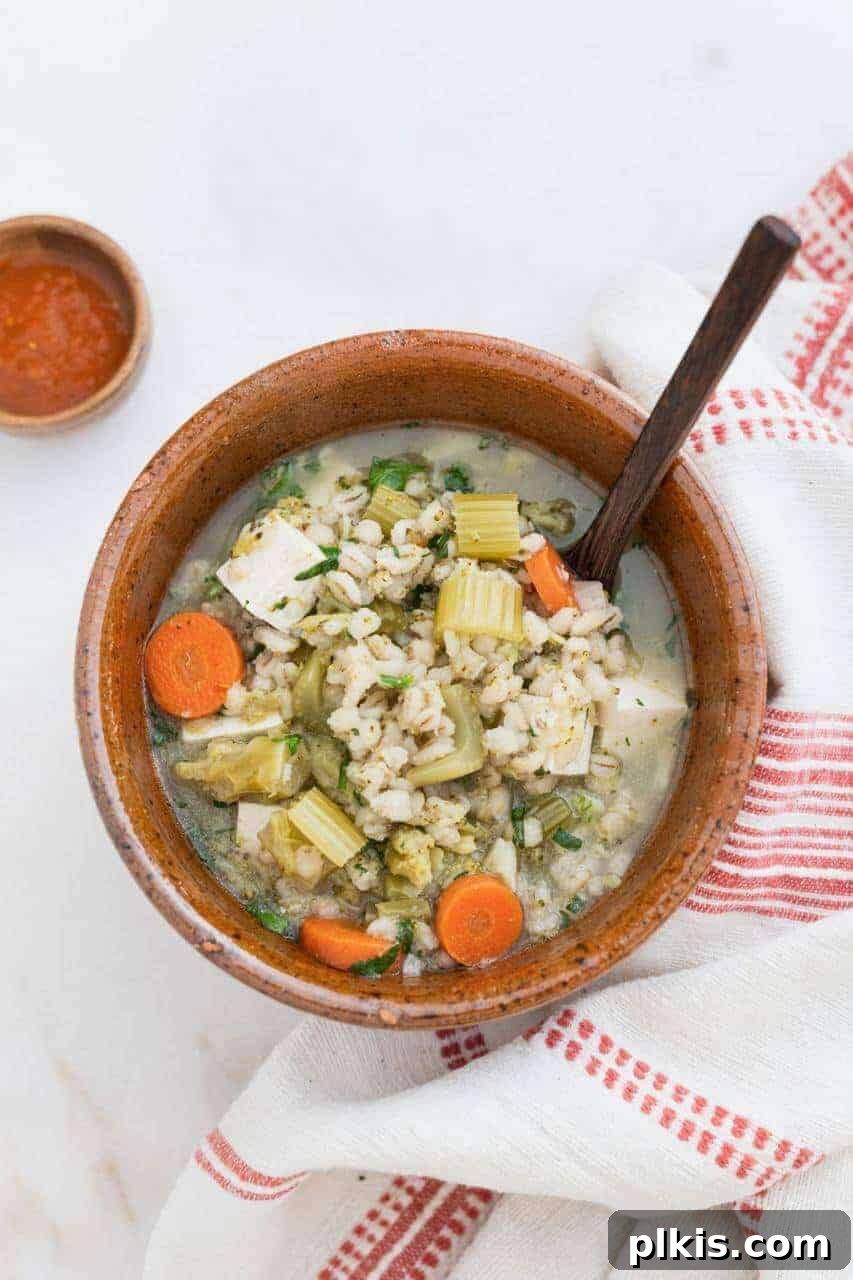
This substantial barley veggie soup is the perfect comforting meal to make in a large batch. It’s incredibly nutritious, rich in fiber from the barley and a bounty of vegetables, and its flavors often deepen and improve with each day. This recipe will provide several servings for dinner tonight and lunches throughout the week, embodying the spirit of budget-friendly meal prepping.
Ingredients:
- 1 tablespoon of vegetable oil OR ¼ cup of water (for oil-free sautéing, use more if needed)
- ½ of a yellow onion, diced
- 3 garlic cloves, minced (a generous amount for robust flavor)
- 2 cups of sliced celery
- 2 cups of frozen broccoli (a convenient and economical veggie choice)
- 1 carrot, sliced (adds sweetness and color)
- 1 pound of pearl barley (the star ingredient, providing texture and satiety)
- 14 cups of water
- 6 vegetable bouillon cubes (a budget-friendly way to create a flavorful broth)
- ¼ cup of minced cilantro (for a fresh, aromatic finish)
Optional additions:
- Extra-firm tofu, cubed (adds more protein and substance, added in step 3)
- Sprinkled black pepper (to taste)
- A dash of hot sauce (for those who enjoy a little heat)
Directions:
- In a large, heavy-bottomed pot or Dutch oven, heat the vegetable oil over medium-high heat. If opting for oil-free, add ¼ cup of water instead.
- Add the diced onion and minced garlic to the pot and sauté for about 2 to 3 minutes, or until fragrant and translucent. Then, add the sliced celery, frozen broccoli, and sliced carrots, continuing to sauté for another 3 to 4 minutes, or until the vegetables begin to soften.
- Stir in the pearl barley, water, and vegetable bouillon cubes. Bring the mixture to a rolling boil. If adding optional cubed extra-firm tofu, do so now. Once boiling, reduce the heat to low, cover the pot with a lid, and let it simmer for 40 minutes, allowing the barley to cook through and the flavors to meld beautifully.
- Remove the pot from the heat and stir in the minced cilantro. Serve hot, and portion out the remaining soup into airtight containers for easy lunches throughout the week.
Day Two: Building Momentum with Flavorful Meals
Breakfast: Energizing Overnight Oats – A Time-Saver

Overnight oats are the epitome of convenience and health, perfect for busy mornings. Prepare them the night before, and wake up to a ready-made, nutritious breakfast that’s rich in fiber and sustained energy. The oats soften in the plant-based milk, absorbing flavors overnight without any cooking required.
Ingredients:
- 1 cup of old-fashioned oats (rolled oats work best for texture)
- 1 cup of plant-based milk (soymilk for a protein boost)
- 1 ½ tablespoons of raw sunflower seeds (for a subtle crunch and healthy fats)
- ½ of a banana, sliced (for natural sweetness and potassium)
- 1 teaspoon of cinnamon (adds a warming, aromatic flavor)
Directions:
- In a storage container, glass, or mason jar, combine the oats, sunflower seeds, plant-based milk, and cinnamon.
- Stir all ingredients thoroughly until well combined.
- Cover the container with a lid or aluminum foil and refrigerate overnight (or for at least 4 hours).
- In the morning, give the oats a good stir and enjoy them chilled. No cooking or heating is necessary, as the oats will have softened perfectly.
- Garnish with the sliced banana just before serving for added sweetness and a fresh touch.
Lunch: Delightful Leftover Simple Fresh Salad
Enjoy the refreshing Simple Fresh Salad prepared on Day One. This meal exemplifies smart budget eating, utilizing prepped ingredients or a double batch to save time and reduce waste. If you opted to keep ingredients separate, quickly assemble for maximum crispness. A squeeze of fresh lemon or a sprinkle of pepper can revive its flavors.
Dinner: Comforting & Easy Simple Pasta with Bean & Veggie Sauce
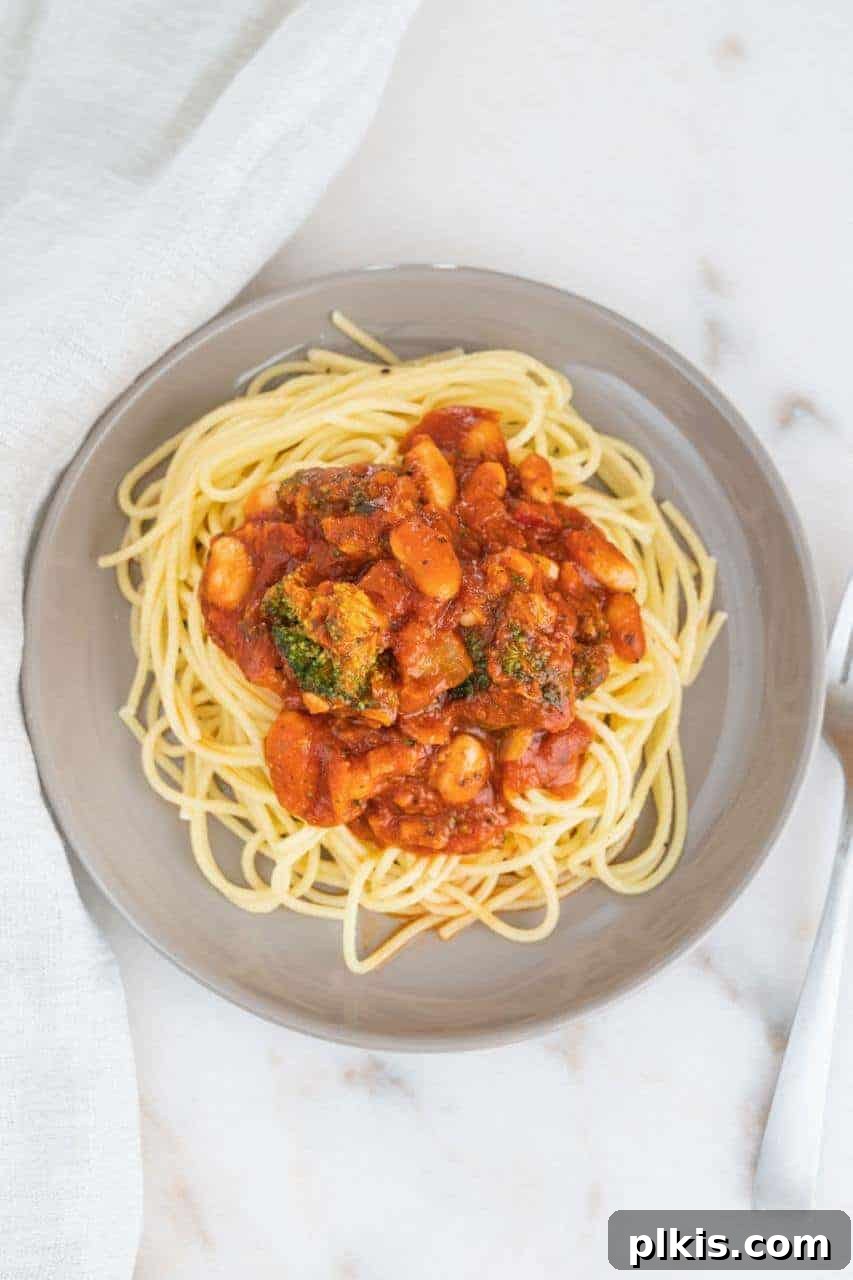
Pasta is a universally loved and incredibly budget-friendly meal. This simple version elevates a basic pasta dish with wholesome cannellini beans for protein and frozen broccoli for vital nutrients, all brought together with a flavorful canned pasta sauce. It’s a hearty and satisfying dinner that provides several servings for future meals.
Ingredients:
- 1 pound of pasta (spaghetti or any preferred shape)
- 1 tablespoon of vegetable oil OR ¼ cup of water (more if needed for oil-free cooking)
- ½ of a yellow onion, diced
- 3 garlic cloves, minced
- 2 cups of frozen broccoli (no need to thaw, add directly from frozen)
- 1 (15-ounce) can of cannellini beans, thoroughly drained and rinsed
- 1 (26.5-ounce) can of pasta sauce (choose a simple, unflavored variety for flexibility)
Directions:
- In a large pot, bring a generous amount of water to a boil. Add the pasta and cook according to the package directions until al dente. Once cooked, remove from heat and drain thoroughly.
- While the pasta is cooking, begin preparing the sauce. In a large pan or skillet, heat the vegetable oil over medium-high heat (or use water for oil-free sautéing). Add the diced yellow onion and minced garlic, sautéing for about 3 minutes until the onion becomes tender and translucent.
- Stir in the frozen broccoli and continue to sauté for 3 to 4 minutes, allowing the broccoli to heat through and slightly soften.
- Add the drained and rinsed cannellini beans, the cooked and drained pasta noodles, and the entire can of pasta sauce to the pan. Stir everything together gently to ensure the pasta and vegetables are evenly coated with the sauce. Allow it to simmer for a few minutes to ensure all ingredients are hot and the flavors have melded. Serve hot, and store any leftovers for future meals.
Day Three: Savory Discoveries and Budget-Friendly Staples
Breakfast: Classic Cereal and Plant-Based Milk for a Quick Start
Another morning, another effortlessly healthy breakfast. Enjoy your cereal with plant-based milk, a testament to the simplicity and convenience of this challenge. Feel free to add any leftover banana slices or a sprinkle of cinnamon for variation.
Lunch: Warming Leftover Barley Veggie Soup
Reheat and savor the comforting Barley Veggie Soup from Day One. Soups often taste even better the day after, as the flavors have more time to develop. This nourishing meal provides warmth and sustained energy, making it an excellent budget-friendly lunch option.
Dinner: Aromatic & Filling Curried Chickpeas with Brown Rice
This dish brings a delightful blend of spices and textures to your plate. Curried chickpeas are a fantastic source of plant-based protein and fiber, served over wholesome brown rice for a complete and satisfying meal. Roasting the chickpeas with spices adds an extra layer of flavor and a pleasant chewiness.
Ingredients:
- 1 cup of uncooked brown rice (a complex carbohydrate base)
- 2 cups of water (for cooking the rice)
- 2 tablespoons of curry powder, divided (the main spice for this aromatic dish)
- ½ teaspoon of cinnamon (adds warmth and depth to the curry)
- ½ teaspoon of cumin (earthy notes that complement the curry)
- ½ teaspoon of ground ginger (a zesty, slightly spicy kick)
- 1 (15-ounce) can of garbanzo beans (chickpeas), thoroughly rinsed and drained
- 1 tablespoon of vegetable oil OR ¼ cup of water (more if needed for sautéing)
- ½ of a yellow onion, diced
- 3 garlic cloves, minced
- 1 (15-ounce) can of fire-roasted tomatoes (adds a smoky, rich tomato base)
- ⅛ cup of water (to adjust sauce consistency)
- 1 cup of packed kale, finely chopped (for added greens and nutrients)
Directions:
- Preheat your oven to 450 degrees F (230 degrees C). This step is for roasting the chickpeas, which adds texture and flavor.
- Prepare the brown rice: Add the brown rice and 2 cups of water to a medium pot with a tight-fitting lid. Over high heat, bring the water to a boil. Once boiling, cover the pot with the lid, reduce the heat to low, and cook for 40 minutes, or until all the water is absorbed and the rice is tender. Remove from heat and let it sit for a few minutes before fluffing with a fork.
- While the rice cooks, prepare the chickpeas: In a small bowl, thoroughly mix 1 tablespoon of the curry powder with the cinnamon, cumin, and ground ginger. Add the rinsed and drained garbanzo beans to this spice mixture and toss until they are evenly coated.
- Spread the seasoned garbanzo beans in a single layer on a baking sheet lined with parchment paper (if available, for easy cleanup). Bake for 15 minutes in the preheated oven.
- While the garbanzo beans are baking, start the curry sauce. Heat the vegetable oil (or water) in a nonstick pan over medium heat. Add the diced onion and minced garlic, sautéing for 2 to 3 minutes until the onion softens and becomes fragrant.
- Stir in the fire-roasted tomatoes, ⅛ cup of water, and the remaining 1 tablespoon of curry powder. Bring to a gentle simmer, then cover and continue to cook for about 5-7 minutes, allowing the flavors to meld.
- Finally, add the finely chopped kale and the roasted garbanzo beans to the curry and tomato mixture. Stir well, cover, and let it simmer for another 5 minutes, or until the kale has wilted and everything is heated through.
- Serve the aromatic curried chickpeas generously over the fluffy brown rice. Store any remaining portions in airtight containers for your upcoming budget-friendly lunches and dinners.
Day Four: Enjoying the Fruits of Your Meal Prep
Breakfast: Wholesome Overnight Oats for Sustained Energy
Enjoy another convenient and nutritious breakfast with Overnight Oats. This pre-prepped meal ensures you start your day with fiber and lasting energy, without any morning rush. A simple, healthy, and cost-effective choice.
Lunch: Flavorful Leftover Simple Pasta
Reheat your Simple Pasta from Day Two for a quick and satisfying lunch. Pasta with a hearty bean and veggie sauce is an excellent leftover meal that holds up well and provides a comforting midday boost. It can also be enjoyed cold as a pasta salad if preferred.
Dinner: Delicious Leftover Curried Chickpeas
Savor the aromatic Curried Chickpeas from Day Three. The flavors in this dish tend to deepen overnight, making for an even more enjoyable meal. Serve it over any remaining brown rice or enjoy it on its own. It’s a testament to the wonders of batch cooking.
Day Five: The Simplicity of Budget-Friendly Eating
Breakfast: Quick & Easy Cereal and Plant-Based Milk
Maintain your routine with a simple bowl of cereal and plant-based milk. This no-fuss breakfast allows you to save time and energy for the day ahead, proving that healthy eating doesn’t have to be complicated or expensive.
Lunch: Nourishing Leftover Barley Veggie Soup
Another opportunity to enjoy the hearty Barley Veggie Soup. By now, the soup’s flavors will have fully developed, providing a deeply satisfying and warm lunch. This strategy minimizes cooking and maximizes the value of your initial preparation.
Dinner: Satisfying Leftover Curried Chickpeas
Enjoy your final serving of the flavorful Curried Chickpeas. This meal has proven its versatility and deliciousness throughout the week, offering a protein-packed and aromatic dinner option without needing to cook from scratch.
Day Six: Continuing Your Plant-Powered Week
Breakfast: Convenient Overnight Oats to Fuel Your Day
Start Day Six with the ease and nutrition of Overnight Oats. This pre-prepared meal is a lifesaver for busy schedules, ensuring a healthy and fulfilling breakfast that supports your budget goals.
Lunch: Hearty Leftover Barley Veggie Soup
Relish another serving of the comforting Barley Veggie Soup. It’s a perfect illustration of how smart meal planning can provide delicious, healthy meals for days, minimizing food waste and keeping your budget intact.
Dinner: Simple & Satisfying Leftover Pasta
Conclude your day with the comforting taste of Leftover Simple Pasta. This meal remains a reliable and delicious option, proving that even simple, budget-friendly dishes can be enjoyed multiple times without sacrificing flavor or satisfaction.
Day Seven: A Fresh Start with a Green Boost
Breakfast: Revitalizing Green Smoothie

Wrap up your challenge week with a vibrant, nutrient-dense green smoothie. This quick and refreshing breakfast uses your remaining kale and bananas, ensuring nothing goes to waste while giving you a powerful dose of vitamins and energy to start your Sunday.
Ingredients:
- 2 peeled and frozen bananas (using frozen bananas makes the smoothie extra creamy and cold)
- The remaining kale from your grocery list (packed with nutrients)
- 1 ½ cups of plant-based milk (soymilk works perfectly here)
Directions:
- Add all the ingredients – frozen bananas, remaining kale, and plant-based milk – into a high-speed blender.
- Blend on high until the mixture is completely smooth and creamy. If the smoothie is too thick, add a little more plant-based milk until you reach your desired consistency.
- Pour into a glass and enjoy immediately for a refreshing and healthy breakfast.
Lunch: Lasting Leftover Barley Veggie Soup
Enjoy your final portion of the delicious Barley Veggie Soup. It’s a testament to the longevity and flavor of well-made, budget-friendly plant-based meals, offering a satisfying conclusion to your lunch routine for the week.
Dinner: Final Leftover Simple Pasta Enjoyment
For your last dinner of the challenge week, enjoy the remaining Simple Pasta. It’s a comforting and familiar meal that brings your first week of budget-friendly plant-based eating to a delicious and satisfying close, demonstrating the efficiency of meal prepping.
Concluding Your First Week: Looking Ahead with Plant-Based on a Budget
Congratulations on completing Week 1 of the Plant-Based on a Budget Challenge! You’ve successfully navigated a full week of delicious, nutritious, and incredibly affordable plant-based meals. This experience has hopefully equipped you with practical skills in smart shopping, efficient meal prepping, and creative cooking that will serve you well on your ongoing journey.
If you’ve enjoyed the structure and savings this meal plan offers, consider exploring our more advanced and diverse premium meal plans available at PlantBasedMealPlan.com. We’d also love to see your culinary creations! Share your plant-based meals and tag us on Instagram @plantbasedonabudget for a chance to be reposted and inspire others in our growing community.
For your convenience, a printable PDF version of this entire Week 1 plan is available. You can download it to keep handy in your kitchen or for future reference by clicking here.
Thank you for choosing to eat mindfully, healthily, and affordably. We look forward to being a part of your continued success in the plant-based world!