
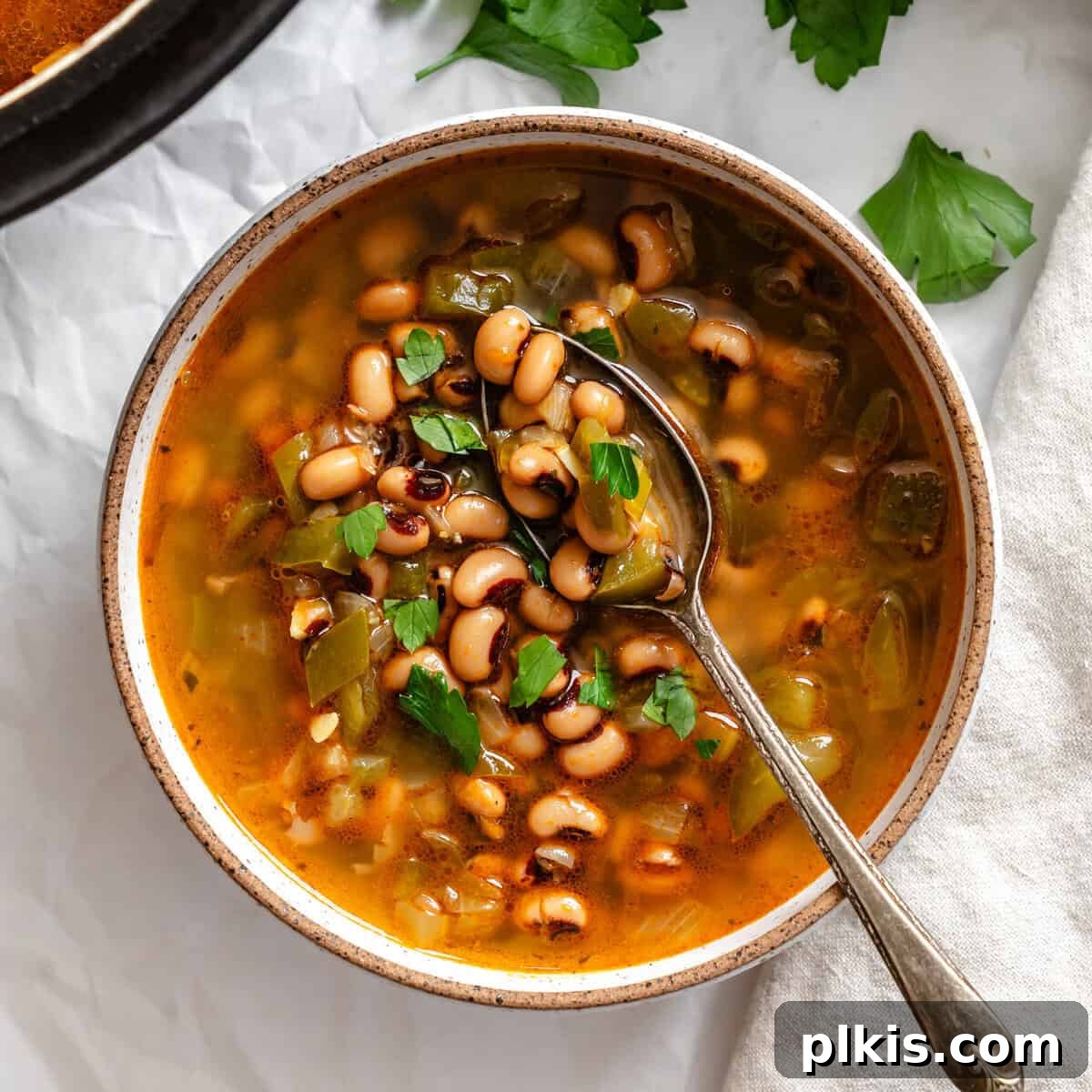
Hearty & Healthy Vegan Black Eyed Pea Soup: Your Ultimate One-Pot Comfort Meal
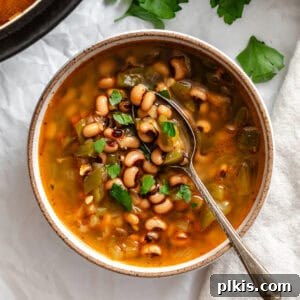
Dive into a bowl of pure comfort and nutrition with this incredible vegan black eyed pea soup. This recipe offers a simple, healthy, and profoundly satisfying one-pot meal that’s perfect for any occasion, from a traditional New Year’s celebration to a cozy weeknight dinner. Brimming with essential nutrients, dietary fiber, and rich, savory flavors, it’s a plant-based powerhouse that truly delivers.
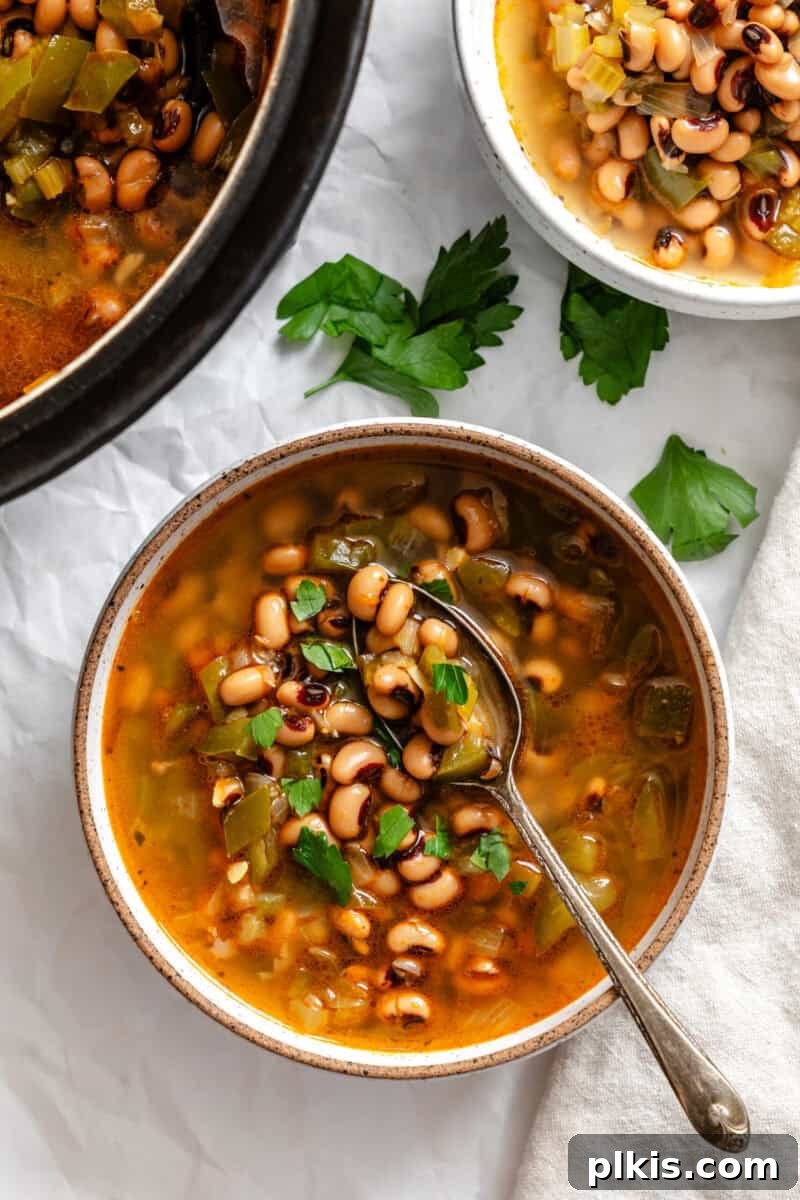
Why You’ll Fall in Love with This Vegan Black Eyed Pea Soup
Whether you’re honoring the Southern tradition of serving black-eyed peas for good luck and prosperity on New Year’s Day, or simply seeking a hearty and healthy soup to warm you during chilly winter evenings, this vegan black eyed pea soup recipe is an absolute winner. It’s a flavorful, comforting, and naturally plant-based dish that comes together effortlessly in just one pot, making cleanup a breeze. This isn’t just a meal; it’s a nutrient-dense experience designed for both ease and enjoyment.
Crafted from affordable, common kitchen staples, and adaptable for both dried or canned beans, this vegan black eyed pea soup is as straightforward to prepare as it is nourishing. Each spoonful is packed with a generous amount of fiber, plant-based protein, and a diverse array of essential vitamins and minerals, contributing to a truly wholesome diet. Furthermore, its versatility allows for easy customization to suit any palate, making it a fantastic option for meal prepping throughout the week. It’s also freezer-friendly, allowing you to stock up on delicious, ready-to-eat meals. The best part? Like many great soups, it tastes even better on day two, as the flavors meld and deepen overnight. Make sure to prepare a large batch so you have plenty of leftovers to savor! For an extra satisfying winter meal, pair this delicious soup with a slice of warm vegan cornbread cooked in a cast iron skillet, perfect for soaking up every last drop.
Craving more comforting and healthy bean soup recipes? Explore our other favorites, including our vibrant Tuscan White Bean Soup with Kale, the richly flavored Classic Black Bean Soup, our incredibly Easy Garbanzo Bean Soup (stove, Instant Pot, or Crockpot versions available), and the robust Hearty Kale and Bean Soup. Each offers a unique and satisfying plant-based experience.
Key Ingredients for Your Delicious Black Eyed Pea Soup
The beauty of this black eyed pea soup lies in its simple yet powerful ingredient list. Each component plays a crucial role in building the robust flavor profile that makes this vegan dish so irresistible. While a full list of precise quantities can be found in the recipe card below, here’s a closer look at the stars of the show and why they’re chosen:
- Black-Eyed Peas (Dried or Canned): The undeniable hero! These small, creamy legumes are the heart of the soup, providing substantial texture, protein, and fiber. Using dried beans allows for a deeper flavor absorption, while canned offers ultimate convenience.
- Olive Oil: The base for sautéing, olive oil not only helps to soften the vegetables but also adds a subtle richness and healthy fats to the soup. For an oil-free version, vegetable broth can be used.
- Aromatics (Yellow Onion, Garlic, Green Bell Pepper, Celery): This classic “mirepoix” (with bell pepper taking a Cajun twist) forms the foundational flavor layer of the soup. Diced yellow onion provides sweetness and depth, minced garlic offers pungent aromatic notes, crunchy celery contributes earthy freshness, and the green bell pepper adds a touch of vibrant, slightly bitter complexity. Sautéing these until lightly browned is key to unlocking their full flavor potential through caramelization.
- Smoked Paprika: This spice is a game-changer, infusing the soup with an authentic, deep smokiness that often mimics the flavor typically found in meat-based recipes, making it perfect for a vegan rendition.
- Salt and Black Pepper: Essential seasonings that enhance and balance all the other flavors. Remember to adjust to taste throughout the cooking process.
- Water: The liquid base that transforms the ingredients into a comforting soup. While water works perfectly, vegetable broth can be used for an even richer base.
- Lemon Juice: Added at the end, fresh lemon juice provides a bright, acidic finish that cuts through the richness and lifts all the flavors, making the soup feel fresh and vibrant.
- Fresh Parsley (for garnish): An optional but highly recommended garnish, fresh parsley adds a pop of color and a fresh, herbaceous note that complements the hearty soup beautifully.
Customize Your Black Eyed Pea Soup: Creative Variations & Additions
One of the fantastic aspects of this vegan black eyed pea soup is its adaptability. Feel free to experiment with these variations to tailor the soup to your personal preferences and whatever ingredients you have on hand, enhancing both flavor and nutritional value:
- Tomato Paste or Fire-Roasted Tomatoes: For a richer, more complex tomato flavor and a deeper color, stir in 1-2 tablespoons of tomato paste when sautéing the aromatics. Alternatively, add a small can (about 14.5 ounces) of diced or fire-roasted tomatoes along with the water for a burst of sweet and smoky acidity.
- Umami Depth with Soy Sauce: A splash of soy sauce (or tamari for a gluten-free option) can add a wonderful salty, umami depth to the soup, rounding out the flavors without making it taste distinctly Asian. Start with one tablespoon and add more to taste.
- Spice It Up with Red Pepper Flakes: If you enjoy a little heat, add a pinch or two of red pepper flakes or a dash of cayenne pepper along with the other seasonings. Adjust the quantity to your preferred spice level.
- Other Aromatic Seasonings: Enhance the herb profile with other complementary spices. Cumin offers earthy warmth, dried thyme provides a classic savory note, or a blend of Italian seasoning can add a Mediterranean flair. Add these with the smoked paprika for best results.
- Boost the Smokiness: For an even deeper smoky flavor in this vegetarian black eyed pea soup, consider adding a few drops of liquid smoke (start with ¼ teaspoon) or a sprinkle of smoked salt. These ingredients can truly elevate the “ham hock” flavor often associated with traditional black eyed pea dishes.
- Bay Leaves for Savory Depth: Simmer 1-2 bay leaves in the soup during the cooking process. They impart a subtle, savory depth that enhances the overall flavor. Remember to remove them before serving.
- Nutrient-Rich Greens (Spinach/Kale/Collard Greens): Stir in a few handfuls of fresh spinach or chopped kale during the last 5-10 minutes of cooking until they wilt. This is an excellent way to boost the nutrient content and add vibrant color. Traditionally, collard greens are served with black eyed peas on New Year’s Day to represent paper money, making them a symbolic and delicious addition directly into the soup.
- Hearty Potatoes or Sweet Potatoes: For an even more substantial and thicker soup, add diced Russet potatoes or sweet potatoes along with the black-eyed peas and water. They will soften and release starch, contributing to a creamier consistency and a heartier meal.
Step-by-Step Guide: How to Make Vegan Black Eyed Pea Soup
Creating this flavorful and nutritious vegan black eyed pea soup is surprisingly simple, primarily relying on a single pot for maximum convenience. Follow these clear steps to achieve a perfectly cooked, soul-satisfying meal:
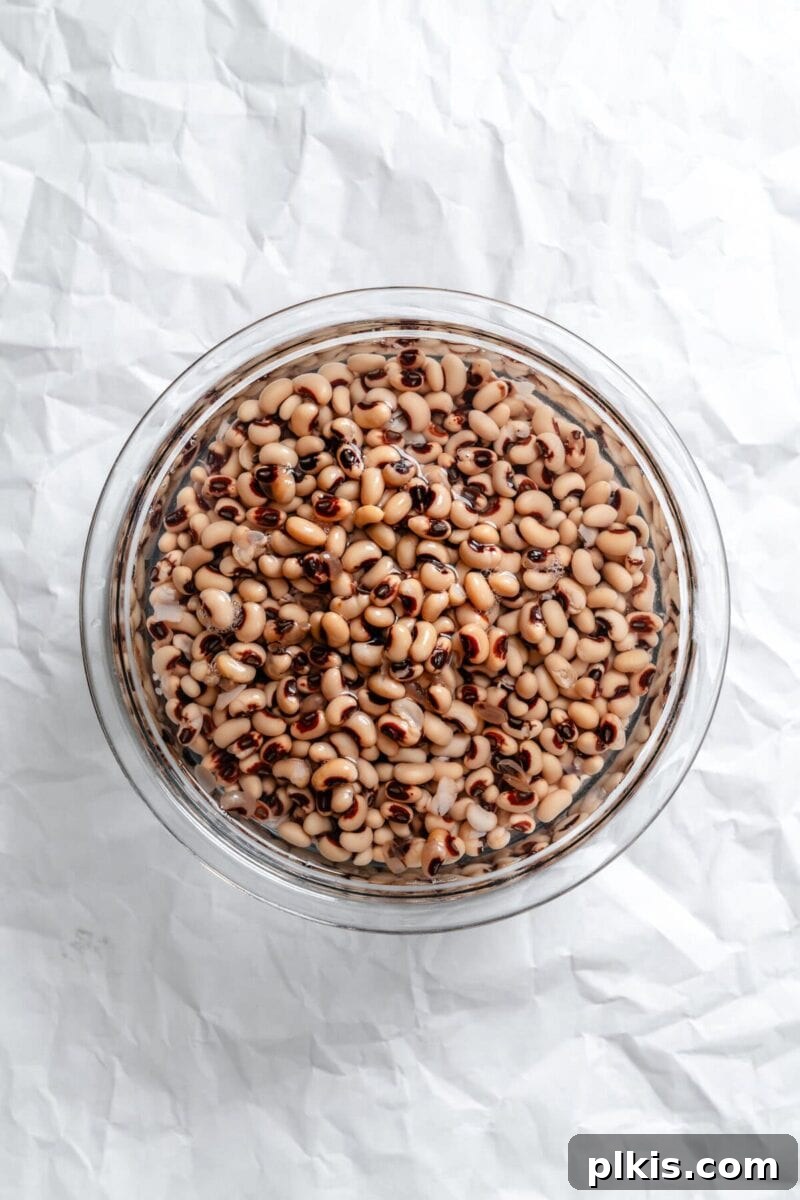
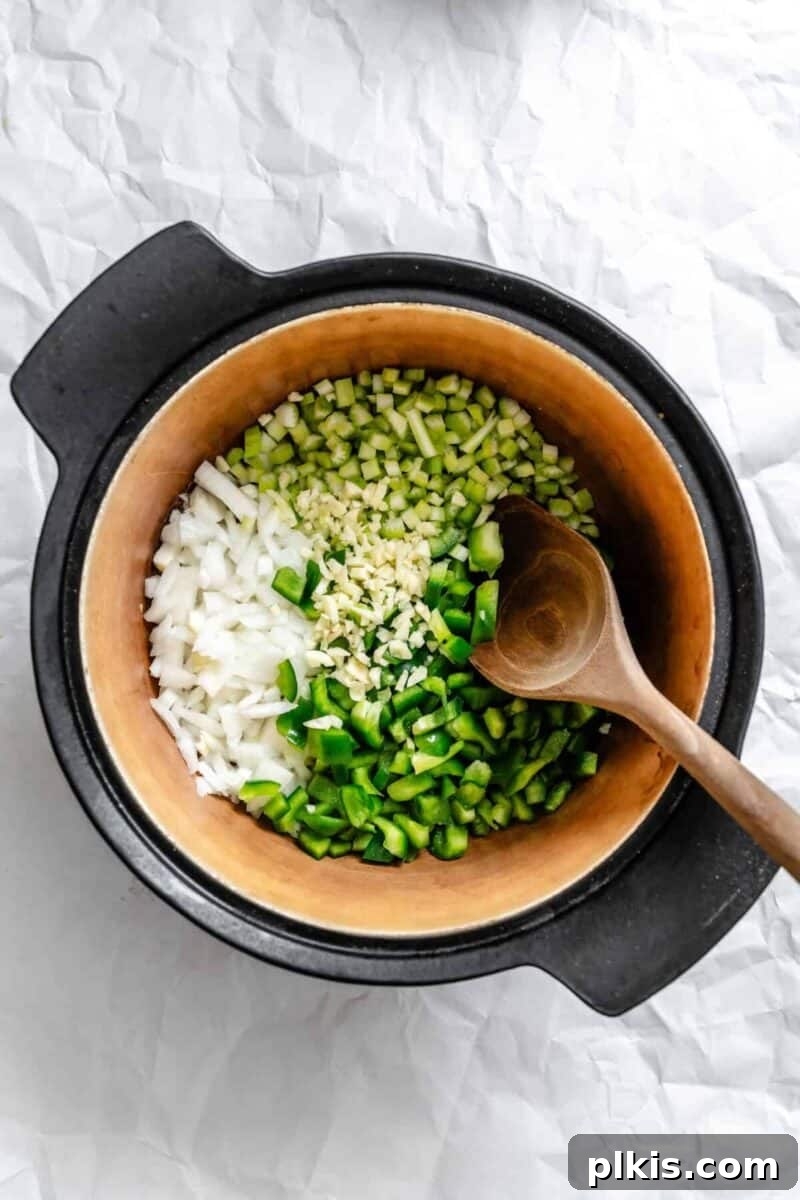
- Prepare the Black-Eyed Peas: This crucial first step ensures optimal cooking. If using dried black-eyed peas, rinse them thoroughly under cold water to remove any debris. Then, place them in a large bowl and cover with at least two inches of fresh water. Let them soak overnight, typically for a minimum of 8 hours. Soaking significantly reduces cooking time and helps with digestibility. Once soaked, drain and rinse the beans again thoroughly before cooking. If you’re opting for the convenience of canned black-eyed peas, simply drain them and rinse them well under cold water. Next, dice your yellow onion, green bell pepper, and celery, and mince your garlic cloves, preparing all your aromatics in advance.
- Sauté the Aromatics: Heat the olive oil in a large, heavy-bottomed pot or Dutch oven over high heat. Once the oil is shimmering and hot, carefully add the diced onion, minced garlic, diced bell pepper, and sliced celery. Sauté these chopped ingredients for 5-7 minutes, stirring frequently, until they become slightly soft, fragrant, and begin to lightly brown. This caramelization process is vital for building deep, foundational flavors in your soup. Reduce the heat to medium-high if the vegetables are browning too quickly to ensure even cooking without burning.
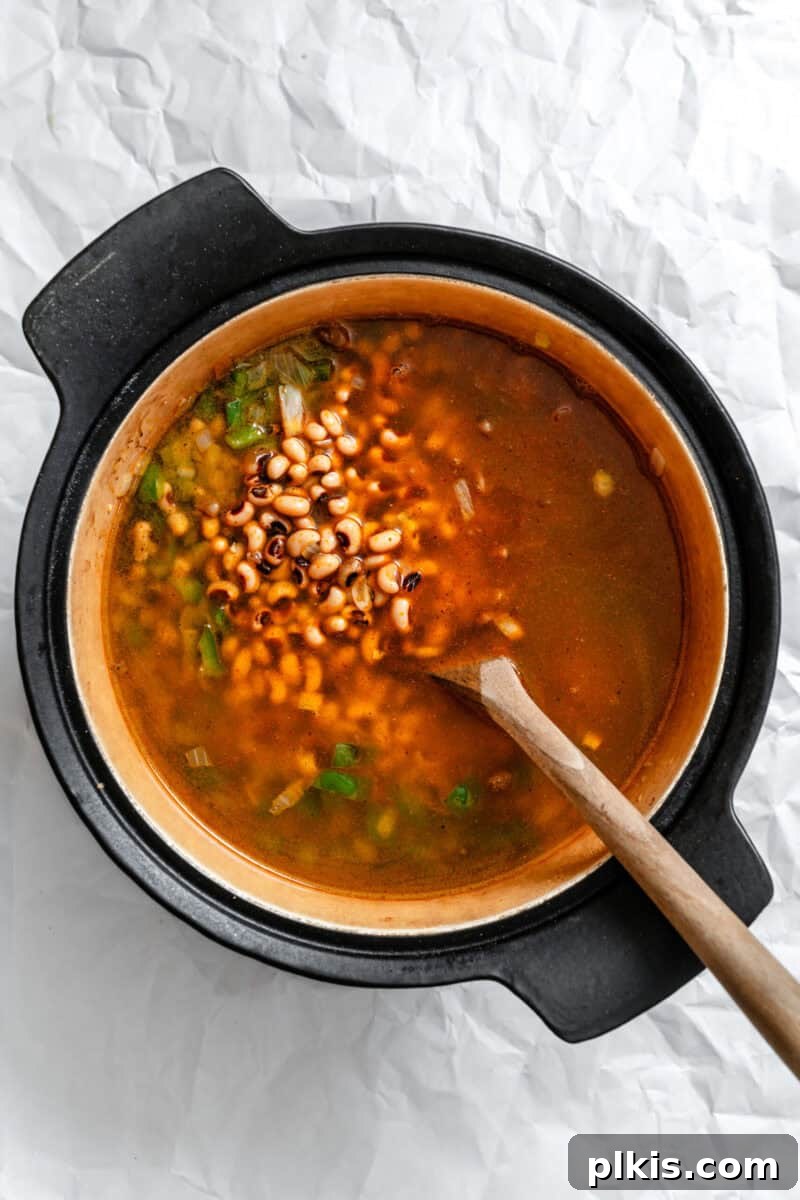
- Season and Simmer: After the vegetables have softened and taken on some color, add the smoked paprika, salt, and black pepper. Stir constantly for about 20 seconds to toast the spices, which amplifies their aroma and flavor profile. Then, incorporate the prepared black-eyed peas (whether previously soaked and rinsed or drained from a can) and the 6 cups of water into the pot. Stir all the ingredients thoroughly to combine them. Bring the mixture to a rolling boil, then reduce the heat to a gentle simmer. Cover the pot with a lid and allow the soup to cook for approximately 30 minutes. The cooking time for dried black-eyed peas can vary, usually taking anywhere from 45-60 minutes, or potentially longer, depending on their age and prior soaking. Continue cooking until the peas reach your desired tender texture.
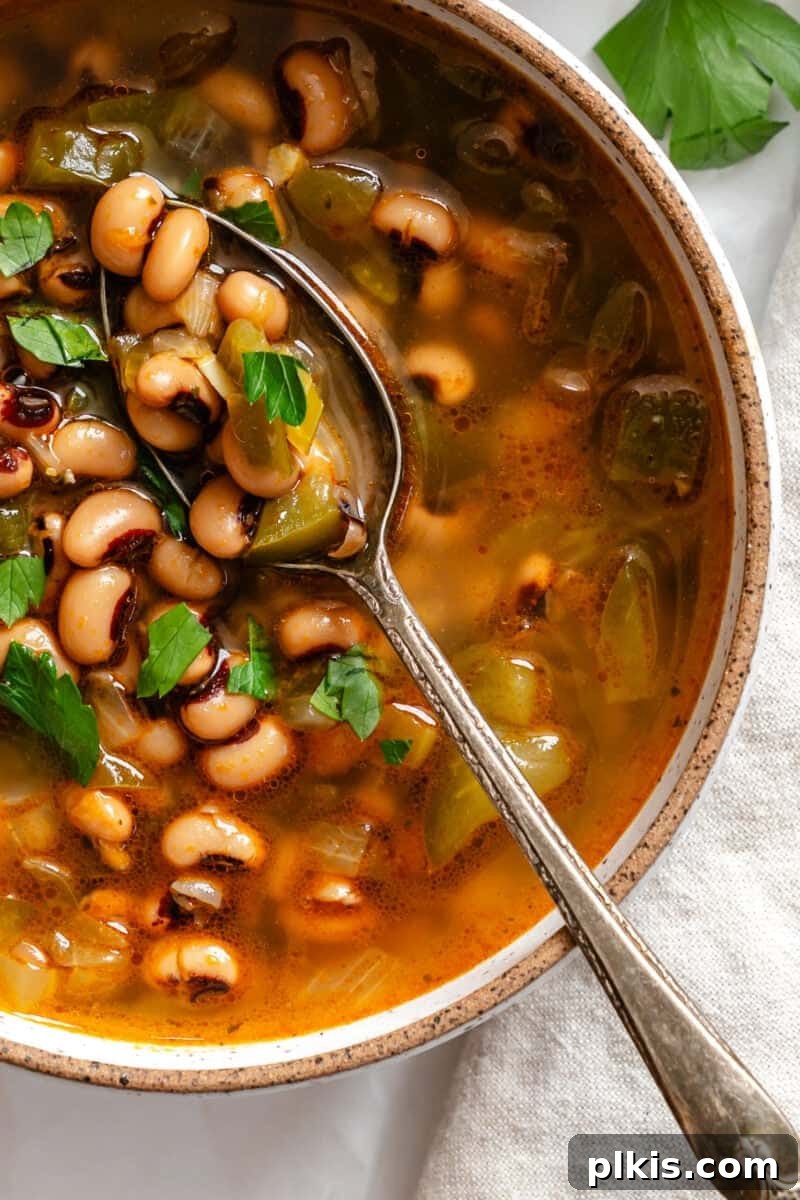
- Final Touches and Serve: Once the black-eyed peas are perfectly tender, taste the soup and adjust the seasonings as needed. This is your chance to add more salt, pepper, or any other spices to achieve your ideal flavor balance. Squeeze in the juice of one fresh lemon to brighten the soup with a zesty finish that beautifully complements the rich, earthy flavors. Ladle the hot vegan black eyed pea soup into bowls and, if desired, garnish with a sprinkle of fresh chopped parsley for a burst of color and herbaceous freshness. Serve immediately and enjoy this comforting and wholesome meal!
For a Quick Soak Alternative: If you’re short on time and forgot to soak your dried black-eyed peas overnight, don’t worry! You can use a quick-soak method. Simply bring the beans and water to a boil in your pot, then remove them from the heat and let them soak for an hour. This significantly cuts down the preparation time, allowing you to enjoy your delicious soup sooner.
Preventing Over-Browning: While browning the vegetables adds flavor, burning them can lead to bitterness. If you notice your aromatics (onions, bell peppers, celery, garlic) are browning too quickly, simply reduce the heat to medium-high or medium. This ensures they caramelize beautifully without scorching.
Frequently Asked Questions About Vegan Black Eyed Pea Soup
While black-eyed peas are smaller than many other beans and can technically be cooked without soaking, it is highly recommended for several reasons. Soaking them significantly shortens the overall cooking time, as the beans absorb water and become softer. More importantly, soaking helps to reduce the phytic acid content in the beans, making them more easily digestible and reducing the likelihood of gas and bloating. Soaking also ensures a more even cook and a creamier texture. If you choose not to soak, be prepared for a longer cooking time (potentially 1.5-2 hours) and ensure you have extra water or broth on hand as they will absorb more liquid during cooking.
Absolutely! This vegan black eyed pea soup adapts beautifully to a slow cooker, making it an ideal choice for hands-off cooking. For the most robust flavor, we highly recommend sautéing the onions, garlic, bell pepper, and celery in a skillet first, along with the smoked paprika, before transferring them to the slow cooker. This step builds crucial flavor depth through caramelization. Once sautéed, combine all ingredients (including dried or canned beans and water) in the slow cooker. If using dried beans (even if quick-soaked), cook on HIGH for 7-8 hours or on LOW for 4-5 hours until tender. If using canned beans, cook on LOW for 6 hours or on HIGH for 2-3 hours. The longer, slower cooking time truly allows the flavors to meld beautifully.
Expert Tips for the Best Vegan Black Eyed Pea Soup
Elevate your black eyed pea soup from good to extraordinary with these expert tips:
- To make it oil-free: For a lighter, oil-free version, simply substitute the olive oil with ¼ cup of vegetable broth or water when sautéing the vegetables. Continue to cook until they soften, adding more broth as needed to prevent sticking. The flavor will still develop beautifully, just without the added fat.
- Let the veggies brown: Don’t rush the sautéing step! Allowing your onions, bell peppers, and celery to lightly brown and caramelize (also known as the Maillard reaction) is a fundamental technique for building incredible depth of flavor in your soup. This process transforms their natural sugars, creating sweet, complex notes that will permeate the entire dish.
- For creamier soup: If you prefer a thicker, more velvety texture, blend a portion of the cooked soup (about 1-2 cups) until smooth using an immersion blender directly in the pot, or carefully transfer a portion to a regular blender. Stir the blended portion back into the pot. This thickens the soup naturally without the need for additional starches, while still leaving plenty of whole beans for texture.
- Taste and adjust: Always taste your soup before serving and adjust seasonings as needed. Flavors can change as the soup cooks and reduces. Don’t be afraid to add a little more salt, pepper, or even a squeeze of lemon juice at the end to really make the flavors pop.
Serving Suggestions for Your Vegan Black Eyed Pea Soup
This hearty vegan black eyed pea soup is satisfying enough on its own, but it truly shines when paired with traditional Southern sides or other complementary dishes. On New Year’s Day, black-eyed peas are traditionally served with collard greens and stewed tomatoes, each carrying symbolic meanings: collard greens represent paper money, stewed tomatoes signify wealth, and cornbread symbolizes gold. You can easily incorporate these symbolic elements into your meal:
- Traditional Southern Sides: Add a generous portion of braised collard greens (cooked without meat, of course, to keep it vegan!) or stir them directly into the soup for added nutrients and symbolism. A side of stewed tomatoes also makes for a wonderful, tangy accompaniment.
- Cornbread: A must-have pairing! Mop up every delicious drop of soup with a slice of warm, fluffy cornbread. Our Jalapeño Cornbread recipe offers a delightful kick that perfectly complements the earthy flavors of the soup.
- Crusty Bread: If cornbread isn’t your preference, a good crusty loaf of bread, such as our easiest no-knead bread, is perfect for dipping and soaking up the savory broth.
- Roasted Vegetables: A side of simply roasted vegetables like broccoli, carrots, or Brussels sprouts can add extra texture and nutritional value to your meal.
- Fresh Side Salad: A light, refreshing side salad, such as this vibrant strawberry kale salad, offers a fantastic contrast to the rich, warm soup.
- Hot Sauce or Vegan Sour Cream: For an extra layer of flavor, drizzle a little hot sauce over your bowl, or add a dollop of vegan sour cream or cashew cream for richness.
Storage and Reheating Tips for Your Vegan Black Eyed Pea Soup
This vegan black eyed pea soup is an excellent candidate for meal prep, as its flavors tend to improve over time. Properly storing and reheating ensures you can enjoy delicious leftovers for days to come:
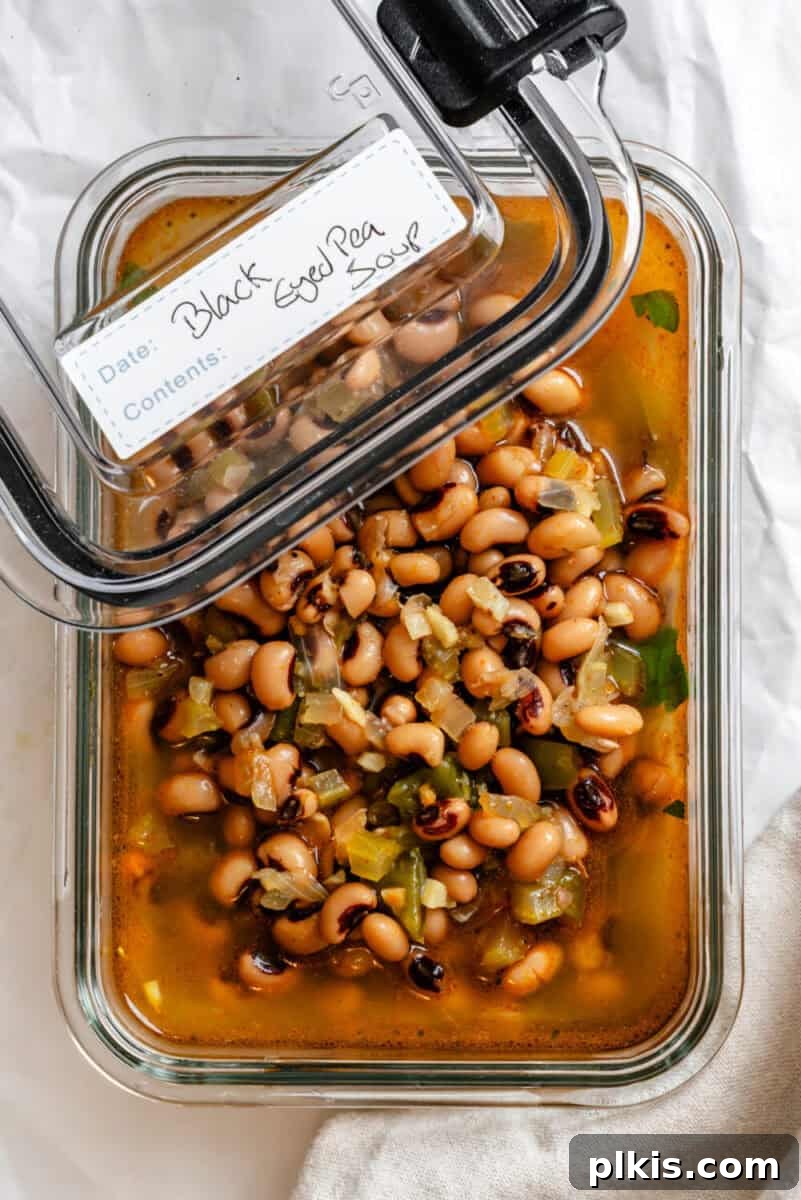
- Storage in the Fridge: Allow the soup to cool completely to room temperature before storing. Transfer it into airtight containers and refrigerate for up to 4-5 days. Ensure the container is sealed well to maintain freshness and prevent other odors from impacting the soup.
- Freezing for Longer: This soup freezes beautifully! Once completely cooled, divide the soup into freezer-safe containers, heavy-duty freezer bags (like Ziplock or Stashers), or even silicone muffin trays or souper cubes for individual portions. It can be stored in the freezer for up to 3-4 months. When ready to enjoy, simply transfer the frozen soup to the fridge overnight to thaw.
- Reheating Instructions: To reheat, you have a couple of convenient options. For individual portions, microwave the soup in 30-second increments, stirring between each interval, until it is piping hot throughout. Alternatively, for larger quantities, reheat on the stovetop over medium-low heat, stirring occasionally, until it reaches your desired temperature. If the soup has thickened considerably during storage, you may need to add a splash of extra vegetable broth or water to achieve the perfect consistency.
More Delicious Vegan Soup Recipes to Explore
Soups
Quick Mexican Bean Soup [Stove + Crockpot]
Vegan Dinners
Vegan Split Pea Soup
Vegan Dinners
Vegan Asparagus Soup
Soups
Vegetable Barley Soup
If you tried this vegan black eyed pea soup recipe or any other delicious plant-based creation on our blog, please leave a 🌟 star rating and share your thoughts in the 📝 comments section below. Your feedback and ratings help us grow and inspire others to cook healthy, budget-friendly vegan meals. Thanks for being part of our community!
Vegan Black Eyed Pea Soup Recipe
Print Recipe
This vegan black eyed pea soup is a simple, healthy, and satisfying one-pot meal perfect for New Year or any day – packed with nutrients, fiber, and flavor.
Equipment
-
Knife Set
-
Measuring Spoons
-
Measuring Cups
Ingredients
- 3 tablespoons of olive oil
- 1 yellow onion diced
- 5 cloves garlic minced
- 1 green bell pepper diced
- 3 stalks celery diced
- 1 teaspoon smoked paprika
- 1 teaspoon salt plus more to taste
- 1 teaspoon black pepper plus more to taste
- 1 pound dried black-eyed peas (rinse and soak in water overnight, or 3 (15-ounce) cans, drained and rinsed)
- 6 cups water
- 1 lemon (for juice)
- Fresh parsley chopped (for garnish)
Instructions
- Prepare the Black-Eyed Peas: If using dried black-eyed peas, rinse them thoroughly and place them in a large bowl. Cover them with at least two inches of fresh water and let them soak overnight (minimum 8 hours). Soaking dramatically cuts down cooking time and aids in digestibility. Once soaked, drain and rinse the beans again. If using the quick-soak method, bring beans and water to a boil, remove from heat, and let soak for an hour, then drain and rinse. If using canned black-eyed peas, simply drain and rinse them well. Prepare all your aromatics by dicing the yellow onion, green bell pepper, and celery, and mincing the garlic cloves.
- Sauté the Aromatics: In a large, heavy-bottomed pot or Dutch oven, heat the 3 tablespoons of olive oil over high heat. Once hot, add the diced onion, minced garlic, diced bell pepper, and sliced celery. Sauté for 5-7 minutes, stirring occasionally, until the vegetables soften and begin to lightly brown, creating a rich flavor base. If they start to brown too quickly, reduce the heat to medium-high.
- Season and Combine: Add the 1 teaspoon of smoked paprika, 1 teaspoon of salt, and 1 teaspoon of black pepper to the sautéed vegetables. Stir continuously for about 20 seconds to toast the spices and enhance their aroma.
- Simmer to Perfection: Add the prepared black-eyed peas (soaked and rinsed, or canned and rinsed) and 6 cups of water to the pot. Stir all ingredients well to combine. Bring the soup to a rolling boil, then reduce the heat to a gentle simmer. Cover the pot with a lid and let it cook for at least 30 minutes, or until the black-eyed peas are tender and reach your desired texture. Note that cooking dried black-eyed peas can sometimes take 45-60 minutes or longer, depending on how long they were soaked and their freshness.
- Final Touches and Serve: Taste the soup and adjust the seasonings as needed, adding more salt or pepper to your preference. Squeeze in the juice of one fresh lemon to brighten the flavors. Ladle the hot soup into bowls and optionally garnish with freshly chopped parsley for a final touch of freshness. Enjoy this comforting and nutritious vegan black eyed pea soup!
Notes
- To make it oil-free: Sauté the vegetables with ¼ cup of vegetable broth or water instead of olive oil. Add more liquid as needed to prevent sticking.
- Let the veggies brown: Allowing your aromatics to lightly brown during sautéing caramelizes their natural sugars, adding significant depth and richness to the soup’s flavor.
- For a creamier soup: If you prefer a thicker consistency, carefully blend a portion of the soup (about 1-2 cups) with an immersion blender or in a regular blender until smooth, then stir it back into the pot. This creates a creamy texture while still leaving some whole beans for bite.
Nutrition Information (Approximate per serving)
Carbohydrates: 77g
Protein: 28g
Fat: 12g
Saturated Fat: 2g
Polyunsaturated Fat: 2g
Monounsaturated Fat: 8g
Sodium: 645mg
Potassium: 1502mg
Fiber: 15g
Sugar: 11g
Vitamin A: 557IU
Vitamin C: 44mg
Calcium: 174mg
Iron: 10mg
Additional Information
Tried this recipe?
Please tag us at @PlantBasedOnABudget! We love to see your creations and hear your feedback!