
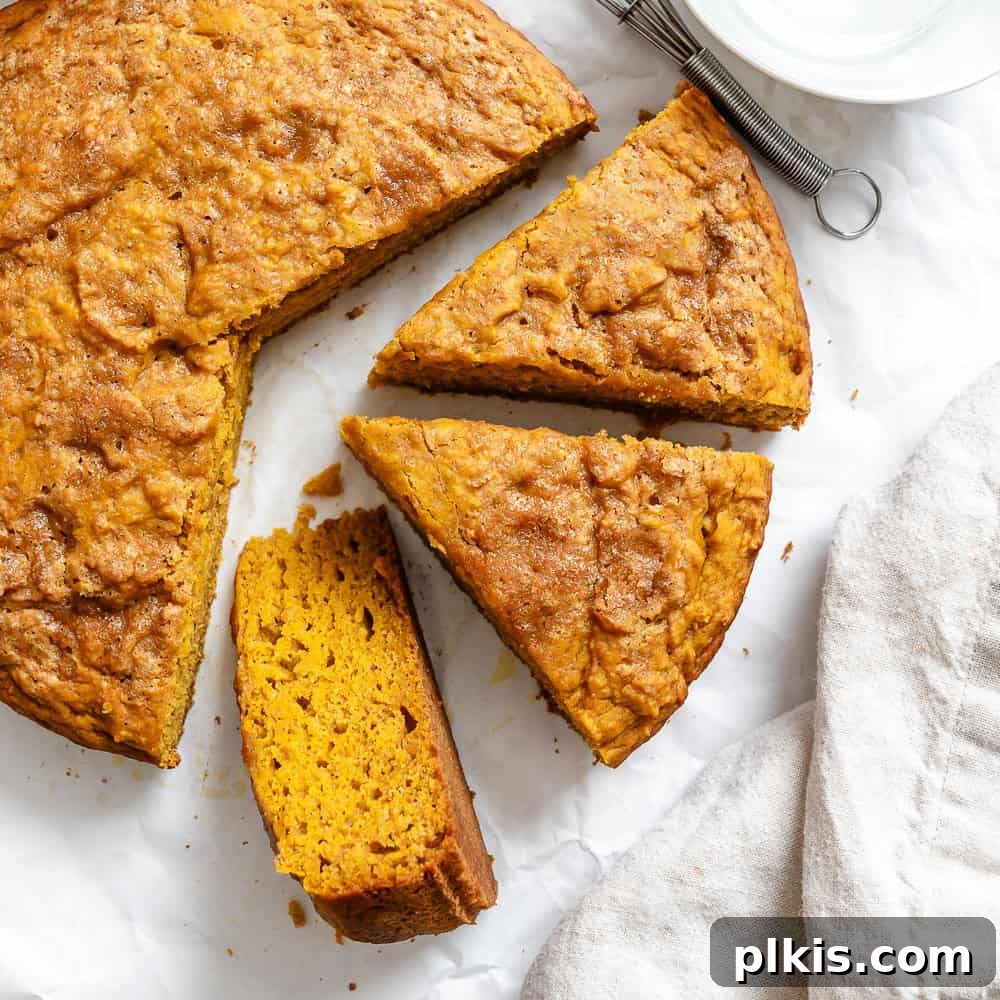
Delicious Butternut Squash Cake: Your New Favorite Fall Dessert
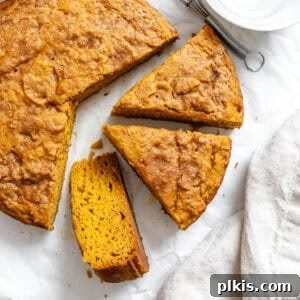
Light, moist, and perfectly spiced with warm brown sugar, this Butternut Squash Cake is a fluffy, dairy-free, and egg-free fall treat that everyone will adore! Forget pumpkin for a moment – butternut squash takes center stage in this easy-to-make, utterly delectable dessert, offering a unique sweetness and incredible texture.
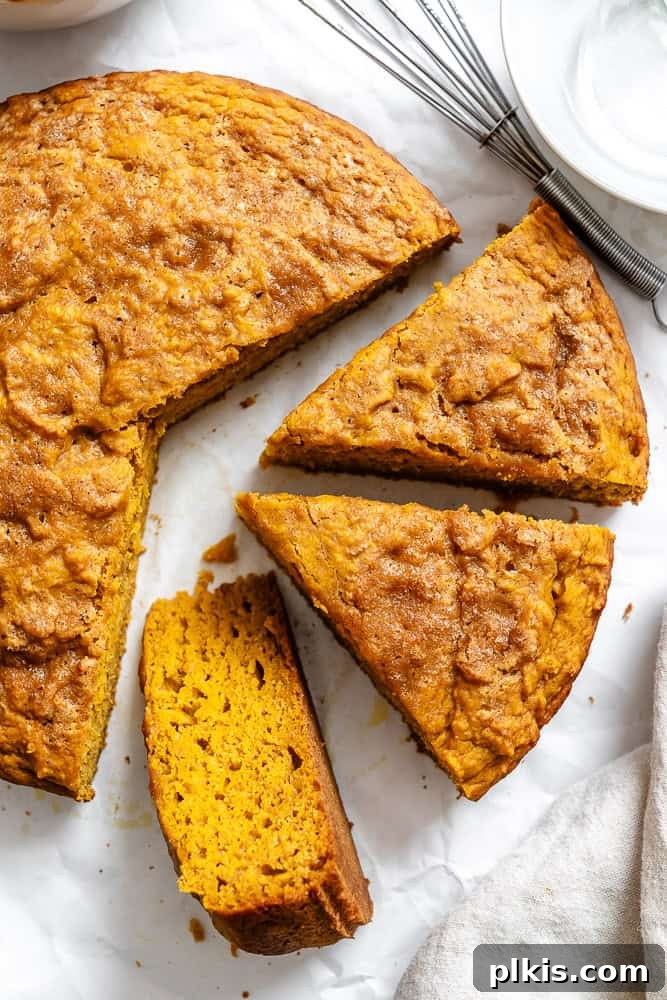
Why You’ll Fall in Love with This Butternut Squash Cake
As the leaves change and the air turns crisp, our kitchens often fill with the comforting aromas of fall baking. While pumpkin recipes undeniably reign supreme, it’s time to shine a spotlight on another fantastic winter squash: butternut squash! This delightful vegetable isn’t just for savory dishes; it makes an exceptional base for sweet treats, especially in this incredible Butternut Squash Cake.
Here’s why this recipe will quickly become a cherished part of your autumn (and even year-round) baking repertoire:
- Incredibly Moist & Fluffy: Thanks to the natural moisture and sweetness of butternut squash puree, this cake boasts a tender crumb that’s never dry. It achieves a perfect balance between dense richness and airy fluffiness, making every bite a pure delight.
- Naturally Sweet & Perfectly Spiced: Butternut squash offers a nuanced, slightly nutty sweetness that rivals (and some argue surpasses) pumpkin. Combined with brown sugar and a thoughtful blend of warming spices, the flavor profile is wonderfully complex and inviting.
- Dietary-Friendly: This recipe is entirely egg-free and dairy-free, making it a fantastic option for those with dietary restrictions or anyone following a plant-based lifestyle. You won’t miss a thing! It’s proof that vegan desserts can be just as, if not more, indulgent.
- Simple to Make: With just 10 core ingredients and straightforward steps, this cake is surprisingly easy to whip up. Whether you’re a seasoned baker or just starting out, you’ll find this recipe approachable and rewarding.
- Versatile for Any Occasion: While perfect for a fall gathering, this Butternut Squash Cake is truly a crowd-pleaser any time of year. Enjoy it as a decadent dessert, a delightful afternoon snack, or even a special breakfast or brunch treat. It’s fantastic on its own, dusted with powdered sugar, or adorned with a luscious vegan cream cheese frosting.
Looking to explore more delightful plant-based desserts this season? Don’t miss my Butternut Squash Cupcakes for individual servings, my chewy Sweet Potato Cookies, a comforting bowl of Easy Pumpkin Pudding, or a rustic, cinnamon-spiced Vegan Apple Crumble.
Essential Ingredients for Your Butternut Squash Cake
Crafting this delightful Butternut Squash Cake requires a handful of common pantry staples, transformed into something truly special. Understanding the role of each ingredient helps ensure perfect results every time. Here’s a closer look at what you’ll need:
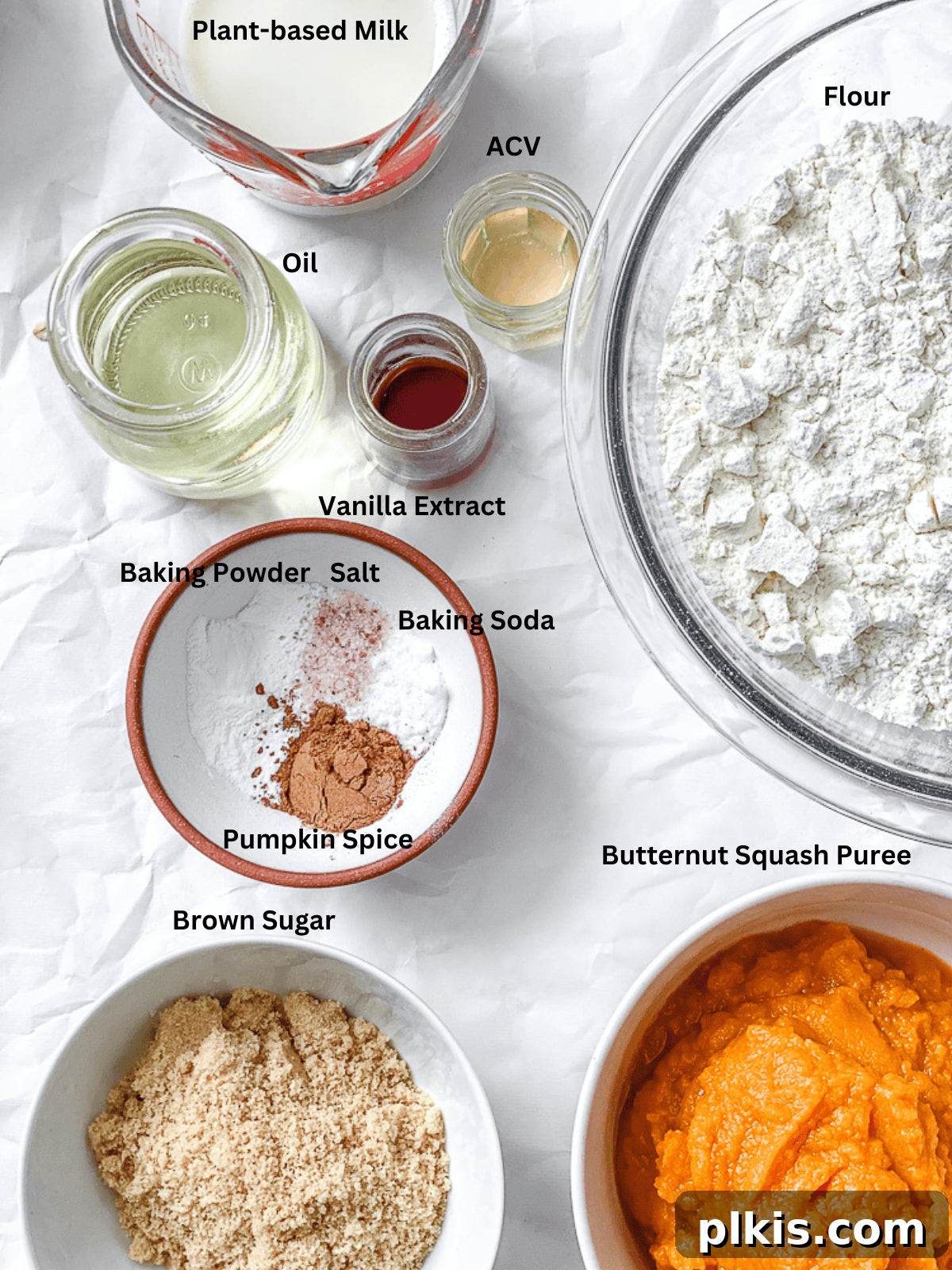
- Plant-Based Milk (Soy Milk Recommended): This is crucial for creating our homemade “buttermilk.” Soy milk works exceptionally well because of its protein content, which reacts beautifully with the apple cider vinegar to create a thick, curdled texture. Other plant milks like almond or oat can be used, but soy milk typically yields the best “buttermilk” effect, contributing to a wonderfully moist crumb.
- Apple Cider Vinegar: The magic ingredient that transforms regular plant milk into a vegan buttermilk substitute. The acidity reacts with the baking soda to provide lift and tenderness to the cake.
- Neutral Oil: Opt for a neutral-flavored oil like canola, vegetable, or grapeseed oil. This provides essential moisture without imparting any strong flavors that would compete with the delicate squash and spice notes. It also helps create that desirable tender texture.
- Brown Sugar: We choose brown sugar over white granulated sugar for its rich, caramel-like notes and its inherent moisture. It complements the butternut squash beautifully and contributes to the cake’s appealing golden hue and soft texture.
- Vanilla Extract: A baking essential, vanilla extract enhances all the other flavors, adding a layer of warmth and sweetness that makes the cake truly irresistible.
- Butternut Squash Puree: The star of the show! You can use canned butternut squash puree for convenience (ensure it’s 100% squash with no added ingredients), or easily make your own from fresh squash (see our FAQ section for instructions). The puree provides natural sweetness, vibrant color, and incredible moisture.
- All-Purpose Flour: The structural backbone of our cake. Ensure you measure it correctly (using the spoon-and-level method) to prevent a dense or dry cake.
- Baking Powder & Baking Soda: These leavening agents work in tandem to give the cake its light and fluffy texture. Baking soda reacts with the apple cider vinegar, while baking powder provides additional lift, ensuring a beautifully risen cake.
- Salt: A pinch of salt is vital in baking. It balances the sweetness, enhances the other flavors, and brings out the depth of the spices.
- Pumpkin Spice Blend: This warm spice mix typically includes cinnamon, nutmeg, ginger, and cloves. It’s the perfect blend to elevate the butternut squash flavor and infuse your cake with classic fall aromas. Feel free to adjust the amount to your preference or even add a pinch of allspice or cardamom for extra complexity.
Each of these ingredients plays a specific role in creating the perfect Butternut Squash Cake. By using high-quality components and following the recipe carefully, you’re guaranteed a delicious outcome.
Exciting Recipe Variations to Customize Your Cake
While this Butternut Squash Cake is absolutely perfect as is, it also serves as a fantastic canvas for your culinary creativity. Here are some delicious variations to experiment with, allowing you to tailor this treat to your taste and occasion:
- Citrusy Brightness with Orange Zest: For a subtle yet invigorating twist, add the zest from one whole orange to the wet ingredients. The bright, fragrant citrus notes beautifully complement the sweetness of the squash and the warmth of the spices, adding an extra layer of complexity to the cake.
- Butternut “Latte” Flavor with Coffee: Elevate your cake with a sophisticated coffee undertone. Stir in 1-2 tablespoons of espresso powder (instant espresso or finely ground coffee) with the dry ingredients. This addition deepens the flavor profile, adding a rich, roasted note that pairs wonderfully with the squash and spices, reminiscent of a cozy latte.
- Delightful Mix-ins for Texture and Flavor: Enhance the cake’s texture and add bursts of flavor by incorporating up to a cup of your favorite mix-ins into the batter just before baking.
- Dried Fruit: Think plump raisins, tart dried cranberries, or finely chopped dates for natural sweetness and chewiness. These fruits hydrate slightly during baking, releasing their flavors.
- Nuts/Seeds: Add a satisfying crunch with toasted pecans, walnuts, or pumpkin seeds. Toasting them lightly beforehand brings out their natural oils and deepens their flavor.
- Vegan Chocolate Chips: For a truly indulgent experience, fold in vegan chocolate chips. White chocolate chips will add creamy sweetness, semi-sweet for classic decadence, or bitter-sweet for a more intense chocolate flavor. The melting chocolate creates pockets of gooey goodness within the cake.
- Luscious Toppings to Elevate Your Slice: The right topping can transform a simple cake into an extraordinary dessert.
- Simple Powdered Sugar: A light dusting of confectioners’ sugar is elegant and adds just a touch of extra sweetness without overpowering the cake’s natural flavors.
- Pumpkin Spice Glaze or Maple Glaze: Drizzle a vibrant pumpkin spice glaze for an extra autumnal kick, or opt for a simple maple glaze for a sweet, nuanced finish that pairs perfectly with the brown sugar and squash.
- Decadent Dairy-Free Cream Cheese Frosting: The classic choice for a reason! A tangy, rich vegan cream cheese frosting adds a luxurious creaminess that contrasts beautifully with the spiced cake.
- Caramel, Coffee, or Cinnamon Frosting: Get creative with your frosting flavors. A luscious vegan caramel frosting adds a sticky-sweet indulgence, a coffee frosting echoes the espresso variation, or a cinnamon frosting amplifies the warm spice profile.
Don’t hesitate to experiment with these variations to discover your personal favorite! Each addition offers a unique way to enjoy this versatile Butternut Squash Cake.
How to Make This Irresistible Butternut Squash Cake
Creating this wonderfully moist and spiced butternut squash cake is a straightforward process, relying on simple steps that yield impressive results. Follow these instructions carefully for a perfectly baked treat:
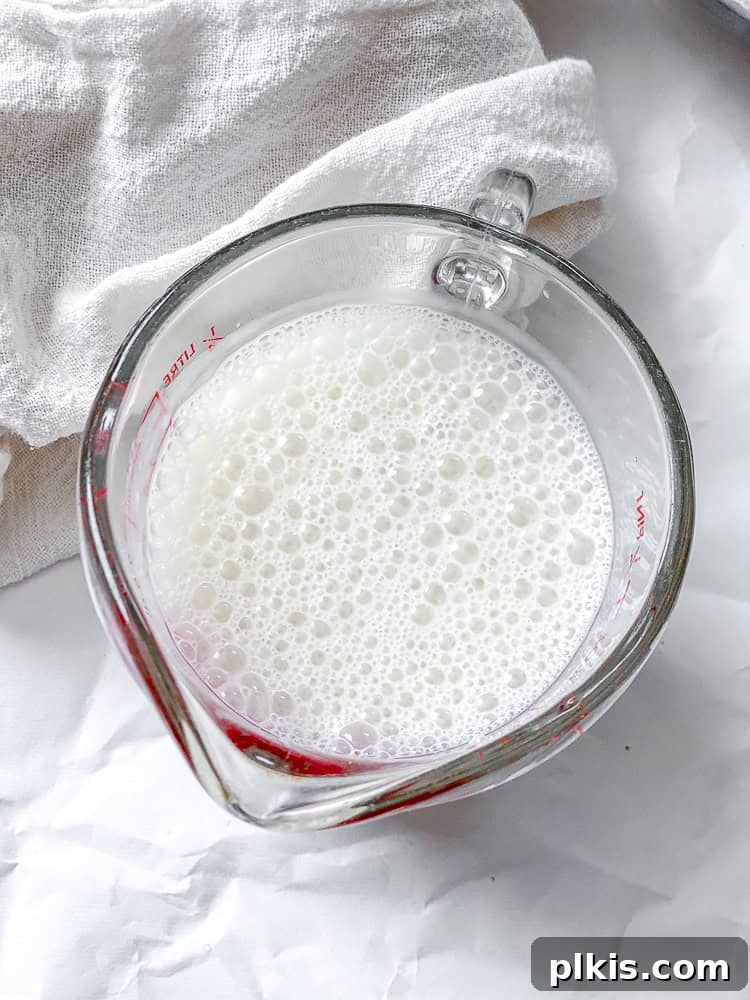
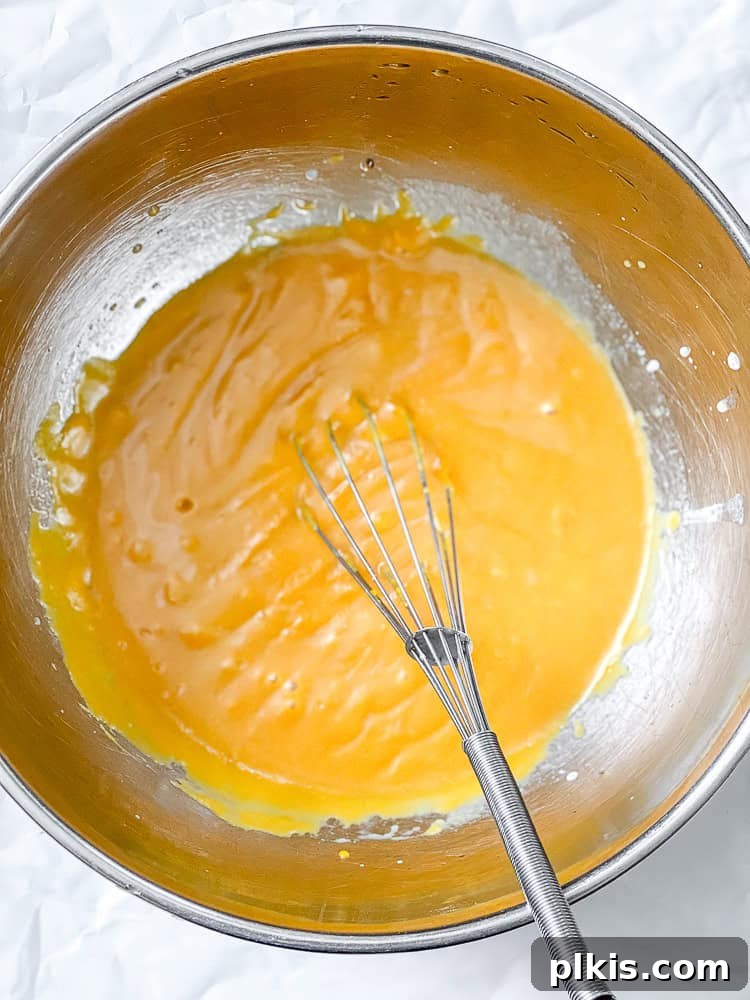
Step 1: Prepare Your Oven and Wet Ingredients. Begin by preheating your oven to 350°F (180°C). Lightly grease and flour a 9-inch round baking pan, or line it with parchment paper for easy release. In a large mixing bowl, combine the plant milk and apple cider vinegar. Whisk them together gently and then let the mixture sit for 5-10 minutes. You’ll notice it will curdle and thicken, much like traditional buttermilk. This reaction is key for creating a tender crumb. Once thickened, add the neutral oil, brown sugar, and vanilla extract to the bowl. Mix thoroughly with a whisk until the brown sugar is almost entirely dissolved and the mixture is well combined. This ensures even sweetness throughout the cake.
Step 2: Combine the Butternut Squash Puree and Dry Ingredients. Next, gently fold the butternut squash puree into your wet ingredients. Mix until it’s fully incorporated and the mixture is smooth and evenly colored. In a separate, medium-sized bowl, whisk together all the dry ingredients: the all-purpose flour, baking powder, baking soda, salt, and pumpkin spice. Ensure they are thoroughly combined to distribute the leavening agents and spices evenly. Now, add the dry ingredient mixture to the wet ingredients. Mix until just combined. It’s crucial not to over-mix the batter, as this can overdevelop the gluten in the flour, leading to a dense or rubbery cake. A few small lumps are perfectly fine and often indicate a properly mixed batter.
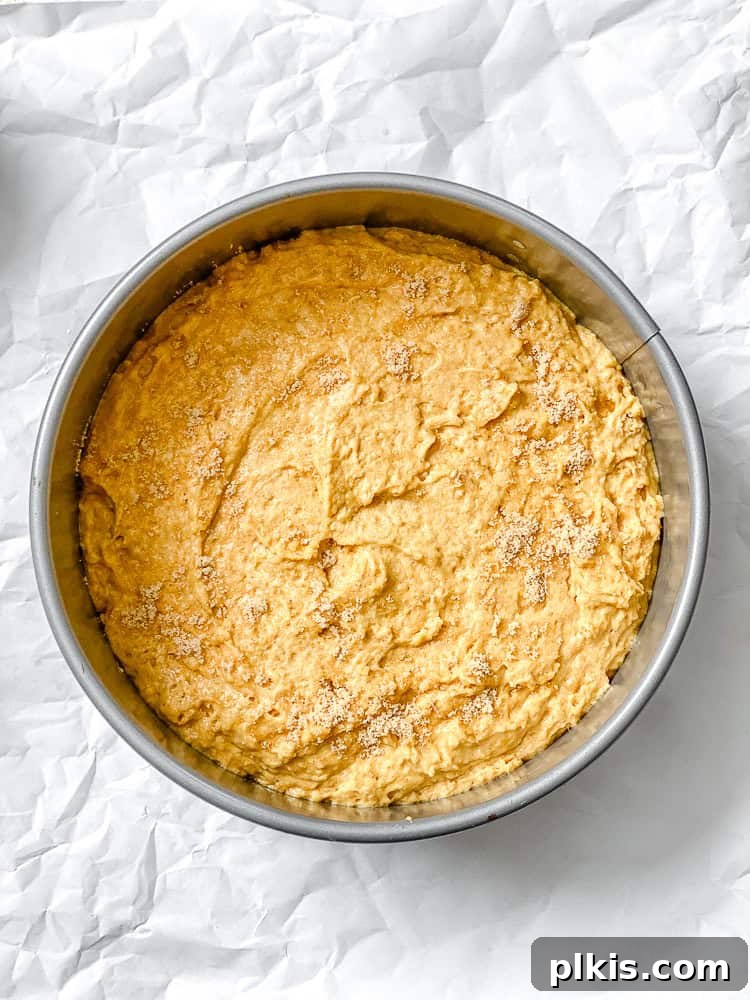
Step 3: Bake and Cool Your Cake. Pour the butternut cake batter evenly into the prepared 9-inch round pan. You can use a spatula to gently smooth the top for an even bake. Transfer the pan to your preheated oven and bake for 25-30 minutes. To check for doneness, insert a toothpick into the center of the cake. It should come out mostly clean, with perhaps a few moist crumbs attached, but no wet batter. If it comes out wet, continue baking for a few more minutes and re-test. Once baked, remove the butternut squash cake from the oven and place it on a wire cooling rack. Allow it to cool completely in the pan before attempting to remove it. This prevents the cake from breaking or crumbling. Once cool, carefully invert the pan to release the cake, then place it right-side up on the cooling rack. Optionally, frost with your favorite dairy-free frosting, slice, and enjoy this incredibly delicious fall treat!
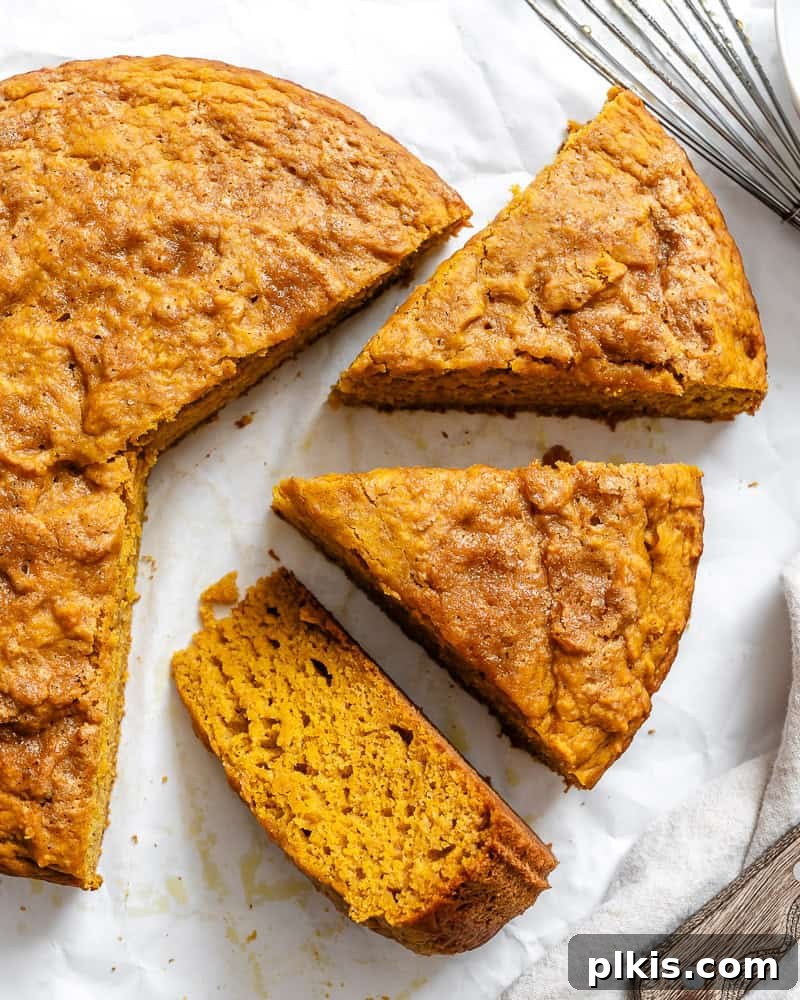
Butternut Squash Cake FAQs
Making your own butternut squash puree is simple and provides the freshest flavor for your cake. To make enough squash puree for this butternut squash dessert recipe, you have two primary methods:
- Roasting: This method brings out a deeper, sweeter flavor. Start by halving a medium-sized butternut squash, scooping out the seeds. Place the halves cut-side down on a baking sheet, with a little water in the pan. Roast at 400°F (200°C) for 45-60 minutes, or until very tender. Once cool enough to handle, scoop out the flesh and mash or blend until smooth.
- Boiling: A quicker method. Peel and cube about 2 cups of butternut squash. Place the cubes in a saucepan and cover with water. Bring to a boil over high heat, then reduce to a simmer and cook for 15-20 minutes or until the squash is fork-tender (cooking time will vary depending on the size of your cubes). Thoroughly drain the cooked squash and let it cool slightly to allow excess moisture to evaporate. Then, puree it using an immersion blender, a stand blender, or a food processor until completely smooth.
Ensure your puree is thick and not watery before adding it to the cake batter. If it’s too thin, gently simmer it in a saucepan over low heat until some of the moisture evaporates and it thickens.
While this recipe hasn’t been specifically tested with gluten-free flour, it’s very likely you could substitute the all-purpose flour with a high-quality 1:1 gluten-free all-purpose baking blend. Look for blends that specifically mention being suitable for baking, such as those from brands like Bob’s Red Mill or King Arthur Baking Company. These blends often contain a mix of different gluten-free flours and binders (like xanthan gum) that mimic the properties of wheat flour. Results may vary slightly in texture, but it should still yield a delicious cake.
Yes, you can certainly adjust the pan size, but keep in mind that baking times may vary. An 8-inch square pan can be used as it has a similar capacity to a 9-inch round pan, so the baking time should be roughly the same. If you use a slightly larger pan, the cake will be thinner and may require less baking time, so keep a close eye on it. Conversely, a 9×5-inch loaf pan would also work, but due to its depth, it will require a significantly longer baking time (likely 45-60 minutes or more). Always use the toothpick test to ensure doneness when experimenting with different pan sizes.
Absolutely! This Butternut Squash Cake is an excellent make-ahead dessert. It tastes even better the next day as the flavors have more time to meld. Store it according to our storage instructions, either unfrosted or frosted, until you’re ready to serve.
Beyond a classic vegan cream cheese frosting, this cake also shines with a simple maple glaze, a rich caramel frosting, or a warm cinnamon buttercream. For a lighter touch, a dusting of powdered sugar or a dollop of vegan whipped cream is delightful.
Expert Tips for a Perfect Butternut Squash Cake
Achieving a bakery-quality Butternut Squash Cake is easier than you think with these professional tips:
- Measure the Flour Accurately: This is perhaps the most crucial tip for any baked good. Too much flour can lead to a dense, dry cake. To measure correctly, avoid scooping flour directly from the bag with your measuring cup, as this compacts it. Instead, first fluff the flour in its bag with a spoon, then gently spoon it into your measuring cup. Finally, level the top with the straight edge of a knife.
- Avoid Over-Mixing the Batter: Once the wet and dry ingredients are combined, mix only until no streaks of dry flour remain. Over-mixing develops the gluten in the flour, which can result in a tough, rubbery cake. A few small lumps are perfectly acceptable and often indicate that the batter has been mixed just enough to achieve a tender crumb.
- Ensure Butternut Squash Puree is Thick: If using homemade puree, make sure it’s not watery. Excess moisture can throw off the cake’s consistency. If your puree seems thin, gently simmer it on the stovetop over low heat, stirring frequently, until some of the liquid evaporates and it thickens to a consistency similar to canned pumpkin puree.
- Don’t Overbake: Keep a close eye on your cake during the last few minutes of baking. An overbaked cake will be dry and less flavorful. Start checking for doneness at the lower end of the suggested baking time (25 minutes for a 9-inch round pan).
- Cool Completely Before Frosting: Patience is key! Attempting to frost a warm cake will only result in melted, messy frosting. Allow the cake to cool completely on a wire rack before applying any frosting or glaze. This ensures your frosting sets beautifully and doesn’t slide off.
By following these simple yet effective tips, you’ll be well on your way to baking a truly exceptional Butternut Squash Cake that’s moist, flavorful, and perfectly textured every single time.
Storage Instructions
This Butternut Squash Cake stores beautifully, making it an excellent option for meal prep or enjoying over several days. Here’s how to keep your cake fresh:
- Room Temperature: Store the cooled, unfrosted squash cake in an airtight container at room temperature for 2-3 days. If your kitchen is particularly warm, or if the cake is frosted, it’s best to refrigerate.
- Refrigerator: For frosted cakes, or if you prefer to extend shelf life, store the cake in an airtight container in the refrigerator for 5-7 days. The frosting acts as a protective layer, helping to keep the cake moist.
- Freezing: This cake freezes exceptionally well! You can freeze the entire cake (unfrosted is usually best, but frosted can work) or individual slices. If freezing slices, place parchment paper between them to prevent sticking. Wrap the cake or slices tightly in plastic wrap, then place in a freezer-safe bag or airtight container. It will keep for up to 3 months. To thaw, simply transfer it to the refrigerator overnight. Bring slices to room temperature before serving for the best texture and flavor.
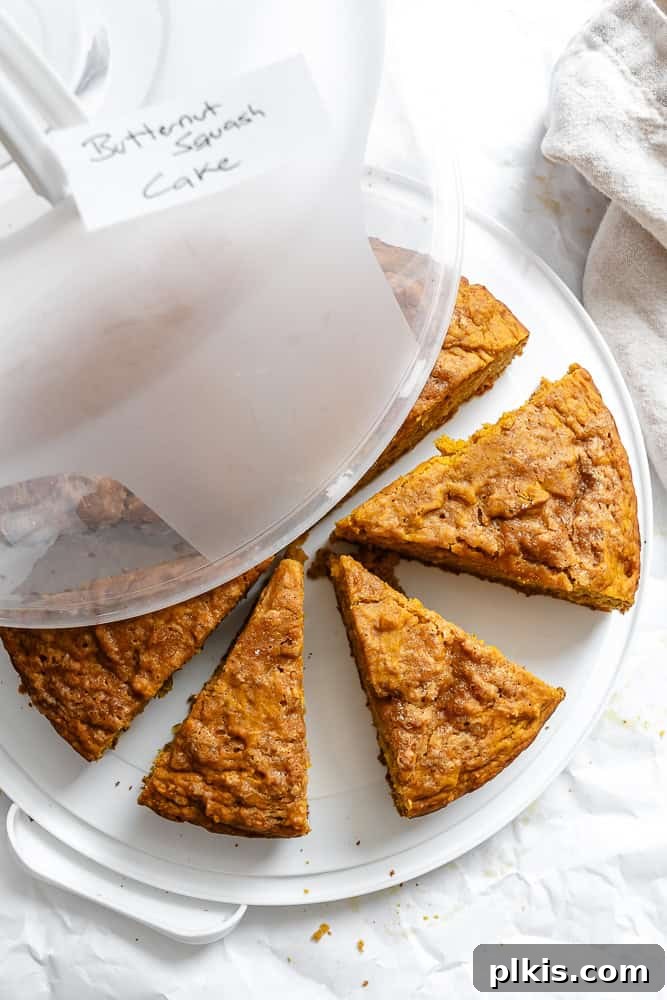
Explore More Delicious Vegan Cake Recipes!
If you’ve loved this Butternut Squash Cake, you’re in for a treat! Our collection of vegan cake recipes is brimming with delightful options that are just as easy to make and equally delicious. Discover your next favorite plant-based dessert:
Vegan Desserts
EASY Chocolate Depression Cake [Wacky Cake]
Vegan Desserts
Vegan Biscoff Cake
Vegan Desserts
Vegan Pineapple Upside Down Cake
Vegan Desserts
Vegan Apple Cake
If you tried this Butternut Squash Cake Recipe or any other recipe on my blog, please leave a 🌟 star rating and let me know how it went in the 📝 comments below. Your feedback helps us create more delicious plant-based recipes! Thanks!
Butternut Squash Cake Recipe
Prep Time: 15 mins
Cook Time: 30 mins
Total Time: 45 mins
Servings: 8 slices
Print Recipe
Light, moist, and perfectly spiced, this brown sugar Butternut Squash Cake is a fluffy, dairy-free, egg-free fall treat everyone will love!
Equipment
- Measuring Cups
- Measuring spoons
- Whisk
- 9-inch round baking pan
- Large mixing bowl
- Medium mixing bowl
- Spatula
- Wire cooling rack
Ingredients
- ½ cup of plant-based milk (soy milk works best)
- 2 teaspoons of apple cider vinegar
- ⅔ cup of neutral oil
- ½ cup of brown sugar
- ½ teaspoon of vanilla extract
- 1 ½ cups of butternut squash puree
- 2 cups of all-purpose flour
- 2 teaspoons of baking powder
- 1 teaspoon of baking soda
- ¼ teaspoon of salt
- 1 teaspoon of pumpkin spice
Instructions
- Preheat the oven to 350°F (180°C) and lightly grease and flour a 9-inch round baking pan, or line it with parchment paper.
- In a large bowl, combine the plant-based milk and apple cider vinegar. Whisk until it thickens and curdles, like buttermilk (about 5-10 minutes).
- Add the oil, brown sugar, and vanilla extract to the plant milk mixture. Mix well until the sugar is almost fully dissolved and all ingredients are incorporated.
- Stir in the butternut squash puree into the wet ingredients until fully incorporated and smooth.
- In a separate medium bowl, combine the all-purpose flour, baking powder, baking soda, salt, and pumpkin spice. Whisk thoroughly to ensure even distribution.
- Add the dry ingredients to the bowl with the wet ingredients. Mix until just combined. Be careful not to overmix the batter; a few small lumps are okay.
- Pour the butternut cake batter into the prepared pan and smooth the top with a spatula.
- Bake for 25 to 30 minutes, or until a toothpick inserted into the center comes out mostly clean with a few moist crumbs, but no wet batter.
- Remove the cake from the oven and place it on a cooling rack to cool completely in the pan before removing. Once cool, optionally frost, slice, and enjoy!
Notes
- Homemade Butternut Squash Puree: If you’d like to make your own puree, place 2 cups of cubed butternut squash in a medium pot and cover with water. Bring to a boil and cook for 15-20 minutes or until soft. (The smaller the cubes, the faster it will cook.) Drain thoroughly and allow it to cool before pureeing in a blender or food processor until smooth.
- Measure the flour correctly: To avoid dense bakes, fluff the flour in its bag, spoon it into the measuring cup, then level the top with the back of a knife.
- Avoid over-mixing: Over-mixing batter overworks the gluten in the flour and leads to dense, rubbery cakes. Mix until ‘just’ combined – a few small lumps are fine.
Nutrition Information (per serving, based on 8 slices)
(Note: Nutrition values are estimates and may vary based on specific ingredients and preparation.)
Calories: 2779 kcal
Carbohydrates: 328 g
Protein: 29 g
Fat: 154 g
Saturated Fat: 12 g
Polyunsaturated Fat: 44 g
Monounsaturated Fat: 96 g
Trans Fat: 1 g
Sodium: 2732 mg
Potassium: 1178 mg
Fiber: 12 g
Sugar: 113 g
Vitamin A: 22328 IU
Vitamin C: 45 mg
Calcium: 865 mg
Iron: 15 mg
Additional Info
Author: Toni Okamoto
Course: Dessert
Cuisine: American
Method: Oven
Diet: Vegan
Tried this recipe? Please tag us at @PlantBasedOnABudget! 😊