
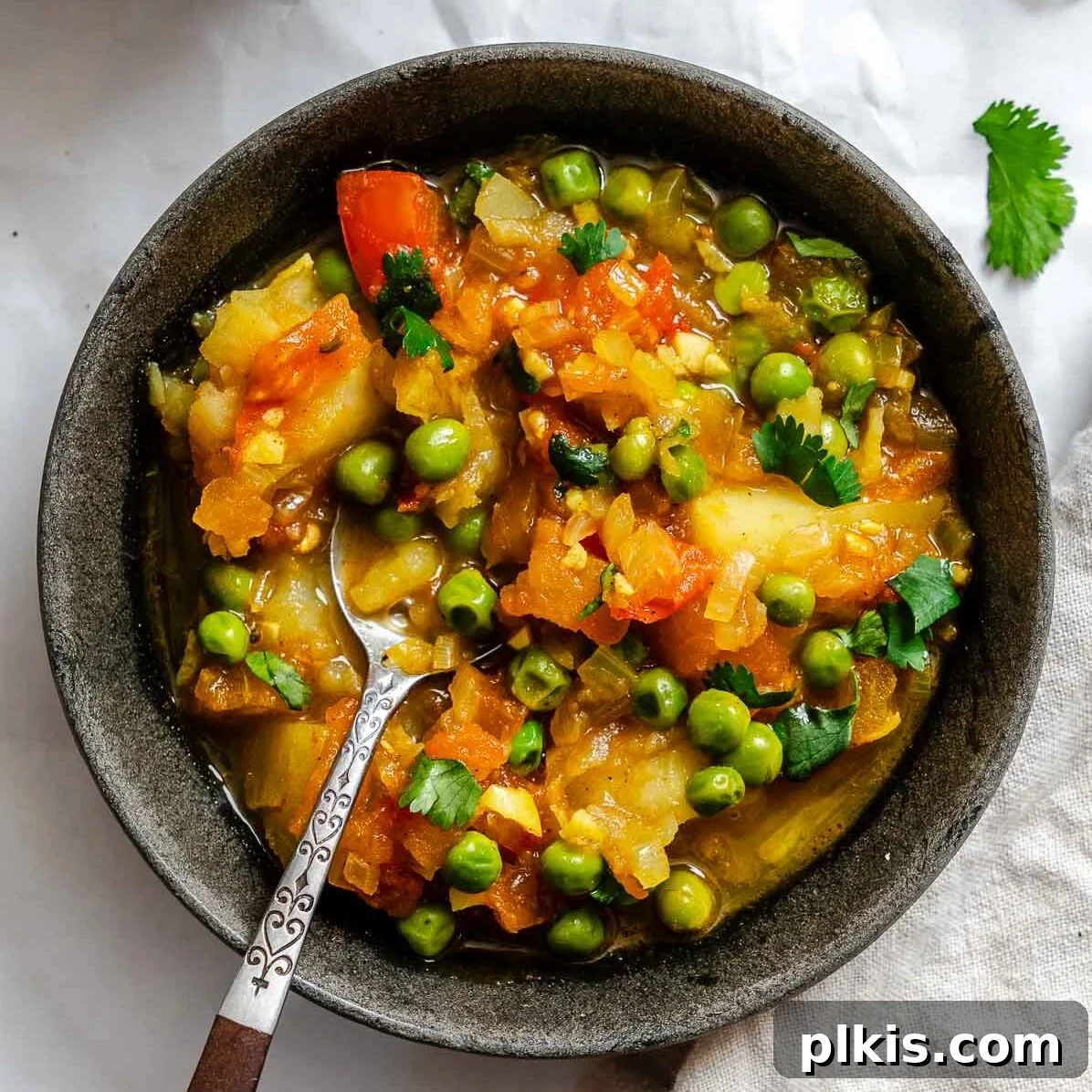
Easy Aloo Matar: A Hearty Vegan Potato & Pea Curry
Discover the rich, comforting flavors of **Aloo Matar**, a classic North Indian potato and pea curry that comes together effortlessly with simple, budget-friendly ingredients. This vibrant, meat-free dish is a wholesome, flavorful, and incredibly satisfying main course, perfect for serving alongside fluffy rice or warm roti. Whether you’re a seasoned chef or a kitchen novice, this recipe promises a delicious journey into the heart of Indian cuisine, proving that plant-based meals can be both deeply satisfying and wonderfully easy to prepare.
Why This Easy Aloo Matar Recipe Will Become Your Favorite
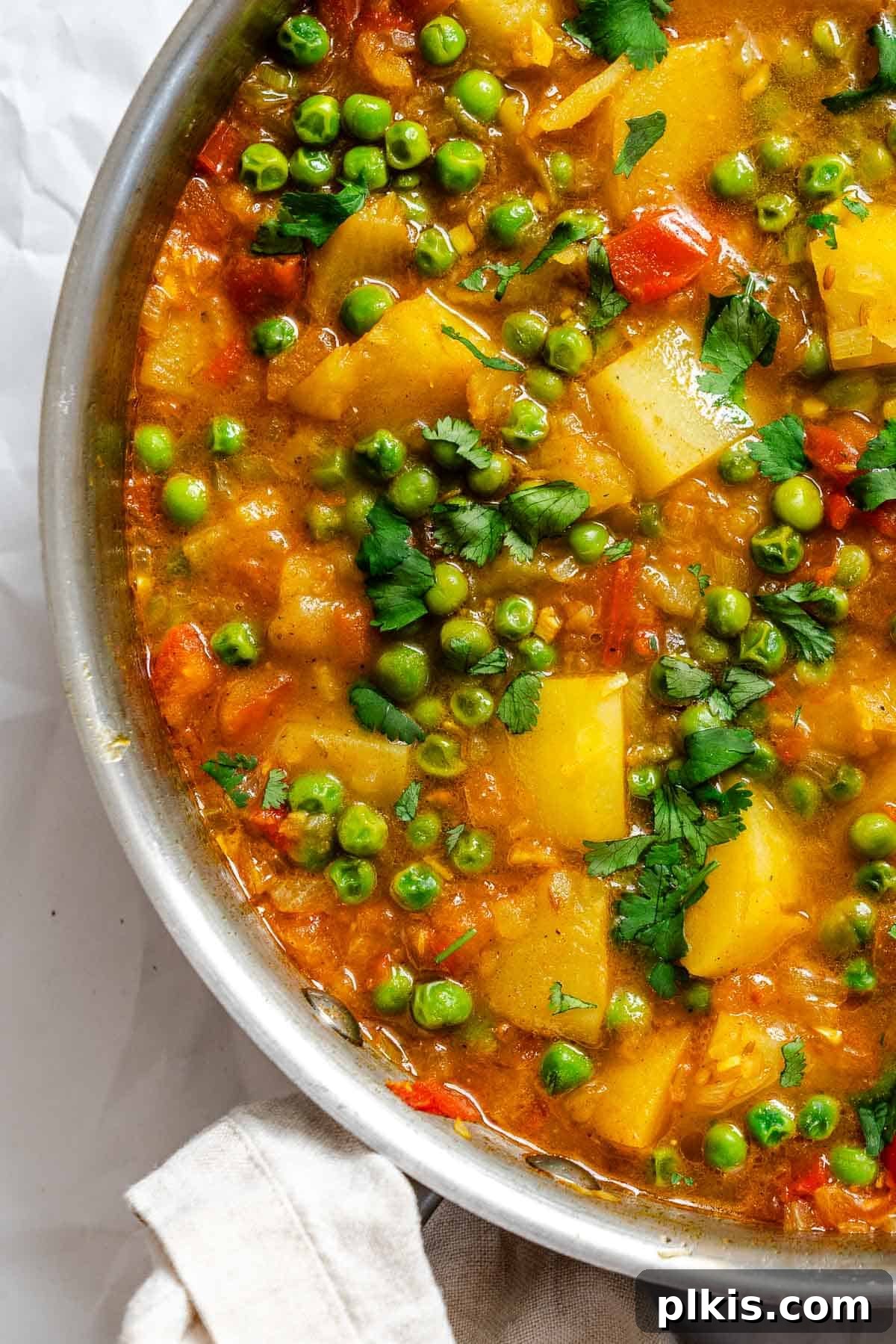
Aloo Matar, also known as Aloo Mutter, literally translates to “potato and peas” – and this simplified vegan version truly celebrates these humble ingredients. Hailing from the vibrant Punjab region of North India, this curry traditionally features potatoes and peas enveloped in a luscious, spiced tomato-based gravy. While countless regional and household variations exist, including drier or wetter preparations, our recipe focuses on a ‘fairly’ traditional wet curry, making it incredibly approachable for everyone.
Uncomplicated Comfort Food at Its Best
This Aloo Matar stands out as an exceptionally easy Indian curry, making it an ideal choice for beginners eager to explore the world of Indian cooking without intimidation. Forget fancy tools or complex techniques; our recipe relies on basic pantry spices and straightforward steps. The magic happens as the tender potatoes absorb the aromatic spices, while the sweet peas add a delightful contrast, creating a symphony of flavors and textures in every bite.
Naturally Plant-Based and Customizable for All
Beyond its incredible taste and ease, this potato and pea curry is a nutritional powerhouse that naturally caters to various dietary needs. It’s inherently **gluten-free**, **dairy-free**, and **100% vegan**, making it a fantastic option for plant-based diets or anyone looking to enjoy a lighter yet fulfilling meal. The spice level is entirely customizable, allowing you to adjust the heat to suit your family’s preferences – from mild and warming to boldly spicy. Plus, a fantastic bonus: Aloo Matar often tastes even better the next day, making it a perfect make-ahead meal for busy weeknights!
If you’re looking to expand your repertoire of hearty, meat-free curry recipes, be sure to explore our creamy chickpea and carrot curry, cauliflower and potato curry, or brussels sprouts curry for more plant-based inspiration!
The Heart of Indian Cuisine: Understanding Aloo Matar
Aloo Matar is more than just a dish; it’s a cultural icon in North Indian homes, particularly cherished in the Punjab region. This humble curry embodies the essence of Indian cooking – transforming simple, fresh ingredients into a profoundly flavorful and comforting meal. Its widespread popularity stems from its incredible versatility, delicious taste, and economical nature. Often found on dinner tables, at celebratory feasts, and even as street food, Aloo Matar is a testament to the fact that some of the most beloved dishes are born from the freshest, most accessible produce.
While this recipe offers a ‘wet’ gravy-based version perfect for soaking up with bread or rice, it’s worth noting that ‘dry’ variations also exist, where the vegetables are coated with spices and cooked with minimal liquid. Our approach ensures a rich, saucy texture that beautifully coats each piece of potato and pea, delivering that deeply satisfying comfort food experience many associate with traditional Indian curries. It’s a dish that brings families together, simple in its components but complex and rewarding in its flavor profile.
Essential Ingredients for Your Aloo Matar
Crafting the perfect Aloo Matar begins with understanding the role each ingredient plays. This recipe highlights accessible components, ensuring a fantastic result every time. For the full list of ingredients and precise quantities, please refer to the dedicated recipe card below.
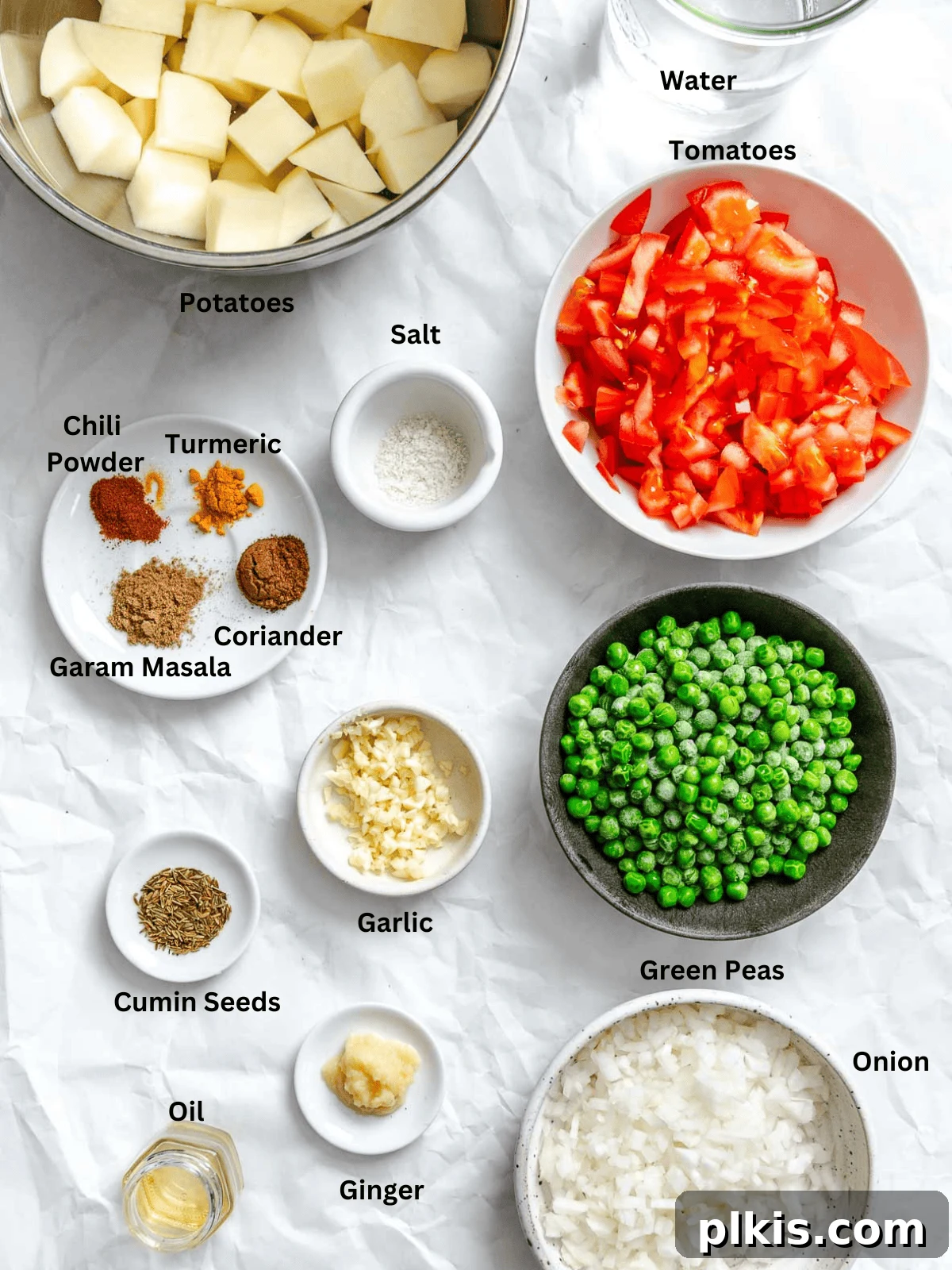
- Potatoes: The star of the show! We highly recommend using **Yukon Gold**, **red potatoes**, or other waxy varieties. These types are perfect for curries as they hold their shape beautifully during simmering, preventing them from turning mushy. Avoid starchy potatoes like Russets, which tend to break down too much. For a subtle sweetness, you can even experiment with sweet potatoes.
- Green Peas: Whether fresh or frozen, green peas add a burst of sweetness and vibrant color. Frozen peas are incredibly convenient and can be added directly to the curry without thawing.
- Aromatics: Onion, Garlic, and Ginger: These form the foundational flavor base (masala) of the curry. Finely chopped onion, minced garlic, and grated fresh ginger are crucial for building depth. Don’t rush sautéing them; allowing them to soften and become fragrant unlocks their full potential.
- Tomatoes: Ripe, chopped tomatoes create the rich, tangy gravy. They break down beautifully when cooked, forming a luscious sauce. Canned crushed tomatoes are an excellent substitute for convenience.
- Spices: Cumin Seeds, Turmeric, Coriander, Garam Masala, Chili Powder, Salt: This blend of ground spices is essential for that authentic Indian flavor.
- **Cumin Seeds:** Sizzled in hot oil, they release a warm, earthy aroma that kicks off the curry.
- **Turmeric Powder:** Imparts a beautiful golden hue and subtle earthy notes, known for its anti-inflammatory properties.
- **Coriander Powder:** Adds a citrusy, slightly sweet flavor that balances the other spices.
- **Garam Masala:** A fragrant blend of ground spices, typically added at the end of cooking to infuse the dish with its distinctive warmth and aroma.
- **Chili Powder:** Provides the heat; adjust according to your preference.
- **Salt:** Crucial for enhancing all the flavors.
- Neutral Oil: Vegetable, canola, or sunflower oil are ideal for sautéing and tempering spices without imparting their own strong flavor.
- Water or Vegetable Broth: Used to create the gravy consistency and allow the potatoes to cook through. Low-sodium vegetable broth can add an extra layer of flavor.
- Fresh Cilantro (Optional Garnish): A sprinkle of fresh, chopped cilantro at the end brightens the dish with a refreshing, herbaceous touch.
Customizing Your Aloo Matar: Creative Twists and Additions
While our classic Aloo Matar recipe is perfect as is, it’s also wonderfully adaptable! Feel free to get creative with these delicious variations to suit your taste or what you have on hand:
- Aloo Gobi Matar: For an even heartier vegetable medley, simply add cauliflower florets along with the potatoes. This classic combination adds another layer of texture and flavor, making for a truly satisfying meal.
- Boost with More Vegetables: Don’t hesitate to bulk up your potato and pea curry with other nutritious vegetables. Try adding chopped broccoli, carrots, bell peppers, eggplant, or leafy greens like spinach or kale. Incorporate harder vegetables with the potatoes, and softer greens towards the end of cooking.
- Amp Up the Heat with Green Chili: For those who love an extra kick, finely mince a fresh green chili (like a serrano or jalapeño) and sauté it with the garlic and ginger. This adds a pungent heat that complements the spices beautifully.
- Enhanced Spice Profile: Elevate the aromatic complexity with additional traditional Indian spices. Stir in a pinch of kasuri methi (dried fenugreek leaves), lightly crushed between your palms, at the very end of cooking for a unique, slightly bitter, and aromatic finish. Alternatively, a tiny pinch of hing (asafoetida) can be added with the cumin seeds for an onion-garlic like flavor, especially beneficial if omitting fresh aromatics (though not recommended for this recipe).
- Add Plant-Based Protein: Transform this side dish into a complete protein-packed meal. Add cubes of crispy pan-fried tofu or a can of drained and rinsed chickpeas along with the peas, allowing them to simmer and absorb the curry’s flavors. Red lentils can also be cooked in the curry for a thicker, protein-rich consistency.
- For a Creamier Texture: If you prefer a richer, more luxurious curry, stir in a dollop of vegan yogurt, a spoonful of cashew cream, or a splash of coconut cream (from the top of a can of full-fat coconut milk) at the very end, just before serving. This adds a delightful creaminess without overpowering the spices.
How to Make Easy Potato Pea Curry (Aloo Matar)
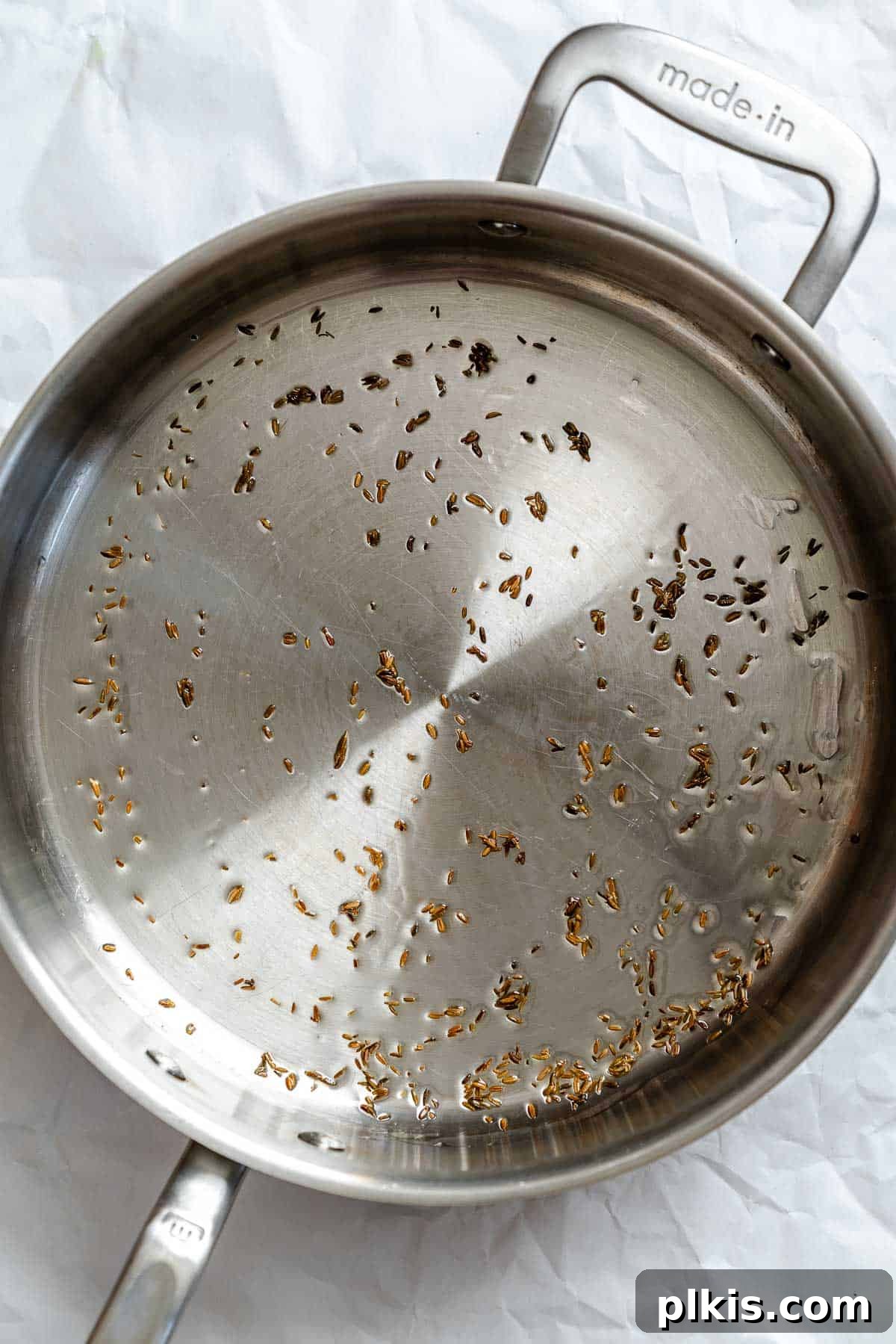
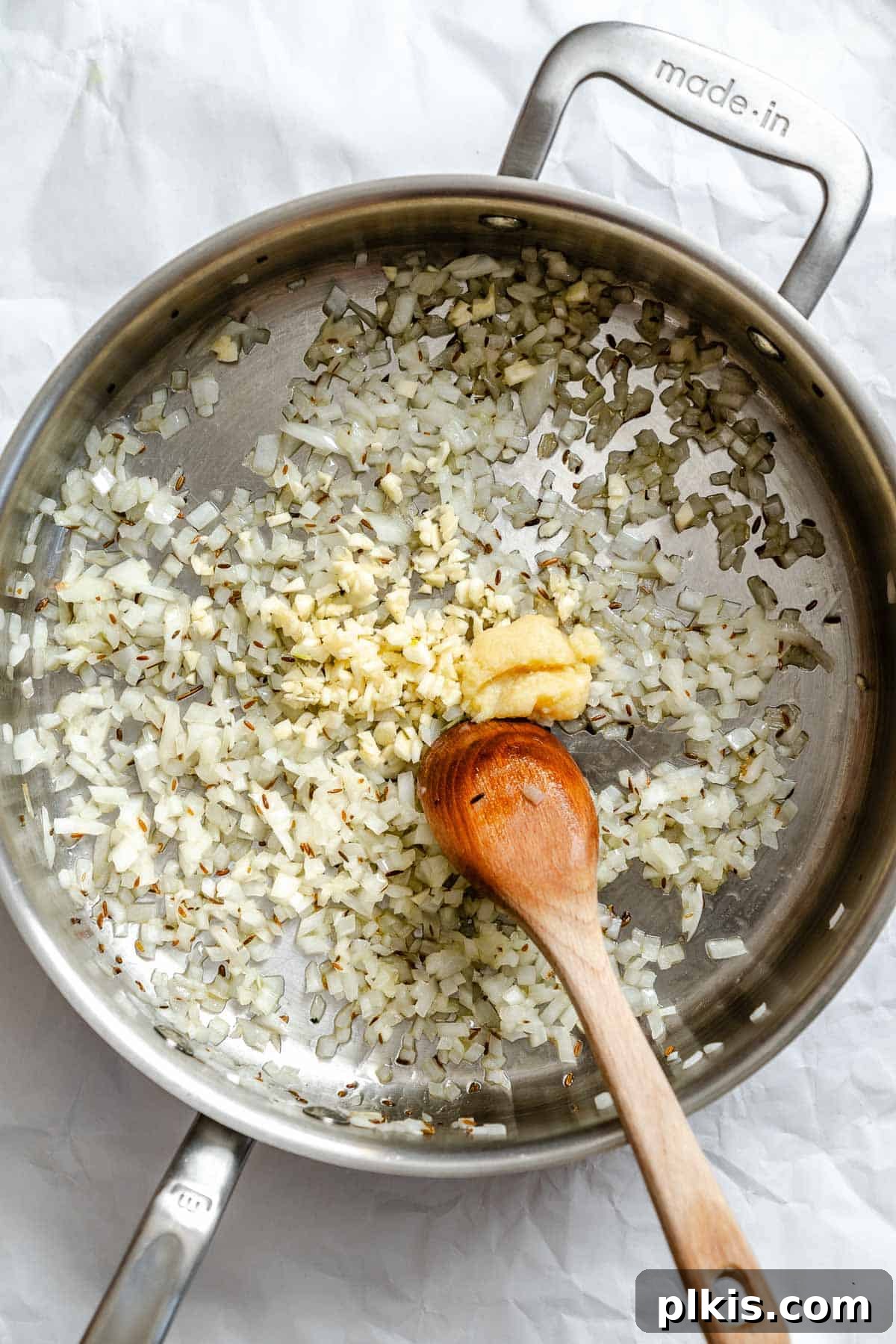
Step 1: Prepare Your Ingredients. Begin by prepping your aromatics: mince the garlic, grate the ginger, and finely chop the onion. Also, chop your tomatoes and cube the potatoes evenly for consistent cooking. Heat your chosen neutral oil in a large, heavy-based pan or pot over medium heat. Once the oil shimmers, add the cumin seeds and let them sizzle for 5-10 seconds until fragrant, indicating they’ve bloomed.
Step 2: Sauté Aromatics. Add the finely chopped onion to the pan and sauté patiently for 5-6 minutes until it softens and turns translucent, or even lightly golden. Next, stir in the minced garlic and grated ginger, continuing to sauté for another 1-2 minutes until their rich aroma fills your kitchen. This step is crucial for building a deep flavor base.
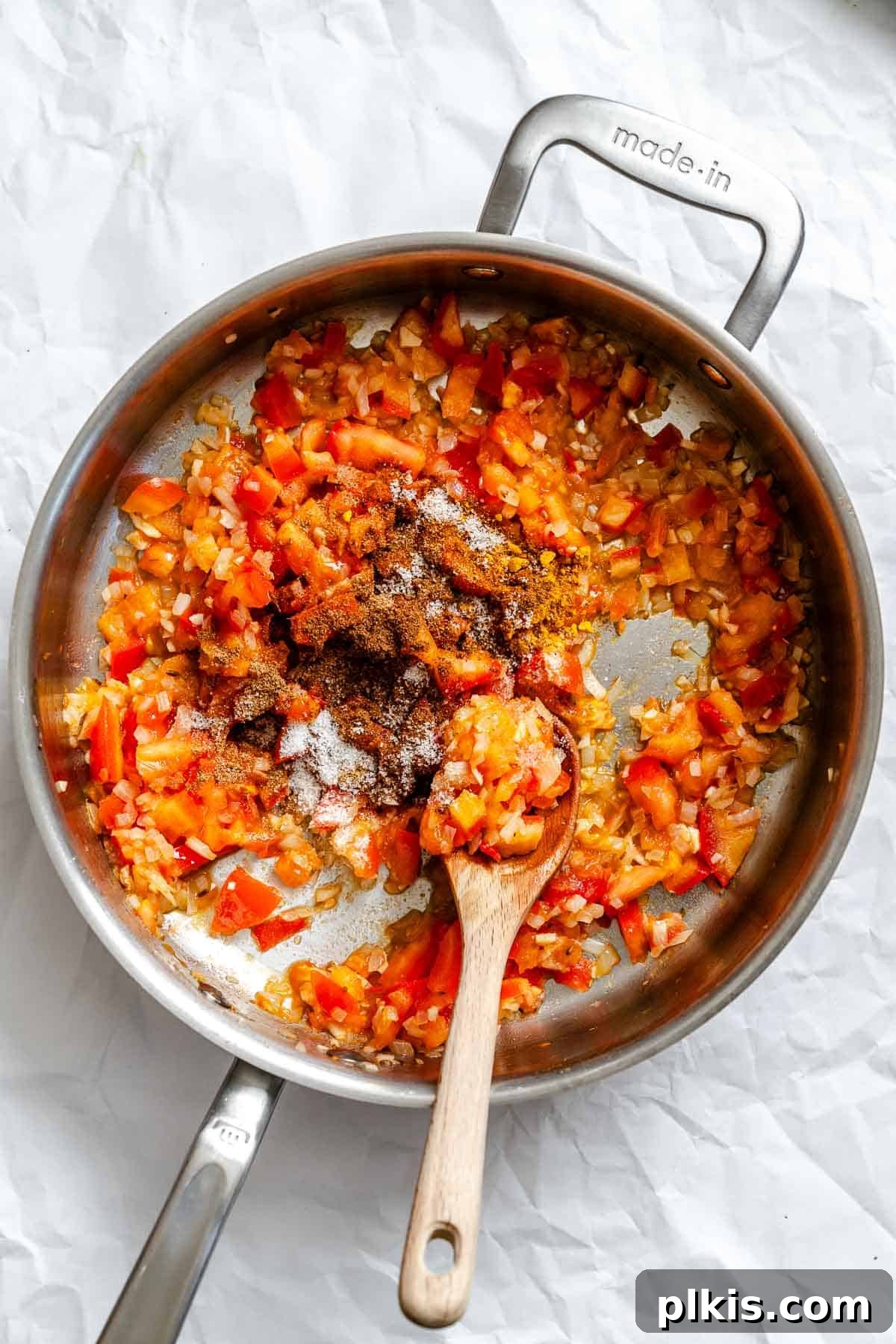
Step 3: Build the Masala. Stir in the chopped tomatoes, cooking them down for about 5 minutes. Press them with your spoon to help them break down, allowing the mixture to thicken and the oil to begin separating from the masala – a sign of a well-cooked base. Now, add the turmeric, coriander, garam masala, chili powder, and salt. Stir well to temper the spices for 30-60 seconds, allowing their flavors to bloom in the hot oil.
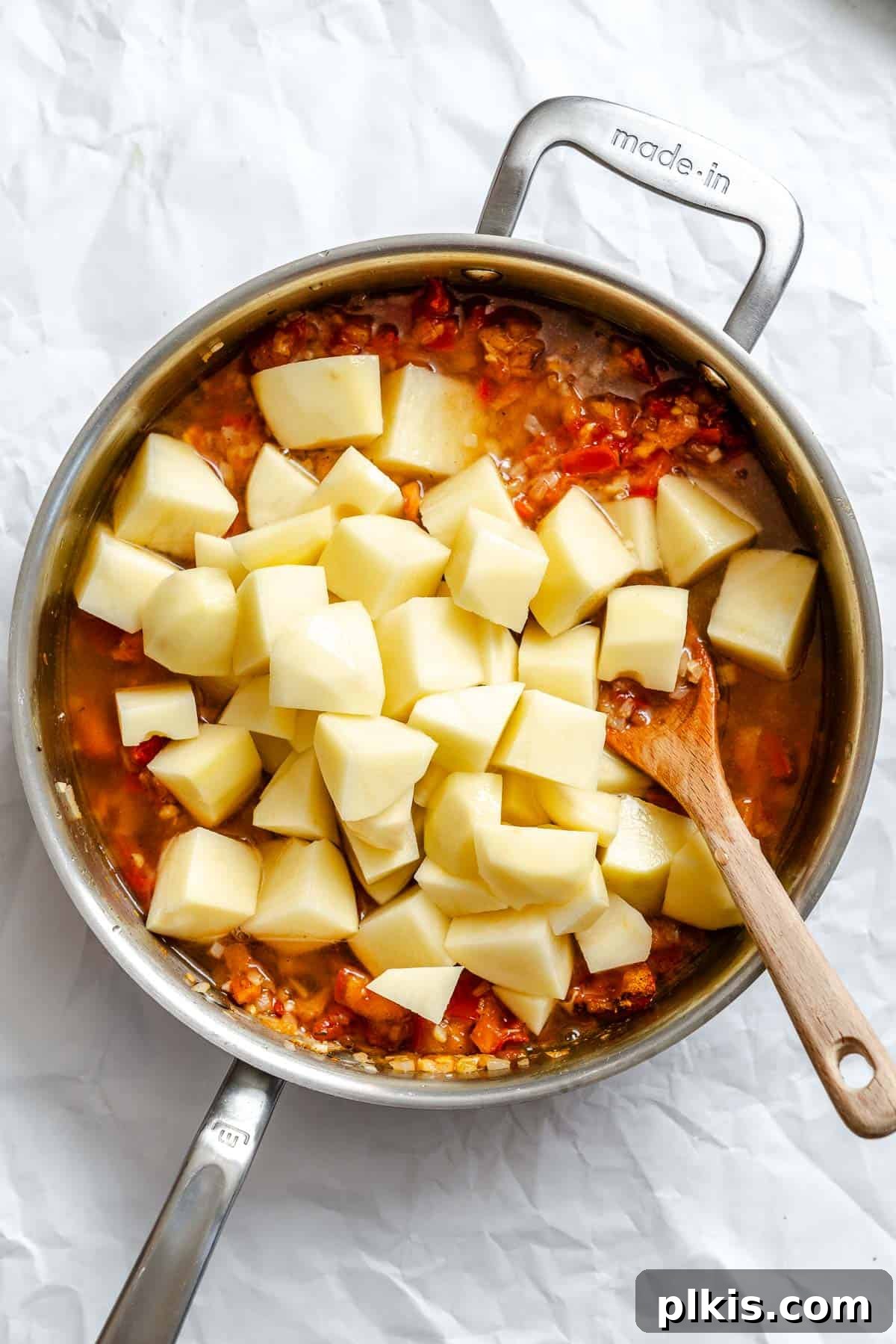
Step 4: Cook the Potatoes. Add the cubed potatoes to the pan and stir thoroughly to coat them evenly with the aromatic masala. Pour in the water (or low-sodium vegetable broth). Bring the mixture to a gentle boil, then reduce the heat to low, cover the pan, and simmer for about 15 minutes. Cook until the potatoes are fork-tender. Remember to stir occasionally to prevent sticking and add a little more water if the curry appears too dry.
Pro Tip: For the most authentic and deeply developed flavor, ensure you cook the tomato and spice mixture (masala) until the oil visibly separates from it. This indicates the spices are thoroughly cooked and their flavors are fully integrated.
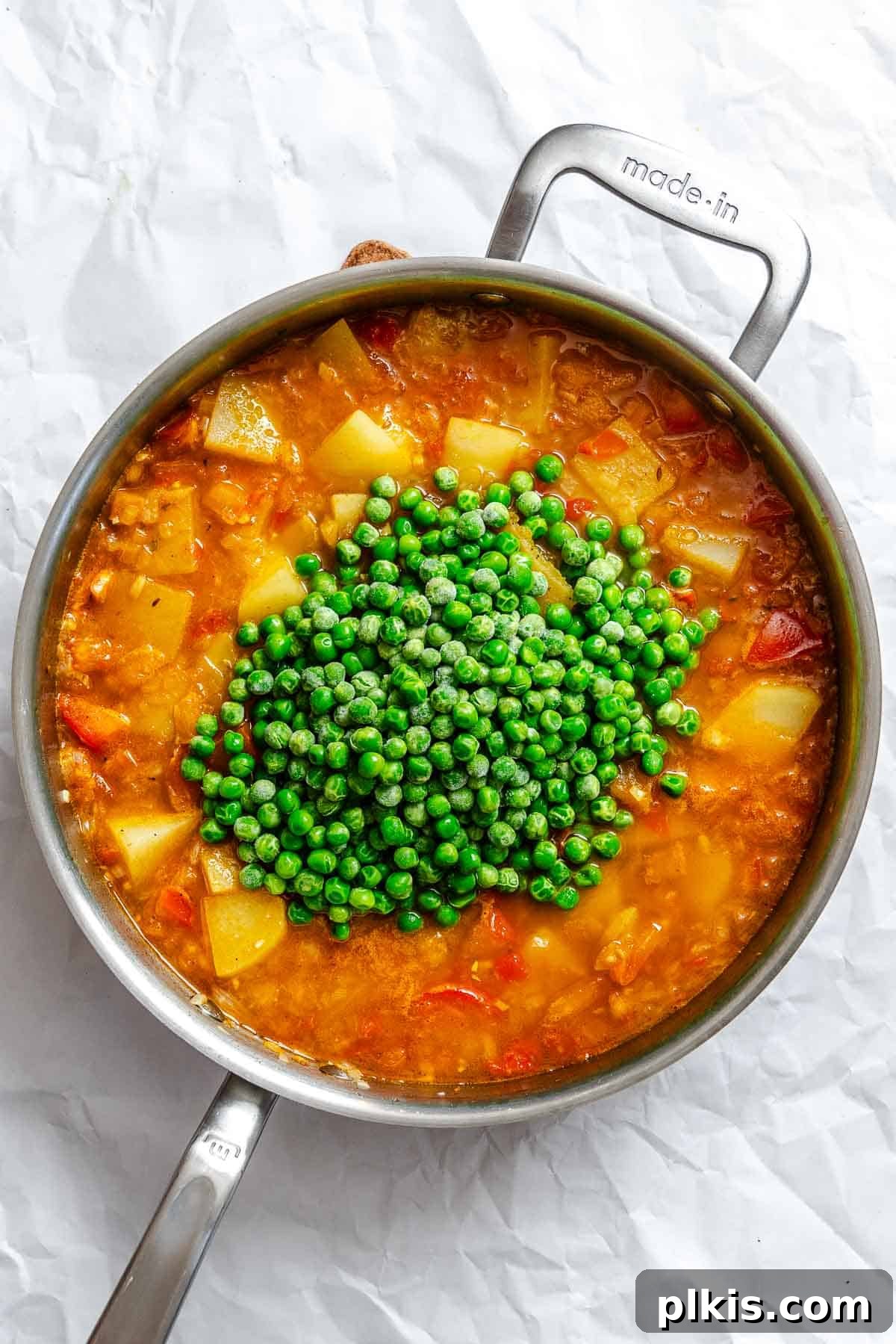
Step 5: Finish and Serve. Finally, add the frozen green peas to the curry. Stir them in and continue to cook for another 5 minutes, allowing them to heat through and their sweetness to meld with the curry. Remove the Aloo Matar from the heat, give it a final good mix, and taste. Adjust any seasonings as needed – perhaps a little more salt, chili, or a squeeze of lemon juice. Optionally, garnish with freshly chopped cilantro before serving. Enjoy your homemade, flavorful Aloo Matar!
Frequently Asked Questions for Potato and Pea Curry
Technically, no. The potato peels will soften beautifully during cooking and add extra nutrients and fiber to your curry. Many cooks choose to peel them for aesthetic reasons, particularly for a smoother, uniform texture. If using organic potatoes and washing them thoroughly, leaving the skins on is perfectly fine and often preferred for a rustic touch.
If your tomatoes impart an overly acidic taste to the curry, you can easily balance the flavors. First, ensure you cook the tomatoes well until they break down thoroughly, which often mellows their acidity. If it’s still too tart, stir in a small amount (½ to 1 teaspoon) of coconut sugar, brown sugar, or maple syrup at the end of cooking. This touch of sweetness will harmonize the flavors without making the dish overtly sweet.
For a perfect Aloo Matar where the potatoes remain intact and tender without becoming mushy, we highly recommend using all-purpose varieties or those on the waxy side. Excellent choices include **Yukon Gold**, **red potatoes**, or **new potatoes**. These varieties hold their shape well under prolonged simmering. Avoid starchy potatoes like Russets, as they tend to disintegrate in the gravy, leading to a much thicker, less desirable texture.
Absolutely! Fresh peas can be used and will offer a slightly different texture and sweetness. If using fresh peas, add them at the same time as the frozen peas, but you might need to cook them for a minute or two longer to ensure they are tender. Taste and adjust cooking time as needed.
To adjust the heat, simply modify the amount of chili powder you add. For a milder curry, use ½ teaspoon or less, or omit it entirely. For a spicier version, increase the chili powder to 1.5-2 teaspoons or add a finely minced fresh green chili (like serrano or Thai chili) when sautéing the garlic and ginger.
Garam Masala is a cornerstone spice blend in Indian cuisine, translating to “warm spice mixture.” It’s typically a fragrant combination of ground spices like cumin, coriander, cardamom, cinnamon, cloves, black pepper, and nutmeg. It’s usually added towards the end of cooking to impart its distinct aroma and warmth, rather than being cooked through for a long time.
Pro Tips for a Perfect Aloo Matar Curry
- Don’t Rush the Sautéing Steps: Patience is key, especially when sautéing the onions, garlic, and ginger, and cooking down the tomatoes. These steps build the foundation of flavor for your curry. Properly caramelizing the onions and allowing the tomatoes to break down completely unlocks deep, rich notes that are essential for an authentic taste.
- Chop Potatoes Evenly: For consistent cooking and a harmonious texture throughout the dish, ensure your potatoes are cut into roughly uniform cubes. This prevents some pieces from being undercooked while others are overcooked.
- For a Smooth Gravy: If you prefer a curry with a silky-smooth gravy, consider blending the sautéed onion and tomato mixture (masala) into a puree after cooking it down and before adding the potatoes and water. This creates a luxurious texture.
- Adjust the Thickness to Your Liking: The consistency of your curry is personal. To achieve a thicker green pea and potato curry, simply reduce the amount of water added, or allow it to simmer uncovered for a bit longer. For an even richer, thicker gravy, you can carefully mash a few of the cooked potatoes against the side of the pot – their starch will naturally thicken the sauce. Conversely, add a splash more water or broth if you prefer a thinner consistency.
- Always Season to Taste: The final and most important step to a delicious curry is tasting and adjusting the seasoning before serving. Salt levels can vary based on ingredients and personal preference, and a little extra chili or a squeeze of fresh lemon juice can really make the flavors pop.
- Use a Heavy-Bottomed Pan: A heavy-bottomed skillet or pot ensures even heat distribution, preventing the ingredients from burning and allowing the masala to cook perfectly without sticking.
- Fresh vs. Frozen Peas: While frozen peas are convenient and excellent, if using fresh peas, ensure they are tender before serving. Some fresh varieties may require slightly longer cooking times than frozen.
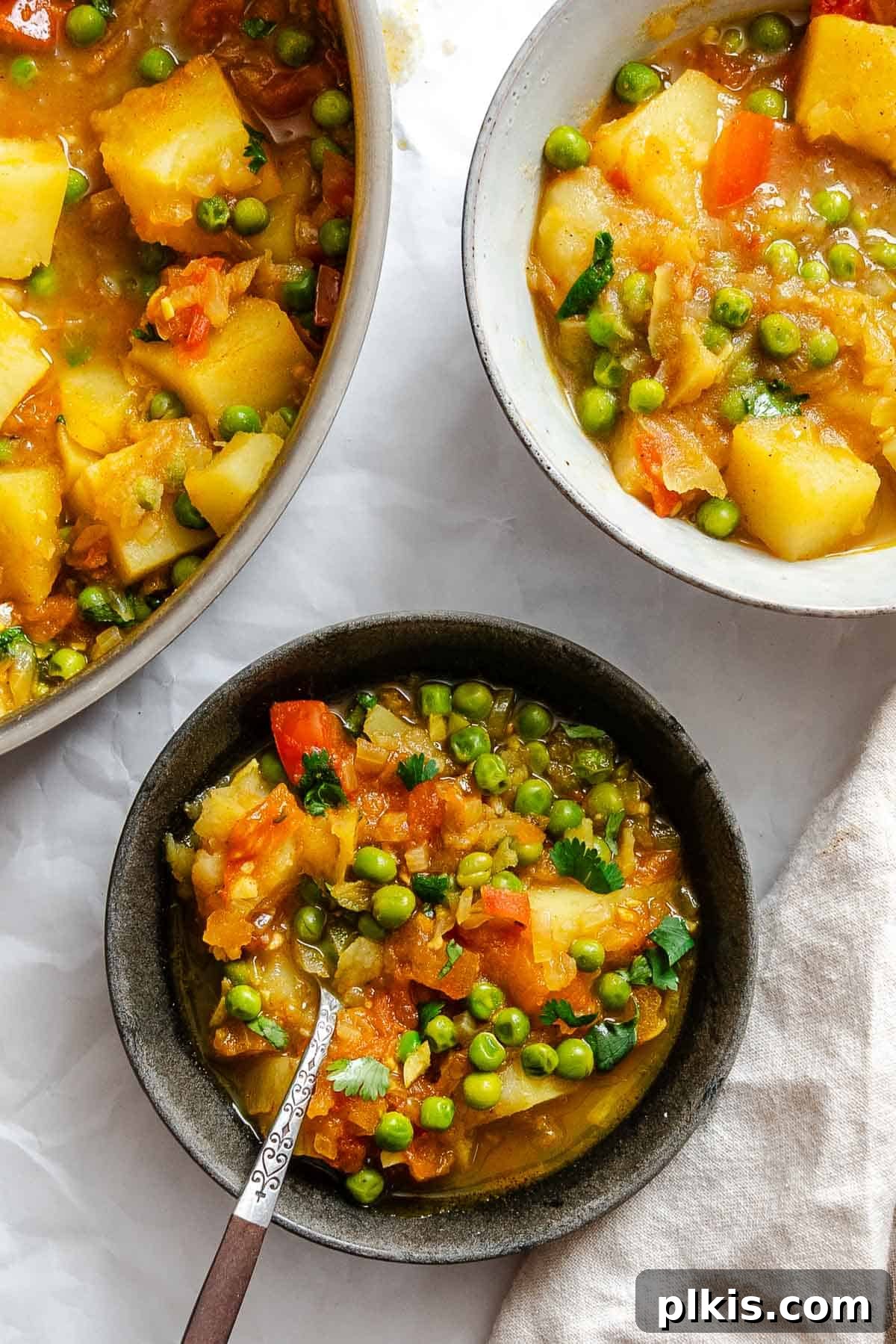
Serving Suggestions for Your Aloo Matar
Aloo Matar is a versatile dish that pairs wonderfully with a variety of accompaniments. Here are some classic and creative serving ideas to complete your meal:
- Indian Bread: The ultimate companion for scooping up every last drop of the flavorful gravy. Serve with warm vegan naan, soft roti, fluffy poori, simple chapati, or flaky paratha.
- Rice: Aloo Matar is magnificent with various rice dishes. Opt for fragrant basmati rice, plain fluffy white rice, aromatic jeera rice (cumin rice), or a vibrant vegetable pilau for a more complete meal. Brown rice also makes a wholesome alternative.
- Additional Protein: While Aloo Matar is hearty on its own, you can elevate its protein content by serving it alongside crispy pan-fried tofu, our crispy baked tofu, or your favorite plant-based protein. Lentils can also be incorporated into the curry for an extra protein boost.
- Cooling Condiments: Balance the rich spices with refreshing condiments. Vegan cucumber raita (a yogurt-based dip), sweet tomato chutney like this sweet tomato chutney, or zesty pickles (such as these easy refrigerator pickles) provide a delightful contrast.
- Simple Salad: A light, crisp salad can cut through the richness of the curry. A basic cucumber and tomato salad, or a simple leafy green salad with a lemon vinaigrette, makes for a refreshing side.
- Lemon or Lime Wedges: A squeeze of fresh lemon or lime juice just before serving can brighten the flavors and add a zesty finish to the curry.
Storage and Reheating Instructions
One of the many benefits of Aloo Matar is its excellent make-ahead and storage potential. The flavors often deepen and improve with time!
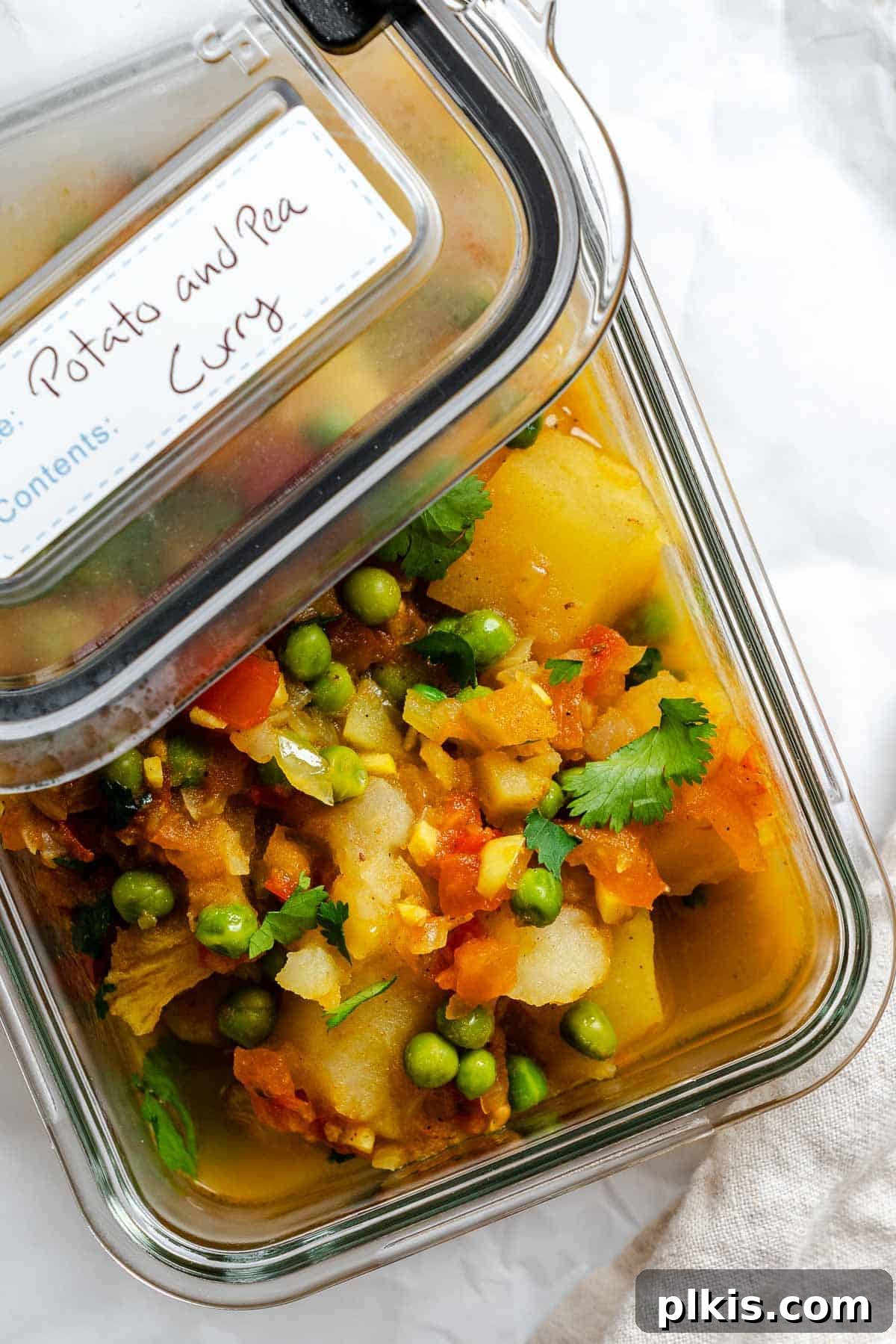
- Fridge: Store leftover potato and pea curry in an airtight container in the refrigerator for up to 4-5 days. Be aware that the curry will naturally thicken as it cools.
- Freezer: For longer storage, transfer the cooled Aloo Matar to freezer-safe containers and freeze for up to 3 months. When ready to use, thaw it overnight in the refrigerator. Note that potatoes can sometimes develop a slightly grainy or softer texture after freezing and thawing, but the flavor will remain delicious.
- Reheat: Reheat the potato and pea curry gently. You can warm it in a microwave in 30-second bursts, stirring in between, or on the stovetop over medium-low heat until it is piping hot throughout. If the curry has thickened too much during storage, add a splash of water or vegetable broth to achieve your desired consistency.
More Delightful Vegan Curry Recipes
Vegan Dinners
Easy Tofu Vegetable Coconut Curry
Vegan Dinners
Brussels Sprouts Curry
Vegan Dinners
Easy Chickpea Lentil Curry
Vegan Dinners
Quick Eggplant Curry
If you tried this **easy potato and pea curry** recipe or any other recipe on my blog, please leave a ⭐ star rating and let me know how it went in the 📝 comments below. Your feedback is greatly appreciated!
Easy Potato and Pea Curry (Aloo Matar)
Want to save this recipe?
Enter your email & get this sent to your inbox! Plus you’ll get great new recipes from us every week!
Equipment
-
Measuring spoons
-
Knife set
-
Measuring Cups
Ingredients
- 1 tablespoon neutral oil (vegetable, canola, or sunflower)
- 1 teaspoon cumin seeds
- 1 medium yellow onion finely chopped
- 3 garlic cloves minced
- 1- inch piece of ginger grated (or 1 teaspoon ground ginger)
- 2 medium tomatoes chopped (or ½ cup canned crushed tomatoes)
- ½ teaspoon turmeric powder
- 1 teaspoon ground coriander
- 1 teaspoon garam masala
- 1 teaspoon chili powder (adjust to taste)
- 1 teaspoon salt (or to taste)
- 2 medium potatoes peeled and cubed
- 1 ¾ cups water
- ¾ cup frozen green peas
- Fresh cilantro chopped (optional, for garnish)
Instructions
- Heat the oil in a large skillet or saucepan over medium heat. Once hot, add the cumin seeds and let them sizzle for a few seconds until fragrant.
- Add the chopped onion and sauté until soft and golden, about 5–6 minutes.
- Stir in the garlic and ginger. Cook for 1–2 minutes, until fragrant.
- Add the tomatoes and cook until they break down and the mixture thickens slightly, about 5 minutes.
- Stir in turmeric, coriander, garam masala, chili powder, and salt. Mix well to coat the onion-tomato base with the spices, cooking for 30-60 seconds to temper them.
- Add the potatoes and stir to combine. Pour in the water and bring to a boil.
- Lower the heat, cover, and simmer for 15 minutes or until the potatoes are fork-tender, stirring occasionally. Add more water if needed to keep the curry from drying out.
- Add the green peas and cook for another 5 minutes, until heated through.
- Turn off the heat, mix well, taste, and adjust seasonings as desired.
Explore More with AI
Notes
- Don’t rush sauté steps: Properly sautéing the onions, softening the tomatoes, and tempering spices help build layers of flavor.
- Chop the potato evenly: So it cooks evenly.
- For a smooth gravy: Blend the sautéed onion and tomatoes into a puree.
- To adjust the thickness: Adjust how much water you add. For even thicker green pea and potato curry, mash some potatoes.
Nutrition Information
Carbohydrates: 30g
Protein: 5g
Fat: 4g
Saturated Fat: 0.4g
Polyunsaturated Fat: 1g
Monounsaturated Fat: 2g
Trans Fat: 0.01g
Sodium: 609mg
Potassium: 748mg
Fiber: 6g
Sugar: 5g
Vitamin A: 878IU
Vitamin C: 43mg
Calcium: 50mg
Iron: 2mg
Additional Info
Please tag us at @PlantBasedOnABudget! 🙂