

Craving the vibrant flavors of your favorite Chinese takeout but want a healthier, more affordable, and plant-based option? Look no further than this incredible **Sweet and Sour Tempeh** recipe! This dish is a true game-changer, delivering everything you adore about classic sweet and sour cuisine: perfectly crispy and chewy tempeh, an array of tender-crisp vegetables, all bathed in a luscious, homemade sweet and sour sauce that’s bursting with flavor. Serve it alongside our perfectly fluffy rice for a wholesome, satisfying meal that easily rivals any restaurant version, without the hidden ingredients or hefty price tag.

Embracing takeout-inspired meals at home offers a multitude of benefits. Not only is it significantly more economical, allowing you to stretch your grocery budget further, but it’s also inherently better for your health. When you prepare your own meals, you gain full control over the ingredients, eliminating concerns about artificial food colorings, excessive sodium, or unhealthy amounts of oil. Our homemade sweet and sour sauce is crafted from simple, wholesome plant-based ingredients and comes together in just about one hour, making it a perfect weeknight dinner solution.
If you’re a fan of delicious vegan Chinese food recipes, you’re in for a treat! Explore other delightful dishes like our comforting Hot and Sour Soup, the savory Moo Shu Vegetable, a hearty Vegetable Fried Brown Rice, and the ever-popular Veggie Chow Mein. Each recipe brings authentic flavors to your kitchen, proving that plant-based eating can be both exciting and incredibly satisfying.
Table of Contents
- Why You’ll Love This Sweet and Sour Tempeh
- The Essential Ingredients and Smart Substitutions
- What is Tempeh and Why Use It?
- Step-by-Step: How to Make Sweet and Sour Tempeh
- Expert Recipe Tips for Success
- Common Questions About This Recipe
- Creative Serving Suggestions
- Storing and Freezing for Future Meals
- More Delicious Tempeh Recipes to Try
Why You’ll Love This Sweet and Sour Tempeh
This Sweet and Sour Tempeh isn’t just another recipe; it’s a culinary experience designed to bring joy and ease to your kitchen. Here are just a few reasons why this dish will quickly become a cherished favorite:
- Crafted with Pantry Staples: Forget about specialty store runs for obscure ingredients. Our homemade sweet and sour sauce is built from a handful of readily available pantry items. You’ll be amazed at how easily you can whip up this rich, tangy, and sweet sauce from scratch, proving that homemade doesn’t have to mean complicated.
- Exceptionally Freezer Friendly: Meal prepping just got easier! Both the savory tempeh and the fluffy rice in this recipe freeze beautifully. Make a generous double batch, portion it out, and stock your freezer with convenient, delicious, pre-made meals for those busy weeknights when you need a quick and wholesome dinner solution.
- Naturally Gluten-Free: We understand the importance of catering to dietary needs. The entire recipe is naturally gluten-free when you opt for tamari instead of traditional soy sauce and ensure your chosen tempeh brand is free from added gluten-containing grains like barley or rye. It’s a delicious dish everyone can enjoy!
- Ultimate Meal Prep Companion: This vibrant tempeh and rice dish is a dream come true for meal preppers. It holds up wonderfully in the refrigerator for up to four days, making it the perfect quick, easy, and satisfying lunch or dinner option that’s ready when you are. Prepare it on Sunday, and enjoy healthy meals all week long.
- Nutrient-Packed & Wholesome: Unlike many commercial sweet and sour sauces that rely on artificial red food dye for their signature color (which can often be non-vegan and devoid of nutritional value), our recipe uses wholesome paprika. This not only gives the sauce a beautiful, natural hue but also contributes valuable vitamins and minerals, boosting the nutritional profile of your meal. You get all the flavor and color, with added health benefits!
The Essential Ingredients and Smart Substitutions
Crafting the perfect Sweet and Sour Tempeh starts with a thoughtful selection of fresh, flavorful ingredients. Here’s a detailed look at what you’ll need and how to make smart substitutions if necessary.
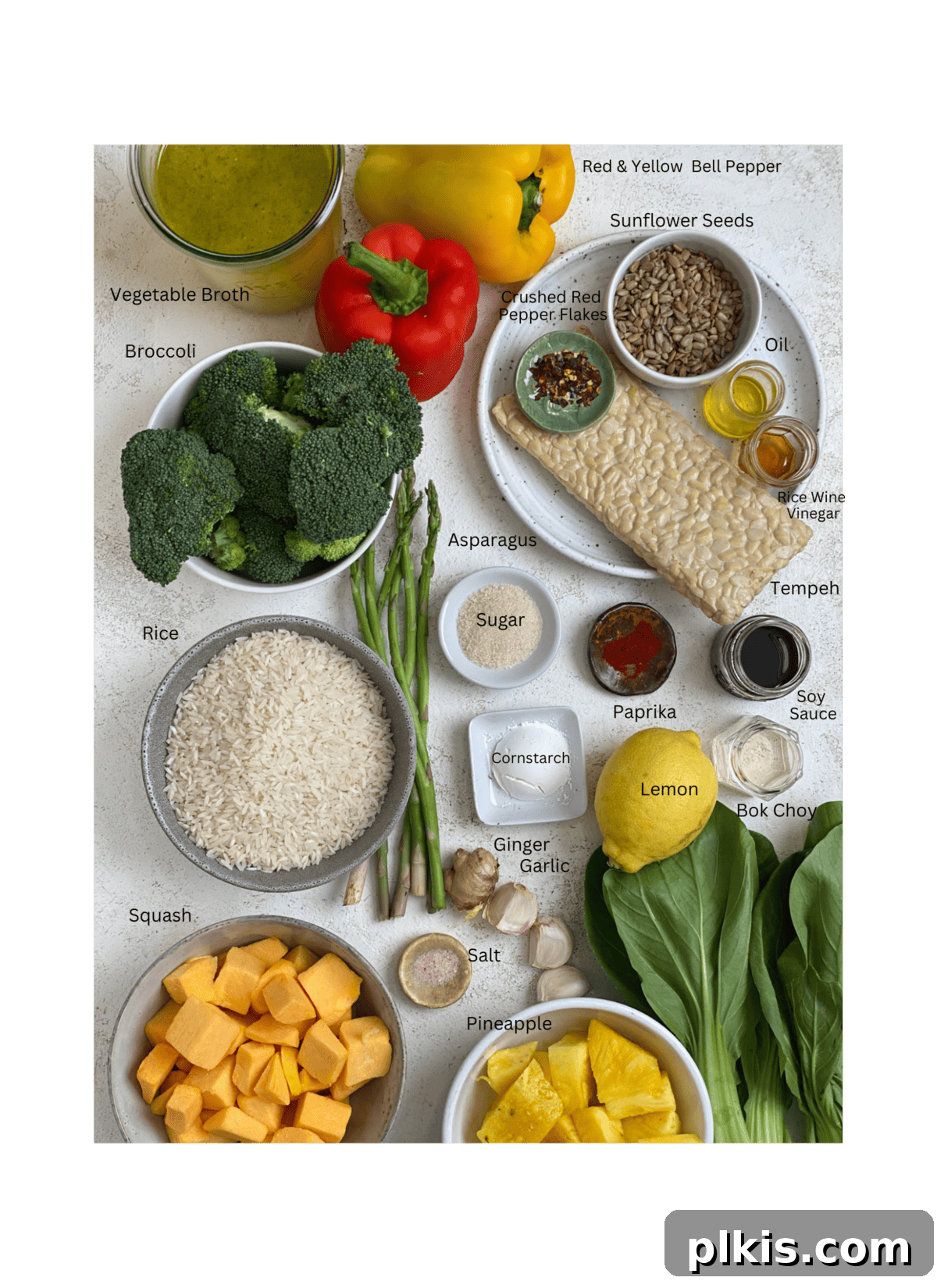
For the Flavorful Tempeh & Sauce
- Tempeh: Opt for plain or multi-grain tempeh for the best flavor absorption. If you require a gluten-free meal, carefully check the ingredient list as some tempeh varieties may contain added grains like barley or rye. A fantastic alternative is extra-firm tofu, pressed and cubed, for a slightly different but equally delicious texture.
- Pineapple: The star of the sweet component! You can use either freshly cut pineapple chunks for a vibrant flavor or canned pineapple chunks, making sure they are well-drained to avoid excess liquid.
- Lemon Juice: Essential for balancing the sweetness and adding a bright, zesty sourness. Freshly squeezed lemon juice is always recommended for the most potent flavor.
- Garlic: Minced fresh garlic cloves provide an aromatic foundation. For convenience, jarred minced garlic can be used in a pinch.
- Ginger: Freshly minced ginger adds a wonderful warmth and depth to the sauce, characteristic of Asian cuisine.
- Soy Sauce (or Tamari): Provides the crucial umami and salty notes. Use full or lightly reduced-sodium soy sauce. For a gluten-free version, always use tamari, which offers a similar rich flavor profile. Coconut aminos are generally not salty enough for this recipe.
- Rice Wine Vinegar: Another key contributor to the sauce’s sour tang. If unavailable, white wine vinegar or apple cider vinegar can be used as substitutes, though they may alter the flavor slightly.
- Sugar: Balances the sourness and enhances the overall sweetness. Any granulated or liquid sweetener will work. Common choices include cane sugar, brown sugar, or maple syrup for a more natural sweetness.
- Paprika: Not just for a beautiful reddish-orange hue, paprika also imparts a subtle sweetness and earthy undertone, replacing artificial colorings found in many takeout sauces.
- Cornstarch: This is our natural thickening agent, creating that desired glossy, clinging sauce consistency. It ensures the sauce coats every piece of tempeh and vegetable beautifully.
- Ketchup: A surprising but common ingredient in authentic sweet and sour sauces, ketchup contributes both sweetness and a complex tanginess from its tomato base and vinegar.
- Vegetables for the Stir-Fry: Sweet and sour dishes are always better with a colorful medley of fresh vegetables. We recommend bell peppers (red and yellow for visual appeal and sweetness), tender squash, and crisp asparagus for varied textures and nutrients. Feel free to customize with your favorites like snap peas, carrots, or onions.
- Crushed Red Pepper (Optional): For those who enjoy a little kick, a teaspoon of crushed red pepper adds a delightful touch of heat to the sauce.
For the Fluffy Rice and Steamed Greens
- Cooking Oil: Any neutral-flavored oil, such as vegetable oil, canola oil, or avocado oil, is suitable for toasting the rice and browning the tempeh. Sesame oil is added for an extra layer of authentic flavor.
- Rice: White rice cooks up quickly and is ideal for this dish. If you prefer, uncooked brown rice can be used, but remember to adjust the cooking time accordingly (usually longer).
- Sunflower Seeds: These add a lovely nutty flavor, extra nutrition, and a satisfying textural crunch to the rice. They can be omitted if you have allergies or a preference.
- Vegetable Broth: Using vegetable broth instead of water for cooking the rice infuses it with additional depth and savory flavor. You can use full-sodium or low-sodium broth, adjusting the added salt to taste.
- Additional Veggies for Steaming: To boost the nutrient content and freshness of your meal, we recommend adding steamed broccoli florets and chopped bok choy directly on top of the cooked rice, allowing them to steam gently until tender-crisp.
What is Tempeh and Why Use It?
Tempeh, a traditional Indonesian food, is a truly remarkable plant-based protein. Unlike its cousin tofu, which is made from coagulated soy milk, tempeh is crafted from fermented whole soybeans. This fermentation process binds the soybeans into a firm, nutrient-dense cake, giving it a unique texture and flavor profile. Often described as having a nutty, earthy taste, tempeh is much firmer and heartier than tofu, making it an excellent “meat” substitute that stands up well to various cooking methods like frying, baking, or grilling.
Beyond its culinary versatility, tempeh is a nutritional powerhouse. It’s an outstanding source of complete plant protein, dietary fiber, and various vitamins and minerals, including iron, calcium, and B vitamins. The fermentation also aids in digestion and can enhance nutrient absorption. When properly cooked, like being browned to a delightful crispiness in our sweet and sour recipe, tempeh transforms into an incredibly satisfying and flavorful component, making it a favorite among plant-based eaters and those looking to diversify their protein sources.
Step-by-Step: How to Make Sweet and Sour Tempeh
Get ready to create a masterpiece! Follow these detailed instructions to prepare your vibrant and delicious Sweet and Sour Tempeh with fluffy rice and steamed veggies.
- 1) Prepare the Rice: Begin by toasting your rice. In a large pot with a tight-fitting lid, heat a teaspoon of vegetable oil and a teaspoon of sesame oil over medium heat. Once the oil is shimmering, add the dry rice and sunflower seeds. Cook, stirring frequently, for 3 to 4 minutes until the rice becomes slightly translucent and fragrant, and the seeds are lightly toasted. This step adds a wonderful nutty depth to your rice.
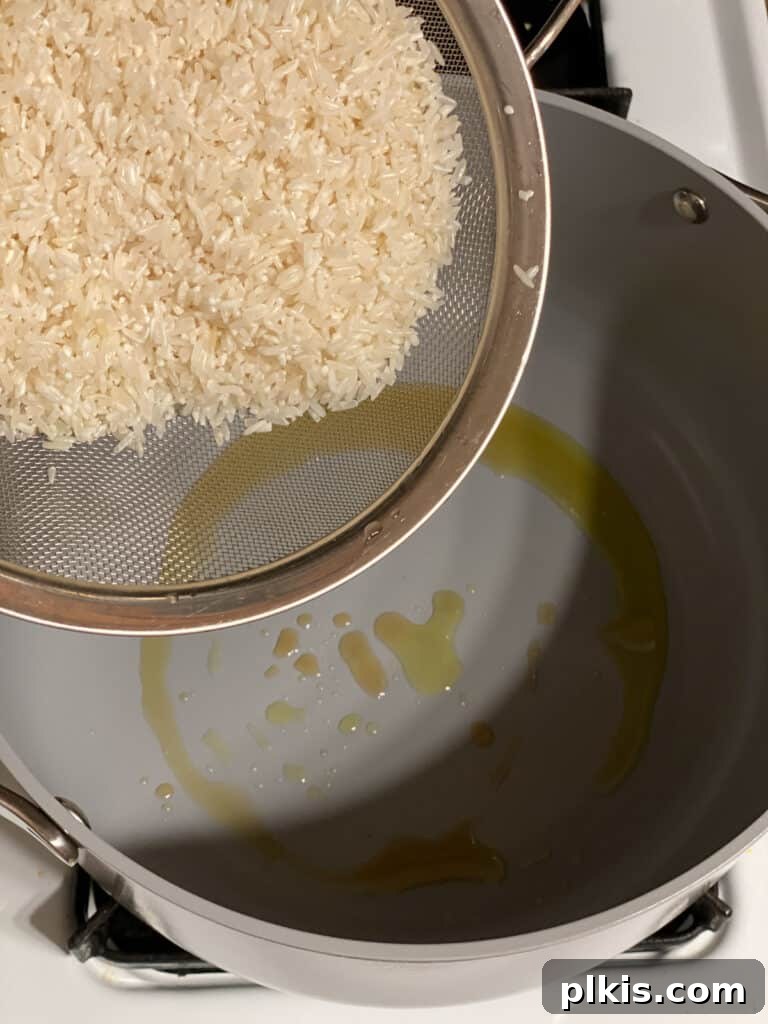
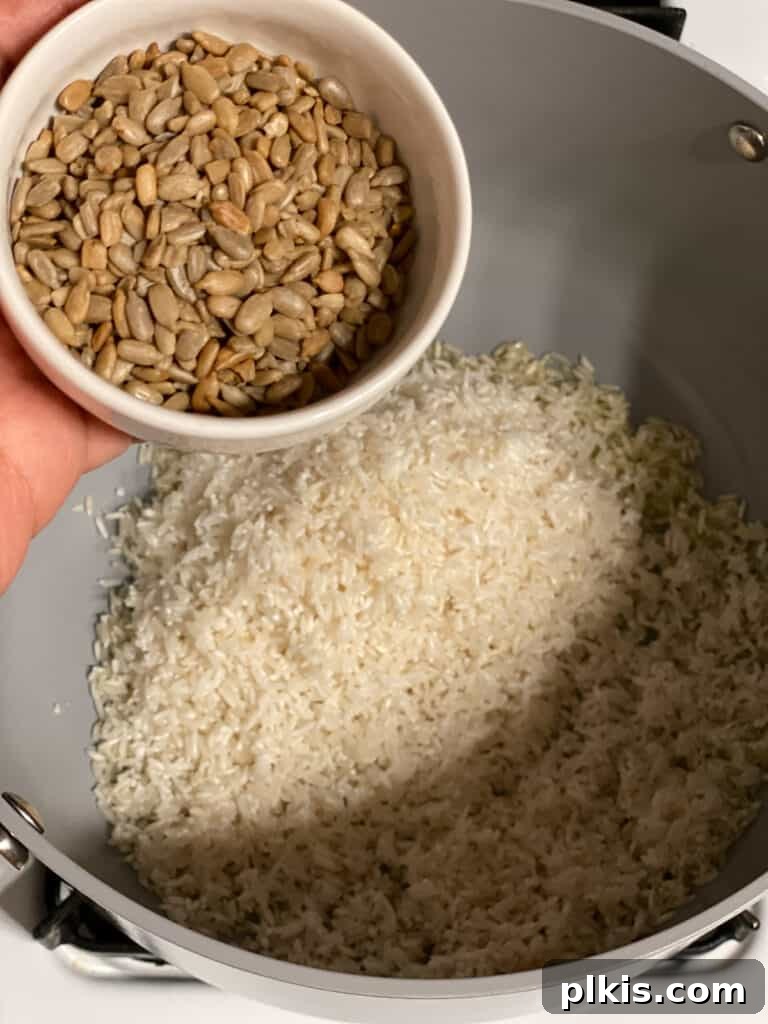
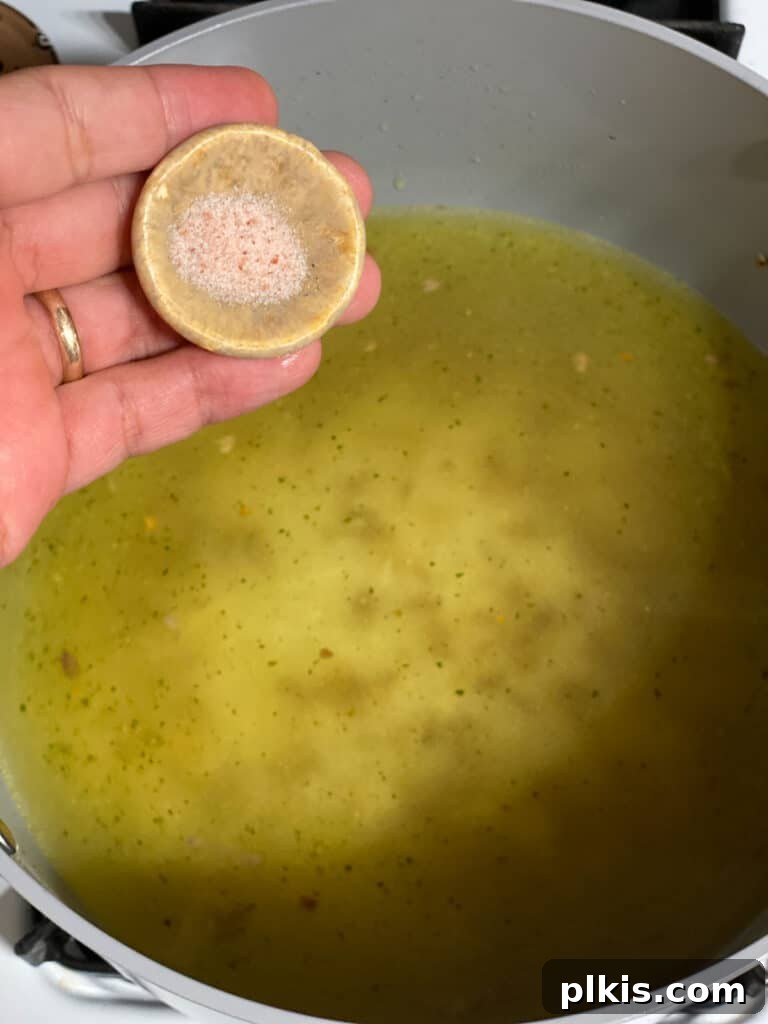
- 2) Cook the Rice: Once the rice is beautifully fragrant, carefully pour in the vegetable stock and season with salt to taste. Bring this mixture to a rolling boil over medium-high heat. As soon as it boils, reduce the heat to low, cover the pot tightly, and allow it to simmer for approximately 20 minutes, or until all the liquid has been absorbed and the rice is perfectly fluffy and tender. Avoid lifting the lid during this process to keep the steam trapped.
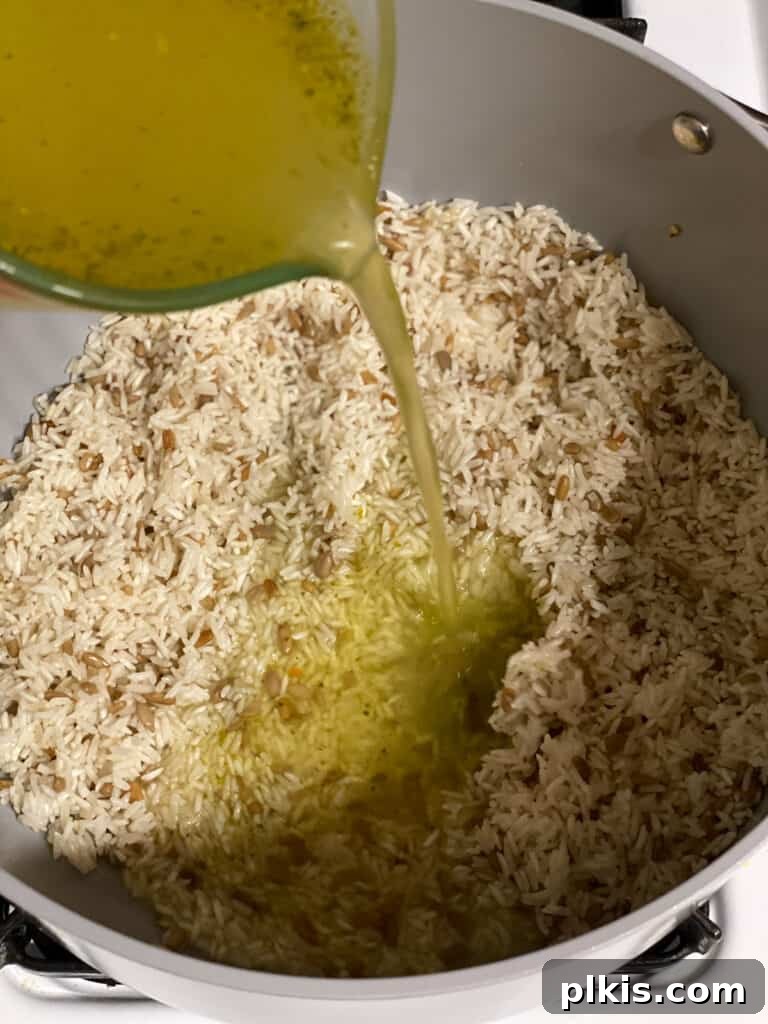
- 3) Steam the Veggies: Once the rice is cooked through, gently lift the lid and arrange the broccoli florets and chopped bok choy directly on top of the hot rice. Cover the pot again and allow the residual heat to steam the vegetables for a few minutes, until they are tender-crisp and vibrant. Set the pot aside, keeping it covered to retain warmth.
- 4) Brown the Tempeh: While the rice is cooking, begin preparing the sweet and sour tempeh. Cut the tempeh into 1-inch cubes. In a separate large pan or skillet, heat a small amount of cooking oil over medium heat. Once hot, add the tempeh cubes in a single layer, ensuring not to overcrowd the pan. Cook patiently, turning occasionally, until all sides are beautifully browned and crispy. This process is crucial for developing flavor and texture and should take approximately 15 to 20 minutes. Don’t rush this step!

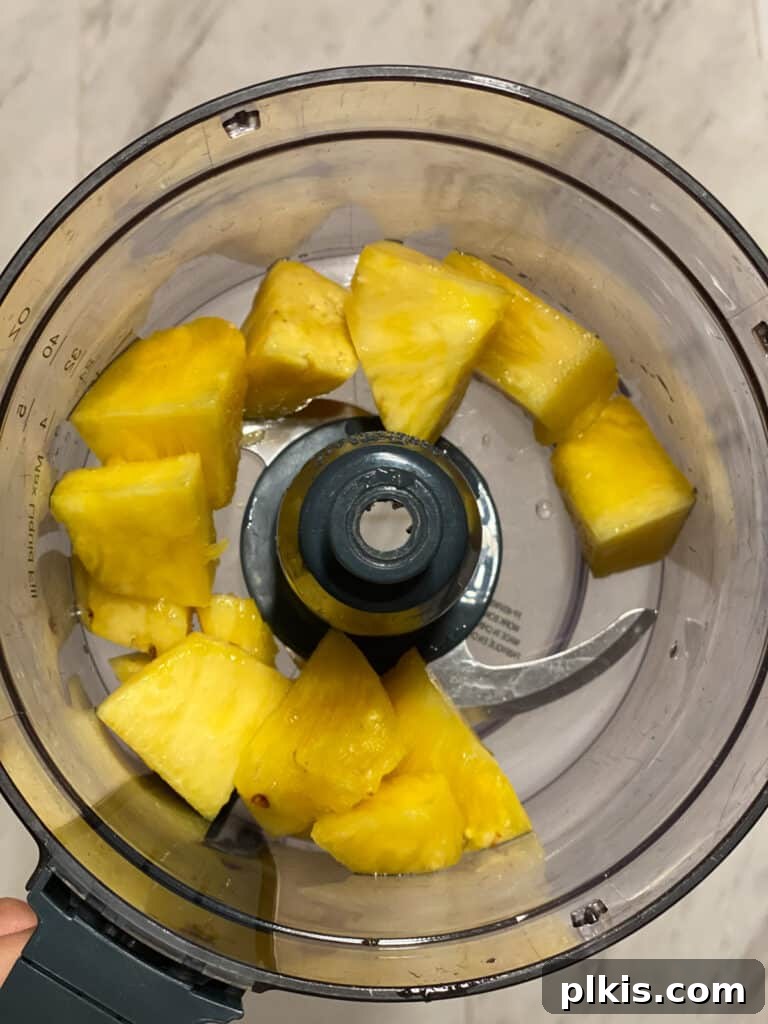
- 5) Prepare the Sauce Base: While the tempeh is browning, start making your signature sweet and sour sauce. Add the fresh or drained canned pineapple chunks to the bowl of your food processor. Process on high for about 30 seconds, or until the pineapple is pureed to a smooth, applesauce-like consistency. This creates the fruity foundation of your sauce.
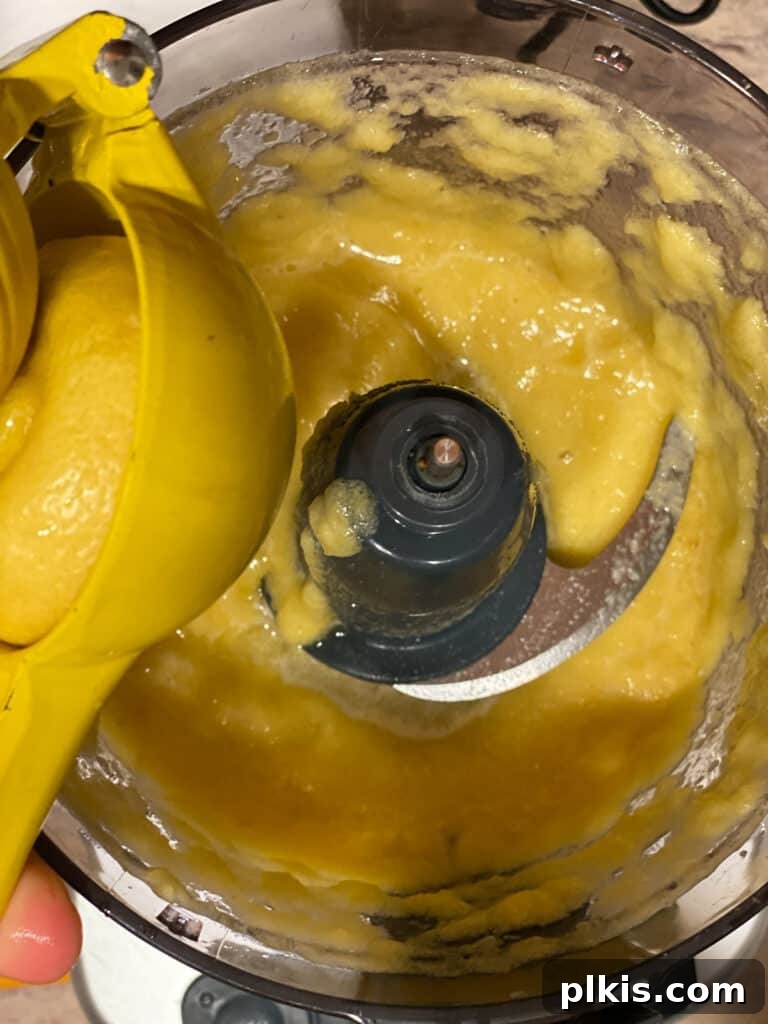
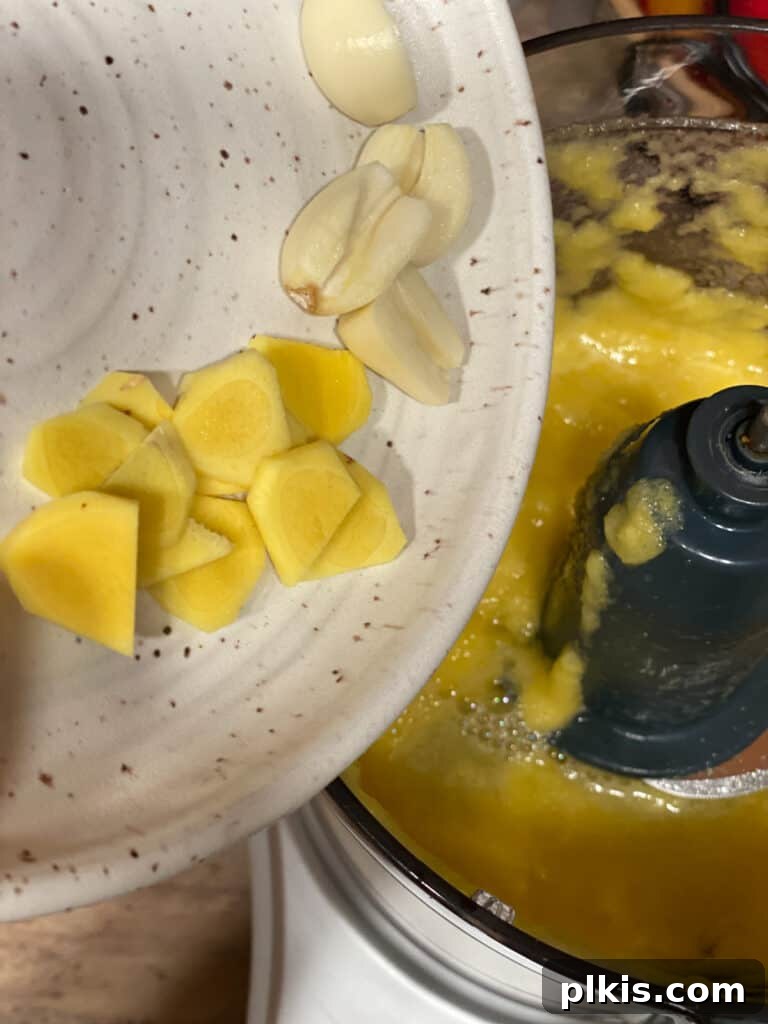
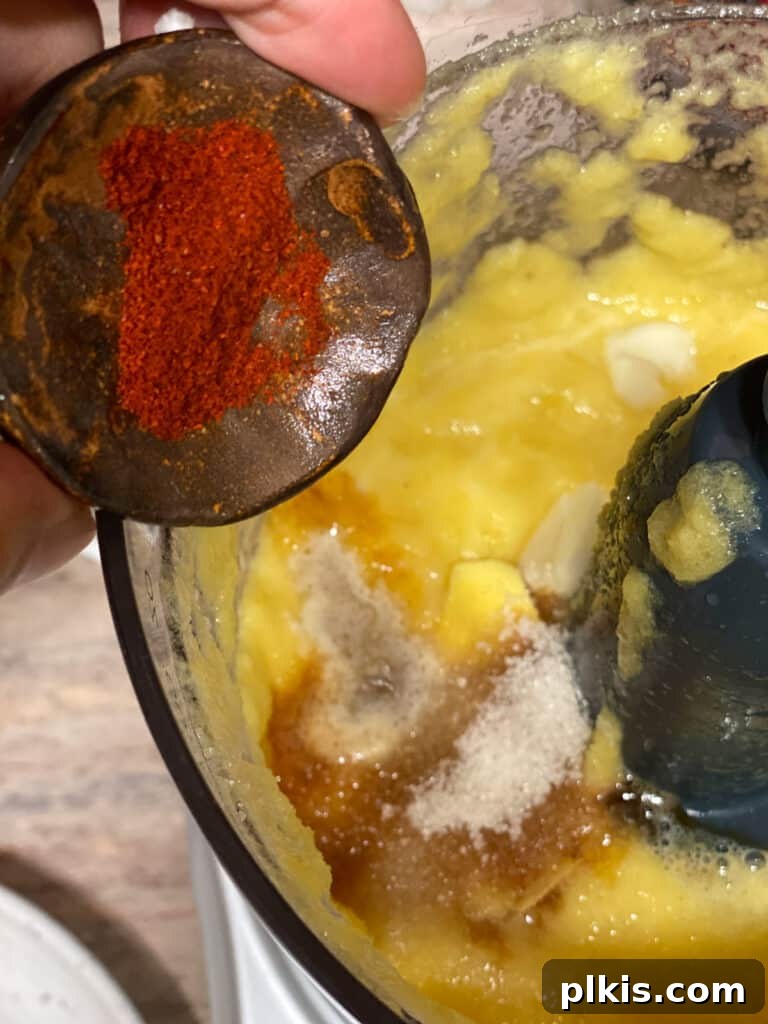
- 6) Blend the Sauce: To the food processor with the pureed pineapple, add all the remaining sauce ingredients: fresh lemon juice, minced ginger, minced garlic, soy sauce (or tamari), rice wine vinegar, sugar, paprika, cornstarch, and ketchup. Process again on high for another 30 seconds, or until the mixture is completely smooth and well combined. Set this vibrant sauce aside.





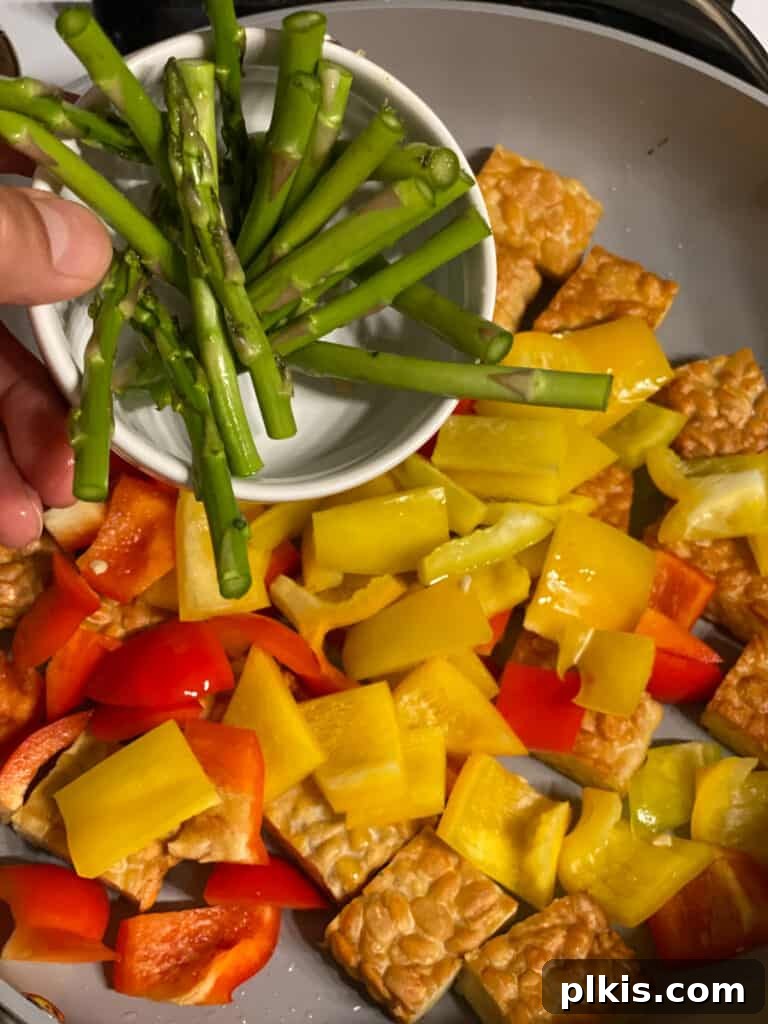
- 7) Sauté the Vegetables: Once the tempeh is fully browned and crispy, add the chopped bell peppers, squash, and asparagus to the same pan. Cook for 2 to 3 minutes, stirring frequently, until the vegetables are slightly softened but still retain a pleasant crispness. We want them tender-crisp, not mushy!
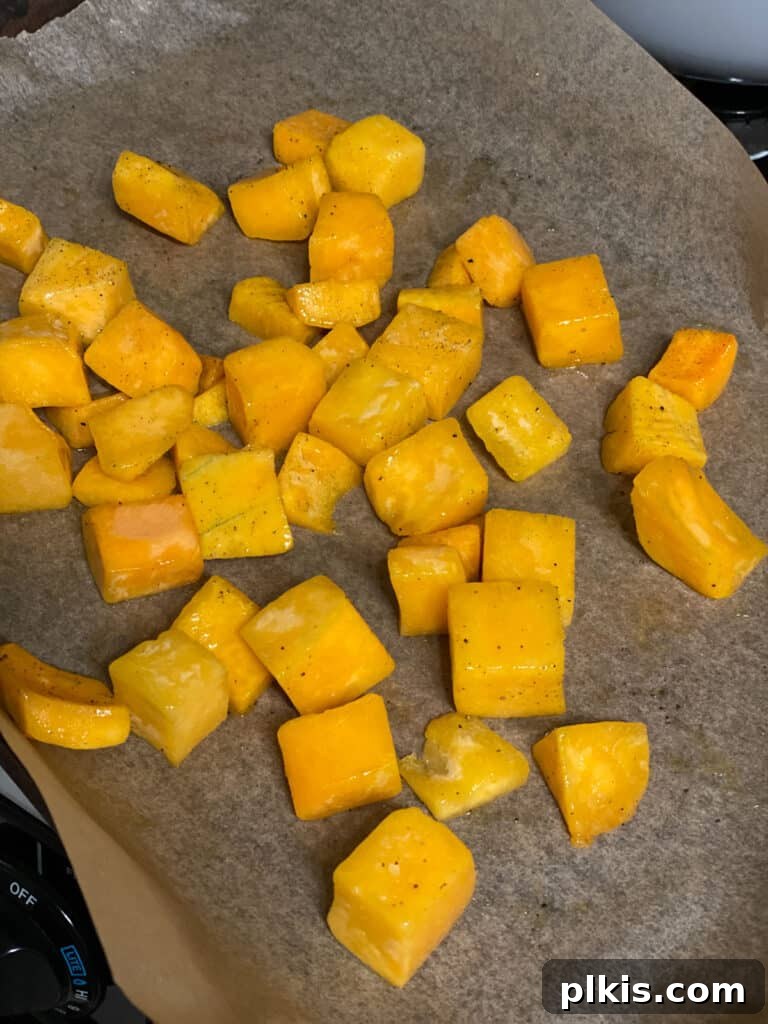


- 8) Combine and Thicken: Finally, pour the prepared sweet and sour sauce mixture into the pan with the tempeh and vegetables. Stir everything well to ensure the tempeh and veggies are thoroughly coated. Cook over medium heat for 10 minutes, allowing the flavors to meld and the sauce to begin thickening. After 10 minutes, reduce the heat to low and continue to simmer for an additional 10-15 minutes, or until the sauce has thickened to your desired consistency – glossy and clinging beautifully to the ingredients.



- 9) Serve and Enjoy: Serve your homemade sweet and sour tempeh immediately while hot, generously spooned over the prepared fluffy rice. Don’t forget the perfectly steamed broccoli and bok choy on the side. Garnish with fresh herbs or sesame seeds for an extra touch. Enjoy this incredibly flavorful and satisfying plant-based meal!
Expert Recipe Tips for Success
Achieving restaurant-quality Sweet and Sour Tempeh at home is simple with these expert tips:
- Ensure a Super Smooth Sauce: The key to a silky, well-coated dish lies in a perfectly smooth sauce. It’s crucial to thoroughly blend the pineapple into a fine puree. If your food processor isn’t powerful enough to achieve this, consider using a high-speed blender for an even smoother consistency. Any chunks of pineapple will prevent the sauce from being truly luscious.
- Master the Sauce Thickening: Patience is a virtue when it comes to sweet and sour sauce. To achieve that beautiful thick, glossy, and clinging texture, you’ll need to allow the sauce to simmer for at least 20 minutes over low heat. If, after this time, it’s still not thickening to your liking, create a cornstarch slurry by mixing 1 tablespoon of cornstarch with 2 tablespoons of cold water. Gradually stir this slurry into the simmering sauce and cook for another minute or two until it reaches your desired thickness.
- Customize to Your Taste: The beauty of homemade sweet and sour sauce is the ability to adjust it to your personal preference. If you enjoy a sweeter profile, simply add another tablespoon or two of sugar. For a more pronounced sour tang, reduce the amount of sugar slightly or incorporate an additional teaspoon of rice wine vinegar or lemon juice. Taste and adjust until it’s perfect for you!
Common Questions About This Recipe
Tempeh has a distinct flavor that many describe as nutty, earthy, and sometimes slightly mushroomy. If not properly prepared, it can sometimes have a faint bitter note, which is why browning it thoroughly is important in this recipe. Its texture is firm and chewy, far denser than tofu, as it’s made from whole fermented soybeans. If you’re seeking a hearty, whole-food plant-based protein with a satisfying bite, tempeh is an excellent and versatile choice that readily absorbs flavors from sauces and marinades.
While the tempeh is traditionally browned in a small amount of oil to achieve its crispy exterior and rich flavor, the sauce itself is oil-free. If you are strictly avoiding oil, you can pan-fry the tempeh in a good quality non-stick pan, adding small splashes of water or vegetable broth as needed to prevent sticking. Be aware that without oil, the tempeh may not develop the same level of browning or crispiness, but it will still be delicious and absorb the sauce beautifully.
Absolutely! Tempeh is renowned as an excellent and complete source of plant-based protein. For instance, just 3 ounces of the popular Lightlife brand of tempeh typically provides an impressive 18 grams of protein. This makes it an ideal ingredient for those looking to increase their protein intake, especially in a vegan or vegetarian diet, contributing to satiety and muscle health.
Yes, for a hands-off approach, you can bake the tempeh. Preheat your oven to 400°F (200°C). Toss the cubed tempeh with a tablespoon of oil (or a little broth for oil-free) and a pinch of salt and pepper. Spread it in a single layer on a baking sheet lined with parchment paper. Bake for 20-25 minutes, flipping halfway through, until golden brown and slightly crispy. Then add it to the pan with the sautéed vegetables and sauce as directed in the recipe.
Fresh pineapple offers the brightest, most vibrant flavor. However, canned pineapple chunks (packed in water or juice, not syrup, and thoroughly drained) are a convenient and perfectly acceptable alternative. They provide a similar sweetness and tartness that blends beautifully into the sauce. Just be sure to drain them well to avoid diluting the sauce’s flavor.
Creative Serving Suggestions
While this Sweet and Sour Tempeh is perfectly satisfying served over a bed of fluffy rice with steamed vegetables, there are many ways to elevate and customize your meal. Get creative with these ideas:
- Garnish Galore: For an extra burst of flavor and visual appeal, sprinkle your finished dish with chopped green onions (scallions), toasted sesame seeds, a few fresh pineapple chunks, or a squeeze of fresh lime juice right before serving. A drizzle of sriracha or a sprinkle of chili flakes can add a welcome heat.
- Alternative Grains: Instead of white rice, consider serving your sweet and sour tempeh over brown rice, quinoa, or even a blend of wild rice for added nutrition and texture. Each grain offers a unique backdrop for the vibrant flavors of the tempeh and sauce.
- Noodle Nirvana: Transform this dish into a delightful noodle bowl! Serve it over thin rice noodles, whole wheat spaghetti, or even a bed of ramen noodles for a different kind of comforting meal.
- Lettuce Wraps: For a lighter, low-carb option, spoon the sweet and sour tempeh mixture into crisp lettuce cups (such as butter lettuce or romaine hearts). This makes for a refreshing and interactive meal, perfect for a lighter lunch or appetizer.
- Appetizer Pairings: If you’re looking to start your meal with an appetizer, this dish pairs wonderfully with a variety of plant-based starters. We highly recommend our delicate Baby Bok Choy with Soy Sauce and Garlic or the exquisitely flavored Sautéed Eggplant with Maple Soy Glaze. For a fun, dippable option, serve with Tofu Vegetable Crispy Wontons and extra sweet and sour sauce on the side for dipping!
Storing and Freezing for Future Meals
This Sweet and Sour Tempeh recipe is perfect for making ahead, ensuring you have delicious, wholesome meals ready to go. Here’s how to store and freeze your leftovers effectively:
- Storing Leftovers: Once the sweet and sour tempeh, rice, and steamed vegetables have cooled completely to room temperature, transfer them to an airtight container. You can store the tempeh and sauce mixture separately from the rice and veggies, or layer them together for grab-and-go meals. Tightly covered, this dish will keep beautifully in the refrigerator for up to 4 days, making it ideal for meal prepping.
- Freezing for Longer Storage: To enjoy this meal even further into the future, you can freeze individual portions. Allow the tempeh, rice, and veggies to cool completely. Then, place them into freezer-safe containers or heavy-duty freezer bags, ensuring as much air as possible is removed to prevent freezer burn. Freeze for up to 3 months. For best results, thaw overnight in the refrigerator before reheating. You can also reheat directly from frozen, though it may take a bit longer.
- Reheating Instructions:
- Microwave: For quick reheating, transfer your leftovers to a microwave-safe dish and heat on high for 2-3 minutes, stirring halfway through, until warmed through.
- Stovetop: For a more even reheat, place the leftovers in a saucepan over medium-low heat. Add a small splash of water or vegetable broth to help create steam and prevent drying, especially for the rice. Cover the saucepan and heat, stirring occasionally, until everything is thoroughly warmed through. The added liquid helps to rejuvenate the rice and sauce.
If the rice seems a bit dry after reheating, adding that small splash of water or broth and covering the dish while heating will trap steam and help it regain its fluffy texture.
More Delicious Tempeh Recipes to Try
If you’ve discovered a love for tempeh through this sweet and sour dish, you’re in luck! Tempeh is an incredibly versatile ingredient that can be transformed into a wide array of flavorful meals. Here are some more easy and delicious tempeh recipes from our collection that you’re sure to enjoy:
- Sweet Jalapeño Tempeh Strips: A perfect balance of sweet and spicy, these strips are great in sandwiches, salads, or as a snack.
- Vegan Kabobs with Marinated Tempeh: Ideal for grilling or baking, these kabobs are packed with vibrant colors and rich flavors.
- Ginger Lime Tempeh: A bright and zesty dish that’s both refreshing and satisfying.
- BBQ Tempeh: Smoky, savory, and perfect for sandwiches or alongside your favorite BBQ sides.
Photos by Alfonso Revilla
Sweet and Sour Tempeh
★
★
★
★
20 minutes
45 minutes
1 hour 5 minutes
4 servings

Equipment
-
Measuring spoons
-
Measuring Cups
-
Large Pot with Lid
-
Large Skillet or Pan
-
Food Processor or High-Speed Blender
Ingredients
For the Rice:
- 1 teaspoon sesame seed oil
- 1 teaspoon neutral cooking oil
- 2 cups uncooked white rice
- ¼ cup sunflower seeds
- 1 teaspoon salt (or to taste)
- 4 cups vegetable broth
- 1-2 cups Broccoli florets
- 2-3 heads Bok choy, chopped
For the Sweet and Sour Tempeh:
- 1 package (8 oz) tempeh, cubed
- ⅔ cup fresh or canned pineapple chunks (drained)
- 1 teaspoon crushed red pepper (optional)
- ½ lemon, juiced (about 2 tbsp)
- 1 teaspoon minced fresh ginger
- 1 tablespoon minced fresh garlic
- 2 tablespoons soy sauce (use tamari for GF)
- 1 tablespoon rice wine vinegar
- 1 tablespoon granulated sugar (adjust to taste)
- 1 teaspoon paprika
- 1 tablespoon cornstarch
- 1 tablespoon ketchup
- 1 red bell pepper, chopped into 1-inch pieces
- 1 yellow bell pepper, chopped into 1-inch pieces
- 1 medium squash (e.g., zucchini or yellow squash), chopped into 1-inch pieces
- 6 spears asparagus, trimmed and cut into 1-inch pieces
Instructions
For the Rice and Steamed Veggies:
-
In a large pot with a lid over medium heat, add the vegetable oil and sesame oil. Once hot, add the uncooked rice and sunflower seeds. Cook and stir for 3 to 4 minutes until the rice is lightly toasted and fragrant. Pour in the vegetable stock and season with salt. Bring the mixture to a boil, then reduce the heat to low, cover tightly, and cook for 20 minutes, or until all the liquid is absorbed and the rice is fluffy. When the rice is done, gently place the broccoli florets and chopped bok choy on top of the rice, cover, and let steam for a few minutes until tender-crisp.
For the Sweet and Sour Tempeh:
-
Cut the tempeh into 1-inch cubes. In a separate large pan or skillet over medium heat, add a small amount of neutral cooking oil. Once hot, add the tempeh cubes and brown them on all sides until crispy and golden. This will take approximately 15 to 20 minutes, so take your time to ensure even crispiness.
-
While the tempeh is cooking, prepare the sweet and sour sauce. Add the cleaned pineapple chunks to the bowl of your food processor. Process on high for about 30 seconds, or until you achieve a creamy, smooth puree. Next, add the lemon juice, minced ginger, minced garlic, soy sauce (or tamari), rice wine vinegar, sugar, paprika, cornstarch, and ketchup. Process again on high for another 30 seconds until completely smooth.
-
Once the tempeh is browned, add the chopped red and yellow bell peppers, squash (zucchini/yellow squash), and asparagus pieces to the pan. Cook for 2 to 3 minutes, stirring occasionally, until the vegetables are slightly softened but still crisp. Pour in the prepared pineapple sweet and sour sauce mixture. Cook over medium heat for 10 minutes, then reduce the heat to low and continue to simmer for an additional 10-15 minutes, or until the sauce has thickened to a glossy, desirable consistency.
-
Serve the hot sweet and sour tempeh directly over the cooked fluffy rice, accompanied by the steamed broccoli and bok choy. Enjoy your homemade plant-based feast!
Notes
- Blend the sauce really smooth. This is essential to break down the pineapple into a smooth puree. If your food processor isn’t strong, use a high-speed blender instead for the best results.
- Take time to thicken the sauce. To get that beautiful thick and glossy sauce, you’ll need to simmer for at least 20 minutes. If it’s not thickening, prepare a cornstarch slurry (1 tbsp cornstarch + 2 tbsp cold water) and stir it into the sauce.
- Adjust the sauce to taste. If you prefer a sweeter sauce, add more sugar. If you prefer a more sour sauce, reduce the added sugar or add additional vinegar or lemon juice.
Nutrition
Carbohydrates: 139g
Protein: 24g
Fat: 14g
Saturated Fat: 2g
Polyunsaturated Fat: 5g
Monounsaturated Fat: 5g
Sodium: 2101mg
Potassium: 1463mg
Fiber: 10g
Sugar: 27g
Vitamin A: 22169IU
Vitamin C: 219mg
Calcium: 229mg
Iron: 5mg
Additional Info
David Sterkel
Dinner, Lunch
Asian
Stovetop
Vegan
Tried this recipe?Please tag us at @PlantBasedOnABudget! 🙂