
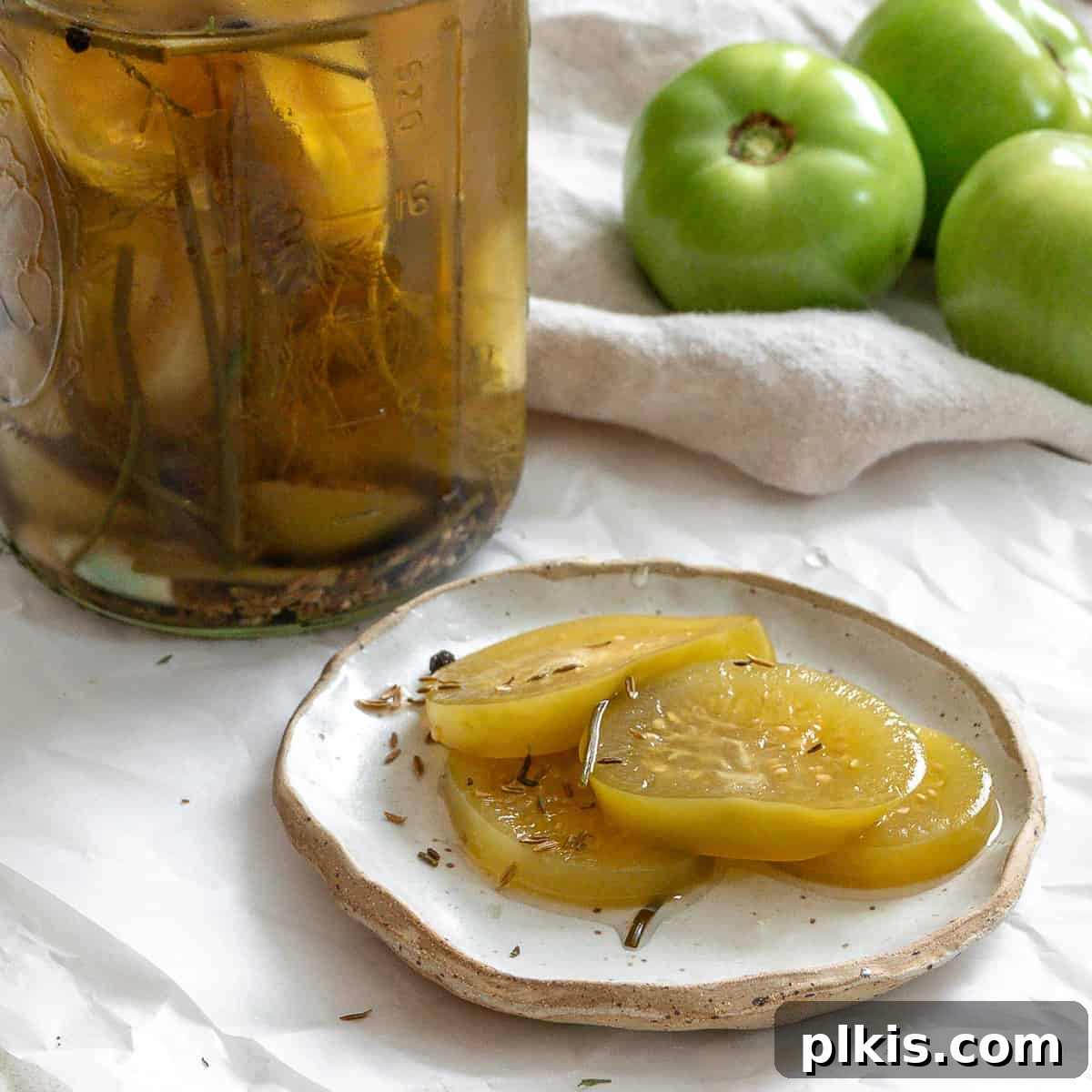
Transform your end-of-season bounty into a delightful treat with these quick refrigerator pickled green tomatoes. Brimming with salty, tangy, and satisfyingly crunchy flavors, this recipe combines simple herbs and spices with a remarkably easy method, turning unripe tomatoes into an irresistibly moreish condiment.
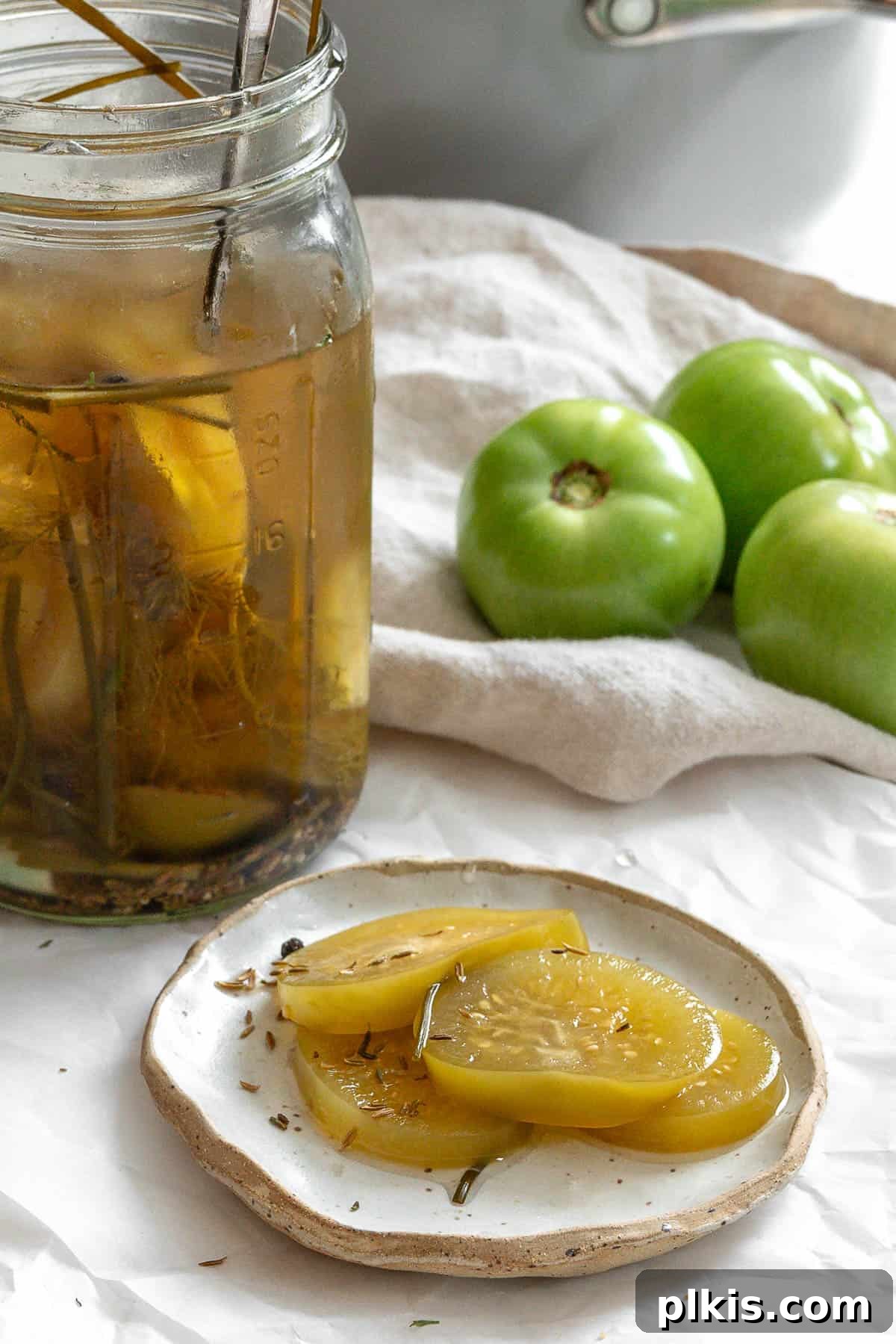
Table of Contents
- Effortless Quick Pickled Green Tomatoes Recipe
- Understanding Quick Pickles: Refrigerator Pickles
- Why Pickle Green Tomatoes?
- Essential Ingredients for Perfect Pickles
- Customizing Your Green Tomato Pickle Flavors
- Step-by-Step Guide to Pickling Green Tomatoes
- Frequently Asked Questions (FAQs)
- Expert Recipe Tips and Notes
- Storage Best Practices
- Creative Ways to Enjoy Pickled Green Tomatoes
- More Simple Pickle Recipes
Effortless Quick Pickled Green Tomatoes Recipe
For anyone who has cultivated tomatoes, the end of the growing season often brings a familiar challenge: an abundance of unripened green tomatoes. Rather than letting this late-season harvest go to waste, this quick pickled green tomatoes recipe offers a brilliant and delicious solution. It’s an ideal way to preserve these firm, tart gems before the winter chill sets in.
While many home cooks instinctively think of fried green tomatoes or rich chutneys and relishes, pickling stands out as one of the simplest, quickest, and most satisfying methods to extend the life and flavor of green tomatoes. This recipe transforms their inherent tartness into a vibrant, crunchy condiment that’s perfect for snacking or enhancing countless dishes.
Understanding Quick Pickles: Refrigerator Pickles
Quick pickles, often referred to as ‘refrigerator pickles,’ represent a hassle-free approach to food preservation that bypasses the complexities of traditional canning. Unlike shelf-stable canned goods, quick pickles are designed for storage in the refrigerator, offering a fresher flavor and a shorter preservation period, typically up to a month. This method is perfectly suited for small batches of seasonal produce, like those abundant green tomatoes from your garden.
The beauty of this quick pickled green tomatoes recipe lies in its simplicity. It requires minimal preparation time, utilizes basic pantry staples, and demands no specialized canning equipment. This makes it an accessible and rewarding project for both novice and experienced home cooks. Furthermore, the pickling brine itself is incredibly versatile, allowing you to easily customize the flavor profile with various herbs and spices to suit your palate.
Once prepared and chilled, these easy green tomato pickles become a wonderfully versatile condiment. Enjoy them straight from the jar as a zesty snack, or incorporate their bright, tangy crunch into vegan sandwiches, burgers, and fresh salads. They can even serve as a flavorful base for homemade relishes further down the line, adding depth and character to your culinary creations.
Why Pickle Green Tomatoes?
Green tomatoes, especially the unripe red varieties, possess unique characteristics that make them ideal for pickling. Their firm texture holds up beautifully in the brine, resulting in a delightful crunch, while their inherently tart and slightly acidic flavor mellows and becomes more complex through the pickling process. This transformation creates a condiment that is both refreshing and deeply satisfying.
Beyond taste, pickling green tomatoes is an excellent way to reduce food waste. At the end of the season, when frost threatens, countless tomatoes are left on the vine, destined to never ripen fully. Quick pickling offers a practical and delicious solution to rescue this produce, turning what might otherwise be discarded into a valuable ingredient. It’s a sustainable practice that maximizes your harvest and provides you with a homemade treat that tastes infinitely better than anything store-bought.
Essential Ingredients for Perfect Pickles
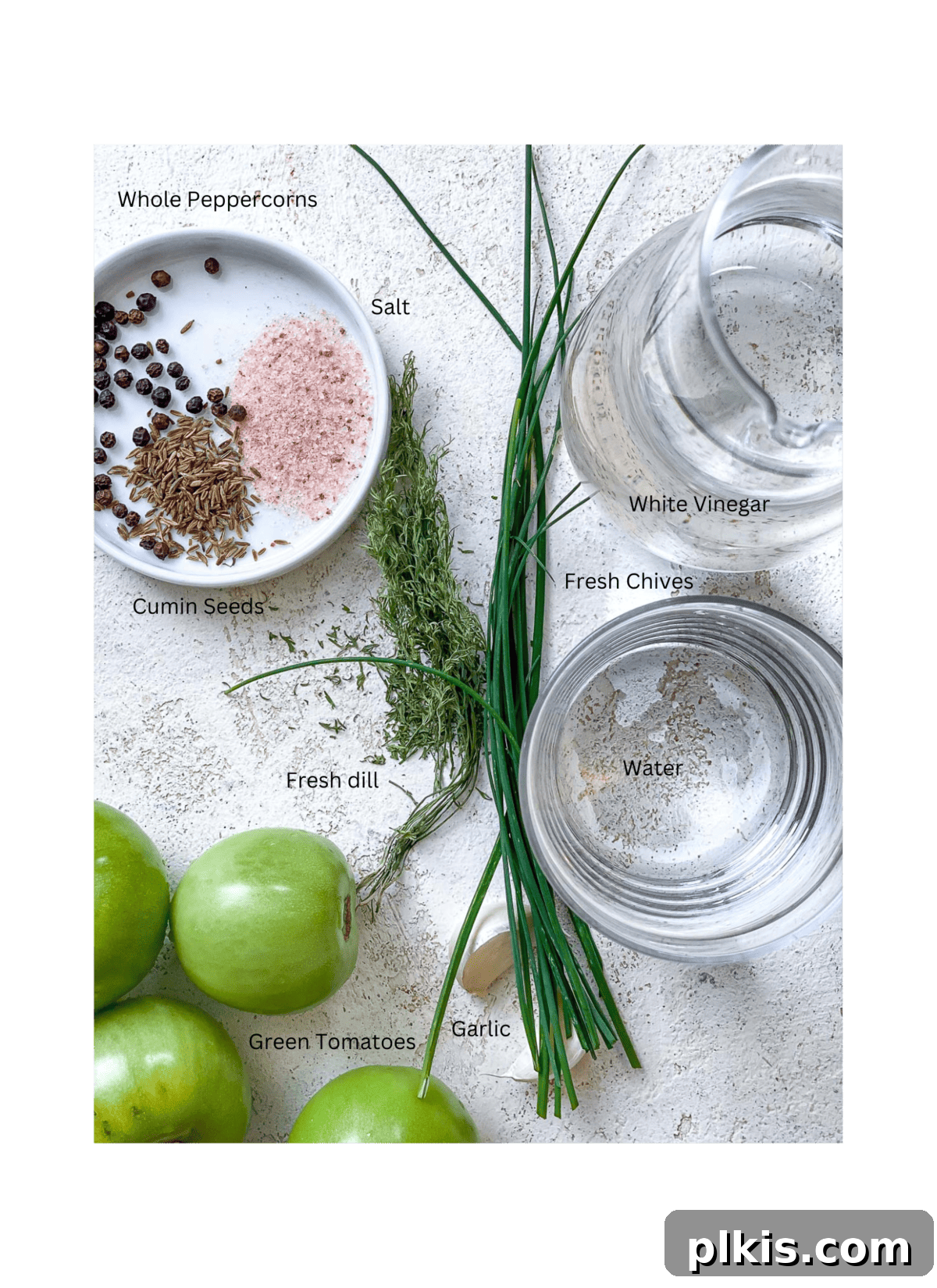
- Vinegar: White vinegar is a fantastic choice for its neutral flavor, allowing the vibrant taste of the green tomatoes and chosen spices to shine. However, you can experiment with other vinegars to create different flavor profiles. For a sweeter, fruitier note, try apple cider vinegar or rice vinegar. White balsamic vinegar can also lend a sophisticated, slightly milder tang.
- Water: For the purest flavor and to avoid any unwanted mineral tastes, filtered water is highly recommended when preparing your pickling brine.
- Salt: Kosher salt is our preference, and if you have pickling salt available, it’s an even better option. It’s important to avoid regular table salt, as the iodine and anti-caking agents can cause the pickling brine to become cloudy, potentially giving the impression of spoilage.
- Green Tomatoes: The key here is to use unripe red tomatoes. These are firm, tart, and possess a zingy flavor profile that transforms beautifully through pickling. Ensure you’re not using varieties that naturally remain green when ripe (such as Zebra tomatoes), as their flavor and texture will differ significantly. Medium to large green tomatoes work best for slicing, but green cherry tomatoes can also be pickled effectively when halved.
- Flavorings: For these distinctly garlicky dill pickled green tomatoes, we’ve selected a classic combination:
- Cumin seeds
- Whole peppercorns (black, mixed, or pink will all work well)
- Fresh dill, finely chopped
- Fresh chives, thinly sliced
- Garlic cloves, minced
This blend provides a warm, peppery, and herbaceous undertone that perfectly complements the tartness of the tomatoes.
Customizing Your Green Tomato Pickle Flavors
One of the most exciting aspects of making quick pickles is the ability to easily adapt the recipe to your taste preferences. Below are various ingredients you can introduce to create distinct flavor profiles for your pickled green tomatoes:
- Sweetness: To temper the sharp acidity of the vinegar, or to create a classic sweet-and-sour pickled green tomato, consider adding sugar. White granulated sugar, maple syrup, or even a sugar alternative can be used. We suggest starting with 1 tablespoon and adding it while heating the vinegar to ensure it dissolves completely.
- Spicy Kick: For those who love heat, turn these into spicy pickled green tomatoes. Incorporate finely diced or sliced chili peppers like jalapeño or serrano. For more intense heat, leave some of the seeds in. Dried red pepper flakes are also an excellent and convenient alternative.
- Aromatic Seeds: Enhance complexity with various whole seeds. Mustard seeds add a pungent warmth, fennel seeds offer a subtle anise note, coriander seeds bring a citrusy undertone, and fenugreek or celery seeds can introduce earthy layers.
- Warm Spices: Beyond the seeds, a pinch of curry powder, a dash of turmeric for color and earthy warmth, whole allspice berries, or a pre-mixed pickling spice blend can profoundly alter the character of your pickles.
- Fresh Herbs: Explore other fresh herbs like bay leaves for a subtle medicinal aroma, oregano for a Mediterranean touch, or cilantro for a bright, fresh finish.
- Additional Aromatics: Thin coins of fresh ginger can add a zesty, slightly spicy kick. Lemon or lime zest offers a bright, fragrant lift. Slices of onion, particularly red onion for color and mildness, or sweet onions like Vidalia, can also be pickled alongside the tomatoes, adding another layer of texture and flavor.
Step-by-Step Guide to Pickling Green Tomatoes
Making your own quick pickled green tomatoes is a straightforward process that yields incredibly rewarding results. Follow these steps for perfectly tangy, crunchy pickles every time:
- 1) The crucial first step in any pickling endeavor is proper sterilization. Thoroughly wash your jars, lids, and any tools you plan to use (knives, cutting boards, measuring spoons) in hot, soapy water. Rinse them meticulously, ensuring no soap residue remains, and then allow them to air dry completely on a clean surface. Alternatively, if your dishwasher has a ‘sterilize’ or ‘sanitise’ function, utilize it for effortless preparation. This step is vital for preventing spoilage and ensuring the longest possible shelf life for your pickles.
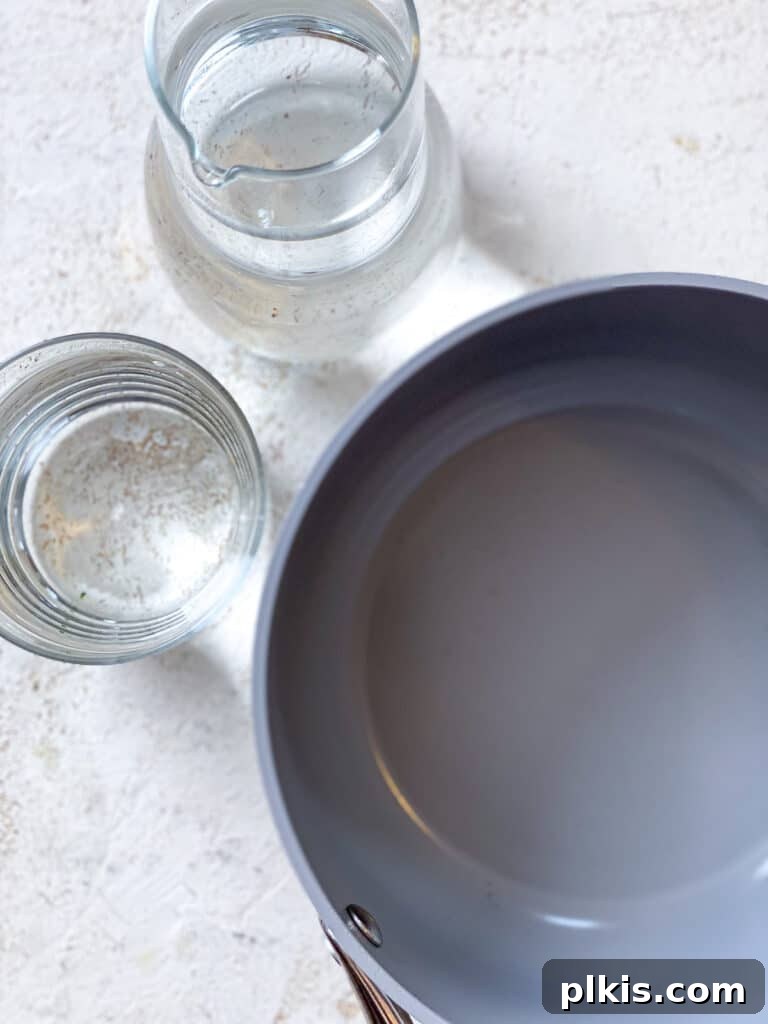
- 2) Next, prepare your pickling brine. In a medium-sized saucepan, combine the vinegar, water, and salt. Bring this mixture to a rolling boil over medium-high heat, stirring occasionally to ensure the salt fully dissolves. Once boiling, remove the saucepan from the heat and set it aside to cool slightly while you prepare your tomatoes and aromatics.
- 3) While the brine cools, prepare your green tomatoes and flavorings. Rinse the green tomatoes thoroughly and pat them dry. Then, carefully slice them into uniform 1/3-inch thick rounds, cutting from top to bottom. This ensures even pickling and a consistent bite. Mince your garlic cloves and finely chop your fresh dill and chives. Divide these prepared flavorings along with the cumin seeds and whole peppercorns evenly among one large mason jar or two smaller ones. Begin packing the sliced green tomatoes tightly into the jar(s) alongside the herbs and spices. The tighter you pack, the less space for air and the more submerged your tomatoes will be.
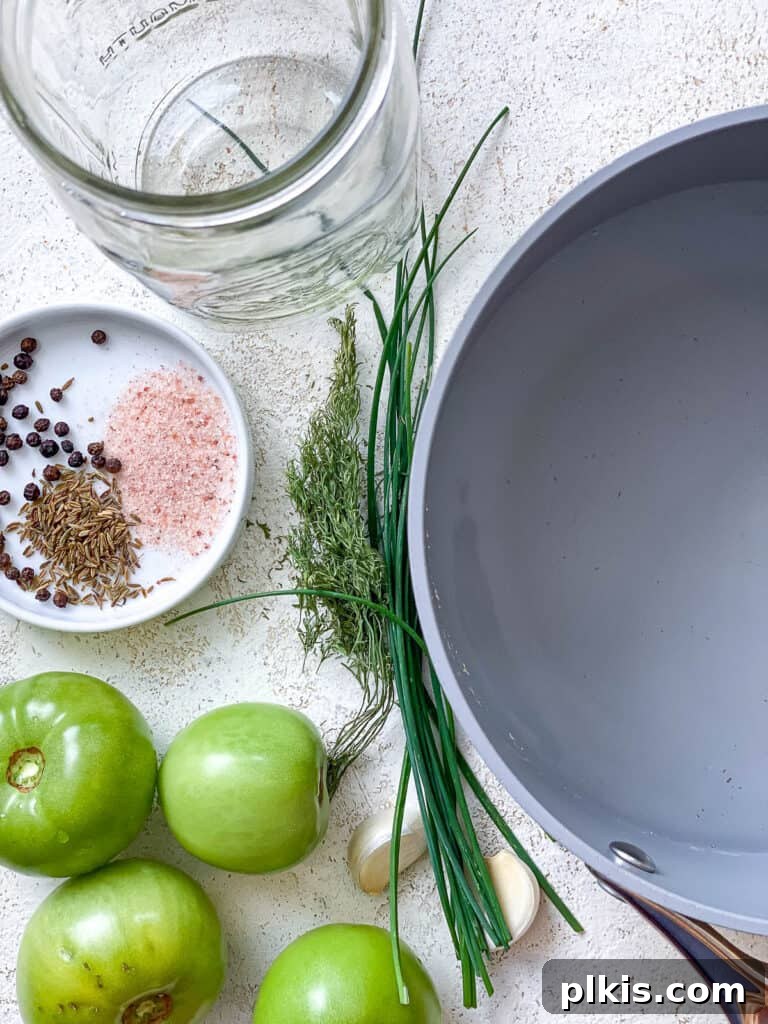
Recipe Note: For variation, you can also cut the green tomatoes into wedges or halve the slices. Regardless of the cut, ensure you use jars that allow you to pack the ingredients tightly, leaving approximately ½-inch of headspace at the top for the pickling liquid.
- 4) Carefully pour the warm (but not scalding hot) pickling brine into the prepared jar(s), ensuring that all the green tomatoes and aromatics are fully submerged in the liquid. This is critical for proper pickling and safety. Leave about ½-inch of headspace from the rim of the jar. After filling, gently tap the bottom of each jar on your counter several times. This action helps to release any trapped air bubbles, ensuring better contact between the brine and the tomatoes.
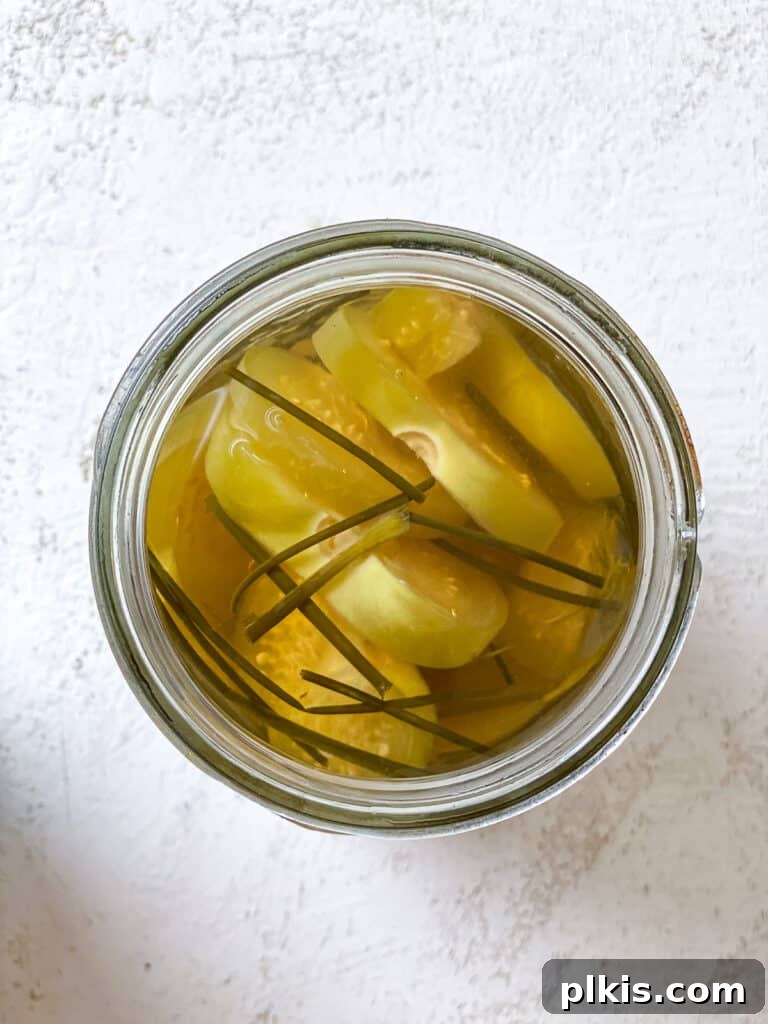
- 5) Once filled, screw on the lid tightly. Allow the jar(s) to cool down to room temperature on your counter for about 30 minutes. After cooling, transfer the jars to the refrigerator. For the best flavor development, let them chill for at least 3 hours, though a full 24 hours will yield an even more pronounced and delicious pickled taste. The longer they sit, the more the flavors meld. Enjoy your homemade quick pickled green tomatoes!
Frequently Asked Questions (FAQs)
What do green tomatoes taste like?
Green tomatoes, being unripe red tomatoes, have a naturally firm texture and a distinctly tart, fairly acidic flavor. When pickled, their flesh softens slightly, transforming into a delightfully tangy and crunchy condiment that’s both refreshing and bursting with flavor.
Can I pickle green cherry tomatoes?
Absolutely! Green cherry tomatoes are wonderful for pickling. For optimal flavor absorption and to prevent them from being overly sour, we recommend cutting them in half before adding them to the pickling brine. This also ensures a more pleasant eating experience.
Can I water bath can this recipe for longer storage?
While water bath canning is a method for long-term, shelf-stable preservation, this specific recipe is designed for quick, refrigerator-based pickles and has not been tested for water bath canning. From general research, a processing time of approximately 15 minutes is often suggested for pickled tomatoes (adjusting for high altitudes as per USDA/NCHFP guidelines). However, for safety and best results when canning, it is always crucial to consult reliable, tested resources such as the USDA or National Center for Home Food Preservation (NCHFP) guides, which provide specific instructions and tested recipes for shelf-stable canning to prevent foodborne illnesses.
Expert Recipe Tips and Notes
- Maintain Sterility: Beyond just washing, ensuring all your jars, lids, and utensils are thoroughly sterilized and completely dry is paramount. This diligence significantly extends the shelf life of your quick pickles by preventing the introduction of unwanted bacteria.
- Choose the Right Jar: Select a jar size that allows you to tightly pack your tomatoes and any added flavorings, leaving only about ½-inch of headspace once the pickling liquid is added. If the jar is too large, ingredients can float above the brine, exposing them to air and potentially making them unsafe to consume.
- Pack Your Jars Wisely: Packing the tomatoes and aromatics as tightly as possible into the jar minimizes air pockets. This snug fit helps to keep all ingredients submerged beneath the pickling liquid, ensuring even pickling and reducing the risk of spoilage.
- Embrace Flavor Experimentation: The world of quick pickles is your oyster! Don’t hesitate to experiment with the vast array of herbs, spices, and even a touch of sugar to create sweet, spicy, or uniquely aromatic pickled green tomatoes. Keep a small log or note on each batch to remember your favorite combinations, making it easy to recreate culinary magic.
- Reusing Pickling Liquid: It is generally safe and economical to reuse the pickling liquid from a batch of quick pickles. Simply strain the liquid to remove any solid remnants, bring it back to a boil, and then use it for a fresh batch of vegetables. Be aware that the flavor of subsequent batches might be slightly milder, as some of the potency of the initial brine will have been absorbed by the first round of pickles. Always re-boil to ensure safety.
- Tomato Selection: When selecting green tomatoes, look for ones that are firm to the touch and free from blemishes or soft spots. The firmer they are, the better they will hold their crunch during pickling.
- Uniform Slicing: Aim for consistent slice thickness (1/3-inch) to ensure that all tomato pieces pickle evenly. Irregularly cut pieces might result in some being perfectly crisp while others are overly soft or not fully infused with flavor.
Storage Best Practices
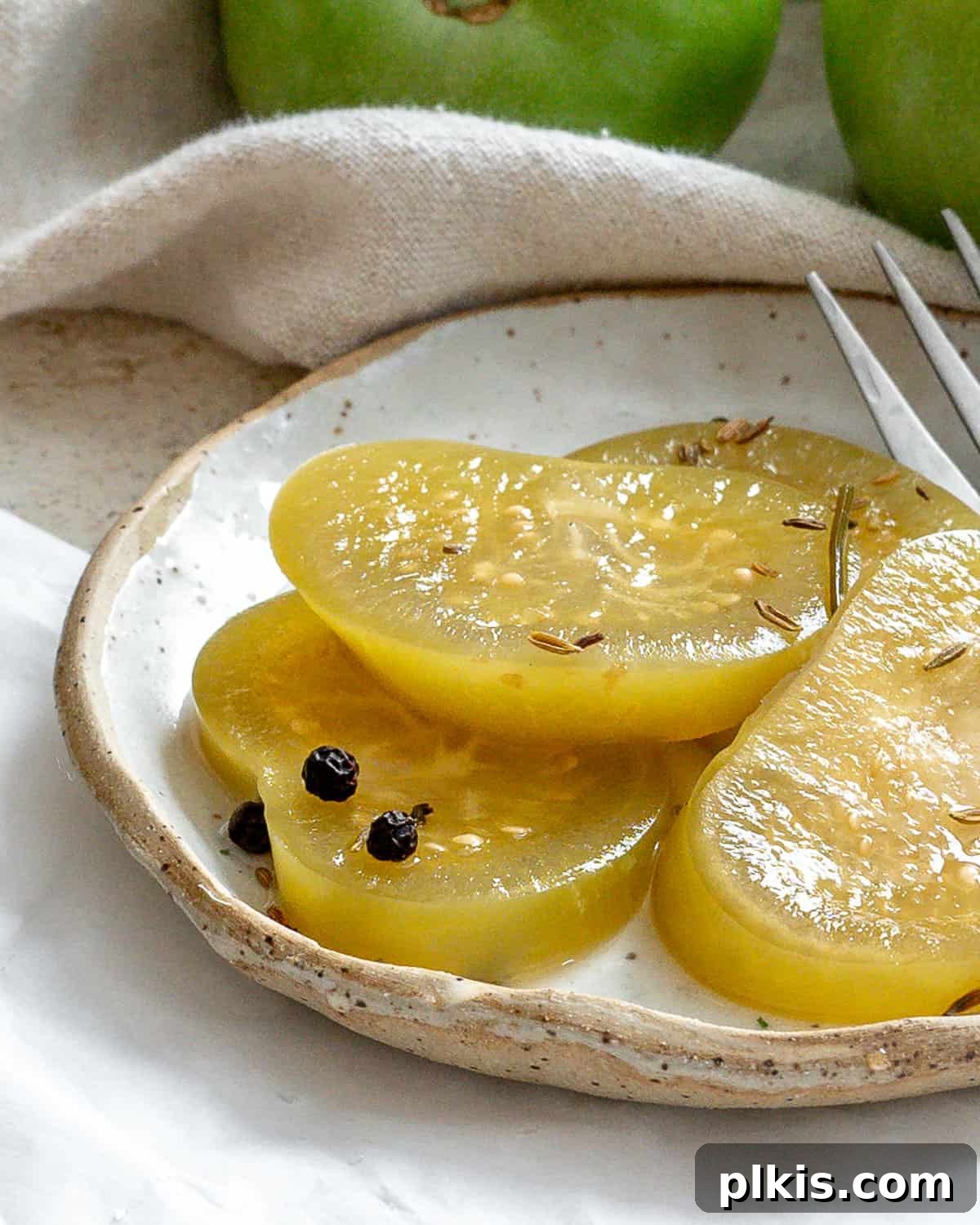
Quick pickled green tomatoes are designed for refrigeration, not for pantry storage like traditional canned goods. To maximize their freshness and shelf life, always store your jars towards the back of the refrigerator, which is typically the coldest section. Properly stored, these vibrant pickles will maintain their quality and flavor for up to one month.
Important Tip: Always use clean and sterilized utensils when removing tomatoes from the jar. Introducing unsterile tools can introduce bacteria, significantly shortening their storage life and increasing the risk of spoilage.
Creative Ways to Enjoy Pickled Green Tomatoes
Beyond savoring them straight from the jar, these quick pickled green tomatoes offer a versatile and exciting burst of flavor that can elevate a wide array of dishes:
- With Bread: Layer them over creamy avocado toast for a tangy counterpoint, adorn bruschetta for a zesty appetizer, or incorporate them into sandwiches and wraps to add a bright, crunchy element to your lunch. They’re particularly fantastic in a vegan BLT or a grilled cheese.
- BBQ Enhancer: Serve them alongside your favorite grilled dishes. Their sharp tang cuts through rich flavors, making them an excellent topping for vegan burgers and hotdogs, or as a vibrant addition to pulled jackfruit sandwiches.
- In Salads: Finely dice them to add a piquant twist to potato salad, pasta salad, coleslaw, or a hearty taco salad. Their texture provides a welcome contrast to softer ingredients.
- Flavorful Dressings: Puree a few slices of quick pickled green tomatoes into your homemade salad dressings or sauces. This infuses them with a wonderful tart and tangy depth, perfect for vinaigrettes or creamy dips.
- Garnish for Dips: Fold diced pickled tomatoes into creamy hummus or a savory white bean dip, or use them as a vibrant garnish. They add both flavor and visual appeal.
- Noodle Dishes: Brighten up your noodle bowls and salads, whether served cold or warm. The pickles provide a refreshing contrast to rich or savory noodle preparations.
- Mexican/Tex-Mex Twist: Elevate your vegan tacos, burritos, and nachos with a generous topping of chopped pickled green tomatoes. Their acidity balances the richness of beans, cheese, and avocado.
- Charcuterie Boards: Incorporate them into your favorite grazing platters or vegan charcuterie boards. Their vibrant color and bold flavor make them a standout addition alongside cheeses, crackers, and other pickled vegetables.
More Simple Pickle Recipes
If you’ve fallen in love with the ease and flavor of quick pickling, explore these other fantastic recipes to expand your homemade pickle repertoire:
- Refrigerator Garlic Dill Pickles
- Small-Batch Pickled Beets
- Pickled Carrots and Daikon (Do Chua)
Photos by Alfonso Revilla
Quick Pickled Green Tomatoes
These quick refrigerator pickled green tomatoes are salty, tangy, crunchy, and combine simple herbs and spices with a foolproof method to turn unripe tomatoes into a moreish condiment!
Prep Time: 5 minutes
Cook Time: 0 minutes
Total Time: 3 hours (including chilling)
Servings: Fills 1 (24 ounce) mason jar
Rating: 5 from 35 votes

Print Recipe
Equipment
- Measuring Cups
- Measuring Spoons
- Knife Set
- Mason Jar (24 ounce)
Ingredients
- 1 ½ cups white vinegar
- 1 ½ cups of water
- 1 tablespoon salt (Kosher or pickling salt preferred)
- 2 pounds of green tomatoes, thinly sliced
- 1 teaspoon of cumin seeds
- 1 teaspoon of whole peppercorns
- 2 tablespoons of fresh dill, chopped
- 2 tablespoons of fresh chives, sliced
- 2 garlic cloves, minced
Instructions
- In a saucepan, bring the vinegar, water, and salt to a boil over medium-high heat. Stir until the salt dissolves, then turn off the heat and set aside to cool slightly.
- Sterilize your mason jar(s) and lid(s) in hot, soapy water, rinse well, and let air dry completely.
- Add the thinly sliced green tomatoes, cumin seeds, peppercorns, fresh dill, chives, and minced garlic into one large or two smaller mason jars, packing them tightly. Ensure to leave about ½-inch of headspace.
- Pour the warm vinegar mixture into the jar(s), making sure the green tomatoes are fully submerged. Tap the jar gently on the counter to release any air bubbles.
- Screw on the lid tightly and allow the jar to cool to room temperature (about 30 minutes) before transferring it to the refrigerator.
- Chill in the refrigerator for at least 3 hours before enjoying. For best flavor, allow to chill for 24 hours.
- Store these quick pickled green tomatoes in the refrigerator.
Notes
- Pack the jars well: Tightly packing the ingredients minimizes air pockets, helping to keep everything submerged in the liquid and ensuring even pickling.
- Experiment with flavors: Feel free to customize with other herbs, spices, or a touch of sugar to create sweet, spicy, or aromatic variations. Note your additions for future reference.
- Reuse the pickling liquid: You can safely reuse the liquid by straining it, re-boiling, and using it for a new batch of pickles. The flavor might be slightly milder in subsequent uses.
Nutrition
- Calories: 307 kcal
- Carbohydrates: 52g
- Protein: 12g
- Fat: 2g
- Saturated Fat: 0.4g
- Polyunsaturated Fat: 1g
- Monounsaturated Fat: 1g
- Sodium: 7126mg
- Potassium: 2002mg
- Fiber: 12g
- Sugar: 37g
- Vitamin A: 6197 IU
- Vitamin C: 218mg
- Calcium: 212mg
- Iron: 7mg
Additional Info
- Author: Toni Okamoto
- Course: Side Dish
- Cuisine: American
- Method: No cook
- Diet: Vegan
Tried this recipe? Please tag us at @PlantBasedOnABudget! We’d love to see your creations! 🙂