
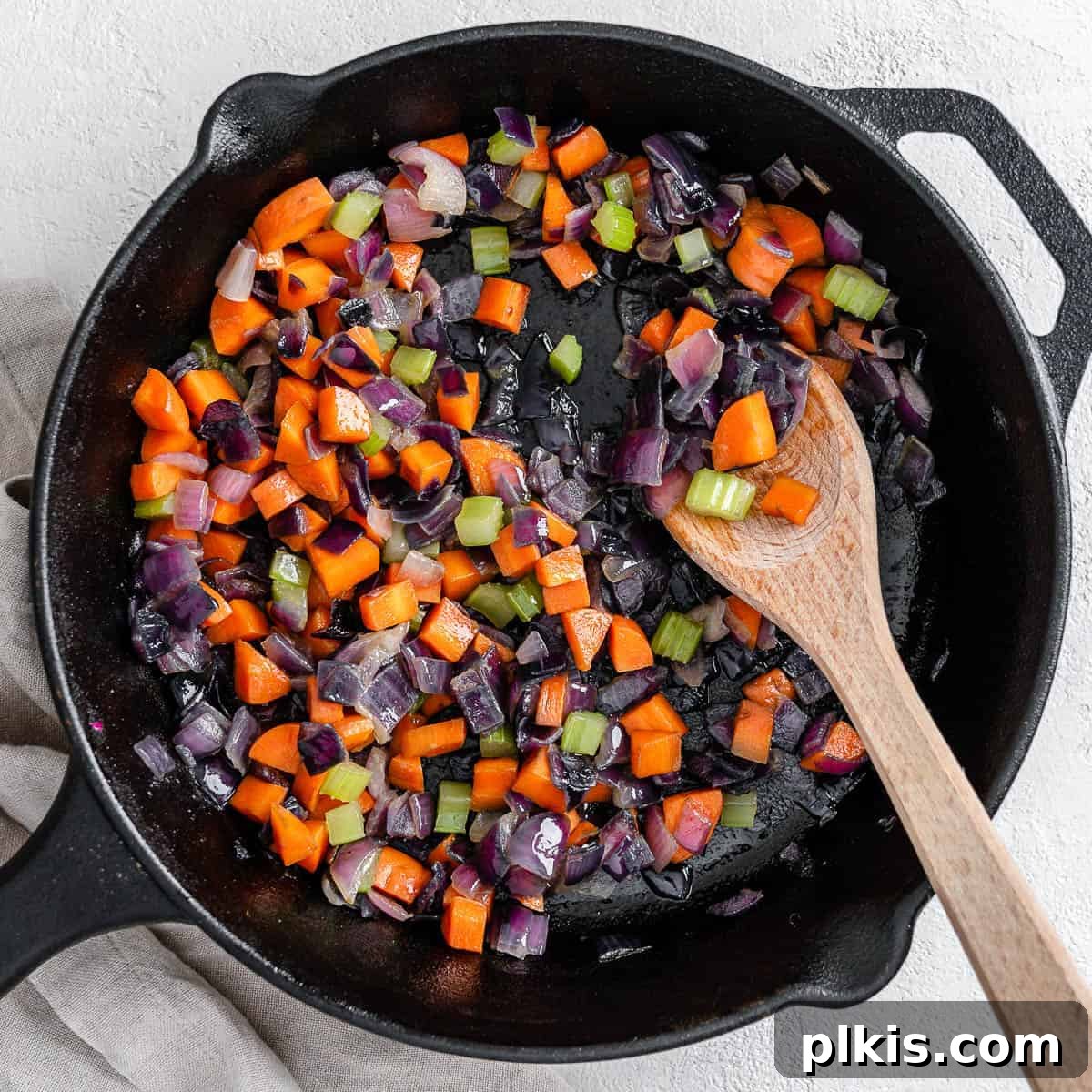
Every culinary masterpiece, from the richest stews to the most comforting soups and delectable sauces, begins with a foundational layer of flavor. This essential starting point often involves gently sautéing aromatic vegetables, herbs, or spices in a touch of oil or fat. While diverse cultures worldwide boast their unique flavor bases – think Italian soffritto, German Suppengrün, or the Cajun Holy Trinity – the French Mirepoix stands out as a universally cherished technique. This simple yet profoundly impactful blend of humble vegetables forms the aromatic soul of countless dishes, adding an undeniable depth that elevates everyday cooking to gourmet levels. This comprehensive guide will walk you through mastering Mirepoix, ensuring your dishes are consistently bursting with rich, nuanced flavor.
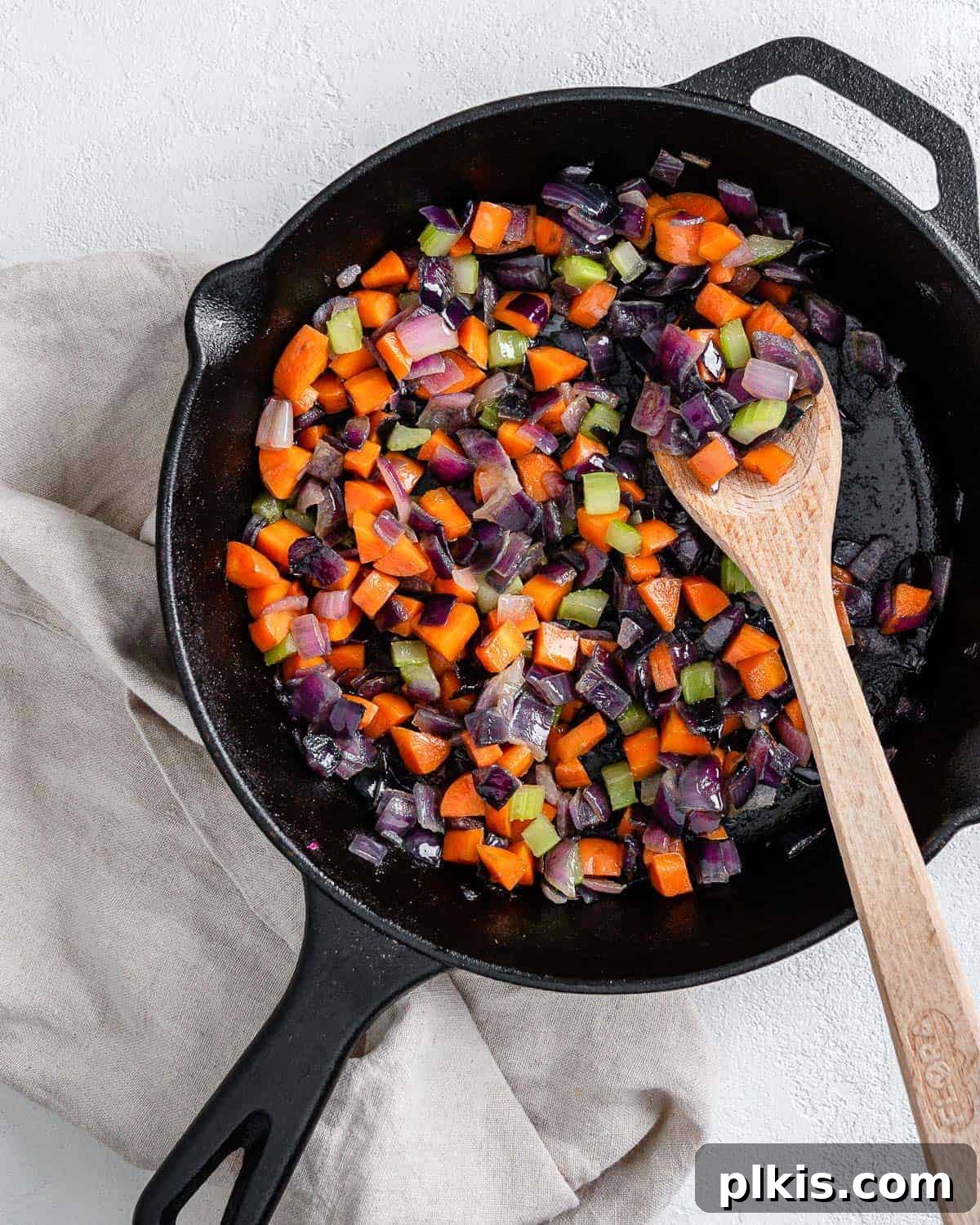
What is Mirepoix? The Flavor Foundation of French Cuisine
Mirepoix, pronounced “meer-pwah,” is more than just a combination of vegetables; it’s a fundamental French cooking technique. At its core, Mirepoix consists of a precisely diced mixture of onions, carrots, and celery, gently cooked in oil or butter until softened and their natural sugars are released, but crucially, without browning. This careful cooking process, often referred to as “sweating” the vegetables, extracts their inherent sweetness and aromatic compounds, laying a rich, savory foundation for whatever dish follows. It’s the invisible backbone that provides a subtle yet distinct depth of flavor and a wonderfully inviting aroma.
The beauty of Mirepoix lies in its simplicity and versatility. While commonly associated with fall and winter soups, its applications extend far beyond. It’s the perfect starting point for stocks, braises, casseroles, sauces, and even roasted vegetables. The standard ratio for a classic French Mirepoix is 2 parts onion, 1 part carrot, and 1 part celery, ensuring a balanced flavor profile. However, this ratio can be adapted to suit personal preference or the specific requirements of a recipe. Though traditionally a base, it’s so flavorful that some even enjoy it as a simple, rustic side dish.
The concept of an aromatic vegetable base is not exclusive to French cuisine. Across the globe, various cultures have developed their own treasured versions. The Italian Soffritto often includes garlic and can be cooked until slightly caramelized. German Suppengrün typically features leeks, carrots, and celery root. In Cajun and Creole cooking, the vibrant Holy Trinity comprises onions, celery, and bell peppers, adding a distinct regional flair. Understanding Mirepoix not only unlocks a key French technique but also provides a lens to appreciate the universal language of flavor bases.
Essential Mirepoix Ingredients for Rich Flavor
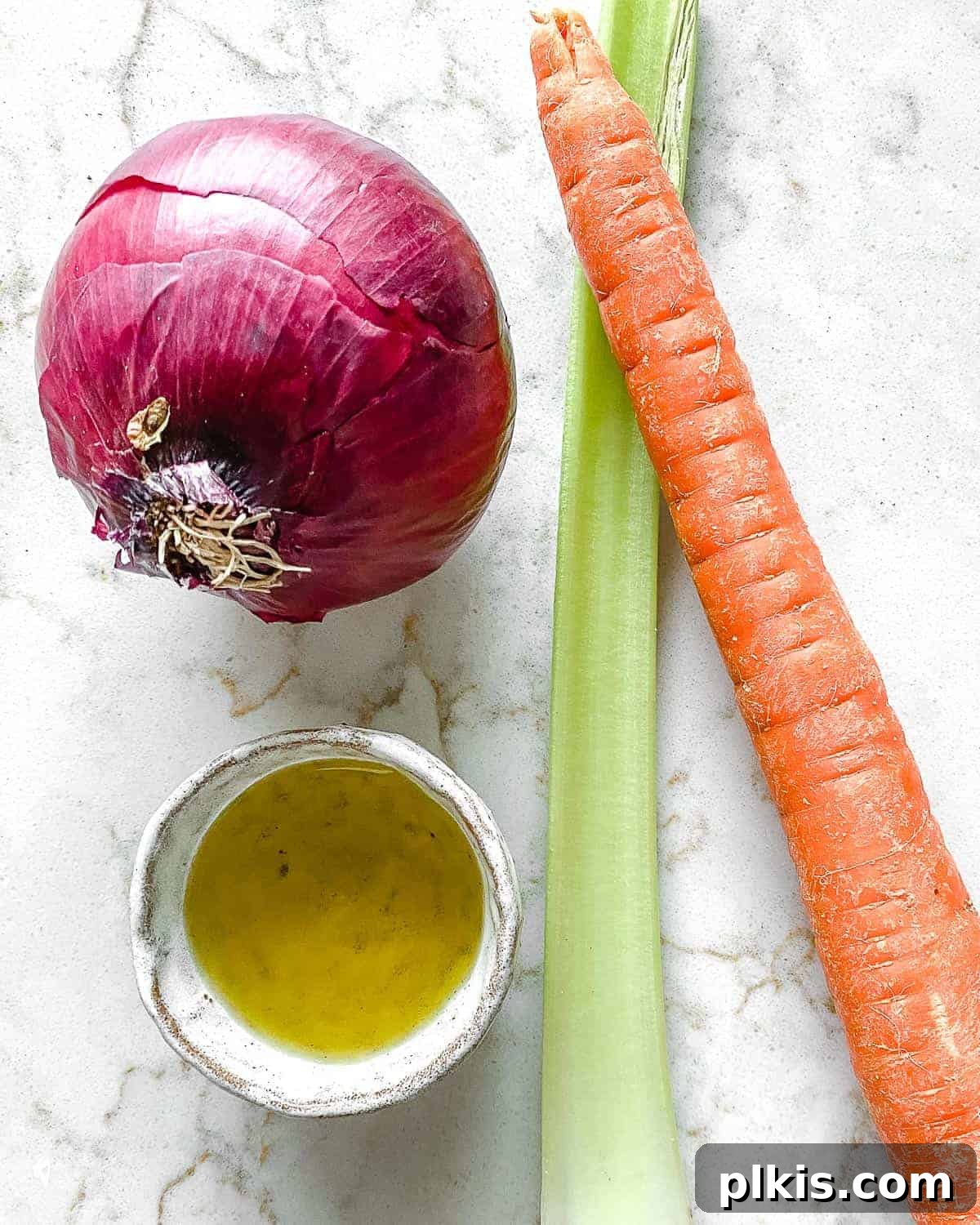
Crafting the perfect Mirepoix requires only a handful of common, budget-friendly ingredients. The quality and preparation of these components are key to unlocking their full flavor potential.
- Onion: We recommend using white or yellow onions due to their robust flavor that harmonizes beautifully with other aromatics and seasonings. They sweeten considerably when cooked slowly, contributing significant depth. Red onions, while visually appealing, can sometimes impart too much color or a slightly different flavor profile, so they are less commonly used in classic Mirepoix unless a specific color or sweeter, milder taste is desired.
- Carrot: Any variety of carrot will work well here. Standard carrots offer a good balance of sweetness and earthiness. Ensure they are fresh and firm, as older carrots can be woody and less flavorful. Their natural sugars contribute a lovely sweetness that develops beautifully during the slow cooking process.
- Celery: For this recipe, only the stalks of the celery are typically used. Choose firm, crisp stalks for the best texture and flavor. Don’t discard the celery leaves, however! They are packed with flavor and can be saved for garnishing, infusing stocks, or adding to other dishes like a Vegan Minestrone Soup or fresh salads, preventing food waste.
- Oil: A good quality oil is essential for gently sweating the vegetables. We prefer using neutral-flavored oils such as sunflower oil or a good quality olive oil. Vegetable-based oils are excellent choices as they allow the natural flavors of the vegetables to shine without imparting their own strong taste. The oil acts as a medium for heat transfer and flavor extraction, helping the vegetables soften evenly.
- Optional Aromatics: To elevate your Mirepoix, consider adding a few sprigs of fresh thyme or a bay leaf during the cooking process. These classic French herbs complement the vegetables beautifully and add another layer of aromatic complexity to your flavor base.
Mastering Mirepoix: A Step-by-Step Guide
Creating a flavorful Mirepoix is a straightforward process that rewards patience and attention to detail. Follow these steps to prepare a perfect aromatic base every time:
1. Prepare Your Vegetables with Care
Begin by thoroughly rinsing the celery and carrots under cold running water. Give them a good scrub to remove any dirt or impurities, especially if you plan to keep the skins on for extra nutrients or flavor (though peeling is typical for Mirepoix). For the onion, peel away the outer papery layers. The goal is perfectly clean and fresh vegetables.
2. Dice the Vegetables According to Their Use
The size and consistency of your dice are paramount to a successful Mirepoix. The general rule is to chop all vegetables to a uniform size to ensure even cooking. The specific size, however, should be dictated by the cooking time of the final dish. For quick sautéing or dishes that cook rapidly, aim for a smaller dice, approximately ¼ inch. This allows the vegetables to soften quickly and integrate smoothly into the dish. For longer-cooking recipes like hearty soups or robust stews, a medium dice of about ½ inch works best. Larger pieces can withstand extended simmering without turning to mush, contributing texture as well as flavor.
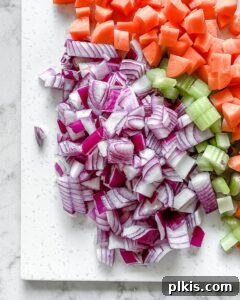
3. Gently Cook the Vegetables (The “Sweating” Process)
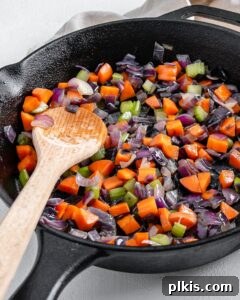
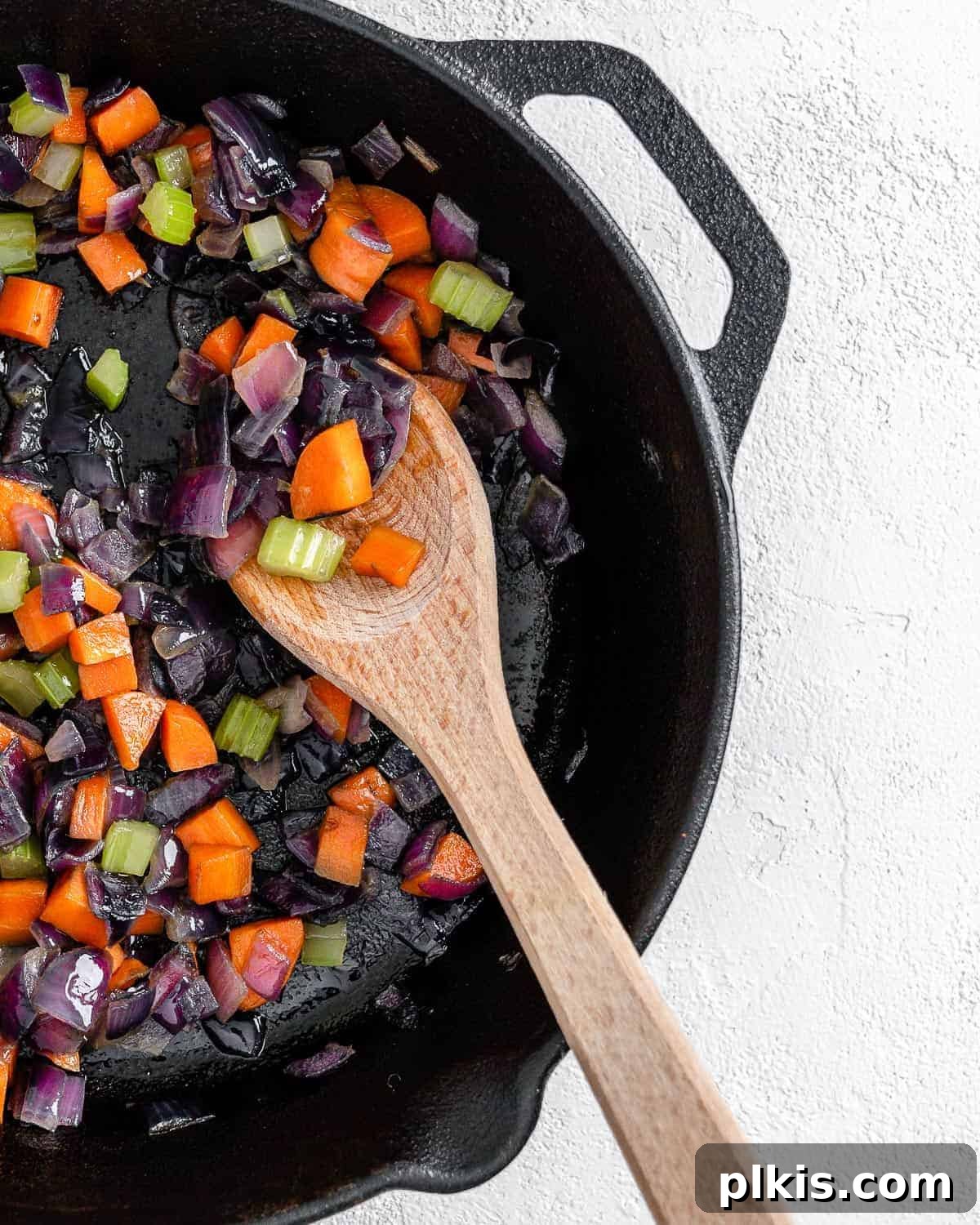
Heat your chosen oil in a wide, heavy-bottomed skillet or Dutch oven over medium-low heat. The key here is low and slow. Once the oil is shimmering, add the diced carrots first, as they are the toughest and take the longest to soften. Cook for a few minutes, then add the onions, and finally the celery. Stir the vegetables continuously to ensure they cook evenly and don’t stick to the bottom of the pan. The goal is not to brown or caramelize them, but rather to “sweat” them – soften them until the onions become translucent and the carrots and celery are tender-crisp. This process usually takes about 10-15 minutes, allowing their natural sweetness to emerge without any bitterness from browning.
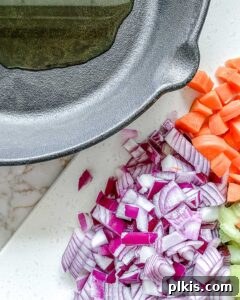
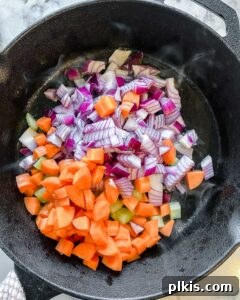
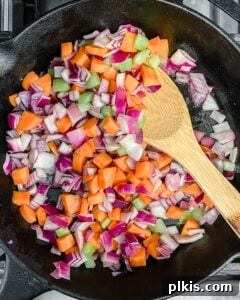
4. Integrate into Your Recipe
Once your Mirepoix is perfectly cooked and aromatic, it’s ready to be the foundation of your chosen dish. Simply follow your recipe guide to continue preparing your preferred soup, stew, sauce, or main course. The subtle, deep flavors infused by the Mirepoix will provide a noticeable boost to the overall taste and complexity of your meal.
Pro Tips for a Perfect Mirepoix Every Time
While Mirepoix is relatively simple, a few expert tips can elevate your results and ensure you get the most flavor from your aromatic base:
- Resist the Urge to Overcook or Brown: This is perhaps the most crucial rule for classic Mirepoix. The goal is to “sweat” the vegetables – cook them gently until soft and translucent, extracting their natural sugars and moisture. Browning or caramelizing will add a different, often darker, flavor profile that isn’t characteristic of a true Mirepoix. Always use medium-low to medium heat and stir constantly to prevent scorching.
- Be Mindful of the Ratio: While using equal parts of the three ingredients (onion, carrot, celery) can work, the traditional French technique often calls for a 2:1:1 ratio – two parts onion to one part celery and one part carrot. Onions contribute a significant amount of sweetness and volume when cooked down, making them a dominant flavor. Adjusting this ratio allows you to fine-tune the flavor profile of your Mirepoix to best suit your dish or personal preference. For example, a slightly higher carrot ratio adds more sweetness.
- Consider Carrot Sweetness: Carrots become significantly sweeter as they simmer. If you’re using an extra-large, particularly sweet carrot, you might want to reduce the quantity to one or even half to avoid its flavor overpowering the delicate balance of your dish. Taste your raw carrots to gauge their sweetness before dicing.
- Choose the Right Cookware for Batches: When preparing a larger batch of Mirepoix, select a pot or skillet that is wide with relatively high edges. A wider surface area allows the vegetables to spread out in a single layer (or close to it), promoting even cooking and making it easier to stir. This significantly reduces the risk of overcrowding the pan, which can lead to steaming instead of sweating, or worse, burning your Mirepoix.
- Add Vegetables in the Correct Order: Vegetables have different densities and cooking times. To ensure everything softens evenly, add them to the pan sequentially. Start with the diced carrots first, as they are the toughest and take the longest to become tender. After a few minutes, add the onions, which soften next. Finally, incorporate the celery, which cooks the quickest. This staggered approach guarantees a uniformly cooked Mirepoix.
- Explore Pinçage for Depth: For certain dishes, especially brown sauces or gravies, you can “amp up” your Mirepoix with a technique called pinçage. This involves adding a tablespoon or two of tomato paste or puree to the vegetables once they have softened. Cook the tomato paste for a few minutes, stirring constantly, allowing it to caramelize slightly and deepen in color. This adds a rich umami note and a beautiful color to the final sauce.
- Seasoning Strategy: While some cooks add salt at the beginning, it’s often best to add salt toward the end of the Mirepoix cooking process, or as you build your final dish. Salt draws out moisture, which can be beneficial, but too much too soon might dry out the vegetables or impact the texture.
- Fresh vs. Dried Herbs: If adding herbs like thyme or bay leaves, fresh herbs offer a more vibrant flavor. If using dried, remember that they are more concentrated, so use about half the amount of fresh. Add them early in the cooking process to allow their flavors to fully infuse the oil and vegetables.
Storing Mirepoix for Convenient Cooking
Mirepoix is an excellent component for meal prep, saving you time during busy weeknights. Proper storage ensures you always have a flavor base ready at hand:
- Pre-Cut Vegetables: You can pre-cut your onions, carrots, and celery and store them separately or mixed in a sealed plastic bag or airtight container. These will last for approximately a week in the refrigerator, ready to be cooked whenever you need them.
- Cooked Mirepoix: Once cooked, Mirepoix can be kept chilled in an airtight container for 3-4 days in the refrigerator. This is perfect for quick additions to meals throughout the week.
- Freezing Mirepoix: For a much longer shelf life, Mirepoix freezes beautifully. Allow the cooked Mirepoix to cool completely, then transfer it to freezer-safe bags or containers. For individual portions, consider freezing it in ice cube trays – once solid, pop out the cubes and store them in a larger freezer bag. This way, you can easily break off a piece anytime you need a small amount of Mirepoix to start a recipe. Frozen Mirepoix can last in the freezer for 6 months to a year without significant loss of flavor or quality. Thaw overnight in the fridge or add directly to hot liquid for soups and stews.
Frequently Asked Questions About Mirepoix
Here are answers to some common questions about preparing and using Mirepoix:
- Can I use a food processor to chop the vegetables for Mirepoix? While a food processor might save time, it’s generally preferable to chop your vegetables by hand. A food processor can easily over-process the vegetables, leading to an inconsistent texture and potentially releasing too much moisture, which can alter both the taste and cooking consistency. For a true Mirepoix, we aim for uniformly diced pieces to ensure they cook at the same rate and maintain distinct textures.
- Is it possible to use a different combination of ingredients in Mirepoix? Absolutely! Once you understand the basic principle of Mirepoix, you can certainly adjust the recipe by adding or substituting ingredients to suit the specific meal you’re preparing or to explore different flavor profiles. For instance, if you’re aiming for a “white mirepoix” (often used for lighter stocks or sauces where color is a concern), you might use parsnips instead of carrots, or incorporate leeks and button mushrooms. The culinary world is your oyster!
- Is it okay if I leave the skin on when preparing Mirepoix? When making a standard Mirepoix for most dishes, it’s customary to peel carrots and onions for a refined taste and appearance. However, this isn’t always strictly necessary, especially if you’re making a stock or roasting vegetables where the skins contribute depth of flavor and will be strained out anyway. If you choose not to peel them, ensure you give them a very good scrub to remove any dirt or residue.
- Can I use frozen vegetables for Mirepoix? Yes, you can. While fresh vegetables typically yield the best flavor and texture, frozen diced onions, carrots, and celery can be a convenient shortcut. Be aware that frozen vegetables tend to release more moisture during cooking, so you might need to cook them a bit longer to evaporate the excess liquid before proceeding with your recipe.
- What’s the main difference between Mirepoix and Soffritto? Both are aromatic bases, but their origins and typical ingredients differ. Mirepoix is French, usually just onion, carrot, and celery cooked gently without browning. Soffritto is Italian, often includes garlic, and is frequently cooked until slightly golden or caramelized, yielding a deeper, more intense flavor that complements Italian dishes.
Elevate Your Cooking: Recipes That Shine with Mirepoix
Mirepoix is the unsung hero that brings depth and complexity to a wide array of dishes. Here are a few fantastic recipes where Mirepoix plays a starring role:
- Matzo Ball Soup: This heartwarming Jewish meal, traditionally enjoyed during Passover, achieves its comforting depth from a well-made Mirepoix. The gentle simmering of the aromatic vegetables infuses the light, clear broth with an unparalleled richness, creating the perfect foundation for fluffy matzo balls. Our delicious and nutritious Mirepoix recipe is the secret to an incredibly flavorful and wholesome matzo ball soup that will be cherished by all.
- Green Bean Casserole: Transform this beloved classic into an unforgettable dish with the addition of a savory Mirepoix. While not always traditionally included, starting your creamy mushroom sauce with Mirepoix adds an incredible layer of umami and sweetness. This festive casserole, featuring tender green beans and crispy fried onions, becomes even more luxurious and flavorful, making it a perfect vegan holiday centerpiece or a delightful weekly family meal side.
- Root Vegetable Lentil Stew: On a cold, gloomy winter day, nothing is more comforting than a hearty stew, and a robust Mirepoix is essential here. The delightful flavor of this rustic dish comes alive thanks to the rich base created by slow-cooked onions, carrots, and celery, harmonizing with a medley of root vegetables, lentils, and peas. This thick and satisfying stew will taste as if you spent all day in the kitchen, its deep, complex flavors greatly enhanced by the aromatic Mirepoix mixture.
Beyond these specific recipes, Mirepoix is a fantastic starter for nearly any savory dish. Explore its potential further by checking out these 23 Cozy Vegan Soup Recipes, many of which would greatly benefit from a foundational Mirepoix.
Photos by Alfonso Revilla
Mirepoix
5
15
20
2 servings
Equipment
-
My favorite knives
-
Measuring spoons
Ingredients
- 1 large onion
- 1 carrot
- 1 stalk of celery
- 2 Tablespoons of oil (I use sunflower or olive oil)
Instructions
-
Dice the vegetables into uniform pieces.
-
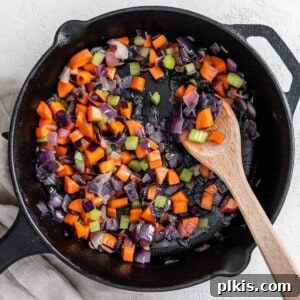
Heat oil in a skillet over medium-low heat. Add carrots first, then onions, then celery. Sauté gently, stirring continuously, until onions are translucent and vegetables are soft but not browned (about 10-15 minutes).
-
Add the prepared Mirepoix to your soup, entree, stew, or any recipe requiring an aromatic base.
Notes
- Do not overcook the veggies! Again the goal is to sweat them, not brown them. Do not use more than medium heat and stir constantly.
- Be mindful of the ratio. We used equal parts of the three ingredients, but the standard French technique is 2:1:1 – 2 onions, 1 celery, and 1 carrot. It would always depend on your preference or the recipe you are making.
- As the carrots simmer, they get sweeter. If you’re using an extra-large carrot, you might want to use only one or half to avoid overpowering your dish with its flavor.
- When making a bigger batch, the pot should be wide with relatively high edges, so the vegetables are easy to stir, eliminating the risk of burning the Mirepoix.
- Add the vegetables in the correct order. Diced carrots should come first as they are the toughest of the veggies, followed by onion, and lastly, the celery.
- An alternative is adding tomato paste or puree to amp your Mirepoix, especially for brown sauces or gravies. This is called pinçage.
Nutrition
Calories: 166kcal
Carbohydrates: 10g
Protein: 1g
Fat: 14g
Saturated Fat: 2g
Polyunsaturated Fat: 2g
Monounsaturated Fat: 10g
Sodium: 24mg
Potassium: 208mg
Fiber: 2g
Sugar: 5g
Vitamin A: 5099IU
Vitamin C: 7mg
Calcium: 28mg
Iron: 1mg
Additional Info
Justin Lewis
Dinner
French
Stovetop
Vegan
Tried this recipe?
Please tag us at @PlantBasedOnABudget! 🙂