
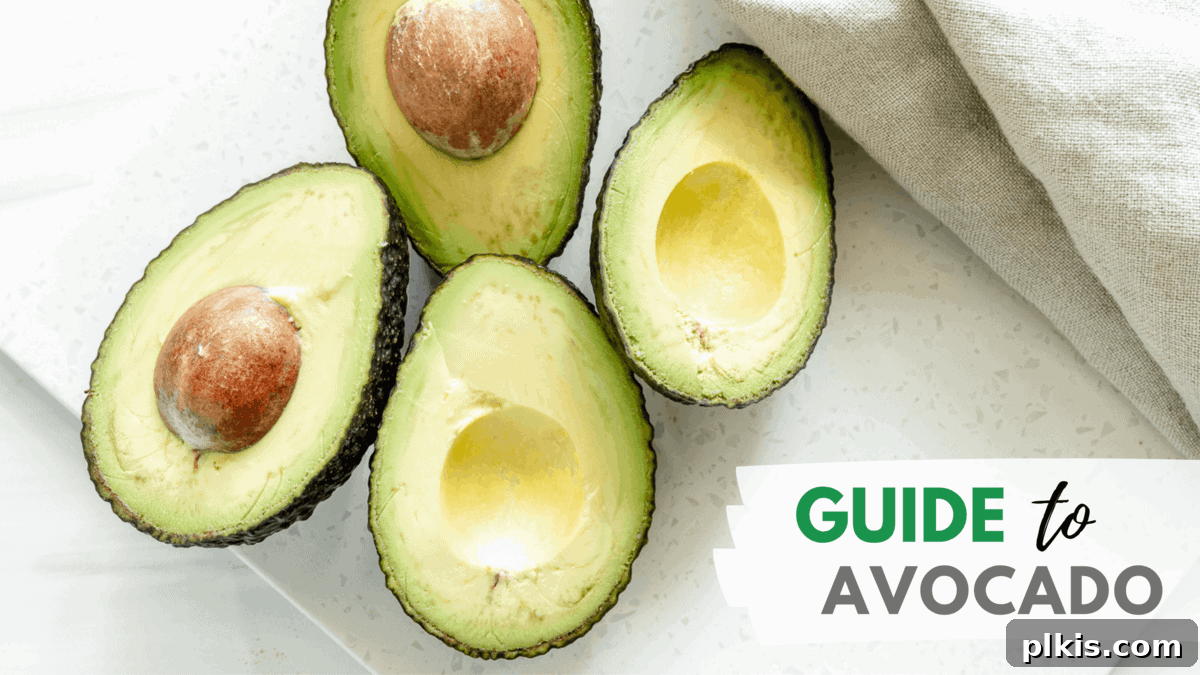
The Ultimate Guide to Avocados: Unlocking the Secrets of Nature’s Creamy Superfood
Imagine a world without the luscious, creamy texture and unique flavor of avocados. For many, this vibrant green fruit has become an indispensable part of daily life, transforming everything from simple toast to gourmet dishes. It’s safe to say that avocados have carved out a special place in our hearts and on our plates. Known by various names around the globe – “aguacate” in Mexico, “palta” in Chile, or simply “alligator pear” – this versatile superfood offers a bounty of flavor and nutrition. Once a niche item, avocados have experienced a phenomenal surge in popularity, evolving from an expensive rarity to an accessible staple in kitchens worldwide. We’re beyond grateful to enjoy their buttery goodness daily, and it’s with unwavering passion that we declare: avocados truly make everything better. Dive into this extensive guide as we explore the captivating world of avocados, from their origins and diverse varieties to their incredible health benefits and practical tips for selection, ripening, and storage.
It wasn’t long ago that finding a perfectly ripe avocado was a quest, and their price often made them a luxury. Thankfully, the landscape has shifted dramatically. Today, avocados are readily available in almost every grocery store, and with a keen eye, you can often snag them at incredibly affordable prices – sometimes even for a mere 50 cents each! Having grown up with avocado toast as a comforting and frequent meal, I wasn’t surprised to witness its meteoric rise to fame, becoming a culinary sensation and a ubiquitous offering on restaurant menus globally. This simple yet addictive concoction is just one testament to the avocado’s broad appeal. Interestingly, Mexico stands as both the largest producer and consumer of avocados worldwide. While I haven’t yet had the pleasure, many claim you haven’t truly experienced an avocado until you’ve tasted one fresh from Mexican soil.
What Exactly Are Avocados? A Botanical Insight
Beyond their culinary fame, avocados are botanically fascinating. They are the fruit grown by the avocado tree (Persea americana), a member of the laurel family, which also includes cinnamon and bay laurel. Technically classified as a single-seeded berry, this unique fruit is characterized by its large central seed and distinctive creamy, buttery flesh. Avocado trees thrive in tropical and Mediterranean climates, where ample sunshine and moderate temperatures allow them to flourish. Originating in south-central Mexico, different varieties have evolved over millennia and are now cultivated extensively across the globe, adapted to various local conditions. The avocado tree itself can grow quite large, providing not just delicious fruit but also a beautiful addition to many landscapes.
Explore the Diverse World of Avocado Varieties
If you thought there was only one type of avocado, prepare to have your culinary horizons expanded! The avocado family boasts a fascinating array of varieties, each offering distinct textures, flavors, and appearances. Understanding these differences can significantly enhance your avocado experience, guiding you to choose the perfect type for your specific culinary creations. Let’s delve into some of the most prominent and intriguing avocado varieties you might encounter:
- Hass: The Ubiquitous Favorite
Undoubtedly the most popular and commercially widespread avocado, the Hass variety is celebrated for its rich, nutty flavor and exceptionally creamy texture. It’s instantly recognizable by its oval shape and characteristic thick, pebbly skin, which transitions from a dark green to a deep, purplish-black when perfectly ripe. The Hass avocado’s high oil content makes it ideal for virtually any application, from mashing into guacamole to slicing onto salads and sandwiches. Its consistent quality and year-round availability have cemented its status as the world’s go-to avocado. - Fuerte: The Heritage Pear Shape
Meaning “strong” in Spanish, the Fuerte avocado earned its name for its resilience to frost. This heritage variety boasts a distinctive pear-like shape and smooth, relatively thin, dark green skin that retains its color even when ripe. Fuerte avocados offer a robust, rich, and slightly nutty flavor, often described as having subtle notes of hazelnut. While less creamy than Hass, a perfectly ripe Fuerte has a delightful, firm yet yielding texture that is excellent for slicing and adding to fresh dishes. - Bacon: A Milder, Early-Season Choice
Despite its meaty name, the Bacon avocado is purely plant-based and is known for its milder flavor profile compared to its richer counterparts. It typically has an oval shape with smooth, somewhat speckled green skin that remains green even when ripe. Bacon avocados are less oily than Hass but still deliver a pleasant, satisfying taste. They tend to ripen earlier in the season, making them a refreshing option for those seeking a lighter avocado experience. - Pinkerton: Easy to Peel and Oil-Rich
The Pinkerton avocado is a fantastic choice for both growers and consumers. Characterized by its elongated, pear-like shape and medium-thick, slightly bumpy green skin, it’s remarkably easy to peel. This variety is celebrated for its very oily and creamy flesh, offering a wonderfully rich flavor profile. Its excellent texture and ease of handling make it a joy to use in various recipes, particularly where a smooth, luxurious consistency is desired. - Gwen: A Nutty and Flavorful Contender
Often considered a superior-tasting avocado, the Gwen variety has secured its place in the avocado hall of fame. It resembles the Hass in shape and skin texture but typically remains greener when ripe. The Gwen is prized for its distinctly nutty flavor and vibrant golden-yellow flesh, which is both rich and buttery. Its robust taste makes it a standout choice for those who appreciate a more pronounced avocado flavor in their dishes. - Zutano: The Shiny, Green Powerhouse
Don’t let the Zutano’s thin, shiny, yellow-green skin deceive you; this variety is a delightful and worthwhile try. Known for its large size and pear shape, the Zutano offers a lighter, less oily flavor profile compared to Hass, often described as having a crisp, slightly watery texture. While not as intensely creamy, it provides a refreshing avocado experience, especially appealing to those who prefer a milder taste. It’s an excellent choice for adding bulk to salads or for a lighter guacamole. - Little Cado: Your Patio Companion
For aspiring home gardeners or those with limited space, the Little Cado, also known as the ‘Wurtz’ avocado, is an absolute gem. This unique dwarf variety allows you to cultivate your own avocados in a large container right on your patio or porch. It produces medium-sized, pear-shaped fruit with a rich, creamy texture and excellent flavor, proving that you don’t need acres of land to enjoy homegrown goodness. How incredibly cool is that for fresh, sustainable produce!
Is Avocado Really That Healthy? Unpacking Its Nutritional Power
Absolutely! Avocados, often affectionately dubbed “nature’s butter,” are indeed a powerhouse of nutrition, living up to their superfood status. It’s a rare treat when incredible flavor, luxurious creamy texture, and an abundance of health benefits converge in a single food. We are truly determined to maximize the goodness from this extraordinary gift of nature. Avocados are packed with an impressive array of essential vitamins and minerals, including Vitamin K, Vitamin C, Vitamin B5, Vitamin B6, and Vitamin E. They are also remarkably high in Potassium – even more so than bananas, a fruit famously associated with this mineral – which is crucial for blood pressure regulation and nerve function.
Beyond the vitamins and minerals, the true stars of the avocado’s nutritional profile are its healthy fats. Avocados are rich in monounsaturated fatty acids, particularly oleic acid, which is renowned for its heart-healthy benefits. These fats can help reduce levels of “bad” LDL cholesterol while increasing “good” HDL cholesterol. Unlike many other sources of fat, such as processed oils, this amazing fruit also provides a significant amount of dietary fiber, which aids in digestion, promotes satiety, and helps regulate blood sugar levels. Furthermore, avocados are loaded with powerful antioxidants like lutein and zeaxanthin, which are vital for eye health. Eating them regularly truly delivers a triple or quadruple win for your overall well-being, making them an indispensable component of a balanced, health-conscious diet.
Where to Buy Avocados: Navigating Your Options for Freshness
Finding avocados is rarely an issue these days, as they are a ubiquitous sight in nearly every local grocery store. However, if your goal is to discover the freshest, most vibrant avocados with potentially unique varieties, expanding your search can be rewarding. Your local farmers’ market or a dedicated farm stand are often excellent places to find avocados picked at their peak, sometimes even directly from the growers. These venues can offer a wider selection of less common varieties that you might not find in larger supermarkets, providing an exciting opportunity to experiment with different textures and flavors. When exploring, pay attention to seasonality, as certain varieties may be more abundant and fresher at particular times of the year. While Hass remains the most sought-after and often priciest type, remember that other delightful varieties tend to be more affordable, offering great value without compromising on taste or nutrition.
How to Choose The Best Avocado: Mastering the Art of Selection
This truly is the million-dollar question for many avocado enthusiasts. How can you confidently select a perfect avocado every single time? The good news is, there are indeed some insightful tips and tricks that can significantly improve your chances of picking an ideal avocado. Before you commit to your choice at the store, take a moment to consider these crucial indicators:
- Observe the Skin Color: For popular varieties like Hass, the skin color is a key indicator of ripeness. A lighter green suggests the avocado is still firm and will need several days to ripen. As it matures, the skin will gradually darken to a deep purplish-black. However, remember that not all varieties change color when ripe (e.g., Fuerte and Zutano often remain green), so this cue isn’t universal.
- Perform the Gentle Squeeze Test: The feel of the avocado to the touch is arguably the most reliable indicator. Gently cup the avocado in your palm and apply slight, even pressure. You’re looking for an avocado that yields slightly to the pressure, indicating a creamy interior. Avoid those that are rock-hard (underripe) or feel mushy (overripe). A perfectly ripe avocado should feel firm but give a little.
- Check Under the Stem Cap: This is a fantastic trick for assessing internal ripeness. Gently remove the small cap or nub at the top where the stem used to be. Look at the color of the flesh underneath. If it’s bright green or yellowish, the avocado is likely perfectly ripe or very close. If it’s brown or black, the avocado is probably overripe and may have brown spots inside. If the cap is difficult to remove, the avocado is likely not yet ripe.
- Inspect for Blemishes: Give the avocado a quick visual once-over. Avoid avocados with large, deep indentations, soft spots that feel very soft or watery, or signs of mold, as these could indicate internal bruising or spoilage.
We recommend a strategy that ensures you always have perfect avocados on hand: buy a few that are ready or very close to being ready for immediate enjoyment, and a few more that are still firm and need a few days to ripen. This way, you’ll have a continuous supply of perfectly ripe avocados for all your culinary needs.
How to Ripen an Avocado: Accelerating Nature’s Process
One of the most intriguing facts about avocados is that they don’t ripen while still on the tree. Instead, they begin their ripening process only after they have been harvested. This unique characteristic allows growers to store avocados on the tree for extended periods, but it means consumers often purchase firm, unripe fruit. Thankfully, there are several effective methods you can employ to speed up the ripening process at home:
- The Paper Bag Method: Place your unripe avocados in a brown paper bag. The paper bag traps ethylene gas, a natural plant hormone produced by fruits, which is responsible for initiating and accelerating the ripening process. Close the bag loosely to allow for some air circulation. Store the bag at room temperature, and check daily for desired softness. This method can typically ripen avocados in 2-4 days.
- The Fruit Bowl Companion: To further enhance the paper bag method, or simply for ripening on your countertop, place your avocados in a fruit bowl next to other ethylene-producing fruits like apples or bananas. These fruits release a higher concentration of ethylene gas, which will significantly help to ripen the avocado faster. Ensure they are at room temperature, as refrigeration will slow down the ripening.
- Warmth and Patience: Avocados ripen best at room temperature, ideally between 65-75°F (18-24°C). Avoid placing them in direct sunlight, which can cause them to spoil unevenly. Patience is key; while these methods accelerate ripening, it’s still a natural process that takes a few days.
Once your avocado reaches the perfect ripeness, you can slow down further ripening by transferring it to the refrigerator. This will typically extend its shelf life by a few extra days, preserving that ideal creamy texture.
Tips to Prevent Your Avocado from Oxidizing or Turning Brown
It’s a common dilemma: you slice open a beautiful avocado, use half for a meal, and then face the challenge of preserving the other half from rapidly turning an unappetizing brown. This browning is due to oxidation, where the avocado’s flesh reacts with oxygen in the air. While completely preventing oxidation is difficult, several clever strategies can significantly delay the process, allowing you to savor your precious avocado leftovers without waste:
- Lemon or Lime Juice Application: The acidity in citrus juice acts as a natural antioxidant. Generously brush or squeeze lemon or lime juice directly onto the exposed flesh of the avocado. This creates a protective barrier and helps to inhibit the enzymatic browning.
- Keep the Pit In: Leave the pit inside the remaining half of the avocado you wish to store. The pit itself doesn’t prevent oxidation, but it reduces the surface area of the flesh exposed to air, thereby slowing down the browning process.
- Store in an Airtight Container: This is one of the most effective methods. Place the avocado half, ideally with the pit still in and perhaps with a squeeze of citrus, into an airtight container. Minimizing air exposure is crucial for preventing oxidation.
- The Water Bath Method: For a short-term solution, you can place the avocado half (flesh-side down) in a shallow container with a small amount of water, then cover the container. This creates an oxygen barrier around the exposed surface.
- Store with an Onion Piece: Placing the avocado half in an airtight container with a quarter of a cut onion can also help. The sulfur compounds released by the onion are believed to inhibit the enzymes responsible for browning. Be mindful that very sensitive palates might detect a slight onion flavor transfer, though this is generally minimal.
- Brush with Oil: Applying a thin layer of olive oil or another neutral oil to the exposed avocado flesh creates a physical barrier against oxygen, similar to what citrus juice does.
It’s important to remember that all these tips primarily serve to delay the oxidation process, not prevent it indefinitely. Even with the best efforts, a slight change in color might occur over time. If you know with certainty that you won’t be eating the avocado leftovers within a day or two, an excellent proactive measure is to freeze the avocado. Chunks or mashed avocado can be frozen in an airtight container or freezer bag (often with a little lime juice to maintain color) for future use in creamy smoothies, dips, or sauces, ensuring not a single bit goes to waste.
Best Ways to Store Avocados for Optimal Freshness
Proper storage is key to enjoying avocados at their peak. How you store them depends on whether they are ripe or unripe, and whether they have been cut open or remain whole.
- Unripe, Whole Avocados: Store these on your kitchen countertop at room temperature. This allows them to ripen naturally over a few days. Keep them away from direct sunlight, which can cause uneven ripening.
- Ripe, Whole Avocados: Once an avocado reaches your desired level of ripeness, you can extend its life by placing it in the refrigerator. The cool temperature significantly slows down the ripening process, giving you an extra 2-3 days before it becomes overripe.
- Cut Avocados: This is where the anti-browning tips come into play. Always store cut avocados in an airtight container to minimize exposure to oxygen. For best results, apply one of the methods mentioned above (lemon/lime juice, keeping the pit, brushing with oil) to the exposed flesh before sealing the container. Refrigerate immediately.
- Freezing Avocados: For longer-term storage, avocados freeze beautifully. Peel and pit the avocado, then either mash it or cut it into chunks. Drizzle with a little lemon or lime juice to prevent browning, then pack into an airtight freezer bag or container, removing as much air as possible. Frozen avocado is perfect for smoothies, guacamole bases, or creamy sauces, maintaining its flavor and nutritional value for several months.
We sincerely hope this comprehensive guide inspires you to embrace the green beauty of avocados and experiment with all the incredible culinary possibilities they offer! Avocados are not just delicious; they are a cornerstone of a healthy, plant-based diet, providing essential nutrients and satisfying textures. So, go forth, enjoy, and make the most of this extraordinary superfood!
Our Favorite Avocado Recipes for Inspiration!
Ready to put your avocado knowledge to delicious use? Here are some of our most beloved recipes that highlight the incredible versatility and flavor of avocados. From creamy sauces to hearty salads, there’s something here for every avocado lover:
- Avocado Pesto
- Green Goddess Dressing
- Avocado Shake
- Tanzanian Quinoa Salad with Grapefruit and Avocado
- Avocado Basil Pad-Thai
- Southwestern Lettuce Wraps
- Easy Guacamole
- Southwestern Soup