
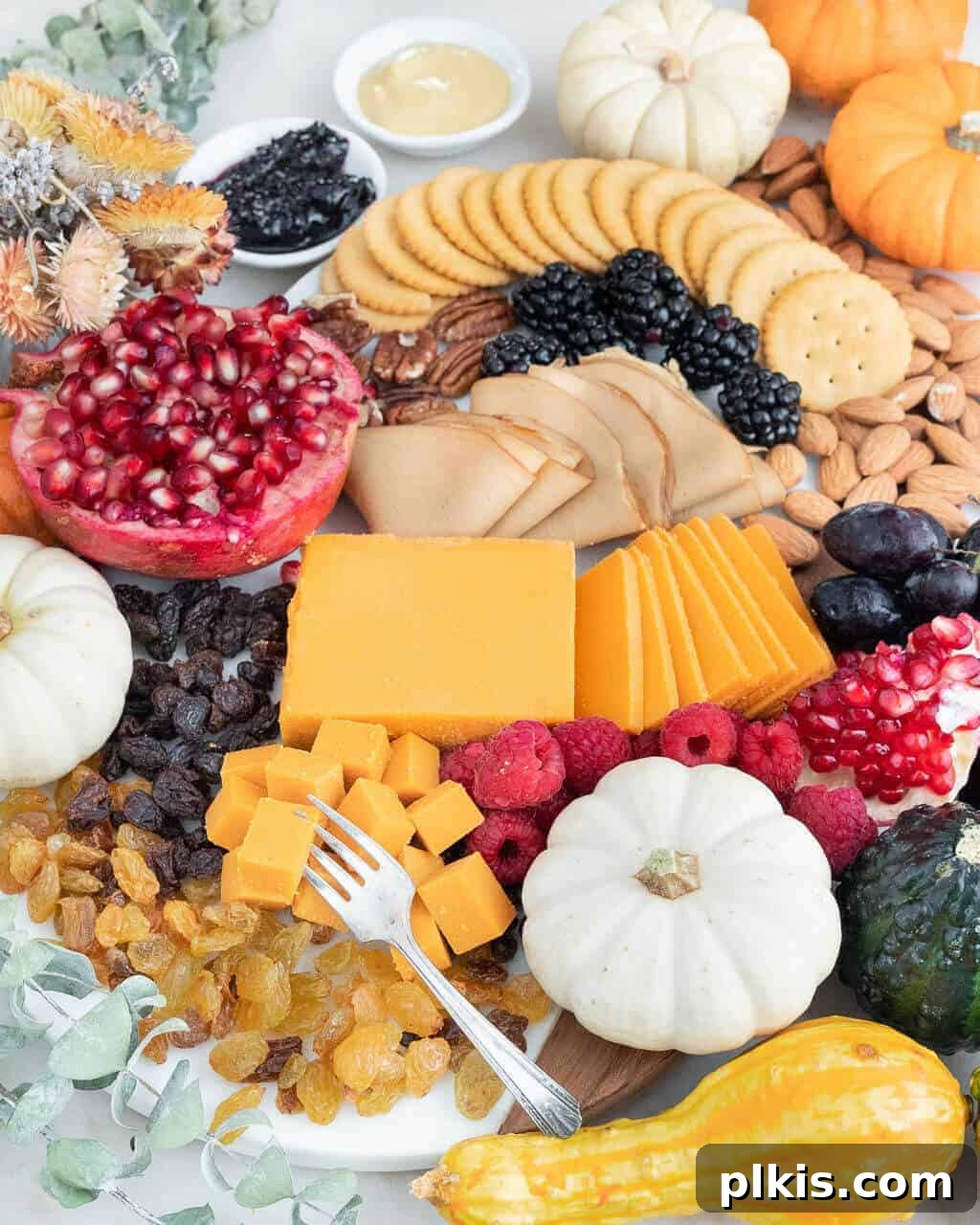
Crafting the Perfect Vegan Charcuterie Board: An Epic Plant-Based Grazing Platter Guide
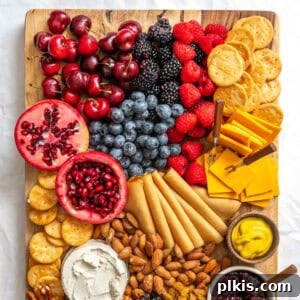
Discover how to assemble an extraordinary vegan charcuterie board – also known as a magnificent vegan grazing platter. Packed with an array of vibrant vegetables, luscious fruits, crunchy nuts, delectable dips, savory spreads, and optional plant-based meats & cheeses, this impressive display is guaranteed to delight your guests at any party, holiday gathering, or special event.
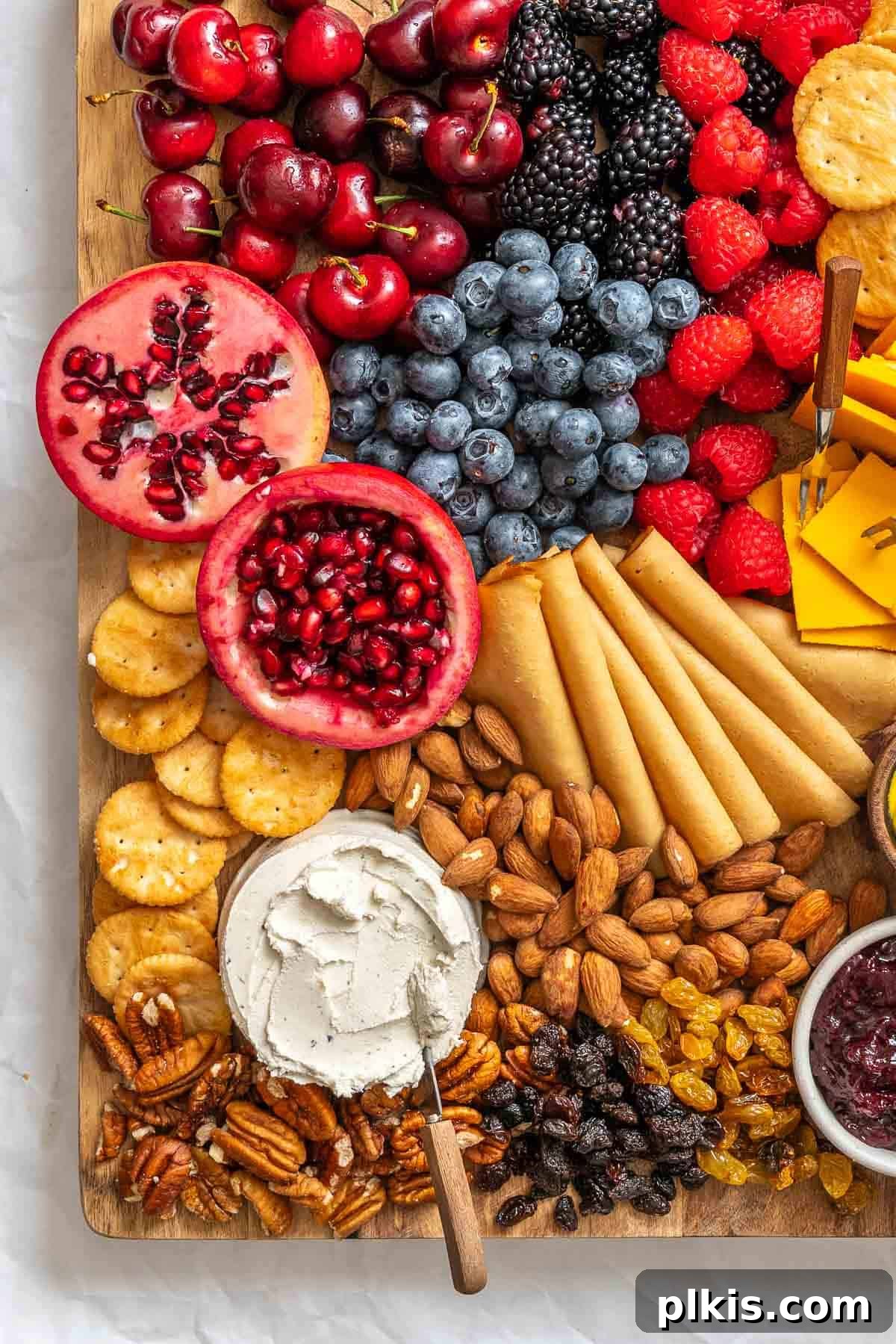
Why You’ll Adore This Plant-Based Platter
While the word ‘charcuterie’ traditionally refers to cured meats, creating a meat-free version is not only 100% achievable but also incredibly rewarding. A stunning vegan grazing board, often called a party platter or snack board, offers a sophisticated and inclusive way to entertain. Whether you’re a seasoned vegan host or simply catering to plant-based guests, this guide will help you craft a truly memorable and visually appealing spread that will impress everyone.
There are countless reasons to fall in love with the concept of a plant-based charcuterie board. Firstly, it champions inclusivity, ensuring all guests, regardless of their dietary choices, have an abundance of delicious options. Secondly, it elevates your entertaining game beyond simple chips and dips, providing a diverse culinary experience without demanding hours of intensive cooking. Imagine presenting a vibrant tapestry of flavors and textures that caters to every palate, from savory to sweet, crunchy to creamy. Furthermore, these boards are endlessly customizable, allowing you to tailor them to any theme, season, or specific dietary needs, making them a truly versatile centerpiece for any occasion. They are a celebration of fresh produce, thoughtful pairings, and creative presentation, proving that plant-based eating can be both elegant and exciting.
If the idea of assembling such a grand display seems daunting, fear not! I’m here to share my expert tips and tricks to demonstrate just how simple it can be to build a beautiful and bountiful board. For more inspiration, explore some of my other themed creations, such as the festive Valentine’s charcuterie board, the vibrant vegan 4th of July platter, or the charming Christmas wreath charcuterie board!
The Essential Elements: What To Put on A Vegan Charcuterie Board
Building an exceptional vegan grazing platter is all about balance, variety, and visual appeal. The key is to mix and match elements that offer a diverse range of flavors, textures, and colors. Feel free to be creative and adjust based on your preferences, dietary needs, and what’s seasonally available. Here’s a comprehensive guide to filling your board, remembering that vegan meat and cheese alternatives are entirely optional.
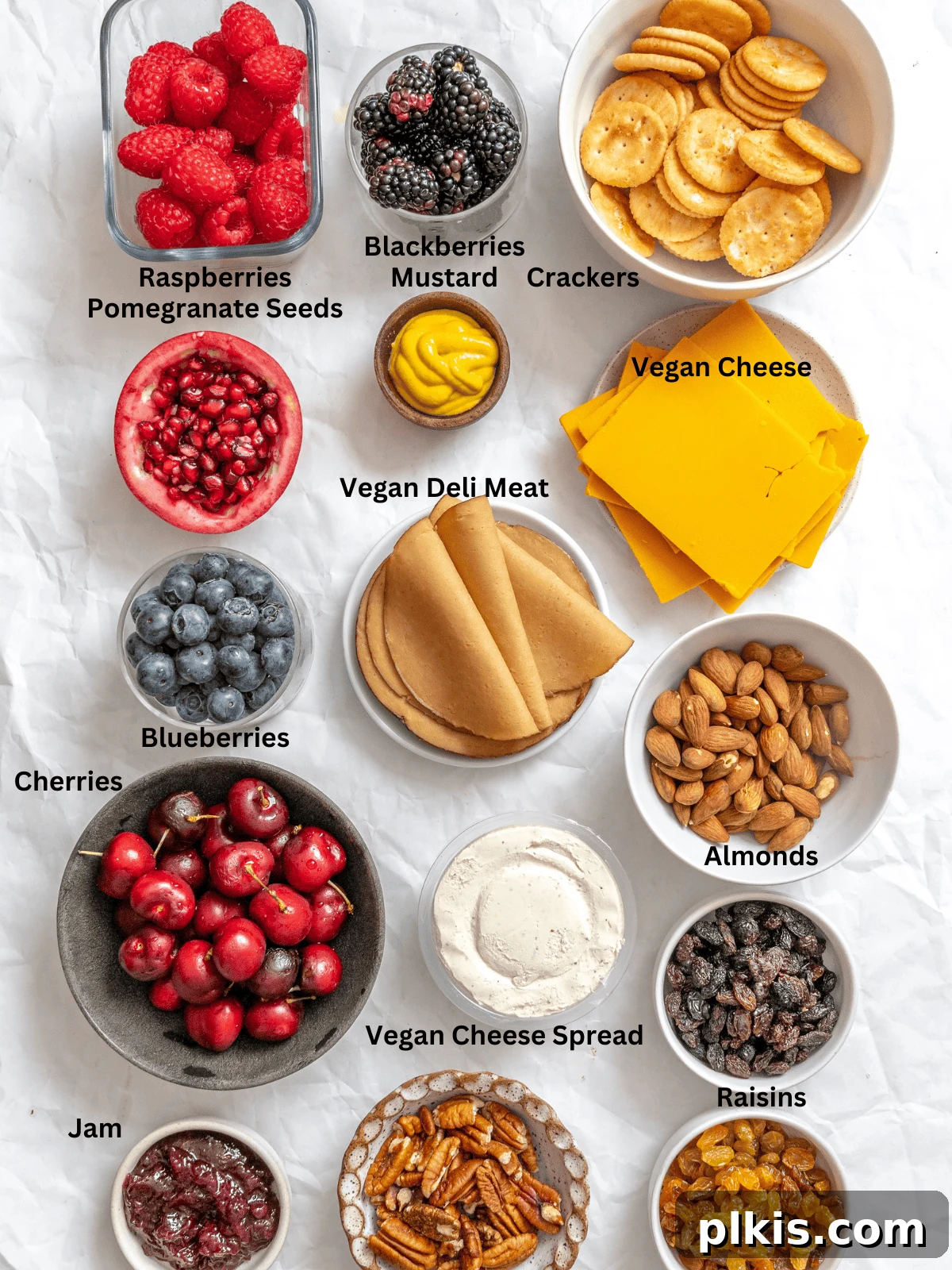
- Plant-Based Proteins & “Meats”: Introduce savory elements that mimic traditional charcuterie. Consider a selection of vegan salami, plant-based ham slices, or vegan pastrami for classic flavors. For unique textures, try mushroom jerky, hearty marinated tofu or tempeh, vegan meatballs, or even plant-based nuggets. Vegan smoked salmon offers a delicate, briny option. The goal is to provide a variety of chewy, savory bites that can stand alone or be paired with other ingredients.
- Dairy-Free Cheeses: A well-rounded vegan charcuterie board should feature an assortment of dairy-free cheeses, offering different textures and flavors. Include a soft, spreadable vegan cream cheese or a homemade ricotta dip. For medium-firm options, look for dairy-free brie or Camembert. Harder varieties like vegan cheddar, smoked cheese, or a flavorful herbed cheese can be cubed or sliced. Don’t forget unique homemade options like my tofu feta cheese or an impressive vegan cheese ball. Experiment with nut-based or coconut-based cheeses to find your favorites.
- Savory Dips & Spreads: Dips are the glue of any grazing platter, offering moisture and intense flavor. Offer a classic homemade easy hummus (or get creative with sweet potato, dill pickle, or roasted red pepper hummus). Other excellent choices include creamy vegan tzatziki, a nostalgic vegan French onion dip, smoky baba ghanoush, or rich tapenade (like a zesty green olive tapenade). A decadent vegan mushroom pâté adds a touch of sophistication. Don’t overlook an assortment of mustards, vibrant pesto, or fresh salsas (Pico de Gallo, roasted chili corn salsa, or a quick restaurant-style blender salsa). Compound vegan butters (plant-based butter infused with herbs or garlic) and high-quality olive oils also pair beautifully with bread.
- Fresh Vegetables (Crudités): These add essential crunch, freshness, and vibrant color. Think crisp carrot sticks, refreshing cucumber slices, colorful bell pepper strips, tender broccoli and cauliflower florets, peppery radishes, crunchy celery sticks, sweet snap peas, and juicy cherry tomatoes. Sliced zucchini and other seasonal vegetables also work wonderfully.
- Fruits (Fresh & Dried): Offer both fresh and dried fruits for sweetness and textural contrast. Fresh options include succulent grapes, a medley of berries (blueberries, raspberries, strawberries, cherries), crisp apple and pear slices, exotic kiwi, juicy melon chunks, and jewel-like pomegranate seeds. For dried fruits, include plump raisins, chewy dates, tart apricots, and sweet cranberries. These add bursts of natural sugar and visual interest.
- Crunchy Carbs: A variety of vessels for your dips and spreads is crucial. Include an assortment of crackers – different shapes, flavors, and textures work best. Crusty breads like a sliced baguette or a rustic no-knead bread are ideal, as is a fluffy vegan focaccia. Breadsticks, pretzels (perhaps even sweet and salty popcorn), and tortilla chips (plain or flavored) round out the carb selection.
- Nuts & Seeds: These provide a satisfying crunch and healthy fats. Offer roasted almonds, walnuts (candied rosemary walnuts are fantastic!), pistachios, cashews, or pumpkin seeds (spicy pumpkin seeds are a great choice). Arrange them in small bowls or directly on the board to fill gaps.
- Pickles & Olives: The tangy, briny flavors of pickled items offer a delightful contrast to richer elements. Include a variety of olives (green, black, Kalamata), marinated artichoke hearts, and homemade pickled vegetables like quick dill pickles, pickled beets, or pickled onions.
- Other Creative Nibbles: Fill any remaining spaces with fun, bite-sized treats. Consider crispy air fryer chickpeas, delicate baked kale chips, sweet peanut butter stuffed dates, squares of vegan dark chocolate (or chocolate-covered nuts), sun-dried tomatoes, or even miniature vegan stuffed mushrooms or stuffed grape leaves. Vegan cheesy zucchini chips or vegan caprese skewers add another layer of flavor and texture.
For that extra touch of elegance, I love to finish my vegan sharing platters with fragrant fresh herbs like rosemary or thyme, and a sprinkling of delicate edible flowers. These natural garnishes elevate the presentation, adding color, aroma, and a hint of sophistication.
Step-by-Step Guide: How to Make a Vegan Charcuterie Board
Assembling a beautiful vegan charcuterie board is more art than science, but following a few key steps will ensure a stunning and delicious outcome. Let’s walk through the process:
- Step 1: Choose Your Canvas. Begin by selecting your serving surface. This could be an elegant wooden tray, a cool marble slab, a large cutting board, or even a sheet of baking paper laid directly on a clean table for a rustic feel. A board with a slight lip is often helpful to keep smaller items contained and prevent them from rolling off. Consider the size of your gathering when choosing your board – bigger boards are better for more guests and a wider selection.
- Step 2: Prep Your Ingredients & Place Bowls. Before you start arranging, prepare all your homemade items (like dips or special cheeses) and chop all fruits and vegetables into bite-sized, easily accessible pieces. Next, strategically place your bowls on the board. These bowls act as “landmarks” and anchors for your design. Aim for a bit of asymmetry for visual interest; avoid placing them in a perfectly straight line. Use 1–2 larger bowls for your main dips or spreads, and 2–3 smaller ones for wet items like olives, pickles, or delicate berries, as well as nuts or seeds.
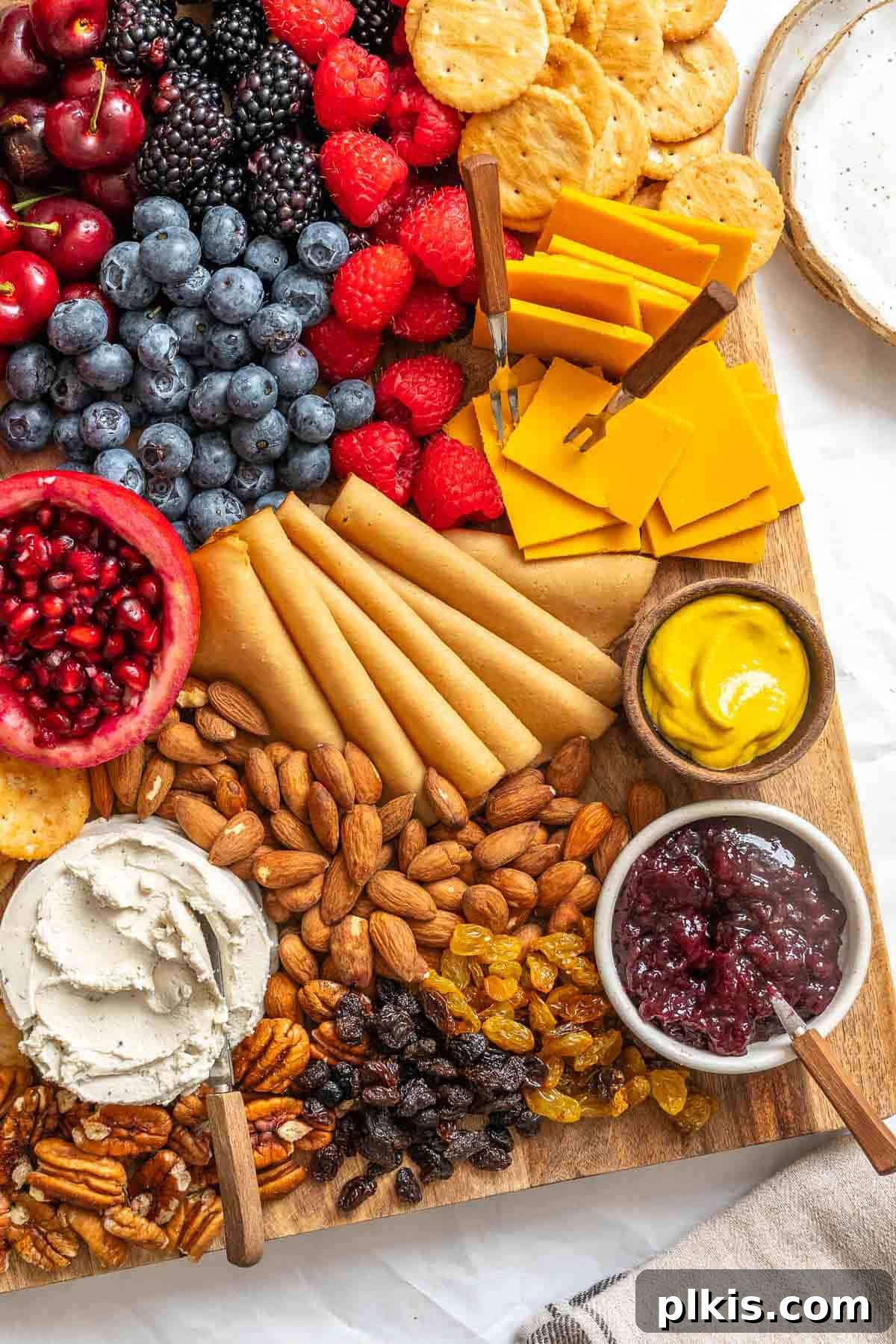
- Step 3: Lay Down the Larger Elements. Once your bowls are in place, start adding the largest items to your board. This includes your selection of vegan cheeses, slices of crusty bread or baguette, and your chosen plant-based meats. Distribute these items across the board, arranging them in flowing lines or gentle curves around your pre-placed bowls. Get creative with the presentation of your vegan meats – roll them into elegant fans, scrunch them, or even form them into delicate “roses.” For cheeses, cube them, slice them into wedges, or cut them into interesting shapes to add variety.
- Step 4: Fill the Gaps and Garnish. Now for the fun part: filling in all the empty spaces! This is where your smaller items come into play. Artfully arrange berries, smaller vegetables, and crackers around the larger components. Don’t be afraid to overfill the board – a bountiful, overflowing platter always looks more inviting and generous. Finally, add your decorative touches. Garnish generously with fresh herbs like rosemary or thyme, and sprinkle edible flowers for a truly show-stopping finish. For added convenience, consider using small ingredient markers to label specific items, especially for unique vegan cheeses or dips. And remember, practical utensils like toothpicks, small knives for spreads, or mini tongs are essential for easy serving.
Frequently Asked Questions
Absolutely! Many components of your vegan grazing board can be prepped in advance, making party day much less stressful. Fruits and vegetables can be chopped and stored in airtight containers in the refrigerator a day ahead. Dips and many vegan cheeses can often be prepared 2–3 days in advance. Just be sure to assemble the board no more than a few hours before serving to ensure everything looks fresh and vibrant. Keep delicate items separate until the last minute.
As a general guideline, plan for approximately 3 ounces (about 85 grams) of “main” items (like vegan meats and cheeses) per person if serving as an appetizer. If your board is the main attraction or a light meal, aim for about 6 ounces (about 170 grams) per person. In addition to this, ensure you have plenty of bread (2-3 slices), a good handful of crackers, and an ample assortment of various nibbles (nuts, olives, fruit) per guest. It’s always a good idea to keep a few extra portions of popular items on hand in the kitchen to replenish the board as needed, ensuring it always looks full and appealing.
To maintain freshness and prevent spoilage, it’s best to store any perishable leftover ingredients in separate airtight containers, Ziploc bags, or Stashers. Most items, such as chopped vegetables, fruits, dips, and vegan cheeses, can be stored in the refrigerator for 2–4 days, depending on the specific item and its original shelf life. Be sure to discard any items that have been left at room temperature for an extended period (typically more than two hours).
That’s perfectly fine! Vegan meats and cheeses are entirely optional. You can easily create a magnificent and satisfying plant-based board by focusing on an abundance of fresh fruits, vegetables, an expanded selection of delicious dips and spreads, a wider variety of nuts, seeds, and crunchy snacks, and more unique pickled items. Emphasize the natural beauty and flavors of whole plant foods, and your board will still be a showstopper!
Top Tips for the Best Vegan Grazing Board
To truly master the art of the vegan charcuterie board and create a spread that everyone talks about, keep these expert tips in mind:
- Embrace Variety: The secret to a captivating board lies in a diverse selection. Mix and match different textures (creamy dips, crunchy crackers, chewy dried fruit), colors (rainbow of vegetables, vibrant berries), and flavors (sweet, savory, smoky, spicy, tangy). This ensures there’s something for every preference, even for the pickiest of eaters, and keeps the experience exciting.
- Build Up, Not Just Out: Create visual interest and make all items easily accessible by adding height to your board. Place taller items, like small bowls of breadsticks or stacked crudités, towards the center or back of the board. This creates a more dynamic display and prevents the board from looking flat.
- Don’t Forget Utensils: Hygiene and convenience are paramount. Provide small spoons for dips and spreads, knives for cutting softer vegan cheeses, toothpicks for olives or small fruits, and mini tongs for larger items. Place them strategically around the board so guests can easily serve themselves.
- Overfill for Abundance: A sparse board can look uninviting. The key to making a truly beautiful and enticing vegan snack board is to pack it full! Even with a slight border, ensure every nook and cranny is brimming with deliciousness. An overflowing board signals generosity and creates an immediate “wow” factor.
- Master Visual Appeal: This is where your creativity shines. Use bowls and dishes of varying sizes, shapes, and heights to break up the flat surface of the board. Embrace asymmetry – odd numbers of items or clusters often look more organic and pleasing. Avoid placing similar colors or shapes directly next to each other to prevent monotony. Instead, create swirls, lines, and curves with your ingredients. Experiment with folding or shaping vegan meats/cheeses creatively (cubes, wedges, scrunched slices, or even delicate roses). For a playful touch, use small food cutters to create fun shapes from firm vegan cheeses or vegetables.
- Pre-slice Vegan Cheese: Make it effortless for your guests to enjoy. Pre-slice some of your harder vegan cheeses into wedges or cubes. This encourages everyone to dig in without hesitation, and no one has to be the first to cut into a perfectly presented block.
- Separate Wet Ingredients: To prevent your crackers and bread from becoming soggy, always place wet ingredients like olives, pickled vegetables, or certain fruits in small bowls or dishes. Alternatively, ensure a generous buffer zone between these items and your bread products.
- Theme Your Board: Enhance the experience by choosing a theme. This could be seasonal (e.g., autumnal colors and flavors), holiday-specific (red and green for Christmas), or even color-coordinated. A theme adds cohesion and makes the board feel even more special.
Most importantly, have fun with it! Choose items you and your guests love, play with interesting flavor pairings, and don’t be afraid to get creative with your arrangement. Building a beautiful vegan charcuterie board is a joyful process, and you’ve got this!
More Vegan Appetizer Recipes
Vegan Lunches
Vegan Pizza Rolls
Vegan Appetizers
Easy Beet Hummus
Vegan Appetizers
Eggplant Stacks [2 Ways]
Vegan Appetizers
Vegan Buffalo Cauliflower Wings
If you tried this vegan charcuterie board recipe or any other recipe on my blog, please leave a 🌟 star rating and let me know how it went in the 📝 comments below. Your feedback is greatly appreciated!
How to Make a Vegan Charcuterie Board (Grazing Platter)
30 minutes
0 minutes
30 minutes
12
Equipment
-
Knife set
Ingredients
Vegan Meats (choose 2-3 – optional)
- Vegan salami/ham/pastrami
- Vegan mushroom jerky
- Vegan meatballs/sausage
- Vegan smoked salmon
Vegan Cheese (choose 3-4+ of soft, medium, and hard – optional)
- Vegan cream cheese
- Vegan cheese ball
- Dairy-free brie/camembert
- Vegan feta
- Vegan cheddar/smoked cheese/flavored cheese
Raw Vegetables (choose several)
- Carrots
- Cucumber
- Broccoli/cauliflower
- Radishes
- Celery
- Snap peas
- Cherry tomatoes
- Zucchini
- Bell peppers
Other Vegetables (choose 1-3)
- Pickled vegetables (Quick fridge pickles, pickled beets, pickled onions, etc)
- Olives
- Marinated artichokes
- Roasted baby potatoes or Mediterranean vegetables
- Roasted cherry tomatoes
Fruit (choose 2-3+)
- Apple/pear slices
- Kiwi
- Grapes
- Berries blueberries, raspberries, strawberries, cherries
- Pomegranate
- Melon watermelon, cantaloupe, etc.
- Grilled peaches
- Dried fruit raisins, dates, apricots, cranberries
Savory Dips/Spread (choose 2-3)
- Creamy hummus (or fun variations like sweet potato hummus, dill pickle hummus, or red pepper hummus)
- Vegan pate
- Vegan French onion dip
- Salsa (like Pico de gallo, Blender salsa, etc)
- Compound vegan butter
- Flavored olive oils
Sweet Dips/Spread (choose 1-3)
- Jams, jellies, and preserves (berry, pineapple, currant, etc)
- Chutney (regular, tomato, onion, etc)
- Maple syrup whipped with vegan butter
- Vegan Nutella
- Caramelized onion jam
Bread and Crunchy Snacks (choose 3-5)
- Crusty no-knead bread
- Baguette
- Vegan focaccia
- Crackers different flavors, sizes, etc
- Breadsticks
- Popcorn/pretzels (like sweet and salty popcorn)
- Tortilla chips/chips plain and flavored
Other Nibbles (choose several – to fill in the gaps)
- Roasted or caramelized nuts and seeds (like Spicy pumpkin seeds)
- Crispy chickpeas
- Kale chips
- Stuffed dates
- Dark chocolate
- Sun-dried tomatoes
- Stuffed mushrooms or stuffed grape leaves
Instructions
-
1. Choose Your Board: Select your serving surface—a wooden tray, marble slab, cutting board, or even baking paper directly on the table. A lipped tray can help keep items contained.
-
2. Prep & Place Bowls: Prepare any homemade items and chop fruits and veggies. Add bowls as “landmarks,” avoiding perfect symmetry. Use 1–2 larger bowls for dips and 2–3 smaller ones for wet items (like fruit or nuts).
-
3. Arrange Largest Items: Add the largest items—vegan cheese, bread slices, and vegan meats—spaced across the board. Arrange them in lines or curves around the bowls. Roll, scrunch, or fold vegan meats into fans or roses. Cube or wedge vegan cheese for variety.
-
4. Fill & Garnish: Fill remaining gaps with smaller items—berries, veggies, crackers. Optionally garnish with fresh herbs, edible flowers, or ingredient markers to label items. Don’t forget serving utensils like toothpicks, knives, or mini tongs.
Nutrition
Carbohydrates: 36g
Protein: 5g
Fat: 8g
Saturated Fat: 2g
Polyunsaturated Fat: 3g
Monounsaturated Fat: 2g
Trans Fat: 0.2g
Cholesterol: 0.4mg
Sodium: 392mg
Potassium: 248mg
Fiber: 4g
Sugar: 11g
Vitamin A: 998IU
Vitamin C: 12mg
Calcium: 82mg
Iron: 2mg
Additional Info
Lucy
Appetizer, Entree, Snack
American
No cook
Vegan
Tried this recipe?Please tag us at @PlantBasedOnABudget! 🙂