
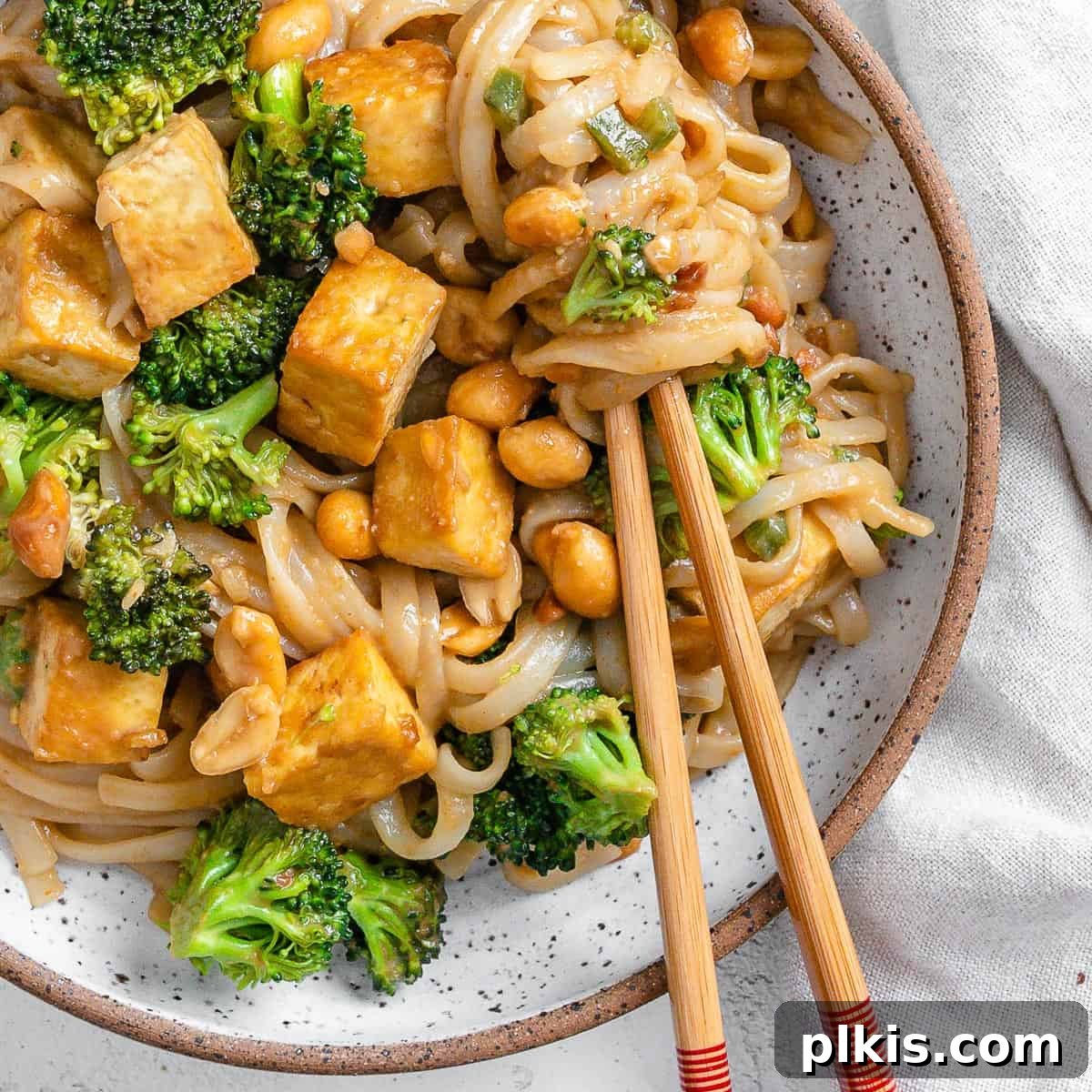
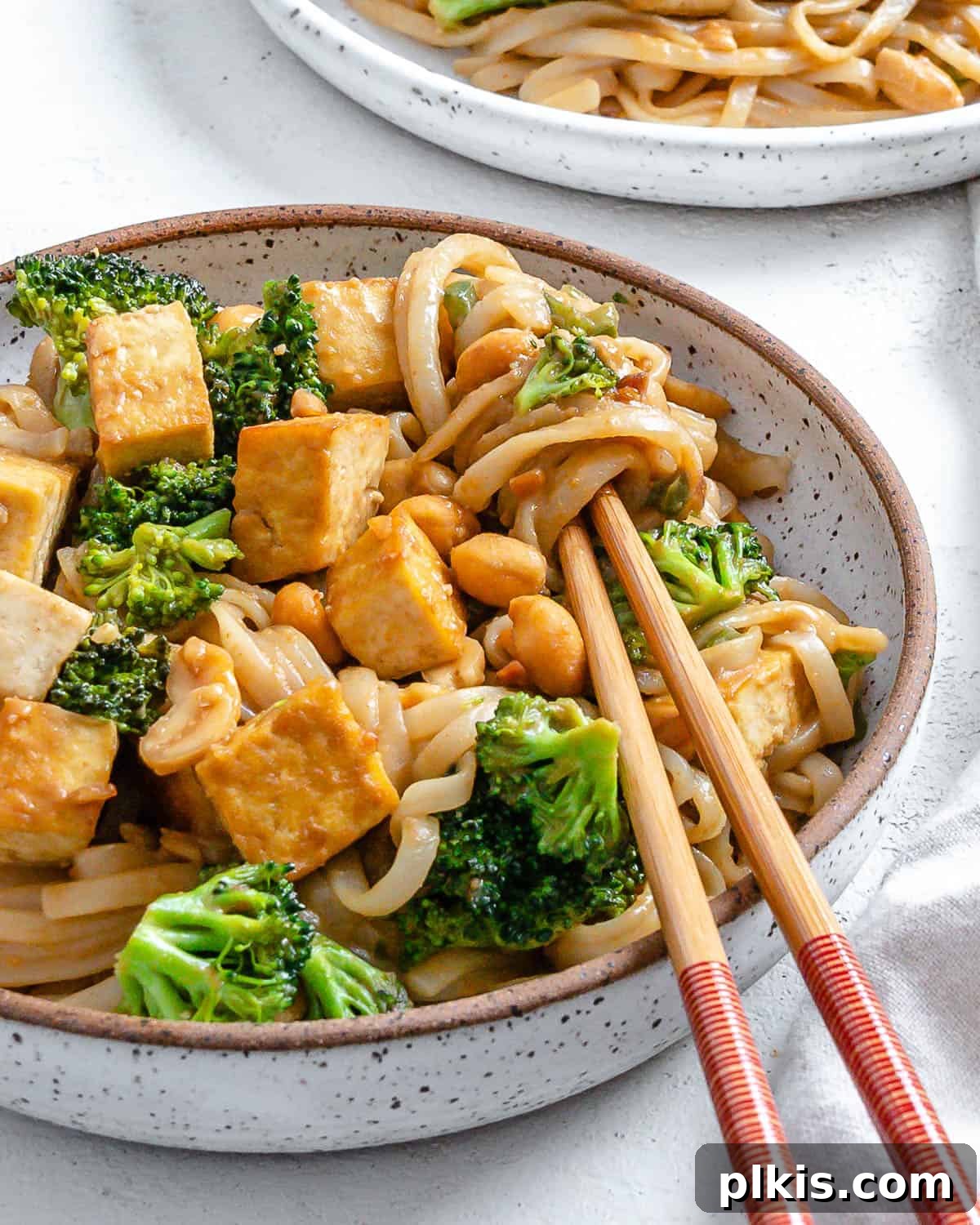
Craving a symphony of sweet, sour, salty, and spicy flavors? Look no further than this incredible Tofu Pad Thai recipe! This plant-based twist on the beloved Thai classic delivers all the vibrant taste and satisfying texture you expect, making it a perfect choice for a quick weeknight dinner or a special meal. Featuring tender rice noodles, perfectly pan-fried tofu, and an authentic savory-sweet Pad Thai sauce with just the right amount of heat, this dish is guaranteed to awaken your taste buds and become a new family favorite.
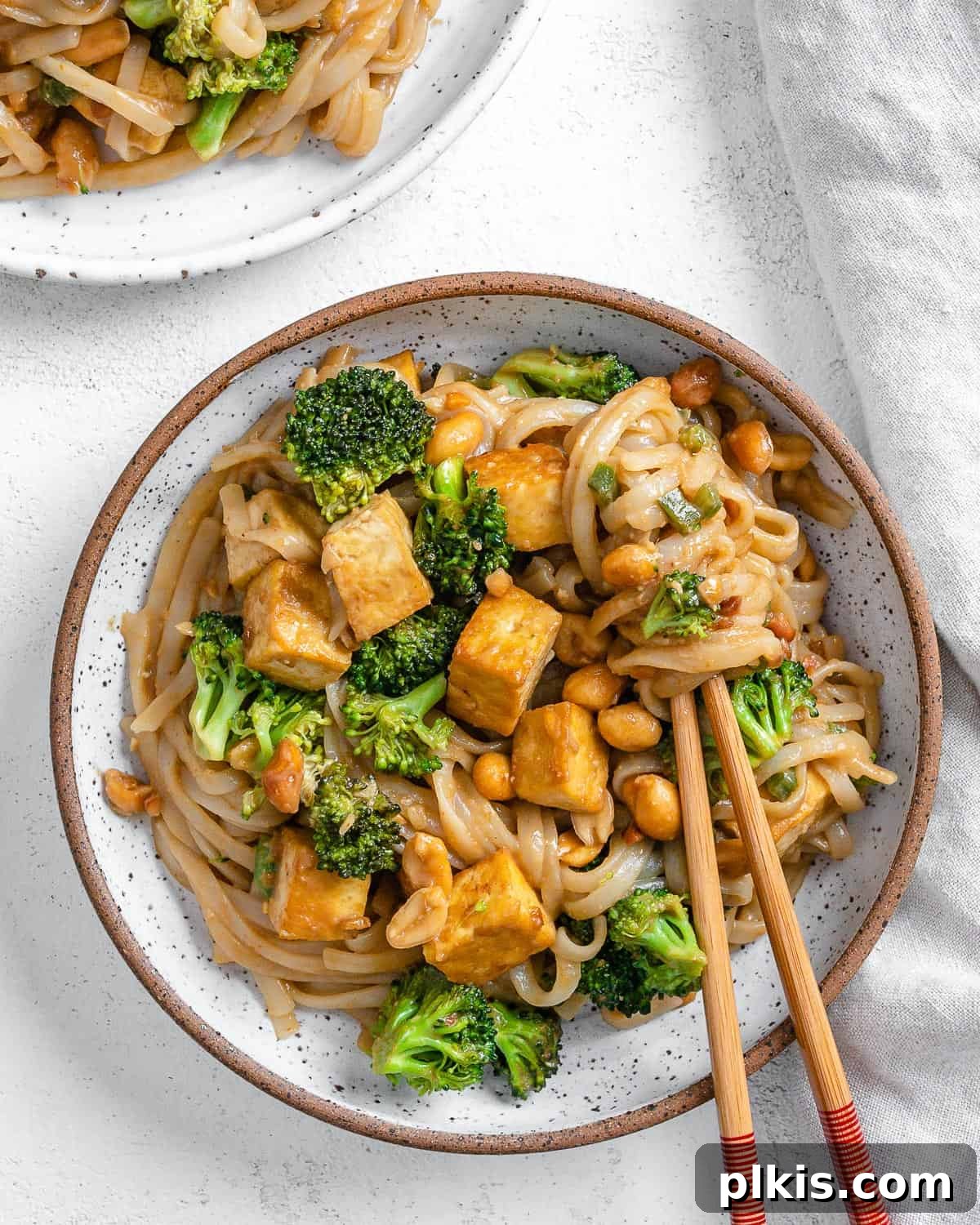
Is Traditional Pad Thai Vegan? Understanding the Classic Dish
Pad Thai, a truly iconic dish originating from Thailand, is renowned globally for its complex flavor profile. Traditionally served as a vibrant street food staple, it captures the essence of Thai culinary artistry. However, for those following a vegan diet, the classic rendition presents a few challenges due to its inherent ingredients.
The authentic Pad Thai sauce, which provides its signature sweet, sour, and savory depth, often includes ingredients like fish sauce and dried shrimp. These components are fundamental to the traditional umami flavor but are derived from animal products, making the sauce non-vegan. Beyond the sauce, the dish frequently incorporates other non-vegan elements such as eggs, fresh shrimp, and sometimes other meats or seafood, making a typical restaurant Pad Thai unsuitable for plant-based eaters.
This recipe, however, embraces the traditional flavors as a source of inspiration, meticulously crafting a flavorful vegan Pad Thai sauce. We achieve the perfect balance of sweet, nutty, and spicy notes using plant-based alternatives that deliver an equally satisfying and authentic taste. By pairing this exquisite sauce with robust tofu, crisp vegetables, and classic rice noodles, we create a truly delicious and compassionate Pad Thai experience that retains all the beloved characteristics of the original without any animal products.
Why You’ll Love This Vegan Tofu Pad Thai Recipe
This Tofu Pad Thai recipe isn’t just a delicious meal; it’s a smart choice for any home cook. Here’s why it deserves a spot in your regular rotation:
- A Quick & Convenient Weeknight Dinner Solution: Life gets busy, but enjoying a wholesome, flavorful meal shouldn’t be a struggle. This Pad Thai comes together remarkably fast, making it an ideal choice for those hectic evenings when you need a satisfying dinner on the table in under an hour. It’s a meal the entire family will love, ensuring everyone gets a nutritious and tasty dish without the fuss.
- Significantly More Budget-Friendly Than Takeout: Enjoying your favorite Thai flavors doesn’t have to break the bank. Preparing Tofu Pad Thai at home is a savvy way to save money compared to ordering takeout. You get larger portions, control over the quality of ingredients, and the satisfaction of a homemade meal, all for a fraction of the cost.
- Prepared Using Mostly Pantry Staple Ingredients: One of the best aspects of this recipe is its reliance on ingredients you likely already have in your kitchen. Forget about specialty store runs; many of the core components for this dish are common pantry items, making spontaneous cooking much easier and more accessible.
- Healthy and Wholesome: Packed with plant-based protein from tofu and a generous helping of fresh vegetables, this Pad Thai is a nutritious alternative to heavier, less healthy options. It’s a meal you can feel good about eating and serving.
- Customizable to Your Taste: Whether you prefer more spice, extra veggies, or a different protein, this recipe offers flexibility. It’s easy to adjust ingredients to suit individual preferences, ensuring a perfect meal every time.
Essential Ingredients for Your Vegan Tofu Pad Thai
One of the beauties of this recipe is how many of the ingredients you might already have on hand! Let’s dive into the key components that create this flavorful dish:
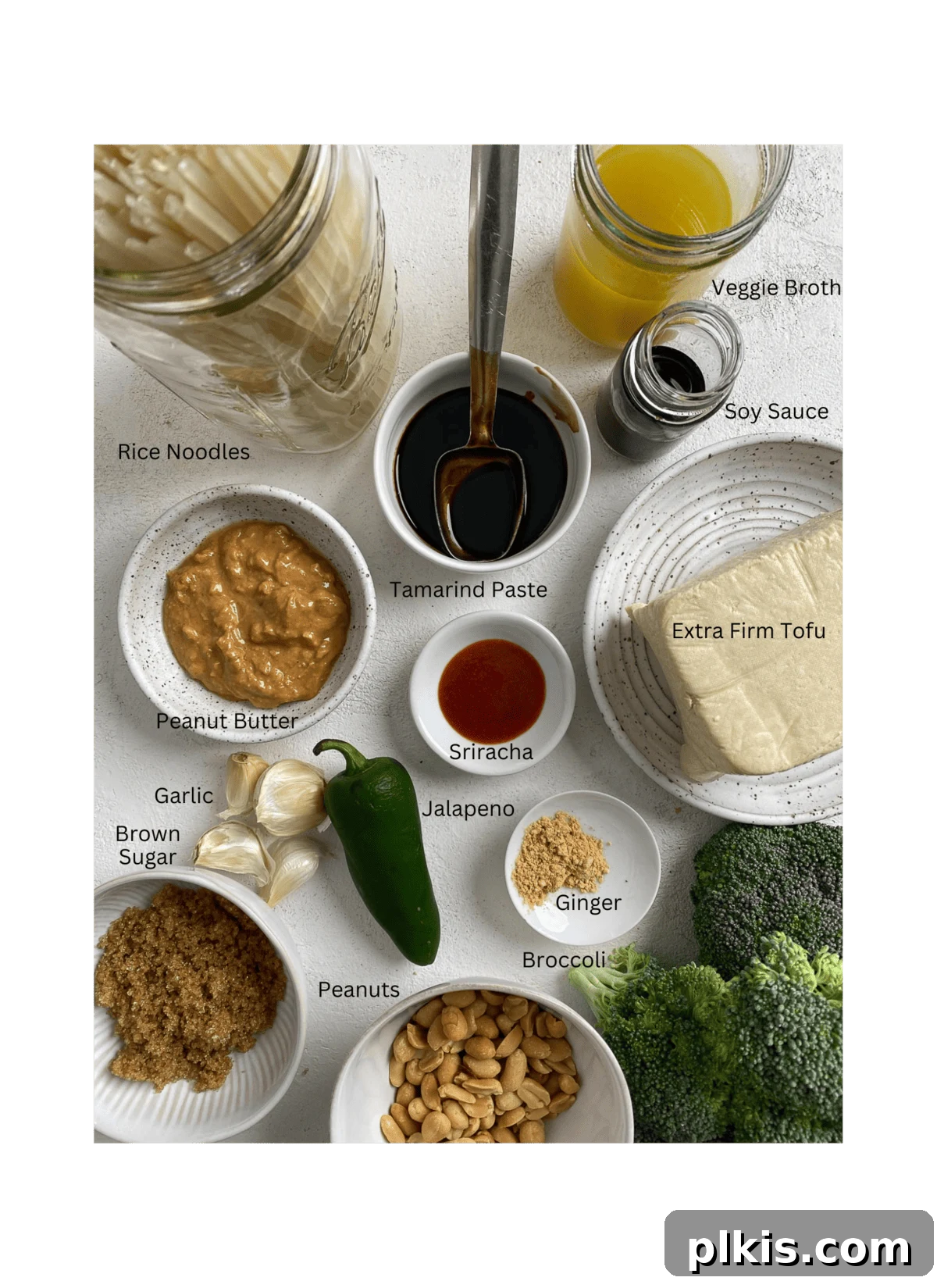
- Rice Noodles: The foundation of any great Pad Thai! We use thin, flat rice noodles, which are the traditional choice and provide that perfect chewy texture that absorbs the sauce beautifully. Ensure you cook them al dente according to package instructions to prevent them from becoming mushy.
- Tamarind Paste: This is arguably the most crucial ingredient for an authentic Pad Thai flavor. Tamarind paste provides the distinctive sour and tangy notes that balance the sweetness and spice. While it might be the most challenging ingredient to find, check your local Asian or Indian markets, as they almost always carry it. Don’t skip this for truly authentic results!
- The Flavorful Sauce Base: Our savory-sweet sauce is crafted from a harmonious blend of:
- Veggie Broth: Provides a rich liquid base and savory depth.
- Soy Sauce: Delivers the essential salty, umami kick. For a gluten-free version, use tamari.
- Sriracha: Adds a delightful heat and a touch of tang. Adjust the amount to your preferred spice level.
- Brown Sugar: Contributes a deep, caramel-like sweetness that balances the sour tamarind and spicy sriracha.
- Peanut Butter: A brilliant addition that offers a creamy texture, rich nutty flavor, and helps to thicken the sauce, adding another layer of classic Pad Thai complexity.
- Extra-Firm Tofu: The star of our plant-based protein! Extra-firm tofu is ideal for stir-fries because it holds its shape well and gets wonderfully crispy when pan-fried. Pressing the water out of the tofu beforehand is crucial for achieving the best texture and allowing it to absorb the sauce effectively. Check out this comprehensive guide to tofu to learn more about selecting and preparing different types.
- Ginger Powder: A convenient way to infuse a warm, pungent, and slightly sweet flavor. If you prefer using fresh ginger, approximately one tablespoon of finely grated fresh ginger can replace the dried powder for an even more vibrant aroma.
- Garlic Cloves: Fresh minced garlic is indispensable for building a robust aromatic base. Its pungent flavor is key to many Thai and stir-fry dishes.
- Jalapeño: This pepper brings the characteristic spicy kick you expect from Pad Thai. For a milder dish, simply remove the seeds and white membranes before dicing. For more heat, leave some or all of the seeds in.
- Broccoli: Adds a fantastic pop of color, a delightful crunch, and a boost of nutrition. Its slight bitterness complements the rich sauce beautifully.
- Peanuts: More than just a garnish, peanuts provide an additional layer of nutty flavor and a crucial textural contrast, adding a pleasant crunch to every bite.
Smart Substitutions for Your Tofu Pad Thai
This recipe is wonderfully adaptable, allowing you to tailor it to your preferences or whatever you have on hand. Here are some easy substitutions:
- Tofu Alternatives: While extra-firm tofu is excellent for its texture, you can easily switch it up. Feel free to omit the tofu entirely for a veggie-focused dish, or swap it for other plant-based protein options like edamame, seitan, or tempeh. Cook tempeh or seitan until nicely browned for the best flavor and texture.
- Vegetable Swaps: Broccoli adds great crunch and color, but many other vegetables work wonderfully. Consider using snow peas, sliced bell peppers, eggplant, cauliflower florets, or even zucchini. Aim for a mix of textures and colors for a visually appealing and nutritious meal.
- Noodle Variations: Rice noodles are traditional, but if you’re in a pinch or prefer something different, you can use other types of noodles. Wide rice noodles, vermicelli, or even thin spaghetti can work, though they may alter the authentic Pad Thai experience slightly. Ensure you cook any noodle type according to its package instructions.
- Tamarind Paste Substitute: If you absolutely cannot find tamarind paste, a combination of lime juice and a tiny bit of brown sugar can mimic some of its tartness, but the flavor will not be identical. Start with 1 tablespoon of lime juice and ½ teaspoon of brown sugar, then adjust to taste.
Step-by-Step: How to Make Irresistible Tofu Pad Thai
Get ready to create a masterpiece in your kitchen with these straightforward steps:
- 1) Prepare the Rice Noodles: Begin by cooking the rice noodles according to the instructions on their package. Different brands may have slightly different cooking times, so follow them closely to ensure they are perfectly al dente and not overcooked. Once cooked, drain them and set aside.
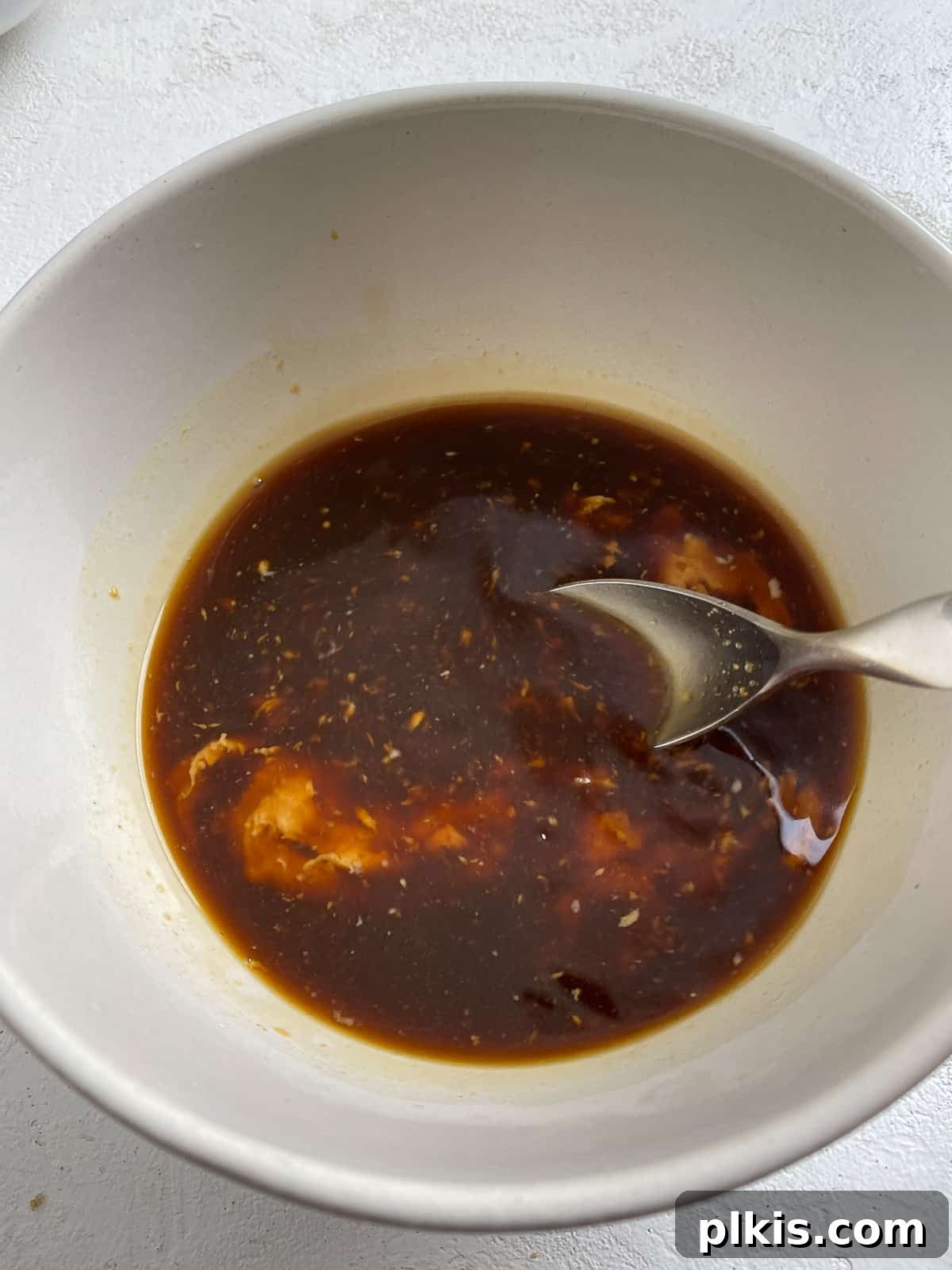
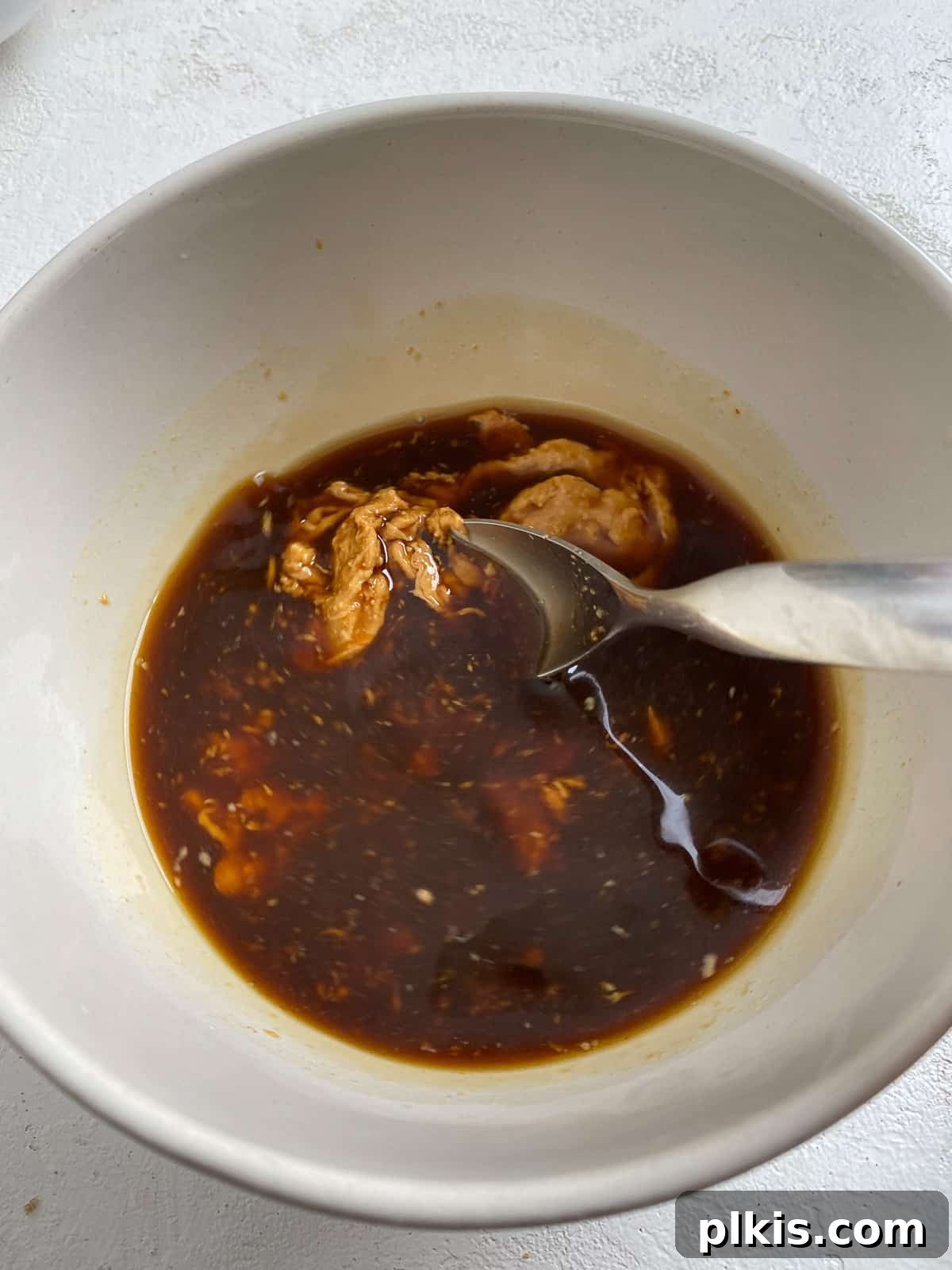
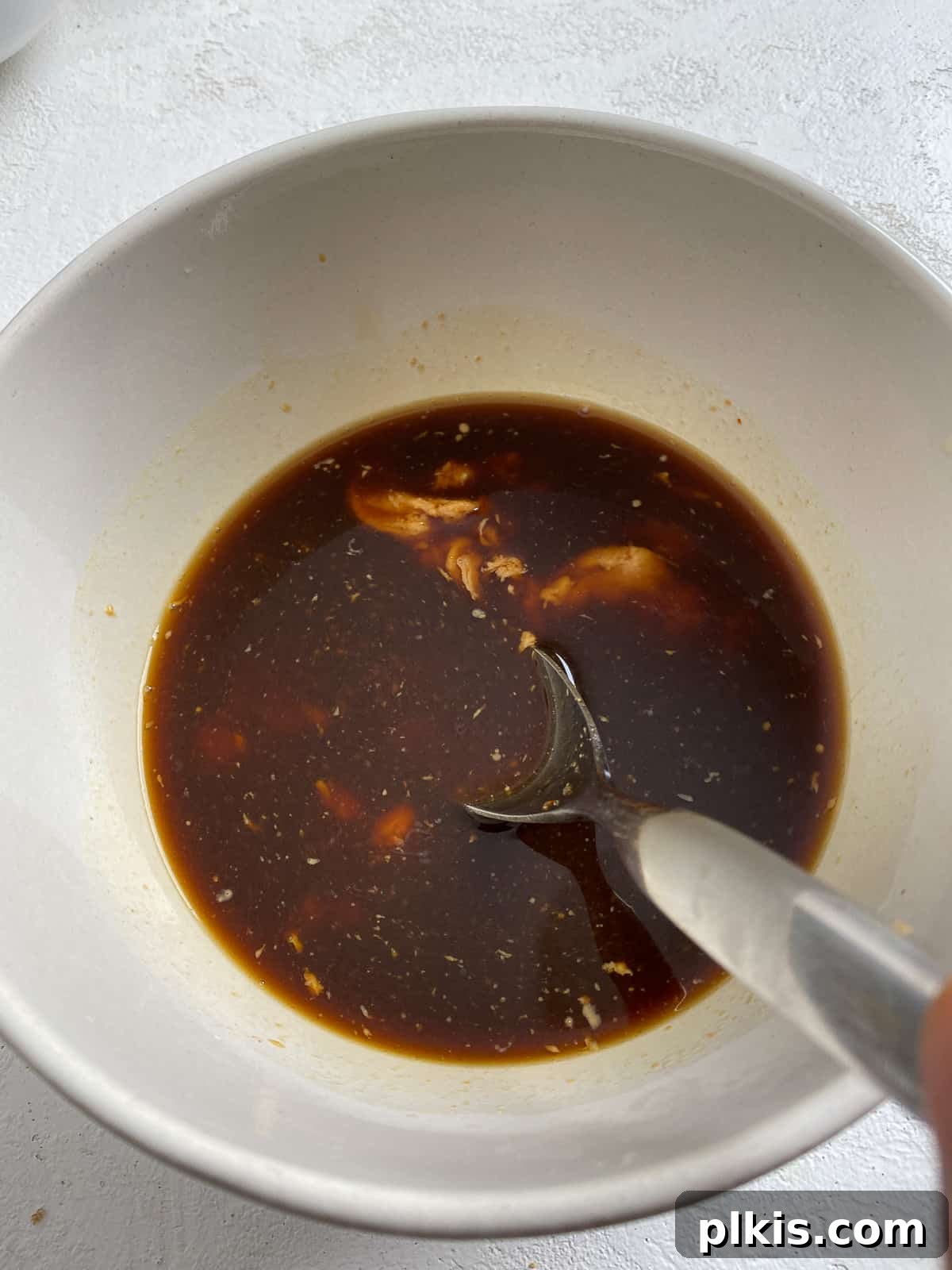
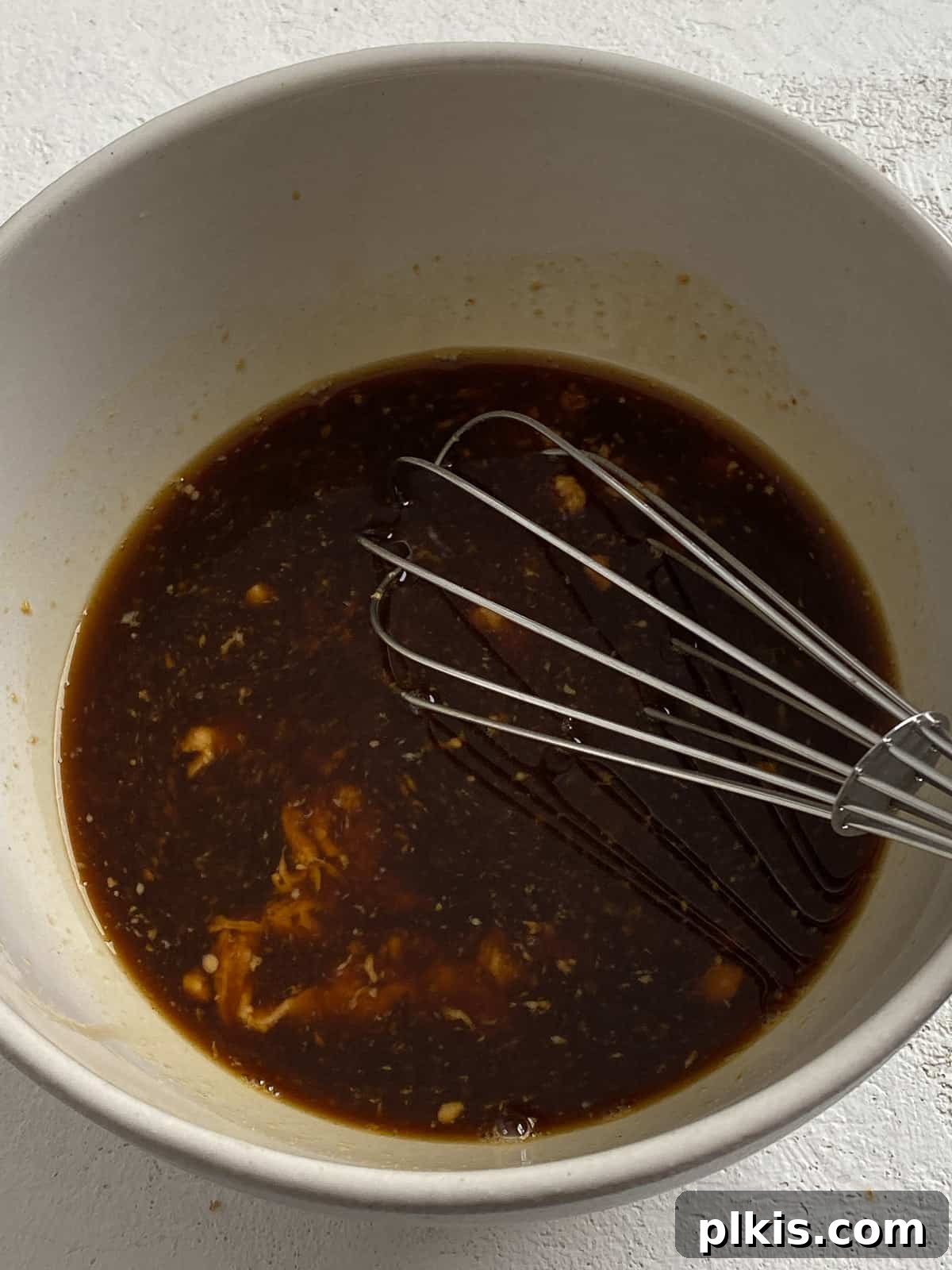
- 2) Whisk Together the Pad Thai Sauce: In a small bowl, combine the tamarind paste, vegetable broth, soy sauce (or tamari), sriracha, brown sugar, and peanut butter. Whisk vigorously until all ingredients are well combined and the sauce is smooth. Set this flavorful mixture aside as it will bring everything together later.
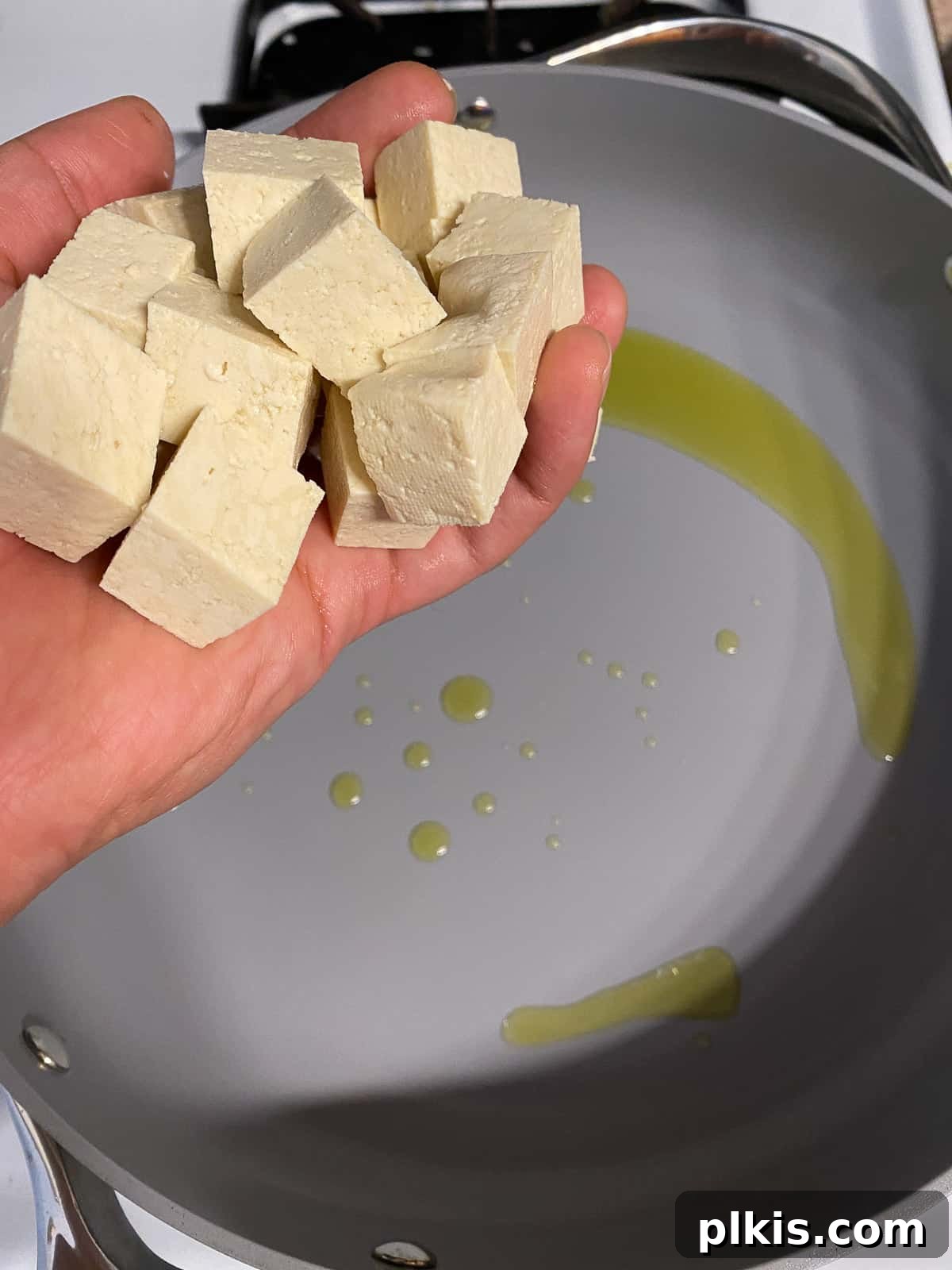
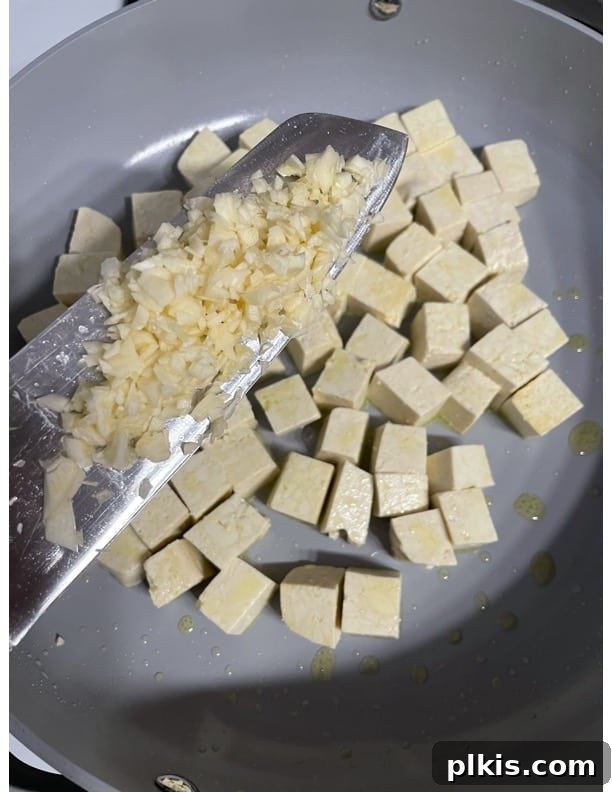
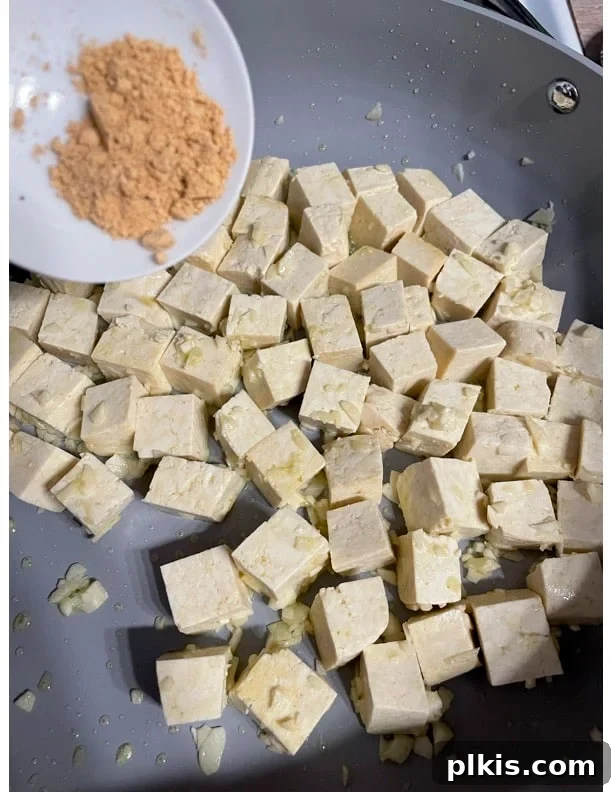
- 3) Cook the Tofu and Aromatics: Heat a large non-stick skillet or wok over medium-high heat. Spray generously with cooking spray or add a tablespoon of oil. Add the diced, pressed tofu, ginger powder, and minced garlic. Sauté for about 5 to 7 minutes, stirring occasionally, until the tofu is lightly golden brown and slightly crispy on all sides. This step is key for developing flavor and texture.
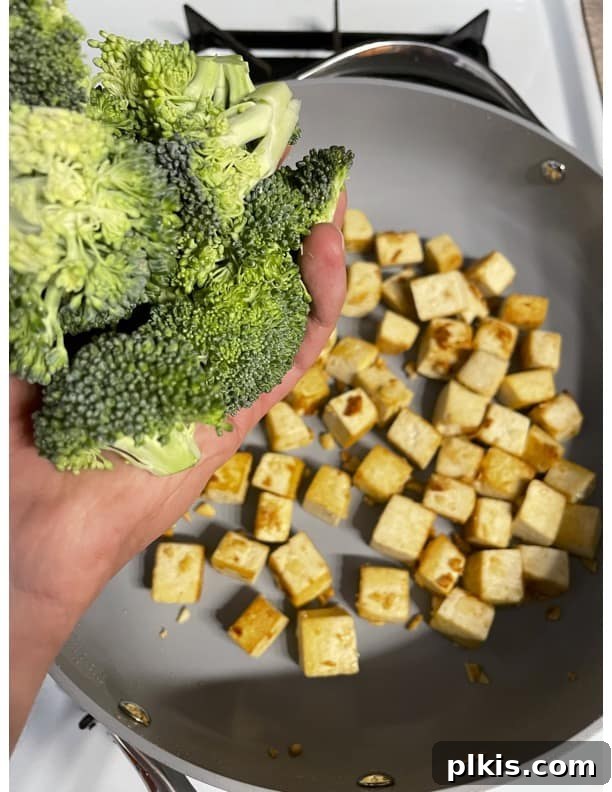
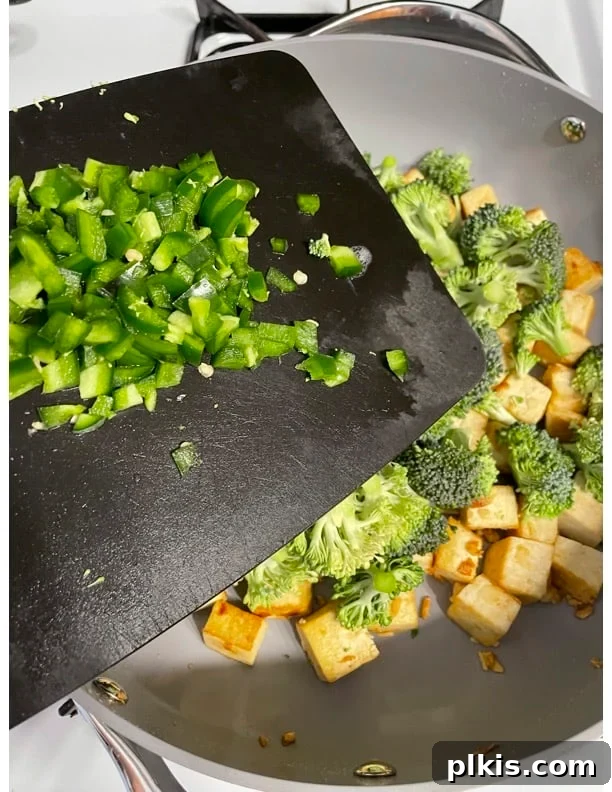
- 4) Add the Vegetables: Once the tofu is browned, add the chopped broccoli and diced jalapeño (remember to remove seeds for less heat). Continue to cook for another five minutes, stirring frequently, until the broccoli is tender-crisp and the jalapeño has softened slightly.
- 5) Combine with Noodles and Sauce: Add the cooked rice noodles, peanuts, and half of your prepared Pad Thai sauce to the pan with the tofu and vegetables. Toss everything together thoroughly, ensuring the noodles are well coated. Continue to cook for a few minutes, stirring constantly, until the sauce is largely absorbed by the noodles and ingredients.
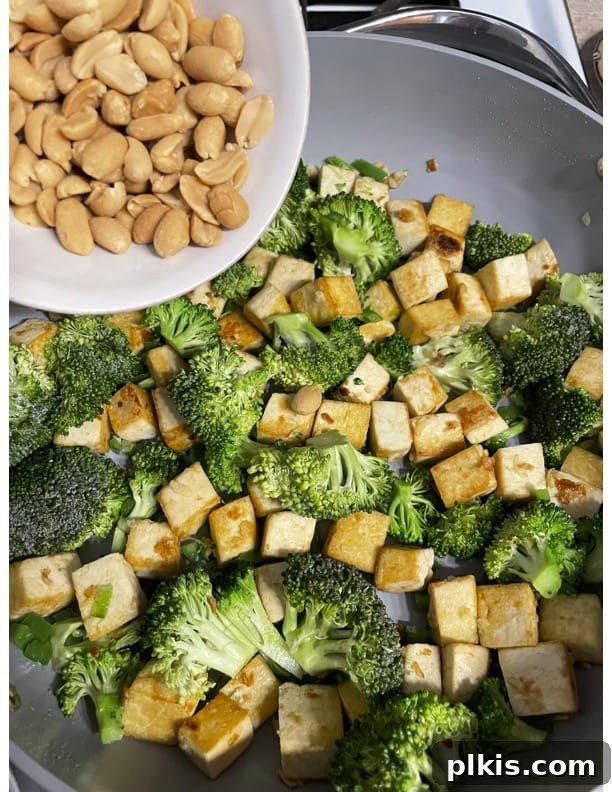
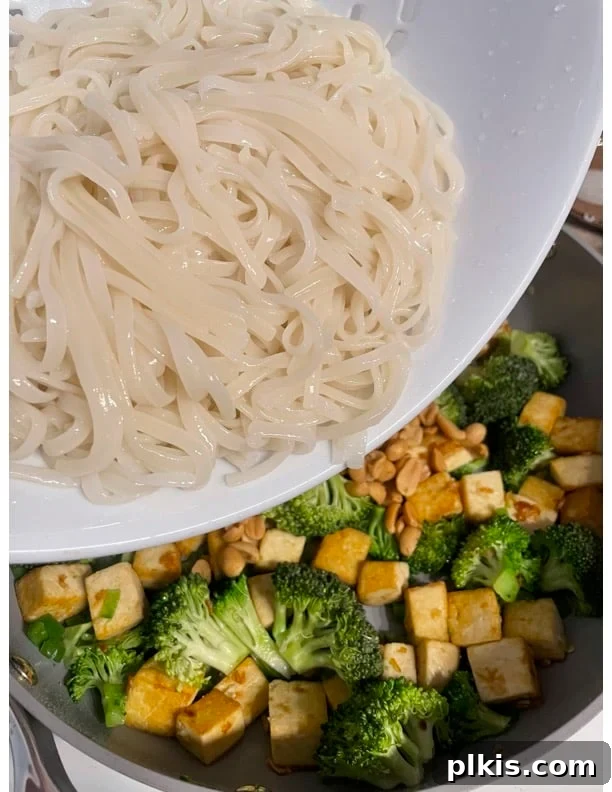
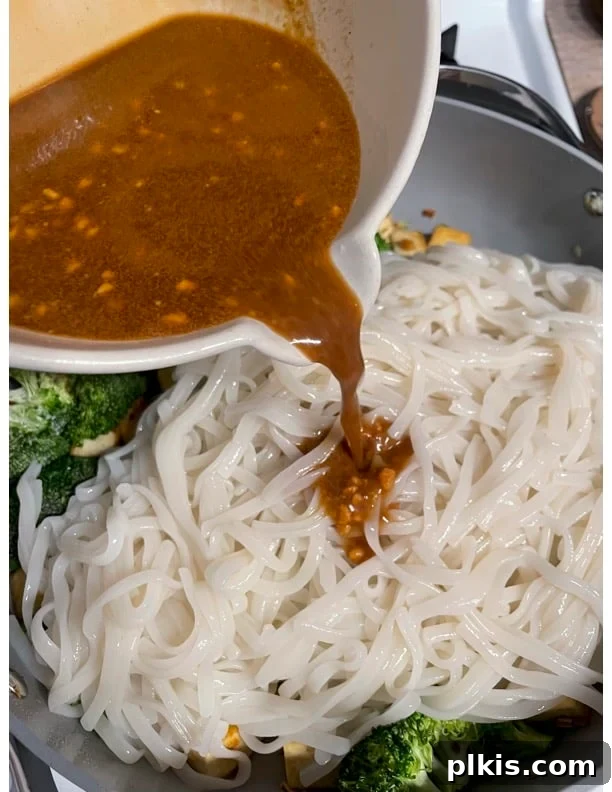
- 6) Finish with Remaining Sauce: Gradually add more of the reserved sauce to the pan, a little at a time, until all the ingredients are generously coated and the sauce begins to thicken to your desired consistency. This allows you to control the sauciness and flavor intensity.
- 7) Serve Immediately: Pad Thai is best enjoyed fresh off the wok or skillet. Serve hot and savor the incredible blend of flavors!
Expert Tips for the Best Tofu Pad Thai & FAQs
To ensure your Tofu Pad Thai is absolutely perfect every time, keep these expert tips in mind, and find answers to common questions:
- Mise en Place is Key: “Mise en place” is a French culinary term meaning “everything in its place.” This is especially crucial for stir-fries like Pad Thai, which cook very quickly. Have all your ingredients chopped, measured, and ready to go before you even turn on the heat. This makes the cooking process smooth and stress-free.
- Prevent Mushy Noodles: When cooking the rice noodles, be careful not to overcook them. They should be just tender, still with a slight bite (al dente). Once cooked, drain them immediately and toss with a tiny bit of oil to prevent sticking. Serving the dish right away also helps maintain the noodle’s ideal texture and prevents them from becoming soft and mushy.
- Press Your Tofu for Best Texture: For crispy, flavorful tofu, pressing out excess water is essential. You can use a tofu press or simply wrap the tofu block in paper towels, place it on a plate, and weigh it down with heavy objects (like cookbooks or cans) for at least 30 minutes, or even longer. This allows the tofu to absorb more of the delicious Pad Thai sauce.
- Use a Wok if You Have One: While a large non-stick skillet works perfectly fine, a wok’s sloped sides and high heat retention are ideal for stir-frying. It allows ingredients to cook evenly and quickly, achieving that desirable “wok hei” (breath of the wok) flavor.
- Adjust Spice Levels: The jalapeño provides a good kick. If you prefer less spice, make sure to remove all seeds and membranes. For an extra fiery dish, you can add more sriracha to the sauce or a pinch of red chili flakes during cooking.
While Tofu Pad Thai is truly at its best when enjoyed freshly made, you can absolutely save and reheat leftovers. The best method is to return the dish to a skillet or wok over medium-high heat. Add a splash of water or vegetable broth to rehydrate the noodles and sauce slightly, then toss everything quickly until heated through. Avoid microwaving, as it can make the noodles mushy.
Absolutely! This recipe is easily adaptable to be gluten-free. Simply ensure you use certified gluten-free rice noodles and substitute regular soy sauce with tamari. Always double-check labels on your vegetable broth and tamarind paste to confirm they are gluten-free, as ingredients can vary by brand.
Leftover Tofu Pad Thai can be stored in an airtight container in the refrigerator for up to 3-4 days. While the texture of the noodles and tofu may soften slightly upon reheating, the flavors will still be wonderfully delicious.
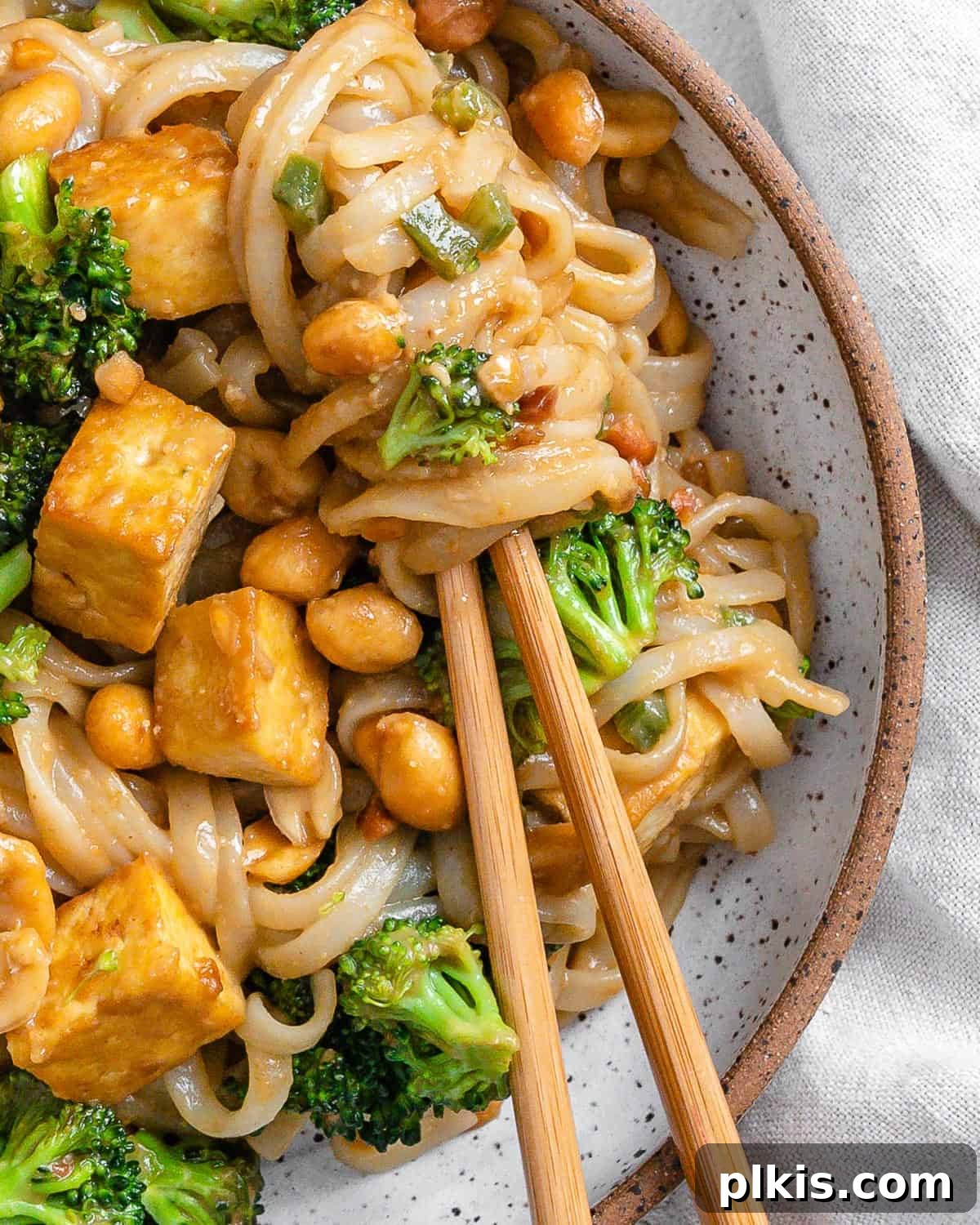
How to Serve and Customize Your Pad Thai Experience
Elevate your Tofu Pad Thai with these serving suggestions and customization tips:
- Enhance with Fresh Toppings: A sprinkle of fresh toppings adds texture, freshness, and an extra burst of flavor. Consider adding crisp bean sprouts, thinly sliced pickled radishes (for extra tang), fresh lime wedges (a squeeze of lime is essential for brightening the flavors), more chopped peanuts, and a generous scattering of fresh chopped cilantro or green onions.
- Adjust the Spice Level: If you prefer a milder dish, ensure you completely remove the seeds and white membranes from the jalapeño before dicing. You can even omit the jalapeño altogether if you are sensitive to spice.
- Empower Your Guests: For those who love heat, serve extra sliced chilies, red chili flakes, or a bottle of sriracha on the side. This allows everyone to customize their Pad Thai to their desired level of spiciness.
Discover More Delicious Vegan Thai Recipes
If you’ve enjoyed this Tofu Pad Thai, you’re in for a treat! Explore more delightful plant-based Thai-inspired dishes that are bursting with flavor:
- Vegan Thai Pizza Recipe: A unique fusion of flavors on a crispy crust.
- Sweet Coconut Thai Tofu: Tender tofu coated in a luscious, sweet coconut sauce.
- Thai Mango Sticky Rice: A classic Thai dessert, perfectly sweet and refreshing.
- Quick Thai Curry: A vibrant and aromatic curry that’s easy to make on any weeknight.
Photos by Alfonso Revilla
Tofu Pad Thai
Equipment
-
Measuring Cups
-
Measuring spoons
-
My favorite knives
Ingredients
- 16 ounces of rice noodles
- 2 Tablespoons of tamarind paste
- ½ cup of veggie broth
- 3 Tablespoons of soy sauce
- 2 teaspoons of sriracha
- 4 Tablespoons of brown sugar
- 2 Tablespoons of peanut butter
- 1 package of extra-firm tofu water pressed out, and diced
- ½ Tablespoon of ginger powder
- 3 garlic cloves minced
- 1 jalapeno diced (seeds removed if you don’t like spice)
- 1 cup of broccoli chopped
- ½ cup of Peanuts
Instructions
-
Cook noodles according to package instructions.
-
Mix tamarind, veggie broth, soy sauce, sriracha, brown sugar, and peanut butter in a bowl. Set aside.
-
In a non-stick pan or pan coated with cooking spray, add tofu, ginger powder, and garlic. Cook for 5 to 7 minutes until the tofu is lightly browned on each side.
-
Add jalapeno and broccoli to the pan. Continue to cook for 5 more minutes.
-
Add noodles, peanuts, and ½ of the sauce to the pan. Continue to cook until sauce is absorbed.
-
Slowly add more sauce until everything is completely coated and starts to thicken.
-
Serve immediately.
Notes
- Add some toppings: Bean sprouts, pickled radishes, lime wedges, more chopped peanuts, and even chopped cilantro.
- Less spicy? Make sure to remove the seeds from the jalapeno or even eliminate it altogether.
- Serve it up with sliced chilies, red chili flakes, or Sriracha so everyone can make it spicier if they want.