
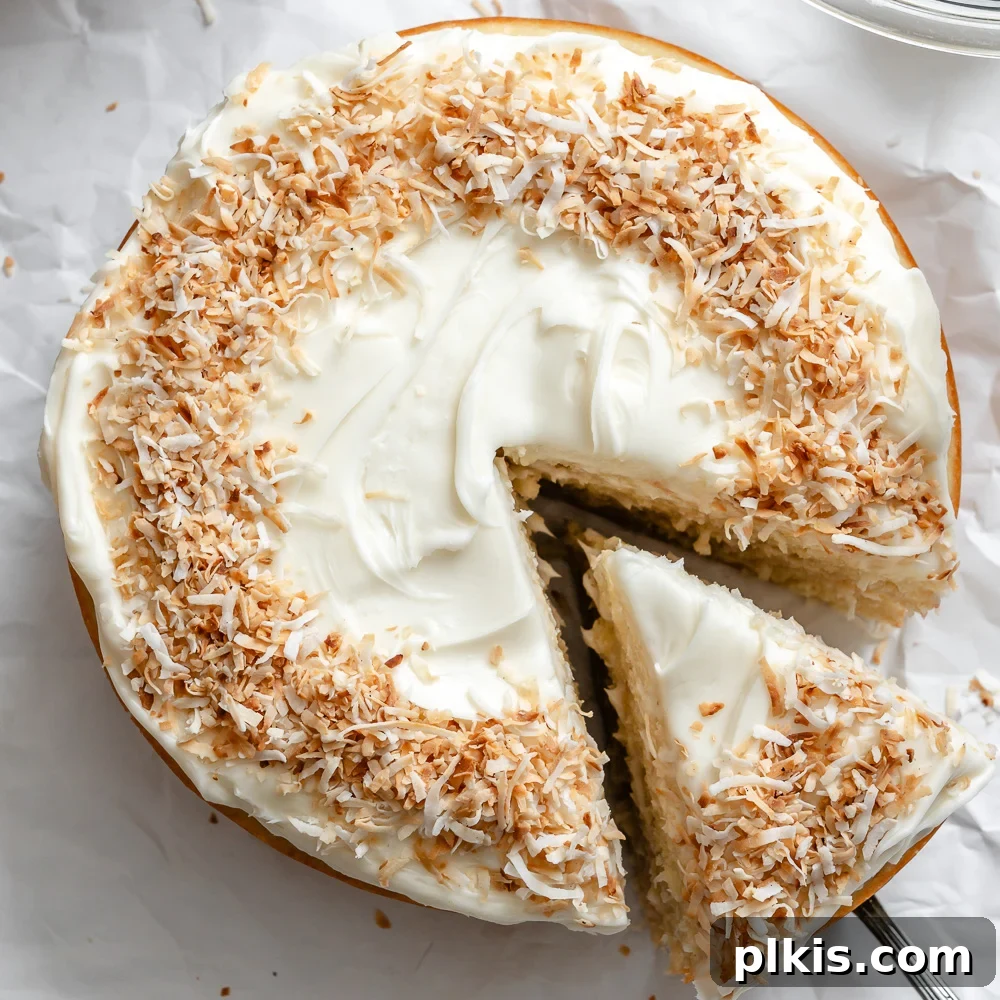
The Ultimate Vegan Coconut Cake: Light, Fluffy, and Irresistibly Delicious
Discover the magic of a truly simple and foolproof vegan coconut cake. This recipe guarantees a wonderfully light, incredibly fluffy texture, bursting with rich coconut flavor in every single bite. Crowned with a dreamy, smooth coconut frosting, it’s an extra indulgent treat perfect for any occasion – all made without a trace of dairy or eggs!
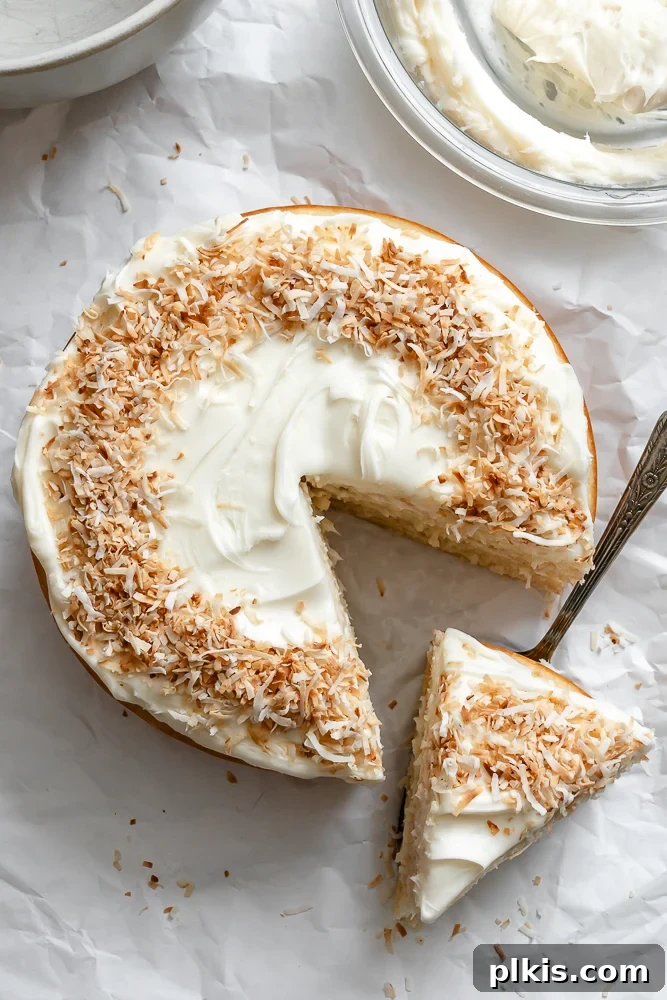
Craving a slice of pure paradise? This homemade vegan coconut cake is your answer. It’s not just a dessert; it’s an experience, bringing tropical vibes and exquisite flavor to your table with minimal effort. Whether you’re a seasoned vegan baker or trying your hand at plant-based treats for the first time, this recipe is designed for success, ensuring a show-stopping dessert that everyone will adore. Get ready to bake the best dairy-free, egg-free coconut cake you’ve ever tasted!
Why This Vegan Coconut Cake Will Be Your New Favorite
In the quest for the perfect dessert, a vegan option that truly delivers on taste and texture can be a game-changer. This recipe isn’t just “good for vegan”; it’s simply *good*. Here’s why you’ll fall head over heels for this easy vegan coconut cake:
- Unforgettable Coconut Flavor: From the moist cake layers to the luscious frosting, coconut is the star. We use shredded coconut directly in the batter and coconut extract in both the cake and frosting to ensure that rich, tropical essence shines through in every single bite. This double dose of coconut guarantees an authentic and deeply satisfying flavor experience.
- Perfectly Light & Fluffy Texture: Forget dense or dry vegan cakes! Our carefully balanced combination of plant-based milk and apple cider vinegar creates a homemade “buttermilk” that reacts with baking soda, giving the cake its beautiful rise and incredibly tender crumb. The result is a cake that melts in your mouth, rivaling any traditional recipe.
- Effortlessly Simple to Make: Despite its impressive appearance, this cake is surprisingly straightforward. With basic pantry staples and just a couple of bowls, you can whip up this bakery-worthy dessert in no time. It requires only about 10 minutes of active prep, making it ideal for busy schedules or spontaneous cravings for a delicious homemade treat.
- A Total Crowd-Pleaser: This dairy-free and egg-free delight is perfect for everyone, including those with dietary restrictions or allergies. It’s guaranteed to be a hit at birthdays, potlucks, baby showers, tea parties, or any celebration where a delicious, inclusive dessert is a must. Watch it disappear quickly!
- Versatile for Any Occasion: While stunning on its own, this coconut cake also provides a fantastic base for various fillings and toppings. Customize it for holidays, seasonal events, or simply to satisfy your unique taste preferences. From citrusy glazes to chocolate drizzles, the possibilities are endless for adapting this tropical masterpiece.
Looking to explore more delightful vegan coconut desserts? Don’t miss out on our creamy vegan coconut cream pie, these decadent 3-ingredient chocolate coconut balls, or the refreshing vegan coconut pineapple pie for more tropical-inspired treats!
Key Ingredients for Your Fluffy Vegan Coconut Cake
Crafting the best vegan coconut cake starts with understanding the role of each ingredient. This recipe utilizes common plant-based staples to achieve its incredible flavor and texture. Here’s a closer look at what you’ll need to create this moist and fluffy masterpiece:
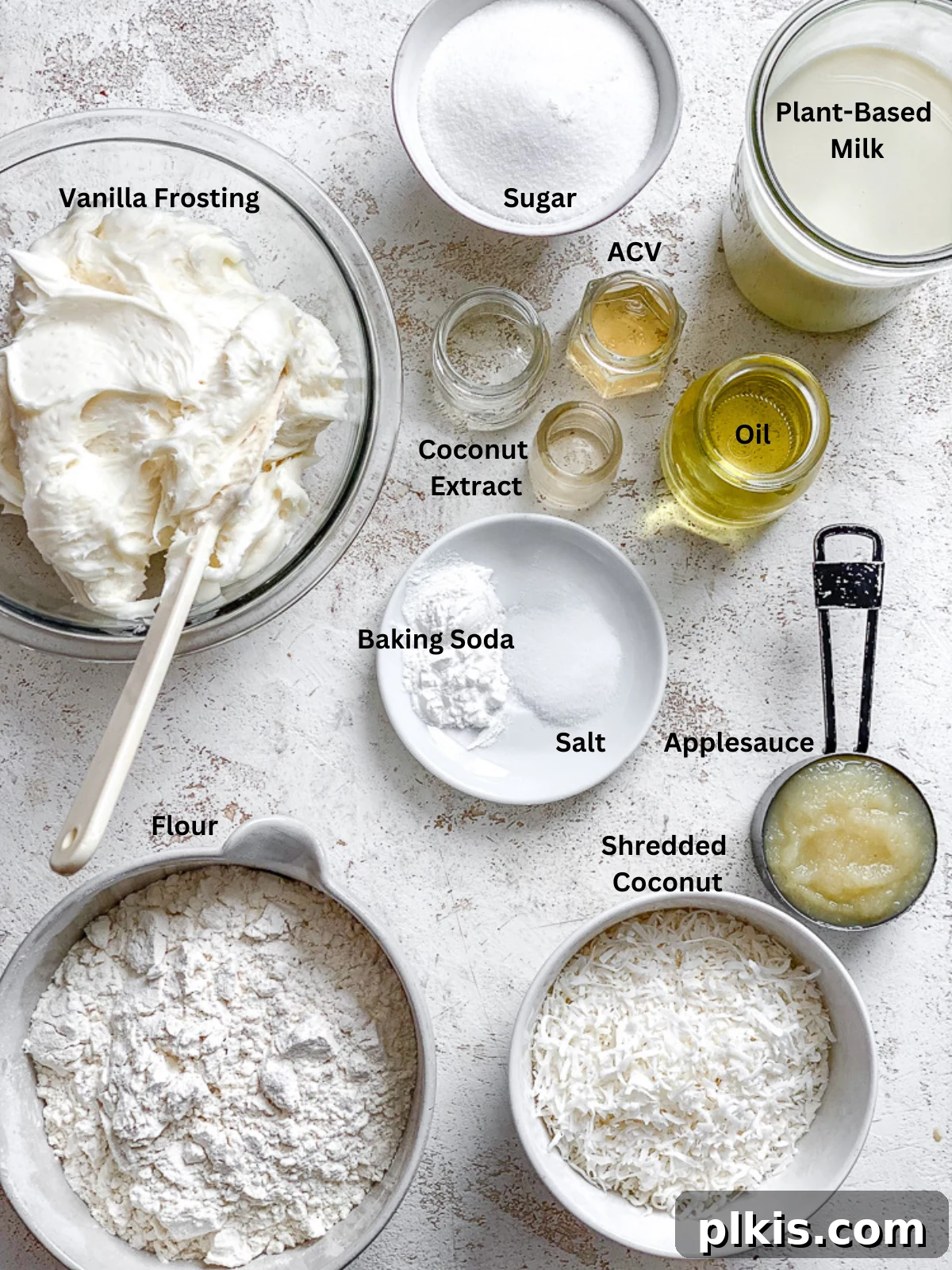
- Plant-Based Milk & Apple Cider Vinegar: Together, these two ingredients create our homemade vegan “buttermilk.” The acidity of the vinegar reacts with the baking soda, causing the cake to rise beautifully and develop its signature tender crumb. Soy milk is often recommended for its protein content, which mimics dairy buttermilk most effectively, but other unsweetened plant milks like almond, oat, or cashew can also work well.
- Coconut Extract: This powerful extract is crucial for amplifying that distinct, sweet coconut essence without adding extra moisture or changing the texture of the cake. A little goes a long way to infuse your cake with an authentic, vibrant tropical flavor that complements the shredded coconut perfectly.
- Vegetable Oil: Provides essential moisture and richness, contributing significantly to the cake’s tender and soft texture. You can use any neutral-flavored liquid oil such as canola, sunflower, grapeseed, or even melted refined coconut oil for an extra layer of coconut flavor.
- Unsweetened Applesauce: A fantastic and healthy egg substitute in vegan baking, applesauce adds moisture, a subtle sweetness, and helps to bind the ingredients together. Using unsweetened applesauce allows you to control the overall sugar level in your cake, ensuring it’s perfectly balanced.
- All-Purpose Flour: The structural backbone of the cake, providing the necessary body and texture. For best results and to avoid a dense or dry cake, it’s essential to measure your flour accurately (see our pro tips below for guidance).
- Shredded Coconut (Divided): We incorporate a generous amount of shredded coconut directly into the cake batter for a delightful texture and burst of tropical flavor. The remaining shredded coconut is then used as a beautiful and flavorful garnish for the frosting, adding visual appeal and an extra touch of coconut goodness. You can use sweetened or unsweetened, depending on your preference for sweetness.
- Granulated Sugar: Sweetens the cake to perfection and aids in achieving that lovely golden-brown crust during baking.
- Baking Soda & Salt: Baking soda is our primary leavening agent, working in conjunction with the apple cider vinegar to create a light and airy cake. Salt is crucial for balancing the sweetness and enhancing all the delicious flavors in the cake, making them pop.
- Vegan Coconut Frosting: The crowning glory! This recipe suggests combining a batch of your favorite store-bought or homemade vegan vanilla frosting (we highly recommend our amazing vegan vanilla buttercream frosting) with extra shredded coconut and a touch more coconut extract. For an alternative, a rich and tangy vegan coconut cream cheese frosting would also be absolutely divine on this vegan coconut cake, offering a delightful counterpoint to the sweetness.
Recipe Variations to Customize Your Vegan Coconut Cake
While this classic vegan coconut cake recipe is perfect as is, it’s also wonderfully adaptable! Feel free to get creative and customize it to suit your taste, dietary needs, or the specific occasion. Here are some popular variations to inspire your next bake:
- Boost the Coconut Milk for Extra Richness: For an exceptionally rich, moist, and intensely coconut-flavored cake, consider substituting about ½ cup of the plant-based milk with full-fat canned coconut milk. For the best results, use the thick cream that settles at the top of an unshaken can. This adds a luxurious texture and deep tropical essence that truly elevates the cake.
- Enhance with Coconut Flour: If you desire an even more pronounced coconut flavor and a slightly denser, chewier texture, you can swap a small portion of the all-purpose flour (approximately ¼ cup) with coconut flour. Be mindful that coconut flour is highly absorbent, so precise measurement is crucial to maintaining the cake’s moisture and preventing it from becoming dry.
- Add a Zesty Citrus Twist: Introduce a bright, refreshing depth to your coconut cake by adding the finely grated zest of 1-2 lemons, limes, or oranges to the batter. Citrus notes pair beautifully with the sweetness of coconut, creating a delightful tropical fusion that brightens the entire flavor profile.
- Introduce Nutty Additions: For an added layer of texture and complementary flavor, fold in finely chopped macadamia nuts, pecans, or walnuts into the cake batter. Lightly toasting the nuts beforehand will offer an even deeper, more aromatic crunch.
- Spice It Up: A pinch of warm spices like cardamom, cinnamon, or even a touch of vanilla bean paste can elevate the flavor profile, adding warmth and sophistication that beautifully complements the coconut.
- Gluten-Free Vegan Coconut Cake: To make this recipe suitable for those with gluten sensitivities, substitute the all-purpose flour with a high-quality 1:1 gluten-free baking flour blend. Look for blends that specifically state they contain xanthan gum for optimal texture. Always ensure all other ingredients are also certified gluten-free.
- Chocolate Chip Delight: For a simple yet delightful variation, fold in about ½ cup of vegan chocolate chips or chunks into the batter before baking. Coconut and chocolate are a match made in heaven!
How to Make the Best Vegan Coconut Cake: A Step-by-Step Guide
Creating this stunning vegan coconut cake is a delightful and straightforward process. Follow these simple steps for a perfect bake every time, resulting in two gorgeous, moist layers ready for your delicious frosting.
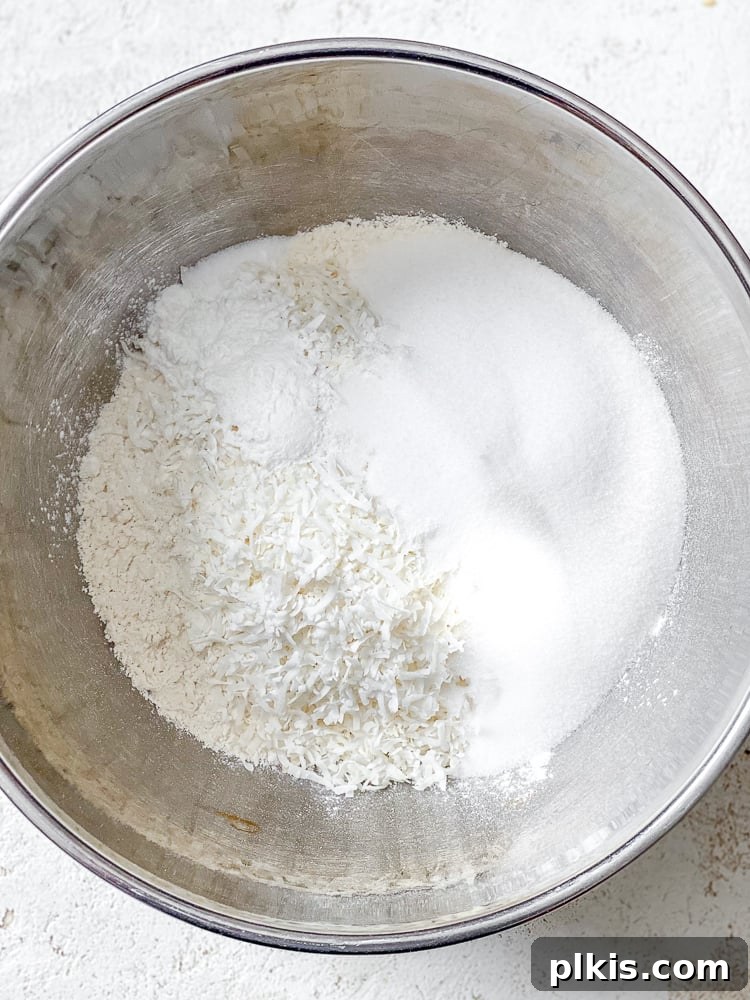
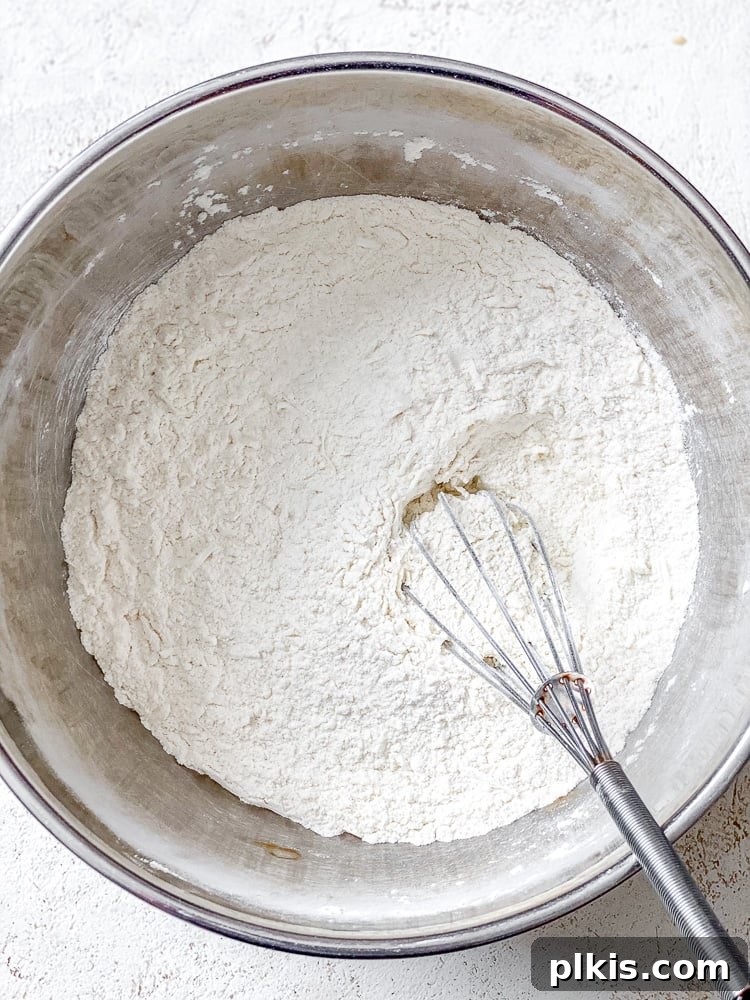
Step 1: Prepare Your Wet & Dry Ingredients. Begin by preheating your oven to a precise 350°F (175°C). Next, lightly grease two 8-inch round cake pans and line the bottoms with parchment paper. This crucial step prevents sticking and ensures easy, clean release of your cake layers. Set these prepared pans aside. In a small bowl, whisk together your chosen plant-based milk and apple cider vinegar. This mixture will curdle and thicken slightly, creating a homemade vegan “buttermilk,” which is essential for a beautifully tender cake. Let it sit for about 5 minutes. Meanwhile, in a separate large mixing bowl, combine the all-purpose flour, 1 cup of shredded coconut, granulated sugar, baking soda, and salt. Whisk these dry ingredients thoroughly to ensure they are well combined and evenly distributed, eliminating any lumps.
Step 2: Combine and Mix. Once your vegan buttermilk mixture has thickened, add the coconut extract, vegetable oil, and unsweetened applesauce to it. Stir gently until these wet ingredients are fully incorporated and form a cohesive liquid mixture. Now, it’s time to bring the two together: gradually add the prepared dry ingredients from the large bowl to the wet mixture. Stir *just* until everything is combined and no dry streaks of flour remain. It’s crucial not to overmix the batter, as this can overdevelop the gluten, leading to a tough, dense, or chewy cake. A few tiny lumps in the batter are perfectly normal and actually desirable for maintaining a tender crumb.
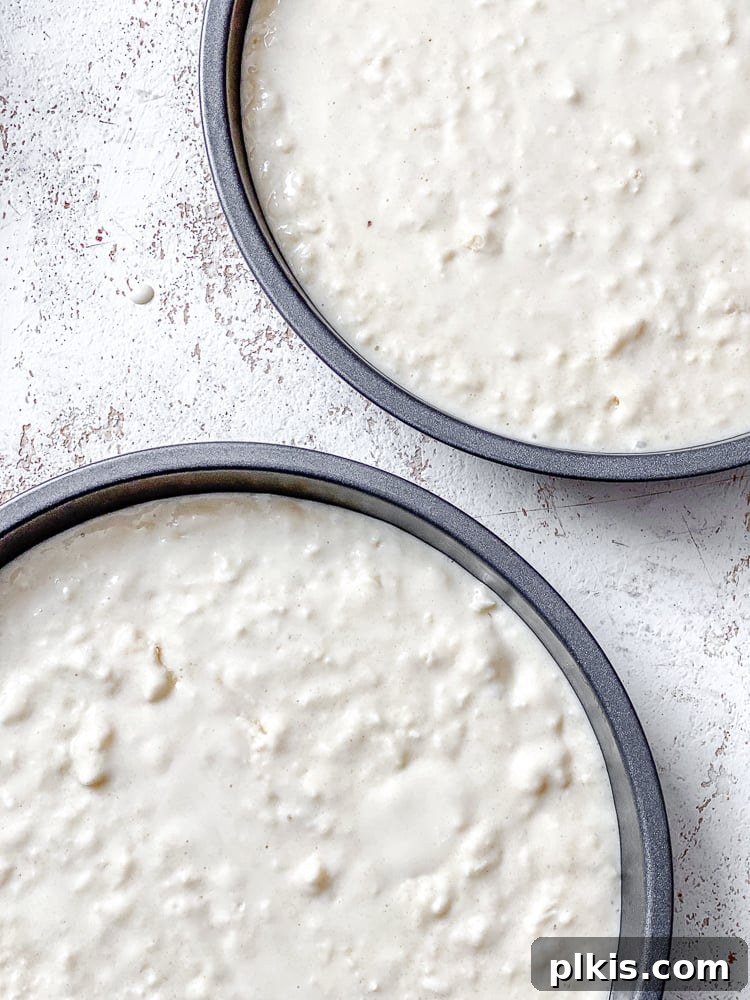
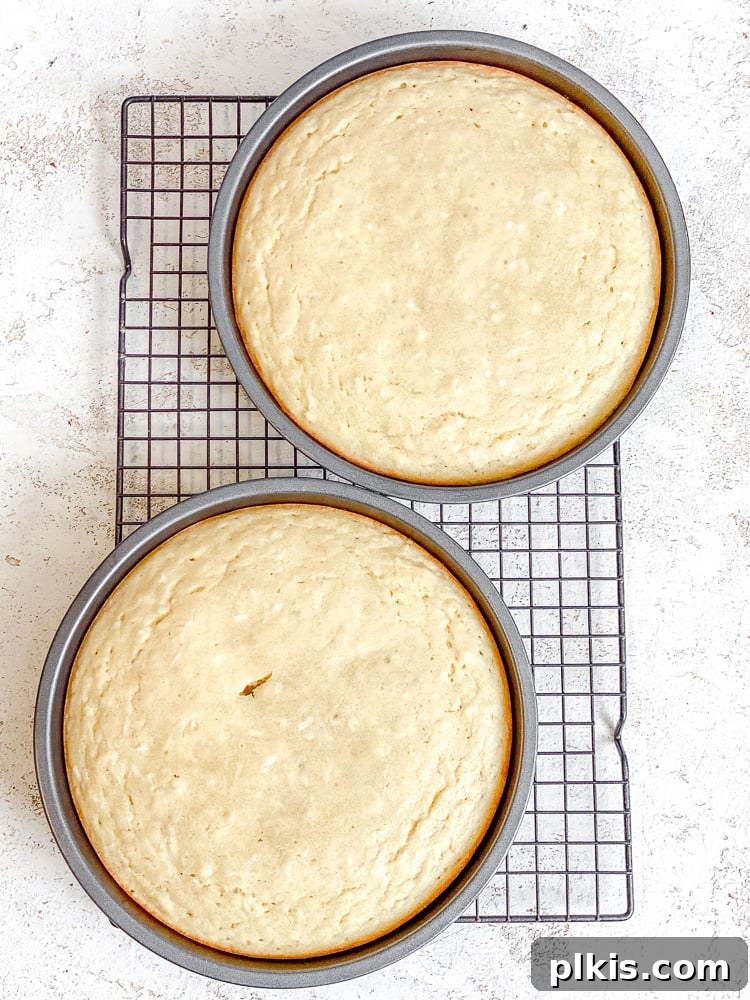
Step 3: Bake to Golden Perfection. Evenly divide the prepared cake batter between the two greased and lined 8-inch cake pans. Use a spatula to ensure both pans have roughly the same amount for even baking. Place them in the preheated oven and bake for approximately 20-25 minutes. To check for doneness, gently insert a clean toothpick into the very center of a cake. If it comes out clean with no wet batter attached, your cakes are ready! Avoid opening the oven door too frequently during baking, as this can cause the cakes to sink.
Step 4: Cool Completely. Once baked, remove the cake pans from the oven and let them cool on a wire rack for about 5 minutes. This brief resting period helps the cakes set and firm up, making them less fragile before you attempt to remove them. After 5 minutes, carefully invert the cakes onto the wire rack, peeling away the parchment paper from the bottoms, and allow them to cool completely. It’s absolutely crucial that the cake layers are entirely cool to the touch before attempting to frost them. Warm cakes will cause your frosting to melt, slide off, and create a messy, unappetizing result.
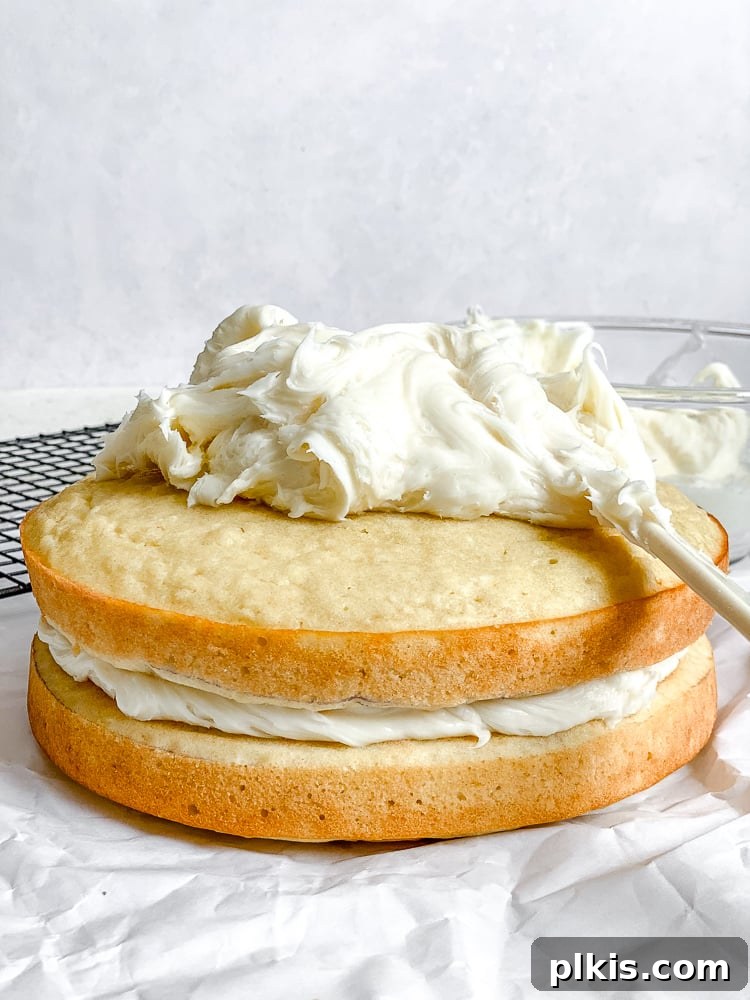
Step 5: Frost and Garnish Your Masterpiece. While the cakes are cooling, prepare your decadent coconut frosting. In a medium bowl, combine your chosen vanilla frosting (whether it’s our homemade vanilla vegan buttercream frosting or a quality store-bought option), with the remaining shredded coconut (approximately ¼ cup) and 1 teaspoon of coconut extract. Mix until smooth, creamy, and well combined, ensuring the coconut flavor is evenly distributed. Once your cake layers are completely cool, place one layer on your serving plate or cake stand. Spread an even, generous layer of the coconut frosting over the top. Carefully place the second cake layer on top, then proceed to frost the entire cake – covering both the sides and top – with the remaining coconut frosting. For an extra touch of tropical elegance, gently pat or sprinkle additional shredded coconut onto the frosting. You can use raw shredded coconut for a classic pristine white look or lightly toasted coconut for a deeper, nuttier flavor and golden hue. Finally, slice, serve, and savor every exquisite bite of your magnificent homemade vegan coconut cake!
Pro Tip: If you prefer a lighter frosting, you can use a thinner layer to frost the entire cake, or simply frost the top for a more rustic, open-faced look.
Frequently Asked Questions About Vegan Coconut Cake
New to vegan baking or just have some questions about this specific recipe? We’ve got you covered with answers to common queries about making and enjoying the best vegan coconut cake.
Toasting shredded coconut brings out a richer, nuttier flavor and a beautiful golden color, adding an extra layer of complexity to your cake. You can toast it easily in a dry skillet over medium heat, stirring frequently until it turns golden brown (be sure to watch it closely, as it can burn very quickly!). Alternatively, spread it in a single layer on a baking sheet and bake at 350°F (175°C) for 10-12 minutes, stirring every 3-4 minutes, until evenly toasted.
Absolutely! A stand mixer can make the process even easier and more efficient. Just be sure to mix the ingredients at a low-medium speed and only until they are just combined. Overmixing, regardless of method, can lead to a denser, chewier cake by overdeveloping the gluten. Stop mixing as soon as no dry streaks of flour remain in the batter.
Yes, this versatile vegan coconut cake batter is perfect for making delicious cupcakes! It should yield approximately 20-25 standard-sized cupcakes. To bake, fill cupcake liners about two-thirds full and bake them at 350°F (175°C) for 20-25 minutes, or until a toothpick inserted into the center of a cupcake comes out clean. Always adjust baking time as needed, as cupcakes typically bake a bit faster than a full cake.
Several crucial factors contribute to a moist vegan cake. First, always measure your flour accurately using the spoon and level method. Second, avoid overmixing the batter; mix only until the ingredients are just combined. Third, ensure your oven temperature is accurate (an oven thermometer can help!) and don’t overbake. The toothpick test is your best friend – remove the cake from the oven as soon as the toothpick comes out clean. Ingredients like applesauce and vegetable oil also play a key role in retaining moisture.
Yes, you absolutely can! The unfrosted cake layers can be baked a day or two in advance. Once completely cooled, wrap each layer tightly in plastic wrap and store them at room temperature. You can then prepare the frosting and assemble the cake on the day of serving. This can actually help develop the flavors of the cake and makes assembly much more relaxed and enjoyable.
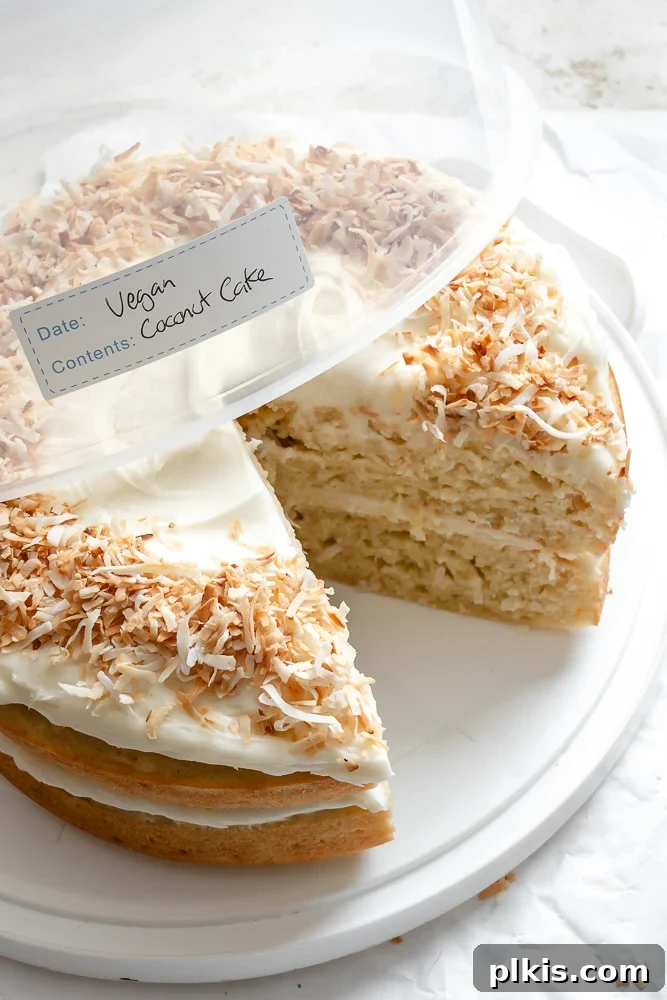
To keep your vegan coconut cake fresh, store it in an airtight container at room temperature for 2-3 days. If you’re in a warm climate or want to extend its freshness, refrigerate it for up to a week. Always bring individual slices to room temperature before serving for the best texture and flavor.
Pro Tips for Baking the Perfect Vegan Coconut Cake
Achieving a truly exceptional vegan coconut cake is easy with a few insider tips and tricks. These pointers will help you avoid common baking pitfalls and ensure your cake turns out perfectly moist, fluffy, and bursting with tropical flavor every single time.
- Measure Flour Accurately: This is arguably the most crucial tip for any baking, especially for cakes. Too much flour will result in an overly dense and dry vegan coconut cake. Instead of scooping directly from the bag (which can compact it), fluff the flour in its container with a fork. Then, gently spoon it into your measuring cup until it overflows, and finally, level it off precisely with the back of a knife or a straight edge.
- Don’t Over-Mix the Batter: Overmixing is a common mistake that can significantly impact cake texture. It develops the gluten in the flour too much, leading to a tough, chewy, or rubbery cake. Mix the wet and dry ingredients only until they are just combined and no dry streaks of flour are visible. A few small lumps in the batter are perfectly fine and often indicate a tender final product.
- Ensure Room Temperature Ingredients: For a smoothly emulsified batter and more even baking, it’s beneficial to have your plant-based milk, applesauce, and vegetable oil at room temperature. This helps them combine uniformly with other ingredients, resulting in a more consistent cake texture and better rise.
- Properly Prepare Your Cake Pans: Don’t skip this vital step! Lightly grease your cake pans and then line the bottoms with parchment paper. This simple preparation ensures that your cake layers won’t stick to the pan and will release cleanly and effortlessly after baking, preventing any frustration and preserving their perfect shape.
- Using Different Pan Sizes: This recipe is wonderfully flexible! It works excellently for creating a three-layer 6-inch cake, or for the standard two-layer 8-inch or 9-inch cake pans. Just remember that if you adjust the pan size, you’ll also need to adjust your baking time accordingly. Smaller or thinner cakes will bake faster, while larger or thicker cakes will require a bit more time. Always rely on the toothpick test for precise doneness.
- Be Mindful with Coconut Extract: Coconut extract is potent and concentrated. While it significantly enhances the coconut flavor, adding too much can unfortunately result in an artificial or overly perfumed taste. Stick to the recommended amount in the recipe for the best, most natural balance of flavors.
- Cool Cakes Completely Before Frosting: Patience is truly a virtue when it comes to frosting a cake! Frosting a warm cake will cause the frosting to melt, slide off the layers, and create a crumbly, messy result. Allow your cake layers to cool completely on a wire rack—preferably for at least an hour or two, or even longer—before attempting to apply any frosting.
- For a Pristine Finish: Once your cake is fully frosted, chill it in the refrigerator for 15-20 minutes before serving. This helps the frosting set, making for cleaner slices and a more polished presentation.
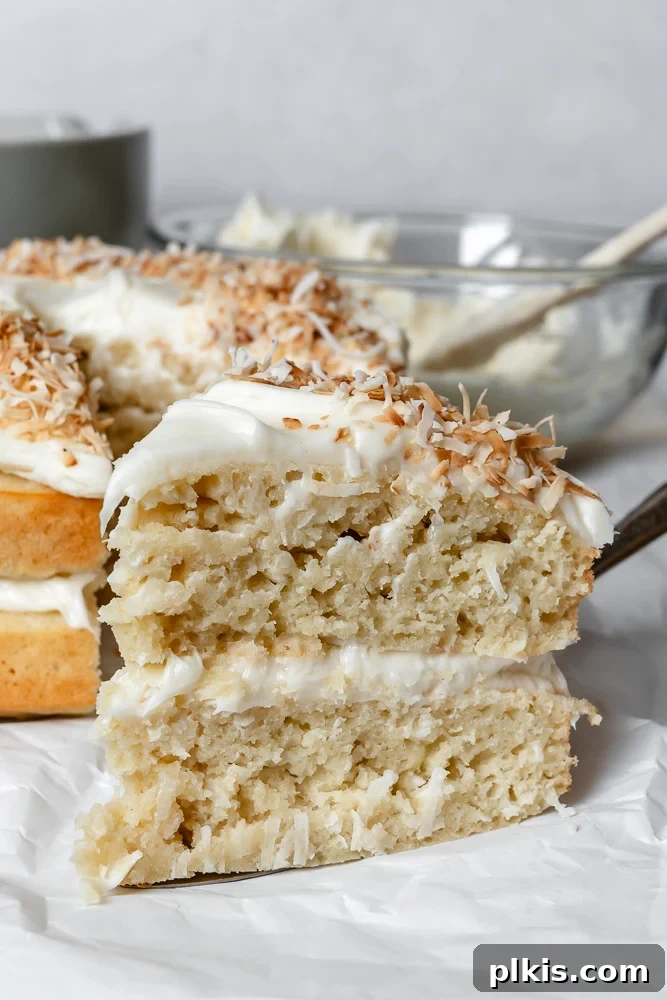
Creative Fillings and Toppings for Your Vegan Coconut Cake
While a classic coconut frosting is undeniably delicious and perfectly complements this cake, don’t hesitate to elevate your vegan coconut cake with exciting additional fillings and toppings. These ideas can transform your cake into an even more spectacular and personalized dessert for any occasion.
- Vibrant Fruit Spreads and Preserves: Layer your cake with a bright and tangy fruit spread or preserves to introduce a delightful contrast to the sweet coconut. Raspberry, strawberry, or pineapple preserves are fantastic choices, offering a juicy burst of flavor. For a truly tropical delight, try our easy 3-ingredient mango compote. A homemade vegan lemon or lime curd would also offer a delightful citrusy zing that perfectly complements and balances the coconut sweetness.
- Luscious Caramelized Fruits: For a gourmet and indulgent touch, consider adding layers of caramelized mango or pineapple slices between your cake layers. Sautéing fresh fruit with a touch of brown sugar until slightly softened and golden creates a rich, jam-like texture that intensifies their natural sweetness, making an irresistible tropical filling.
- Decadent Chocolate Ganache: Introduce a luxurious and rich element with a smooth vegan white or dark chocolate ganache. A glossy ganache can be generously poured over the top of the frosted cake for a dramatic effect or spread as a luscious filling between layers, adding a sophisticated depth and richness that pairs wonderfully with coconut.
- Rich Vegan Salted Caramel: Elevate your cake with our homemade vegan date caramel sauce. This delectable sauce can be drizzled generously between the cake layers for a sticky, sweet surprise, or artfully poured over the top of the frosted cake for an exquisite depth of flavor and beautiful visual appeal. The sweet and salty notes create a truly addictive combination.
- Alternative Frosting Flavors: While coconut frosting is traditional, many other vegan frostings beautifully complement this cake. Consider a vibrant and zesty vegan lemon buttercream frosting, a rich vegan chocolate ganache frosting, a delicate coffee-infused frosting, or fruity options like orange, strawberry, raspberry, or pineapple frostings. Each offers a unique flavor profile to match your mood or event theme.
- Crunchy and Fresh Toppings: Finish your cake with an appealing array of toppings to add texture and visual interest. Crushed macadamia nuts or toasted walnuts provide a delightful crunch and nutty flavor. Shaved vegan dark or white chocolate creates an elegant look and extra richness. Fresh berries like raspberries, sliced strawberries, or other tropical fruits such as kiwi, passionfruit seeds, or thinly sliced star fruit add freshness, vibrant color, and a juicy bite.
Storage and Freezing Tips for Your Vegan Coconut Cake
To ensure your delicious vegan coconut cake stays fresh, moist, and enjoyable for as long as possible, proper storage is key. Here’s how to store and even freeze your cake to extend its life and preserve its delightful flavors and textures.
- Storing at Room Temperature: If you plan to enjoy your cake within 2-3 days, it can be safely stored in an airtight container at room temperature. Choose a cool, dry spot away from direct sunlight or any heat sources. The airtight container is crucial to prevent the cake from drying out and to keep the frosting fresh and intact.
- Refrigerating for Longer Freshness: For extended freshness, or if you live in a warm or humid climate, it’s best to store your vegan coconut cake in an airtight container in the refrigerator for up to a week. The cooler temperature helps preserve both the frosting’s integrity and the cake’s tender texture. For the best eating experience, allow individual slices to come to room temperature for about 15-20 minutes before serving, as this enhances the flavors and softens the crumb.
- Freezing for Future Enjoyment: This vegan coconut cake freezes beautifully, making it perfect for preparing desserts in advance, saving leftovers, or simply having a treat on hand. You can flash freeze the whole cake or individual slices, with or without frosting.
- To freeze a whole cake: Once the cake is completely chilled and the frosting is firm, wrap the entire cake tightly first in plastic wrap, then in a layer of aluminum foil, or place it in a sturdy freezer-safe cake container.
- To freeze individual slices: Place individual slices on a baking sheet and freeze for about an hour until they are firm. Then, wrap each slice tightly in plastic wrap, followed by aluminum foil, and place them in a freezer-safe bag or container.
Frozen cake, properly stored, will last for up to 3 months. To thaw, simply transfer the cake (whole or slices) to the refrigerator overnight or for several hours. Once thawed, let it come to room temperature for about 30 minutes before serving for optimal taste and texture.
Explore More Irresistible Vegan Desserts
Vegan Desserts
Carrot Cake Muffins
Vegan Desserts
Vegan Coffee Cake
Vegan Desserts
Vegan Red Velvet Cake
Vegan Desserts
Super Simple Chocolate Mousse
If you tried this vegan coconut cake recipe or any other recipe on my blog, please leave a 🌟 star rating and let us know how it went in the 📝 comments below. Your feedback helps us improve and inspires other bakers! Thanks for stopping by!
Vegan Coconut Cake
10 mins
20 mins
1 hr 30 mins
2 hrs
1 cake
Equipment
-
Measuring Cups
-
Measuring Spoons
-
Two 8-inch Cake Pans
-
Large Mixing Bowls
-
Whisk
-
Wire Cooling Rack
-
Parchment Paper
Ingredients
For the Cake:
- 2 ½ cups plant-based milk (soy milk works best)
- 2 tablespoons apple cider vinegar
- 2 teaspoons coconut extract
- ¾ cup vegetable oil
- ½ cup unsweetened applesauce
- 3 cups all-purpose flour
- 1 ½ cups shredded coconut divided (1 cup for batter, ½ cup for frosting/garnish)
- 1 cup granulated sugar
- 2 teaspoons baking soda
- 1 teaspoon salt
For the Frosting:
- 1 batch store-bought or homemade vegan vanilla frosting
- ¼ cup shredded coconut (raw or toasted, for mixing into frosting and garnish)
- 1 teaspoon coconut extract
Instructions
-
Preheat the oven to 350°F (175°C). Lightly grease two 8-inch cake pans and line the bottoms with parchment paper. Set aside.
-
In a small bowl, whisk together the plant-based milk and apple cider vinegar. Let it sit for 5 minutes until it curdles, creating a buttermilk-like consistency.
-
In a large mixing bowl, combine the flour, 1 cup of shredded coconut, sugar, baking soda, and salt. Stir well and set aside.
-
To the vegan milk mixture, add the coconut extract, vegetable oil, and applesauce. Mix well.
-
Gradually add the dry ingredients to the wet ingredients, stirring until just combined. Be careful not to overmix.
-
Evenly divide the batter between the two prepared cake pans.
-
Bake for 20–25 minutes, or until a toothpick inserted in the center comes out clean.
-
Remove the cakes from the oven and let them cool for 5 minutes. Carefully remove them from the pans and place them on a wire rack to cool completely.
-
Once fully cooled, combine the remaining shredded coconut (approx. ¼ cup) and 1 teaspoon of coconut extract with your chosen vanilla frosting. Frost the cakes, layering one over the other. Sprinkle any remaining shredded coconut on top. For a deeper coconut flavor, optionally toast the coconut flakes before adding them.
-
Serve and enjoy this soft, fluffy, and coconut-filled vegan cake!
Notes
- Measure flour accurately: To avoid an overly dense/dry vegan coconut cake. Fluff it in its bag with a fork, spoon it into the measuring cup, then level it with a knife.
- Don’t over-mix the batter: Mix until only just incorporated (a few tiny lumps are fine), otherwise the cake becomes dense and rubbery.
- Using different pan sizes: This recipe works for a three-layer 6-inch cake or two-layer 8 or 9-inch cake pans. Adjust the baking time as needed.
- Don’t add too much coconut extract: Too much will taste artificial.
- Room Temperature Ingredients: Ensure your plant-based milk, applesauce, and vegetable oil are at room temperature for a smoothly emulsified batter and even baking.
- Cool Cakes Completely: Always allow cake layers to cool entirely on a wire rack before frosting to prevent the frosting from melting.
Nutrition
Carbohydrates: 890g
Protein: 47g
Fat: 142g
Saturated Fat: 64g
Polyunsaturated Fat: 42g
Monounsaturated Fat: 29g
Sodium: 6597mg
Potassium: 1226mg
Fiber: 20g
Sugar: 572g
Vitamin A: 35IU
Vitamin C: 2mg
Calcium: 856mg
Iron: 22mg
Additional Info
Toni Okamoto
Dessert
American
Oven
Vegan
Tried this recipe?
Please tag us at @PlantBasedOnABudget! 🙂