
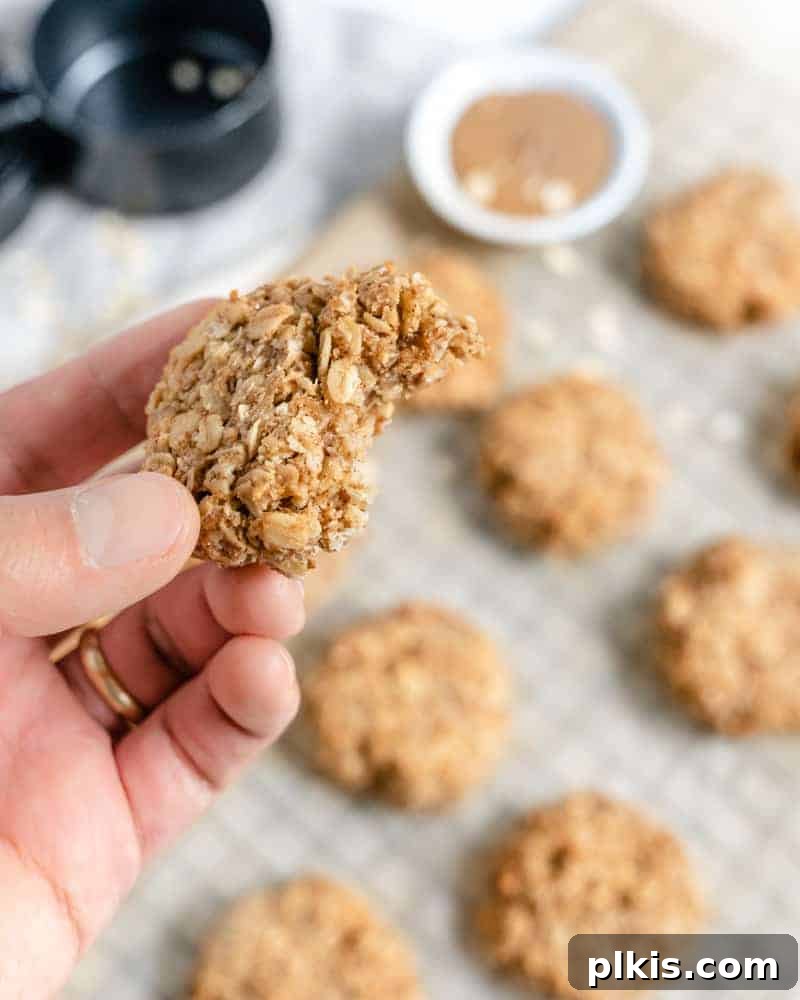
Are you searching for a delectable, wholesome treat that perfectly balances indulgence with health-conscious choices? Look no further than these incredible Oatmeal Coconut Cookies! Soft, chewy, and bursting with delightful flavor and texture, these cookies offer a guilt-free indulgence. They’re absolutely perfect for a energizing breakfast, a satisfying afternoon pick-me-up, or a light, sweet dessert. What makes this oatmeal coconut cookie recipe truly exceptional is its inclusivity: it’s naturally gluten-free, dairy-free, egg-free, butter-free, flour-free, and entirely vegan. Crafted primarily from common pantry staples, preparing these cookies is both simple and rewarding, making them a fantastic addition to any diet.
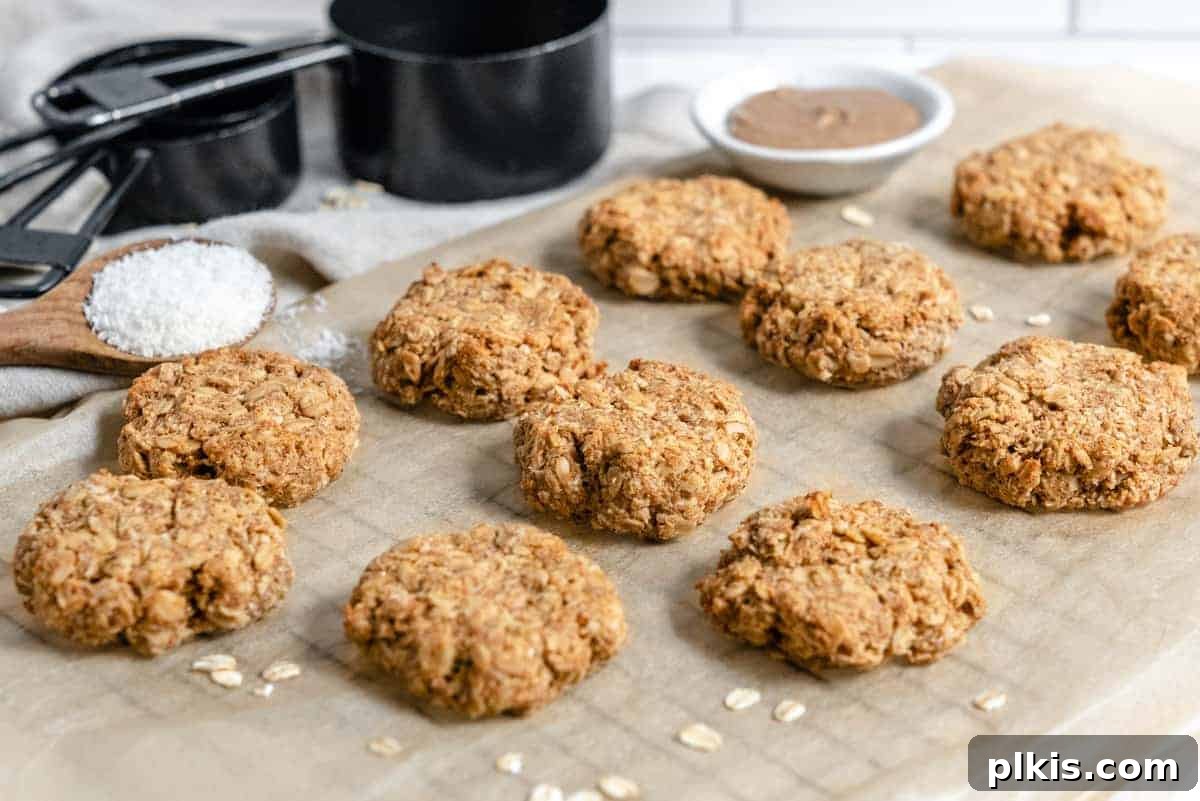
Tender, Chewy & Wholesome Oatmeal Coconut Cookies
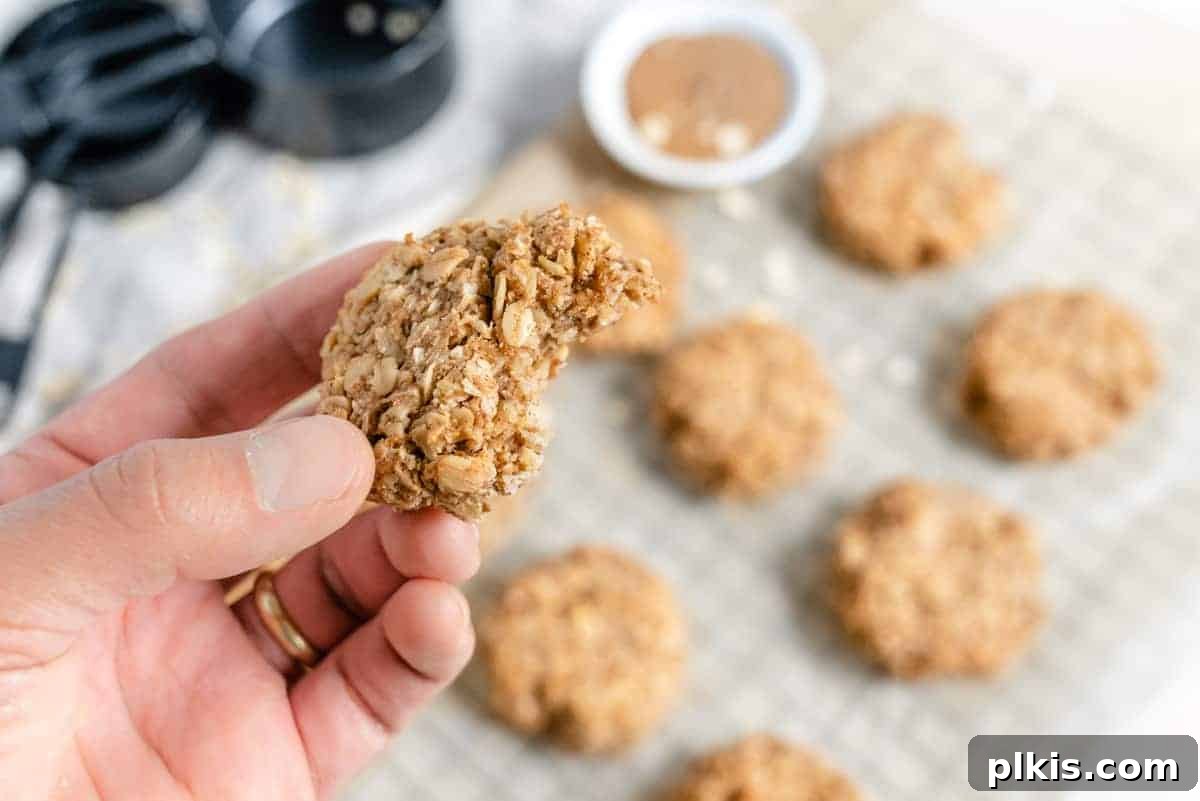
If you’ve been on the hunt for an oatmeal cookie recipe with a truly special twist, allow us to introduce you to these irresistible oatmeal coconut cookies. This recipe is wonderfully straightforward, requiring just eight primary ingredients (plus a pinch of salt!), and yields a treat that your entire family is bound to adore. Each cookie offers a subtly crisp exterior that gives way to a gloriously tender and chewy middle. The star of the show is the rich, aromatic coconut flavor, further enhanced by the smart substitution of coconut oil for traditional butter. Beyond their incredible taste, these cookies are remarkably accommodating for a variety of dietary needs, being free from wheat, gluten, dairy, and eggs.
Here at Plant-Based on a Budget, we have a passion for wholesome oat-based delights. We’ve previously shared favorites like our vegan pumpkin oat cookies, tempting no-bake peanut butter oat cups, and rustic walnut oat scones. Now, we’re thrilled to bring you another fantastic combination of oats and coconut, echoing the beloved flavors of our coconut overnight oats. This recipe is tailor-made for any coconut enthusiast seeking a healthy, wholesome, and utterly swoon-worthy treat.
Unlike many conventional oatmeal cookies, this unique oatmeal coconut cookie recipe stands out by omitting refined flour and butter. Furthermore, it offers the flexibility to use unrefined sugars, ensuring that every bite is packed with goodness. This means they are truly wholesome enough to be enjoyed not just as a dessert, but also as a nutritious breakfast option or a fulfilling snack. That’s precisely the kind of versatile and healthy cookie recipe we wholeheartedly endorse!
It’s no secret that we’re a bit cookie-crazed here at PBOAB. And with a repertoire that includes decadent options like a skillet chocolate chip cookie, delightful Keebler-style chocolate chip cookies, charming Raspberry thumbprint cookies, and warmly spiced Triple ginger cookies, it’s easy to see why! We believe everyone deserves a delicious cookie, regardless of dietary preferences or restrictions.
One of the best aspects of this oatmeal coconut cookie recipe is its incredible versatility. Feel free to customize your batch by incorporating dairy-free chocolate chips for delightful oatmeal coconut chocolate chip cookies. Or, get creative with nuts, dried fruits, warm spices, or various extracts to tailor them exactly to your taste. Even when prepared as-is, following the base recipe, you’ll be treated to a batch of cookies that are simply beyond satisfying!
You might find it challenging to keep these delightful cookies from disappearing in mere minutes! In fact, we highly recommend preparing a double batch. This way, you can enjoy some immediately and conveniently store the rest in the freezer, whether baked or unbaked, for future cravings.
Why You’ll Fall in Love with These Healthy Coconut Oat Cookies
- Irresistible Texture: Experience the perfect harmony of a slightly crisp edge and a wonderfully soft, chewy center. The rolled oats and shredded coconut contribute to a satisfying texture that’s both hearty and delightful.
- Rich Coconut Flavor: Coconut is front and center in these cookies, enhanced by the use of both shredded coconut and coconut oil. It’s a tropical escape in every bite, without being overpowering.
- Health-Conscious Ingredients: Made without refined flour, butter, or eggs, and offering options for unrefined sugars, these cookies are a healthier alternative to traditional recipes. They’re packed with fiber from oats and healthy fats from coconut oil and nut butter.
- Dietary Inclusivity: This recipe is naturally vegan, gluten-free (ensure certified GF oats), dairy-free, and egg-free, making it suitable for a wide range of dietary needs and preferences. It’s a fantastic option for those with allergies or anyone looking to enjoy a plant-based treat.
- Effortlessly Simple: With just a few basic steps and pantry staples, these cookies are quick to whip up, even for novice bakers. Minimal fuss, maximum flavor!
- Incredibly Versatile: The base recipe is fantastic on its own, but it also serves as a perfect canvas for your favorite add-ins. Customize them with chocolate chips, dried fruit, nuts, or spices to create endless variations.
The Wholesome Ingredients and Smart Substitutions
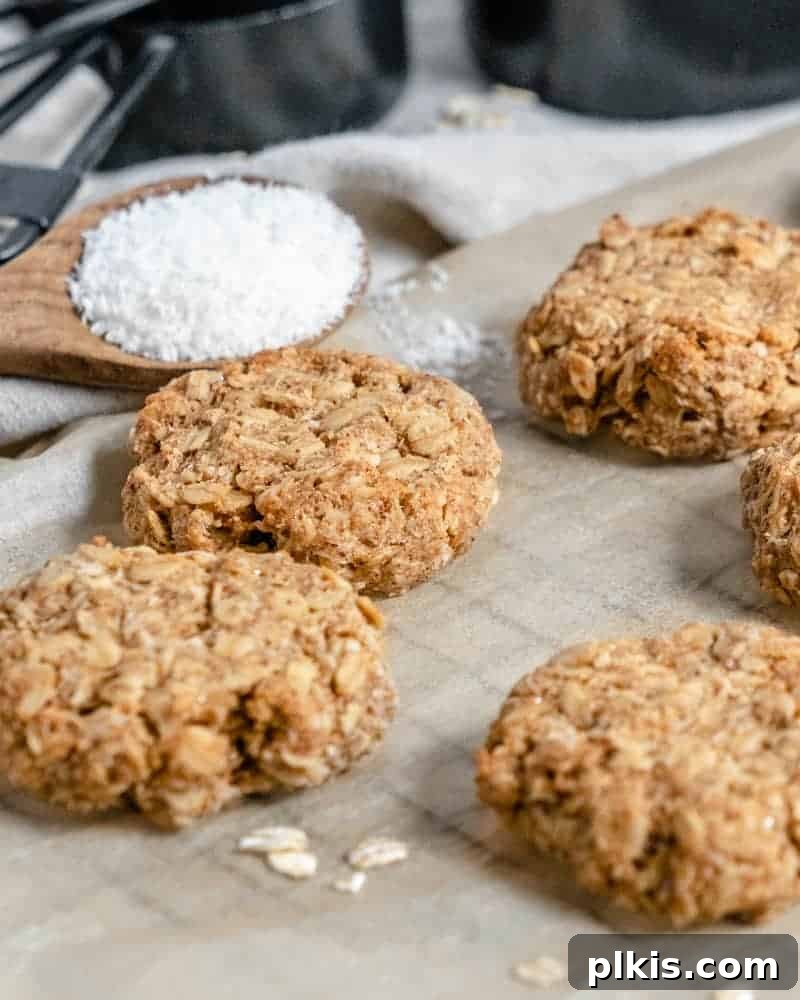
Crafting these healthy oatmeal coconut cookies relies on a handful of simple, wholesome ingredients. Here’s what you’ll need, along with some helpful substitution suggestions:
- Old-Fashioned Oats: The foundation of our chewy texture. We highly recommend using rolled oats (often labeled old-fashioned oats) for their hearty bite and ability to absorb moisture, creating that ideal soft-chewy consistency. If you need these cookies to be strictly gluten-free, be sure to use certified gluten-free rolled oats. While quick oats can technically be used, they will result in a different, often more cake-like or drier texture due to their finer consistency.
- Shredded Coconut: This ingredient is key for the distinct coconut flavor and additional texture. Opt for unsweetened shredded coconut to maintain better control over the sweetness level of your cookies. If you only have sweetened shredded coconut on hand, you can certainly use it, but consider slightly reducing the amount of granulated sugar in the recipe to avoid an overly sweet result.
- Plant-Based Milk: Any non-dairy milk will work beautifully here. Popular choices include almond milk, oat milk, or coconut milk (for an extra boost of coconut flavor!). Choose your favorite based on taste and what you have available.
- Ground Flaxseed: This acts as our ingenious egg replacement, forming a “flax egg” when combined with the plant milk. Ground chia seeds can be used as an equally effective alternative if you prefer. This simple plant-based binder helps hold the cookies together and contributes healthy omega-3 fatty acids.
- Nut Butter: A crucial ingredient for moisture, richness, and binding. Feel free to use your preferred nut butter, such as almond butter or peanut butter. Keep in mind that different nut butters will subtly influence the final flavor. For a nut-free version, sunflower seed butter (SunButter) or even tahini (ensure it’s mild-flavored) are excellent alternatives.
- Coconut Oil: This is pivotal for the rich texture and a deeper coconut aroma. Ensure it’s melted before adding it to the mixture for even distribution. If coconut oil isn’t available or preferred, another neutral-flavored cooking oil like canola or vegetable oil, or a dairy-free butter alternative, can be used. Each will impart a slightly different texture to the finished cookie.
- Granulated Sugar: You have flexibility with your choice of granulated sugar. For a less refined option, consider using coconut sugar or date sugar, which lend a deeper, caramel-like flavor and are often preferred in healthier baking. Standard unbleached granulated sugar also works perfectly.
- Salt: Just a small pinch of salt goes a long way in enhancing and balancing all the sweet and nutty flavors in these oatmeal coconut cookies. Don’t skip it!
- Vanilla Extract: Natural vanilla extract adds a warm, comforting depth of flavor that complements the oats and coconut beautifully. Always opt for a good quality vanilla for the best results.
Exciting Optional Add-ins and Flavor Variations
These coconut oat cookies are a fantastic base for customization. We recommend incorporating between ½ cup to 1 cup of total add-ins to keep the dough manageable and the cookies perfectly formed (this excludes spices and extracts, of course).
- Chocolate Chips: For an extra layer of indulgence, stir in your favorite dairy-free chocolate chips. Whether you prefer semi-sweet, dark, or white chocolate varieties, they all pair wonderfully with coconut and oats to create irresistible oatmeal coconut chocolate chip cookies.
- Dried Fruit: Elevate the chewiness and add bursts of natural sweetness with dried fruits. Raisins and cranberries are classic choices, but dried blueberries also work beautifully. For a truly unique and tropical twist, consider adding dried pineapple for a “pina colada” inspired oatmeal coconut cookie!
- Crushed Nuts: If you have some walnuts, macadamias, or pecans in your pantry, crushing and adding them is a fantastic way to introduce even more texture, flavor, and beneficial heart-healthy fats without much extra cost. For an intensified nutty aroma and taste, lightly dry toast them in a pan before adding them to the dough.
- Cinnamon/Chai Spice Blend: Warm spices like cinnamon are a natural pairing with oats and coconut. A chai spice blend (typically including cinnamon, cardamom, ginger, and cloves) would also infuse these coconut oil oatmeal cookies with a cozy, aromatic profile.
- Ginger: For a zesty kick, finely chopped candied ginger makes a delightful addition—a few tablespoons should be plenty. Alternatively, a little ground ginger powder can be incorporated into the dry ingredients for a subtle warmth.
- Almond/Coconut Extract: To amplify the flavor profile, a small dash of almond extract can enhance the nuttiness, while additional coconut extract will make these healthy coconut oatmeal cookies even more intensely tropical.
- Salt Flakes: A tiny sprinkle of flaky sea salt over the tops of the unbaked or freshly baked cookies provides the perfect finishing touch. This subtle saltiness beautifully contrasts the sweetness, especially when making oatmeal coconut chocolate chip cookies.
Simple Steps to Deliciousness: How to Make Oatmeal Coconut Cookies
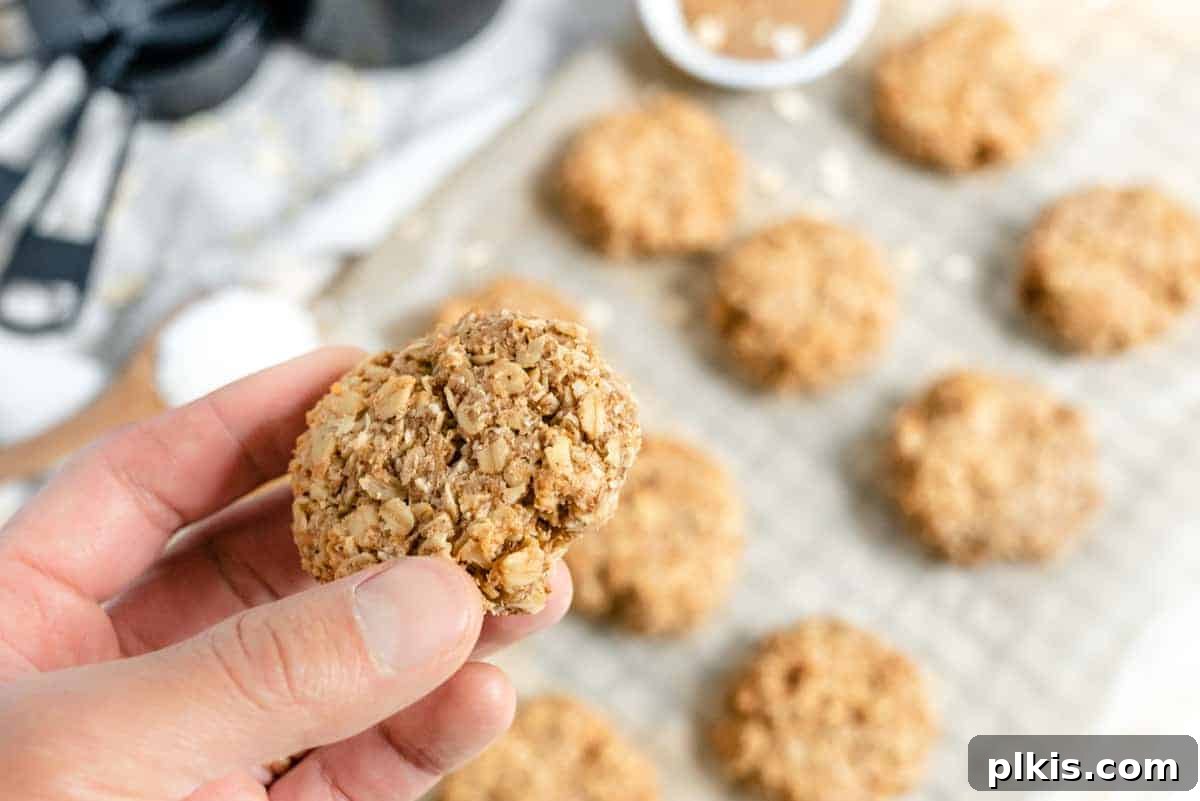
Making these tender and chewy oatmeal coconut cookies is a breeze. Follow these easy steps for a delightful batch every time:
- First, preheat your oven to 325°F (160°C). Prepare your “flax egg” by whisking together the ground flaxseed and plant-based milk in a small saucepan. Bring this mixture to a gentle boil over medium heat, stirring occasionally to prevent sticking. Once it reaches a boil, remove the pan from the heat and set it aside to thicken slightly.
- In a large mixing bowl, combine the nut butter, melted coconut oil, and half of the granulated sugar. Mix these ingredients thoroughly until they are well incorporated and smooth.
- Now, add the prepared flaxseed mixture (which should be slightly gelatinous), vanilla extract, and salt to the bowl. Mix everything together until just combined. Next, stir in the rolled oats, shredded coconut, and the remaining granulated sugar. Continue mixing until all the ingredients are thoroughly combined and form a cohesive dough. Don’t be alarmed if the dough appears quite thick; this is perfectly normal and contributes to the cookies’ excellent texture.
- Line a baking tray with parchment paper. Using a cookie scoop or two spoons, drop rounded portions of the dough onto the prepared baking tray, ensuring they are spaced about 2 inches apart to allow for spreading.
- Bake the cookies in the preheated oven for 15-17 minutes, or until the bottoms are lightly golden brown and the edges are just set. The exact baking time may vary slightly depending on your oven and the size of your cookies.
- Once baked, remove the oatmeal coconut cookies from the oven and allow them to cool on the baking tray for at least 10-15 minutes before carefully transferring them to a wire rack to cool completely. They will be quite delicate when warm and firm up as they cool. Serve and enjoy!
How to Make-Ahead and Store These Delights
These healthy coconut oatmeal cookies are fantastic for meal prepping or making in advance, offering flexibility for your busy schedule.
Preparing the Dough Ahead: You can prepare the coconut oil oatmeal cookie dough up to a couple of days in advance. Store the dough in an airtight container in the refrigerator. Before baking, note that the oats will continue to absorb liquid, so you might need to add an extra splash of plant-based milk or a teaspoon of water to achieve the right consistency before scooping and baking.
Freezing Unbaked Cookies: For ultimate convenience, scoop the cookie dough portions onto a parchment-lined baking tray. Place the tray in the freezer until the unbaked coconut oil oatmeal cookies are solid. Once frozen, transfer the individual cookie dough balls into a freezer-safe Ziplock bag or airtight container. They can be stored for 3-4 months. When ready to bake, simply place the frozen dough balls on a baking sheet (no need to thaw) and add a few extra minutes to the baking time.
Storing Baked Cookies: Once your delicious oatmeal coconut cookies are baked and fully cooled, store them in an airtight container at room temperature for up to five days. For longer storage, you can freeze the baked cookies for up to 3 months. To thaw, simply let them sit at room temperature for a quick snack, or warm them slightly in the oven for that freshly baked taste.
Top Recipe Tips and Essential FAQs for Perfect Cookies
Achieving the perfect batch of oatmeal coconut cookies is easy with these expert tips and answers to common questions:
- Adjusting the Texture: The baking time significantly impacts the final texture of your coconut oil oatmeal cookies. For wonderfully tender and chewy cookies, aim for the minimum baking time or just until they are set. If you prefer a slightly crisper cookie, bake them for a minute or two longer. Be careful not to overbake them too much, as they can become overly hard and dry.
- Can I use quick oats? While you technically can substitute quick oats for rolled oats, it’s important to understand that this will alter the texture of the cookies. Quick oats, being more finely processed, tend to result in a more ‘cakey’ or drier cookie. We recommend sticking with old-fashioned rolled oats for the ideal chewy texture, but feel free to experiment if a softer, more cake-like consistency is what you desire.
- For Thinner Cookies: If you prefer your cookies to be flatter and thinner, simply press the scooped dough portions down slightly with the back of a spoon or your fingers before baking. Remember that this adjustment may slightly reduce the baking time, so keep a close eye on them to prevent over-baking.
- Choosing the Right Nut/Seed Butter: The type of nut or seed butter you select can influence the overall flavor profile of your oatmeal coconut cookies. Neutral-flavored options like almond butter or cashew butter will allow the coconut and vanilla to shine through more prominently. Peanut butter, while delicious, will impart a distinct peanut flavor that will be noticeable in the cookies. Choose according to your preference!
- Be Patient During Cooling: This is a crucial step! When fresh out of the oven, these healthy oatmeal coconut cookies will be very delicate and prone to breaking. Ensure you allow them to cool on the baking sheet for at least 15 minutes before attempting to move them to a wire rack. This allows them to firm up and prevents crumbling.
- Preventing Spreading: If your cookies tend to spread too much, try chilling the dough for 20-30 minutes before scooping and baking. This can help the fat solidify, leading to thicker cookies. Also, ensure your baking sheet isn’t too hot if you’re doing multiple batches.
More Vegan Cookie Recipes to Inspire You
If you’ve enjoyed these healthy and delicious oatmeal coconut cookies, you’ll love exploring other plant-based cookie creations from our kitchen:
- Soft Pumpkin Molasses Cookies: A warming, spiced treat perfect for autumn.
- Vegan Sugar Cookies: Classic, customizable, and always a crowd-pleaser.
- Peanut Butter Cookie Sandwiches: Two soft peanut butter cookies filled with a creamy delight.
- California Cookies: A unique and flavorful cookie experience.
- Zucchini Cookies: A surprisingly delicious way to sneak in some veggies!
- Kitchen Sink Cookies: Everything but the kitchen sink for a truly satisfying bite.
- Coconut Flour Chocolate Chip Cookies: A different take on a classic, with a unique texture.
Photos by Alfonso Revilla
Coconut Oatmeal Cookies
4.90 from 57 votes
5
15
20
24 cookies

Equipment
-
Measuring Cups
-
Measuring spoons
-
Whisk
-
Large Mixing Bowl
-
Baking sheet
Ingredients
- 2 teaspoons ground flax seed
- 1/4 cup non-dairy milk
- 1/3 cup almond butter (peanut butter works too)
- 3 tablespoons melted coconut oil
- 1/2 cup unbleached sugar
- 1/4 teaspoon salt
- 1 teaspoon vanilla extract
- 1 1/4 cups gluten-free rolled oats
- 1/2 cup shredded coconut
Instructions
-
Preheat the oven to 325°F. In a small saucepan, whisk together the flax seeds and milk. Bring to a boil, stirring occasionally. When mixture comes to boil, remove from heat and set aside.
-
Place the almond/peanut butter, coconut oil, and half of the sugar in a large mixing bowl and mix well.
-
Add the flax mixture, salt, and vanilla and mix. Stir in oats, coconut, and remaining sugar and mix until thoroughly combined. The dough will be very thick.
-
Using a cookie scoop or a spoon, scoop dough onto prepared baking sheet about 2 inches apart. Bake for 15 to 17 minutes or until lightly browned on the bottom. Allow to set and cool before removing them from the pan to serve.
Notes
- Chocolate chips: Use the dairy-free chocolate chips of your choice; semi-sweet, sweet, white, etc.
- Dried fruit: Raisins, cranberries, blueberries – feel free to add one or more of your choice to these coconut oat cookies. You could even use dried pineapple for ‘pina colada’ oatmeal coconut cookies.
- Crushed nuts: If you have some in your pantry already, then this is a great way to add in ever more texture, flavor, and heart-healthy fats without breaking the bank. Walnuts, macadamias, and pecans are my favorite addition. For more flavor, dry toast them in a pan until fragrant first.
- Cinnamon/ Chai spice blend: Cinnamon and chai spices pair wonderfully with these coconut oil oatmeal cookies.
- Ginger: Finely chopped candied ginger would pair well– a few tbsp should be more than enough—alternatively, a little ginger powder.
- Almond/coconut extract: Using a little extract is a great way to infuse these healthy coconut oatmeal cookies with even more flavor.
- Salt flakes: A tiny sprinkle of flaky salt over the cookies is the perfect ‘finishing touch’ (especially for oatmeal coconut chocolate chip cookies).
Nutrition
Calories: 80kcal
Carbohydrates: 9g
Protein: 1g
Fat: 5g
Saturated Fat: 2g
Polyunsaturated Fat: 1g
Monounsaturated Fat: 1g
Sodium: 31mg
Potassium: 53mg
Fiber: 1g
Sugar: 5g
Vitamin A: 10IU
Vitamin C: 1mg
Calcium: 18mg
Iron: 1mg
Additional Info
Shannon
Dessert
American
Baking
Vegan
Tried this recipe? Please tag us at @PlantBasedOnABudget! 🙂