
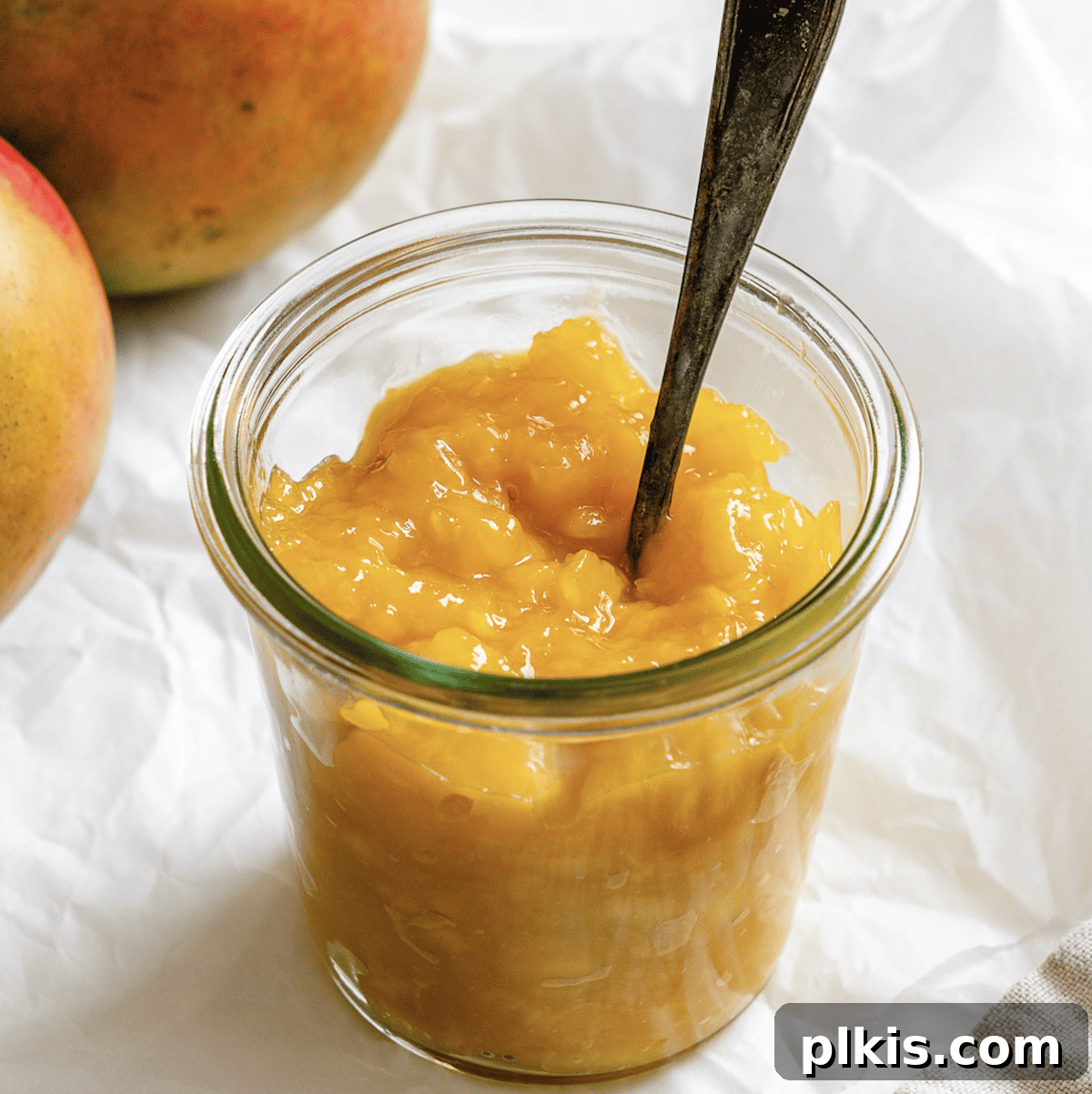
Unlock a burst of tropical sunshine in just 20 minutes with this incredibly easy, 3-ingredient mango compote (or coulis)! Whether served warm or chilled, this luscious mango topping promises to elevate your favorite vegan ice cream, cheesecake, pancakes, and a myriad of other delightful treats. It’s not just a recipe; it’s an invitation to infuse vibrant flavor into your culinary creations with minimal effort and maximum reward.
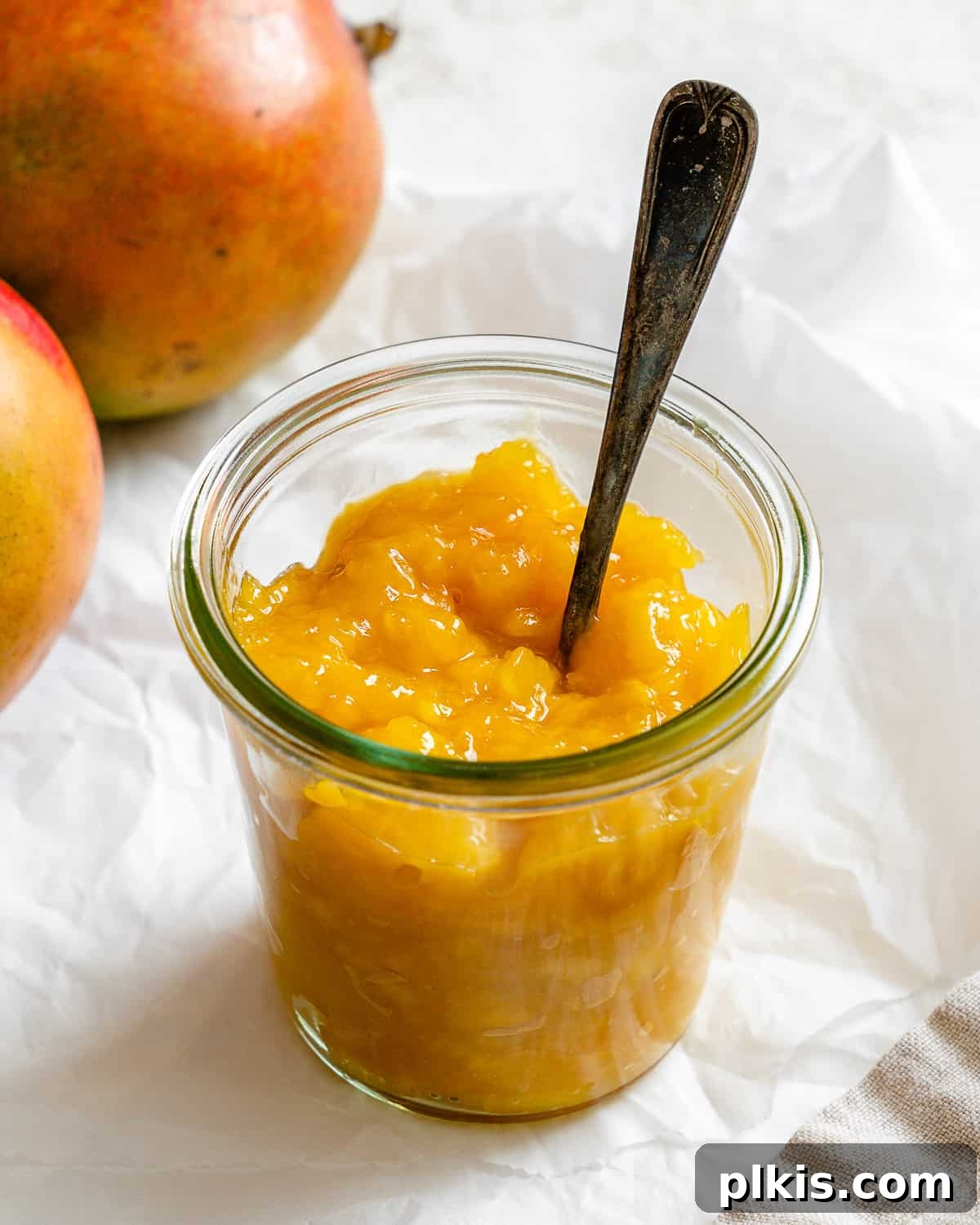
Table of contents
- The BEST Mango Compote in under 20 Minutes
- Why Make Homemade Mango Compote?
- Mango Coulis Vs. Compote: Understanding the Difference
- The Tropical Goodness of Mangoes: Health Benefits & Selecting Ripe Fruit
- Essential Ingredients for Mango Compote
- Elevate Your Compote: Flavor Variations
- Step-by-Step: How to Make Mango Compote (Or Coulis)
- Achieving a Silky Mango Coulis
- Expert Tips for the Perfect Mango Compote
- Versatile Ways to Enjoy Your Mango Compote
- Storing Your Homemade Mango Compote
- More Tropical & Fruit-Filled Recipes
- The Easy Mango Compote (or Coulis) Recipe Card
The BEST Mango Compote in under 20 Minutes: A Tropical Delight
As the vibrant hues of mango season officially arrive, there’s no better time to indulge in the succulent sweetness of this beloved tropical fruit. While fresh mangoes are delightful on their own, transforming them into a velvety compote or silky coulis unlocks a new realm of culinary possibilities. Imagine the rich, aromatic essence of mango infused into a versatile sauce, perfect for enhancing everything from decadent desserts to wholesome breakfast staples.
This incredibly simple recipe guides you through creating a luscious mango compote or coulis in under 20 minutes, relying on just three core ingredients: ripe mango, a touch of sweetener, and a splash of citrus. It’s an effortless way to capture the exotic flavor of mango, making it an indispensable warm or chilled topping for vegan cheesecake, creamy ice cream, fluffy pancakes, and so much more. This homemade mango creation is destined to become a go-to sauce, filling, or topping for breakfast, brunch, or dessert any day of the week.
Why Make Homemade Mango Compote?
Crafting your own mango compote offers numerous advantages over store-bought alternatives. Firstly, you gain complete control over the ingredients. This means you can tailor the sweetness level precisely to your preference, opting for traditional granulated sugar, brown sugar, coconut sugar, or even alternative sweeteners like maple syrup or erythritol. Unlike many commercial versions, your homemade compote will be entirely free from artificial ingredients, preservatives, or unnecessary thickeners. This ensures a purer, more natural flavor profile that truly highlights the mango. Plus, making it yourself is significantly more budget-friendly and allows you to use either fresh, in-season mangoes or convenient frozen mango chunks, making this tropical delight accessible year-round.
Mango Coulis Vs. Compote: Understanding the Delicious Difference
While both mango compote and mango coulis celebrate the same sweet fruit, their primary distinction lies in their texture and consistency, each offering unique culinary applications.
Mango Compote: A compote is typically made by simmering fruit with sugar and a hint of citrus juice until it softens and breaks down. It often maintains a delightful chunky texture, with discernible pieces of fruit throughout. The fruit is lightly mashed during cooking, giving it a rustic, spoonable consistency perfect for layering or topping.
Mango Coulis: In contrast, a coulis is a much smoother, often thinner fruit sauce. It’s achieved by blending the cooked fruit mixture (like a compote) until it reaches a velvety, pourable consistency, sometimes strained to remove any remaining pulp or fibers. This results in a refined sauce that elegantly drizzles over desserts or infuses into beverages.
Within this comprehensive guide, we’ll walk you through the simple steps to prepare both a chunky mango compote and a silky mango coulis in just 20 minutes, using our foundational 3-ingredient recipe, along with exciting flavor variations to inspire your culinary creativity.
The Tropical Goodness of Mangoes: Health Benefits & Selecting Ripe Fruit
Beyond their irresistible flavor, mangoes are nutritional powerhouses, making this compote a treat you can feel good about. Often hailed as the “king of fruits,” mangoes are rich in vitamins, minerals, and antioxidants. They are an excellent source of Vitamin C, crucial for immune health and skin vitality, and Vitamin A, essential for good vision. Mangoes also provide a healthy dose of fiber, aiding digestion and promoting gut health, and contain various antioxidants like mangiferin, which may offer anti-inflammatory benefits.
To ensure the best flavor for your compote, selecting ripe mangoes is key. Here’s what to look for:
- Squeeze Gently: A ripe mango will yield slightly to a gentle squeeze, similar to a ripe avocado.
- Smell the Stem: A fragrant, sweet, and fruity aroma at the stem end is a strong indicator of ripeness. Avoid any mangoes with a sour or alcoholic smell.
- Color is Not Always an Indicator: While some mango varieties turn vibrant red or yellow, others may remain green even when fully ripe. Focus more on feel and smell than just color.
- Avoid Blemishes: Steer clear of mangoes with soft spots, wrinkles, or any signs of bruising.
If fresh mangoes aren’t in season or readily available, don’t fret! Frozen mango chunks are an excellent, convenient alternative, often picked and flash-frozen at their peak ripeness, preserving their flavor and nutrients.
Essential Ingredients for Your Luscious Mango Compote
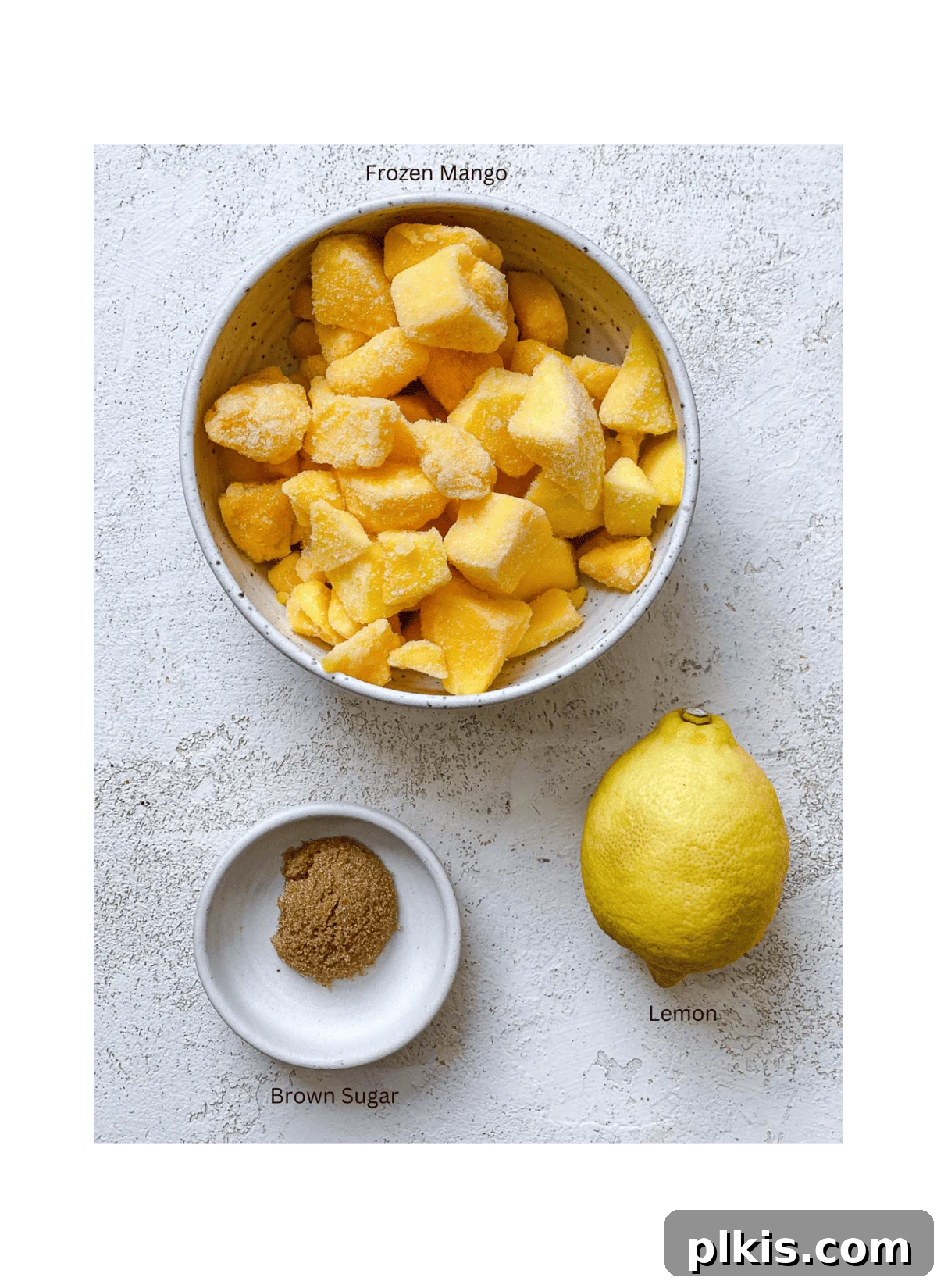
Creating this tropical mango delight requires just a few simple ingredients, making it accessible and straightforward for any home cook. Here’s a closer look at what you’ll need:
- Mango: The star of our show! You have the flexibility to use either fresh, ripe, and juicy mangoes or readily available frozen mango chunks. If opting for fresh, ensure they are perfectly ripe for the sweetest, most aromatic result. For a truly smooth mango coulis, especially if you want to skip the chopping, a high-quality canned mango pulp, such as Indian Kesar mango pulp or Alphonso mango pulp, can be an excellent shortcut.
- Sweetener: Thanks to the natural sugars inherent in ripe mangoes, only a small amount of added sweetener is typically needed. Granulated sugar, brown sugar for a richer, caramel-like note, or even coconut sugar for an unrefined option, all work beautifully. If you prefer a slightly thinner sauce and wish to avoid granulated sugars, liquid sweeteners like maple syrup or agave nectar can be used. Alternatively, for a sugar-free option, erythritol or another sugar alternative can be substituted, though you may need to adjust the liquid content slightly.
- Lime Juice (or Lemon Juice): This acidic component is crucial. It brightens the overall flavor, adding a subtle tang that beautifully balances the mango’s sweetness. Beyond flavor, citrus juice also acts as a natural preservative, helping to extend the shelf life of your compote. For an extra burst of aromatic flavor, consider adding a pinch of lemon or lime zest to the mixture.
Elevate Your Compote: Exciting Flavor Variations
While the classic 3-ingredient recipe is phenomenal on its own, adding a few extra elements can transform your mango compote into an even more complex and captivating treat. Here are some ideas to inspire you:
- Vanilla: A splash of pure vanilla extract, stirred in off the heat at the very end, enhances the mango’s sweetness and adds a warm, comforting depth.
- Cinnamon: A tiny pinch of ground cinnamon (¼ to ½ teaspoon, adjusted to taste) introduces a warm, earthy spice that complements tropical flavors beautifully.
- Cardamom: For an exotic twist, a tiny pinch (⅛ teaspoon) of ground cardamom can add a unique floral and citrusy note, often found in Indian desserts.
- Ginger: Freshly minced ginger (½ to 1 teaspoon) or a pinch of ground ginger brings a zesty, slightly spicy warmth that pairs wonderfully with mango.
- Vegan Butter: Stirring in a spoonful of good quality vegan butter towards the end of cooking can lend a smoother, richer taste and a luxurious mouthfeel to the compote.
- Mint: For a refreshing lift, add a few fresh mint leaves while the compote simmers, then remove them before serving. The mint infuses a subtle coolness.
- Chili: If you enjoy a sweet and spicy kick, finely diced jalapeño or habanero (with seeds removed for less heat) can be added during cooking. Start with a very small amount and taste to adjust.
- Other Fruits: Mango is highly adaptable and pairs well with many other fruits, creating exciting compote blends:
- Mango and Passion Fruit Compote: The tartness of passion fruit perfectly complements the sweet mango.
- Strawberry Mango Compote: A classic pairing, offering a burst of berry freshness.
- Peach Mango Compote: Combines two stone fruit favorites for a tender, aromatic blend.
Step-by-Step: How to Make Mango Compote (Or Coulis)
Creating this tropical topping is incredibly simple and requires minimal culinary expertise. Follow these straightforward steps to achieve your perfect mango compote or coulis.
- 1) Prepare Your Mango: If you’re using fresh mangoes, start by carefully slicing off the ‘cheeks’ of the mango, getting as close to the pit as possible. Then, using a sharp knife, score the mango flesh in a cross-hatch pattern without cutting through the skin. Gently invert the cheek, and scoop out the diced mango flesh. Repeat for both cheeks and any remaining flesh around the pit. If using frozen mango, simply proceed to the next step.
- 2) Combine and Heat: Transfer the prepared mango (fresh or frozen), your chosen sweetener, and the lemon or lime juice to a medium-sized saucepan. Stir all the ingredients well to ensure they are evenly combined. Place the saucepan over medium heat.
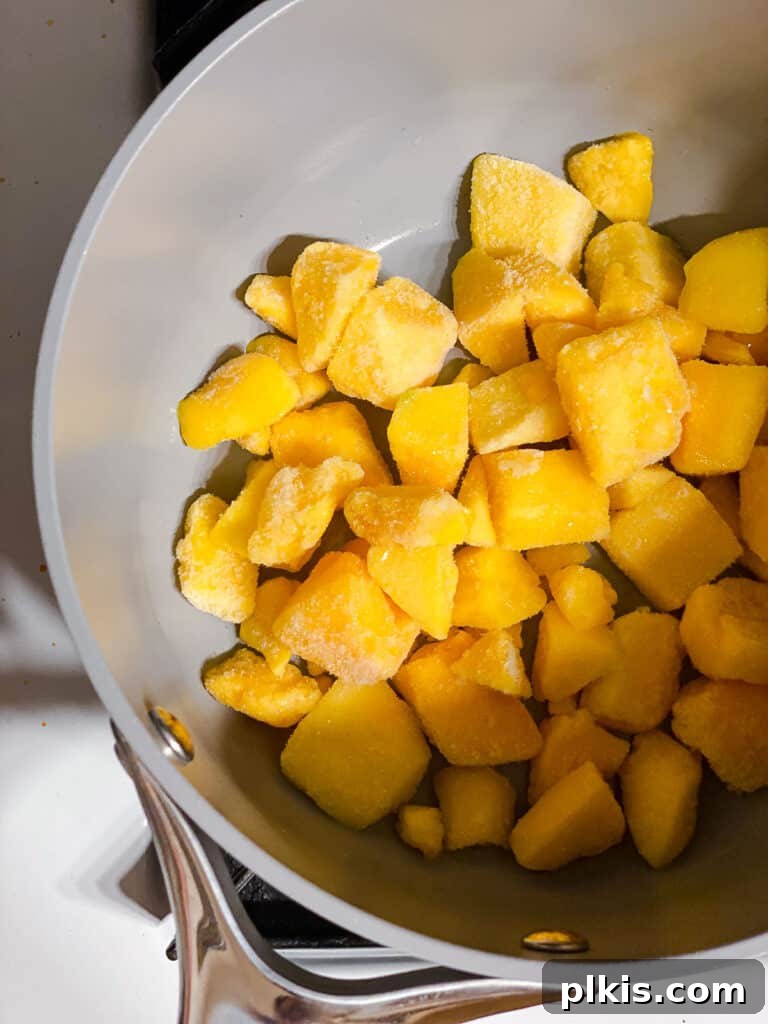
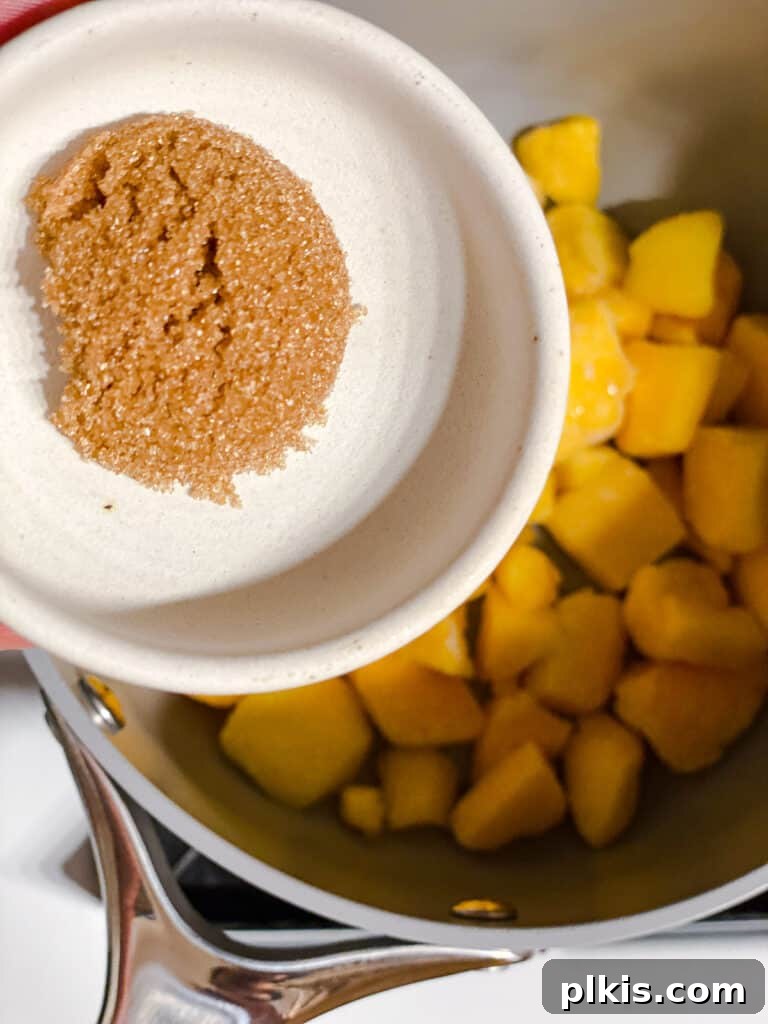
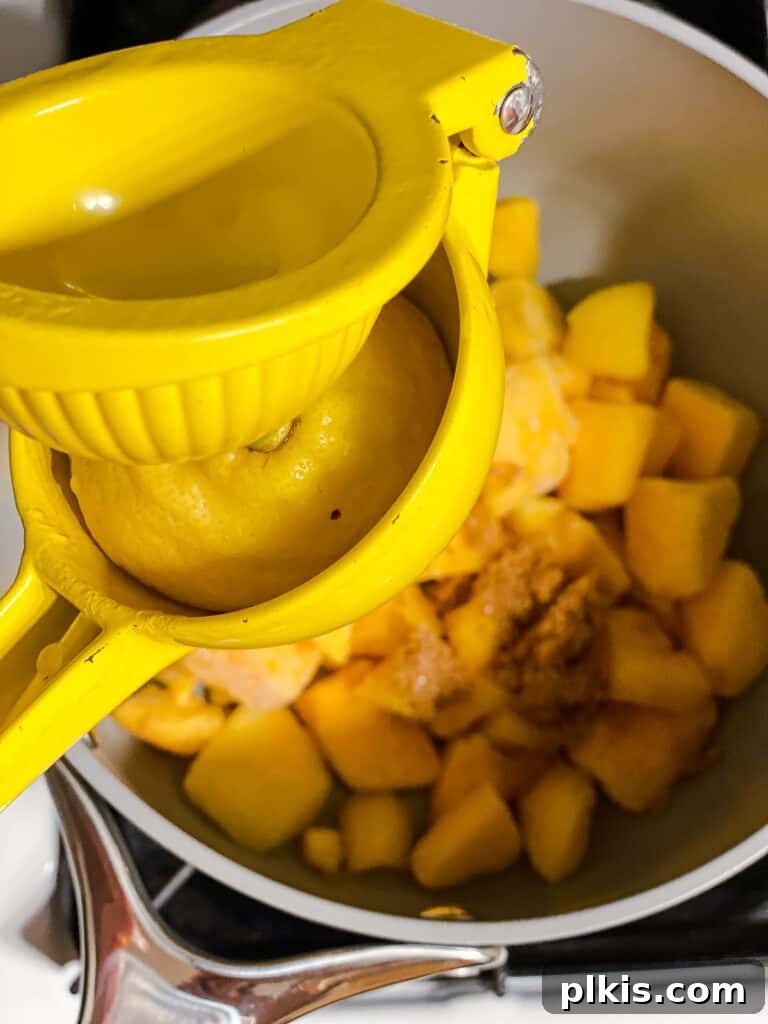
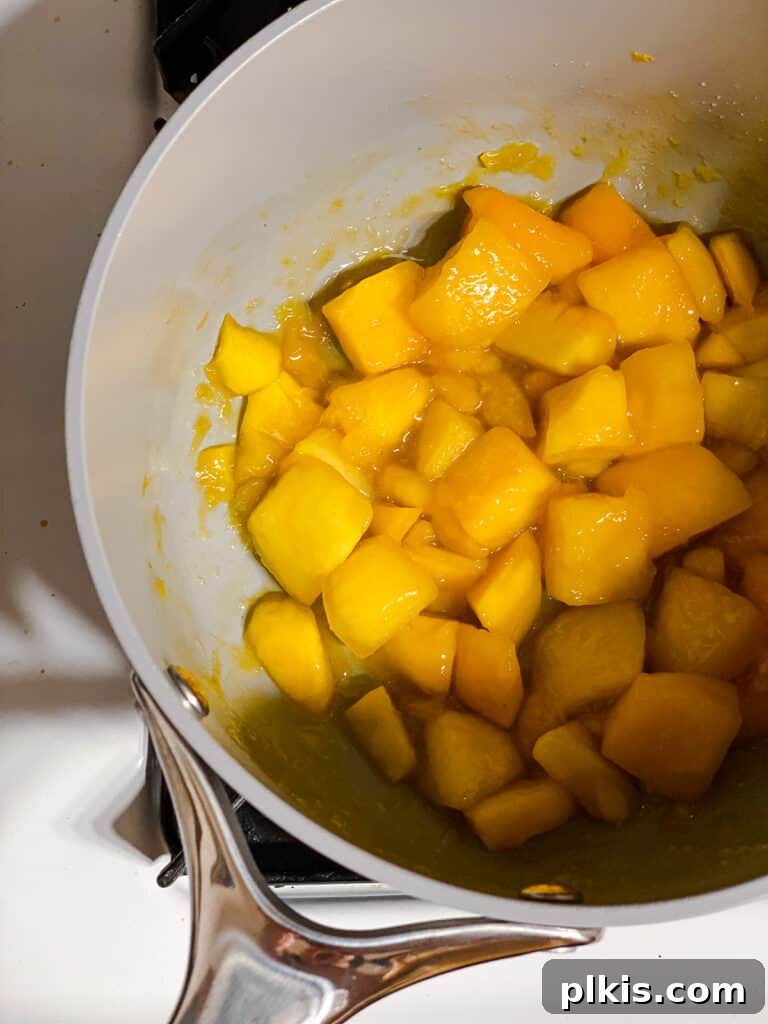
- 3) Simmer to Perfection: Allow the fruit mixture to simmer uncovered for approximately 10-15 minutes. If you’re using frozen mango, it might take a few minutes longer, around 15-20 minutes, as the mango needs to thaw and then soften. Stir the mixture regularly to prevent sticking and ensure even cooking. During this time, the mango will soften, and the juices will release and slightly reduce.
- 4) Achieve Desired Consistency: As the mango becomes tender and breaks down, use a potato masher or a fork to mash it to your preferred consistency. For a chunkier compote, mash lightly, leaving plenty of fruit pieces intact. For a slightly smoother yet still textured sauce, mash more thoroughly. If you prefer a completely smooth coulis, you’ll proceed to the next section.
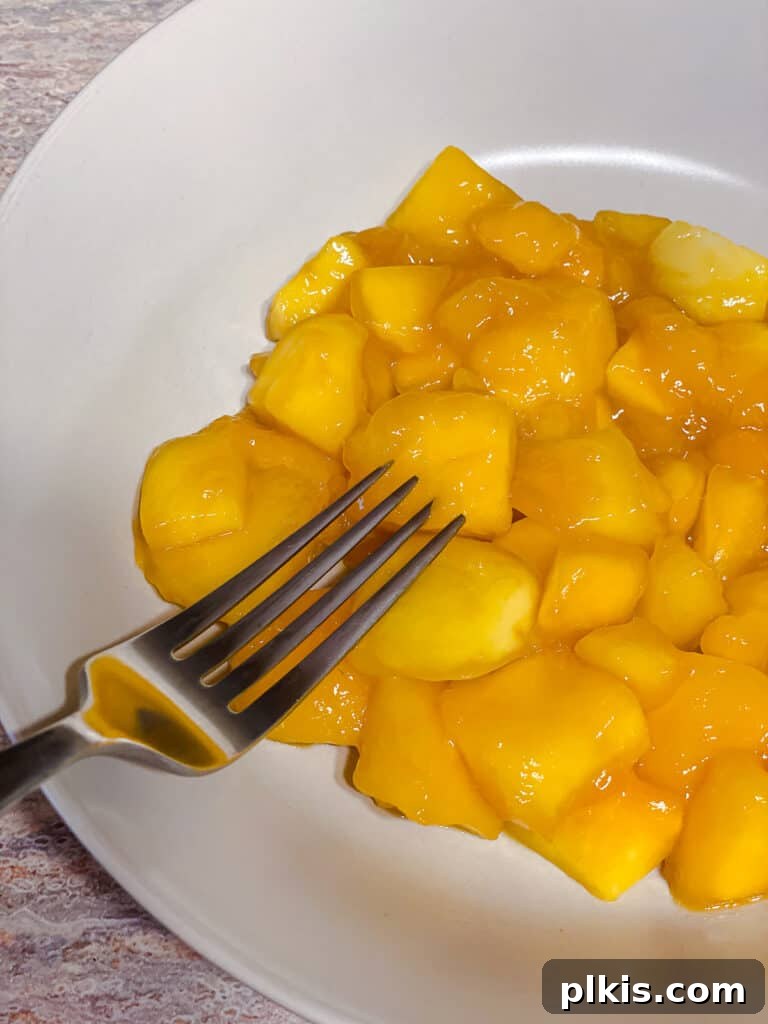
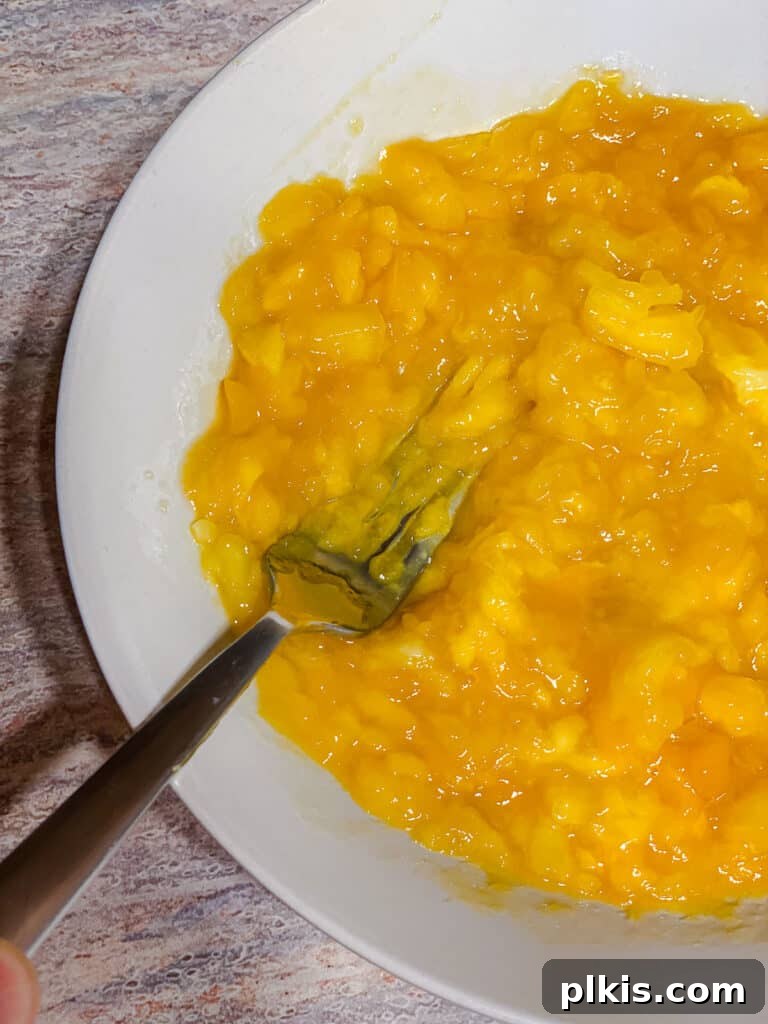
Important Note: Before removing the compote from the heat, always taste it. Adjust the amount of sugar or lime juice as needed to suit your personal preference. A little extra citrus can brighten it, while a bit more sweetener can balance any tartness.
Achieving a Silky Mango Coulis
If your goal is a smooth, velvety mango coulis, the process is just as simple:
After your compote has simmered and the mango is tender, remove the saucepan from the heat. Carefully transfer the mixture to an immersion blender (or a regular blender if you don’t have an immersion blender). Blend until the mixture is completely smooth and free of any lumps, creating a luxurious sauce-like consistency.
Consistency Adjustments: If your mango coulis turns out a little thinner than desired, return it to the saucepan over low heat and allow it to simmer gently, uncovered, until it reduces and thickens to your preferred consistency. Conversely, if it’s too thick, you can easily thin it out by adding a splash of water, coconut water, or fruit juice until it reaches the perfect pourable texture. For an exceptionally silky and light coulis, you may also press the blended mixture through a fine-mesh sieve or a nut milk bag to remove any remaining fibers.
Expert Tips for the Perfect Mango Compote (or Coulis)
Achieving a truly outstanding mango compote or coulis is all about a few key techniques and adjustments. Keep these expert tips in mind to ensure your tropical creation is perfect every time:
- Sweeten to Your Liking: Mangoes vary greatly in sweetness. Always taste your compote towards the end of cooking and adjust the amount of added sweetener based on the natural sweetness of your mangoes and your personal preference. You might find you need less sugar if your mangoes are exceptionally ripe.
- Master the Texture: This recipe is incredibly versatile when it comes to texture. For a rustic, chunky mango sauce, simply mash the tender mangoes lightly with a fork or potato masher. For a moderately smooth sauce with some body, mash more thoroughly. If a velvety, elegant coulis is what you desire, use an immersion blender or regular blender to process the cooked mixture until perfectly smooth. For an extra refined coulis, pass it through a fine-mesh sieve.
- Control the Consistency: The thickness of your mango creation is also adjustable. For a thinner mango coulis, a splash of liquid—like coconut water, plain water, or a complementary fruit juice (such as orange or pineapple)—can be stirred in. For a thicker, more spoonable compote or a richer coulis, simply allow it to simmer on the stovetop for a few extra minutes, uncovered, until it reduces and reaches your desired viscosity.
- Choose Non-Reactive Cookware: Given that this recipe includes an acidic ingredient (lemon or lime juice), it’s best to use non-reactive cookware. Stainless steel, ceramic-coated, or glass saucepans are ideal as they will not react with the acid, preventing any metallic taste or discoloration of your beautiful mango compote.
- Don’t Rush the Cooling: While delicious warm, the flavors of the mango compote or coulis often deepen and meld beautifully as it cools. Allow it to come to room temperature before chilling for optimal taste.
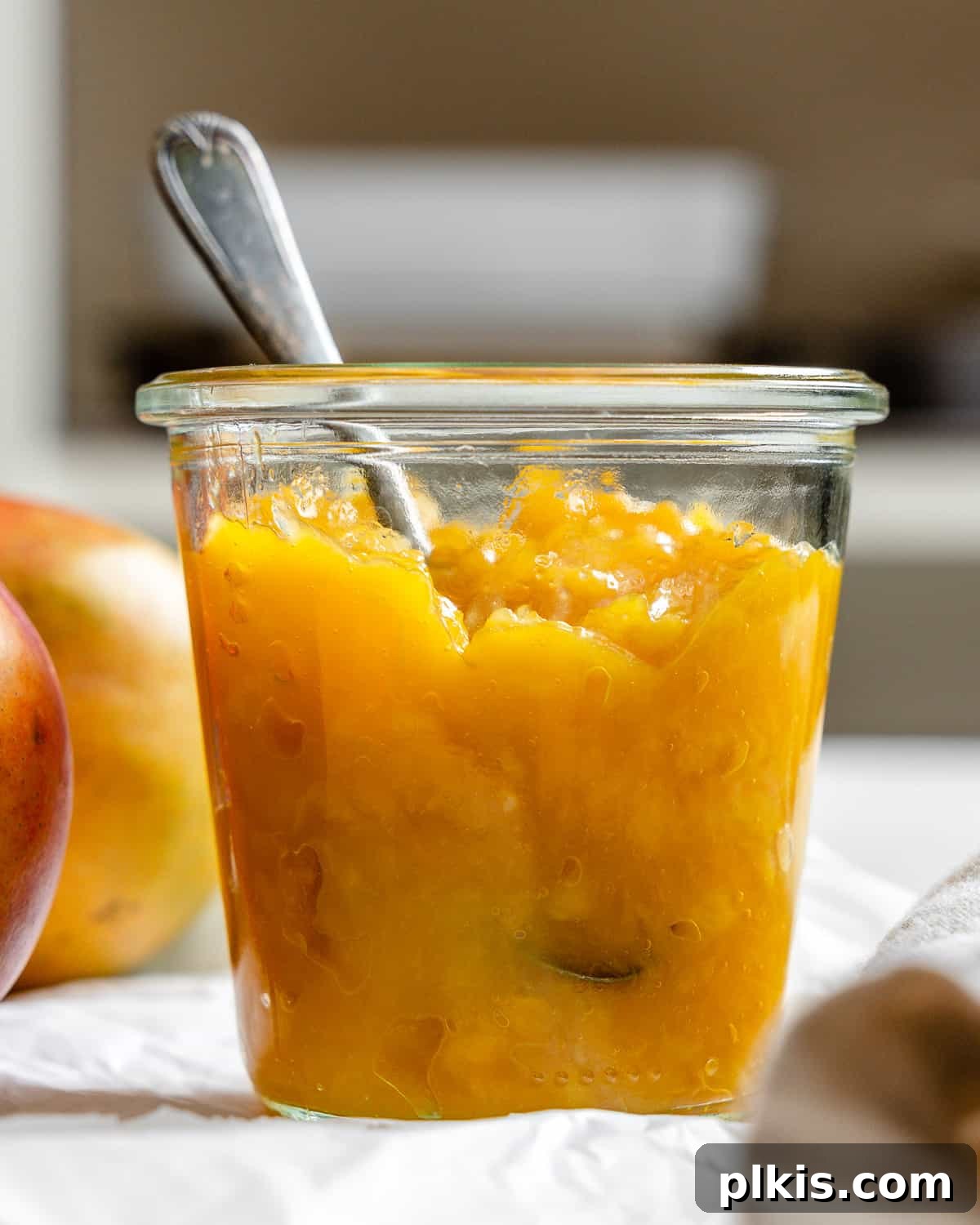
Versatile Ways to Enjoy Your Homemade Mango Compote
Whether you’ve prepared a chunky compote or a silky coulis, this vibrant mango sauce offers a multitude of delicious applications. Its tropical flavor makes it a fantastic addition to both sweet and savory dishes:
- Breakfast & Brunch:
- Layer it with vegan yogurt and granola for a delightful breakfast parfait.
- Drizzle generously over fluffy pancakes, delicate crepes, or crispy waffles.
- Serve alongside golden French toast for a tropical twist.
- Stir into creamy chia pudding, rich rice pudding, hearty oatmeal, or convenient overnight oats.
- Desserts:
- An exquisite vegan cake filling or a vibrant topping for cupcakes.
- A perfect accompaniment for dairy-free cheesecake or a simple scoop of ice cream.
- Swirl it into vegan custard or mousse for an exotic touch.
- Beverages:
- Blend into refreshing drinks like mango bubble tea, iced green tea, or a homemade frappe.
- Mix with sparkling water for a light and fruity spritzer.
- Unexpected Pairings:
- A dollop can brighten up grilled vegan “chicken” or tofu for a sweet and tangy contrast.
- Mix into a vinaigrette for a tropical salad dressing.
Storing Your Homemade Mango Compote
Proper storage is essential to keep your homemade mango compote or coulis fresh and flavorful for as long as possible. Once prepared, allow the compote to cool completely to room temperature before transferring it to an airtight bottle or jar. Store it in the refrigerator for 3-4 days. If you’ve used a higher amount of sugar and lime juice, which act as natural preservatives, it might last a day or two longer.
For longer preservation, mango compote freezes exceptionally well. Portion it into an ice cube tray (for small servings) or freezer-safe containers/bags. It can be stored in the freezer for up to 2-3 months. When ready to use, simply thaw it overnight in the refrigerator. You can then enjoy it chilled directly, or gently warm it on the stovetop or in the microwave for a comforting experience.
More Tropical & Fruit-Filled Recipes to Explore
If you’ve fallen in love with the vibrant flavors of this mango compote, you’ll surely enjoy these other fruit-forward and tropical-inspired recipes:
- Thai Mango Coconut Sticky Rice: A classic Thai dessert that perfectly combines sweet mango with creamy coconut rice.
- Healthy Mango Black Bean Salad: A refreshing and flavorful salad bursting with tropical sweetness and savory notes.
- Citrus Mango Smoothie: A vibrant and energizing drink, perfect for a quick breakfast or snack.
- 2-Minute Blueberry Maple Syrup: A quick and easy berry syrup that rivals any store-bought version.
- Easy Strawberry Applesauce: A simple, wholesome fruit sauce, great for kids and adults alike.
- 4-Ingredient Vegan Date Caramel Sauce: A rich, naturally sweet caramel sauce, perfect for guilt-free indulgence.
Photos by Alfonso Revilla
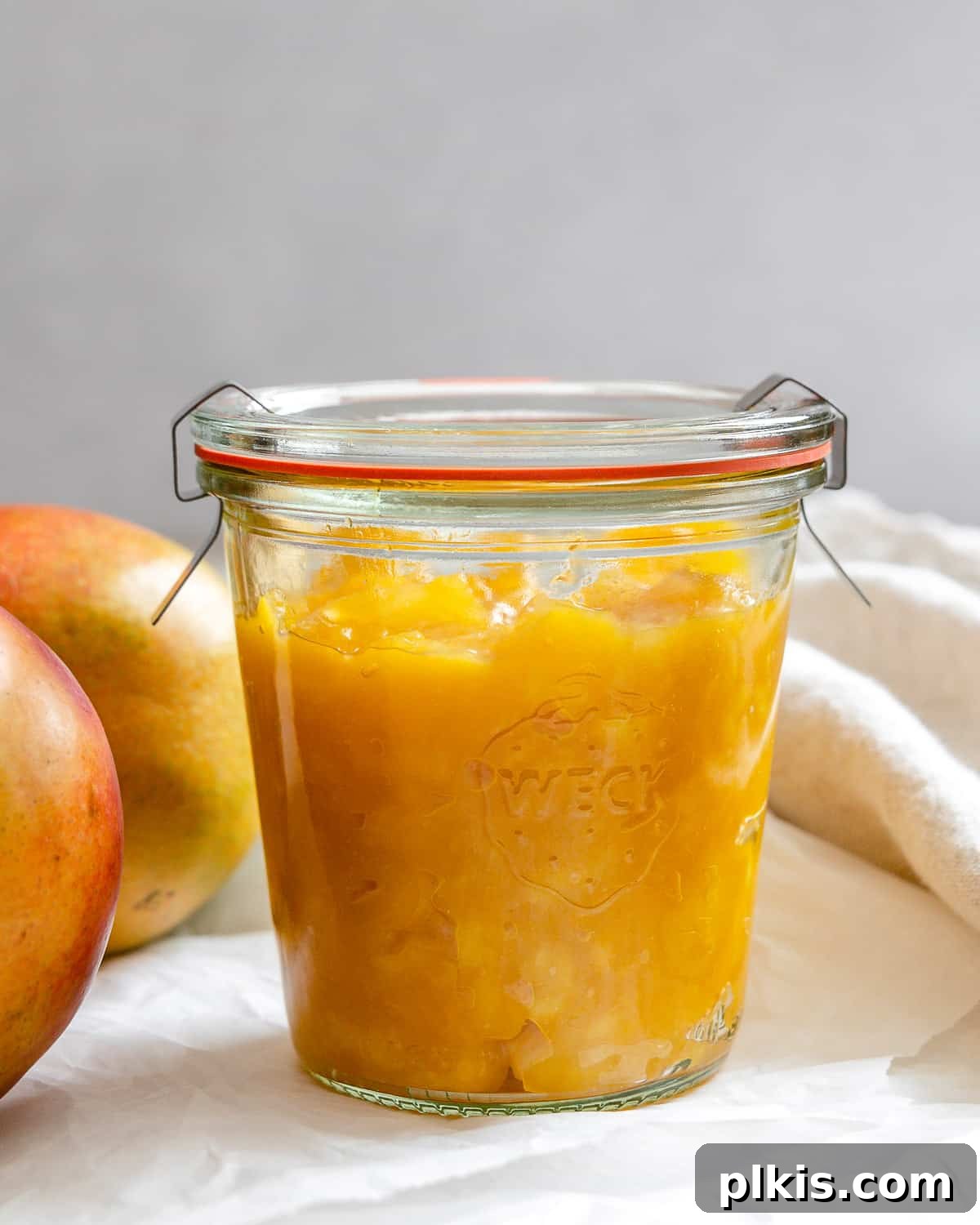
3-Ingredient Easy Mango Compote [or Coulis]
Equipment
-
Knife set
-
Measuring spoons
Ingredients
- 2 cups of fresh or frozen mango
- 1 tablespoon of granulated or brown sugar
- 1 ½ teaspoons of lemon or lime juice (optional)
Instructions
-
In a medium pot over medium heat, add the mango, sugar, and lemon or lime juice if using. Simmer uncovered, for 10 to 15 minutes, stirring regularly. As the mango softens, hand-mash them with a fork or potato masher to achieve your preferred consistency.
-
Remove from heat and allow to cool.
Notes
- Sweeten to taste: Adjust the amount based on how sweet the mango naturally is and your preferred sweetness level.
- Adjust the texture: Leave the sweet mango sauce thick and pulpy, mash it to your desired level, or blend it into a smooth coulis. For a super-smooth, light coulis, then press it through a sieve/nut milk bag.
- Adjust the consistency: For a thinner mango coulis, add a splash of liquid (coconut water, water, or fruit juice). For a thicker one, allow it to simmer to thicken/reduce.
- Use non-reactive cookware: As this recipe contains an acidic ingredient, it’s best to use stainless steel, ceramic, or glass cookware.