
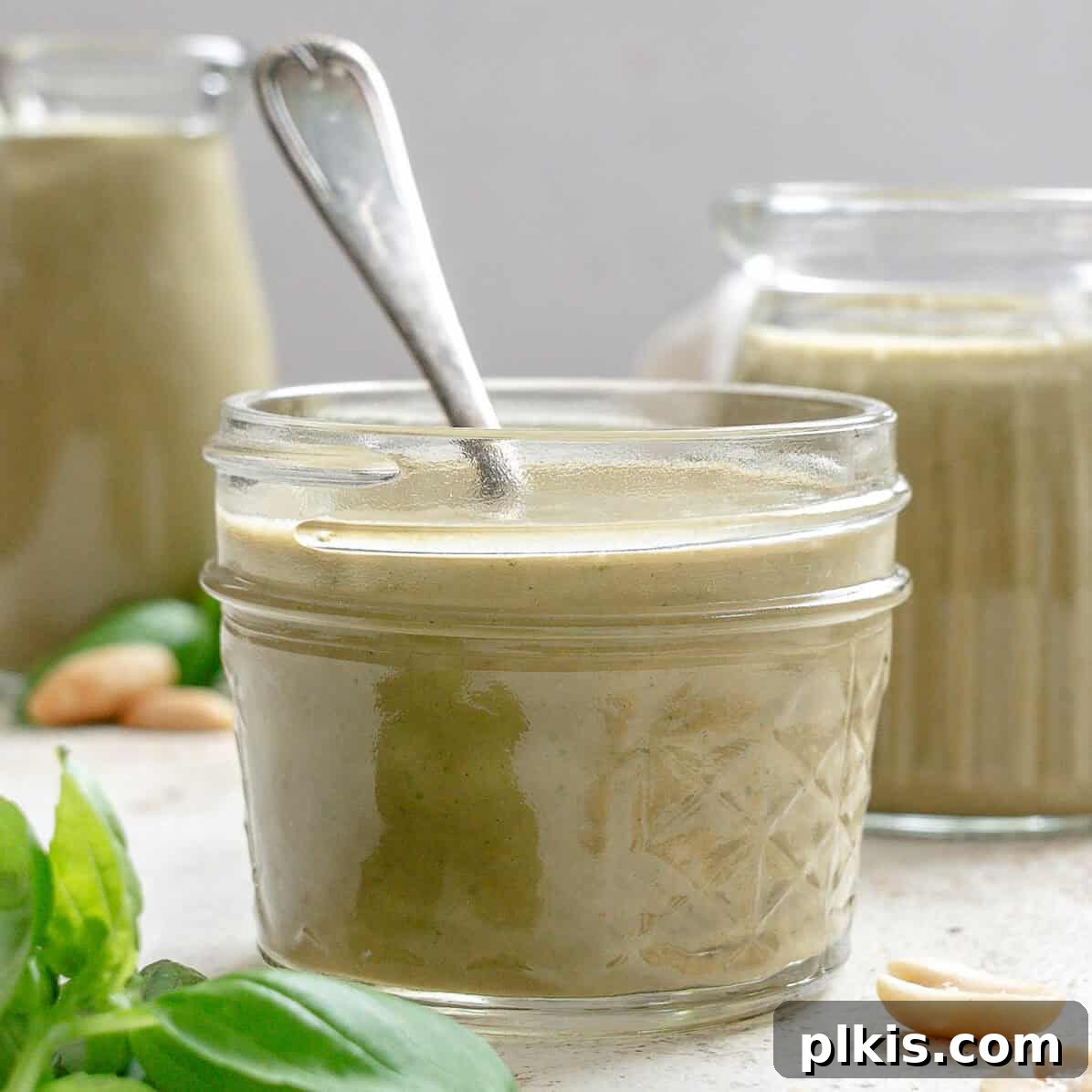
Master the Art of Flavor: Easy & Versatile Lemon Basil Salad Dressing
Unlock a world of vibrant flavor with this incredible Lemon Basil Salad Dressing! Crafted in mere minutes from a few simple, budget-friendly ingredients, this homemade dressing is an absolute game-changer. It’s perfect for drizzling over your favorite greens, dipping fresh veggies, or spreading on sandwiches – a true kitchen essential that brings zest and freshness to any meal.
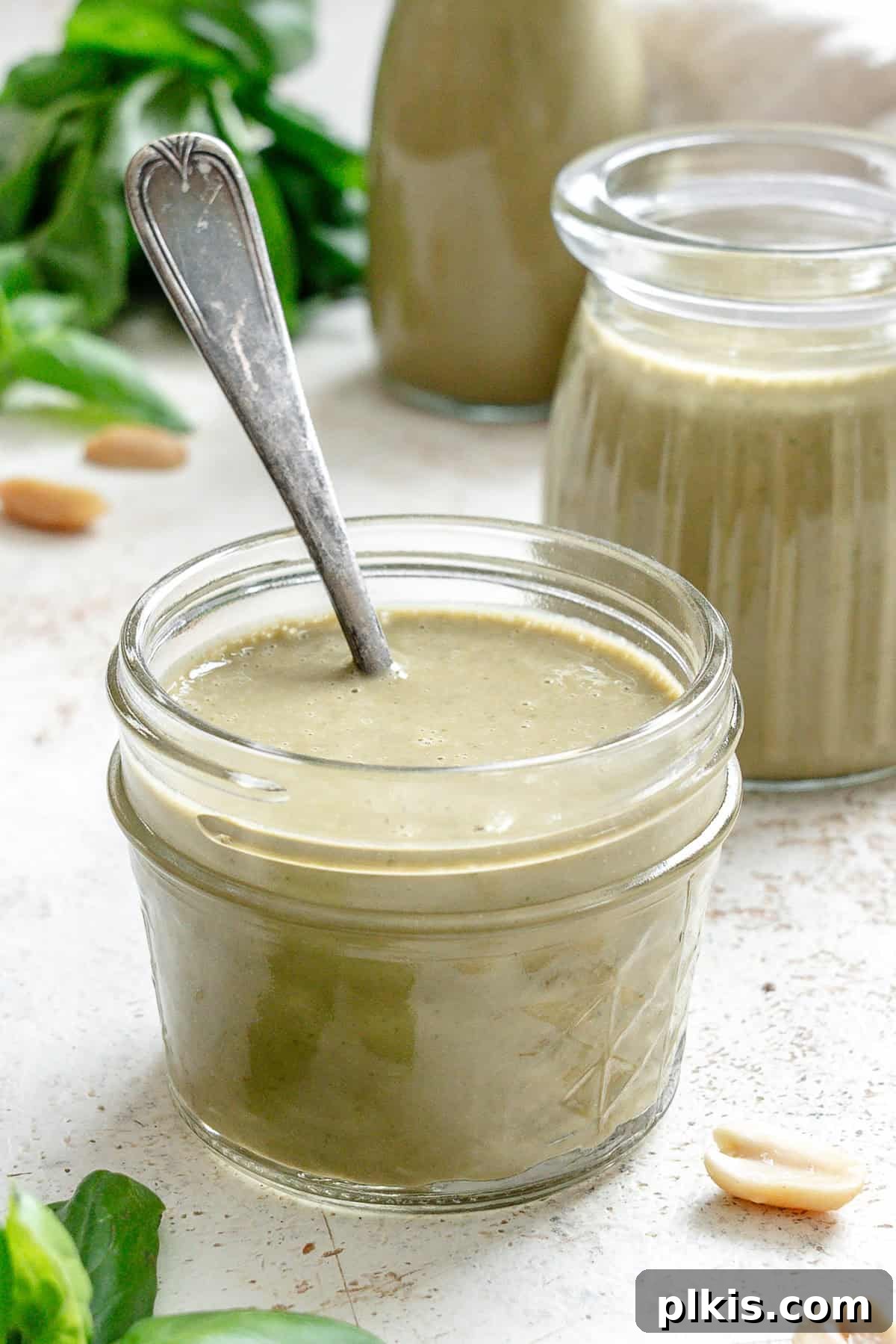
Why This Homemade Lemon Basil Dressing Will Transform Your Meals
If your garden is overflowing with fragrant fresh basil, or you simply crave a bright and zesty flavor after enjoying hearty meals like creamy vegan zucchini soup or Tuscan white bean pasta, this easy basil salad dressing is destined to become your new culinary obsession. It’s a sunshine-infused concoction that is bright, incredibly vibrant, wonderfully herby, and delightfully citrusy. Imagine the best notes of homemade pesto – with its signature fresh basil, lemon, and a hint of nuts or seeds – but simplified, made ultra-budget-friendly, and boasting unparalleled versatility.
Say goodbye to bland, store-bought dressings filled with unpronounceable ingredients. With just a handful of wholesome items, you can whip up this lemon basil dressing in minutes. Once prepared, it will be your go-to flavor booster for days! Enjoy it generously drizzled over crisp salads, hearty grain bowls, comforting pasta dishes, or perfectly roasted vegetables. It even doubles as a fantastic dip for your favorite snacks. What makes it even better? This recipe is naturally gluten-free, entirely vegan, incredibly healthy, and bursting with authentic flavor.
Don’t stop the dressing exploration there! Complement your summer rotation with other fantastic homemade options like avocado green goddess dressing, classic vegan Italian dressing, and a simple yet potent lemon dressing. Having a variety of fresh, homemade dressings on hand empowers you to create delicious, healthy meals effortlessly, ensuring every bite is a burst of fresh flavor.
The Simple Magic Behind Our Basil Dressing Ingredients
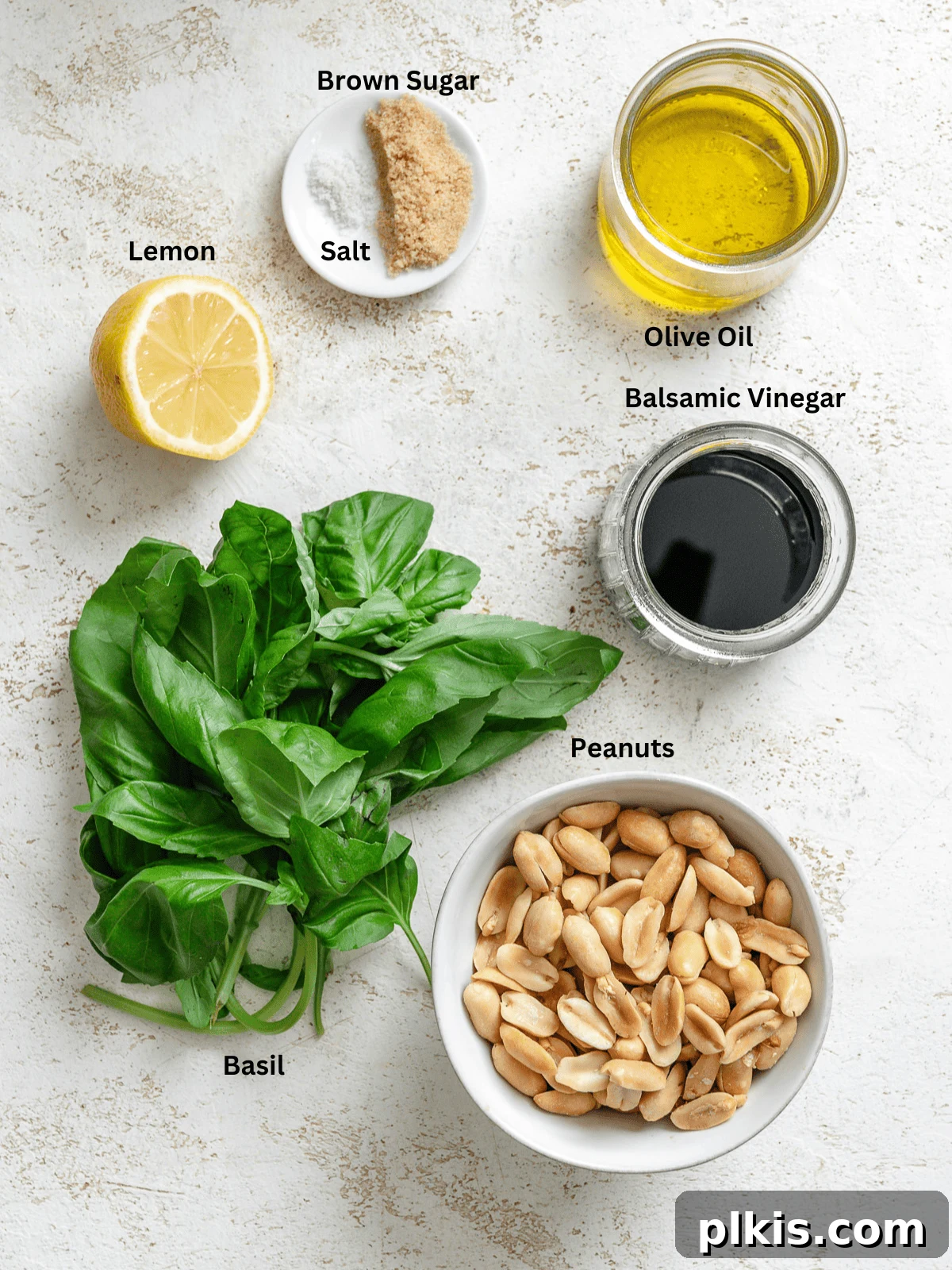
Every great recipe starts with quality ingredients, and this lemon basil dressing is no exception. The beauty lies in its simplicity and the powerful combination of fresh, wholesome components. Here’s a closer look at what makes this dressing shine:
Fresh Basil Leaves: The Heart of the Flavor
Basil is undoubtedly the star of this dressing. For the most aromatic and vibrant result, always opt for fresh basil leaves. Their sweet, peppery, and slightly anise-like notes are what give this dressing its distinctive character. A cup of packed leaves ensures you get that rich, authentic basil essence. When selecting basil, look for bright green, unblemished leaves without any wilting or dark spots. The fresher the basil, the more potent and delicious your dressing will be.
Zesty Lemon Juice: Brightness in Every Drop
Fresh lemon juice is crucial for balancing the herbaceous basil and adding a much-needed zing. It cuts through the richness, brightens all the flavors, and adds that irresistible citrusy tang. While bottled lemon juice can work in a pinch, fresh lemon juice from half a small lemon (or more, to taste!) offers a superior, more vibrant flavor profile. For an extra pop of citrus, you can also add a tiny pinch of lemon zest, though be mindful not to overpower the basil.
Extra Virgin Olive Oil: The Smooth Foundation
Good quality extra virgin olive oil forms the emulsified base of our dressing, contributing a smooth texture and a subtle, fruity undertone. Choose a high-quality extra virgin olive oil for the best flavor and health benefits. It helps to carry the other flavors and gives the dressing a silky consistency. If you prefer a lighter dressing, you can adjust the amount slightly, or explore oil-free variations as discussed in the recipe tips.
Balsamic Vinegar: A Touch of Tang and Sweetness
Balsamic vinegar adds a wonderful depth and a slight sweetness that complements the lemon and basil beautifully. Its complex, tangy notes enhance the overall flavor profile without dominating it. If you don’t have balsamic, apple cider vinegar can be a good substitute for its tang, though the flavor will be different. Red wine vinegar is another suitable alternative, offering a sharper, fruitier acidity.
Peanuts: Adding Creaminess and Depth (with nut-free options)
The addition of peanuts might seem unconventional for a basil dressing, but they contribute a delightful creaminess, a subtle nutty flavor, and help thicken the dressing without needing dairy. They also add a touch of protein and healthy fats. If you have a nut allergy or prefer a nut-free version, sunflower seeds or white beans are excellent alternatives that provide similar texture and richness. For a lighter dressing, you can simply omit the nuts altogether.
Sweetness and Spice: Brown Sugar & Chili Flakes
Half a tablespoon of brown sugar helps to balance the acidity of the lemon and vinegar, rounding out the flavors. You can adjust this to your preference or use other sweeteners like maple syrup or agave nectar. Red chili flakes are entirely optional but provide a fantastic subtle heat that awakens the palate and adds another layer of complexity to the dressing. Feel free to adjust the amount of chili flakes to your desired level of spice.
Water: Achieving Perfect Consistency
Water is essential for achieving the perfect pourable consistency, especially when blending a thick mixture of basil and peanuts. It helps the ingredients emulsify smoothly and ensures your dressing isn’t too thick to drizzle. You can always start with a smaller amount and add more as needed to reach your desired texture.
Unleash Your Creativity: Exciting Recipe Variations
While this lemon basil salad dressing is fantastic on its own, it’s also an incredibly flexible recipe that invites customization. Feel free to experiment with these variations to make it uniquely yours:
Herbaceous Adventures
Want to add more depth and complexity? Incorporate other fresh herbs alongside or in combination with the basil. A handful of fresh parsley can add a peppery, bright note. Mint offers a cool, refreshing twist, especially lovely in summer salads. Cilantro brings an earthy, citrusy aroma that pairs well with specific cuisines. Chives or dill can provide a subtle oniony or fresh, grassy flavor. Mix and match to discover your favorite herbal symphony.
Aromatic Boosters
Enhance the savory notes of your lemon basil vinaigrette with aromatics. A small clove of minced garlic will add a pungent kick and depth. For a milder, slightly sweeter onion flavor, finely minced shallots are an excellent choice. These aromatics can significantly elevate the overall taste of the dressing.
The Creamy Dream
If you prefer a richer, creamier texture, there are several vegan options to explore. Blend in half to a whole ripe avocado for a silky, rich consistency and an extra boost of healthy fats. A spoonful or two of plain vegan yogurt (unsweetened) or healthy oil-free vegan mayonnaise can make it wonderfully smooth. For an even more decadent touch, try blending in some homemade cashew cream or a tablespoon of tahini; both add fantastic richness and body.
‘Cheesy’ Delights
To infuse a savory, umami-rich ‘cheesy’ flavor, incorporate some nutritional yeast. This flaky yellow ingredient is a staple in vegan cooking and offers a delightful nutty, cheesy taste. For an even more authentic experience, a sprinkle of finely shredded vegan parmesan adds texture and a sharp, salty finish.
Pesto Power-Up
For an even more intense basil and nutty flavor profile reminiscent of a classic pesto, consider adding a tablespoon of green pesto to this vinaigrette recipe. You can use your favorite store-bought vegan pesto or try making your own, like an amazing avocado pesto, a rich vegan walnut pesto, or a vibrant vegan basil sunflower seed pesto. Remember to adjust the other seasonings if you introduce a pre-seasoned pesto.
Experiment with Sweeteners
While brown sugar provides a lovely caramel note, feel free to swap it for other sweeteners like pure maple syrup or agave nectar for a different flavor profile or to suit dietary preferences. Adjust the amount based on your personal taste and the sweetness of your other ingredients.
Crafting Your Lemon Basil Dressing: Step-by-Step Guide
This lemon basil salad dressing recipe is incredibly straightforward, coming together in just a few simple steps. The magic happens primarily in your blender or food processor!
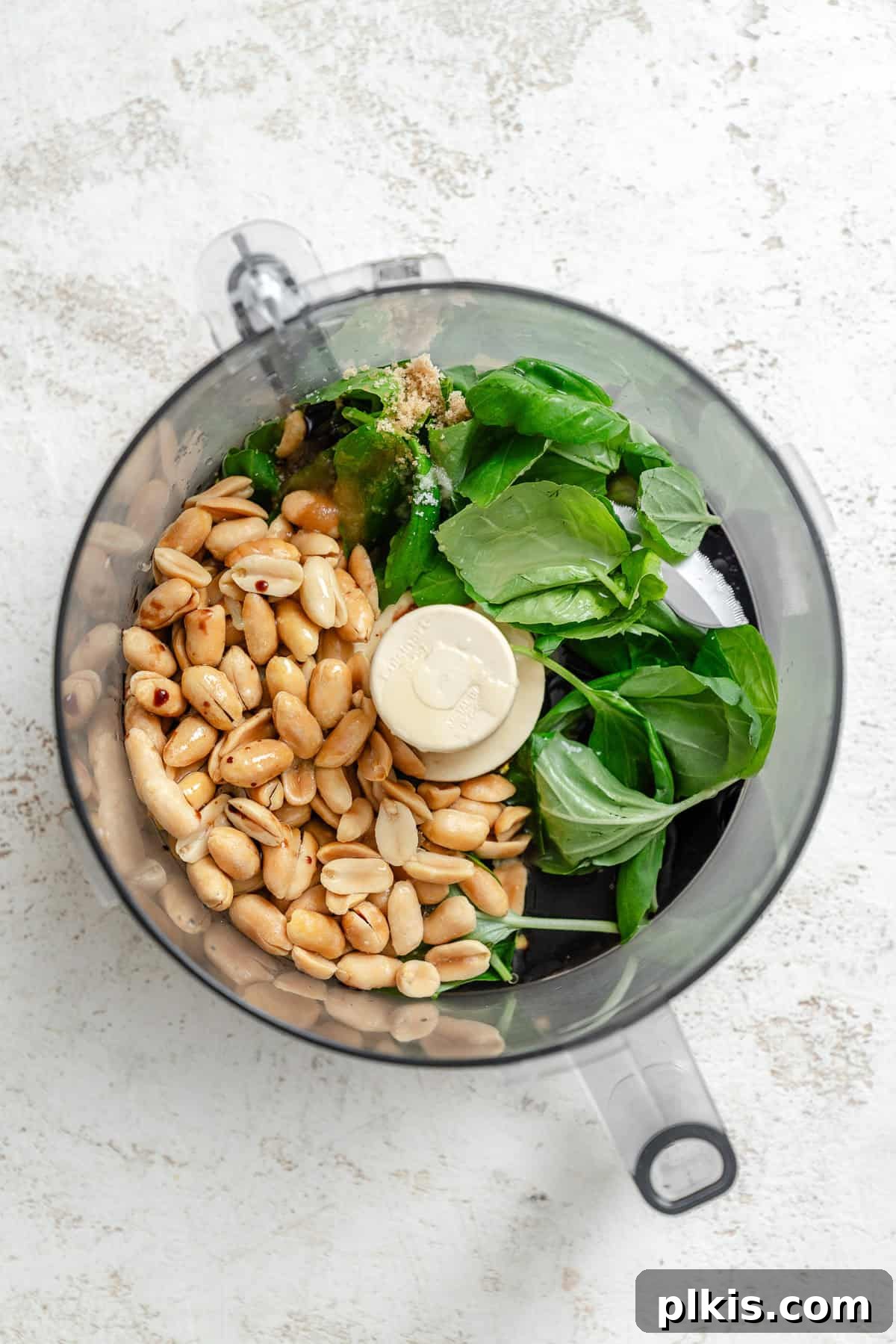
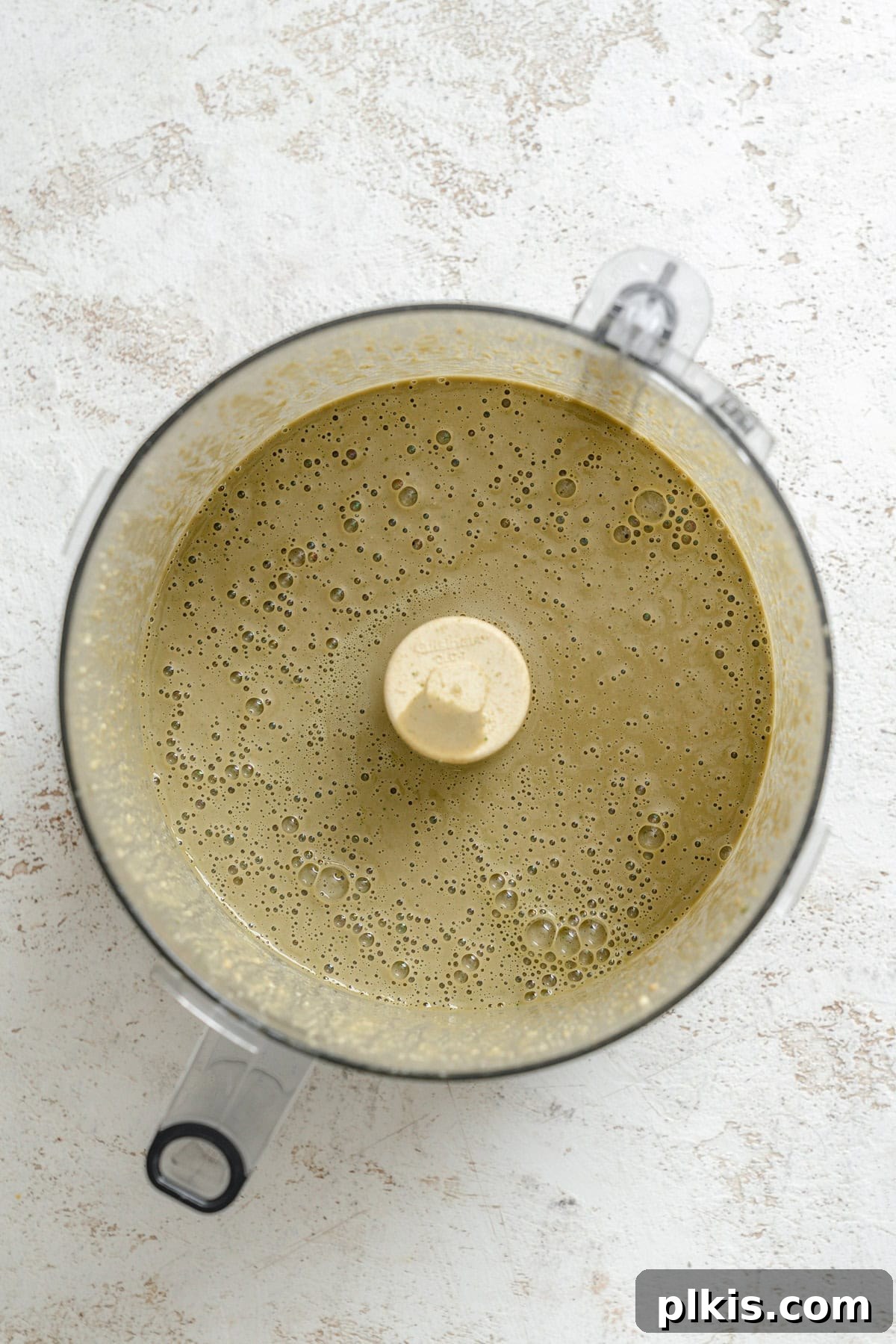
Step 1: Gather and Combine All Ingredients
Begin by adding all your prepared ingredients – the fresh basil leaves, water, extra virgin olive oil, balsamic vinegar, peanuts, lemon juice, brown sugar, and optional red chili flakes – into the carafe of a blender or the bowl of a food processor. Ensure all ingredients are nestled in before blending.
Step 2: Blend to Perfection
Secure the lid and blend the ingredients until the mixture is completely smooth and creamy. This usually takes a minute or two, depending on the power of your appliance. Scrape down the sides if necessary to ensure all ingredients are fully incorporated. The goal is a uniform, pourable consistency without any large chunks of basil or peanuts.
Step 3: Taste and Adjust
Once blended, taste the dressing. This is your chance to personalize it! Does it need more lemon for brightness? A touch more sugar for sweetness? A pinch more salt or pepper for seasoning? Perhaps a bit more chili for heat? Adjust any element to your liking until the flavor profile is perfect for you.
Step 4: The Chilling Secret for Best Flavor
While you can enjoy it immediately, for the absolute best flavor, transfer the lemon basil dressing to an airtight container and let it chill in the refrigerator for at least 30 minutes before serving. This brief chilling period allows all the wonderful flavors to meld and deepen, resulting in a more harmonious and pronounced taste.
Expert Tips for the Best Basil Salad Dressing
Achieving a truly exceptional lemon basil dressing is easy with a few simple techniques. Keep these expert tips in mind to ensure your homemade dressing is always a success:
- Prioritize Fresh Basil: The quality of your basil directly impacts the flavor of your dressing. Always use fresh, vibrant, and aromatic basil leaves. Avoid any leaves that are bruised, discolored, or wilting, as they won’t provide the same bright flavor.
- The Power of Taste and Adjust: This is perhaps the most important tip for any homemade recipe. Once you’ve blended your dressing, taste it! Is it tangy enough? Sweet enough? Does it need more salt or pepper? Don’t be afraid to add a little more lemon, sugar, or seasoning until it perfectly suits your palate.
- Utilize a High-Speed Blender: For the smoothest, most creamy dressing, a high-speed blender or a powerful food processor is ideal. It ensures that the basil and peanuts are thoroughly pulverized, creating a luxurious texture. If you’re using a less powerful machine and including nuts, consider soaking the peanuts in cold water overnight. This softens them considerably and helps them blend into a smoother consistency.
- Blanch Basil for Color Retention (Optional): Basil-based sauces can sometimes darken over time due to oxidation. To prevent this and maintain a vibrant green color, you can blanch the basil leaves for 5-10 seconds in boiling water, then immediately transfer them to an ice bath to stop the cooking process. Pat them thoroughly dry before using in the recipe. This step is optional but recommended if presentation and bright green color are a priority.
- A ‘Cheat’ with Store-Bought Pesto: If fresh basil is hard to come by or you’re short on time, you can still enjoy a delicious basil-infused dressing. Replace a portion of the fresh basil with a tablespoon or two of good quality store-bought basil pesto. This will give you a quick “cheat” pesto salad dressing, but remember to adjust other seasonings as store-bought pesto can vary in saltiness and flavor.
- Don’t Skip the Chill Time: While tempting to serve immediately, allowing the dressing to chill for at least 20-30 minutes in the refrigerator makes a noticeable difference. This resting period gives the ingredients time to mingle and their flavors to deepen, resulting in a more complex and harmonious dressing.
Frequently Asked Questions About Basil Salad Dressing
Here are some common questions and helpful answers to ensure your basil dressing experience is perfect every time:
Can I make this dressing nut-free?
Absolutely! If you have a nut allergy or prefer to avoid nuts, you can easily make this lemon basil vinaigrette recipe nut-free. Substitute the peanuts with an equal amount of sunflower seeds (for a similar texture and mild flavor) or white beans (like cannellini or navy beans) for a creamy, protein-rich alternative. Alternatively, you can simply skip the nuts altogether for a lighter, more traditional vinaigrette-style dressing.
What if I don’t have fresh basil?
While fresh basil offers the best flavor, if you’re in a pinch, you have a couple of options. As mentioned in our pro tips, you can use a tablespoon or two of store-bought basil pesto for a “cheat” version. For an entirely different but still delicious herbal dressing, you could substitute fresh parsley and/or cilantro. While it won’t taste the same as a basil dressing, these herbs will provide their own unique, fresh flavor profiles that are equally wonderful on salads.
Why has the basil lemon salad dressing darkened?
It’s common for basil-based sauces and dressings to turn a darker, murky color over time due to oxidation, especially if exposed to air. This doesn’t mean the dressing has gone bad, and it will still taste fine! To avoid discoloration, try blanching your fresh basil leaves for 5-10 seconds in boiling water, then immediately transferring them to an ice bath. Pat them thoroughly dry before blending. Storing the dressing in an airtight container with minimal air exposure can also help preserve its vibrant green hue.
Can I make this dressing oil-free?
Yes, you can adapt this recipe to be oil-free! The olive oil contributes to the richness and emulsion, but you can replace it with additional water or vegetable broth to achieve the desired consistency. To maintain some creaminess, you might want to increase the amount of peanuts (or sunflower seeds/white beans) or add half an avocado to the mixture. Be prepared to adjust seasonings like lemon and salt as the absence of oil can change the overall flavor balance.
How long does homemade dressing last?
When stored properly in an airtight container in the refrigerator, this homemade lemon basil salad dressing will typically last for 3-5 days. Always rely on your senses – if it smells or looks off, it’s best to discard it. The fresher the ingredients you start with, the longer your dressing will likely stay delicious.
Versatile Servings: How to Enjoy Your Lemon Basil Salad Dressing
The beauty of this lemon basil salad dressing lies in its incredible versatility. It’s not just for salads! Here are countless ways to incorporate its vibrant flavor into your meals:
Elevate Your Salads
This dressing pairs exceptionally well with Mediterranean and Italian-inspired salads. Think crisp lettuce, ripe tomatoes, cool cucumbers, briny olives, colorful bell peppers, tender zucchini, roasted asparagus, and hearty white beans or chickpeas. It’s fantastic with fresh spinach or mixed greens, and a sprinkle of vegan cheese (like homemade tofu feta cheese or a plant-based mozzarella) takes it to the next level. Specific salad ideas include:
- Vegan Caprese Salad: Drizzle over sliced tomatoes, fresh vegan mozzarella, and basil leaves.
- Orzo Chickpea Salad: Stir into a cold orzo pasta salad with chickpeas, cherry tomatoes, and various herbs.
- Panzanella Salad: Toss with stale bread, tomatoes, cucumbers, and red onion for a refreshing bread salad.
- Watermelon Basil Salad: A surprising but delightful combination with fresh watermelon and a light drizzle of this dressing.
- Potato and Pasta Salads: Perfect for adding a fresh, zesty kick to classic potato or pasta salads, making them summer-ready.
Beyond the Bowl: Dips & Spreads
- Drizzle: Use it as a finishing touch over warm grain bowls, vegan pizza, or flatbread. It’s also fantastic on crisp lettuce wraps, fluffy baked potatoes, or perfectly smashed potatoes. Don’t forget roasted vegetables like broccoli, cauliflower, or carrots – a drizzle after roasting adds immense flavor.
- Spread: This dressing makes a delightful spread for sandwiches. Try it on a pesto tofu sandwich, a hearty mushroom sandwich, or even a vegan grilled cheese for a fresh twist. It’s also incredible on bruschetta, offering a vibrant alternative to traditional toppings.
Flavor for Your Grains & Veggies
- Mix-in: Stir the lemon basil dressing into plain rice or quinoa for an instant flavor upgrade. It also works wonderfully mixed into warm or cold pasta dishes, infusing them with herby, citrusy notes.
- Marinade: Use this dressing as a quick marinade for tofu, tempeh, or other plant-based proteins before grilling or baking. The lemon and vinegar will tenderize, while the basil and other flavors infuse the protein with delicious taste.
A Perfect Protein Companion
- Protein Topping: Generously spoon this dressing over vegan fish alternatives, plant-based chicken, or pan-fried/baked tofu. Its bright flavor complements a wide range of proteins, adding moisture and a burst of taste to every bite.
Storage Solutions: Keep Your Dressing Fresh
Making a batch of this lemon basil dressing ensures you have a delicious flavor enhancer ready whenever you need it. Proper storage is key to maintaining its freshness and vibrant taste.
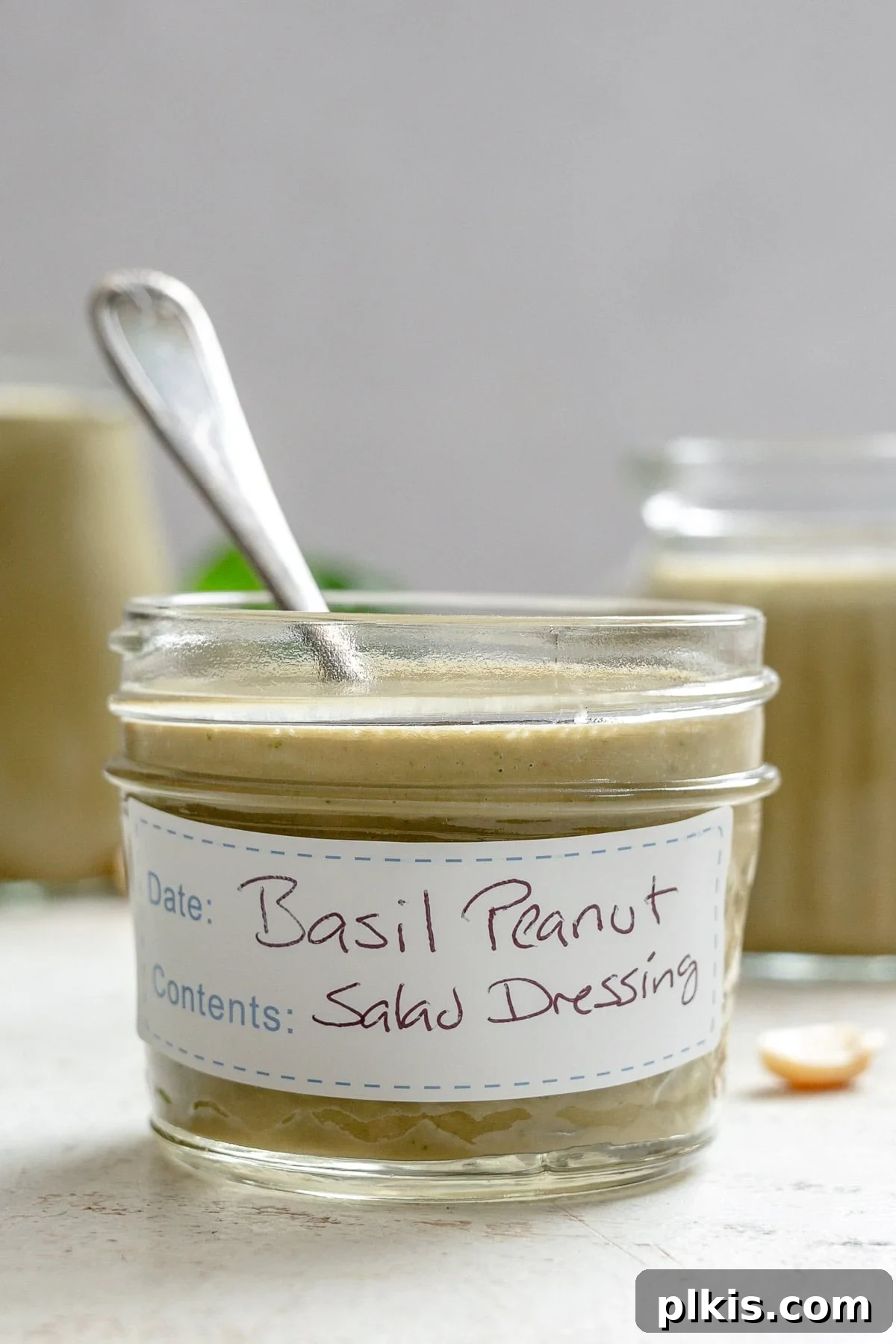
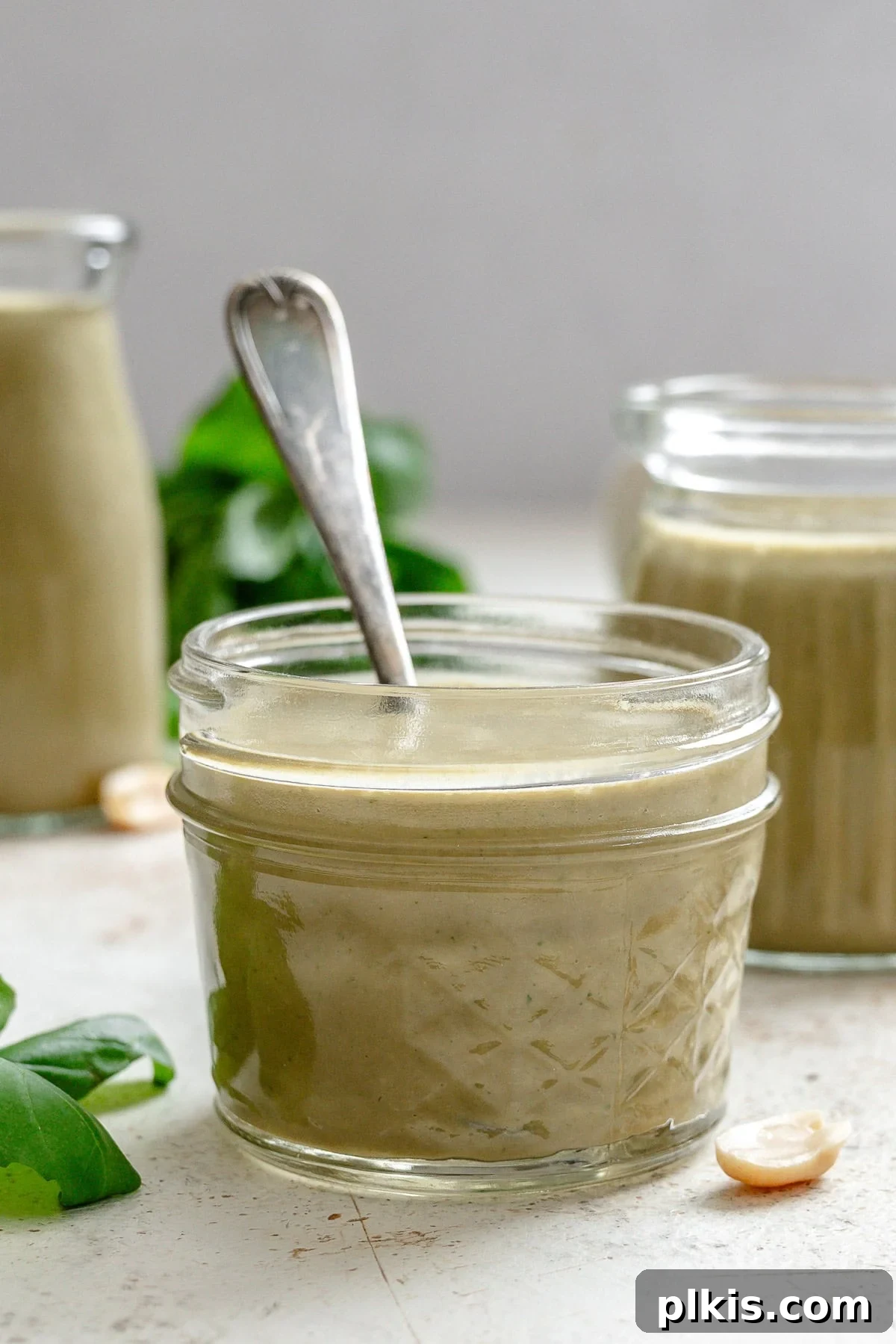
Refrigerate: Transfer your homemade dressing to an airtight container or a glass jar with a tight-fitting lid immediately after blending. Store it in the refrigerator for optimal freshness. It will keep well for 3 to 5 days. Over time, the flavors may deepen, and the color might slightly darken due to basil oxidation, but it will still be delicious.
Freeze: Yes, this dressing can be frozen! Freezing is an excellent way to extend its shelf life and ensure you always have a fresh batch ready. Pour the dressing into an ice cube tray, filling each compartment. Once frozen solid, transfer the dressing cubes to a freezer-safe bag or container. Cover it tightly with plastic wrap before sealing to minimize air exposure, which helps prevent discoloration. It can be stored in the freezer for 2-3 months.
To thaw, simply transfer a few cubes to the refrigerator overnight. Alternatively, you can microwave the frozen cubes in 10-second spurts until just thawed, stirring between each burst, then give it a good whisk or shake before serving.
Discover More Delicious Vegan Dressings
Vegan Lunches
Cilantro and Green Chili Dressing
Salads
Vegan Caesar Dressing
Vegan Lunches
Lemon Dressing
Salads
2-Minute Oil Free Salad Dressing
If you tried this easy basil salad dressing recipe or any other recipe on our blog, please leave a 🌟 star rating and let us know how it went in the 📝 comments below. Your feedback helps us grow!
Easy Basil Salad Dressing
Equipment
-
Food Processor
-
Measuring spoons
-
Blender
-
Measuring Cups
Ingredients
- 1 cup packed basil leaves
- 1 cup water
- ¼ cup extra virgin olive oil
- ¼ cup balsamic vinegar
- 1 cup peanuts
- Juice of ½ small lemon
- ½ tablespoon brown sugar
- Red chili flakes to taste (optional)
Instructions
- Add all ingredients to a blender or food processor.
- Blend until smooth and well combined. Adjust seasoning to taste.
- Transfer to an airtight container and refrigerate for up to 5 days.
Notes
- Use fresh basil: Make sure it’s vibrant and fresh for the best flavor.
- Taste and adjust: i.e., sweetness, lemon, seasonings, etc.
- Use a high-speed blender: To blend it until smooth. Soaking nuts in cold water overnight can soften them if using a lower-powered machine.
- If you can’t use fresh basil: Make a ‘cheat’ pesto salad dressing by replacing it with store-bought basil pesto.
Nutrition
Carbohydrates: 57g
Protein: 40g
Fat: 127g
Saturated Fat: 19g
Polyunsaturated Fat: 31g
Monounsaturated Fat: 72g
Sodium: 66mg
Potassium: 1486mg
Fiber: 15g
Sugar: 21g
Vitamin A: 1310IU
Vitamin C: 97mg
Calcium: 242mg
Iron: 7mg