

Discover the incredible simplicity and deliciousness of this mung bean sprouts curry! Crafted with common spices, wholesome vegetables, creamy coconut milk, and a touch of seed or nut butter, this recipe delivers a burst of nutrients in every spoonful. It’s not only incredibly budget-friendly but also designed to be ready in just 30 minutes, making it the perfect solution for busy weeknights or whenever you crave a comforting, fuss-free meal.
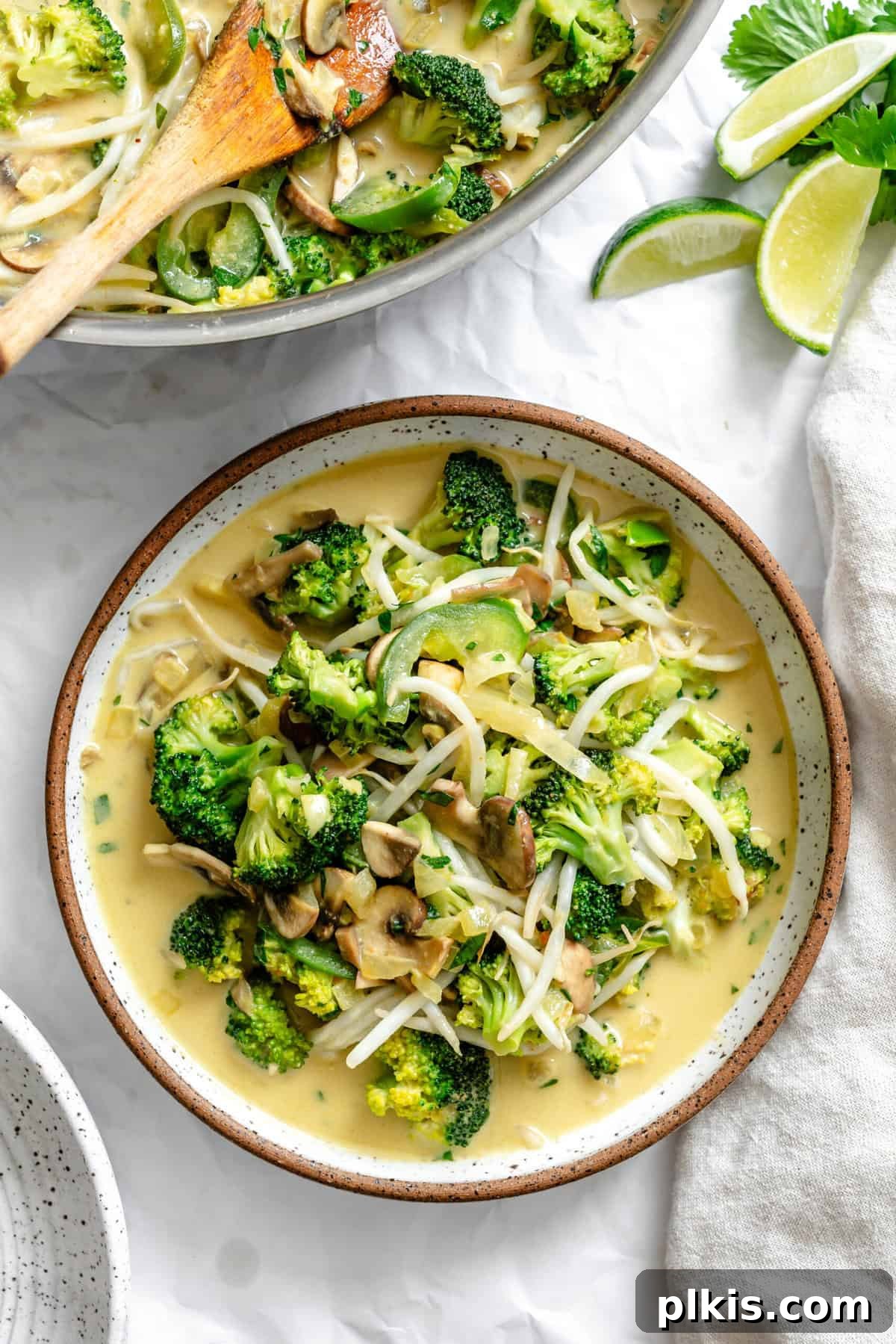
Why You’ll Love This Healthy & Quick Mung Bean Sprouts Curry
Often overlooked, bean sprouts are tiny powerhouses of nutrition that deserve a prime spot in your culinary repertoire. These unassuming sprouts, particularly fresh mung bean sprouts, are brimming with plant-based protein, essential dietary fiber (keeping you feeling full and satisfied!), and a spectrum of vital nutrients. They are also remarkably easy to digest, naturally fat-free, and boast a low glycemic index, making them an excellent choice for a balanced diet. If you’ve been sticking to sprout salads, it’s time to explore new horizons! This Indian-inspired mung bean sprouts curry, sometimes referred to as moong sprouts curry, offers a delightful alternative. It’s not only perfect for those hectic evenings when time is of the essence but also ideal for any moment you desire a warm, hearty, and incredibly nourishing meal without the fuss.
This vibrant curry celebrates the unique qualities of mung or mixed sprouts, which impart a light, subtly crunchy texture and a delicate nutty flavor. These are beautifully complemented by a medley of fresh, mixed vegetables, amplifying the dish’s nutritional value and creating a rich tapestry of textures. The luxurious creaminess comes from nutrient-rich coconut milk, perfectly balanced by the earthy depth of your chosen seed or nut butter. A carefully selected blend of cozy Indian spices—such as fragrant cumin, vibrant turmeric, and a hint of chili powder—ties all these elements together into a harmonious, warming, and deeply satisfying vegan meal that truly comes together in just 30 minutes. It’s a culinary journey that promises both health and convenience, proving that quick meals can still be profoundly flavorful and nutrient-dense.
Eager to explore more delightful and easy vegan curry recipes? We highly recommend trying our easy tofu vegetable coconut curry for a protein-packed meal, the rich and versatile butternut squash curry for a touch of sweetness, or our speedy quick eggplant curry when you need dinner on the table in a flash. Each recipe offers a unique flavor profile and a satisfying plant-based experience.
Key Ingredients for a Flavorful Sprout Curry
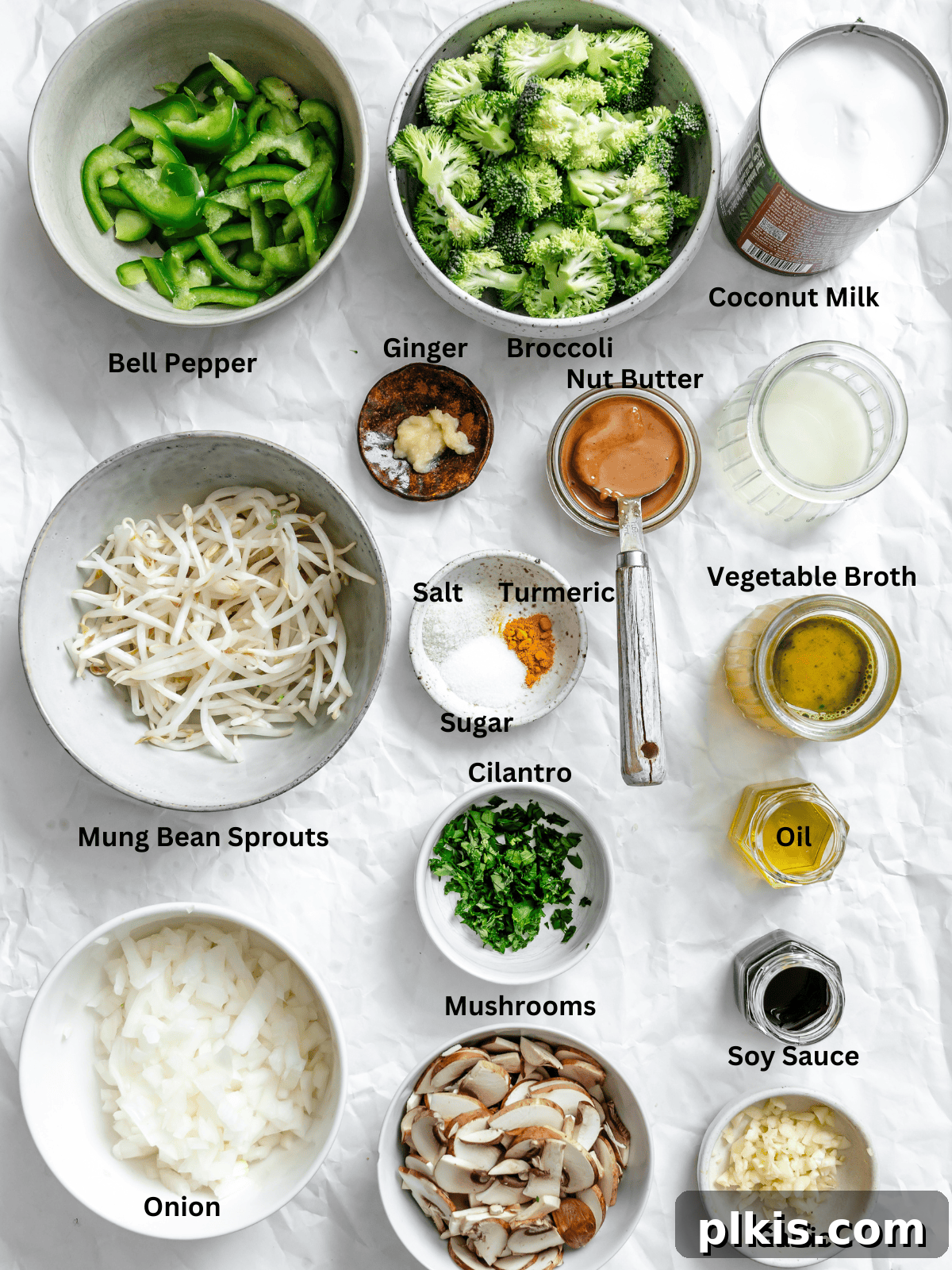
Crafting this vibrant mung bean sprouts curry requires a selection of fresh, accessible ingredients that work in harmony to create its distinctive flavor and comforting texture. While the full list with precise measurements can be found in the recipe card below, here’s a closer look at some of the stars of this dish and why they are so crucial:
- Mung Bean Sprouts: The undeniable hero of our curry, fresh mung bean sprouts bring a delicate crunch and a mild, slightly sweet, nutty flavor. Beyond their delightful texture, they are packed with protein, fiber, and essential vitamins like C and K, and minerals such as folate and iron. Opt for fresh, crisp sprouts, whether home-grown or store-bought, for the best results.
- Aromatics (Onion, Garlic, Ginger): This foundational trio forms the aromatic base of many Indian dishes. Sautéing them until fragrant releases their complex flavors, building a robust foundation for the curry. Freshly minced garlic and ginger are key to that authentic, warming taste.
- Turmeric: More than just a spice for color, ground turmeric offers a warm, earthy flavor and a host of anti-inflammatory properties. It’s a staple in Indian cooking and contributes significantly to the curry’s golden hue and healthful profile.
- Mixed Vegetables (Mushrooms, Bell Pepper, Broccoli/Cauliflower): These vegetables not only add vibrant color and texture but also a considerable nutritional boost. Mushrooms lend an umami depth, bell peppers provide sweetness and crunch, and broccoli or cauliflower florets absorb the curry’s rich flavors beautifully. Feel free to customize this medley with your favorite seasonal greens.
- Vegetable Broth: This liquid base helps simmer the vegetables to tender perfection and integrates all the flavors. Using a low-sodium vegetable broth allows you to control the overall saltiness of the dish.
- Coconut Milk: Essential for that signature creamy, luscious texture and subtle sweetness, full-fat canned coconut milk is recommended for the richest flavor and consistency. It transforms the curry into a truly indulgent experience.
- Nut or Seed Butter (Almond or Peanut): A secret weapon for adding incredible depth, richness, and a silky smoothness to the curry. Almond or peanut butter not only thickens the sauce but also introduces a wonderful nutty undertone and an extra dose of healthy fats and protein. Choose an unsweetened, natural variety for the best flavor balance.
- Salt, Sugar, Soy Sauce: This combination balances the sweet, savory, and umami notes of the curry. Salt enhances all the flavors, a touch of sugar (or preferred sweetener) mellows the spices and balances acidity, and soy sauce (or tamari for gluten-free) adds a savory depth and a hint of umami.
- Fresh Cilantro & Lime Juice: These fresh additions are crucial for brightness and a pop of vibrant flavor at the end. Cilantro adds a fresh, herbaceous note, while lime juice cuts through the richness of the coconut milk, elevating the entire dish.
Recipe Add-ins and Exciting Variations for Your Sprout Curry
One of the beauties of this bean sprouts curry recipe is its adaptability. Feel free to get creative and customize it to your liking, adding extra vegetables, spices, or protein sources to make it uniquely yours:
- Add Tomatoes: For a richer, tangier, and deeper vegan coconut curry base, incorporate chopped fresh tomatoes or a tablespoon or two of tomato paste. Add them after sautéing the aromatics and cook until slightly reduced before adding other liquids.
- Boost the Heat with Green Chili: If you enjoy a fiery kick, finely chop a green chili (such as serrano or jalapeño) and sauté it along with the onion, garlic, and ginger. For a milder heat, remember to de-seed the chili before chopping.
- Enhance with Curry Powder or Garam Masala: For an even more pronounced and complex curry flavor, stir in a teaspoon or two of your favorite curry powder or garam masala when you add the turmeric. Adjust the amount to taste to achieve your desired depth.
- Explore Other Spices: Deepen the aromatic profile by adding a pinch of ground coriander, a dash of extra cumin, or even a teaspoon of mustard seeds (sautéed in oil at the beginning until they pop) to the oil with the onions. These spices add layers of authentic Indian flavor.
- Vary Your Vegetables: This curry is incredibly forgiving when it comes to vegetables. Consider adding diced potatoes or sweet potatoes for extra heartiness, sliced carrots for sweetness, crisp snow peas, vibrant green peas, chunks of squash, or a handful of fresh spinach (stirred in at the very end until wilted) for additional nutrients and textures. Adjust cooking times for harder vegetables.
- Increase Protein with Tofu: To make this mung bean sprouts recipe even more protein-packed and satisfying, incorporate some pan-fried or baked tofu. Try our recipe for quick crispy pan-fried tofu and add it to the curry during the last few minutes of cooking, or serve it on top.
- Add Other Legume Sprouts: While mung bean sprouts are fantastic, you can also experiment with sprouted lentils, chickpeas, or adzuki beans for different textures and nutritional profiles. Be aware that these may require longer cooking times (see notes below).
- Lime Zest: For an even more intense burst of citrus brightness, add a pinch of fresh lime zest along with the lime juice at the end.
How to Make This Delicious Moong Sprouts Curry: A Step-by-Step Guide
Creating this flavorful and healthy moong sprouts curry is surprisingly straightforward and incredibly rewarding. Follow these simple steps, and you’ll have a delightful meal ready in no time. For the complete list of ingredients and precise measurements, please refer to the recipe card below.

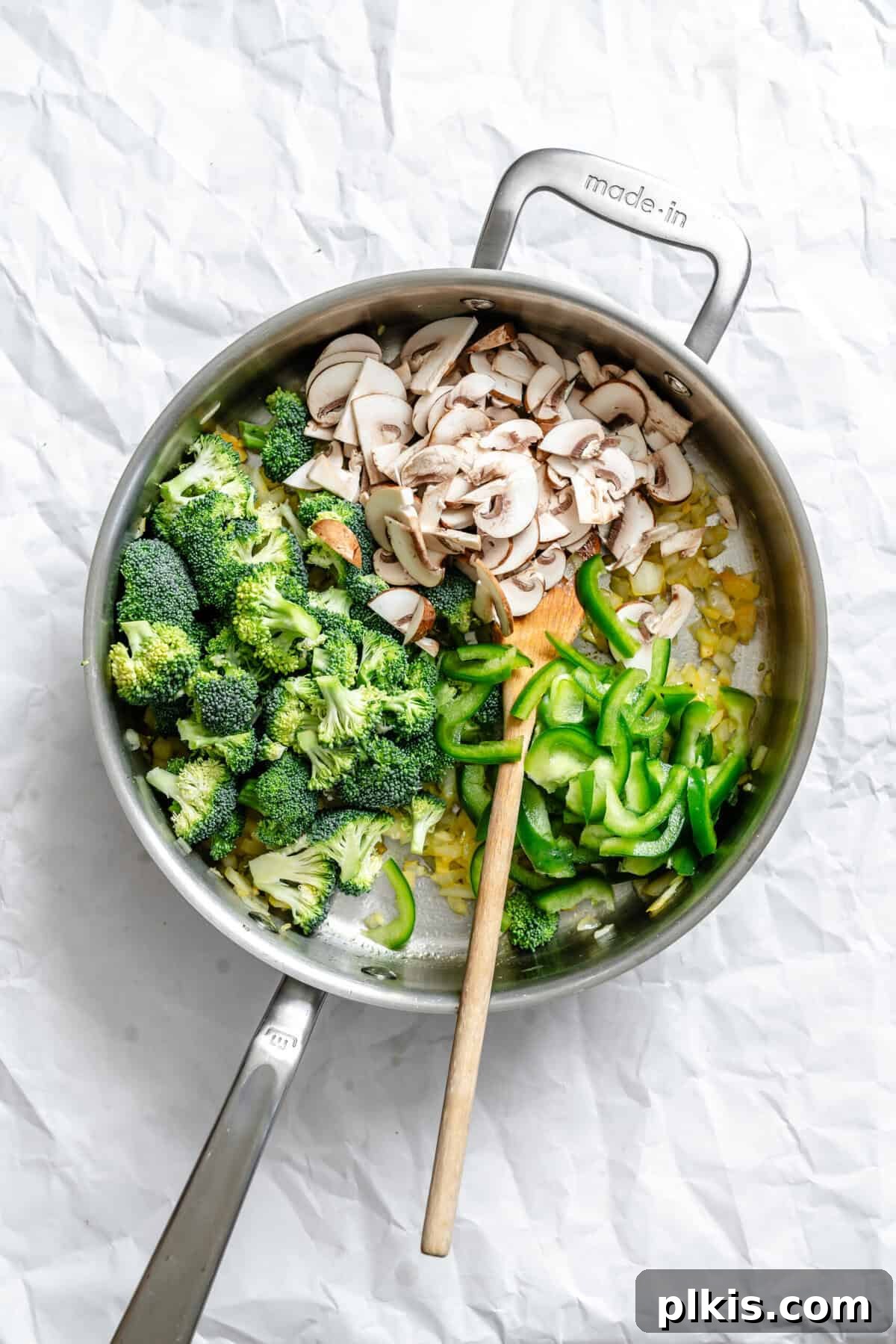
Step 1: Prepare the Aromatics. Begin by chopping your cauliflower or broccoli into small, bite-sized florets. Thinly slice the bell pepper, mushrooms, and onion. Mince the garlic cloves and finely chop the fresh ginger. Once your mise en place is complete, heat the vegetable oil in a large, heavy-based pot or a deep skillet over medium heat. Add the sliced onion, minced garlic, and chopped ginger to the hot oil. Sauté these aromatics for about two minutes, stirring occasionally, until they become fragrant and the onion softens slightly. Next, stir in the ground turmeric and continue to cook for another minute, allowing the spice to bloom and release its full flavor.
Step 2: Sauté the Vegetables. To the pot, add the sliced mushrooms, thinly sliced bell pepper, and the chopped broccoli or cauliflower florets. Stir all the vegetables thoroughly, ensuring they are well coated with the aromatic spices from the previous step. Continue to sauté for another 3-5 minutes, or until the vegetables begin to soften slightly and develop a vibrant color. This step helps to build depth of flavor and texture in the curry.
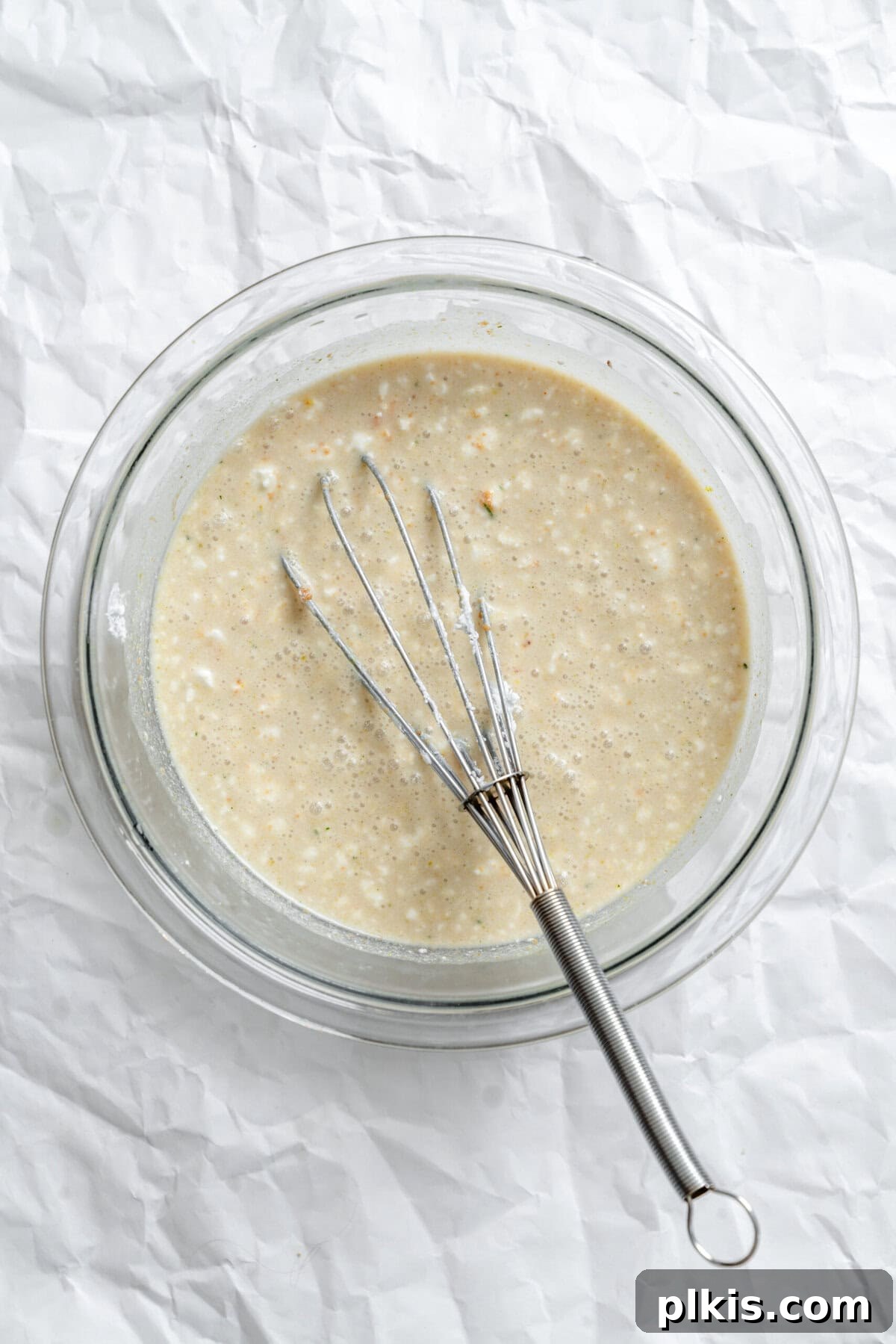
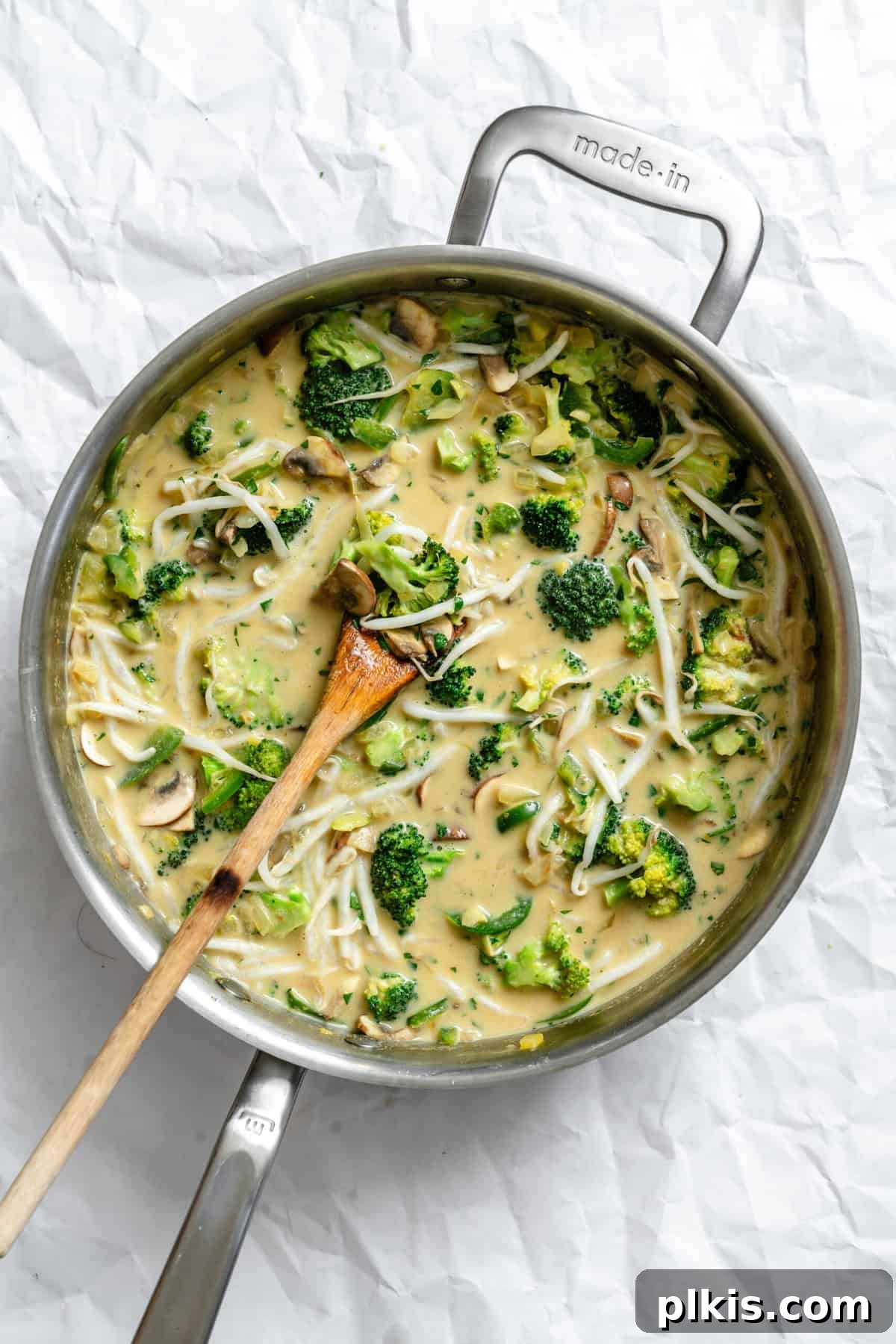
Step 3: Simmer the Curry Base. In a separate small bowl, whisk together the vegetable broth, creamy coconut milk, your chosen nut or seed butter, salt, sugar (or preferred sweetener), and soy sauce until well combined and smooth. Pour this flavorful liquid mixture over the sautéed vegetables in the pot. Bring the mixture to a gentle simmer, then cover the pot with a lid and cook on medium heat for approximately 5-8 minutes. This allows the vegetables to become tender-crisp and absorb the rich flavors of the sauce. Check the vegetables for tenderness – they should be cooked but still have a slight bite.
Step 4: Finish and Serve. Once the vegetables are tender, remove the lid. Stir in the fresh mung bean sprouts, chopped fresh cilantro, a pinch of cayenne pepper (if you desire extra heat), and the fresh juice from one lime. Cook for just 1-2 minutes more, allowing the sprouts to lightly warm through while retaining their crispness. Be careful not to overcook the sprouts, as they can become soggy. Taste the curry and adjust any seasonings as needed – you might want a little more salt, a dash more lime juice for brightness, or additional cayenne for a spicier kick. Ladle your comforting moong sprouts curry into bowls, garnish with extra cilantro if desired, and serve immediately. Enjoy your nutrient-packed, homemade vegan meal!
Important Note on Sprout Cooking Times: While delicate mung bean sprouts cook quickly, tougher sprouted lentils and other pulses may require a longer simmering time, typically 15-20 minutes, to reach optimal tenderness. Always adjust cooking times based on the type and size of sprouts you are using.
Frequently Asked Questions About Mung Bean Sprouts Curry
Absolutely! Making this bean sprouts curry in an Instant Pot is a fantastic way to further streamline the cooking process. To do so, first use the ‘Sauté’ function of your Instant Pot for steps 1 and 2, which involve sautéing the aromatics and initial vegetables. Once those are fragrant and slightly softened, add all the remaining vegetables, the mung bean sprouts, and the whisked sauce ingredients to the pot. Secure the lid, ensure the vent is sealed, and cook on ‘HIGH’ pressure for just 2 minutes. After cooking, perform a natural pressure release for 5 minutes, then quick release any remaining pressure. Finally, stir in the fresh lime juice and chopped cilantro, taste, and adjust seasonings before serving. The Instant Pot helps infuse flavors quickly and cooks vegetables to perfection.
Sprouting mung beans at home is a simple and rewarding process that ensures maximum freshness and nutritional value. Here’s how you can do it:
1. Rinse & Soak: Begin by thoroughly rinsing about ½ to 1 cup of dried whole mung beans under cool running water. Remove any debris or broken beans. Place the rinsed beans in a large bowl and cover them with at least three times their volume in fresh water. Let them soak at room temperature for 8-12 hours, or overnight. The beans will swell significantly.
2. Drain & Rinse: After soaking, drain the water completely. Rinse the soaked mung beans thoroughly again under cool water. This step is crucial for preventing mold and keeping the sprouts fresh.
3. Sprout: Transfer the rinsed and drained beans to a colander, a specialized sprouting jar, or a bowl covered with a breathable cloth (like cheesecloth) secured with a rubber band. Ensure there’s good air circulation. Place the colander or jar in a dark spot, away from direct sunlight, at room temperature.
4. Daily Care: Rinse and drain the beans twice a day (morning and evening) with fresh cool water. This keeps them moist and prevents bacterial growth. After each rinse, ensure all excess water is thoroughly drained, as standing water can lead to spoilage.
5. Harvest: Within 2-5 days, you will start to see small white tails emerging from the beans. Continue rinsing twice daily until the sprouts reach your desired length, typically ¼ to ½ inch long. Once sprouted, they are ready to use in your curry or other dishes.
Tip: You can also sprout other legumes like lentils, alfalfa, chickpeas, and adzuki beans using a similar method, though their soaking and sprouting times may vary. Remember that sprouted legumes cook faster than their unsprouted counterparts.
Expert Tips for a Perfect Mung Bean Sprouts Curry
- Prioritize Fresh Sprouts: The quality of your mung bean sprouts makes a significant difference. Whether you’re using home-grown sprouts or buying them from the store, ensure they are fresh, crisp, and vibrant. Avoid any sprouts that appear slimy, discolored, or have an off-smell, as freshness directly impacts the texture and flavor of your curry.
- Master the Sprout Cooking Time: This is perhaps the most crucial tip for this curry. Mung bean sprouts cook very quickly and can become mushy if overcooked. For store-bought mung bean sprouts, they typically require only 1-2 minutes of simmering at the very end. However, if you’re using larger or tougher sprouts like sprouted lentils or other beans, they may need 15-20 minutes of simmering time. Always adjust accordingly, as overcooking will negatively affect their delightful crisp texture and can diminish their nutritional value.
- Taste and Adjust Seasonings: Don’t be shy to taste the curry as you go and especially before serving. The balance of flavors—spices, sweetness, saltiness, and acidity from the lime—is key. Feel free to adjust the amount of spices, the richness from the nut butter, the creaminess from the coconut milk, or the zing from the lime to perfectly suit your palate.
- Customize with Other Vegetables: If you choose to incorporate other vegetables into your curry, remember to adjust the simmer time accordingly. Harder vegetables like carrots or potatoes will need to cook longer than quick-cooking greens like spinach or snow peas. Add root vegetables earlier with the initial sauté, while tender greens can be stirred in towards the end.
- Use Quality Coconut Milk: For the best creamy texture and rich flavor, opt for full-fat canned coconut milk. Shake the can well before opening to ensure the cream and liquid are fully incorporated.
- Don’t Skip the Nut/Seed Butter: This ingredient adds a wonderful richness, depth, and helps to slightly thicken the sauce, contributing to a more satisfying mouthfeel. Choose a natural, unsweetened variety for the purest flavor.
Delectable Serving Suggestions for Your Bean Sprouts Curry
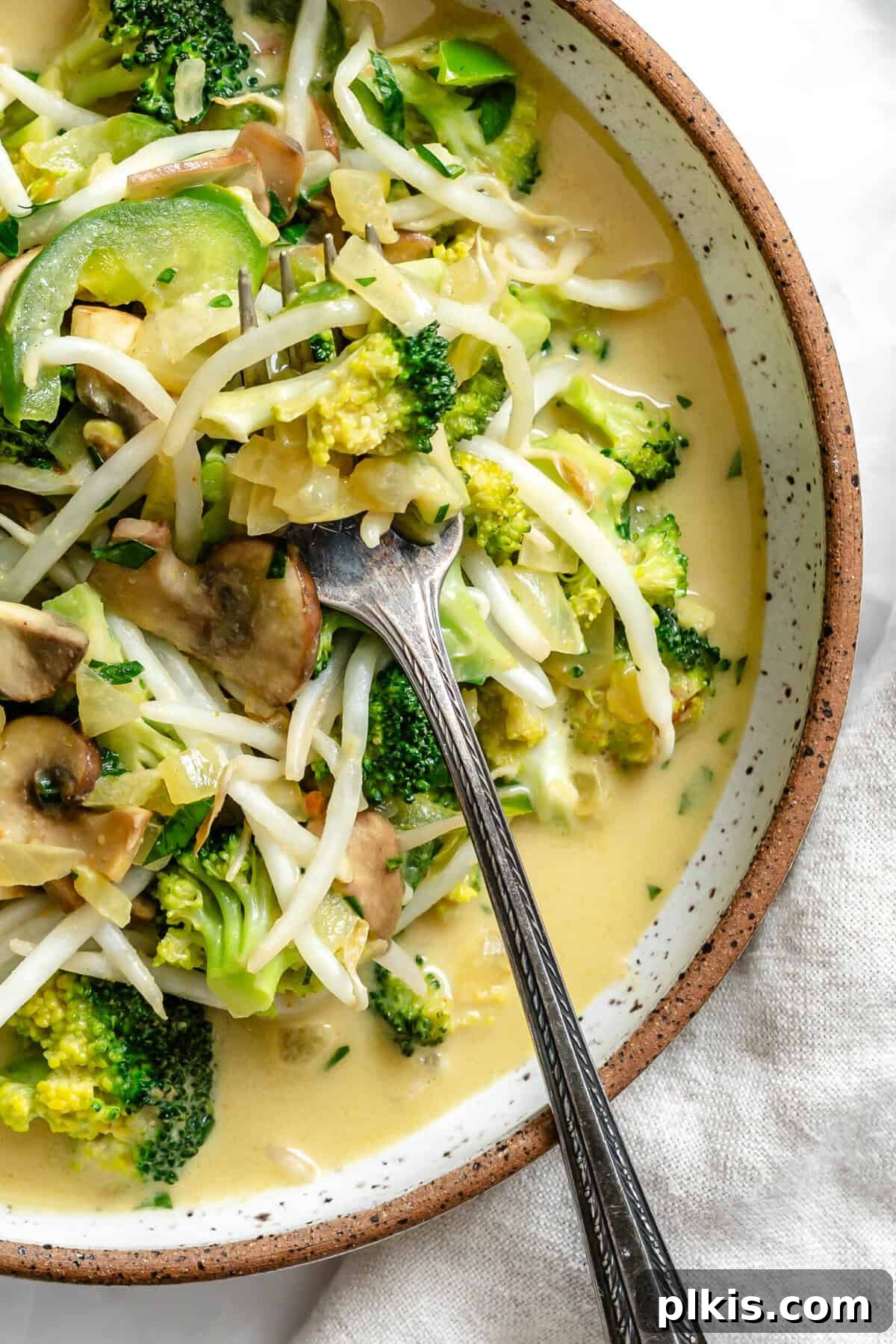
This nourishing and aromatic mung bean sprouts curry is incredibly versatile and pairs beautifully with a variety of accompaniments. Here are some fantastic serving suggestions to elevate your meal:
- Fresh Lemon or Lime Wedges: A squeeze of fresh lemon or lime juice just before eating adds a bright, zesty counterpoint that cuts through the richness of the coconut milk and perfectly complements the earthy flavor of the sprouts. It instantly freshens the entire dish.
- Traditional Indian Bread: Scoop up every last drop of the delicious curry with warm, soft Indian bread. Options like fluffy vegan naan, whole wheat roti, light chapati, or flaky paratha are excellent choices that provide a satisfying textural contrast.
- Fluffy Grains: For a hearty and complete meal, serve your curry over a bed of light, fluffy grains. Classic choices include fragrant basmati rice, plain white rice, or protein-rich quinoa. For more on cooking quinoa perfectly, refer to our complete guide to quinoa. Brown rice or couscous are also great alternatives.
- Savory Indian Snacks: Enhance your dining experience by pairing the curry with some savory Indian snacks. Vegan bhajis (crispy fritters made with vegetables like onion or potato) or pakoras (deep-fried vegetable fritters) offer a delightful crunch and extra flavor.
- Refreshing Condiments: A dollop of cooling vegan raita (a yogurt-based side dish, often with cucumber) provides a lovely contrast to the warm spices of the curry. Various chutneys, such as a sweet mango chutney or our homemade sweet tomato chutney, can add an extra layer of flavor complexity. A simple fresh tomato salad with a light dressing also offers a refreshing side.
- A Side Salad: A simple green salad or a kachumber (Indian cucumber and onion salad) can add freshness and a cleansing element to the rich curry.
Storage & Reheating Tips for Your Bean Sprouts Curry
This bean sprouts curry is not only delicious freshly made but also excellent for meal prep and leftovers. Proper storage ensures its flavors remain vibrant and its texture appealing.
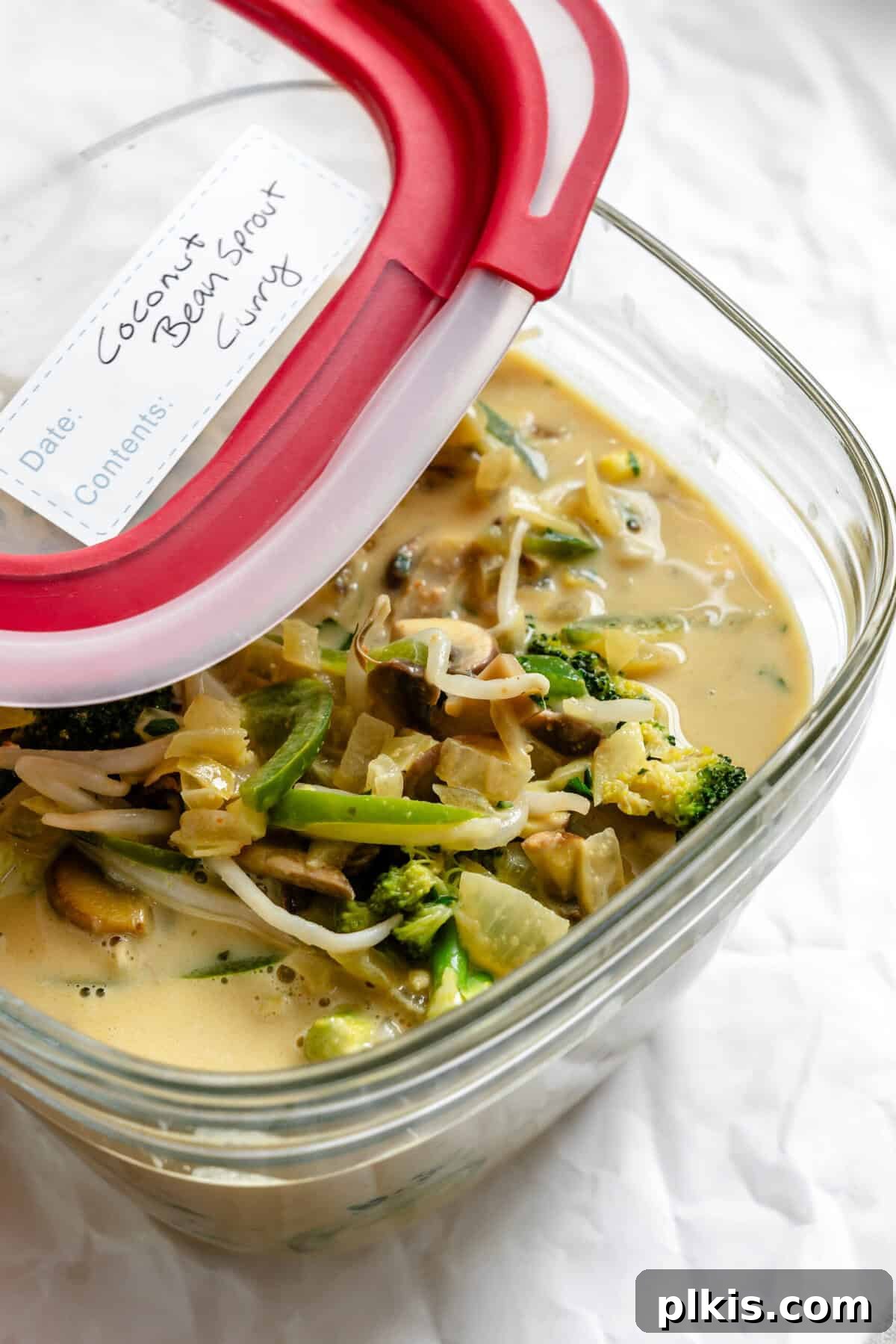
To Store: Allow the curry to cool completely to room temperature before transferring it to an airtight container. Store it in the refrigerator for optimal freshness for 3-4 days. The flavors often meld and deepen overnight, making it even more delicious the next day.
To Freeze: For longer storage, this curry freezes beautifully. Once completely cooled, transfer it to freezer-safe containers or heavy-duty Ziplock bags or Stasher bags. Remove as much air as possible to prevent freezer burn. It can be stored in the freezer for up to 2 months. When you’re ready to enjoy it, simply thaw the curry overnight in the refrigerator before reheating.
To Reheat: Reheating your curry is simple. You can warm it gently in the microwave in 30-second bursts, stirring in between, until heated through. Alternatively, reheat it on the stovetop over medium-low heat, stirring occasionally, until it’s simmering and warmed evenly. If the curry has thickened too much in the fridge, you can add a splash of vegetable broth or water while reheating to reach your desired consistency.
Explore More Delicious Vegan Curry Recipes
Vegan Dinners
Perfect Potato and Pea Coconut Curry
Vegan Dinners
Brussels Sprouts Curry
Vegan Dinners
Easy Chickpea Lentil Curry
Vegan Dinners
Slow Cooker Red Curry with Tofu [+Stove]
If you try this delightful bean sprouts curry recipe (as written or with your own creative changes), we would be thrilled to hear from you! Please consider leaving a 🌟 star rating and sharing any thoughts or questions in the 📝 comments section below. Your feedback helps us and our community of plant-based eaters. Thank you!
Bean Sprouts Curry
10
20
30
2 to 4

Equipment
-
Large Skillet (or heavy-based pot)
-
Medium Mixing Bowl
-
Measuring Spoons & Cups
-
Chef’s Knives
Ingredients
- 1 tablespoon vegetable oil
- ½ red or yellow onion (thinly sliced)
- 2 garlic cloves (chopped)
- 1 1-inch piece of ginger (peeled and chopped)
- ½ teaspoon ground turmeric
- 1 cup sliced mushrooms
- ½ cup thinly sliced bell pepper
- 1 ½ cups chopped broccoli or cauliflower florets
- ½ cup vegetable broth (or water)
- 1 can full-fat coconut milk
- 2 tablespoons nut butter (almond or peanut work well, unsweetened)
- 1 teaspoon salt
- 1 teaspoon sugar (or preferred sweetener)
- 1 tablespoon soy sauce (or tamari for gluten-free)
- 1 cup fresh mung bean sprouts
- ¼ cup fresh cilantro (chopped)
- Pinch cayenne pepper (optional, for heat)
- Juice from 1 lime
Instructions
-
Heat the vegetable oil in a large, deep skillet or heavy-based pot over medium heat. Add the thinly sliced onion, chopped garlic, and minced ginger. Sauté for 2 minutes until the aromatics are fragrant and the onion begins to soften. Stir in the ground turmeric and cook for an additional minute, allowing the spice to bloom.
-
Add the sliced mushrooms, thinly sliced bell pepper, and chopped broccoli or cauliflower florets to the pot. Stir thoroughly to ensure all the vegetables are coated with the spices and aromatics. Sauté for another 3-5 minutes, until the vegetables start to soften.
-
In a small bowl, whisk together the vegetable broth, full-fat coconut milk, nut butter, salt, sugar (or sweetener), and soy sauce until smooth. Pour this mixture over the vegetables in the pot. Bring the curry to a gentle simmer, then cover with a lid and cook on medium heat for about 5-8 minutes, or until the vegetables are tender-crisp.
Remove the lid and stir in the fresh mung bean sprouts, chopped fresh cilantro, a pinch of cayenne pepper (if using for heat), and the fresh lime juice. Cook for just 1-2 minutes more to warm the sprouts through, ensuring they retain their delightful crunch.
-
Taste the curry and adjust the seasonings as needed. You might want to add more salt, a touch more lime juice for brightness, or extra cayenne for a spicier kick. Serve hot and enjoy your homemade, healthy bean sprouts curry!
Recipe Notes
- Use fresh sprouts: Always ensure your mung bean sprouts are fresh and crisp, whether store-bought or home-grown, for the best texture and flavor.
- Avoid overcooking the sprouts: Delicate store-bought mung bean sprouts only need 1-2 minutes to cook. If using larger lentil or other bean sprouts, they may require 15-20 minutes. Adjust cooking time precisely to avoid soggy sprouts and preserve nutritional value.
- Taste and adjust: Always taste the curry before serving. Adjust the spices, nut butter, coconut milk, and especially the lime juice to achieve your desired flavor balance.
- Using other vegetables: If adding other vegetables, adjust the simmer time as needed. Harder vegetables require longer cooking than softer ones.
Nutrition
Carbohydrates: 29g
Protein: 14g
Fat: 57g
Saturated Fat: 38g
Polyunsaturated Fat: 7g
Monounsaturated Fat: 9g
Trans Fat: 0.04g
Sodium: 1960mg
Potassium: 1209mg
Fiber: 6g
Sugar: 11g
Vitamin A: 1470IU
Vitamin C: 104mg
Calcium: 137mg
Iron: 9mg
Additional Info
Renee Press
Dinner
Indian
Stovetop
Vegan
Tried this recipe?
Please tag us at @PlantBasedOnABudget! 🙂