
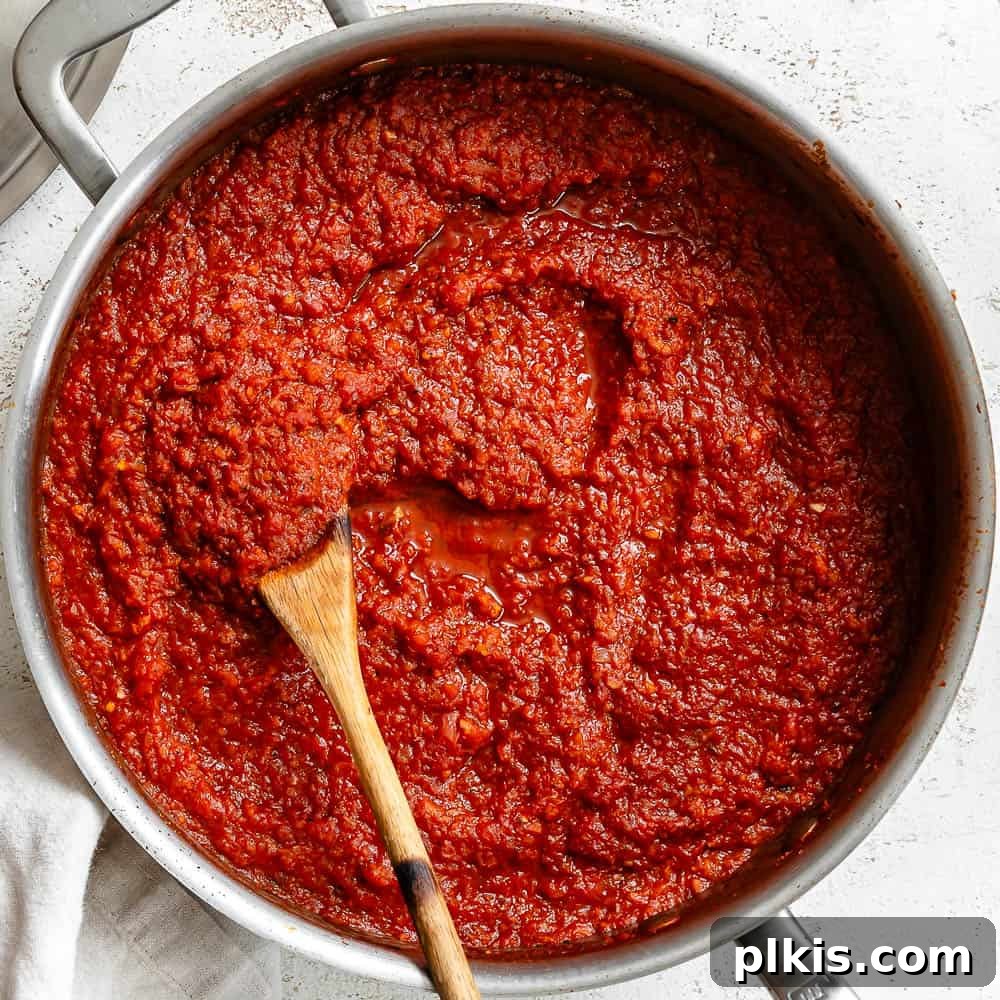
Transform your dinner table with a truly satisfying, homemade vegan spaghetti sauce. Crafted from simple canned tomatoes and an abundance of fresh, vibrant vegetables, this recipe delivers a rich, wholesome, and profoundly flavorful sauce that promises to nourish your entire family. Say goodbye to bland store-bought options and embrace the robust taste of a sauce made with love and natural ingredients.
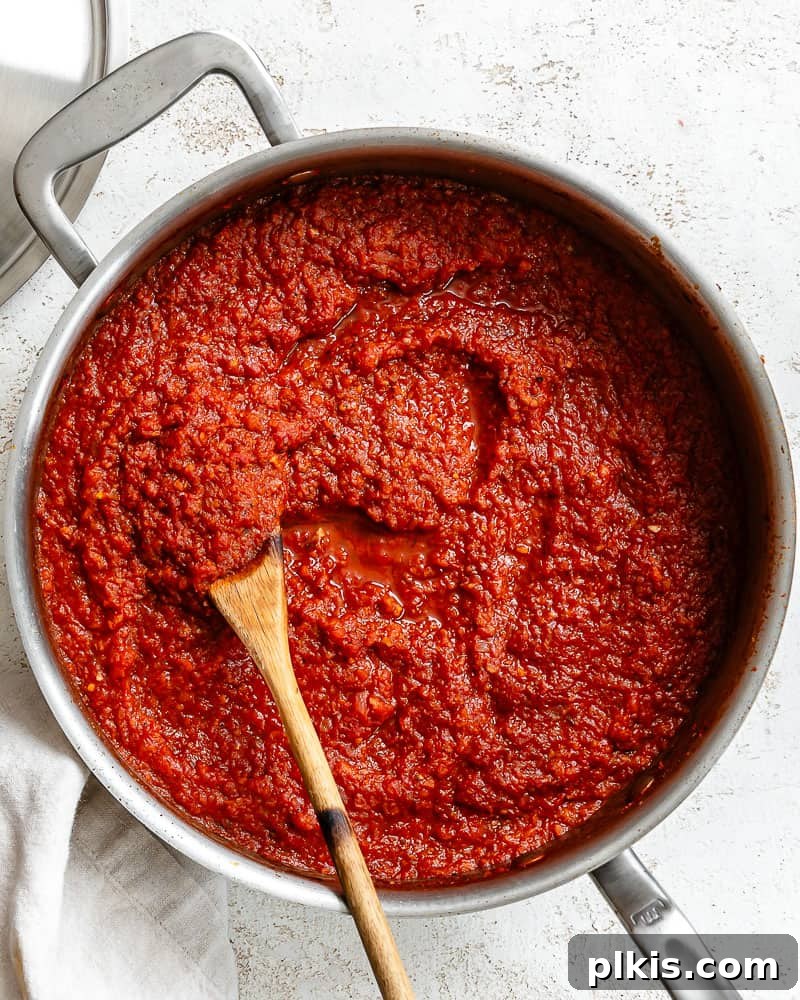
Table of Contents
- One-Pot, Flavor-Packed Vegetable Spaghetti Sauce
- The Ingredients and Clever Substitutions
- Enhance Your Vegetable Spaghetti Sauce: Creative Additions
- Crafting Your Vegan Spaghetti Sauce with Vegetables: A Step-by-Step Guide
- Frequently Asked Questions About Vegan Spaghetti Sauce
- Expert Tips for the Best Vegan Spaghetti Sauce
- Storage and Freezing Guidance
- Delightful Serving Ideas
- Explore More Vegan Pasta Sauce Recipes
One-Pot, Flavor-Packed Vegetable Spaghetti Sauce
While the convenience of store-bought jarred sauces is undeniable for busy weeknights, nothing quite compares to the vibrant, fresh, and deeply satisfying taste of a homemade pasta sauce. Our recipe for vegan spaghetti sauce, also affectionately known as vegetable tomato sauce, offers an unparalleled depth of flavor and nutritional value that elevates any meal. Forget those generic, often sugar-laden options from the supermarket shelf; this plant-based delight is a game-changer for anyone seeking healthy, wholesome, and delicious family meals.
This remarkable vegetable spaghetti sauce is meticulously crafted from a harmonious blend of high-quality canned tomatoes, an array of nutrient-rich aromatic vegetables, pungent garlic, and a thoughtfully curated selection of pantry-friendly herbs and spices. The result is a surprisingly complex and rich flavor profile that belies its simplicity. Every spoonful is packed with vital nutrients, offering profound comfort and goodness for your body. It’s a testament to how incredible plant-based cooking can be, tasting far superior to any commercial alternative.
One of the greatest advantages of this recipe is its hands-off nature and straightforward preparation. With minimal chopping and a quick sauté, most of your work is done. Then, simply combine all ingredients in one pot and allow it to simmer gently. This crucial simmering period, ideally for at least 45 minutes, is where the magic happens, allowing the flavors to meld and develop into a full-bodied, deeply complex, and truly irresistible vegetable spaghetti sauce. What’s more, its excellent shelf life means you can store it in the fridge for several days or freeze it in batches, ensuring a delicious and healthy meal is always just a reheat away. This makes it perfect for meal prep, saving you time and effort on busy schedules.
If you’re eager to explore more simple yet incredible vegan pasta sauce recipes, be sure to try our 20-minute creamy tahini pasta, a zesty and satisfying spicy tomato basil pasta, or our unique and comforting creamy curry pasta. Each offers a distinct flavor adventure for your plant-based kitchen.
Table of Contents
- One-Pot, Flavor-Packed Vegetable Spaghetti Sauce
- The Ingredients and Clever Substitutions
- Crafting Your Vegan Spaghetti Sauce with Vegetables: A Step-by-Step Guide
- Frequently Asked Questions About Vegan Spaghetti Sauce
- Expert Tips for the Best Vegan Spaghetti Sauce
- Storage and Freezing Guidance
- Delightful Serving Ideas
- Explore More Vegan Pasta Sauce Recipes
- Vegan Spaghetti Sauce Recipe Card
The Ingredients and Clever Substitutions
Crafting this simple yet spectacular vegan spaghetti sauce requires just over a dozen incredibly inexpensive kitchen and pantry staples. The beauty of this recipe lies in its accessibility, proving that gourmet flavors don’t have to come with a hefty price tag. Here’s a closer look at the key components and how you can adapt them to your pantry and preferences:
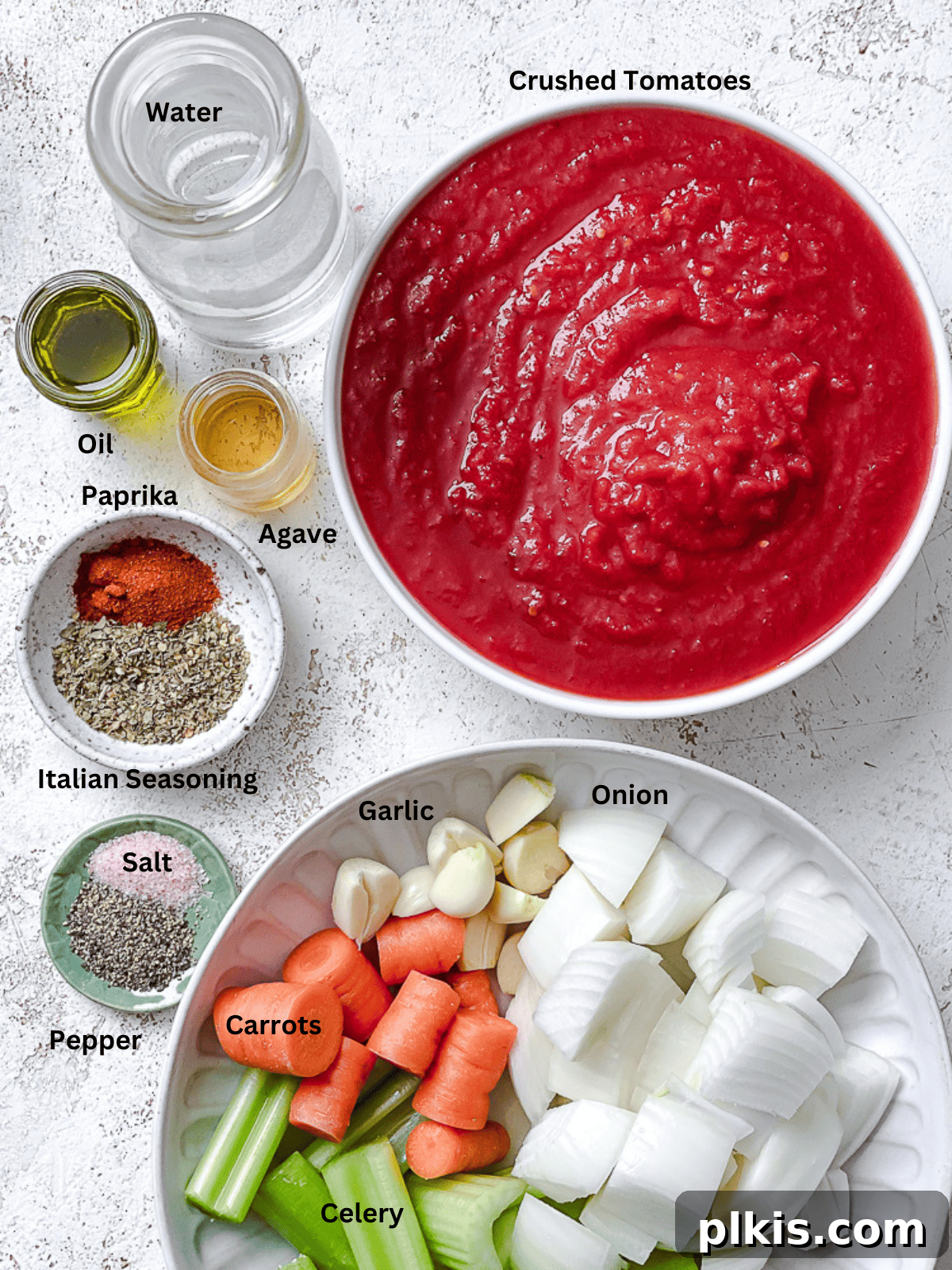
- Olive oil: The foundation of many great sauces, olive oil provides a rich base for sautéing the aromatics. You can easily substitute it with another neutral cooking oil like avocado oil, sunflower oil, or even vegetable oil, depending on what you have on hand.
- Garlic: Fresh garlic cloves are highly recommended for their pungent, aromatic punch that truly elevates the sauce. Minced fresh garlic offers a depth that powdered garlic can’t quite replicate, though a teaspoon of garlic powder can be used in a pinch if fresh isn’t available.
- Vegetables: This recipe is designed to be a nutrient-dense powerhouse, utilizing classic Italian soffritto ingredients to build incredible flavor. We rely on:
- Onion: A medium yellow or white onion provides a sweet, savory base. Chopping it finely ensures it melts into the sauce.
- Celery: Adds a subtle earthy note and helps build the foundational flavor profile.
- Carrot: Contributes natural sweetness and vibrant color, balancing the acidity of the tomatoes and adding extra vitamins.
- Tomatoes: The heart of any good spaghetti sauce. We highly recommend using high-quality canned tomatoes, such as San Marzano, for their superior flavor and consistency. Crushed tomatoes are ideal for this recipe, but if you only have whole canned tomatoes, simply crush them yourself before adding them to the pot. Diced tomatoes can also work if you prefer a chunkier texture.
- Seasonings: A thoughtful blend of herbs and spices is crucial for creating a truly complex and deeply satisfying sauce.
- Italian seasoning: A convenient blend of dried herbs like oregano, basil, thyme, and rosemary provides a classic Mediterranean flavor.
- Paprika: (regular or smoked) Adds a warm, slightly sweet, and earthy undertone. Smoked paprika can introduce a wonderful smoky depth.
- Sea salt and black pepper: Essential for seasoning to taste. For an extra boost of umami depth, consider using a splash of soy sauce or tamari in place of some salt.
- Red pepper flakes (optional): For those who enjoy a little heat, a pinch or two of red pepper flakes (or a tiny dash of cayenne pepper) transforms this into a delightful spicy spaghetti sauce.
- Water: Used to adjust the sauce to your desired consistency. For an even richer flavor, substitute water with low-sodium vegetable broth or stock.
- Sweetener: Sometimes, canned tomatoes can be quite acidic. A small amount of sweetener, such as granulated sugar, maple syrup, or agave nectar, helps to balance these flavors, creating a more harmonious and full-bodied veg spaghetti sauce. This is entirely optional and should be added based on taste.
- Fresh herbs: While the dried Italian seasoning provides a solid base, incorporating fresh Italian parsley and/or basil at the end of cooking truly brightens the flavors and adds an incredible aromatic depth. These are technically optional but highly recommended for an elevated tomato and vegetable pasta sauce experience.
Enhance Your Vegetable Spaghetti Sauce: Creative Additions
This versatile vegan spaghetti sauce recipe serves as a fantastic base for endless customization. Feel free to experiment with these additions to further enhance its flavor, texture, and nutritional profile:
- More vegetables: Amp up the nutrient content and turn this into an even more effective hidden veg pasta sauce. Consider adding finely diced leek, zucchini, or colorful bell peppers to the initial sauté. For veggie-wary children (and adults!), blend the finished sauce smoothly to completely disguise the added vegetables. Even finely chopped mushrooms can add a meaty texture and umami.
- Tomato paste: For an even deeper, more concentrated tomato flavor, sauté a tablespoon or two of tomato paste with the minced vegetables before adding the crushed tomatoes. It adds a wonderful richness.
- Nutritional yeast: Incorporate a few tablespoons of nutritional yeast during simmering for a subtle ‘cheesy’ flavor, reminiscent of Parmesan, without any dairy.
- Balsamic vinegar: A splash of good quality balsamic vinegar (or a squeeze of fresh lemon juice) stirred in just before serving can brighten the flavor of the vegetable tomato sauce, adding a lovely tang and complexity.
- Miso paste: A small amount of white miso paste (about a teaspoon) can provide a profound umami boost, adding savory depth that makes the sauce taste like it’s been simmering all day.
- Lentils or Mushrooms: For a heartier sauce, consider adding cooked brown or green lentils, or sautéed finely diced mushrooms along with the initial vegetables. This adds protein and a satisfying texture, creating a more robust vegan bolognese-style sauce.
- Leafy Greens: Stir in a handful of fresh spinach or kale during the last 10 minutes of simmering. They will wilt beautifully into the sauce, boosting its nutrient content without altering the flavor significantly.
Crafting Your Vegan Spaghetti Sauce with Vegetables: A Step-by-Step Guide
Making this incredibly flavorful vegan spaghetti sauce is a straightforward process, designed for maximum flavor with minimal fuss. Follow these simple steps to create a truly unforgettable homemade pasta experience:
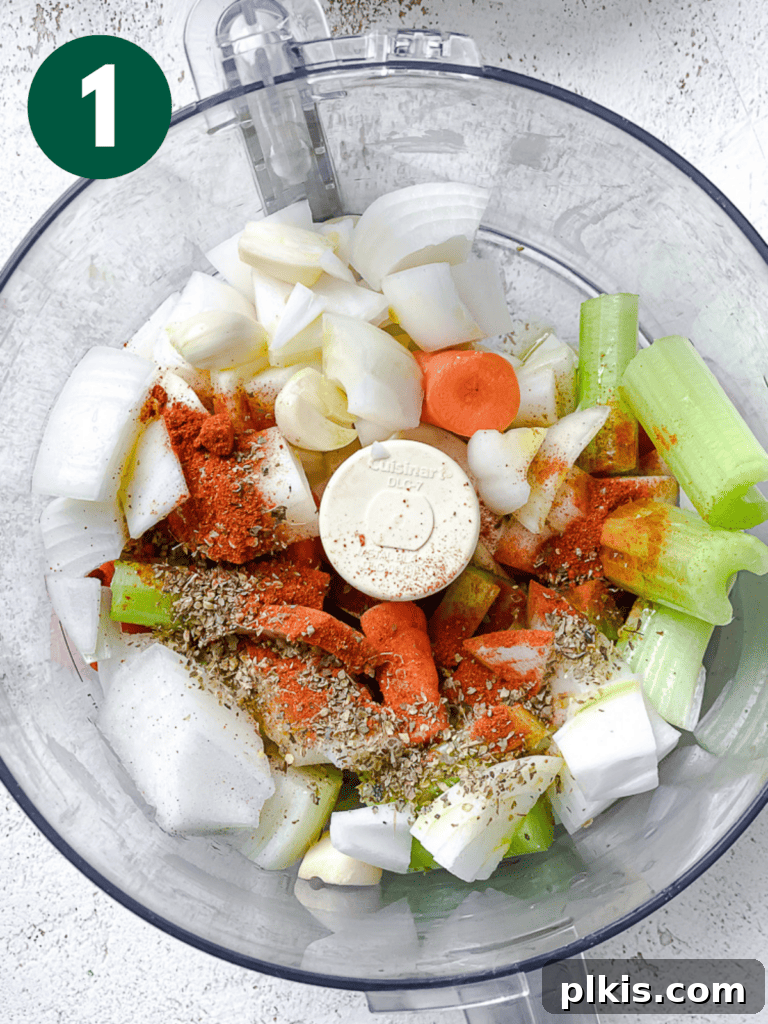
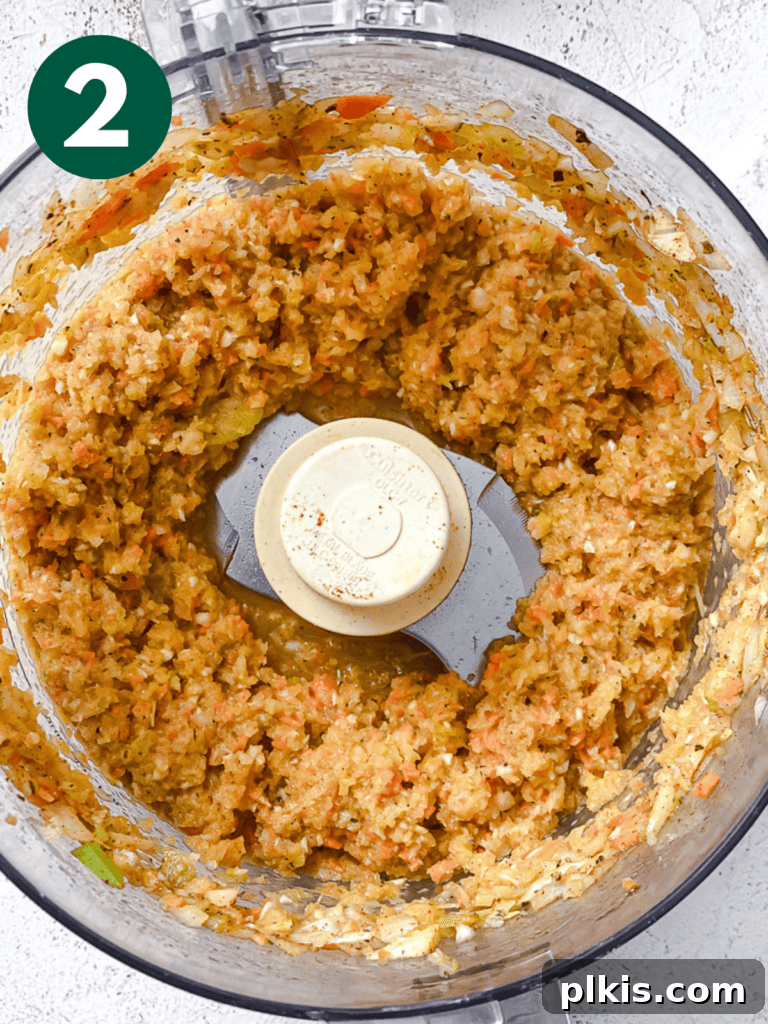
- First, begin by preparing your aromatics. Peel and roughly chop your onion, carrot, and celery. Mince the garlic cloves. Then, transfer these prepared vegetables into a food processor. Add one tablespoon of olive oil, the Italian seasoning, and the paprika to the food processor. Process the mixture until the vegetables are very finely minced. This step ensures a smooth base, allowing the vegetables to almost “disappear” into the sauce while still contributing all their incredible flavor and nutrients.
- Next, heat the remaining two tablespoons of olive oil in a large, heavy-bottomed pan or Dutch oven over medium-high heat. Once the oil is shimmering and hot, carefully add the finely minced vegetable mixture. Sauté the vegetables, stirring constantly to prevent burning, until all the natural juices evaporate and the mixture begins to lightly brown and caramelize. This crucial step typically takes 2-3 minutes and is essential for developing a rich, sweet, and profound depth of flavor in your vegan spaghetti sauce. Don’t rush this stage; caramelization is key!
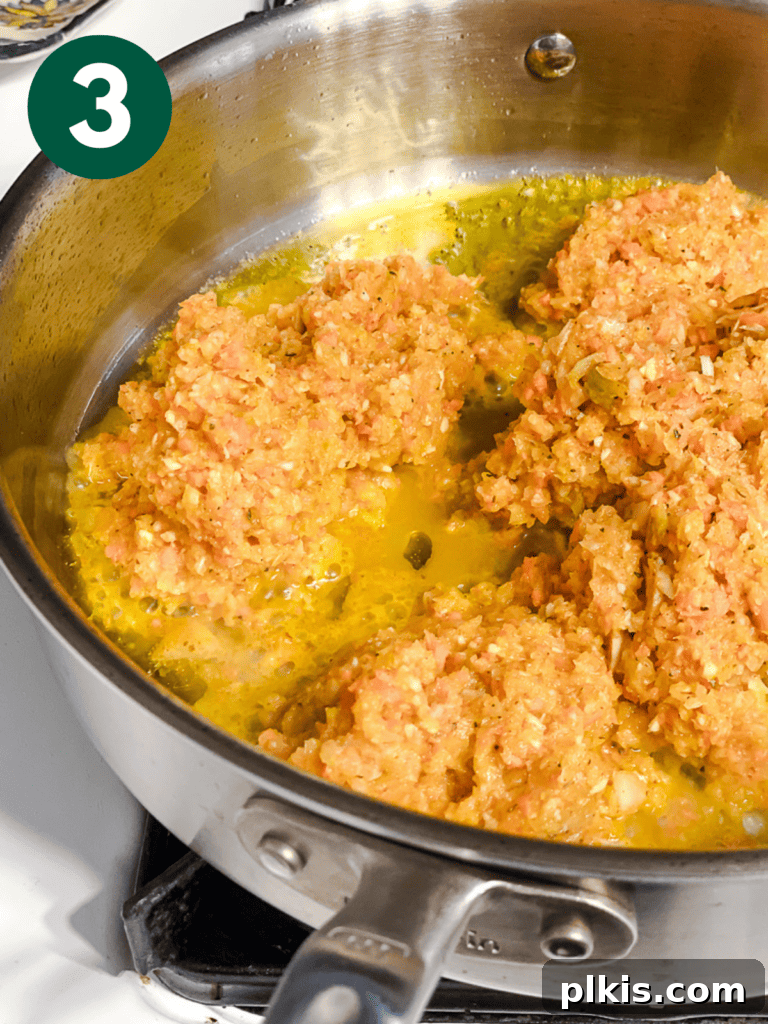
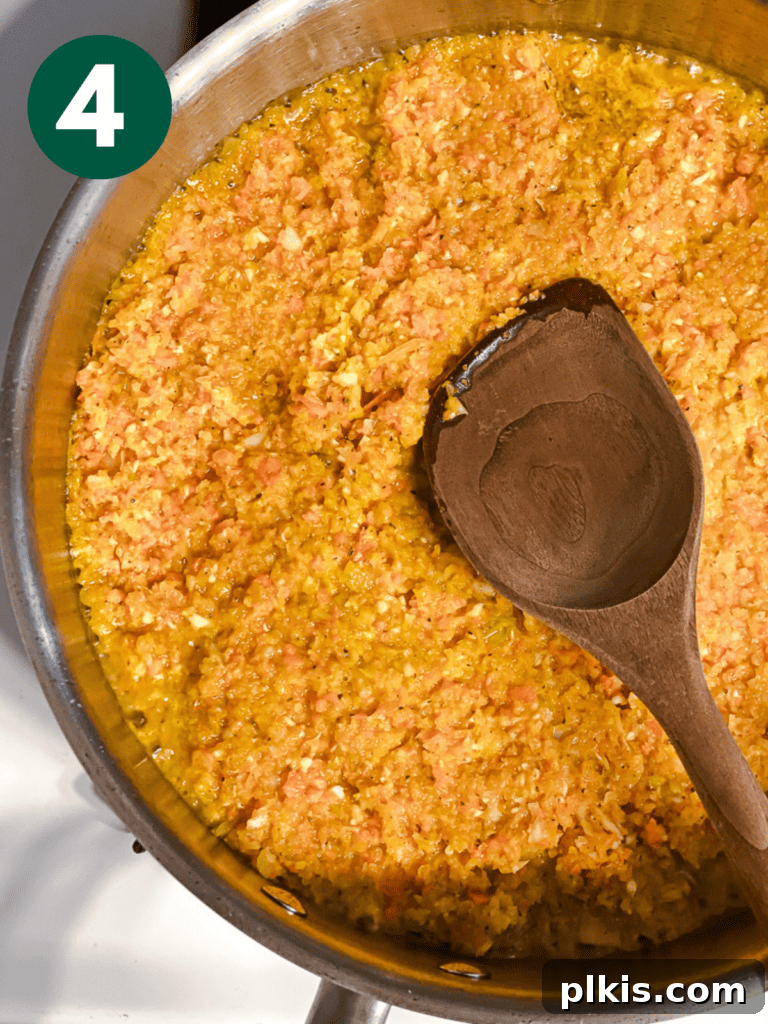
Pro Tip: Simmering the veggies until lightly browned and caramelized is a fundamental technique for developing natural sweetness and achieving maximum depth of flavor in this homemade vegan spaghetti sauce. This step sets the stage for a truly gourmet taste!
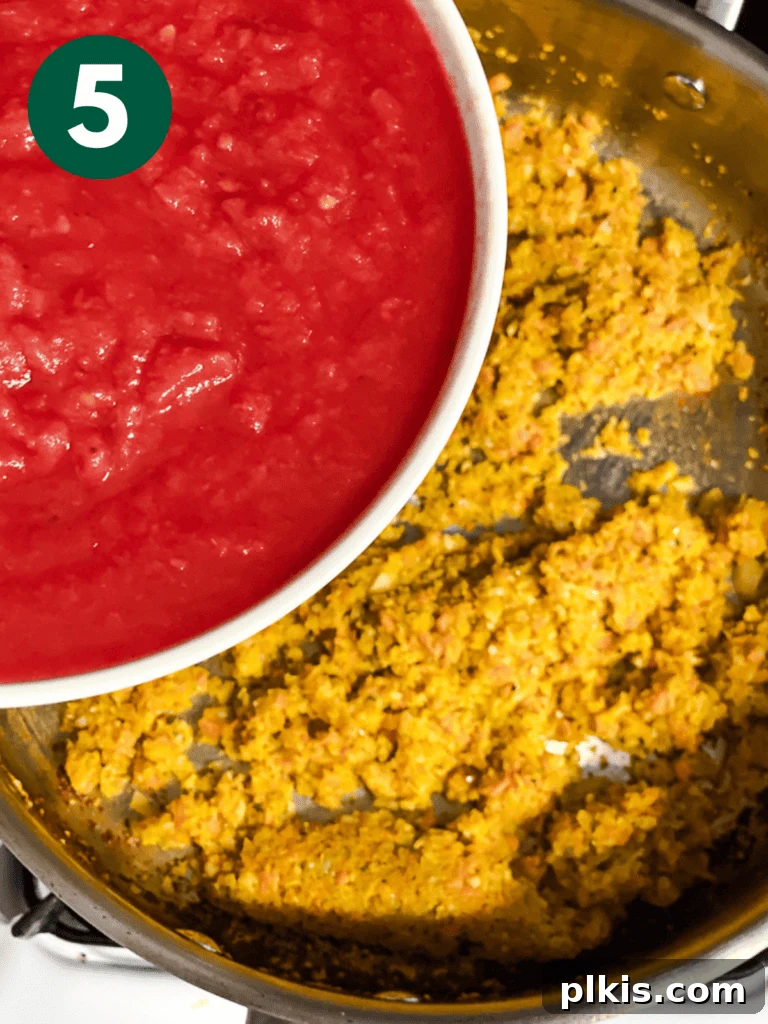
- Once the vegetables are beautifully caramelized, add the crushed tomatoes and water (or vegetable broth for added flavor) to the pot. Stir everything together thoroughly, ensuring all the ingredients are well combined. Bring the mixture to a rolling boil, then immediately reduce the heat to a gentle simmer. Cover the pan and let it cook for a minimum of 45-60 minutes. This slow simmering process is where the sauce truly transforms, allowing all the individual flavors to meld and deepen into a cohesive, rich, and robust tomato and vegetable pasta sauce.
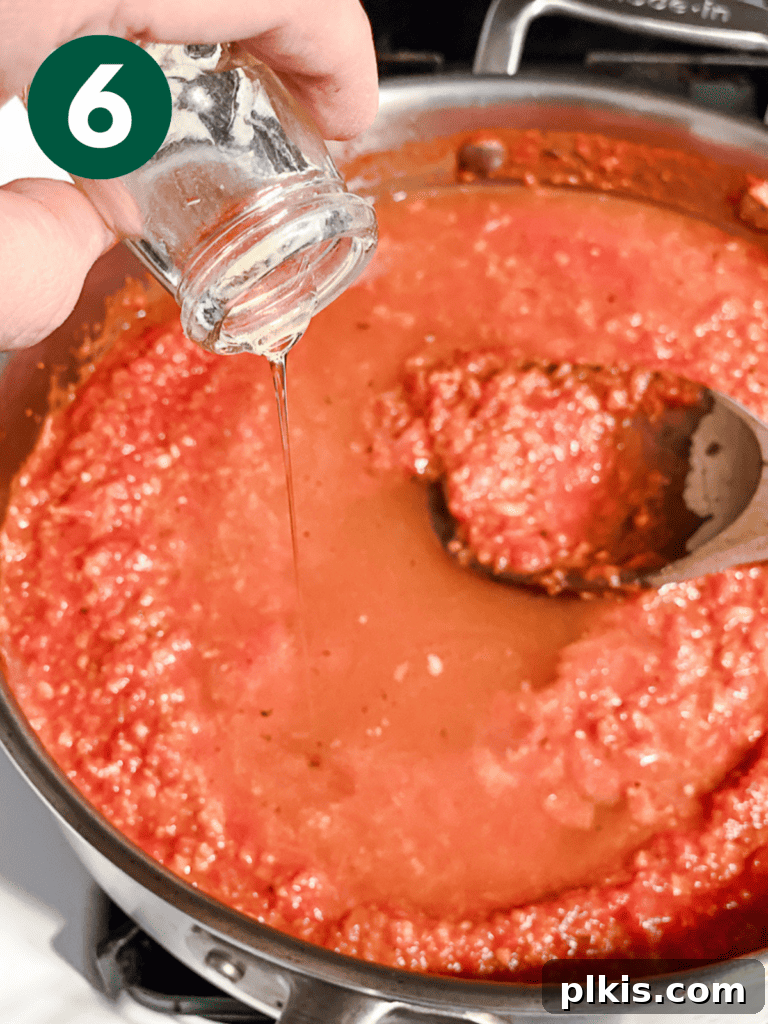
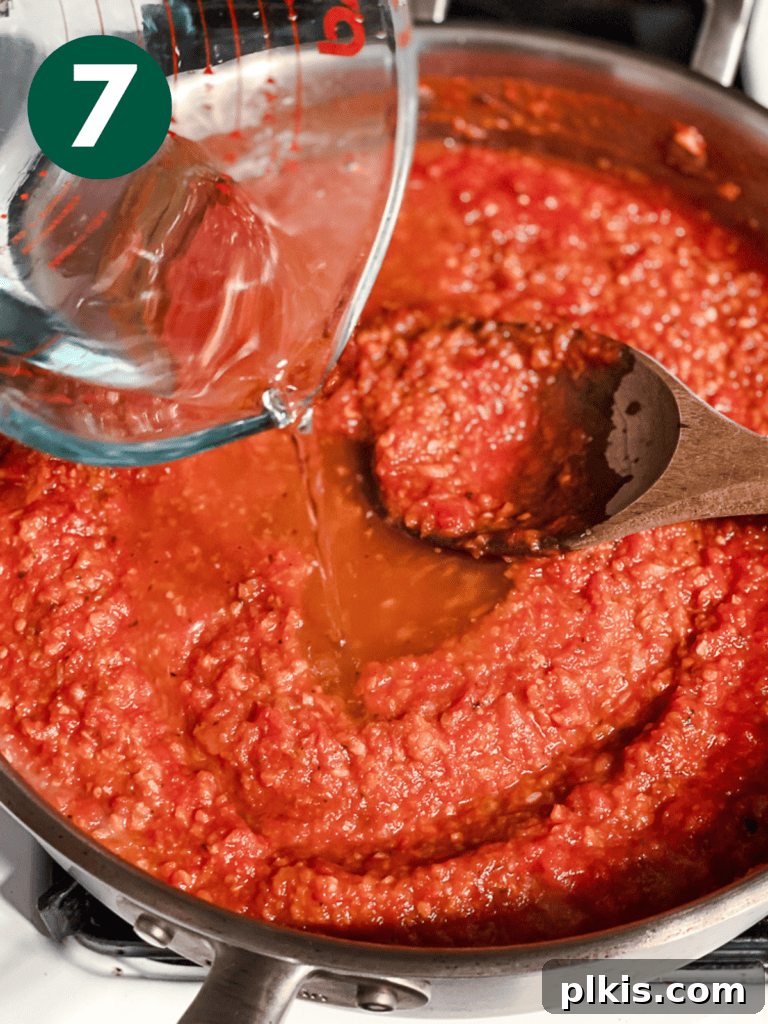
Remember: The longer the sauce simmers, the more beautifully the flavors will meld and intensify, resulting in the richest and most delicious homemade vegan spaghetti sauce possible. Patience is rewarded!
- After the initial simmer, uncover the sauce. Now is the time to taste and adjust the seasonings. Add sea salt and freshly ground black pepper to your preference. If your tomatoes were particularly acidic, or if you prefer a slightly sweeter sauce, incorporate the sweetener (sugar, maple syrup, or agave) at this stage.
- Continue to let the sauce simmer, uncovered, for an additional 10 minutes. This allows any excess liquid to evaporate, further concentrating the flavors and thickening the sauce. If using fresh herbs like chopped Italian parsley or basil, stir them in during these last few minutes to preserve their vibrant flavor and aroma. Finally, remove the pot from the heat and serve your warm, delectable homemade vegan spaghetti sauce generously over your favorite cooked pasta or spaghetti!
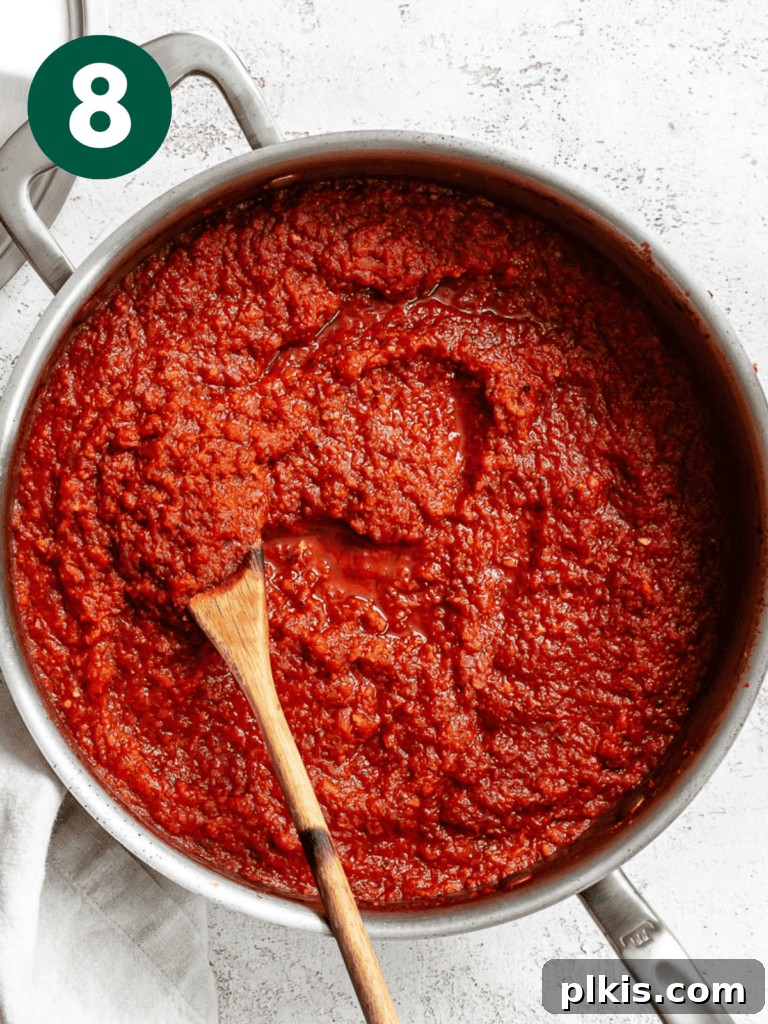
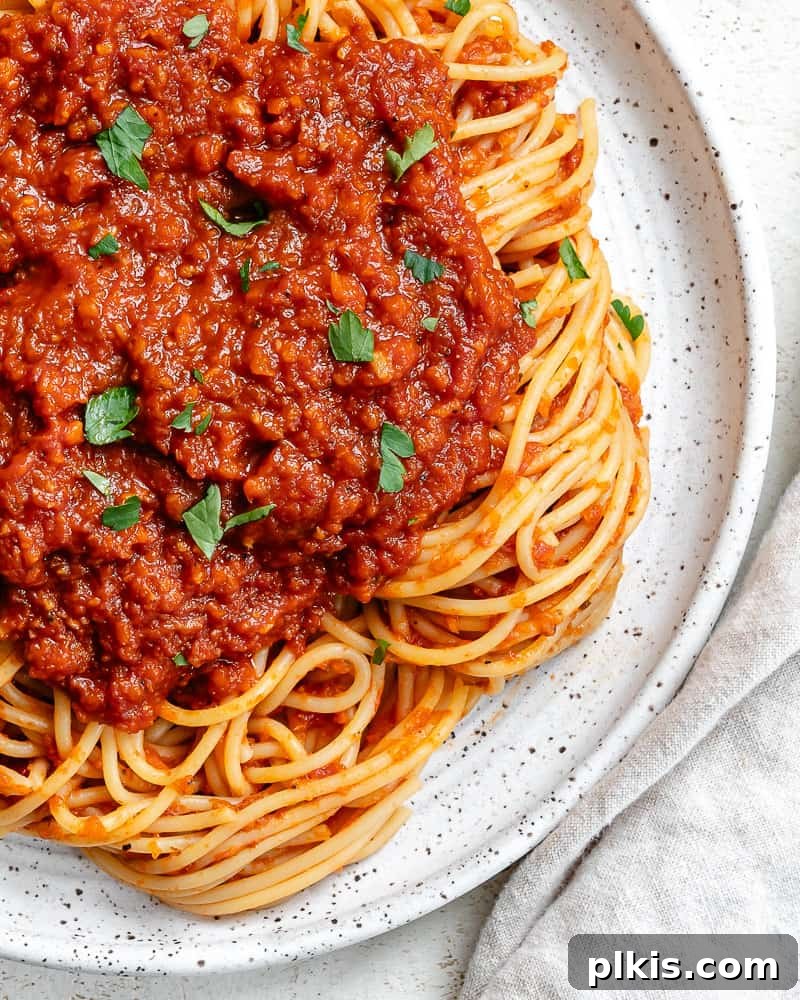
Enjoy this as a wonderfully chunky vegetable spaghetti sauce, or if you prefer a smoother consistency, simply blend it using an immersion blender or a regular blender until it reaches your desired texture. For an extra touch of luxurious richness and a silky mouthfeel, stir in a small amount of high-quality olive oil or vegan butter just before serving. This simple addition can make a world of difference!
Frequently Asked Questions About Vegan Spaghetti Sauce
While many traditional spaghetti sauces contain meat (like Bolognese) or dairy (creamy sauces), a large number of tomato-based sauces are naturally vegan or easily made so. This specific spaghetti sauce with vegetables recipe is 100% plant-based, made entirely without animal products, making it a perfect choice for vegan diets, those with dairy allergies, or anyone looking to incorporate more vegetables into their meals. Always check ingredient labels on store-bought sauces if you’re unsure, as some may contain hidden animal products.
Absolutely! Boosting the protein content of your pasta sauce is a fantastic idea for a more filling meal. If you’re looking for a high-protein pasta or spaghetti sauce, you might enjoy our hearty tofu tomato pasta sauce or a robust lentil Bolognese or tofu Bolognese. For this vegetable spaghetti sauce, you could easily mix in some pre-cooked vegan ground ‘beef’ crumbles, rehydrated TVP (textured vegetable protein), or finely crumbled tofu during the last 15-20 minutes of simmering. Alternatively, serve this versatile sauce alongside protein-dense vegan bean or lentil meatballs for a complete and satisfying meal.
Thanks to the blended vegetables, this homemade vegan spaghetti sauce naturally develops a lovely thick consistency. If you desire an even thicker sauce, the best method is to simply simmer it for a longer duration, uncovered. This allows any excess liquid to evaporate naturally, concentrating the flavors and the sauce’s body. Avoid adding flour or cornstarch, as these can change the texture and flavor profile. The natural reduction process is always preferred for a truly rich sauce.
Yes, you certainly can! One way to achieve a naturally creamy yet dairy-free vegan tomato sauce is to blend the entire sauce until it’s completely smooth. The finely processed vegetables will contribute to a luscious, velvety texture. For an extra boost of luxurious creaminess, you can stir in a small amount of homemade cashew cream (soaked and blended cashews), a swirl of full-fat canned coconut milk (ensure it’s unsweetened for savory dishes), or even a tablespoon of plant-based cream cheese alternative right at the very end of the cooking process. These additions will transform it into a rich, decadent creamy pasta sauce.
Absolutely! If it’s peak tomato season and you have access to abundant, ripe, vine-ripened tomatoes or sweet plum tomatoes, they will make an exquisite sauce. To use fresh tomatoes, you’ll first need to blanch them briefly in boiling water, then transfer them to an ice bath to easily remove their peels. Once peeled, you can either roughly chop them or place them in a food processor to crush them before proceeding with the recipe as written. Using fresh, seasonal tomatoes can lend an even brighter and more vibrant flavor to your homemade vegan spaghetti sauce.
Expert Tips for the Best Vegan Spaghetti Sauce
- Understanding Sweetener Use: The small amount of sugar or other sweetener suggested in this recipe is not intended to make the sauce sweet. Its primary purpose is to balance the natural acidity often found in canned tomatoes, especially if they are particularly tart. Adding it judiciously helps to round out the flavors and create a more harmonious, full-bodied sauce, much like a pinch of salt enhances sweetness in baking. Always taste your sauce before and after adding sweetener to find your perfect balance.
- Achieving a Smoother Sauce: If you or your family prefer a vegetable tomato pasta sauce with a velvety smooth consistency rather than a chunky one, an immersion blender is your best friend. Simply use it directly in the pot to blend some or all of the sauce to your desired texture. Alternatively, carefully transfer portions of the sauce to a regular blender and process until smooth, then return it to the pot. For a truly “hidden veg” sauce, ensure all traces of vegetable chunks are eliminated.
- Optimizing Simmer Time: While we recommend a minimum of 45-60 minutes for simmering, don’t be afraid to let this sauce cook for even longer if you have the time – up to 2-3 hours on low heat. The extended simmer time allows the ingredients to truly meld, deepen, and develop the most delicious, complex, and profound flavors. If the sauce becomes too thick during a longer simmer, simply add a little more water or vegetable broth to reach your preferred consistency. This patience is a secret weapon for an incredibly rich homemade vegan spaghetti sauce.
Storage and Freezing Guidance
One of the many benefits of making a large batch of this delicious vegetable tomato sauce is its excellent storage capabilities. Proper storage ensures you have a healthy, homemade meal starter ready whenever hunger strikes.
To store any leftovers, first allow the vegan spaghetti sauce to cool completely to room temperature. Then, transfer it to an airtight container. It will keep beautifully in the refrigerator for 4-5 days. This makes it ideal for meal prepping throughout the week.
For longer-term storage, this vegan spaghetti sauce freezes exceptionally well. Divide the cooled sauce into individual portions and store them in freezer-safe airtight containers or heavy-duty Ziplock/Stasher bags. If using bags, spread the sauce flat before freezing to maximize freezer space and allow for quicker thawing. It can be safely stored in the freezer for up to 3-4 months without significant loss of quality or flavor. When you’re ready to enjoy it, simply transfer a portion to the fridge overnight to thaw, or use the defrost setting on your microwave.
To reheat the sauce, you can do so gently in a saucepan on the stove over medium-low heat, stirring occasionally until it’s piping hot throughout. Alternatively, reheat individual portions in the microwave. If the sauce has thickened considerably during storage (which often happens), feel free to add an extra splash of water or vegetable broth to achieve your preferred consistency. This healthy vegetable sauce is just as delightful reheated as it is fresh!
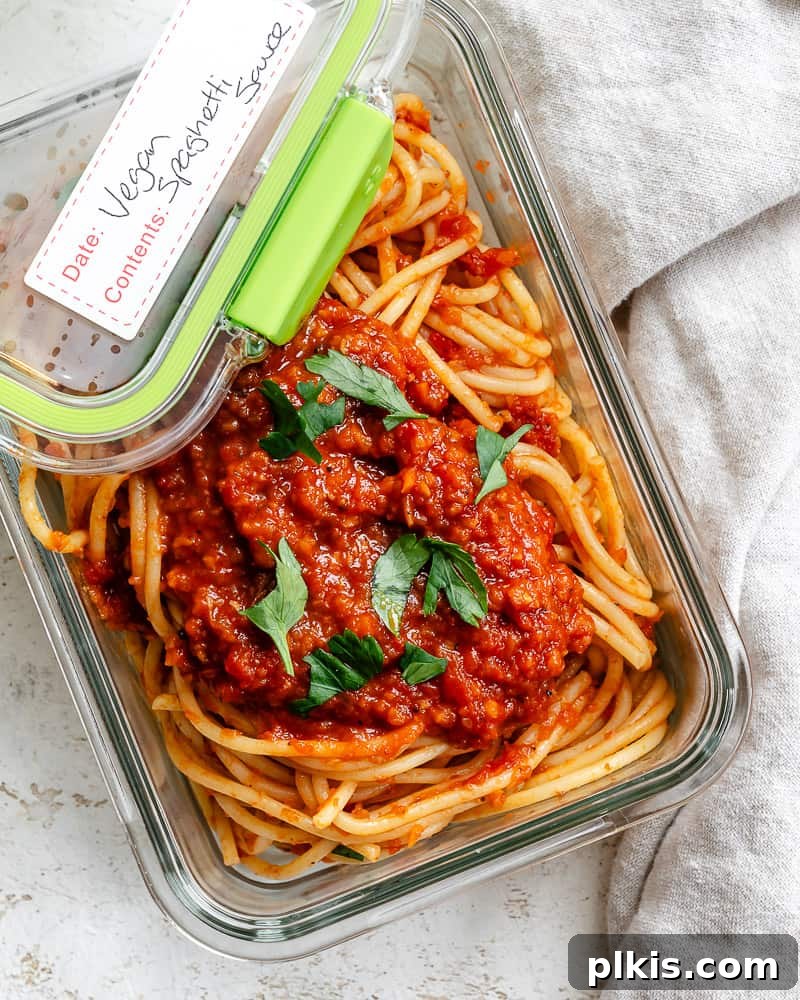
Delightful Serving Ideas
While this homemade vegan spaghetti sauce is a match made in heaven for pasta and spaghetti, its versatility extends far beyond. Once blended to a smooth consistency (or even left chunky, depending on the dish), it can be incorporated into a myriad of delicious plant-based meals. Here are some inspiring serving suggestions to make the most of your flavorful vegetable sauce:
- Classic Pasta Dishes: Of course, serve it generously over your favorite spaghetti, fettuccine, penne, or fusilli. Garnish with fresh basil or a sprinkle of vegan parmesan for a truly authentic experience.
- Appetizer Dip: Transform it into a savory dip for crusty bread, toasted pita wedges, or homemade breadsticks. A warm bowl of this sauce makes a comforting and flavorful appetizer.
- Pizza and Flatbread Base: Skip the store-bought pizza sauce and use this vibrant sauce as the flavorful base for your homemade vegan pizzas, calzones, or quick flatbread creations. It adds a fresh, rich dimension.
- Hearty Baked Dishes: This sauce is perfect for layering in comforting baked dishes. Think luscious lasagnas with vegan ricotta, satisfying casseroles, or generously filling stuffed pasta shells. Its robust flavor stands up beautifully to baking.
- Veggie-Filled Boats: Spoon the sauce into halved and roasted zucchini boats or bell pepper halves, top with vegan cheese, and bake for a healthy and satisfying meal.
- Eggplant Creations: Use it as a vibrant accompaniment to eggplant stacks or as the key component in a delicious vegan eggplant parmesan.
- Soup Base: Thin it slightly with vegetable broth and add some cooked pasta or lentils for a quick and hearty tomato vegetable soup.
- Grain Bowls: Drizzle warm sauce over quinoa, farro, or brown rice bowls, topped with roasted vegetables and a sprinkle of fresh herbs.
- Sandwiches & Wraps: Use a thick smear of the sauce in a grilled cheese sandwich, a veggie burger, or a warm wrap for an extra layer of flavor.
Explore More Vegan Pasta Sauce Recipes
If you loved this homemade vegan spaghetti sauce and are eager to diversify your plant-based pasta repertoire, we have a variety of other delicious and easy-to-make vegan pasta sauce recipes for you to discover. Each offers a unique flavor experience to keep your meals exciting and wholesome:
- Red Pepper & Sun-Dried Tomato Pesto: A vibrant, rich, and intensely flavored alternative to traditional green pesto.
- Sweet Potato Pasta Sauce: Creamy, slightly sweet, and incredibly comforting, perfect for a cozy dinner.
- Vegan Pasta Primavera: A light and fresh sauce bursting with seasonal vegetables, celebrating the flavors of spring and summer.
- Carrot Pasta Sauce: A surprisingly delicious and naturally sweet sauce that’s packed with hidden vegetables.
- Creamy Pumpkin Pasta: A warming and autumnal sauce, rich with pumpkin and spices, perfect for colder months.
- Vegan Fettuccine Alfredo: Indulgent and creamy, this plant-based version offers all the richness of the classic without any dairy.
Photos by Alfonso Revilla
Homemade Vegan Spaghetti Sauce
Equipment
- Measuring Spoons
- Measuring Cups
- Knife Set
- Food Processor
- Large Pot with Lid
Ingredients
- 3 tablespoons olive oil, divided
- 5 garlic cloves, minced
- 1 carrot, roughly chopped
- 2 celery ribs, roughly chopped
- 1 medium yellow onion, roughly chopped
- 1 tablespoon Italian seasoning
- ½ tablespoon paprika
- 1 (28-ounce) can crushed tomatoes, in their juices
- 1 cup water or vegetable broth
- 1 teaspoon sweetener (sugar, agave, etc.) (optional)
- Salt and freshly ground black pepper to taste
- Red pepper flakes to taste (optional)
- ½ – 1 cup fresh basil, chopped (optional)
- ½ – 1 cup fresh Italian parsley, chopped (optional)
Instructions
- In the cup of a food processor, combine 1 tablespoon of olive oil, the minced garlic, roughly chopped carrot, celery, and onion, Italian seasoning, and paprika. Process until the vegetables are very finely minced, almost paste-like.
- Heat the remaining 2 tablespoons of olive oil in a large pan with a lid over medium-high heat. Once hot, carefully add the finely minced vegetable mixture. Sauté, stirring constantly to prevent burning, until all the juices evaporate and the mixture begins to lightly brown and caramelize, about 2-3 minutes. This step is crucial for flavor development.
- Add the crushed tomatoes, water (or vegetable broth), and sweetener (if using) to the pan. Mix everything well and bring to a boil. Immediately reduce the heat to a gentle simmer, cover the pan, and cook for at least 45 minutes to 1 hour. The longer the sauce simmers, the more profound and complex its flavor will become. Once simmered, uncover, taste, and adjust with salt and freshly ground black pepper as needed. (Note: Avoid adding salt too early, as canned tomatoes often contain sodium).
- Continue to cook the sauce uncovered for another 10 minutes to allow it to thicken further and for flavors to concentrate. If you are using fresh herbs like basil or Italian parsley, stir them in during this final step to preserve their vibrant aroma and taste.
- Turn off the heat. Serve the homemade vegan spaghetti sauce warm over your favorite pasta, or store it in airtight mason jars or freezer-safe containers for future enjoyment.
Notes
- When to add sweetener: A small amount of sugar helps balance acidity in tomatoes, not sweeten the sauce. Taste and adjust.
- For a smoother sauce: Use an immersion blender or regular blender to achieve your desired consistency.
- Adjust the simmer time: A minimum of 45-60 minutes is recommended, but simmering longer (up to 2-3 hours) enhances flavor complexity. Add more liquid if needed.