
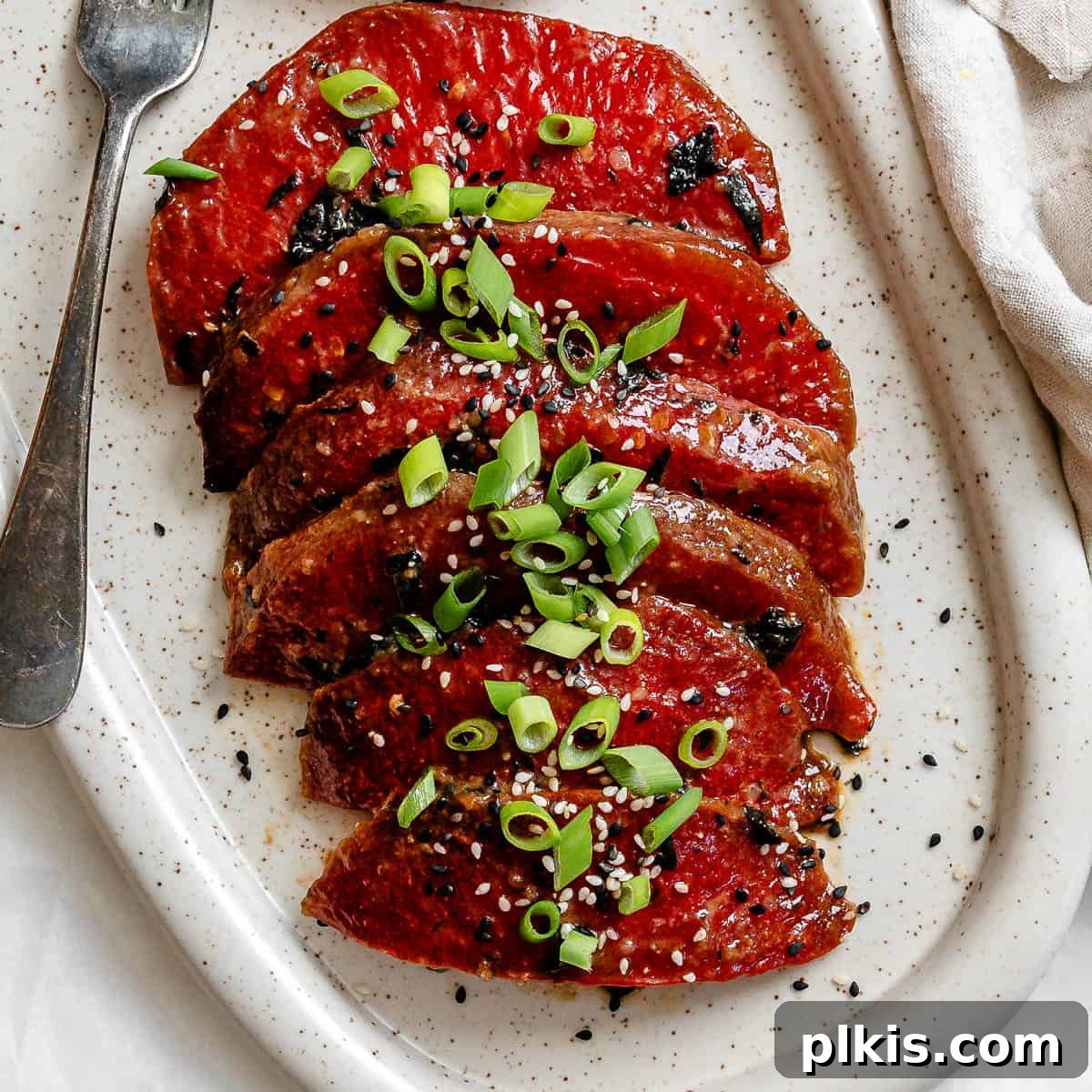
Experience the Culinary Innovation: Delicious Vegan Watermelon Tuna Steaks & Sashimi
Discover an extraordinary plant-based creation that transforms the humble watermelon into incredibly realistic and satisfying vegan watermelon tuna. With just a handful of ingredients and about an hour of baking, you can craft cruelty-free vegan tuna steaks, delicate sashimi, and so much more!
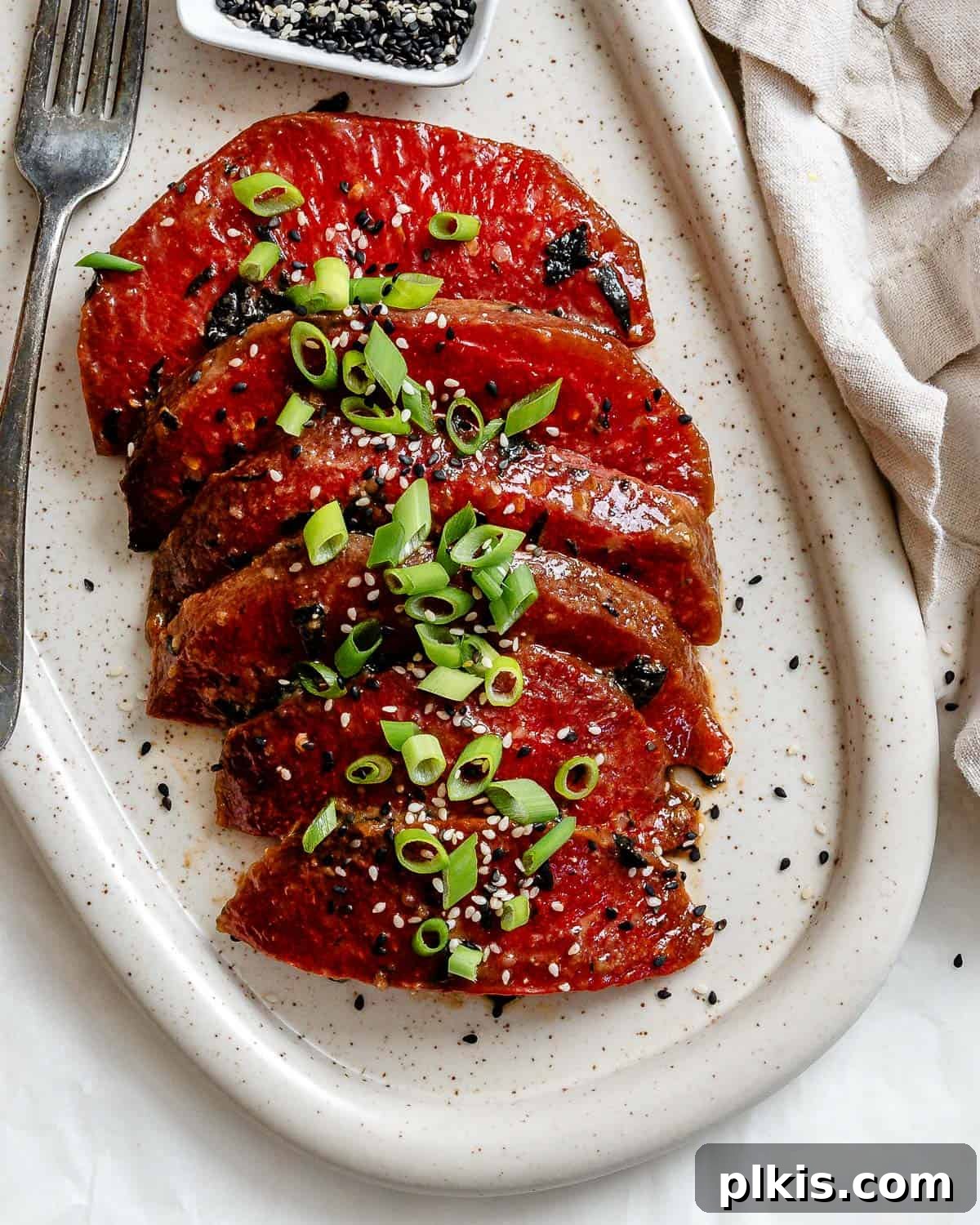
What Exactly is Vegan Watermelon Tuna?
While many plant-based enthusiasts are familiar with savory vegan tuna salad crafted from chickpeas, this recipe offers an entirely different and equally impressive take on meatless seafood. Here, the refreshing sweetness of watermelon undergoes a remarkable transformation, combining with umami-rich ingredients like nori, soy sauce, and miso paste to create a convincing vegan tuna with a texture surprisingly akin to raw fish.
The magic behind this culinary innovation lies in a two-fold process: the unique marinade and the baking method. Baking plays a crucial role by gently removing excess moisture from the watermelon. This process changes the melon’s characteristic juicy and crisp consistency into something dense yet tender, developing a subtle “floppiness” that closely mimics the texture of cooked or seared tuna. Visually, it truly looks the part!
Beyond texture, the watermelon is infused with a carefully balanced marinade. This flavorful sauce incorporates elements traditionally associated with authentic tuna dishes, most notably the distinct oceanic essence of nori seaweed. This combination of texture alteration and flavor infusion works synergistically to transform the watermelon into a remarkably convincing and deeply satisfying vegan and vegetarian tuna alternative.
While it may not be an exact replica of traditional tuna, this watermelon-based vegan option undoubtedly hits the spot for anyone seeking a compassionate and innovative seafood experience. Furthermore, its versatility allows for numerous adaptations. Imagine serving it as elegant vegan sashimi, crafting robust grilled watermelon tuna steaks, or even infusing it with vibrant flavors for a spicy ‘tuna’ component in your next poke bowl.
If you’re looking for more conventional watermelon recipes to beat the heat, explore our delightful and healthy options like refreshing watermelon popsicles, invigorating slushies, or cooling watermelon coolers.
The Magic Behind the Transformation: Texture and Flavor
Achieving the authentic “tuna” experience from watermelon is a testament to clever culinary techniques. The baking process is central to this. As the watermelon bakes, it dehydrates, concentrating its natural sugars and firming its flesh. This reduction in water content is what gives it a denser, less watery texture – a crucial step in moving away from fresh fruit and towards a more substantial, protein-like consistency. The result is a tender, slightly fibrous bite that surprisingly resembles cooked fish.
Complementing this textural transformation is the powerful marinade. Nori, the same dried seaweed used for sushi, is the secret weapon for imparting that distinctive “oceanic” or “fishy” aroma and taste. Combined with the deep, savory umami notes of soy sauce (or tamari for gluten-free diets) and the rich, complex fermented flavor of white miso paste, the watermelon absorbs a symphony of flavors that fool the palate into believing it’s enjoying a premium piece of tuna. A touch of apple cider vinegar provides a much-needed acidic balance, cutting through the natural sweetness of the watermelon and adding a bright, tangy finish, much like a squeeze of lemon on seafood.
Why Choose Vegan Watermelon Tuna?
Opting for vegan watermelon tuna isn’t just a culinary adventure; it’s a choice packed with benefits:
- Cruelty-Free & Ethical: Enjoy the flavors of tuna without any impact on marine life. It’s a compassionate choice that aligns with vegan and vegetarian values.
- Sustainable: Watermelon has a significantly lower environmental footprint compared to traditional tuna fishing, contributing to a healthier planet.
- Unique Culinary Experience: Surprise your taste buds and impress your guests with this innovative and unexpected dish. It’s a conversation starter!
- Healthy & Nutritious: Watermelon is naturally low in calories and fat, rich in vitamins (A and C) and antioxidants. Combined with the beneficial properties of seaweed and miso, this dish offers a wholesome alternative.
- Budget-Friendly: Watermelon is often a more affordable ingredient than fresh fish, making this a cost-effective way to enjoy a gourmet-like meal.
- Versatility: From elegant sashimi to hearty grilled steaks or flavorful poke, its adaptability means you’ll never get bored.
Essential Ingredients for Your Watermelon Tuna
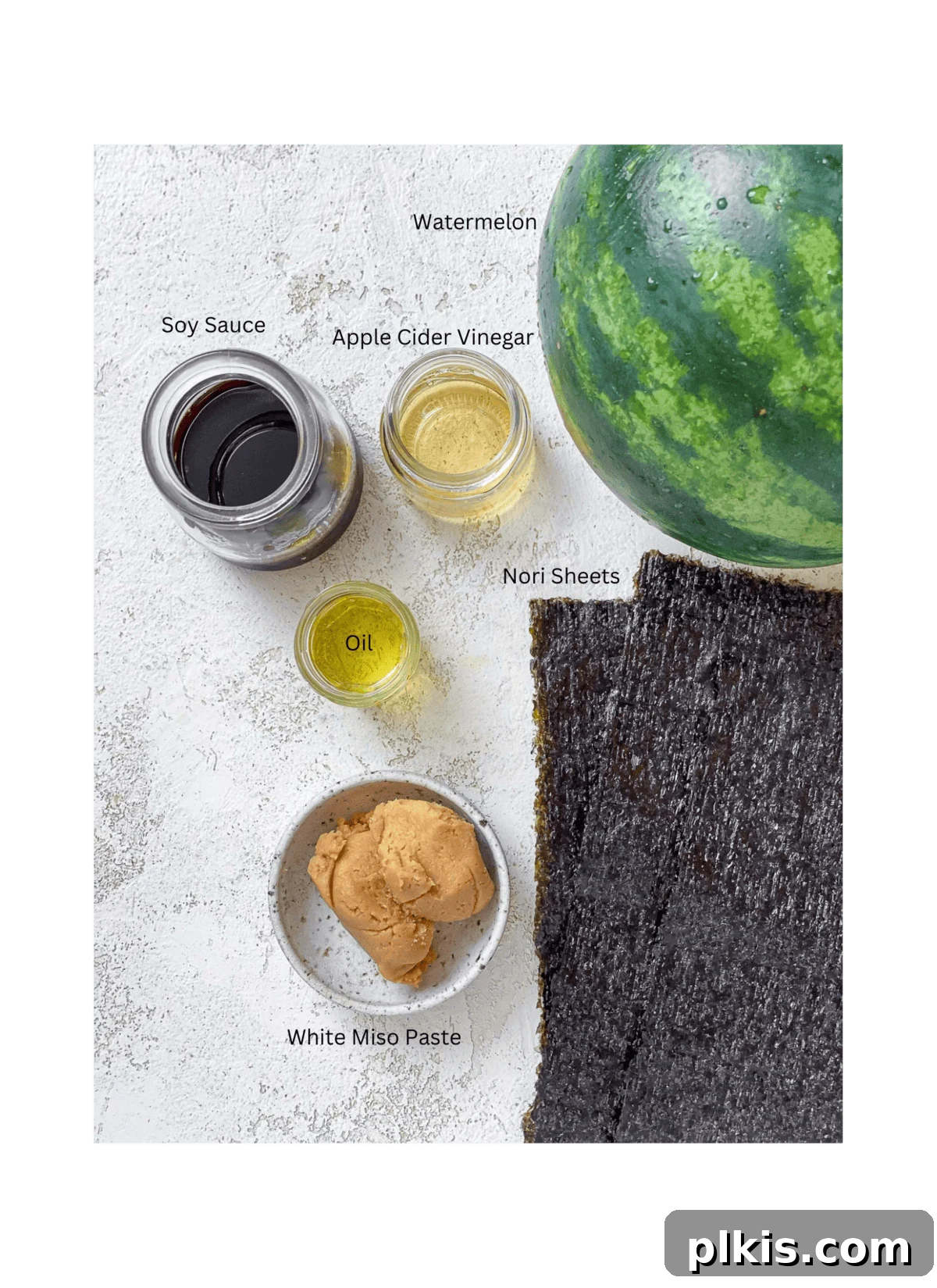
Crafting convincing vegan watermelon tuna requires a careful selection of ingredients that work together to mimic the taste and texture of its oceanic counterpart. Here’s a breakdown of what you’ll need and why each component is essential:
- Watermelon: The star of the show! For the best results, we highly recommend using a seedless variety. Opt for a watermelon that is slightly under-ripe or “just” ripe. An overly sweet melon can detract from the savory tuna experience, so a less sweet, firmer watermelon provides the ideal base for flavor absorption and texture development during baking.
- Nori: These thin, dried sheets of seaweed, commonly used in sushi, are absolutely crucial. Nori is the primary ingredient responsible for imparting that authentic, briny, and distinctly “fishy” or ocean-like flavor to your vegan tuna sashimi. Don’t skip it!
- Neutral Oil: A neutral-flavored cooking oil, such as vegetable oil or canola oil, serves multiple purposes. It helps to coat the watermelon, aiding in moisture retention during baking and contributing to a richer, silkier mouthfeel, similar to the inherent fattiness found in real fish. For an added layer of Asian-inspired flavor, you can substitute a small portion (e.g., ½ teaspoon) with toasted sesame oil.
- Soy Sauce: This staple ingredient is vital for delivering a powerful punch of umami and saltiness, which are cornerstone flavors in many tuna preparations. Feel free to use regular or low-sodium soy sauce based on your preference. If you’re following a gluten-free diet, tamari or coconut aminos are excellent substitutes that provide similar depth of flavor.
- Apple Cider Vinegar: A touch of acidity is key to balancing the watermelon’s natural sweetness and adding a subtle, refreshing tang that brightens the overall flavor profile. While apple cider vinegar works wonderfully, rice vinegar can also be used, though it tends to be a bit sweeter, so adjust to your taste.
- White Miso Paste: While technically optional, incorporating white miso paste is highly recommended. It’s a fermented soybean paste that introduces an impressive depth of umami flavor, along with a delightful subtle salty-sweetness and a creamy consistency that enriches the marinade. It truly elevates the “fishy” essence of the dish.
Exciting Flavor Variations & Creative Add-ins
Once you master the basic watermelon tuna recipe, don’t hesitate to experiment with these delightful additions to customize your plant-based seafood experience:
- Garlic: For an extra layer of savory depth and aromatic warmth, finely minced raw garlic can be added to the marinade. It complements the umami flavors beautifully, making the “tuna” more robust.
- Sesame Seeds: Sprinkle raw or toasted sesame seeds generously over your finished vegan tuna sashimi. They add a lovely nutty flavor, a satisfying crunch, and an appealing visual garnish, reminiscent of traditional Asian poke bowls.
- Scallions: Finely sliced scallions (green onions) can be mixed into the savory marinade or used as a fresh topping. Their mild oniony bite adds a vibrant, fresh element, making your watermelon tuna akin to a classic tuna poke.
- Hot Sauce/Sriracha: If you crave a kick of heat, a dash of your favorite hot sauce or sriracha in the marinade will transform your creation into a tantalizing ‘spicy tuna’. For a more rustic heat, a pinch of red pepper flakes also works wonderfully.
- Ginger: A small amount of freshly minced ginger pairs exceptionally well with the flavors of ‘spicy tuna’. Its zesty, pungent notes add brightness and complexity, enhancing the overall aromatic profile.
- Liquid Smoke: For a unique twist, a few drops of liquid smoke can impart a subtle, smoky flavor, creating a delicious ‘smoked tuna’ experience. Use sparingly, as a little goes a long way.
Step-by-Step Guide: Crafting Your Watermelon Tuna
Follow these detailed instructions to transform a simple watermelon into a culinary marvel, perfect for your next plant-based meal. The process is straightforward, ensuring delicious results every time.
- 1. Prepare Your Workspace: Begin by preheating your oven to 375°F (190°C). Line a large baking sheet with parchment paper or a silicone baking mat. This step is crucial to prevent sticking and ensure even cooking. Next, prepare your nori sheets by crumbling or mincing them very finely. You can do this by hand, with kitchen scissors, or by pulsing them briefly in a small food processor until they resemble small flakes.
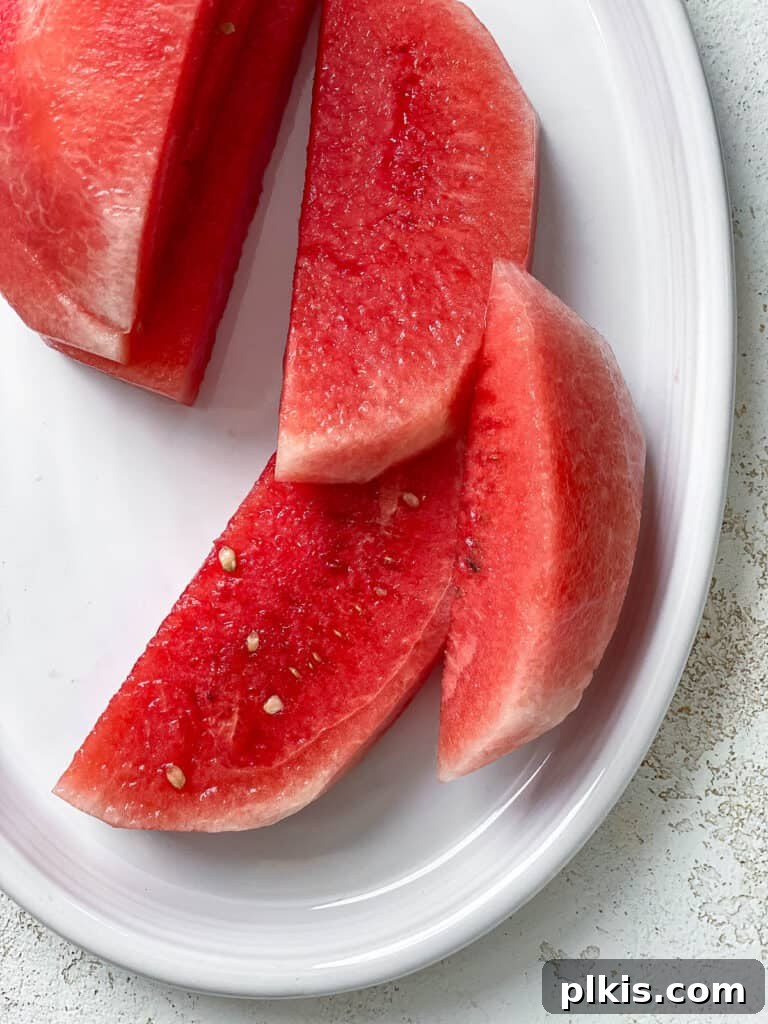
- 2. Watermelon Preparation: Carefully cut the watermelon in half. Using a sharp, sturdy knife, meticulously remove the green rind and any white pith from the watermelon halves. Aim to remove as much of the pith as possible, as it can be tough and lacks flavor.
- 3. Slice the Melon: Once peeled, cut each watermelon half into 1-inch thick half-moon slices. The thickness is important as it allows the watermelon to retain some structural integrity after baking while still becoming tender. These slices will shrink considerably during the baking process, so starting with a good thickness ensures a substantial ‘tuna steak’ or ‘sashimi’ piece.
- 4. Create the Flavorful Marinade: In a large baking dish or a deep bowl, combine all the sauce ingredients: the neutral oil, soy sauce (or tamari), the finely minced nori sheets, apple cider vinegar, and the white miso paste. Whisk everything together thoroughly until the miso paste is fully dissolved and all ingredients are well incorporated, forming a smooth, aromatic marinade.
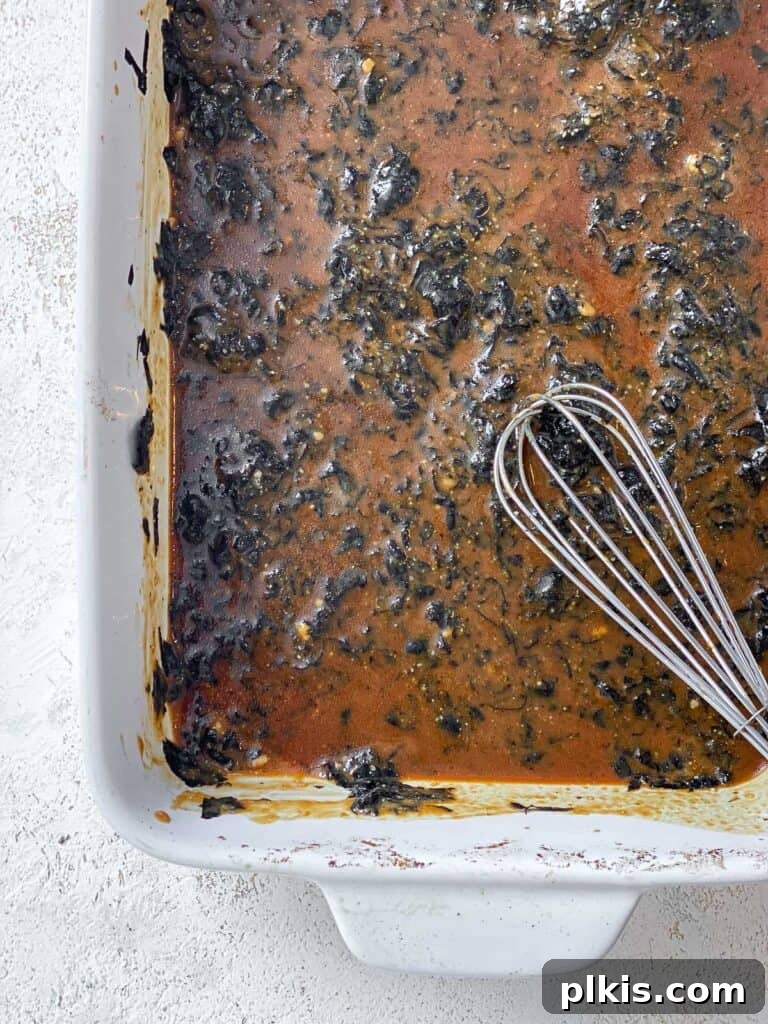
- 5. Marinate and Arrange: Take each watermelon slice, one at a time, and dip it into the prepared marinade, ensuring both sides are thoroughly coated. Gently transfer the coated slices to your prepared baking sheet. Arrange them in a single layer, making sure not to overcrowd the pan, which could lead to steaming instead of baking. Repeat this process with all the remaining melon slices.
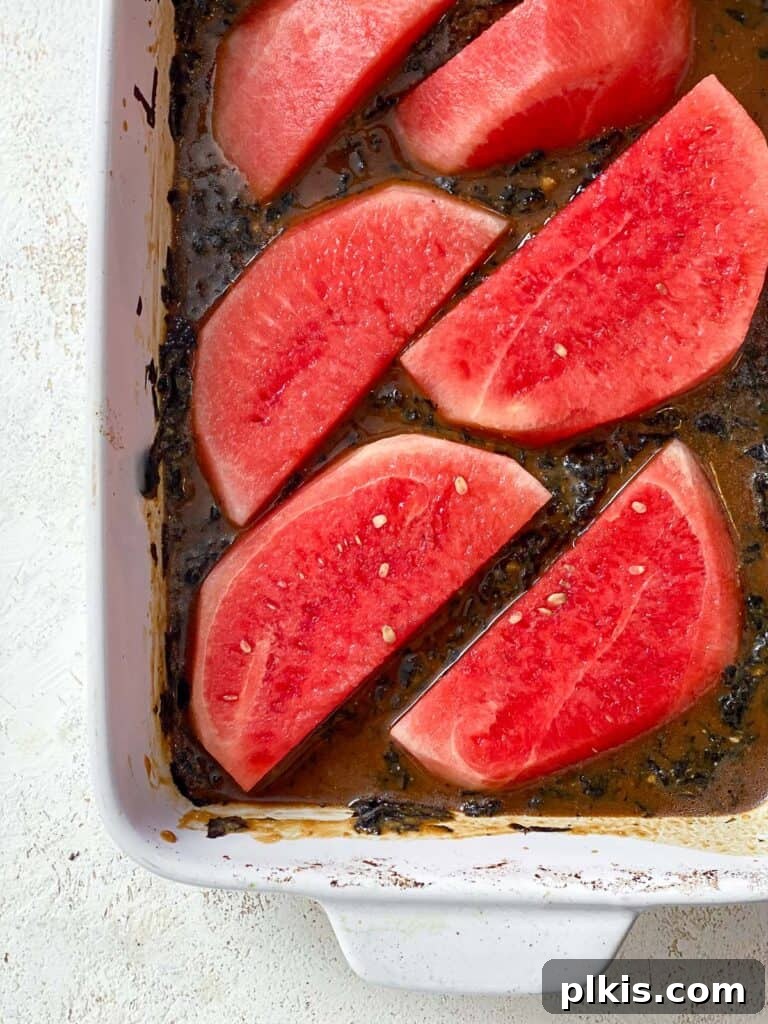
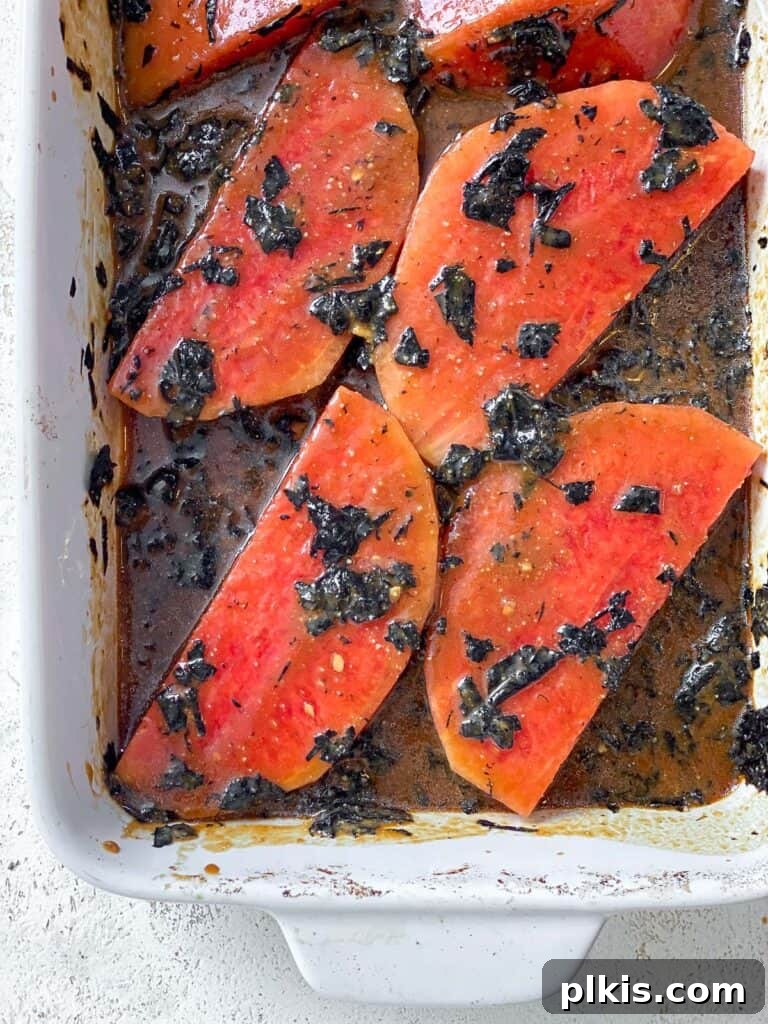
You can optionally pour any leftover sauce directly over the melon slices on the baking sheet for even more intense flavor during baking. Alternatively, save it to pour over the baked melon after it cools, adding a fresh burst of marinade just before serving.
- 6. Bake to Perfection: Place the baking sheet in the preheated oven and bake for approximately 50-60 minutes. The baking time may vary slightly depending on your oven and the thickness of your watermelon slices. The goal is for the watermelon to become tender and develop a firm, fish-like consistency, not to become overly crispy or charred. It should be soft enough to cut easily but firm enough to hold its shape.
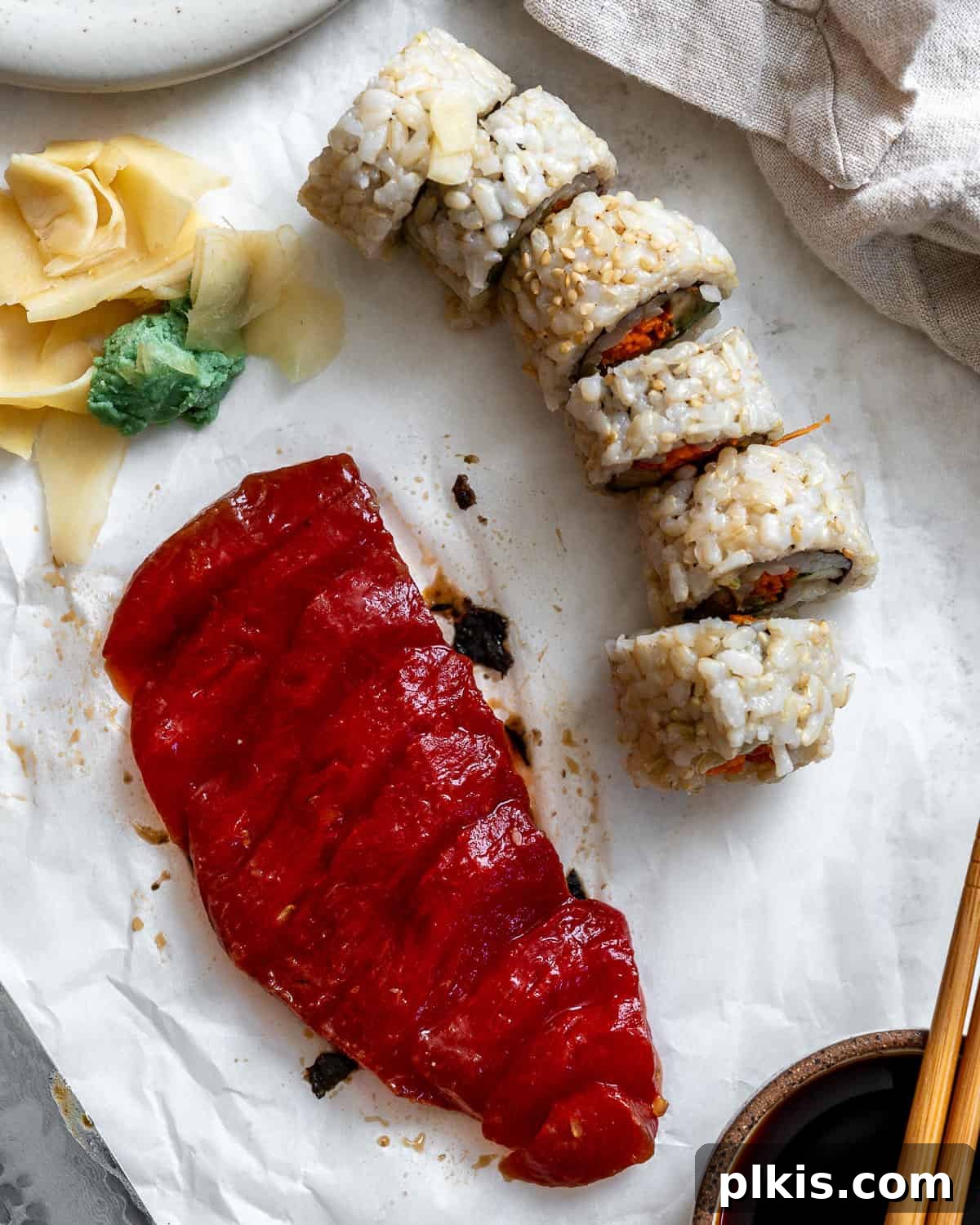
- 7. Cool and Slice: Once baked, remove the watermelon from the oven and allow it to cool completely on the baking sheet. Cooling is important as it allows the texture to set further and the flavors to meld. Once cooled, slice the larger half-moon pieces into 1-inch (or thinner, if desired for sashimi) rectangular or triangular pieces, mimicking the appearance of tuna sashimi or smaller tuna steaks.
For Succulent Grilled Watermelon Tuna Steaks
To achieve the ultimate texture and a smoky char for grilled watermelon tuna steaks, we recommend a slightly modified approach. First, follow steps 1-3 of the main recipe, preparing and slicing your watermelon. Then, bake the watermelon slices for the recommended 50-60 minutes to achieve that essential tender, fish-like consistency. After baking, transfer the slices to a large, shallow dish and generously marinate them in the prepared sauce (from step 4) for an extended period, anywhere from 2 to 24 hours in the refrigerator. The longer marination allows the flavors to deeply penetrate the denser, baked watermelon.
When ready to grill, preheat your grill or grill pan over medium heat. Once hot, cook the marinated watermelon tuna steaks for 2-3 minutes per side. You’re looking for beautiful sear marks and a slight char, indicating that perfect grilled finish. Serve immediately for a warm, smoky, and incredibly satisfying vegan steak experience.
Frequently Asked Questions About Vegan Watermelon Tuna
While possible, we highly recommend using a seedless watermelon. If you use a seeded variety, you’ll find yourself needing to meticulously pick out the crunchy black seeds when preparing and serving, which can be quite fiddly and detract from the authentic tuna experience. Seedless varieties offer a much smoother process and a more convincing final texture.
Absolutely! For years, many of us discarded watermelon rind, deeming it destined only for compost or the trash. However, the rind is surprisingly versatile! You can get creative by adding it to refreshing smoothies for added fiber and nutrients, transforming it into delightful watermelon rind pickles, incorporating it into stir-fries for a unique crunch, or even candying it for a sweet treat. Don’t let it go to waste!
We generally do not recommend freezing watermelon tuna. The high water content of watermelon means that after freezing and thawing, the texture will likely become significantly softer, mushier, and less “fish-like” than intended. For optimal taste and texture, it’s best enjoyed fresh or stored in the refrigerator as per the storage instructions.
Once prepared, vegan watermelon tuna can be stored in an airtight container in the refrigerator for up to 4 days. In fact, many find that the flavors deepen and meld even more beautifully after a day or two, making it even more delicious.
While no plant-based substitute can perfectly replicate every nuance of animal protein, our vegan watermelon tuna offers a remarkably convincing and deeply satisfying experience. The combination of its altered texture and the umami-rich, oceanic marinade creates a flavor profile that strongly evokes traditional tuna, especially when served as sashimi or in poke bowls. It’s an innovative culinary illusion that delights both vegans and omnivores alike.
Expert Tips for Perfect Watermelon Tuna
- Prioritize Seedless Watermelon: This seemingly small detail makes a significant difference. The presence of crunchy black seeds in your “tuna” can break the illusion and requires extra effort to remove, detracting from the believability of your vegan creation. Opting for a seedless melon from the start simplifies the preparation and enhances the overall dining experience.
- Adapt the Shape to Your Dish: While the recipe guides you to bake larger half-moon slices and then cut them down, feel free to adjust the initial shape. If you’re planning to make vegan tuna poke bowls, you can cut the watermelon directly into ¾-1-inch cubes before baking. Just remember that the watermelon will significantly shrink in size as it bakes and releases moisture, so account for this when choosing your initial cut size.
- Monitor Your Melon During Baking: You don’t need to hover over the oven, but it’s a good practice to check the watermelon periodically, especially towards the end of the baking time. Ensure it’s softening and dehydrating as desired without browning excessively or charring. The goal is a tender, fish-like consistency with reduced moisture, not a fully roasted or caramelized outcome.
- For Enhanced Flavor, Marinate Longer: While the initial coating before baking infuses flavor, allowing the watermelon to marinate for an extended period after baking can profoundly deepen its taste. Consider letting the baked watermelon soak in any leftover sauce (or a fresh batch) in the refrigerator anywhere from a few hours up to overnight. This extra marination time allows the complex flavors to truly penetrate and mature, resulting in a more robust and satisfying “tuna” experience.
- Serve at the Right Temperature: For sashimi-style presentations, ensure your watermelon tuna is thoroughly chilled. For grilled steaks, serving immediately after grilling will highlight their smoky char and tender texture.
Storing Your Vegan Watermelon Tuna
Proper storage is key to maintaining the quality and extending the shelf life of your vegan watermelon tuna. Once it has finished baking, allow the watermelon tuna to cool completely to room temperature. This step is essential before refrigeration, as storing warm food can introduce condensation and affect texture. Once cooled, transfer the tuna pieces to an airtight container. Store this container in the refrigerator for up to 4 days. You’ll often find that the flavors continue to meld and deepen over time, making it even more delicious on subsequent days. Before serving from storage, it’s a good idea to pour away any excess liquid that may have accumulated at the bottom of the container. Then, simply enjoy your ready-to-eat plant-based delicacy!
Creative Ways to Serve Watermelon Tuna
The versatility of vegan watermelon tuna makes it an exciting ingredient for a wide array of dishes. Here are some inspiring ways to incorporate this unique plant-based delicacy into your meals:
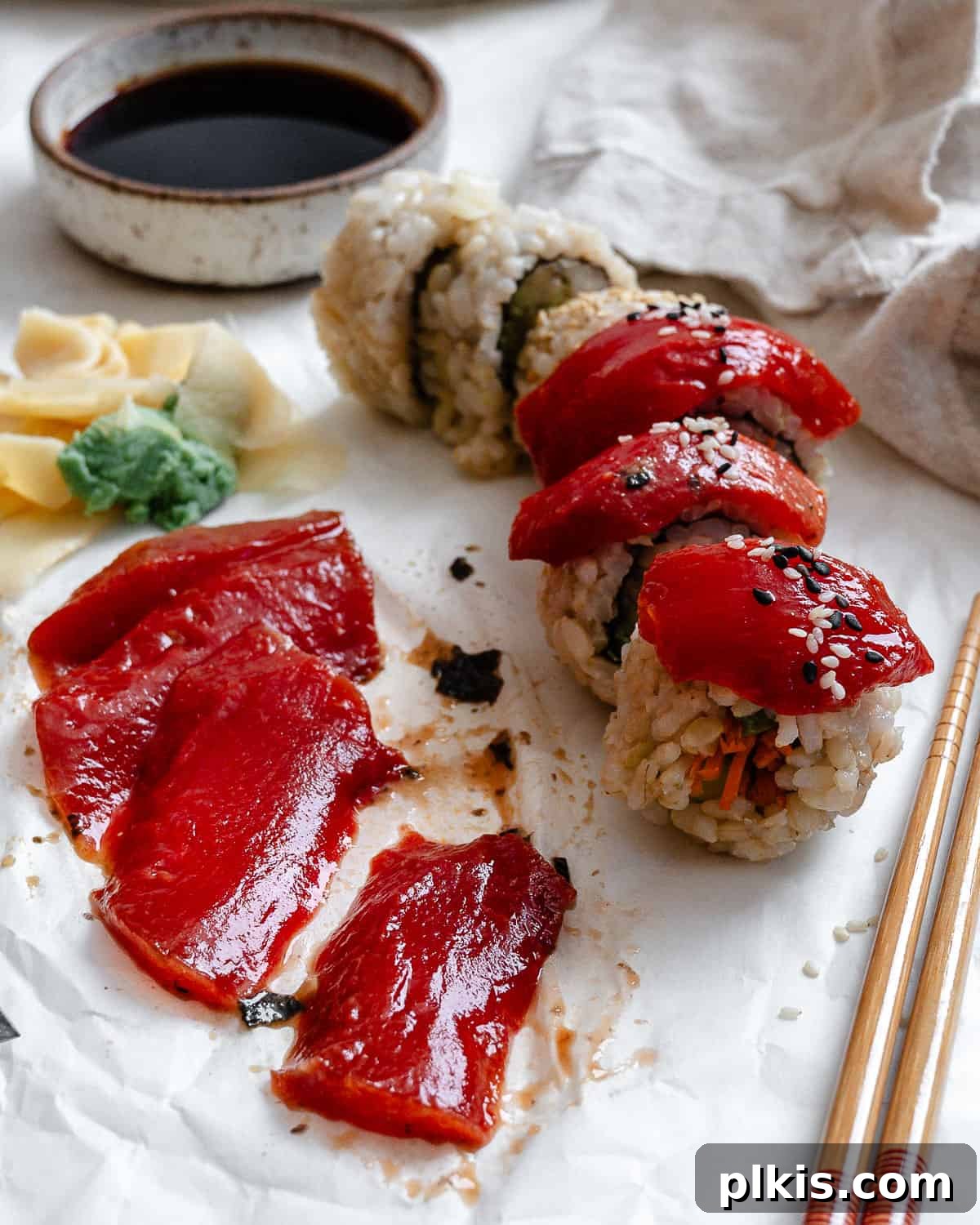
- As Elegant Vegan Sashimi: Simply slice it into thin, bite-sized pieces and serve alongside pickled ginger, wasabi, and a small dish of soy sauce for a truly authentic experience.
- Served Over Fluffy Vegan Sushi Rice: Create a delectable bowl by layering seasoned sushi rice with generous portions of watermelon tuna, perhaps garnished with sesame seeds and fresh scallions.
- Draped Over Sushi Rolls or to Make Watermelon Tuna Sushi: Use it as a topping for inside-out rolls (uramaki) or roll it directly into nori sheets with rice and vegetables for a colorful and flavorful sushi experience.
- In a Homemade Vegan Poke Bowl/Sushi Bowl: Combine cubed watermelon tuna with your favorite poke bowl elements: rice, edamame, cucumber, avocado, mango, and a drizzle of spicy mayo or a sesame-ginger dressing.
- On Crispy Rice Crackers: Top rice crackers or nori snacks with a piece of watermelon tuna and a dollop of spicy vegan mayo for a quick and satisfying appetizer.
- As a “Tuna” Sandwich or Wrap: Flake it slightly and mix with a bit of vegan mayo, celery, and onion for a creative plant-based “tuna” salad sandwich or wrap filling.
- In Tacos or Lettuce Wraps: Serve warm, grilled watermelon tuna in soft tortillas or crisp lettuce cups with a vibrant slaw and a squeeze of lime.
More Plant-Based Delights to Explore
If you enjoyed the innovative approach of this watermelon tuna recipe, you’ll love exploring other creative plant-based dishes that capture familiar flavors and textures:
- Vegan Tofu ‘Fish’ Sticks
- Crispy Tofu Rainbow Veg Sushi
- Classic Chickpea Tuna Salad
- Hearty Grilled Tofu Steaks
- Spicy Buffalo Cauliflower Wings
- Savory Mushroom Steaks (A versatile and rich plant-based main)
Photos by Alfonso Revilla
Watermelon Tuna (Sashimi & Steaks)
10 minutes
1 hour
1 hour
10 minutes
4
slices
![completed Watermelon Tuna [sashimi + steaks] on a baking dish](https://plkis.com/wp-content/uploads/2025/12/img_59484_10.jpg "Watermelon Tuna: Sashimi and Steaks 10")
Equipment
-
Measuring spoons
-
Knife set
-
Baking sheet
Ingredients
-
½
of a small seedless unripe watermelon,
peeled and sliced (see photo for reference) -
4
sheets
nori,
minced -
1
tablespoon
of neutral oil -
4
tablespoons
of soy sauce -
1
tablespoon
apple cider vinegar -
2
tablespoons
white miso paste
Instructions
-
Preheat the oven to 375 degrees F. and line a baking sheet with a silicone mat or parchment paper.
-
Cut the watermelon in half and peel it. Cut it into 1-inch thick circles and then cut them in half. See photo for reference.
-
In a large baking dish, mix together the nori, oil, soy sauce, apple cider vinegar, and miso paste. Mix well and then add one by one the sliced watermelon. Flip them so both sides of the watermelon are coated with the sauce.
-
Bake for 50 minutes to 1 hour or until the watermelon is soft.
-
Allow it to cool and slice it into 1-inch slices.
Notes
- Use seedless watermelon: The crunchy black seeds take away the believability of the vegan tuna watermelon and need removing, so, it’s easiest to buy a seedless melon.
- Adjust the shape: We prefer to bake it as written, then slice it down to size. However, you can optionally cut it into ¾-1-inch cubes from the get-go to make vegan tuna poke bowls. Remember, it will shrink quite a bit while it bakes.
- Monitor the melon: You don’t need to keep a constant eye on it, but checking it occasionally to ensure it isn’t browning/charring is a good idea. We just want to soften and remove excess water, not fully ‘roast’ it.
- For even more flavor: You can optionally leave the watermelon to marinate in the sauce anywhere up to overnight after baking.
Nutrition
Carbohydrates: 46g
Protein: 7g
Fat: 5g
Saturated Fat: 0.4g
Polyunsaturated Fat: 2g
Monounsaturated Fat: 3g
Trans Fat: 0.01g
Sodium: 1330mg
Potassium: 701mg
Fiber: 3g
Sugar: 36g
Vitamin A: 3356IU
Vitamin C: 47mg
Calcium: 50mg
Iron: 2mg
Additional Info
Toni Okamoto
Dinner, Appetizer
Asian, Fusion
Oven, Grilling (optional)
Vegan, Plant-Based, Dairy-Free
Tried this recipe?
Please tag us at @PlantBasedOnABudget! 🙂