
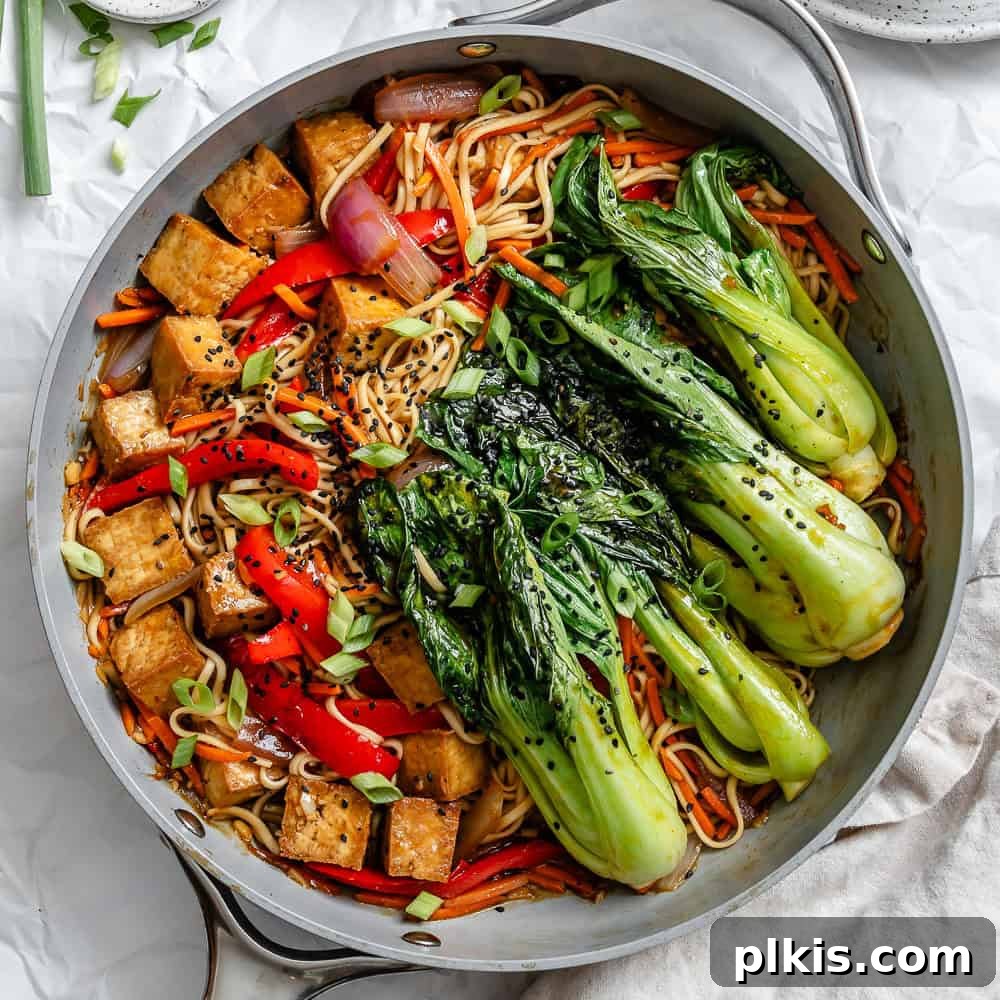
Quick & Easy Vegan Yaki Udon: The Ultimate Udon Noodle Stir-Fry Recipe
Discover the magic of a Japanese-inspired **udon noodle stir-fry** – a vibrant, flavorful dish featuring chewy udon noodles and a medley of fresh vegetables tossed in a simple, four-ingredient soy-based sauce. This recipe for homemade **Yaki Udon** is incredibly quick, effortlessly easy, and perfectly designed for those busy weeknights when you crave something wholesome, satisfying, and bursting with umami. Say goodbye to expensive takeout and hello to your new favorite plant-based meal!
![Completed Vegetable Yaki Udon Noodles [Stir-Fry] on a plate, garnished with green onions and sesame seeds.](https://plkis.com/wp-content/uploads/2025/12/img_359_1.jpg "Yaki Udon Stir Fry 2")
Why You’ll Fall in Love with This Vegan Yaki Udon Recipe
This budget-friendly udon noodle stir-fry, also known as Yaki Udon, is more than just a meal; it’s a culinary lifesaver for anyone seeking fast, flavorful, and fuss-free dinners. Just like our popular Quick Teriyaki Tofu Stir-Fry and Vegetable Noodle Stir-Fry, this Yaki Udon stands out for several compelling reasons:
- **Unbeatably Quick:** From prep to plate in under 40 minutes, making it ideal for the busiest evenings.
- **Effortlessly Easy:** Simple steps and readily available ingredients mean even novice cooks can achieve delicious results.
- **Budget-Friendly:** Crafted with affordable plant-based ingredients, this recipe helps you save money without compromising on taste or nutrition.
- **Highly Versatile:** A fantastic clean-out-the-fridge meal! Easily adapt it with whatever vegetables and plant-based protein you have on hand.
- **Healthier Than Takeout:** Enjoy authentic Asian flavors at home, knowing exactly what goes into your dish. It’s often lower in sodium and unhealthy fats compared to restaurant versions.
- **Customizable Flavors:** Whether you prefer mild or spicy, savory or slightly sweet, the sauce is easy to adjust to your personal preference.
- **Deep Umami Richness:** The simple soy-based sauce delivers a profound depth of flavor that coats every chewy udon noodle and tender vegetable.
Looking for more easy vegan stir-fry recipes to add to your repertoire? Be sure to try our Sticky Sesame Tofu, Quick Vegetable Edamame Stir-Fry, Garlic Broccoli Stir-Fry, or our delightful Zucchini Stir-Fry.
Essential Ingredients for Your Perfect Yaki Udon
Crafting delicious Yaki Udon begins with selecting the right ingredients. Below is a breakdown of the key components and tips for making the best choices. For the full list of ingredients, precise quantities, and potential substitutes, please refer to the recipe card below.
![Ingredients for Vegetable Yaki Udon Noodles [Stir-Fry] measured out on a white surface, including noodles, sauce ingredients, tofu, and fresh vegetables.](https://plkis.com/wp-content/uploads/2025/12/img_359_2.png "Yaki Udon Stir Fry 3")
- Udon Noodles: The star of the show! Udon noodles are thick, chewy wheat noodles that provide a satisfying texture. You can use fresh, frozen, or shelf-stable “minute” udon. While I opted for uncooked udon this time, all types work wonderfully. For a gluten-free option, look for rice udon or other gluten-free noodle alternatives.
- Rich Vegetable Broth: Forms the flavorful base of our sauce, adding depth and savoriness.
- Soy Sauce: The backbone of any good stir-fry sauce, providing essential umami and saltiness. Opt for low-sodium soy sauce if you’re mindful of salt intake, or tamari for a gluten-free alternative.
- Sugar or Agave: A touch of sweetness helps to balance the savory and salty notes in the sauce, creating a well-rounded flavor profile.
- Sesame Oil (Optional but Recommended): A drizzle of toasted sesame oil at the end imparts a wonderful nutty aroma and flavor, elevating the entire dish.
- Red Pepper Flakes (Optional): For those who enjoy a little heat, red pepper flakes add a pleasant warmth. Adjust the quantity to your preferred spice level.
- Cornstarch: This is our secret weapon for a perfectly thick and glossy sauce that clings beautifully to the noodles and vegetables.
- High-Heat Oil: Essential for stir-frying. Avocado oil, grapeseed oil, or any neutral oil with a high smoke point will work well.
- Super Firm Tofu: Our plant-based protein powerhouse! Super firm tofu holds its shape wonderfully and gets delightfully crispy when pan-fried. Ensure it’s pressed thoroughly to remove excess water for the best texture.
- Baby Bok Choy: Adds a lovely crisp-tender texture and a fresh, slightly bitter note that complements the rich sauce.
- Aromatics (Garlic & Fresh Ginger): These two ingredients are crucial for building the foundational flavor of your stir-fry, providing a pungent and fragrant kick.
- Red Onion & Bell Pepper: Contribute vibrant colors, sweetness, and a pleasant crunch.
- Carrots (Optional): Add natural sweetness and a beautiful orange hue. Julienne or thinly slice them for quick cooking.
- Green Onions & Sesame Seeds (Garnish, Optional): Perfect for adding a final touch of freshness, color, and nutty flavor.
Customize Your Yaki Udon: Delicious Recipe Variations
One of the best things about this Yaki Udon recipe is its incredible adaptability. Feel free to get creative and tailor it to your taste preferences or whatever ingredients you have on hand:
- Expand Your Veggies: Don’t limit yourself to the suggested vegetables! Bulk up your vegan yaki udon with a wider array of colorful and nutritious additions. Consider broccoli florets, tender sugar snap peas, shelled edamame, thinly shaved carrots, different colored bell peppers, shredded cabbage, sliced baby corn, earthy mushrooms, or vibrant zucchini. The key is to cut them into similar sizes for even cooking.
- Boost Your Protein: While crispy pan-fried tofu is a fantastic choice, you can also use cubed tempeh for a chewier texture and nutty flavor. Other excellent vegan protein options include pre-made vegan “chicken” strips, roasted chickpeas, or even kidney beans for a more rustic approach.
- Amp Up the Ginger: For an extra zingy heat and aromatic depth, don’t hesitate to add a little more freshly minced ginger to the yaki udon sauce or sauté it with the other aromatics.
- Spice It Up: If you love a fiery kick, there are many ways to add more spice. Increase the red pepper flakes in the sauce, drizzle sriracha or chili paste over the finished dish, or garnish with thinly sliced fresh red chilies for a vibrant, hot finish.
- Add Umami Depth with Vegan Oyster Sauce: A small splash of vegan oyster sauce (often mushroom-based) can introduce a rich, savory, and complex umami depth to the stir-fry sauce.
- Toasted Sesame Oil Finish: Beyond the optional sesame oil in the sauce, a final drizzle of toasted sesame oil just before serving will add an incredibly fragrant and nutty aroma that beautifully complements the other flavors.
- Citrus Brightness: A squeeze of fresh lime juice or a splash of rice vinegar at the very end can brighten the flavors and add a pleasant tang.
- Nutty Crunch: Sprinkle roasted peanuts or cashews on top for an extra layer of texture and flavor.
- Herbaceous Freshness: Fresh cilantro or basil leaves, torn and sprinkled over the finished dish, can add a refreshing aromatic note.
How to Master Yaki Udon: A Step-by-Step Guide
Creating this delicious Udon Noodle Stir-Fry is a straightforward process, broken down into a few simple stages. Follow these steps for a perfectly balanced and flavorful meal.
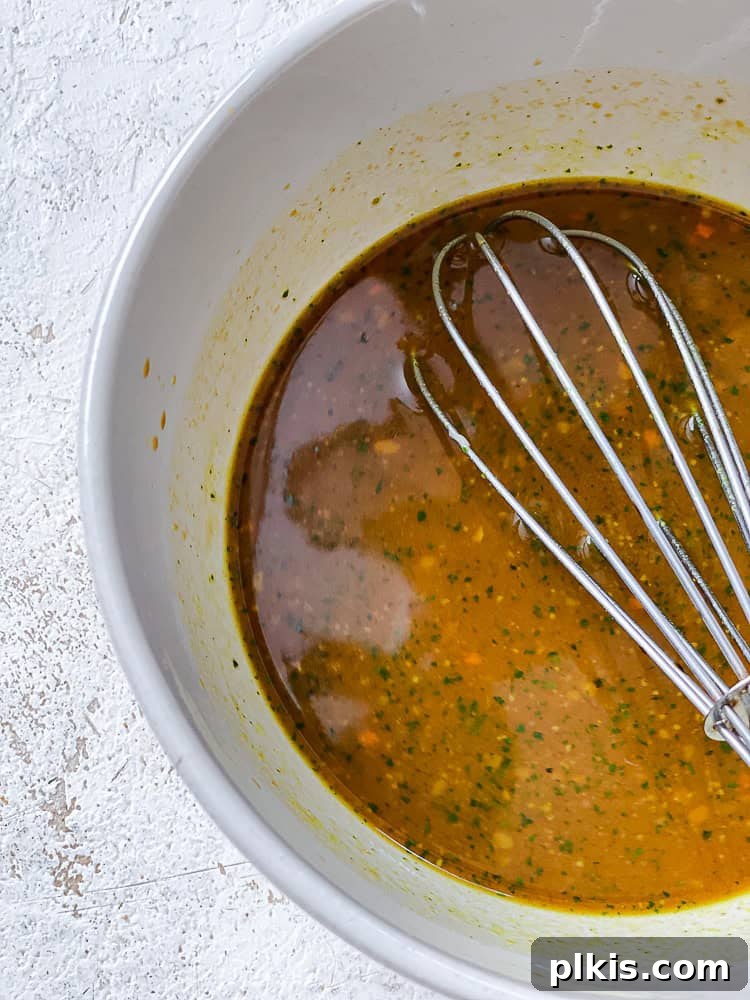
Step 1: Prepare the Stir-Fry Sauce. In a medium-sized bowl, combine the vegetable broth, soy sauce, sugar (or agave), optional sesame oil, and red pepper flakes. Whisk thoroughly until well combined. Then, whisk in the cornstarch until there are no lumps. This will ensure a smooth, thick sauce. Set this flavorful mixture aside.
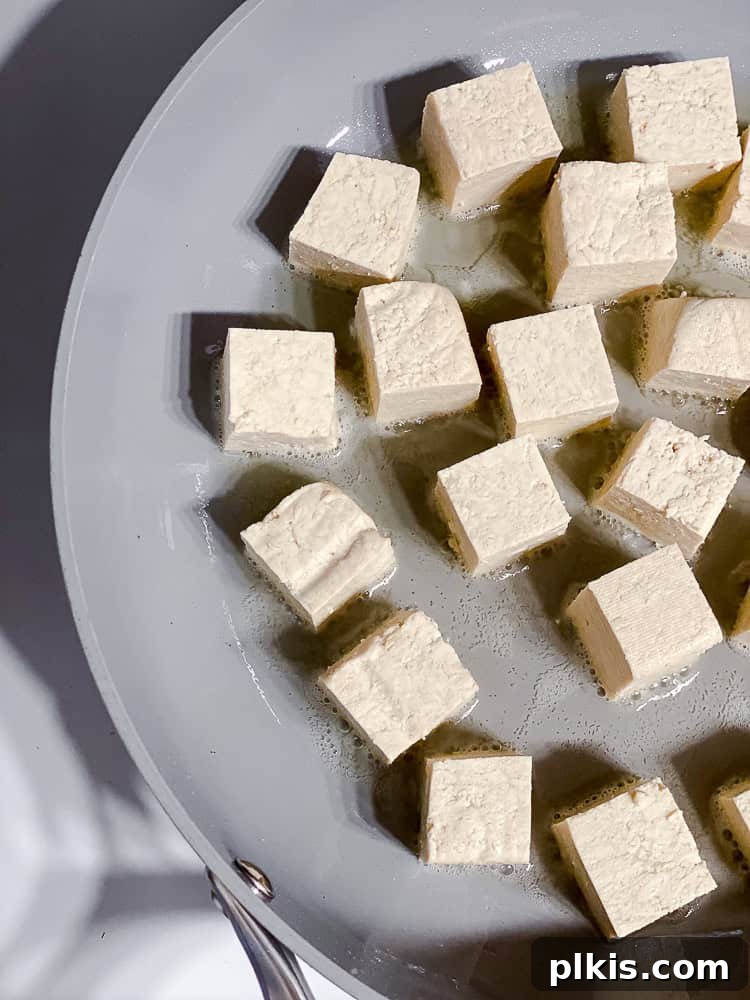
Step 2: Cook the Tofu. Heat 3 tablespoons of high-heat oil in a large pan or wok over medium-high heat. Once the oil is shimmering, add the cubed tofu. Fry the tofu, turning occasionally, until all sides are beautifully golden brown and crispy. This step is crucial for adding a delightful texture. Once cooked, remove the tofu and transfer it to a large bowl, setting it aside.
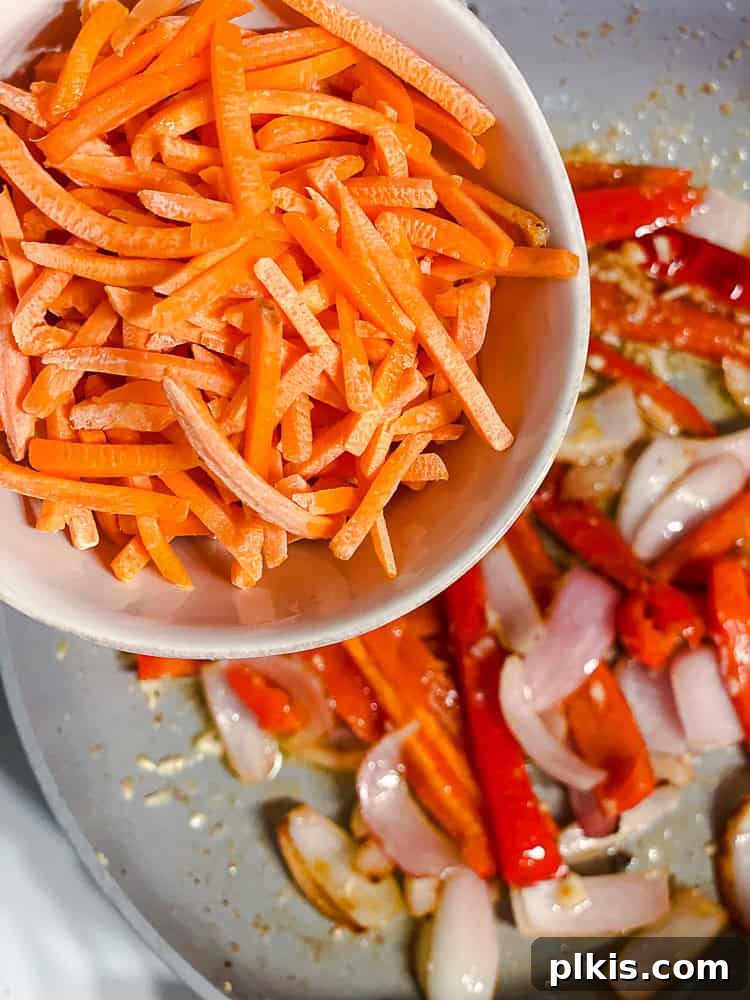
Step 3: Sauté the Vegetables. Using the same pan, add the onion and bell pepper (if no oil remains, add another tablespoon). Sauté for 1 minute over high heat until slightly tender-crisp. Next, add the minced garlic and ginger, continuing to sauté for another minute until fragrant. If using, add the julienned carrots and reduce the heat to medium-low, sautéing for about 5 minutes or until all the vegetables reach your desired tenderness. Transfer these sautéed vegetables to the bowl with the cooked tofu and set aside.
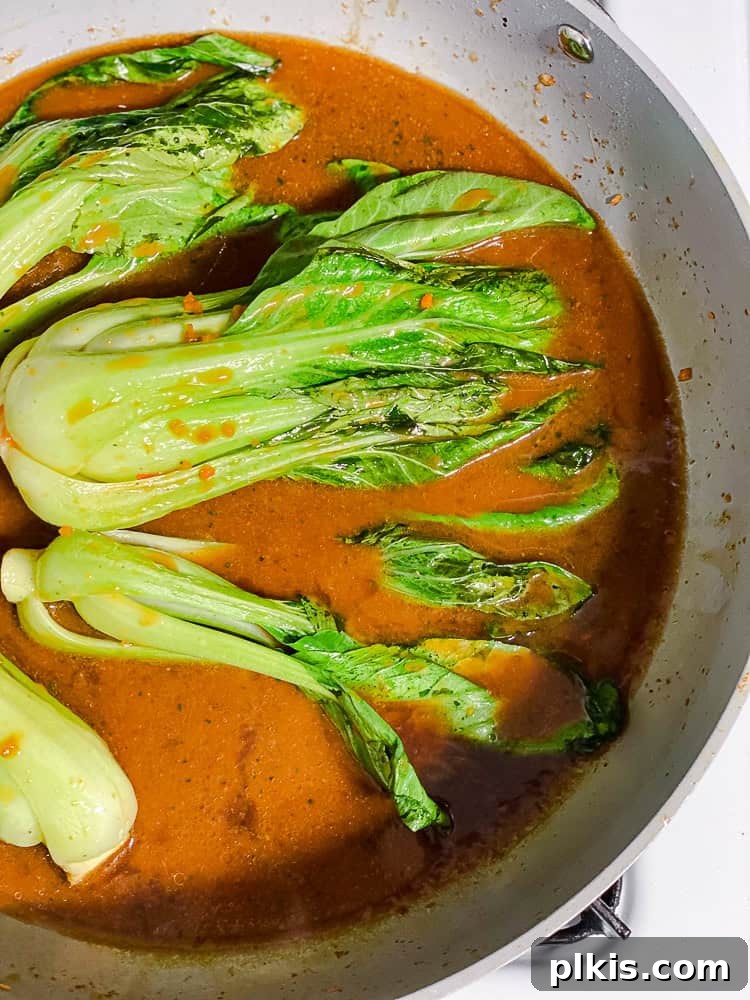
Step 4: Cook the Bok Choy and Thicken the Sauce. Place the pan back on the stove over medium-high heat. Add the remaining 1 tablespoon of oil and place the baby bok choy in the pan. Cook until lightly charred on one side, then flip and repeat until slightly charred all around. Lower the heat to medium-low and pour the prepared sauce over the bok choy. Bring the sauce to a light boil, stirring constantly, until it thickens. Once thickened, turn off the heat and remove the bok choy from the pan, setting it aside with the tofu and other vegetables.
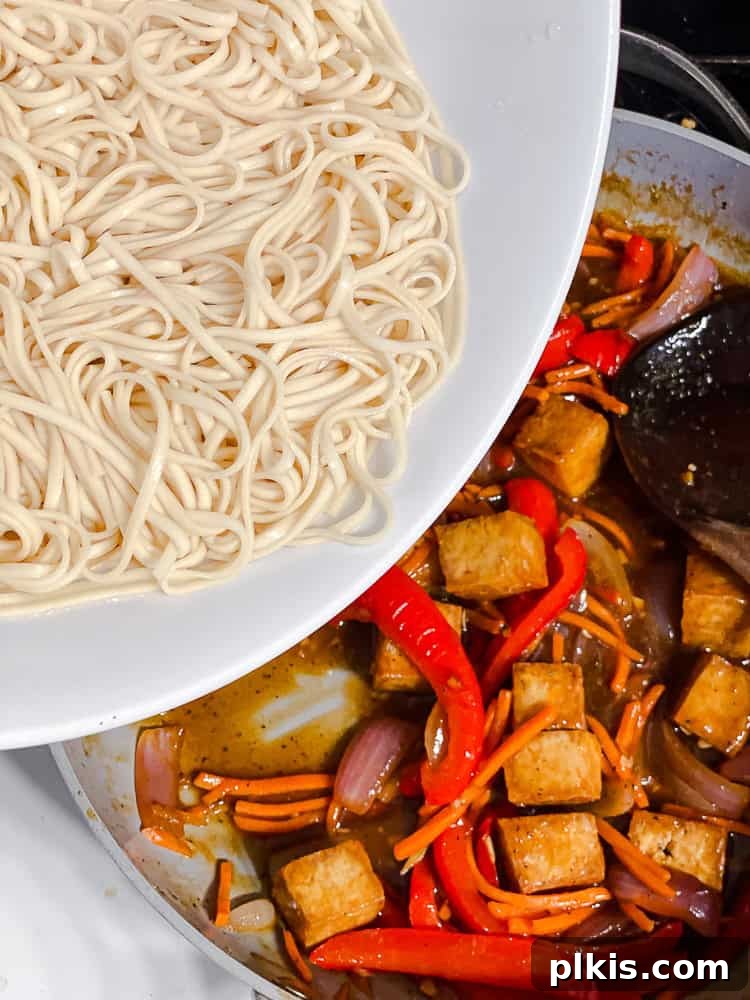
Step 5: Combine and Serve. Return the cooked tofu and all sautéed vegetables to the pan with the thickened sauce. Mix everything well, allowing the flavors to meld and the tofu and vegetables to absorb some of the delicious sauce. In a separate large pot, boil the udon noodles according to the package instructions until al dente. Drain them immediately and transfer the hot noodles directly into the pan with the vegetables and tofu. Add the sliced green onions (if using) and toss everything together thoroughly. Ensure the noodles are completely coated in the sauce. Taste and adjust seasoning as needed, adding more soy sauce if you prefer more savory depth. Serve immediately, topping each plate with the reserved charred bok choy, additional green onions, and a sprinkle of sesame seeds for garnish.
Frequently Asked Questions About Yaki Udon
Absolutely! This Yaki Udon is excellent for meal prepping. You can prepare chopped vegetables, minced aromatics, and the stir-fry sauce up to 2-3 days in advance. For longer storage, you can even pre-cook the dish about 70-75% of the way, leaving the final toss with noodles for reheating. When ready to eat, simply combine and gently warm in a skillet, adding a splash of water or broth if needed.
While both are popular Japanese stir-fried noodle dishes, the main difference lies in the type of noodles used. Yaki Udon uses thick, chewy wheat flour udon noodles, which are typically white or off-white. Yakisoba, on the other hand, uses thinner, ramen-like wheat noodles that are often yellow and have a slightly firmer, springier texture. The sauces also tend to differ; Yaki Udon often features a soy-based sauce, while Yakisoba sauce is typically sweeter and tangier, with Worcestershire-like notes.
No problem! While a wok is ideal for stir-frying due to its high heat retention and wide cooking surface, a large, heavy-bottomed skillet or a cast-iron pan will work perfectly. Just ensure it’s spacious enough to hold all your ingredients without overcrowding, which can lead to steaming instead of stir-frying.
Yes, it’s easy to make this recipe gluten-free! Simply use gluten-free udon noodles (often made from rice or a blend of gluten-free flours) and substitute regular soy sauce with tamari, which is a gluten-free alternative.
Pro Tips for the Best Vegan Udon Stir-Fry
- Evenly Chop Your Veggies: To ensure all your vegetables cook consistently and are tender-crisp, cut them into uniform sizes. This prevents some pieces from being overcooked while others remain raw.
- Adjust Vegetable Texture to Your Liking: Whether you prefer your vegetables tender-crisp with a slight bite or softer and more tender, adjust the cooking time accordingly. Keep a close eye on them and taste as you go.
- Time-Saving Hack: For an even faster meal, opt for pre-prepared stir-fry vegetable mixes and pre-cooked udon noodles. This significantly cuts down on prep time, getting this delicious yaki udon on your table in record time.
- Utilize a Large Pan or Wok: To achieve a proper stir-fry (rather than steaming your ingredients), it’s crucial to use a large pan or wok. This allows for ample space, ensuring even heat distribution and quick cooking.
- Avoid Overcooking the Noodles: This is especially important for pre-cooked udon. Cook them for about a minute less than the package recommends, as they will continue to cook slightly when tossed in the hot stir-fry sauce. This helps maintain their delightful chewiness.
- Achieve Caramelized Noodles: For an extra layer of flavor and texture, let your cooked udon noodles sit undisturbed in the hot pan for 30-60 seconds after adding them to the stir-fry, before tossing. This allows them to develop a slight char and caramelized crust.
- Don’t Overcrowd the Pan: Cooking in batches, especially the tofu and vegetables, prevents the temperature from dropping too low and ensures proper searing and stir-frying instead of steaming.
- Taste and Adjust Seasoning: Always taste your sauce and the final stir-fry before serving. Adjust the saltiness with more soy sauce, sweetness with a pinch of sugar, or heat with extra red pepper flakes to suit your preference.
![Completed Vegetable Yaki Udon Noodles [Stir-Fry] on a plate, garnished with fresh green onions.](https://plkis.com/wp-content/uploads/2025/12/img_359_8.jpg "Yaki Udon Stir Fry 9")
Serving Suggestions to Complete Your Meal
While this Udon Noodle Stir-Fry is a complete meal on its own, you can enhance your dining experience by pairing it with these complementary plant-based dishes:
- Tofu Spring Rolls with Mango and Avocado
- Tofu Vegetable Crispy Wontons
- Spicy Cucumber Salad
- Baby Bok Choy with Soy Sauce and Garlic
- Vegan Kabobs with Marinated Tempeh
Storage & Reheating Instructions
Enjoying your Yaki Udon leftovers is easy with these simple storage tips:
Store: Allow any leftover veggie yaki udon to cool completely before transferring it to an airtight container. Store it in the refrigerator for 3-4 days, maintaining its freshness and flavor.
Freeze: While freezing is possible, be aware that the noodles and vegetables may become softer upon thawing and reheating. If you don’t mind a slightly altered texture, freeze in a freezer-safe container for 1-2 months. Thaw overnight in the refrigerator before reheating.
Reheat: For best results, reheat your Yaki Udon in a skillet over medium heat. Add a splash of water, vegetable broth, or soy sauce if the noodles appear dry to help rehydrate and loosen them. Alternatively, you can reheat in the microwave until warmed through.
![Completed Vegetable Yaki Udon Noodles [Stir-Fry] in a glass storage container for meal prep.](https://plkis.com/wp-content/uploads/2025/12/img_359_9.jpg "Yaki Udon Stir Fry 10")
Explore More Vegan Noodle Recipes!
If you loved this Udon Noodle Stir-Fry, you’re in for a treat! Discover other fantastic plant-based noodle dishes that are easy to make and incredibly satisfying:
Vegan Dinners
Garlic Sesame Soba Noodles
Vegan Dinners
Easy Teriyaki Noodles
Vegan Dinners
Noodle Salad [Cold Sesame Noodles]
Vegan Dinners
Tofu Pad Thai
If you tried this Udon Noodle Stir-Fry recipe or any other recipe on my blog, please leave a 🌟 star rating and let me know how it went in the 📝 comments below. Thanks!
Udon Noodle Stir-Fry (Yaki Udon)
5 from 3 votes
20 mins
20 mins
40 mins
4 – 6
![completed Vegetable Yaki Udon Noodles [Stir-Fry] on a plate](https://plkis.com/wp-content/uploads/2025/12/img_359_15.jpg "Yaki Udon Stir Fry 11")
This Japanese-inspired udon noodle stir-fry with chewy udon and mixed vegetables in a 4-ingredient soy-based sauce is quick, easy, & perfect for busy weeknights!
Equipment
- Knife set
- Measuring Cups
- Measuring spoons
Ingredients
- 1 (9.5-ounce) pack of udon noodles
- 1 cup of rich vegetable broth
- ¼ cup of soy sauce
- 2 tablespoons of sugar or agave
- 1 teaspoon of sesame oil (optional)
- ¼ teaspoon of red pepper flakes plus more to taste (optional)
- 1 ½ tablespoons of cornstarch
- 4 tablespoons of high heat oil divided
- 1 (1-pound) super firm tofu cubed
- 4 baby bok choy
- 4 garlic cloves minced
- 1 inch fresh ginger minced
- 1 small red onion sliced into wedges
- 1 cup of carrots julienned or thinly sliced (optional)
- 1 red or green bell pepper sliced
- ½ cup of green onions sliced (optional)
- Sesame seeds garnish (optional)
Instructions
- In a medium bowl, add the vegetable broth, soy sauce, sugar, sesame oil, and crushed red pepper flakes. Mix well and whisk in the cornstarch. Set aside.
- In a large wok or pan over medium-high heat, heat 3 tablespoons of oil. Add the tofu and fry it on all sides until golden. Remove the tofu and place it in a large bowl.
- To the hot pan over high heat, add the onion and bell pepper. Sauté for 1 minute.
- Add the garlic and ginger. Sauté for 1 minute until fragrant.
- Add the carrots (if using) and reduce the heat to medium-low. Sauté for 5 minutes or until all the vegetables soften to your preference.
- Transfer the sautéed vegetables to the bowl with the tofu and set aside.
- Place the wok or pan back on the stove over medium-high heat. Heat 1 tablespoon of oil and place the bok choy in the wok or pan. Cook until lightly charred and flip them. Repeat the process until they are slightly charred all around.
- Lower the heat to medium-low and pour the sauce over. Bring to a light boil, stirring, then turn off the heat and remove the bok choy from the pan. Set aside.
- Add the tofu and cooked veggies to the wok or pan with the sauce. Mix well and let sit briefly for the flavors to be absorbed by the tofu and veggies.
- In a large pot, boil the noodles according to the package instructions. Drain and immediately transfer the hot noodles into the wok or pan with the veggies and tofu. Add the green onions (if using) and mix well for the noodles to soak in some of the sauce. Taste and adjust the salt levels by adding more soy sauce if needed.
- Serve and top each plate with the reserved bok choy, more green onions, and some sesame seeds (if using).
Notes
- Time-saving hack: Get this yaki udon-inspired recipe on your table in no time with pre-prepared stir-fry vegetables and pre-cooked noodles.
- Use a large pan/wok: To ensure even cooking and proper stir-frying, avoid overcrowding the pan.
- Don’t overcook noodles: Especially pre-cooked udon. Cook for a minute less than recommended, as they’ll finish cooking in the stir-fry.
- More caramelized noodles: Let the noodles cook undisturbed in the hot pan for 30–60 seconds to char before tossing for extra flavor and texture.
Nutrition
Carbohydrates: 70g
Protein: 24g
Fat: 22g
Saturated Fat: 2g
Polyunsaturated Fat: 5g
Monounsaturated Fat: 12g
Sodium: 1960mg
Potassium: 282mg
Fiber: 8g
Sugar: 18g
Vitamin A: 10772IU
Vitamin C: 82mg
Calcium: 304mg
Iron: 3mg
Additional Info
Tried this recipe?
Please tag us at @PlantBasedOnABudget! 🙂