
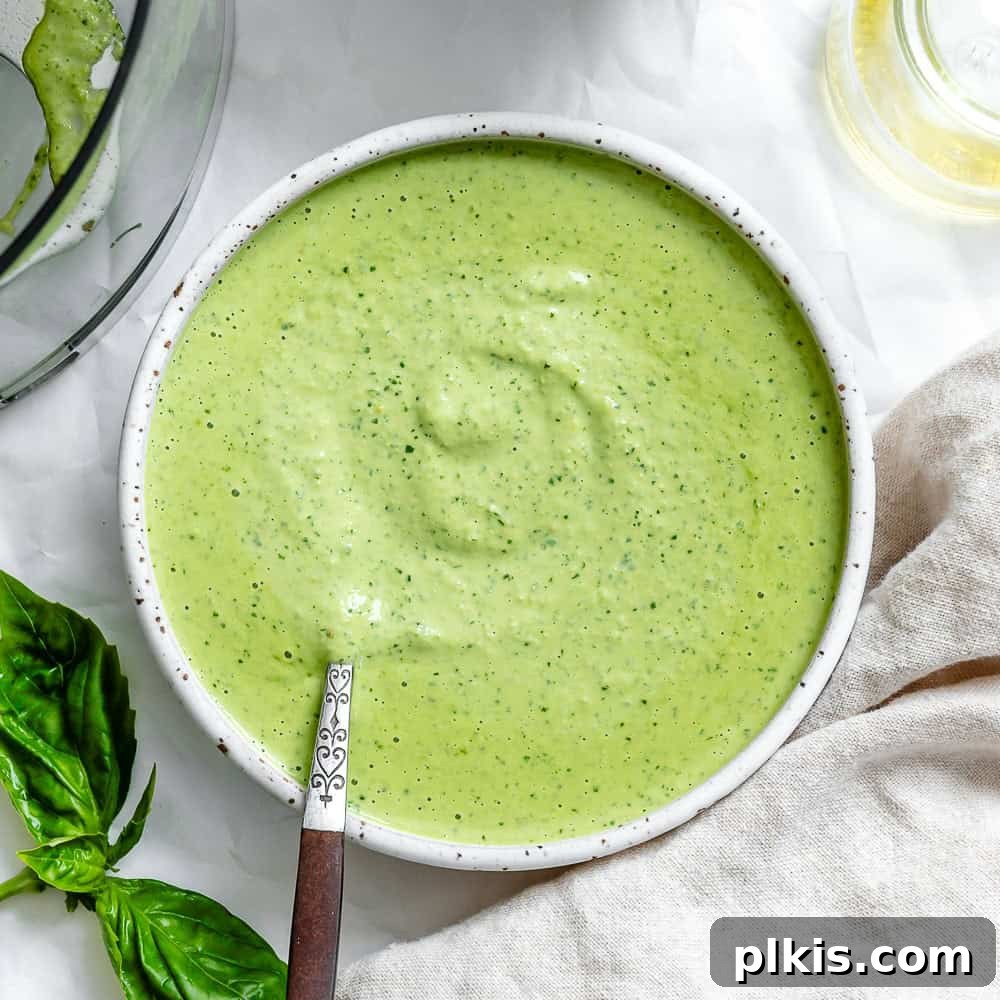
Unleash a burst of fresh, herbaceous flavor with this ultimate vegan pesto recipe. Crafted with just 6 simple, wholesome ingredients, this savory sauce comes together effortlessly in under 5 minutes, making it a staple for any plant-based kitchen. Move over, store-bought jars – this homemade version is not only incredibly easy and budget-friendly but also offers unmatched freshness and versatility. Whether you’re tossing it with al dente pasta, drizzling it over a gourmet pizza, spreading it generously on a sandwich, or using it as a vibrant salad dressing, the possibilities are truly endless!
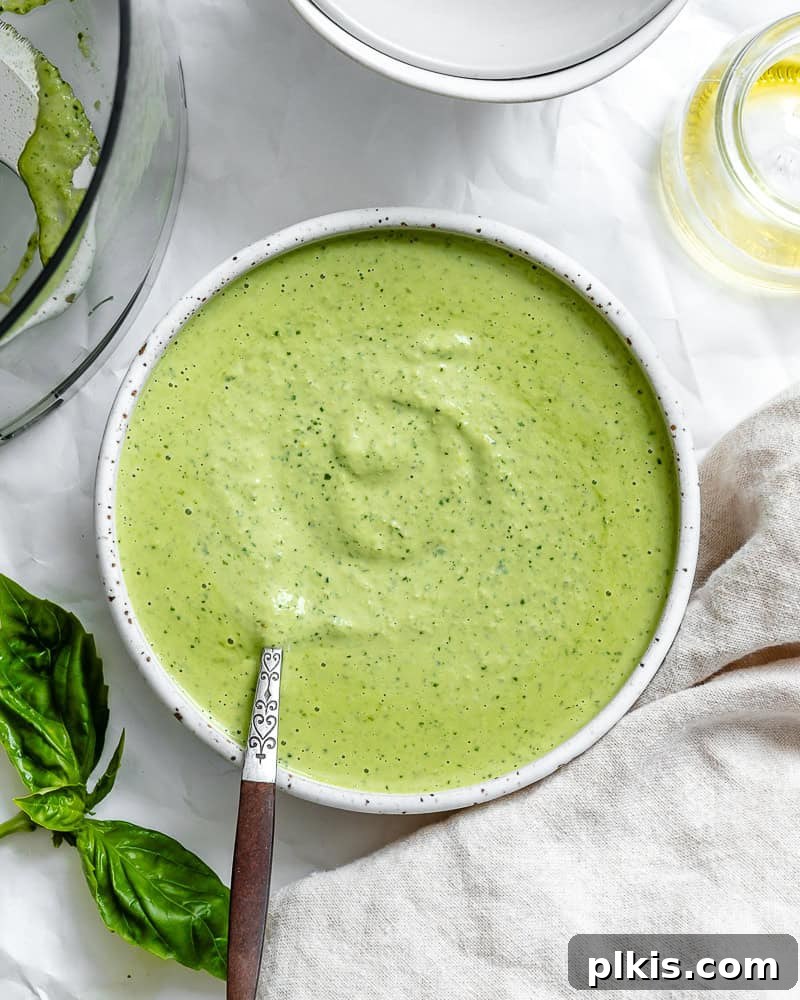
Table of Contents
- Why Choose Homemade Vegan Pesto?
- Key Ingredients & Smart Substitutions
- Unleash Your Creativity: Exciting Pesto Additions
- Step-by-Step Guide: Crafting Your Perfect Vegan Pesto
- Frequently Asked Questions (FAQs)
- Expert Tips for Pesto Perfection
- Storage Solutions: Keep Your Pesto Fresh Longer
- Creative Ways to Enjoy Your Vegan Pesto
- Discover More Delicious Vegan Sauces
- Vegan Pesto Recipe Card
Why Choose Homemade Vegan Pesto?
In a world full of convenience, finding a truly authentic and delicious vegan pesto can be a quest. Many store-bought options are often expensive, contain unwanted preservatives, or simply lack the vibrant freshness of a homemade sauce. But what if we told you that you could create an incredibly flavorful, dairy-free pesto from scratch in less than five minutes? Traditional Italian pesto typically relies on Parmesan cheese, making it unsuitable for a vegan diet. However, this recipe proves that dairy-free substitutions can deliver all the incredible taste and texture of the classic, if not better.
This easy vegan pesto holds a special place in our hearts for several compelling reasons:
- Simple, Flexible Ingredients: The core components—fresh basil, a choice of nuts or seeds, pungent garlic, and rich olive oil—are not only universally loved but also highly adaptable. You have the freedom to customize and experiment, ensuring every batch is perfectly suited to your palate.
- Unrivaled Versatility: The applications for this vibrant green sauce are virtually limitless! While it shines as a classic pasta accompaniment, its uses extend far beyond. Imagine it transforming a simple tofu pesto sandwich, elevating a hummus pizza, or serving as an unexpectedly delicious salad dressing.
- Budget-Friendly & Convenient: Making pesto at home is significantly more economical than purchasing specialty vegan jars. Plus, it stores beautifully in the fridge and freezer, meaning you can always have a stash of this herb-infused, savory goodness ready to go whenever a craving strikes.
If you’re eager to explore more dairy-free pesto variations, be sure to check out our other popular recipes, including a hearty vegan walnut pesto, a colorful red pepper and sun-dried tomato pesto, and an allergen-friendly sunflower seed pesto.
Key Ingredients & Smart Substitutions
Crafting the perfect vegan pesto starts with selecting high-quality, fresh ingredients. Here’s a closer look at what you’ll need and how you can easily adapt the recipe to your preferences or what’s available in your pantry.
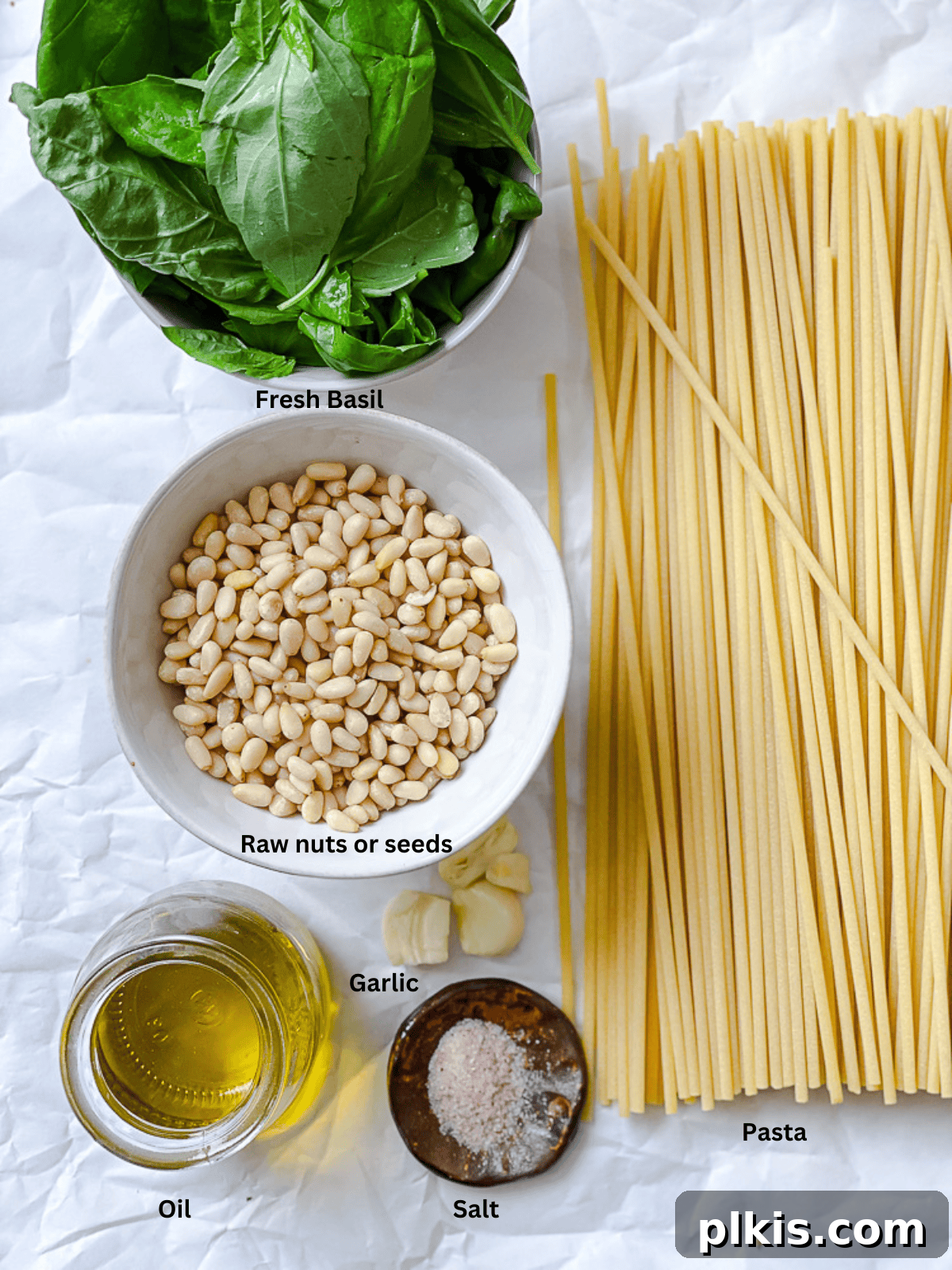
- Fresh Basil: The undisputed star of classic pesto! For the most vibrant flavor and aroma, always opt for fresh basil leaves. However, if you’re looking to experiment or use up other greens, you can successfully substitute or combine basil with fresh parsley, tender spinach, peppery arugula, or even nutritious radish greens for unique flavor profiles.
- Nuts or Seeds: Traditionally, pesto is made with pine nuts, which offer a buttery texture and distinct flavor. You are absolutely welcome to use them here. For a more budget-friendly option, or if you have nut allergies, raw and unsalted walnuts, shelled sunflower seeds, almonds, cashews, or pumpkin seeds make excellent alternatives. Each offers a slightly different texture and nutty depth, so feel free to experiment to find your favorite. Toasting your chosen nuts or seeds lightly in a dry skillet before blending can significantly deepen their flavor.
- Fresh Garlic: We recommend starting with 2 fresh garlic cloves, which provides a balanced savory note without overpowering the delicate basil. If you’re a garlic enthusiast, don’t hesitate to add 1 or 2 more cloves for an extra pungent kick. Fresh garlic is key for that signature aromatic warmth.
- High-Quality Olive Oil: Extra virgin olive oil is crucial for achieving the characteristic richness, silky smooth texture, and emulsification of pesto. It binds all the ingredients together beautifully. While some recipes suggest using water, olive oil provides superior flavor and mouthfeel. If you wish to reduce the oil content, you can substitute half the olive oil with a bit of water or additional pasta cooking water, though the texture might be slightly lighter.
- Pasta + Reserved Pasta Cooking Water: While not an ingredient *in* the pesto itself, pasta is the perfect vehicle for enjoying this sauce. A small splash of reserved, starchy pasta cooking water added to your pesto is a secret weapon! It helps to emulsify the sauce, thicken its consistency, and ensures it beautifully coats every single noodle, making your pesto pasta truly irresistible.
Unleash Your Creativity: Exciting Pesto Additions
While our 6-ingredient vegan pesto is fantastic on its own, it also serves as a wonderful base for culinary exploration. Here are some fantastic additions to customize your pesto and boost its flavor, nutrition, or creaminess:
- Nutritional Yeast or Vegan Parmesan: To truly capture that savory, cheesy umami often found in traditional Parmesan-based pesto, add 1 to 2 tablespoons of nutritional yeast. It imparts a delightful, nutty “cheesy” flavor. Alternatively, your favorite store-bought vegan parmesan cheese, like this one, can be blended in for a more pronounced cheesy note.
- More Leafy Greens: Enhance the nutritional value and complexity of your pesto by adding other leafy greens. A handful of peppery arugula, nutrient-dense kale (stems removed), or mild spinach can be blended in alongside the basil.
- Additional Fresh Herbs: Don’t let those leftover herbs go to waste! Create a unique flavor profile by incorporating other fresh herbs. A mix of fresh parsley and basil, for example, makes for a delicious parsley-basil pesto, similar to our vibrant parsley arugula pesto. For tips on keeping your herbs fresh, check out our guide on how to properly store herbs.
- Lemon Juice & Zest: A squeeze of fresh lemon juice brightens the entire sauce, cutting through the richness of the olive oil and basil. For an even more intense citrusy zing, add a pinch of lemon zest.
- Creamy Avocado: For an extra luxurious and velvety smooth texture, blend 1 to 2 large, ripe avocados into your pesto. This not only adds healthy fats but also creates an incredibly creamy sauce, as demonstrated in our dedicated avocado pesto recipe.
- Dried Chili Flakes: If you enjoy a touch of heat, a pinch of dried chili flakes will add a subtle warmth and kick to your pesto. Adjust the amount to your preferred spice level.
- Sun-Dried Tomatoes: For a deeper, more robust flavor and a beautiful reddish hue, consider adding a few oil-packed sun-dried tomatoes. They offer a concentrated burst of umami and sweetness.
Step-by-Step Guide: Crafting Your Perfect Vegan Pesto
Making this vegan pesto is remarkably straightforward and requires minimal effort. Here’s how you can prepare this fresh, flavorful sauce in just a few simple steps:
- Prepare Your Pasta (Optional but Recommended): If you plan to serve your pesto with pasta immediately, begin by cooking your favorite pasta according to the package instructions until it’s perfectly al dente. This ensures the pasta has a pleasant bite. Before draining the pasta, remember to reserve about ¼ cup of the starchy cooking water. This liquid is golden for achieving the ideal pesto consistency.
- Combine Ingredients in Blender or Food Processor: Gather all your pesto ingredients: the fresh basil, your chosen nuts or seeds, the reserved pasta water, minced garlic cloves, high-quality olive oil, and a pinch of salt. Place all of these into a blender or a food processor. A food processor generally offers better control for creating that signature coarse-yet-creamy texture, while a blender will yield a smoother result.
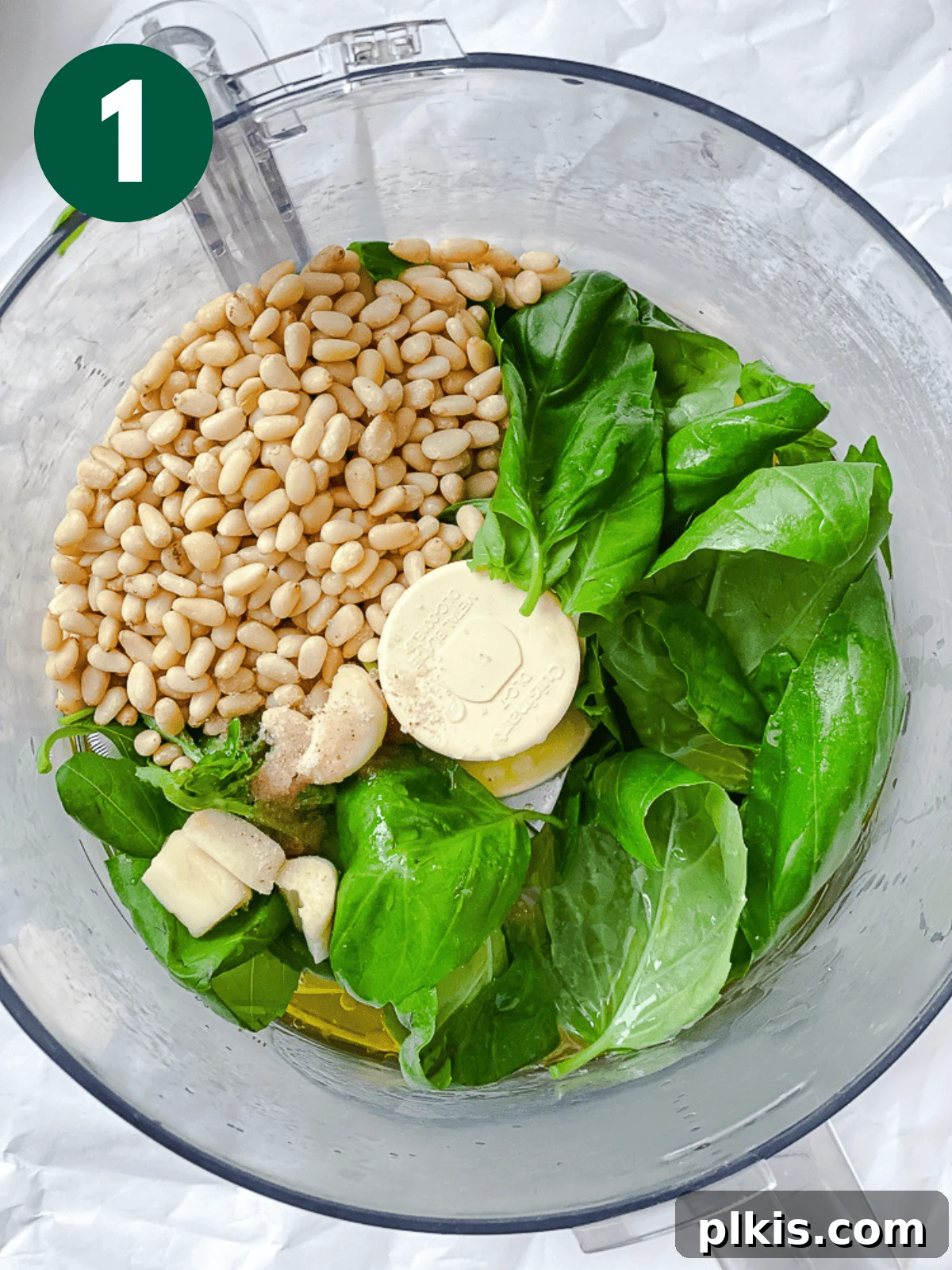
Pro Tip for Richer Flavors: For an enhanced depth of flavor, take an extra 2-3 minutes to toast your nuts or seeds in a dry skillet over medium heat before adding them to the food processor. Stir constantly until they become fragrant and lightly golden. This simple step unlocks their full potential!
- Blend Until Smooth and Creamy: Secure the lid on your blender or food processor and blend the ingredients on high speed. Process until the pesto reaches your desired consistency – typically smooth and creamy, but with a slight texture from the nuts and basil. You may need to stop occasionally to scrape down the sides of the bowl to ensure everything is evenly incorporated.
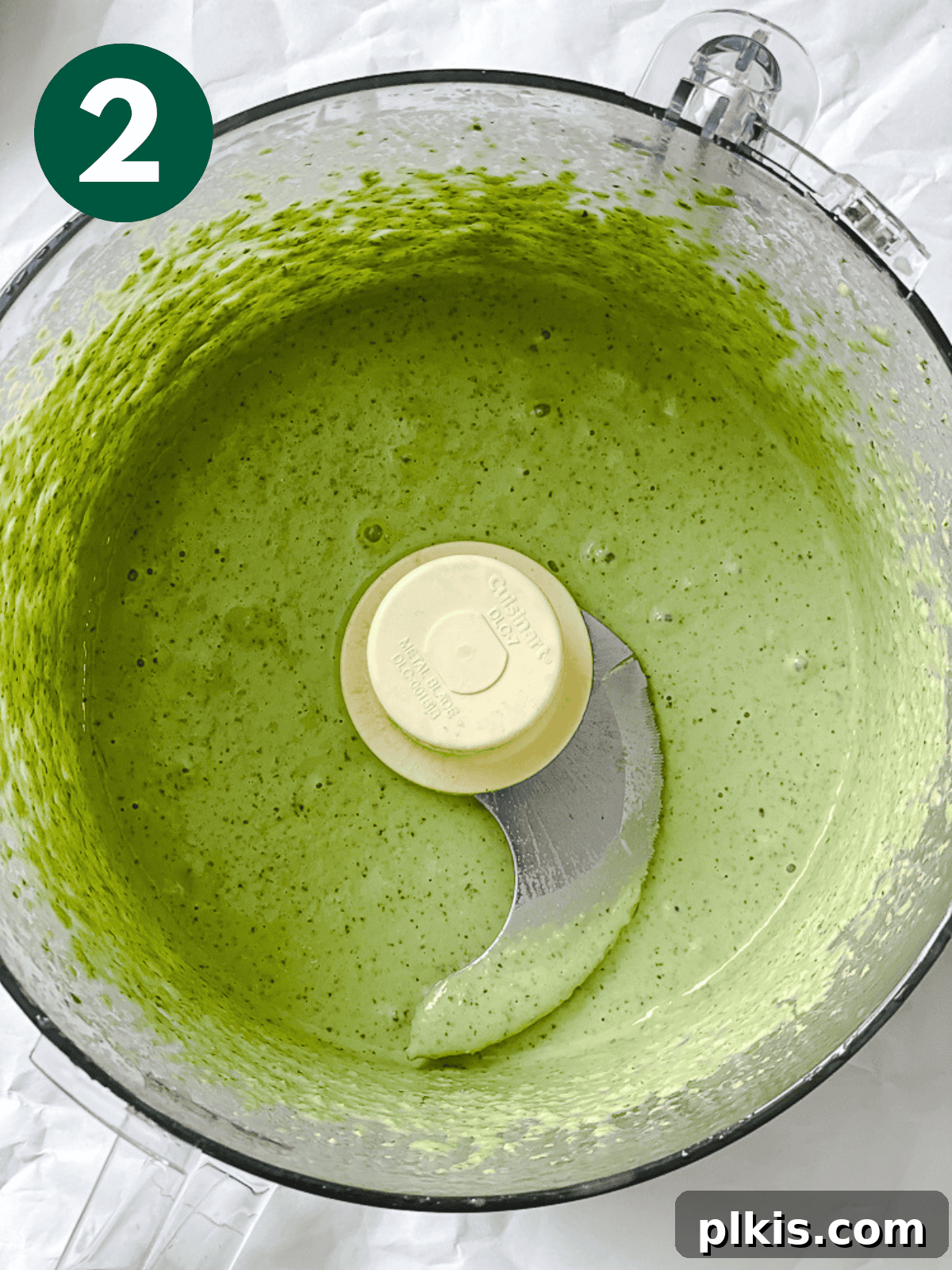
- Serve Immediately or Store for Later: Once blended, your fresh vegan pesto is ready! Immediately toss it with your freshly cooked pasta for an instant, satisfying meal. Alternatively, transfer the pesto to an airtight container for future use (see our storage tips below for best practices).
Frequently Asked Questions (FAQs)
Traditionally, classic basil pesto is not vegan-friendly. It typically contains Parmesan cheese or Parmigiano-Reggiano, which are dairy products. However, with simple substitutions like nutritional yeast or vegan parmesan, it’s incredibly easy to make a delicious vegan version that captures all the authentic flavors without any dairy.
Absolutely! While a food processor often excels at crushing nuts and herbs to the perfect texture, a high-speed blender can also be used. Keep in mind that you might need to stop the blender more frequently to scrape down the sides, ensuring all ingredients are fully incorporated and you achieve a smooth, uniform consistency.
To transform your pesto pasta into a well-rounded and satisfying meal, consider adding a source of protein and plenty of vegetables. Excellent protein additions include crispy baked tofu, pan-seared tempeh, or your favorite vegan chicken alternative. For vegetables, toss in steamed, roasted, or sautéed options like vibrant broccoli florets, sweet green peas, tender cauliflower, delicate asparagus spears, burst cherry tomatoes, or crunchy green beans. These additions not only boost nutrition but also add exciting textures and flavors.
Pesto can sometimes turn bitter for a few reasons. Over-blending the basil can release compounds that cause bitterness, especially if your blades are dull. Using low-quality or rancid olive oil can also contribute. Additionally, some varieties of basil are naturally more prone to bitterness, or if the basil leaves are very mature or have been bruised excessively. To avoid this, blend just until smooth, use fresh, good quality extra virgin olive oil, and gently handle your basil.
Yes, absolutely! This recipe is incredibly adaptable for those with nut allergies. Simply use seeds instead of nuts. Shelled sunflower seeds or pumpkin seeds (pepitas) are excellent nut-free alternatives that still provide a delicious texture and richness to the pesto.
Expert Tips for Pesto Perfection
Achieving a truly exceptional vegan pesto is easier than you think with these expert tips and tricks:
- Always Use Raw and Unsalted Nuts or Seeds: For the purest flavor profile, always opt for raw and unsalted nuts or seeds. Salted or roasted varieties will alter the pesto’s intended taste and may lead to an overly salty or imbalanced flavor.
- Prioritize Fresh Herbs: The cornerstone of any great pesto is fresh basil. Dried basil simply cannot replicate the vibrant, aromatic essence of fresh leaves. Use only fresh basil for the most authentic and flavorful vegan pesto.
- Don’t Skip the Pasta Water (if making pasta): If you’re pairing your pesto with pasta, reserving a small amount of the starchy cooking water is a game-changer. It’s rich in starch, which helps emulsify the sauce, creating a thicker, silkier consistency that adheres beautifully to the noodles. If you’re not making pasta, a little water can be added for desired consistency.
- Adjust to Your Taste: After the initial blend, always taste your pesto! This is your chance to adjust the seasoning. You might want an extra pinch of salt, a little more garlic, another swirl of olive oil, or a squeeze of fresh lemon juice for added tang and brightness. Pesto is all about balance, so trust your palate.
- Prevent Browning: Basil is prone to oxidation, which can cause your beautiful green pesto to brown over time. To minimize this, use a layer of plastic wrap pressed directly onto the surface of the pesto, or pour a thin layer of olive oil or water over the top before sealing the container. This creates a barrier against air, keeping your pesto vibrant green for longer.
- Blend in Batches (if needed): If you have a smaller food processor or blender, avoid overfilling it. Blend your ingredients in smaller batches to ensure everything is thoroughly processed and you achieve a consistently smooth texture.
- Consider the Consistency: If your pesto is too thick, add a little more olive oil or reserved pasta water (or plain water) a teaspoon at a time until it reaches your desired consistency. If it’s too thin, you can add a few more nuts or basil leaves, but it’s harder to thicken once it’s too runny.
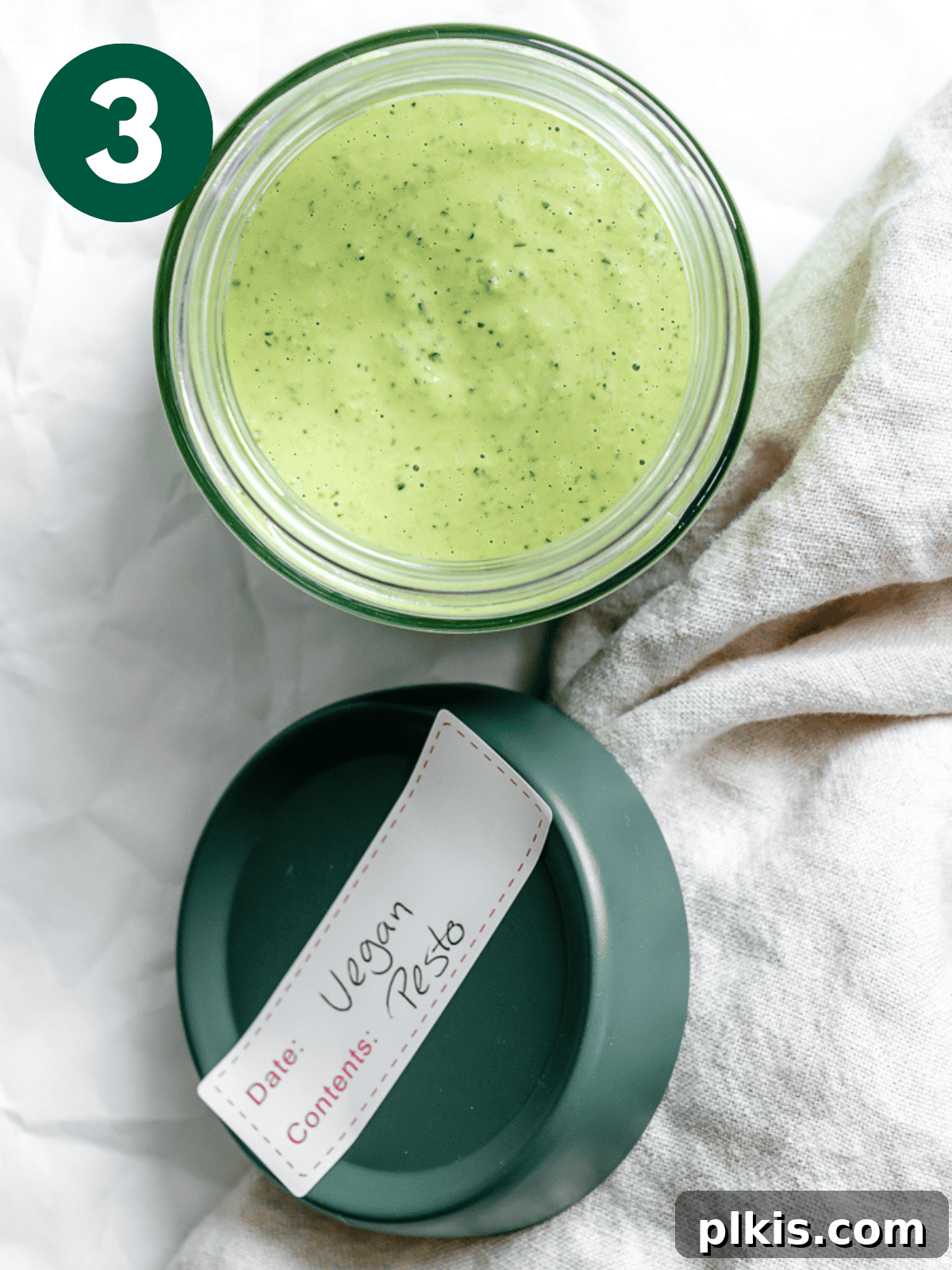
Storage Solutions: Keep Your Pesto Fresh Longer
Proper storage is key to enjoying your homemade vegan pesto for days or even months. Here’s how to maximize its shelf life:
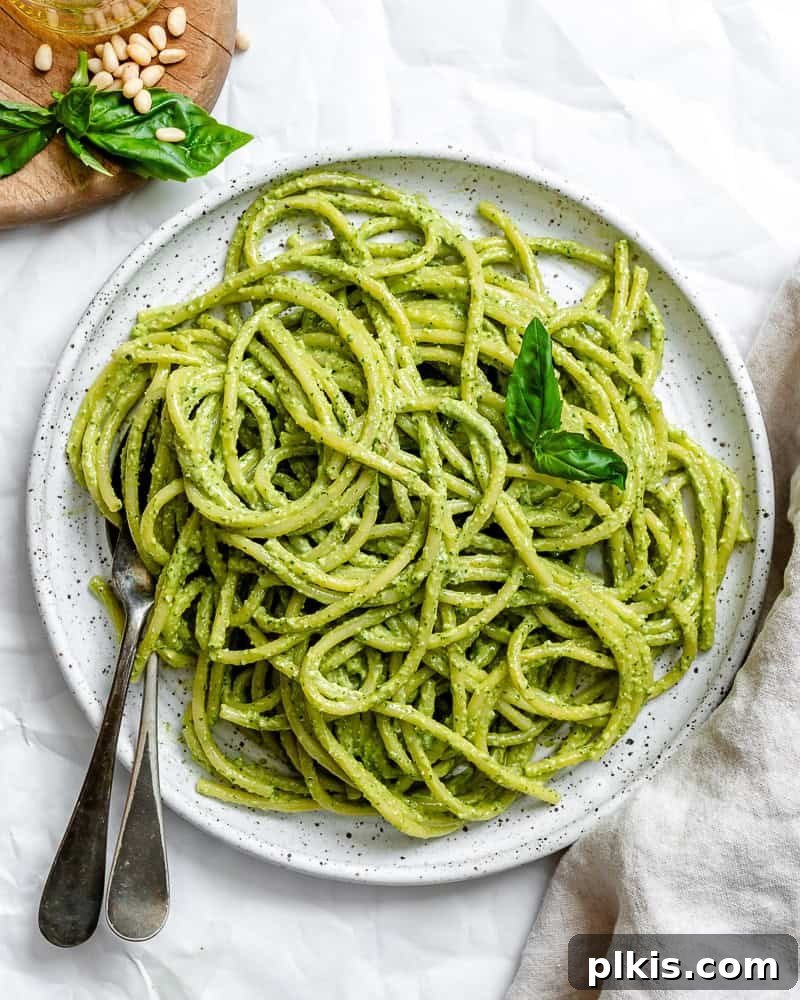
While delicious, vegan pesto pasta doesn’t store as well as the pesto itself. Once mixed with pasta, the pesto tends to brown more quickly and lose its fresh, vibrant flavor after a few days. If you do have leftovers, transfer them to an airtight container and store them in the fridge for 2 to 3 days. Reheat gently, perhaps with a splash of water, to revive.
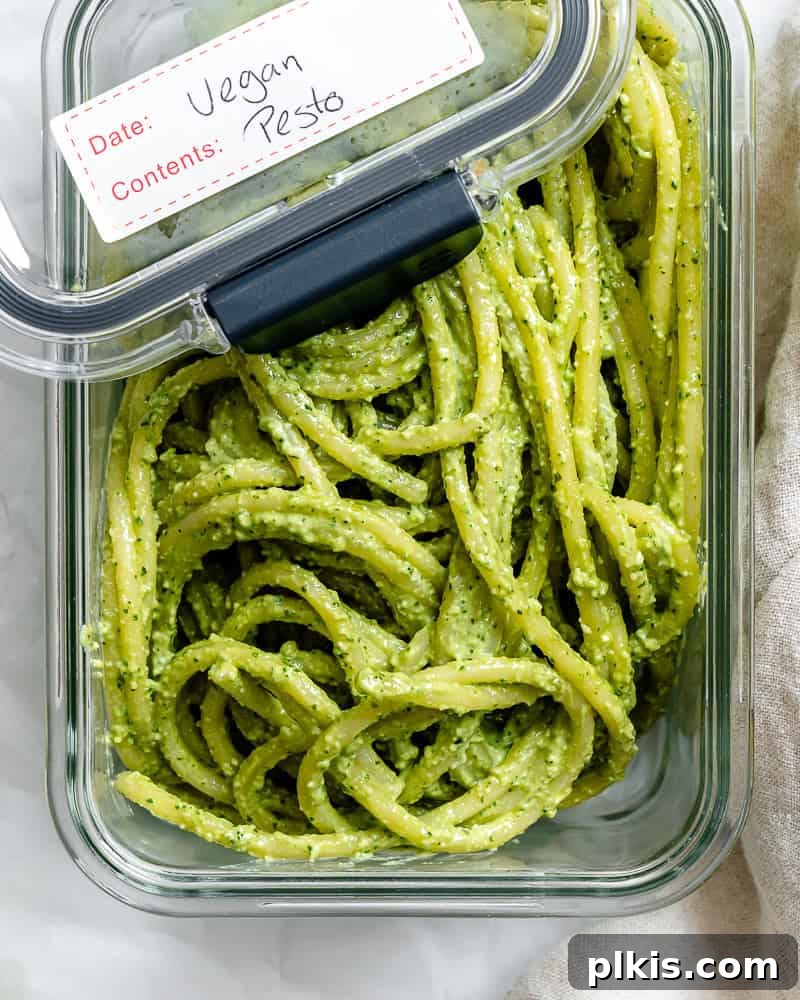
However, the pesto on its own stores exceptionally well. To keep it fresh and prevent browning:
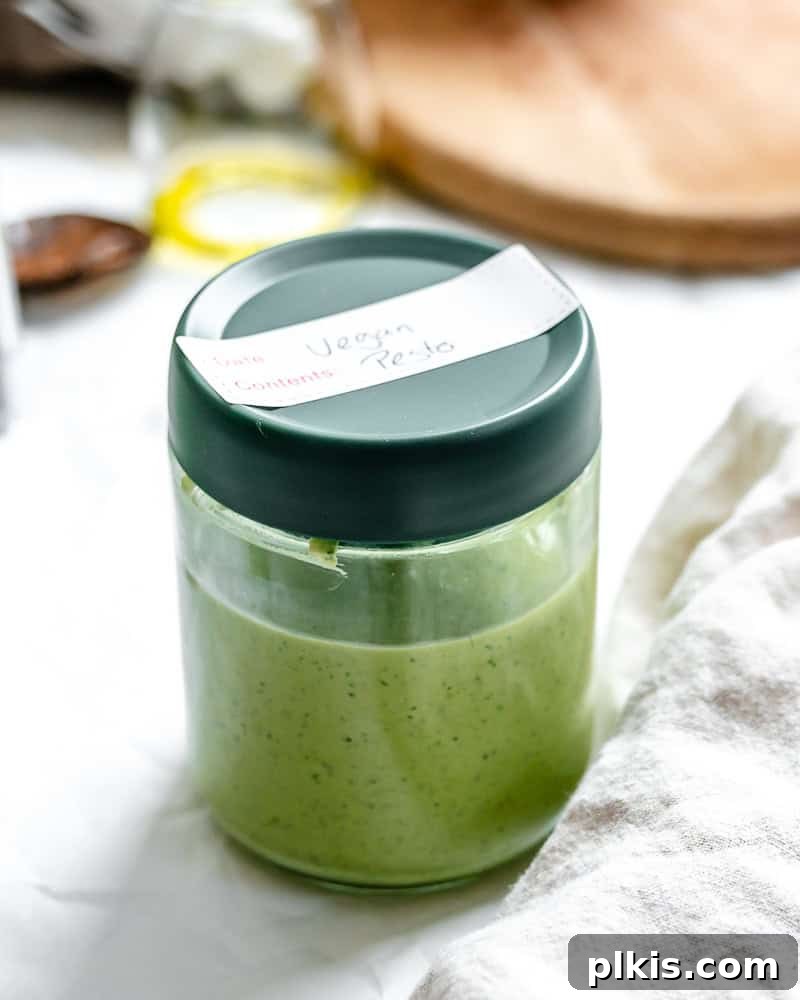
- Refrigeration: Transfer your freshly blended pesto to an airtight jar (like this one shown in the photo). To prevent oxidation (browning of the basil), press a layer of plastic wrap directly onto the surface of the pesto, ensuring no air pockets remain. Alternatively, you can pour a thin layer of olive oil or water over the top before sealing. Stored this way, it will remain fresh in the fridge for about 1 week.
- Freezing for Long-Term Storage: For extended freshness, freezing is your best friend. Pour the pesto into ice cube trays and freeze until solid. We highly recommend these pre-measured Souper Cube freezer trays, which are incredibly convenient for portioning. Once frozen, transfer the pesto cubes to an airtight container or a sealable plastic/silicone bag, squeezing out as much air as possible. It will stay fresh in the freezer for up to 3 months.
When you’re ready to use frozen pesto, simply toss as many cubes as you need into a saucepan over medium heat, or allow them to thaw in the fridge overnight. Once thawed, stir well and enjoy the taste of fresh, homemade pesto anytime!
Creative Ways to Enjoy Your Vegan Pesto
The true magic of this vegan pesto lies in its versatility. Beyond a simple pasta sauce, there are countless delicious ways to incorporate its vibrant flavor into your meals. Get inspired with these serving suggestions:
- The Perfect Pasta Sauce: This is a classic for a reason! Toss your freshly blended pesto with your favorite cooked pasta noodles, from delicate spaghetti and twisty fusilli to hearty penne, pillowy gnocchi, or even fresh zucchini noodles for a lighter option. The reserved pasta water helps the sauce cling beautifully to every strand.
- Flavorful Spread: Elevate your sandwiches, wraps, and toasts. Spread pesto generously on a vegan bagel sandwich, an indulgent vegan grilled cheese, a hearty lentil burger, our popular pesto tofu sandwich, or inside a fresh veggie wrap. It also makes an incredible base for pizzas, offering a refreshing change from traditional red sauces, like in these quick vegan tortilla pizzas.
- Zesty Salad Dressing: Thin out your pesto with a splash of water or lemon juice to create a bright and zesty dressing. Drizzle it over a wholesome quinoa chickpea salad, an elegant easy artichoke salad, or a hearty sun-dried tomato pasta salad. It also complements roasted vegetable salads beautifully.
- Versatile Topping or Drizzle: Use pesto as a finishing touch to add a gourmet flair to almost any dish. Drizzle it over a portobello mushroom pizza, a vibrant Mediterranean hummus pizza, or any other homemade vegan pizza creation. It’s also delicious on top of your favorite grain bowl, spooned over roasted vegetables, or even swirled into a comforting vegan lasagna or a warm bowl of soup.
- Delicious Dip: Serve your pesto as a flavorful dip for appetizers and snacks. Pair it with crusty breadsticks, crispy breaded cauliflower bites, warm pita bread, soft focaccia, or a colorful platter of fresh-cut vegetables like carrots, cucumbers, and bell peppers.
- Savory Marinade: Mix pesto with a little extra olive oil and lemon juice to create a quick and flavorful marinade for tofu, tempeh, or vegetables before grilling, baking, or pan-frying.
Discover More Delicious Vegan Sauces
If you love making your own sauces, explore these other homemade vegan recipes to elevate your plant-based cooking:
- Avocado Green Goddess Dressing
- Easy Carrot Pasta Sauce
- Hearty Vegan Spaghetti Sauce
- Simple Vegan Hollandaise Sauce
- Creamy Vegan Garlic Sauce
- Easy Creamy Avocado Sauce
Vegan Pesto
5
0
5
4 servings
Print Recipe
Equipment
-
Measuring Cups
-
Measuring Spoons
-
Food Processor or High-Speed Blender
Ingredients
- 1 (1-pound) package of your favorite pasta (optional, for serving)
- 1 cup of tightly packed fresh basil leaves
- 1 cup of raw nuts or seeds (e.g., walnuts, shelled sunflower seeds, pine nuts, pumpkin seeds)
- ¼ cup of reserved pasta water (or regular water if not making pasta)
- 2 garlic cloves, minced (add more for extra garlicky flavor)
- ½ cup extra virgin olive oil
- ½ to 1 teaspoon of salt (to taste)
Instructions
-
If serving with pasta, cook the pasta according to package instructions. Before draining, save ¼ cup of the starchy pasta water. Drain the pasta and set aside.
-
In a blender or food processor, combine the fresh basil, raw nuts or seeds (toasted, if desired), reserved pasta water, minced garlic, olive oil, and salt.
-
Blend on high speed until the pesto is smooth and creamy, scraping down the sides as needed to ensure all ingredients are well incorporated. Taste and adjust seasoning (more salt, garlic, or a squeeze of lemon juice) as desired.
-
Immediately mix the freshly blended pesto into your cooked pasta and serve warm, or transfer to an airtight container for storage.
Notes
Feel free to add 1 to 1 ½ cups of your favorite steamed vegetables to your pesto pasta for a heartier and more nutrient-rich meal.
Nutrition
Carbohydrates: 94g
Protein: 21g
Fat: 47g
Saturated Fat: 7g
Polyunsaturated Fat: 7g
Monounsaturated Fat: 31g
Sodium: 304mg
Potassium: 492mg
Fiber: 7g
Sugar: 3g
Vitamin A: 322IU
Vitamin C: 2mg
Calcium: 63mg
Iron: 3mg
Additional Info
Toni Okamoto
Dips and Sauces
Italian-Inspired, American
Blender / Food Processor
Vegan, Dairy-Free, Plant-Based
Tried this recipe?
Please tag us at @PlantBasedOnABudget! 🙂